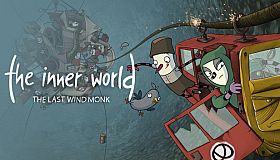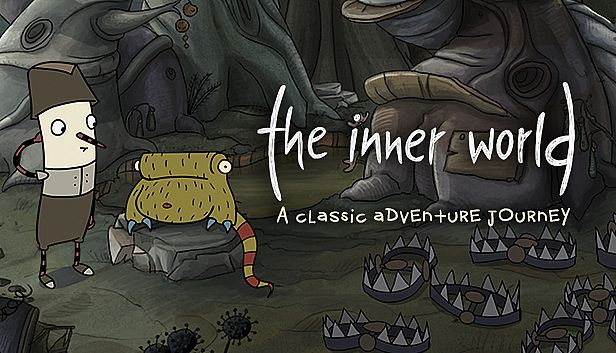





















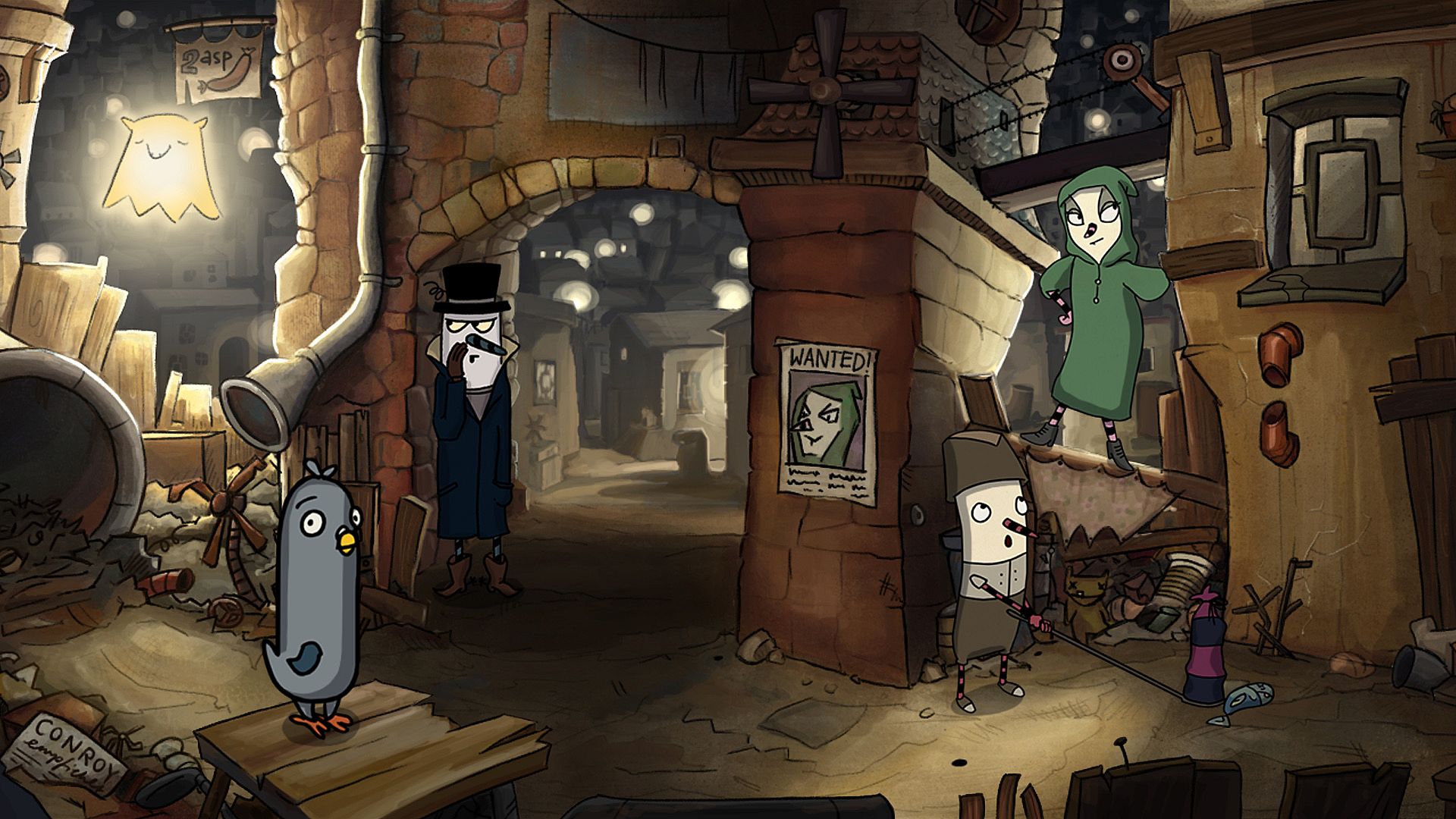
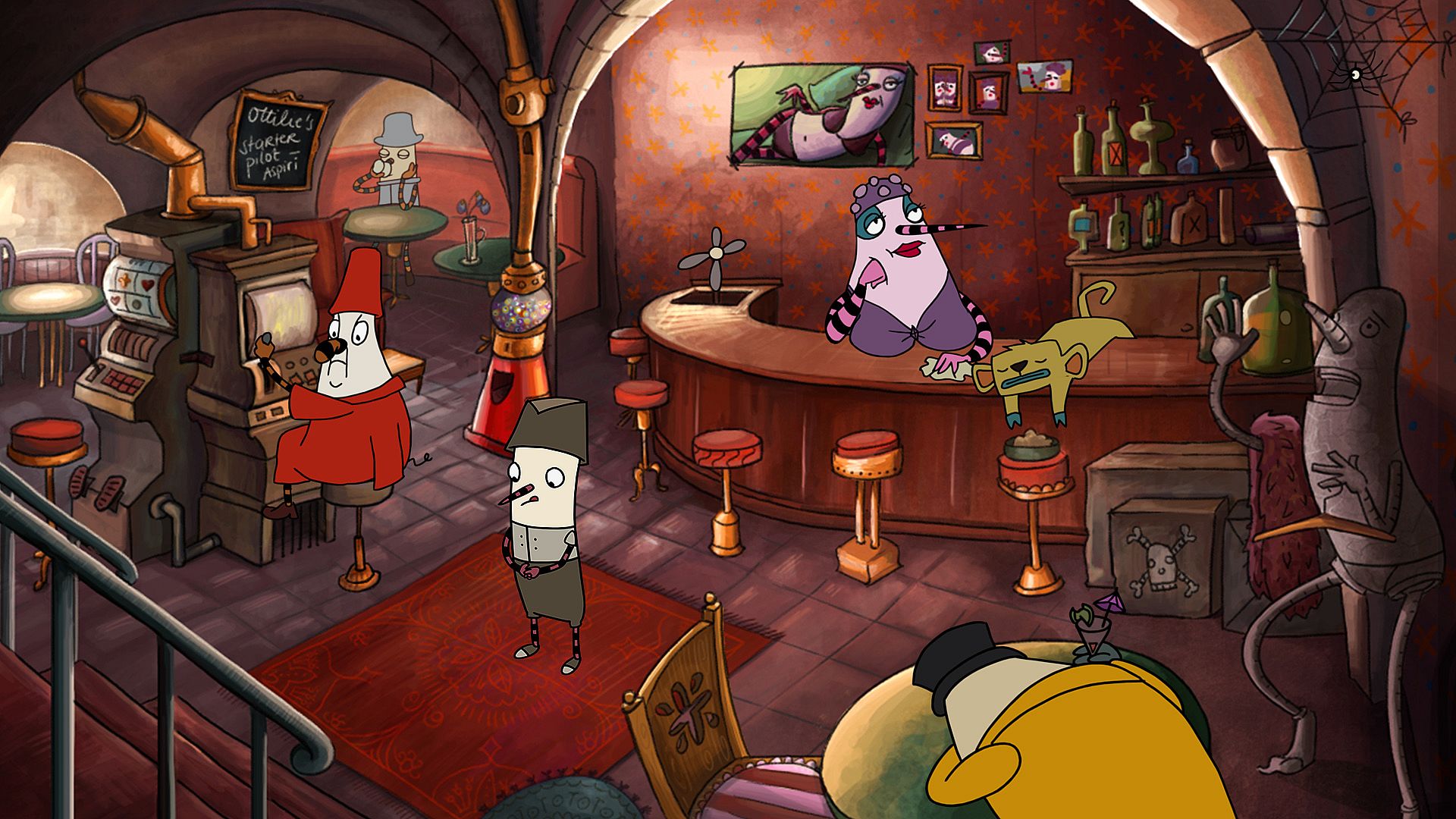
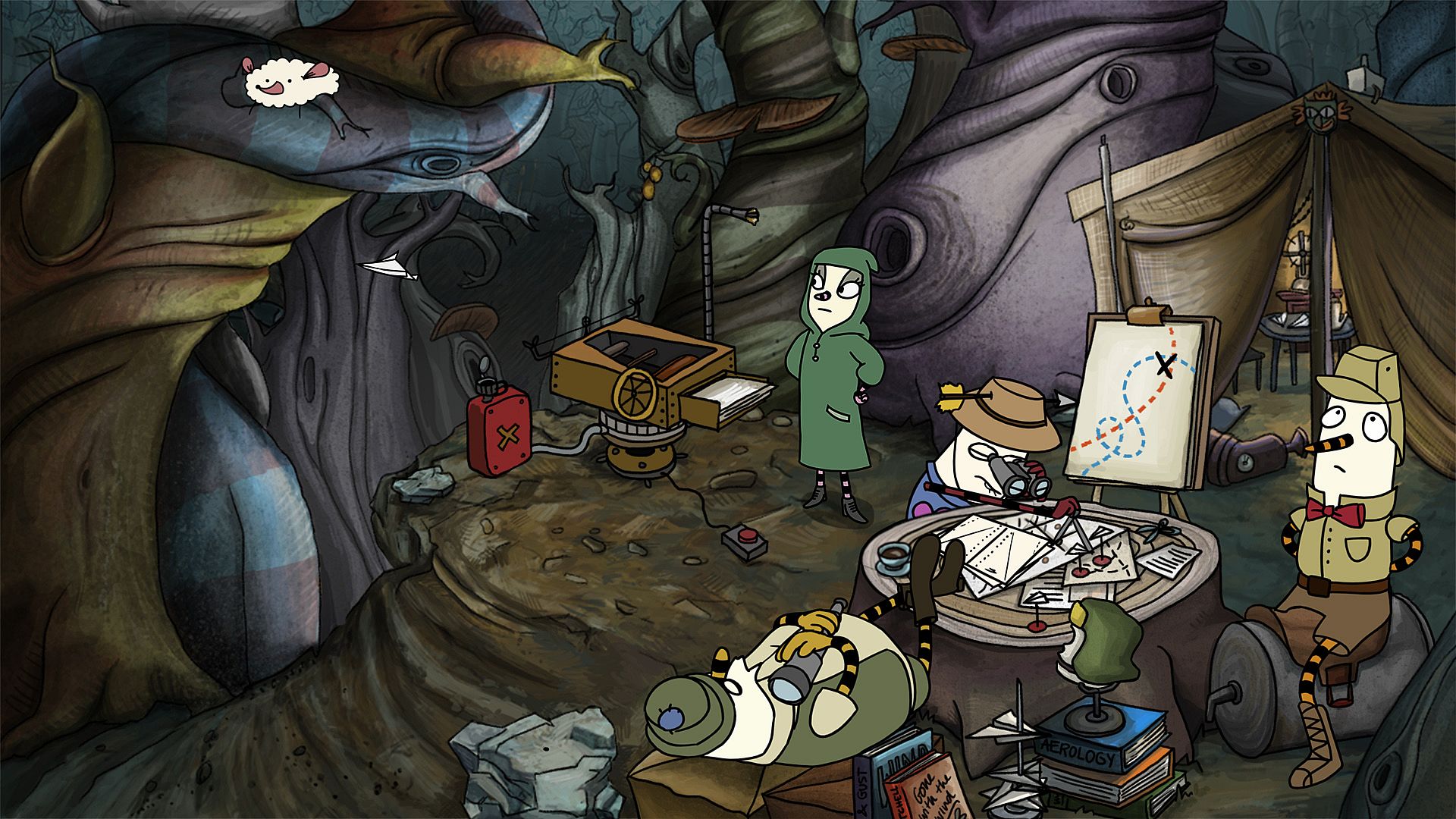

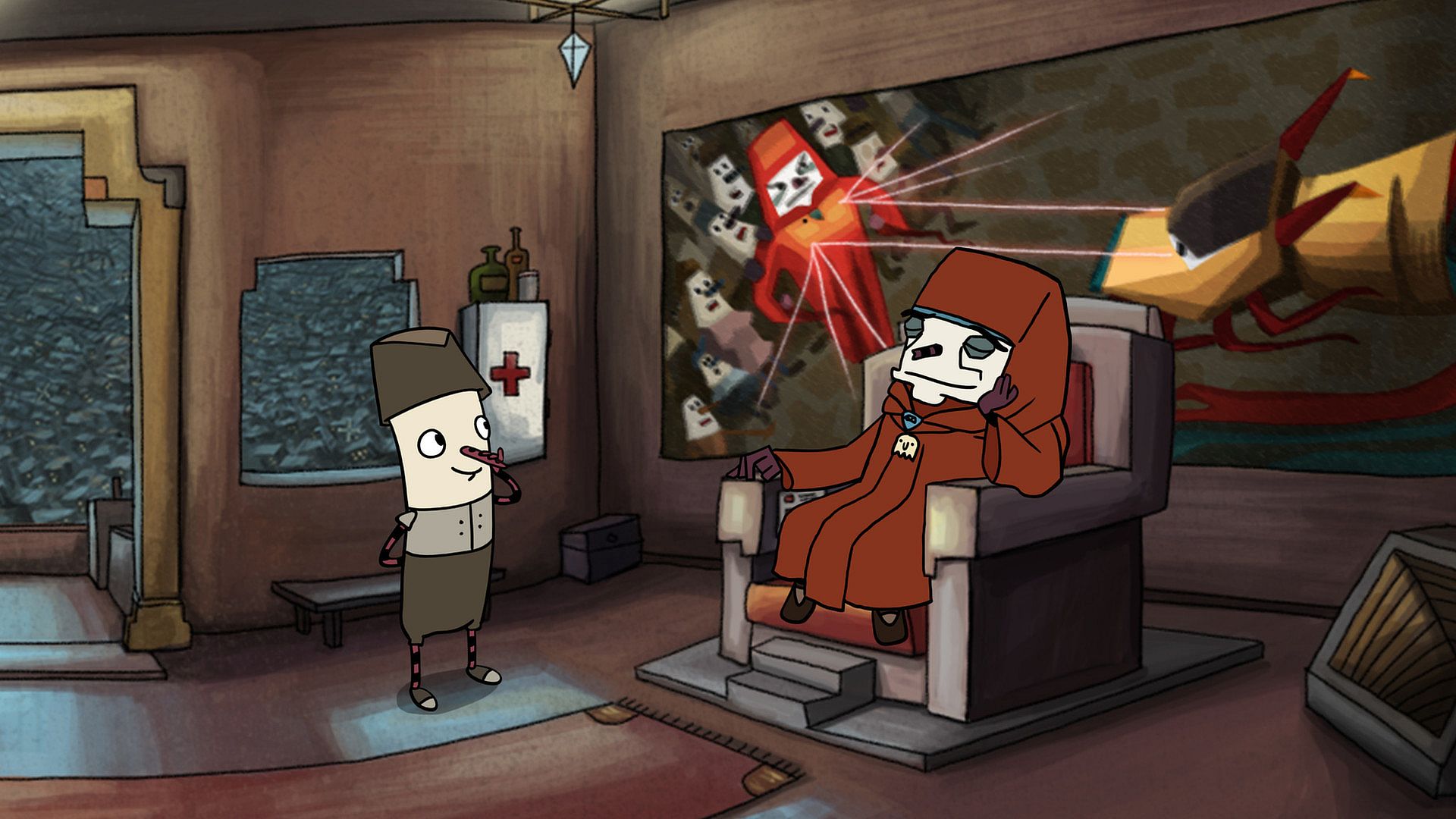
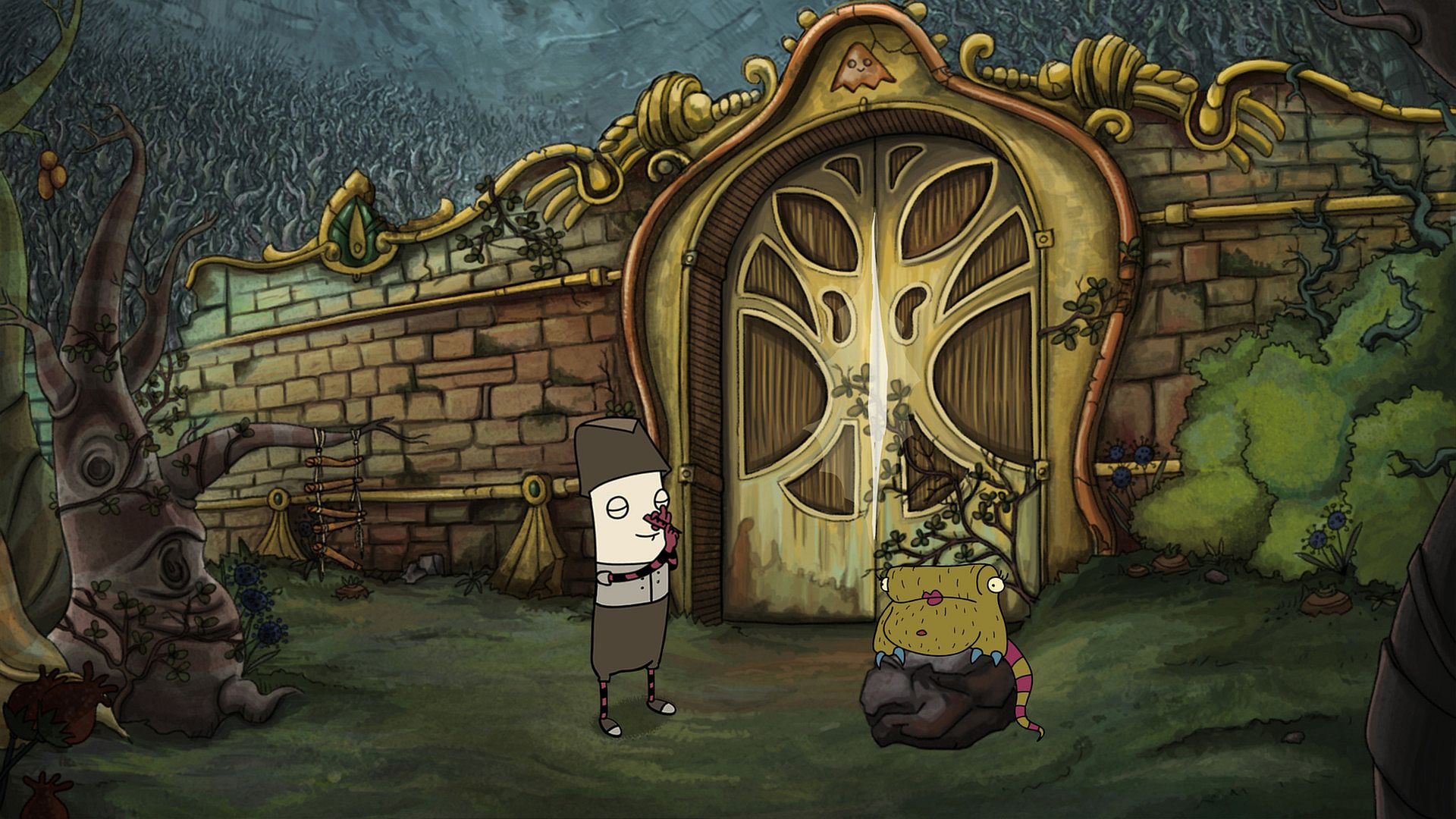
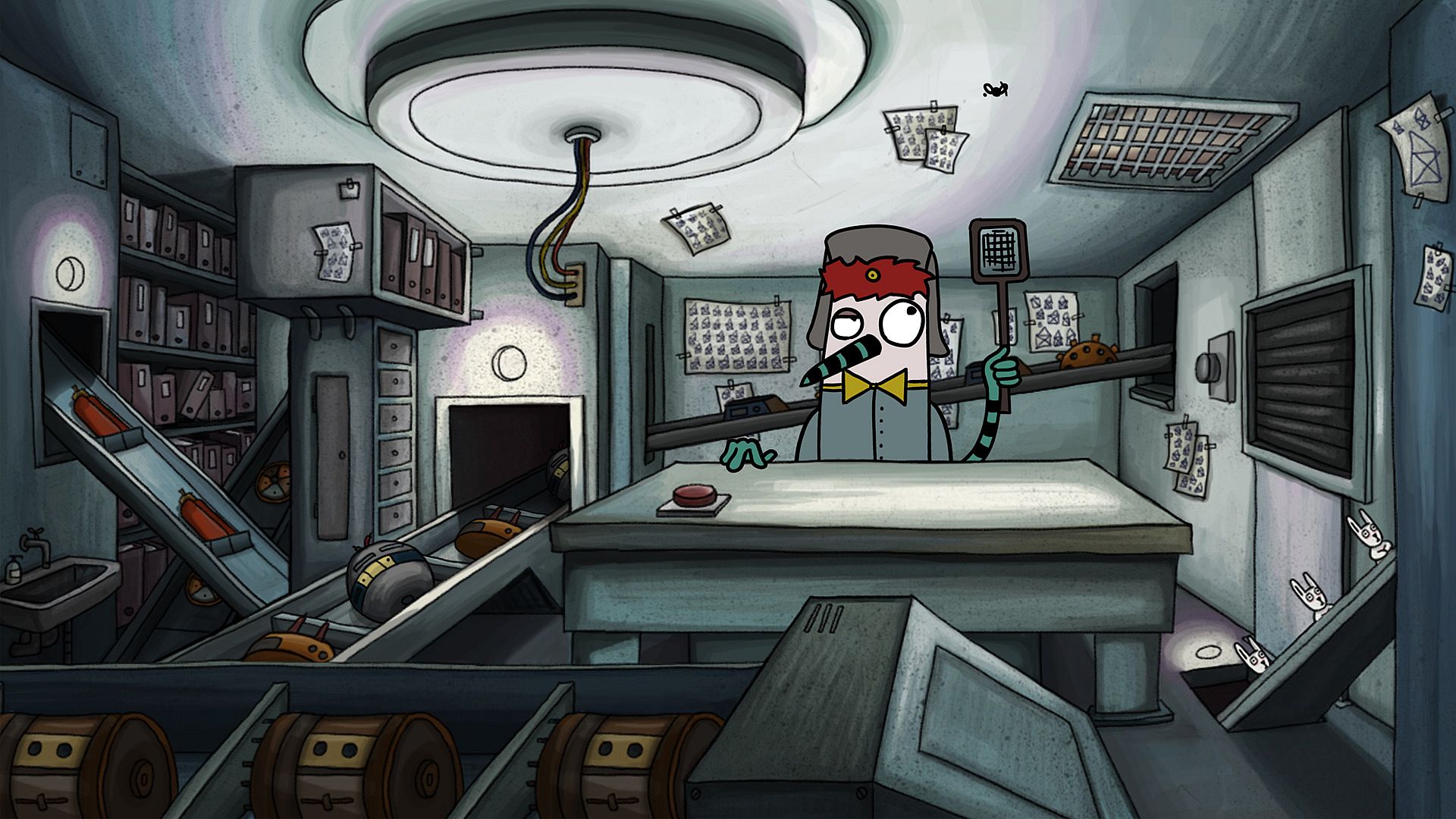
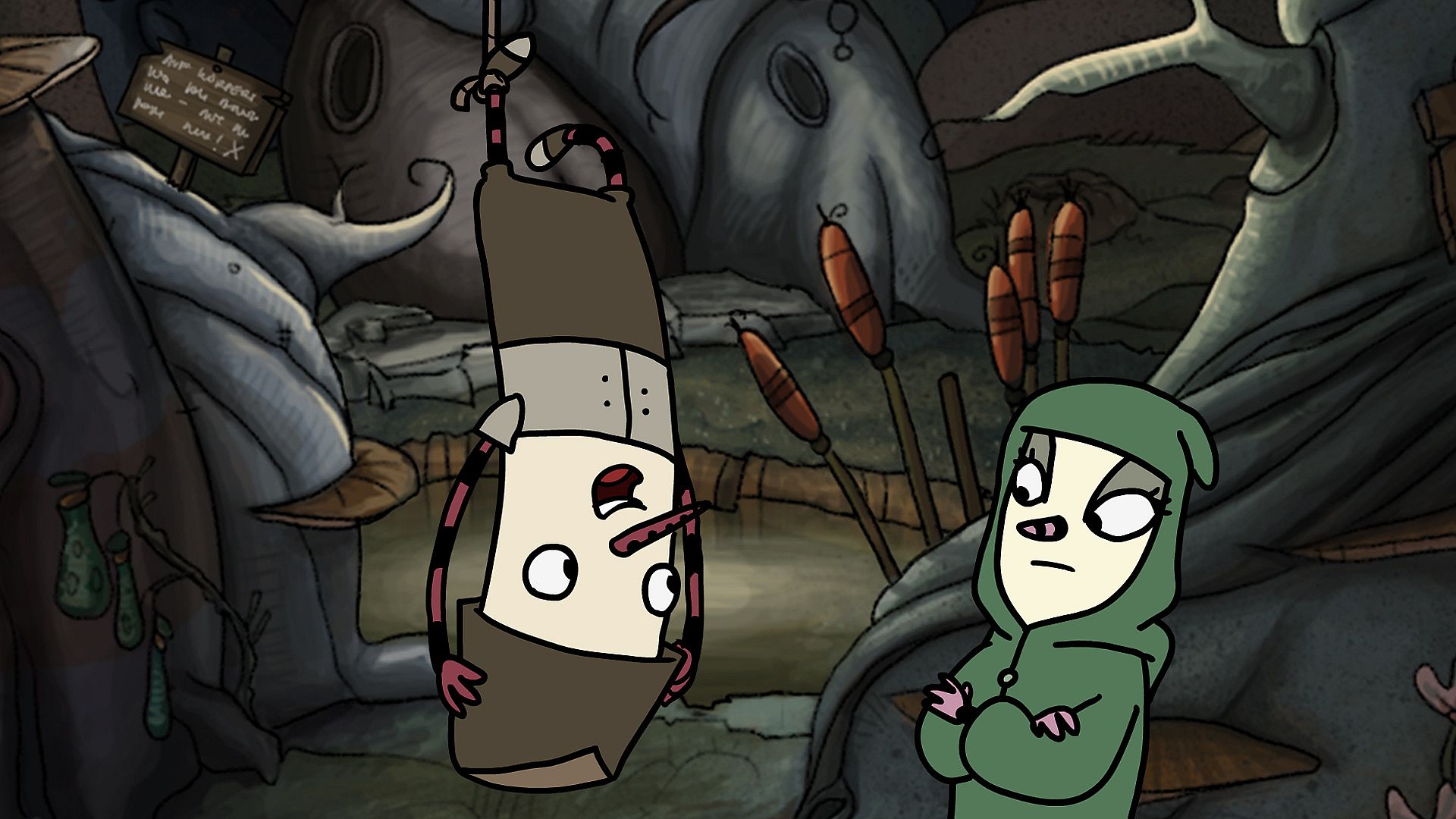

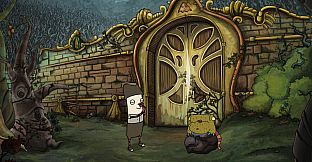
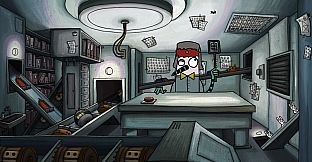
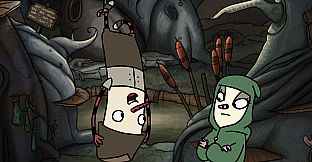
The Inner World is a 2D point and click adventure game developed as an indie title for PC. Players take control of Robert, a novice court musician living in the wind monastery of Asposia, a hollow world where air flows from three wind fountains. When those fountains begin to fail, Robert teams up with the thief Laura to uncover the cause and restore balance to their unusual environment.
Gameplay
Core mechanics revolve around classic point and click interactions. Players examine scenes, collect items, and combine objects in an inventory to progress. Conversations with non player characters reveal clues and advance the narrative through branching dialogue options that often lean on humor. Puzzles range from straightforward logic challenges to more inventive combinations that require careful observation of the surroundings. A multi level hint system provides graduated assistance, allowing players to receive subtle nudges or more direct guidance without breaking immersion. The game emphasizes exploration of detailed hand drawn backgrounds filled with interactive elements, where clicking on seemingly minor details can unlock new paths or items. Animations bring characters to life with expressive movements, and voice acting delivers lines with lip synchronization to match the spoken words.
Progression follows a linear structure broken into distinct segments, each introducing new locations and characters while building on previous discoveries. Inventory management stays manageable, and hotspots can be toggled for optional visibility to reduce pixel hunting. The overall loop alternates between gathering information through dialogue, experimenting with item uses, and solving environmental obstacles in a world that defies normal physics with its enclosed, earth surrounded design.
Game Modes
The experience centers on a single player campaign divided into five chapters. No separate multiplayer options or additional modes exist, keeping the focus entirely on the story driven adventure. Players advance through the chapters sequentially, with each section expanding the scope of Robert and Laura's journey while maintaining consistent point and click controls throughout.
Story and Setting
Asposia exists as an enormous hollow space encircled by endless earth, sustained by wind fountains that supply the atmosphere. Robert begins his adventure as an unlikely hero with good intentions but limited knowledge, drawn into events when the fountains start to diminish and mysterious figures appear. Laura joins as a companion with her own motivations, adding layers of uncertainty to their partnership. The narrative unfolds across the five chapters with twists that tie into the world's unique rules and the characters' personal histories. Dialogue often highlights the absurdity of situations, creating moments of lighthearted contrast against the central mystery of the disappearing winds.
Visuals, Audio, and Features
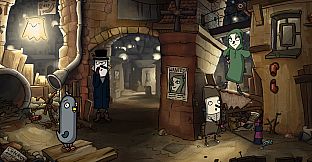
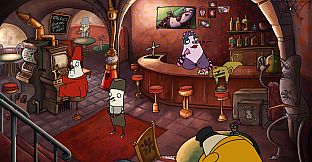
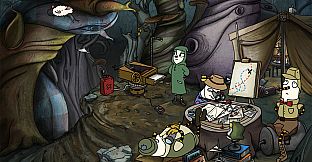
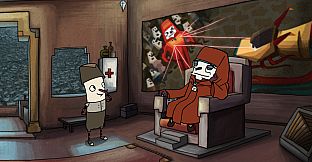
Hand drawn artwork defines the presentation, with backgrounds packed with small details that reward close inspection. Cartoon style animations handle character movements and scene transitions smoothly. A full soundtrack supports the atmosphere, paired with professional voice performances across the main cast. Key features include numerous puzzles, extensive dialogue trees, and a comforting yet quirky tone that suits players seeking a self contained adventure. The game includes optional hotspot indicators and a generous amount of cut scenes to bridge story beats.
Is It Worth Playing?
This title suits fans of traditional point and click adventures who value humor, character driven stories, and inventive puzzle design over action or complex systems. The five chapter structure provides a complete narrative arc that can be completed in a focused playthrough. Player feedback highlights the witty exchanges, memorable cast, and accessible hint system as strengths, with 87 percent of reviews rating the game positively overall. Those who enjoy hand crafted indie experiences with strong voice work and a distinctive world will find it rewarding, especially if they appreciate slower paced exploration and logical problem solving. The absence of ongoing updates aligns with its status as a finished single player release, making it a straightforward choice for anyone looking to experience a self contained story without additional commitments.