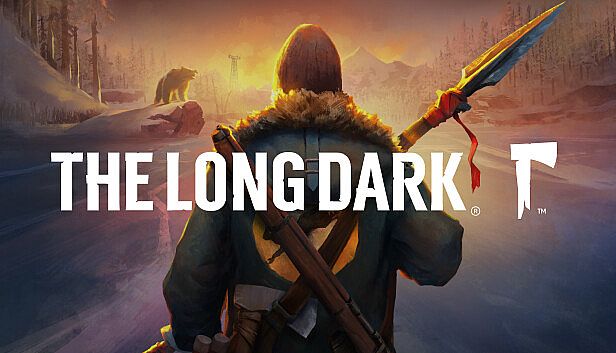














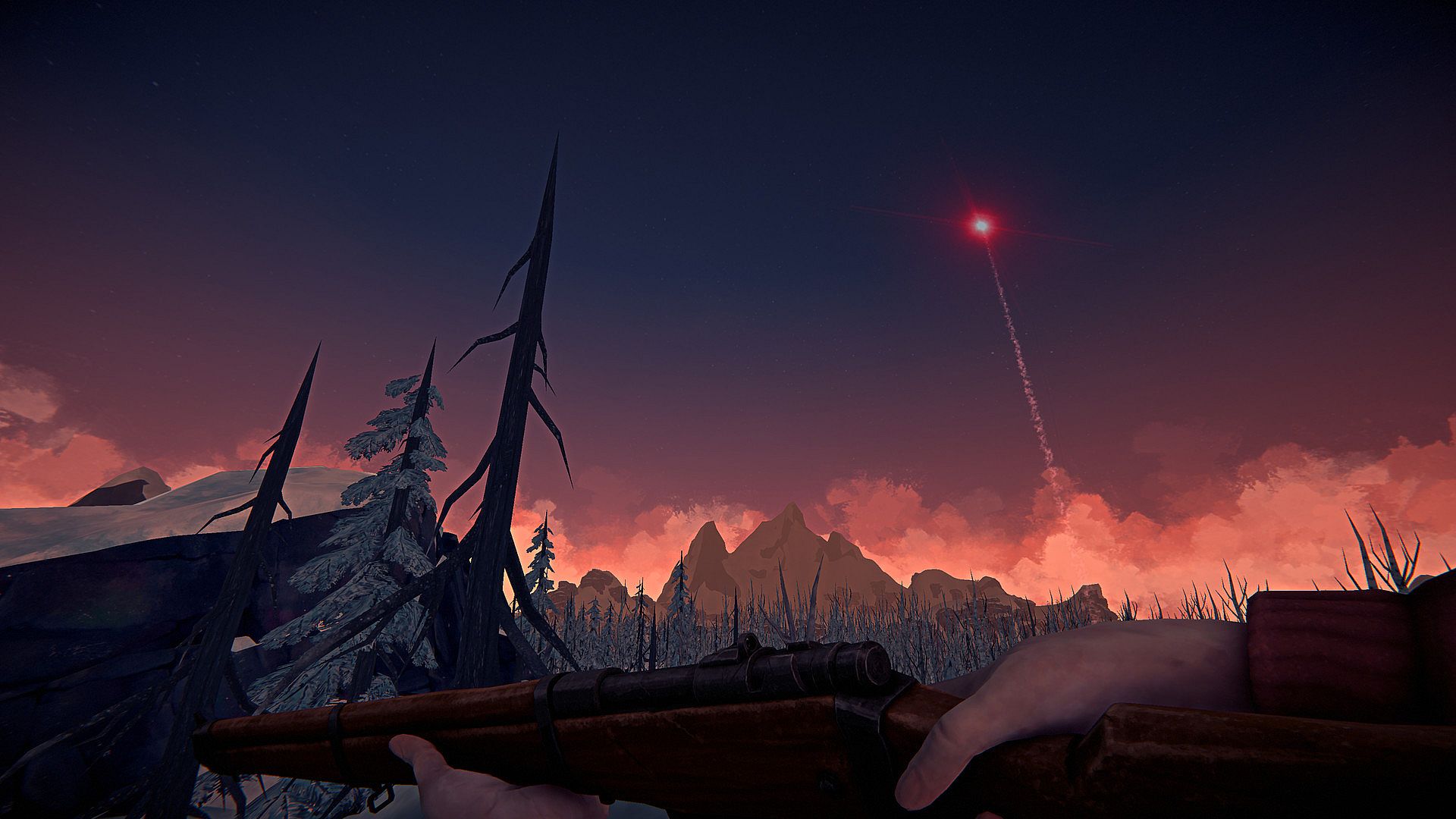
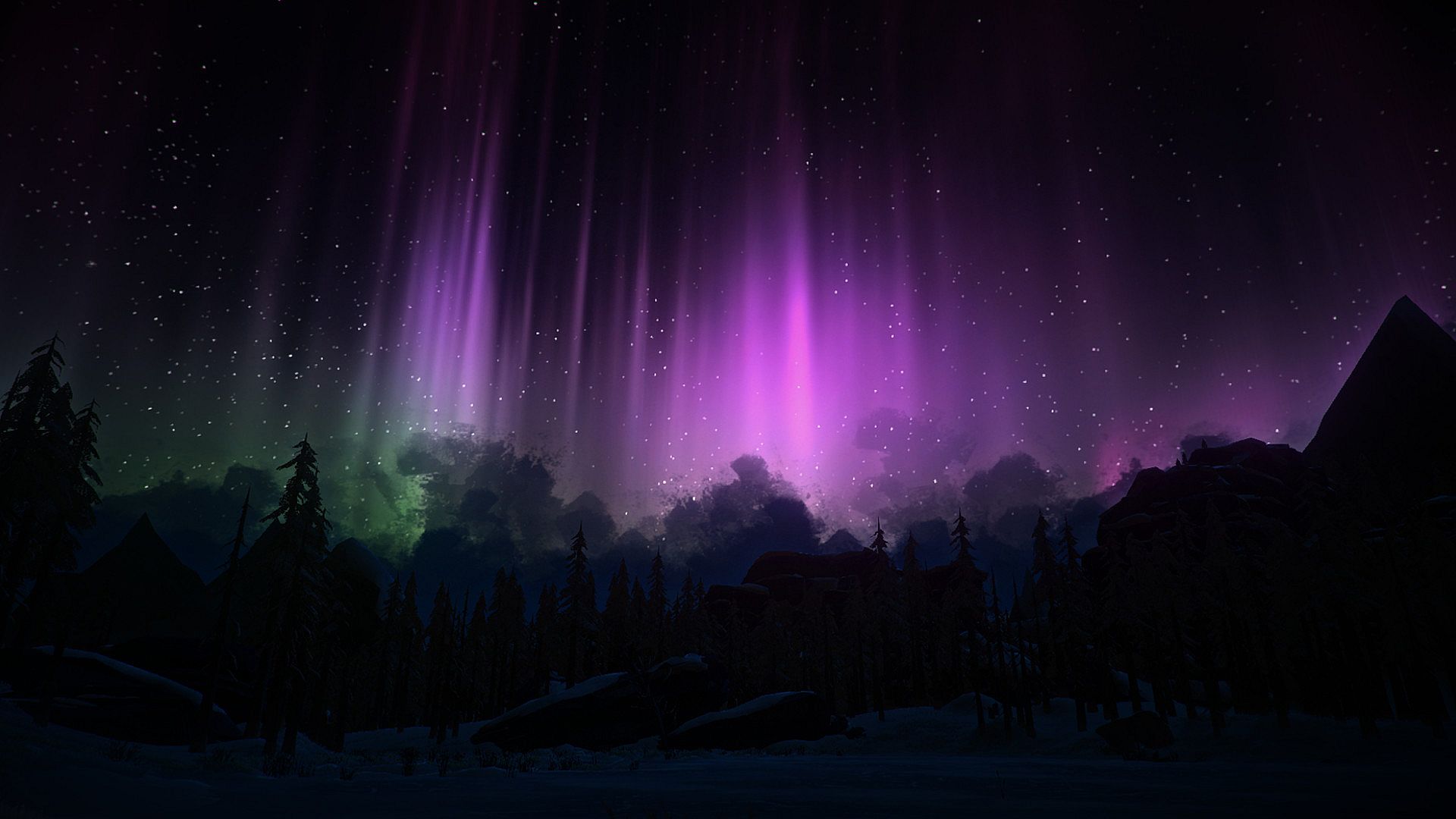
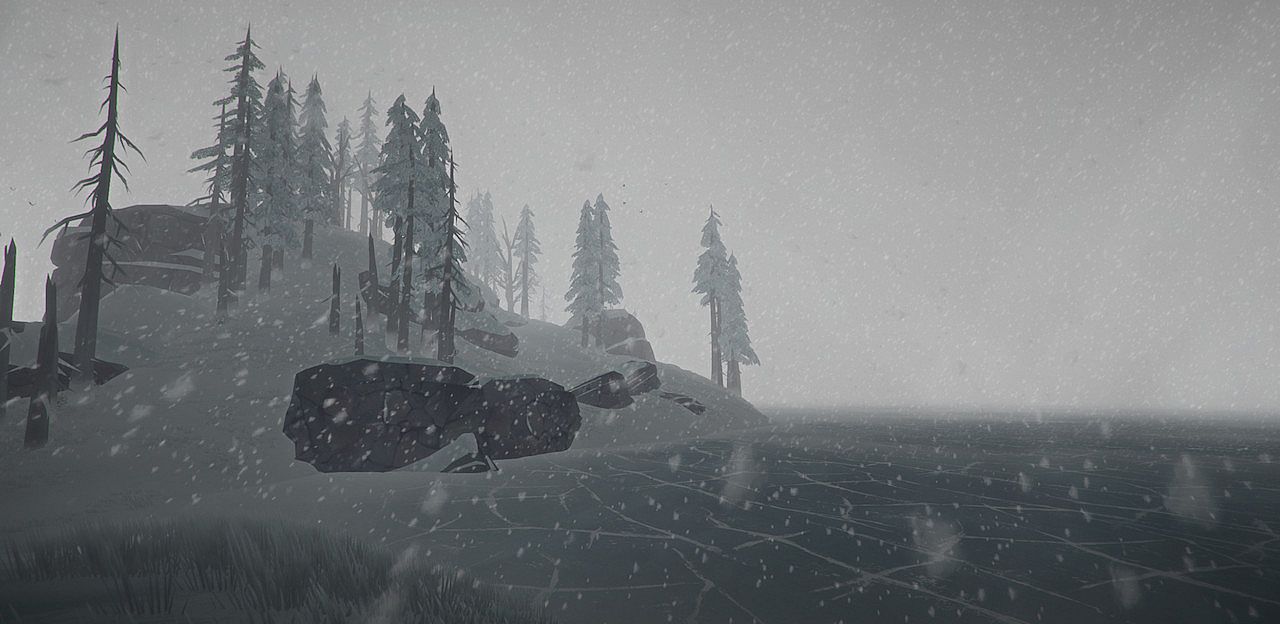
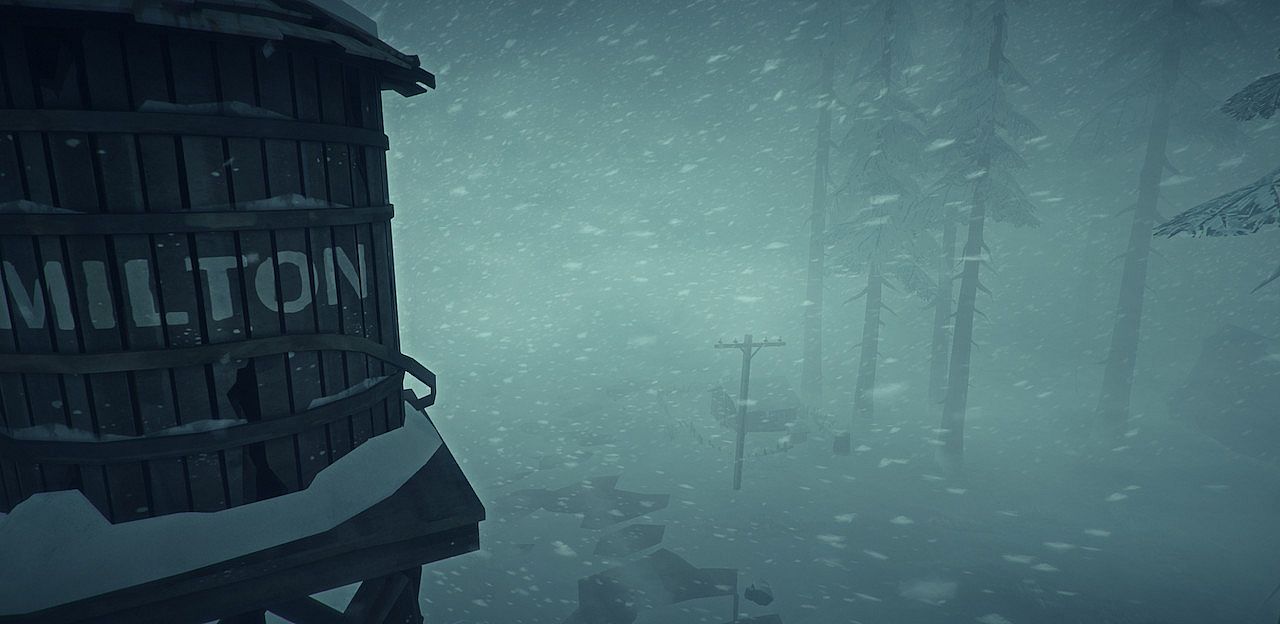
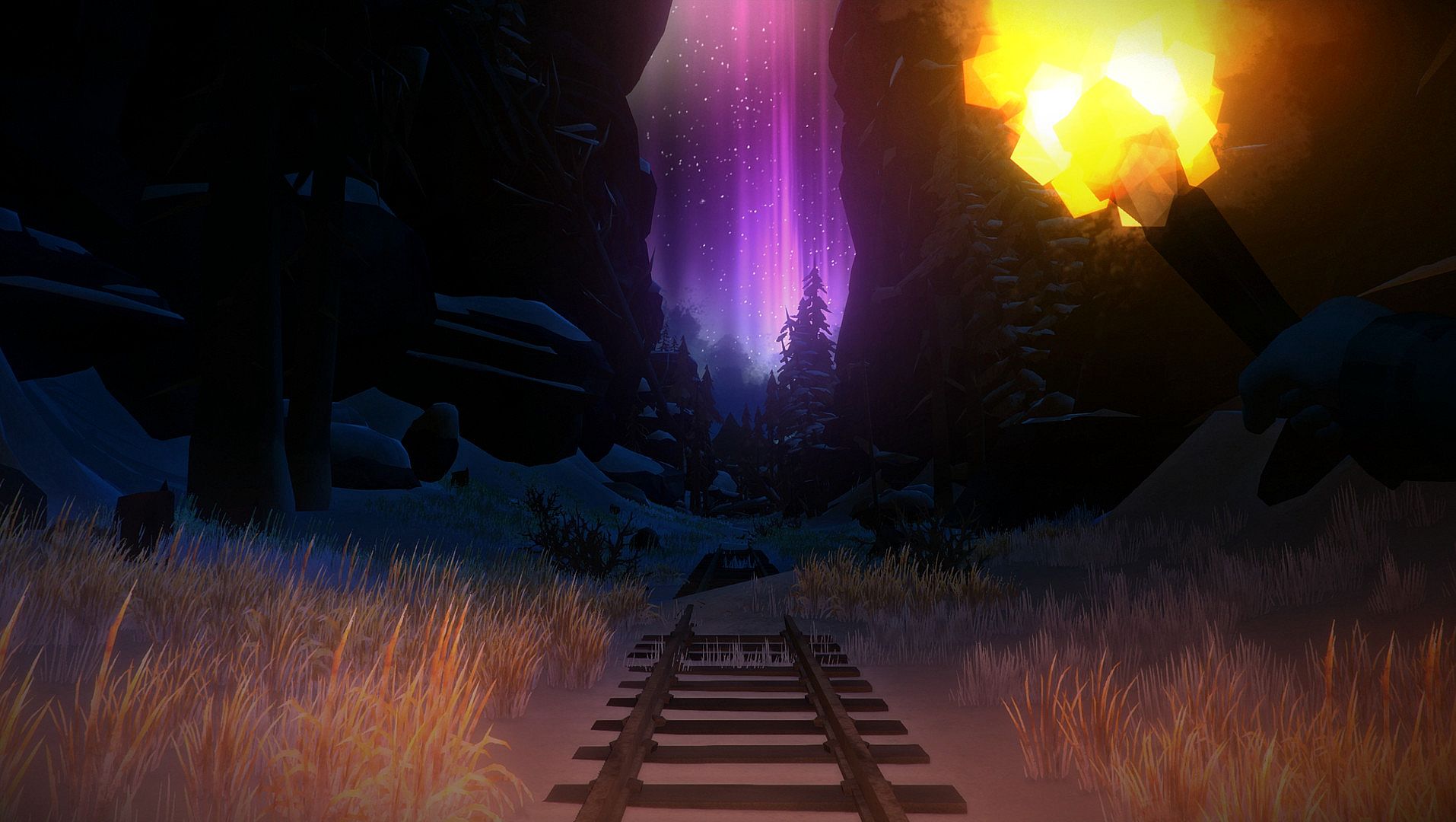
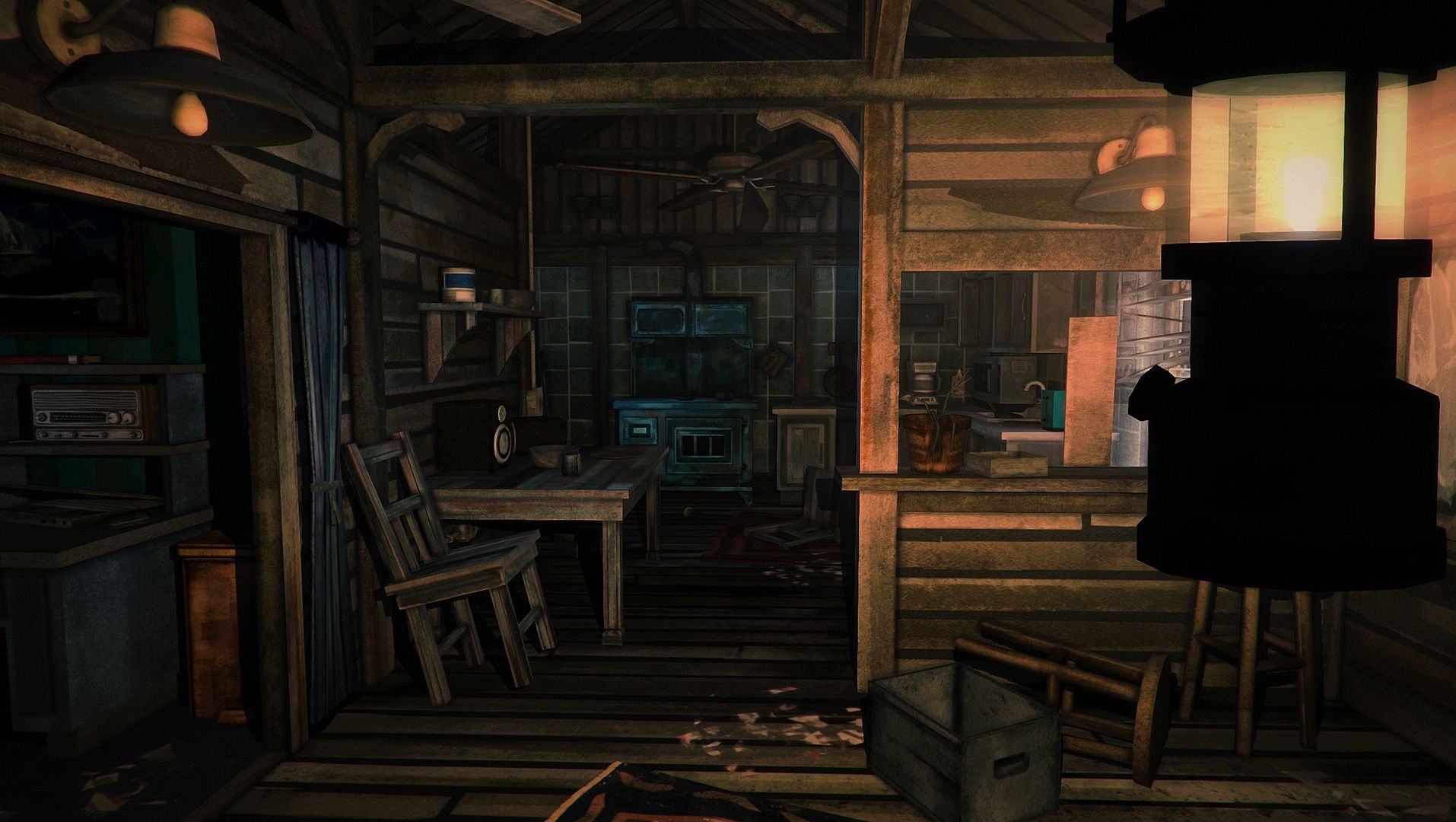
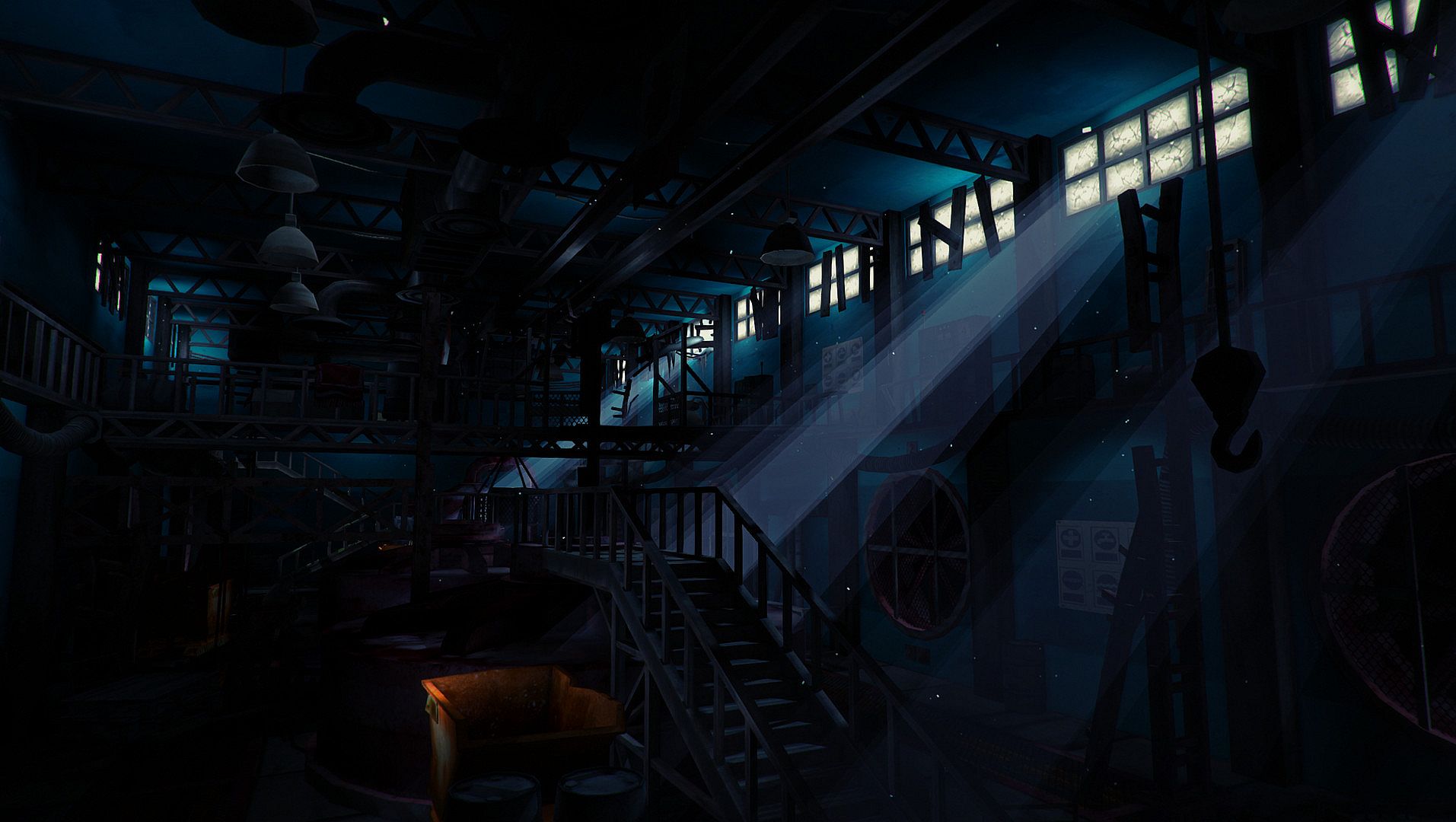
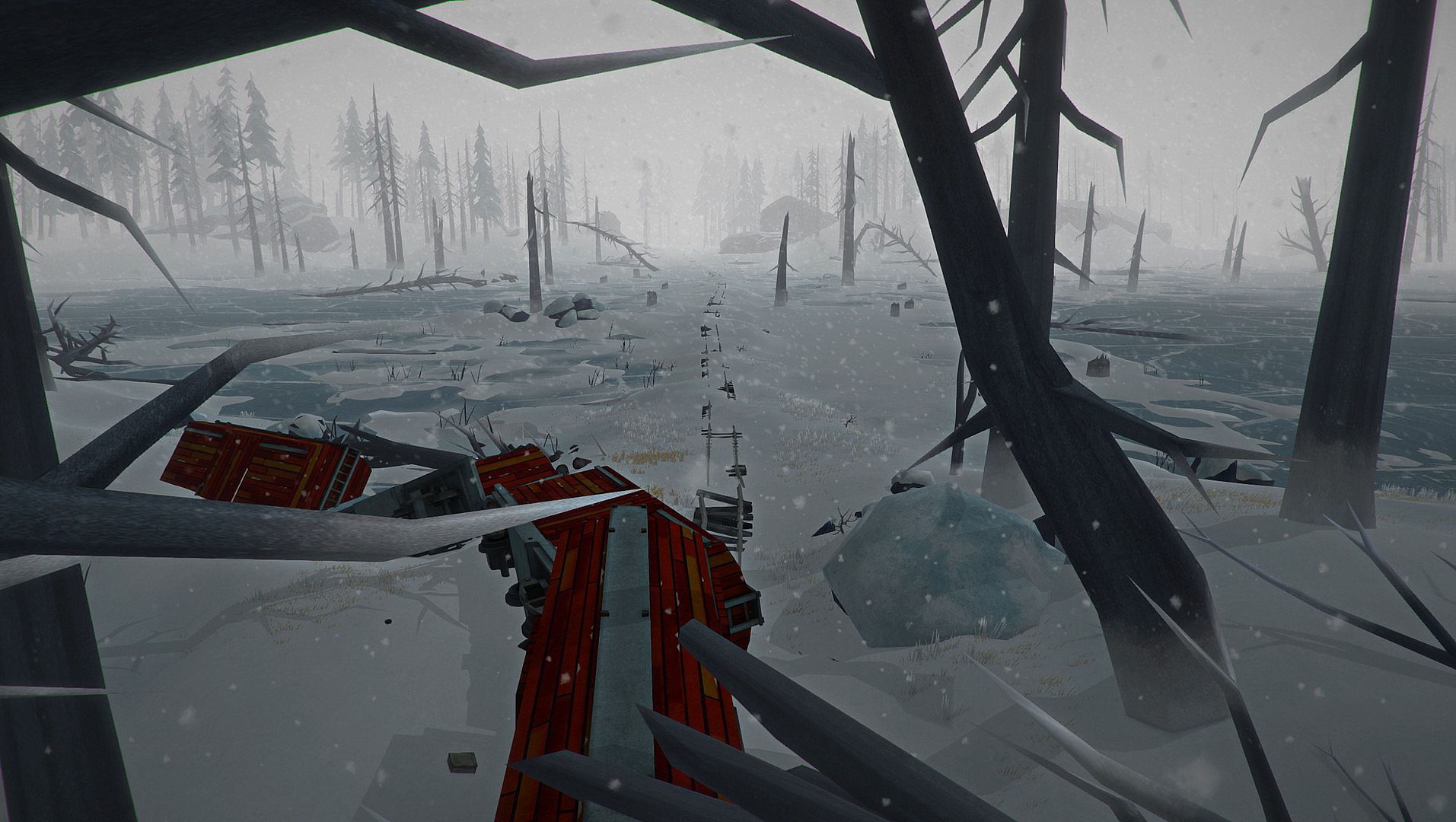
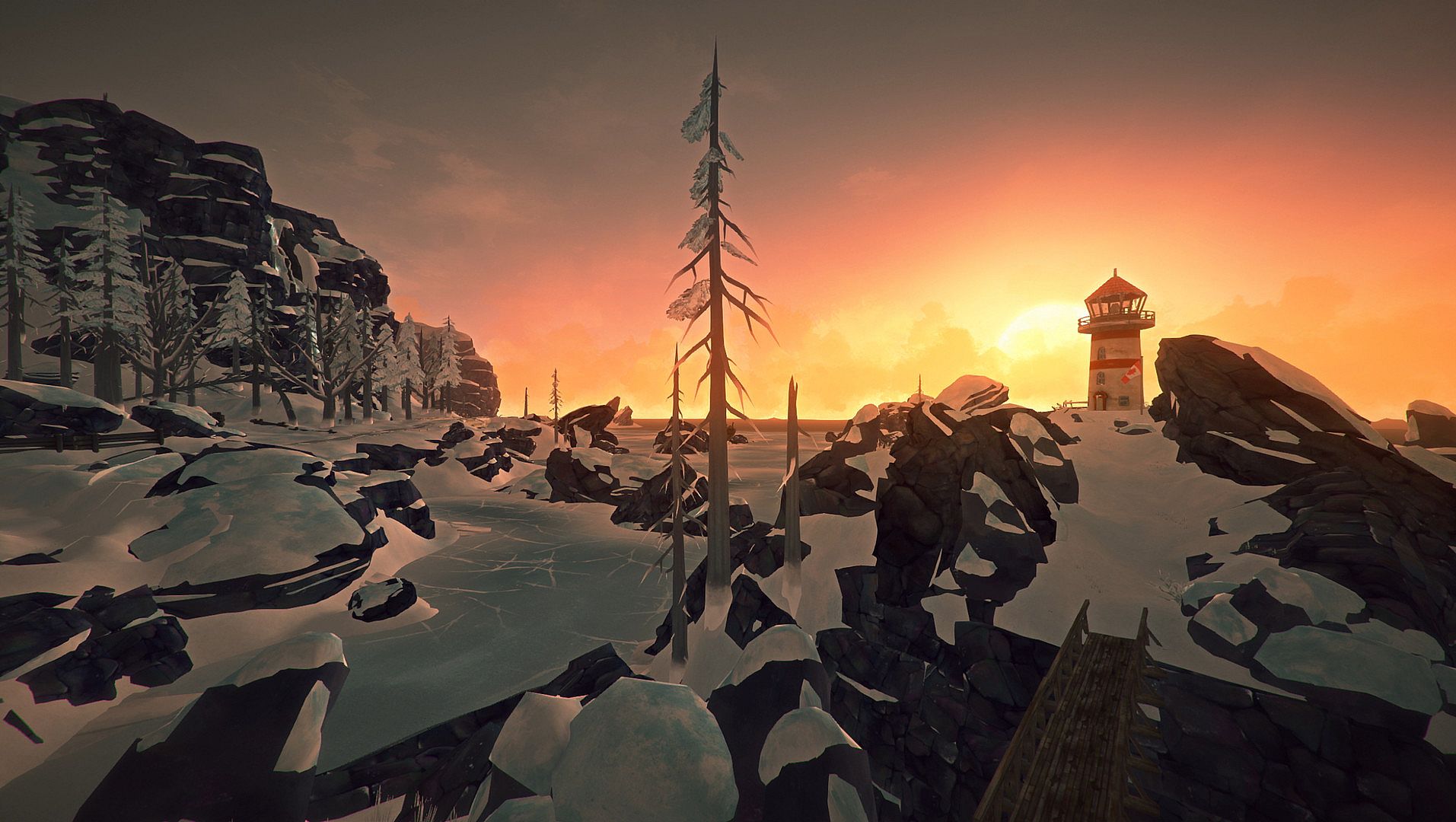
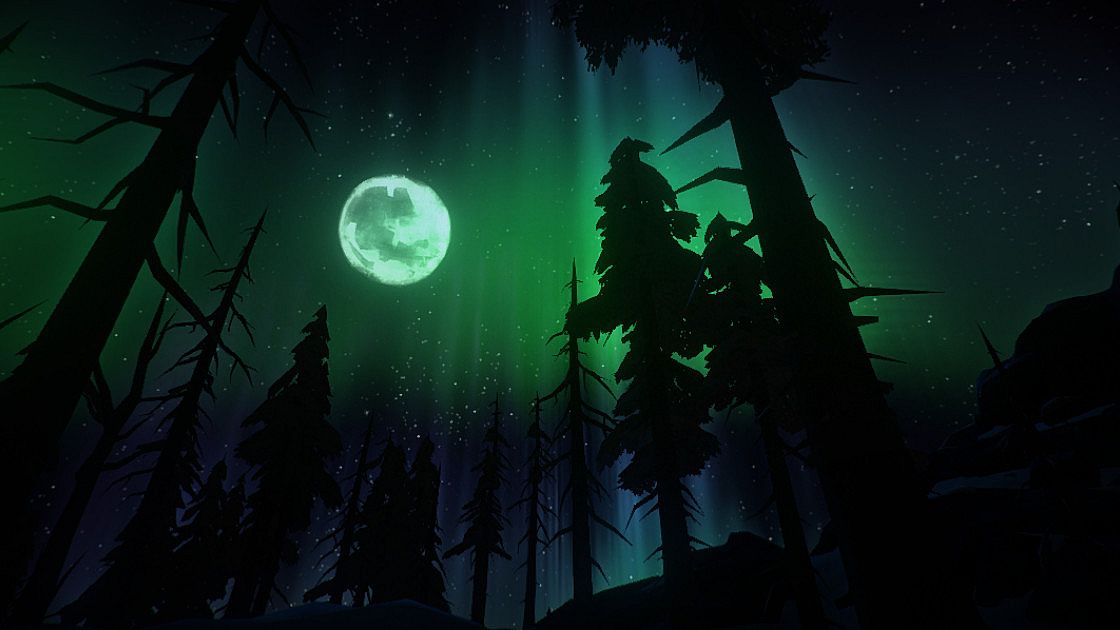
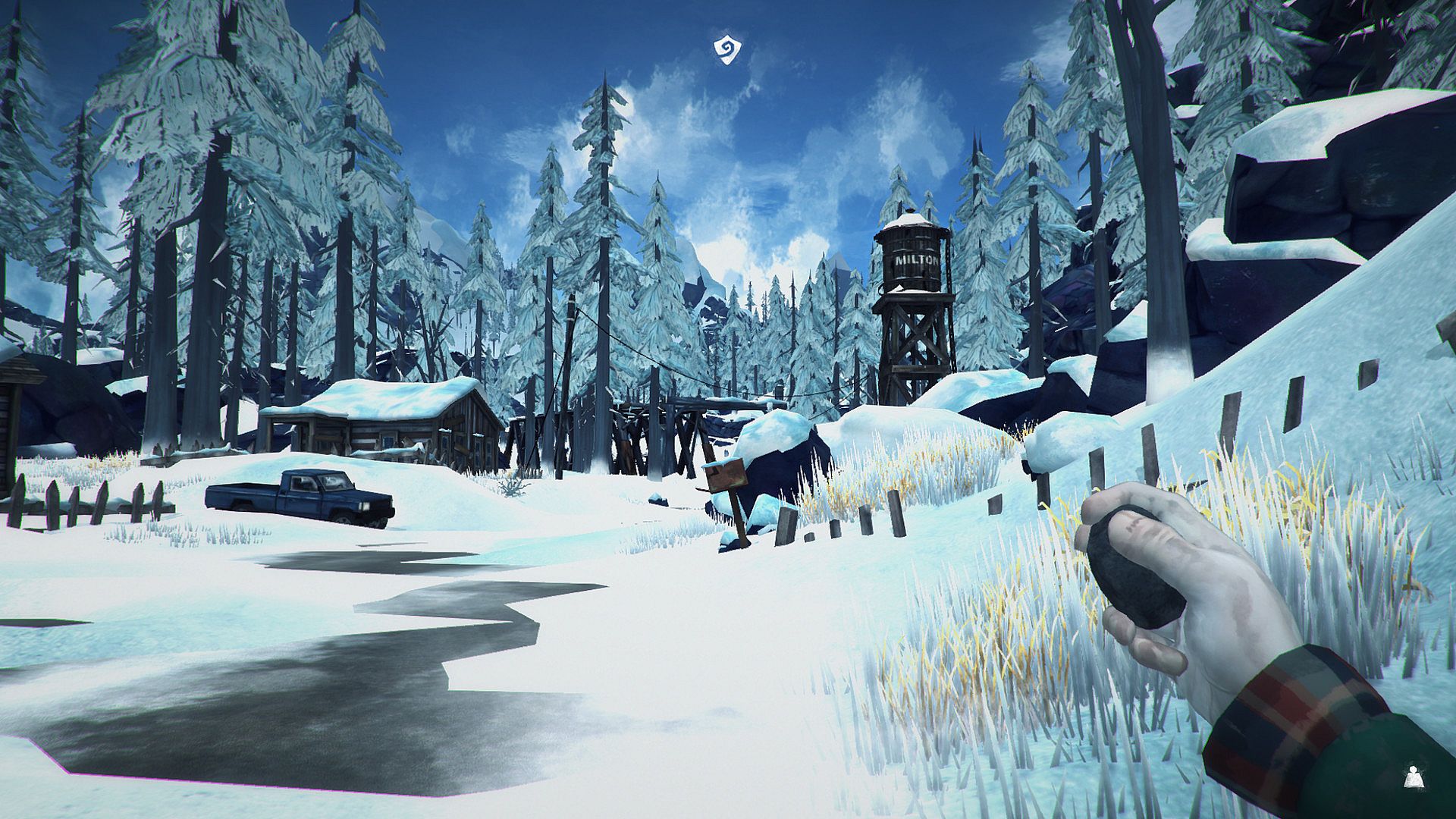
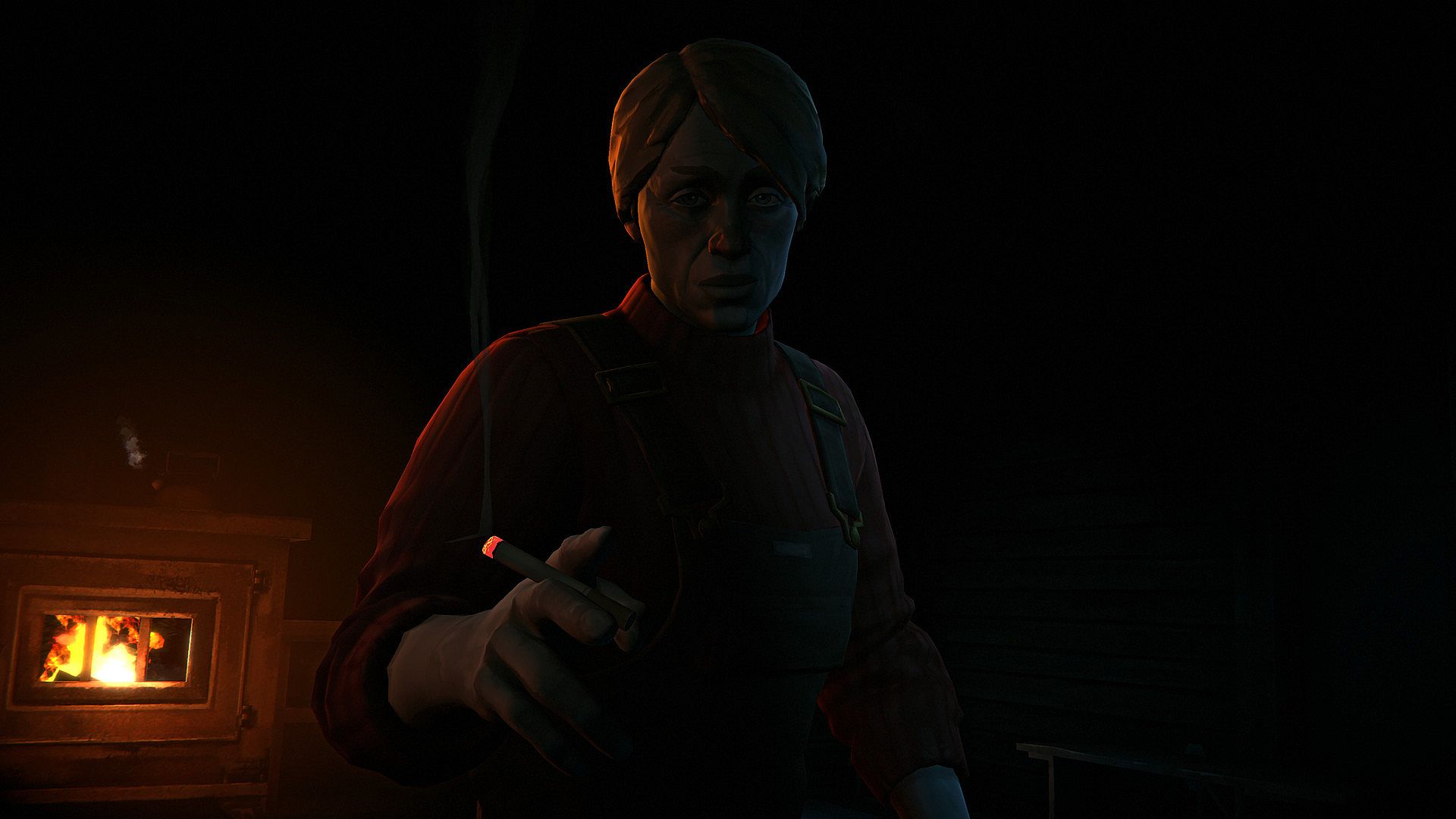
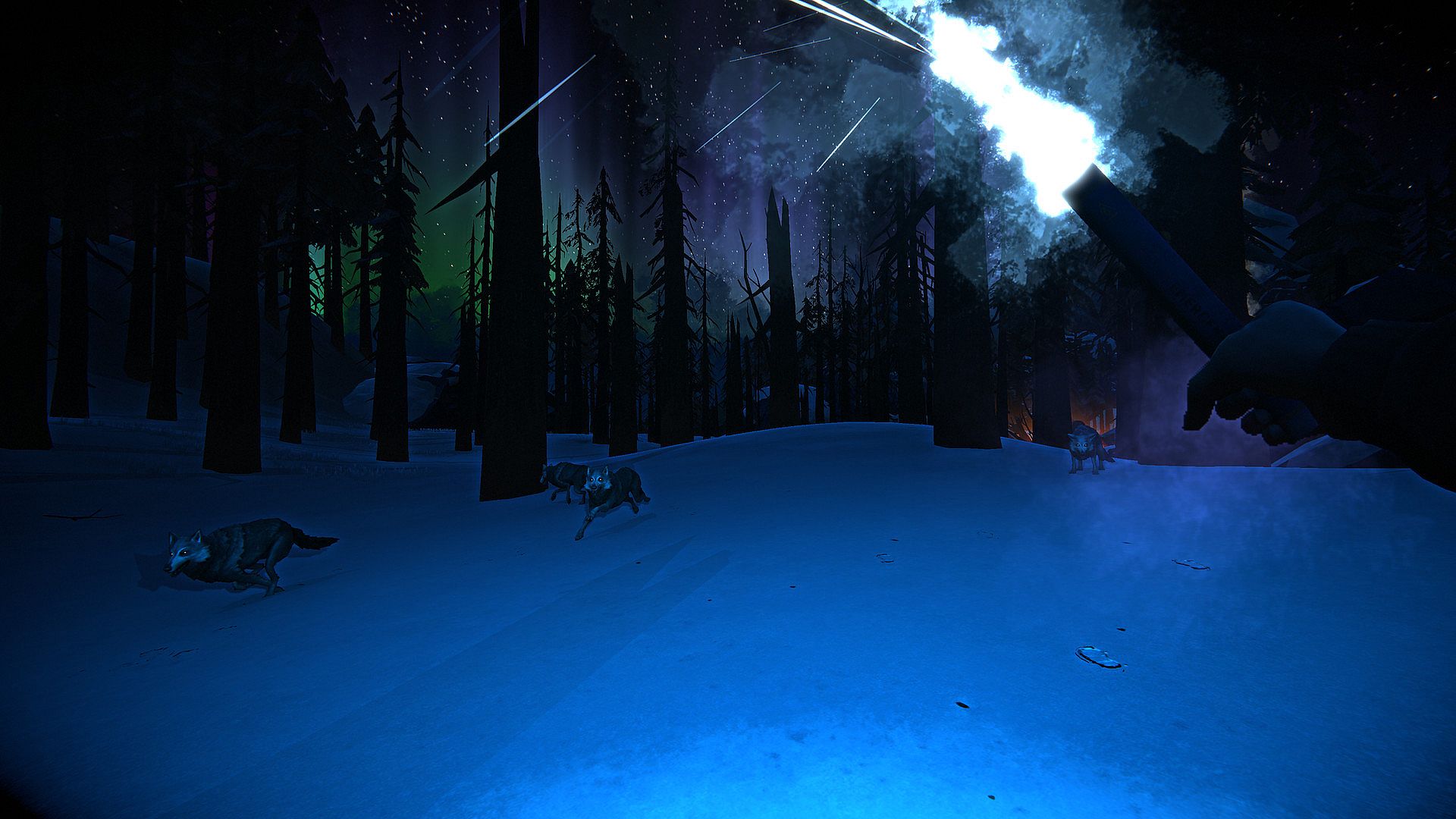
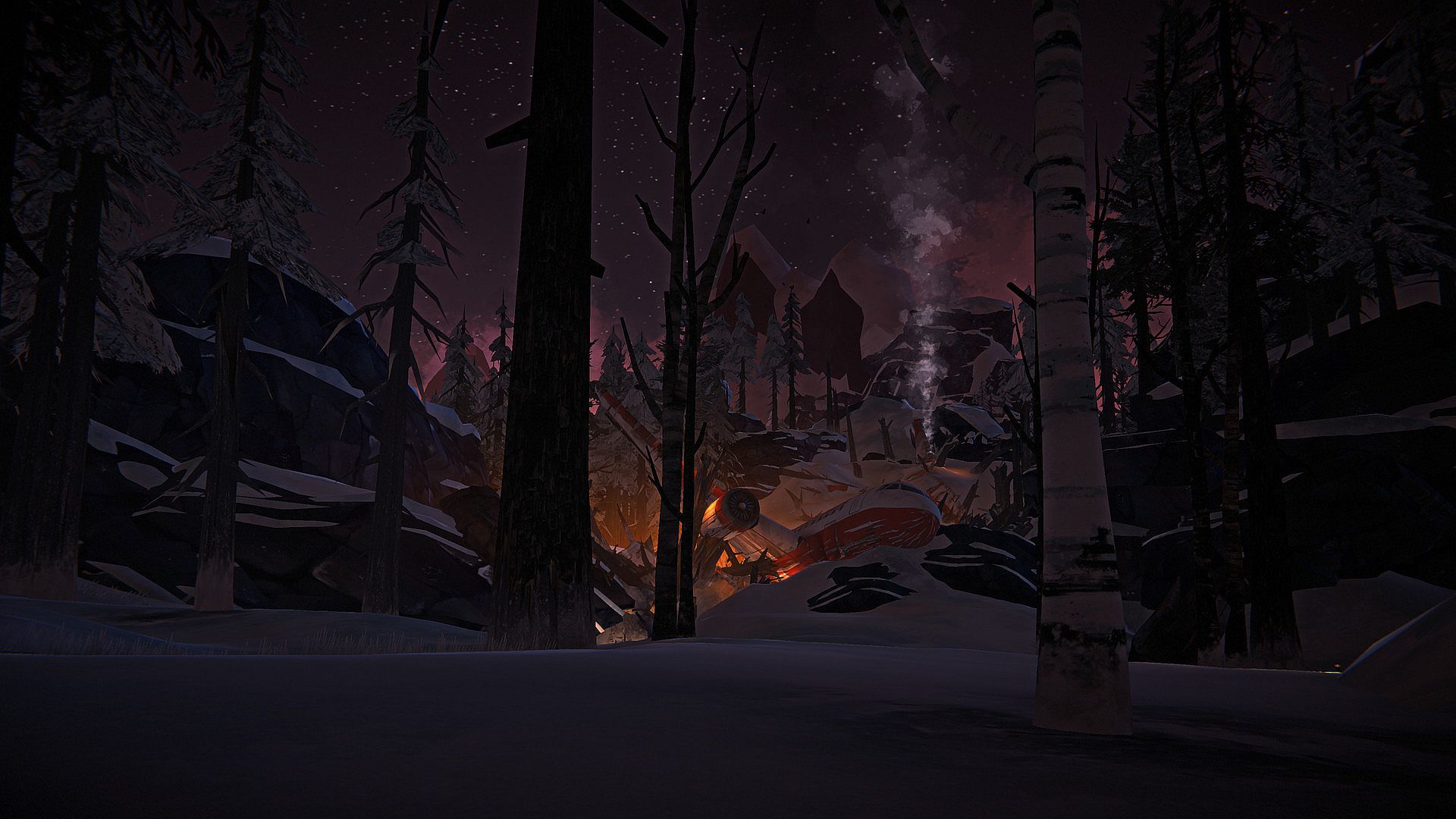
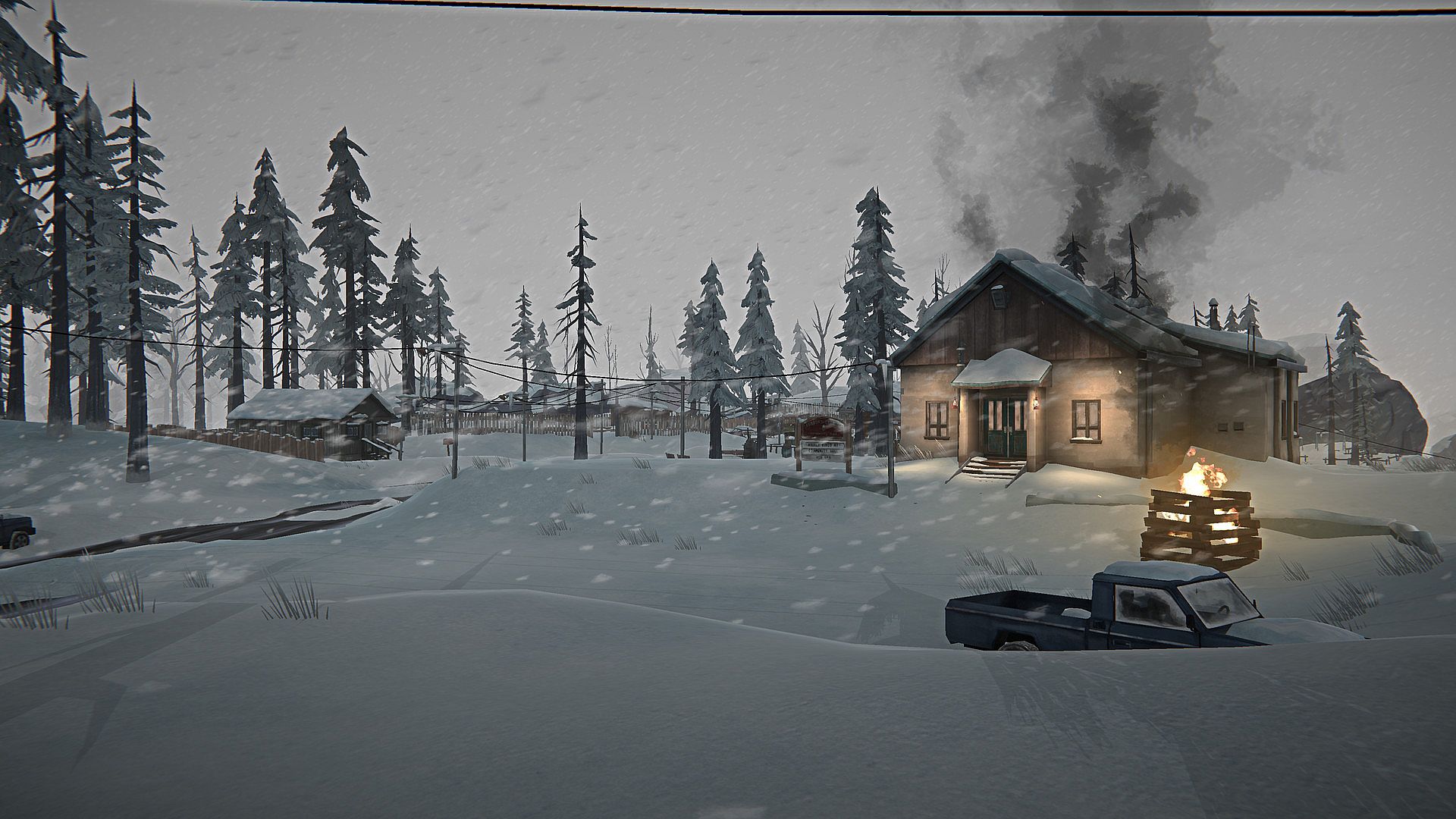
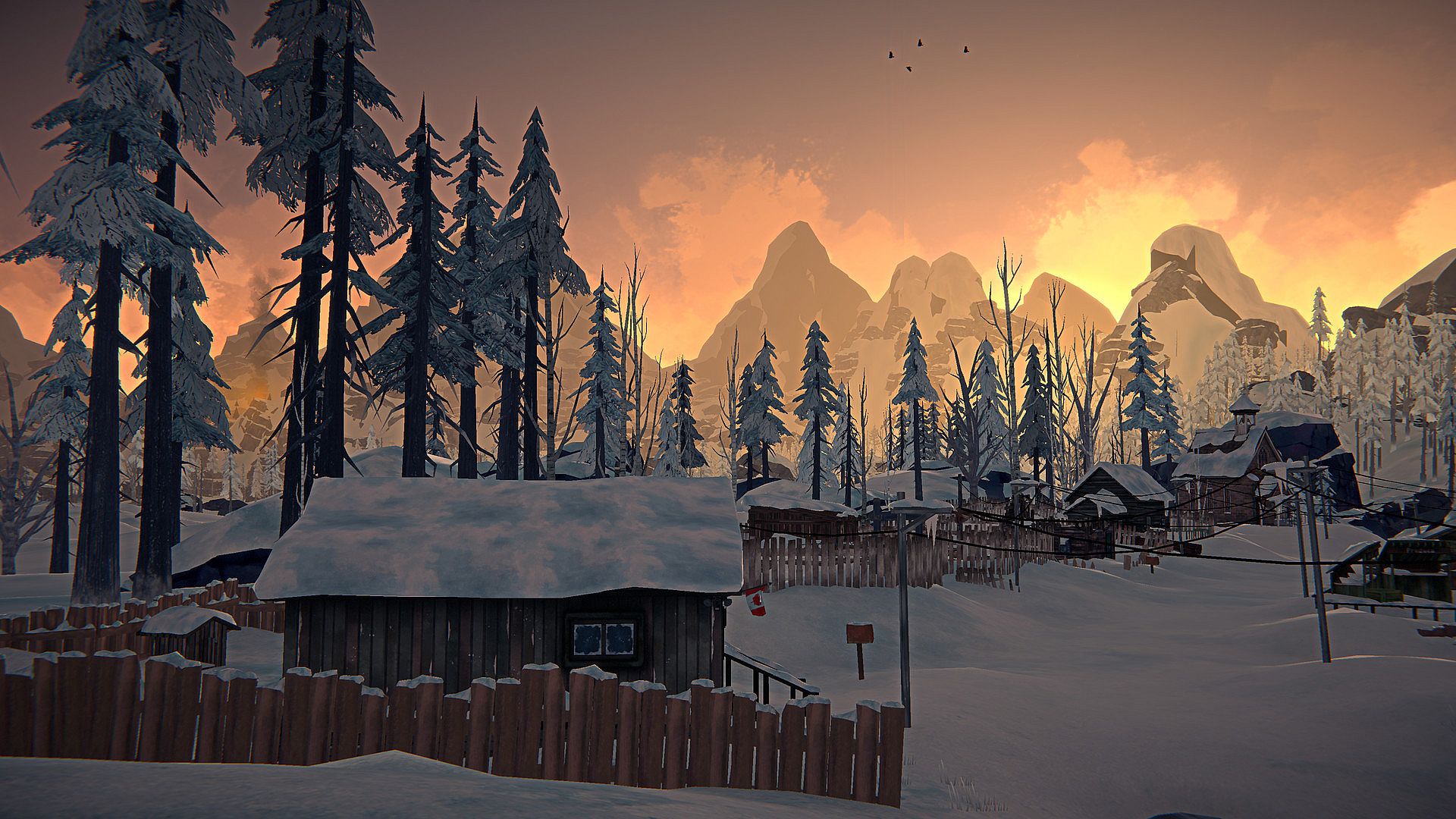
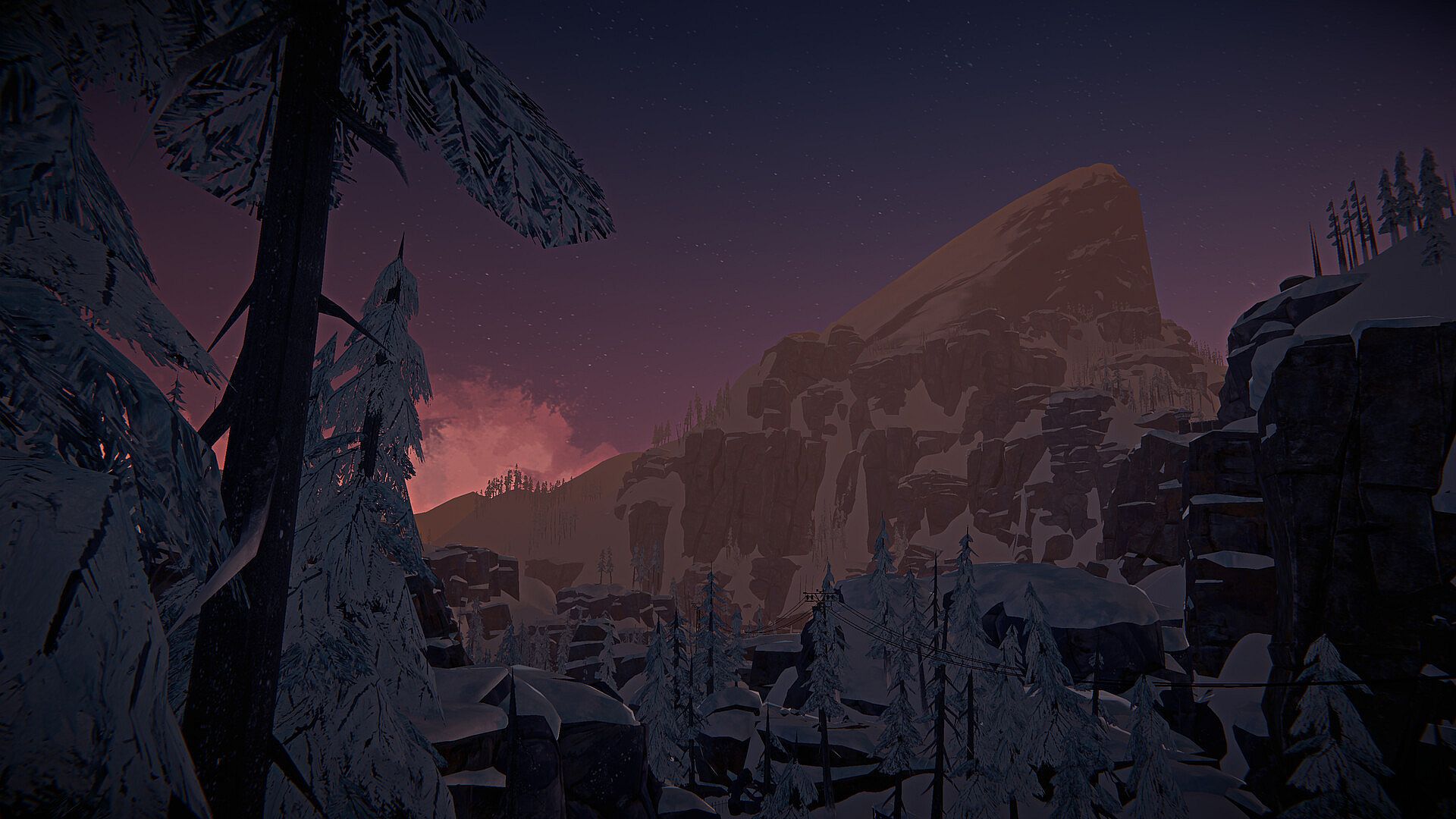
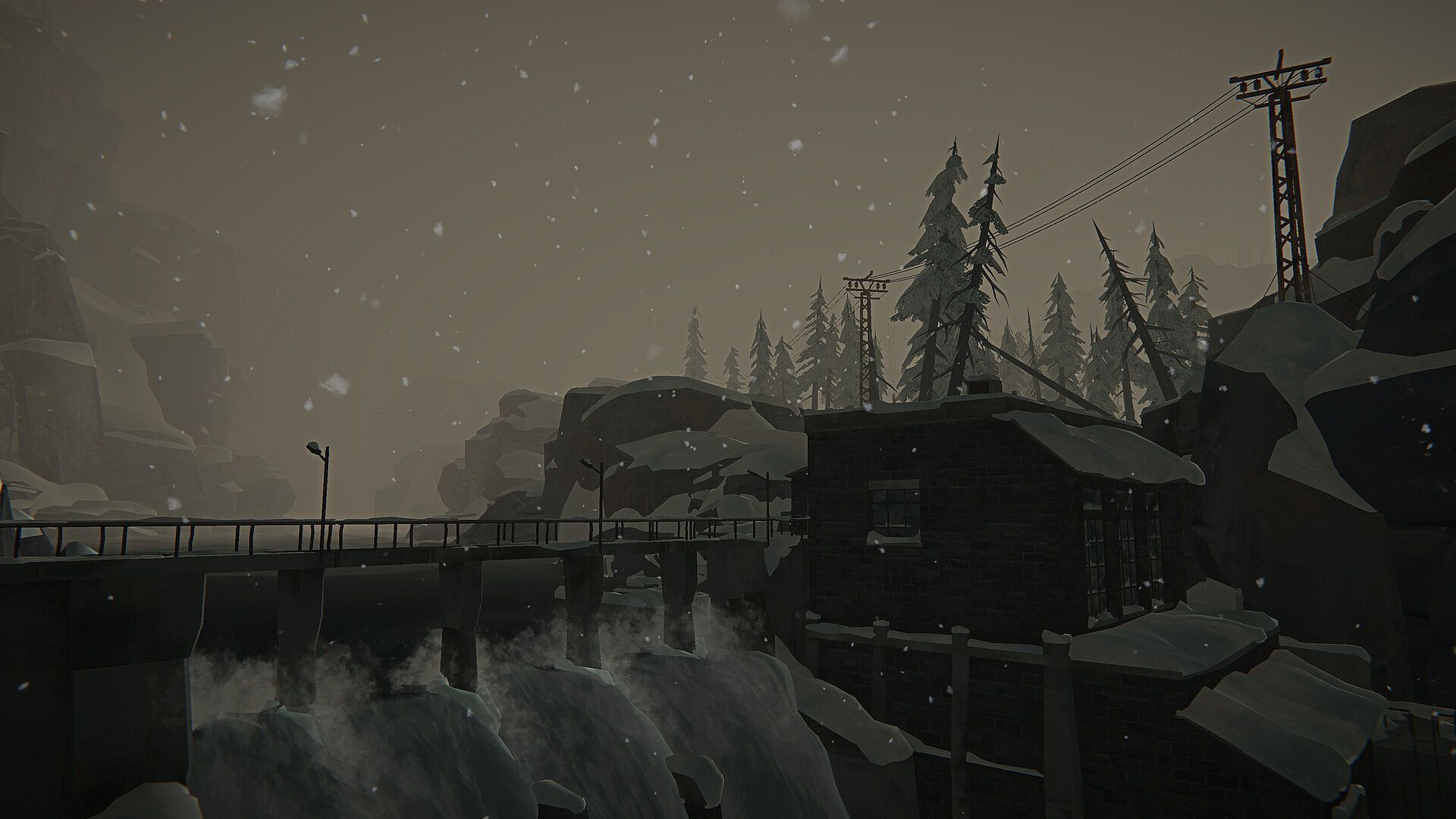
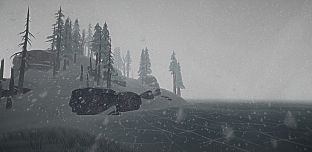
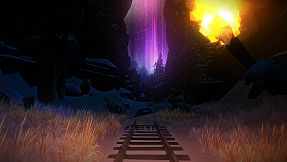
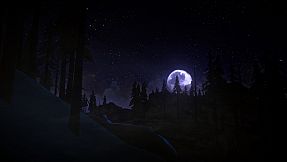
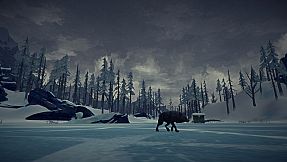
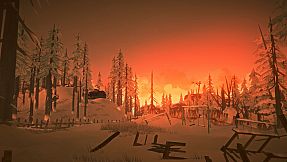
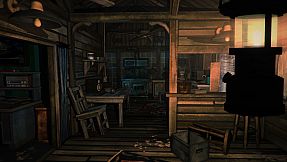

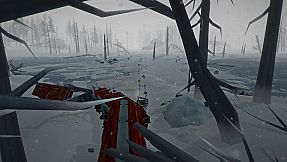
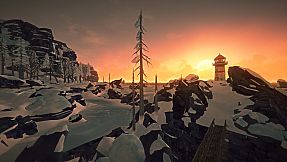
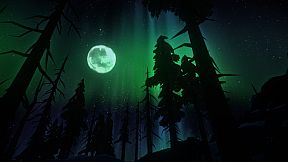
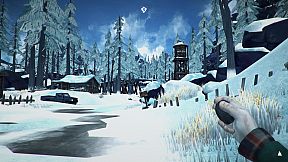
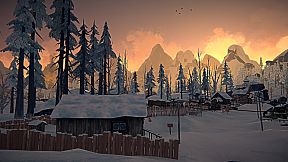
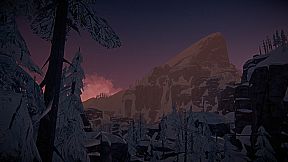
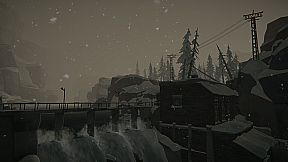
The Long Dark stands out as a first-person survival game set in a harsh, post-apocalyptic Canadian wilderness after a geomagnetic disaster. Players must navigate freezing temperatures, wildlife threats, and resource scarcity without supernatural elements like zombies, focusing instead on realistic survival challenges. Developed by Hinterland Studio, this title emphasizes thoughtful decision-making and exploration in a vast, unforgiving environment.
Gameplay
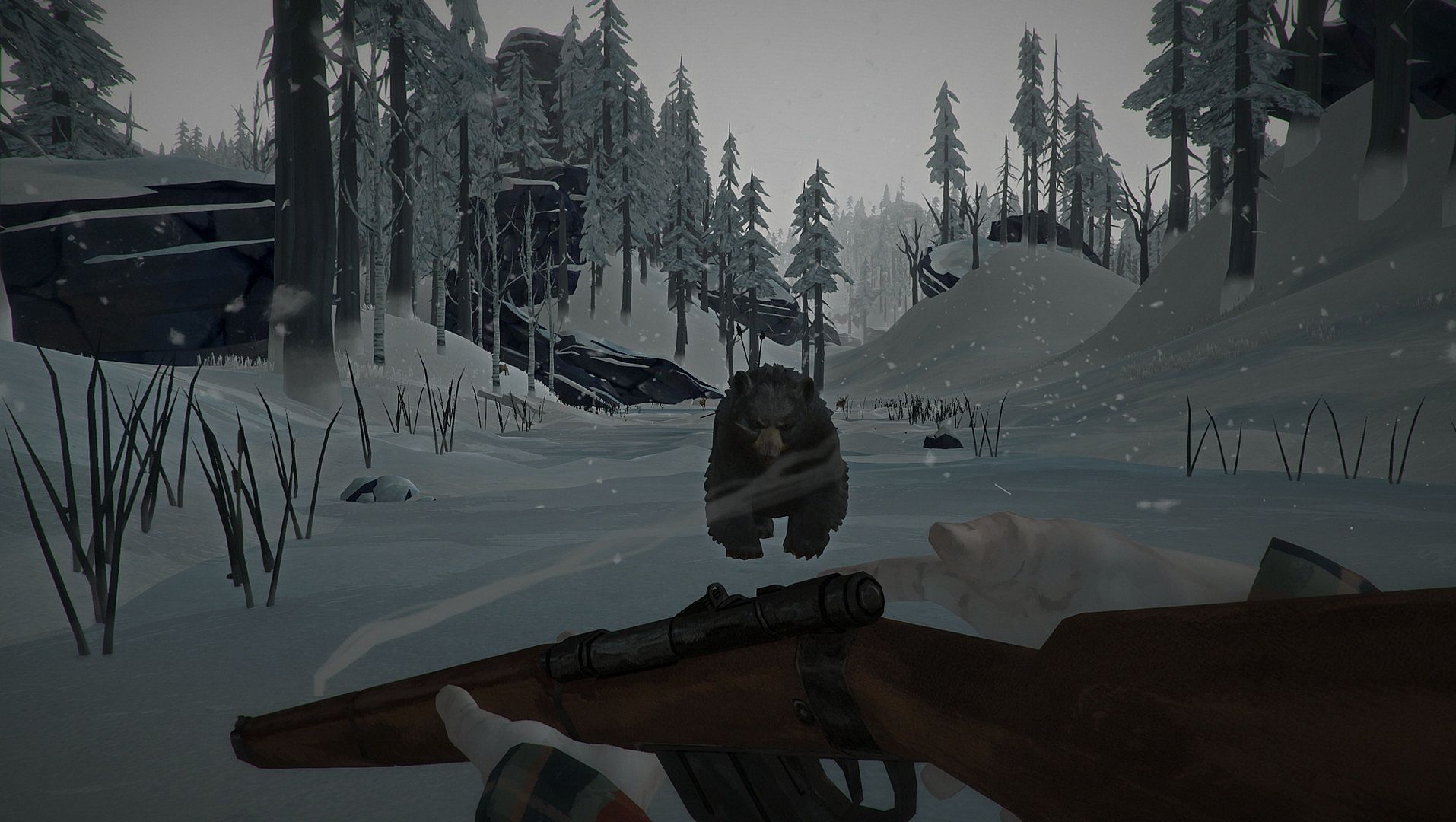
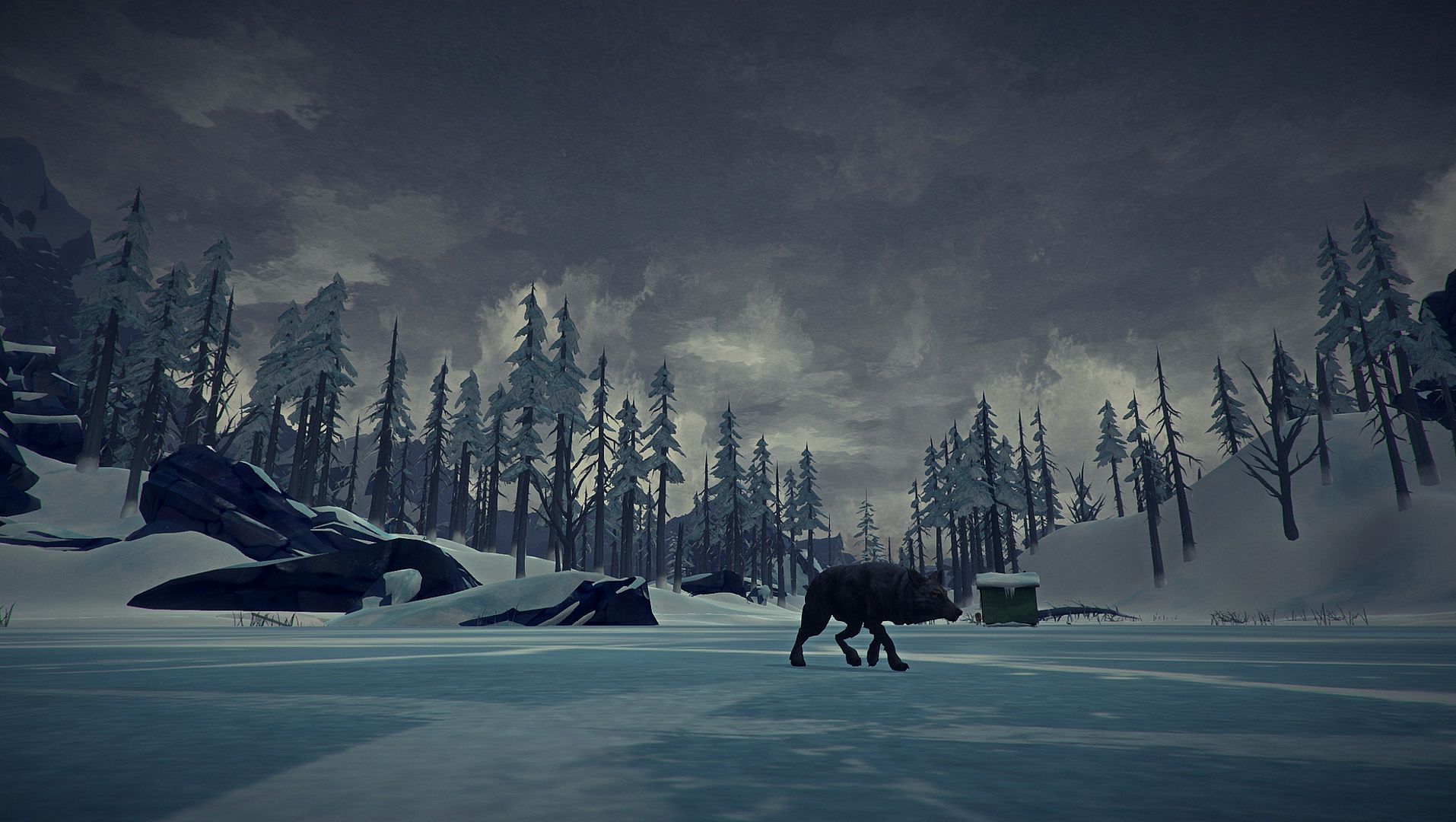
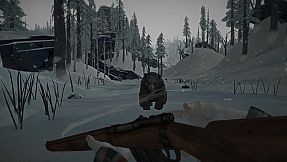
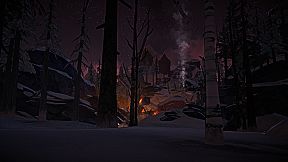
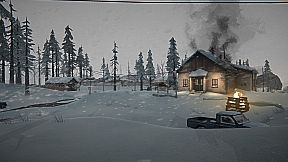
In The Long Dark, core mechanics revolve around managing vital needs such as hunger, thirst, fatigue, and body temperature. Every action consumes calories, forcing careful choices about when to forage, hunt, or rest. Players scavenge for over 100 gear items, including tools, clothing, and weapons, while contending with afflictions like hypothermia, frostbite, and dysentery. Hunting involves tracking animals like wolves, bears, and deer, but predators can turn the tables, creating tense encounters. Fishing, trapping, and climbing add layers to resource gathering across more than 50 square kilometers of terrain, spanning regions like coastal towns and distant mountains. The game provides information through environmental cues and player stats, but leaves solutions up to individual strategy, rewarding preparation and adaptability.
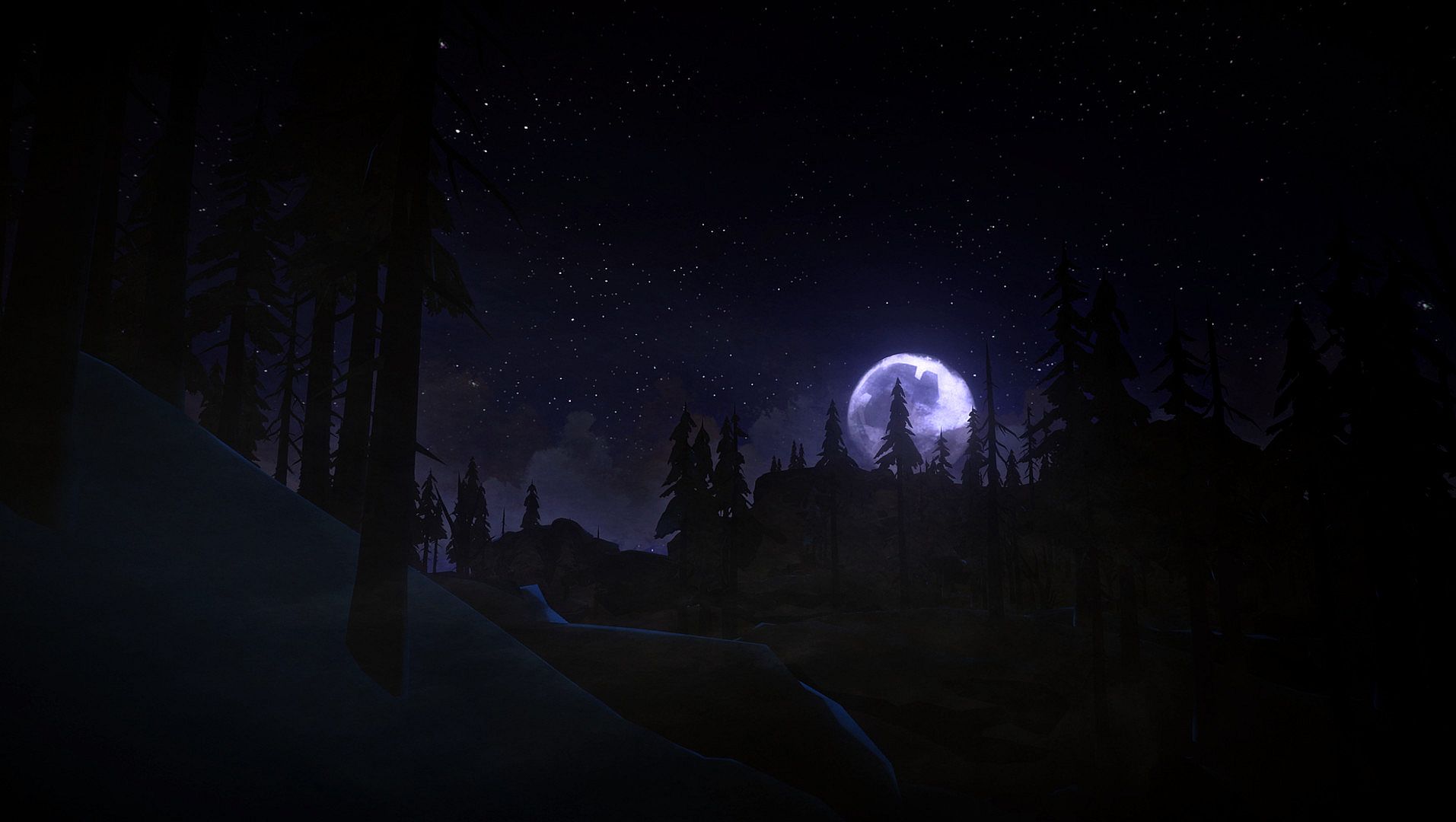
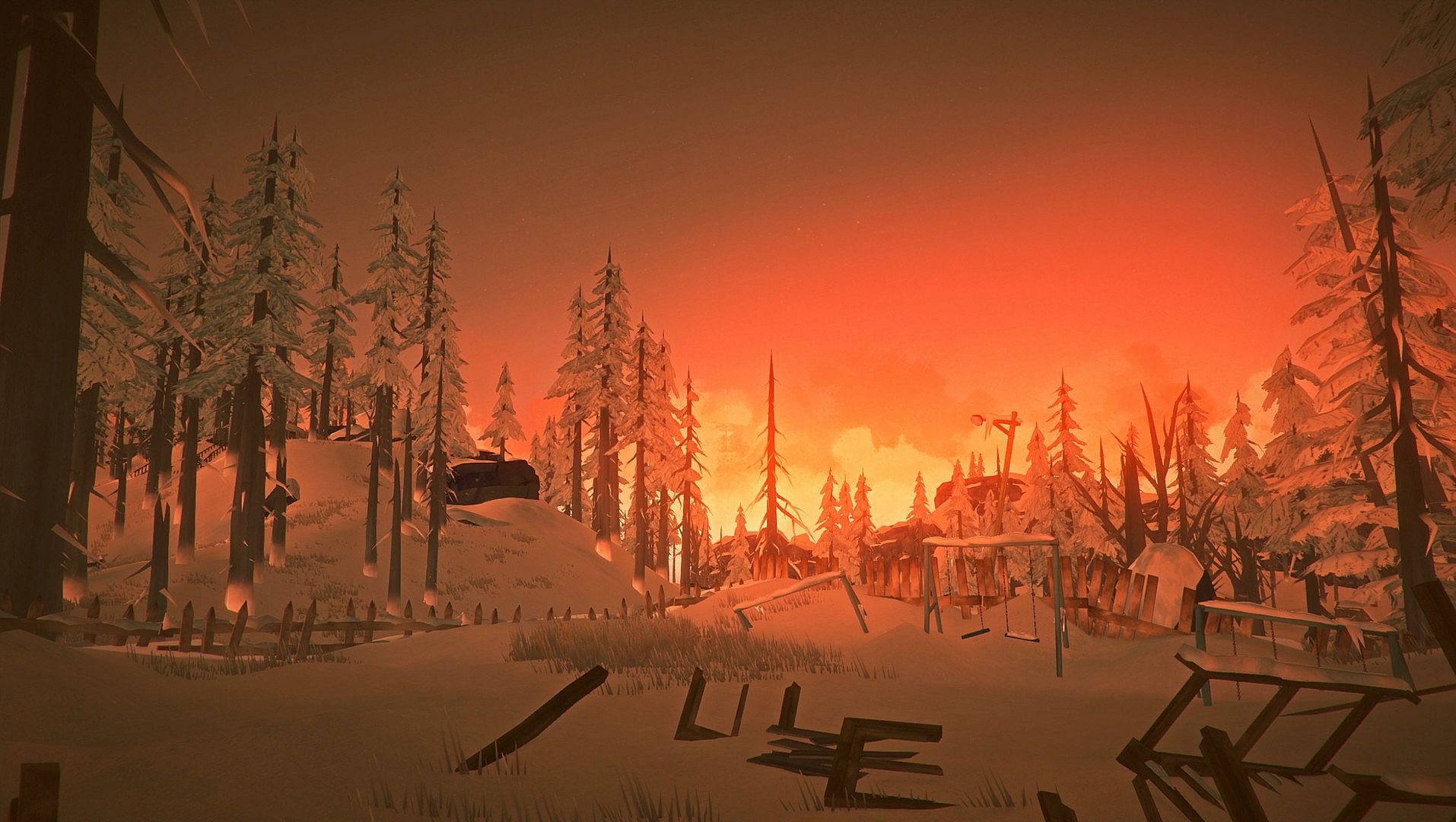
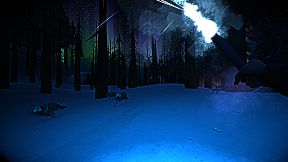
Exploration plays a key role, with mapping and navigation essential in the open world. Weather changes dynamically, impacting visibility and survival risks, while day-night cycles influence light sources and animal behavior. Combat is minimalistic, relying on improvised weapons or avoidance, which heightens the realism. Permadeath in certain modes ensures high stakes, as a single mistake can end a run permanently.
Game Modes
Survival Mode forms the backbone of The Long Dark, offering a free-form sandbox where the sole objective is to endure as long as possible. It includes four difficulty levels: Pilgrim for a more reflective experience, Voyager for balanced challenges, Stalker for increased threats, and Interloper for expert players aiming to survive beyond a week. Custom settings allow tailoring elements like wildlife aggression or resource scarcity.
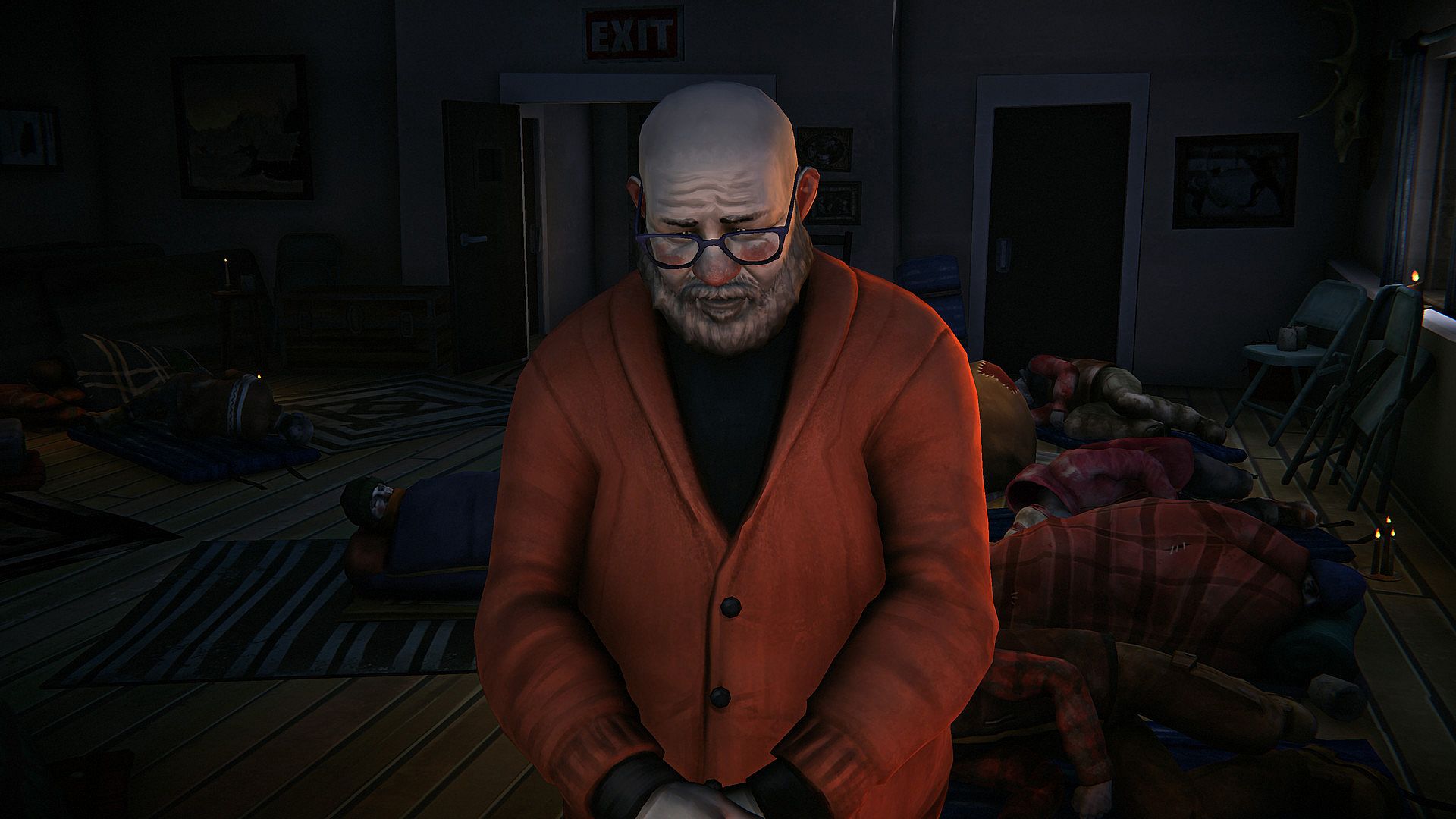
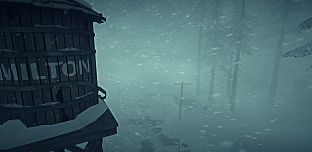
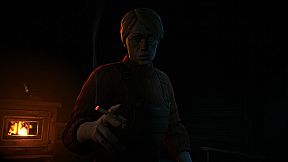
Wintermute serves as the narrative-driven mode, split into episodes. The first four episodes deliver around 30 hours of story, following characters Will Mackenzie and Dr. Astrid Greenwood through a plane crash and subsequent struggles in towns like Milton and Pleasant Valley. Unlike Survival Mode, it lacks permadeath and permits saving progress. Challenge Modes provide shorter, objective-based scenarios lasting 1-3 hours, such as Whiteout, where players stockpile for a blizzard, or Hunted, involving evasion from a bear. Other challenges include Hopeless Rescue, Nomad, Archivist, As the Dead Sleep, and Escape the Darkwalker, each unlocking feats for Survival Mode benefits.
Updates and Current State
Hinterland continues supporting The Long Dark with regular updates, building on over 100 patches since its 2014 early access launch. The Tales from the Far Territory expansion pass introduces new regions, gear, and mechanics through paid DLC, alongside limited free updates for Survival Mode. As of March 2026, Episode Five of Wintermute is nearing release, set to conclude the storyline and included free for owners. This ongoing development keeps the game fresh, with community feedback shaping features like enhanced wildlife AI and expanded crafting options.
Is It Worth Playing?
With a Strong rating on OpenCritic from 52 critics and widespread acclaim as a genre-defining survival title, The Long Dark appeals to those who enjoy introspective, solo experiences over action-heavy gameplay. Player reception highlights its immersive atmosphere and realistic mechanics, though some note the lack of strong narrative hooks in Survival Mode. It suits fans of strategic resource management and exploration, especially with the upcoming Episode Five enhancing the story. If you prefer cooperative or fast-paced games, it might not fit, but for solitary survival enthusiasts, the depth and replayability make it a solid choice in 2026.