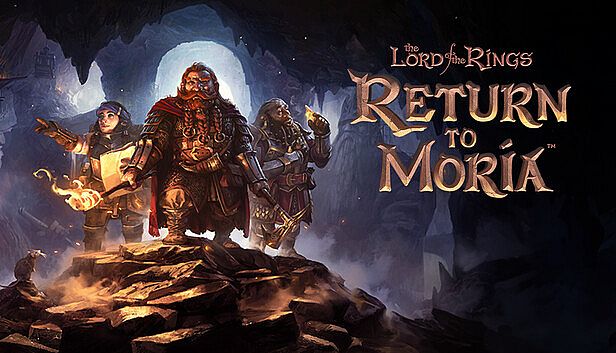

































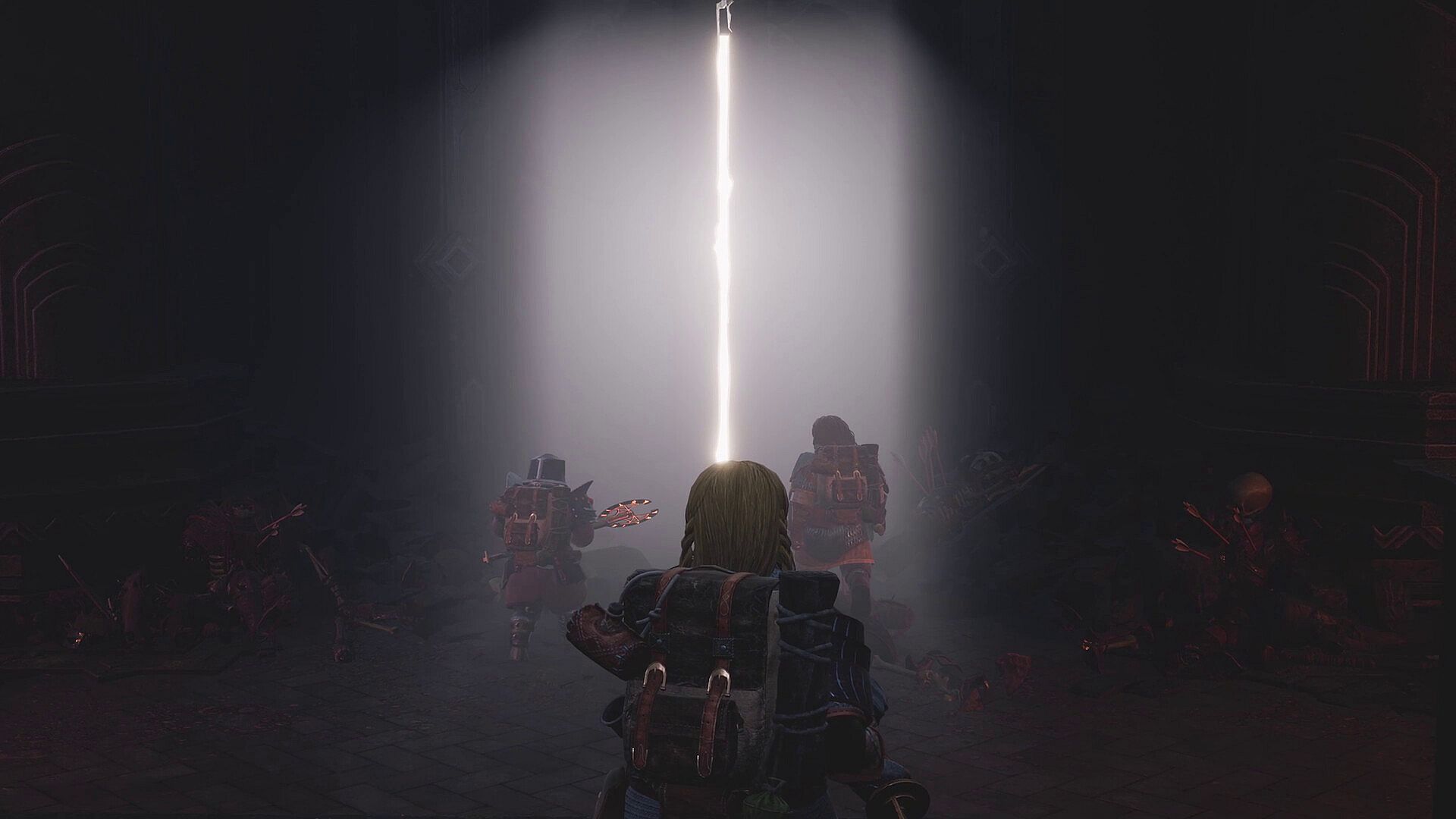
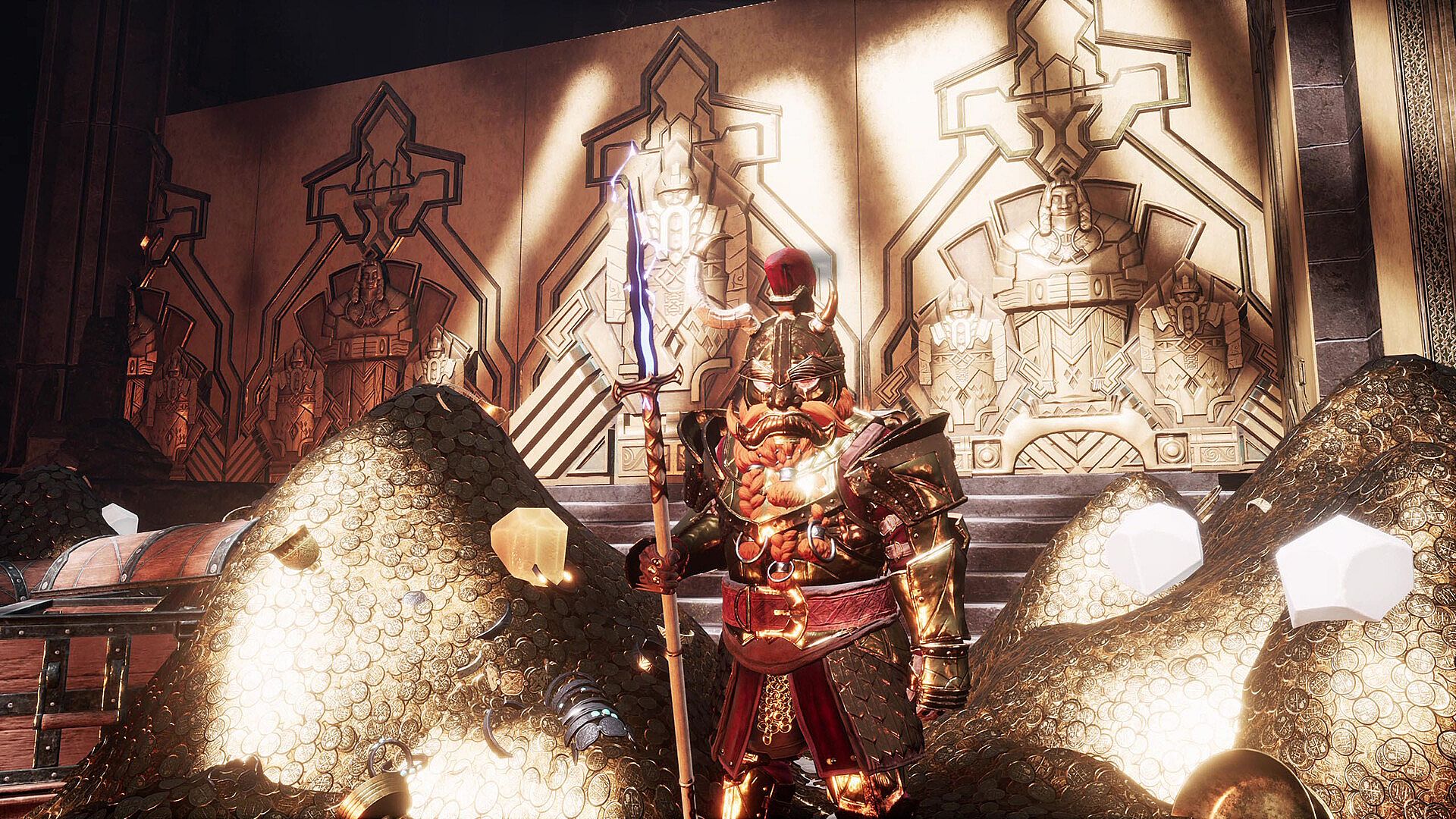
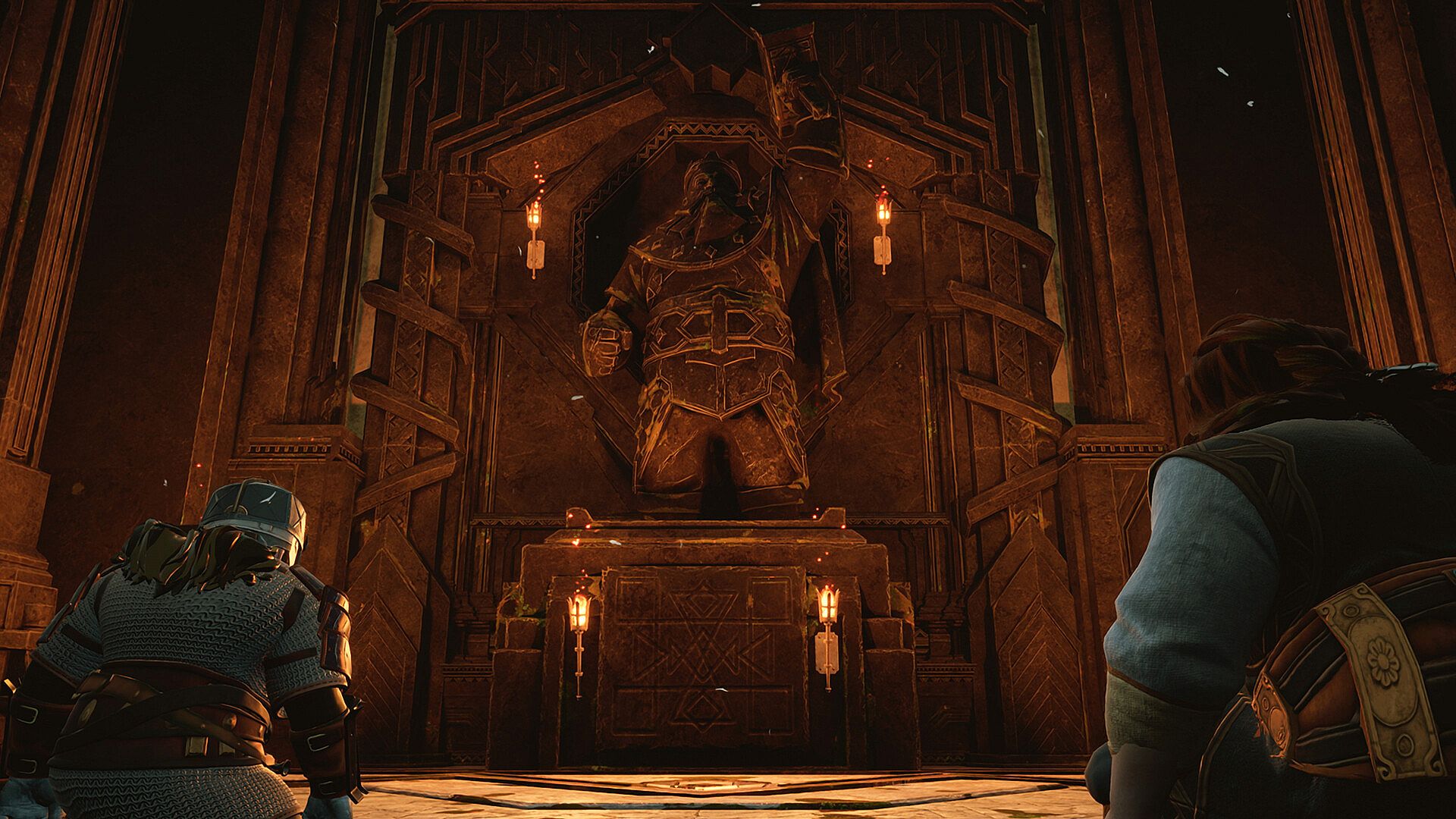
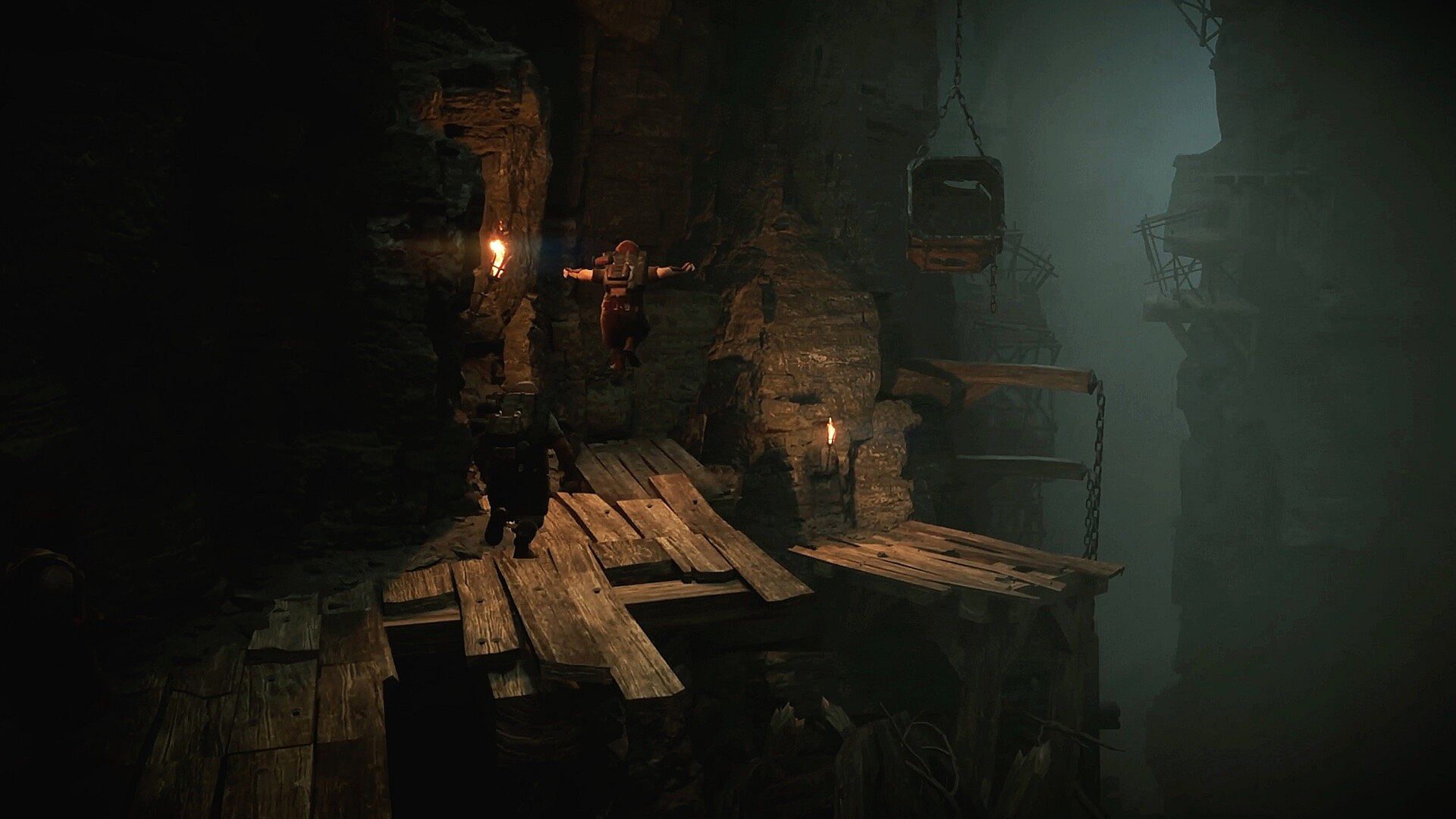
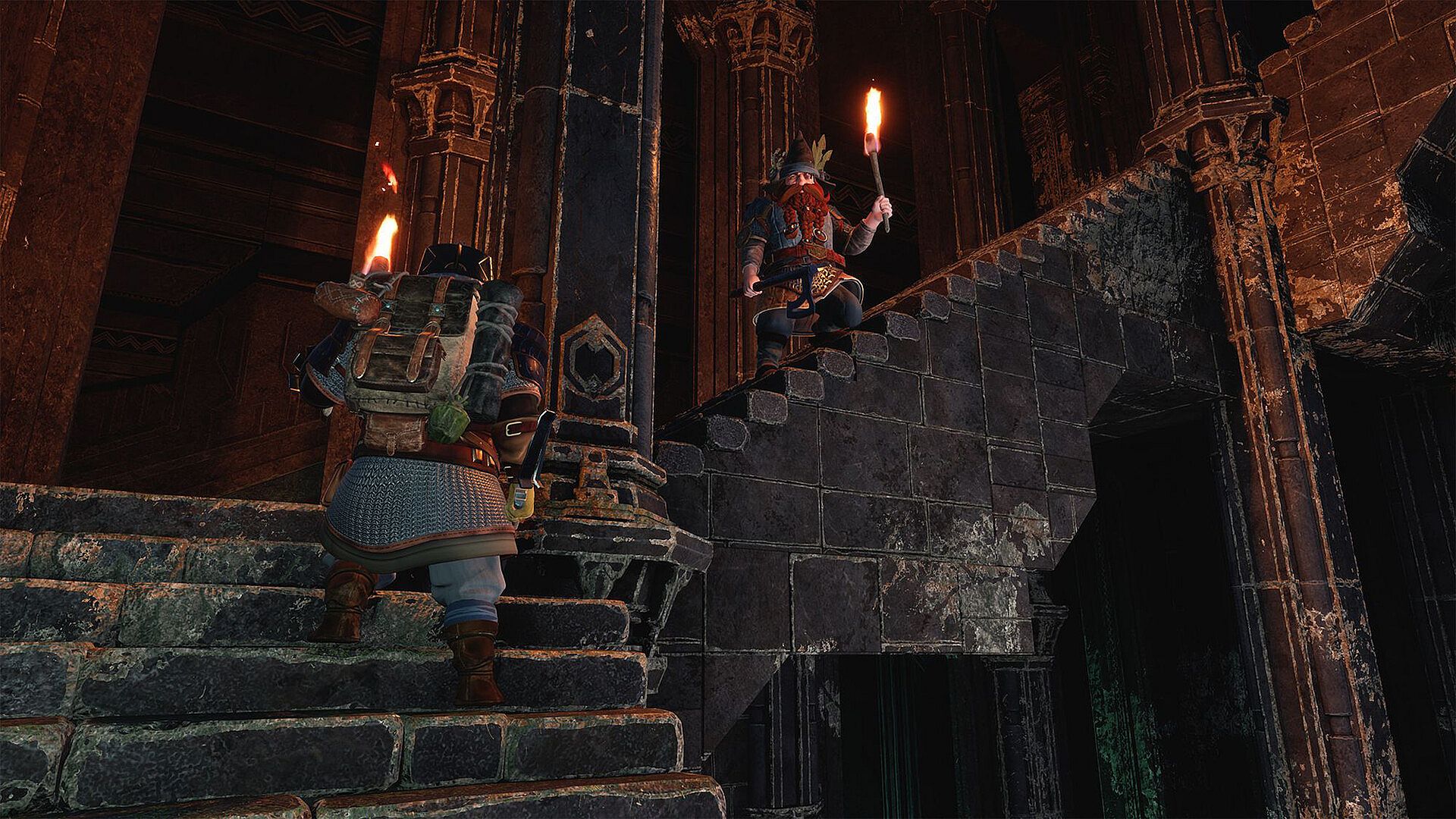
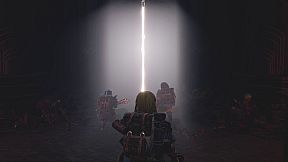
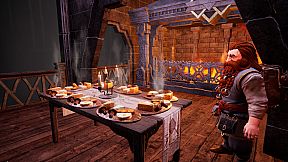
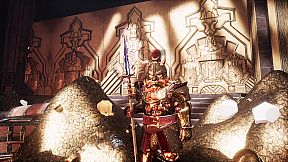
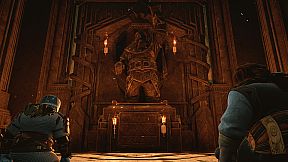
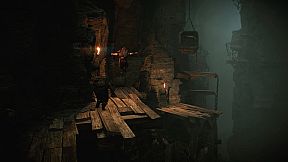
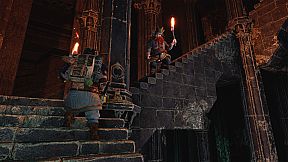
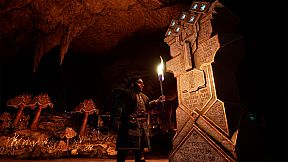
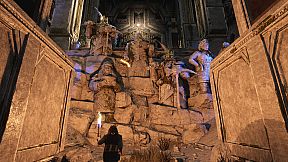
The Lord of the Rings: Return to Moria stands out as a survival crafting game blended with action RPG and adventure elements, set in the iconic Middle-earth universe during the Fourth Age. Players step into the boots of a dwarf summoned by Gimli to reclaim the ancient kingdom of Khazad-dûm from lurking threats deep within the Misty Mountains. This PC title emphasizes exploration, resource management, and cooperative play, drawing from J.R.R. Tolkien's lore while delivering a fresh take on rebuilding a lost dwarven realm.
Gameplay
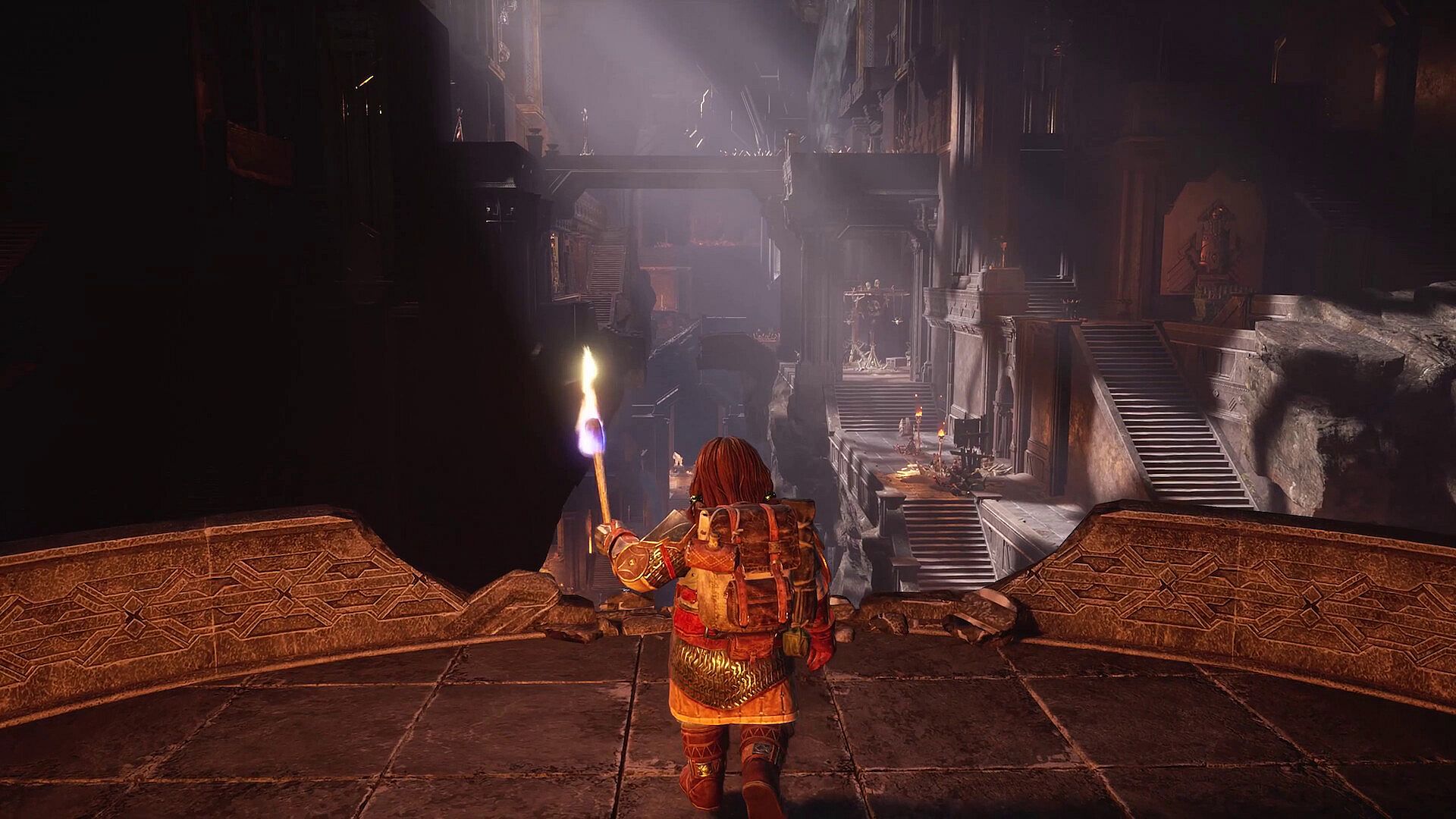
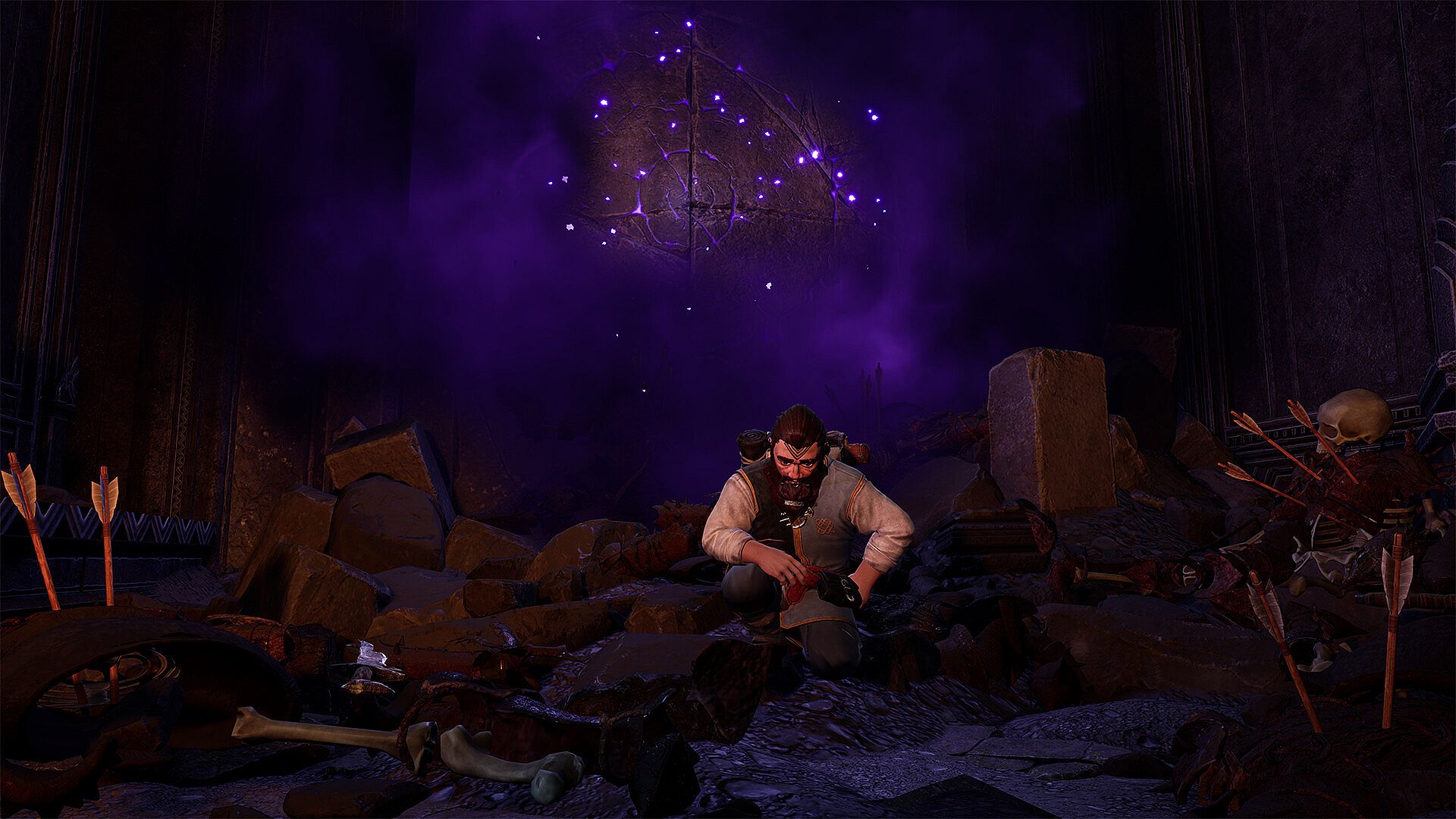
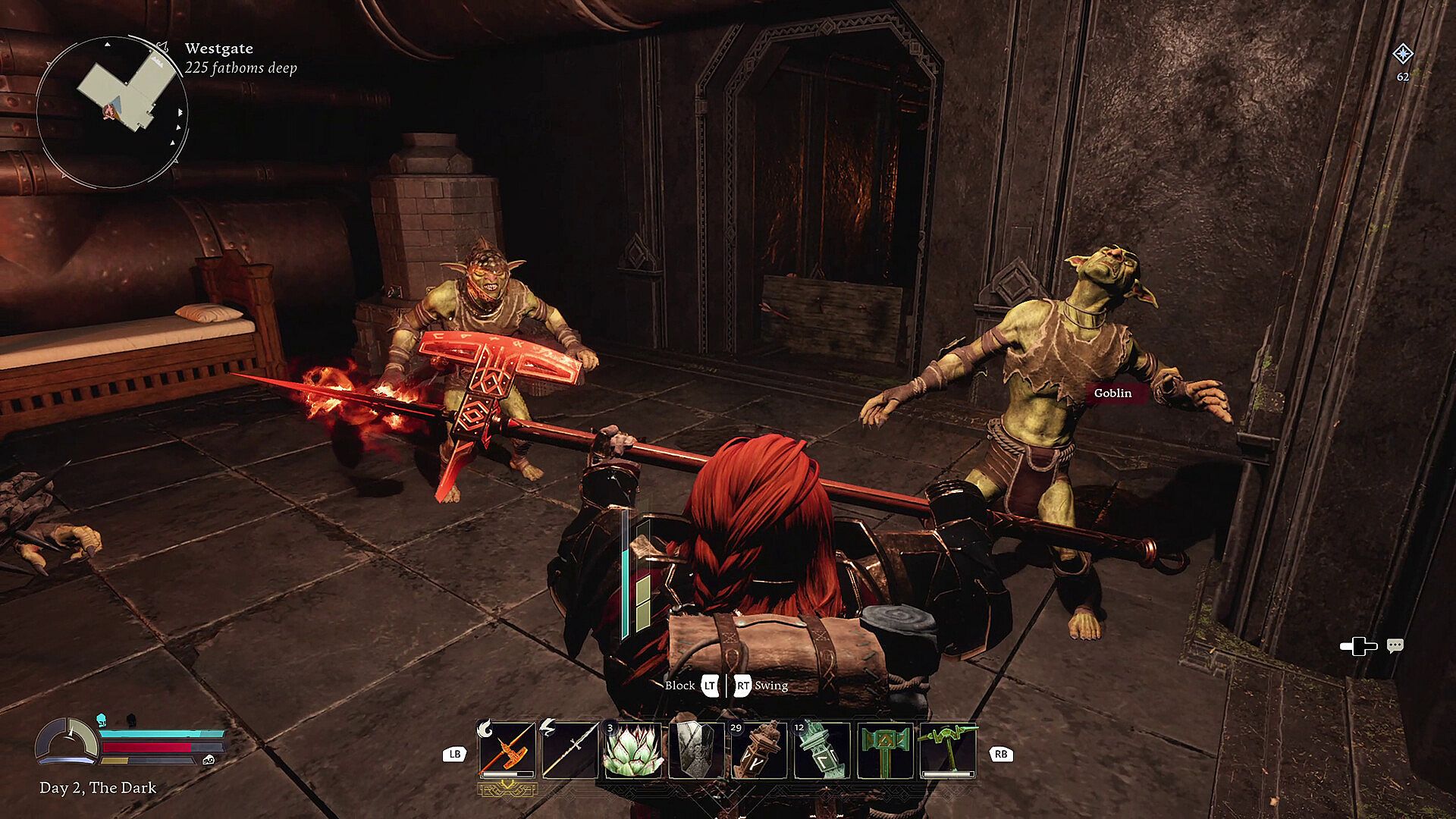
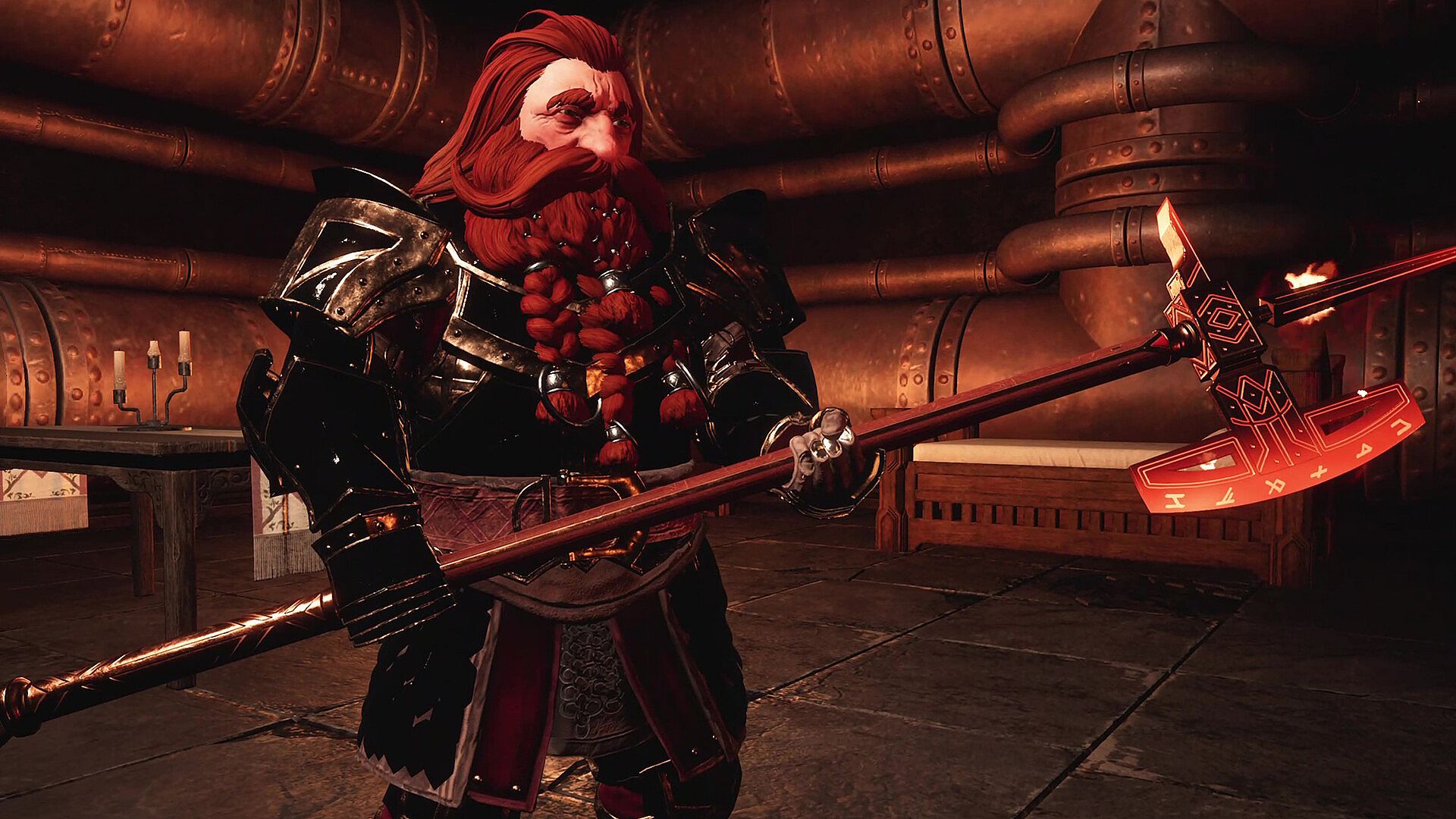
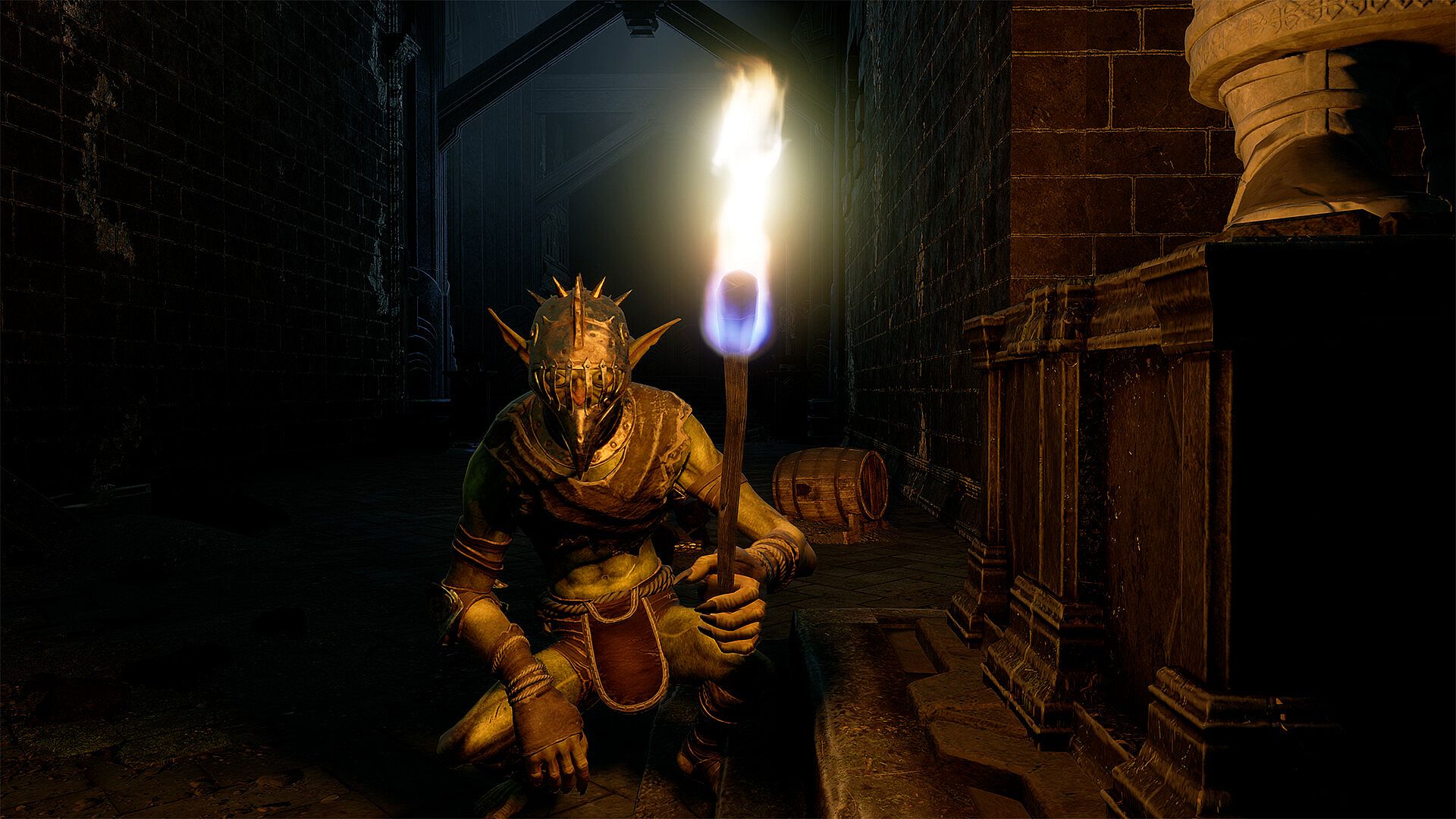
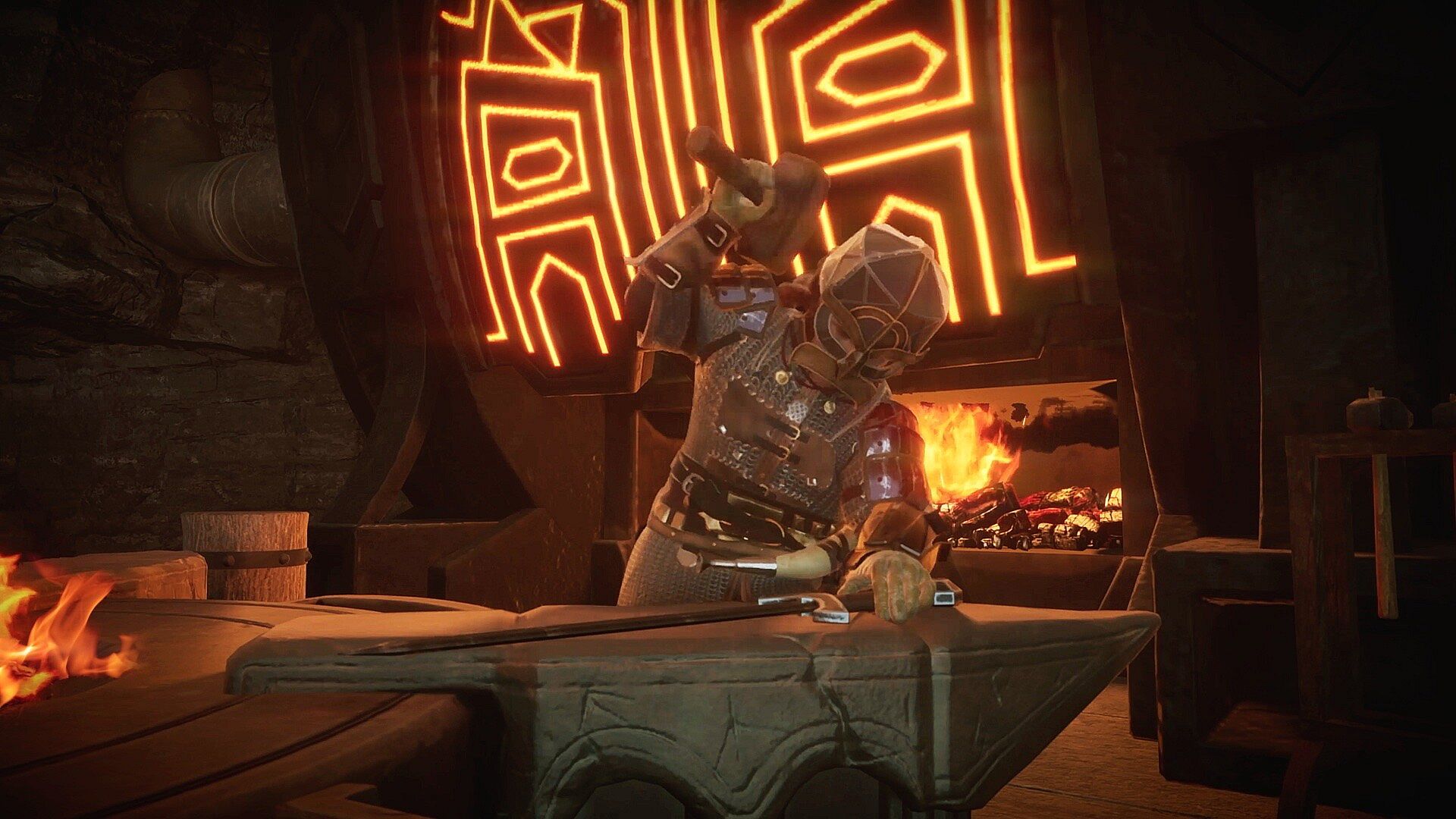
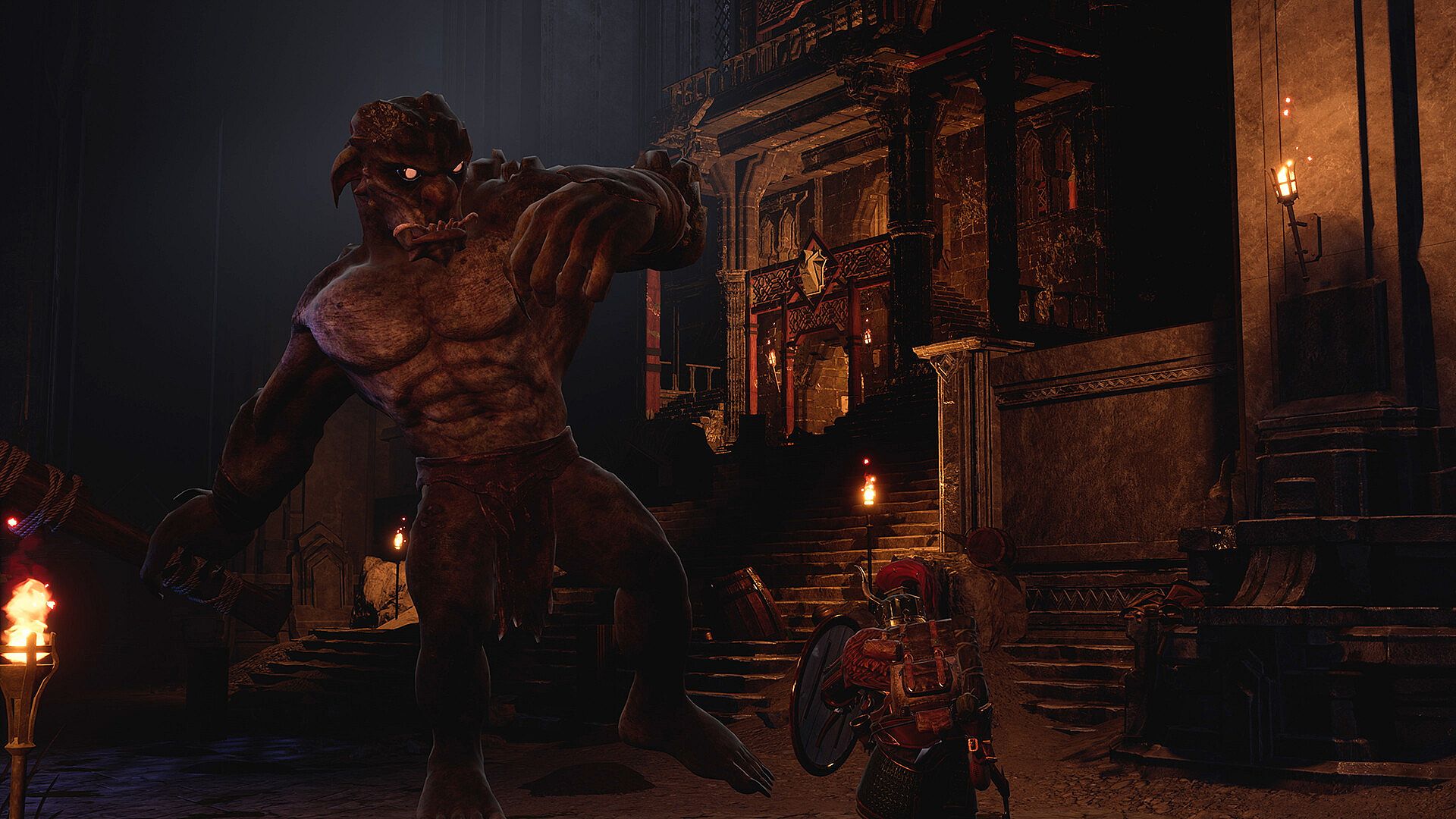
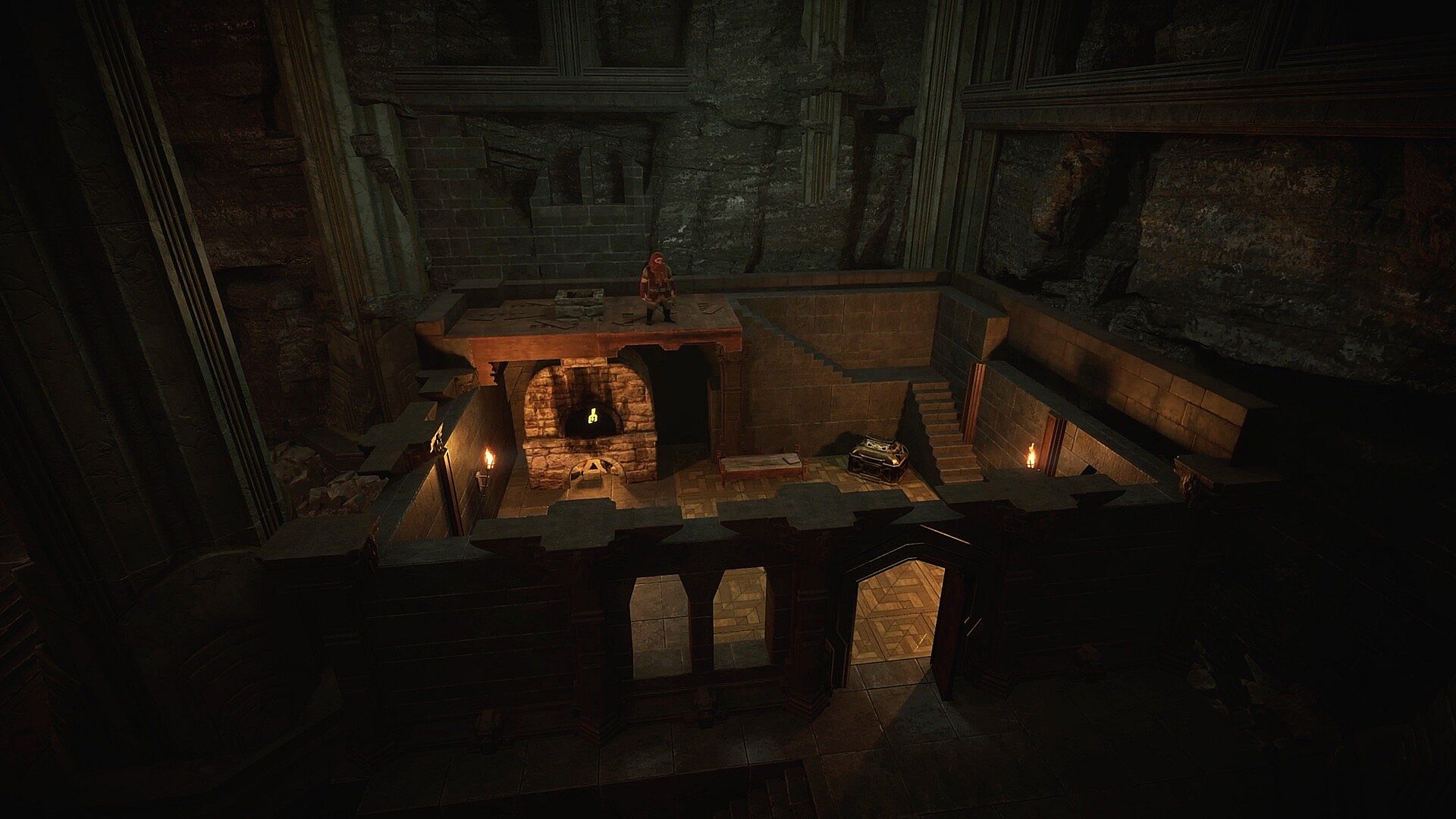
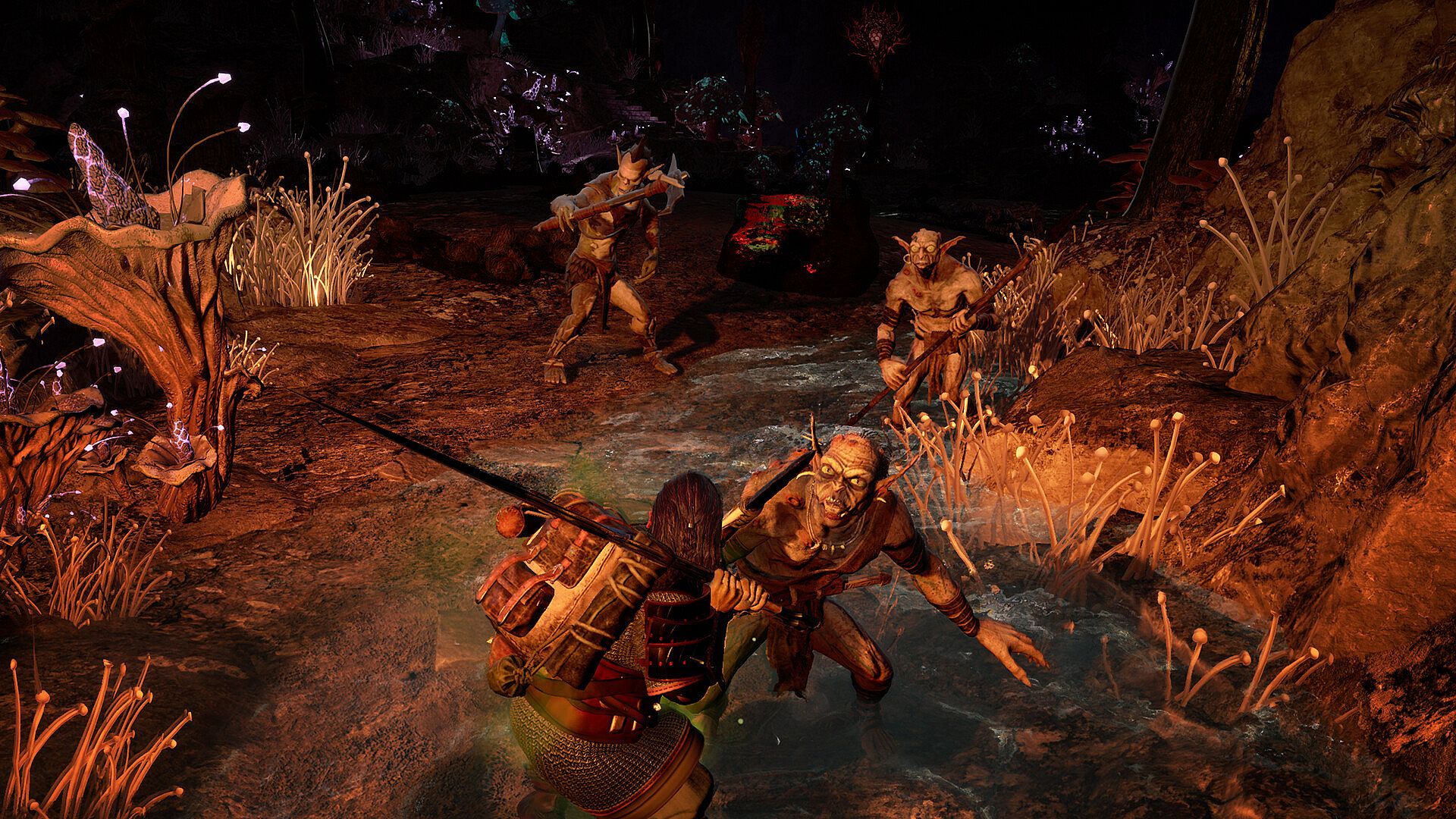
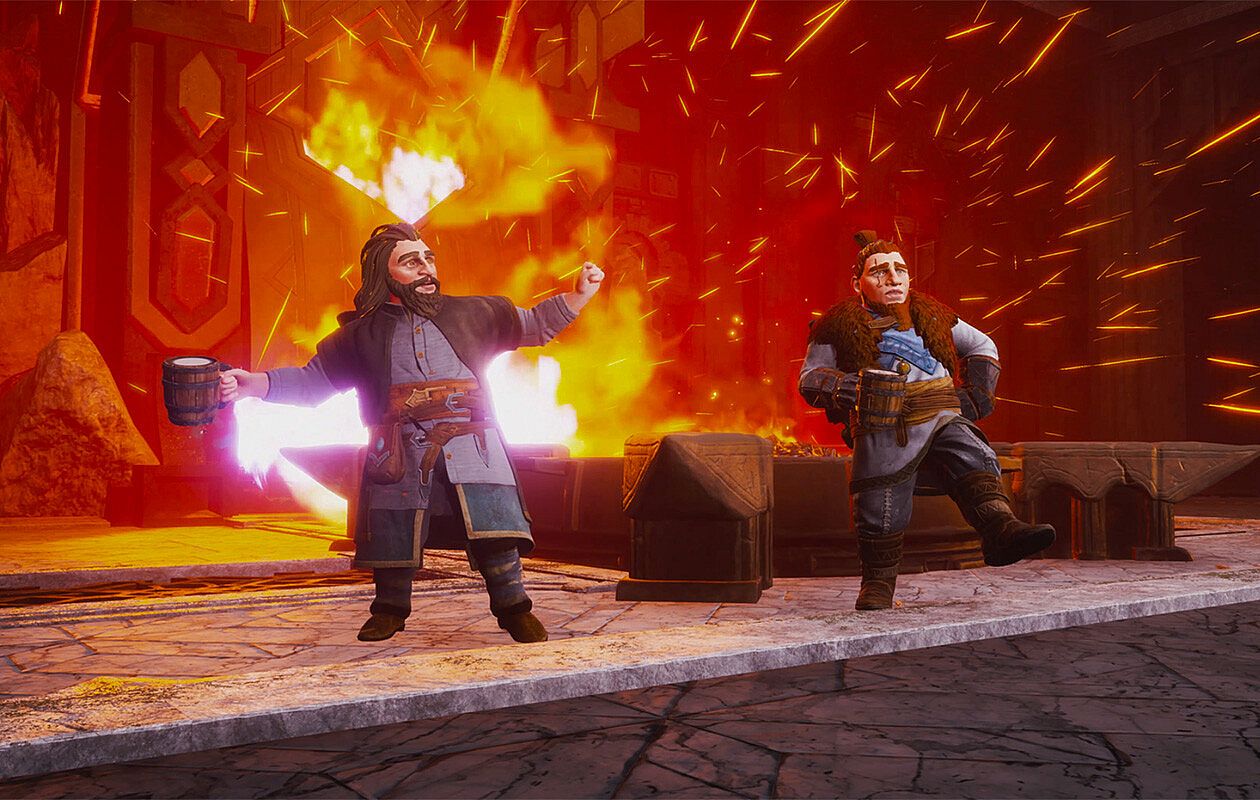
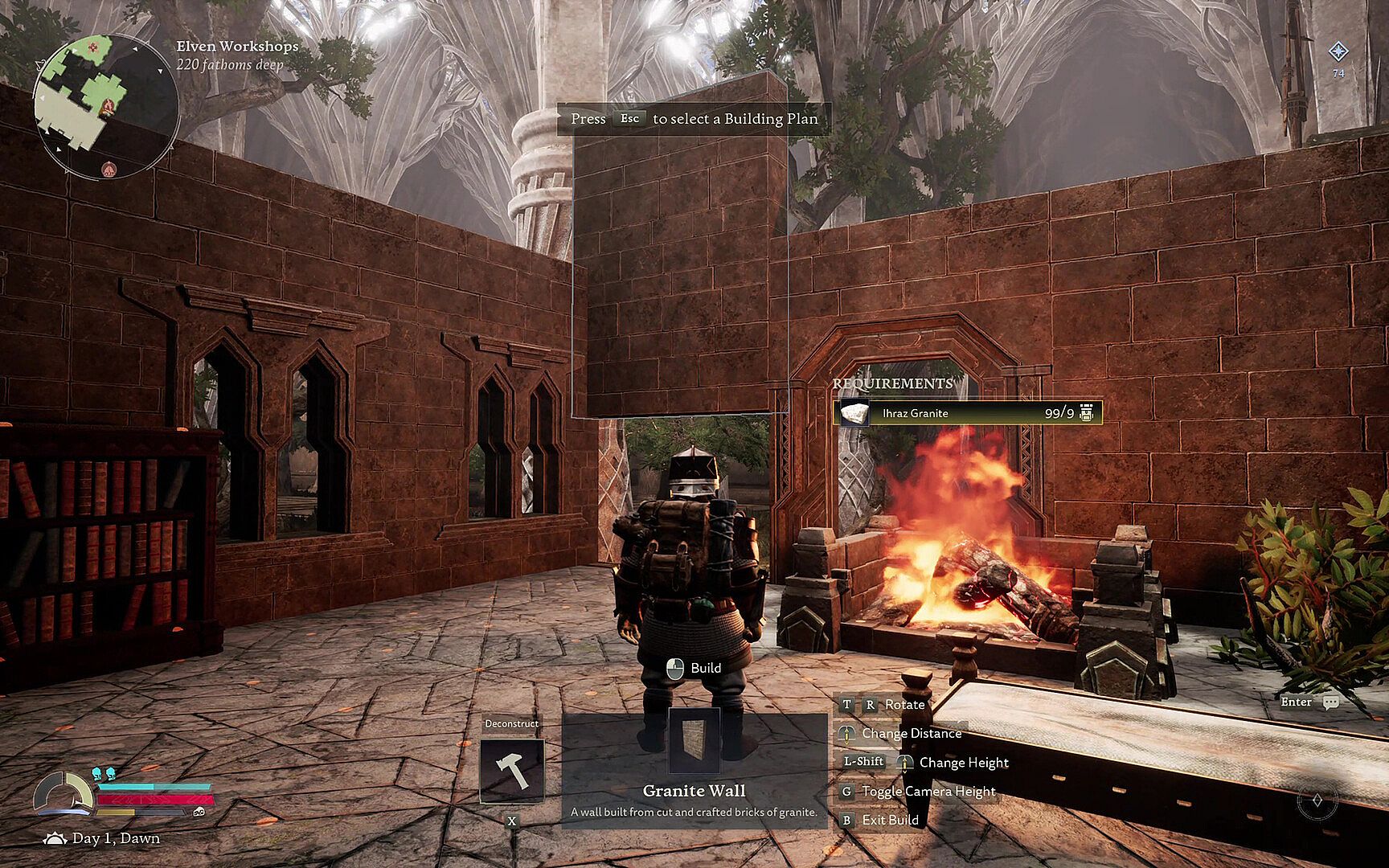
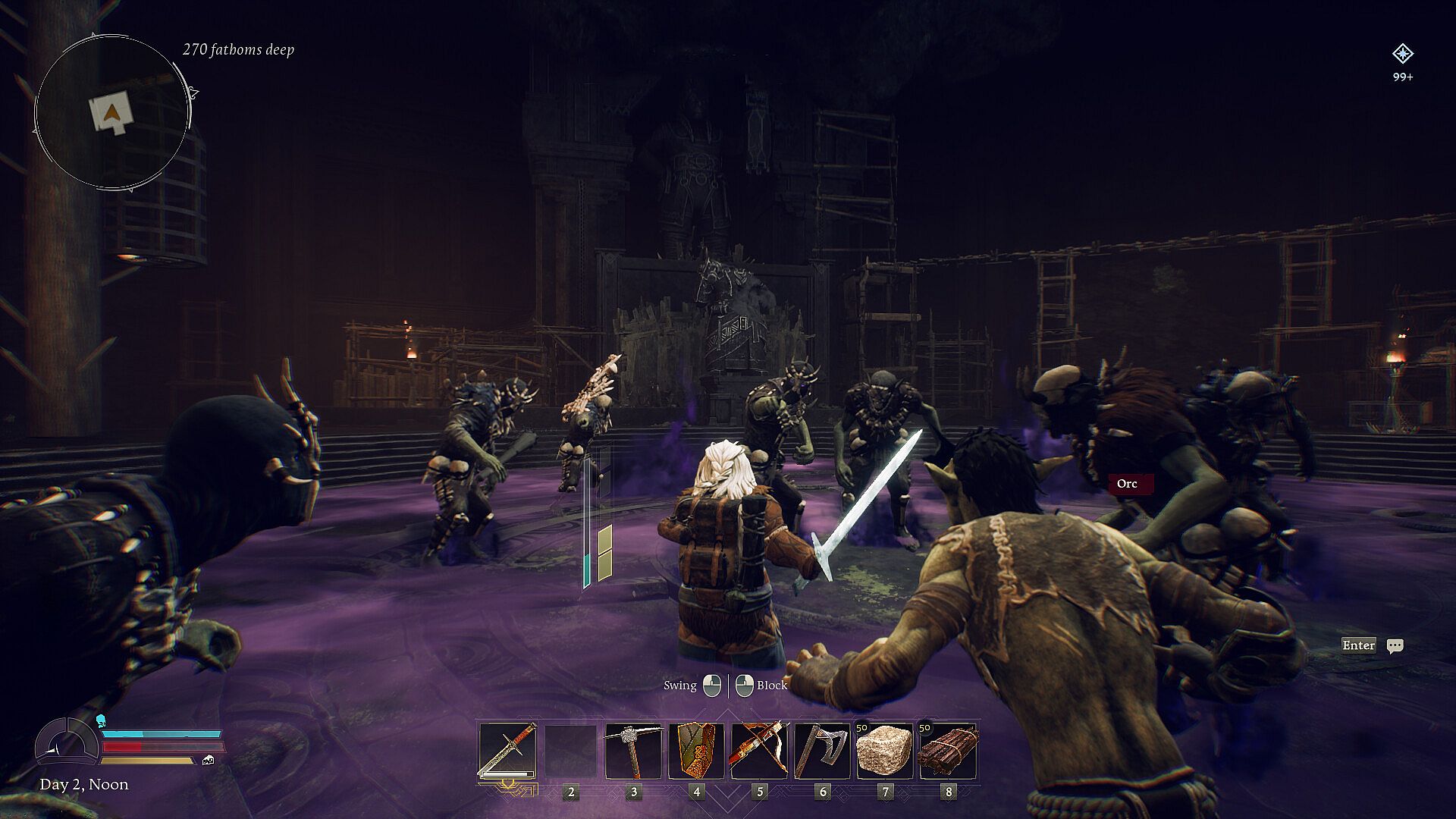
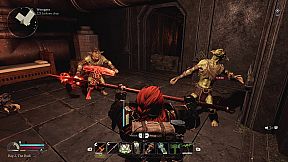
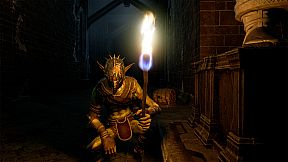
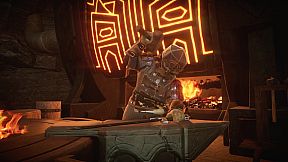
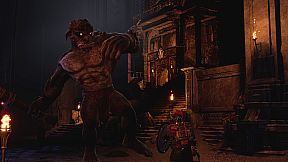
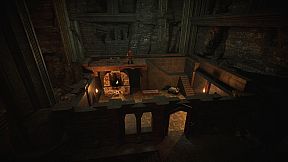
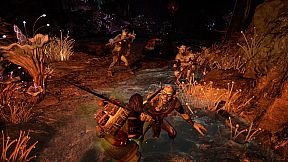
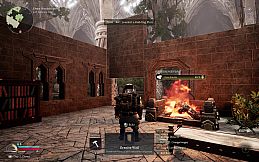
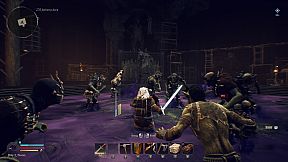
At its core, the game revolves around delving into procedurally generated mines filled with resources, secrets, and hazards. You gather materials like ore and gems to craft weapons, armor, and tools, often rebuilding ancient forges to unlock advanced smithing techniques. Survival mechanics require careful attention to hunger, fatigue, temperature, and noise, as excessive sound can attract enemies such as orcs and trolls. Combat involves melee attacks with axes and swords, sometimes enhanced by glowing weapons that signal nearby foes. Building plays a key role, allowing you to construct bases in cleared areas, fortify positions, and restore dwarven landmarks as the narrative unfolds.
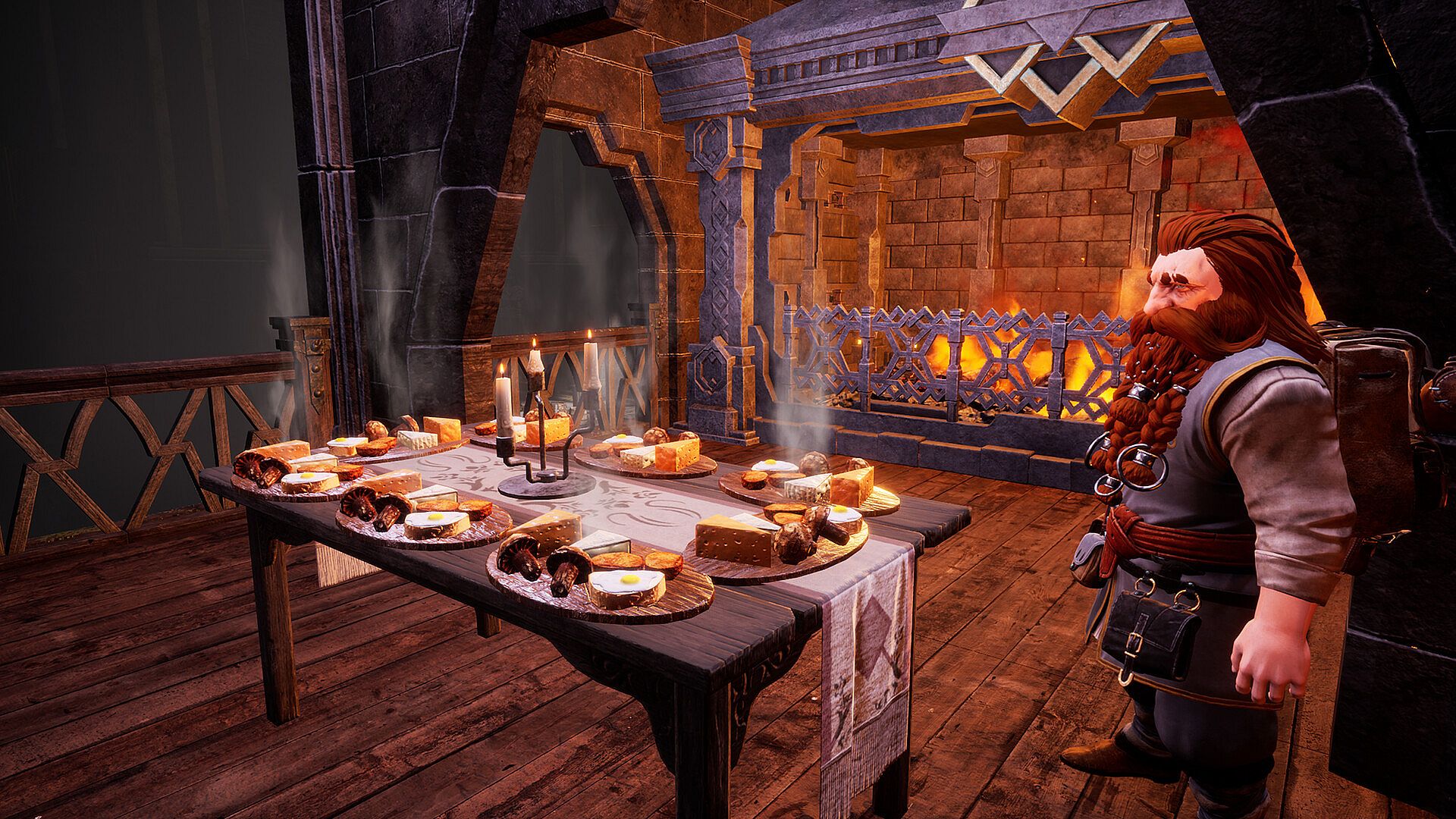
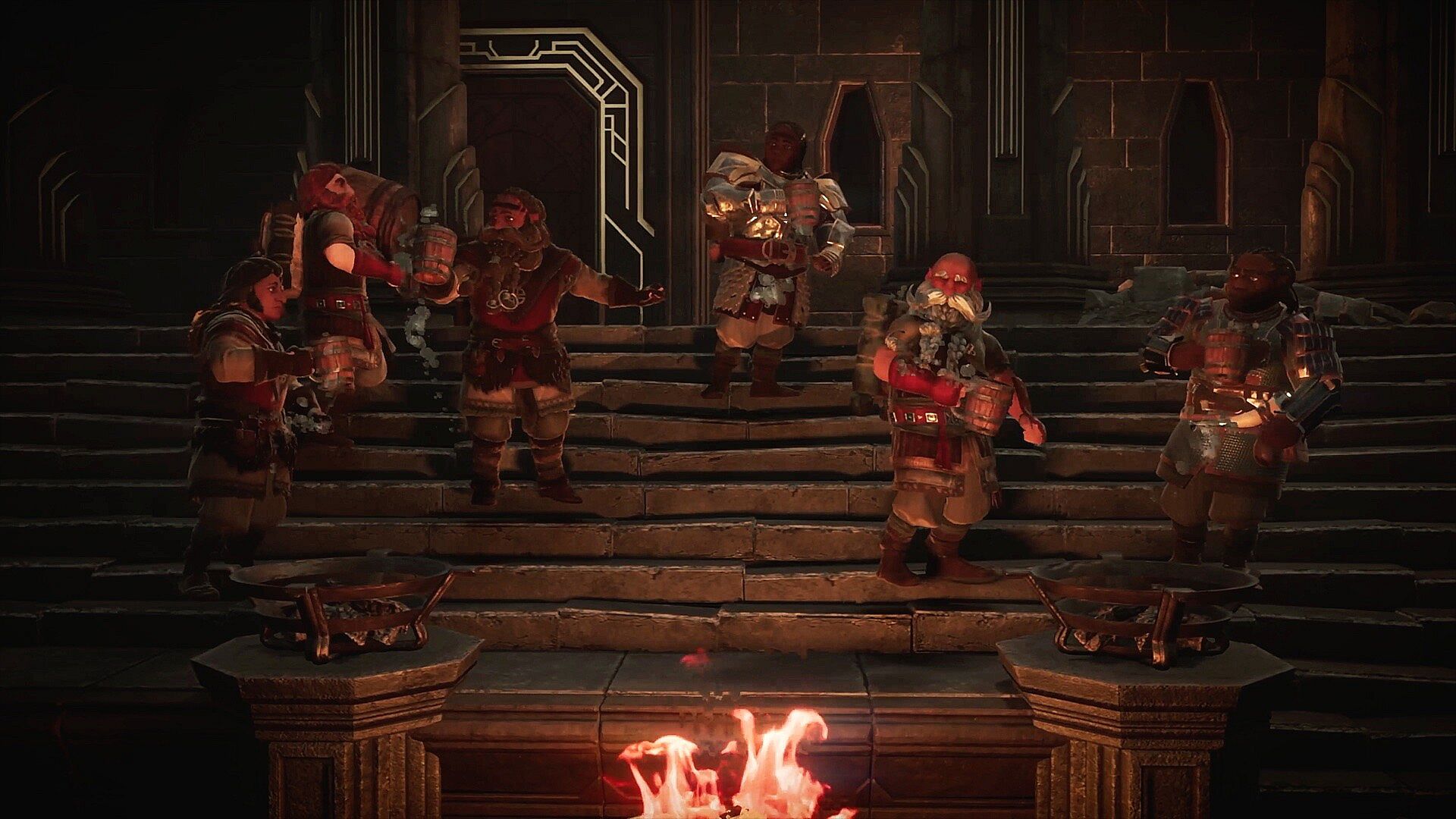
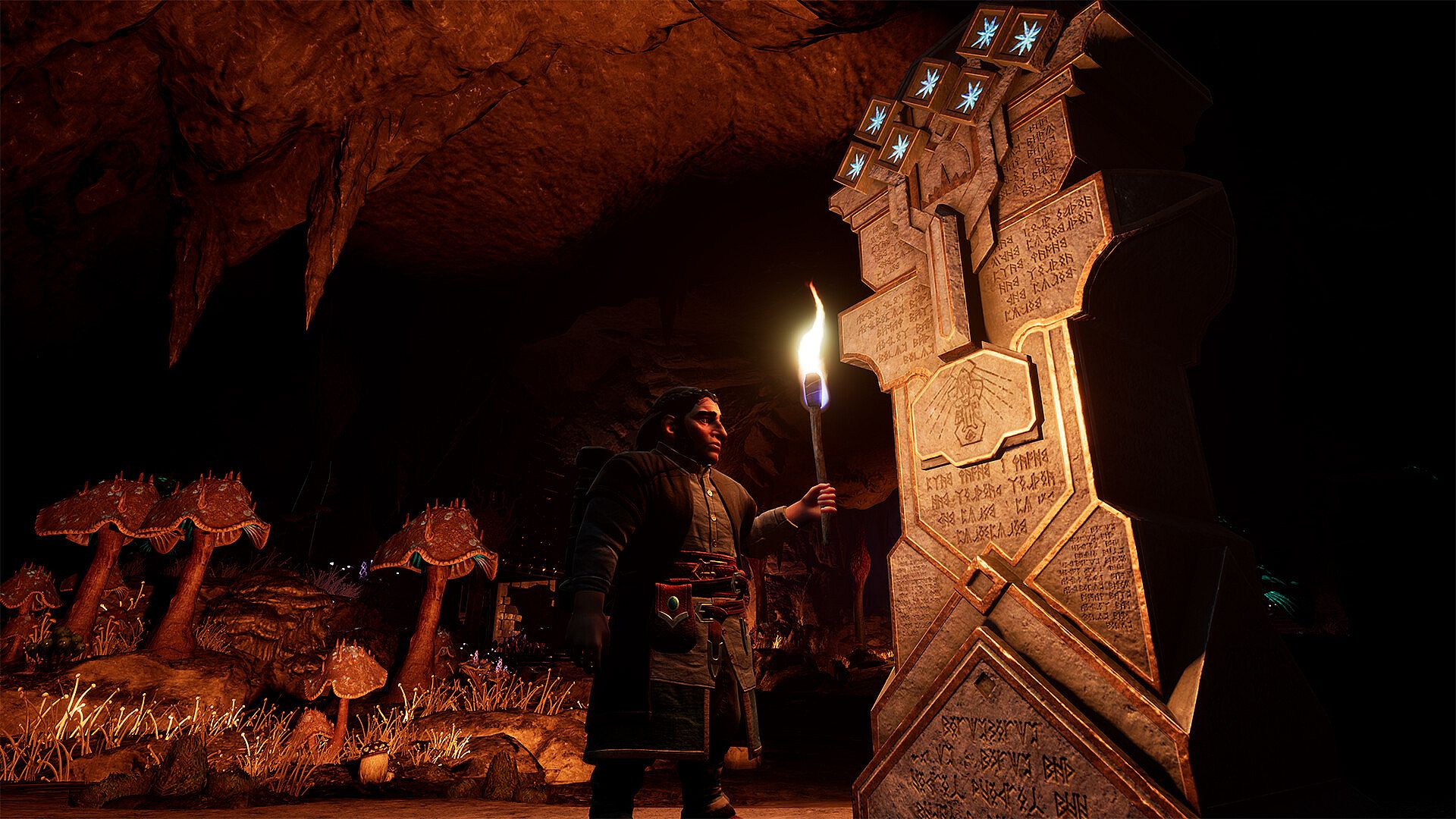
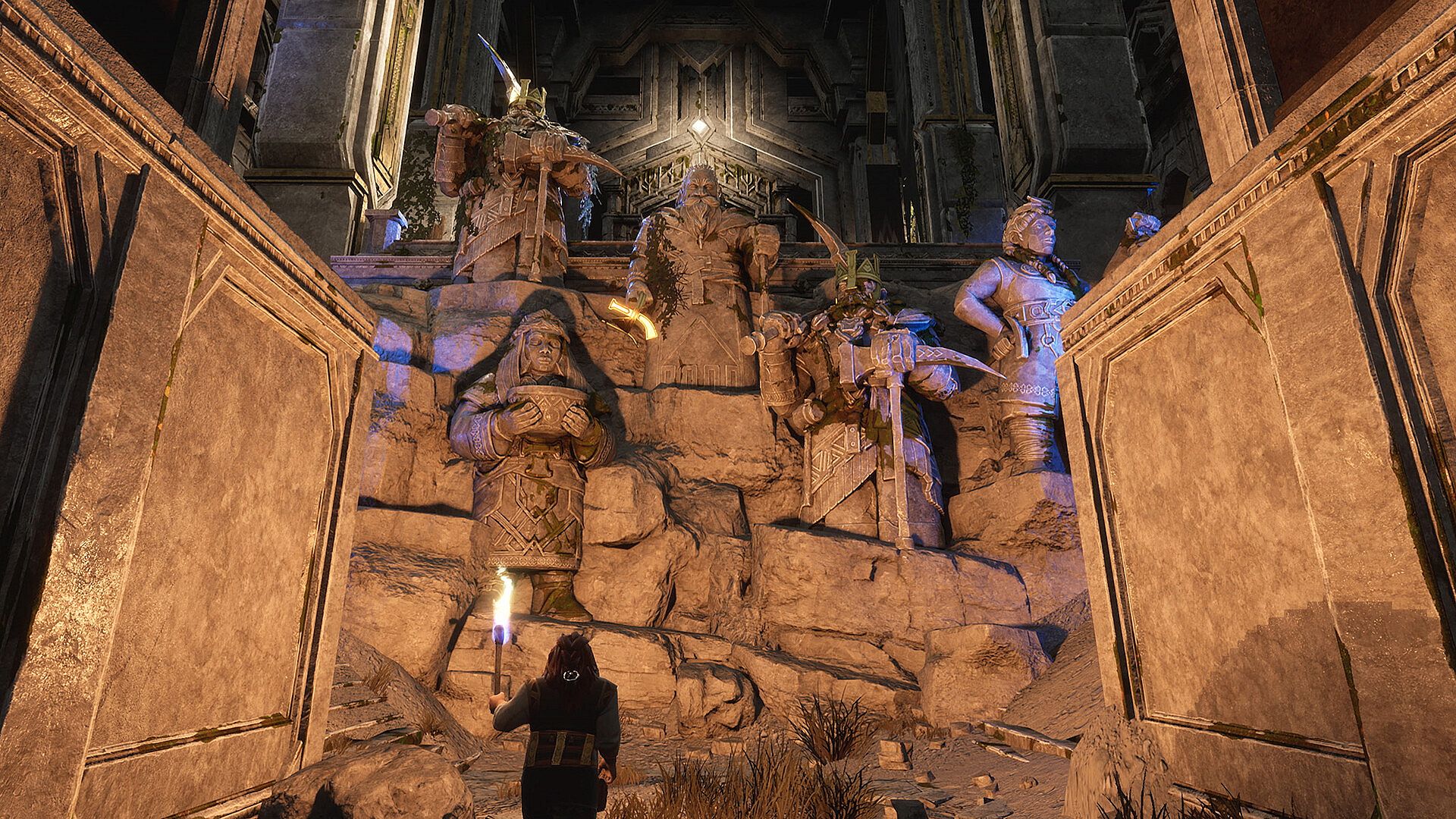
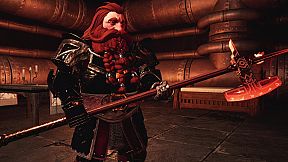
Exploration encourages venturing into uncharted depths, where every playthrough differs due to the random generation. You hunt for food, brew ales for buffs, and even sing dwarven songs to boost morale. Customization options let you tweak your dwarf's appearance, including beard styles, adding a personal touch to the experience. The game integrates lore elements, like traces of the Fellowship and Khuzdul voice acting, to ground the action in Middle-earth's history.
Game Modes
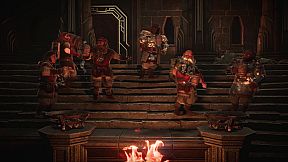
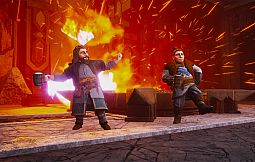
The game supports solo play, where you tackle the challenges of Moria on your own, managing all aspects of survival and progression independently. For those preferring teamwork, it offers online cooperative multiplayer with up to eight players, enabling groups to divide tasks like mining, crafting, and defending against threats. This co-op mode enhances the experience by allowing shared base-building and coordinated battles, though crossplay is available across platforms for broader accessibility.
Key Features and Mechanics
Beyond basic survival, mechanics include looting legendary items and uncovering enchantments that improve gear. Resource conservation is critical, as you balance gathering with environmental dangers like cave-ins or poisonous gases. The progression system ties into the story, where reclaiming areas unlocks new recipes and technologies. Combat feels weighty, with a focus on positioning and timing against waves of dark forces, including larger bosses that demand strategy.
- Procedural generation ensures replayability with unique mine layouts each time.
- Crafting system draws from dwarven traditions, emphasizing quality over quantity.
- Multiplayer integration allows seamless joining of sessions for collaborative adventures.
Is It Worth Playing?
Player reception has evolved since the game's launch, with initial mixed feedback highlighting technical issues that updates have addressed over time. As of early 2026, it maintains an active community, particularly among fans of cooperative survival titles. The game suits those who appreciate deep crafting systems and Tolkien-inspired settings, offering solid value in group play where building and exploring shine. If solo survival crafting with a fantasy twist appeals to you, it provides hours of engaging content, though it may feel repetitive without friends. For LOTR enthusiasts seeking a fresh angle on dwarven life, the lore integration makes it a compelling choice, supported by ongoing improvements that keep the experience fresh.