












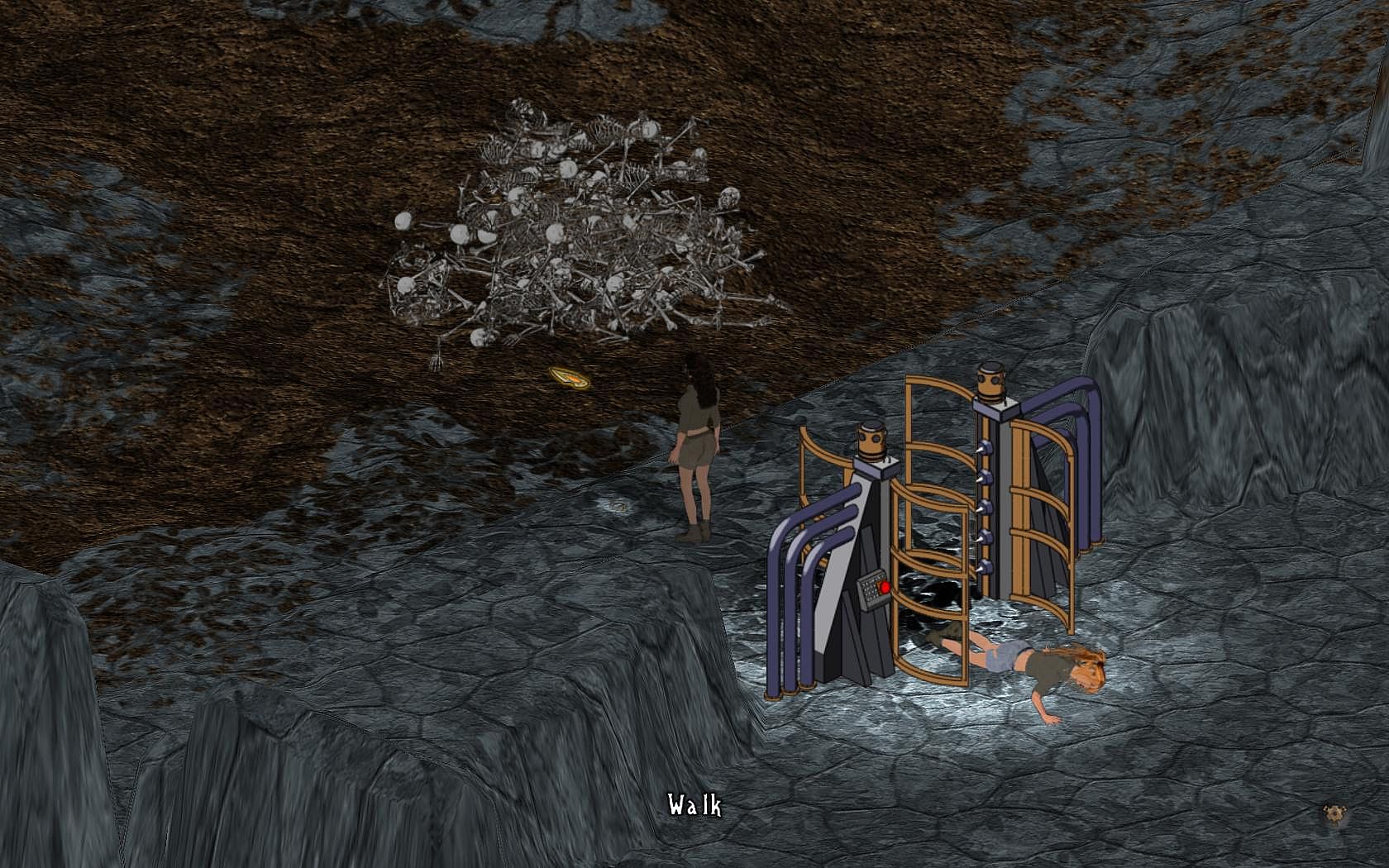
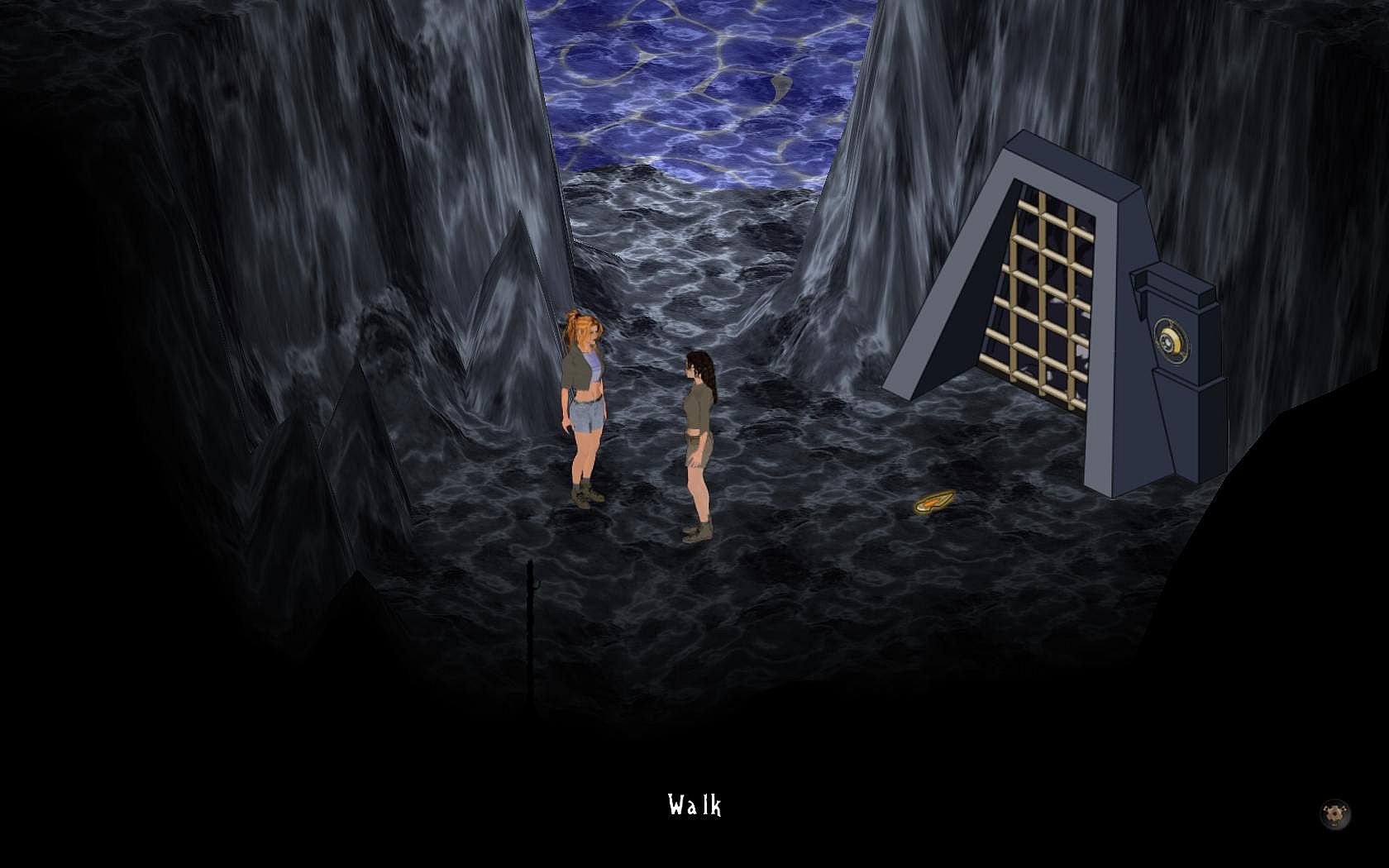
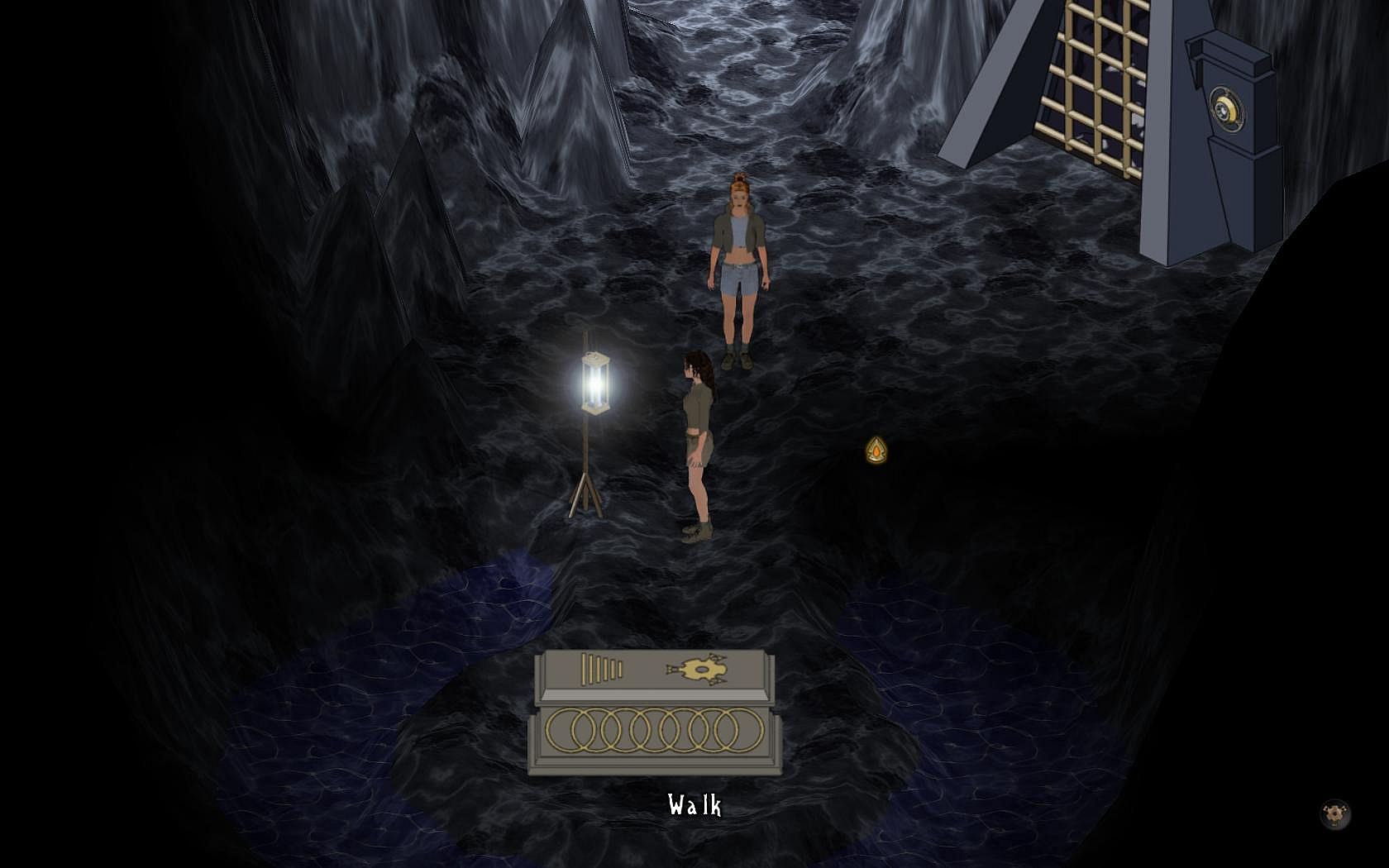
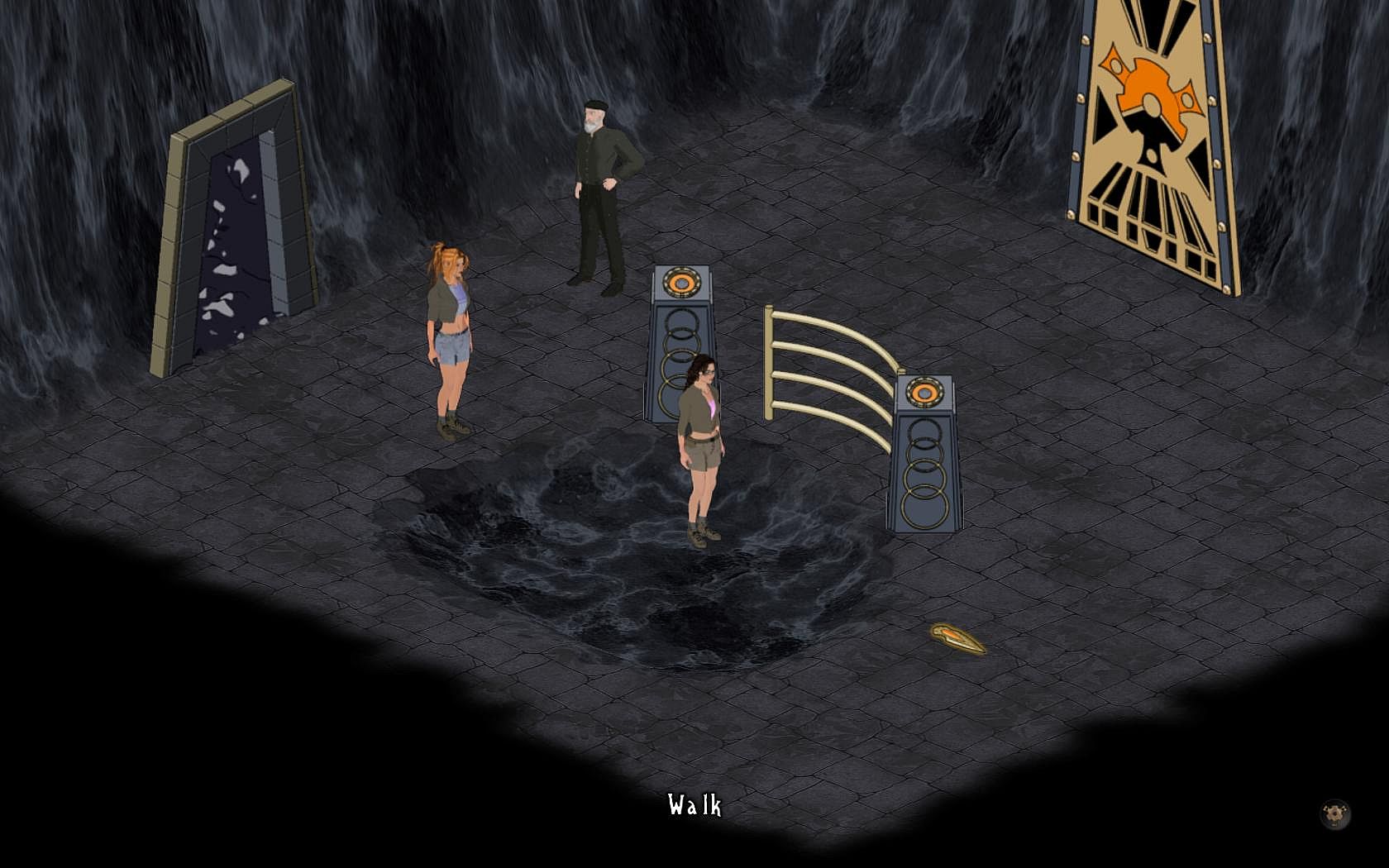
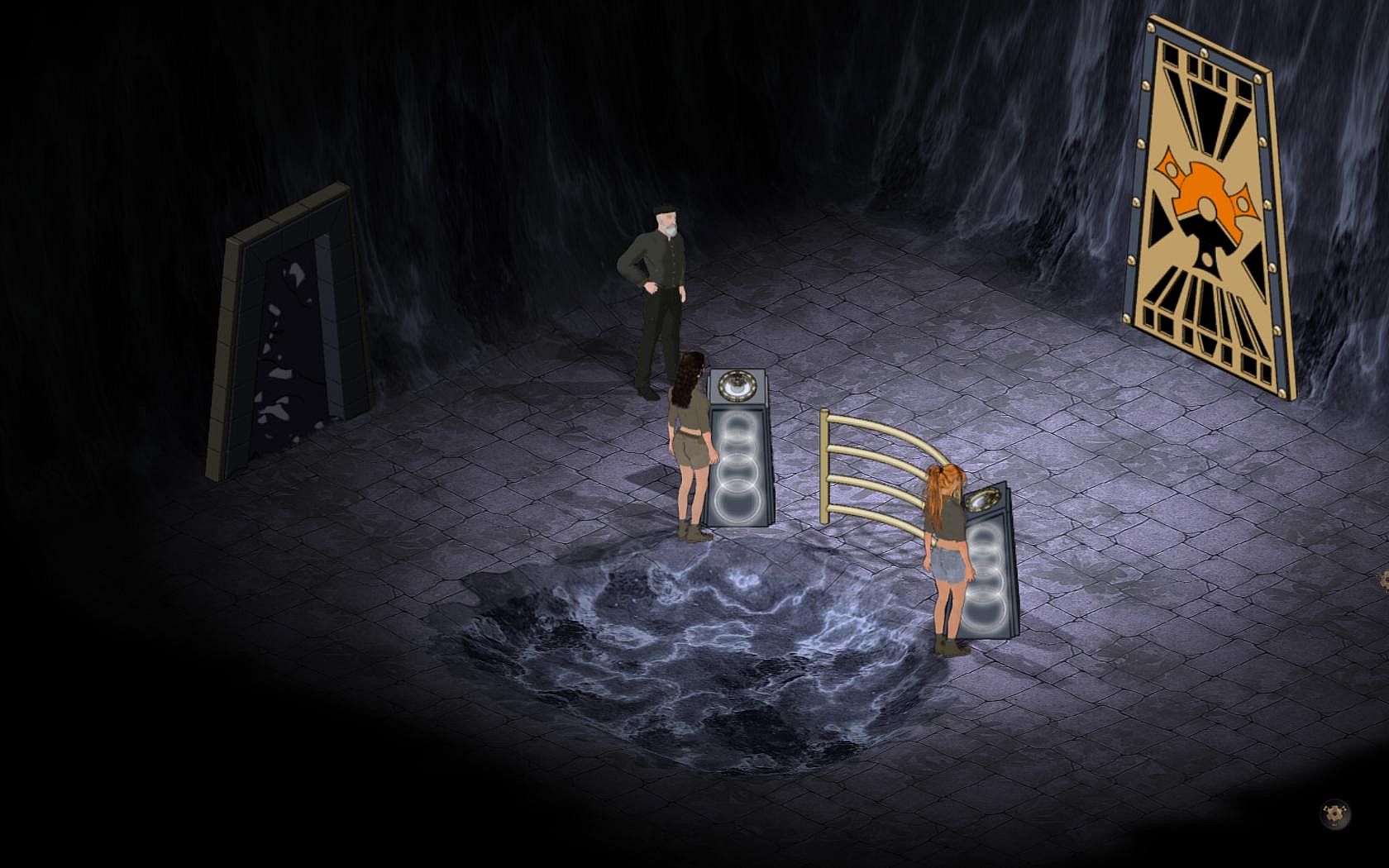
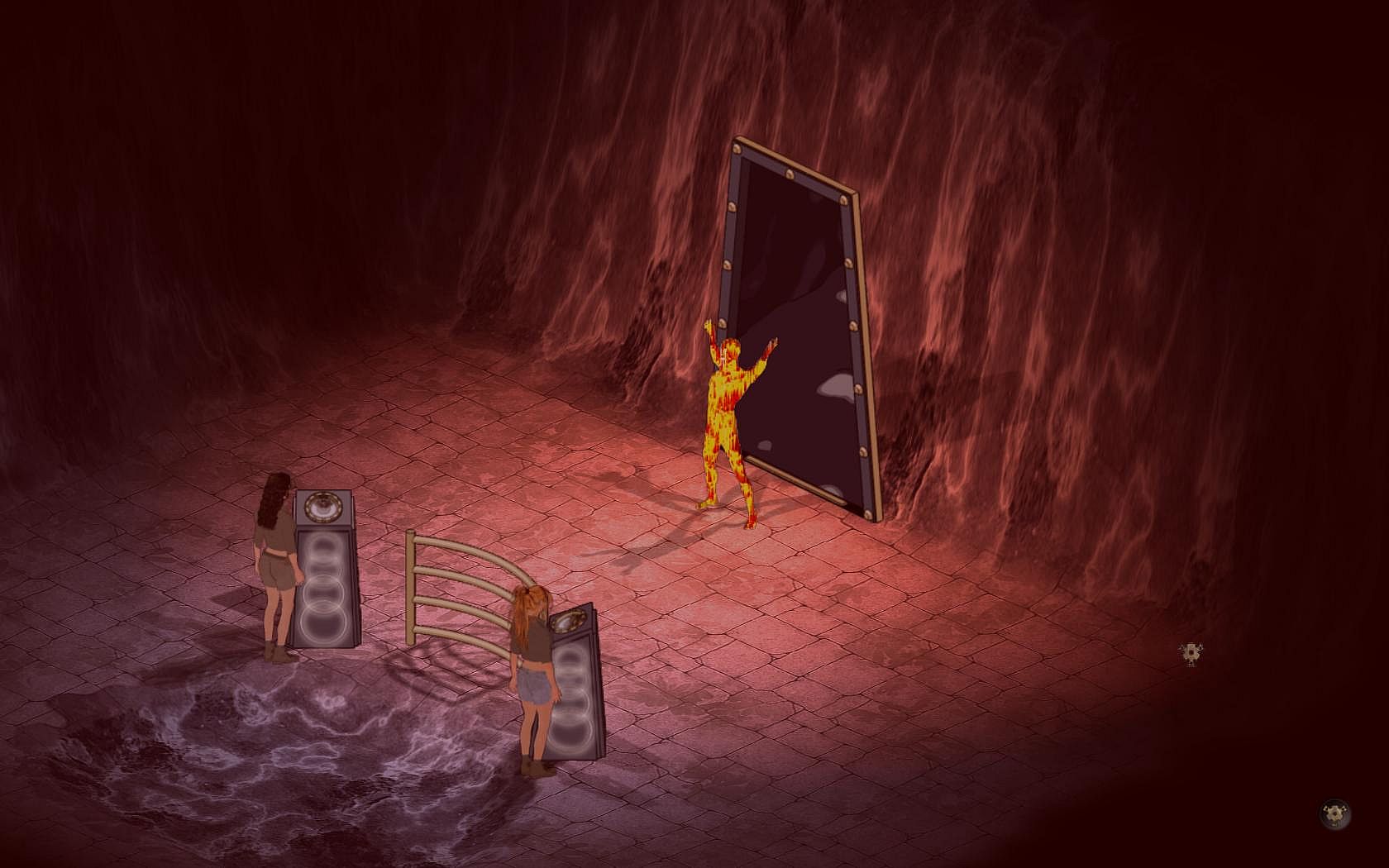
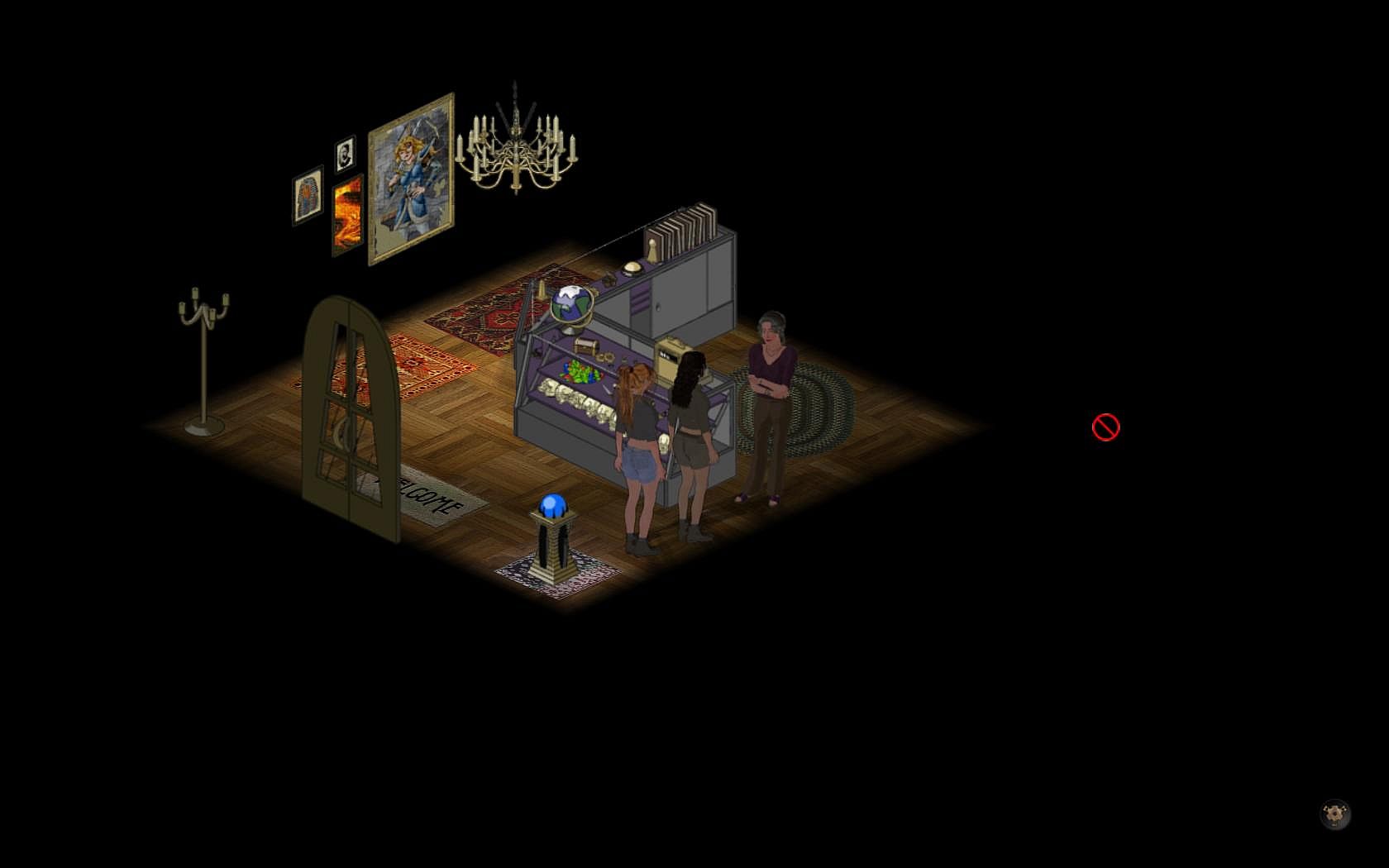
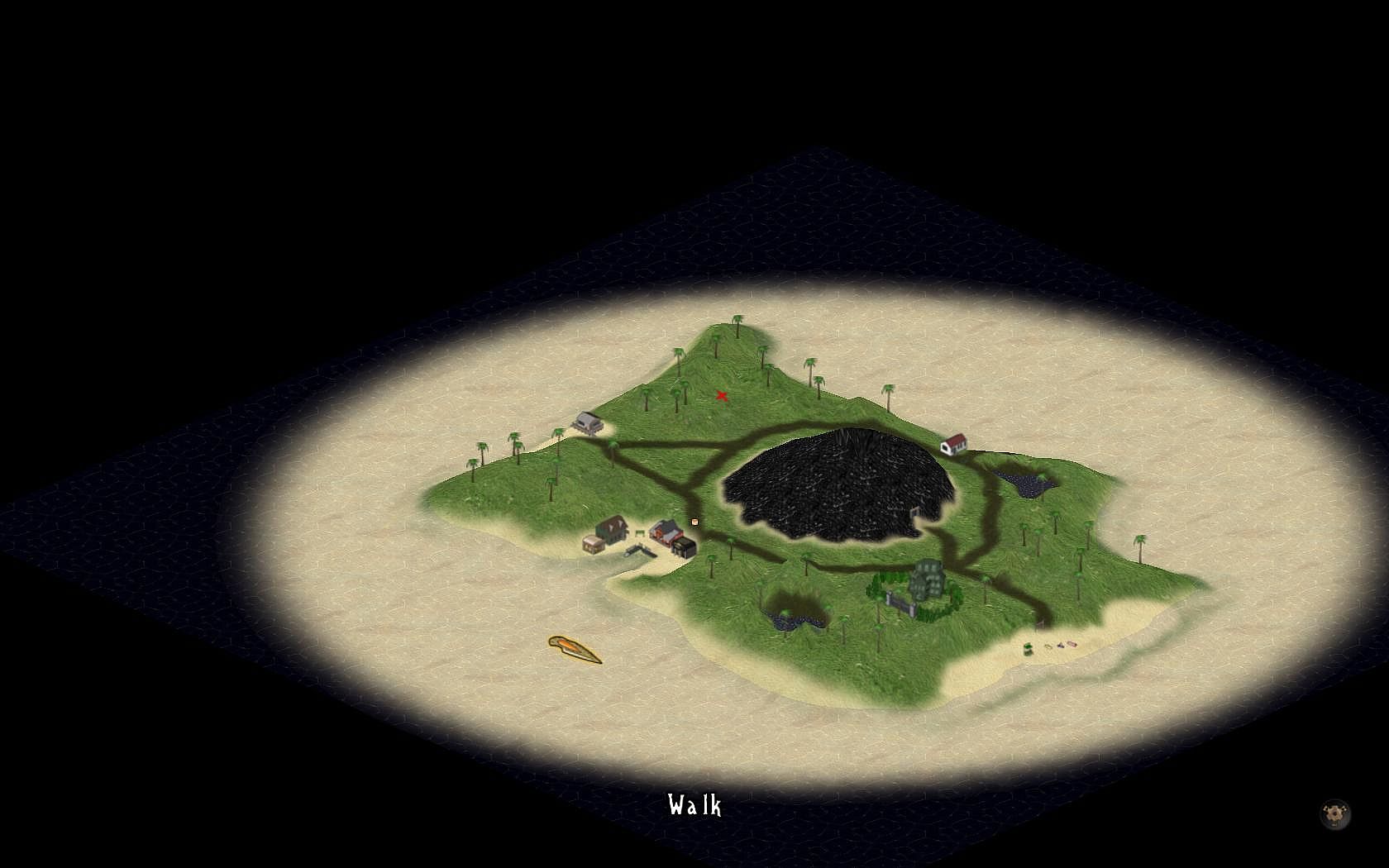
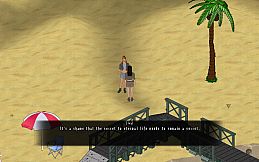
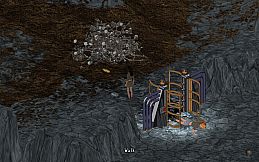
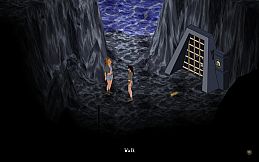
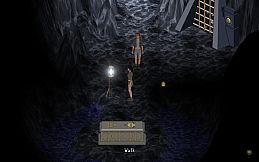
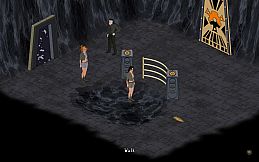
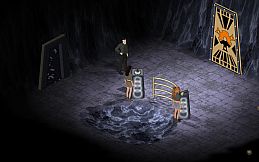
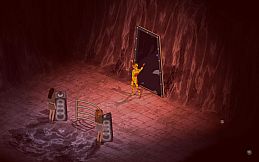
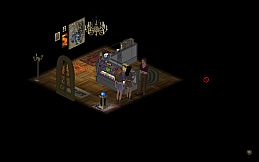
The Lost City of Malathedra is a point-and-click graphic adventure game developed for PC. Players take on the role of Rebecca Wolfe as she searches for her missing father in a forbidden ancient city filled with puzzles and exploration challenges. The game draws from classic adventure titles through its isometric perspective and inventory-based interactions while running on a custom engine that supports 3D hardware without requiring high-end systems.
Gameplay
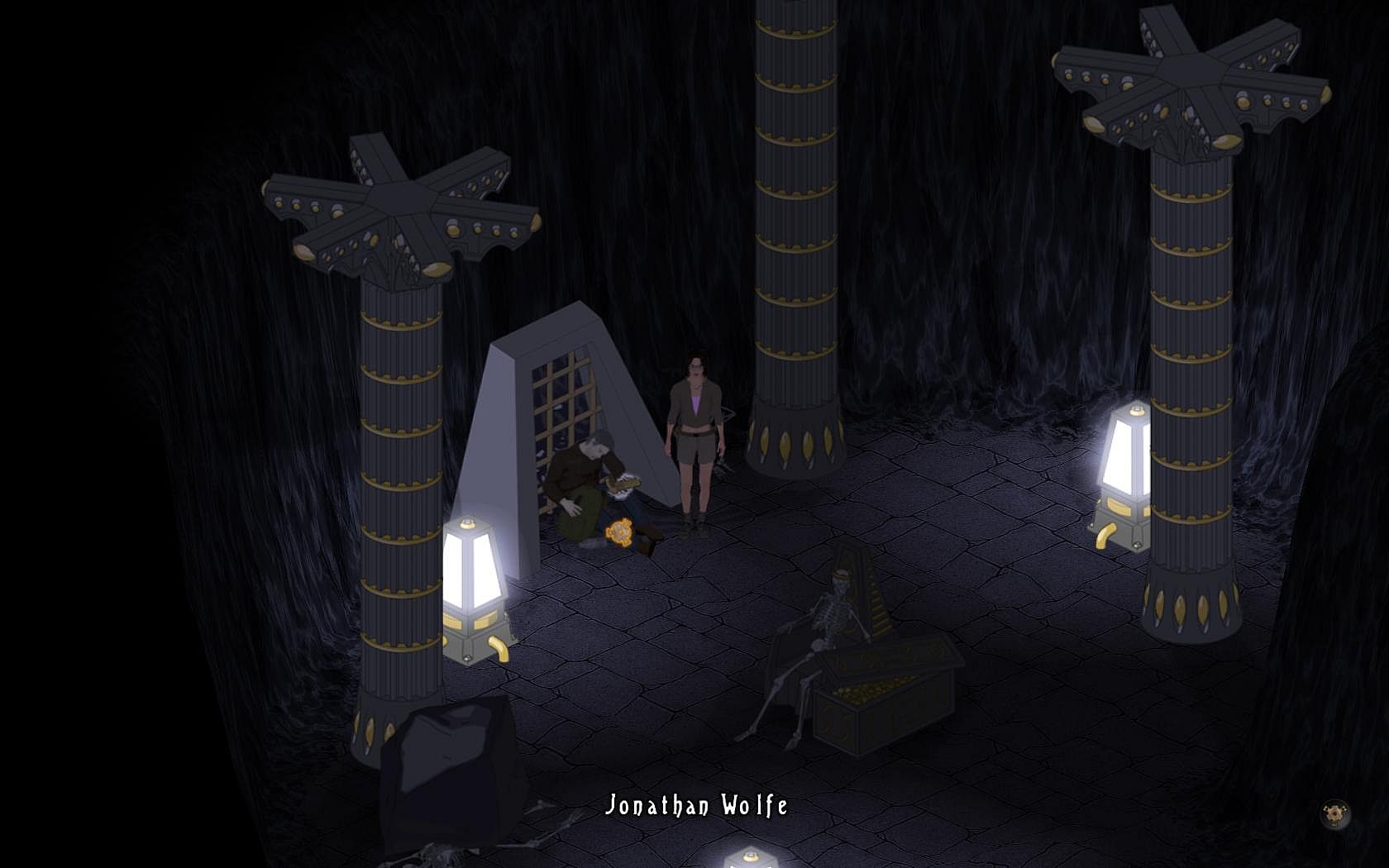
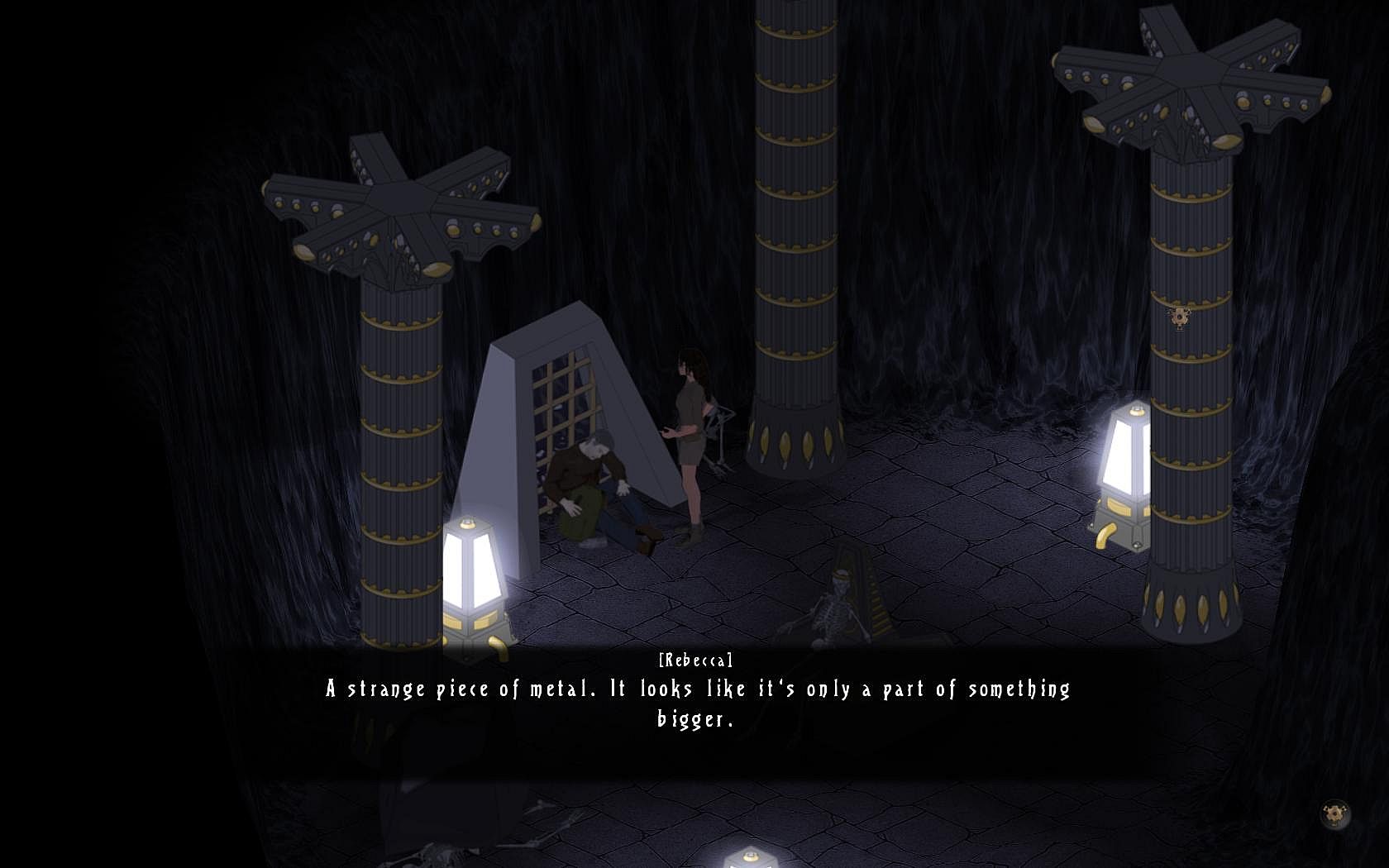
Core gameplay centers on point-and-click mechanics in an isometric view. Players navigate environments by clicking on locations, characters, and objects to interact with them. The interface limits actions to three options: speak with non-player characters, grab items for the inventory, and examine details in the scene. Progress depends entirely on solving puzzles that range from straightforward object combinations to more intricate logic challenges inspired by older adventure designs. A short prologue introduces the controls and setting by placing players in control of Jonathan Wolfe before switching to Rebecca for the main sequence. The experience stays linear with no branching paths or alternative solutions noted in the design.
Game Modes
The game offers a single-player adventure experience focused on the main story. There is no multiplayer component, cooperative play, or separate challenge modes. The prologue serves as an optional tutorial segment that leads directly into the primary campaign, which unfolds across island locations and the ruins of Malathedra itself. All content remains accessible through standard play without additional modes or difficulty settings beyond the built-in puzzle structure.
Story and Exploration
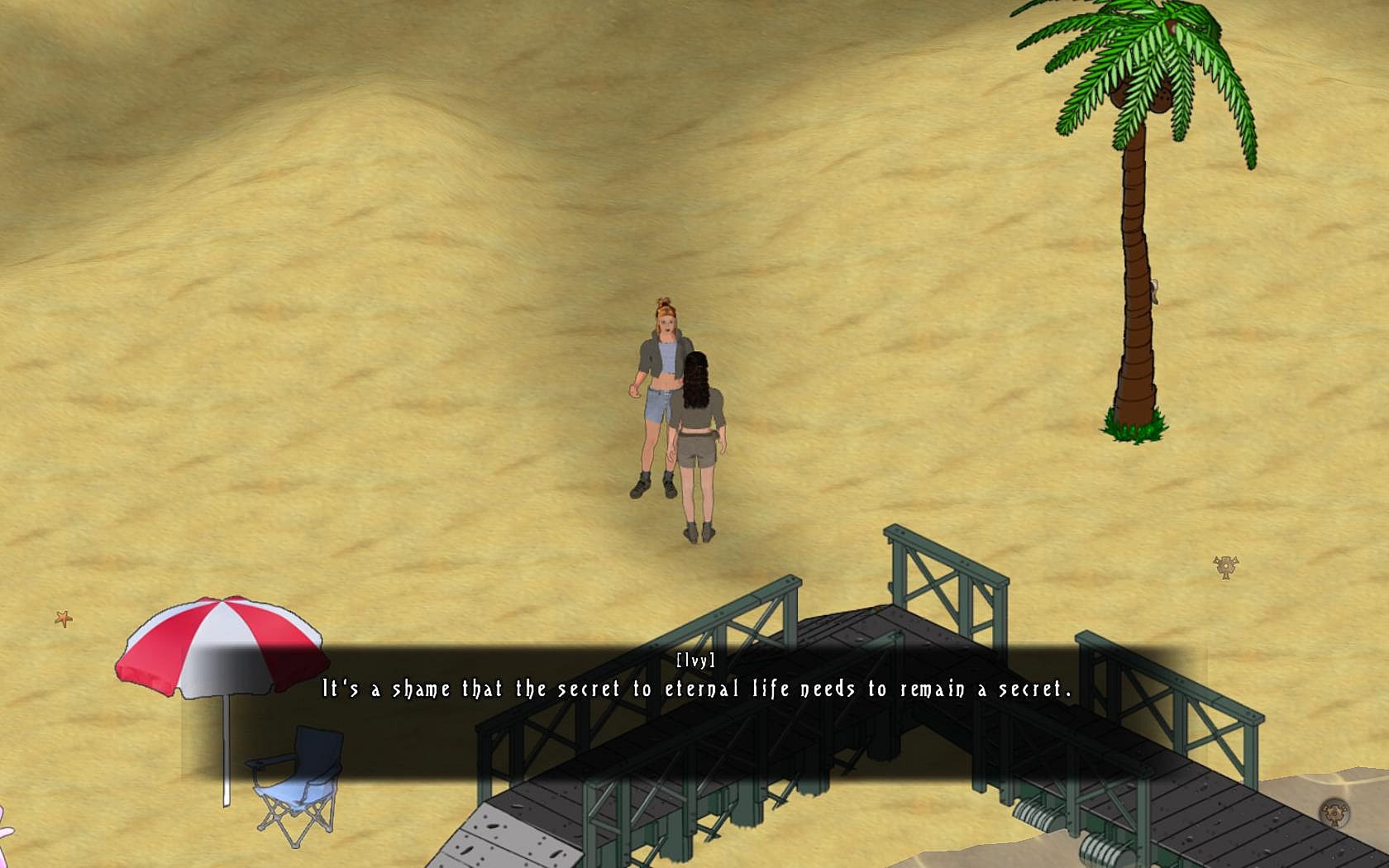
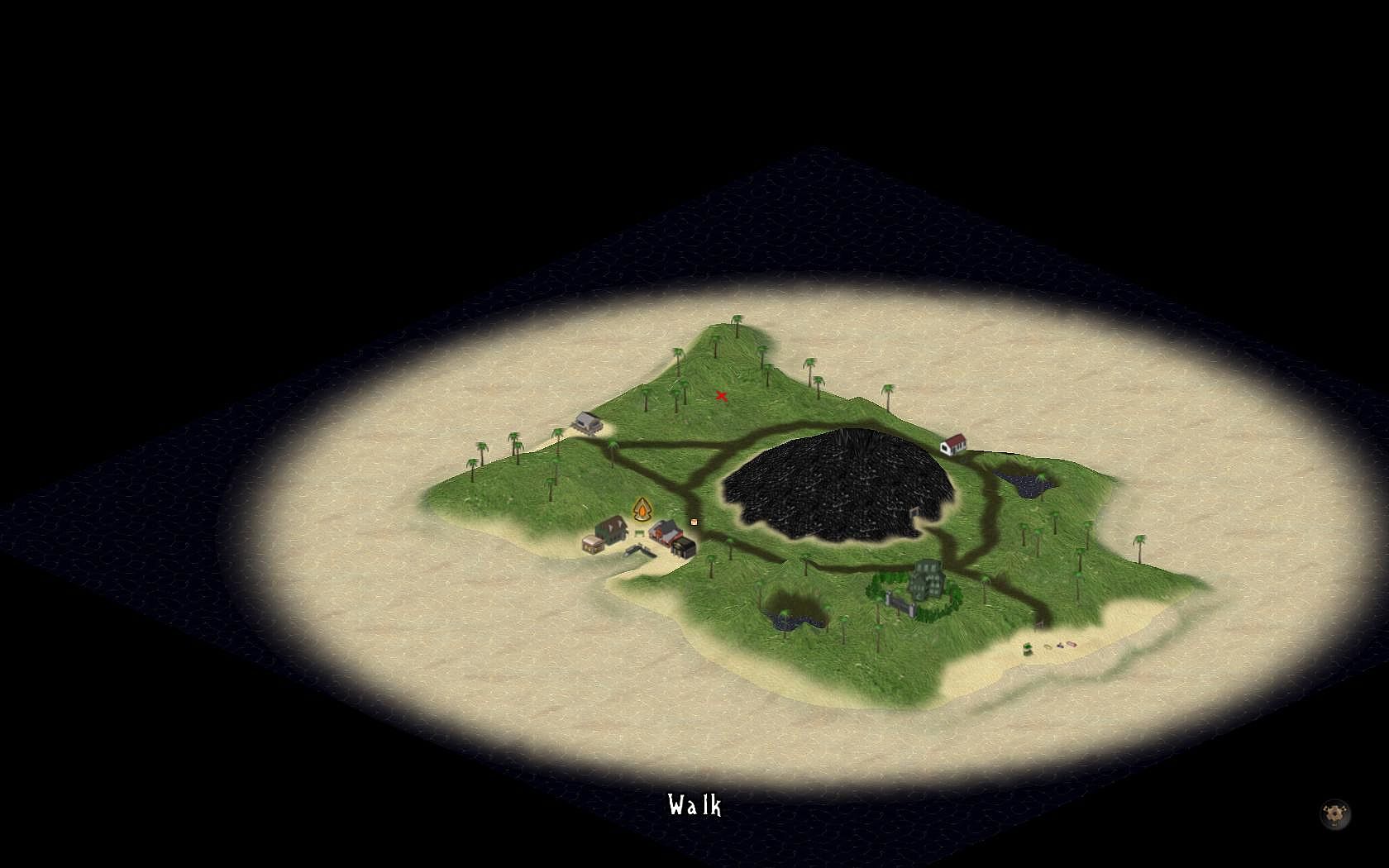
The narrative follows Rebecca as she investigates her father's disappearance near Culuco Island in the Caribbean and its connection to the lost city of Malathedra. Exploration takes players through caves, settlements, and ancient structures where they gather clues and items. Puzzles often tie directly into the story, requiring players to decode mechanisms or negotiate with characters who have their own motives. The setting evokes lost-civilization themes with an emphasis on discovery rather than combat or time pressure.
Graphics and Presentation
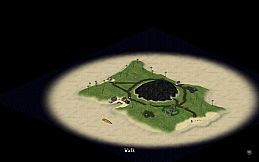
Visuals adopt a retro isometric style that prioritizes clarity for puzzle solving over modern realism. The custom S3Engine handles the presentation to maintain a nostalgic appearance while leveraging available 3D capabilities on modest hardware. Audio consists of a repeating musical score without voice acting, which keeps the focus on environmental details and text-based dialogue. The overall production supports short play sessions that typically last a few hours from start to finish.
Is It Worth Playing?
This title suits players who enjoy classic point-and-click adventures and seek a brief, self-contained experience with familiar mechanics. The eight user reviews on its Steam page reflect a niche audience that appreciates the throwback style, though the limited review volume means broad consensus remains sparse. Those drawn to puzzle-driven exploration in an isometric format may find value in its straightforward design and short length. Availability on PC keeps it accessible for retro enthusiasts, with no ongoing updates or seasonal content altering the original release. The game delivers its intended nostalgic loop without modern expansions or additional features.