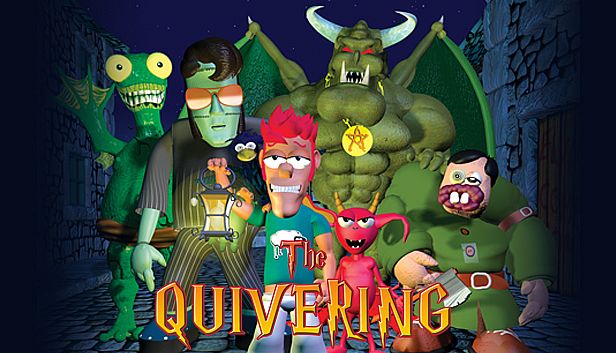











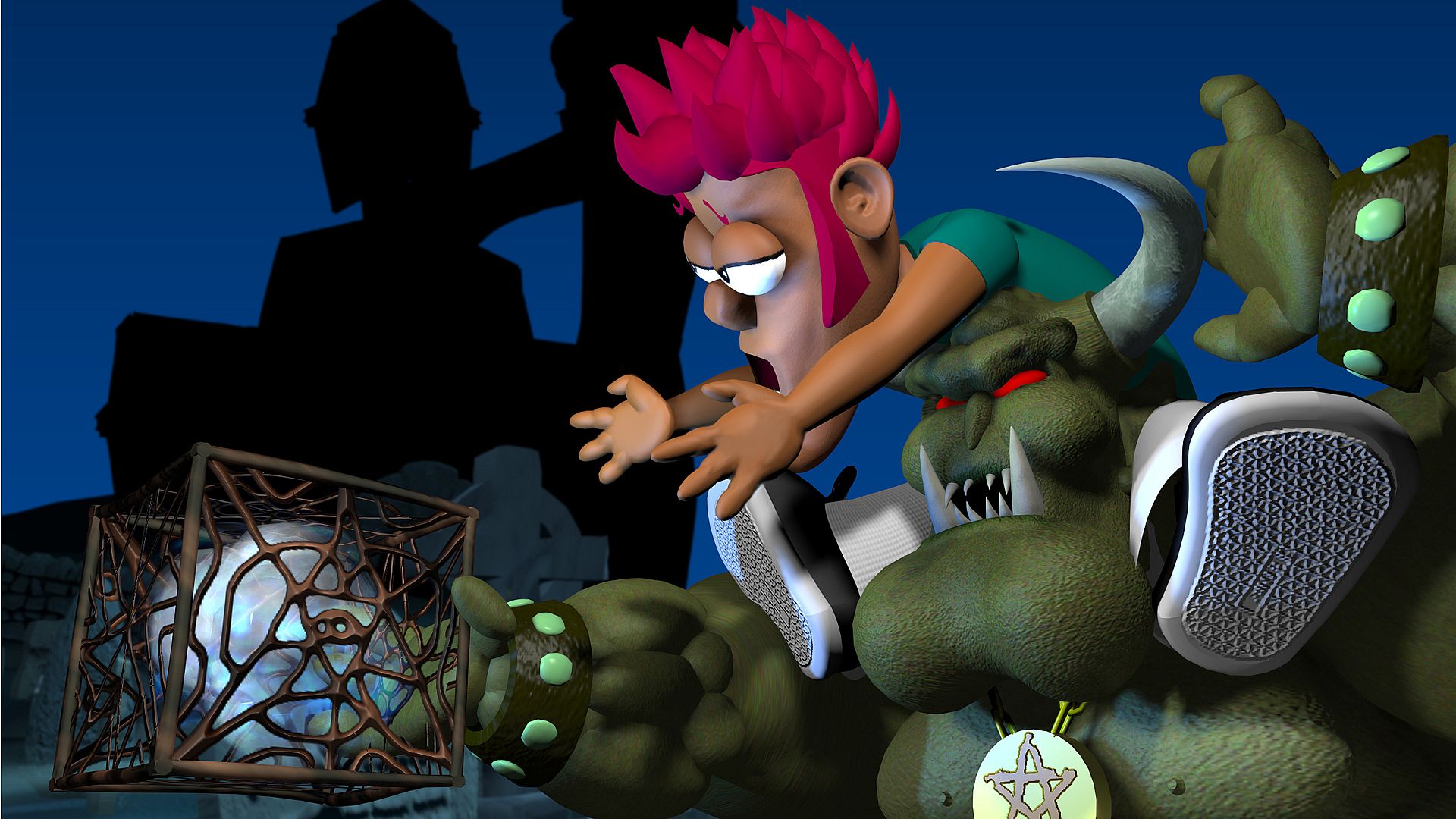
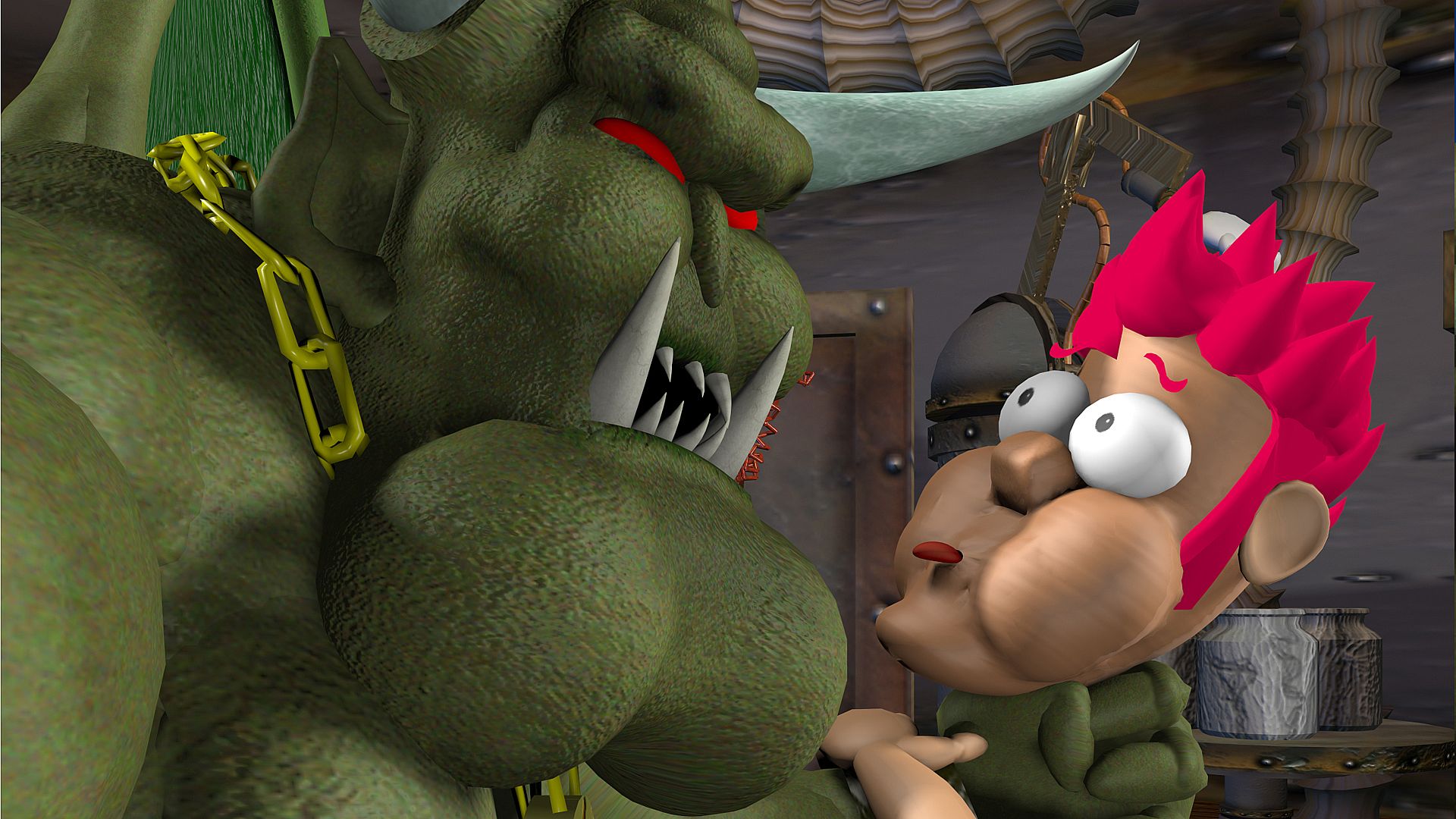
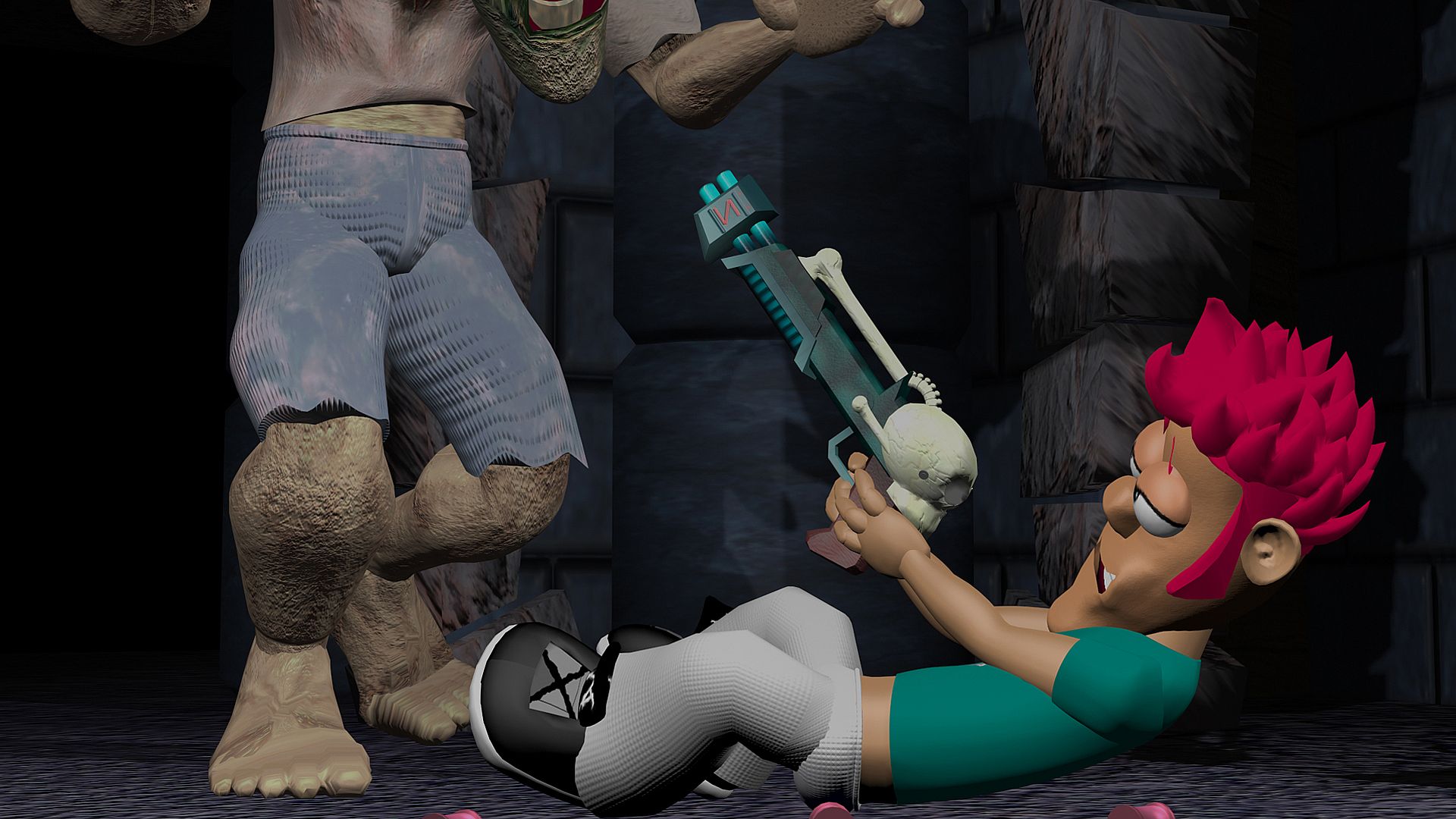
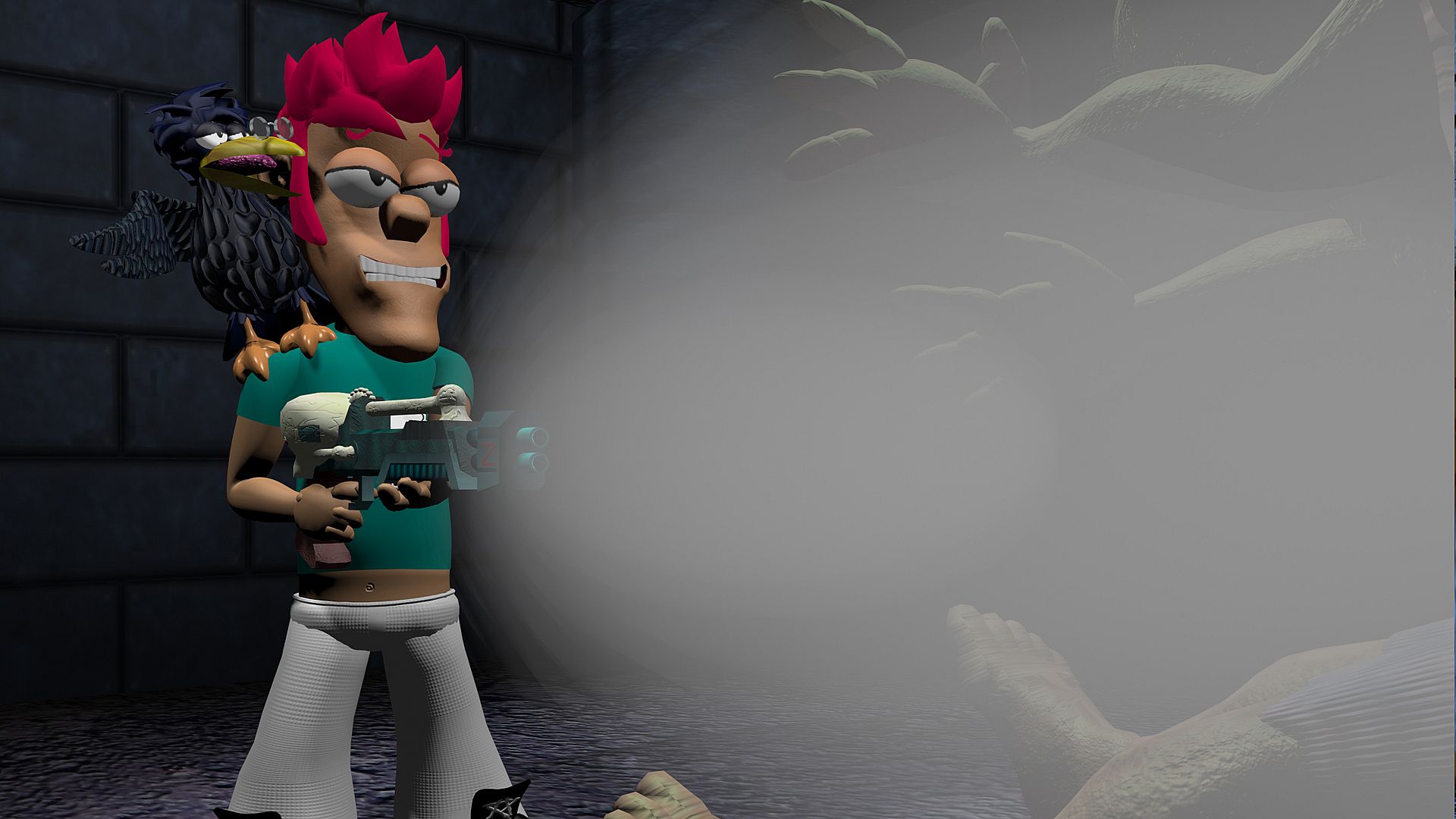
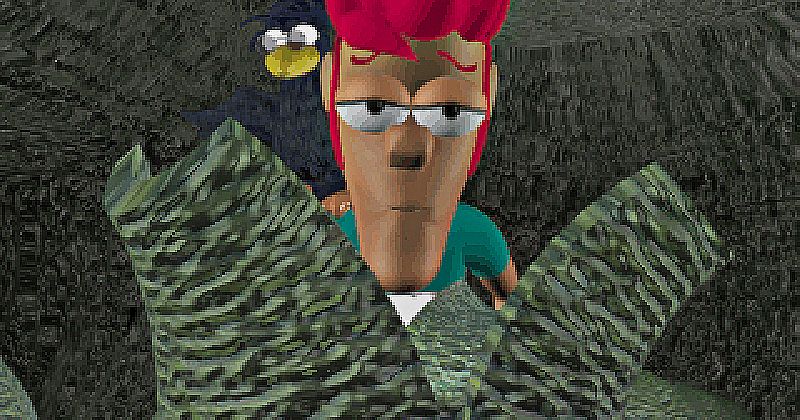
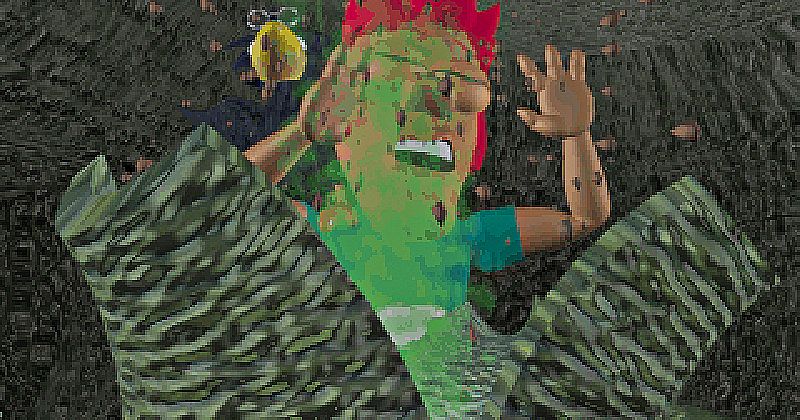
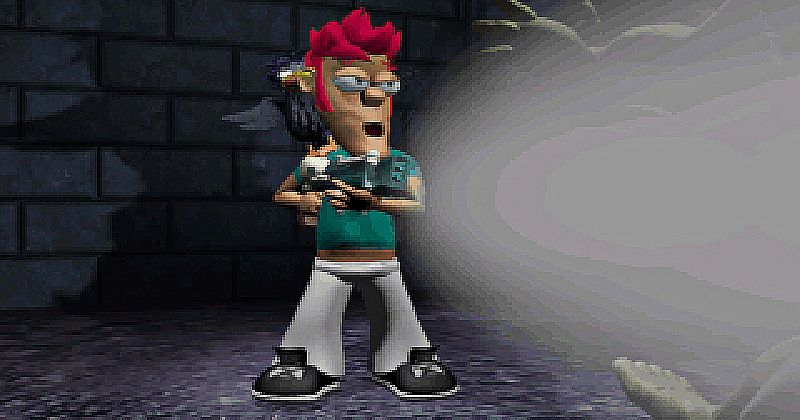
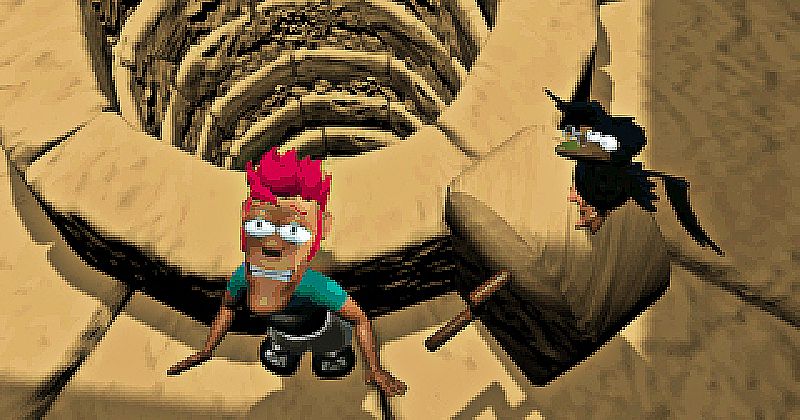
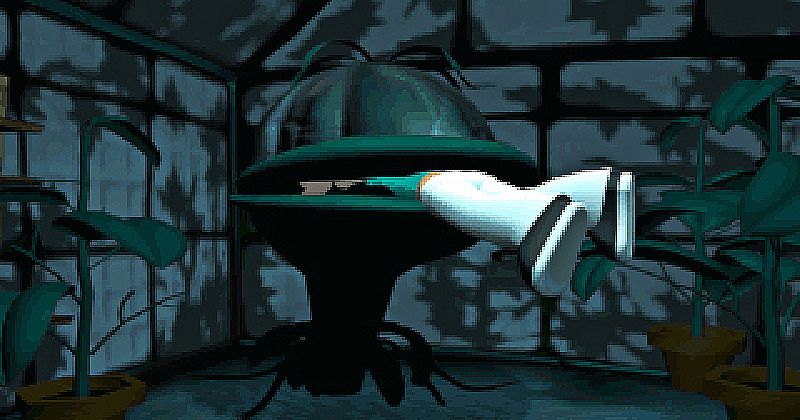
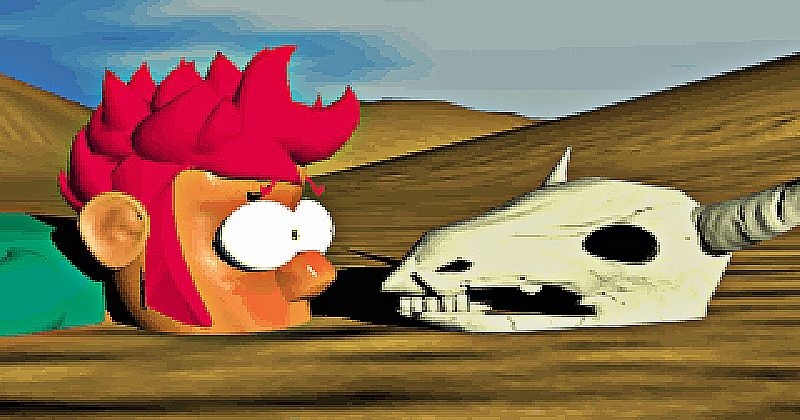
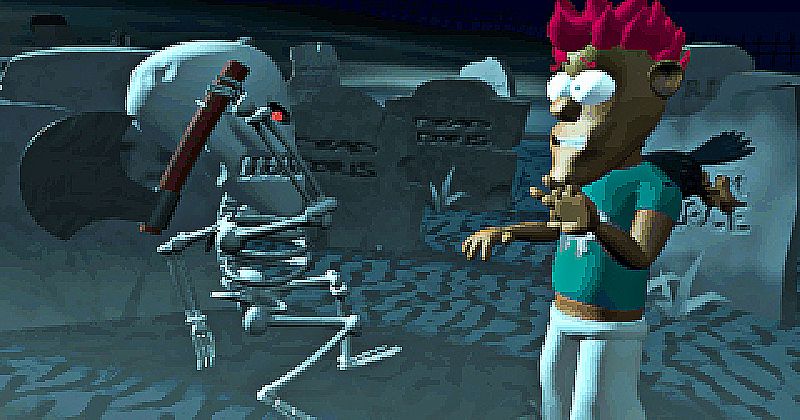
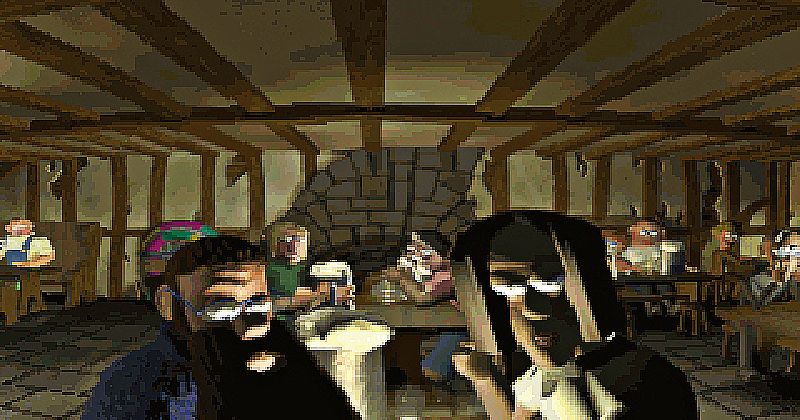
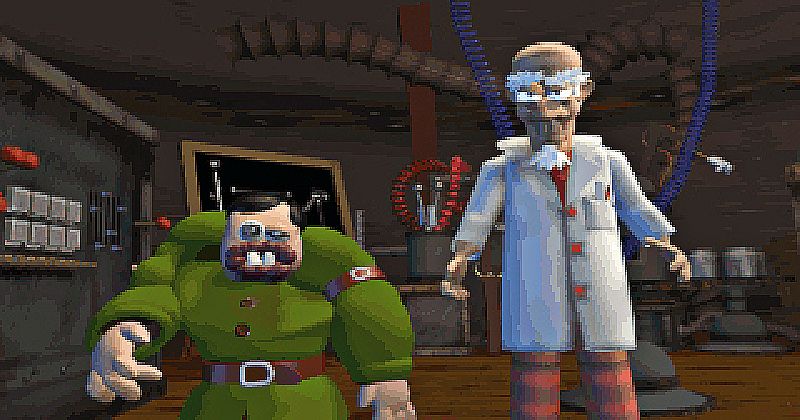
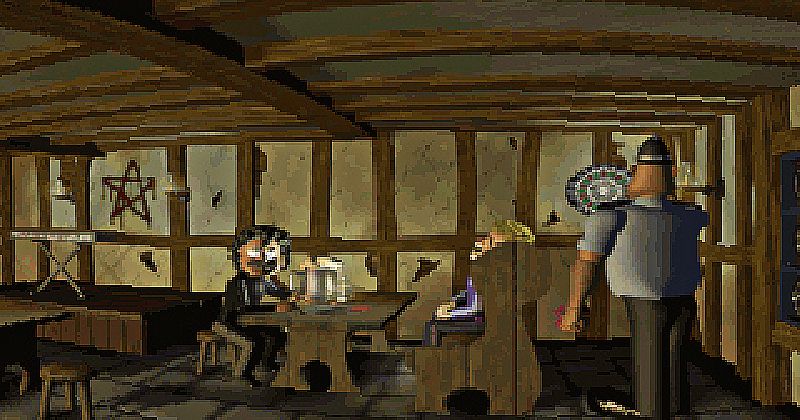
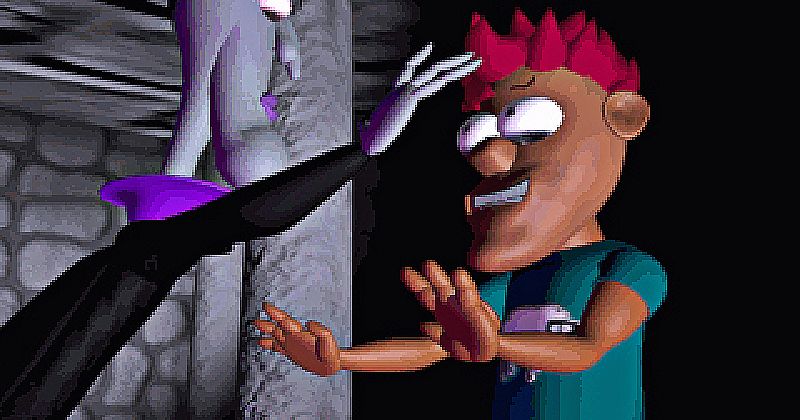
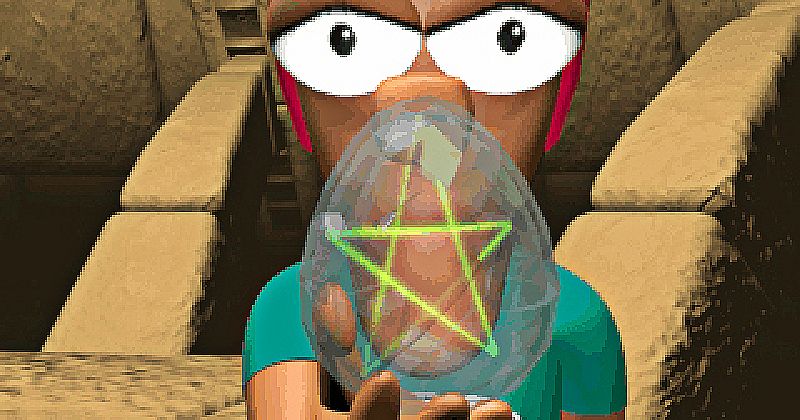
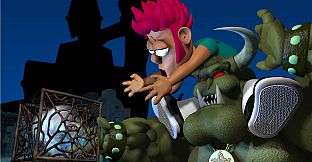
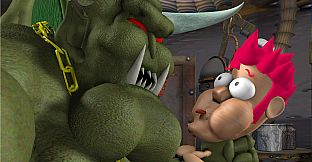
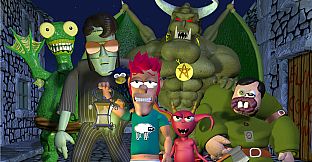
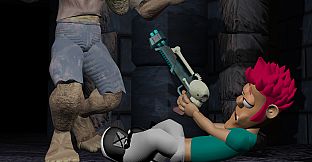

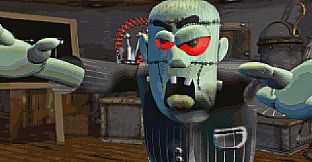
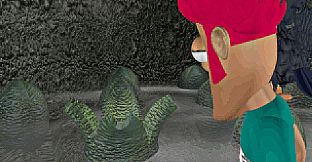
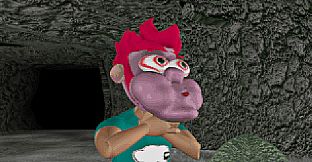
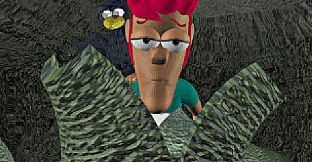

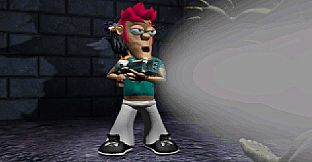
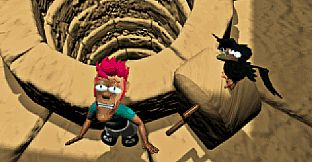
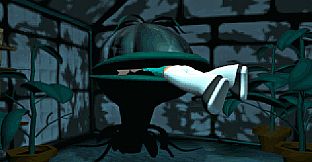
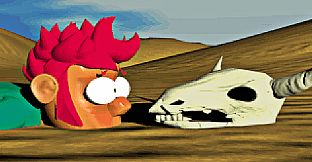
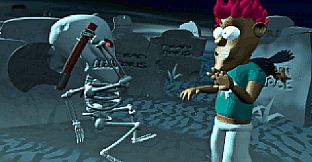
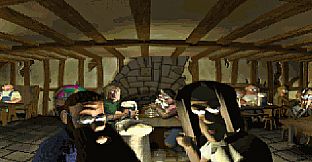
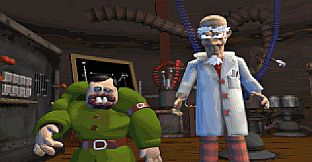
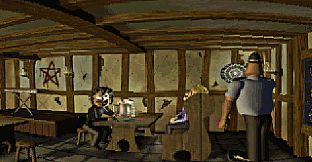
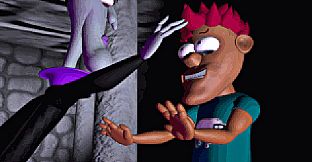
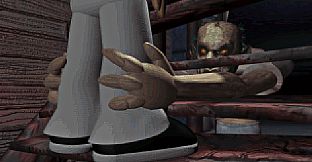
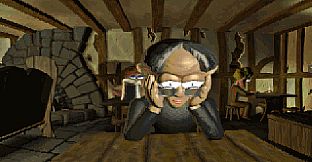
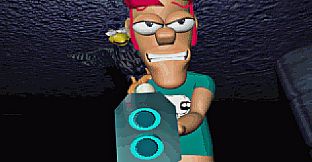
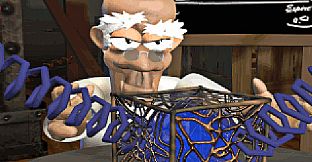
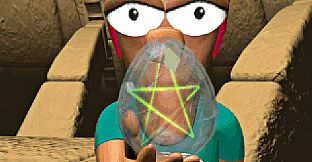
The Quivering is a point and click adventure game released for PC. Players take control of young Spud in the village of Warty Hollow as he works to reverse a spell that turned his uncle into a raven and close a gateway to another dimension.
Gameplay
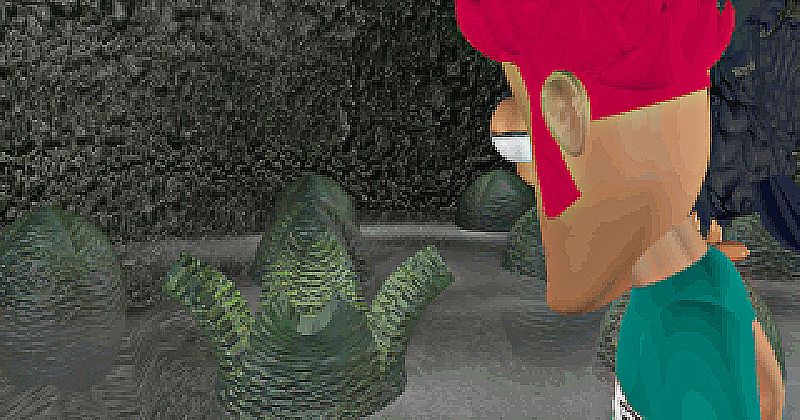
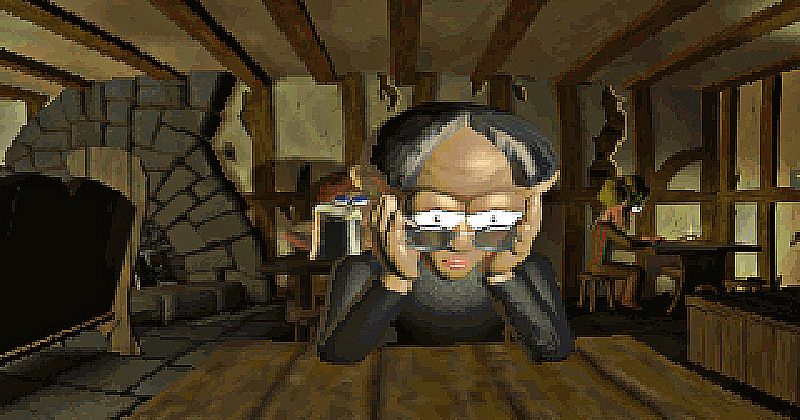
The core loop centers on exploration of static locations combined with object interaction and dialogue choices. Players move Spud between screens by clicking on exits, examine items for clues, and combine objects in an inventory to solve obstacles. The story progresses through a linear sequence of tasks that involve gathering information from villagers and navigating encounters with various creatures.
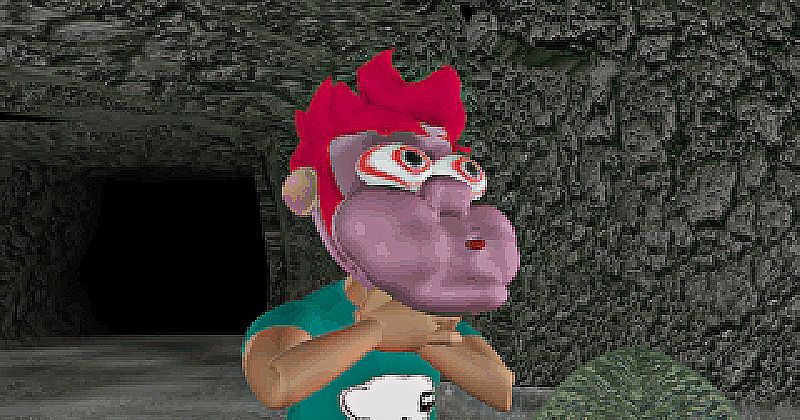
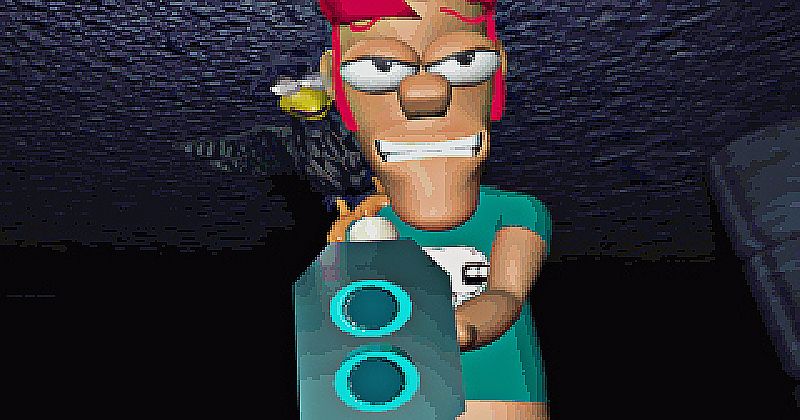
Puzzles rely on logical item use and observation of the environment rather than timed challenges or combat sequences. Sound effects and voice lines provide feedback during interactions, while the cartoon style visuals highlight the humorous tone amid the horror setting. The game requires careful note taking for certain sequences that involve multiple steps or hidden connections between locations.
Game Modes
The Quivering offers a single player experience built around its main story campaign. There are no separate modes or variations in structure, with all content delivered through the same point and click interface from start to finish.
Story and Setting
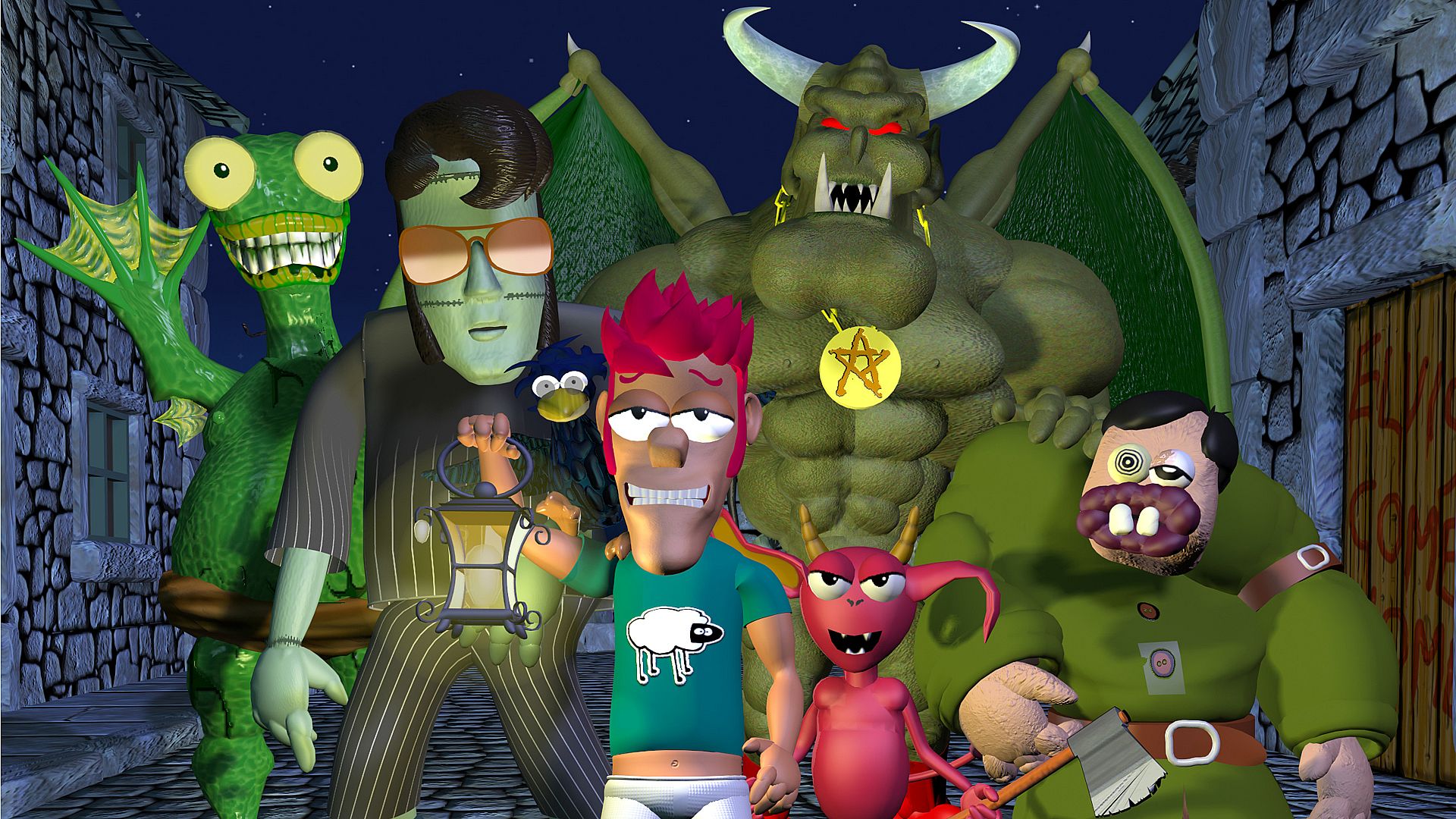
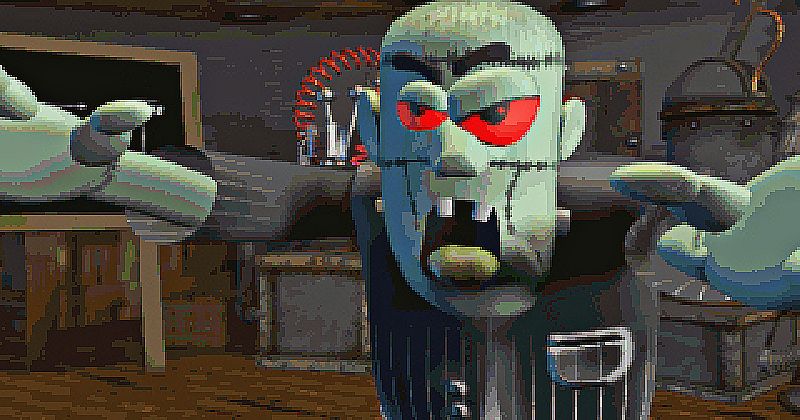
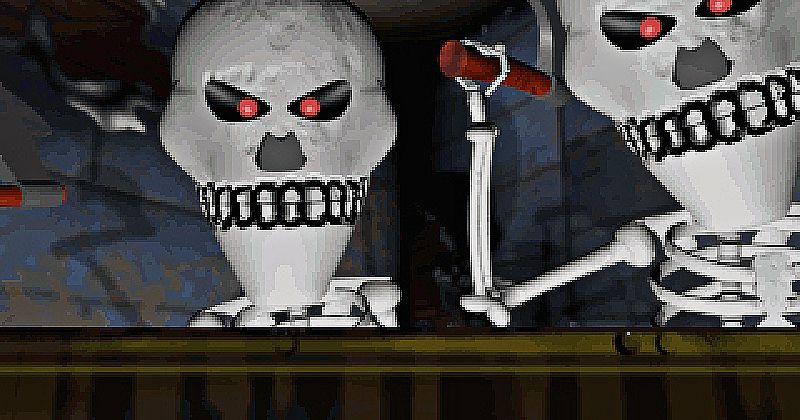
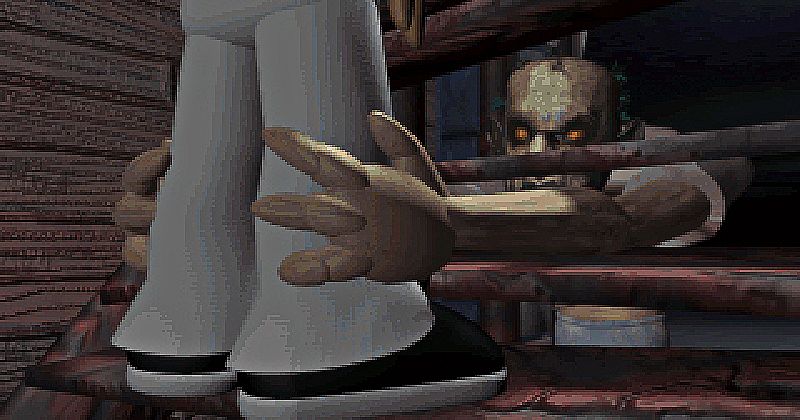
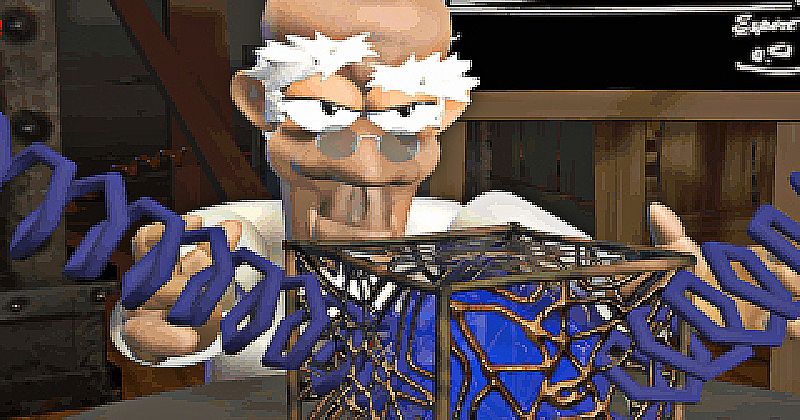
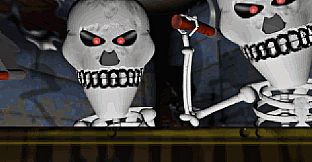
The narrative unfolds in the isolated village of Warty Hollow, where recreational experiments have unleashed monsters from another realm. Spud must confront figures such as werewolves, mummies, ghouls, demons, vampires, zombies, skeletons, and swamp monsters while dealing with the central antagonist known as Big D. The plot mixes dark themes with lighthearted moments through character dialogue and visual gags.
Progression involves rescuing the uncle and sealing the dimensional gateway, with each area revealing new pieces of the backstory through environmental details and conversations.
Is It Worth Playing?
The Quivering appeals to players who enjoy classic point and click adventures with a retro presentation and a mix of humor and supernatural elements. Its short length and straightforward interface make it accessible for those revisiting older titles or seeking a compact single player story.
Reception on digital platforms shows a small but generally favorable response from users who appreciate the distinctive art style and puzzle design, though some note the dated controls and trial elements typical of the era. The game runs on modern PCs through compatibility layers and remains available as a complete package without additional content requirements.
Fans of inventory driven adventures from the late 1990s will find familiar mechanics here, while newcomers may appreciate the focused narrative that avoids unnecessary complexity. Those looking for action oriented gameplay or ongoing updates will find limited appeal in this static release.