

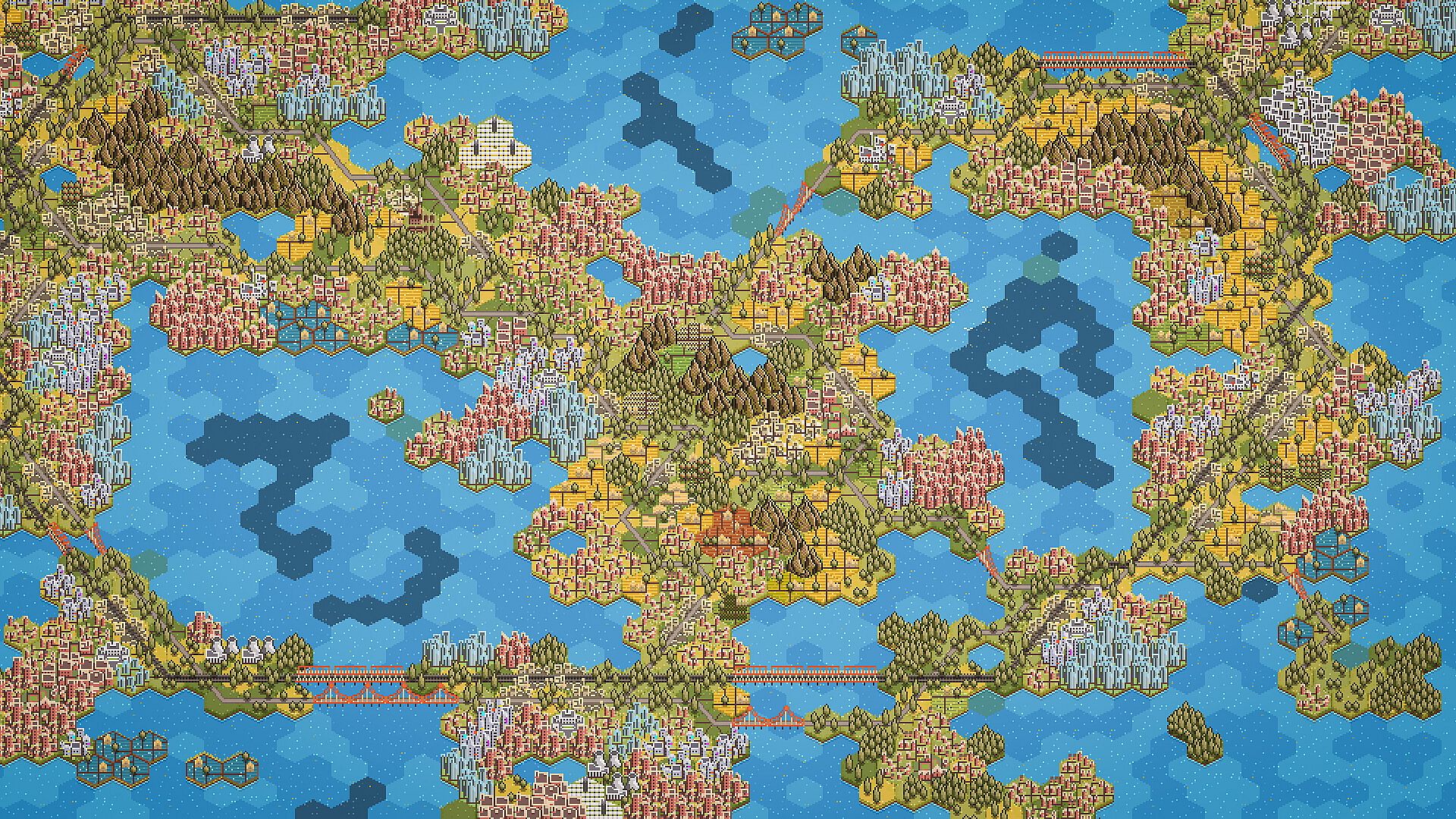
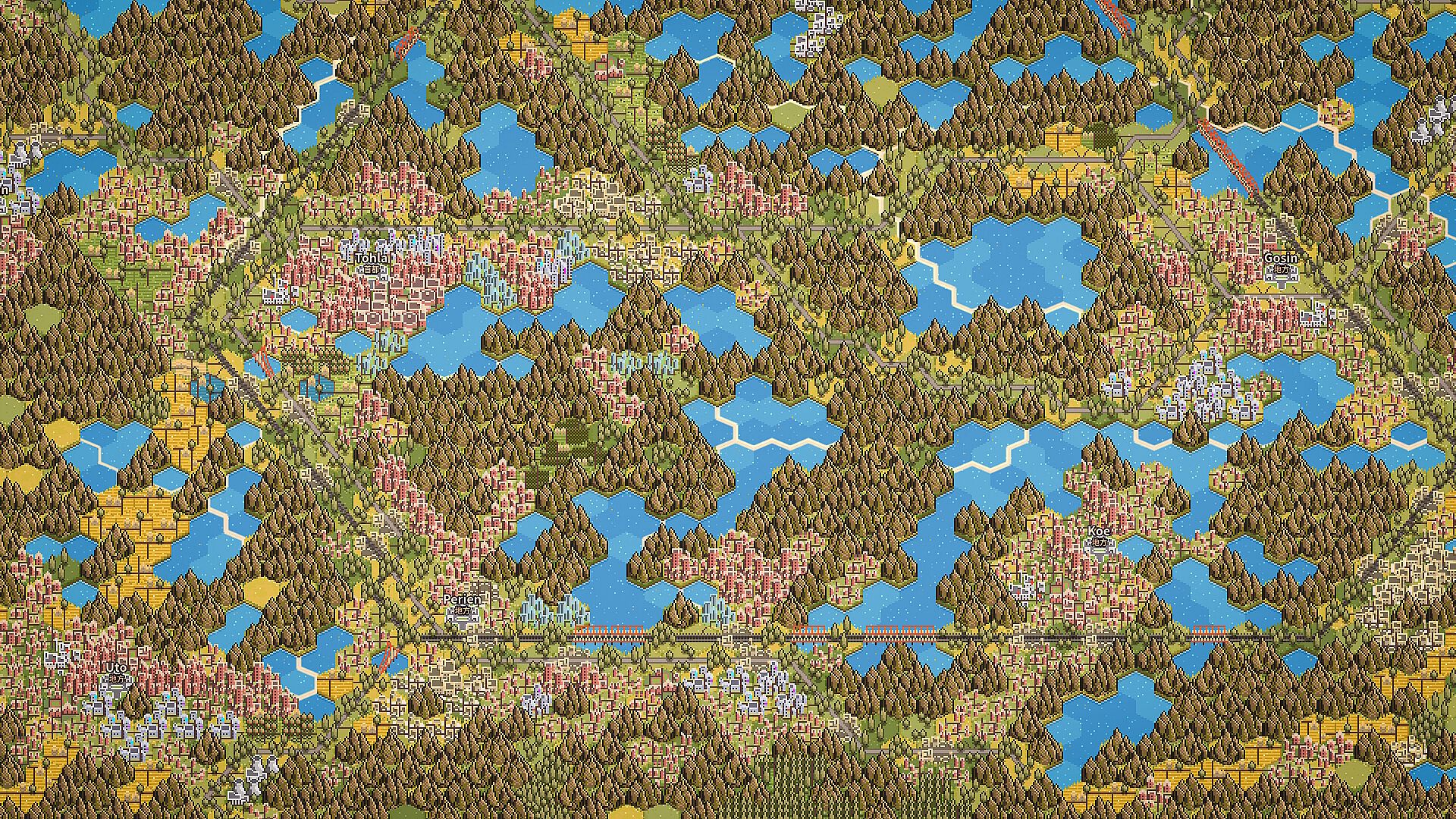
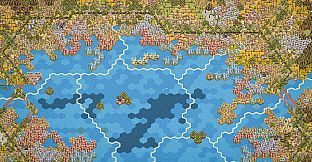
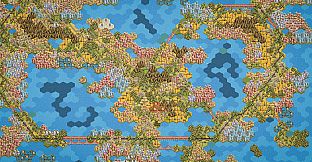
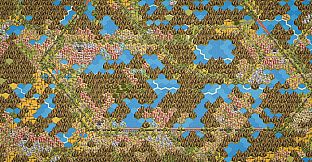
The Rise of the Republic: The Path to Modernization is a strategy and simulation game set on PC in which players guide a young nation from the 1950s onward through the challenges of building a modern state. The core experience centers on long-term decision making across urban development, economic systems, infrastructure, public services, and political structures, with outcomes that emerge from observable cause and effect rather than scripted events.
Gameplay
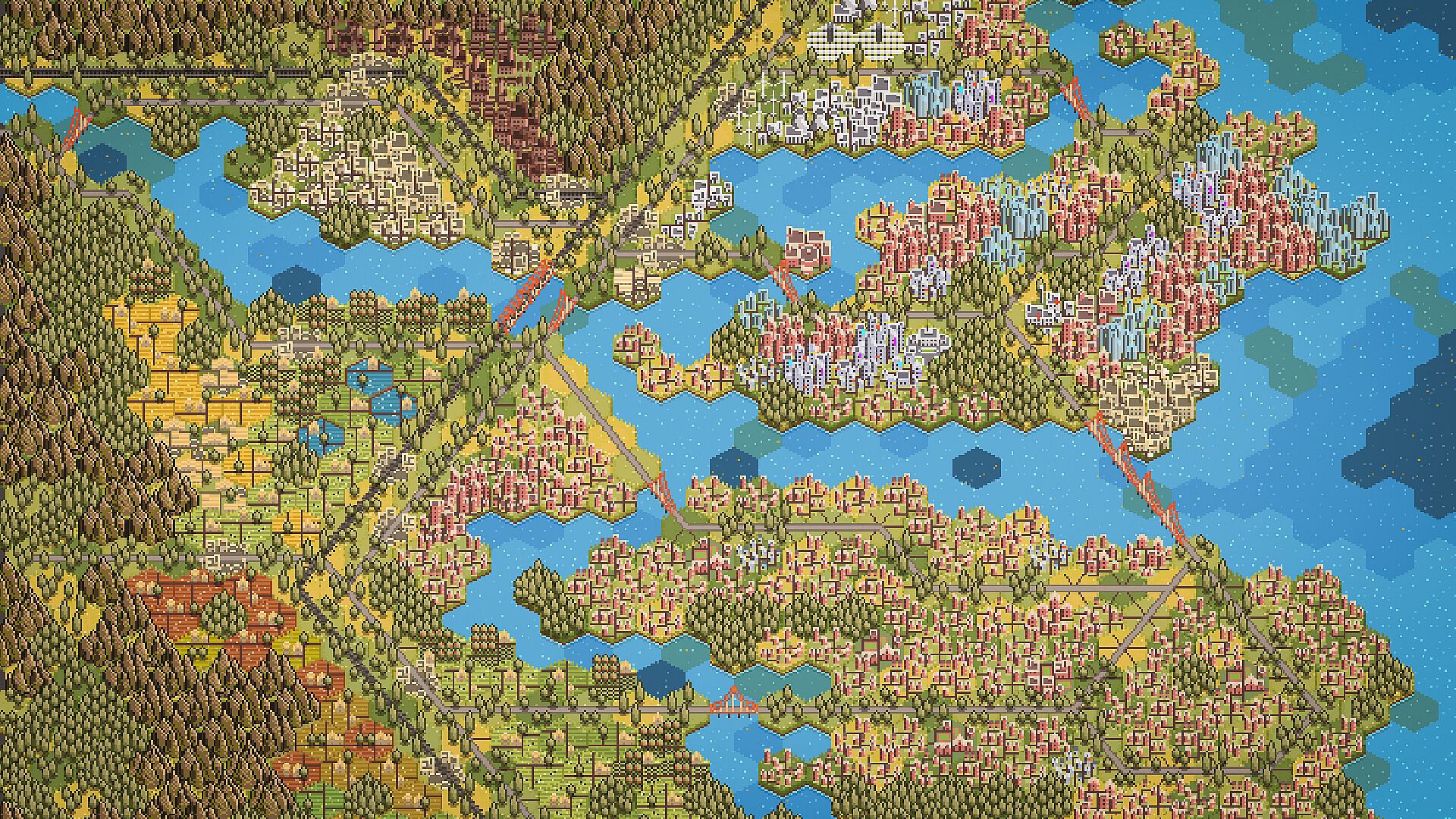
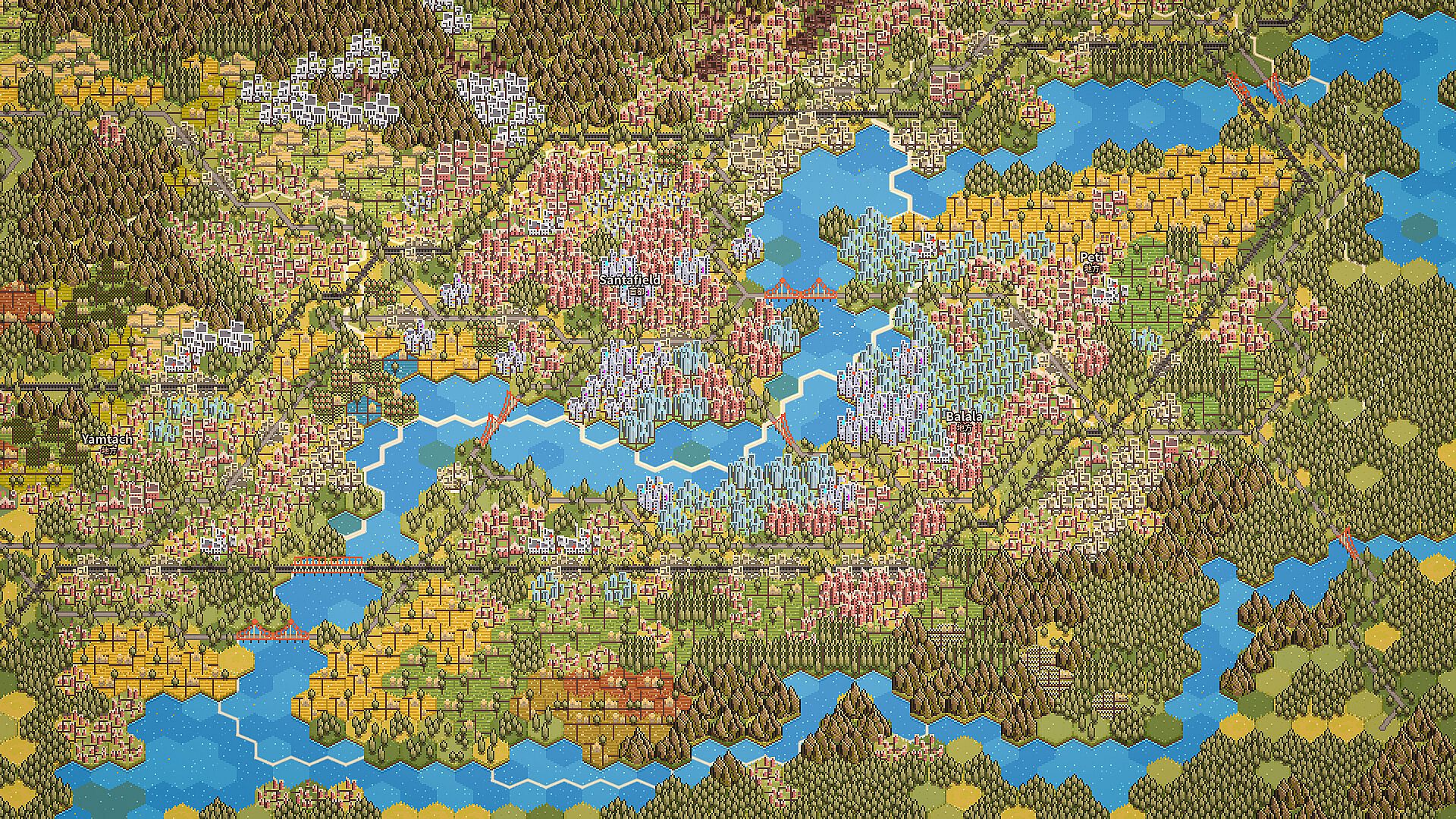
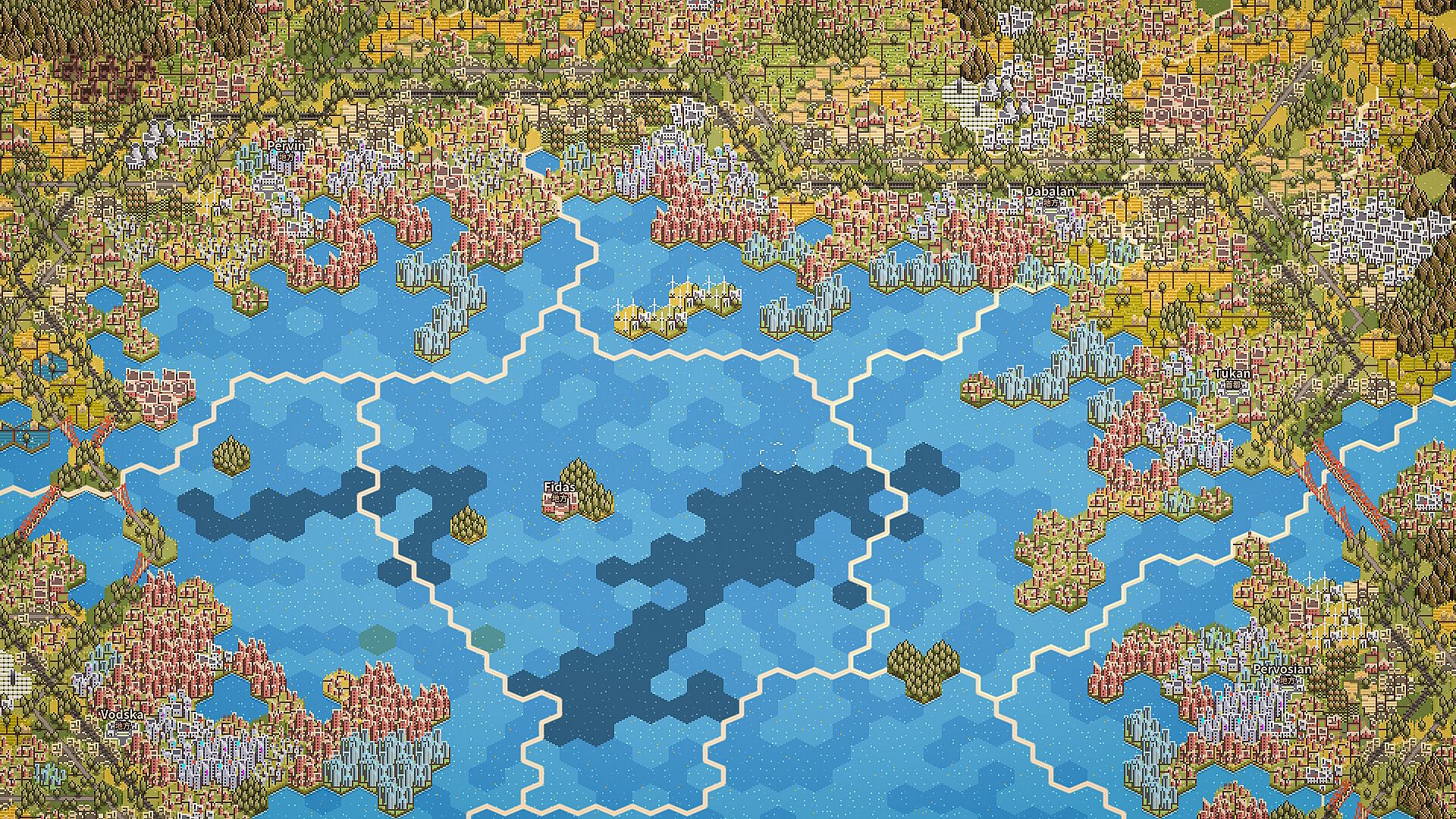
Players begin with small settlements and expand them into functional cities by designating districts for commerce, offices, and industry while placing schools, universities, hospitals, and other public buildings. Cities function as dynamic economic and social environments that shift in response to population growth, business activity, and policy choices. The economic layer tracks the full flow of goods from resource extraction through production and distribution, with businesses reacting to supply, demand, and pricing signals that change over time. Transportation networks such as roads and railways lower costs and link regional markets, allowing previously isolated areas to contribute to national output. Ownership models include private firms, state enterprises, and cooperatives, each influencing capital access, wage distribution, and investment behavior. Education and healthcare systems can be organized through state or private channels, feeding skilled labor and health outcomes back into productivity and social stability. Political systems range from centralized one-party governance to multi-party elections or direct democracy, altering how priorities are set and how society responds to reforms. Social indicators covering education levels, income distribution, equality, freedom, and attitudes toward labor evolve continuously, generating support or resistance that players must manage. Crises including financial instability, resource shortages, demographic shifts, and disruptions from automation require ongoing adjustments to the chosen development path.
Game Modes
The experience is delivered entirely as a single-player simulation. No separate campaign, skirmish, or multiplayer modes are defined in the available information. All progression occurs within one continuous nation-building scenario that begins in the 1950s and continues without fixed victory conditions or technology trees.
Economic and Social Systems
Every decision carries traceable consequences through visible supply chains and shifting social metrics. Players can intervene at multiple points, from adjusting infrastructure to altering ownership structures or public service models, and then observe how markets, businesses, and populations adapt. The absence of preset ideological paths means outcomes depend on the interplay of chosen institutions with real-time economic and demographic feedback. Later stages introduce artificial intelligence and automation as factors that can boost output while also reshaping employment and skill requirements, prompting further policy responses.
Is It Worth Playing?
The game targets players who enjoy detailed, open-ended nation simulation without rigid victory conditions or linear progression. Its emphasis on observable systems and emergent consequences suits those interested in experimenting with different economic organizations and political frameworks over many hours of play. Because the title remains unreleased with no player reviews or update history available, any assessment rests on the described mechanics alone. Those seeking a focused single-player strategy experience centered on modernization trade-offs will find the core loop aligned with that preference.