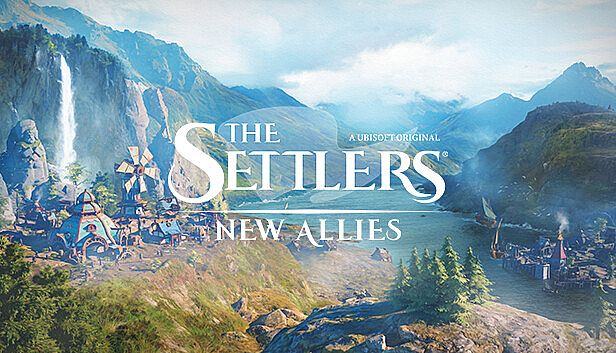






















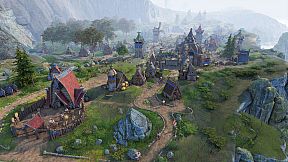
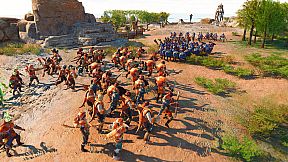
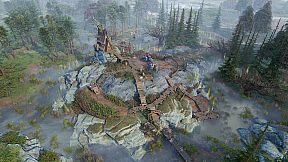
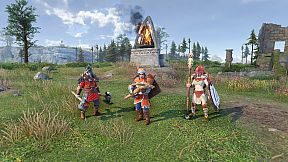
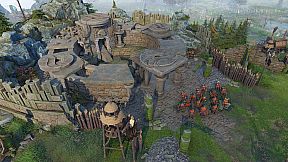
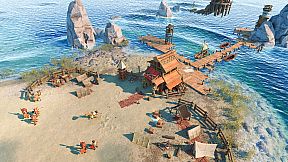
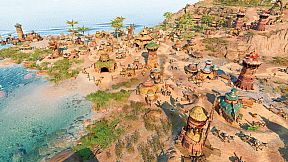
The Settlers: New Allies stands out as a real-time strategy game that blends city-building with tactical combat, drawing players into a world where resource management and military decisions shape every outcome.
Gameplay
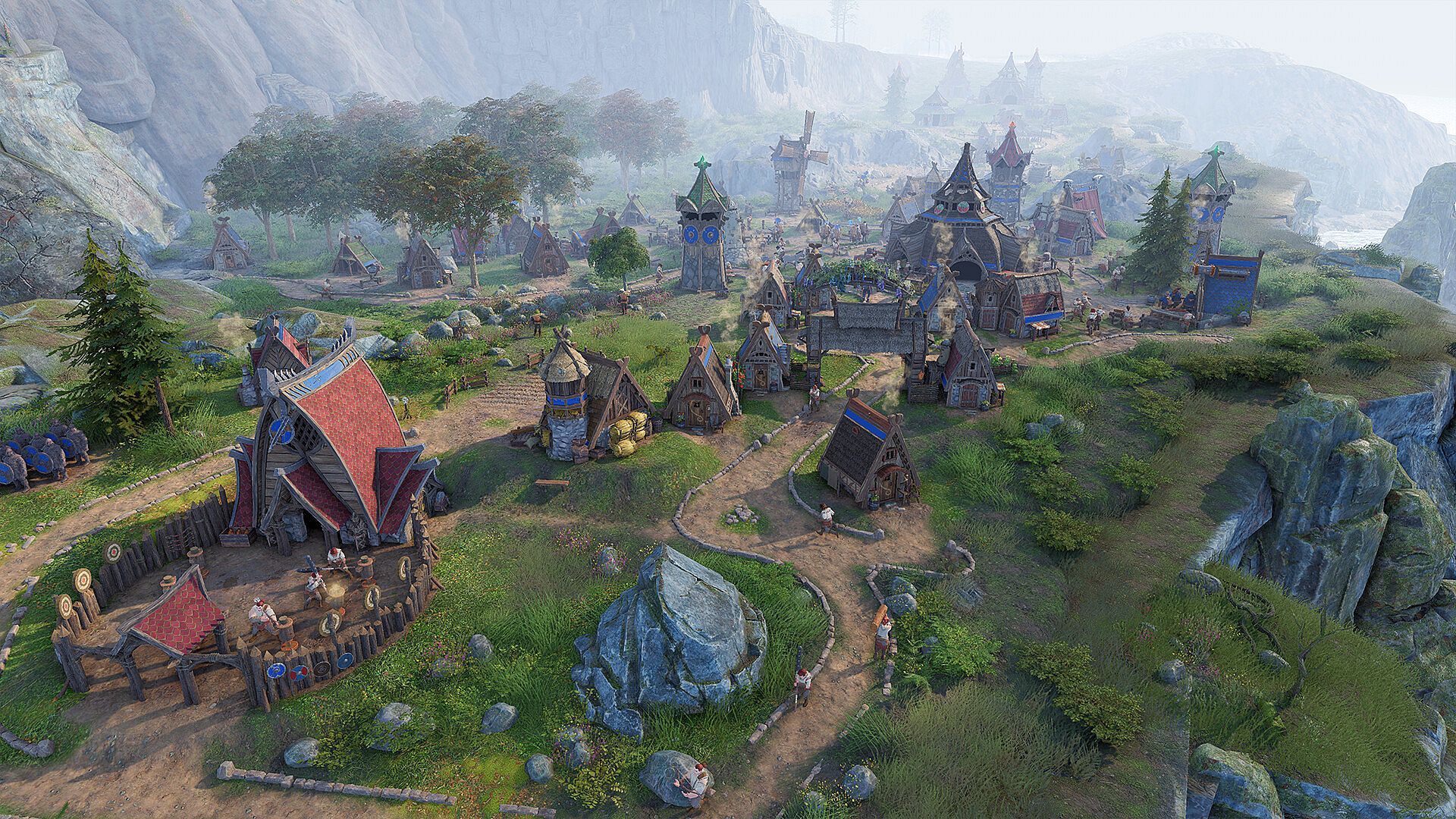
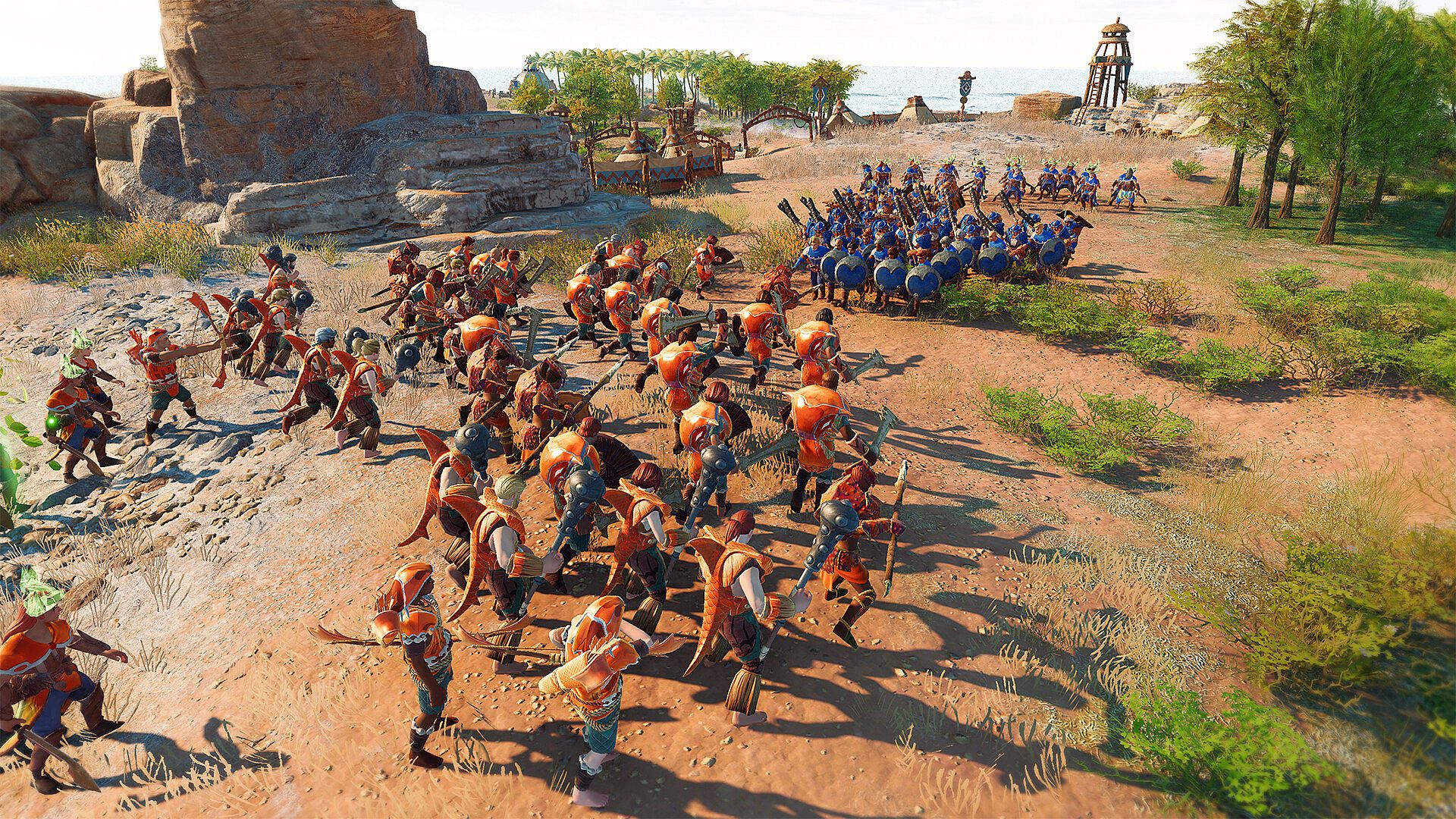
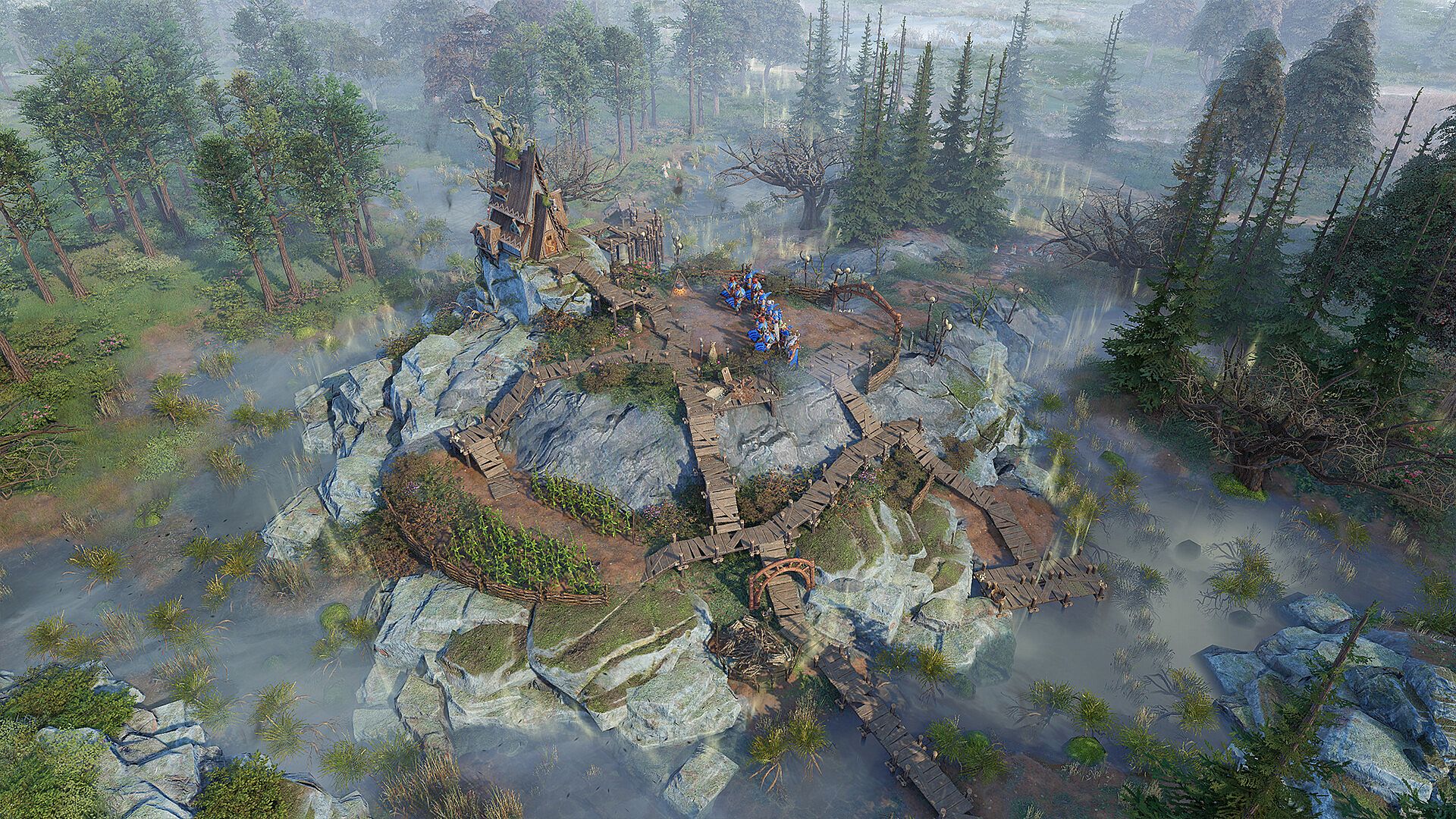
In this strategy title, the core loop revolves around gathering resources, constructing buildings, and expanding settlements while defending against threats. Players manage economies by harvesting materials like wood, stone, and food, which fuel production chains for tools, weapons, and structures. Combat unfolds in real-time, requiring careful unit positioning and tactical choices during battles. The game emphasizes infrastructure development, where efficient layouts and supply lines determine success in both peaceful expansion and wartime efforts. Mechanics include recruiting settlers for various roles, upgrading technologies, and adapting to terrain that influences movement and resource availability.
Each faction brings distinct mechanics to the table. For instance, one might focus on agile units and quick strikes, while another relies on sturdy defenses and sustained production. Battles demand attention to unit types, formations, and environmental factors, creating a layered experience that rewards planning over rushed actions.
Game Modes
The game offers a story-driven campaign that guides players through narrative events in the Settlers universe, introducing mechanics progressively across missions. Hardcore mode adds extra challenges, such as stricter resource limits or heightened enemy aggression, for those seeking a tougher test.
Skirmish battles support online play with up to eight participants, pitting players against each other or AI opponents in customizable matches. These sessions emphasize strategic depth, allowing for varied map setups and victory conditions that extend replayability.
Factions and Mechanics
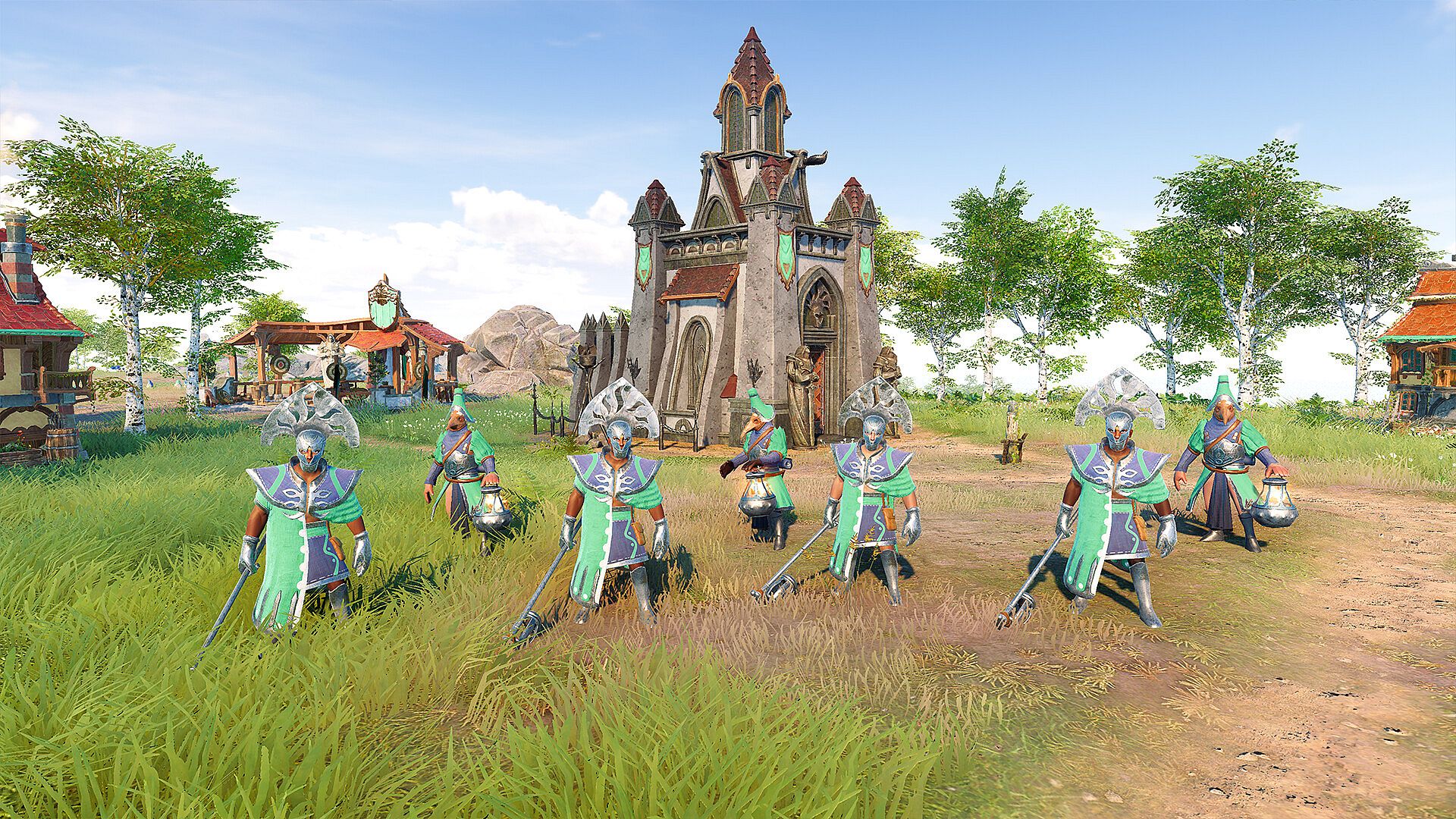
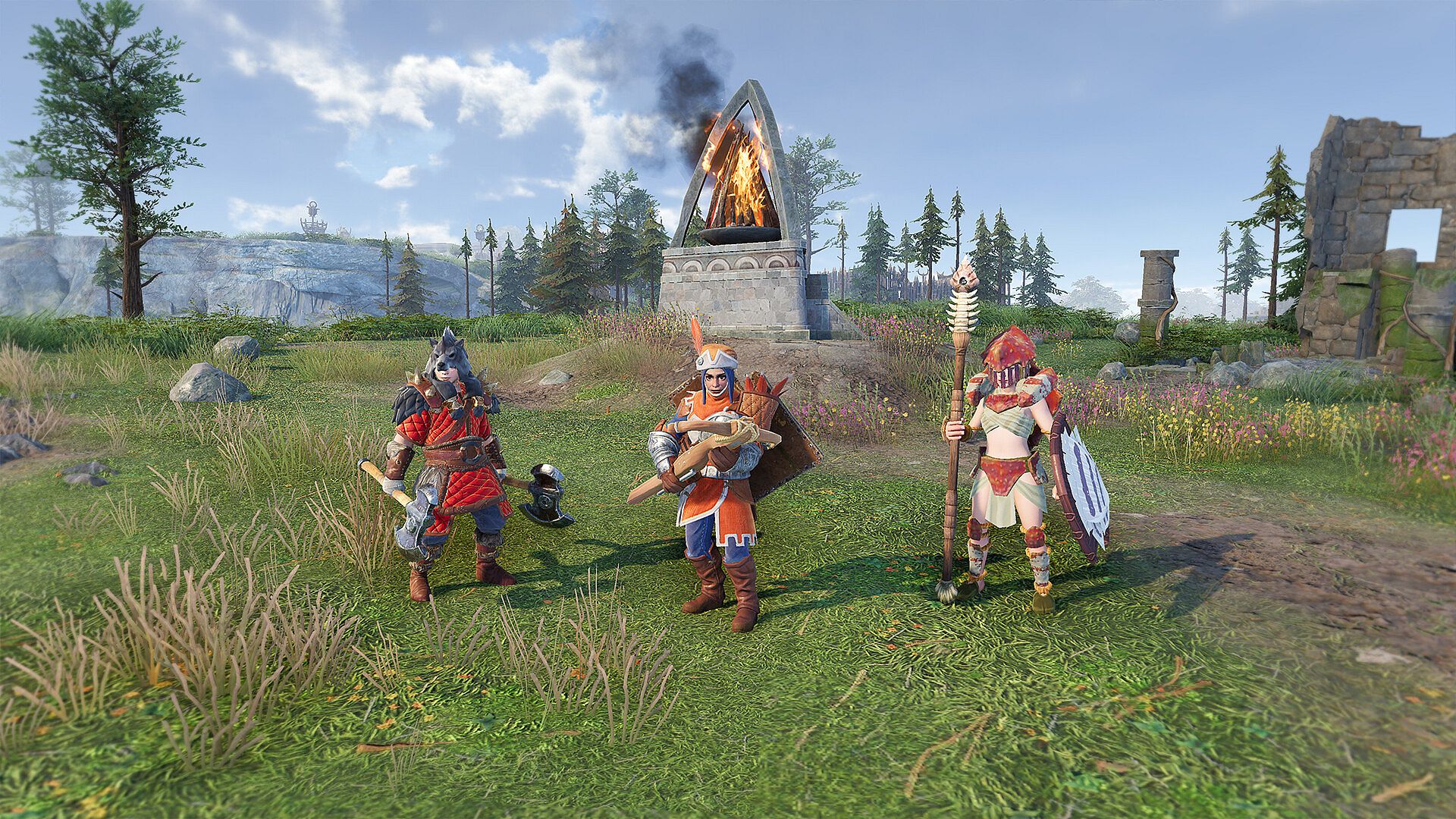
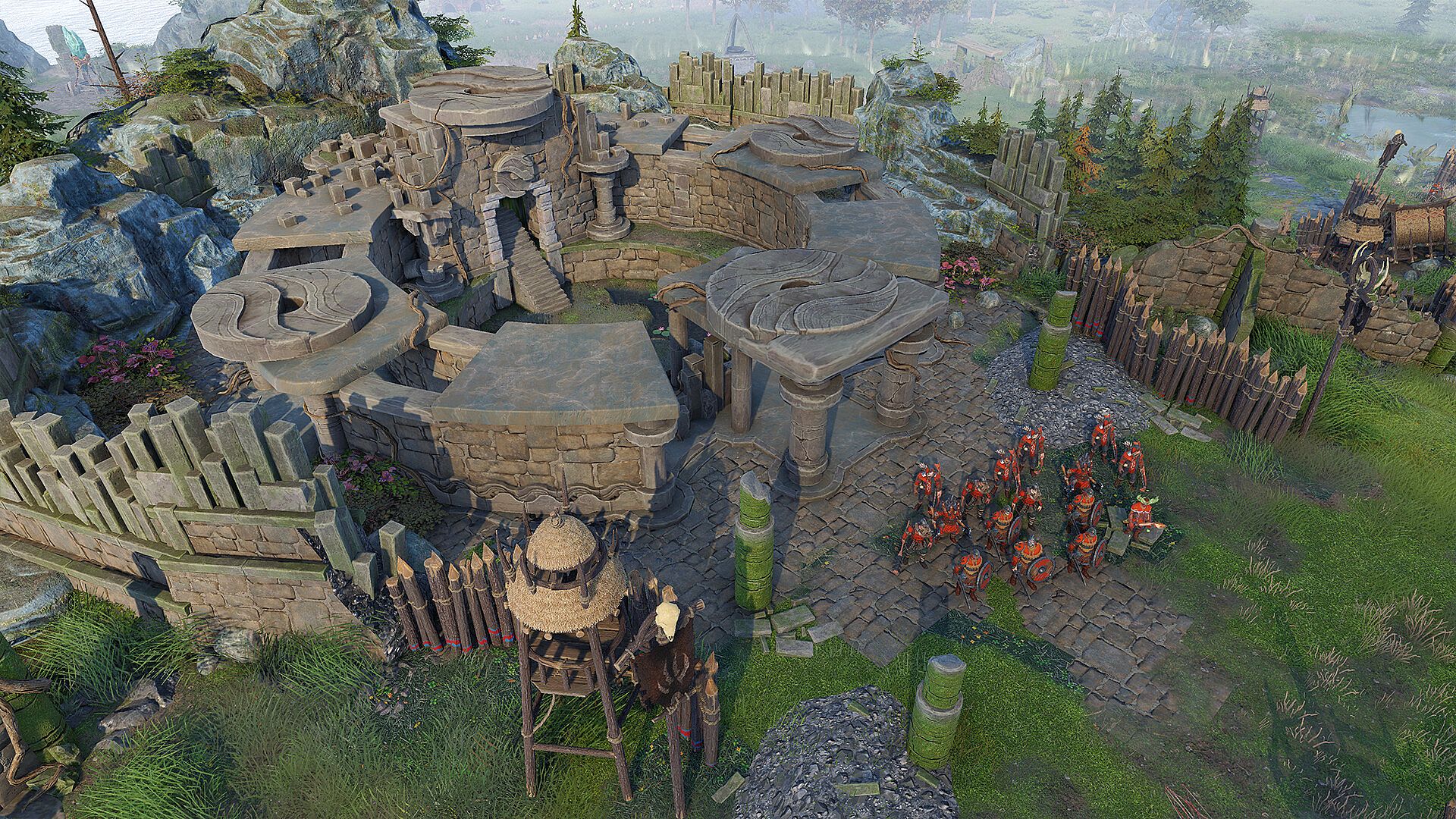
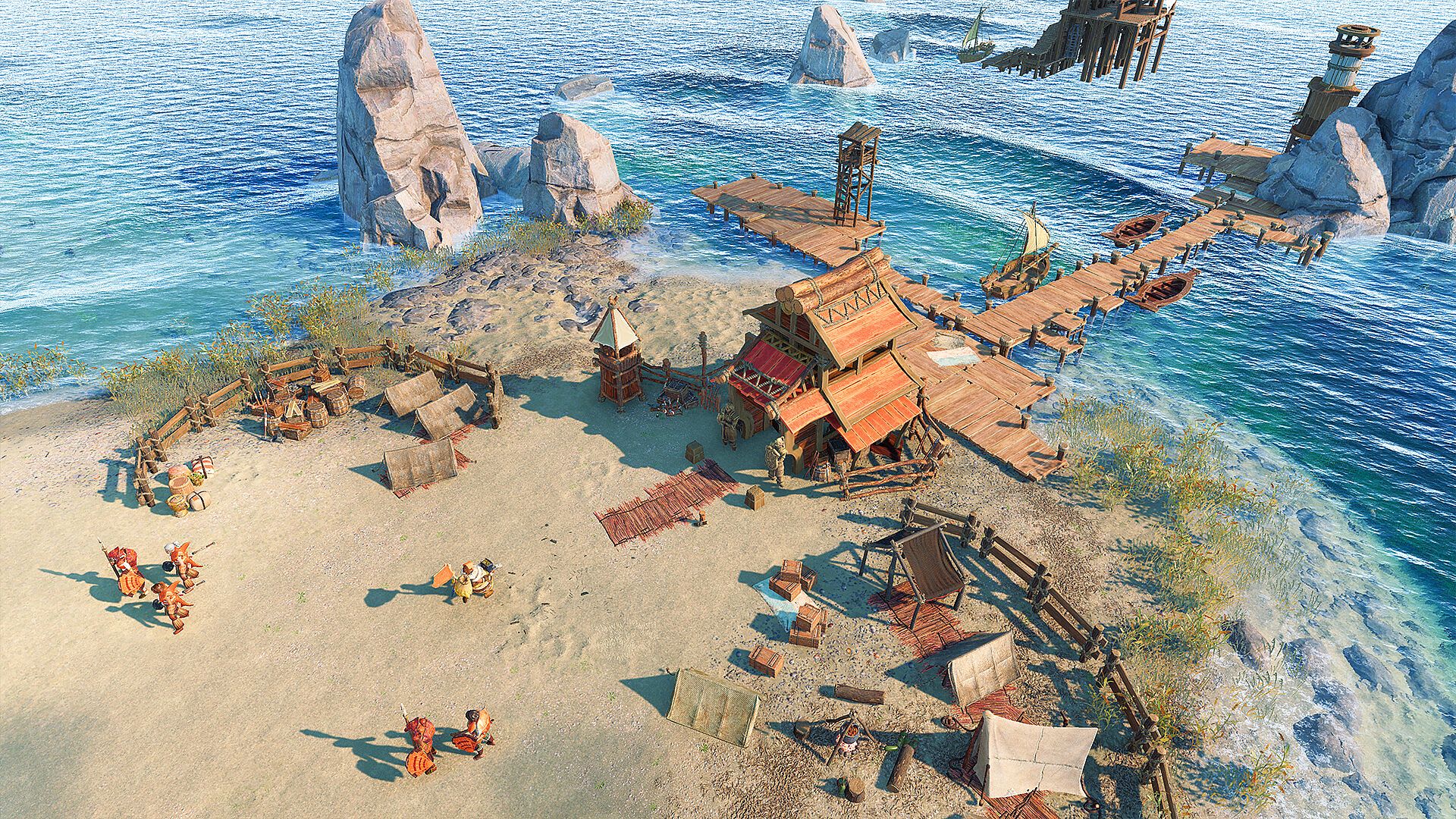
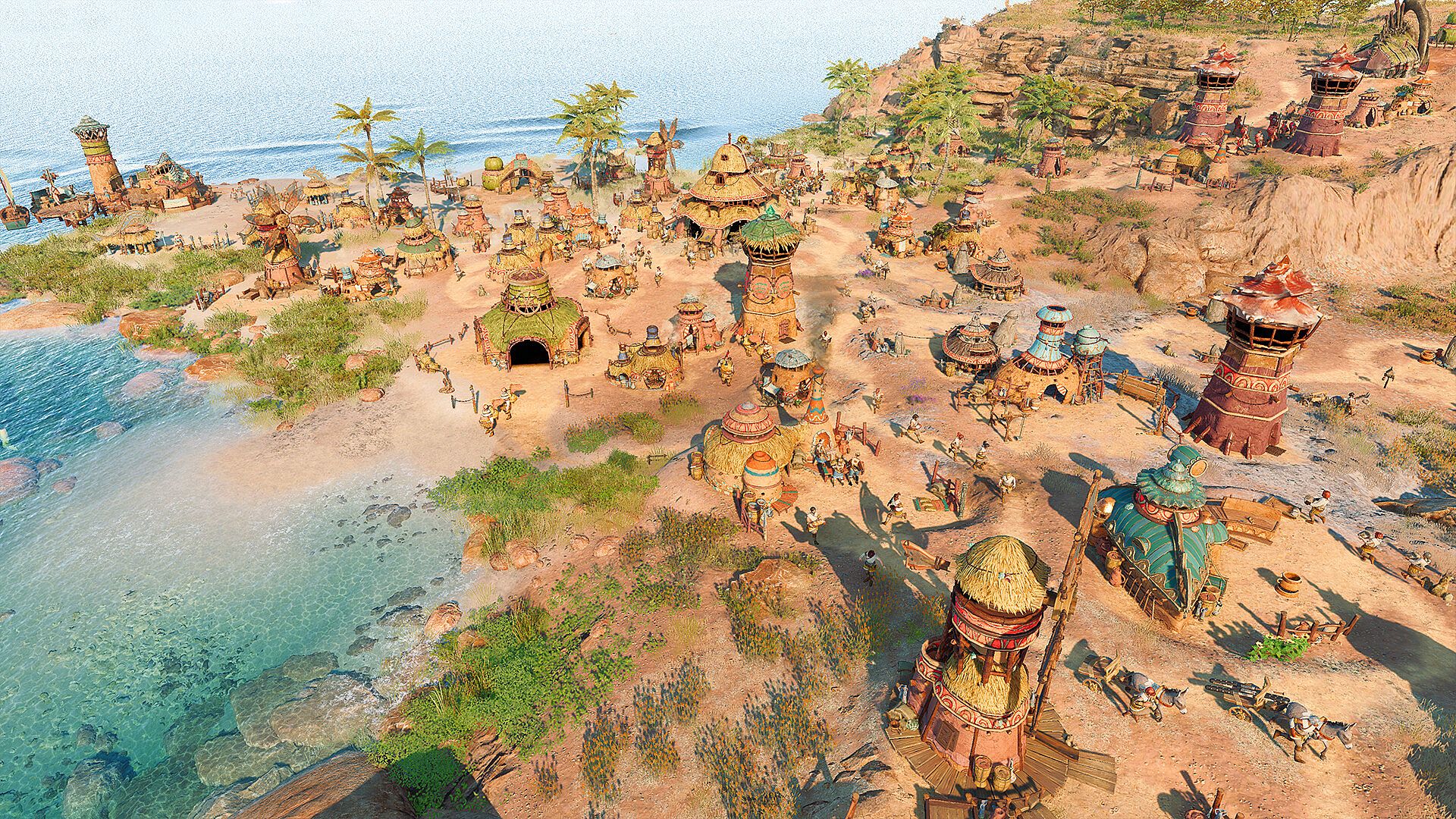
Three main factions define the strategic variety: the Elari, known for their elegant designs and adaptive tactics; the Maru, who excel in harmonious resource use and defensive strategies; and the Jorn, characterized by rugged resilience and aggressive approaches. Each faction has a unique visual style, backstory, and set of units that influence how players approach building and combat.
Mechanics tie into faction strengths, such as specialized buildings or unit abilities that encourage different playstyles. For example, one faction might prioritize rapid expansion through mobile outposts, while another focuses on fortified positions with advanced engineering.
Is It Worth Playing?
With mixed reception reflected in a 48 percent positive rating from over 1,000 Steam reviews and a Metacritic score of 57, the game appeals most to strategy enthusiasts who enjoy detailed economy management and real-time battles. It has seen ongoing support through updates that refine balance and add content, keeping the community engaged despite initial criticisms of execution.
If you thrive on building intricate settlements and outmaneuvering foes in tactical skirmishes, this title offers solid value on PC. However, those expecting flawless polish might find the experience uneven, so it suits dedicated fans of the genre looking for a fresh take on classic formulas.