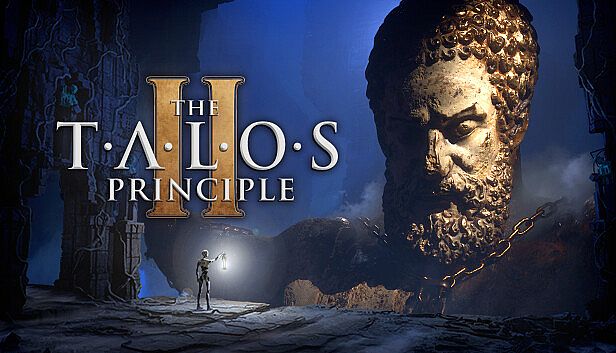

















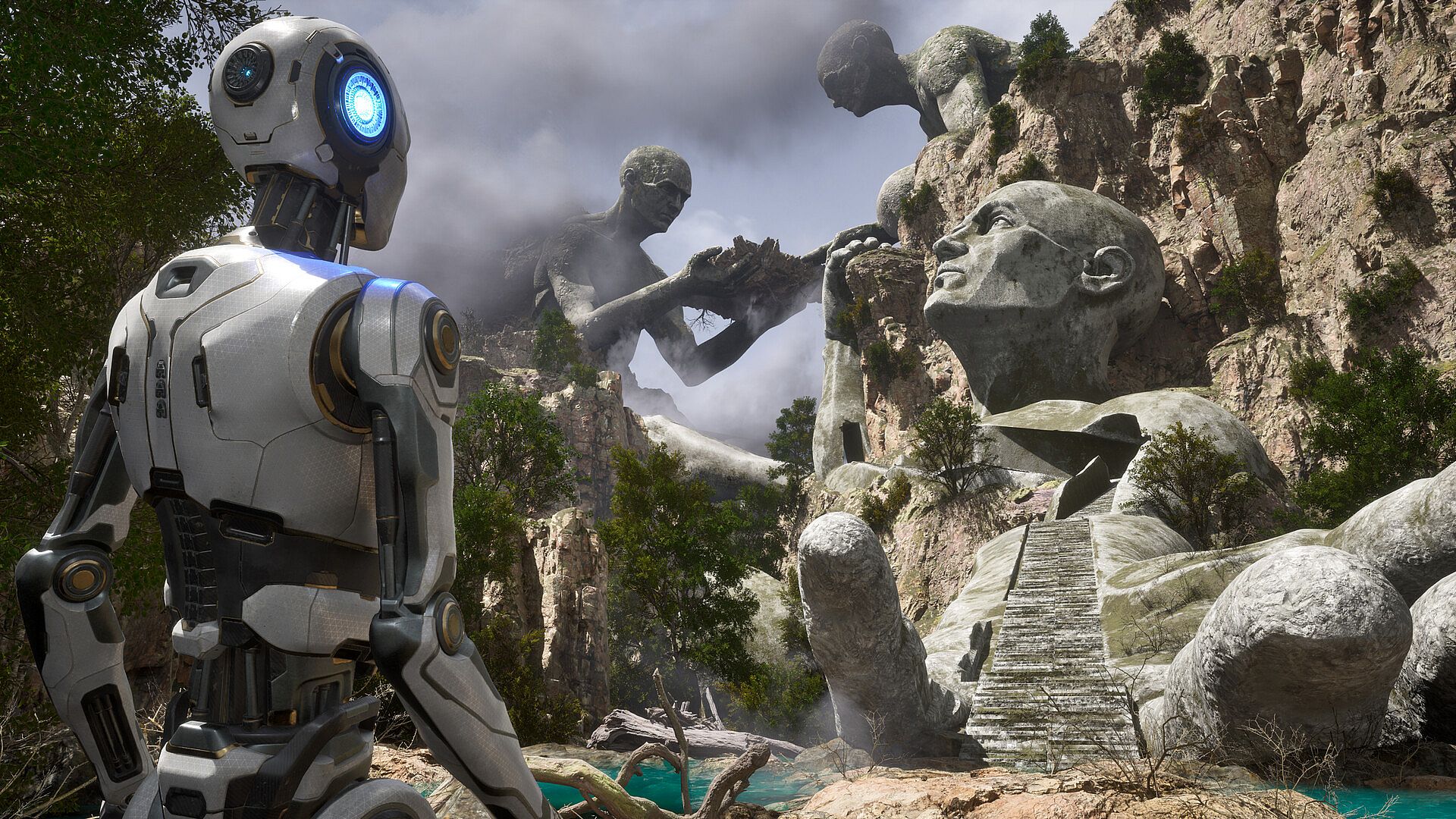
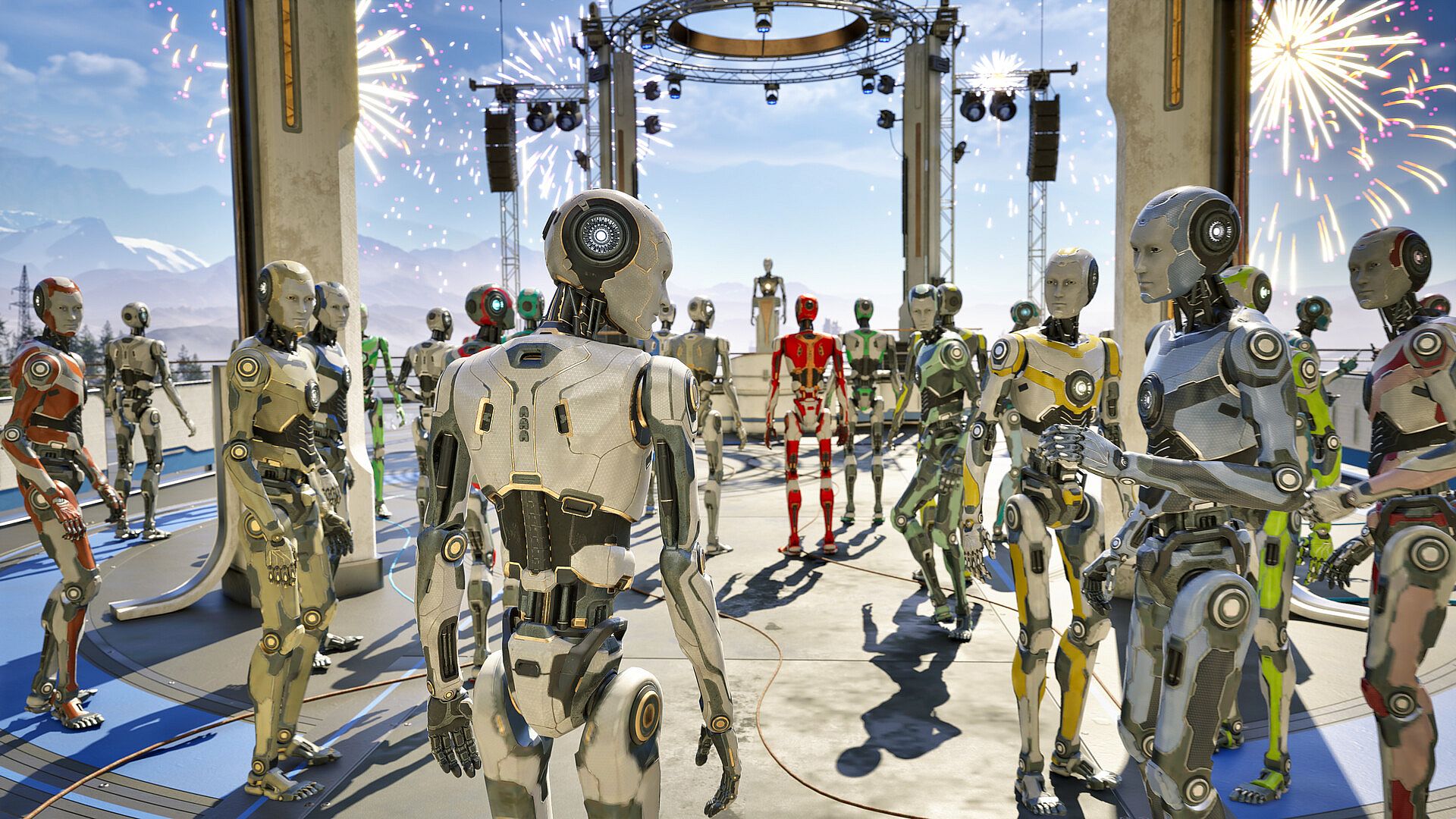
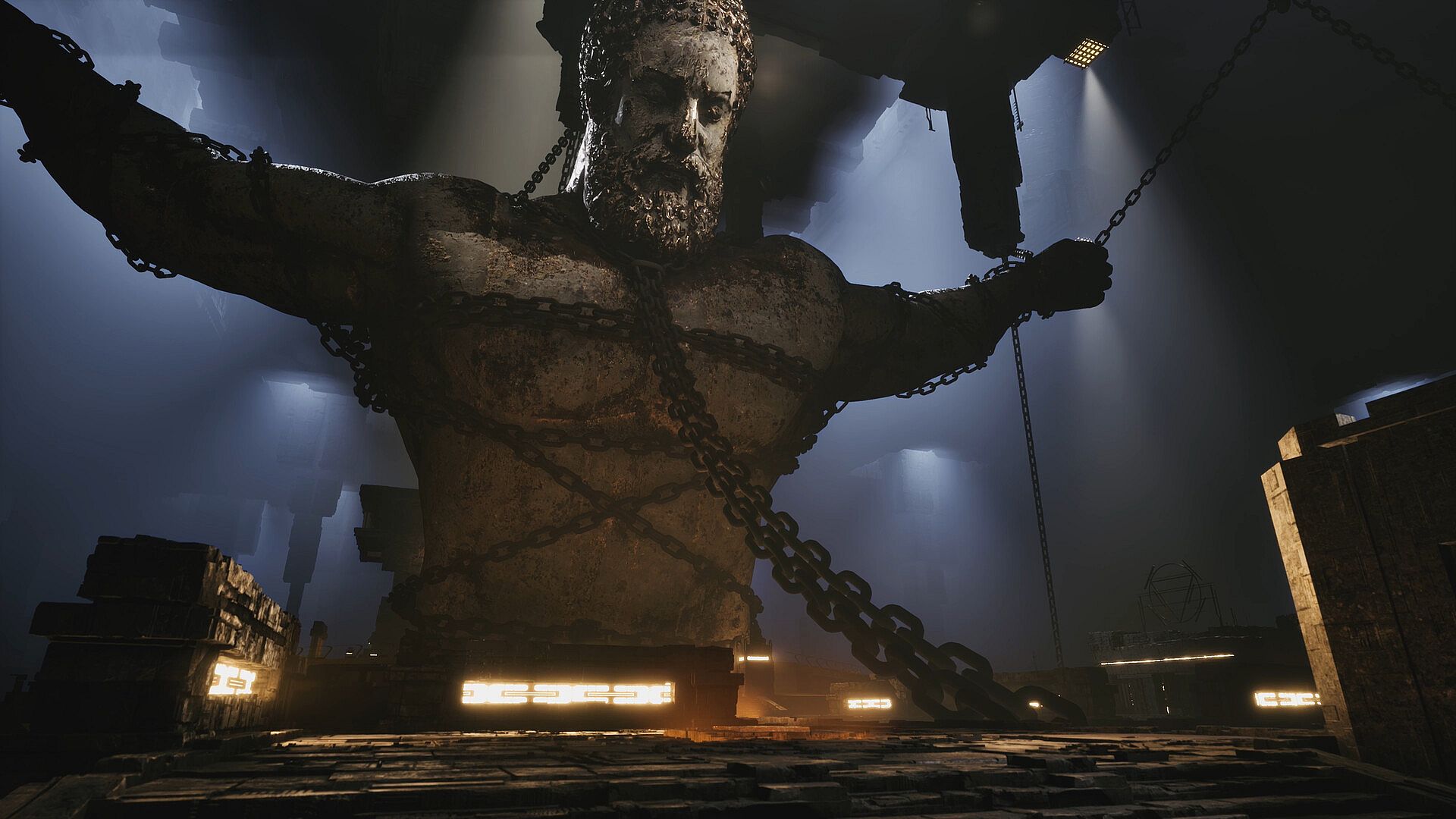
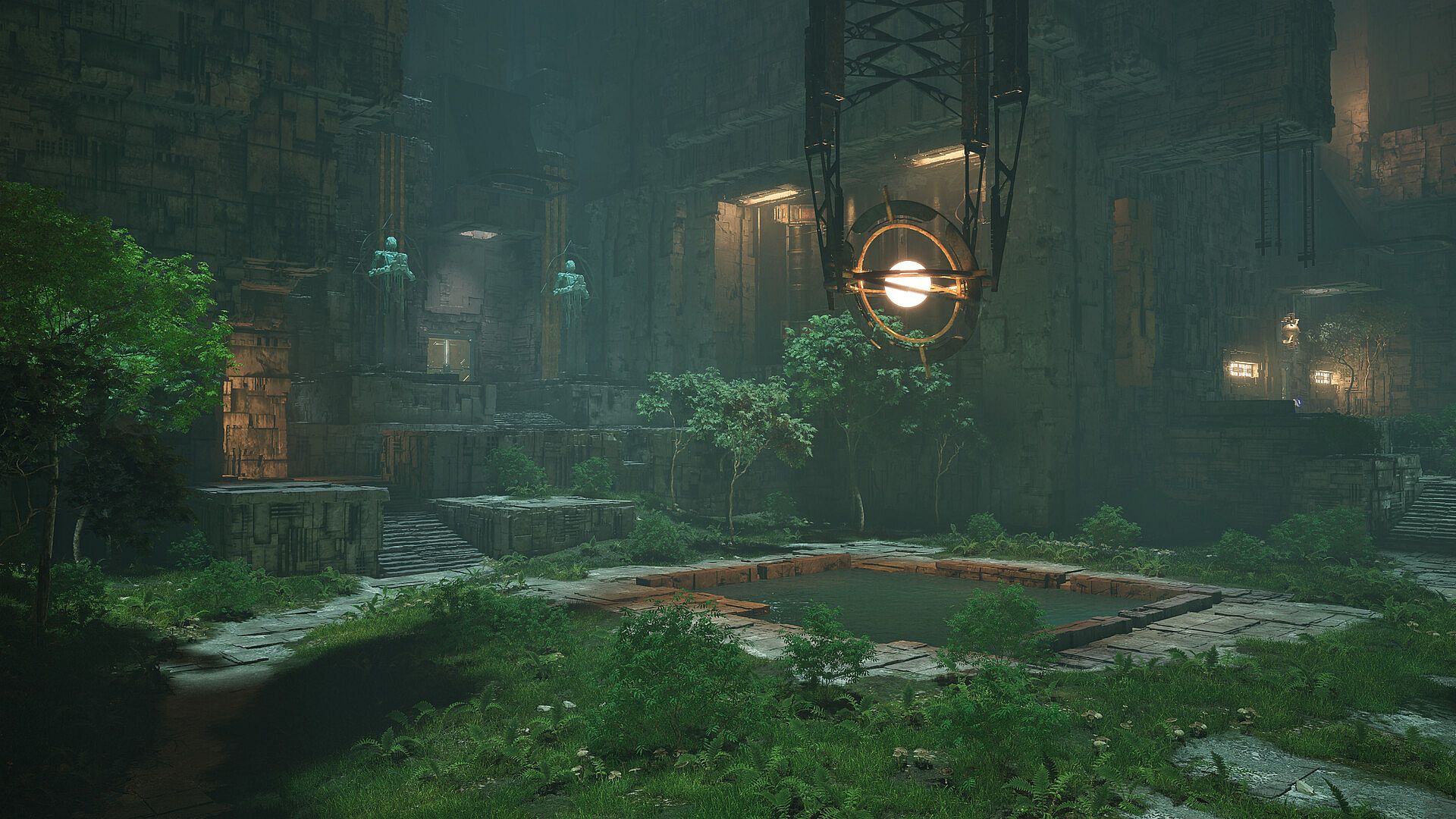



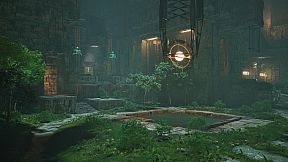
The Talos Principle 2 stands out as a first-person puzzle adventure game that blends intricate brainteasers with a deep narrative exploring philosophy and existence. Set in a post-human world inhabited by robots, you step into the role of an android awakening in a society built on the remnants of human culture. The story unfolds around a massive megastructure filled with secrets, where your choices influence the outcome through multiple endings. This sequel expands on its predecessor by introducing new mechanics while retaining the core appeal of thoughtful exploration and problem-solving.
Gameplay
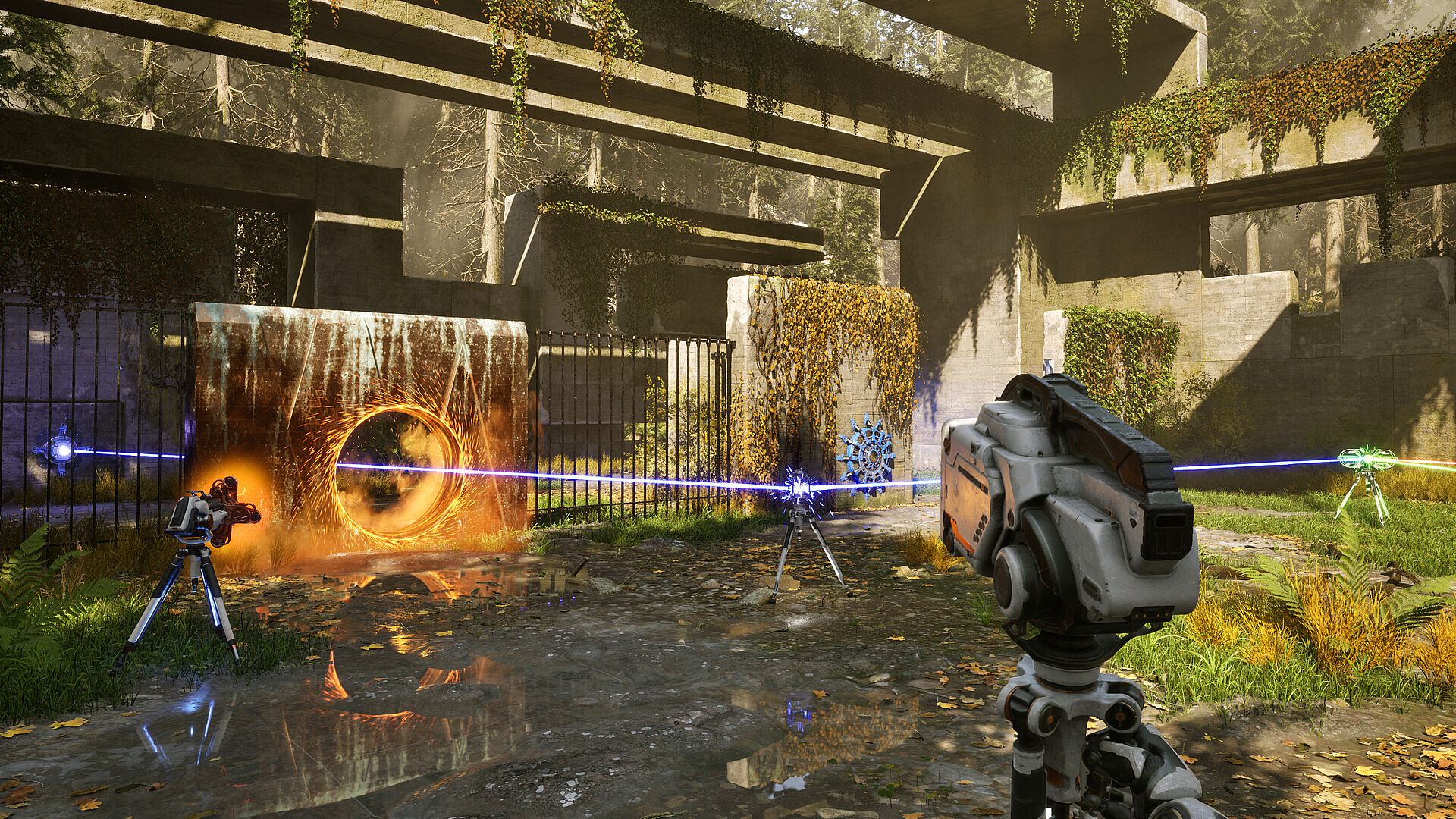
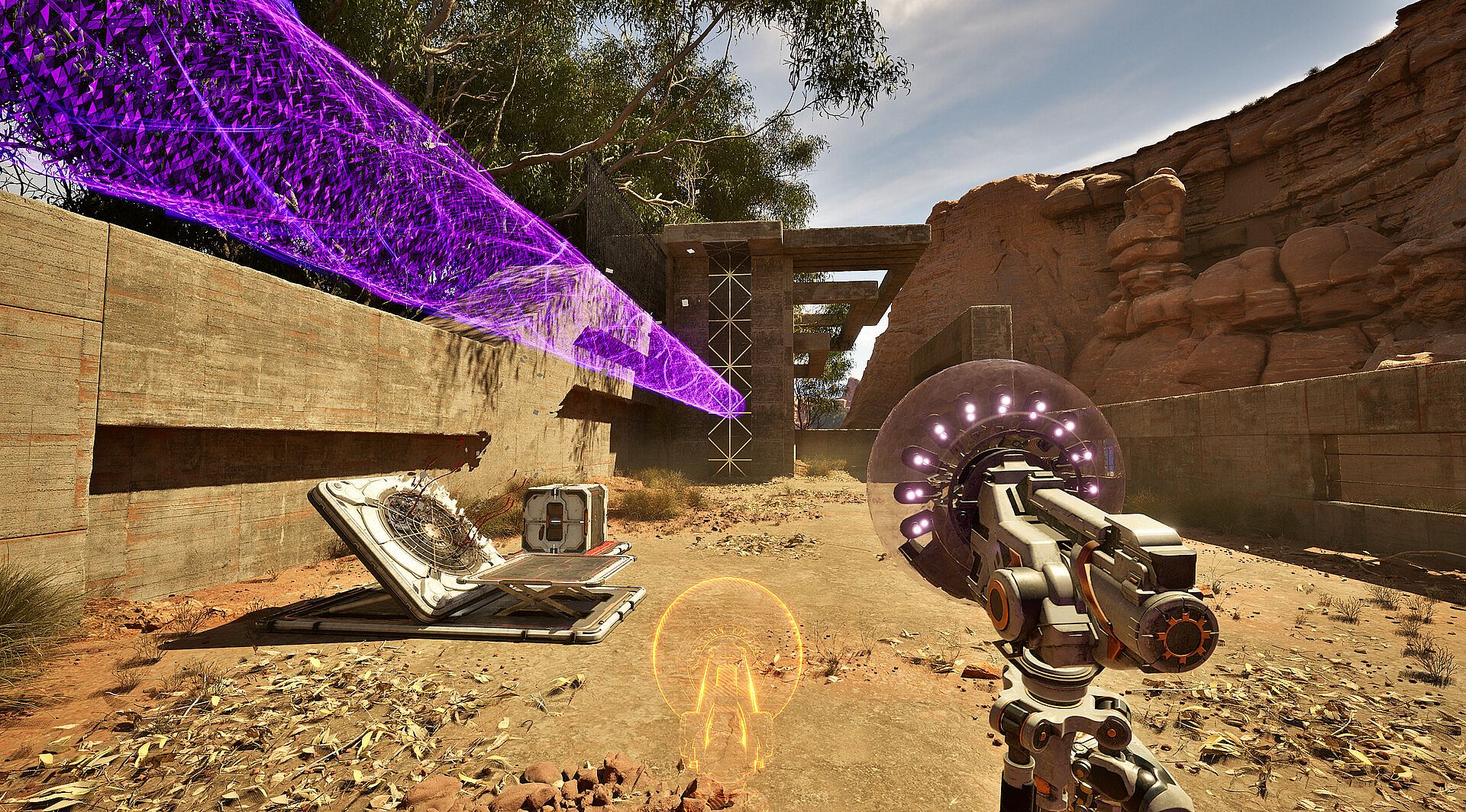
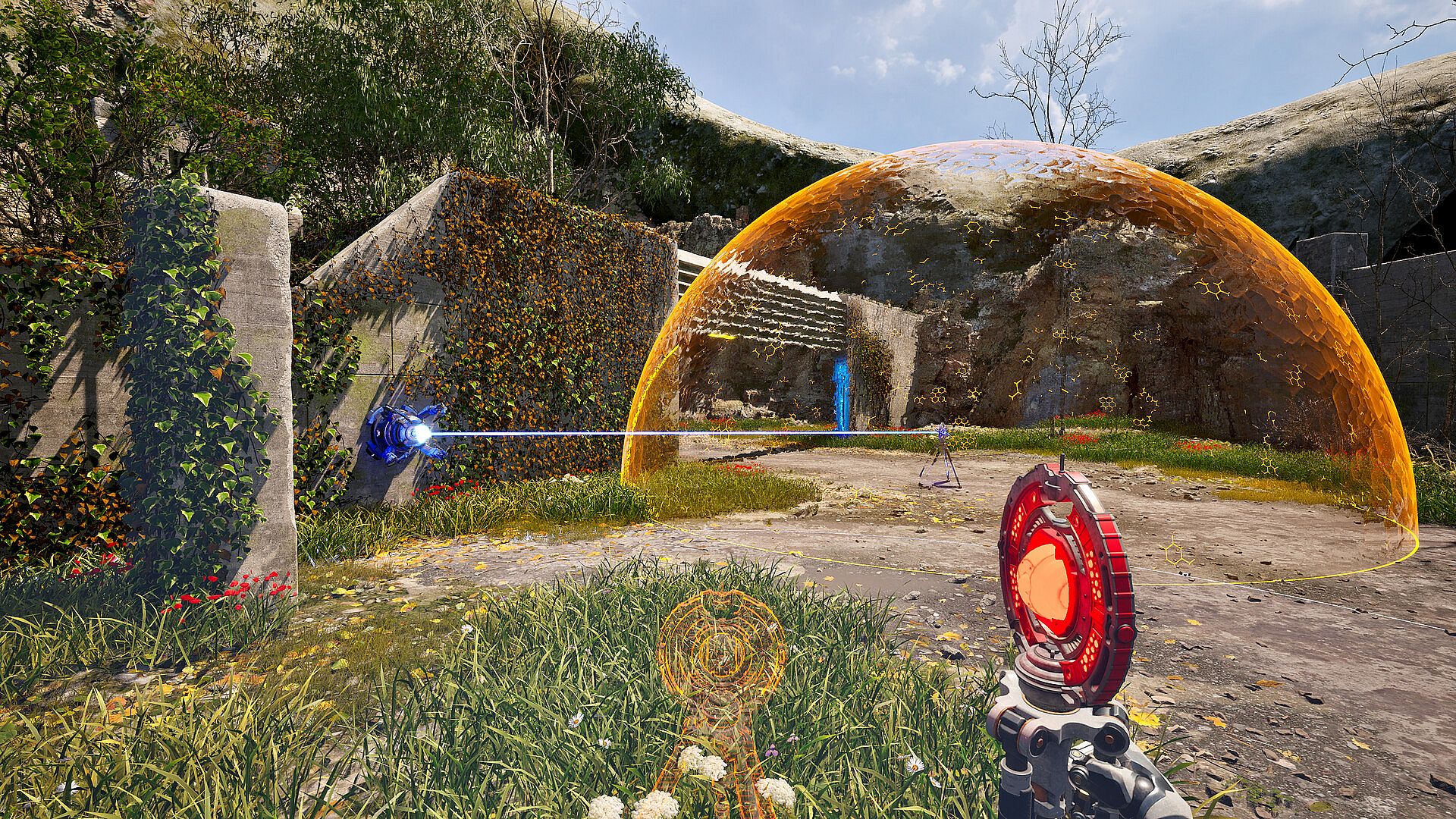
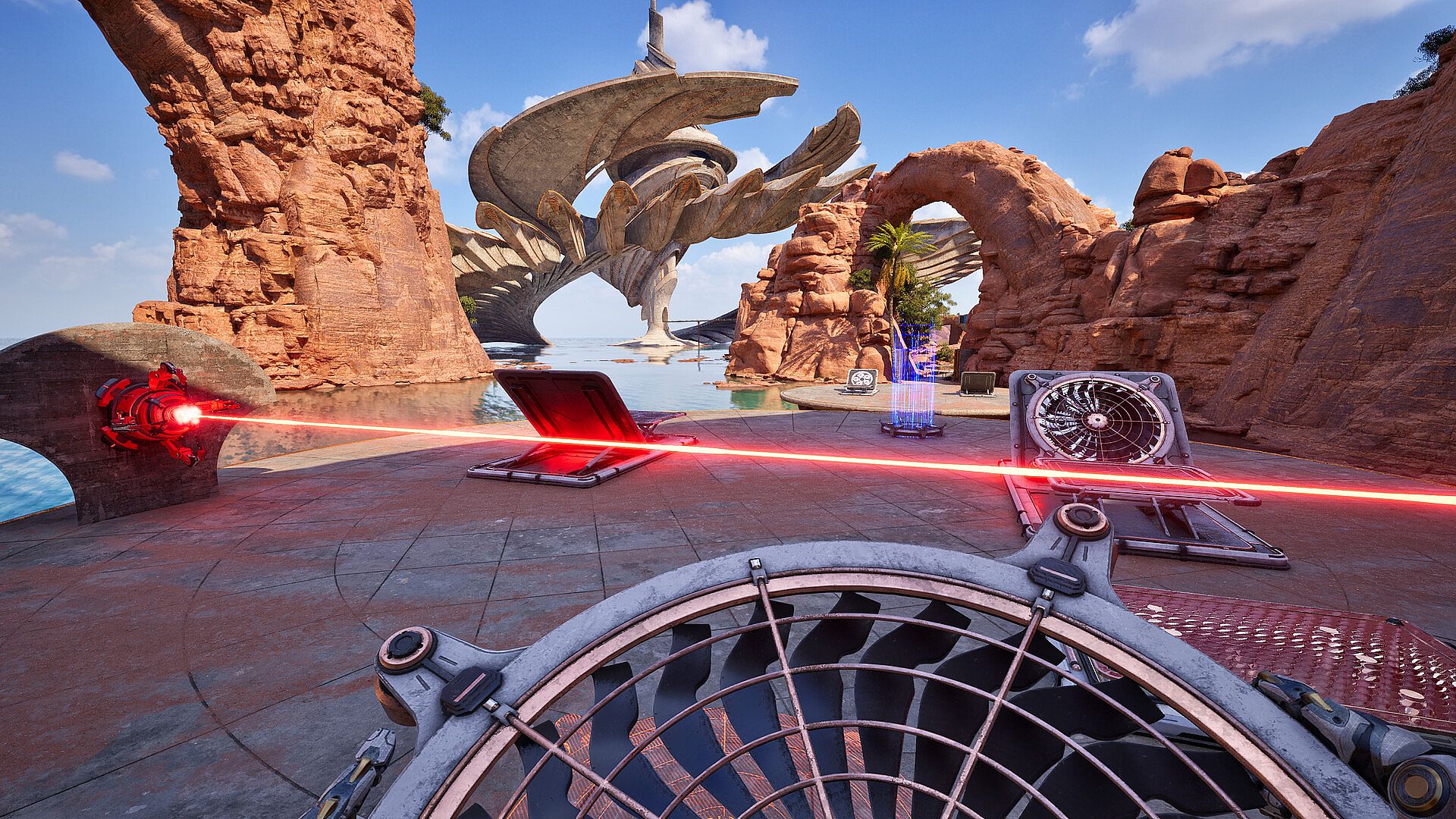
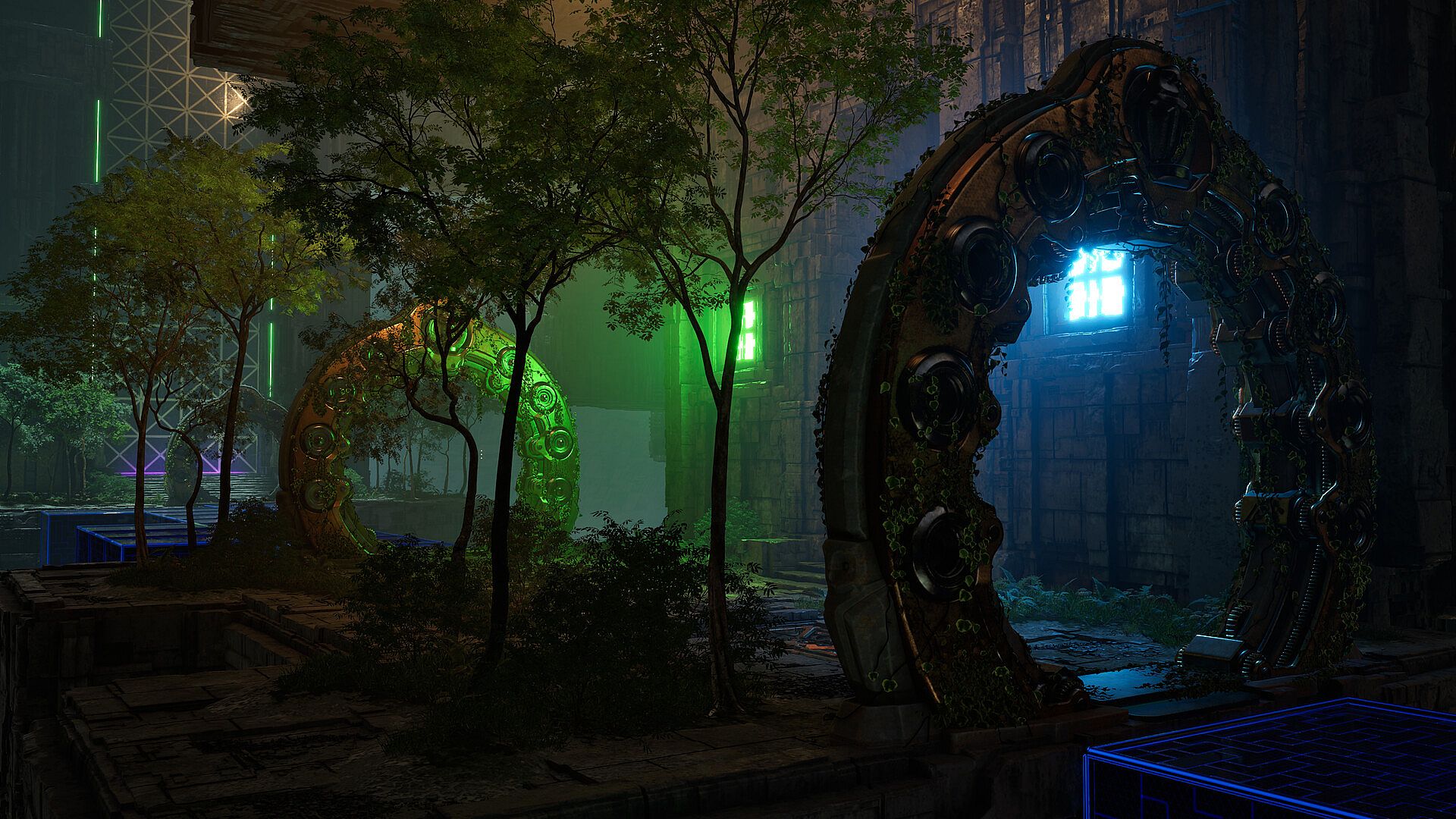
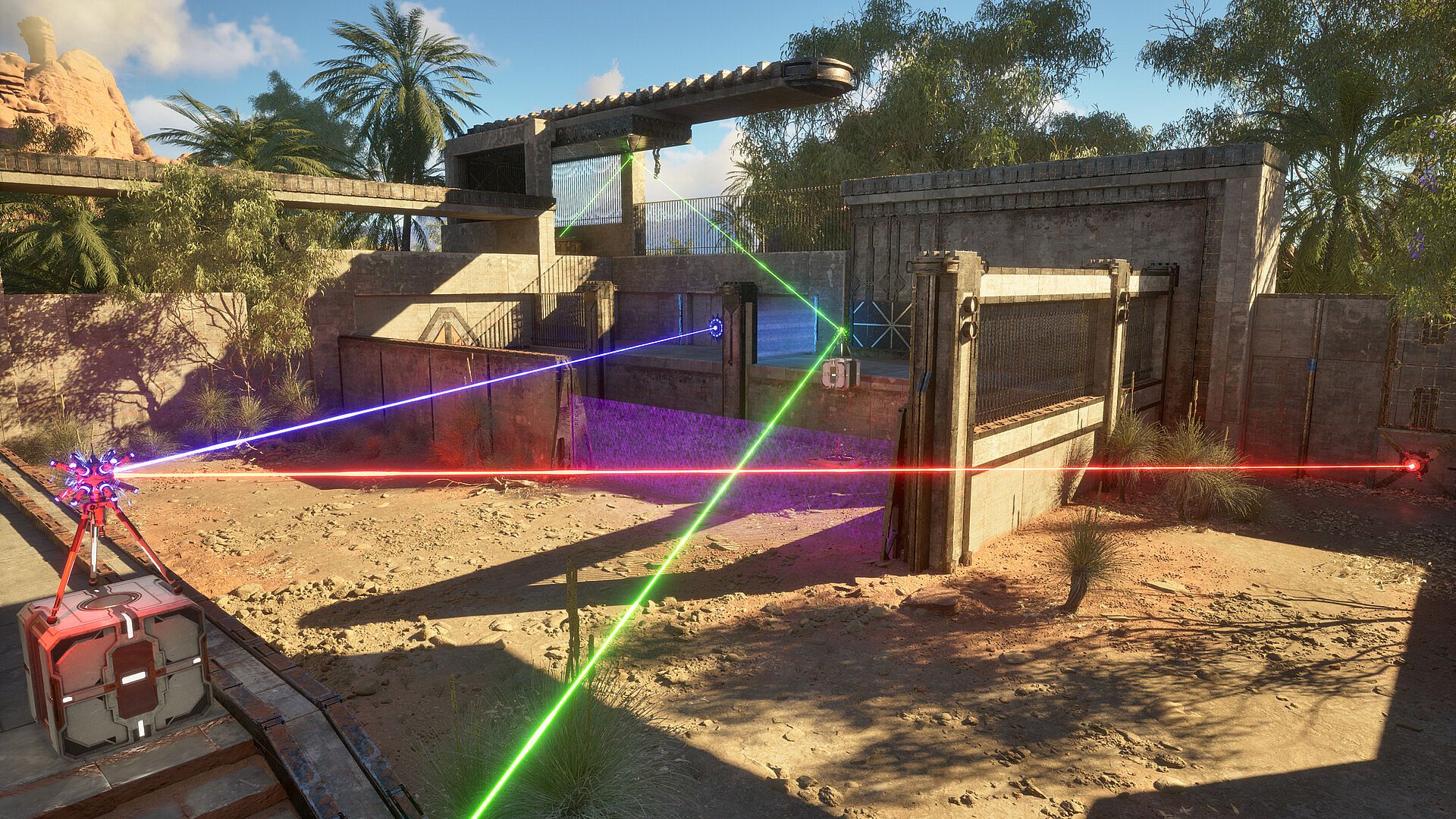
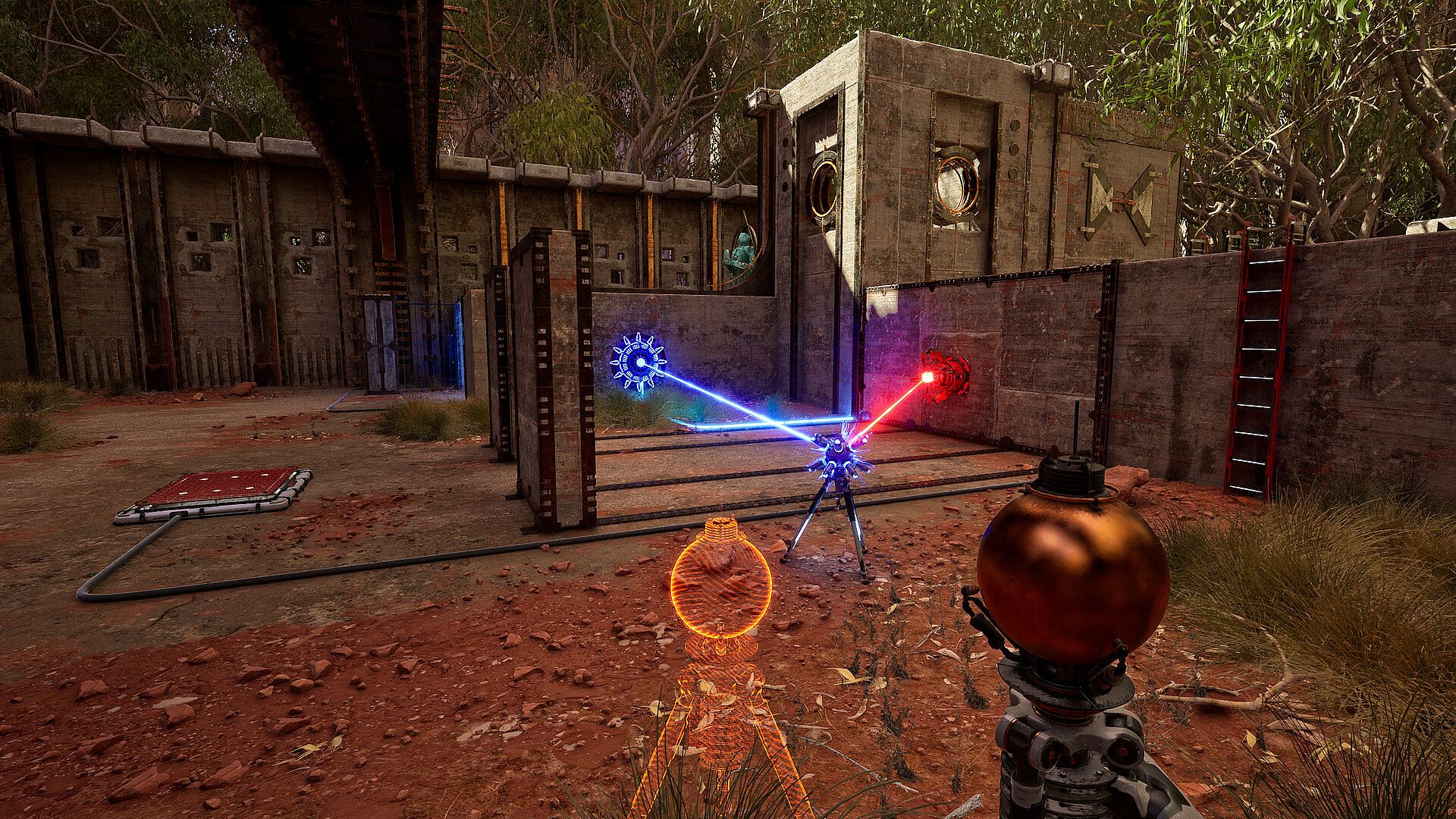
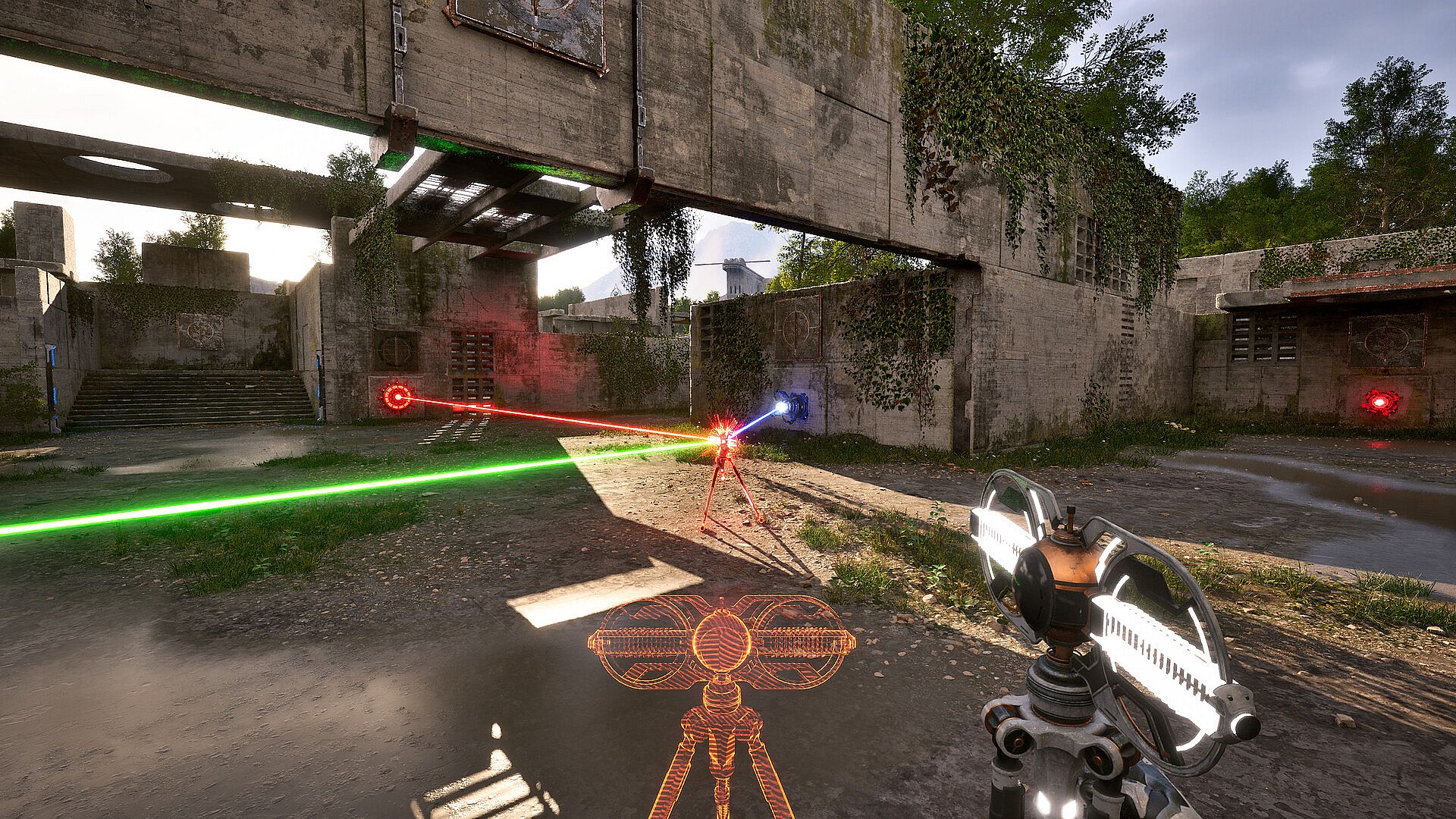
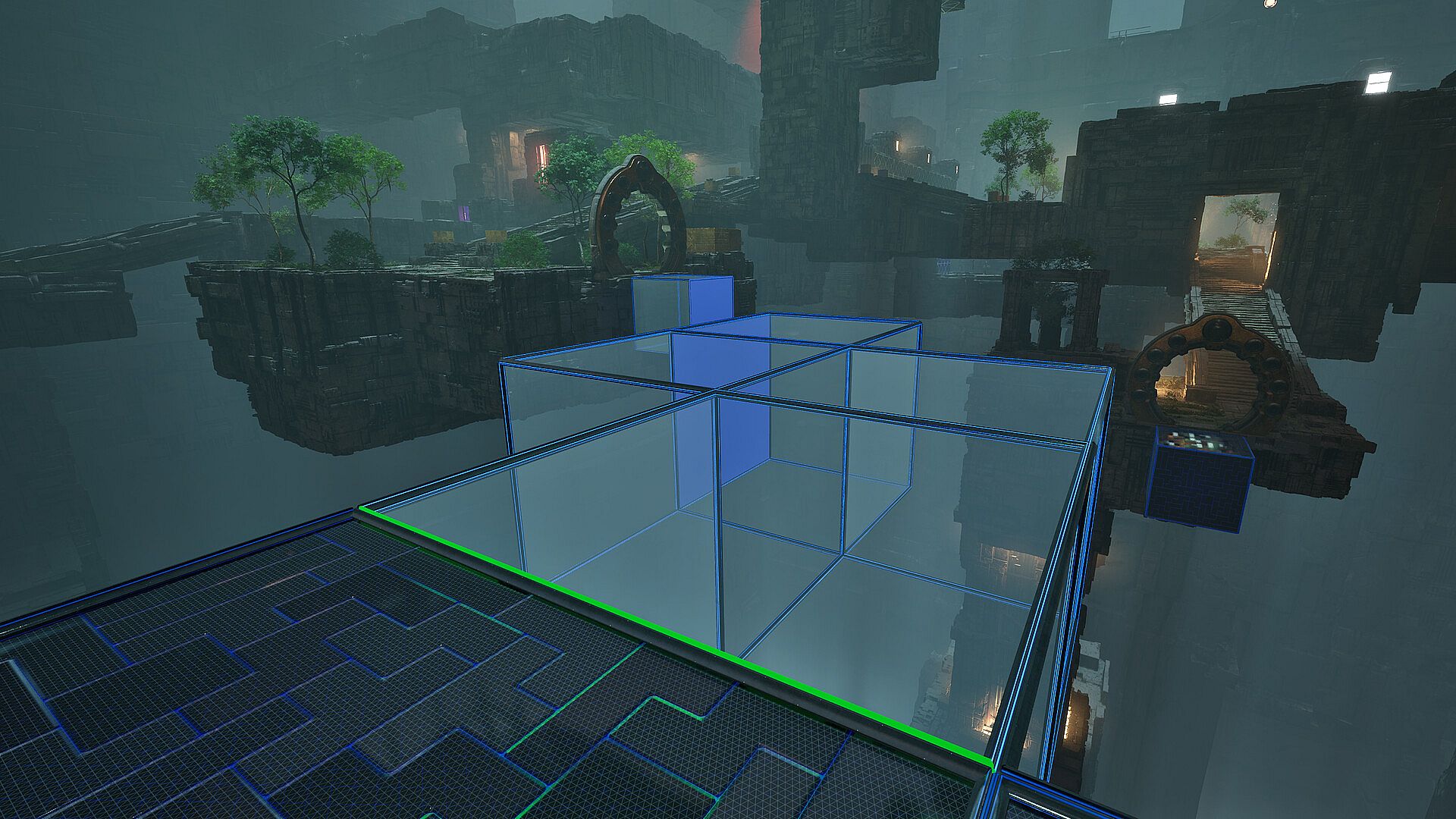
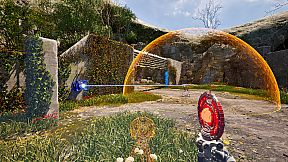
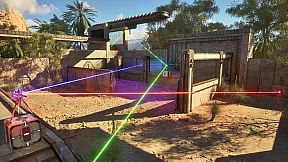
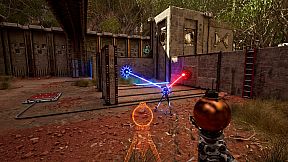
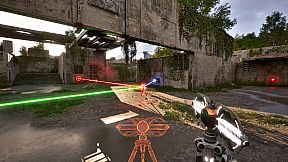
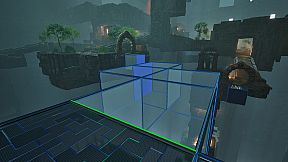
At its heart, the gameplay revolves around navigating expansive environments and tackling puzzles that demand creative thinking. You manipulate objects like connectors, lasers, and drones to progress, with new abilities such as gravity manipulation and mind transference adding layers to the challenges. These tools allow you to redirect energy beams, create platforms, or even transfer your consciousness to control other entities. Puzzles vary in complexity, from straightforward setups to metapuzzles that require piecing together clues across multiple areas. Gold puzzles offer extra difficulty for those seeking mastery, though you can complete the main path without solving everything. Exploration plays a key role, as wandering through detailed landscapes reveals hidden secrets and narrative threads.
The mechanics build on familiar elements like jamming devices and hexahedrons, but the sequel introduces fresh twists that keep the experience engaging. For instance, gravity manipulation lets you walk on walls or ceilings, opening up new ways to approach obstacles. Mind transference enables switching perspectives, which is crucial for puzzles involving multiple viewpoints. The game encourages experimentation, with no strict time limits, allowing you to retry ideas without penalty. This setup creates a satisfying loop of observation, hypothesis, and execution, all set against a backdrop of philosophical dialogue that ties into your actions.
Game Modes
The Talos Principle 2 focuses on a single-player campaign that integrates puzzle-solving with story progression. There are no separate multiplayer components or competitive modes; instead, the experience centers on a narrative-driven adventure where you explore a central hub city and venture to outlying islands. Each area presents clusters of puzzles tied to the overarching plot, with optional challenges like the Gold puzzles providing additional depth for completionists.
Within the campaign, you encounter varied puzzle types that function as self-contained tests, but they connect through the story's branching paths. Multiple endings depend on your decisions in key moments, effectively creating replay value without distinct modes. The game also includes hidden elements, such as secret terminals and collectibles, that expand the lore for those who delve deeper.
Story and Exploration
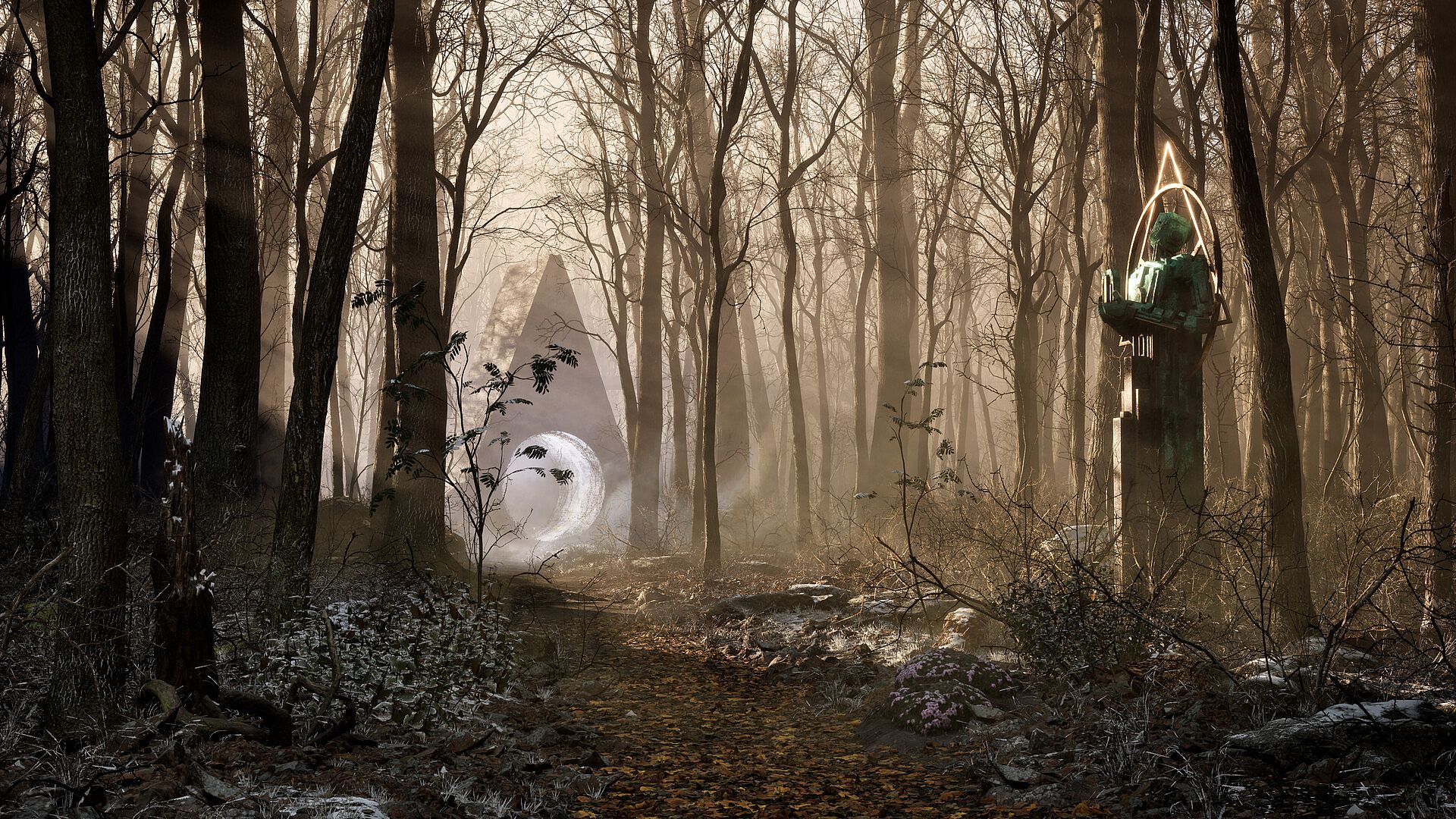
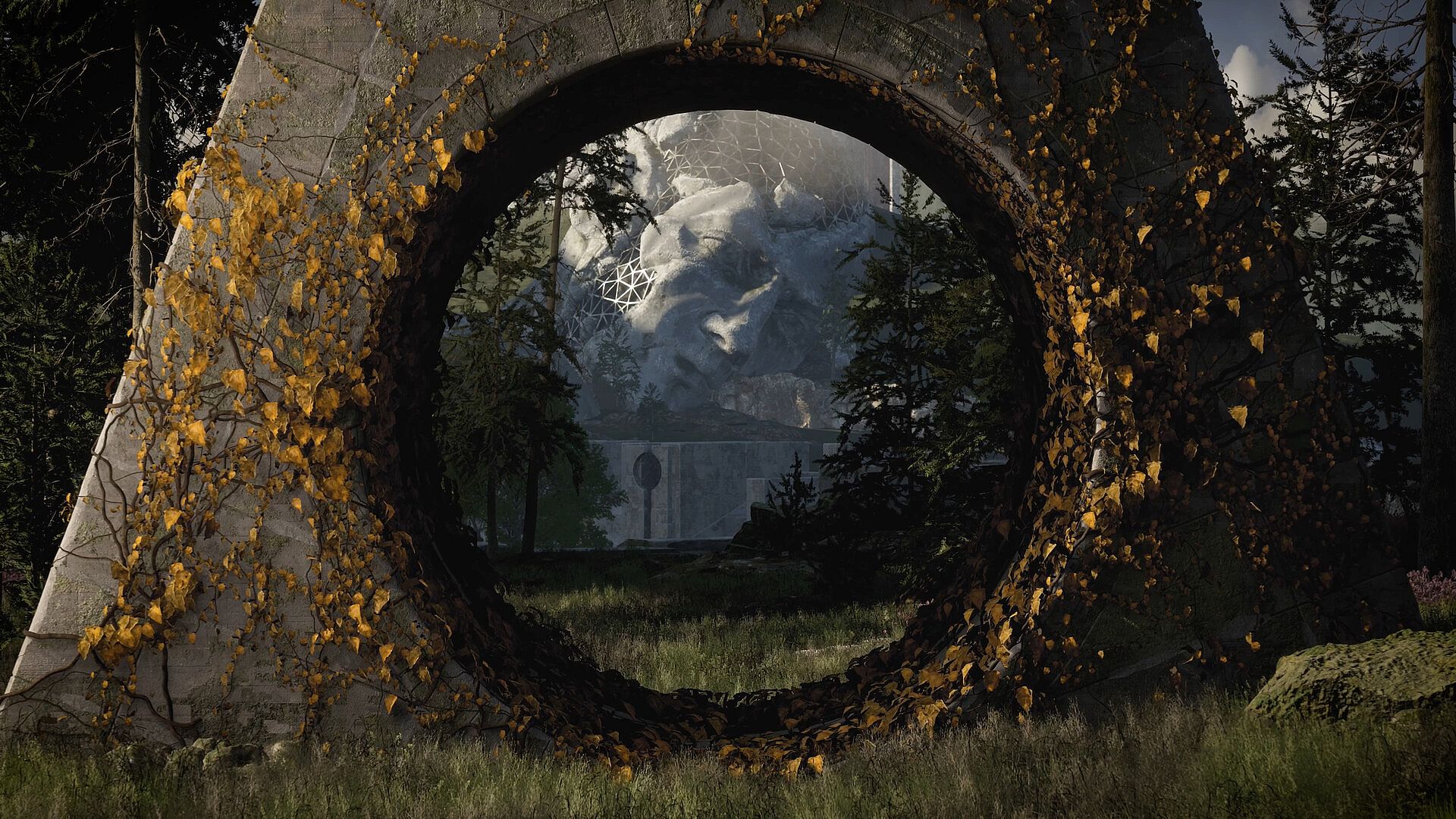
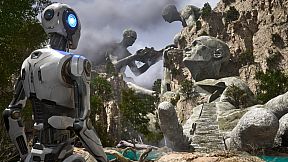
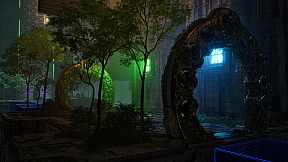
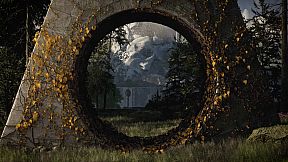
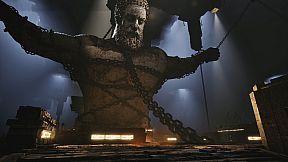
The narrative draws you into a robot society grappling with questions of purpose, faith, and humanity's legacy. You interact with a cast of characters, including companions like Byron and Alcatraz, whose debates shape your journey. The world features over a dozen environments, from a bustling robot city to enigmatic islands with ancient ruins. These spaces not only host puzzles but also hide forgotten histories and audio logs that enrich the lore.
Exploration breaks up the puzzle intensity, with moments to appreciate the stunning visuals and soundtrack. The music, composed by Damjan Mravunac with contributions from Chris Christodoulou, enhances the atmospheric tone, blending melancholy and wonder.
Is It Worth Playing?
For fans of puzzle games that challenge the mind and provoke thought, The Talos Principle 2 delivers a compelling experience. It has earned strong player reception, with 94 percent positive reviews from over 8,000 users on platforms where it's available. Critics have praised its ambitious scope, though some note inconsistencies in puzzle difficulty.
The game remains in a solid state as of 2026, with no major ongoing seasons or updates mentioned, but its core content holds up well for new players. If you enjoy titles that combine logic challenges with narrative depth, this one offers substantial value, especially for those who appreciate replaying for different endings. However, if you prefer fast-paced action over deliberate problem-solving, it might feel too contemplative. Overall, it's a strong recommendation for puzzle enthusiasts looking for substance beyond mere mechanics.