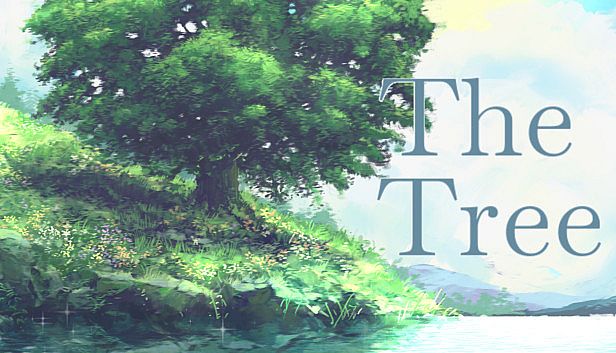














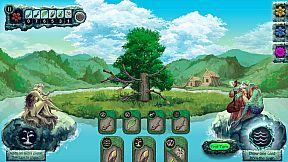
The Tree is an indie strategy game on PC that challenges players to assemble emblematic trees across four distinct worlds drawn from folklore traditions. Participants compete by placing tree components in a race to complete their structure first, using supporting cards and guardian spirits to influence the pace of growth for themselves and their rivals. The experience blends simple placement mechanics with tactical timing decisions, making it accessible for families while offering depth through opponent interference.
Gameplay
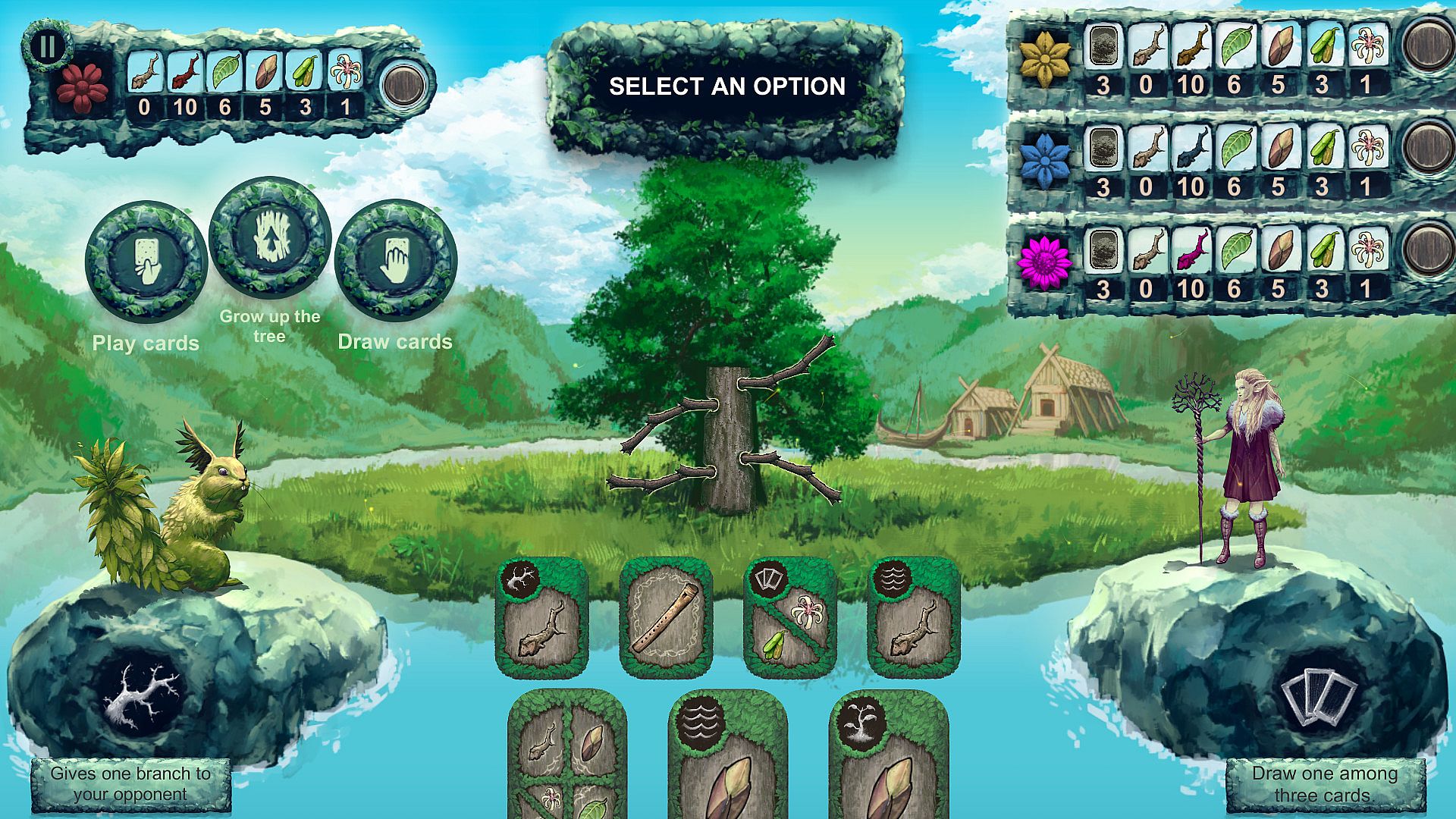
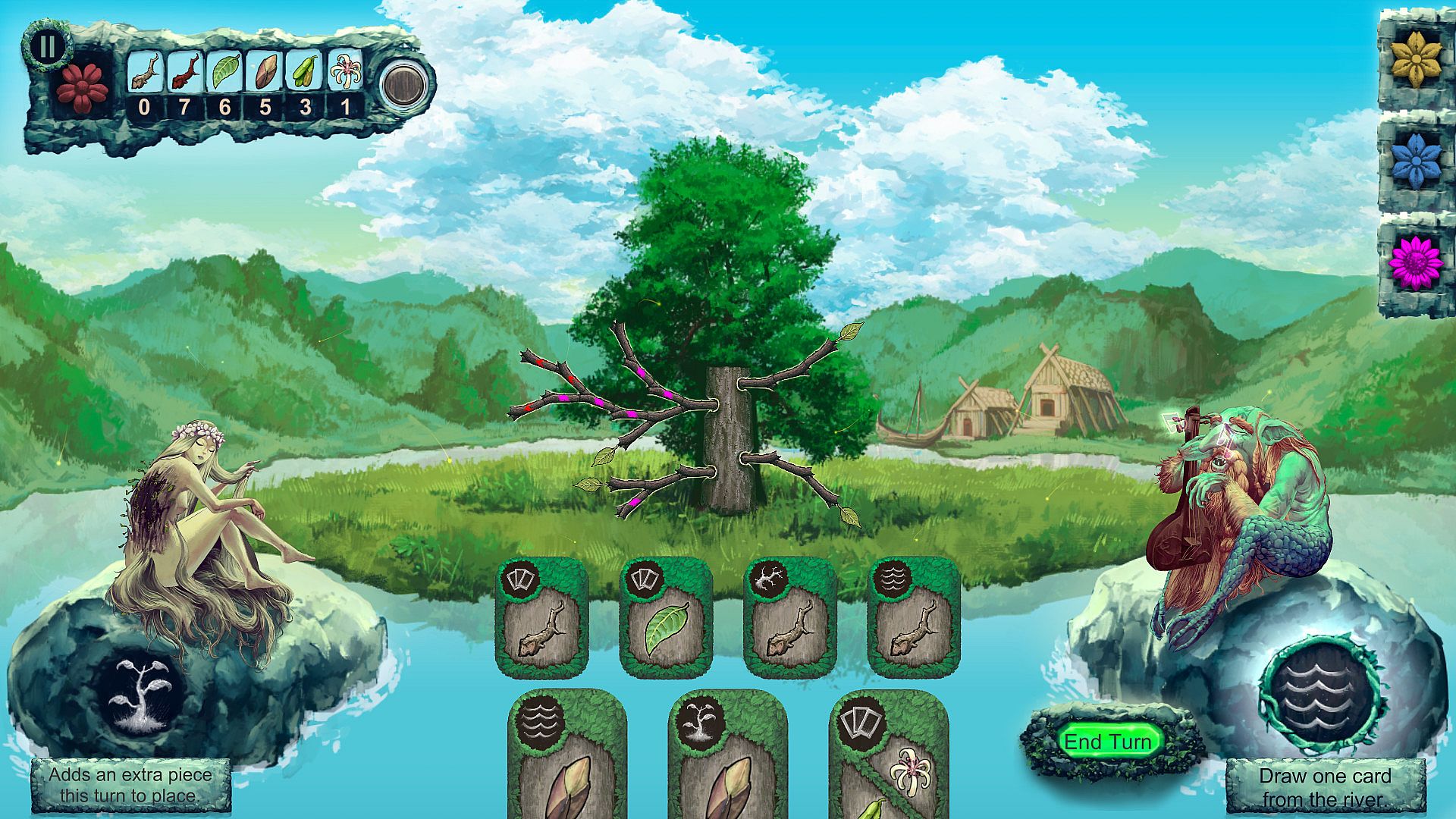
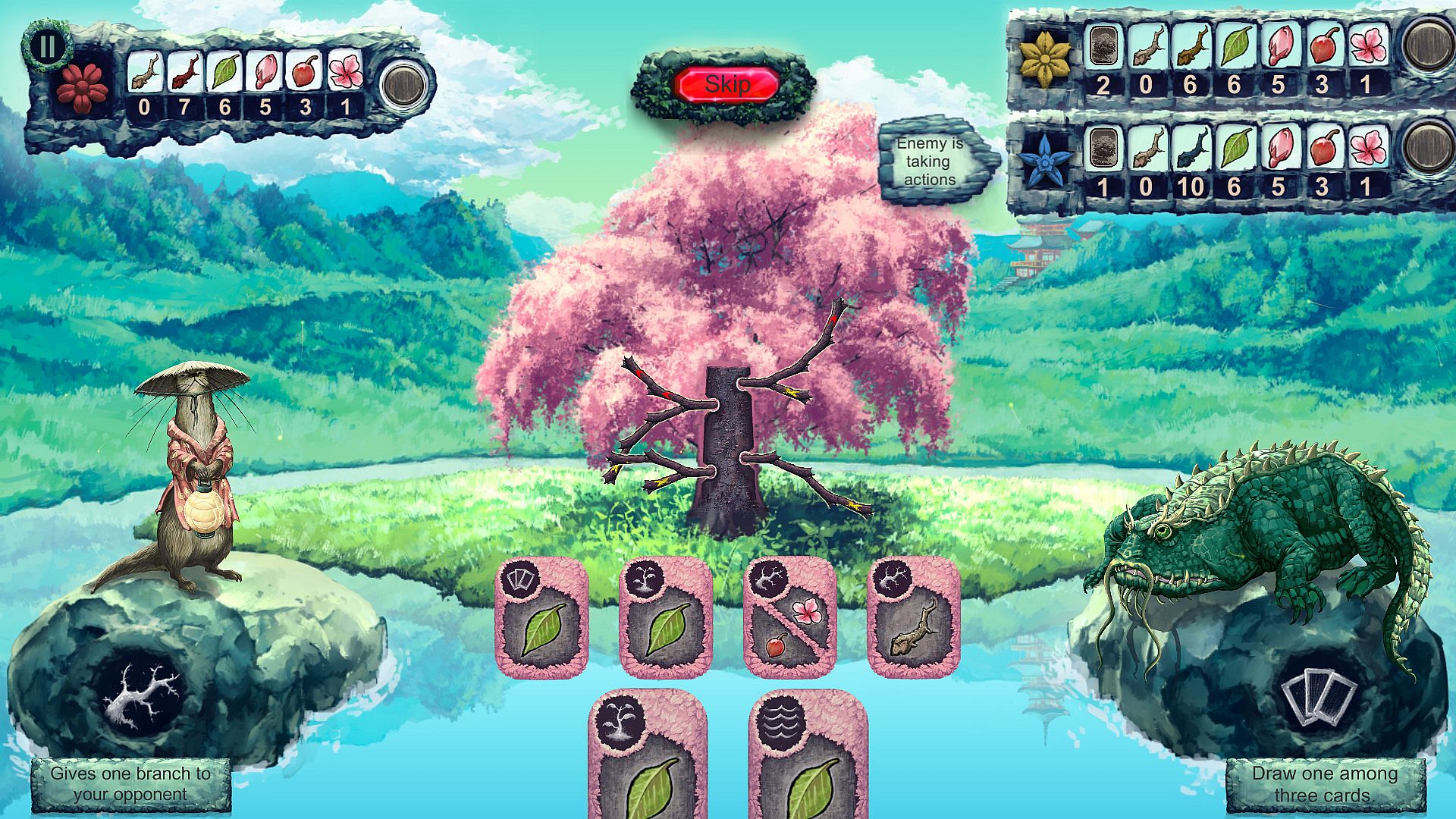
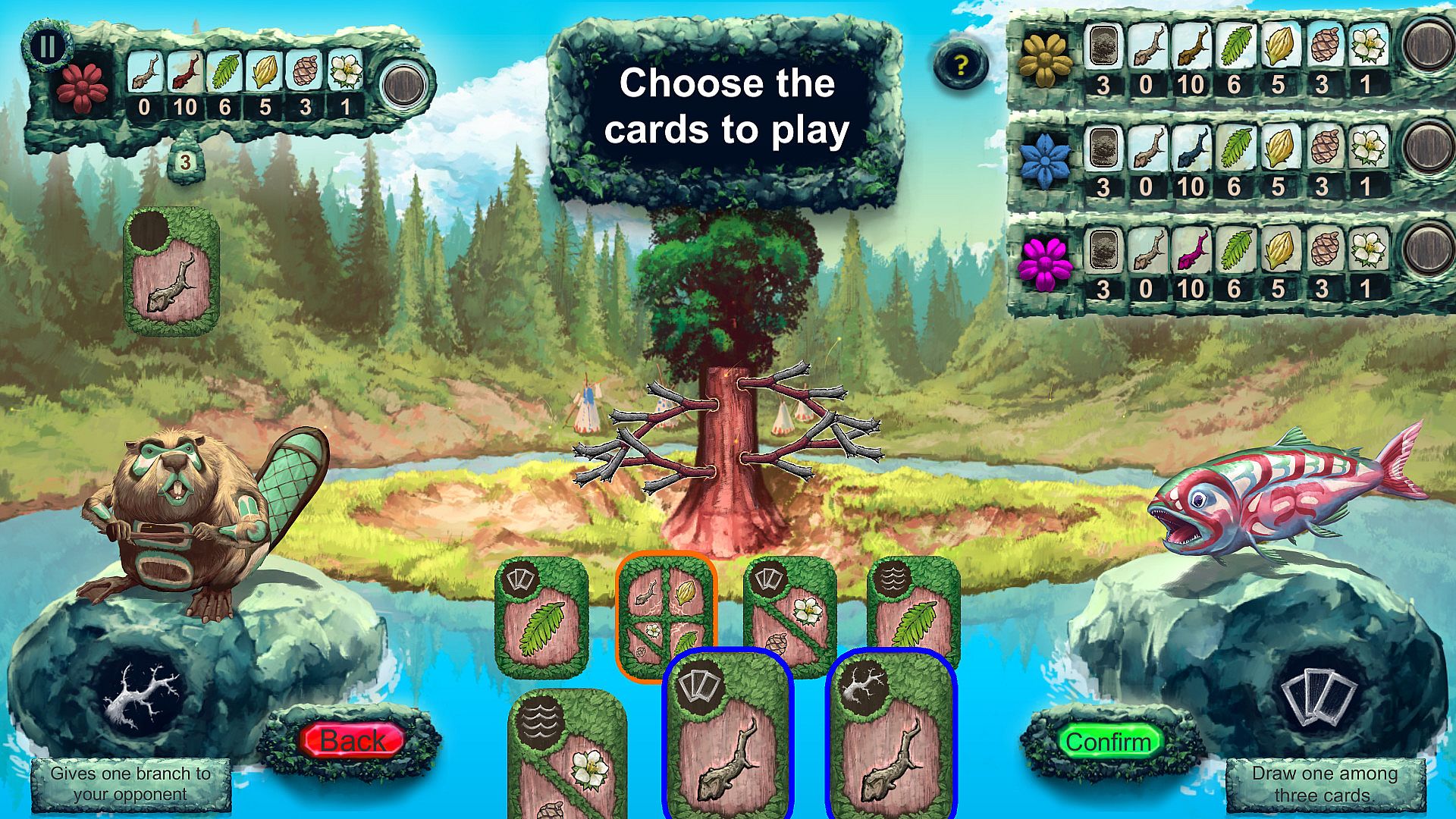
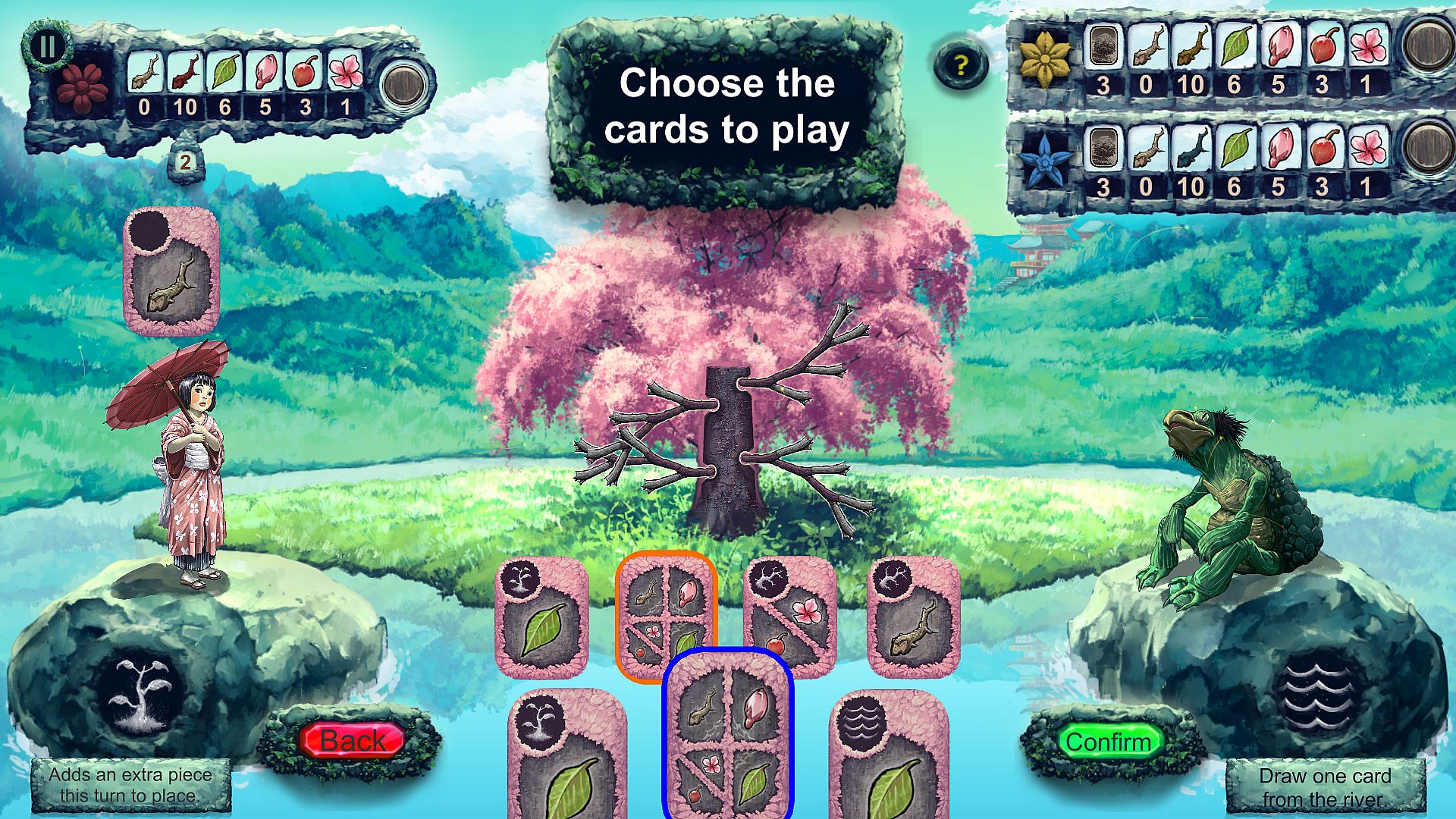
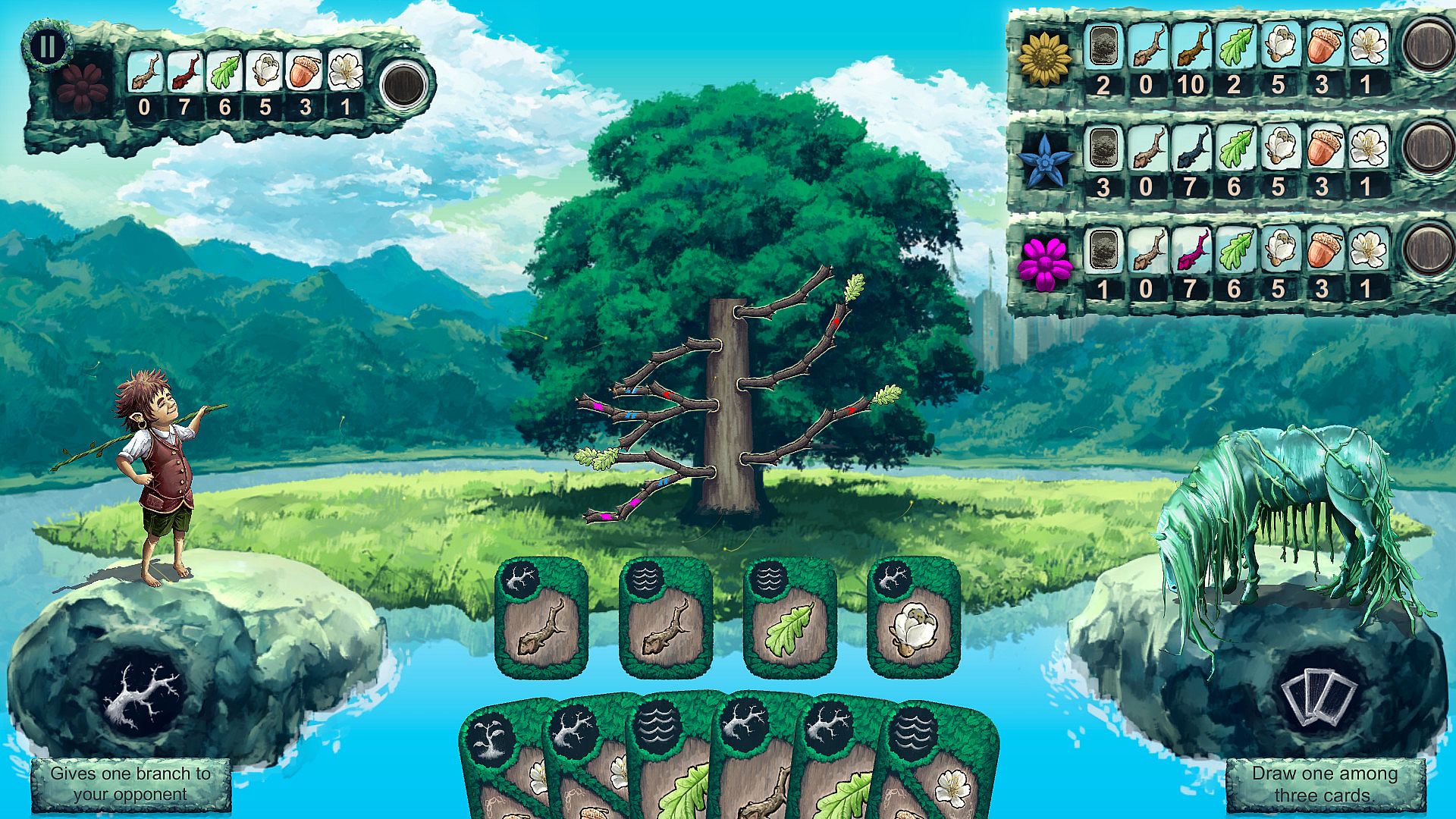
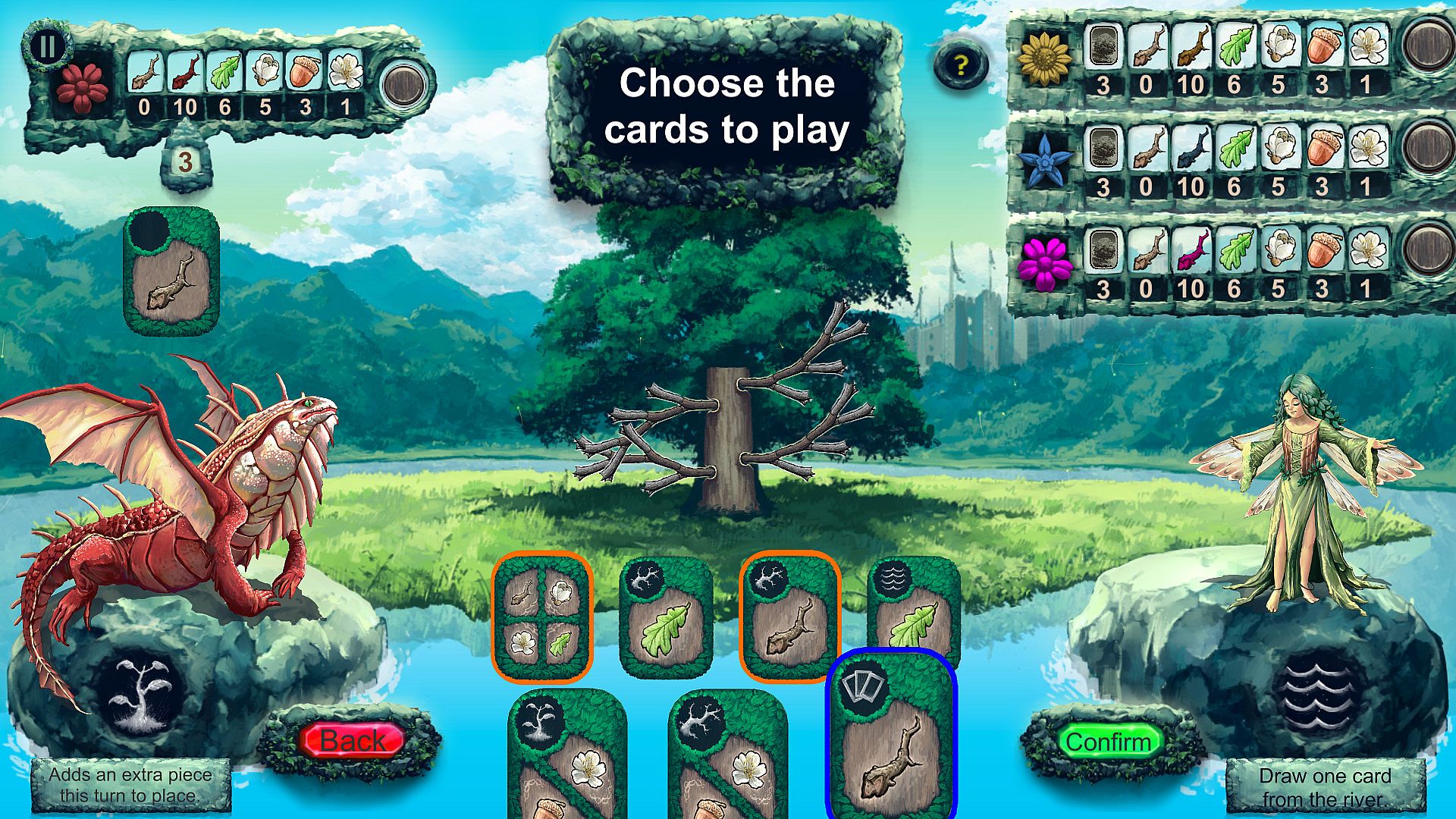
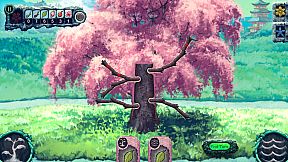
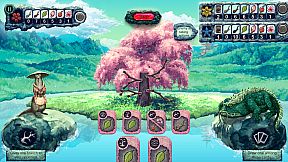
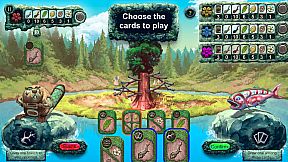
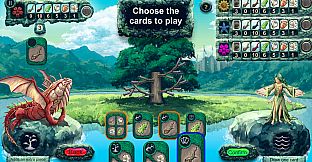
Core play revolves around collecting and positioning specific tree parts on a shared board or individual setups. Each participant starts with a quota of branches, leaves, buds, fruits, and a golden flower that must be placed in sequence to claim victory. Turns involve drawing or managing resources, then deciding where and when to add elements to the growing tree structure. Guardian spirits and cards introduce variability by accelerating personal progress or disrupting opponents' placements, requiring careful judgment on activation moments to maximize advantage without wasting effects.
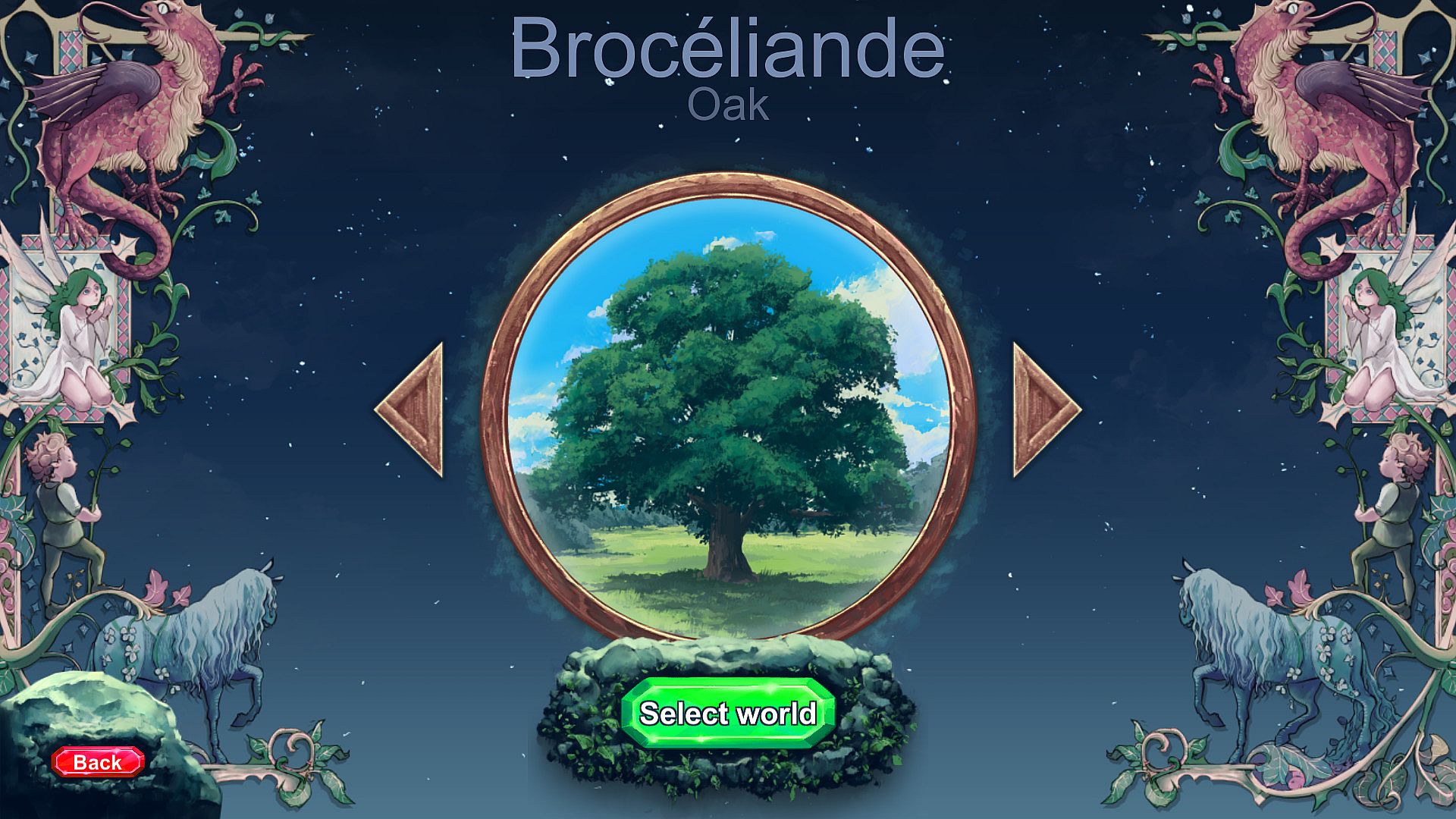
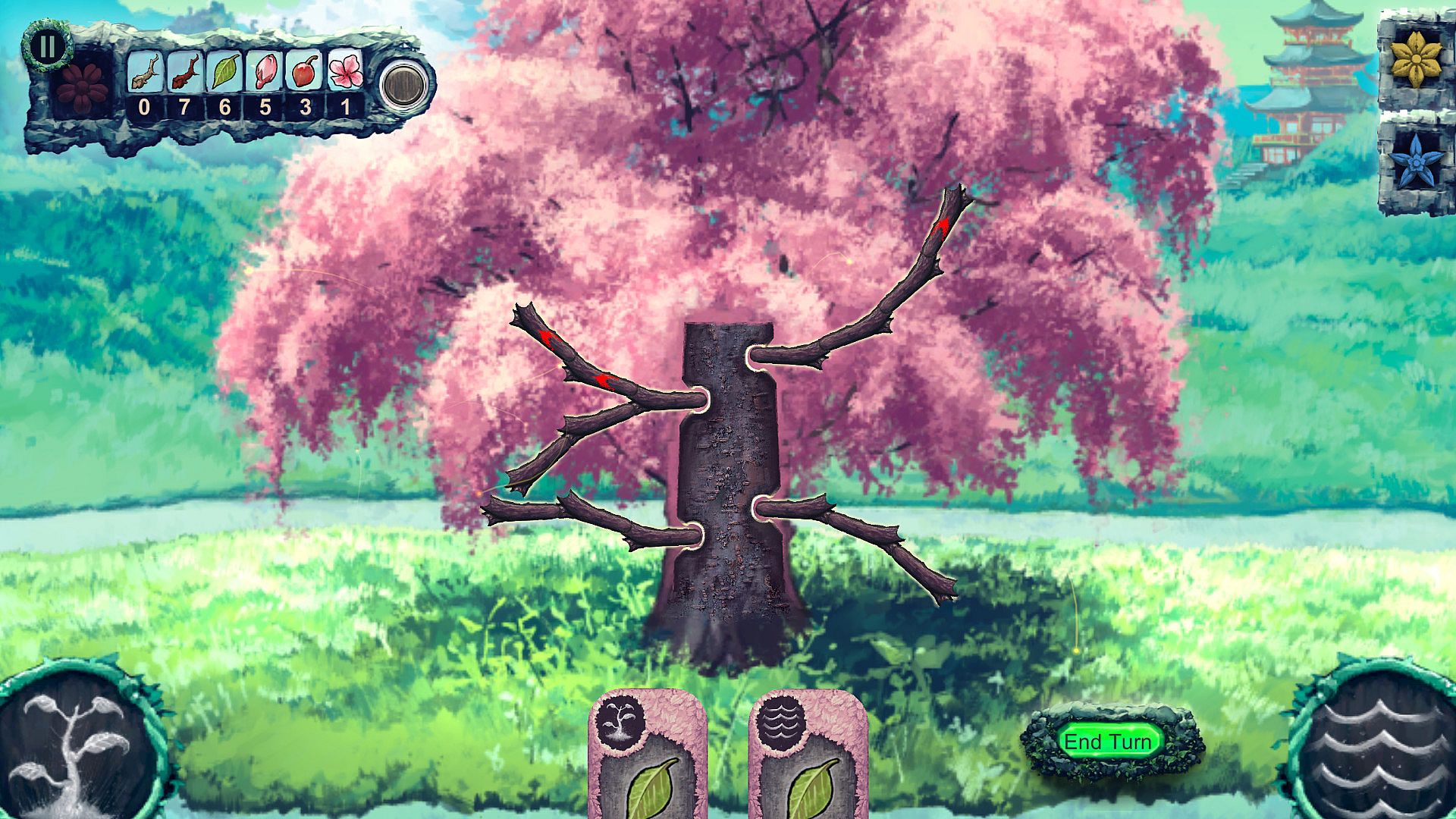
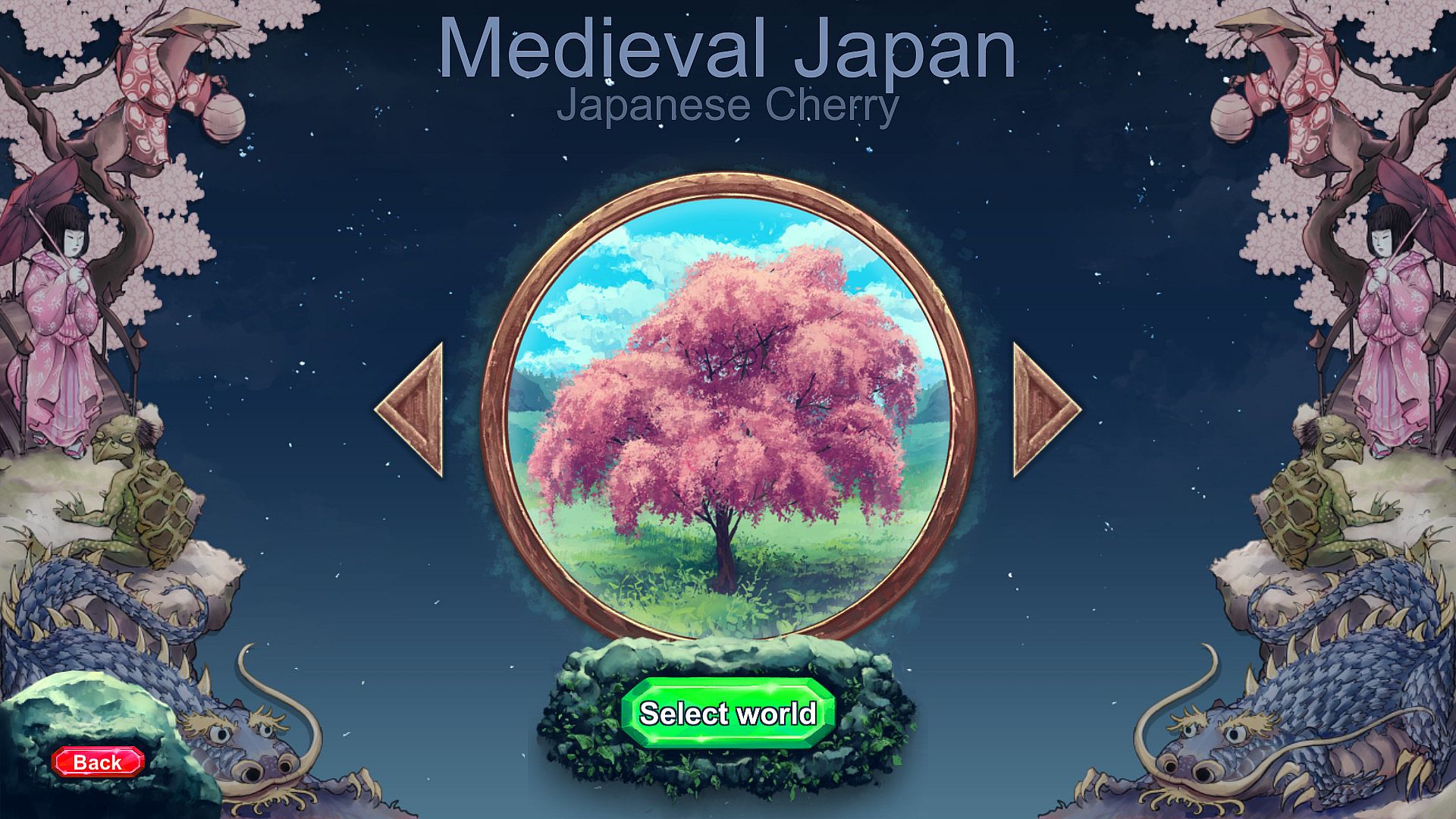
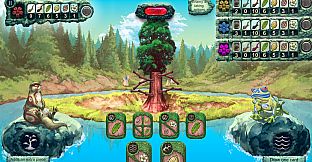
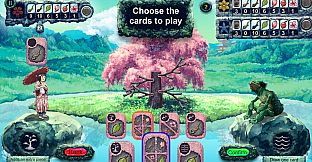
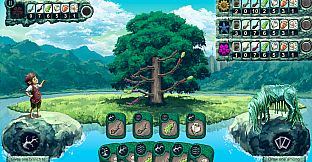
The four folklore-inspired settings each feature a unique reference tree that serves as the visual and thematic centerpiece. Players navigate these environments through the same core placement loop, but the aesthetic differences provide variety across matches. Graphics emphasize clean, stylized representations of the trees and surrounding motifs without overwhelming the focus on strategic decisions. The system supports both solitary sessions against computer opponents and direct competition with others, emphasizing resource management and reactive play over complex simulations.
Game Modes
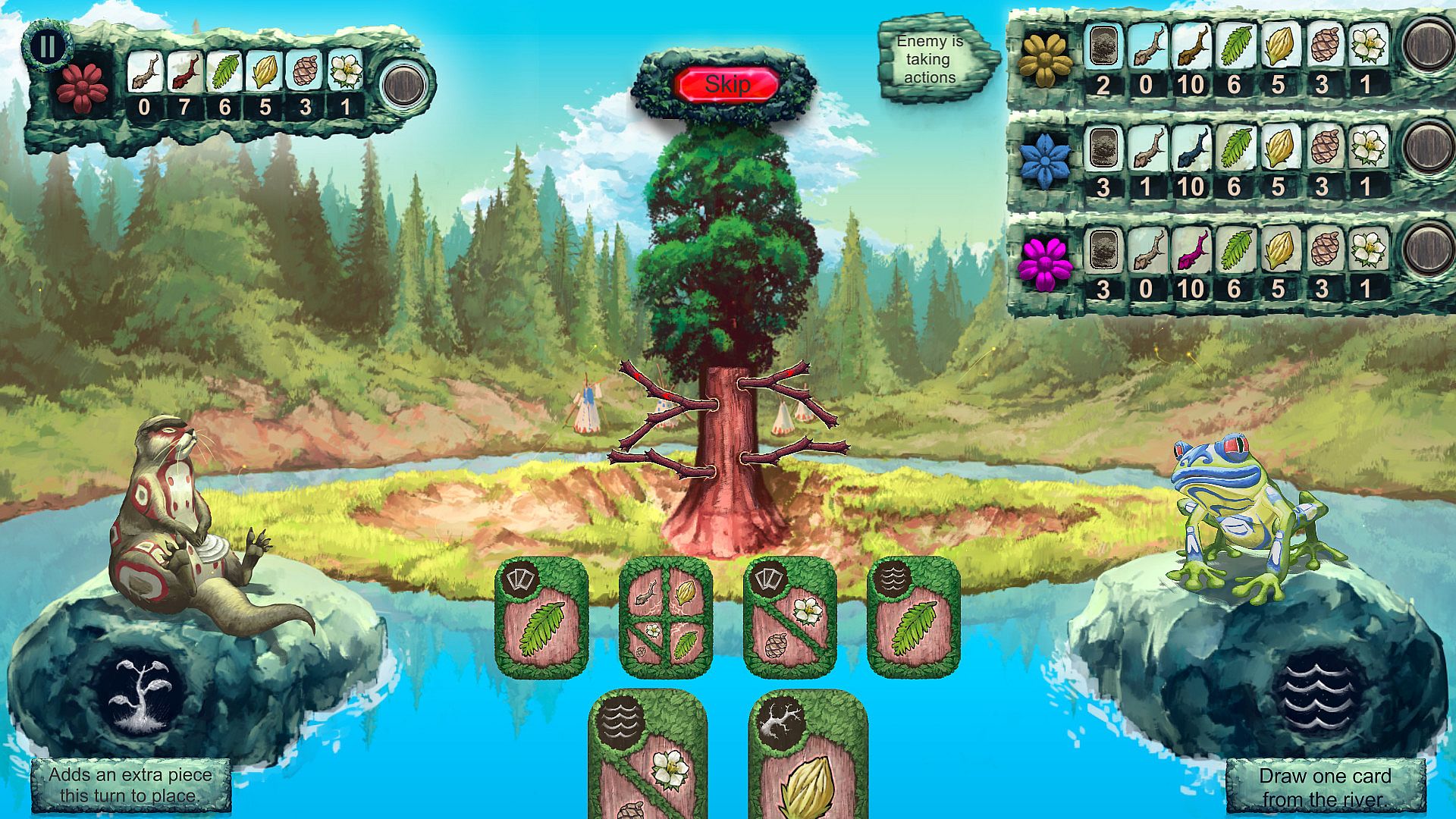
Available options center on competitive assembly matches that scale from individual practice to group sessions. Solo play pits one person against up to three AI-controlled opponents, allowing practice of placement strategies and card timing in isolation. Multiplayer supports two to four participants in direct head-to-head formats where all players share the same pool of tree parts and interference tools. Matches progress through alternating turns until one player completes their full set of components, with no additional layered objectives or variant rulesets confirmed beyond these base structures.
The design keeps sessions straightforward, focusing on the central race mechanic across the folklore worlds. No separate campaign, cooperative, or tournament modes appear in the verified details, keeping emphasis on repeated quick matches that highlight the card and spirit interactions.
Visuals and Themes
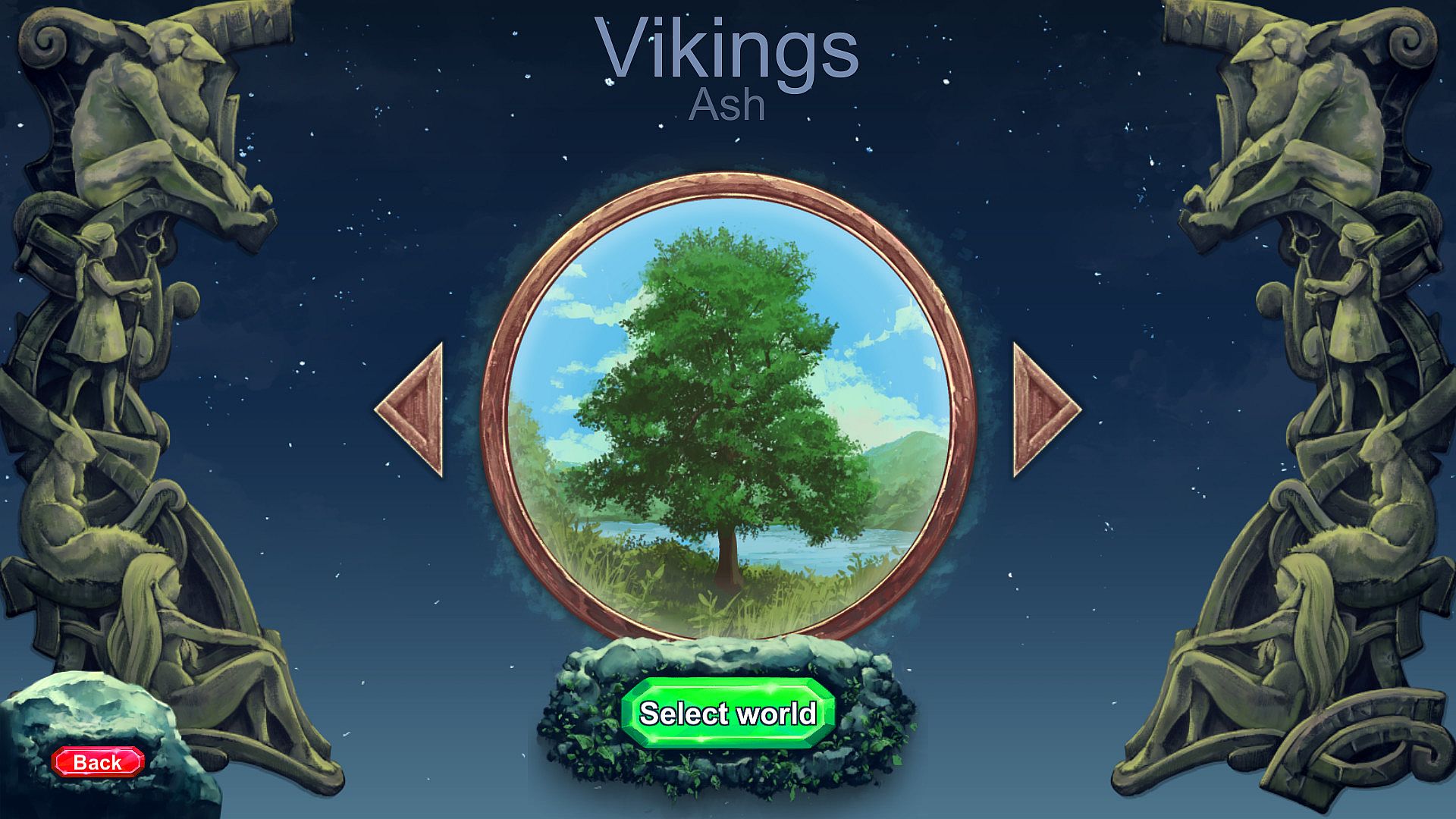
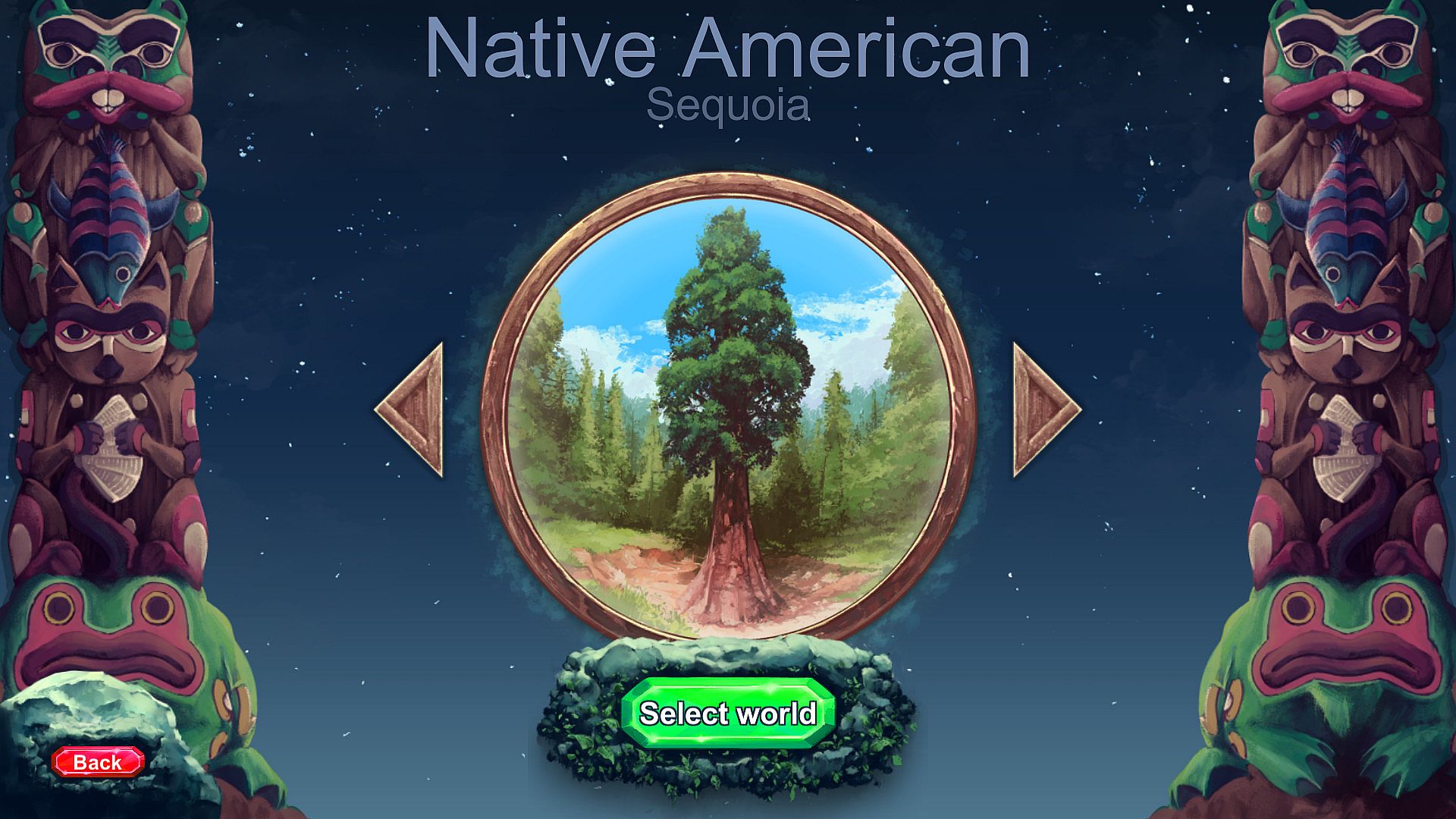
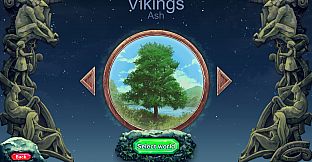
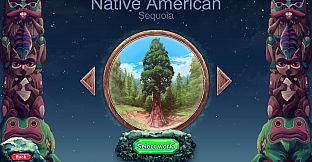
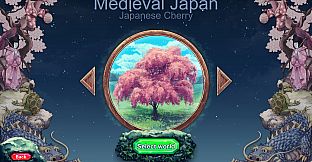
Each of the four worlds draws from distinct cultural folklore sources, resulting in varied tree designs and background elements that reflect Brocéliandre forest, Native American, Viking, and Medieval Japanese influences. The reference trees act as focal points, with placement actions building upon their base forms in a visually progressive manner. Beautiful graphics support the thematic immersion through detailed yet uncluttered artwork that highlights the growth stages without requiring advanced hardware.
Interface elements remain minimal to support quick turns, directing attention toward the board state and available cards. The overall presentation suits repeated plays by maintaining clarity during competitive exchanges.
Is It Worth Playing?
Reception shows mostly negative feedback from a small sample of ten user reviews, with only thirty percent rated positive. The game delivers a straightforward, family-oriented experience suitable from age ten onward, centered on its placement race and interference mechanics. Those seeking light strategy sessions with thematic variety may find value in the simple addictive loop, particularly in local or online multiplayer settings with two to four participants. Current availability remains limited to the original 2020 release without confirmed ongoing updates or additional content. Players who prefer deeper systems or polished competitive balance may encounter limitations based on the existing feedback. The title fits best for casual groups interested in folklore-inspired board game adaptations rather than high-stakes or long-form campaigns.