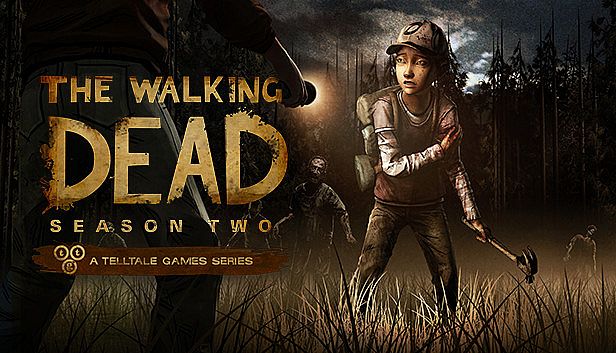













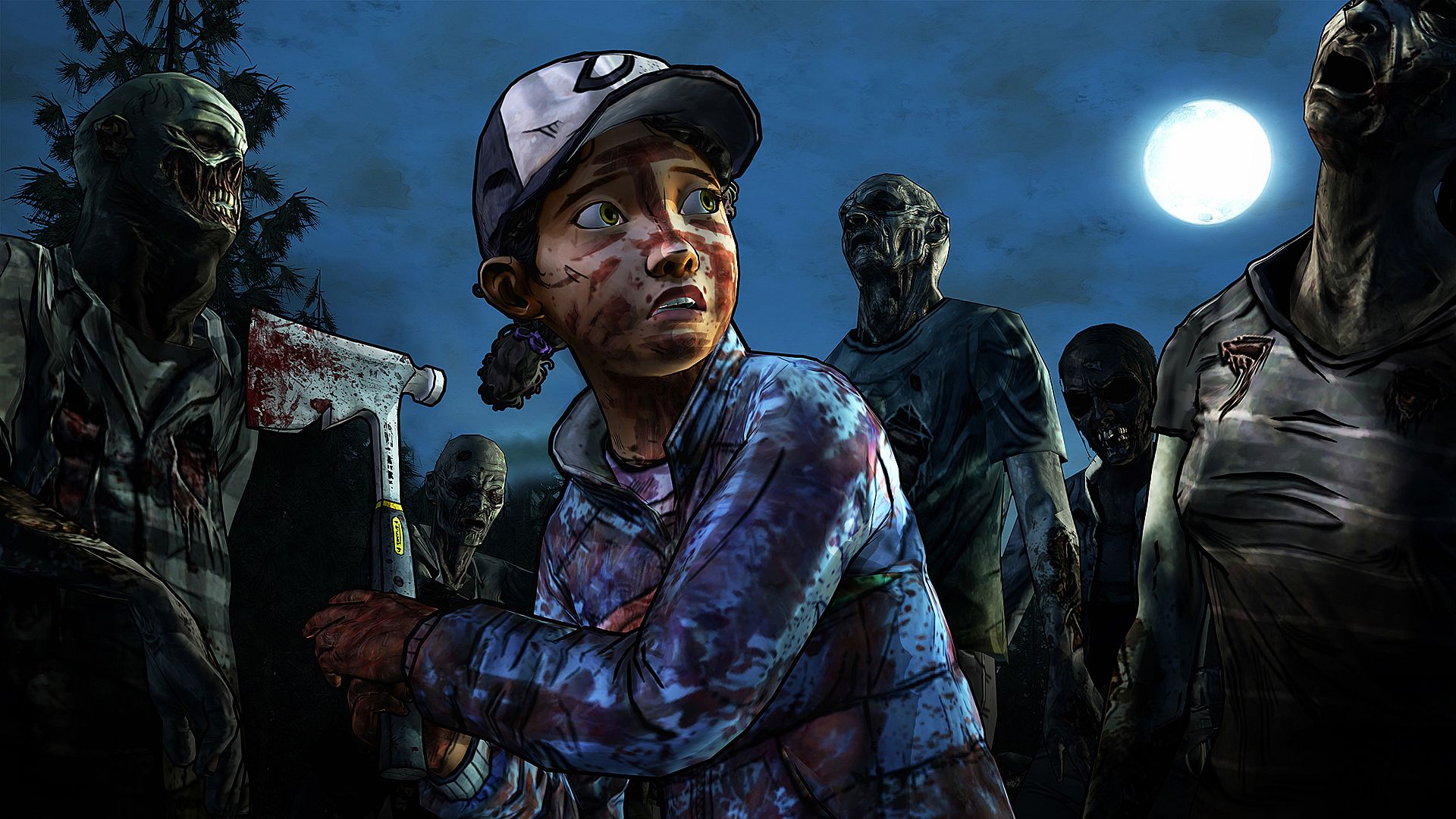

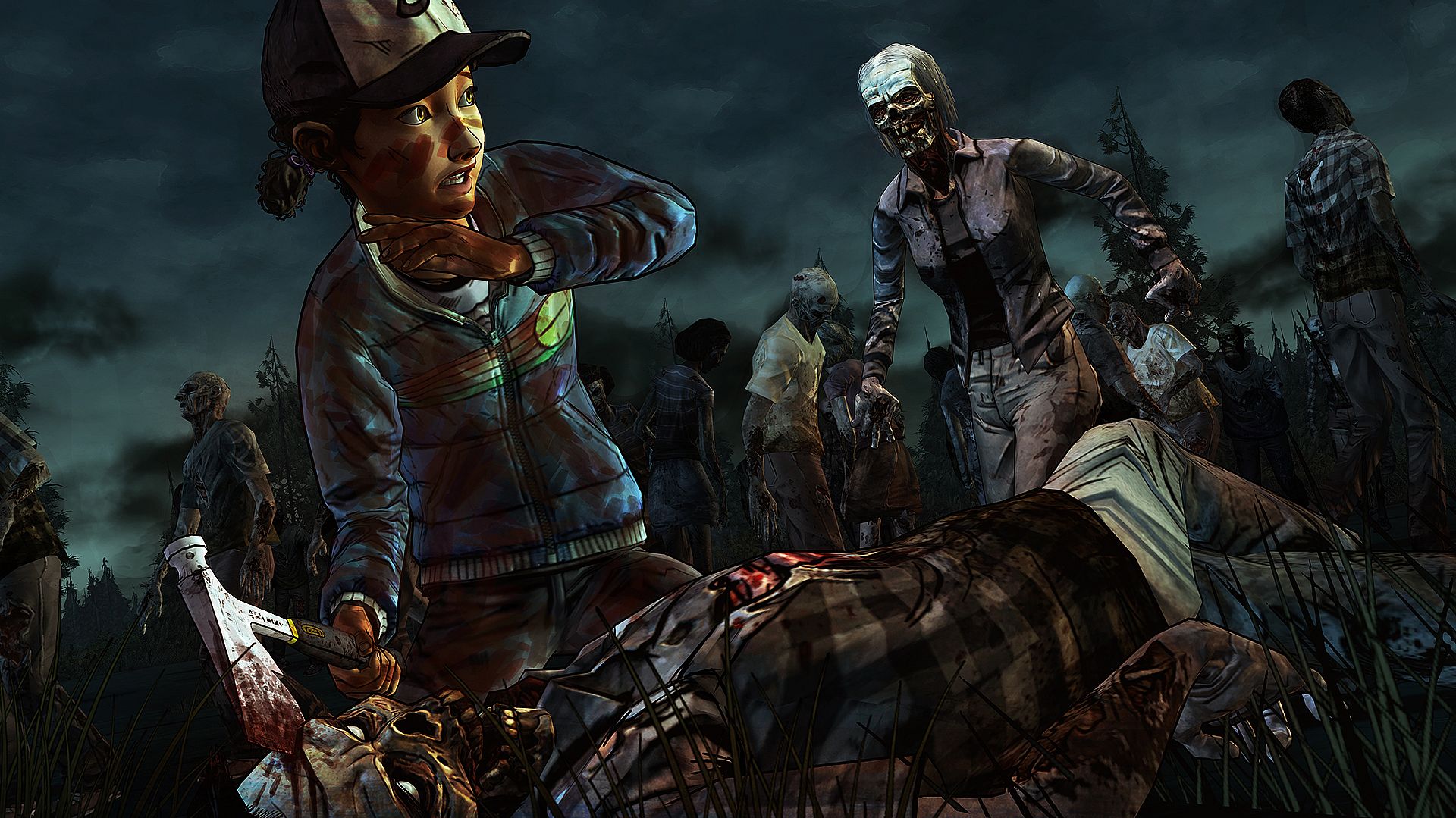



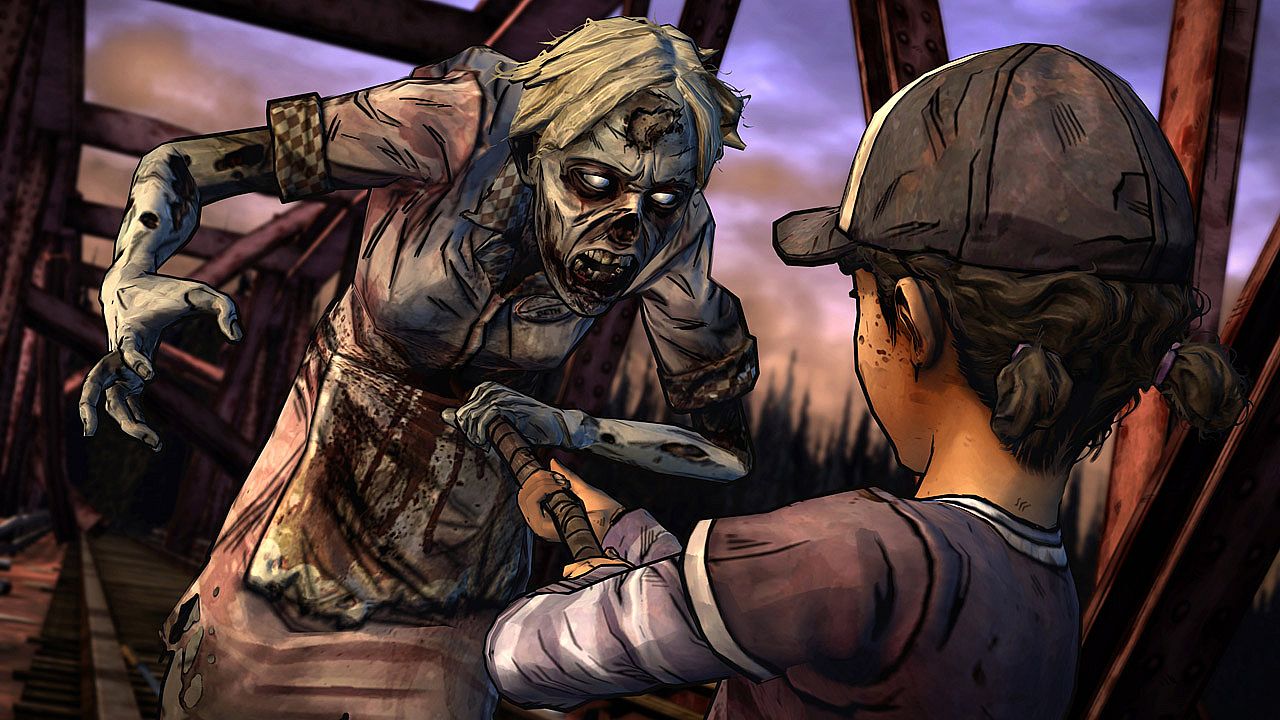

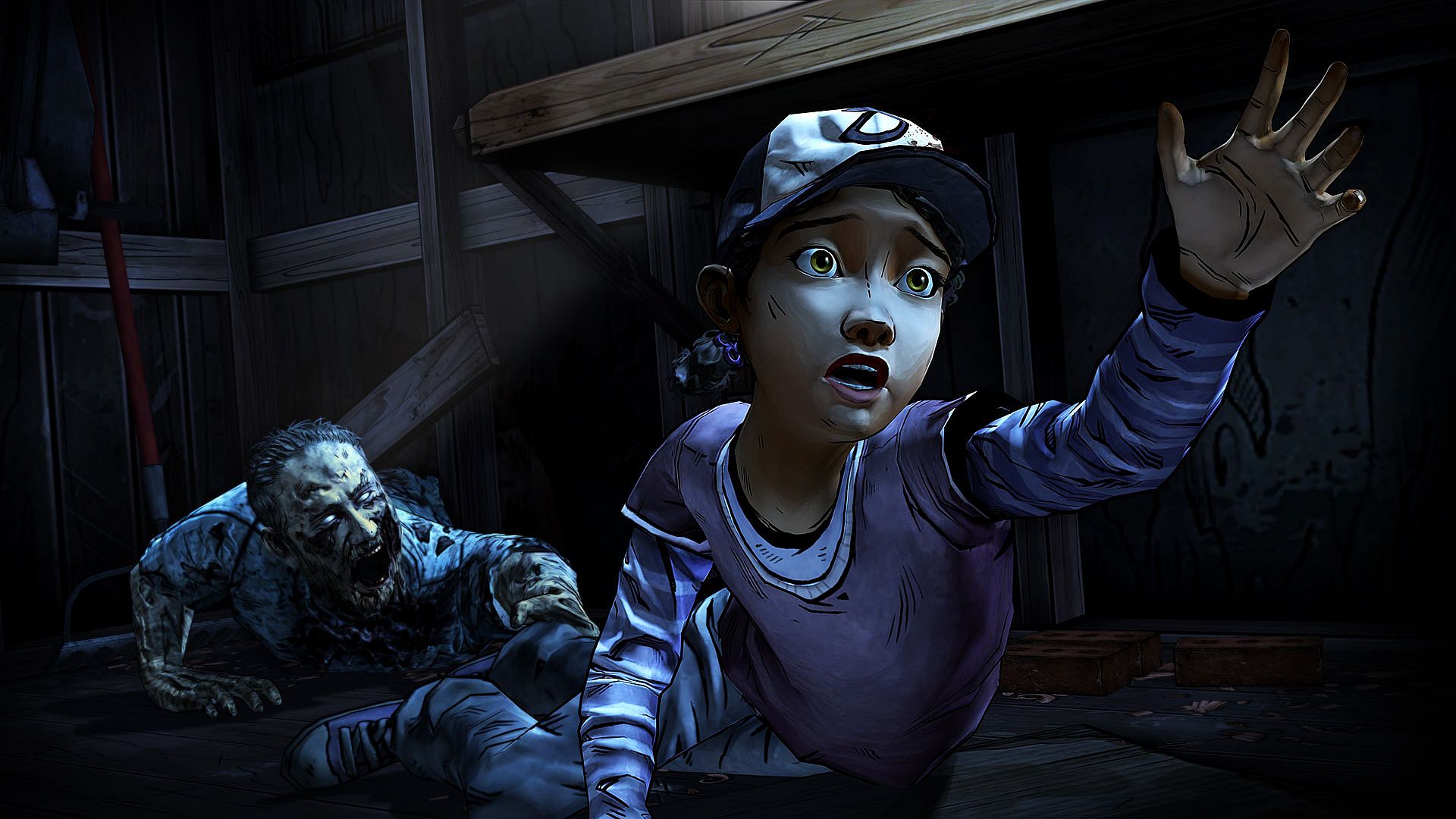


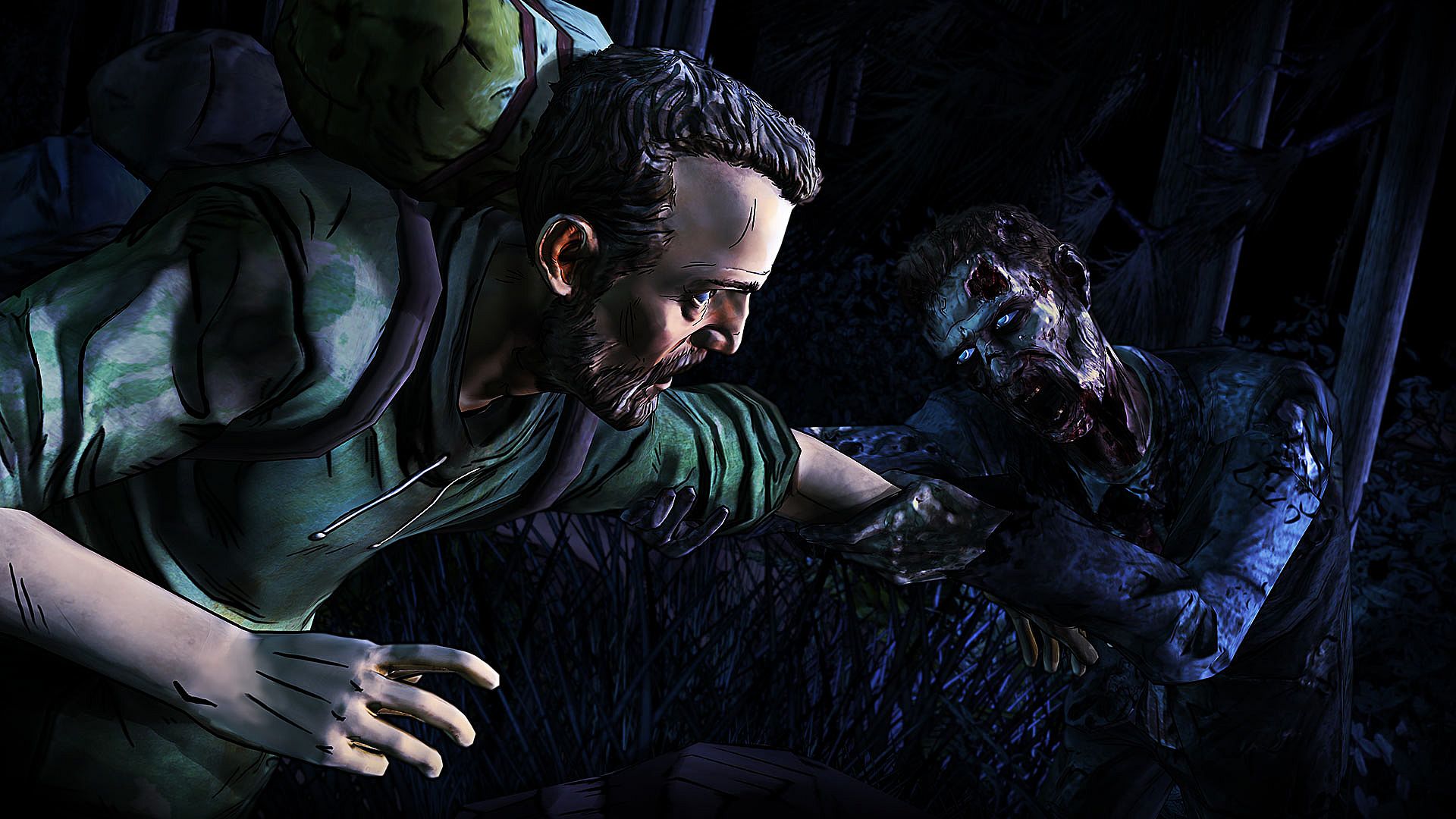
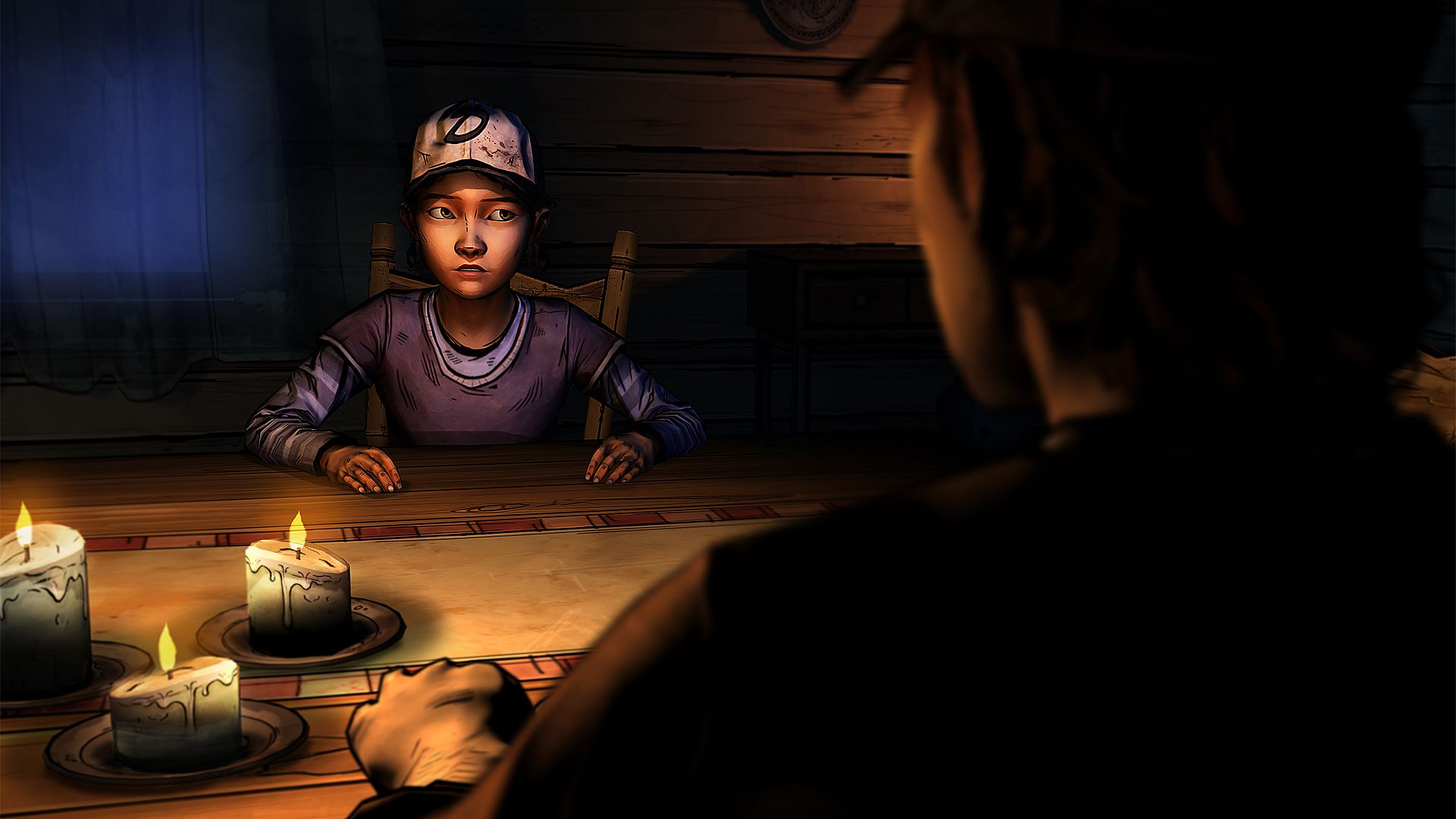
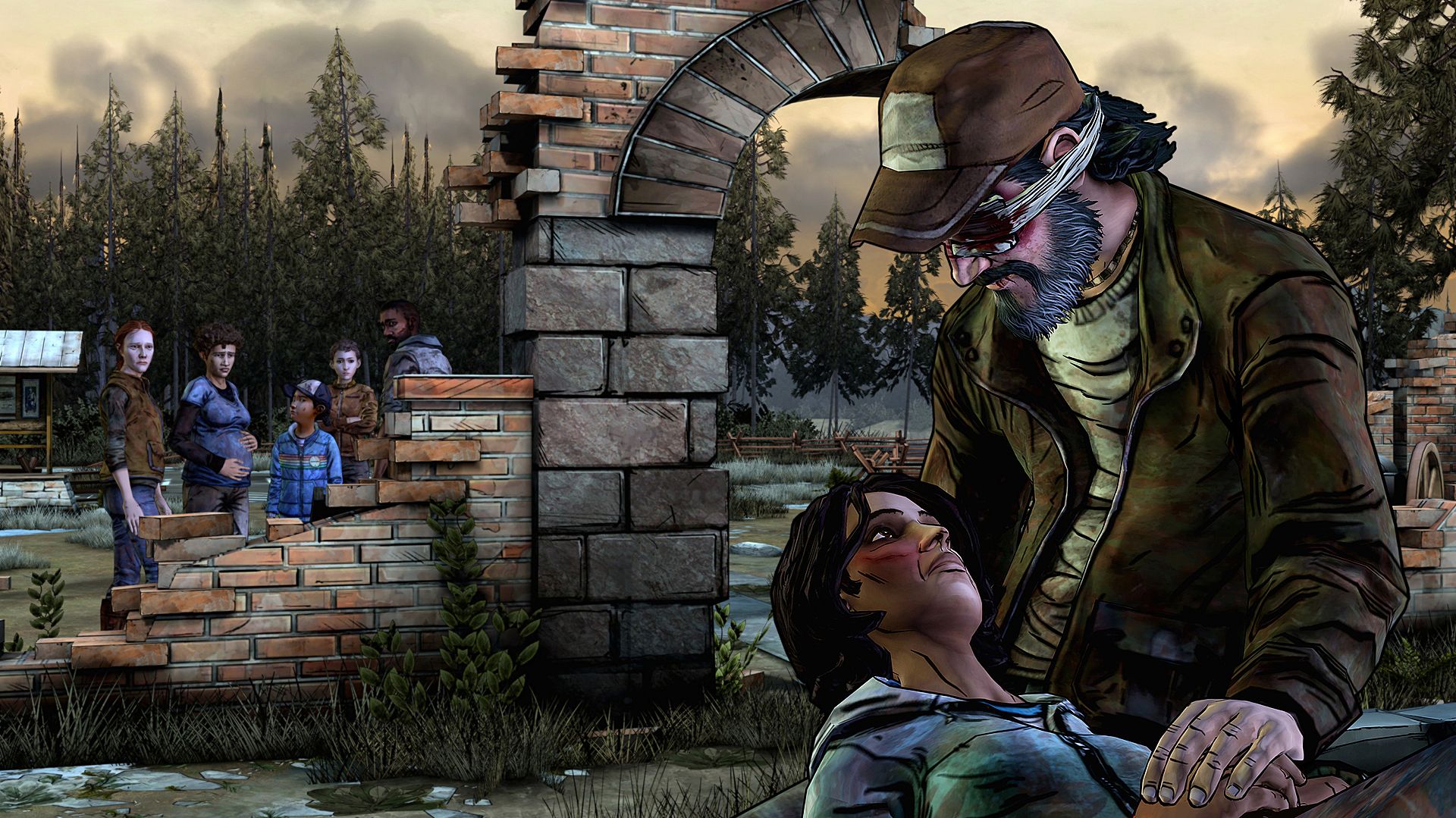













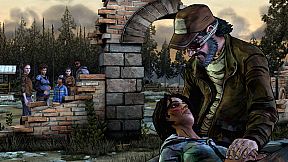
The Walking Dead: Season Two is a narrative-driven adventure game that puts you in the shoes of Clementine, a young survivor navigating a zombie-infested world. Released as a sequel to the acclaimed first season, this point-and-click title emphasizes tough choices and emotional storytelling over fast-paced action. Set months after the initial outbreak, it explores themes of survival, morality, and human relationships in a post-apocalyptic setting based on Robert Kirkman's comic series.
Gameplay
In The Walking Dead: Season Two, gameplay revolves around making decisions that shape the story and character interactions. You control Clementine through point-and-click mechanics, exploring environments, solving simple puzzles, and engaging in dialogue trees where your choices influence outcomes. Quick-time events handle tense moments like evading walkers or confronting threats, requiring timely button presses to succeed. The game tracks your decisions across episodes, leading to branching narratives that reflect your moral instincts and survival strategies.
Mechanics focus on resource management in a limited way, such as deciding how to allocate scarce supplies among group members, which can affect alliances and story paths. Combat is minimal and integrated into the narrative, often resolved through choices rather than skill-based fights. The emphasis stays on building tension through conversations and dilemmas, testing how far Clementine will go to stay alive amid distrustful survivors.
Game Modes
This adventure game features a single-player campaign structured as five episodic chapters, each advancing the overarching story. There are no multiplayer options or separate competitive modes; instead, the experience is linear with replay value coming from different choice paths. Episodes build on one another, incorporating decisions from the previous season and the 400 Days DLC for personalized narratives.
Players progress through self-contained stories within each episode, but the lack of distinct modes keeps the focus on immersive, story-led play. Replaying episodes allows experimentation with alternate decisions to see varied endings, though the core mode remains the main campaign.
Story and Characters
The narrative follows Clementine as she joins new groups of survivors, facing threats from both zombies and hostile humans. Key mechanics involve forming bonds or rivalries based on your actions, with characters remembering past choices that can lead to betrayal or loyalty. The game avoids complex faction systems, instead highlighting personal stories and ethical challenges in a world where safety is fleeting.
Updates have addressed some technical issues like stuttering, but the game remains in its original form without ongoing seasons or major expansions post-release. Its current state suits solo play on PC, with compatibility for modern systems ensuring smooth runs.
Is It Worth Playing?
For fans of story-heavy adventure games, The Walking Dead: Season Two delivers a compelling experience centered on emotional depth and consequence-driven narratives. Player reception highlights its strong writing and character development, with many appreciating how choices create a sense of agency. Reviews often note an average user score around 8 out of 10 on major platforms, praising the tension and maturity of themes.
The game receives ongoing support through digital availability, making it accessible without free trials or seasonal updates. If you enjoy titles that prioritize plot over mechanics and don't mind quick-time events, it's a solid pick for exploring survival horror in a thoughtful way. Those seeking action-packed gameplay might find it less engaging, but its focus on moral dilemmas makes it worthwhile for narrative enthusiasts.