




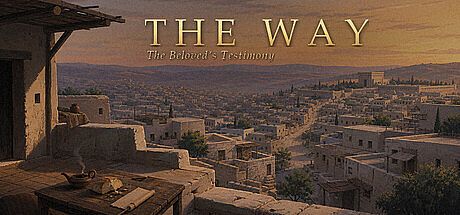


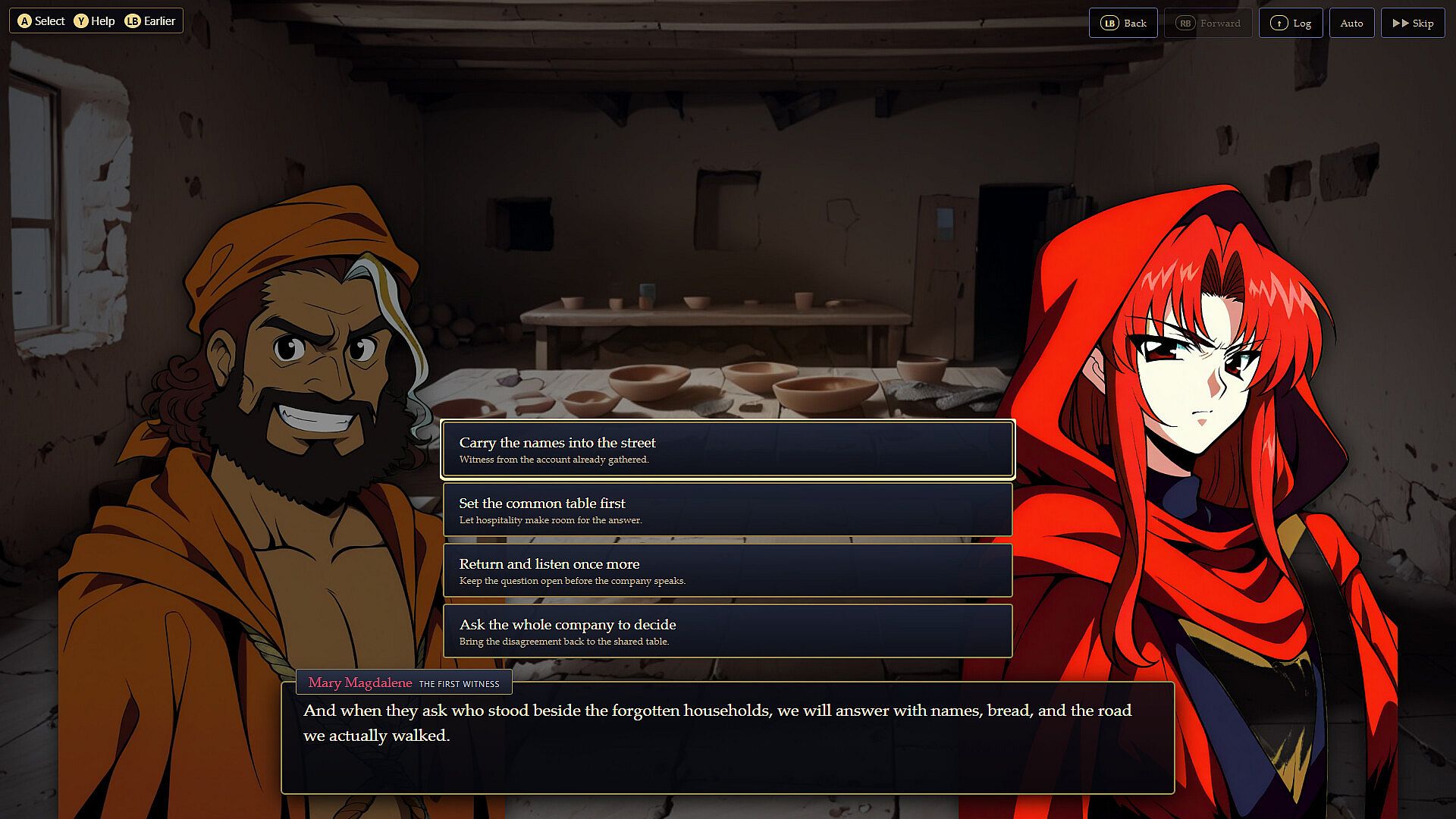
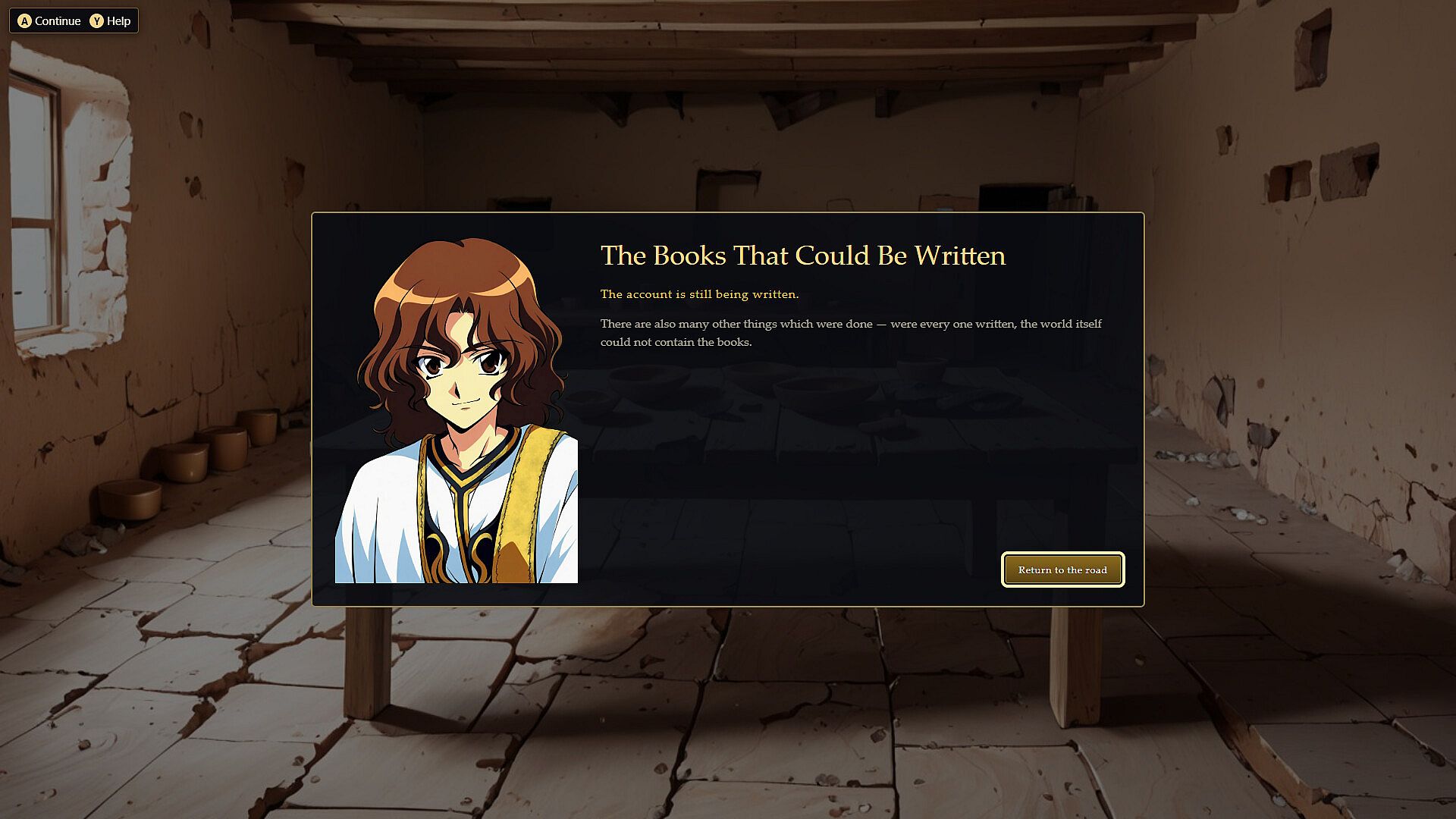
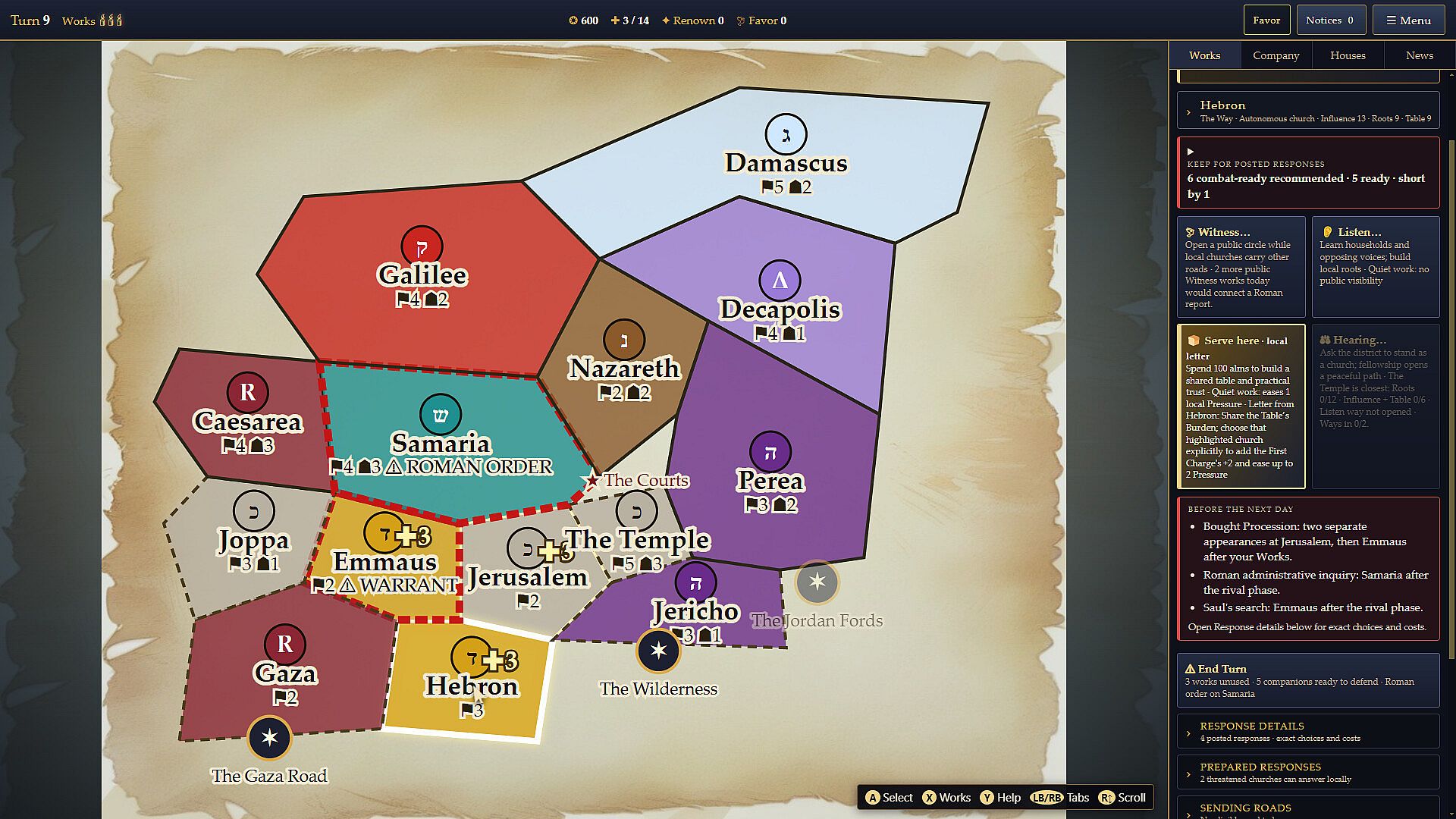
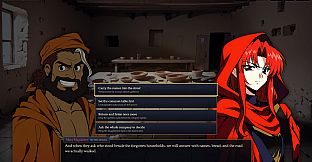
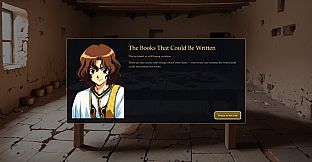
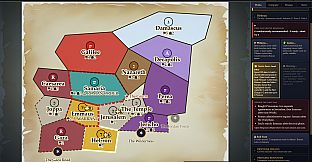
The Way: The Beloved's Testimony is a strategy visual novel that places players in first-century Judaea as Yedid, the beloved witness tasked with carrying an unfinished testimony outward from Jerusalem. The experience blends narrative choices with resource management across fourteen districts, where decisions shape the growth of early Christian communities amid rival Houses and external pressures from figures like Saul and Roman authorities.
Gameplay
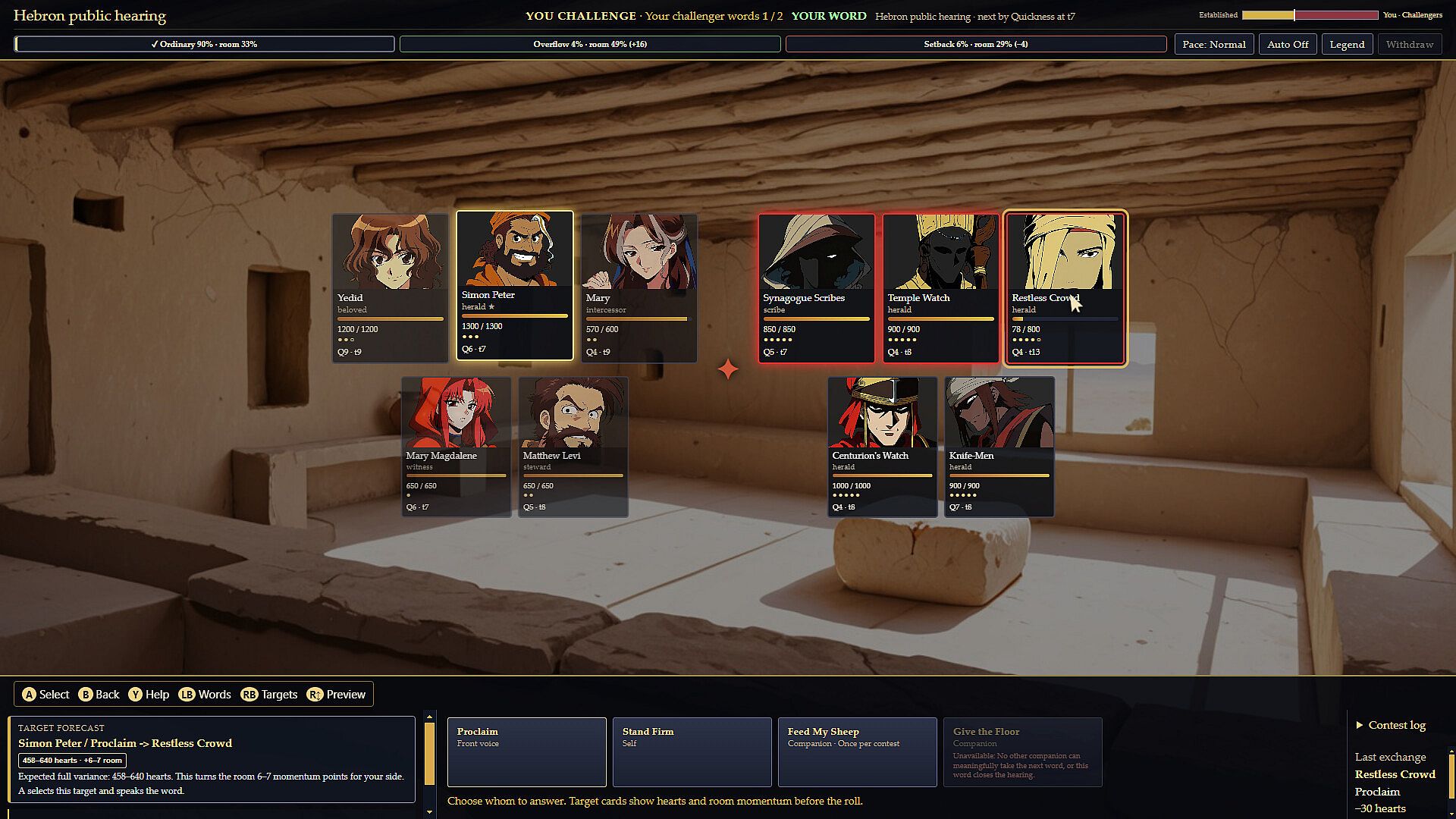
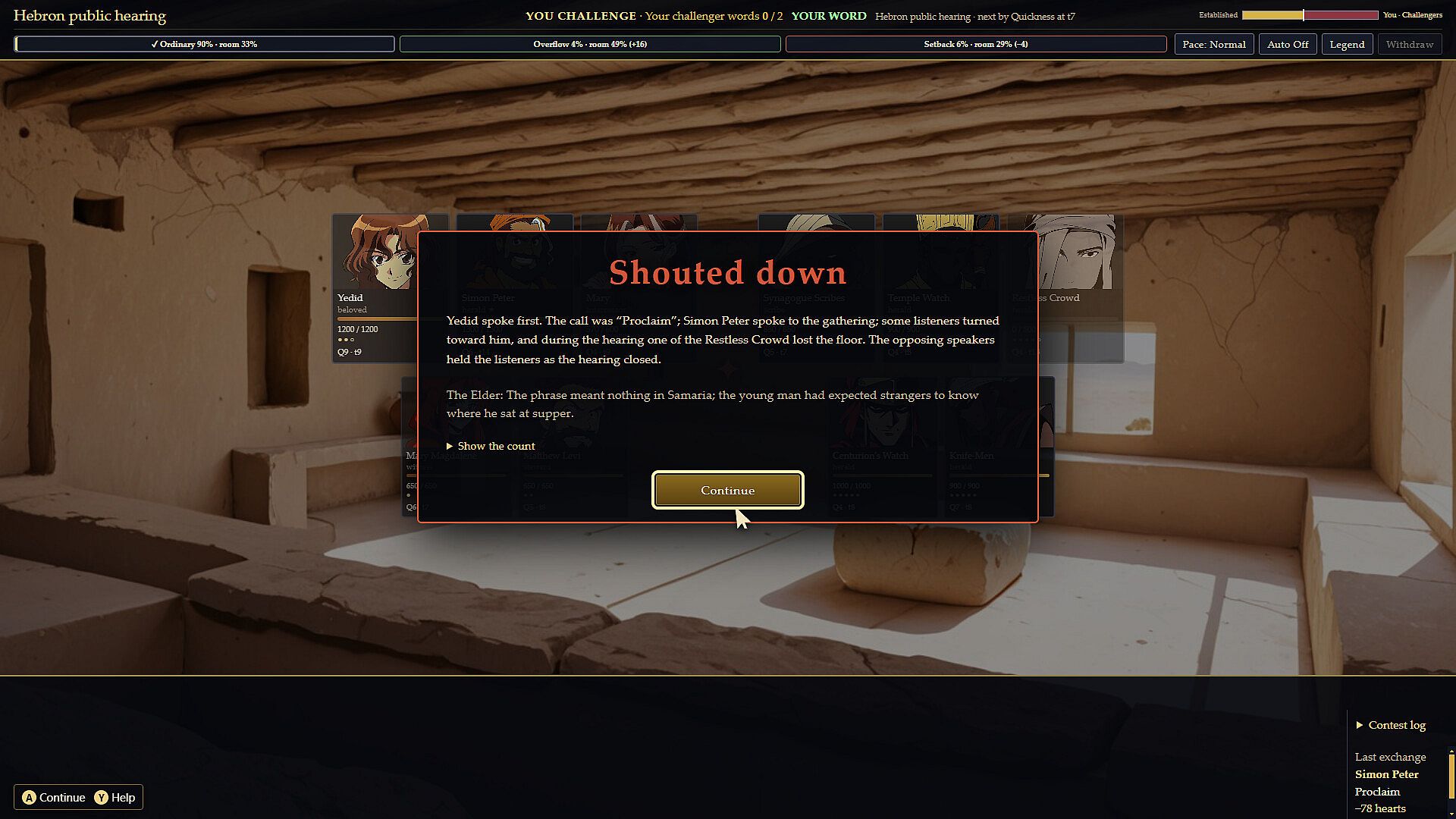
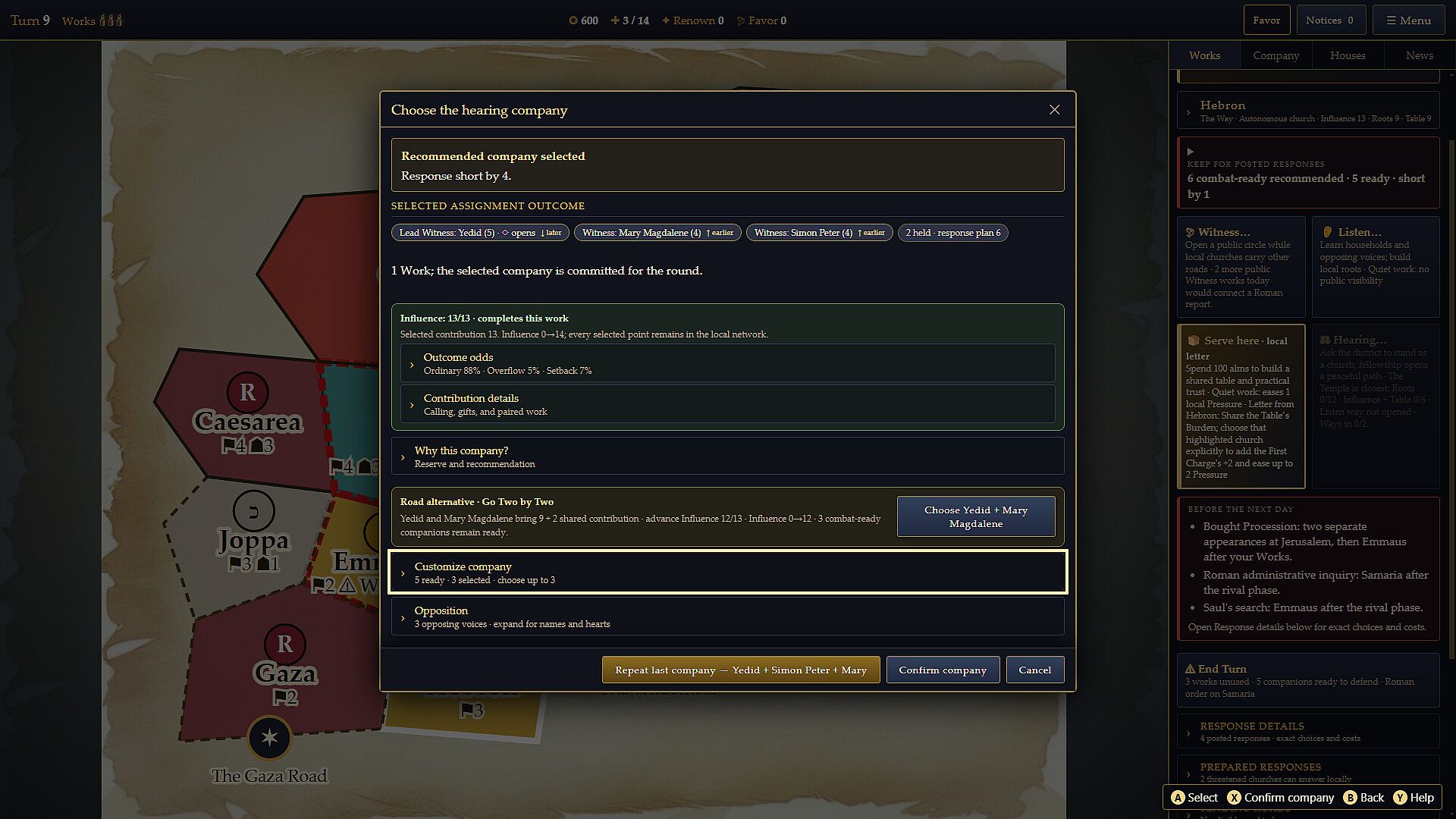
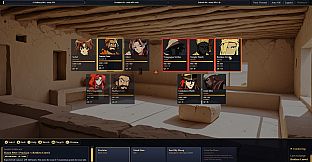
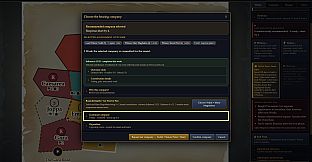
Core play revolves around allocating a day's Works to activities such as witnessing, listening, serving, visiting, or traveling the road. Each action carries costs and forecasts that players evaluate before committing. Public contests unfold in turn-based sequences where participants select a company, weigh the projected impact of words or arguments, and respond either through manual input or an optional Auto mode. Success in these encounters opens churches, yet the real test lies in preparing those households to endure once the player's company departs. Fifty named individuals populate the districts, each with unique wants and responses that influence local outcomes. Refugees from a lost Jerusalem arrive and form new gatherings, while raids and proscriptions create sudden threats that demand careful planning. Accessibility options include local saves and Records, controller support, adjustable text size, reduced motion, stronger contrast, and instant dialogue display, all available during offline sessions on Windows, macOS, Linux, or SteamOS.
Game Modes
Four distinct Damascus alternatives alter household development and determine which voices can represent the movement in later stages. These branches feed into eight ending families reached through paths labeled Received Account, Letters in Chains, Council of Houses, or Hidden Tables. Turn-based public contests serve as recurring structured encounters that combine forecasting tools with manual or automated resolution. Resource flows, including assemblies supporting Jerusalem's poor through carriers who must reach home, add layers of logistical decision-making that intersect with the narrative branches.
Story and Setting
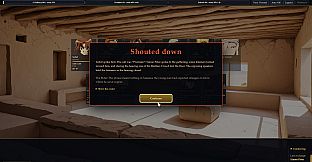
The narrative unfolds across fourteen districts filled with autonomous local churches and rival Houses. Players navigate a path of thorns where external forces such as Saul's searches and Roman proscriptions reshape available options. Gifts, disputed letters, private motivations, and remembered losses surface in the final testimony, while money and support networks travel alongside the witness. The setting draws from historical Judaea and neighboring regions, emphasizing how small gatherings evolve into a broader movement through sustained local stability rather than single victories.
Accessibility and Technical Features
Support for varied reading paces comes through large text, reduced motion settings, stronger contrast, and instant dialogue text. Controller compatibility and offline functionality extend to Windows, macOS, Linux, and SteamOS platforms. English serves as the interface and dialogue language, accompanied by music and ambient sound without voice acting. Local saves and Records allow players to track progress across multiple sessions without requiring constant connectivity.
Is It Worth Playing?
This free-to-play strategy visual novel suits players interested in historical narrative experiences that combine choice-driven storytelling with turn-based contest mechanics and household management. The emphasis on preparing autonomous communities and navigating multiple branching paths offers depth for those who enjoy weighing forecasts and long-term consequences. Accessibility features and offline support broaden its appeal to readers who prefer controlled pacing and customizable displays. The combination of fifty distinct characters, fourteen districts, and eight possible ending families provides substantial replay value through different Damascus alternatives and testimony paths. Those drawn to indie adventure titles focused on first-century settings and strategic decision-making will find the systems align closely with the described mechanics.











