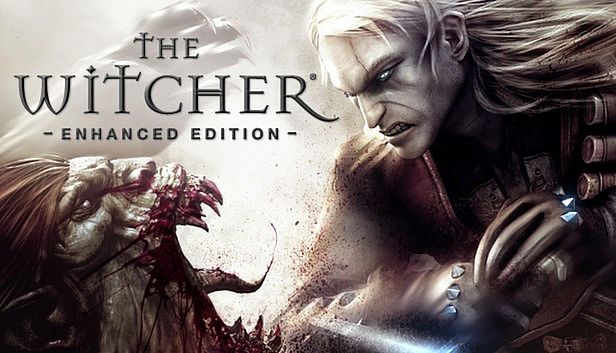














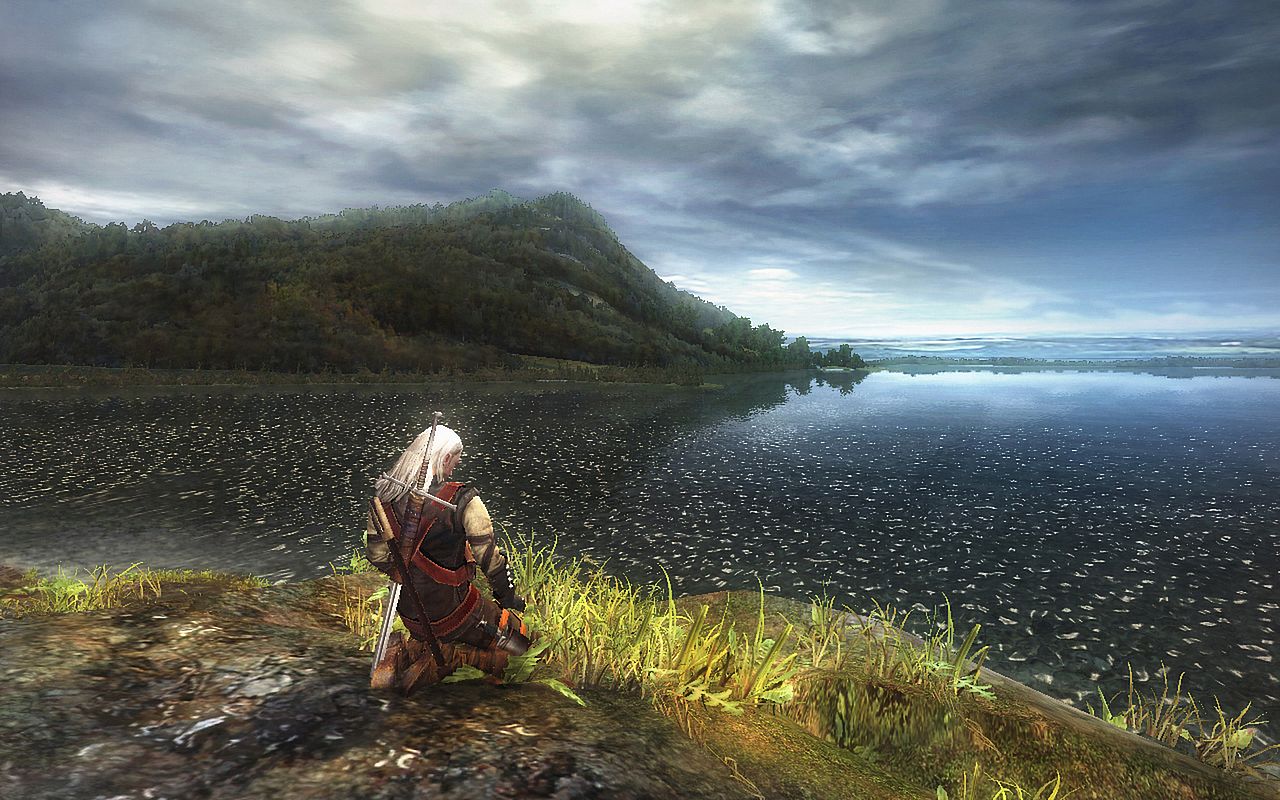
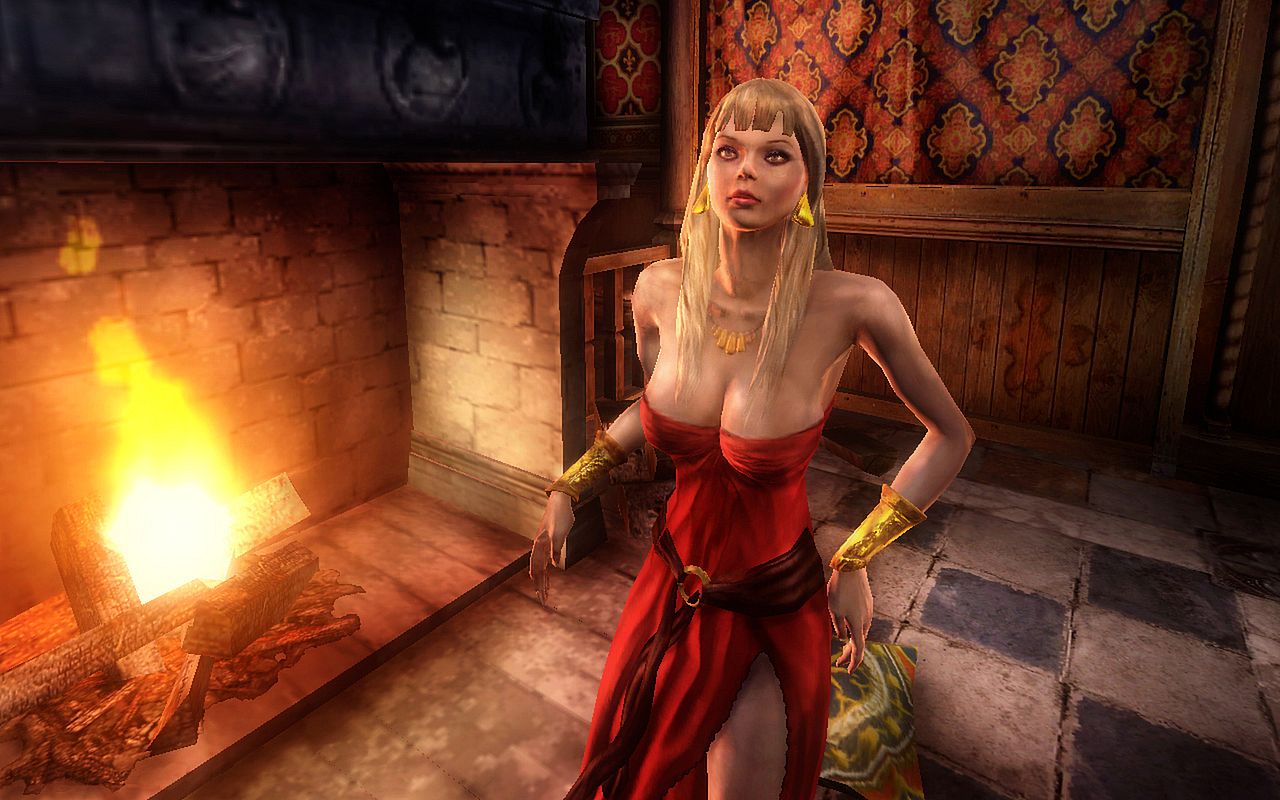
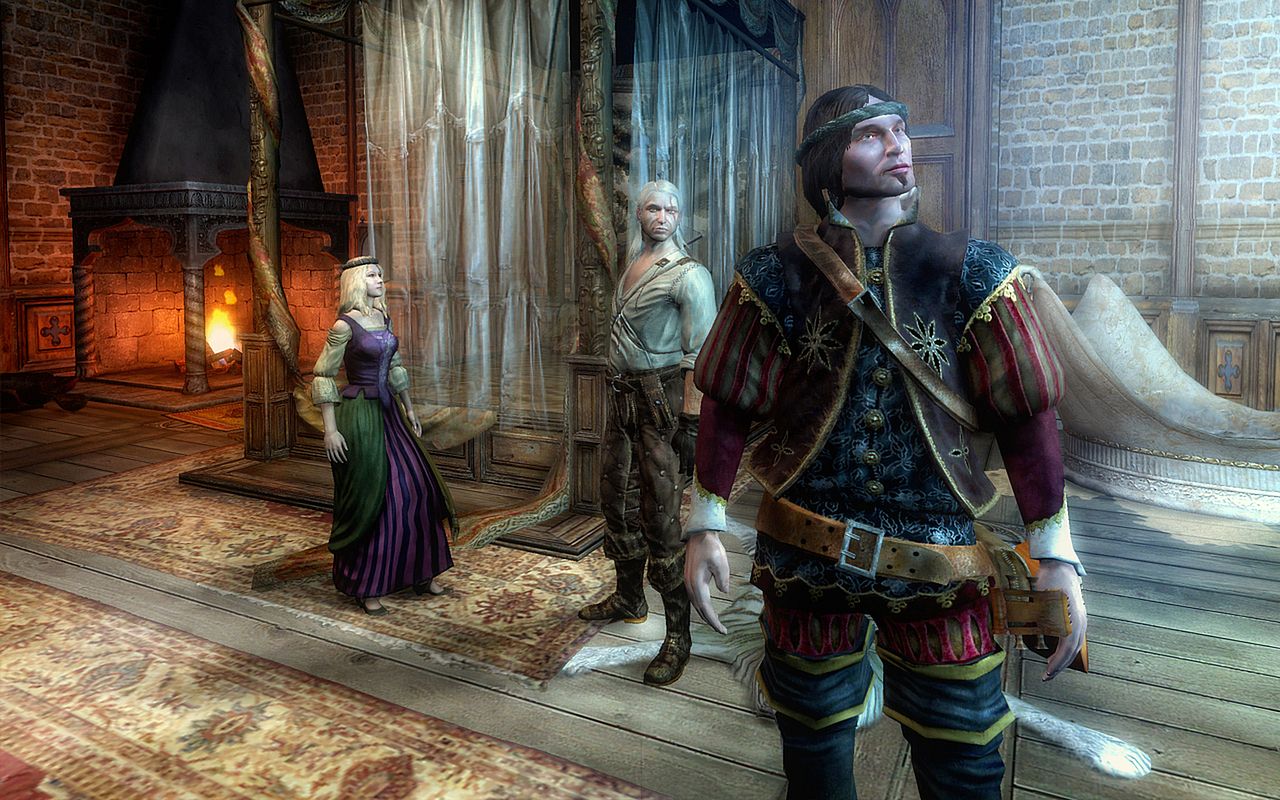
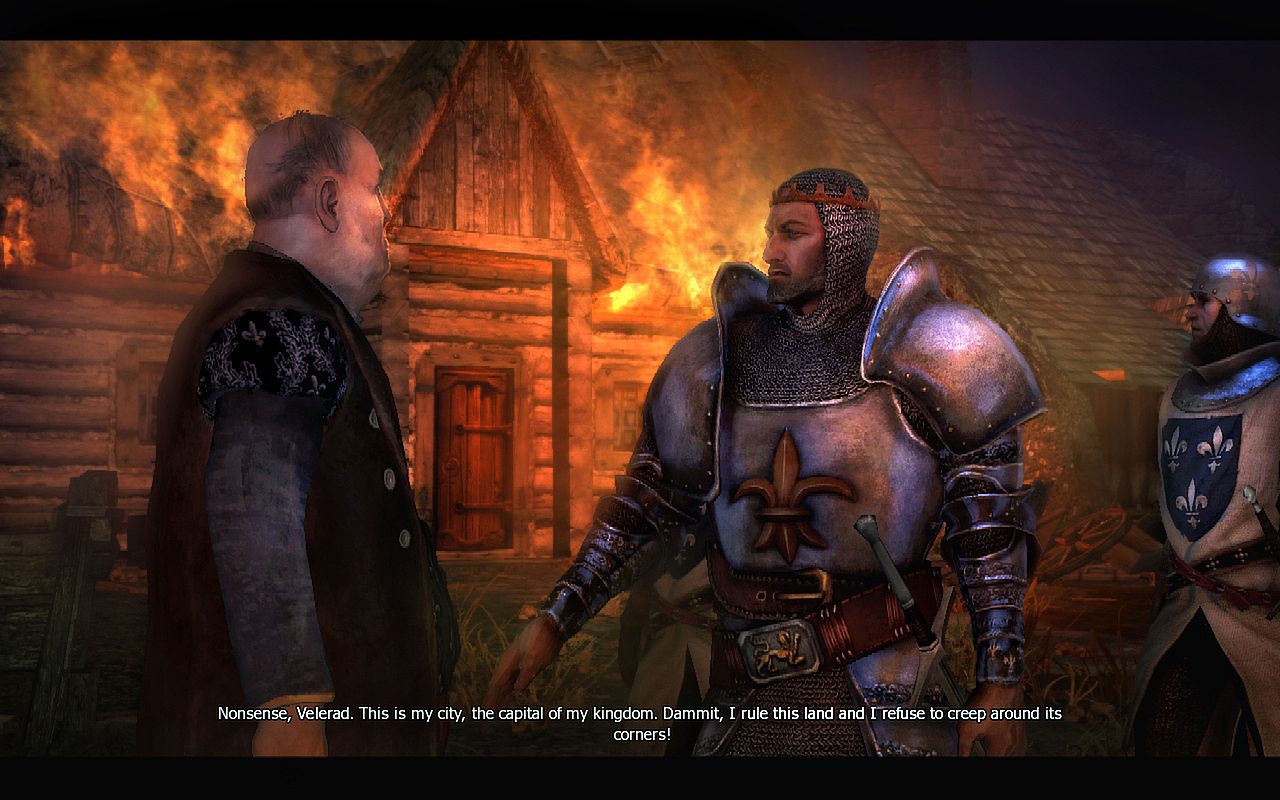
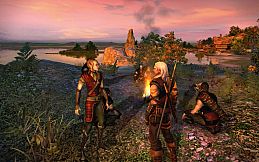
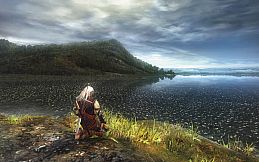
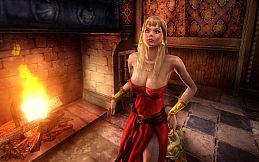
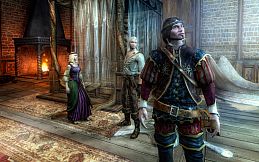
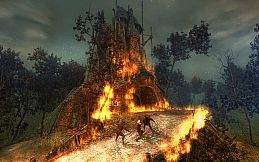
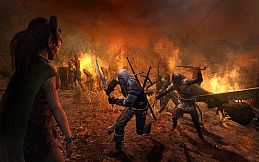
The Witcher: Enhanced Edition Director's Cut stands as a cornerstone action RPG that plunges players into a gritty fantasy realm filled with moral gray areas and tough choices. As Geralt of Rivia, a skilled monster hunter known as a witcher, you navigate a world where every decision carries weight, blending deep storytelling with tactical combat. This enhanced version refines the original 2007 release, addressing technical issues and enriching the narrative experience for PC gamers seeking a mature, character-focused adventure.
Gameplay
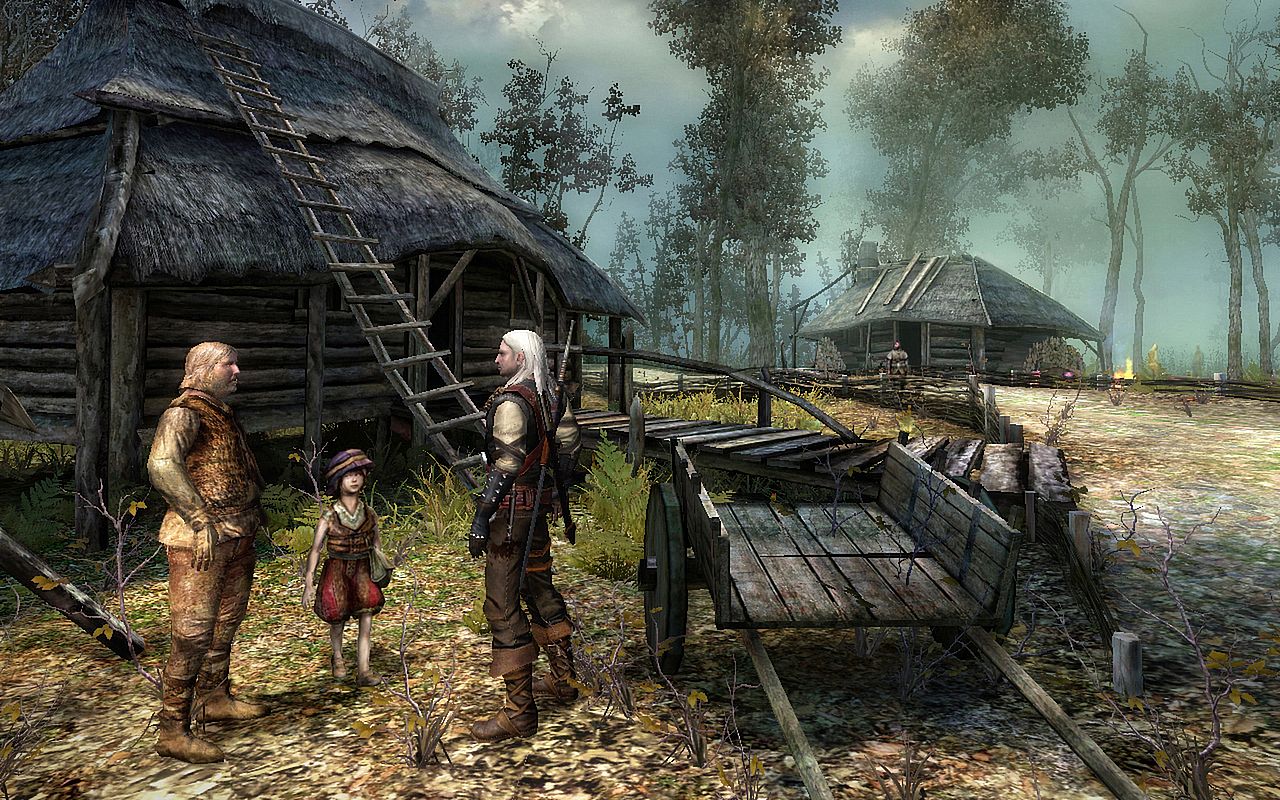
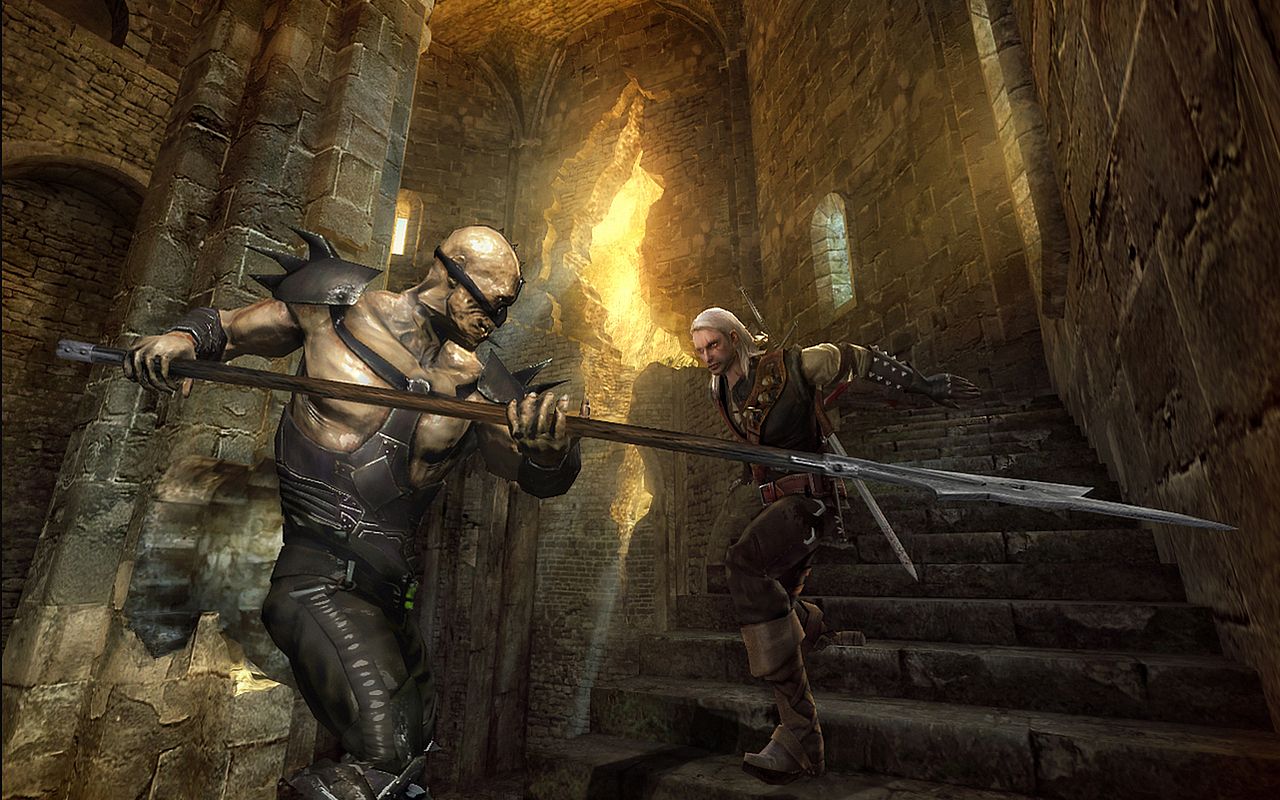
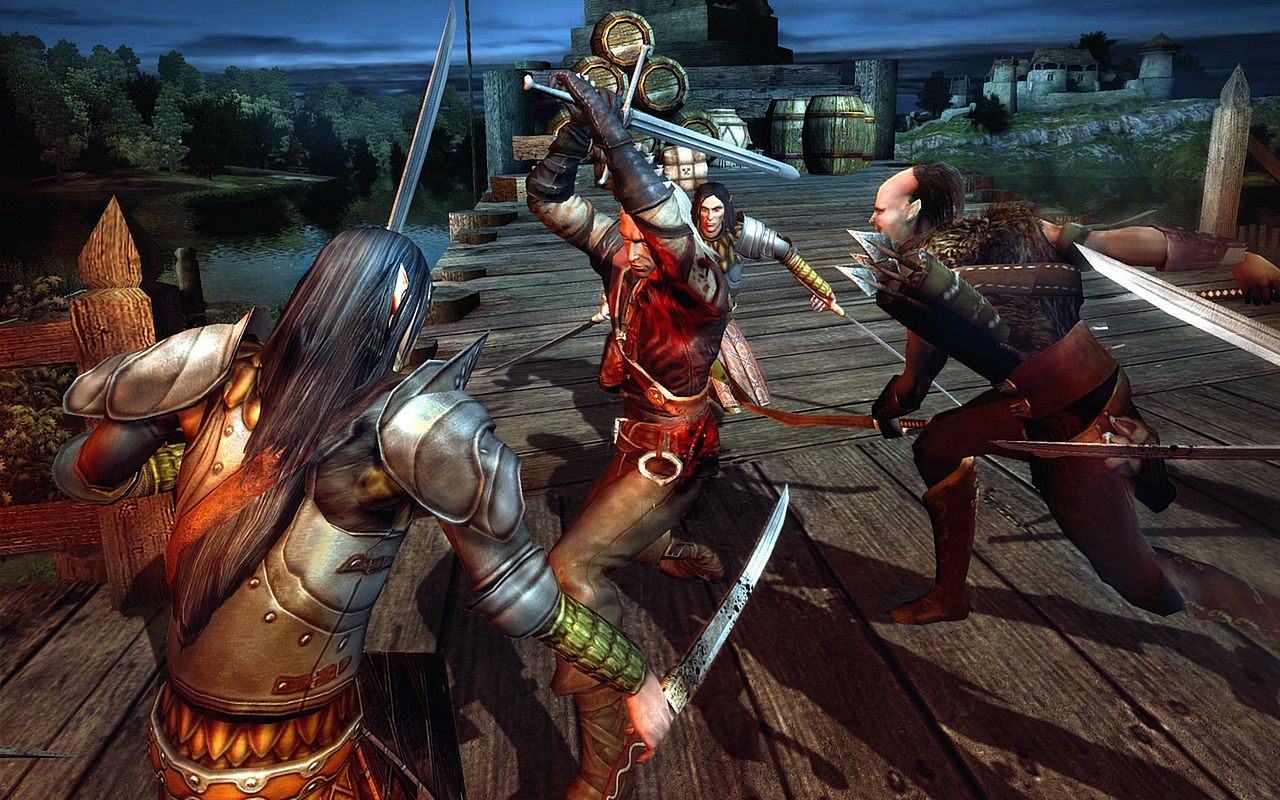
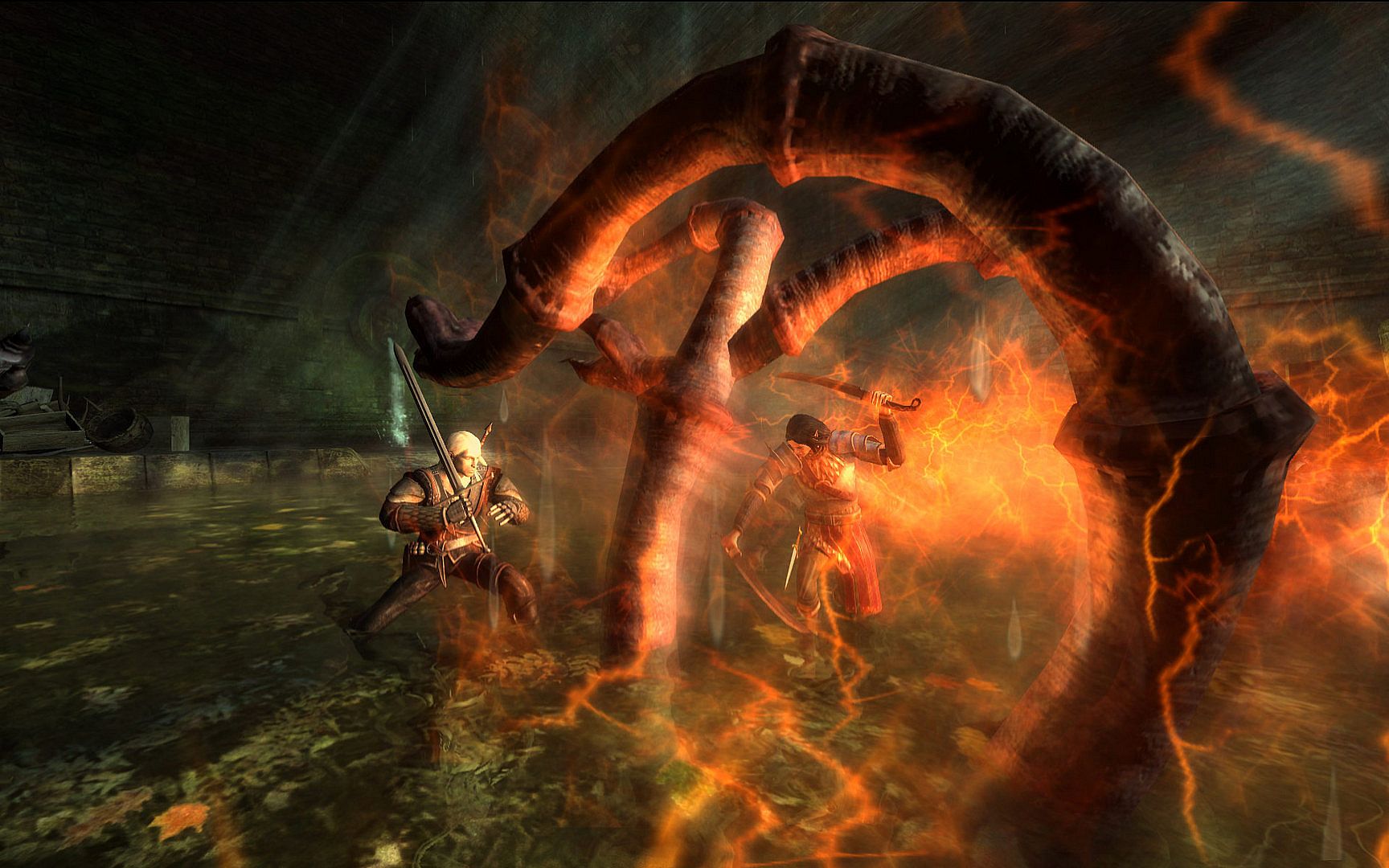
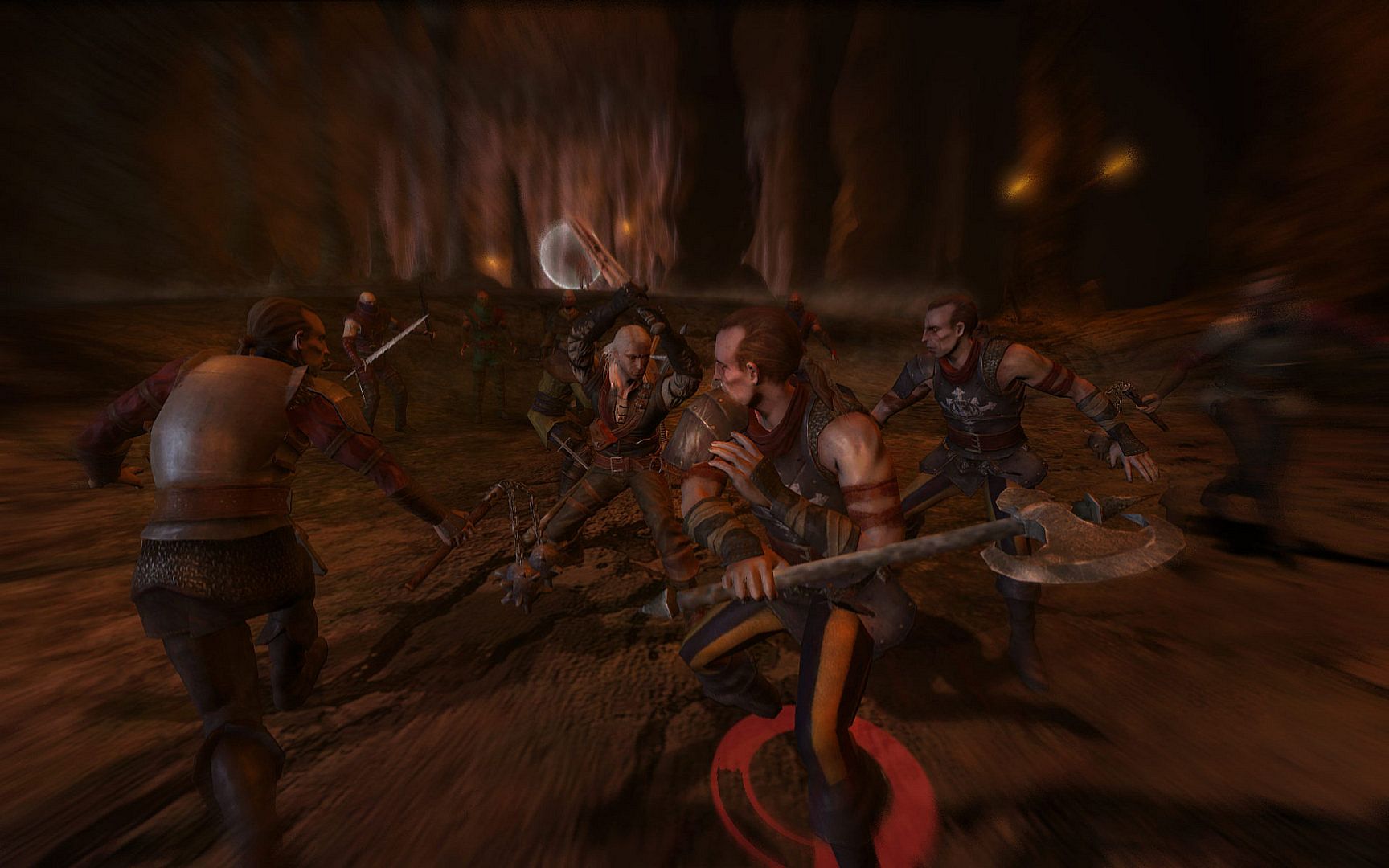
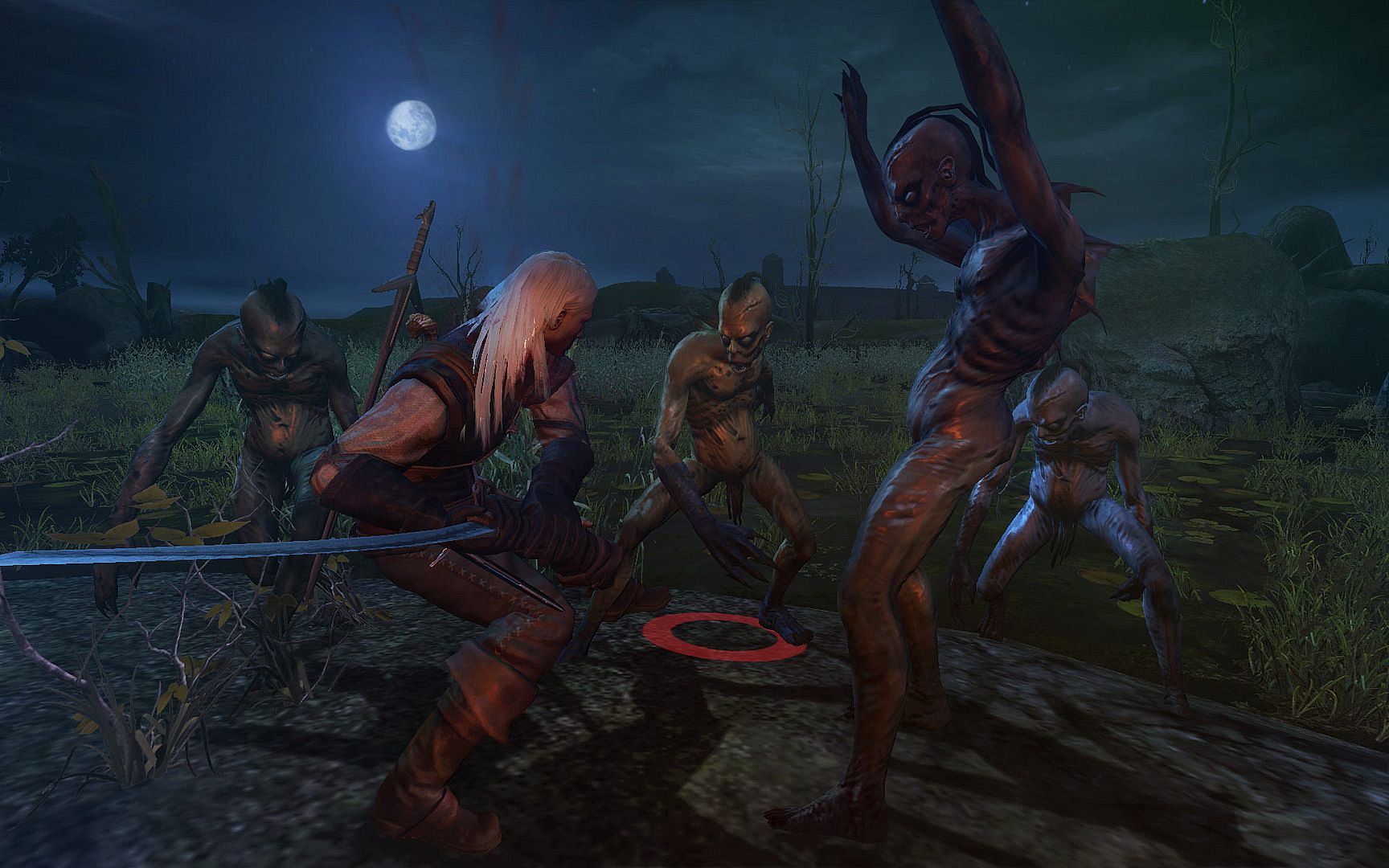
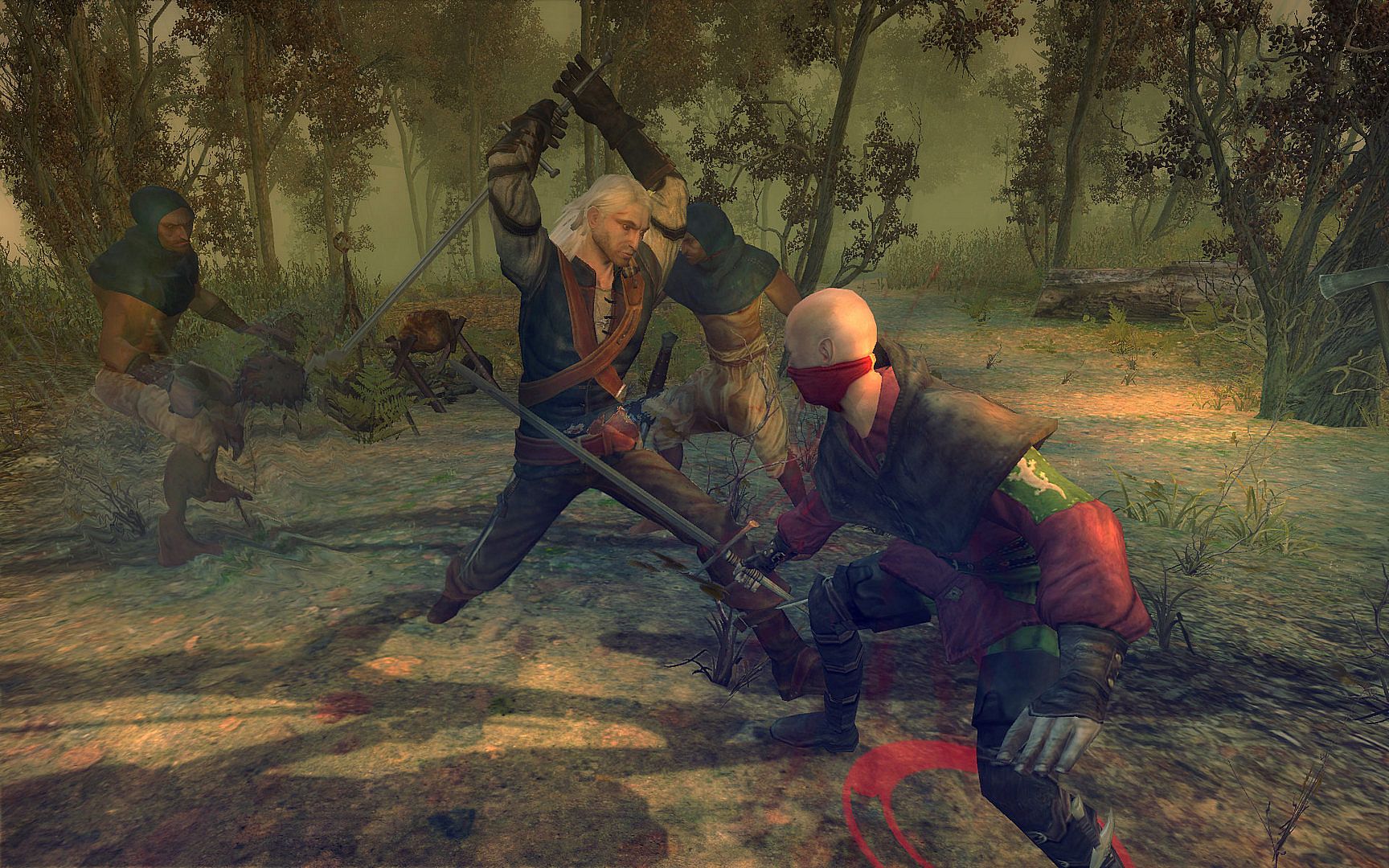
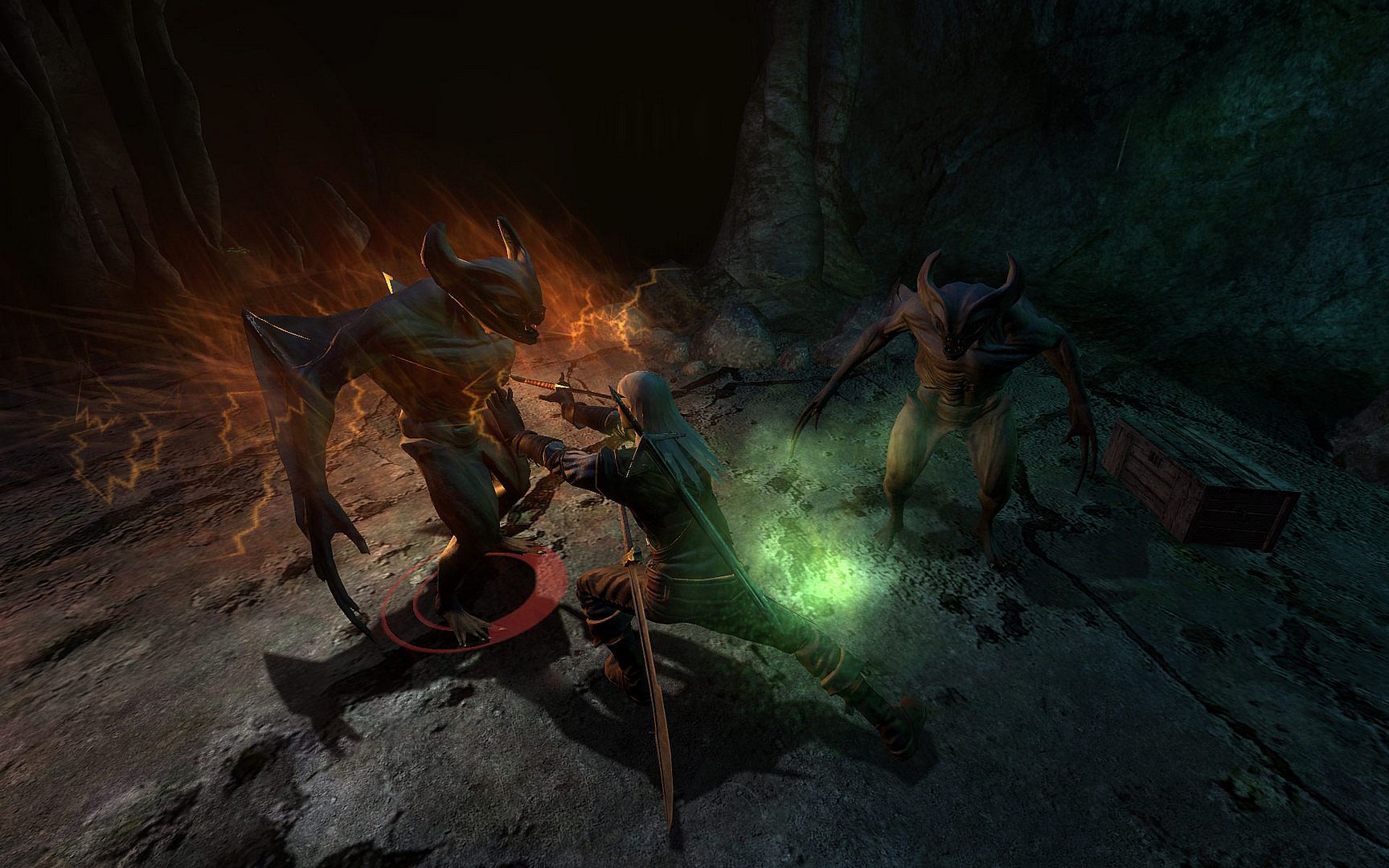
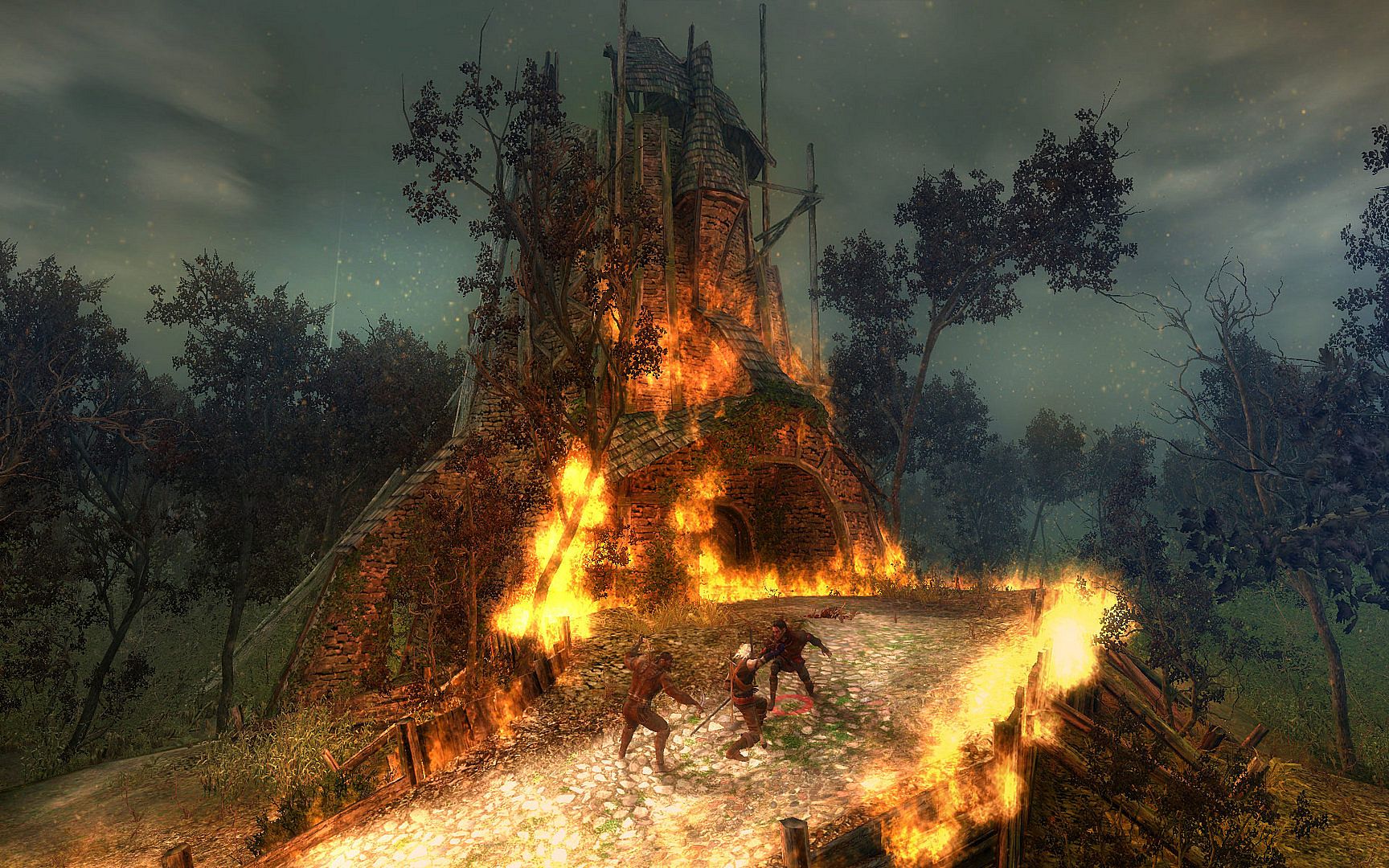
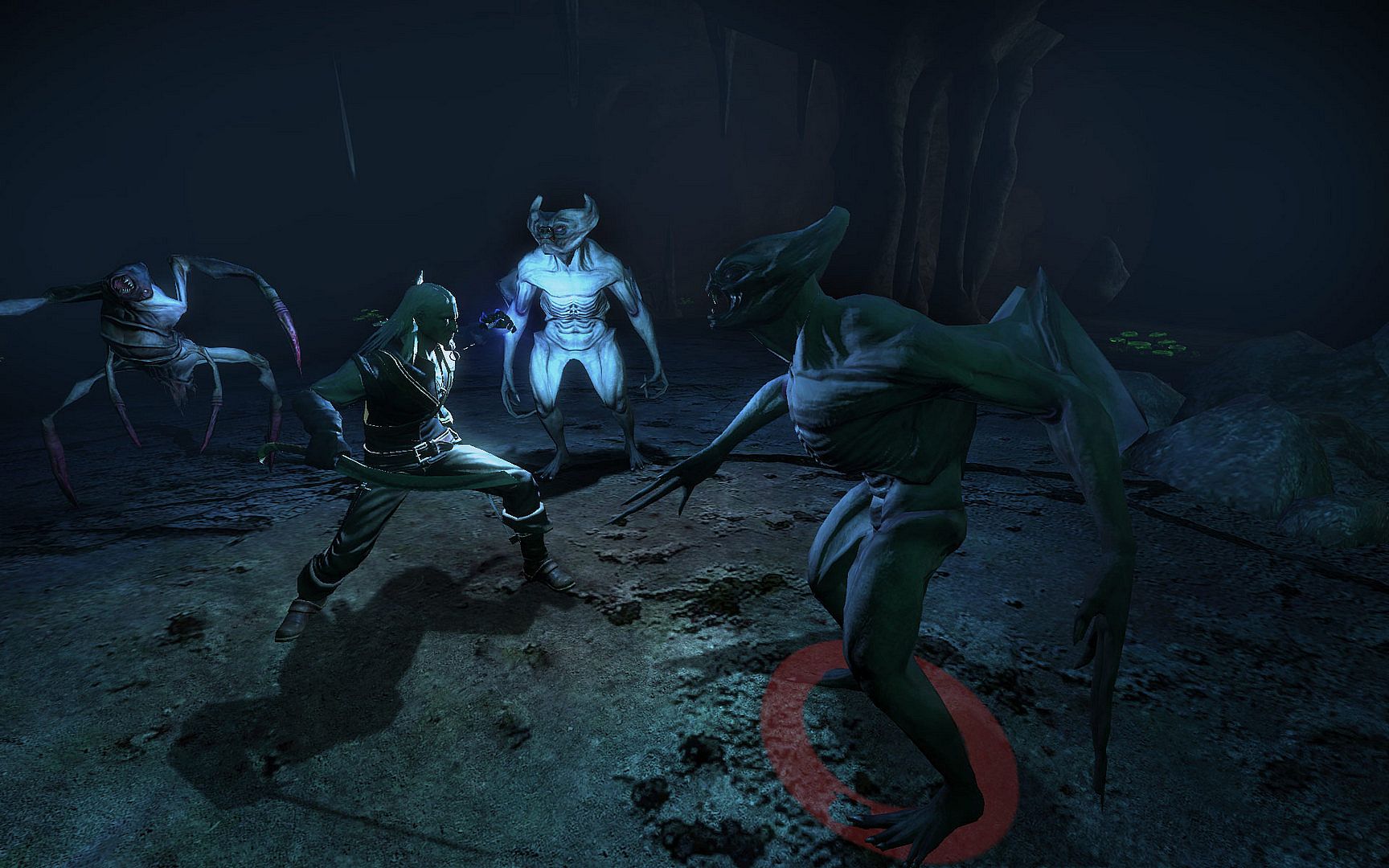
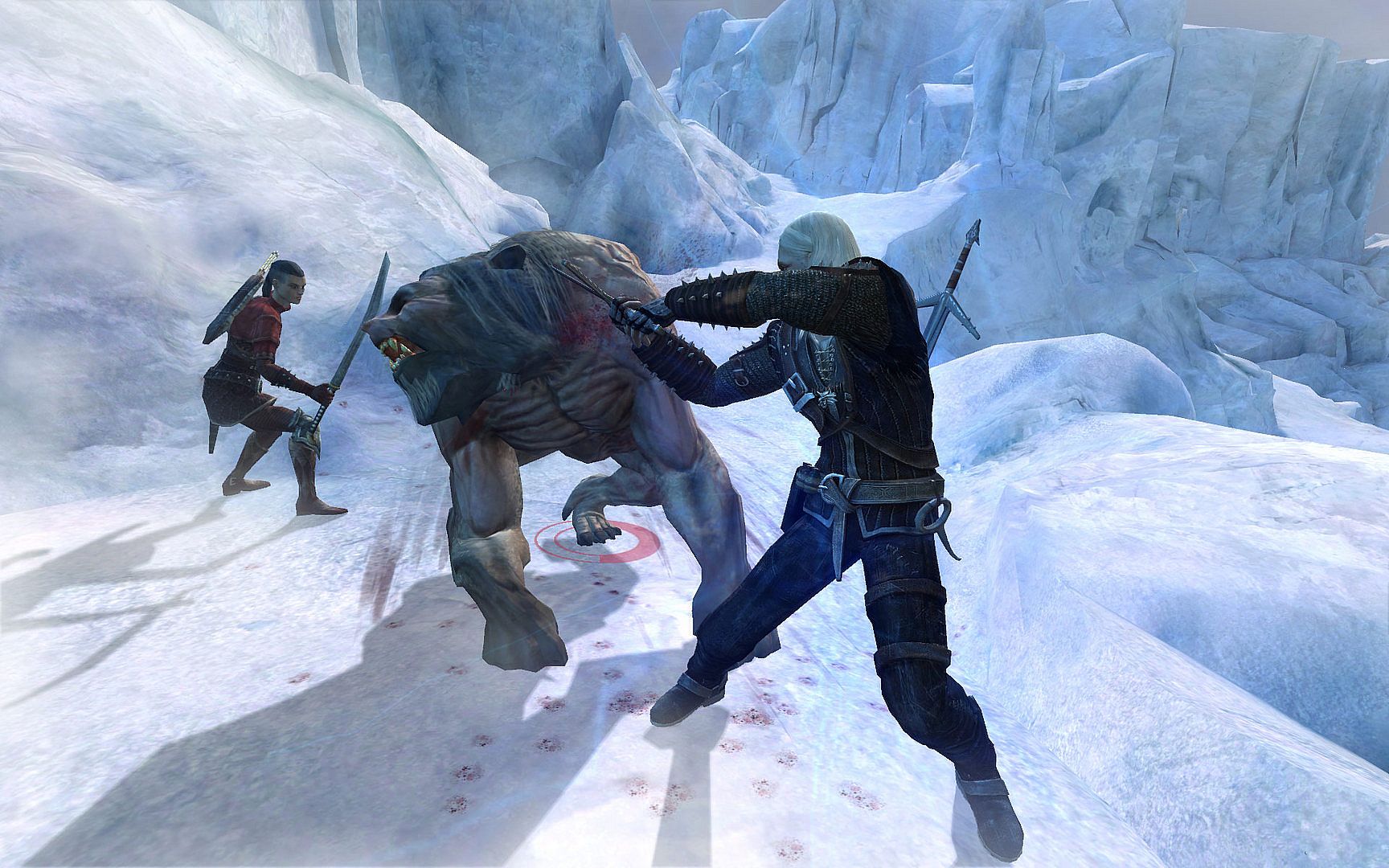
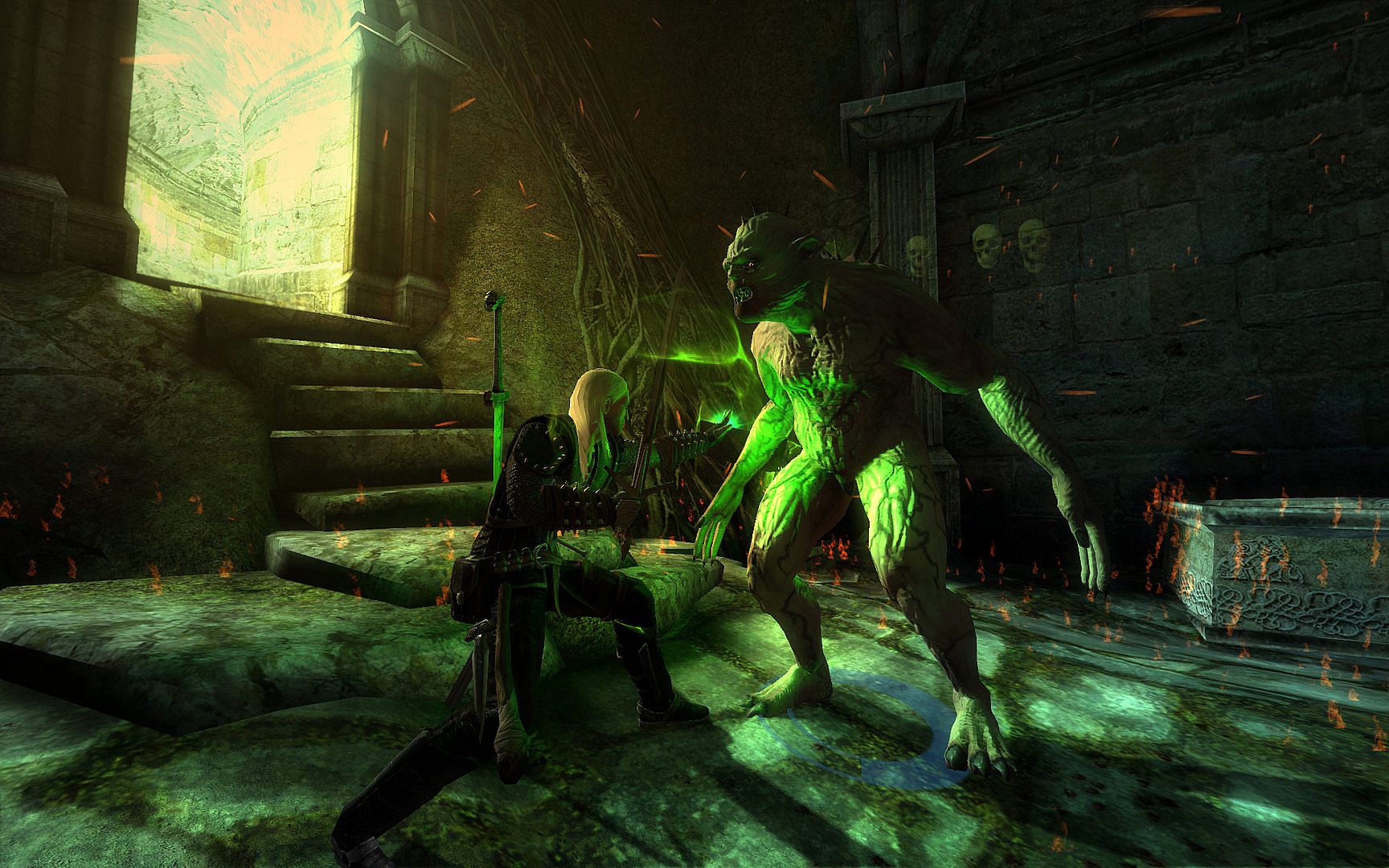
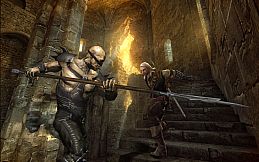
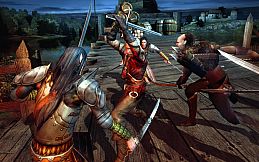
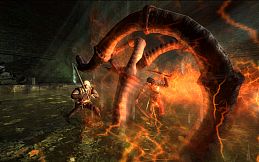
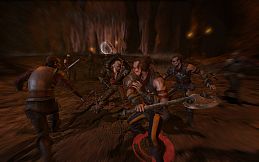
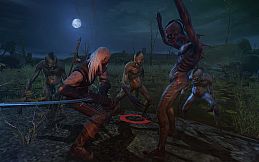
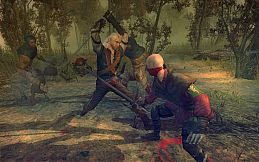
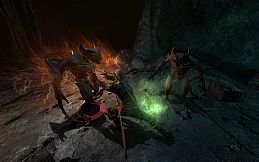
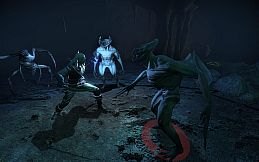
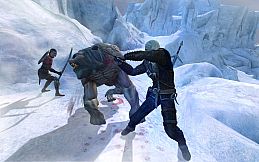
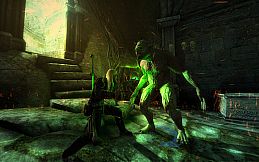
At its core, the gameplay revolves around exploration, questing, and real-time battles that demand strategy over button-mashing. You control Geralt in third-person view, traveling through diverse environments like swamps, cities, and ruins while hunting monsters and unraveling plots. Combat uses a mouse-based system where timing clicks initiates attacks, incorporating six distinct styles suited to different enemies: strong for armored foes, fast for agile ones, and group for crowds. Alchemy plays a central role, letting you brew potions from gathered ingredients to enhance abilities, such as boosting toxicity resistance or night vision. Magic comes in the form of signs, simple spells like fire blasts or force pushes, adding layers to fights. Character progression allows selecting from over 250 abilities, skills, and powers, tailoring Geralt to your preferred approach, whether stealthy or aggressive. Quests often involve dialogue trees with branching outcomes, where choices affect alliances and story paths, emphasizing consequence over clear-cut heroism.
Game Modes
This title focuses entirely on a single-player experience, with no multiplayer components. The main campaign unfolds across multiple chapters, each set in different locations and advancing the central narrative of political intrigue and monster threats. Side quests expand the world, offering optional stories that tie into the main plot or provide resources. The enhanced edition includes two additional adventures, adding over five hours of content with new scenarios and challenges. Difficulty settings adjust enemy toughness and resource scarcity, catering to varied skill levels, while the non-linear structure leads to one of three endings based on your decisions throughout the game.
Key Mechanics and Features
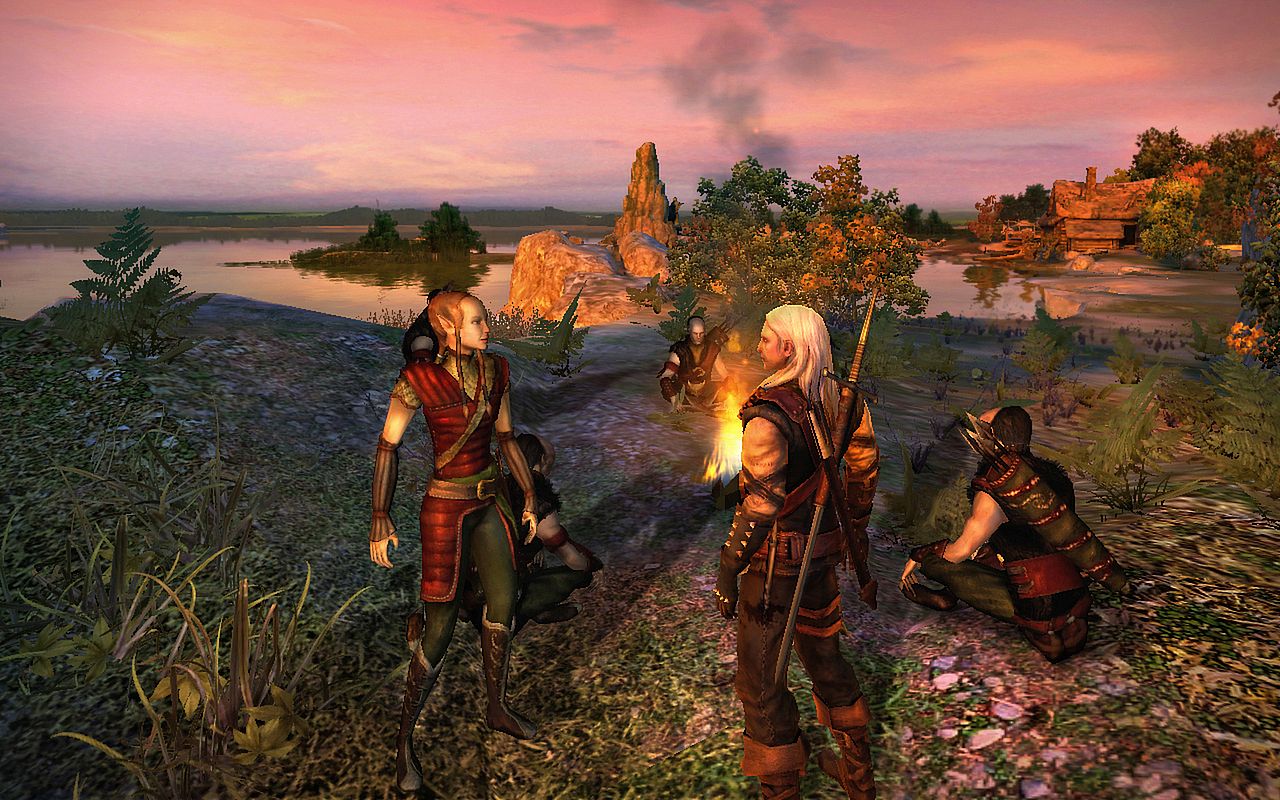
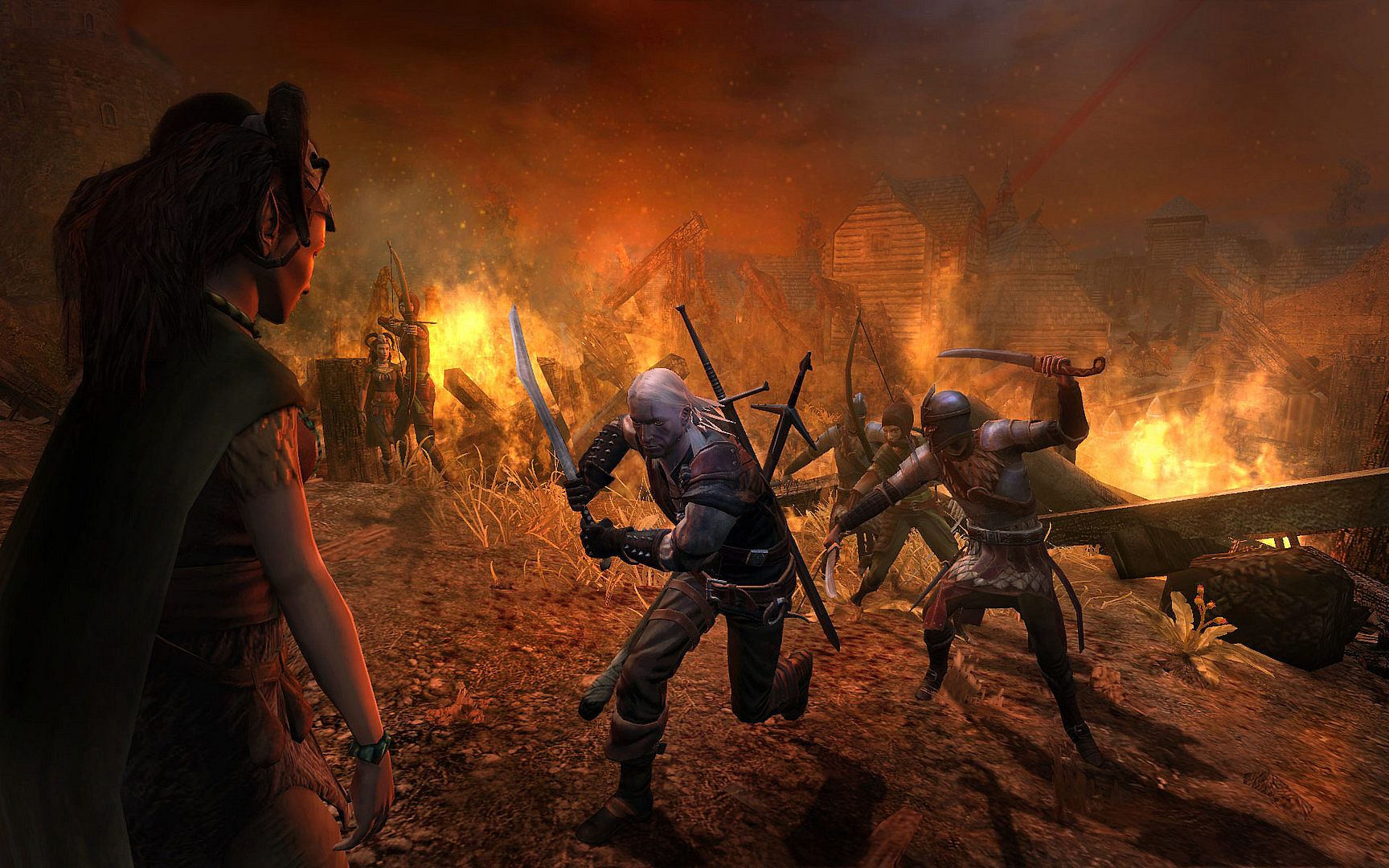
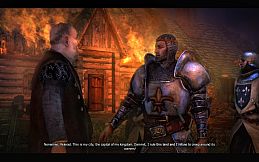
Beyond combat and quests, the game integrates a complex alchemy system for crafting bombs, oils, and potions that apply buffs or debuffs in battle. Weapon modifications enhance swords with runes or meteorite pieces for better damage. Moral decisions often involve factions like the rebellious Scoia'tael elves or the zealous Order of the Flaming Rose, forcing you to pick sides in conflicts with no absolute right or wrong. Mini-games, such as dice poker or fistfighting, break up the action and offer ways to earn money or information. The enhanced inventory system separates alchemy items and includes sorting functions, making management smoother. Technical upgrades in this version reduce loading times and improve stability, ensuring a more fluid playthrough.
Is It Worth Playing?
For fans of story-driven RPGs, this game holds strong appeal despite its age, earning a Metascore of 86 and a user score of 8.2 from thousands of ratings. Players praise the atmospheric world, compelling narrative, and impactful choices that make replays rewarding. The enhanced edition fixes many original flaws, like dialogue inconsistencies and bugs, creating a polished package. However, dated graphics and occasionally clunky combat might deter those accustomed to modern titles. If you enjoy tactical action mixed with deep lore and don't mind a 2008-era presentation, it's a solid choice, especially with a planned remake on the horizon that could refresh it for new audiences. Consider it if you're into single-player adventures that prioritize character development over fast-paced multiplayer action.