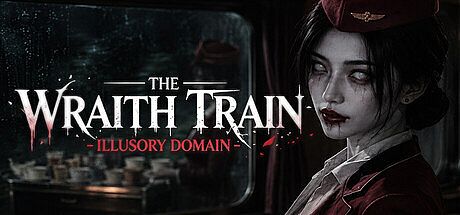






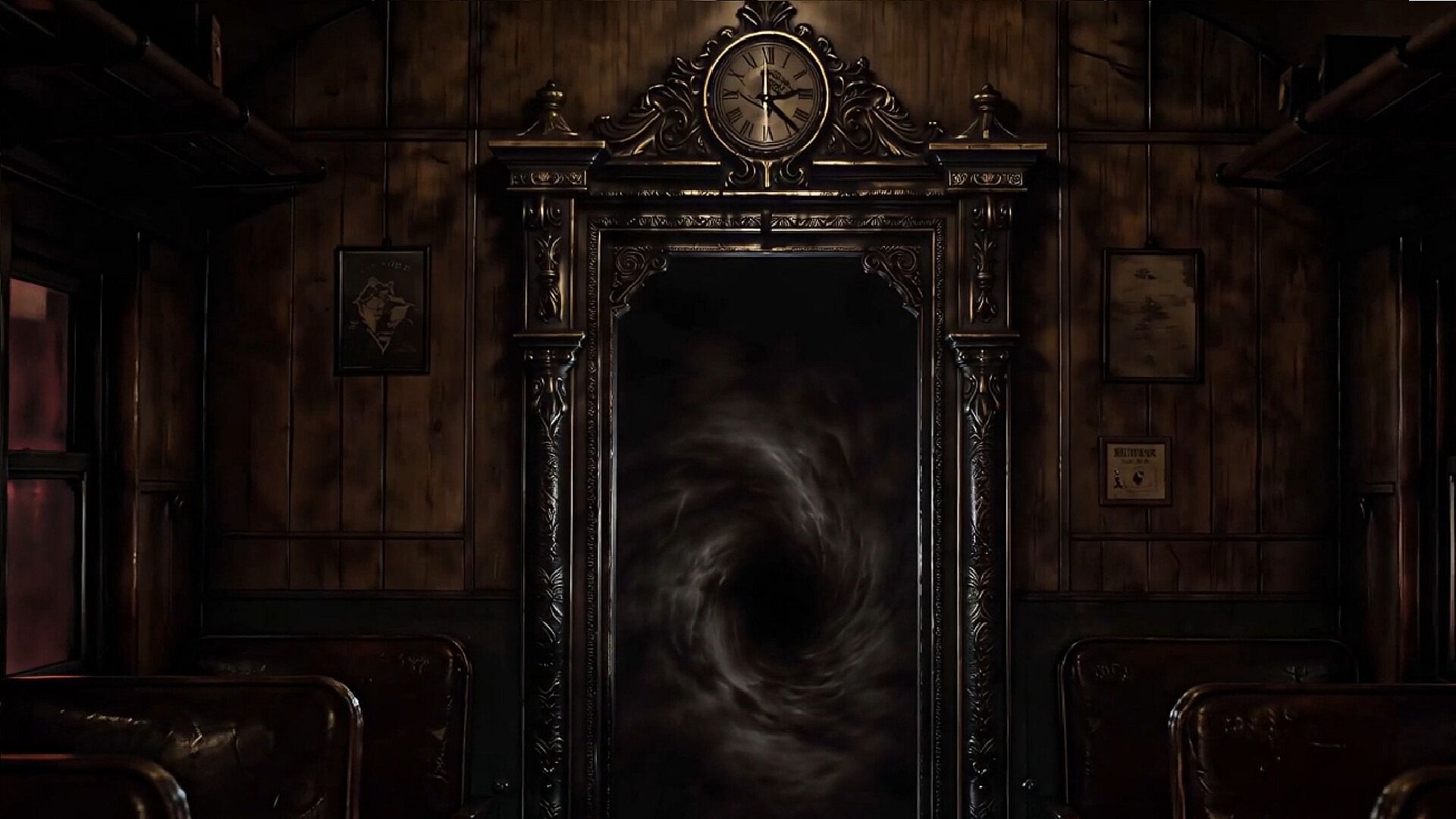





The Wraith Train: Illusory Domain stands as a single-player strategy, indie, RPG, casual, simulation, and adventure title set on PC. Players step into the shoes of journalist Li Yuanzhe, who boards the overnight Train K104 only to awaken amid a nightmarish sequence of events governed by strict survival rules delivered through an anonymous phone chat.
Gameplay
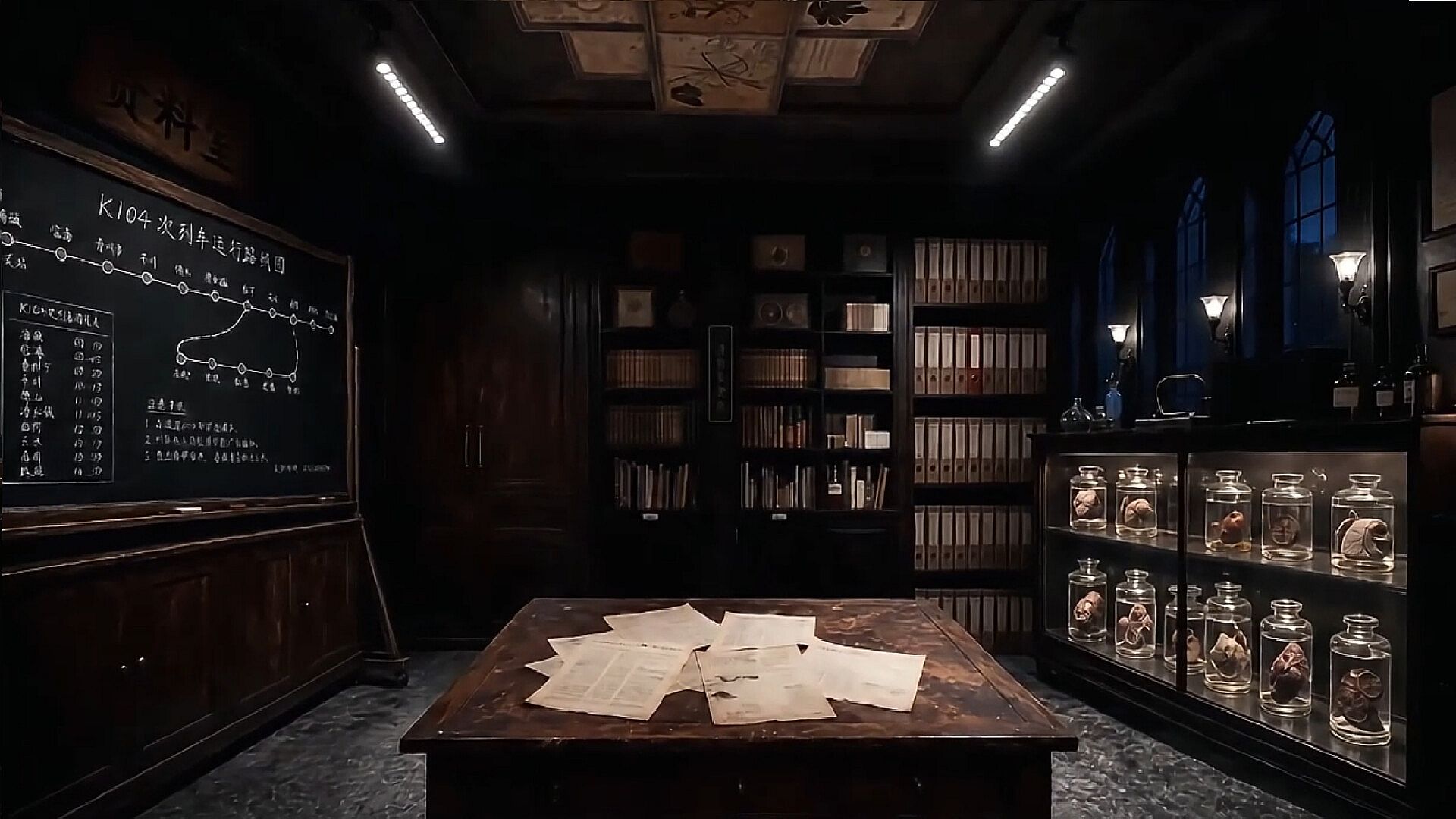
The core loop centers on navigating the confined carriages of the speeding train while adhering to a set of life-or-death rules that appear on screen. Red-clad attendants patrol the aisles without pause, enforcing an atmosphere of constant tension. Passengers disappear without trace, forcing the player to gather scattered clues and reconstruct fragmented memories from the deceased in order to piece together events buried for years.
Exploration leads into an illusory domain shaped by lingering obsessions, where puzzle-like investigation combines with strategic decision points. Each interaction with companions or the environment carries consequences that alter relationships and open or close paths forward. The system rewards careful observation of rules and surroundings rather than direct confrontation, blending simulation elements of resource management through clue collection with role-playing depth in how the protagonist responds to unfolding horrors.
Branching paths emerge naturally from choices made during conversations and investigations. These decisions shape companion fates and determine which truths surface, creating a layered experience that mixes adventure progression with strategic foresight about long-term outcomes. The game maintains a focus on psychological pressure through its rules-based structure and the ever-present threat of vanishing into the unknown.
Game Modes
The experience operates entirely in single-player format, with no multiplayer or co-operative options available. All progression occurs through the interactive narrative framework, where players advance by following survival rules, exploring carriages, and entering the illusory domain to hunt clues. This structure emphasizes personal decision-making over competitive or shared elements.
Story advancement relies on sequential events triggered by player actions, leading to varied conclusions based on accumulated choices. The absence of separate modes keeps the focus on one cohesive journey that adapts in real time to decisions, allowing replay value through different paths without requiring additional game types or sessions.
Narrative Structure and Choices
Every major decision influences the fates of fellow passengers and the overall trajectory of the ordeal. The system tracks these branches to deliver distinct endings, ranging from potential escape from the train's curse to permanent entrapment as part of its rules. This approach integrates RPG-style character interactions with simulation mechanics that track how clues and memories align to reveal the central mystery.
The narrative unfolds across the train's carriages and the strange realm beyond, where buried truths from past incidents come to light through methodical investigation. Players must balance immediate survival needs with longer-term strategic planning to uncover the full picture hidden for years, all while the red attendants maintain their patrols and incidents escalate.
Is It Worth Playing?
The game targets players who appreciate choice-driven horror stories that combine puzzle investigation, strategic rule adherence, and multiple narrative outcomes. Its single-player design delivers a focused experience centered on survival within a confined, rule-bound environment and exploration of an obsession-forged domain.
With its emphasis on branching storytelling and consequence-heavy decisions, the title suits those drawn to indie adventures that prioritize psychological tension and replay through alternate endings over action or multiplayer competition. As an upcoming release, it offers a self-contained journey for fans of simulation and RPG elements within a horror framework.
- Strong narrative branching that rewards thoughtful choices
- Integration of survival rules with clue-gathering mechanics
- Atmospheric single-player progression without external modes