

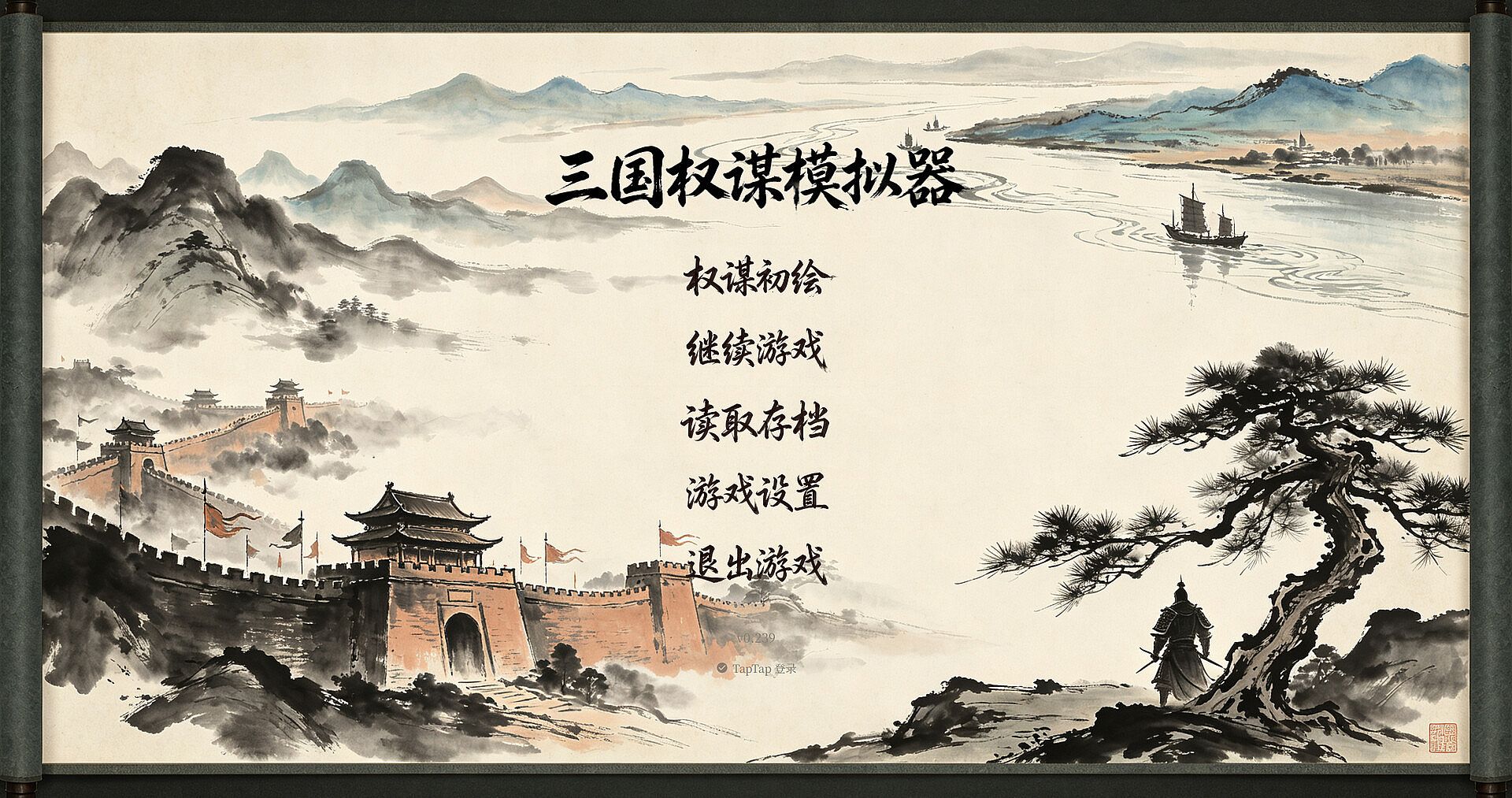
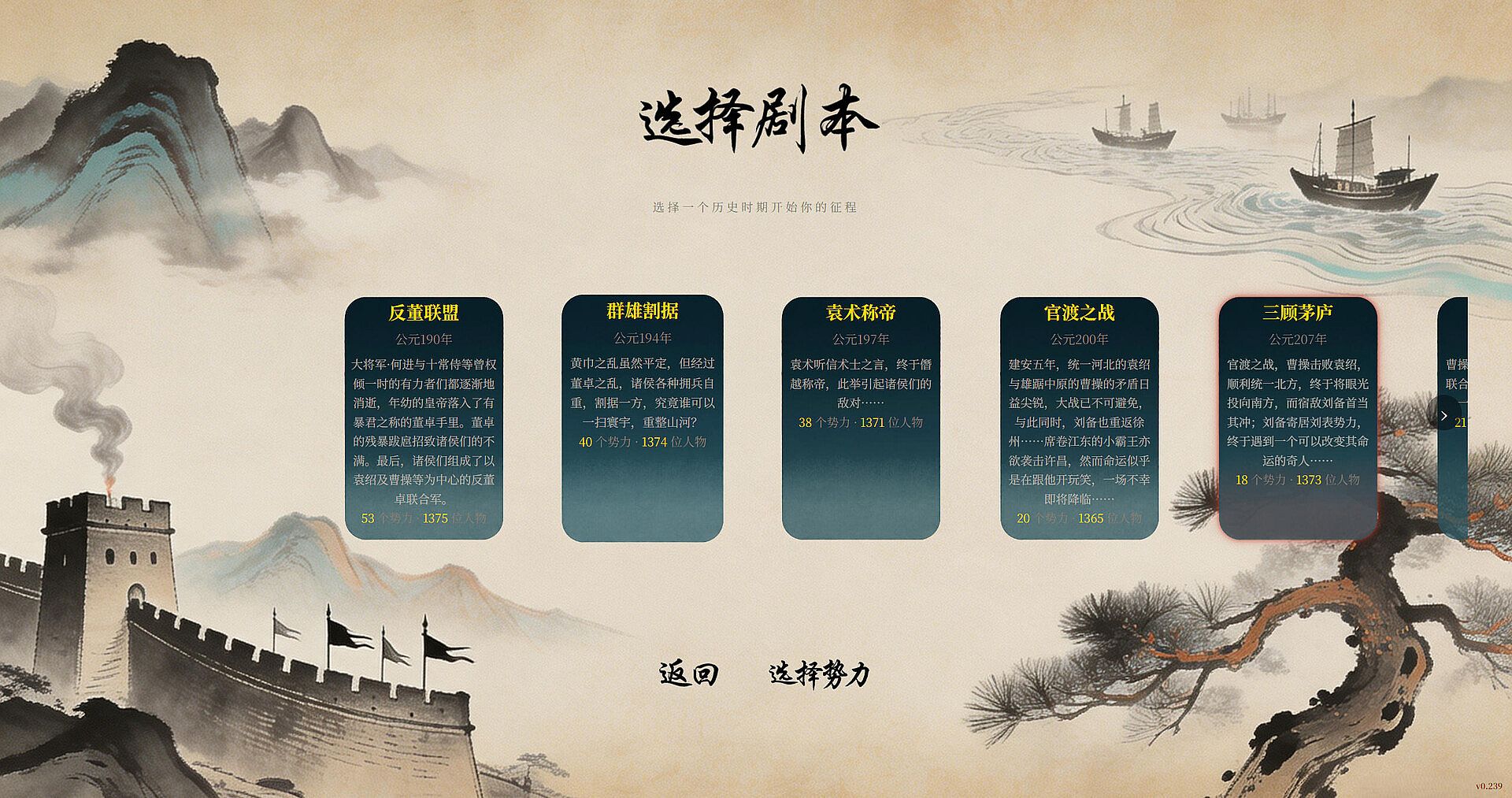
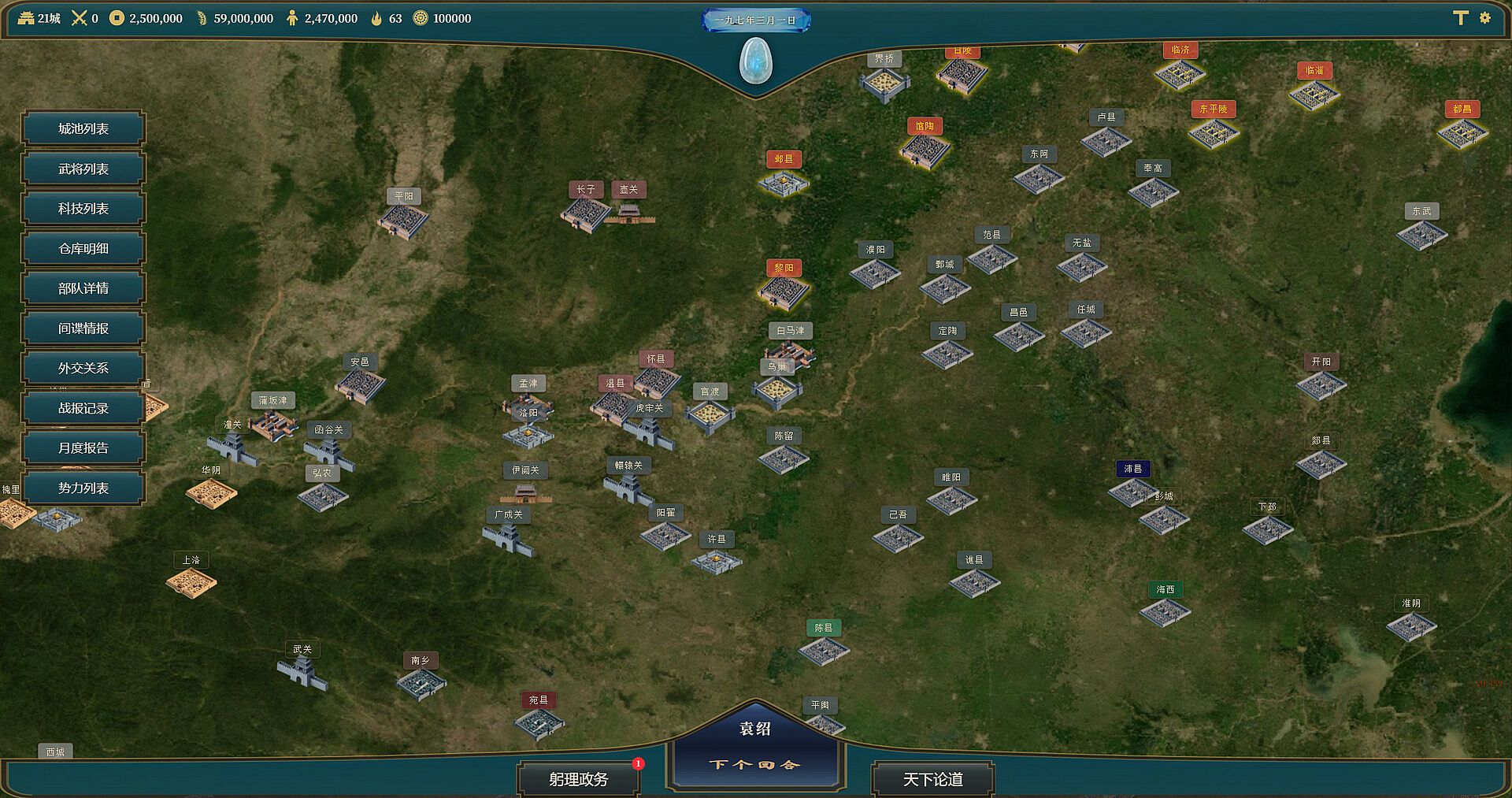
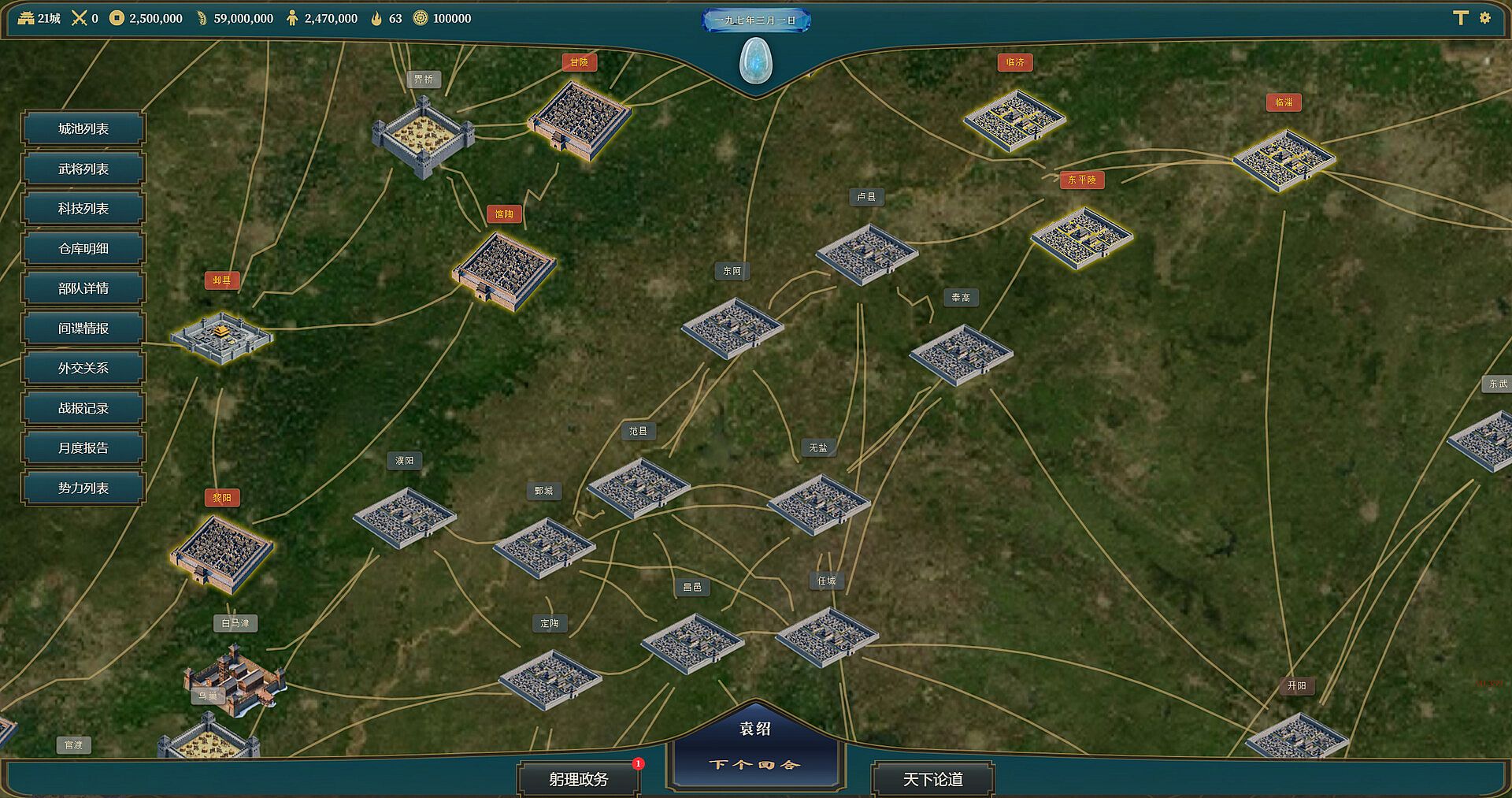
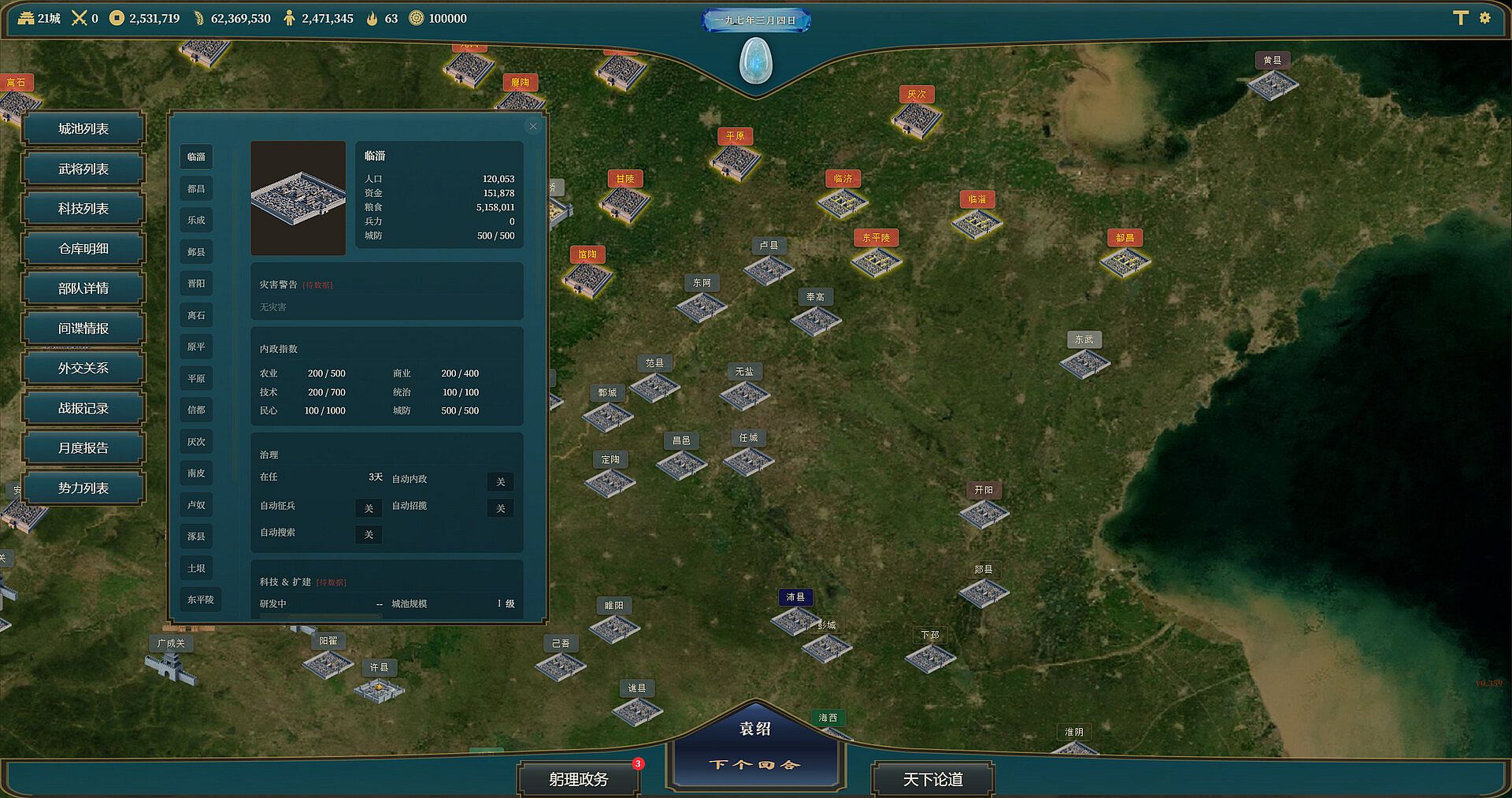
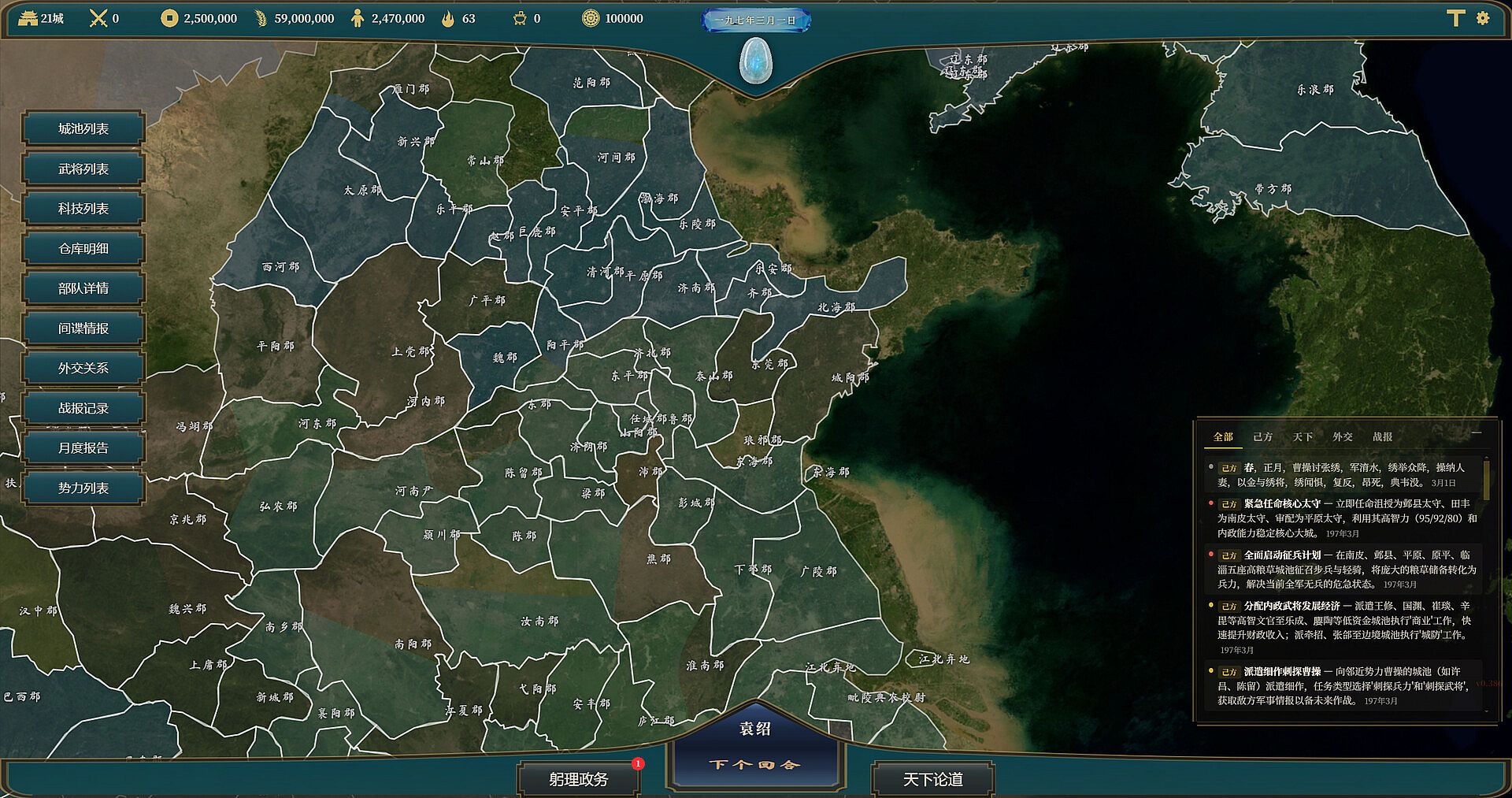
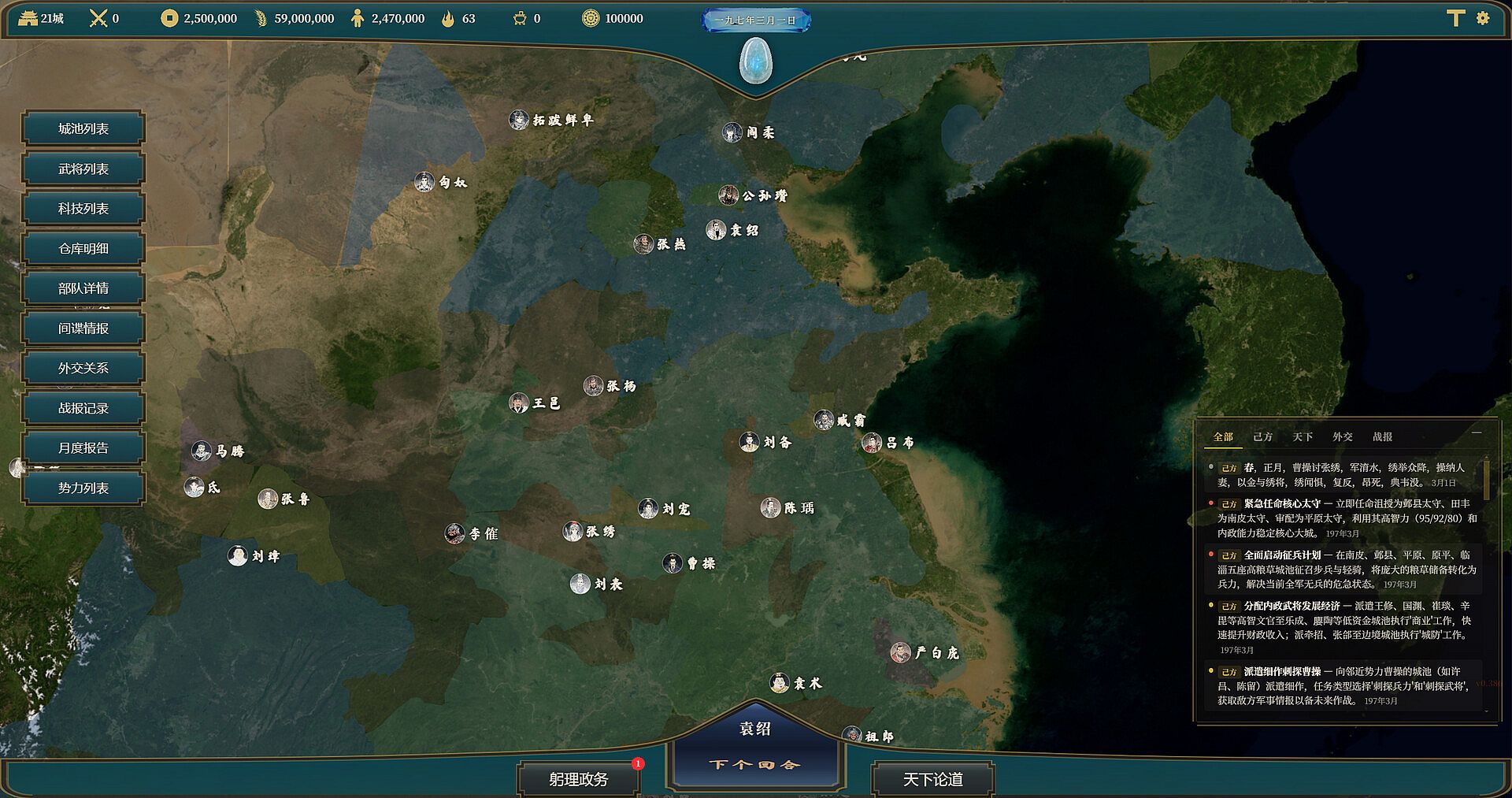
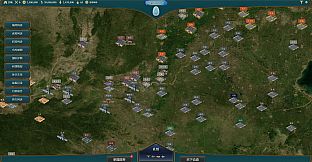
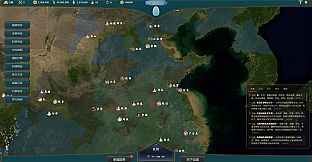
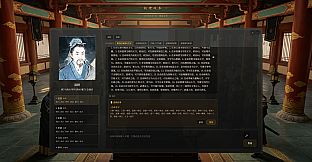
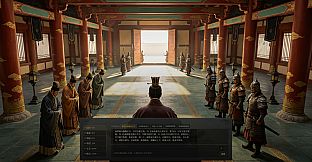
Three Kingdoms: Strategy Simulator is a single-player strategy, indie, RPG, and simulation game set in the Three Kingdoms era of ancient China. Players take on the role of a time-traveler who becomes a regional warlord in 189 AD, navigating a world where historical figures operate as independent AI agents with persistent memory and autonomous decision-making.
Gameplay
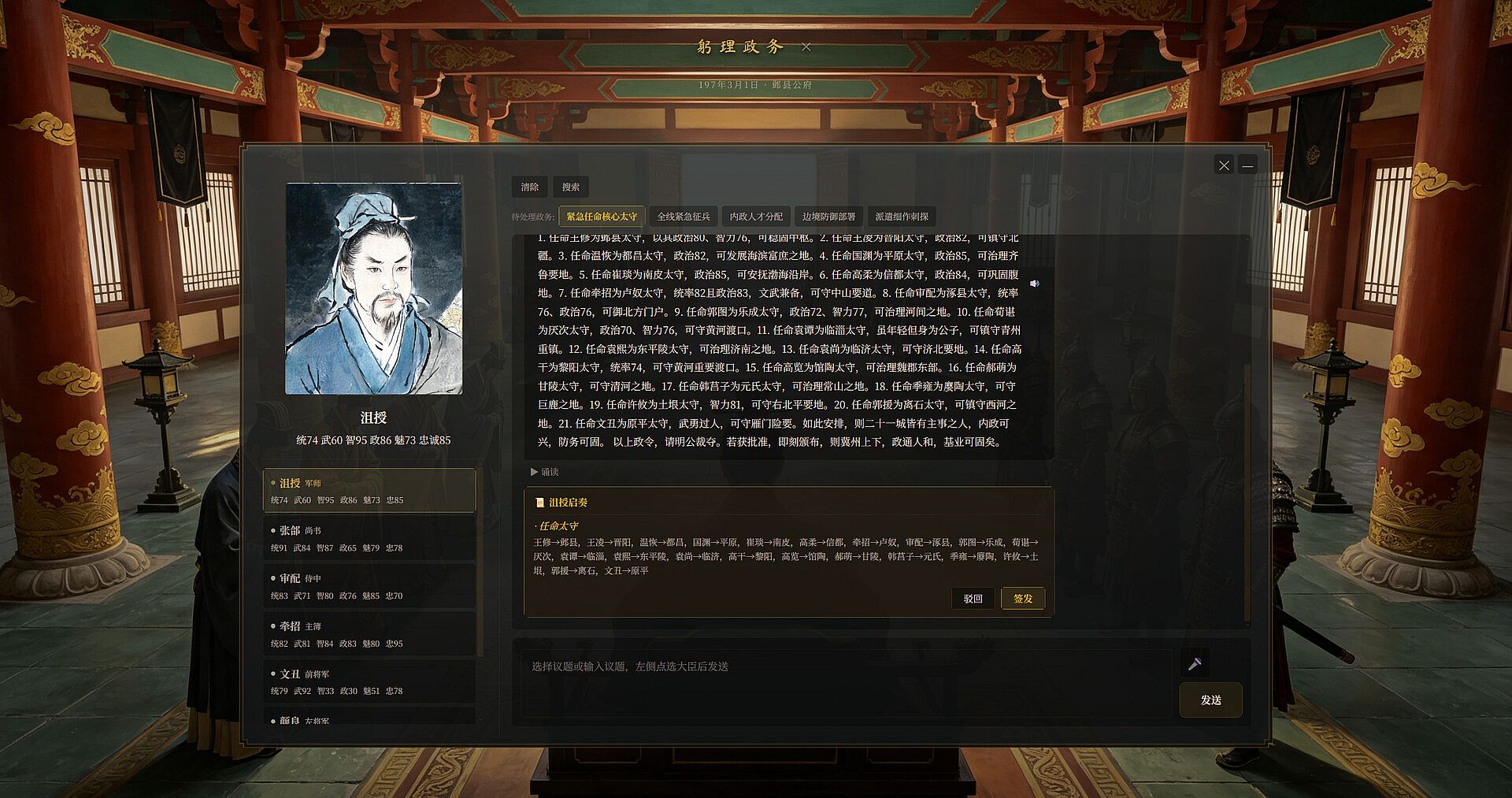
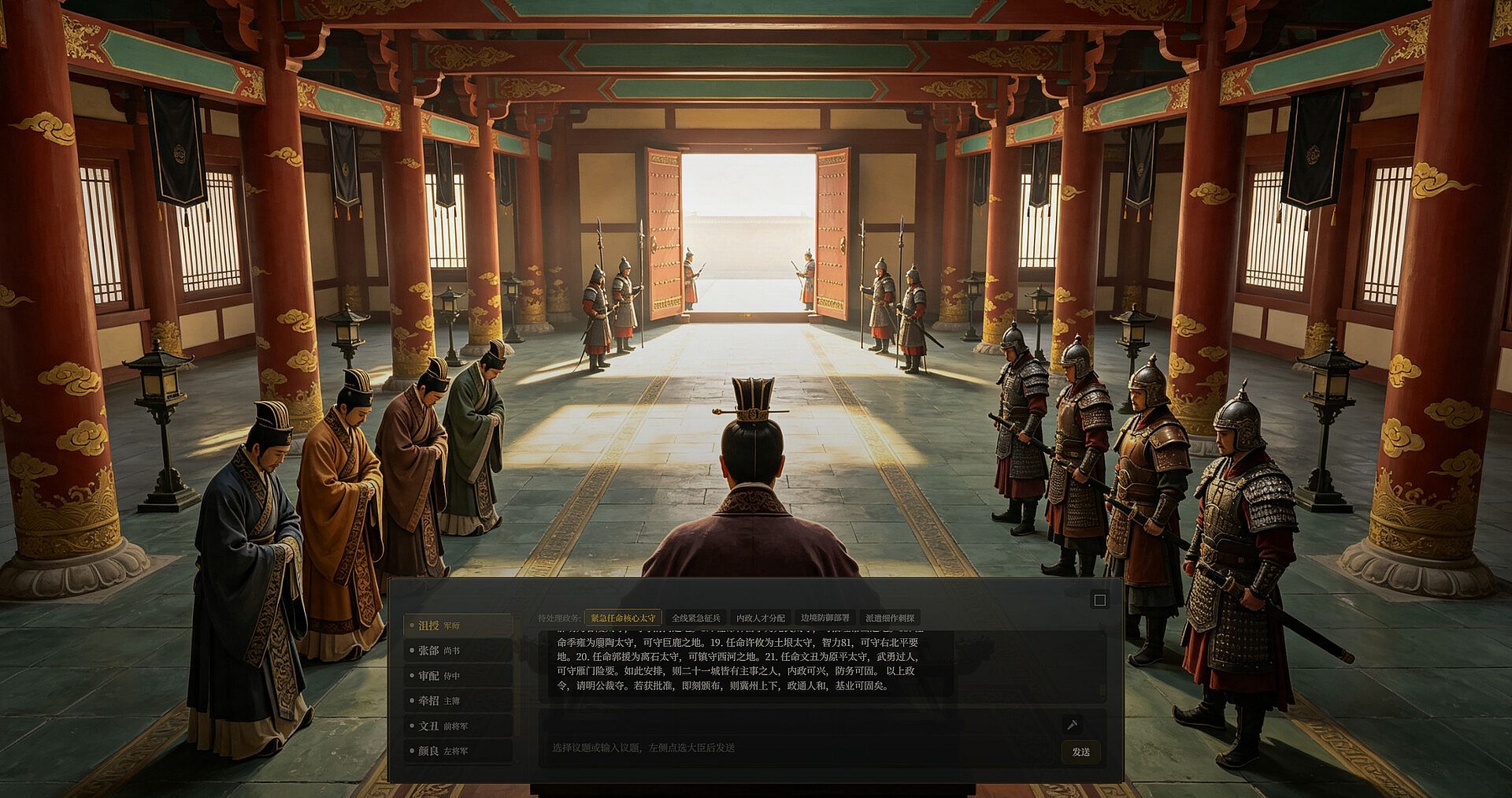
The core loop centers on managing a faction through diplomacy, military strategy, technological development, and internal politics. As a time-traveler, you draw on modern knowledge to propose innovations such as gunpowder production or custom troop formations, which advisors evaluate based on historical feasibility and your credibility. NPCs remember every interaction, shifting attitudes based on broken promises, battlefield outcomes, or leaked plans. This creates unpredictable alliances and betrayals among dozens of regional lords competing for control of the Central Plains.
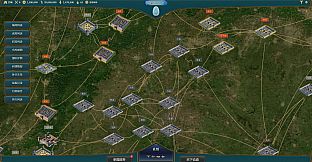
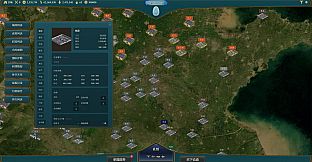
Supply chains and buildings operate dynamically rather than through preset options. You design logistics networks that move resources between cities for production and frontline delivery. Generals can learn or invent tactics described in detail, applying them in battles where outcomes depend on preparation and execution. Diplomatic proposals range from territorial exchanges and political marriages to technology sharing or non-aggression pacts, accepted or rejected according to each faction's self-interest and accumulated trust.
Game Modes
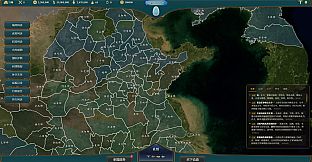
The experience offers no fixed game modes or linear campaign structure. Players define their own objectives, whether unifying the realm, maintaining regional stability, or acting as a power broker to influence conflicts among the 41 rival factions. These factions pursue their own agendas independently, forming coalitions or collapsing without player intervention. Victory conditions remain entirely self-determined, with no mandatory storylines or preset win states.
Progression occurs through an open system where custom technology trees, troop designs, and treaties evolve based on proposals and NPC responses. The AI credit system allows use of personal API keys or in-game points to run different large language models, directly affecting NPC intelligence and behavior stability.
AI Systems and Historical Setting
Over 1,374 historical figures, including Cao Cao, Liu Bei, Zhuge Liang, Lü Bu, and Sima Yi, function with distinct personalities, long-term memory, and independent judgment. Conversations carry permanent consequences, such as eroded trust after failed strategies or shifted loyalties following defeats. The setting begins in 189 AD with limited resources and surrounding threats, where inaction risks repeating the historical population collapse from over 50 million to fewer than 10 million.
Time-traveler advantages include foreknowledge of events like the Battle of Guandu or the fire attack at Chibi, but altered timelines mean these outcomes are not guaranteed. Proposals must align with Eastern Han technological constraints to gain acceptance, or risk labeling the player as unreliable.
Is It Worth Playing?
This title suits players who enjoy open-ended strategy with heavy emphasis on political maneuvering, dynamic AI interactions, and creative problem-solving over scripted quests or collection mechanics. It supports full local control of data and AI models, allowing customization of rules, resources, and even addition of historical figures. The Early Access state means the focus remains on core systems of autonomous NPC behavior and player-driven world shaping.
Those seeking clear quest markers, binary choice narratives, or casual romance elements will find the unscripted NPC reactions and volume of dialogue a mismatch. The game rewards experimentation with stratagems, alliances, and technological proposals while penalizing inconsistent leadership through lasting memory effects across the realm.