




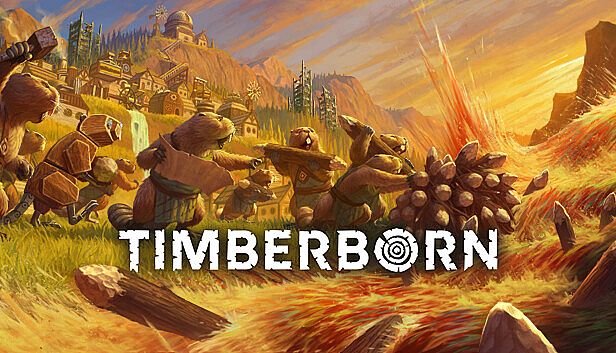

















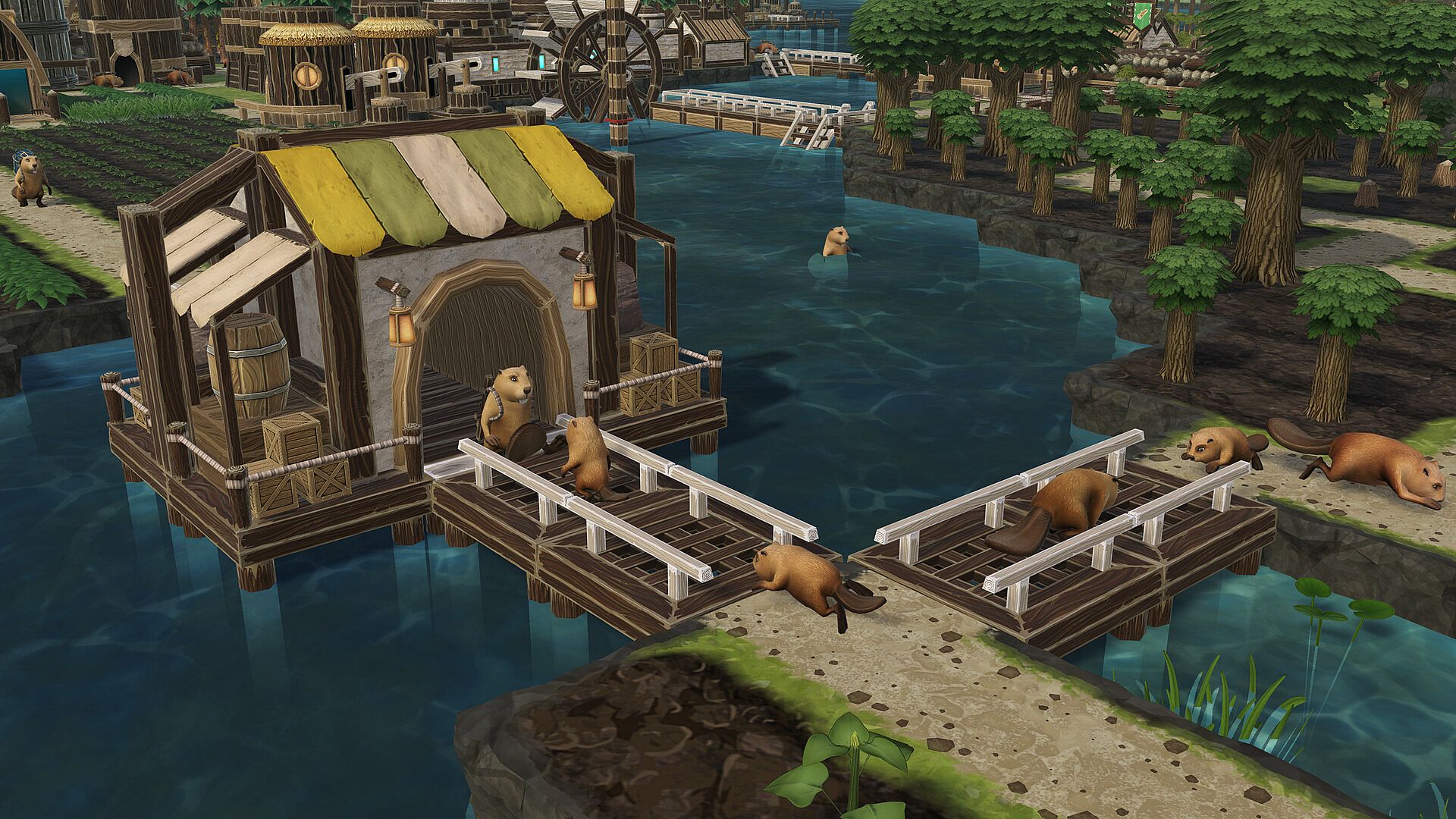
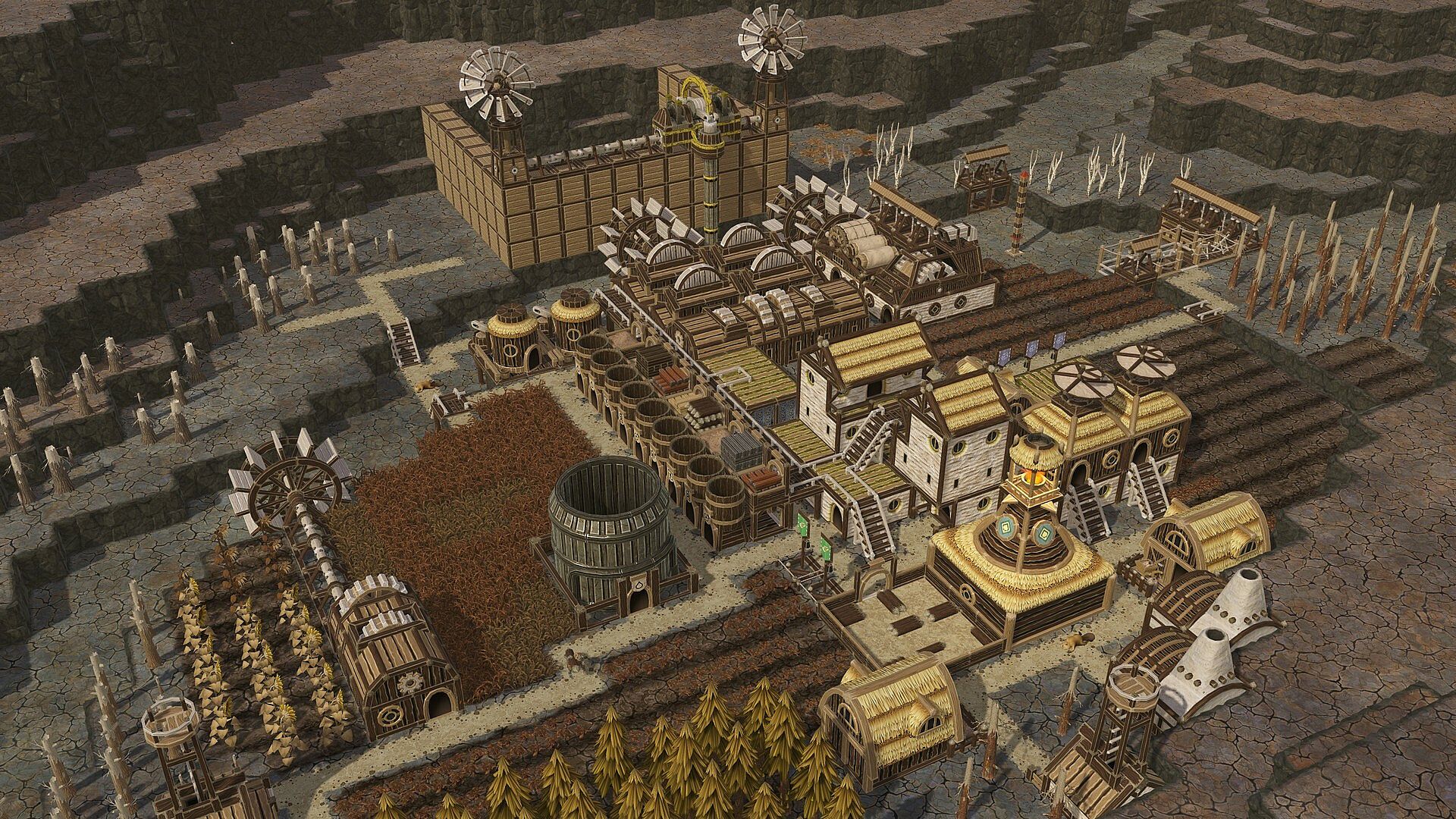
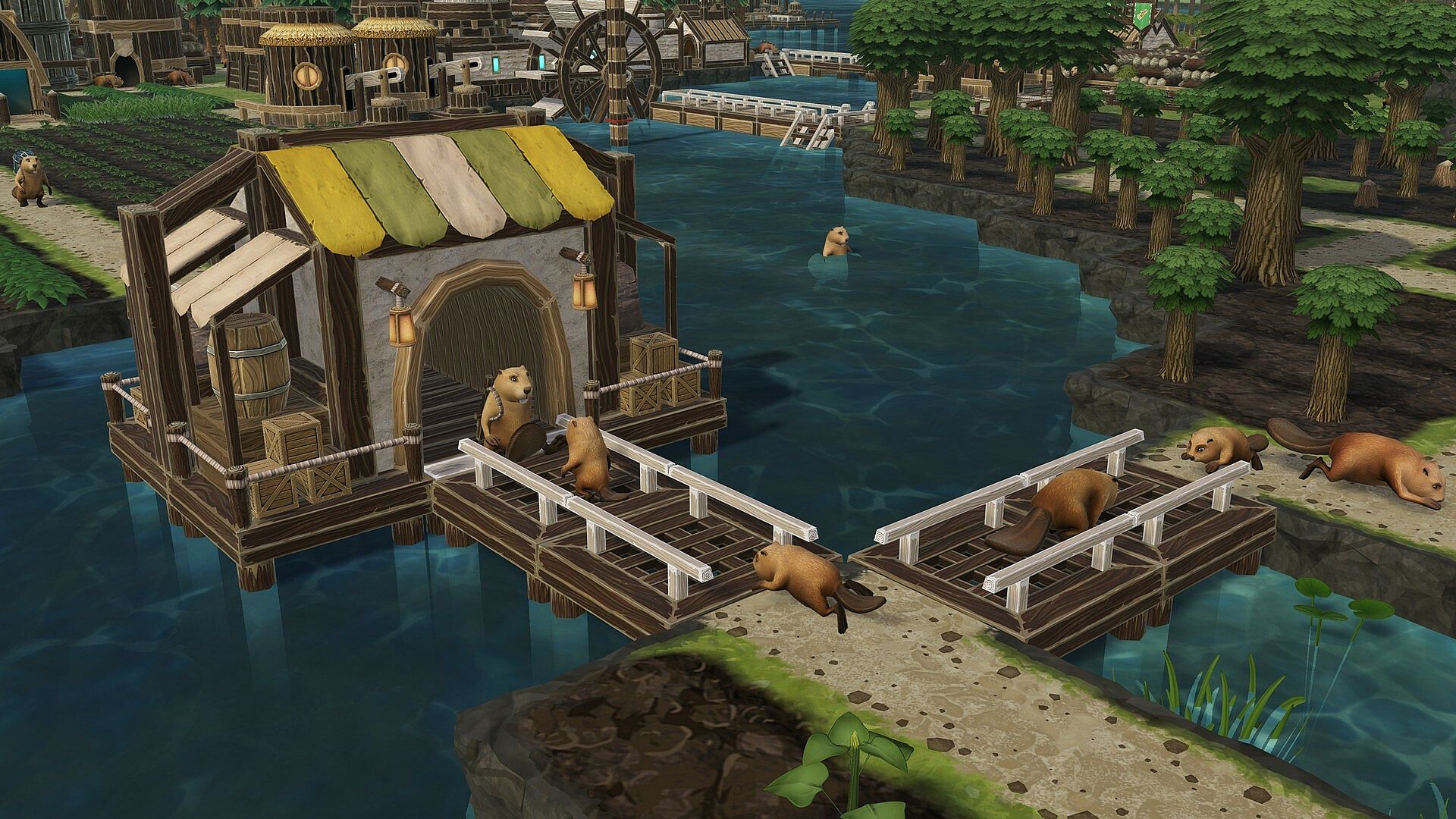
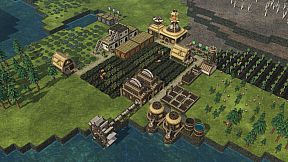
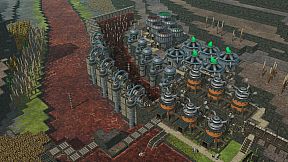
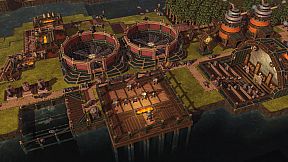
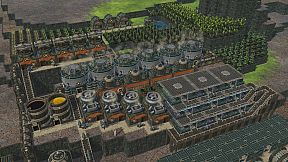
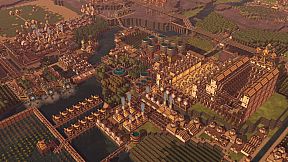
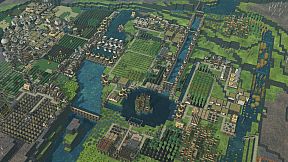
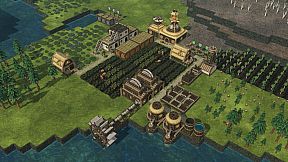
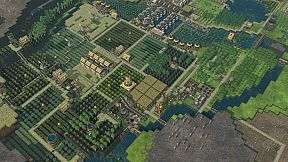
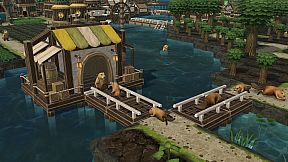
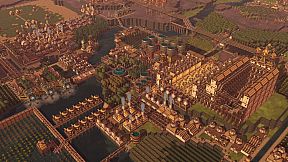
Timberborn is a strategy simulation city builder where you manage beaver colonies in a post-apocalyptic world devastated by drought. Released in full 1.0 version on March 12, 2026, after years in early access, this indie title combines resource management, engineering challenges, and survival elements. You lead evolved beavers to build thriving settlements, focusing on water control and vertical expansion to outlast harsh environmental cycles.
Gameplay
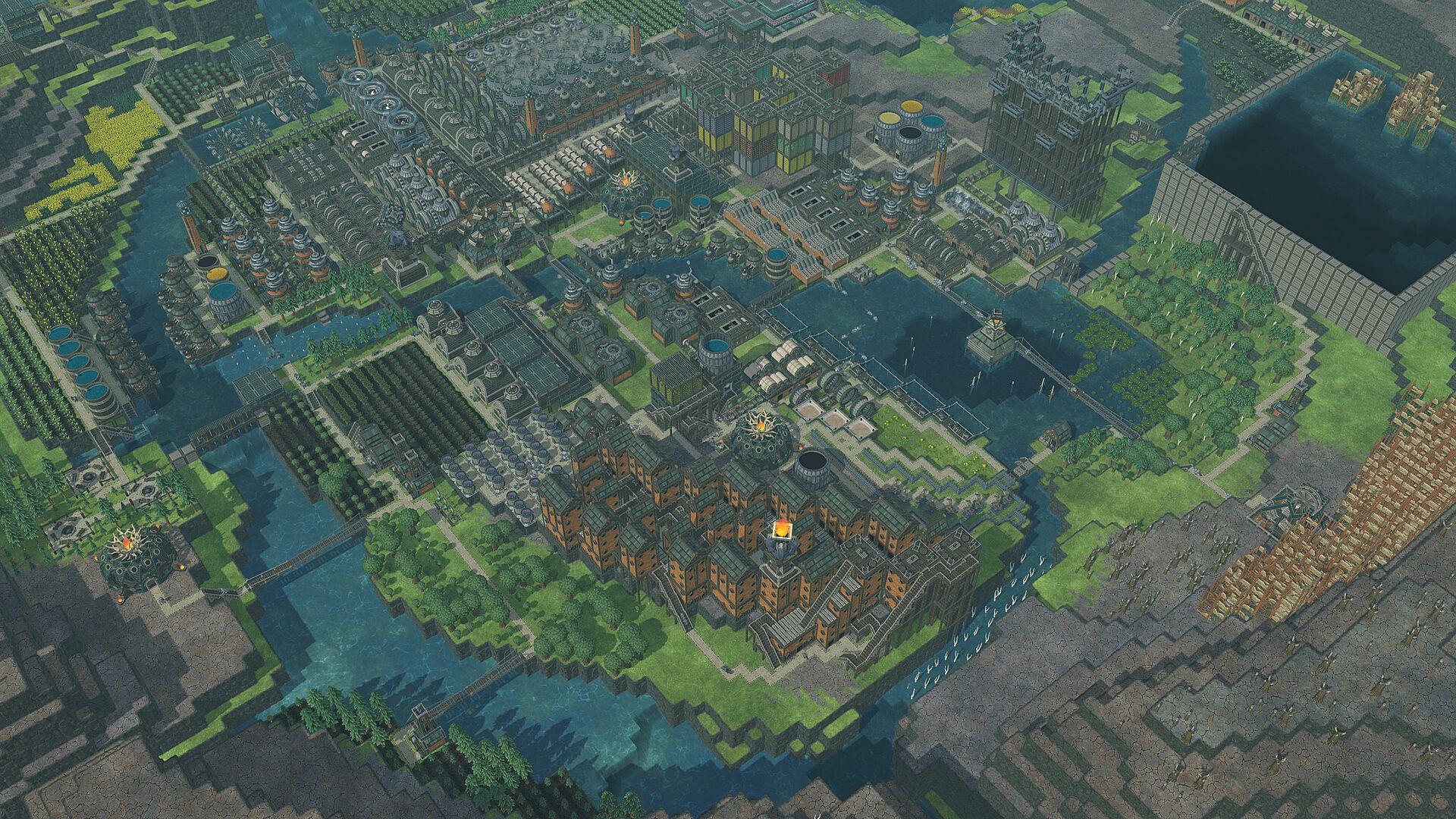
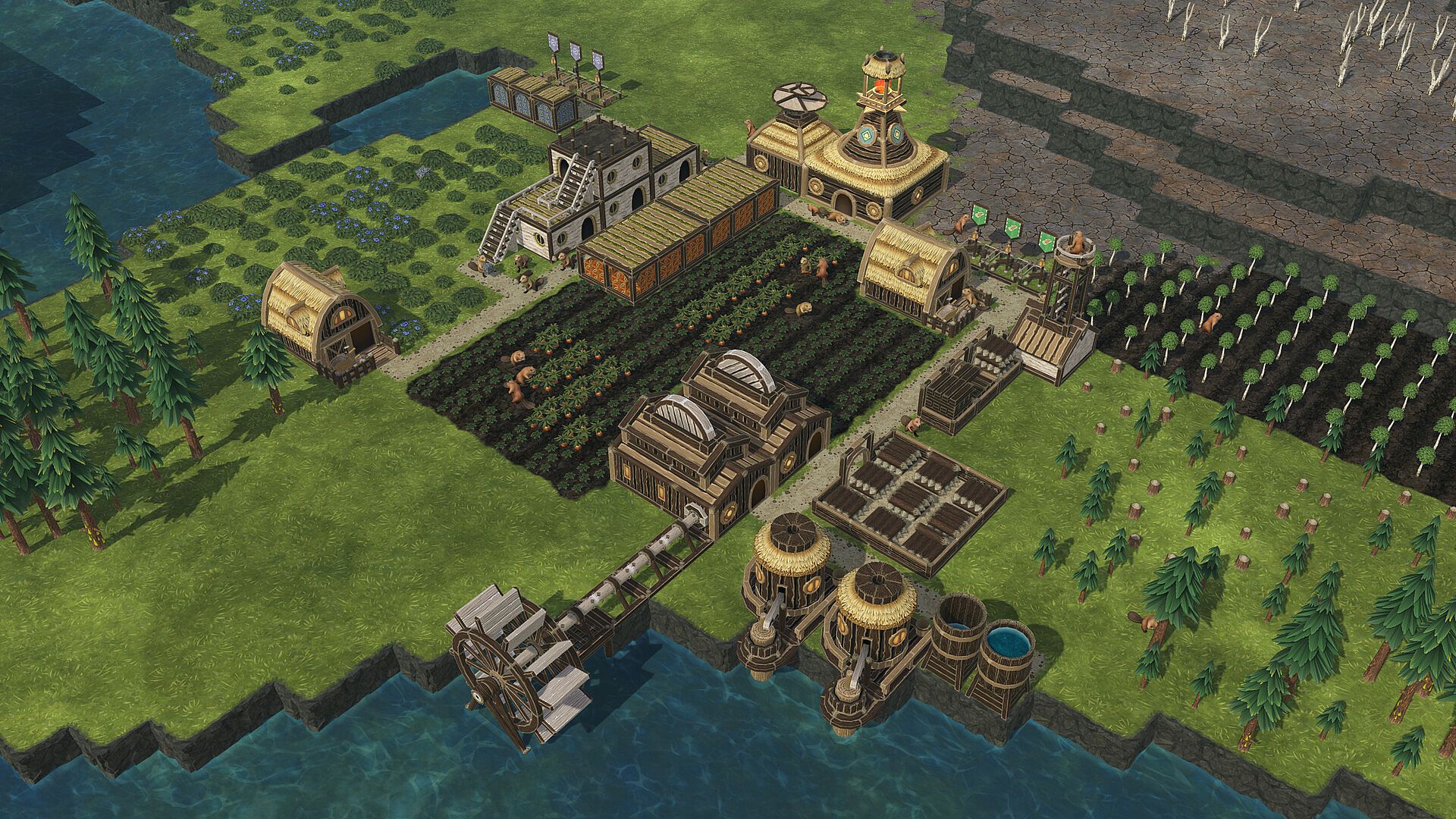
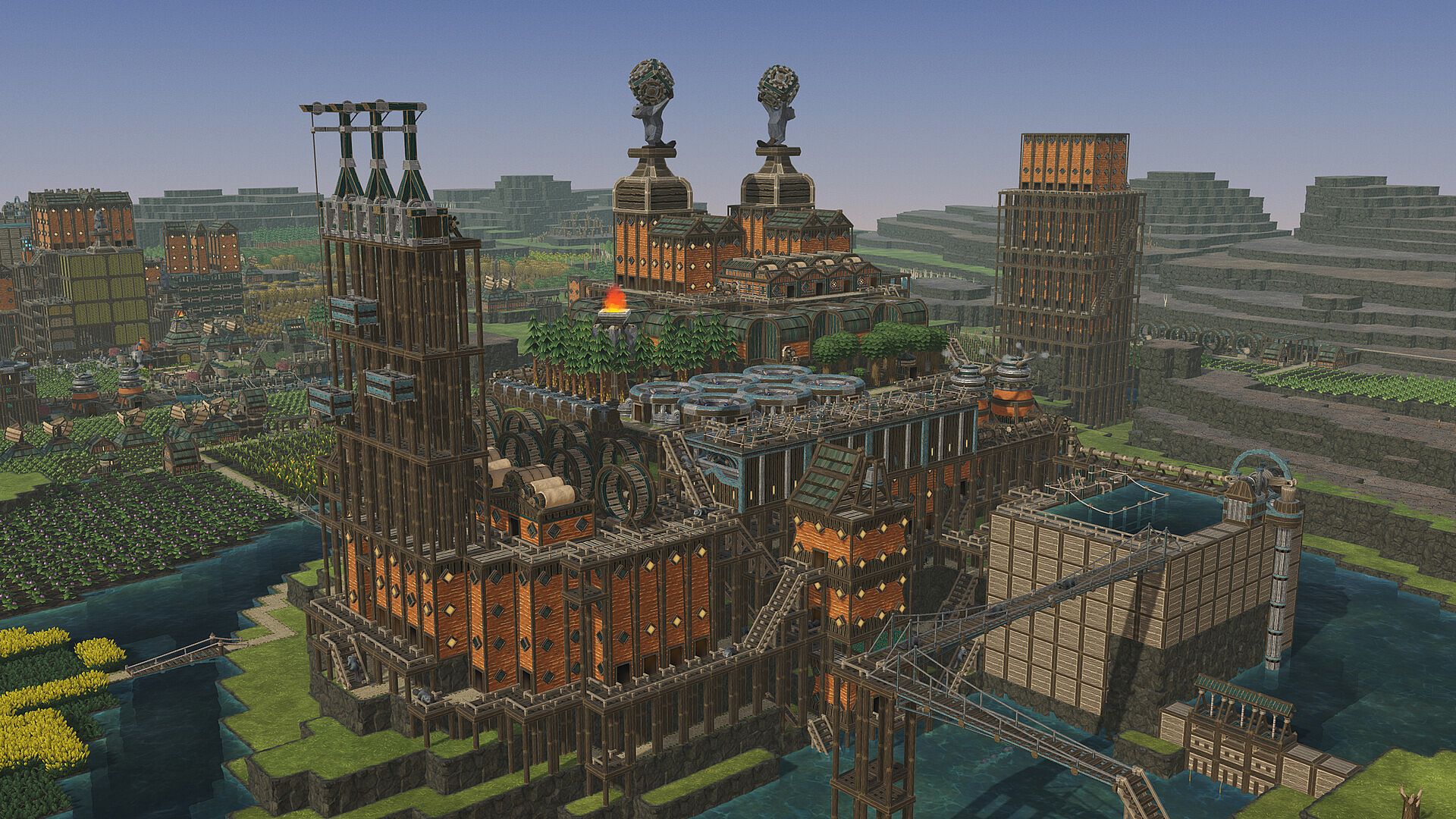
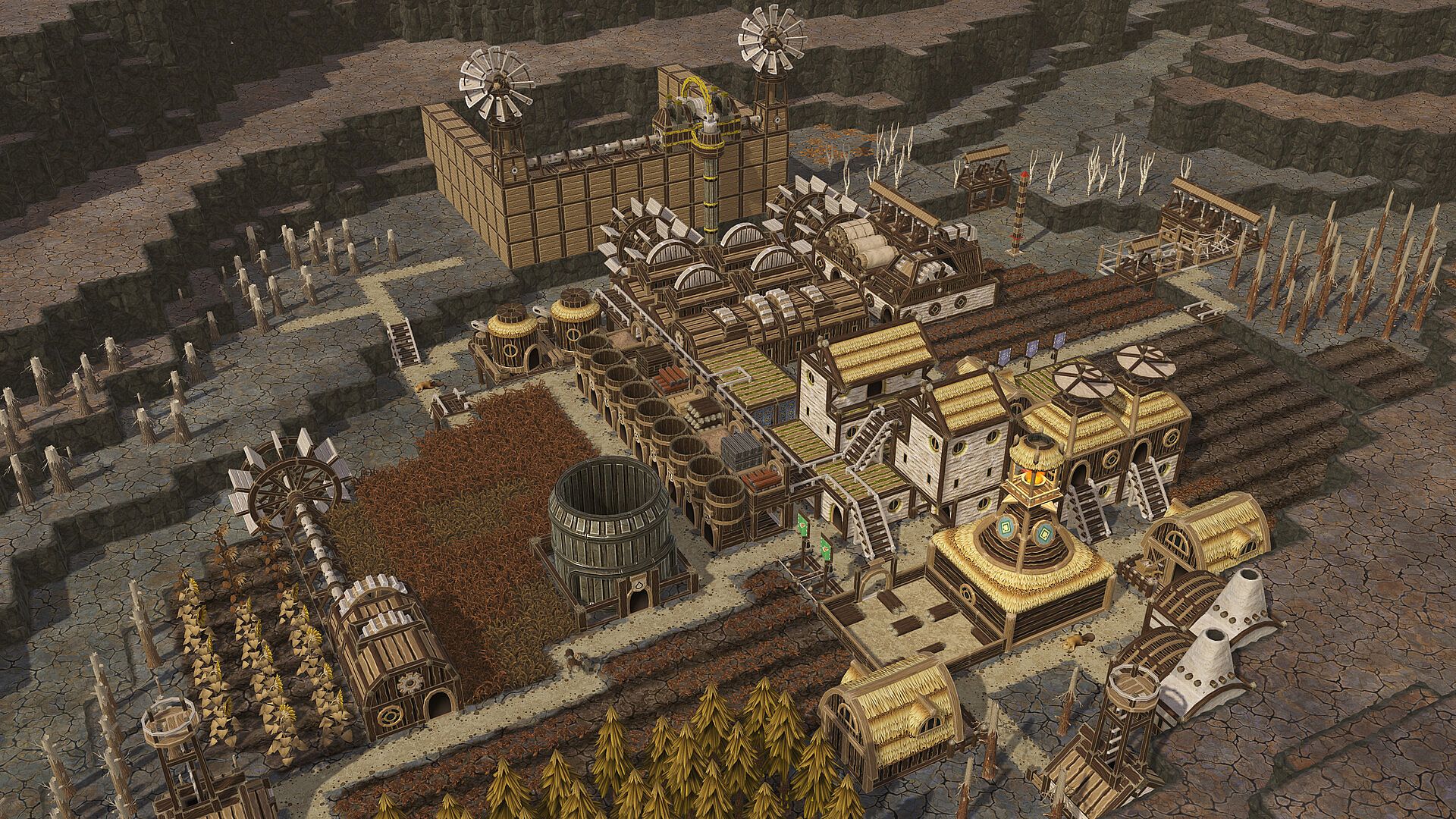
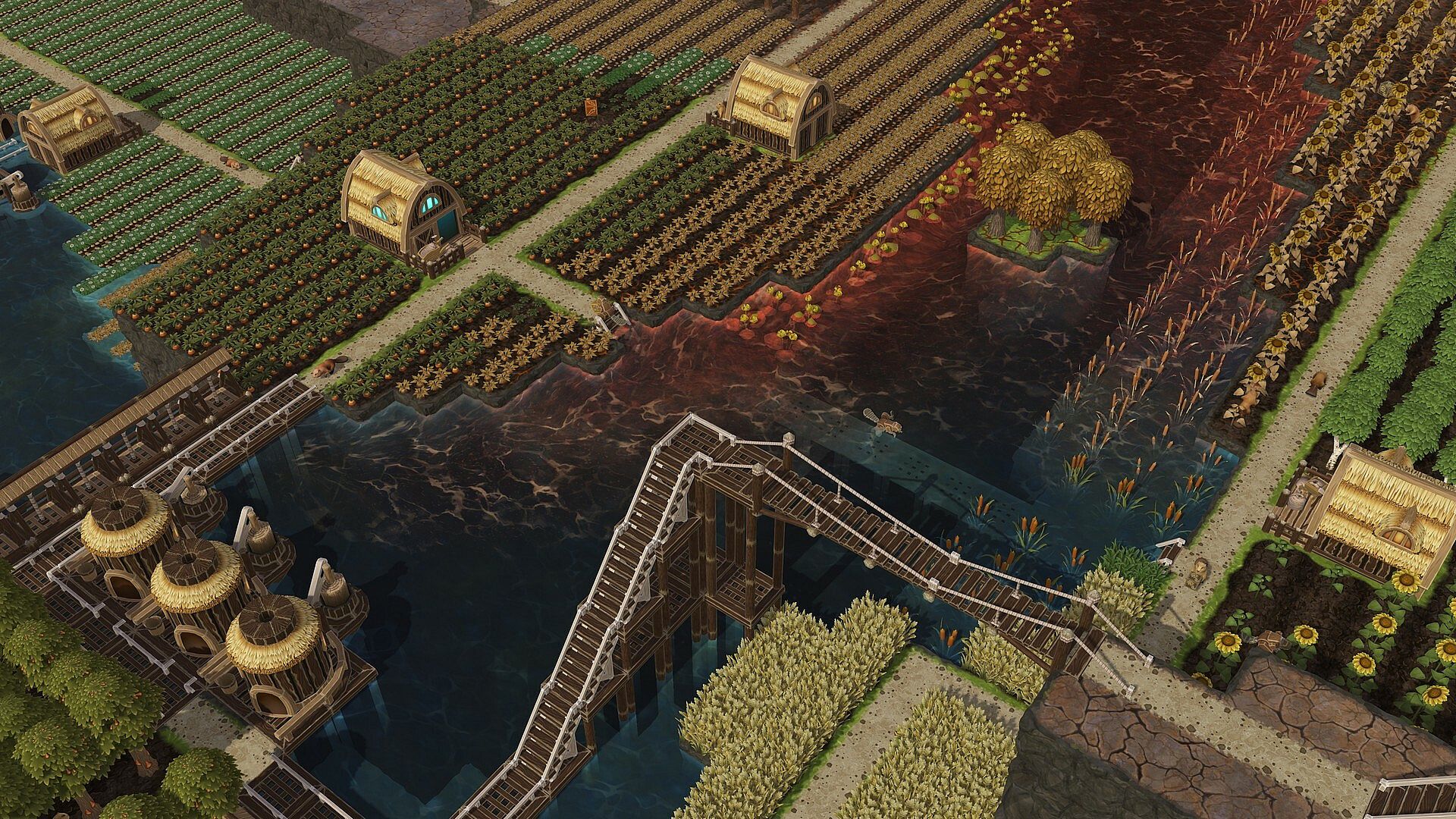
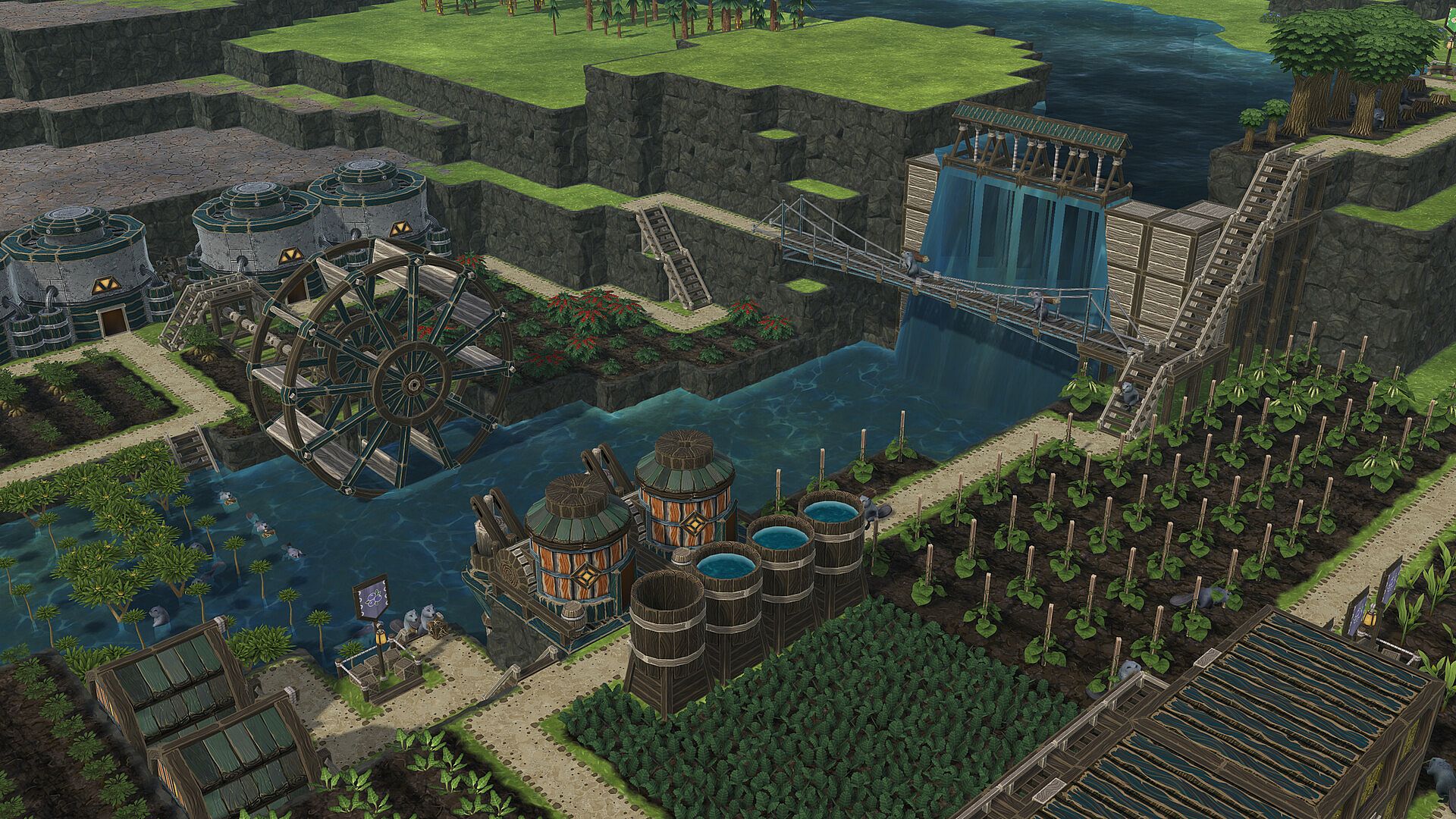
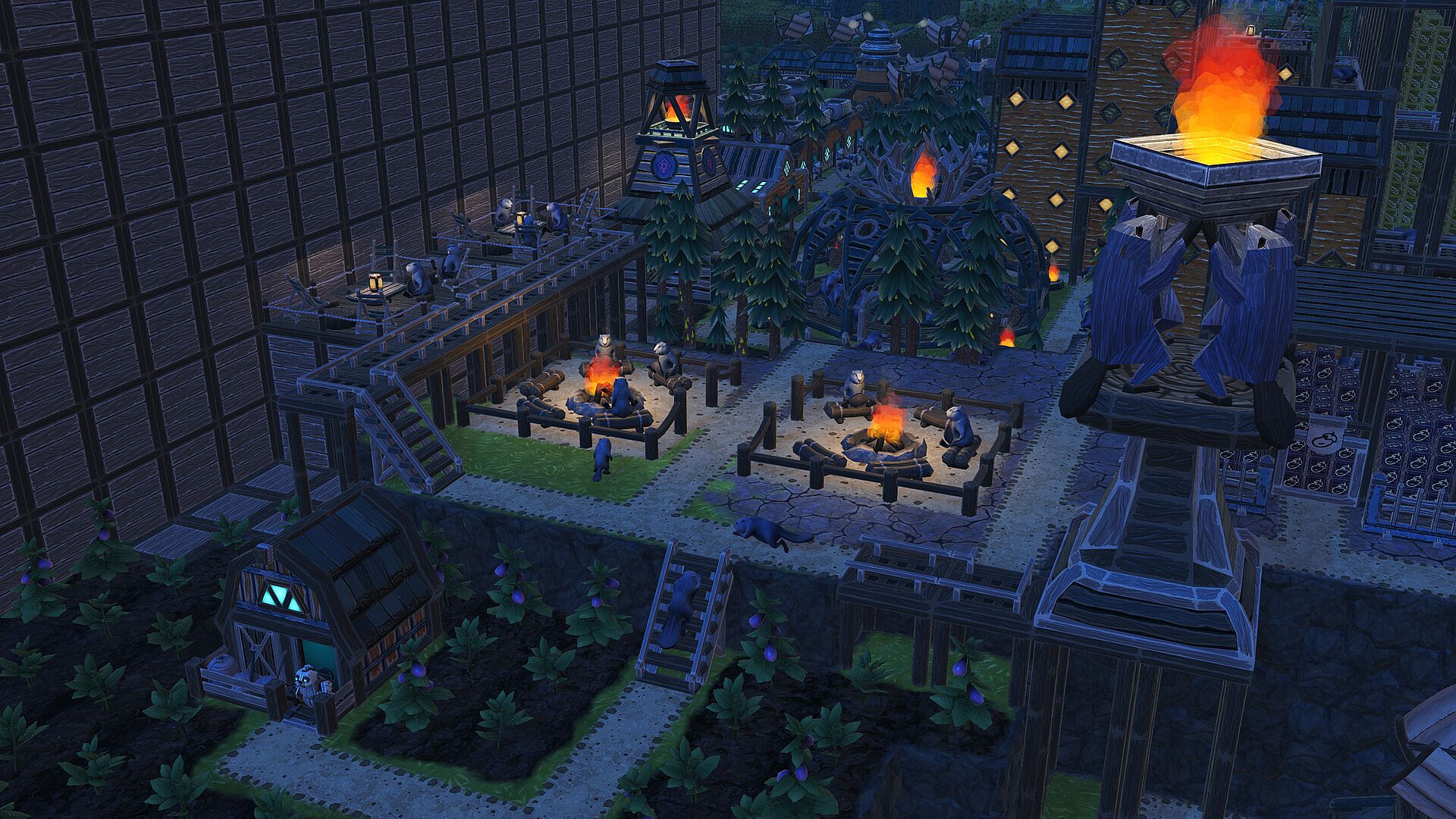
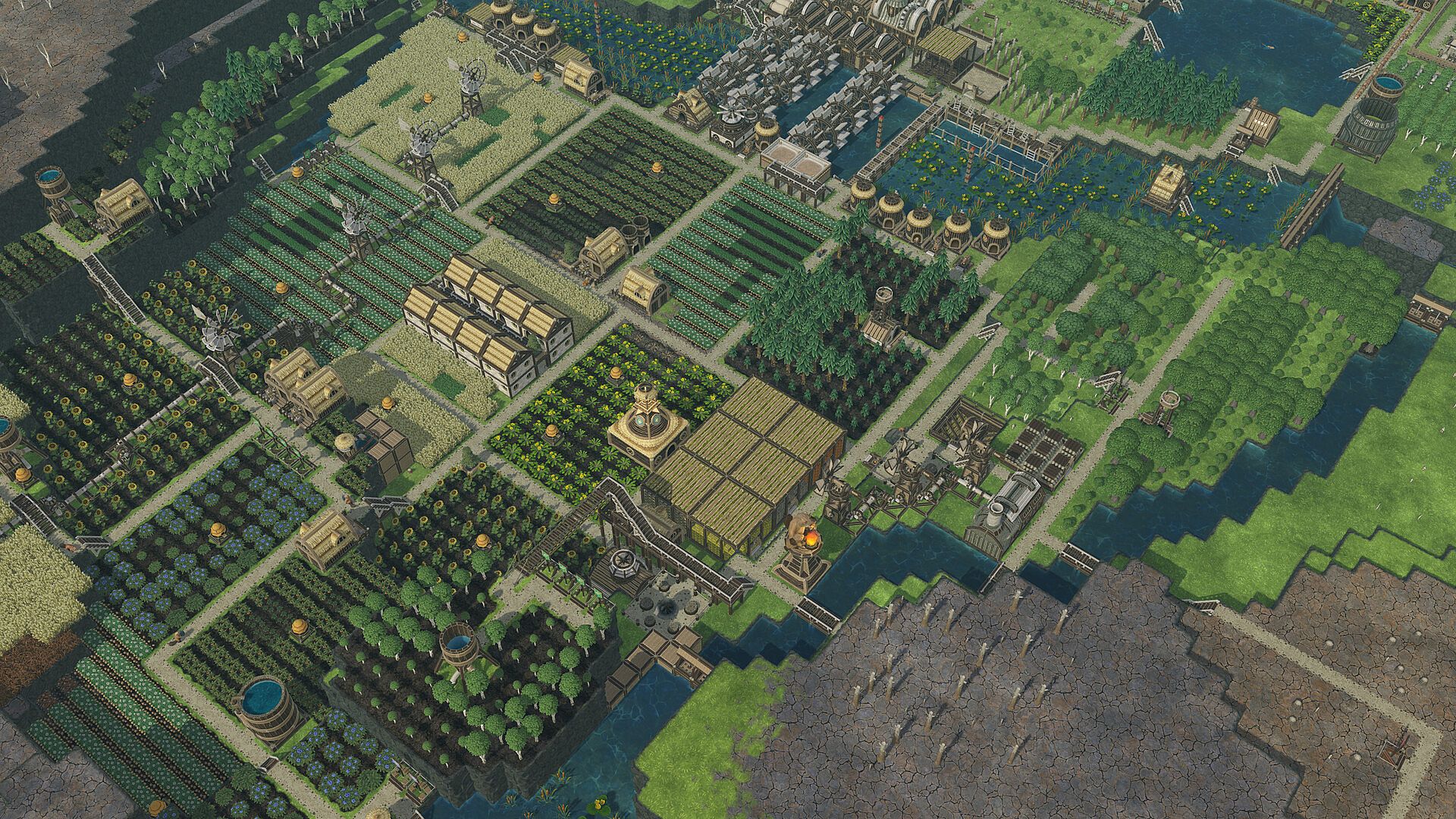
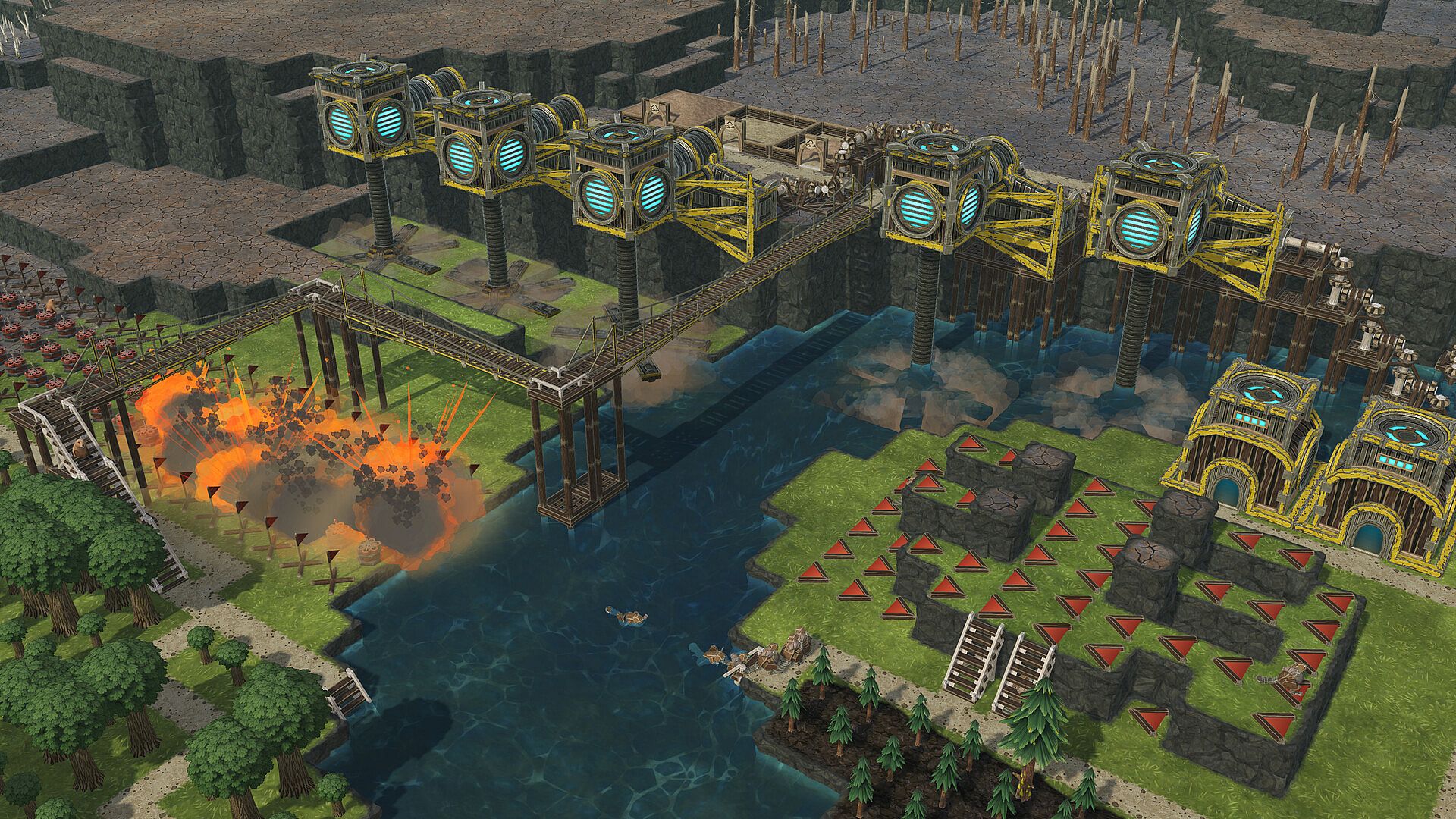
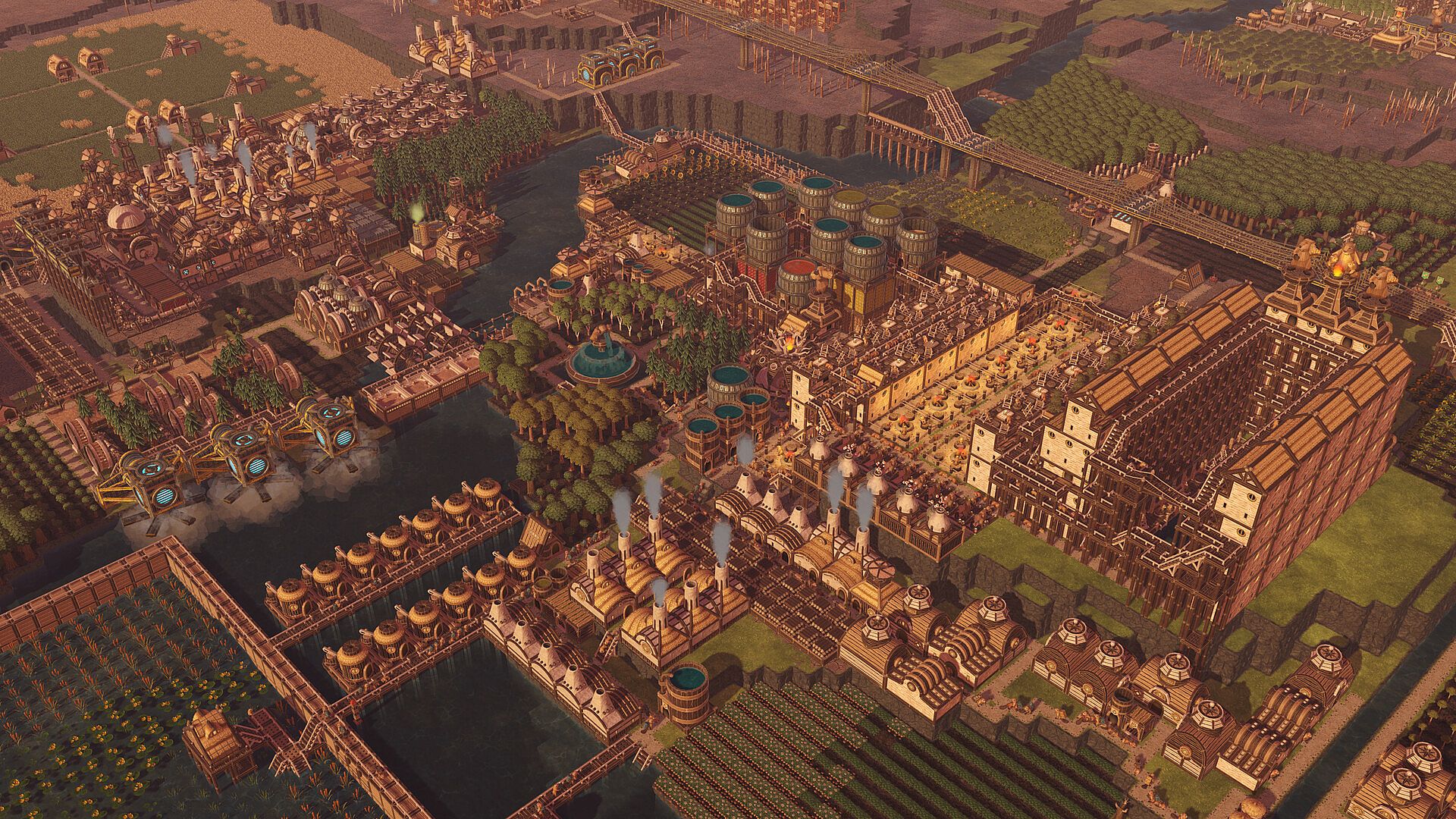
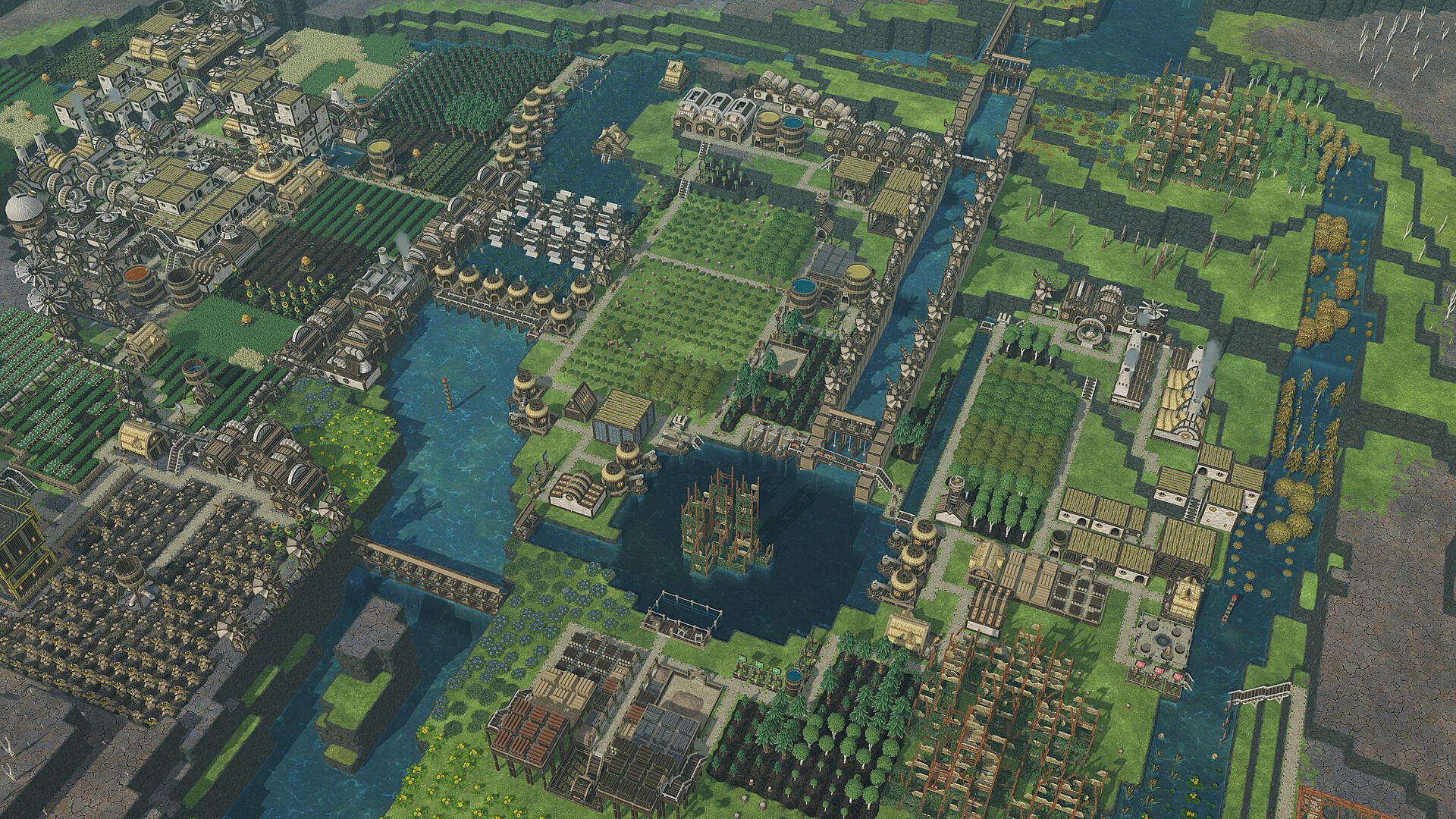
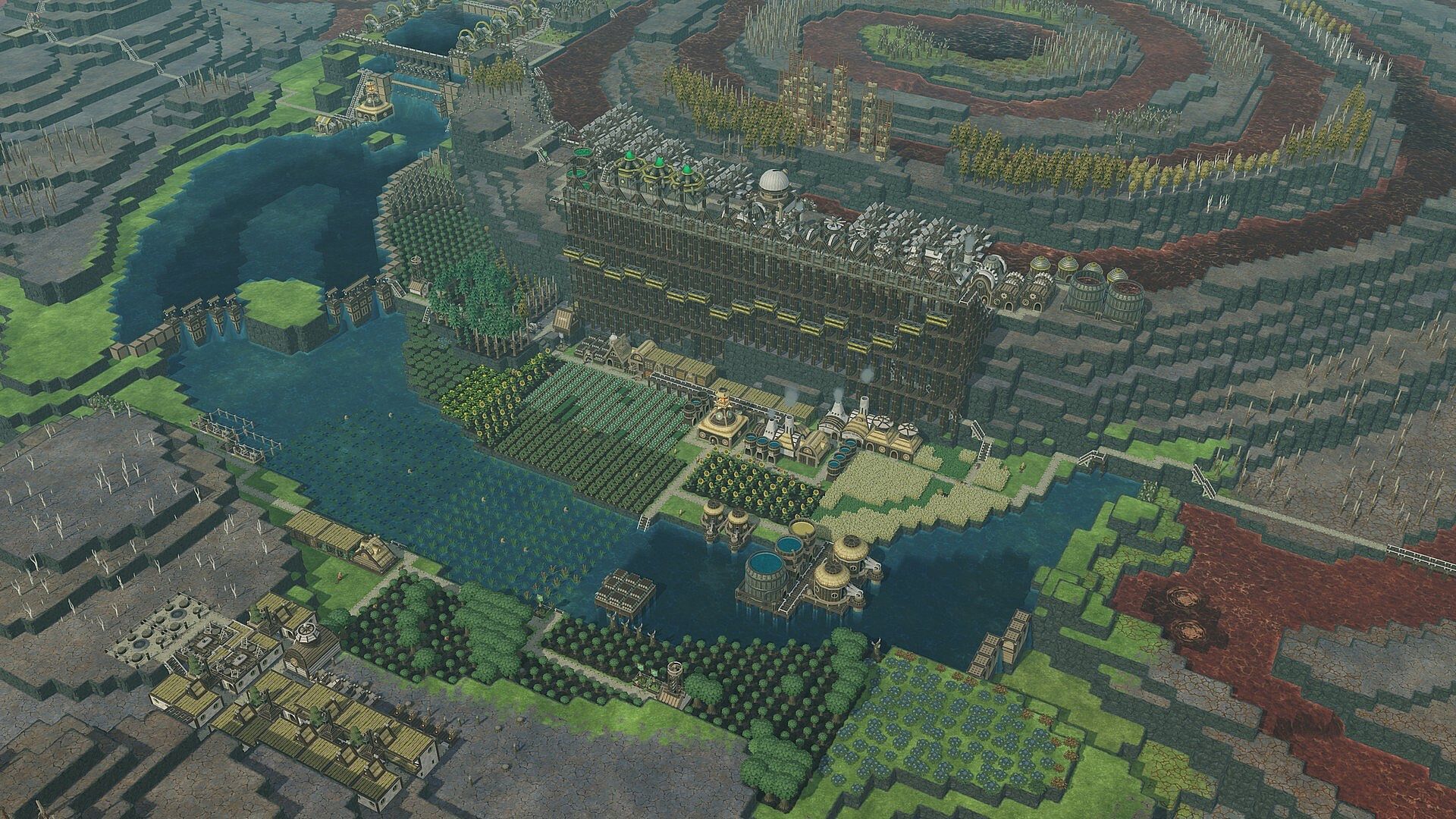
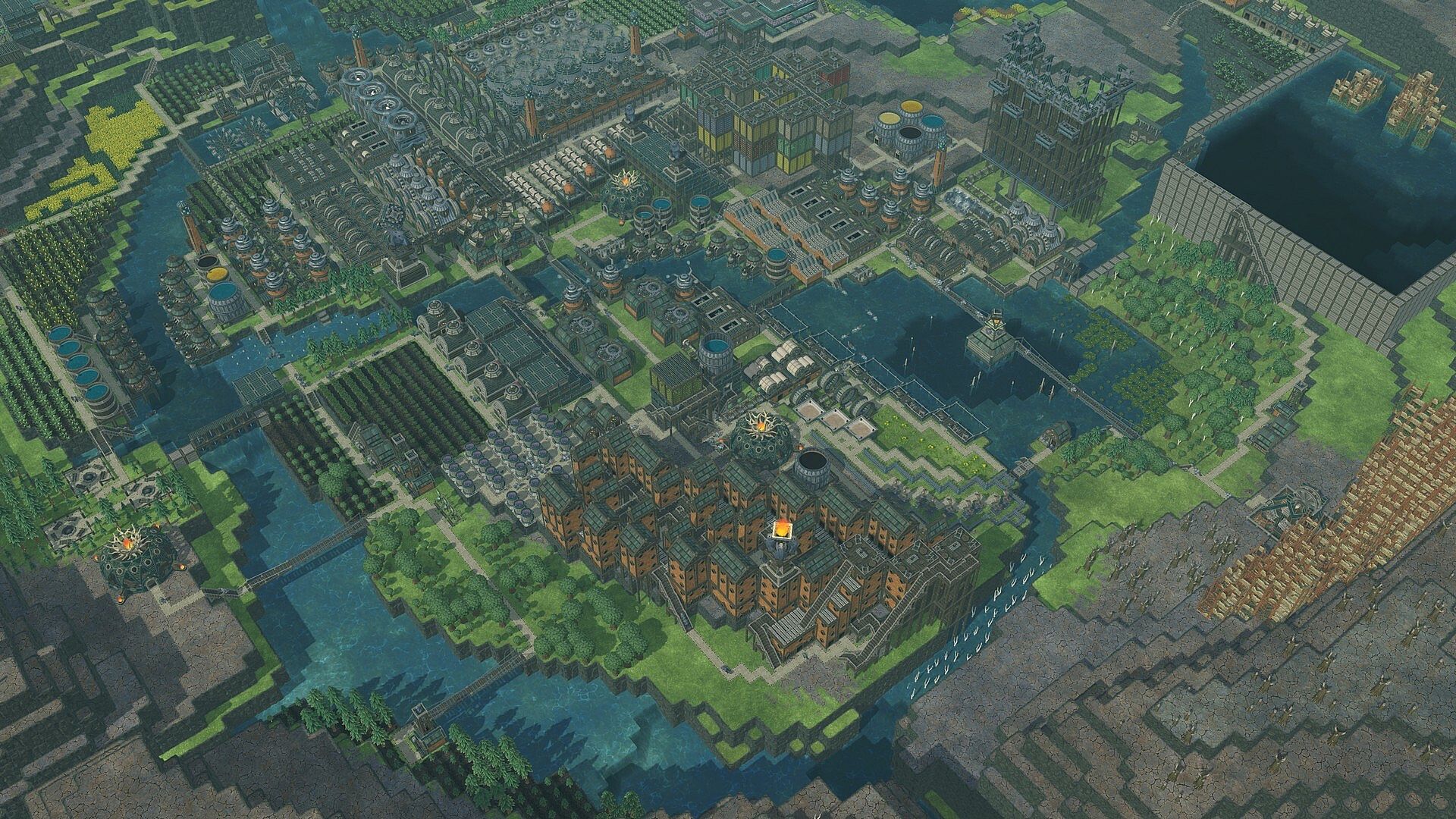
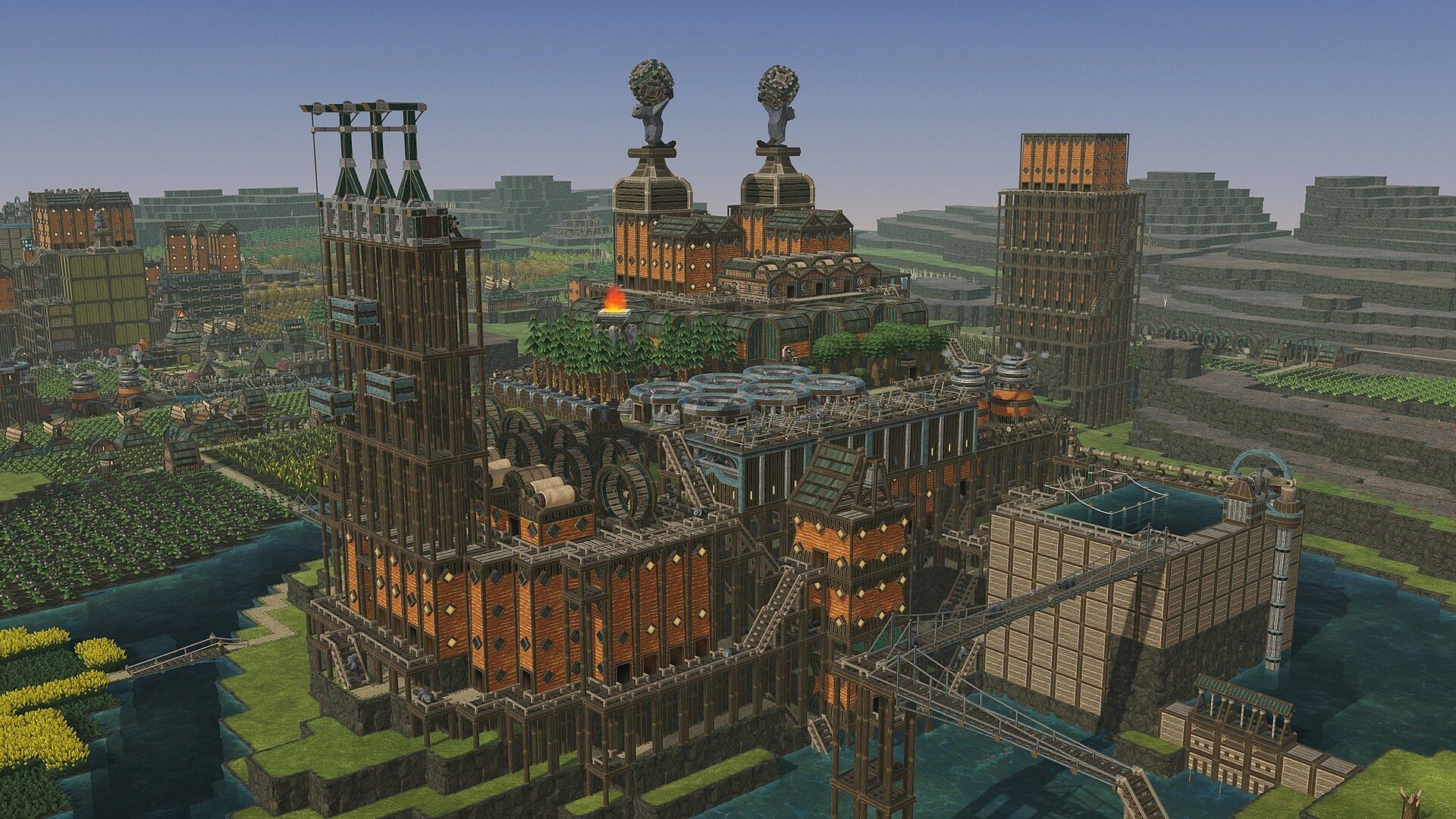
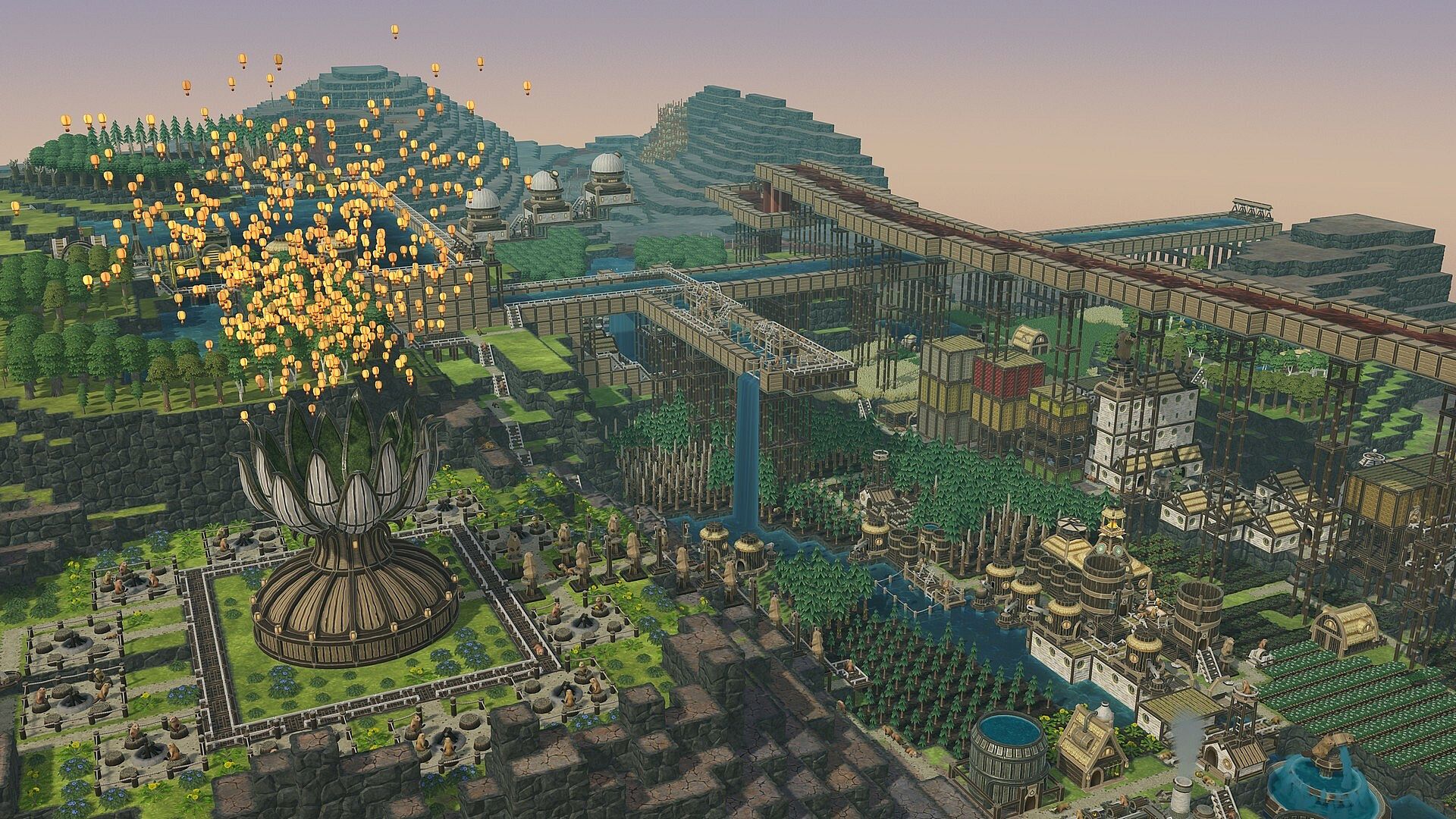
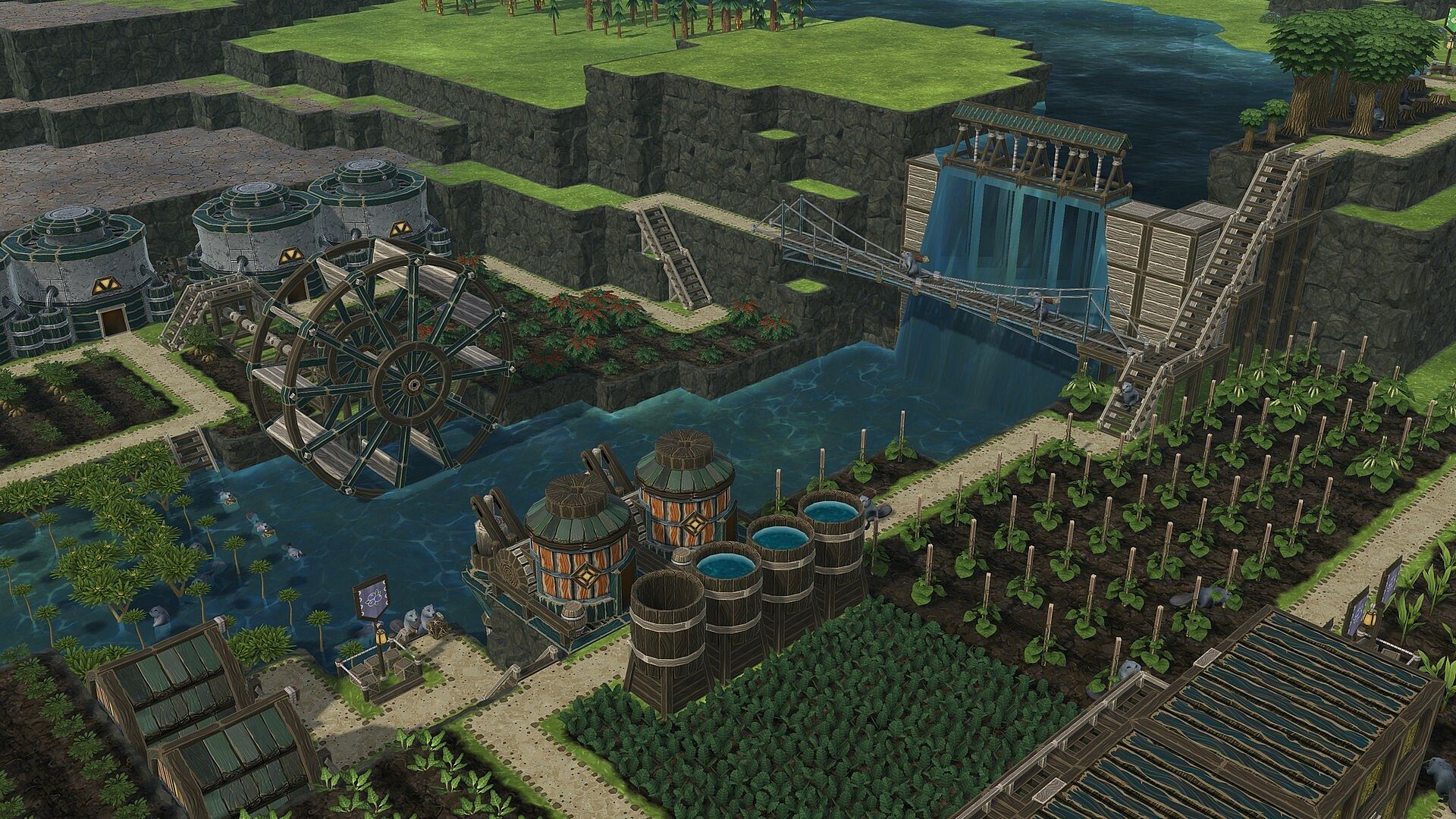
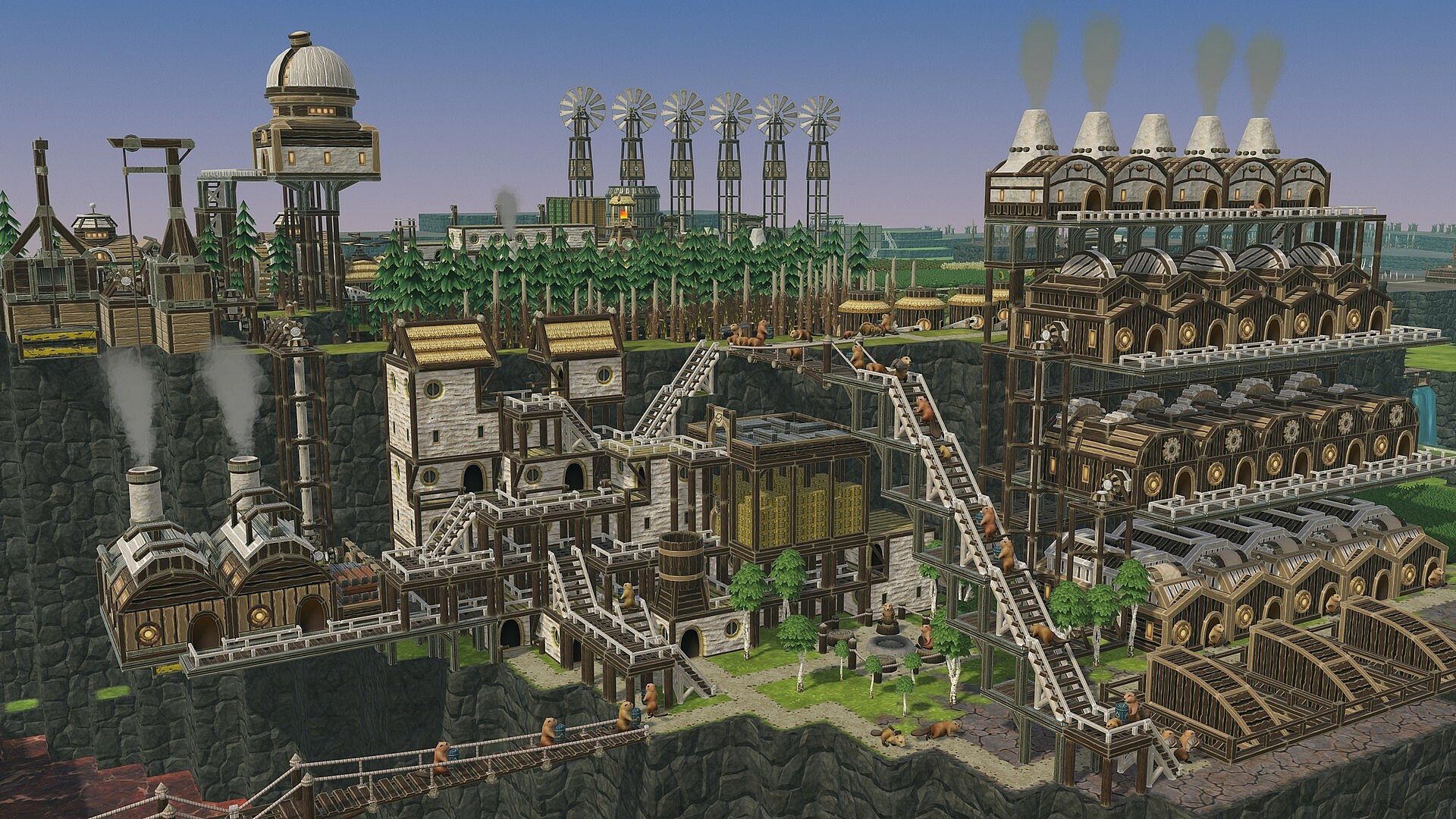
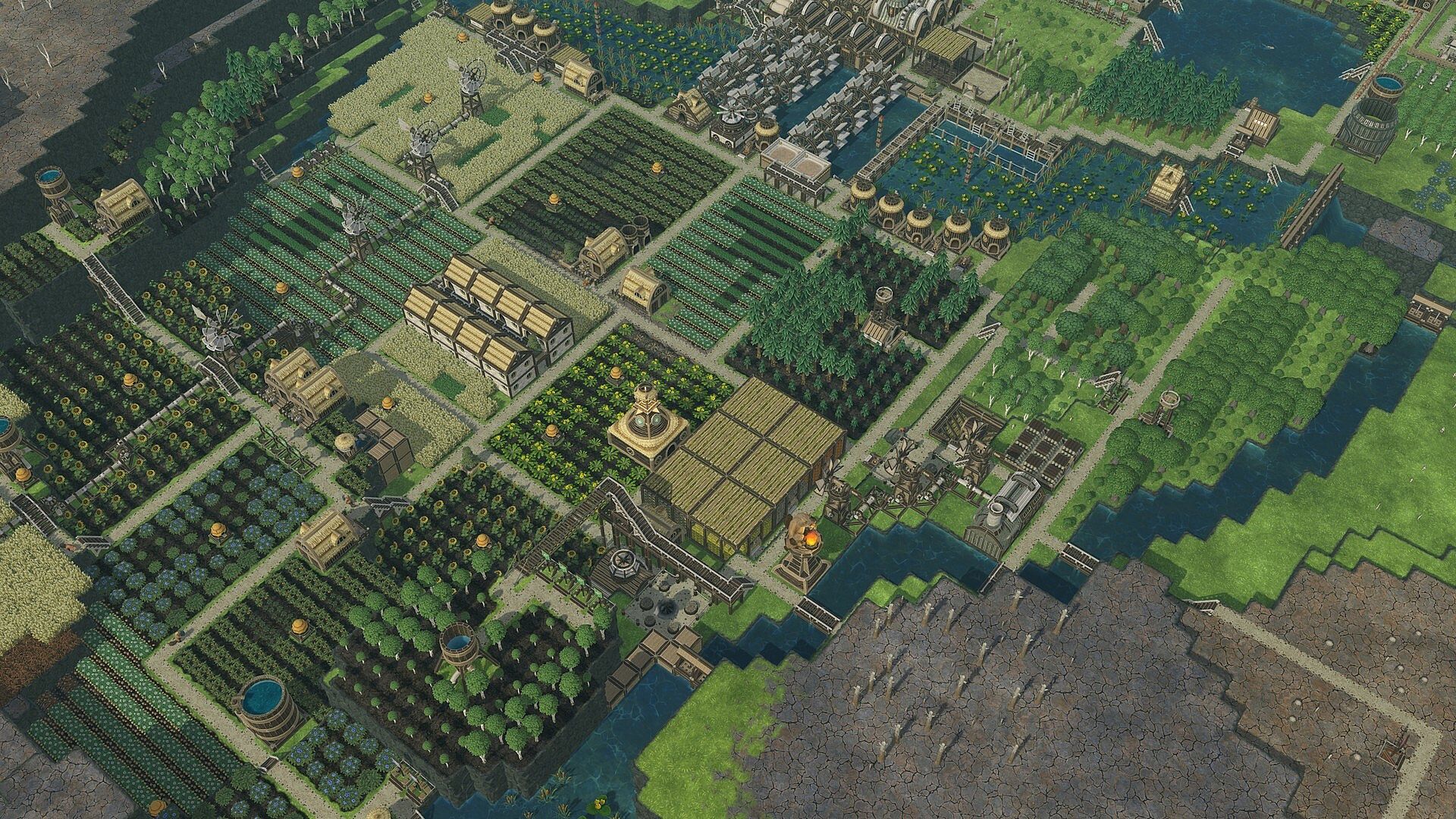
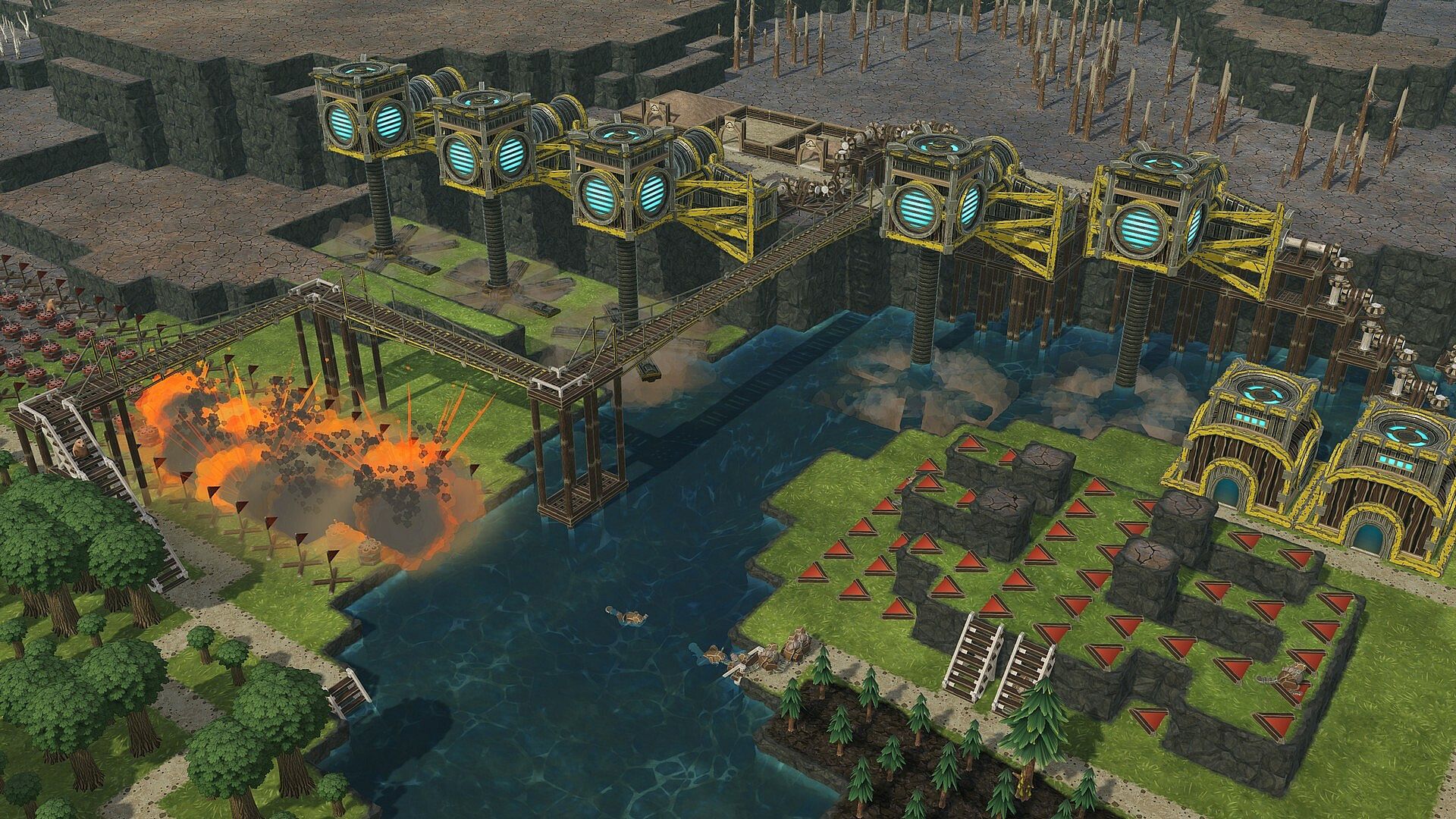
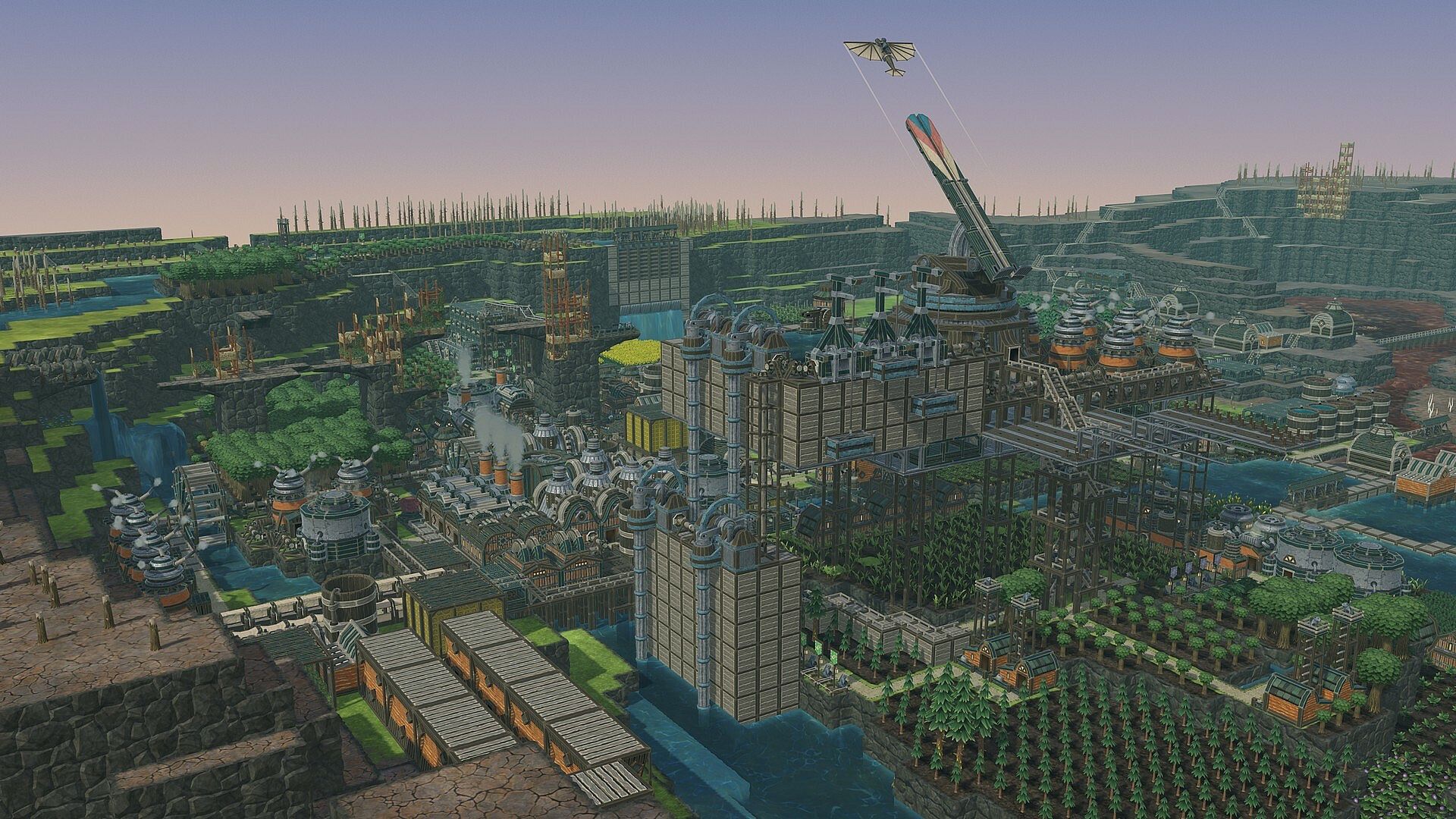
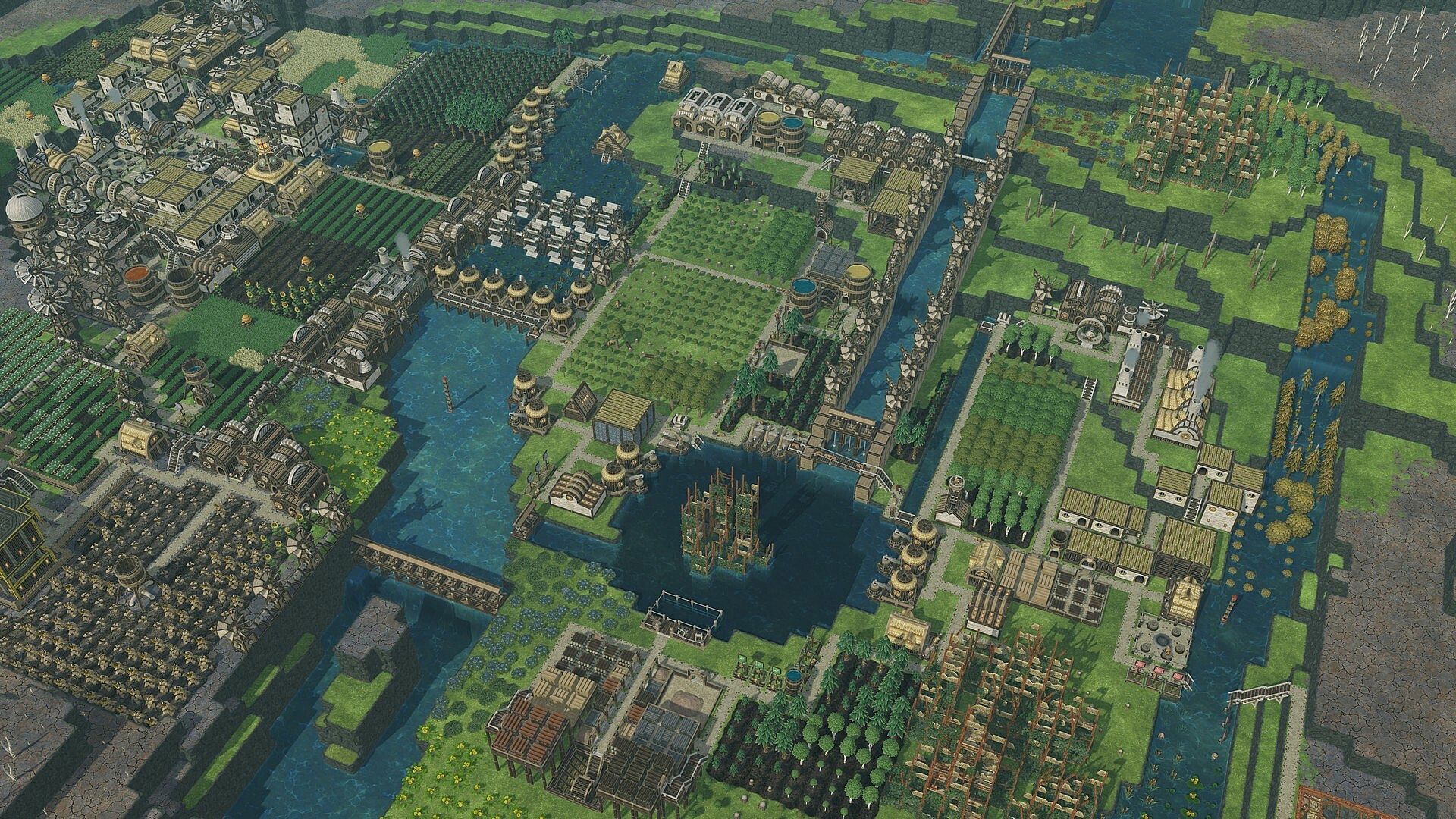
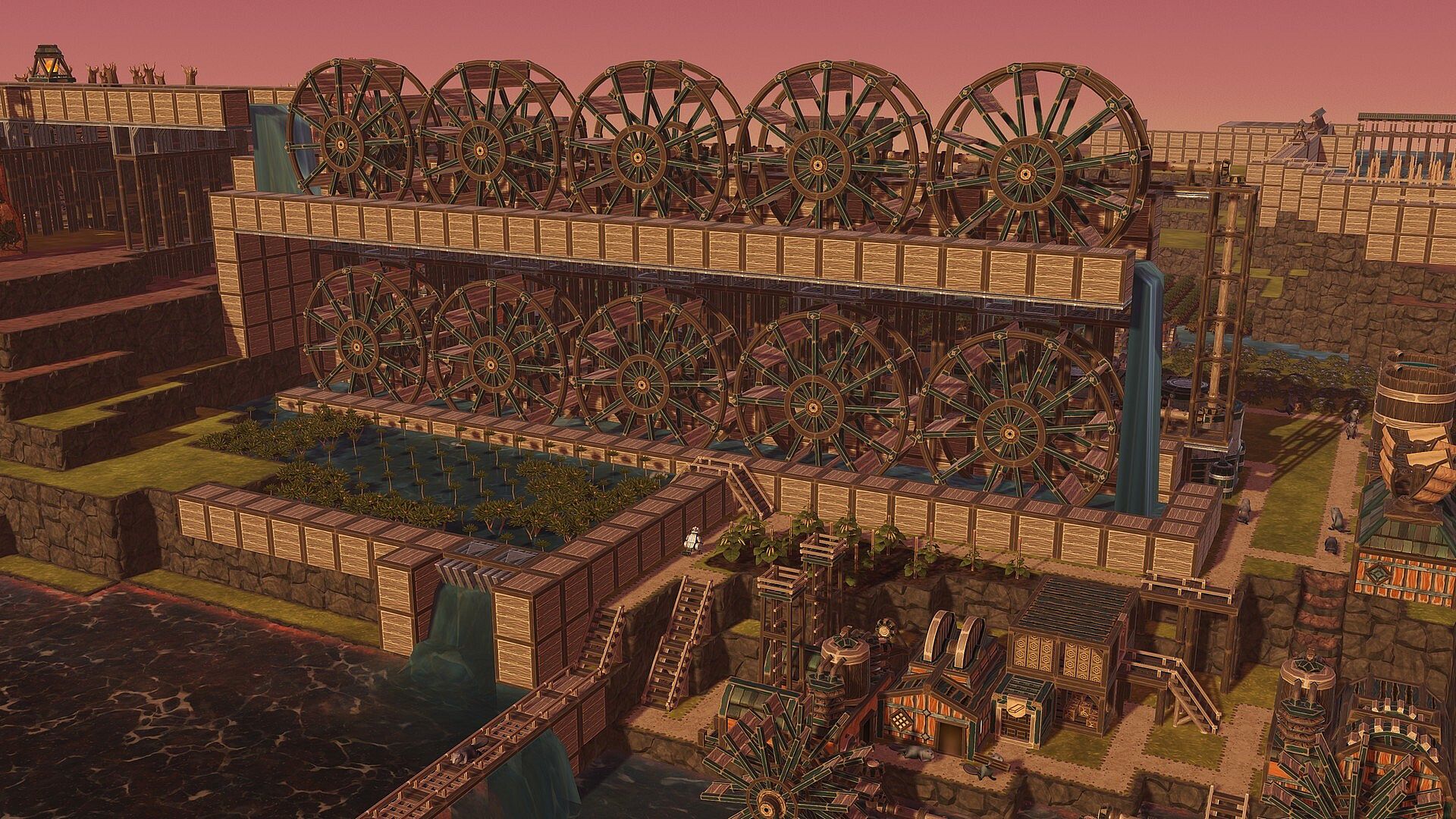
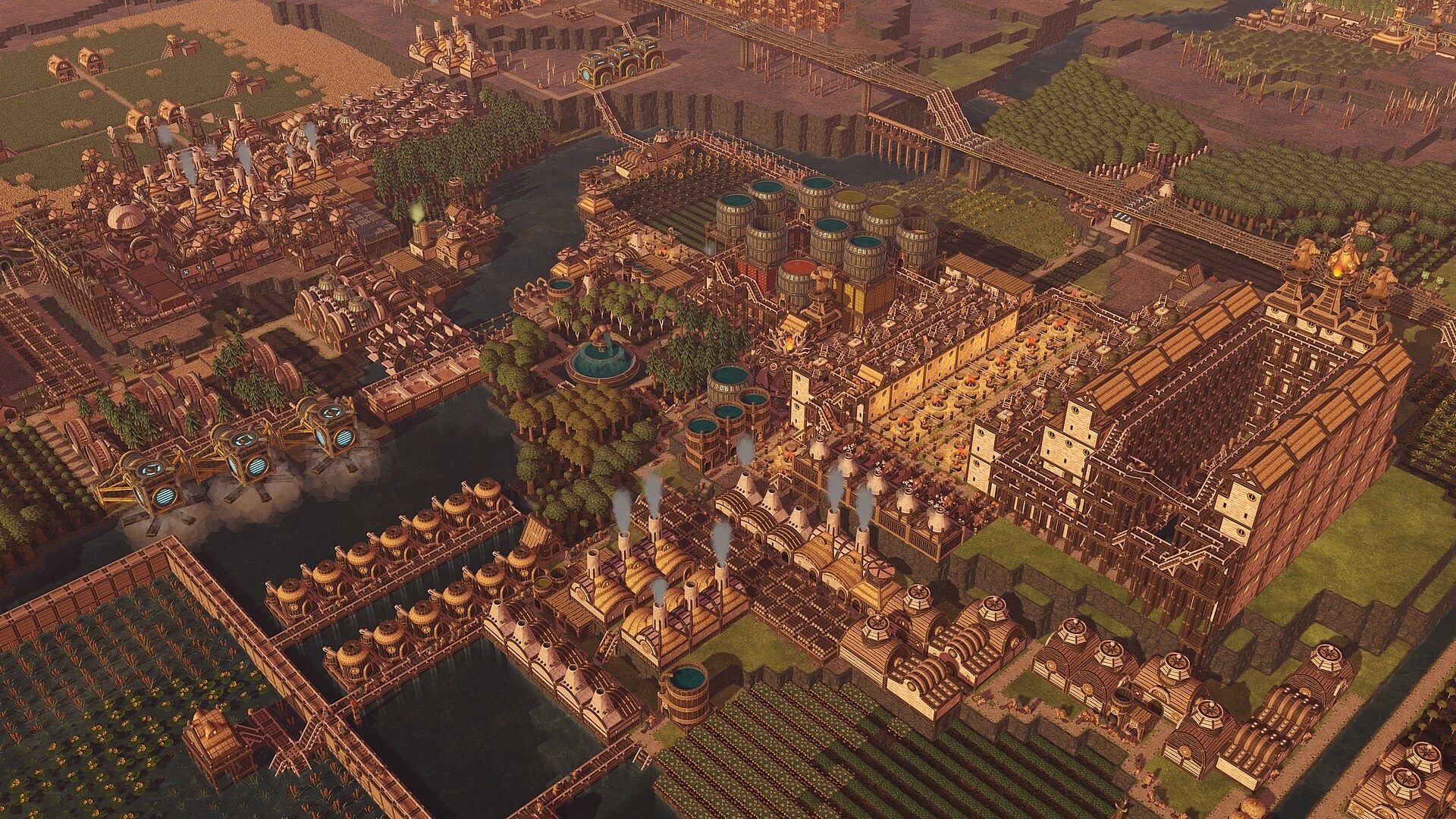
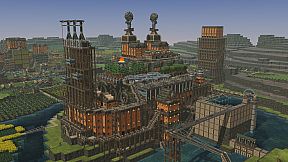
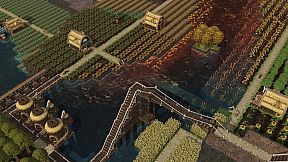
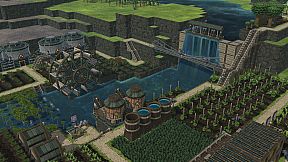
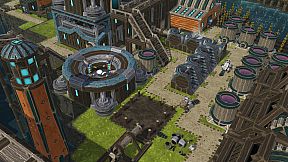
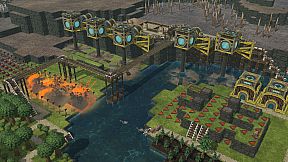
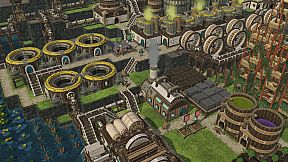
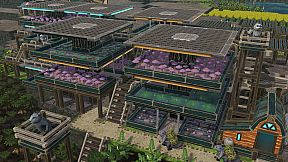
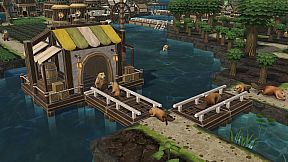
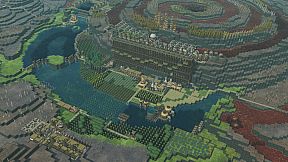
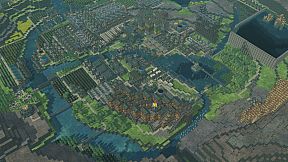
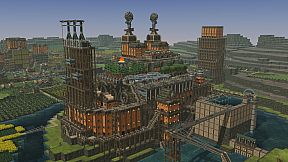
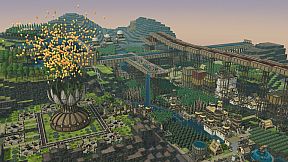
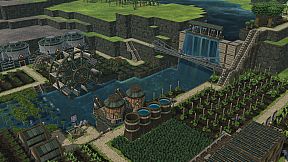
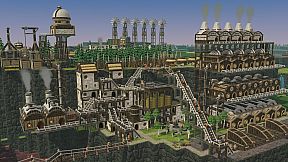
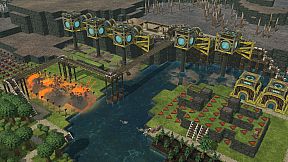
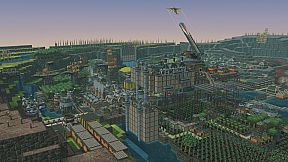
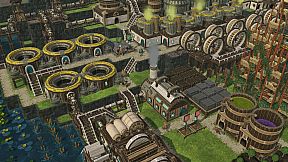
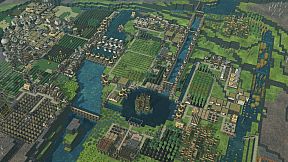
In Timberborn, the core loop revolves around gathering resources, constructing buildings, and adapting to seasonal changes that threaten your colony's survival. Water physics play a central role, letting you build dams, floodgates, and aqueducts to manage rivers and irrigation. Terraforming tools allow digging canals or using explosives for tunnels, reshaping the landscape to secure water during dry periods. Vertical architecture encourages stacking homes and factories, connected by platforms, bridges, ziplines, and tubeways for efficient movement.
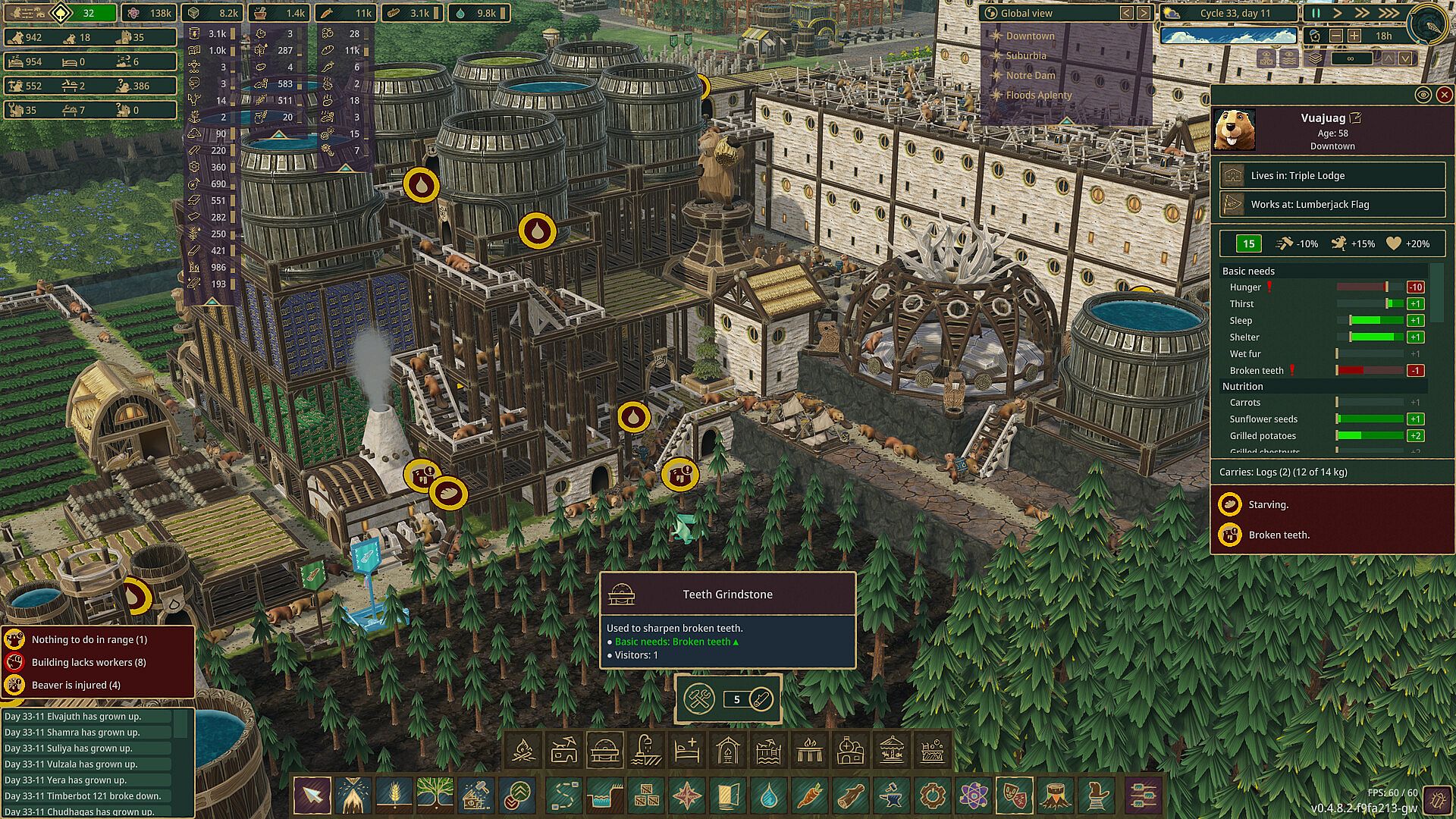
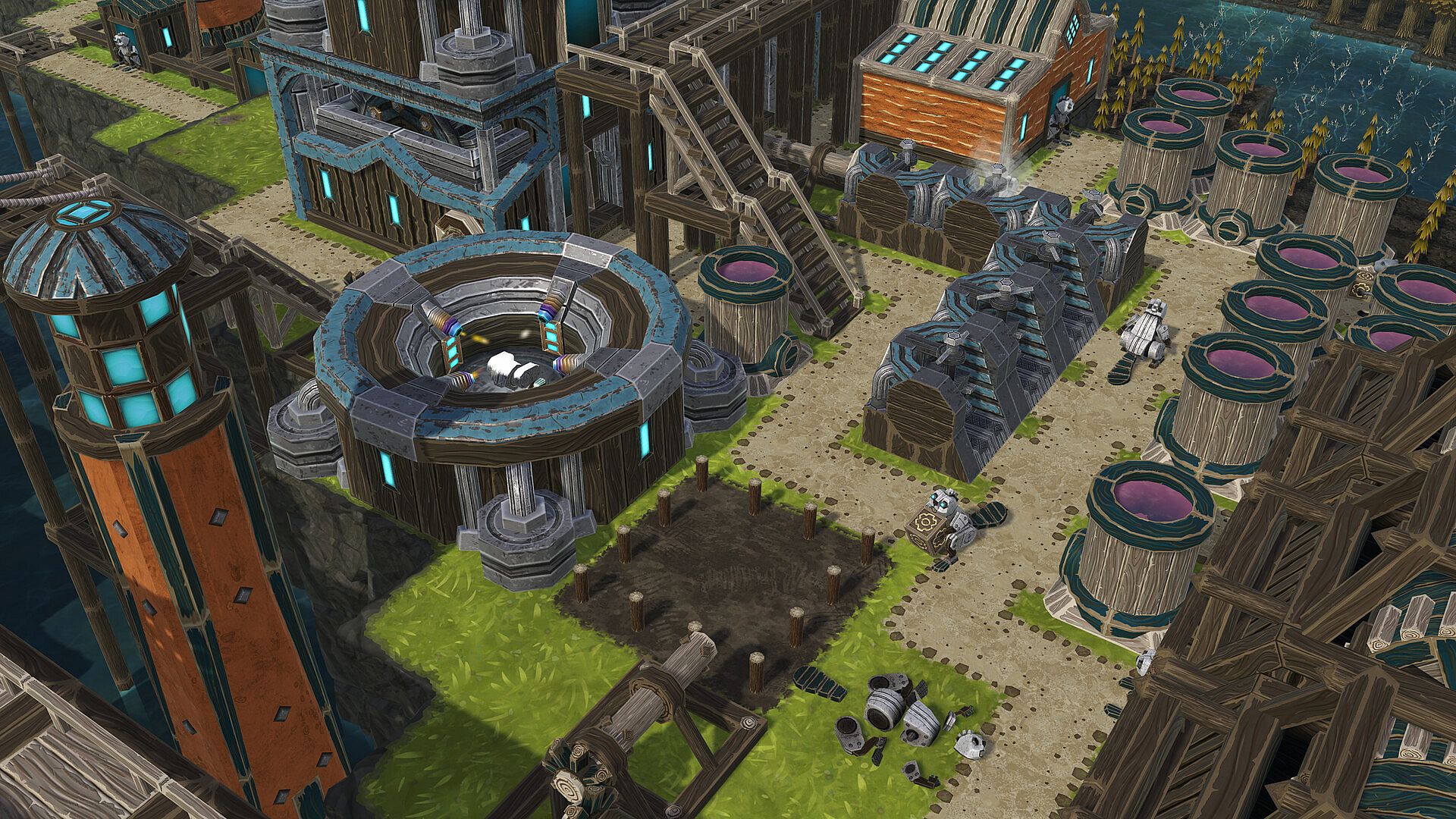
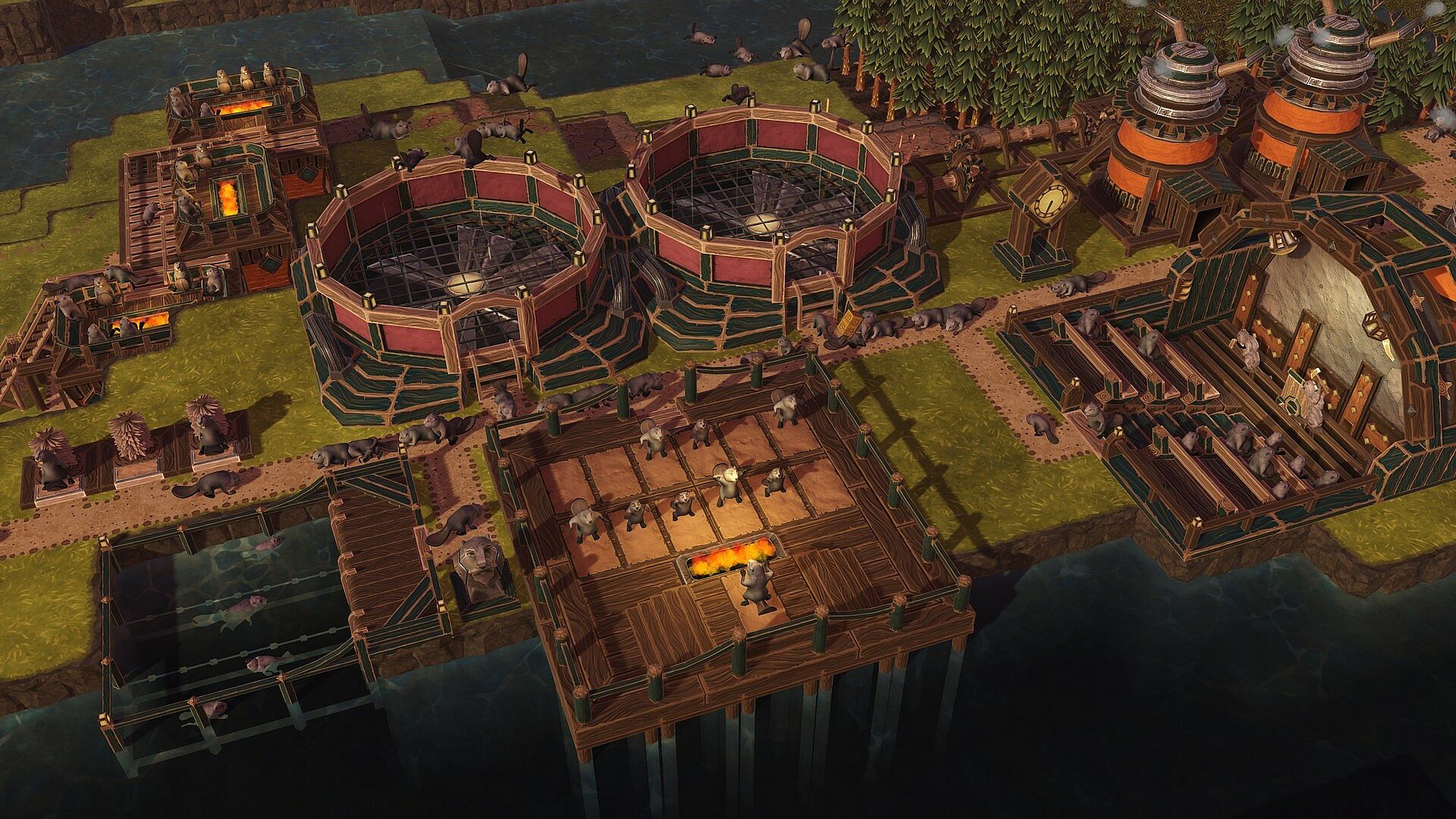
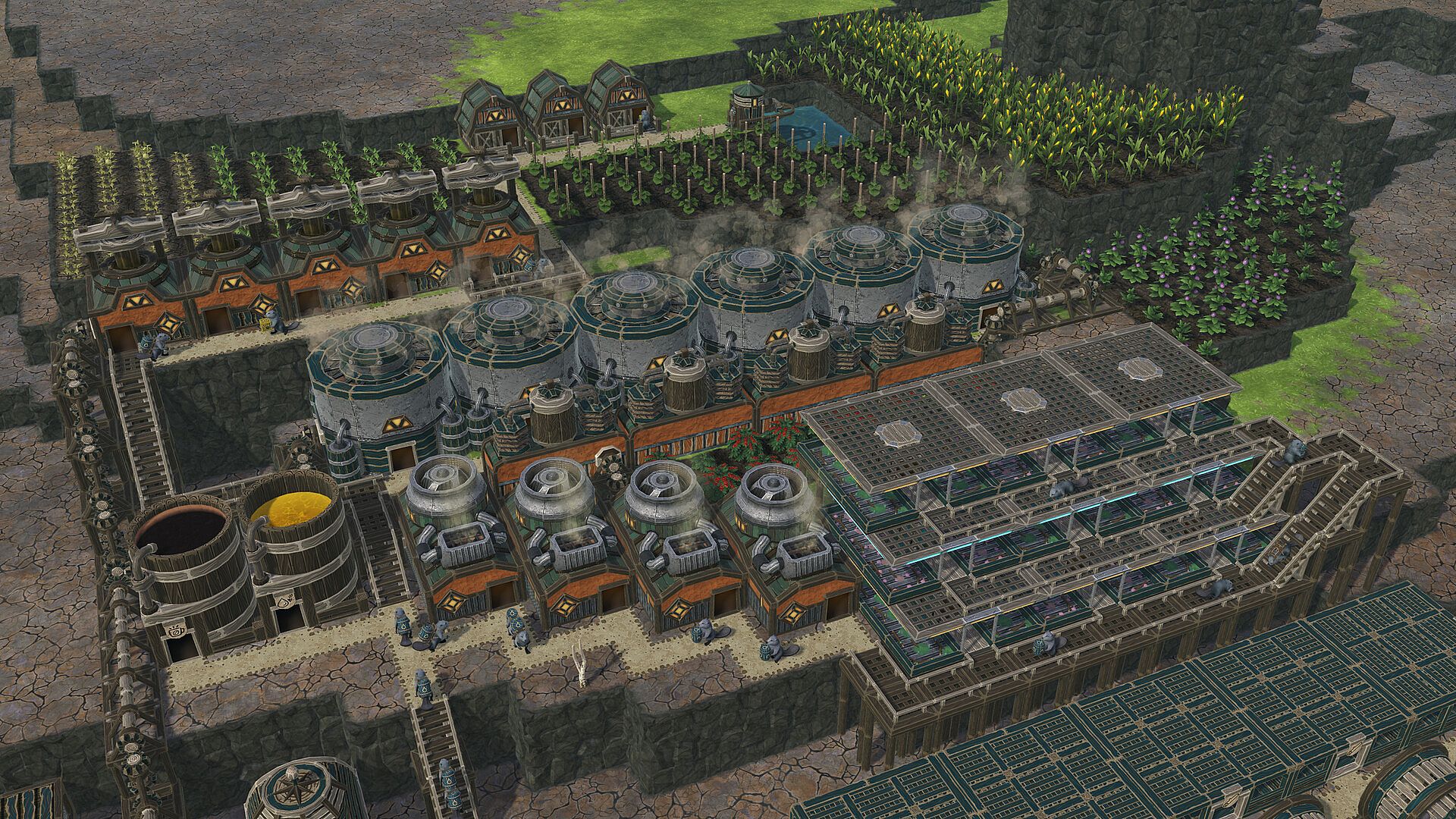
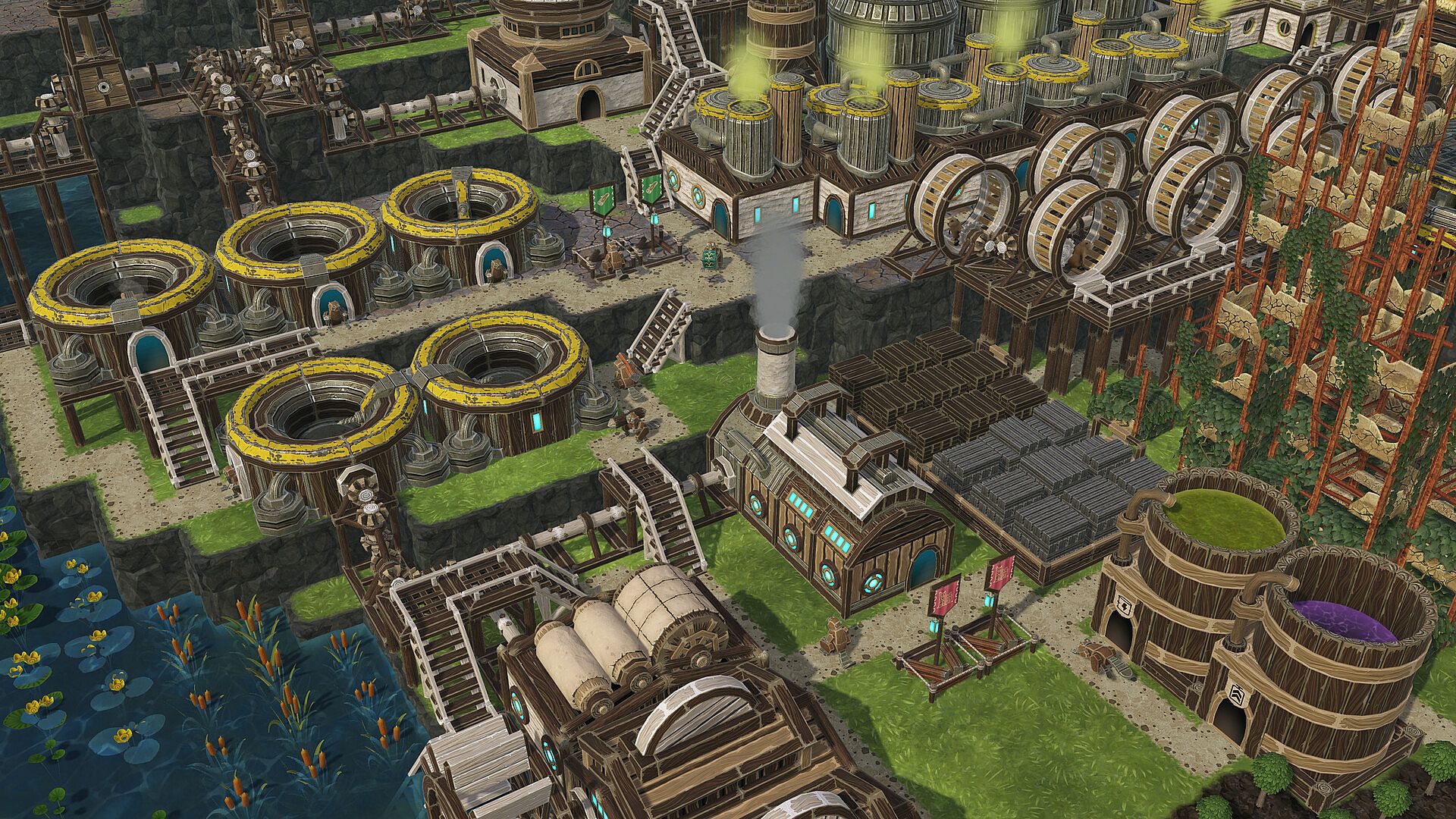
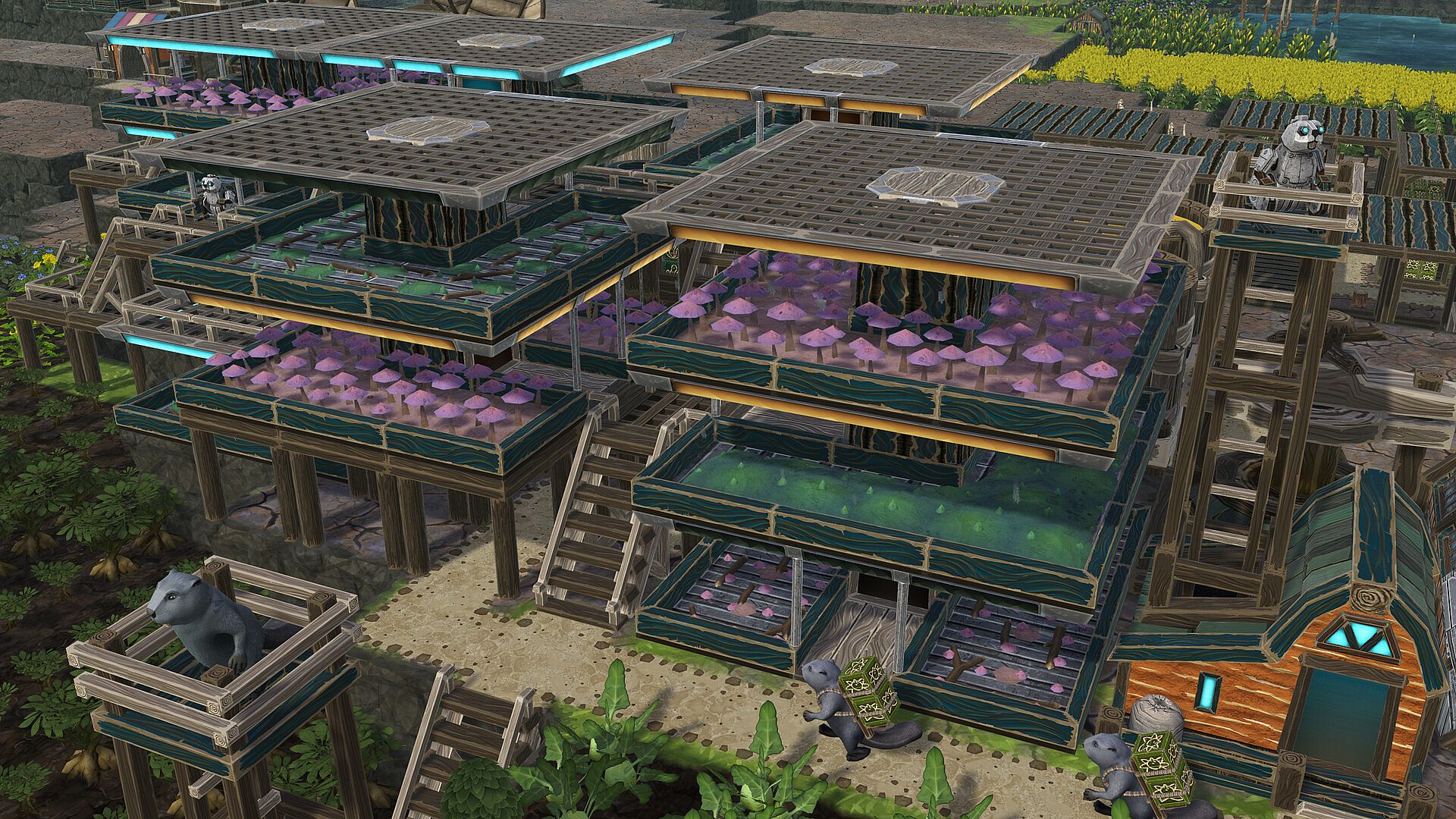
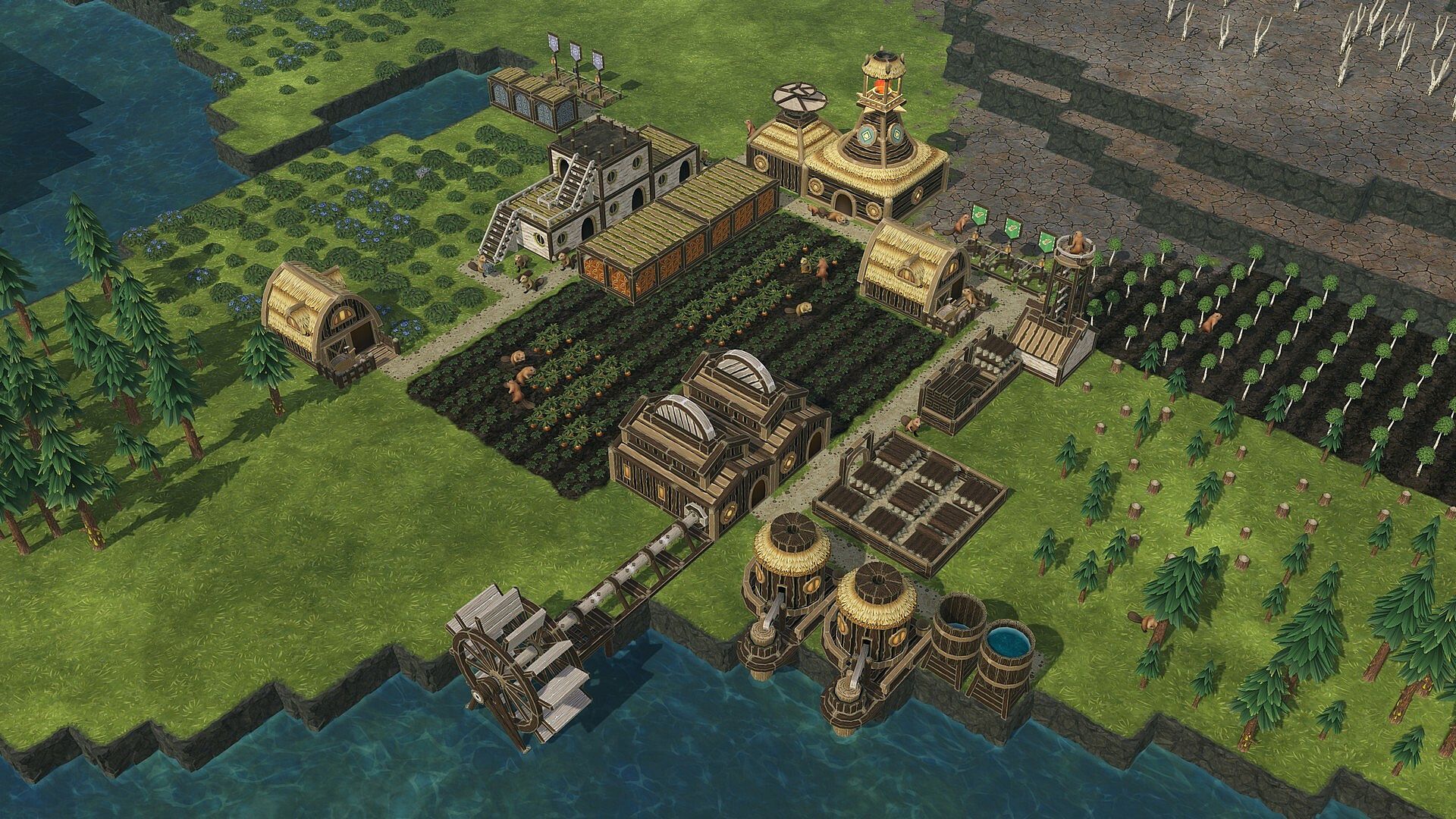
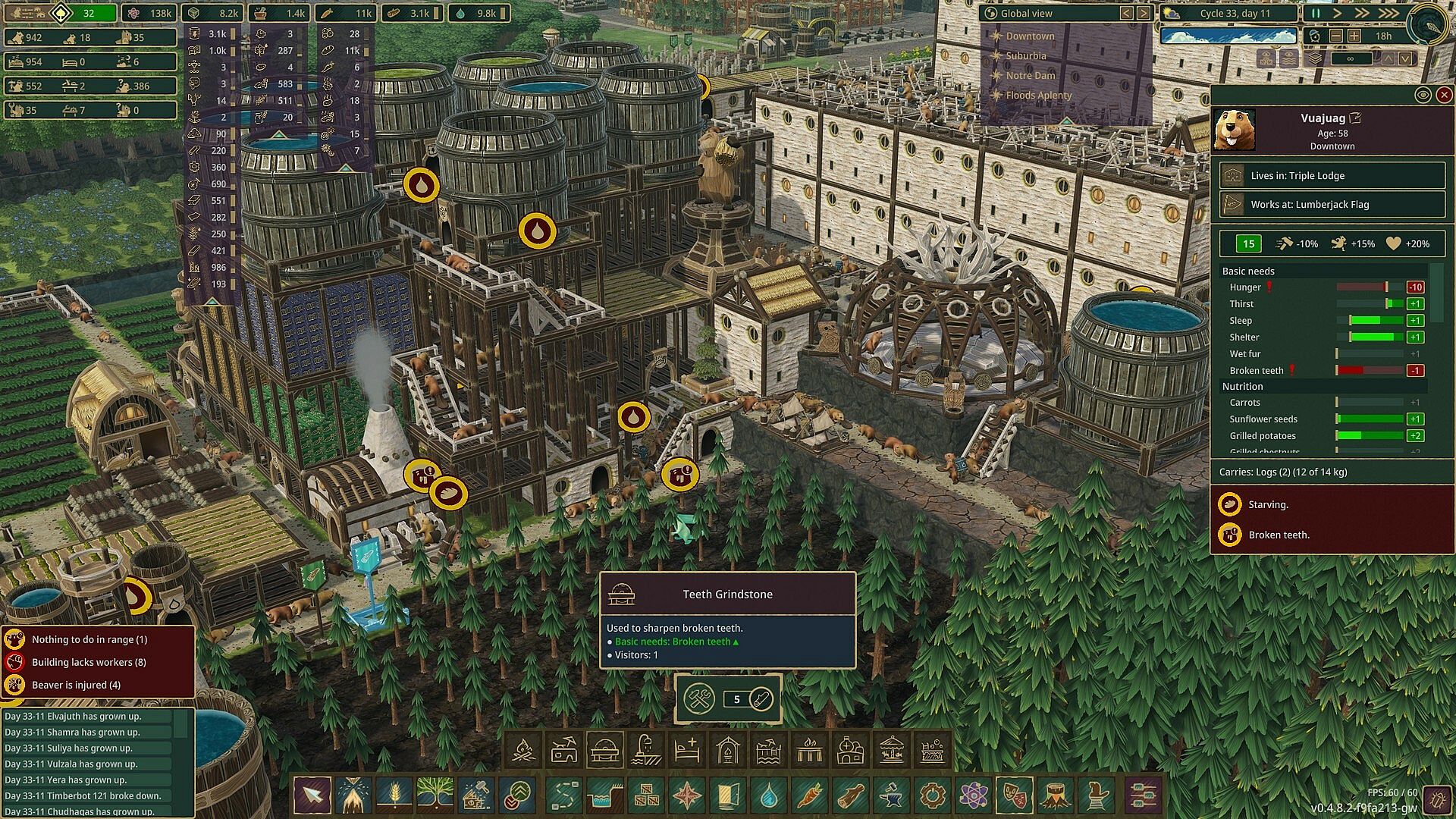
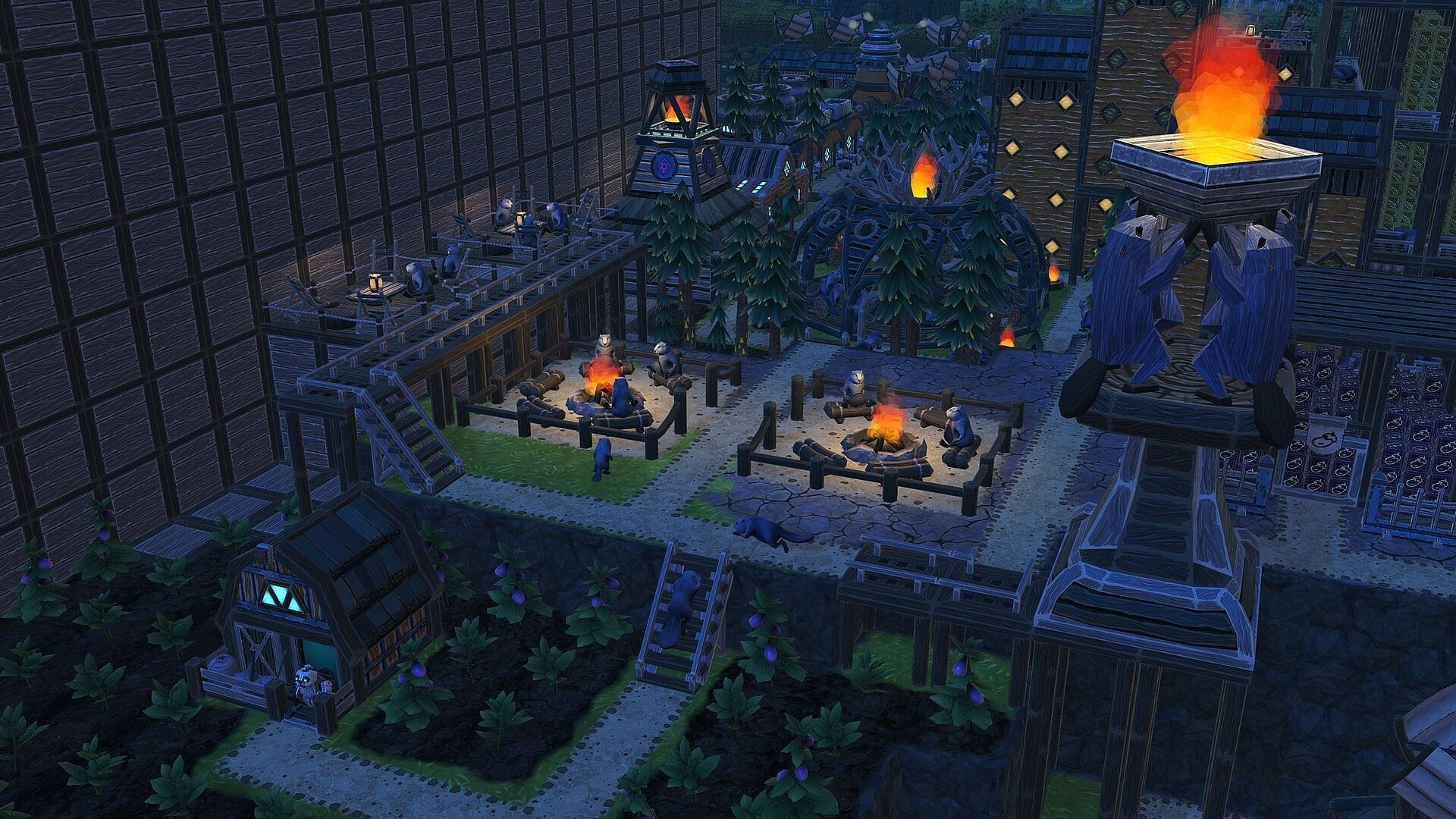
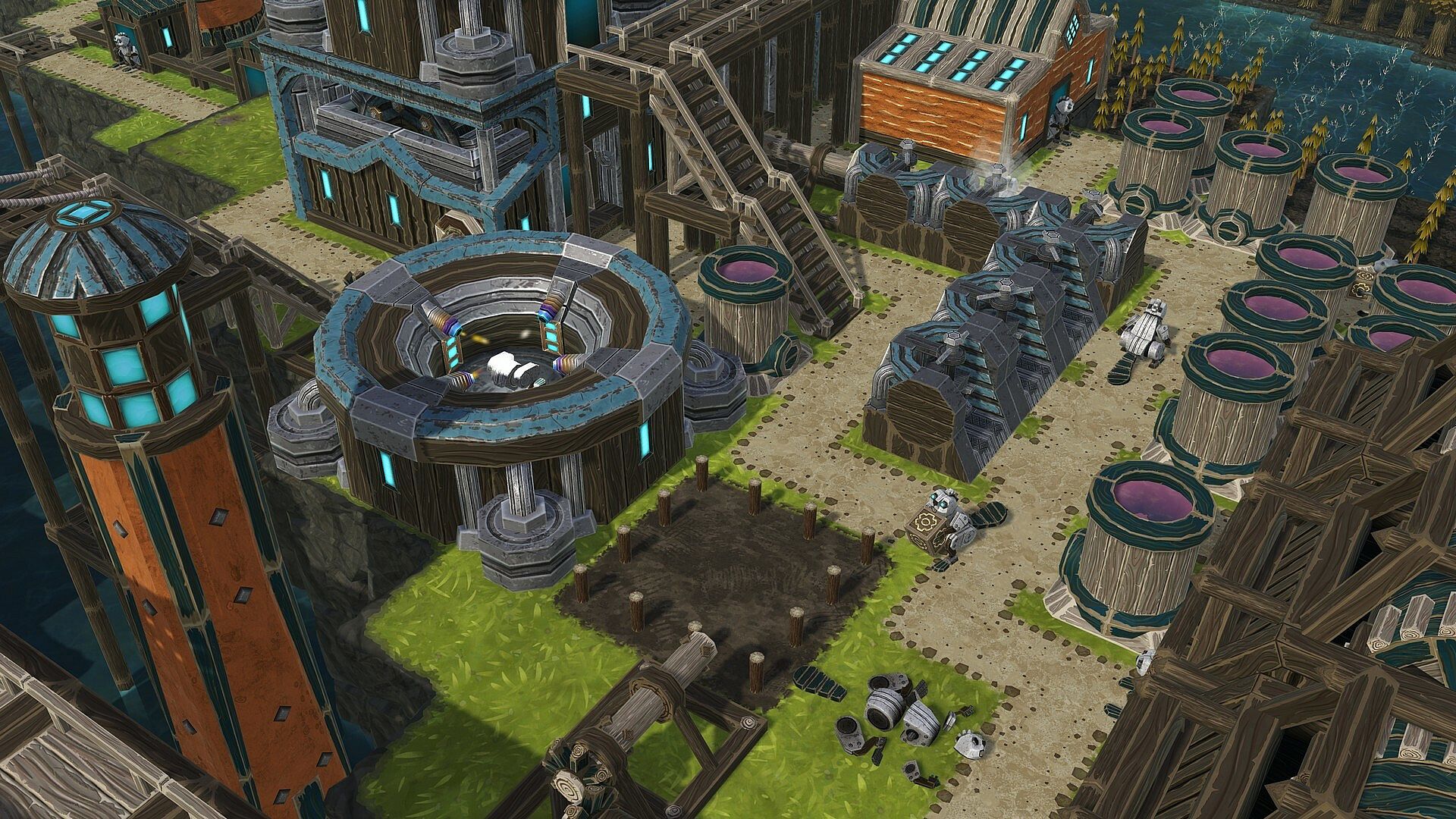
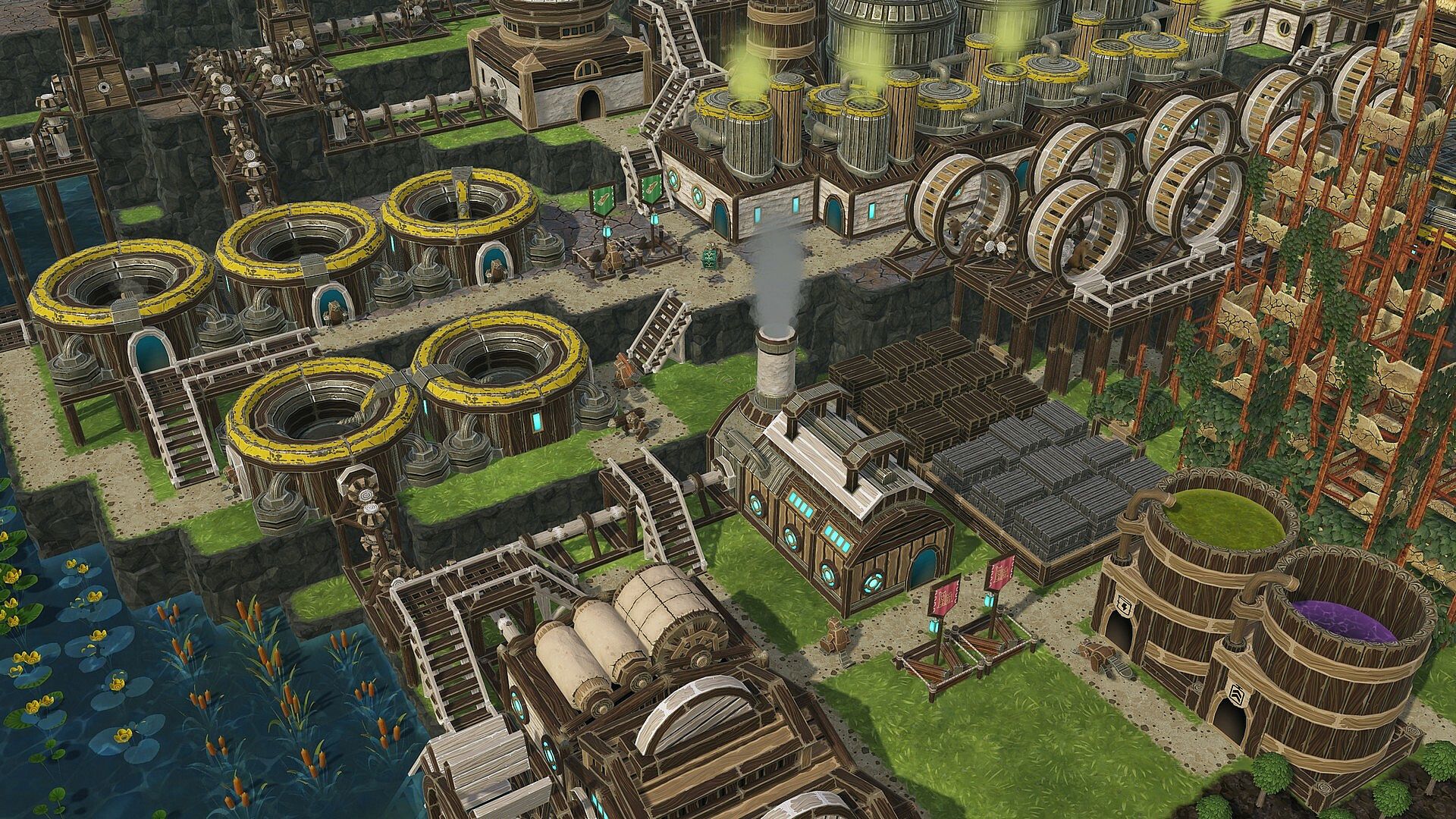
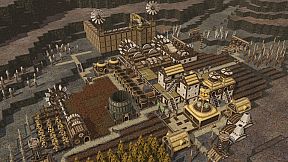
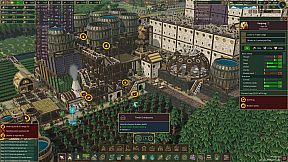
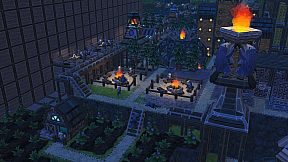
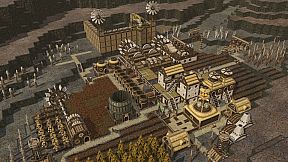
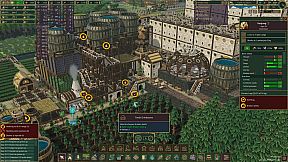
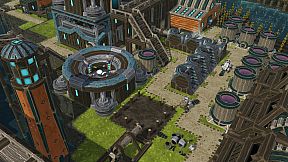
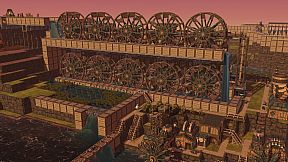
Resource management emphasizes wood as the primary material, transformed into machinery like water wheels and pumps through lumberpunk tech. Scavenge metal from ancient ruins to unlock advanced structures. Automation features include sensors, relays, and counters for self-regulating systems, while bots provide tireless workers that operate around the clock, even in dangerous zones. Well-being mechanics require balancing food, entertainment, and decorations to keep beavers productive and happy, with monuments offering long-term benefits like environmental restoration.
Game Modes
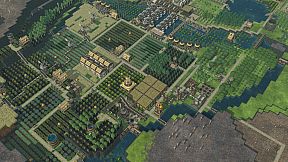
Timberborn is a single-player experience centered on sandbox gameplay, where you start with a map and build your colony without predefined objectives beyond survival. There are no multiplayer options or competitive modes; instead, the focus is on creative freedom. The built-in map editor lets you design custom landscapes and share them via community tools, enhancing replayability.
Workshop support integrates mods that add quality-of-life improvements or new content, such as expanded building options. Play sessions involve managing recurring wet, dry, and toxic seasons, each demanding specific strategies like stockpiling resources or purifying contaminated areas.
Factions and Mechanics
Choose between two distinct factions: the Folktails, who emphasize harmony with nature through eco-friendly buildings and tech, or the Iron Teeth, geared toward industrial efficiency with robust machinery. Each faction offers unique traits, like specialized production chains or resilience bonuses, influencing your strategy.
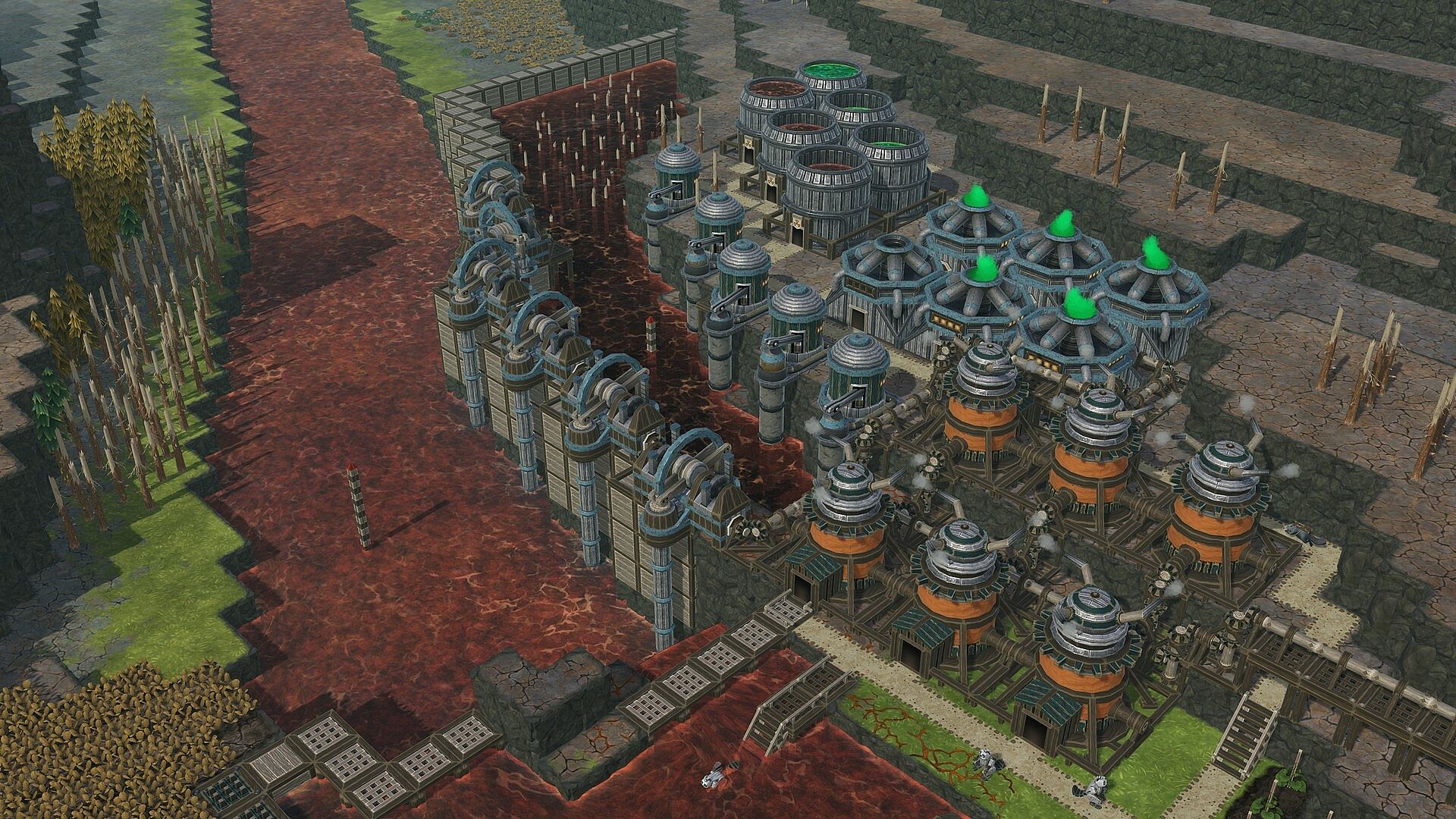
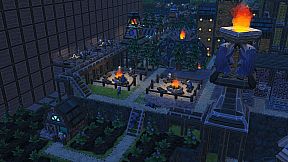
Mechanics like bot maintenance and power grids add depth, requiring careful planning to avoid breakdowns. Toxic seasons introduce pollution challenges, forcing you to protect fields and water sources. These elements create a layered system where engineering decisions directly impact colony growth and longevity.
Is It Worth Playing?
With overwhelmingly positive Steam reviews at 95% from over 34,000 users and a Metacritic score of 84, Timberborn has strong player reception for its innovative water management and building systems. The recent 1.0 release includes polished features and a final free update, ensuring ongoing support through community mods.
If you enjoy strategy simulations with creative problem-solving, such as optimizing resources in harsh environments, this game delivers satisfying depth. It's particularly appealing for fans of city builders who want engineering puzzles without combat, though it may feel repetitive once core systems are mastered. For those seeking a relaxed yet challenging solo experience, Timberborn stands out as a solid choice in the genre.














