






























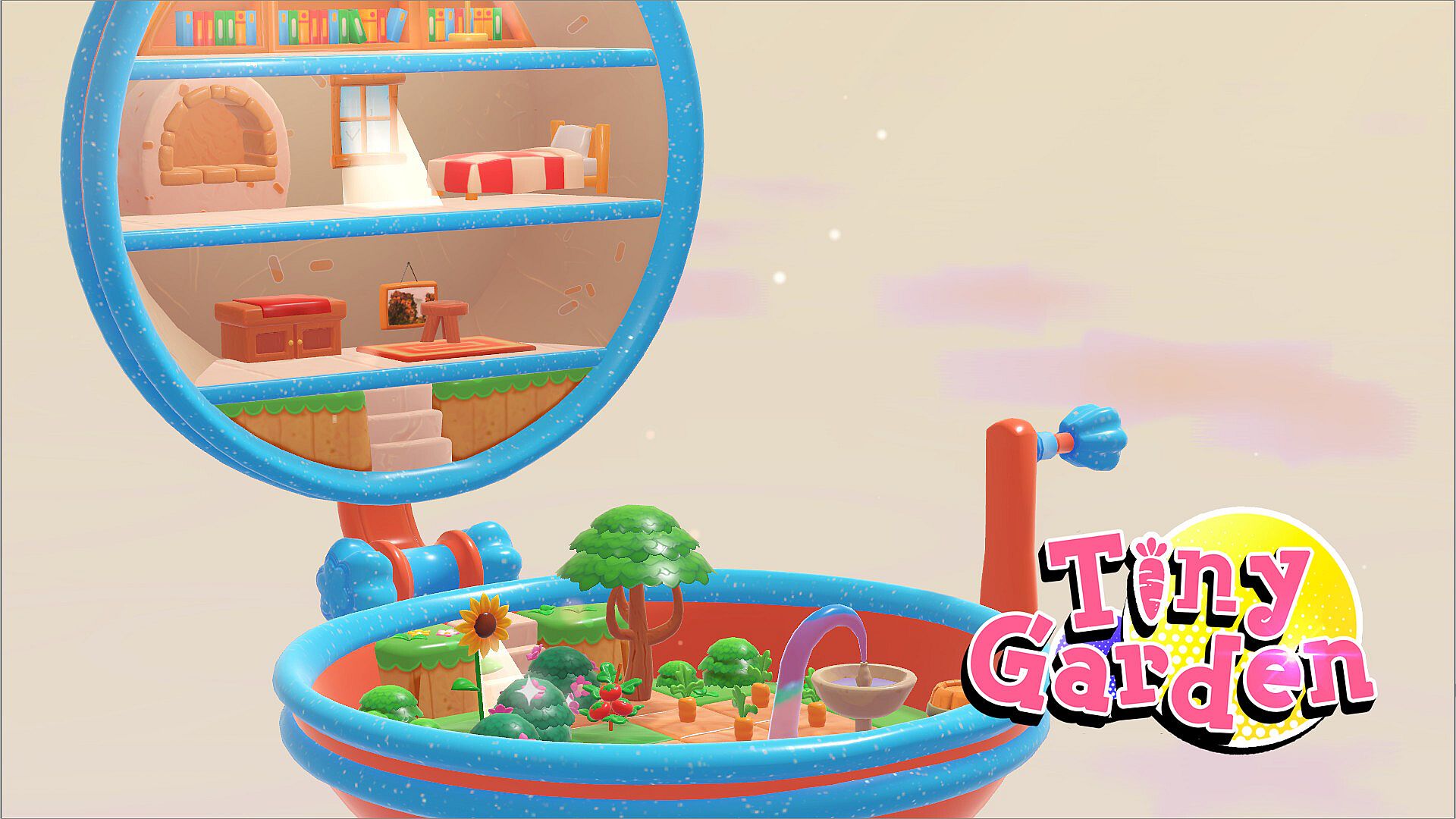
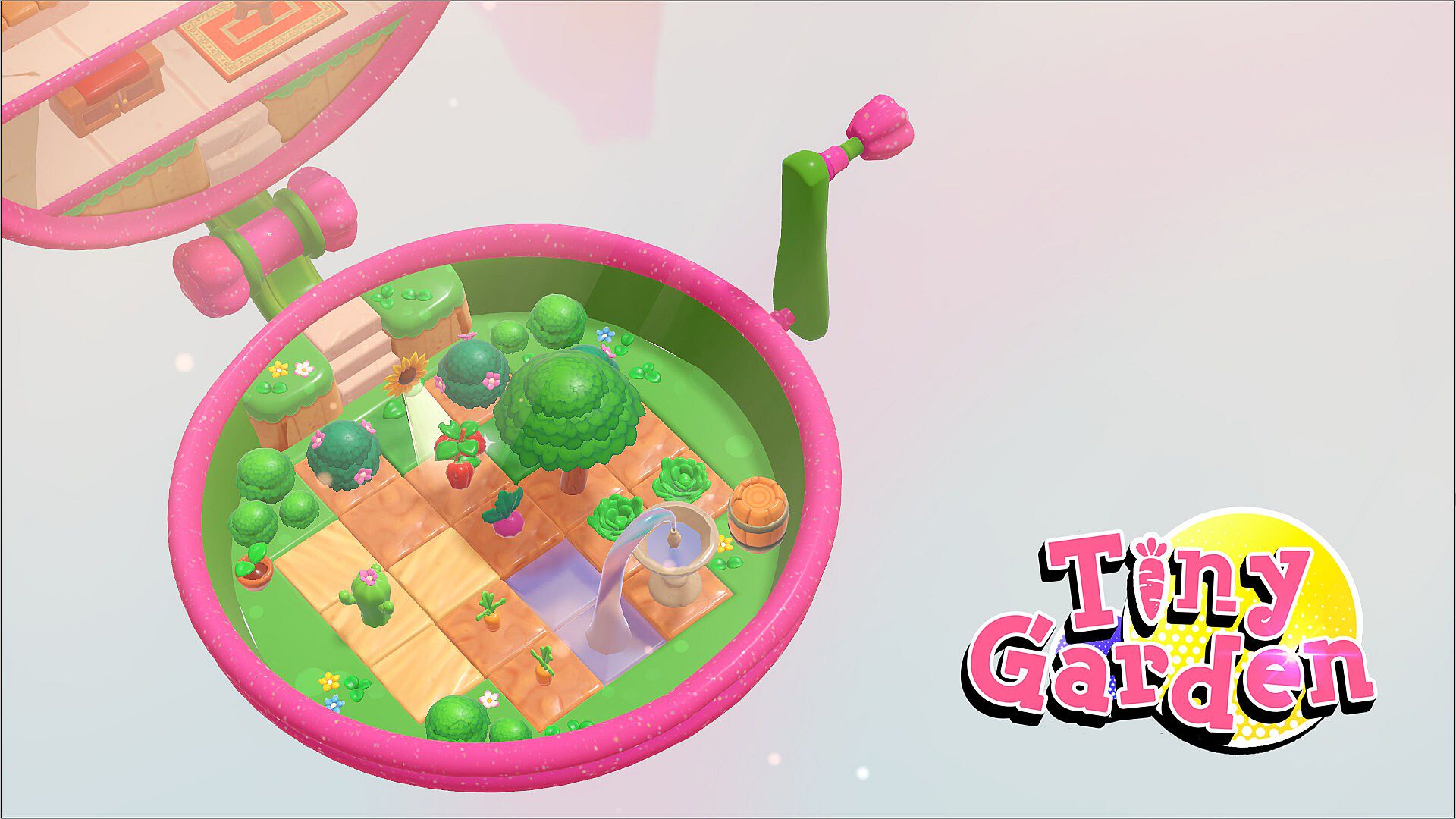
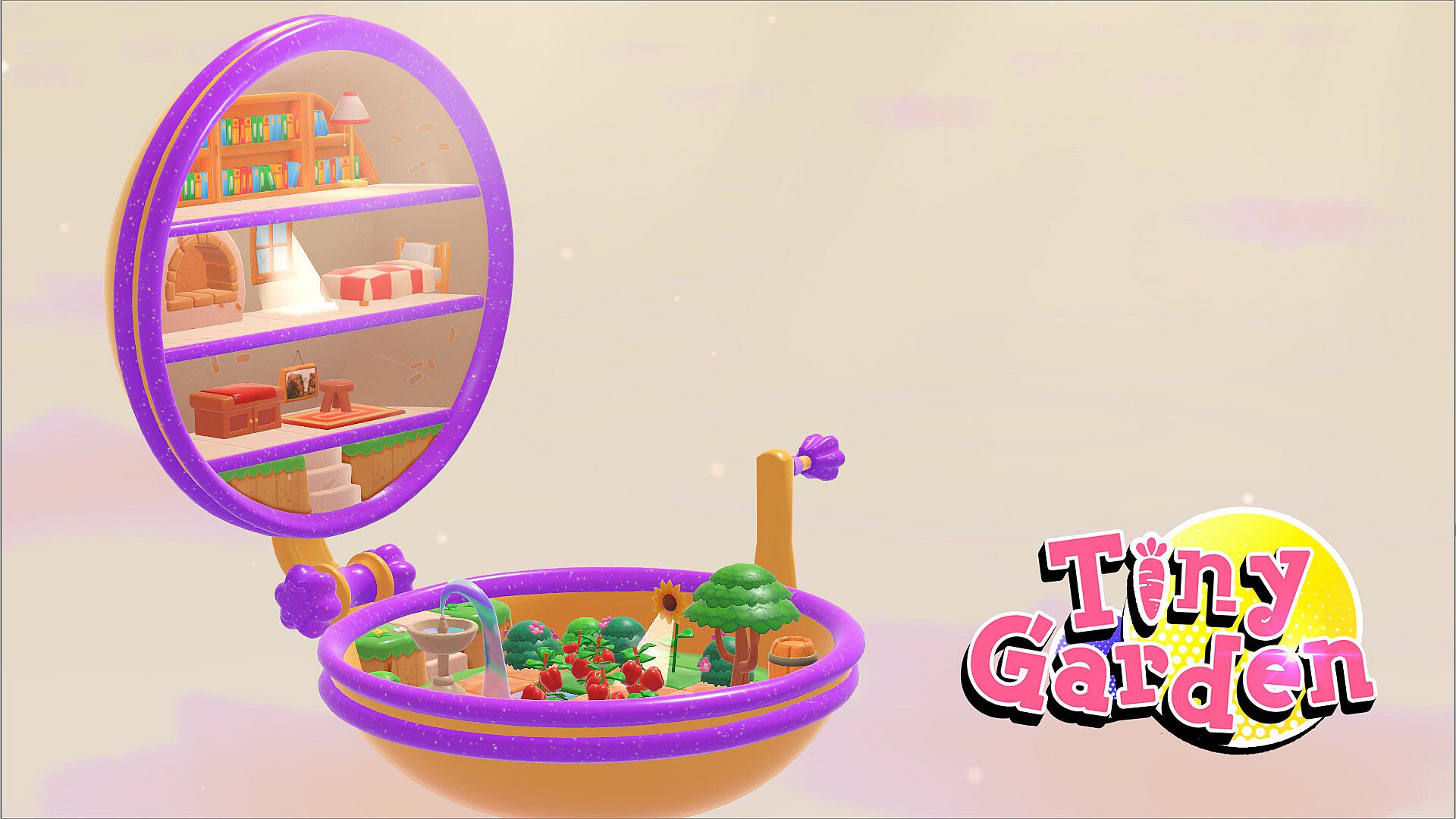
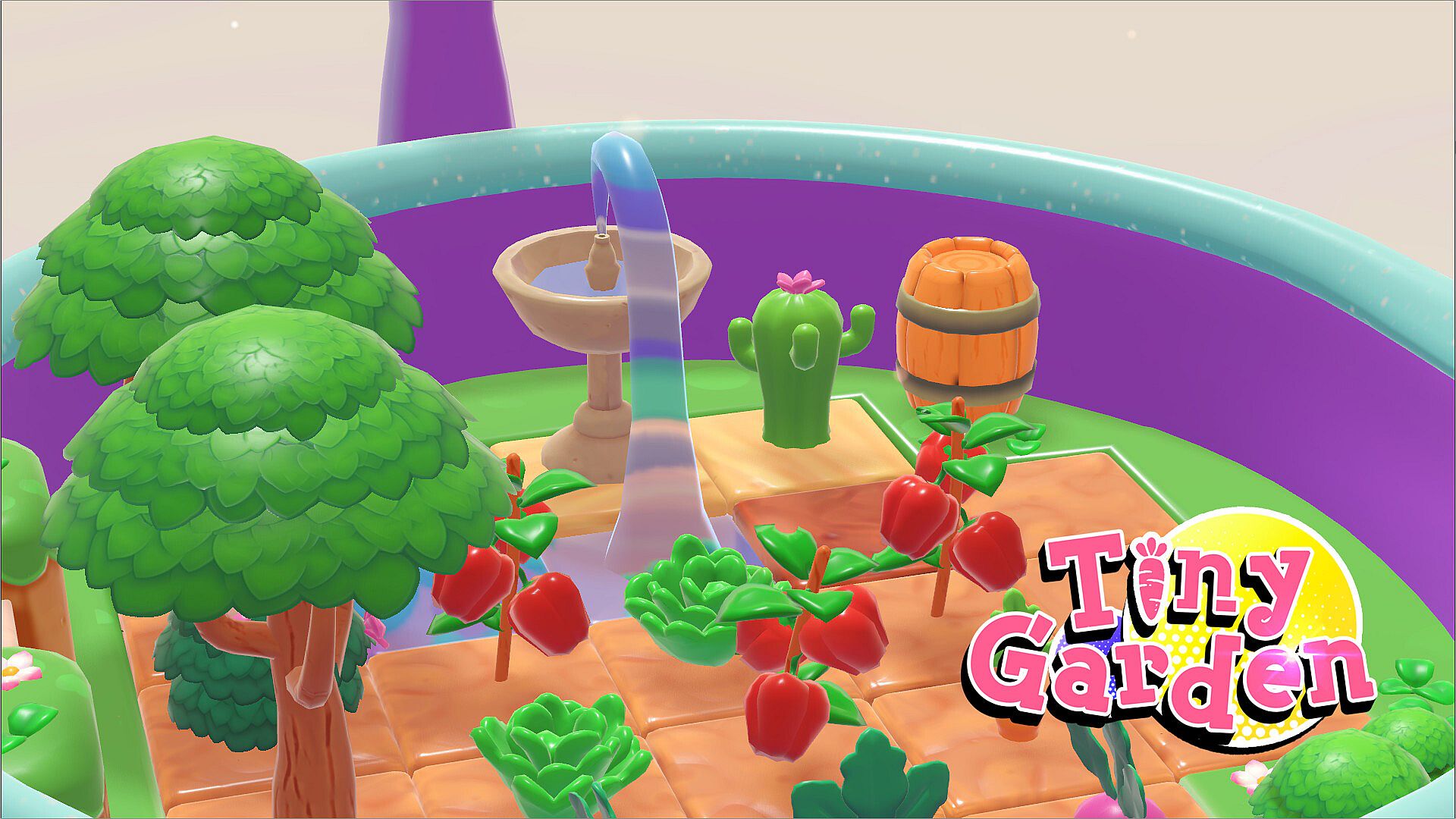
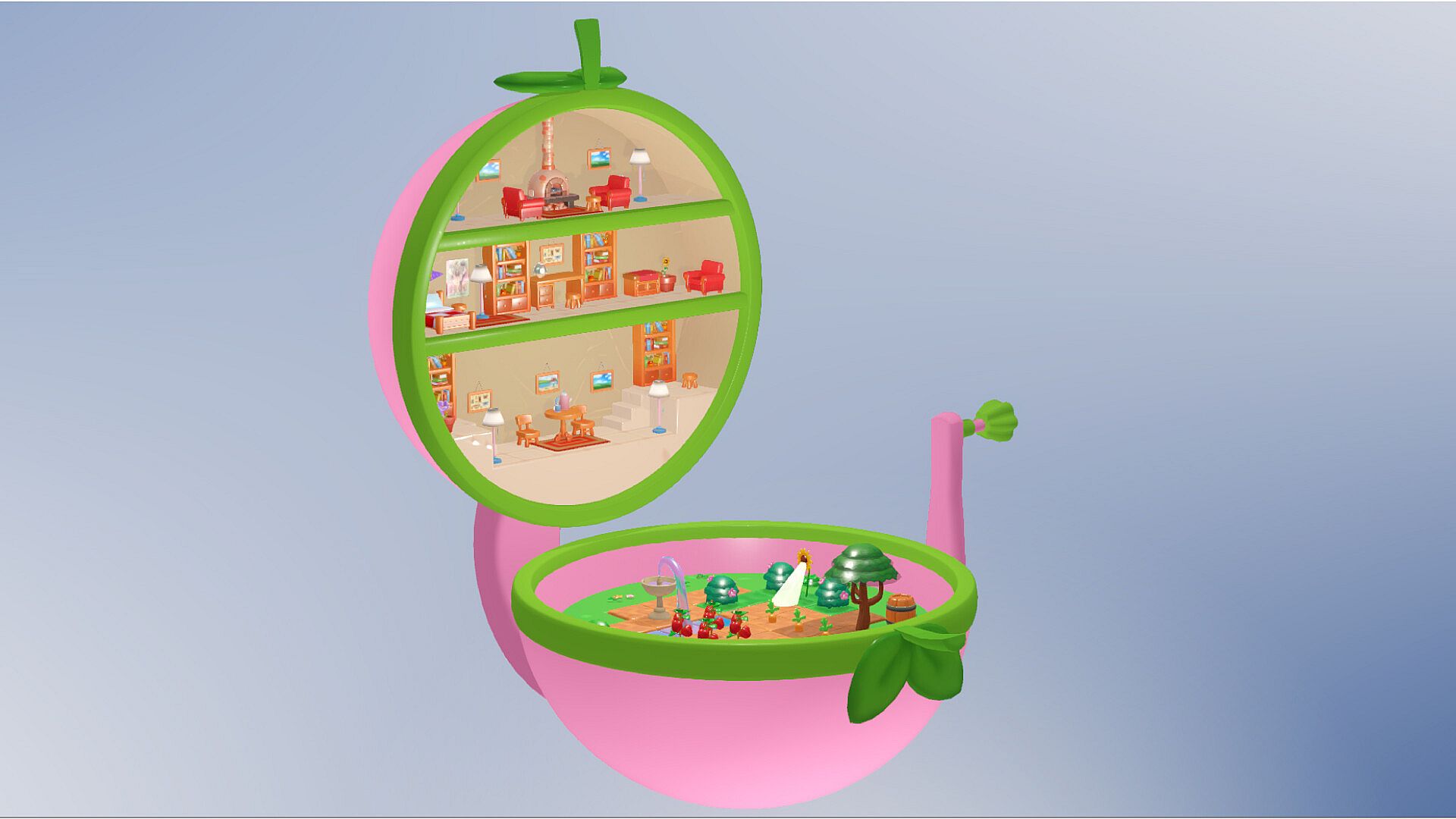
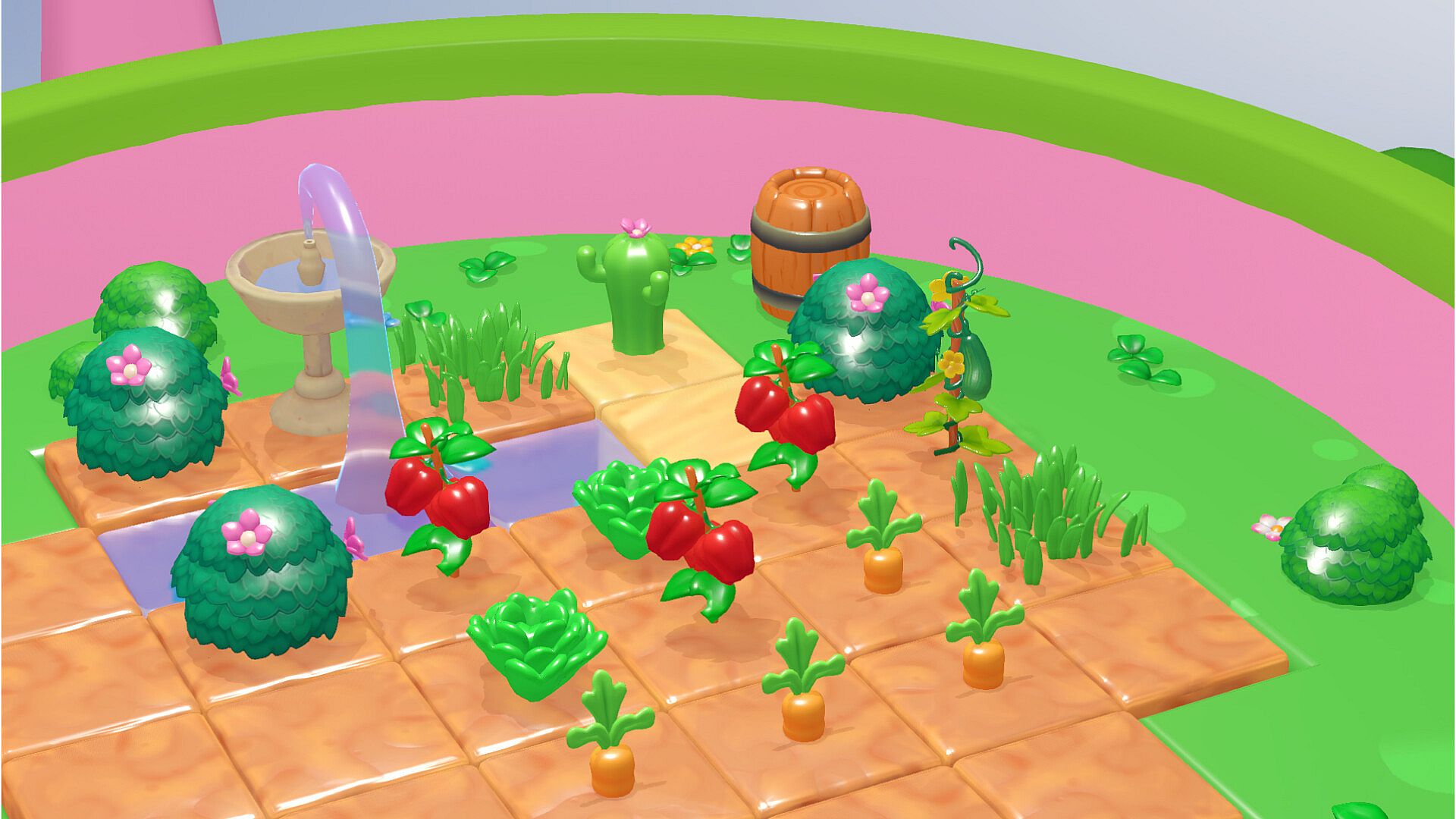
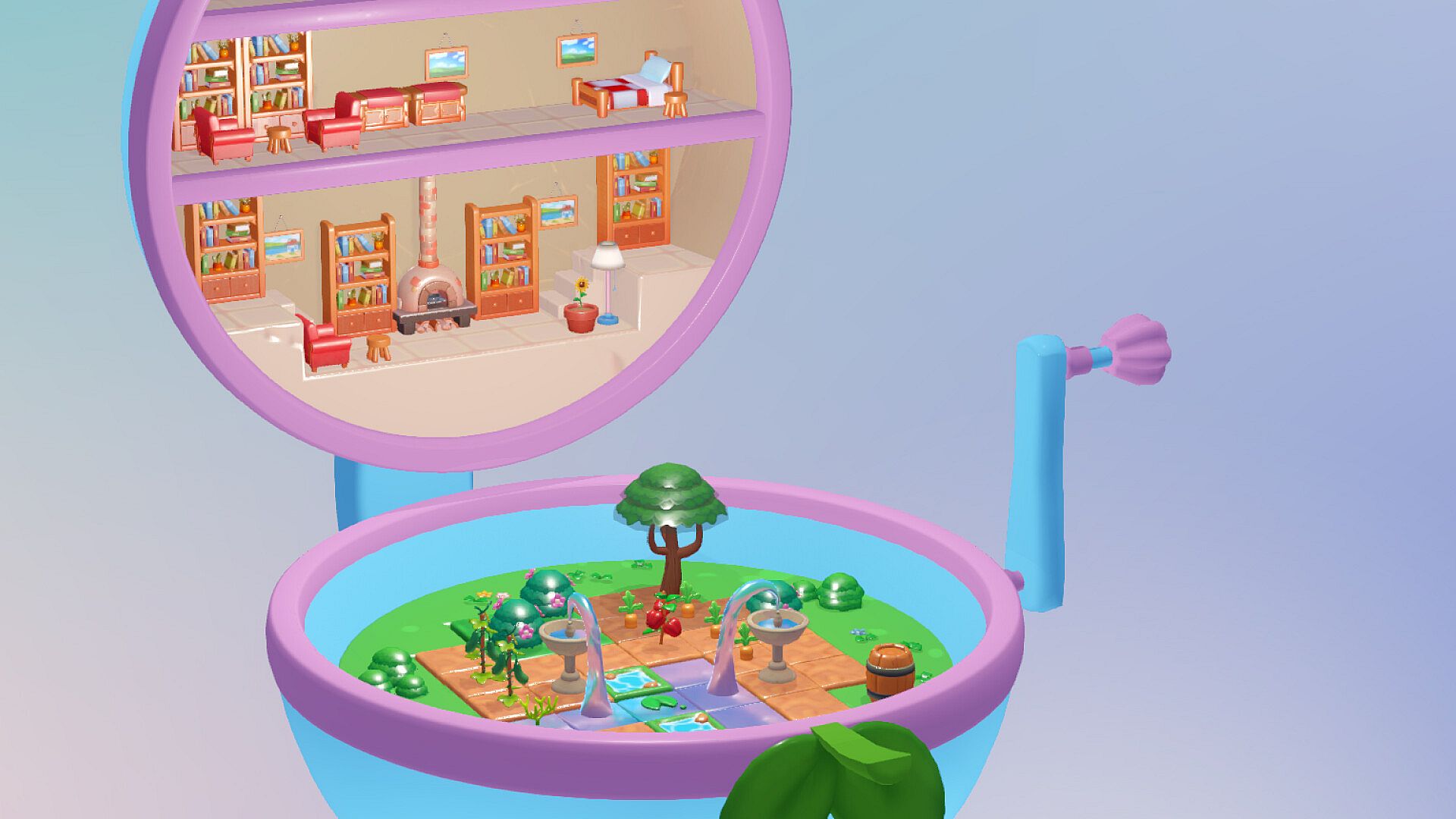
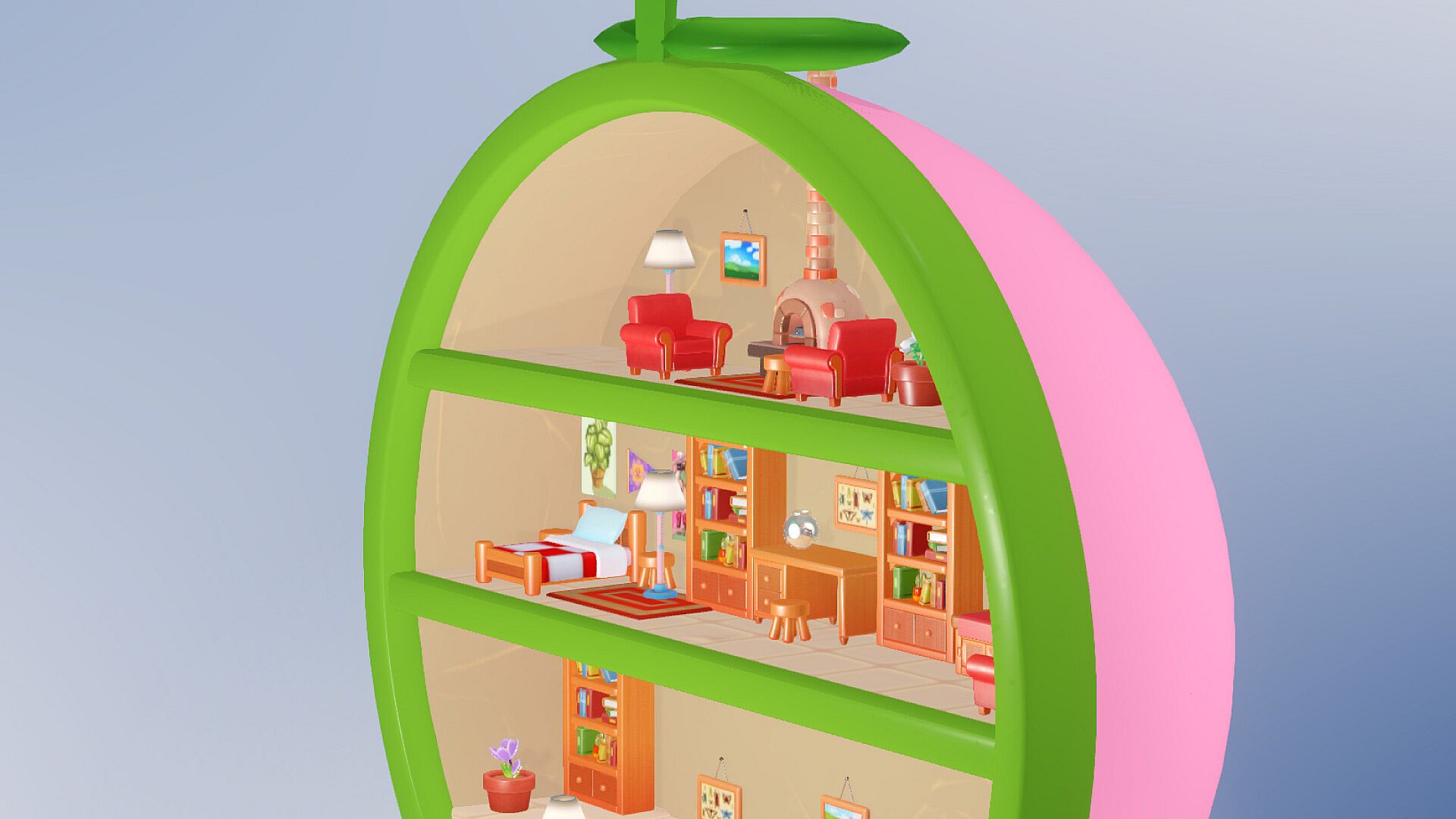
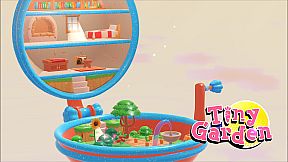
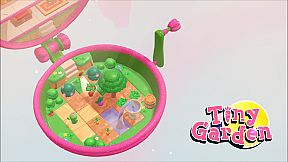
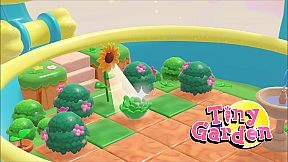
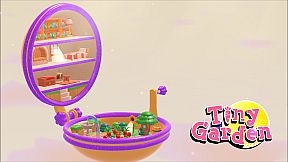
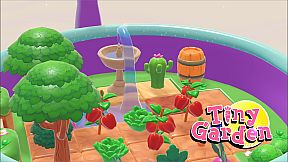
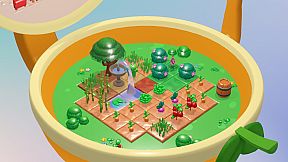
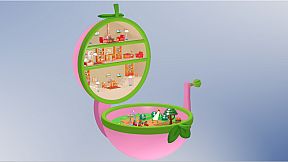
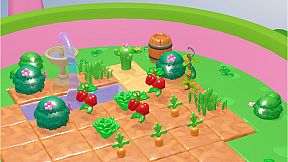


Tiny Garden is a strategy indie casual simulation game centered on nurturing plants inside a magical toy passed down through generations. Players grow colorful vegetables and whimsical flowers, each featuring distinct mechanics that require thoughtful placement and timing. The experience emphasizes relaxation through careful decisions rather than competition or pressure, allowing creativity to guide progress as harvests are exchanged for furniture pieces that expand customization options.
Gameplay
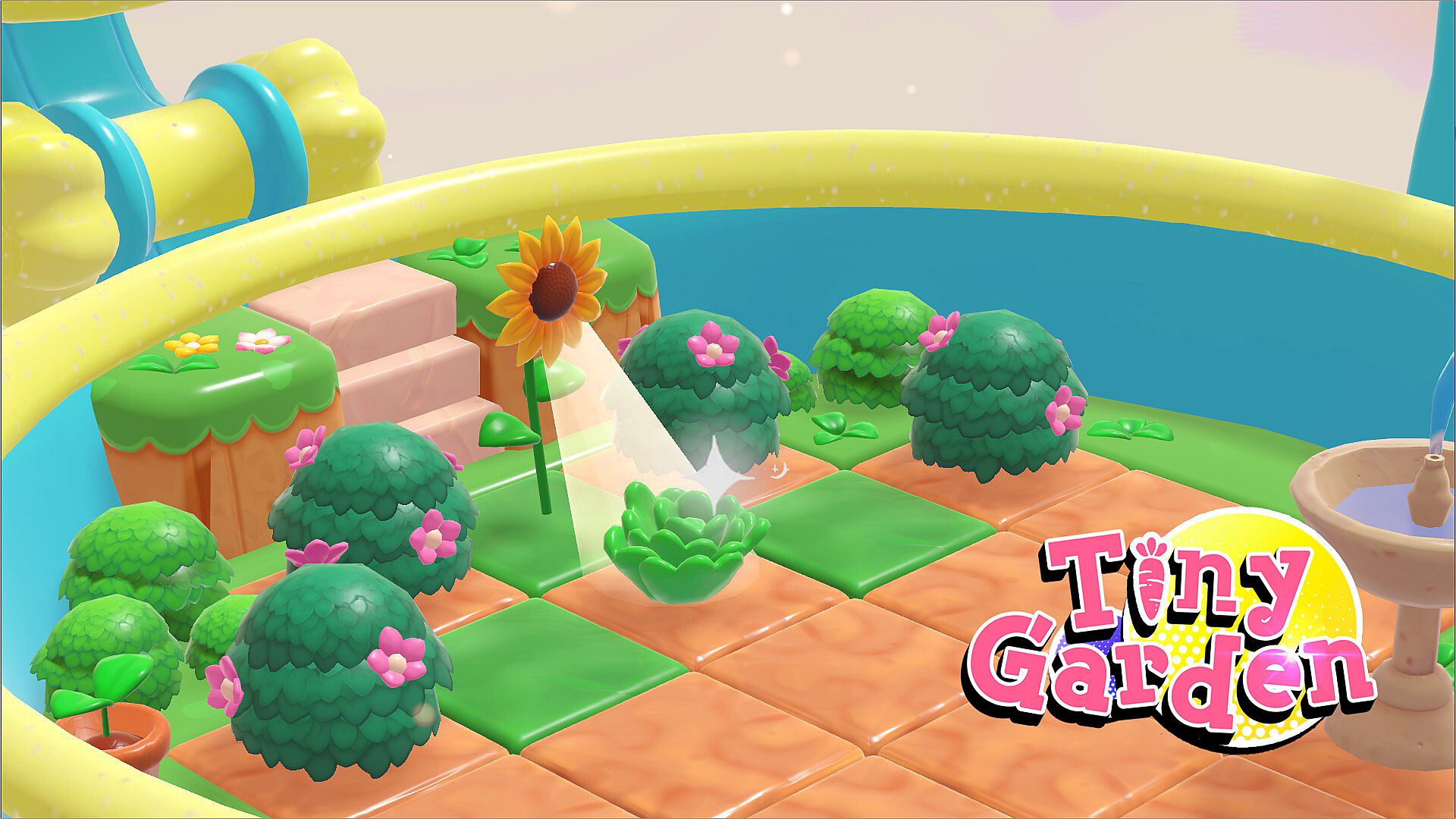
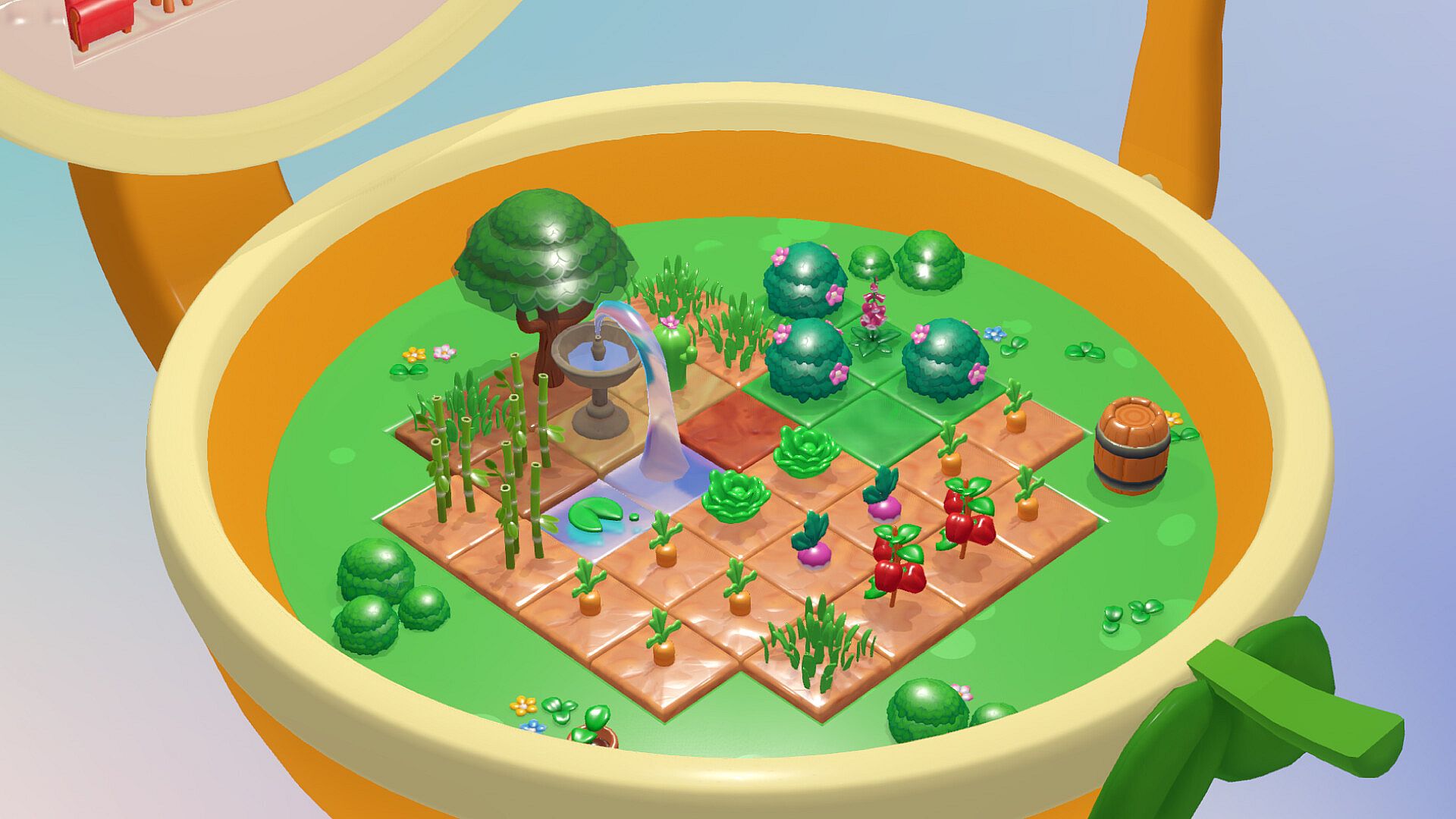
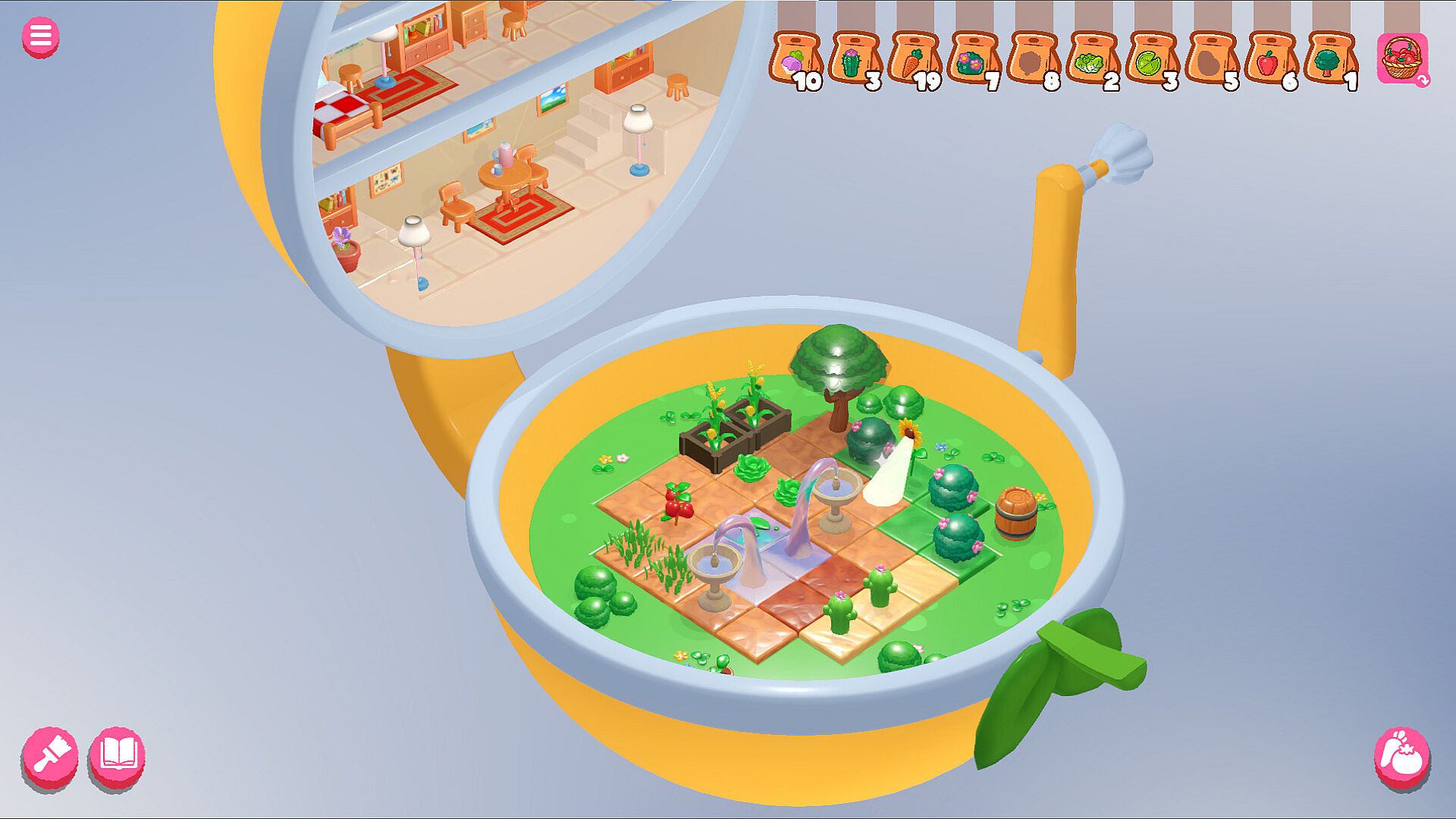
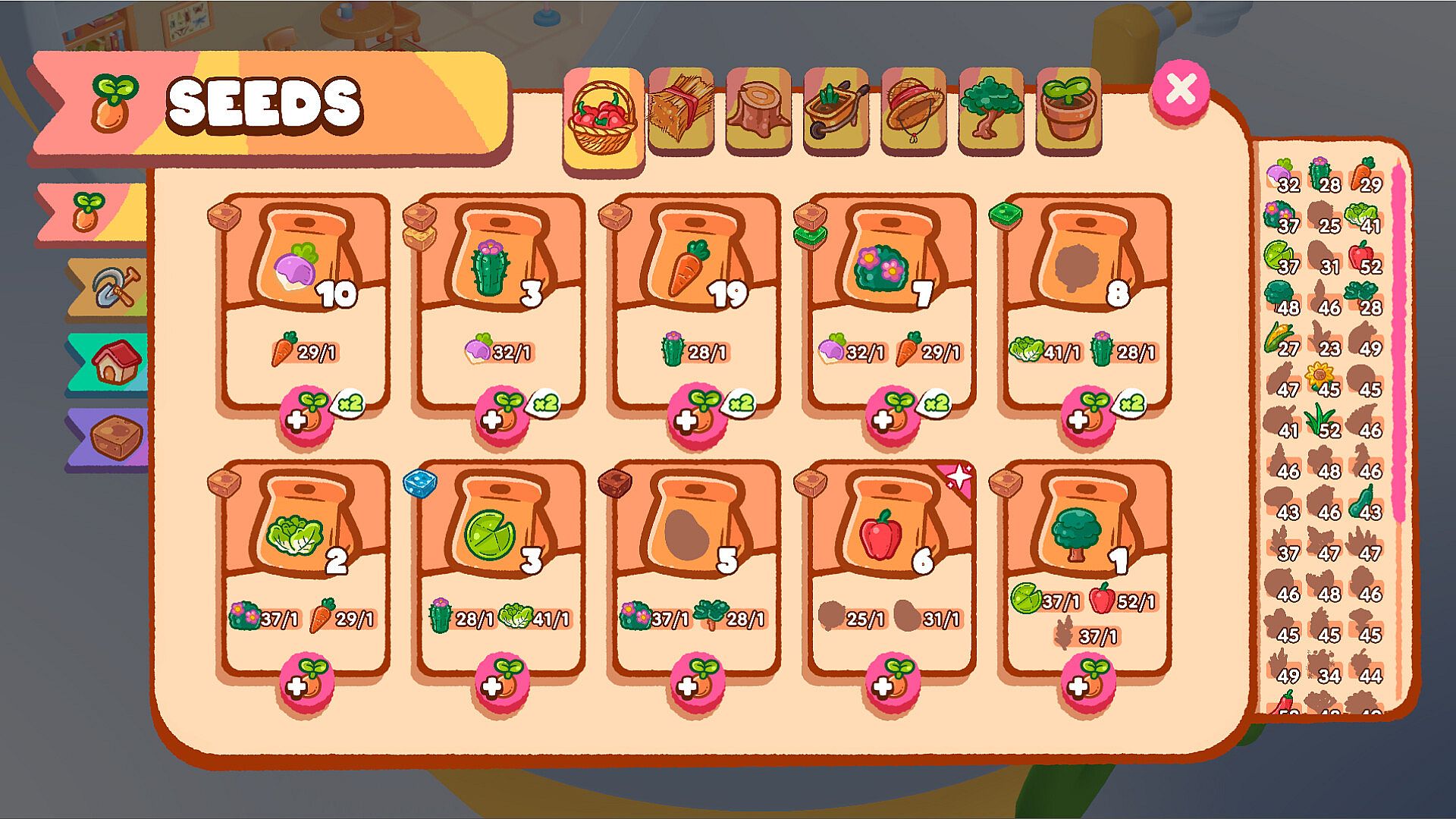
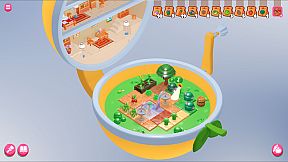
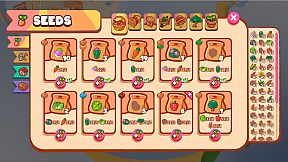
The core loop revolves around turning a crank to advance garden development while selecting plants that interact in unique ways. Some crops may influence soil conditions or neighboring growth patterns, encouraging experimentation to uncover hidden effects and new combinations. As the garden expands, players trade produce for toy furniture that fits the miniature scale, gradually shaping a personalized space filled with decorative elements.
Story elements unfold through letters that reveal the toy's past owners and their experiences, adding layers of discovery without interrupting the calm pace. Every action carries potential for surprises, such as new plant varieties or furniture unlocks, yet the absence of failure states keeps focus on enjoyment and iteration. The turn-based structure lets players pause and consider options, making it suitable for short sessions or extended creative sessions.
Game Modes
Tiny Garden presents a single continuous experience built around exploration and steady garden evolution rather than separate competitive or multiplayer modes. All activity occurs in one cohesive environment where farming, puzzle elements, and strategic choices blend seamlessly. There are no timed challenges, scoring systems, or distinct variants to switch between, which keeps the emphasis on personal pacing and repeated discovery within the same toy setting.
Customization and Discovery
Furniture obtained through trading allows extensive rearrangement of the garden layout, turning the interior of the toy into a unique miniature world. Players uncover additional plants and items by progressing through growth cycles, with each new element often tying back to the narrative threads found in the letters. This process rewards observation, as certain combinations reveal mechanics that were not immediately obvious at the start.
The visual style maintains a consistent toy-like charm across all elements, from the plants themselves to the furniture and the overall container. Experimentation remains central, as different planting arrangements can lead to varied outcomes that encourage revisiting earlier stages with fresh ideas.
Is It Worth Playing?
Player feedback highlights the relaxing nature of the gameplay and the satisfaction derived from gradual customization. Steam user reviews stand at Very Positive based on 106 ratings with an 85 percent approval rate. The game receives regular support, including language additions such as Indonesian in a one-year anniversary update.
This title suits individuals seeking a low-pressure strategy simulation that mixes farming mechanics with light puzzle elements. Those who appreciate thoughtful decision-making in a cozy setting without time constraints or failure conditions will find the experience rewarding. The focus on creativity and narrative discovery through the toy's history provides ongoing appeal for repeated play.














