







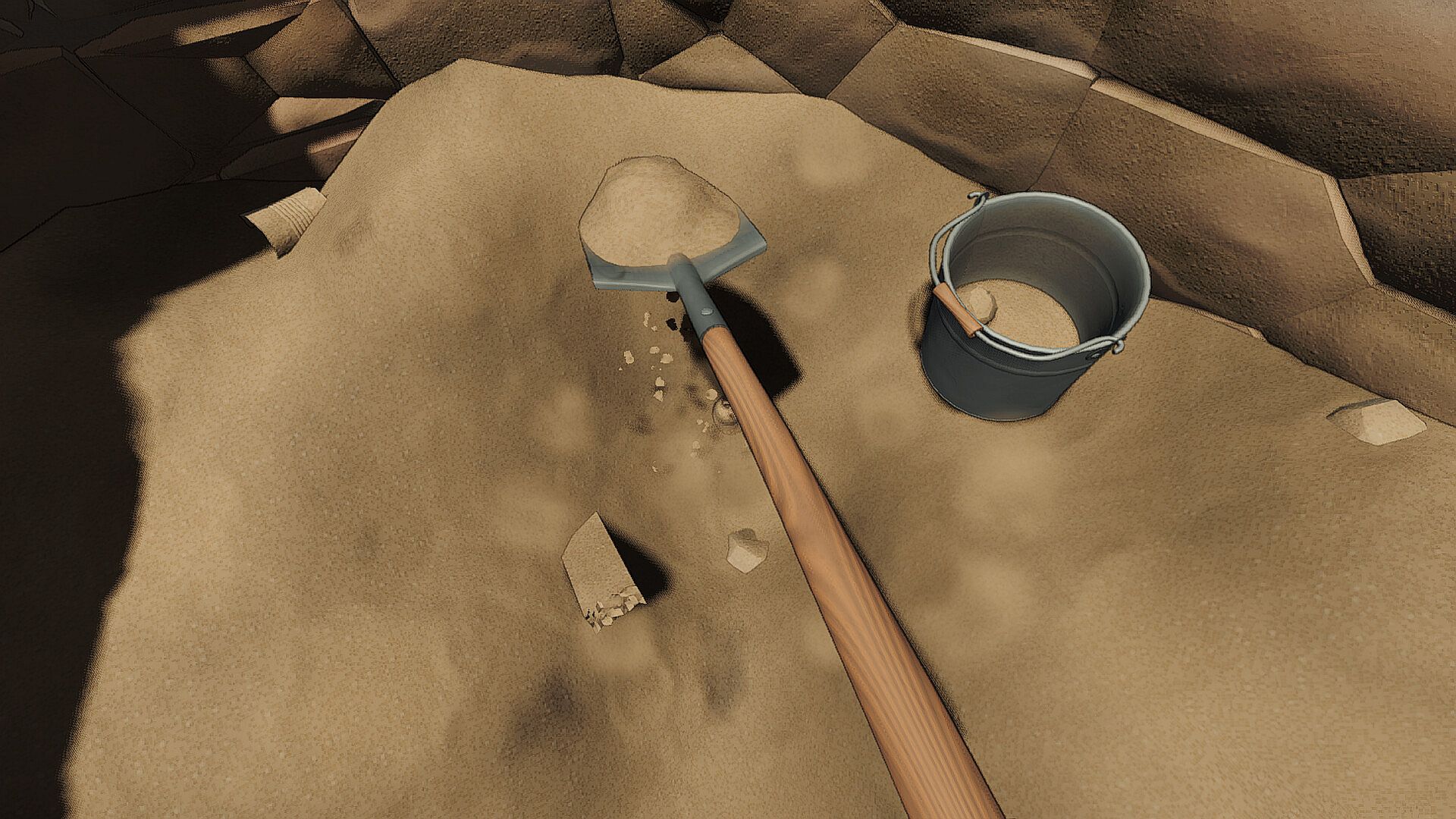
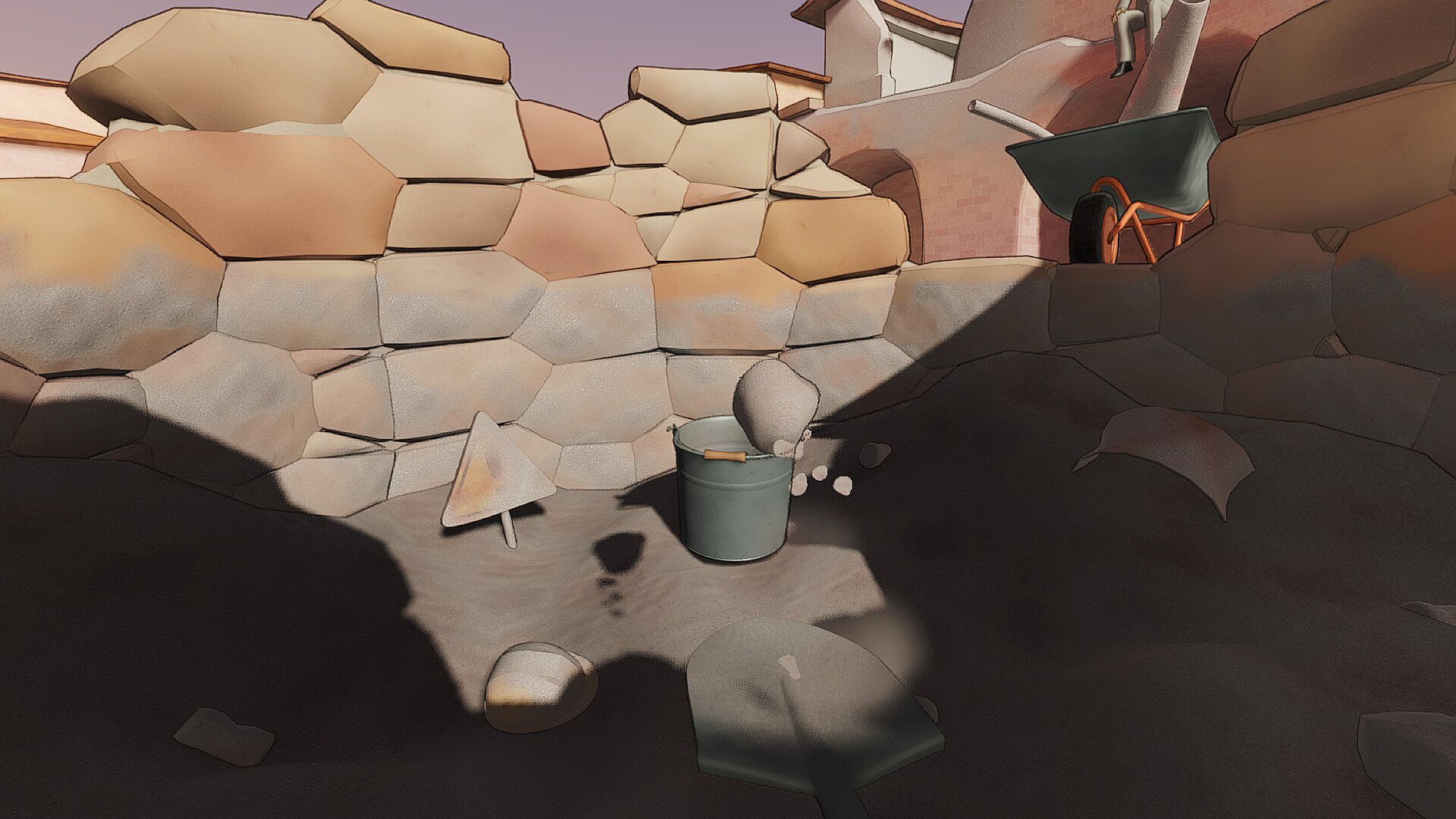
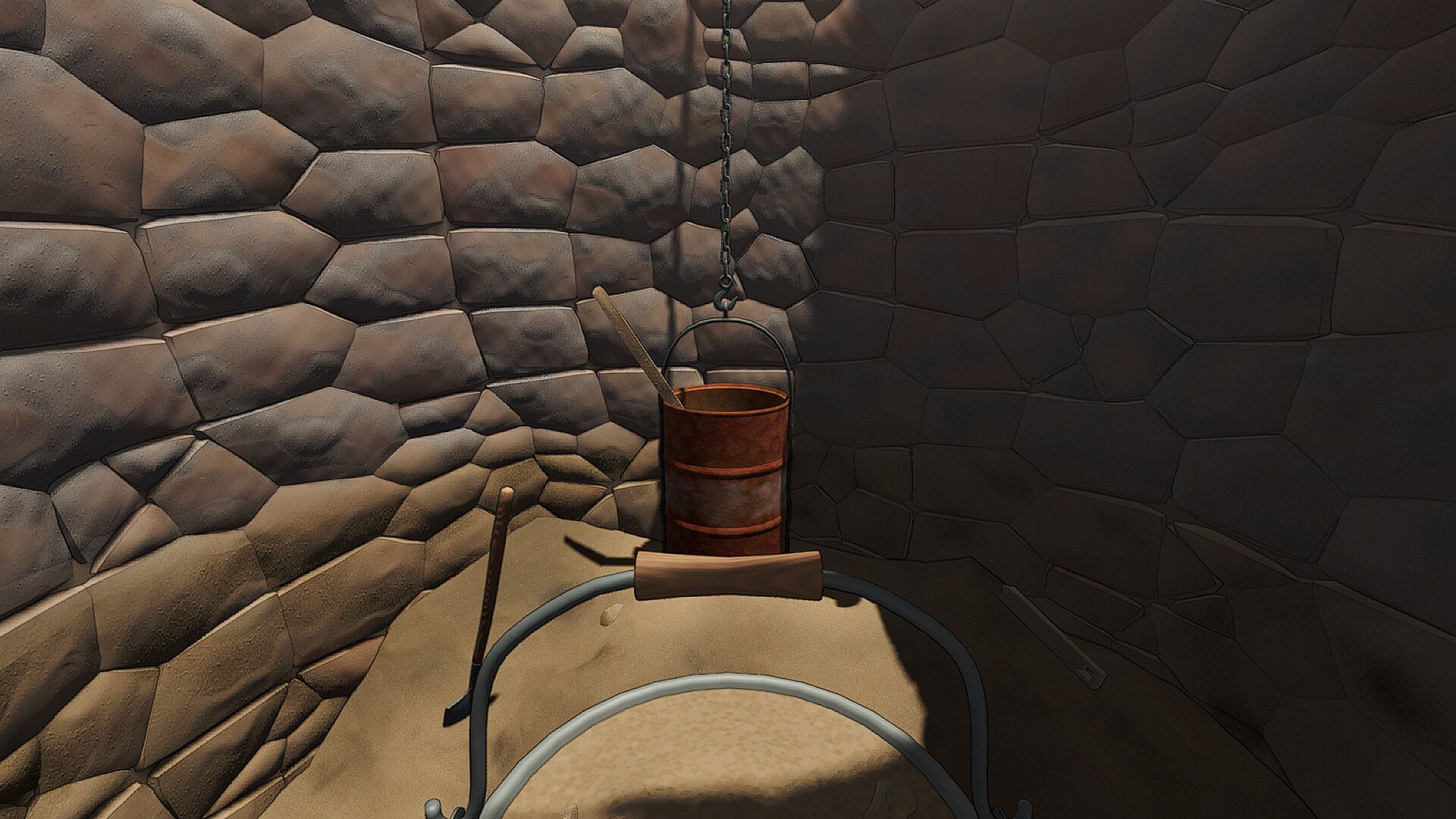
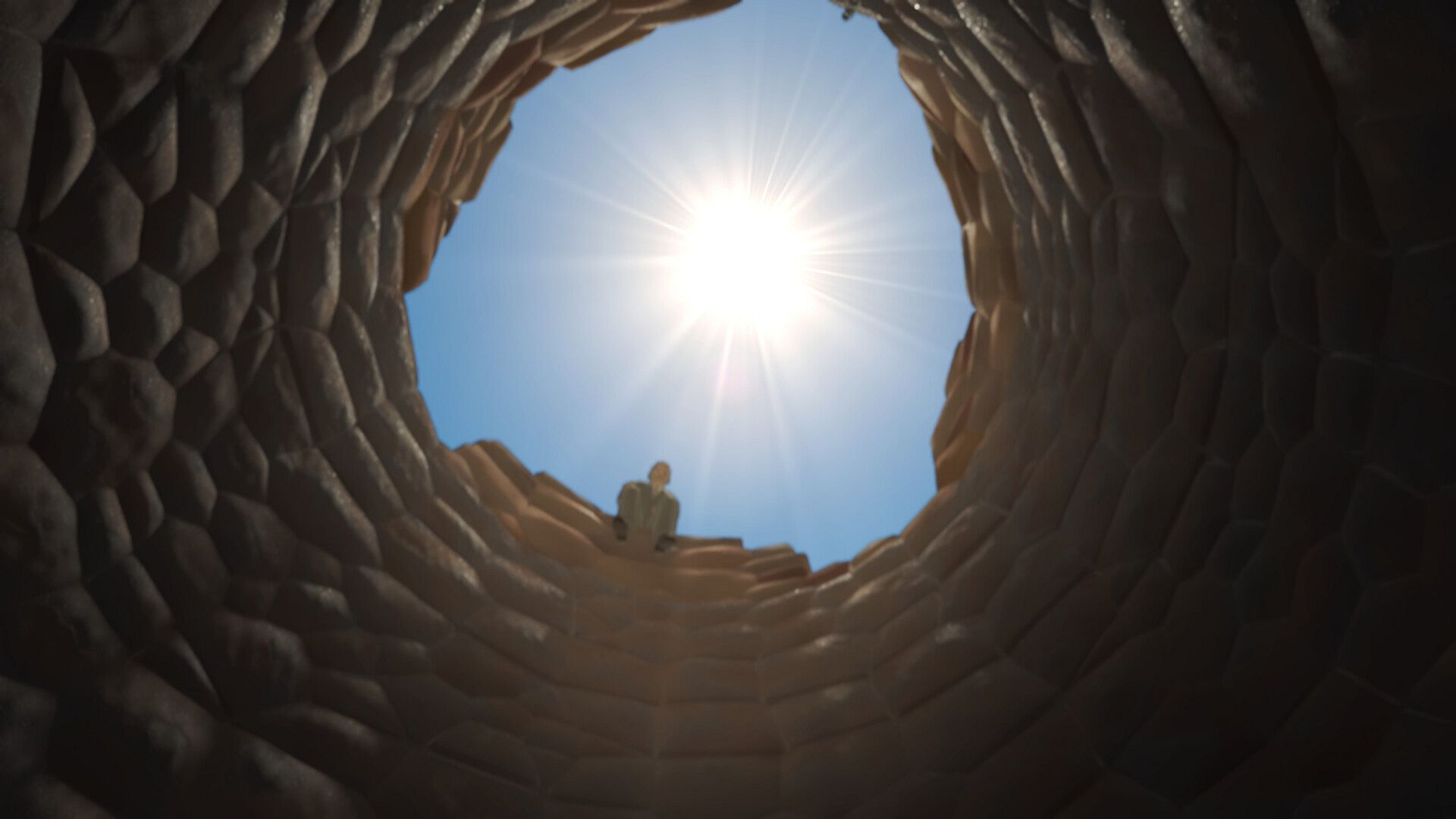
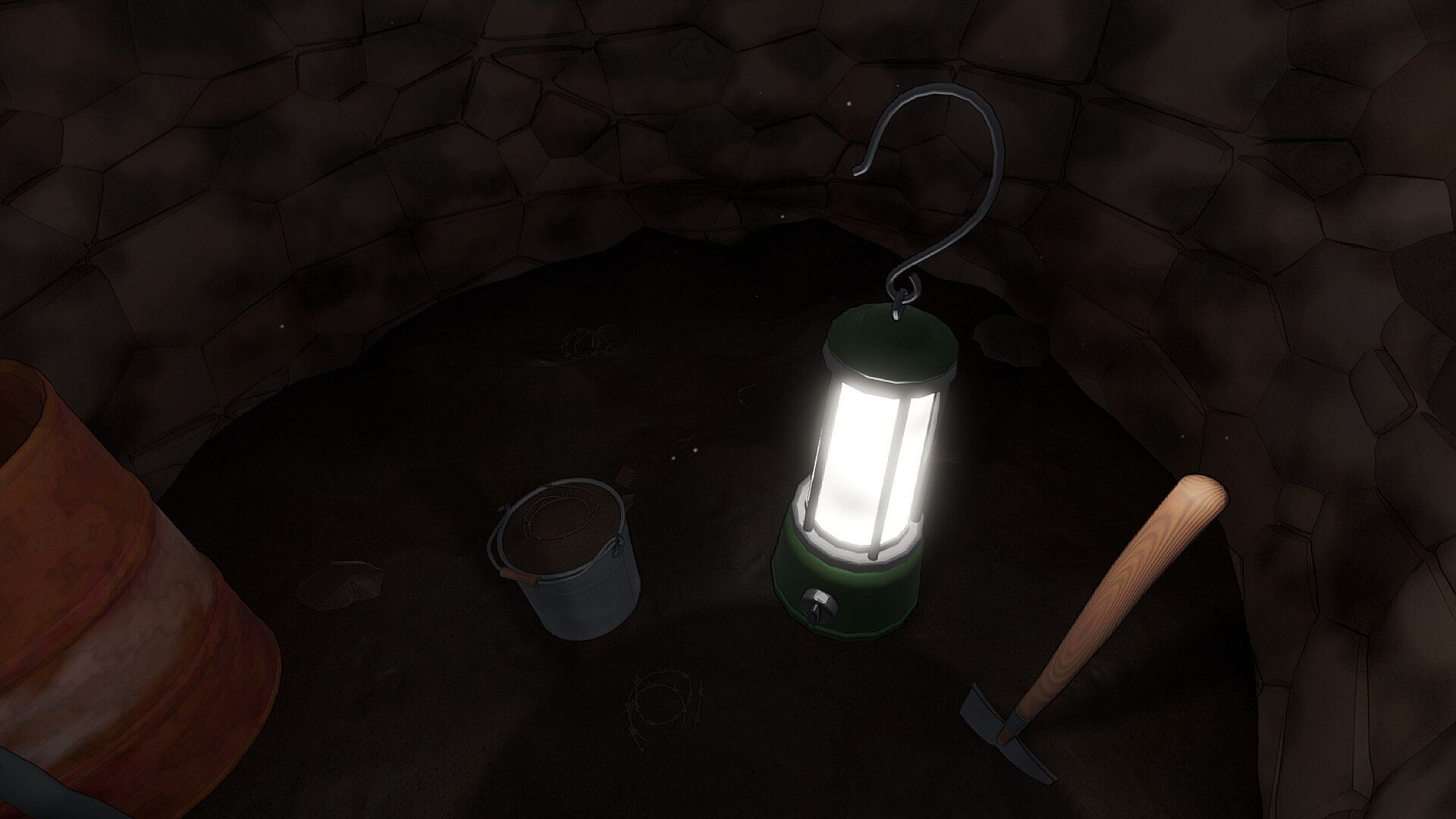
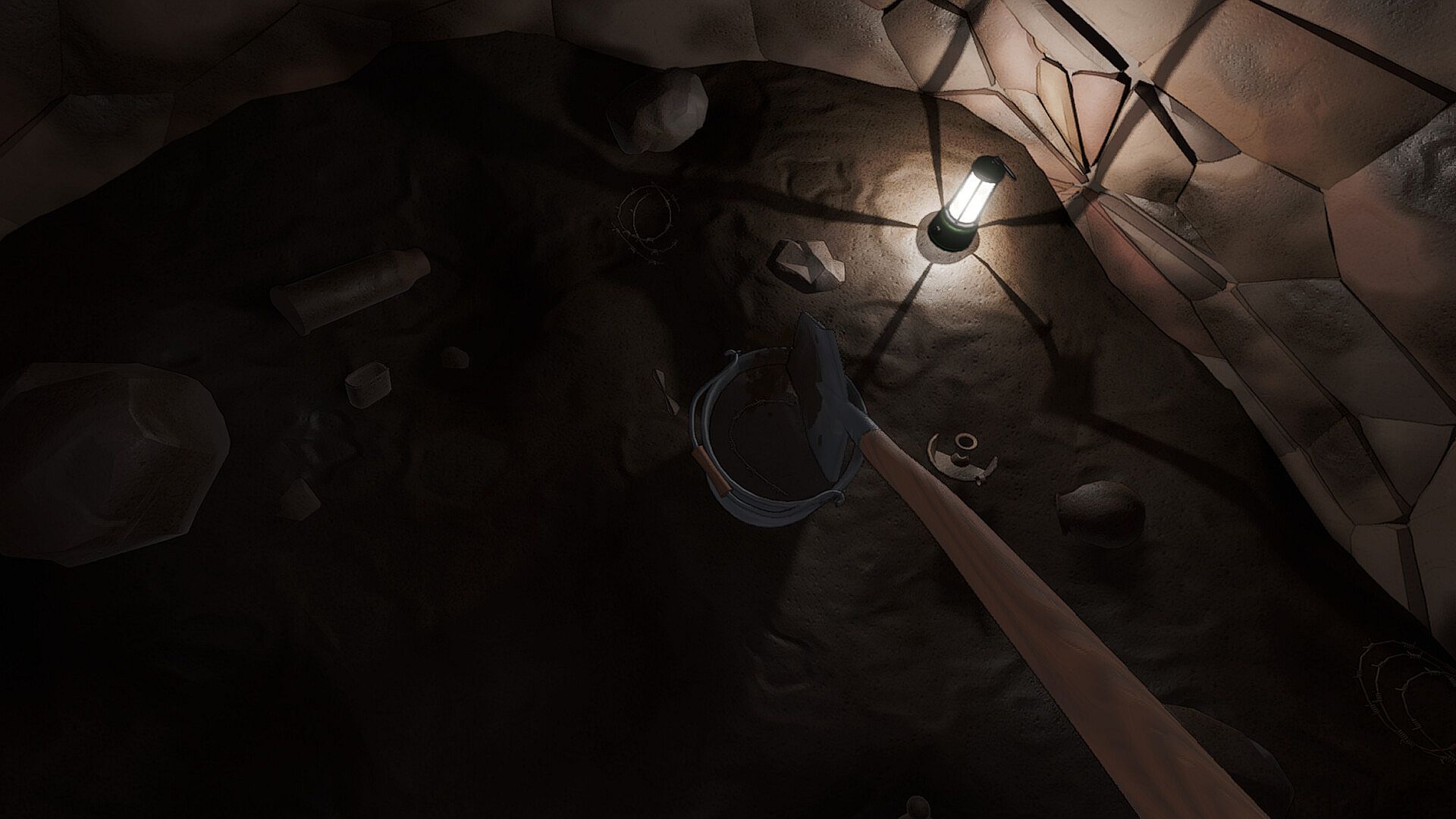
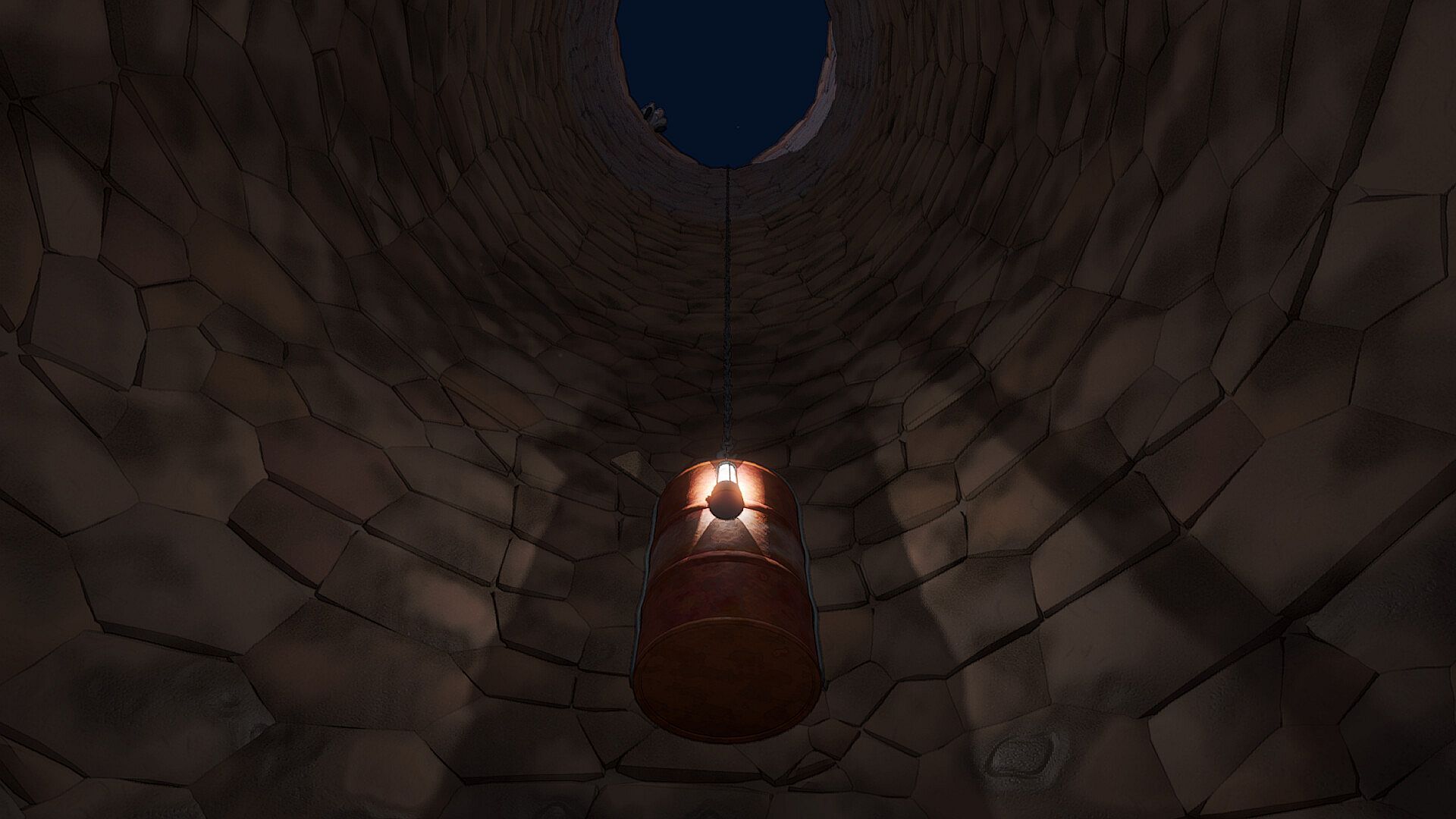
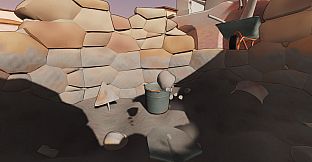
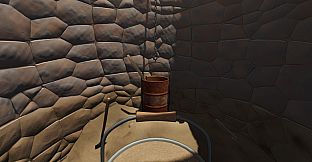

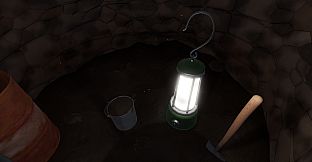
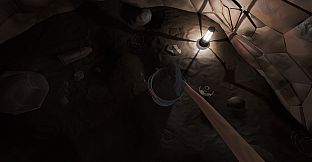
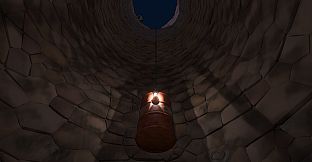
To Dig, Son is an indie simulation adventure game for PC that places players in a first-person digging experience centered on a deliberate descent into an old well. The core premise involves a protagonist brought to the site by strangers, tasked with excavating downward one shovelful at a time while uncovering elements of a larger story through physical interaction with the environment.
Gameplay
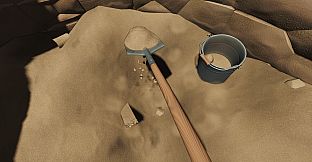
The gameplay loop revolves around slow, methodical digging actions performed with a shovel. Players swing the tool to move dirt, fill a bucket, empty it at the surface, and repeat the cycle to progress deeper. This process forms the central activity, with progress measured directly by the volume of material removed rather than through timers or objectives that demand speed.
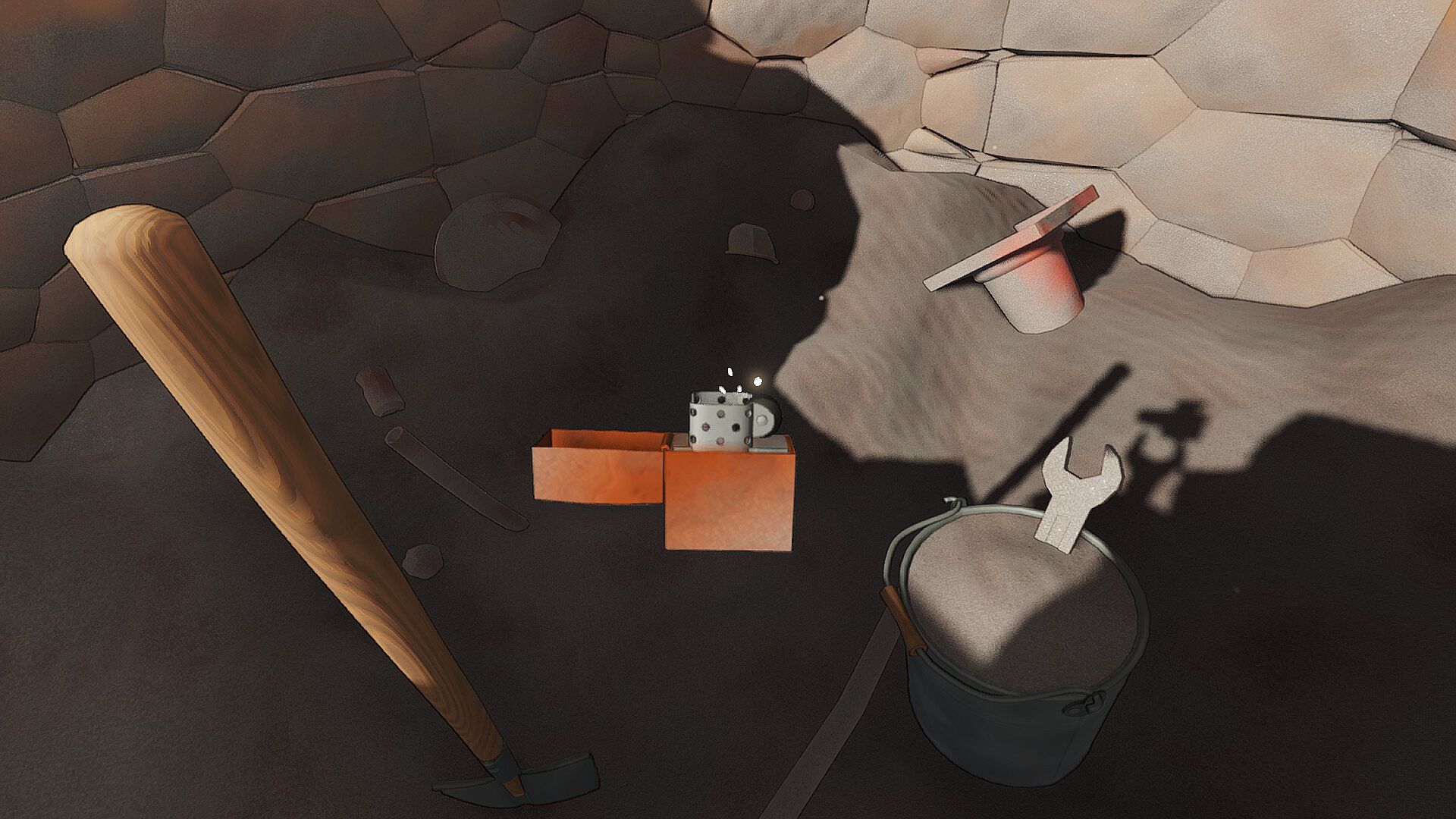
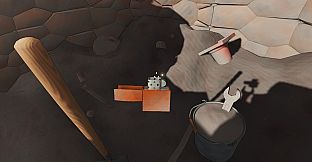
Physics-based interactions allow players to throw debris aside, clear obstacles, and excavate buried objects that appear as digging continues. The simulation emphasizes realistic handling of dirt and items, creating a sandbox environment where actions feel tangible and responsive. Staying focused during extended sessions becomes part of the challenge, as the repetitive nature tests patience alongside the physical digging mechanics.
Exploration happens vertically through the well shaft. Hidden items surface naturally from the dirt layers, providing moments of discovery without requiring separate search mechanics. The entire session unfolds at a measured pace, with an estimated total playtime of roughly three hours for a complete run.
Game Modes
To Dig, Son operates as a single-player experience with no multiplayer components or alternate modes. The structure centers on one continuous digging journey that combines physical simulation with narrative progression. Players advance solely through repeated digging cycles, without branching paths, competitive elements, or cooperative features.
All activity stays confined to the well environment, where the focus remains on downward excavation and the interactions that arise from it. The design avoids any side activities or separate game types, keeping the emphasis on the core loop of shovel work and material handling.
Narrative and Atmosphere
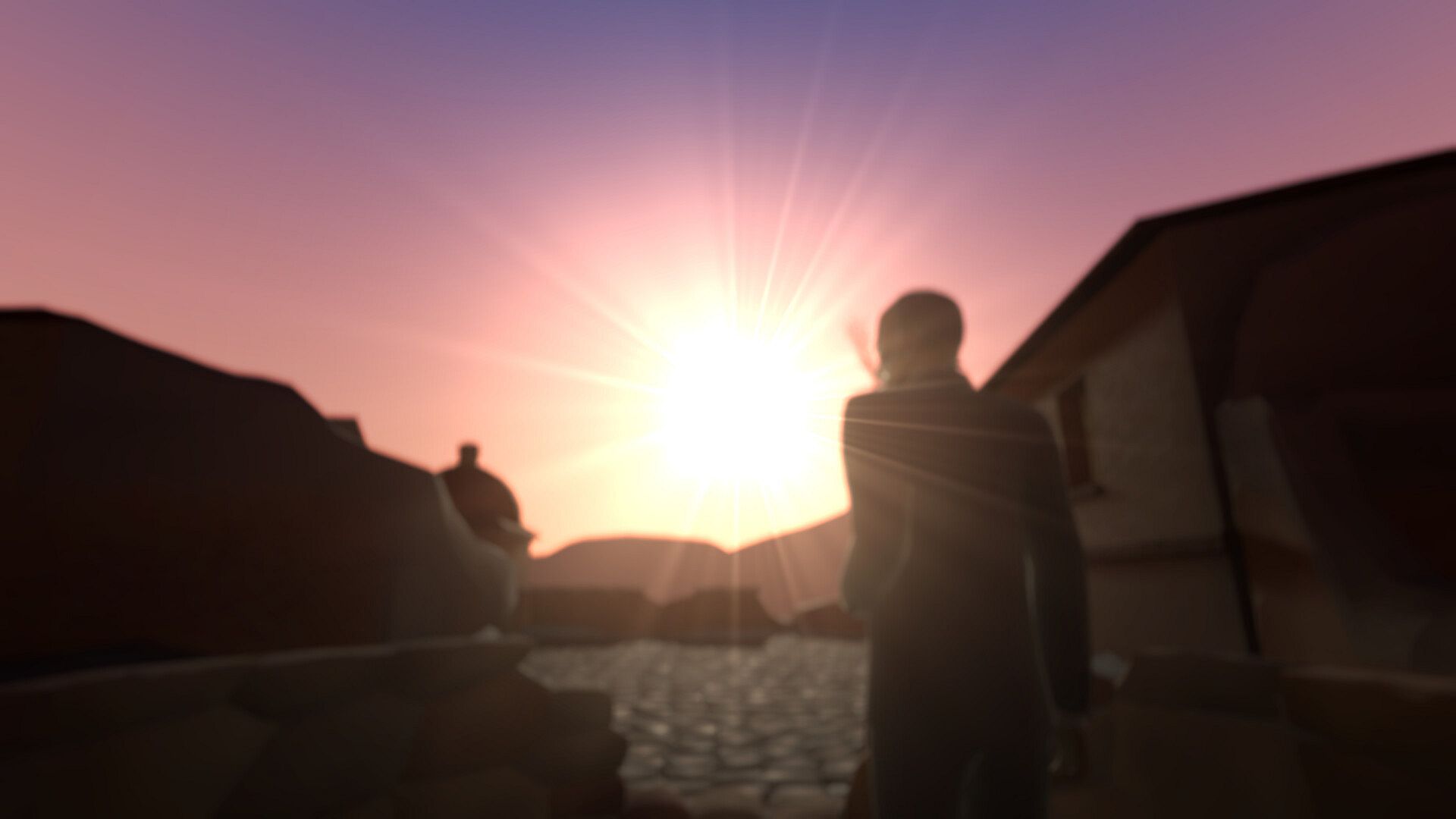
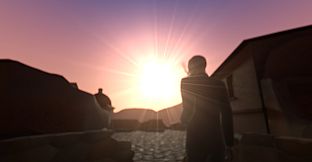
Story elements emerge gradually through unearthed objects and audio from characters positioned above the well. Four strangers maintain the descent by providing support, while a figure referred to as Sir observes from the surface. These voices deliver context and tension as digging reveals more of the situation below ground.
The atmosphere builds from the confined space and the weight of the task. An original handcrafted soundtrack accompanies the sessions, reinforcing the deliberate mood without overpowering the sound of the shovel and falling dirt. Mature themes appear through references to death and tobacco use, integrated into the unfolding events rather than presented as separate content.
Is It Worth Playing?
This title suits players who prefer unhurried, atmospheric single-player simulations over fast-paced action or expansive open worlds. The physics-driven digging and incremental discoveries create a focused experience that rewards attention to small details and patience with repetition.
With its short overall length and emphasis on one core activity, the game appeals to those interested in narrative-driven indie adventures that unfold through physical interaction. The lack of additional modes or post-release updates at this stage means the content stays limited to the described digging journey and its accompanying story elements. Those drawn to methodical gameplay and environmental storytelling may find the approach distinctive within the simulation genre.












