




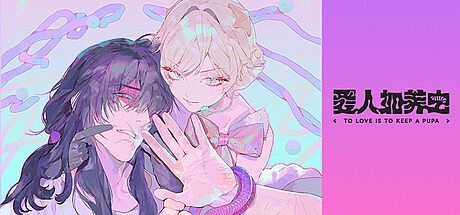


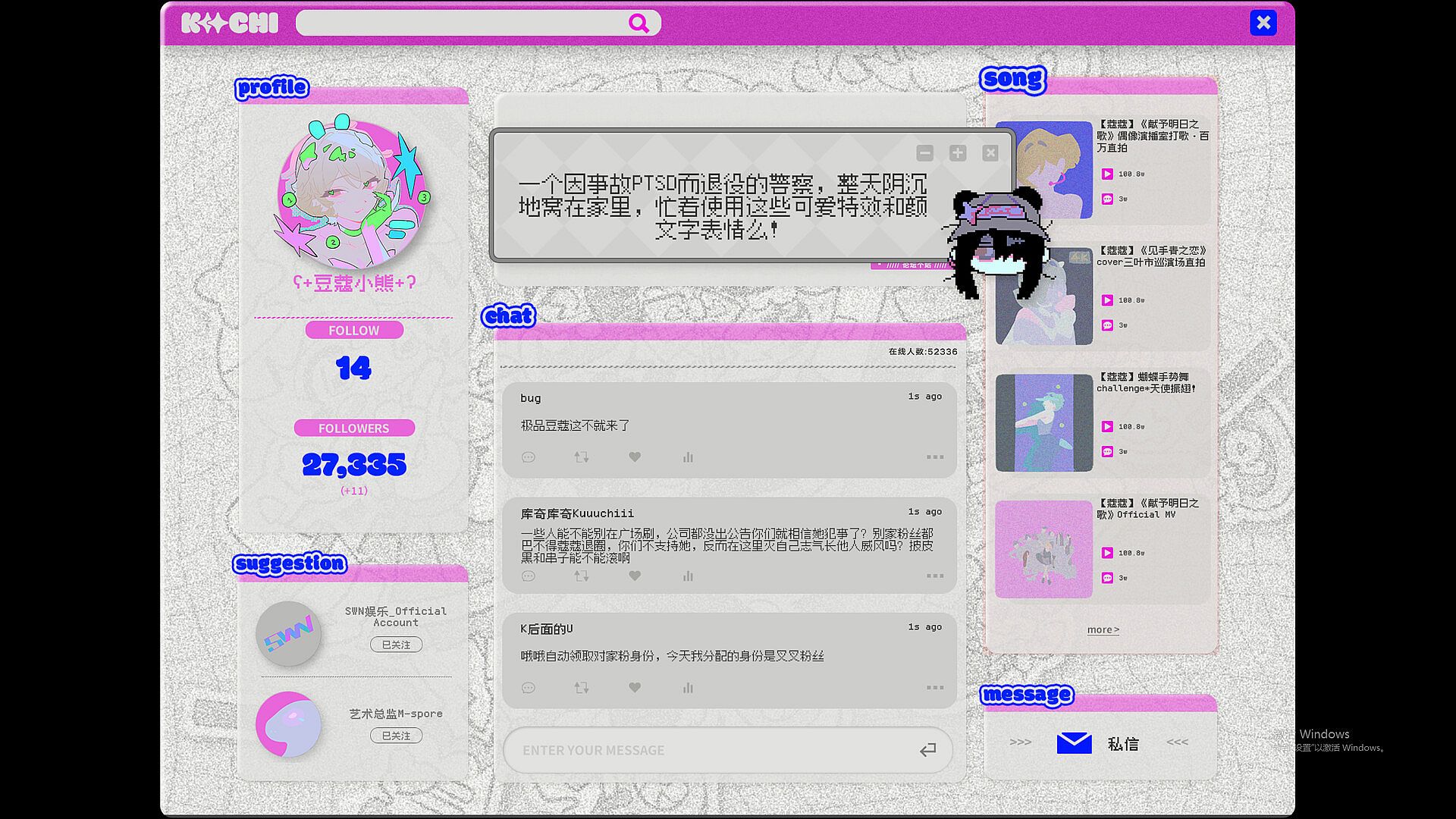
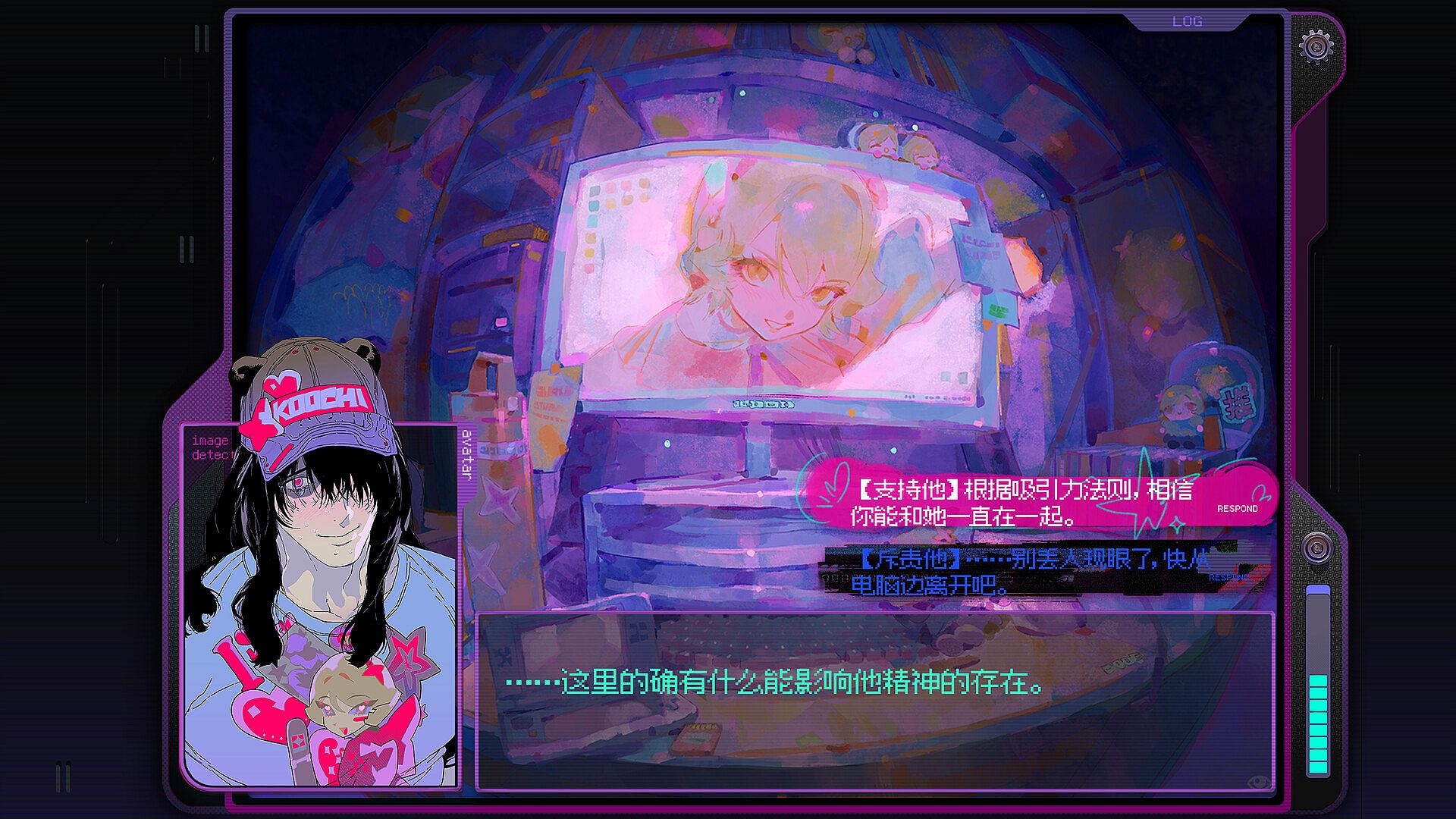
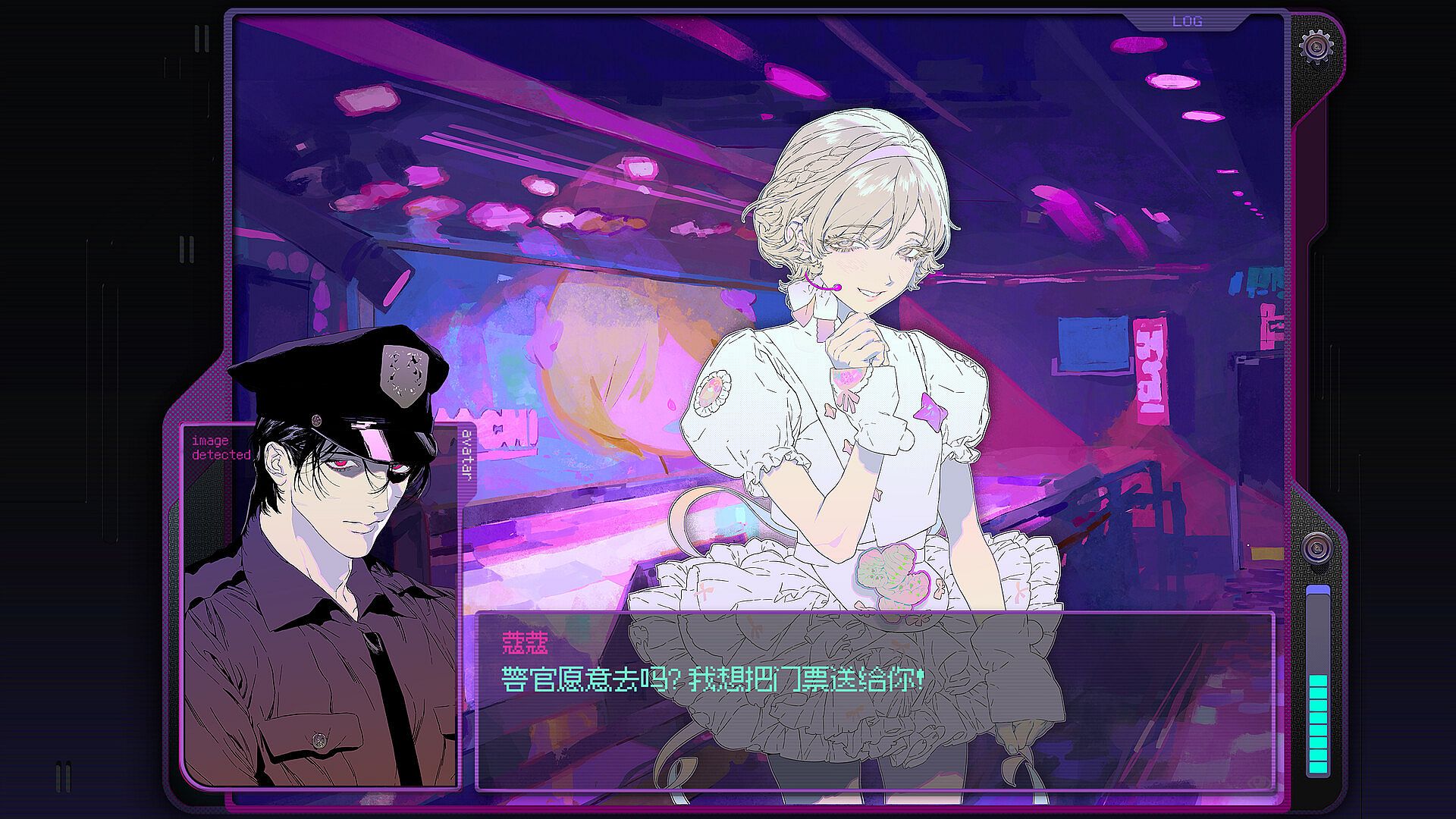
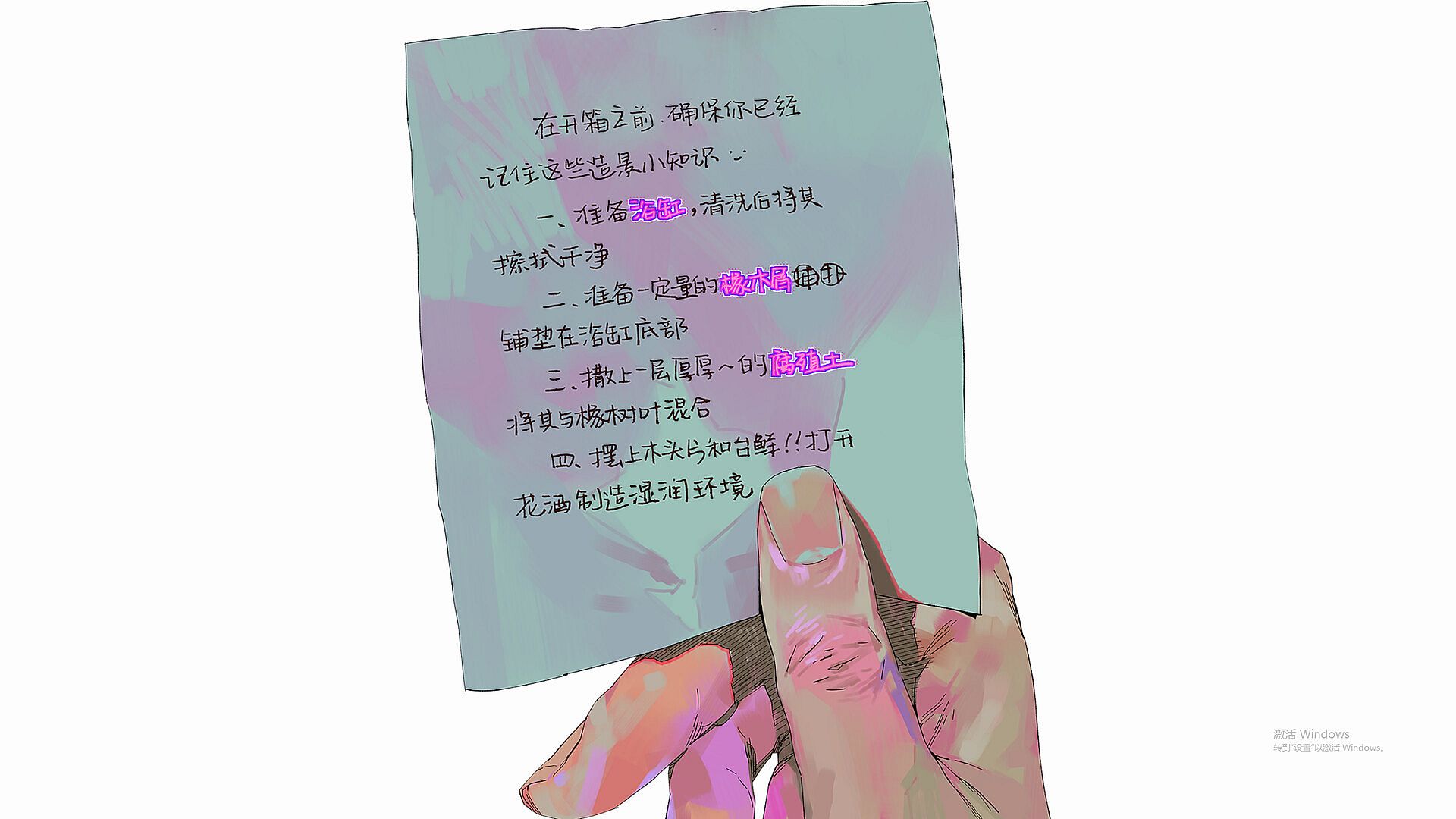

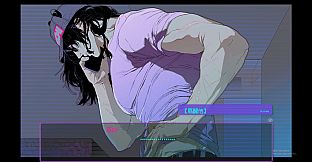
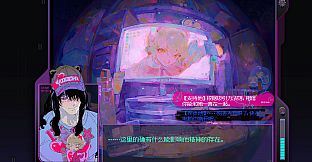
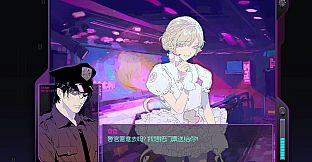
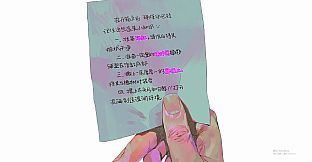
To Love Is To Keep A Pupa is an indie RPG simulation presented as a light interactive visual novel. The game places players in the role of Yu, a former police officer who becomes the sole caretaker for Koochi, a popular solo idol whose fame has faded. Through daily interactions and decisions, the story explores themes of obsession, care, and the consequences of intense fandom in a fictional setting rated for players 17 and older.
Gameplay
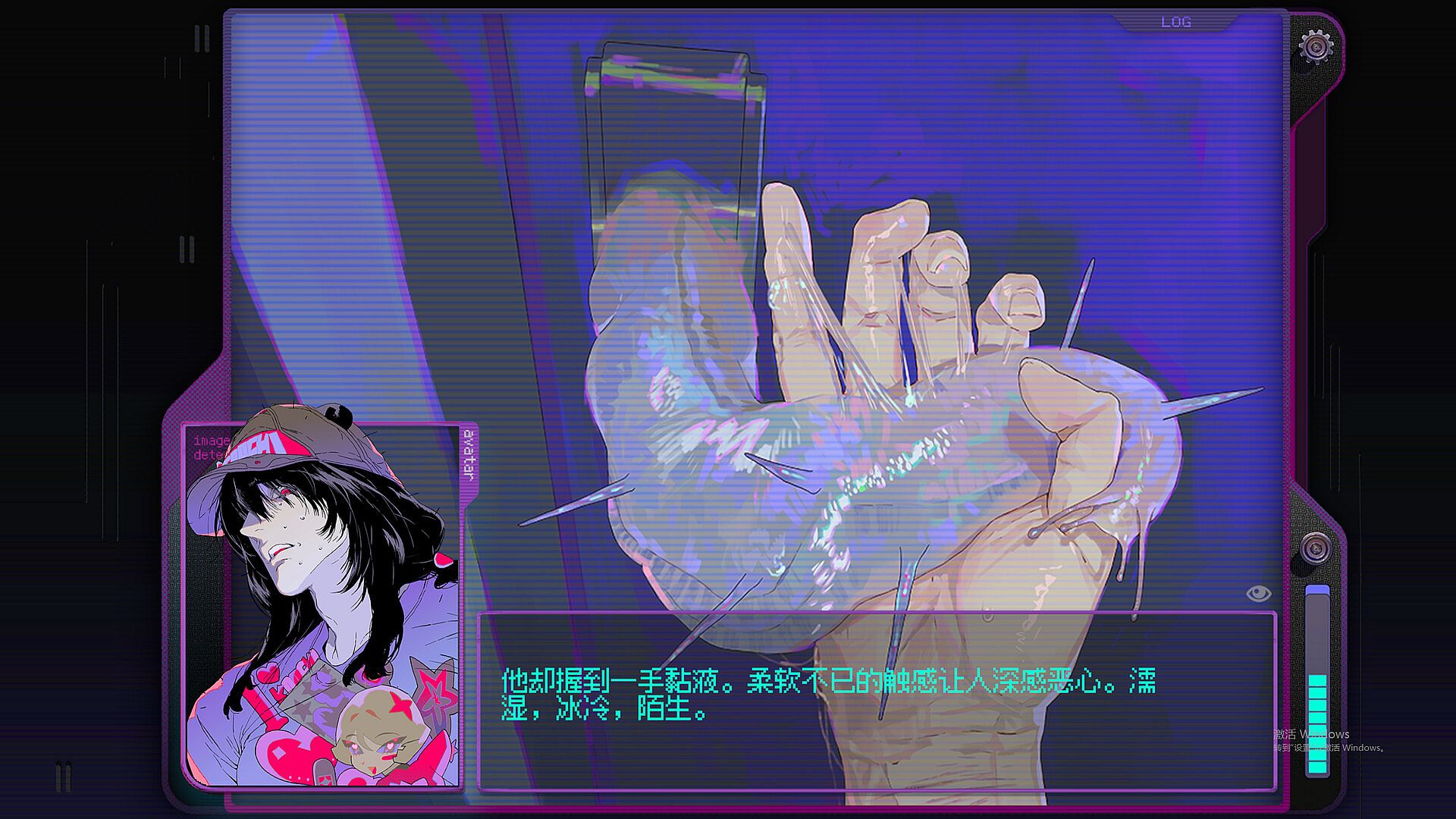
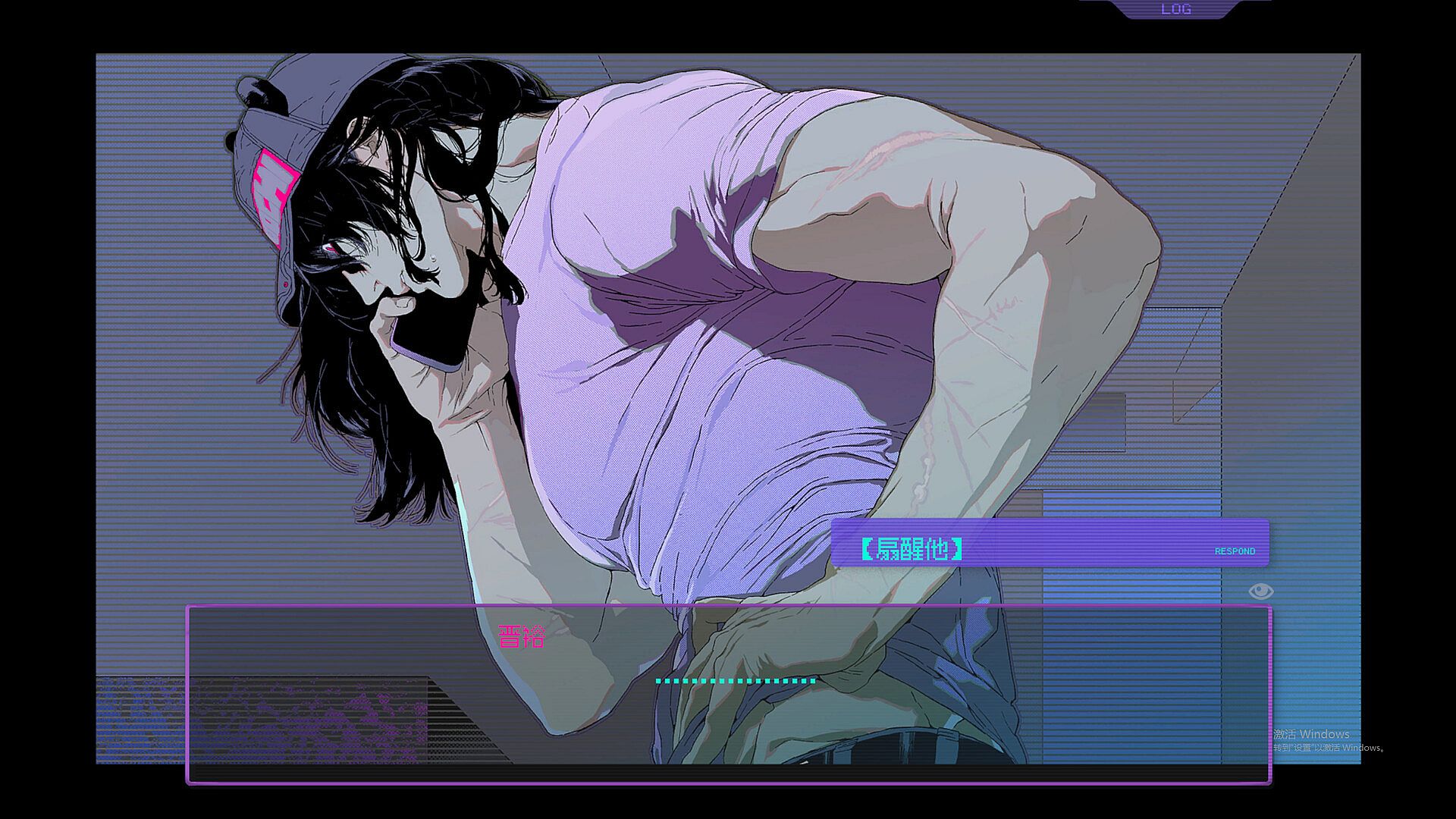
The core loop centers on managing Yu's time and resources while tending to Koochi's needs. A stat system tracks attributes that shift based on choices, such as attention given to feeding, conversation, or other activities. These changes influence character development and open different paths in the narrative. Interactions occur through text-based scenes where players select responses or actions, gradually building or altering relationships with supporting figures like neighbors and former colleagues. The experience emphasizes careful observation of Koochi's condition, as neglect leads to negative outcomes. With over 250,000 words of text, the game supports repeated playthroughs to explore how small decisions accumulate into larger shifts in the story.
Game Modes
Progression follows multiple branching routes determined by accumulated stats and key choices. Each route leads to distinct character endings that reflect different levels of connection or detachment. There are no separate competitive or cooperative modes; the focus remains on single-player narrative exploration. Players can experiment freely with interactions to unlock variations, including routes that delve deeper into the grotesque elements of the premise. The structure encourages trying varied approaches across play sessions to see how the same events unfold differently depending on prior decisions.
Characters and Setting
Koochi appears as a vivacious idol known for her passion and dedication to fans, yet her situation changes dramatically once public attention wanes. Yu serves as the silent protagonist, living in isolation after leaving law enforcement to focus entirely on his fandom. Supporting characters include Ming, a distant former colleague; Daphne, a temperamental neighbor; Salvador, an odd newcomer claiming to be a househusband; and Yellow Shit, a figure in unusual attire. The entirely fictional world blends everyday domestic scenes with darker undertones, highlighting the isolation of both the idol and her devoted caretaker. The narrative maintains a male protagonist paired with a femme fatale heroine, incorporating a relatively high degree of grotesqueness without projecting events onto real life.
Is It Worth Playing?
This title suits players interested in visual novels that combine stat management with branching stories and mature themes. The 250,000-plus words of content and unique art, UI, and music style provide substantial depth for those who enjoy character-driven simulations. Multiple endings reward experimentation with different interaction styles, while the 17+ rating signals content that includes intense and unsettling elements. Availability is limited to PC, and the game stands alone without reliance on prior entries in any series. Individuals seeking straightforward romance or light entertainment may find the grotesque tone and obsessive focus less appealing, whereas fans of darker, introspective narratives centered on care and dependency will find the systems and routes engaging. The fictional premise allows for immersive exploration without external references.











