


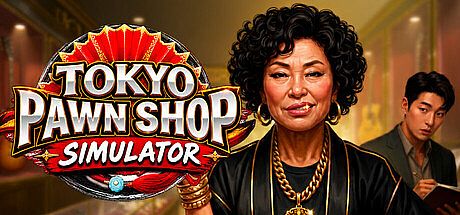


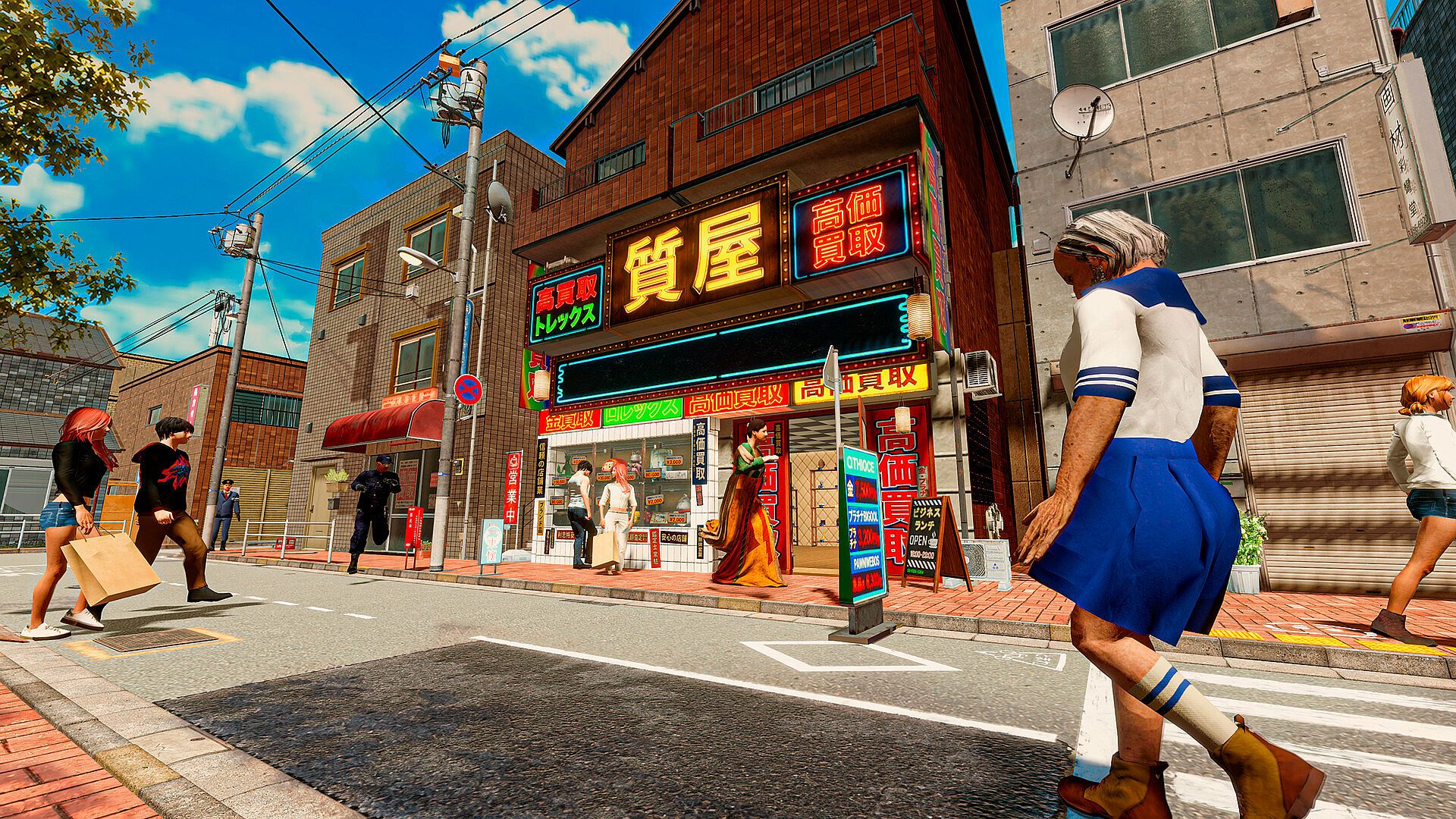
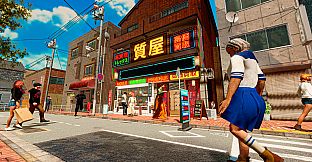


Tokyo Pawn Shop Simulator is an indie simulation and adventure game set on PC. Players take over a family pawn shop in Tokyo and handle the daily operations of buying, appraising, and selling items while managing risks from customers and authorities. The experience blends business management with light narrative elements centered on family history and personal decisions in a bustling urban environment.
Gameplay
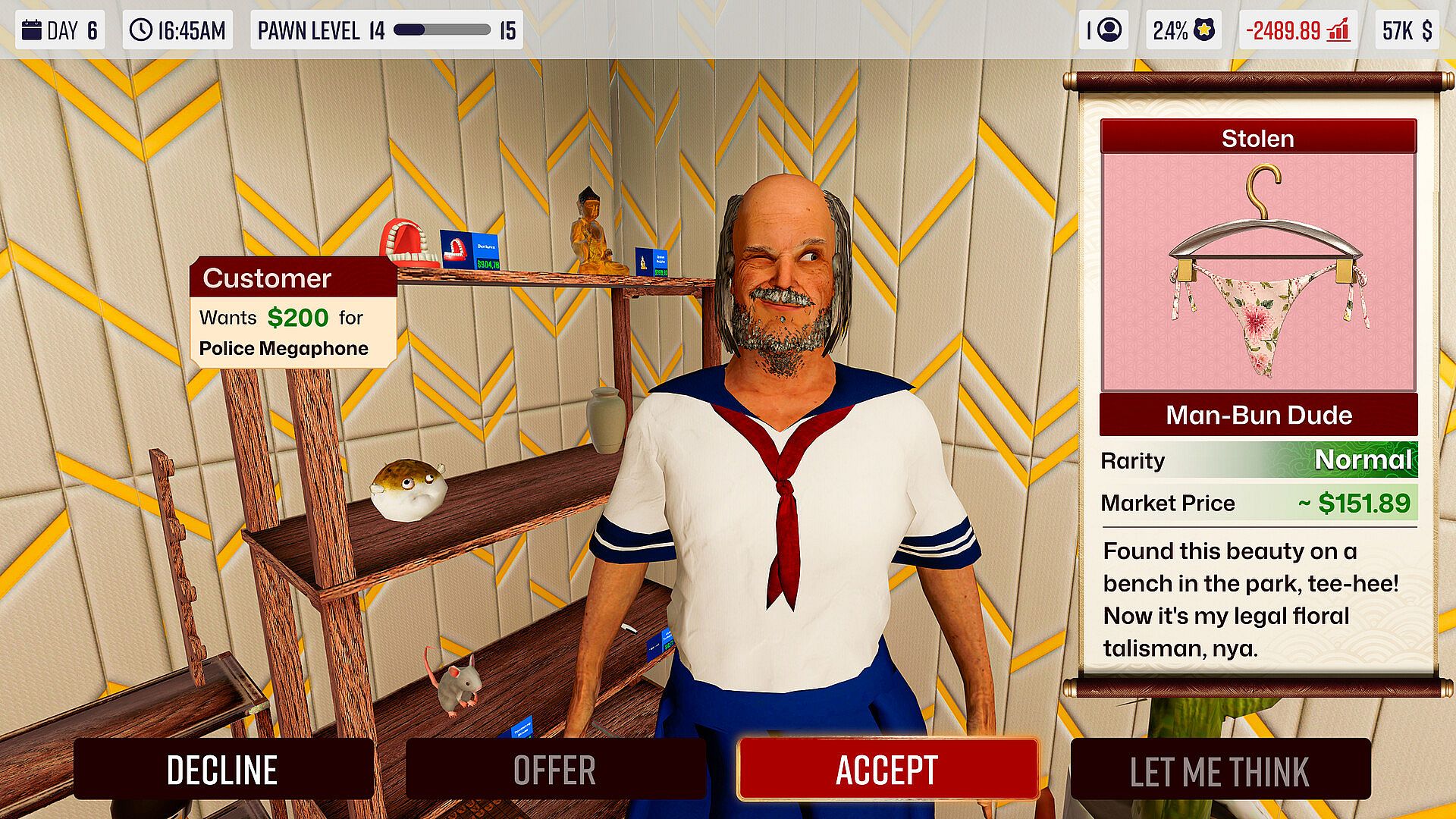
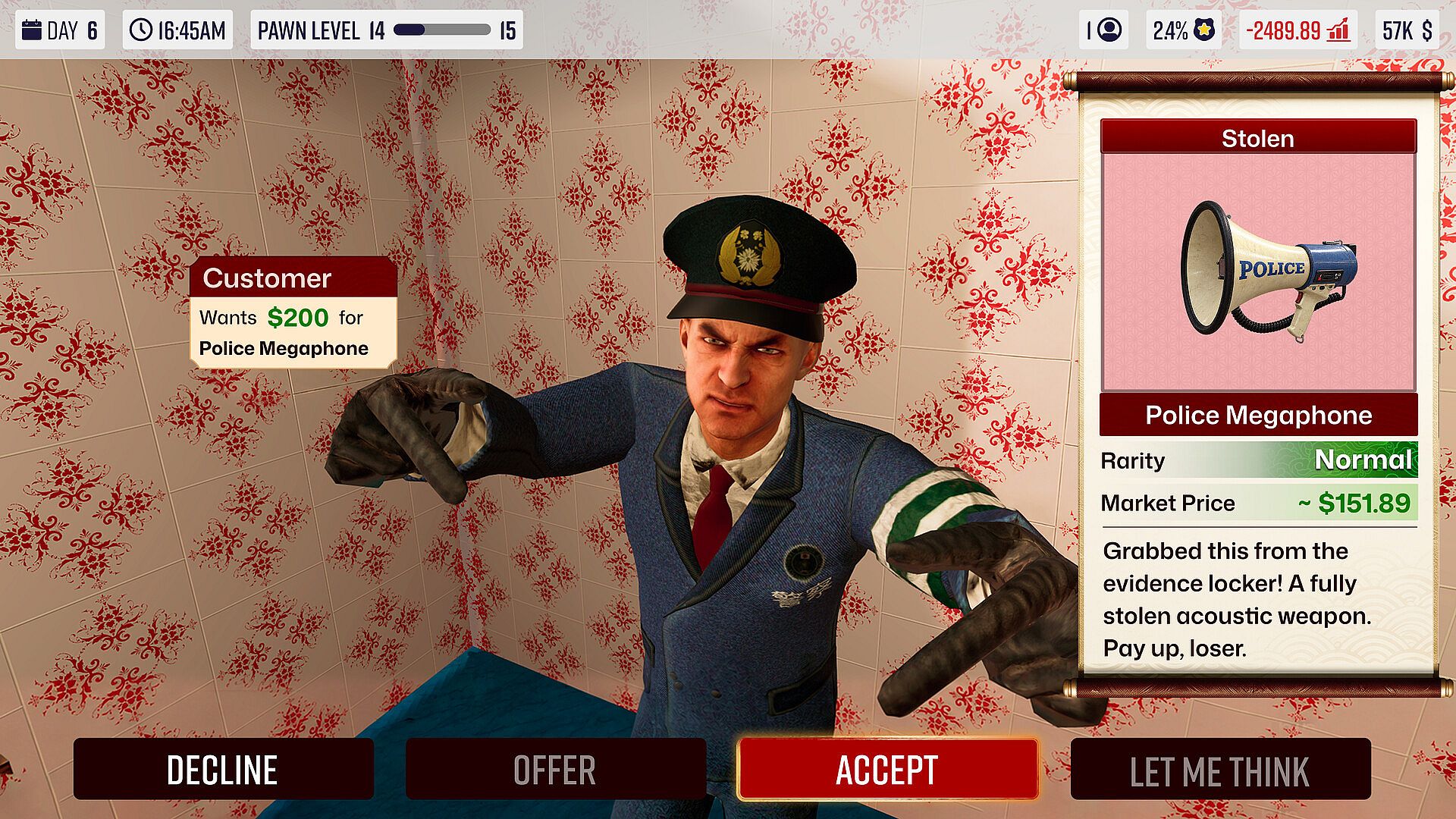
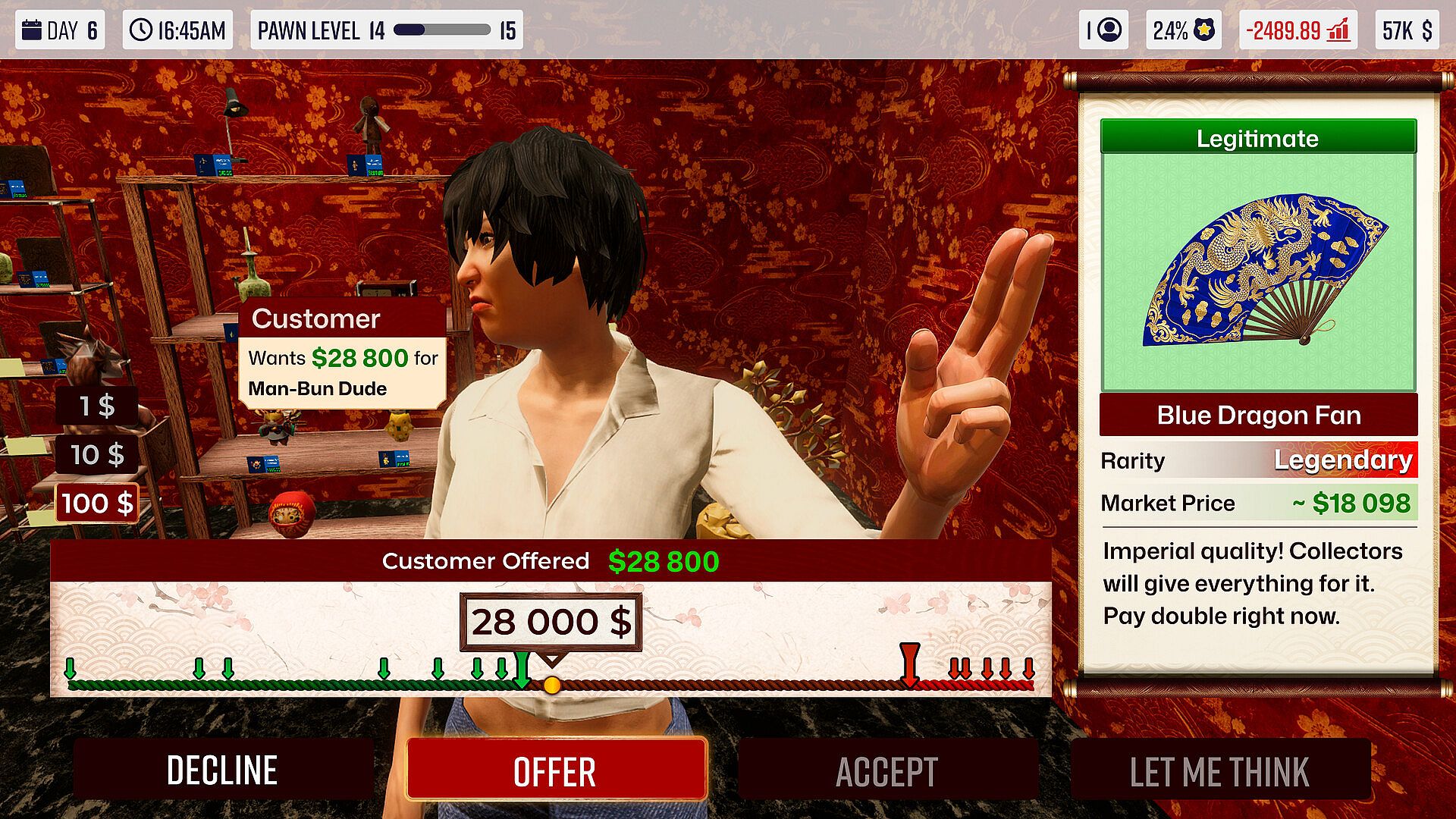
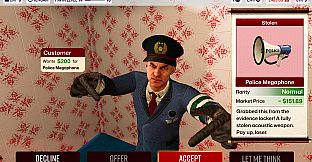
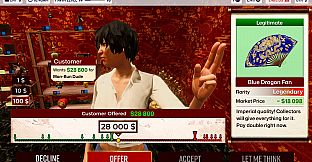
The core loop revolves around running the pawn shop as a family business inherited from grandma. Players examine incoming items to determine their value, negotiate prices with a variety of customers, and decide which purchases to accept for resale. Items range from potential antiques and collectibles to questionable or low-value goods, requiring careful inspection to avoid bad deals. Haggling forms a central mechanic, where success depends on reading customer behavior and aiming for profitable margins.
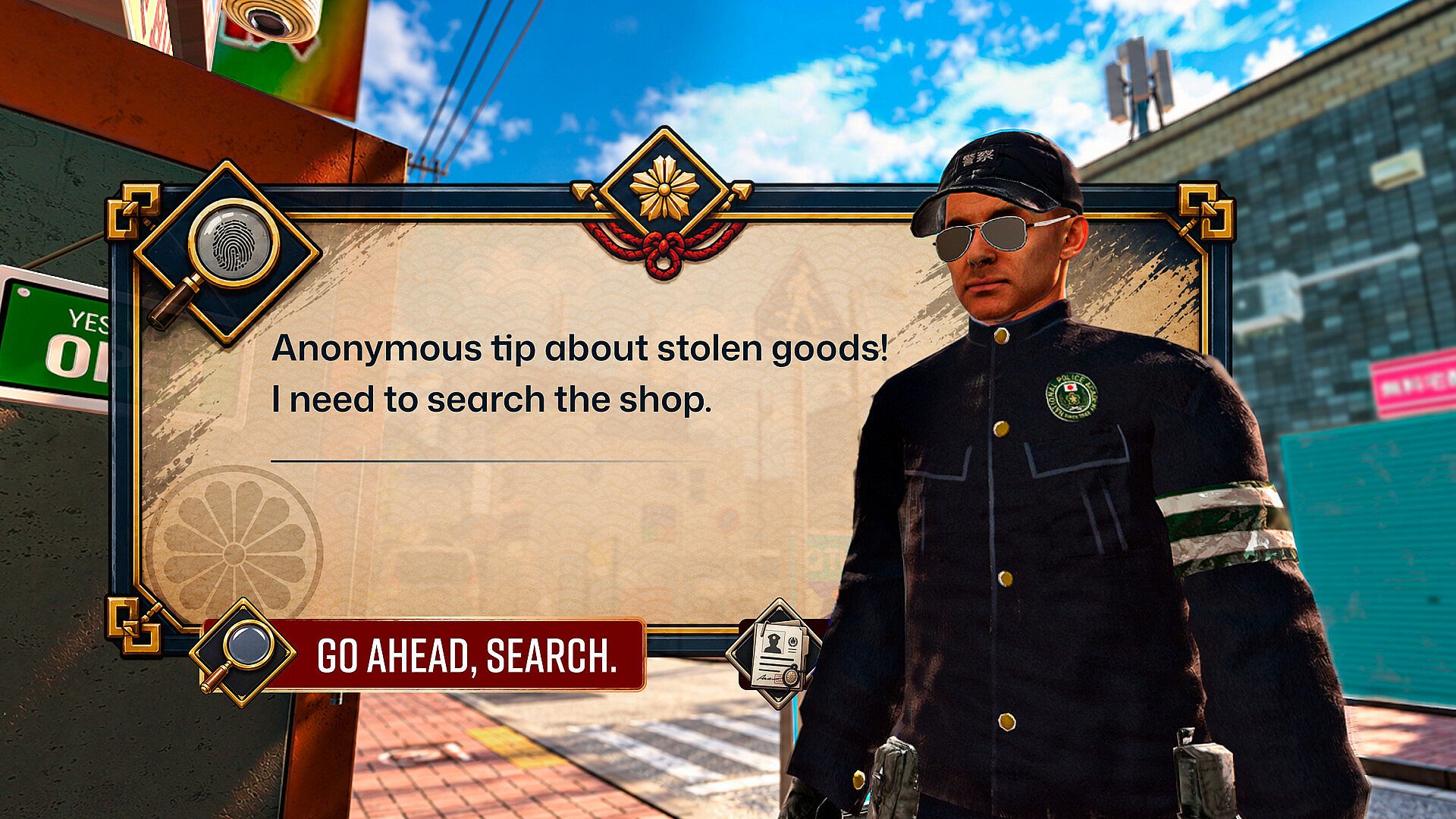
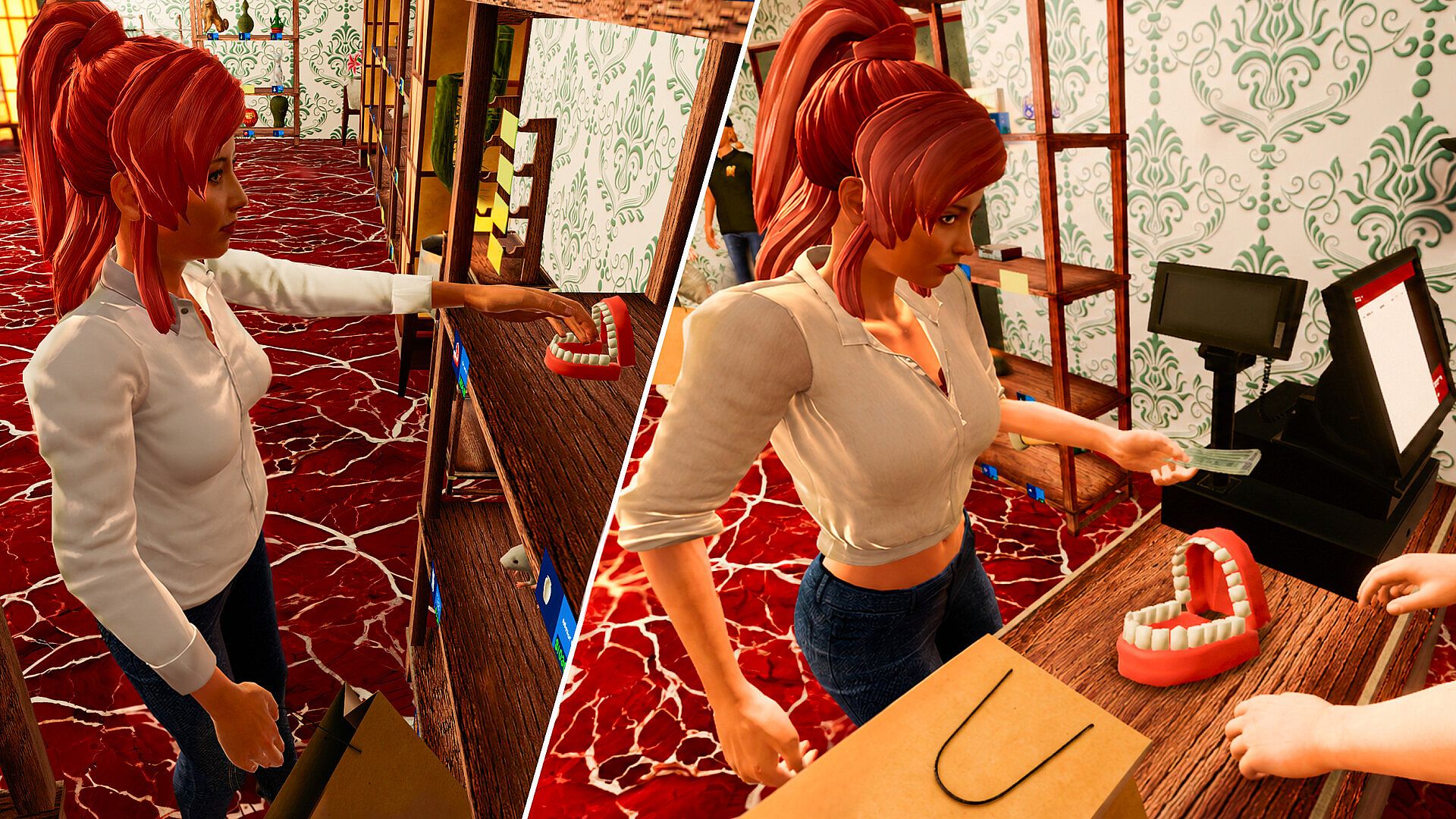
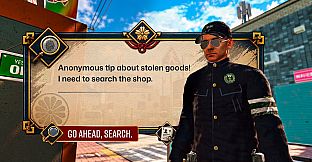
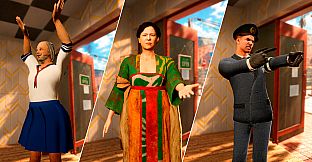
Security adds tension to shop operations. Some visitors attempt theft, which players counter using a slipper as an improvised tool to intervene. Police inspections introduce further challenges, as stolen or suspicious goods can lead to confiscations that impact inventory and finances. Players must balance risky acquisitions against the need to maintain operations during raids or official visits.
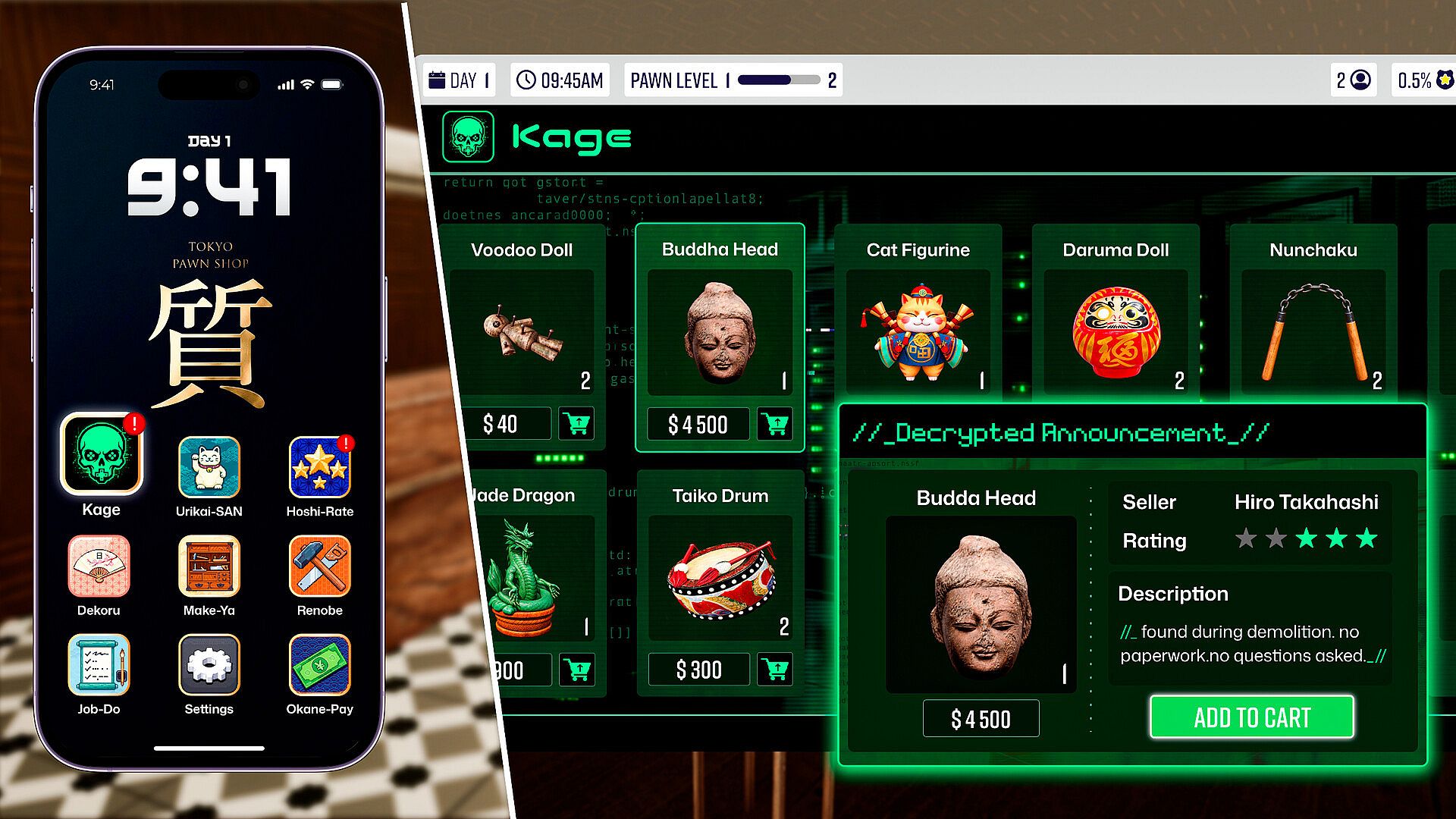
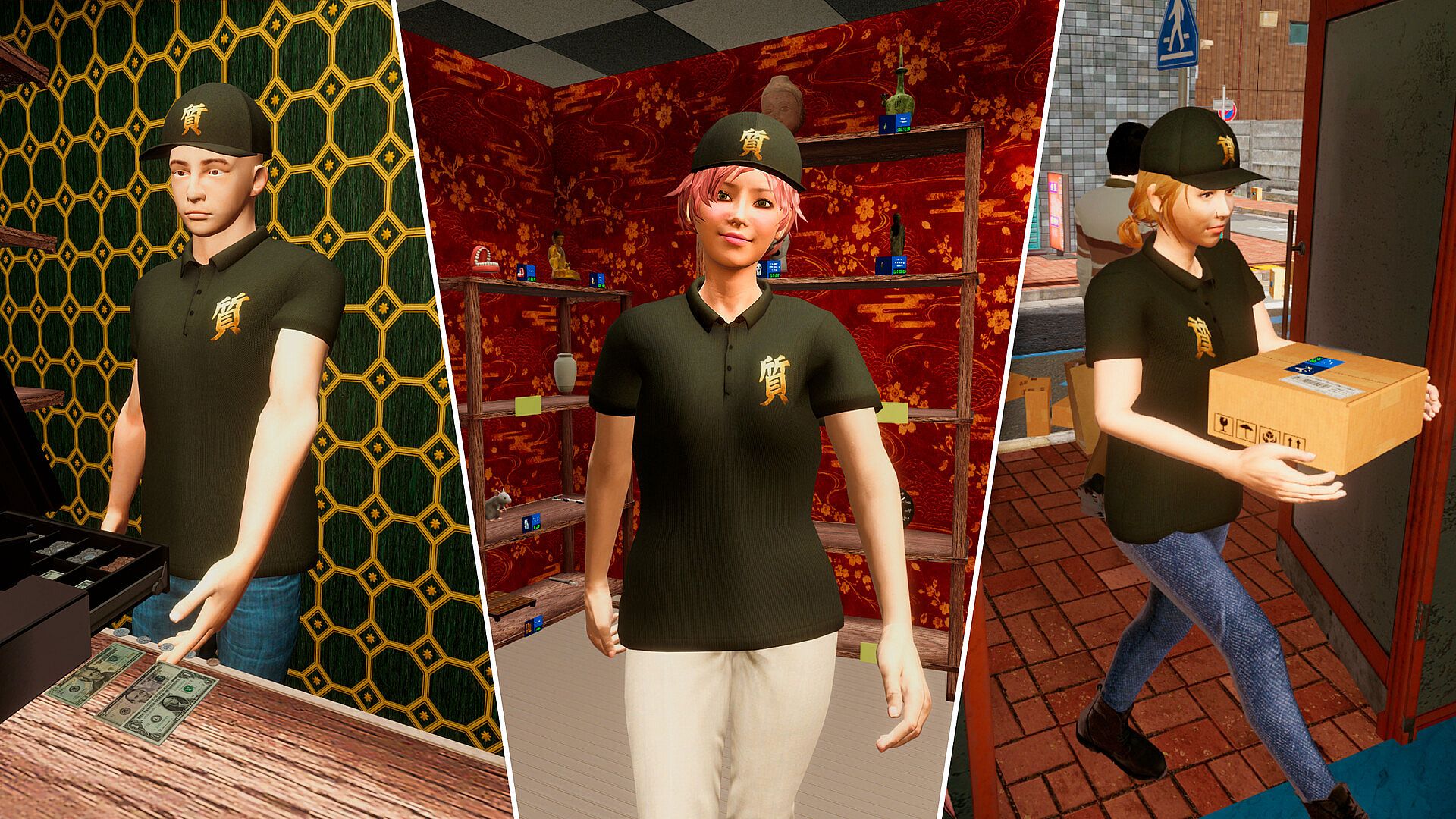
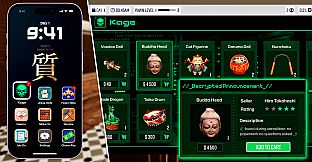
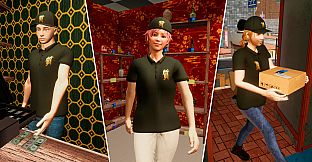
Shop customization and expansion provide progression. New shelves, displays, and decorations allow players to improve the layout and appeal of the space. A phone serves as a key tool for ordering goods through services like Urikai-San, exploring options on the Kage black market, handling upgrades, and paying bills. Hiring staff via Job-Do becomes available as business grows, helping manage increased customer traffic.
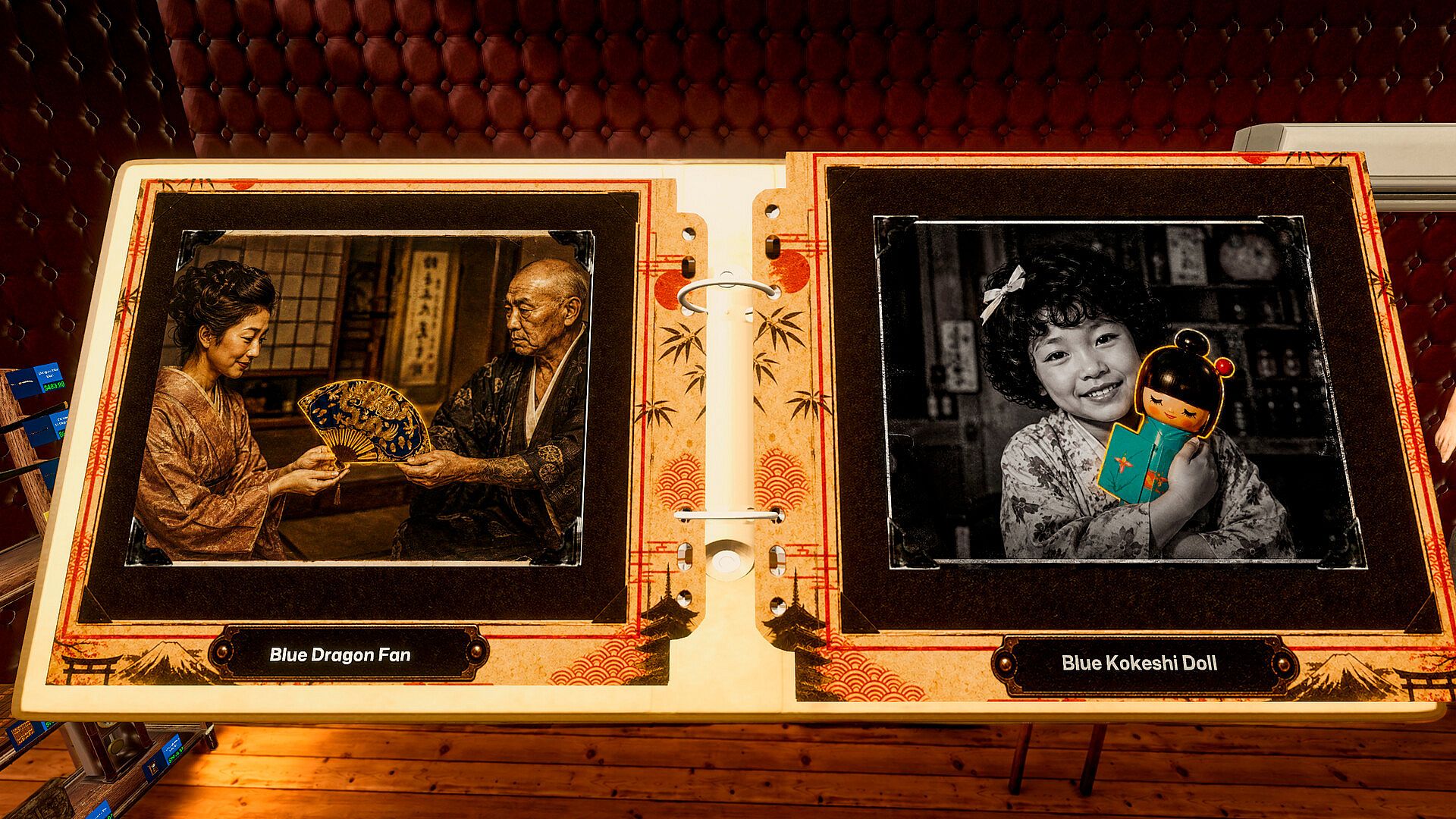
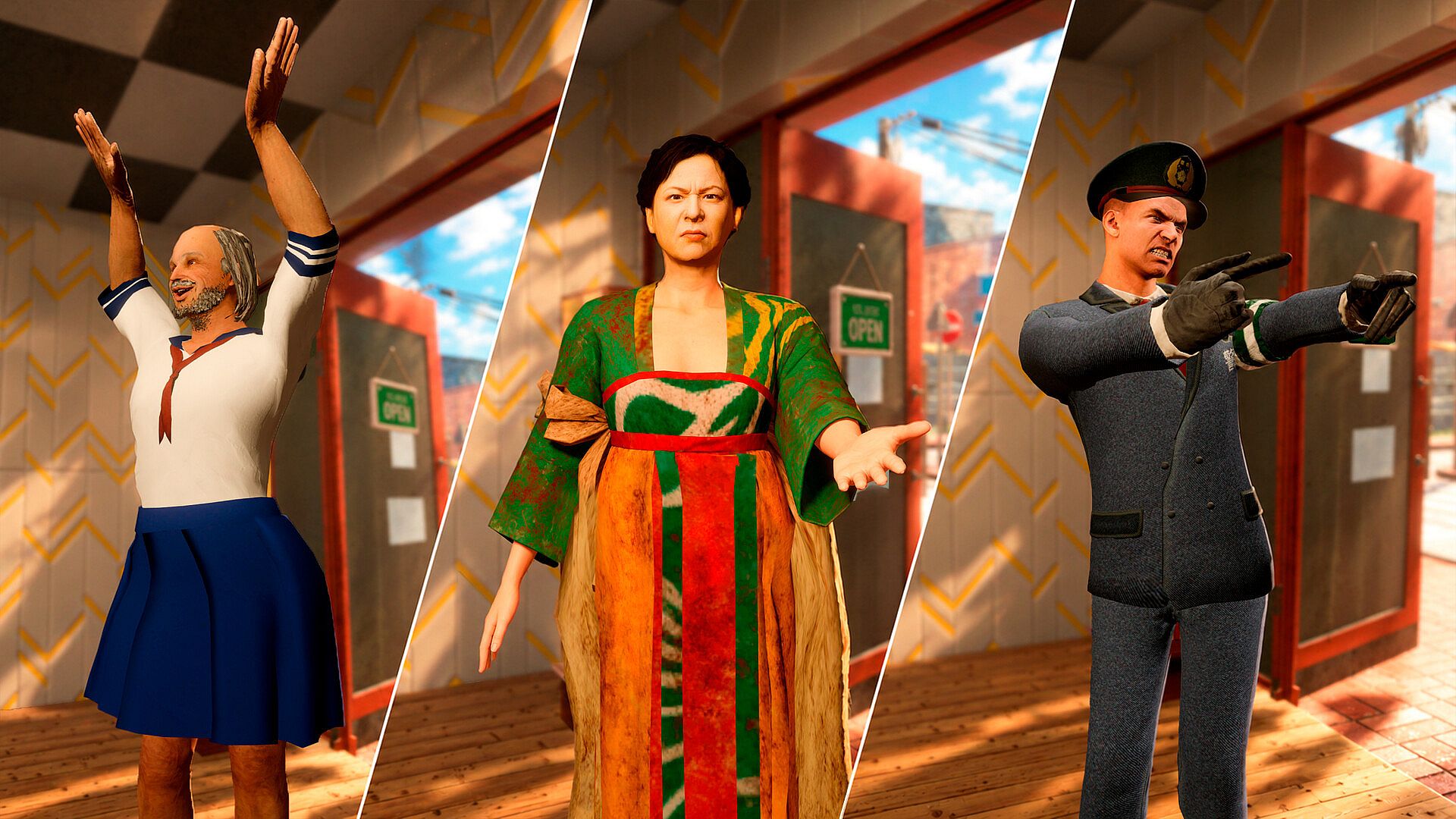
Narrative threads emerge through family secrets. Recovering heirlooms and piecing together an old photo album reveal details about the previous owner's past. Recurring characters such as Officer Fujioka, Haru-san, Keiji-kun, and Obaa-san interact with the shop, each bringing distinct perspectives on business and local events.
Game Modes
Tokyo Pawn Shop Simulator focuses on a single-player simulation experience without separate named modes. The gameplay centers on continuous shop management, where daily customer interactions, item handling, and business decisions form the primary activity. Players progress by expanding the shop, uncovering story elements, and sustaining operations amid occasional disruptions like inspections or theft attempts. This structure emphasizes ongoing decision-making rather than distinct competitive or cooperative formats.
Shop Management and Progression
Building a successful operation requires attention to both immediate deals and long-term growth. Players start with basic facilities and gradually add space, better organization, and additional features through customization choices. The phone system supports remote business activities, including sourcing new stock and monitoring finances, though not every transaction online proves reliable. As revenue increases, hiring employees helps scale the business without overwhelming the player with every task.
Item variety keeps each day unpredictable. Bizarre collectibles, valuable antiques, and outright junk arrive at the counter, forcing players to develop judgment on authenticity and market demand. Turning questionable purchases into profit demands a mix of caution and opportunism, with every negotiation carrying potential for gain or loss.
Is It Worth Playing?
Tokyo Pawn Shop Simulator appeals to players who enjoy simulation games focused on business management, negotiation, and light risk elements. The combination of haggling mechanics, shop building, and occasional security challenges creates a steady loop of decisions that reward careful play. Those interested in stories involving family legacies and urban life in Tokyo may find additional engagement through the narrative threads. Since the game has not yet launched, interested players can add it to their wishlist for notifications upon release. The described systems suggest it suits fans of indie simulation titles who prefer thoughtful pacing over fast action.











