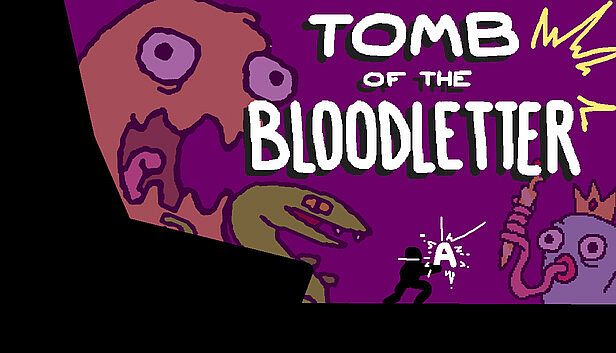




















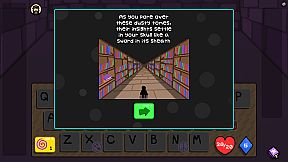
Tomb of the Bloodletter is a strategy indie RPG that blends roguelike progression with word-based combat on PC. Players type words formed from keyboard letters that carry magical properties to battle through a haunted tomb filled with enemies and hazards.
Gameplay
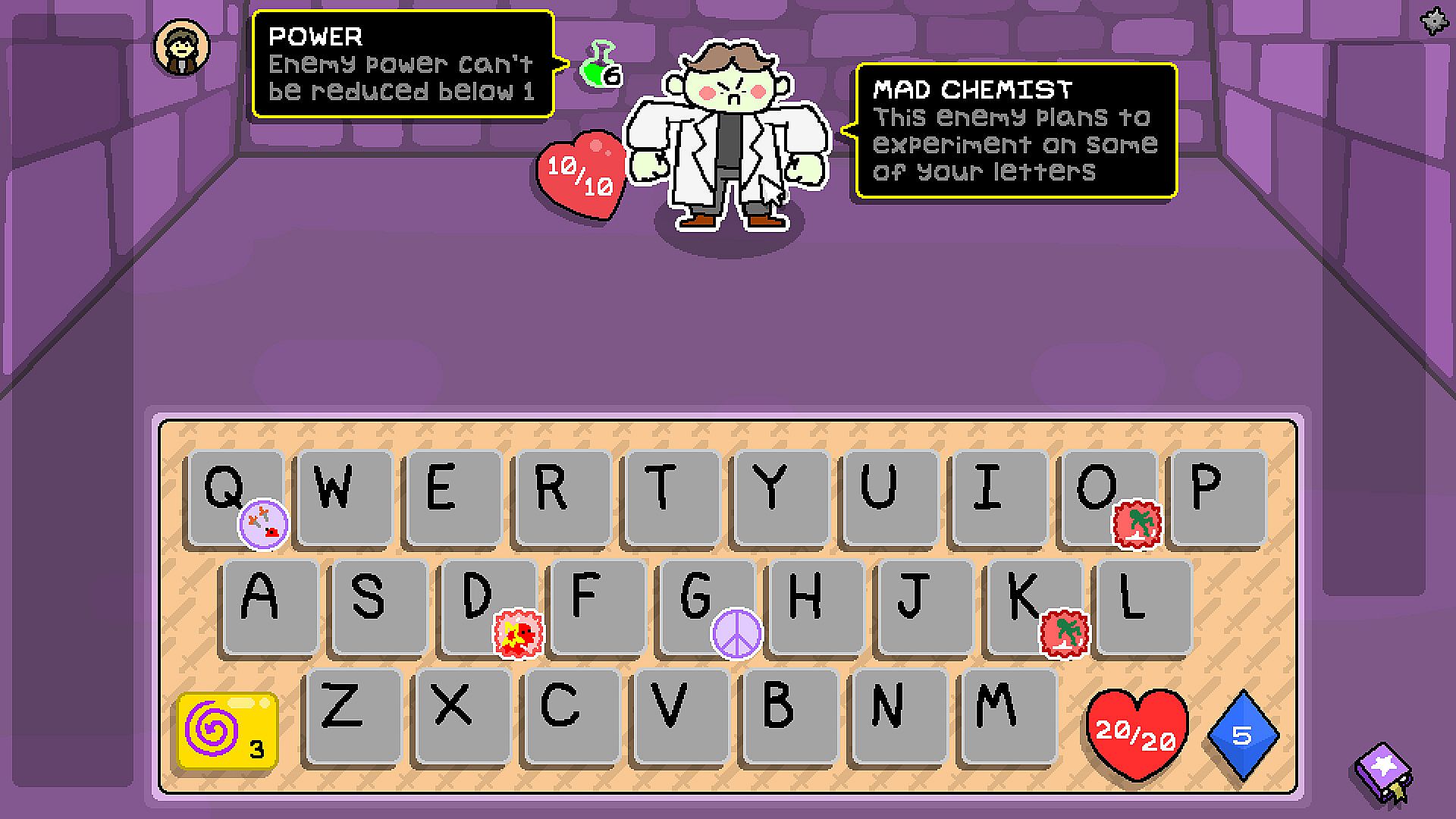
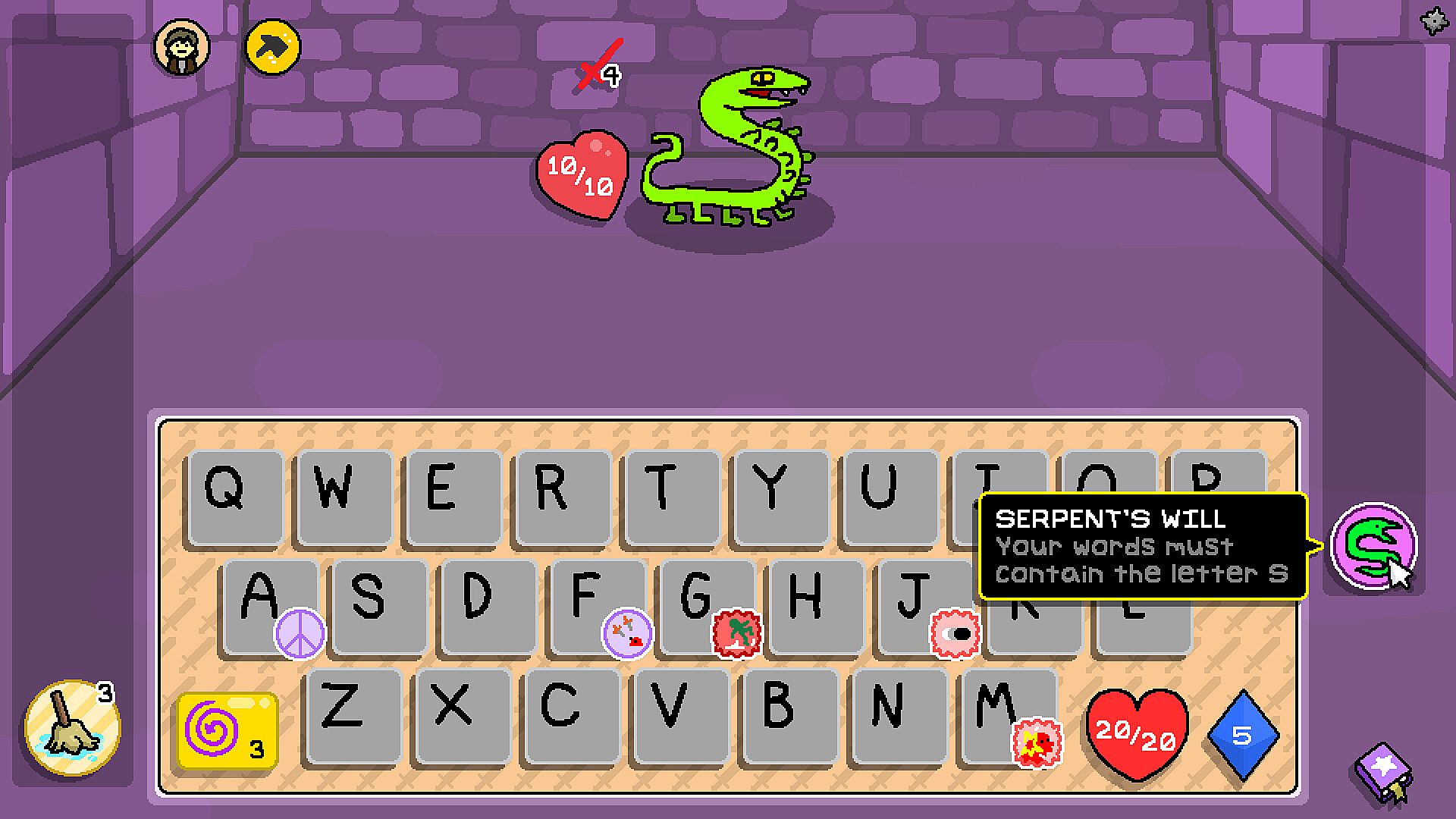
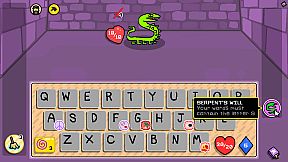
The core loop centers on typing tactical words to trigger attacks, defenses, and special effects. Each letter on the keyboard channels a unique Magick with its own rules, such as increased damage when placed at the end of a word or healing when certain combinations appear. Players mix these letters into sequences that produce unpredictable results, rewarding careful planning over raw vocabulary size.
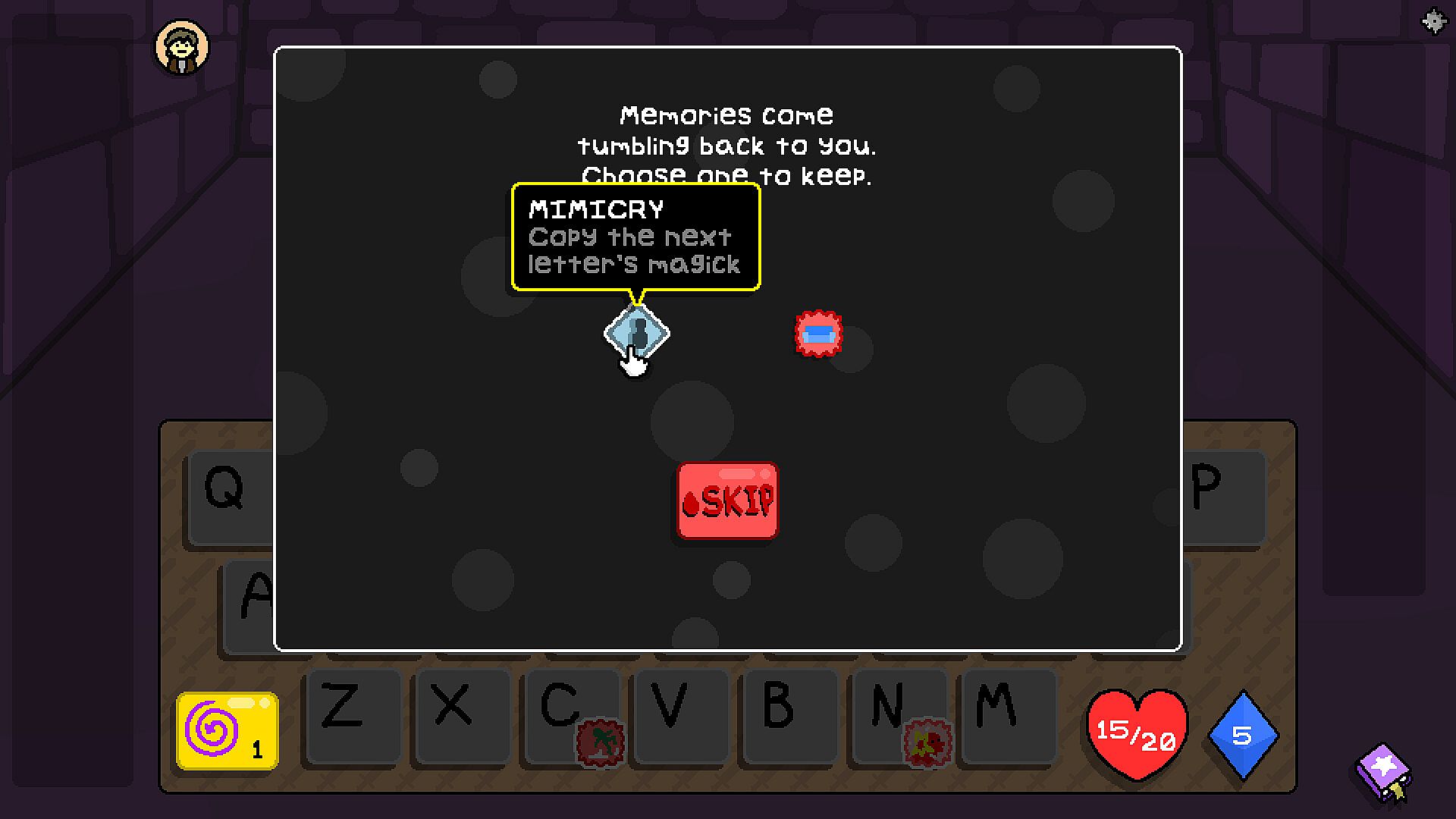
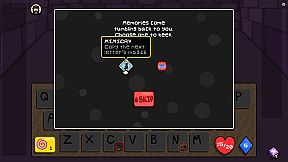
At the start of each floor, a word choice determines the path ahead, opening options for stronger abilities, health restoration, or adjustments to how Magicks reroll. As runs progress, new Magicks are acquired automatically, expanding the available options while introducing more chaos to manage. Enemies feature distinct mechanics that require specific word strategies to counter effectively.
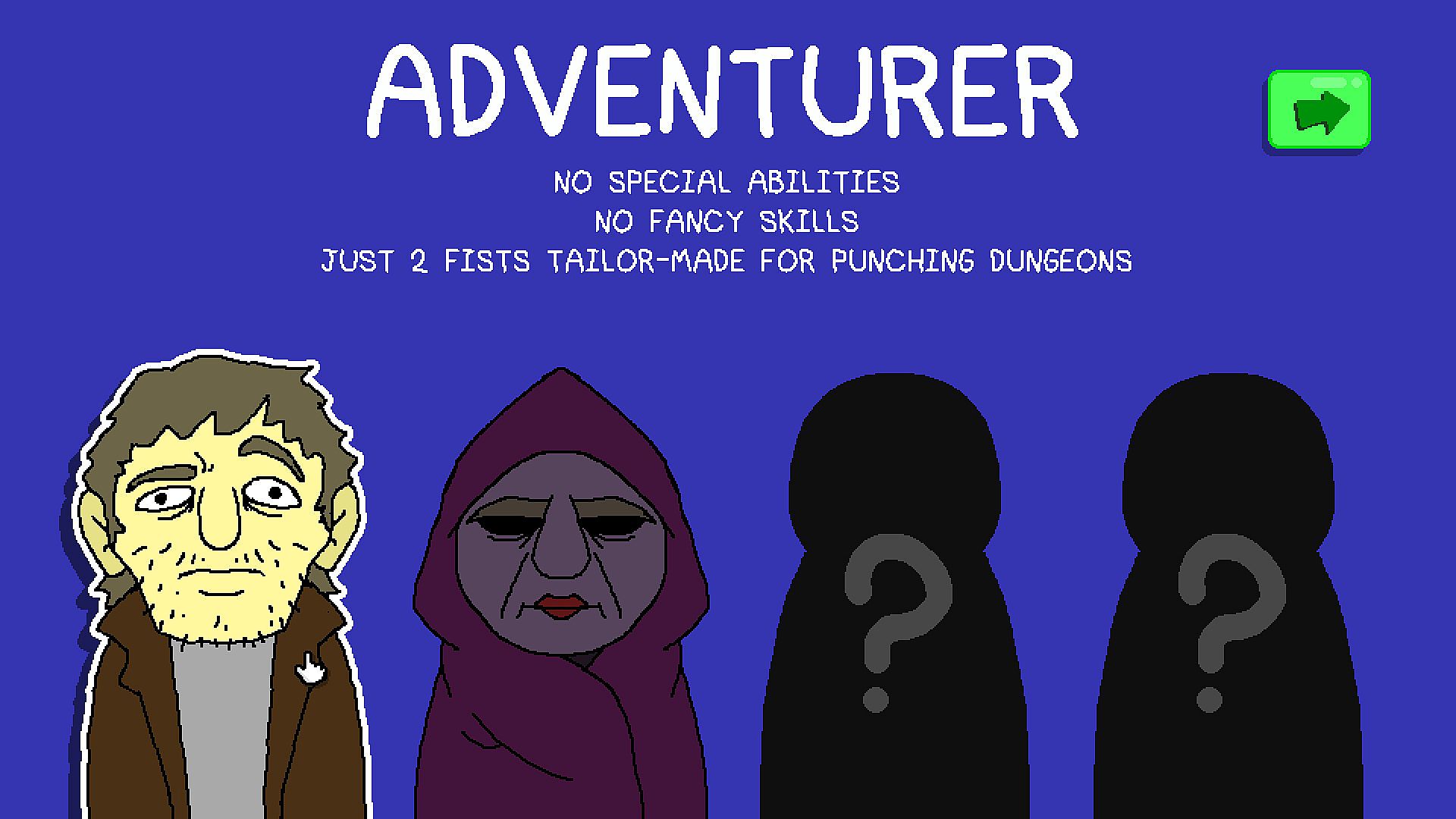
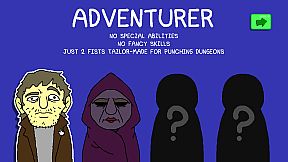
Four playable characters alter the experience from the outset. The Scholar sees abilities weaken over successive turns, the Prophet faces obligations to an external force, and the others bring their own twists that reshape combat priorities. These differences encourage repeated runs with fresh approaches rather than relying on a single style.
Game Modes
The game operates as a single-player roguelike without separate multiplayer or competitive modes. Each session involves descending through procedurally arranged floors where word crafting determines both combat outcomes and path selection. Runs emphasize survival through successive challenges, with failure resetting progress while retaining some acquired knowledge of effective combinations.
Character selection serves as the primary variation between attempts, allowing players to experiment with different rule alterations on subsequent tries. The structure focuses on building toward a final confrontation rather than branching into distinct game types or team-based formats.
Character Choices and Progression
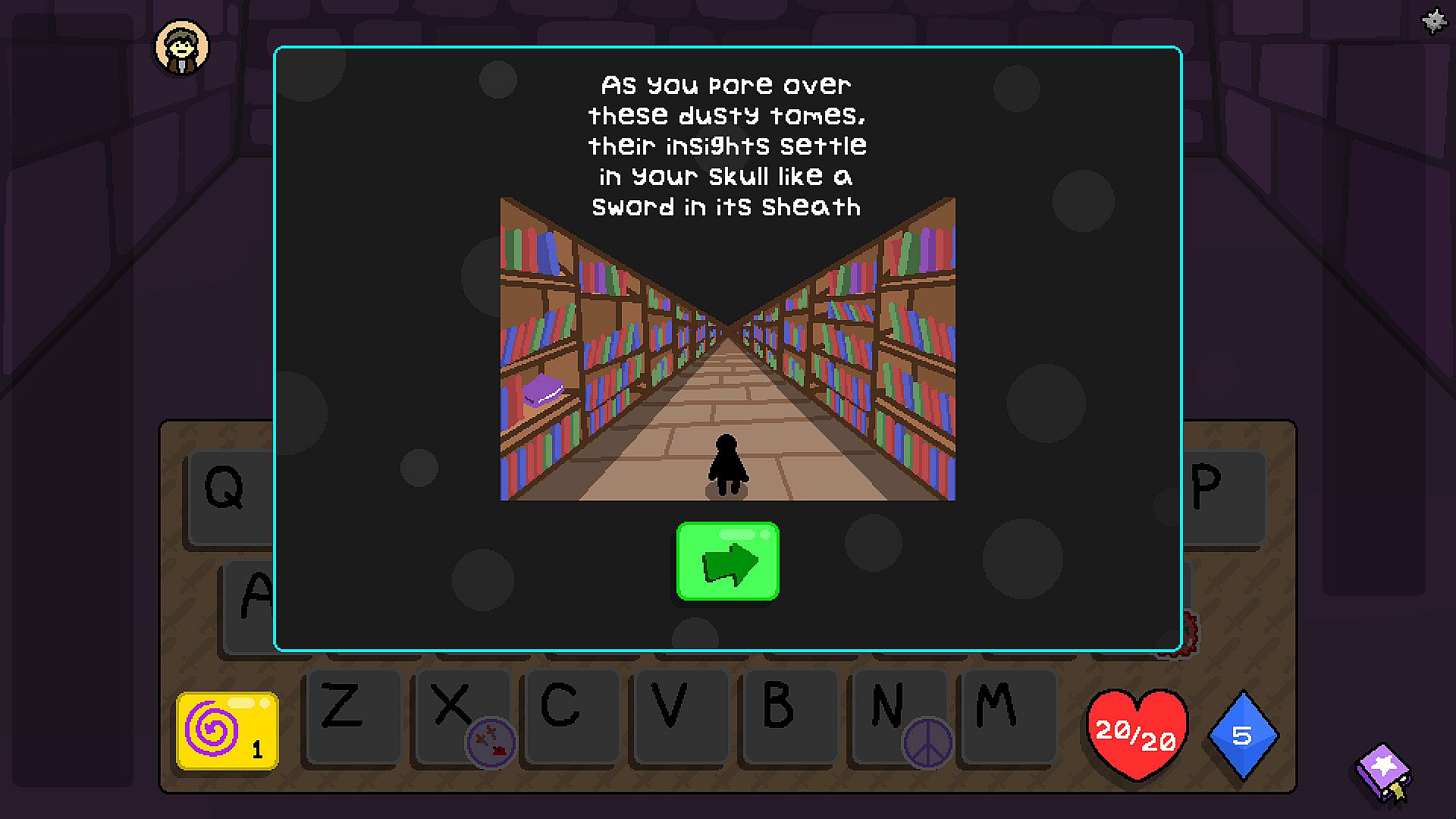
Progression ties directly to the keyboard as a growing collection of Magicks. Letters gained during a run become permanent tools for that attempt, turning the input method into both a resource and a potential liability when conflicting effects activate. Success hinges on sequencing letters at precise moments to exploit enemy weaknesses or mitigate self-inflicted drawbacks, such as penalties from excessive vowels.
The four characters provide immediate differentiation. Their quirks influence how Magicks interact and how resources like health or rerolls are handled, making each playthrough feel distinct even before new letters appear. This system supports short sessions focused on one floor or longer attempts that push deeper into the tomb.
Is It Worth Playing?
Reviews on the platform show very positive feedback from 96 ratings at 87 percent approval, indicating strong reception among players who enjoy word puzzles combined with tactical decision-making. The game suits those who appreciate roguelike runs where experimentation with letter combinations drives the challenge, rather than traditional action or resource management systems.
Its indie scale keeps the focus narrow on the word-formation mechanics and character-specific twists, making it a good fit for players seeking something unconventional in the strategy RPG space. Availability remains consistent with ongoing visibility in relevant genre listings, supporting continued play for those drawn to the core loop of building and deploying unpredictable word attacks.