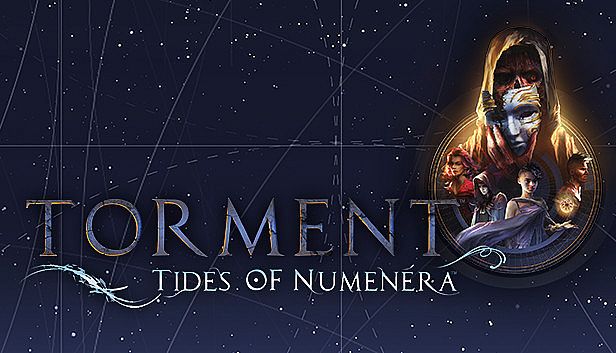




















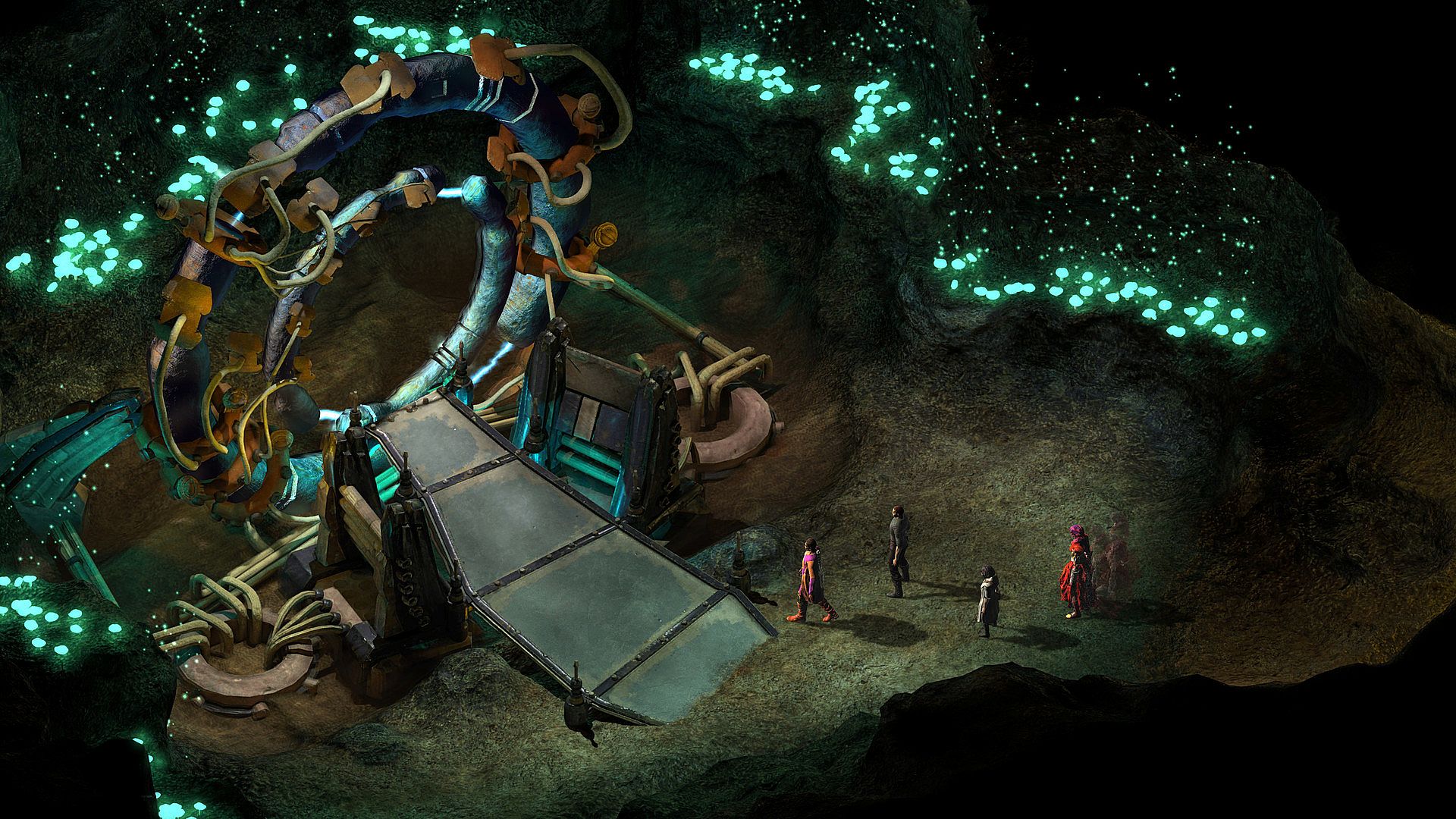
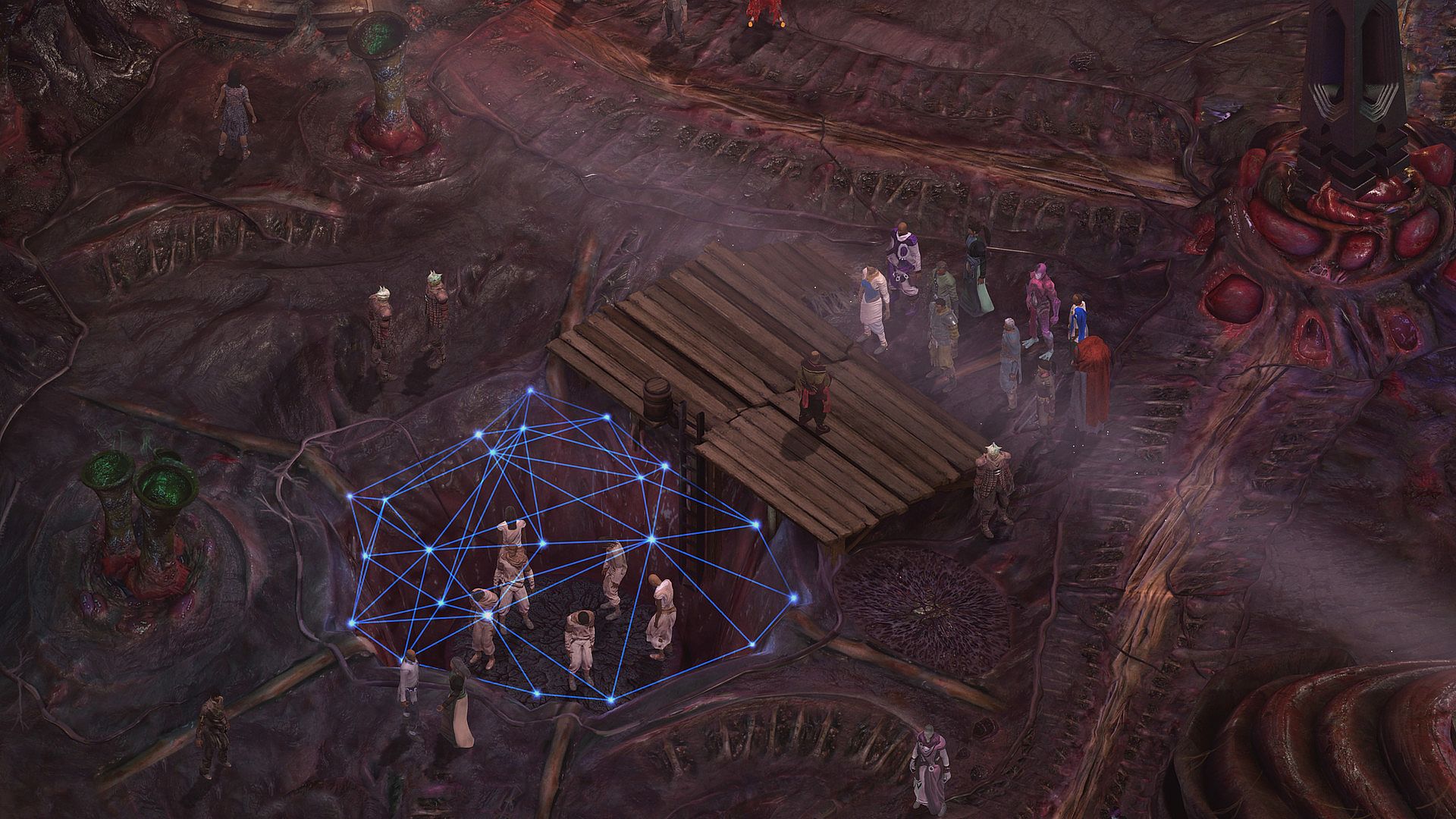
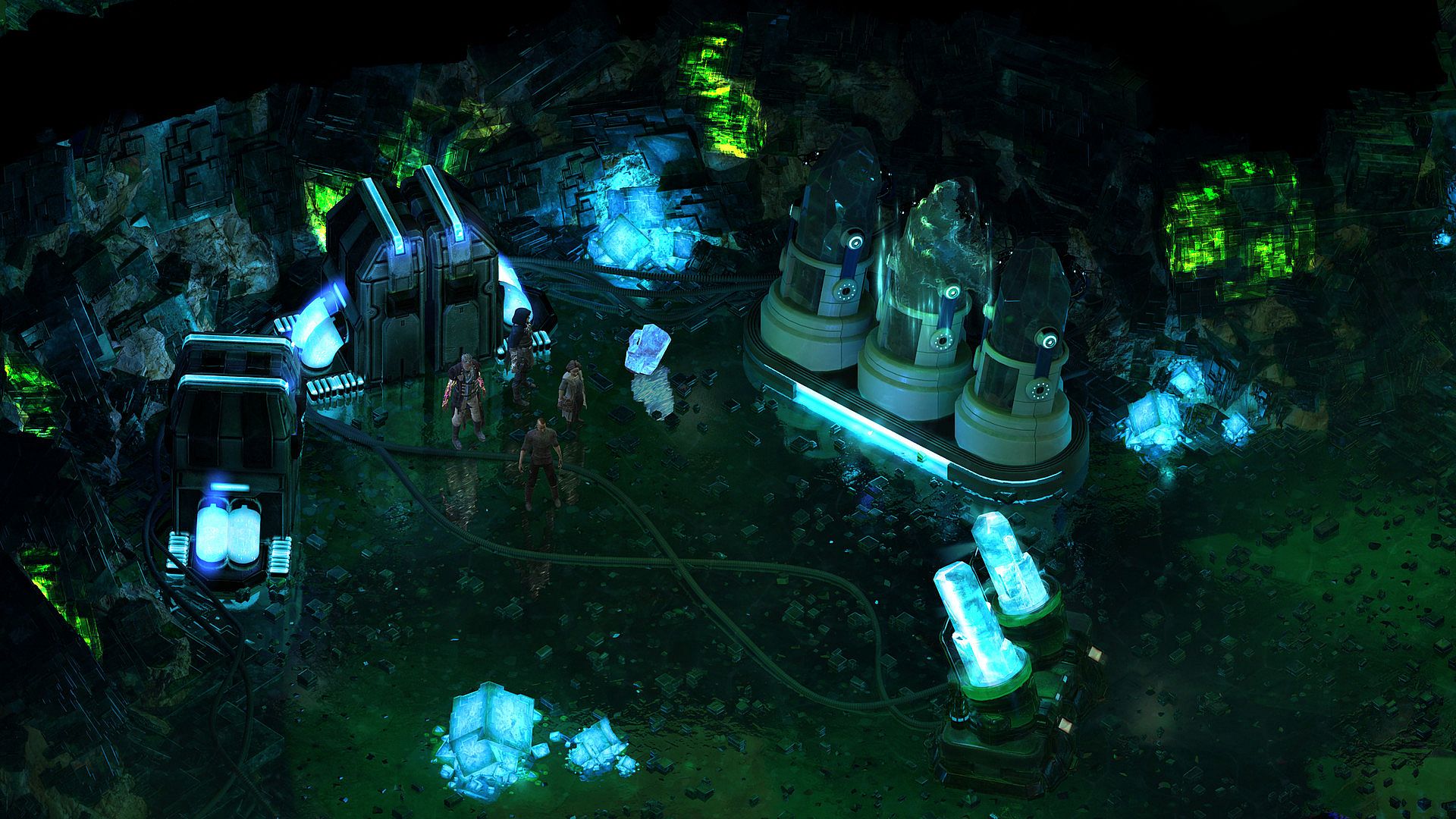
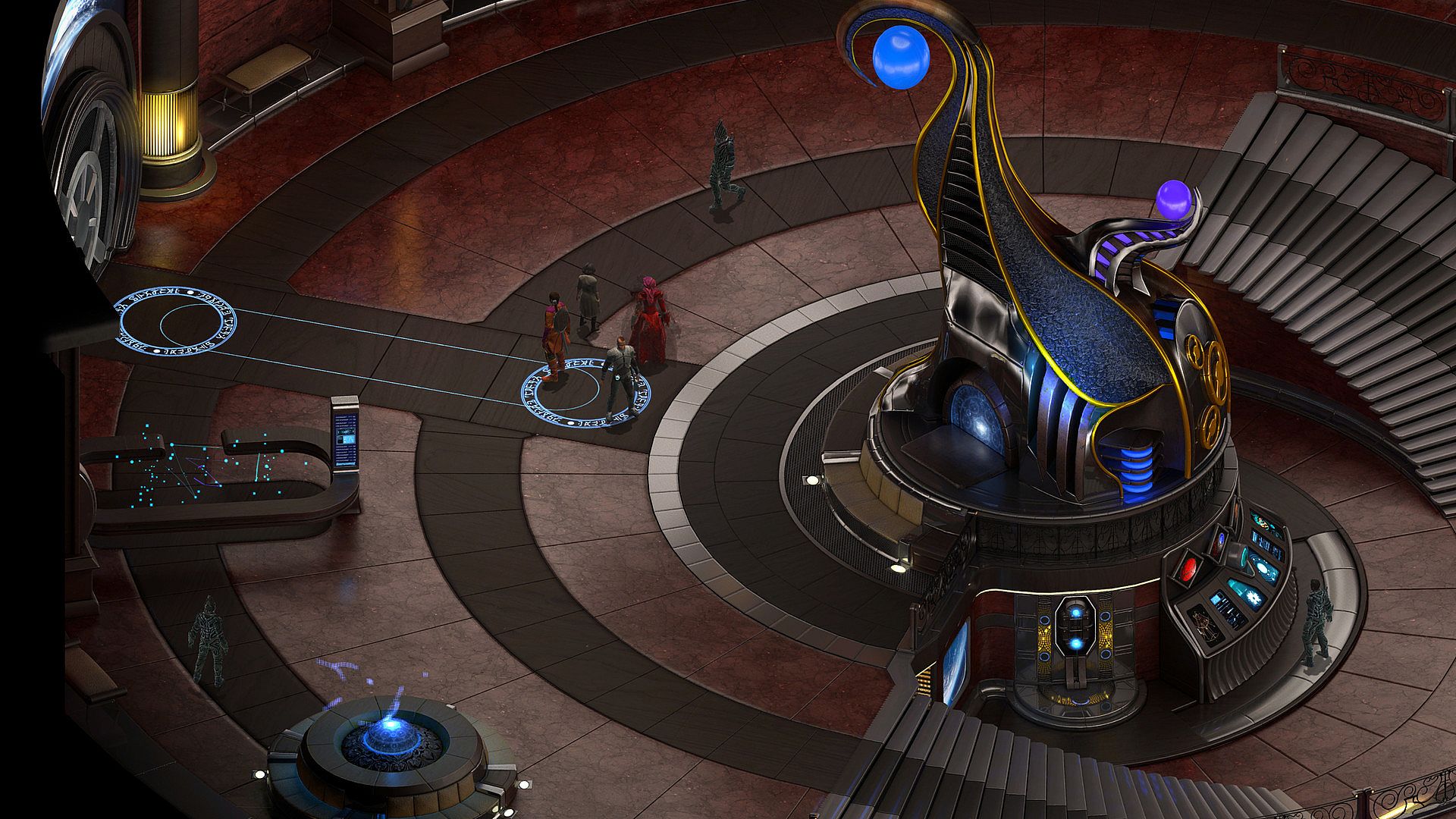

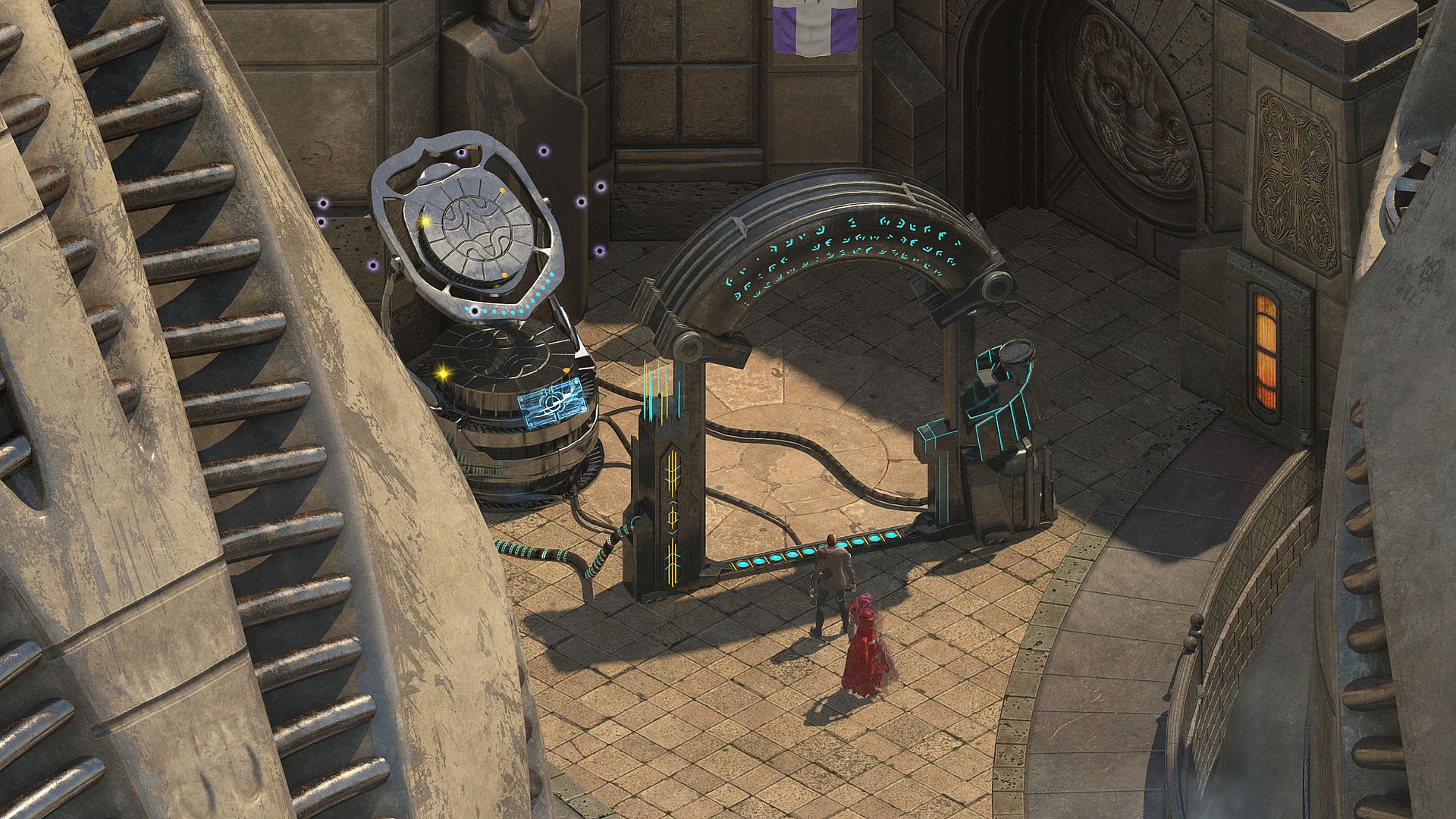
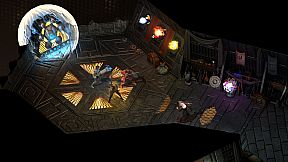
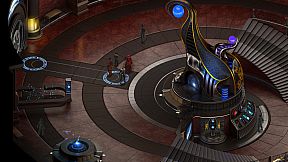
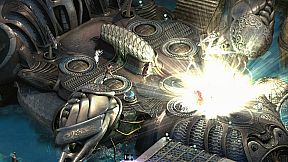
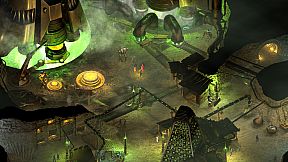
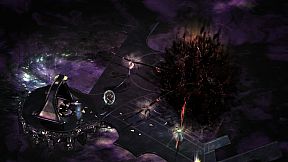
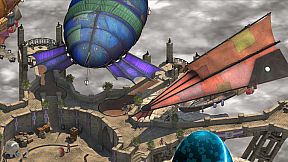
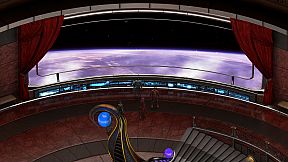
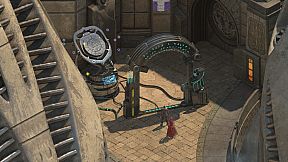
Torment: Tides of Numenera is a single-player isometric narrative-driven role-playing game set in the Ninth World of Monte Cook's Numenera universe. Players take on the role of the Last Castoff, a being born from the body of an ancient entity known as the Changing God, and navigate a world filled with strange technology, philosophical questions, and personal stakes.
Gameplay
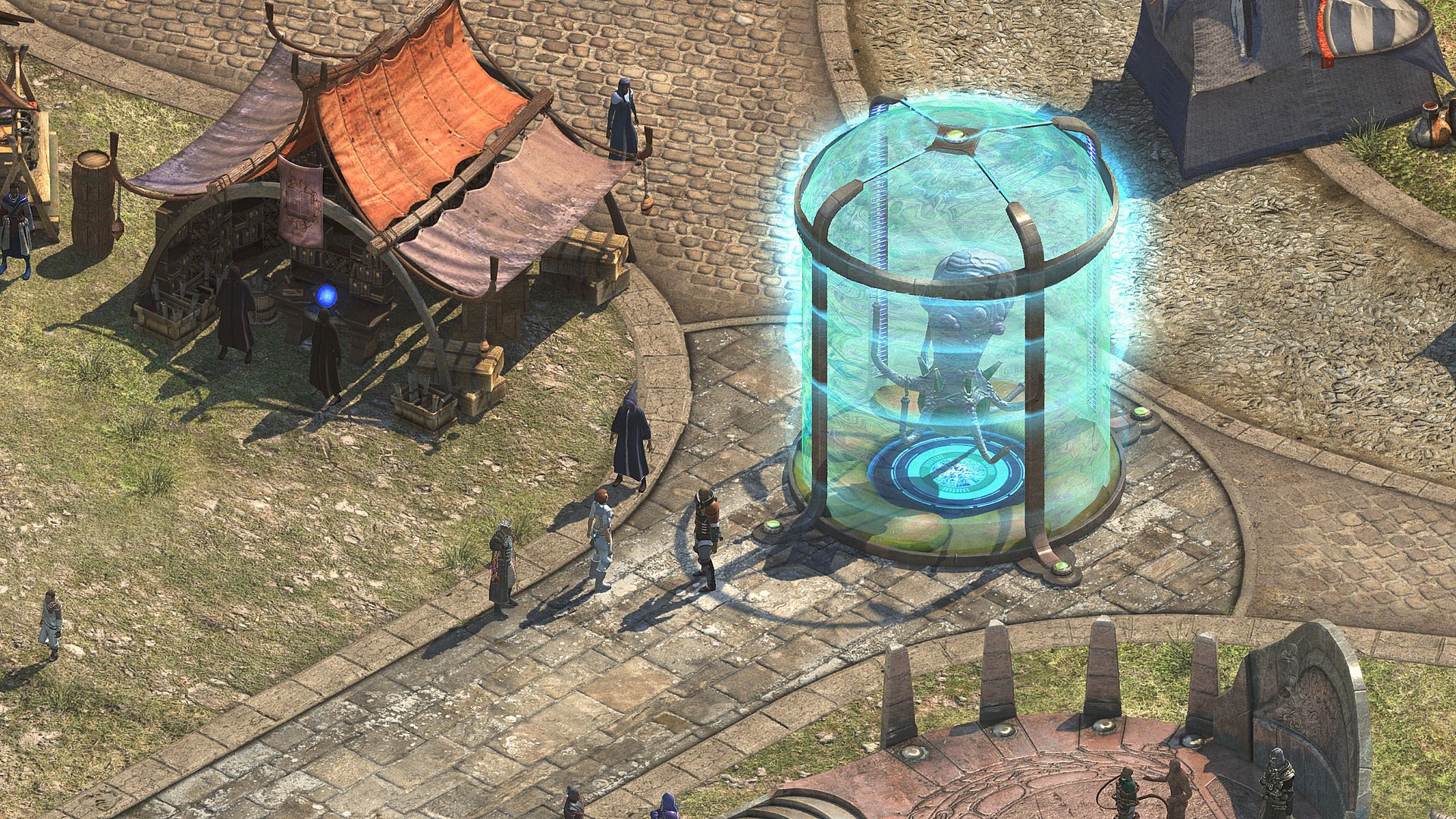
The core loop centers on exploration, dialogue, and decision-making in an isometric perspective. Character creation draws from the Numenera tabletop rules with three base classes: Glaive for combat focus, Nano for abilities tied to strange science and powers, and Jack for versatile skills. These can be customized further through descriptors and foci that shape abilities and playstyle.
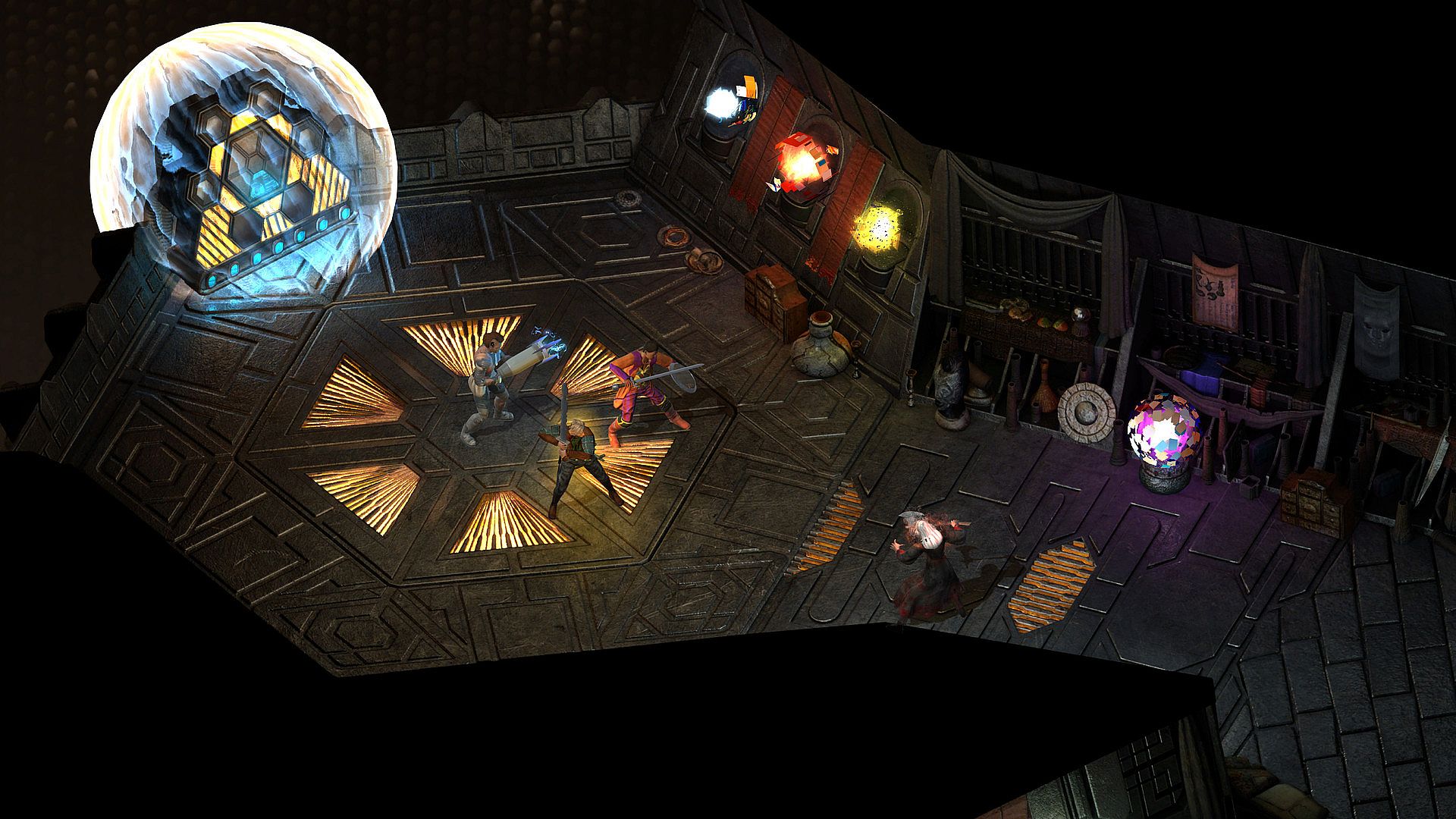
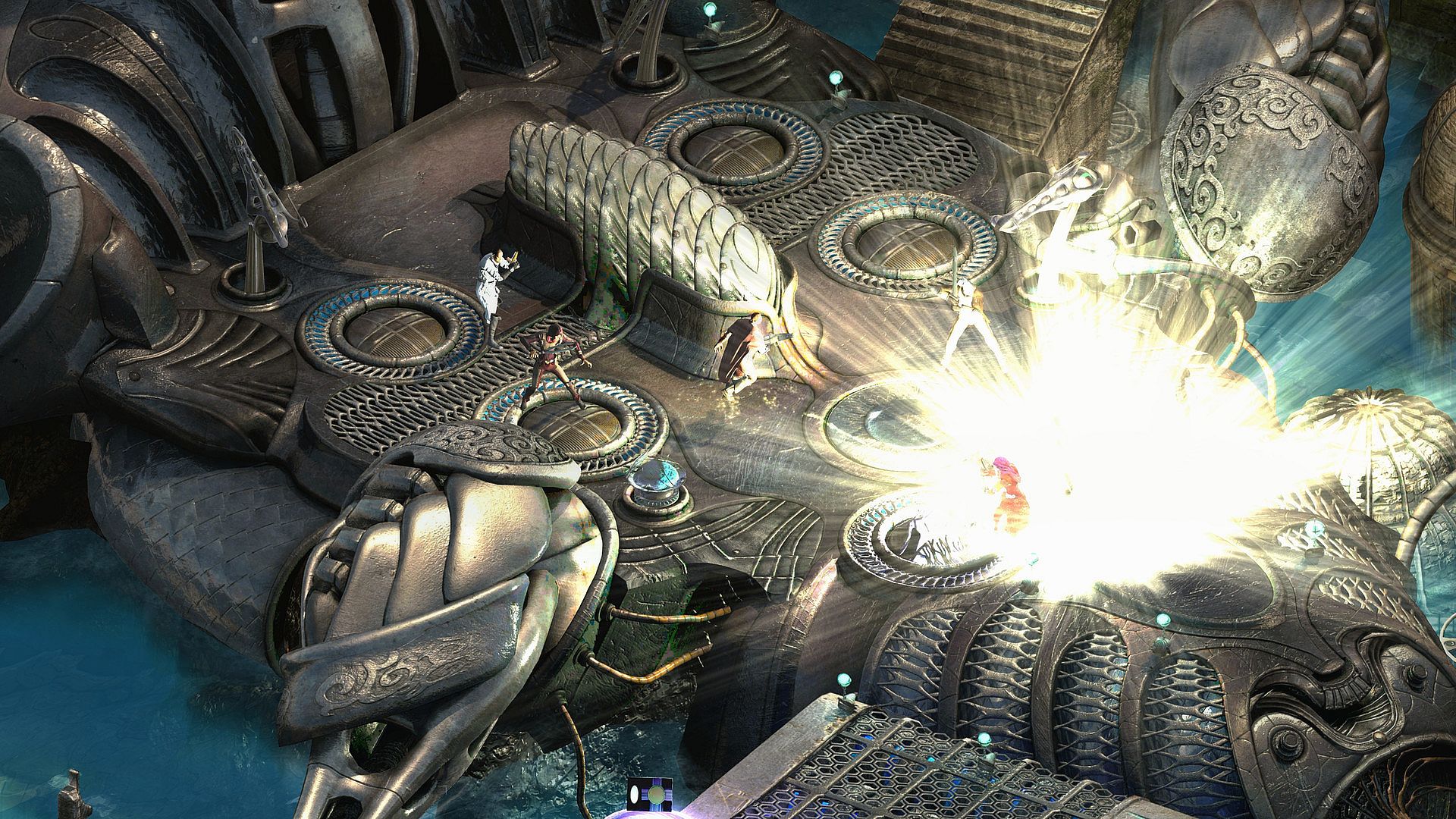
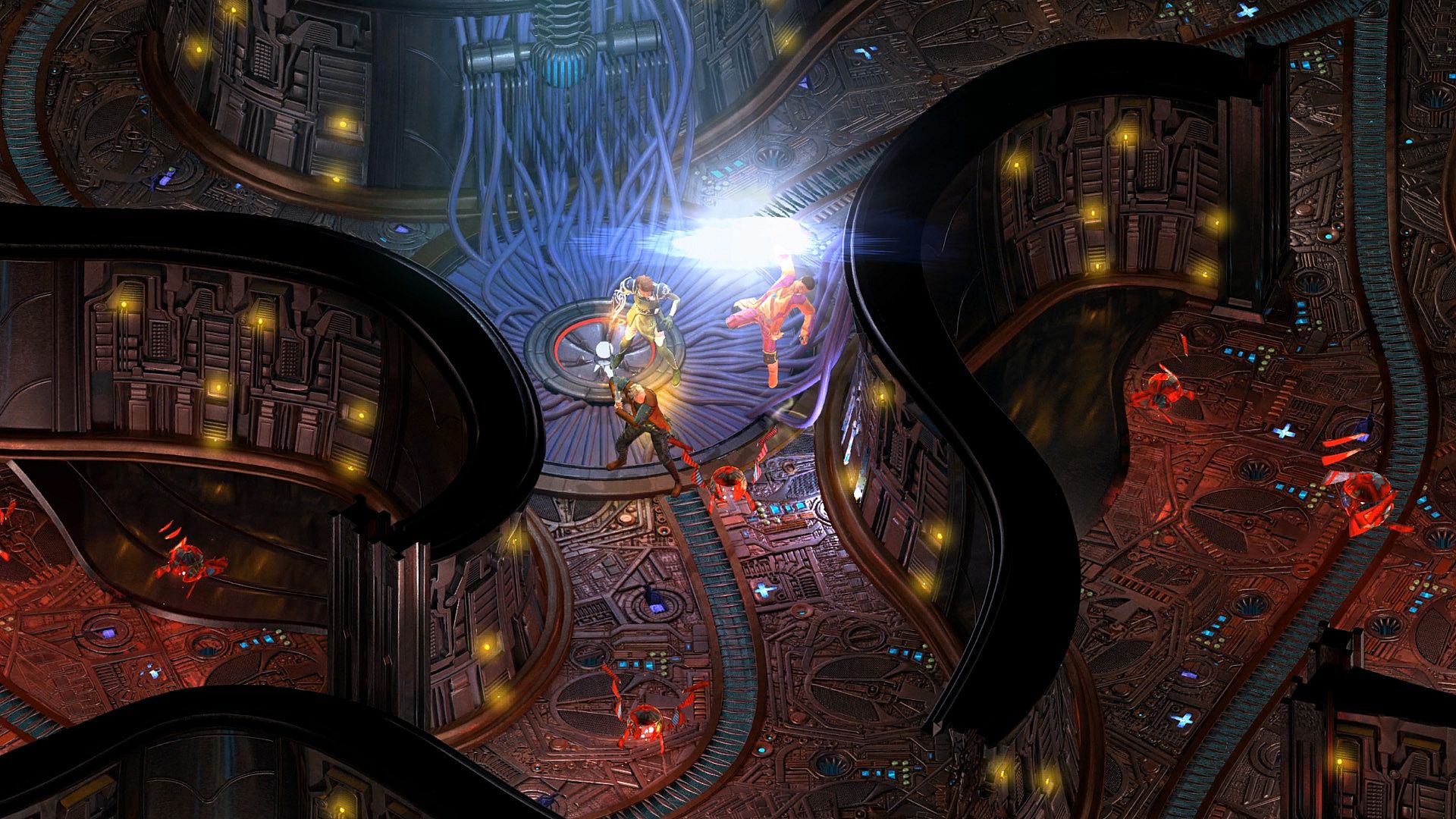
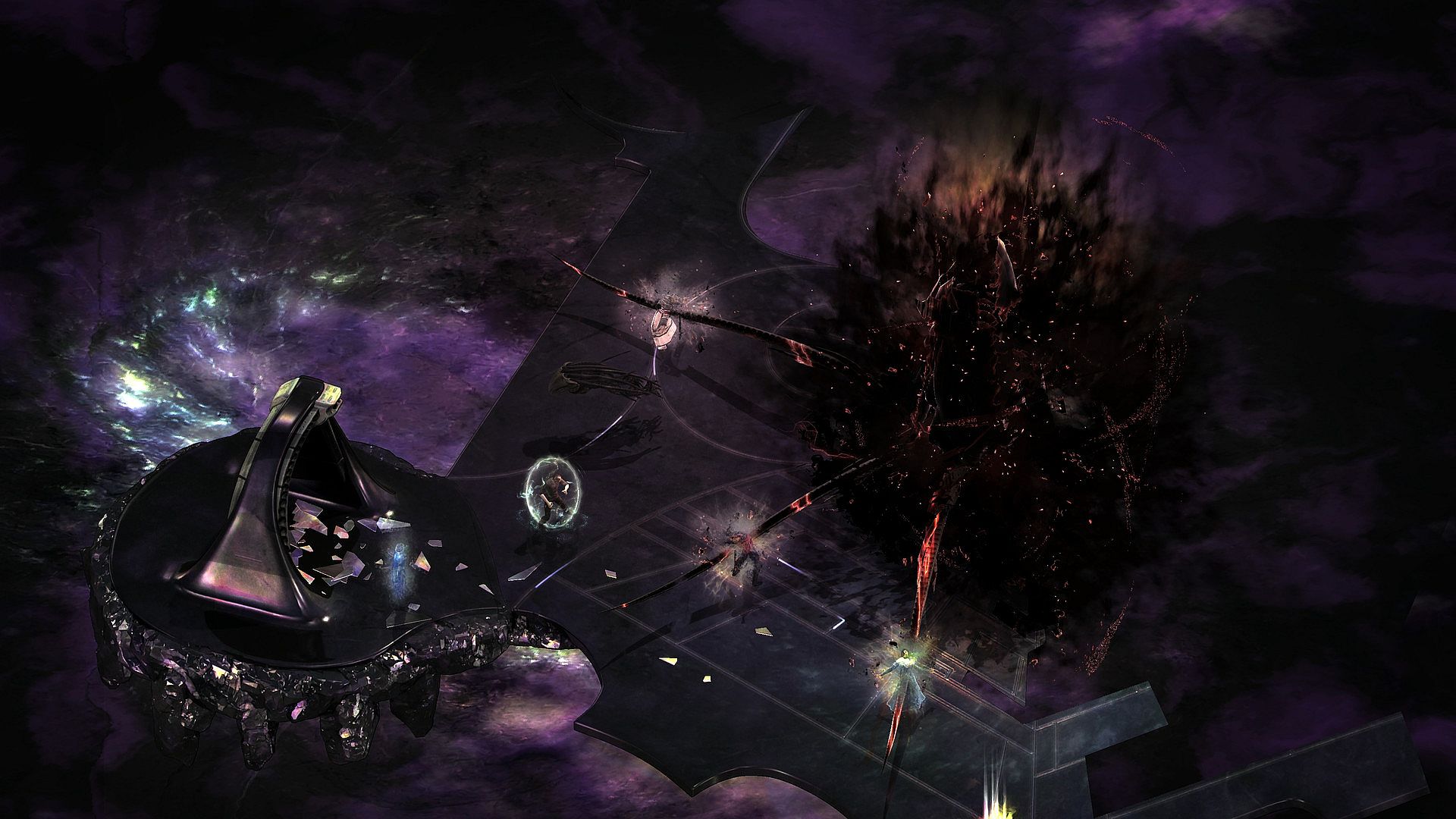
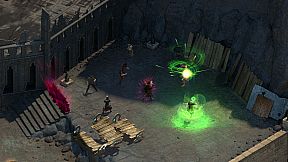
Encounters use the Crisis system, where set-piece situations blend turn-based combat with environmental interactions, stealth options, and social resolutions rather than pure fighting. The Tides mechanic tracks player actions across five conceptual alignments such as passion or sacrifice, influencing reputation, companion reactions, and access to certain abilities or item effects without a traditional good-versus-evil framework.
Progression involves skill checks during conversations and exploration, inventory management of unusual items, and companion interactions that evolve based on choices. The game emphasizes reactivity, with the world and characters responding to accumulated decisions across multiple playthroughs.
Game Modes
The experience consists of a single continuous campaign with no separate multiplayer components or distinct modes. Players advance through the main narrative while exploring locations in the Ninth World, completing quests, and managing crises as they arise. Replayability stems from different character builds, Tide alignments, and branching outcomes rather than alternate game types.
Story and Setting
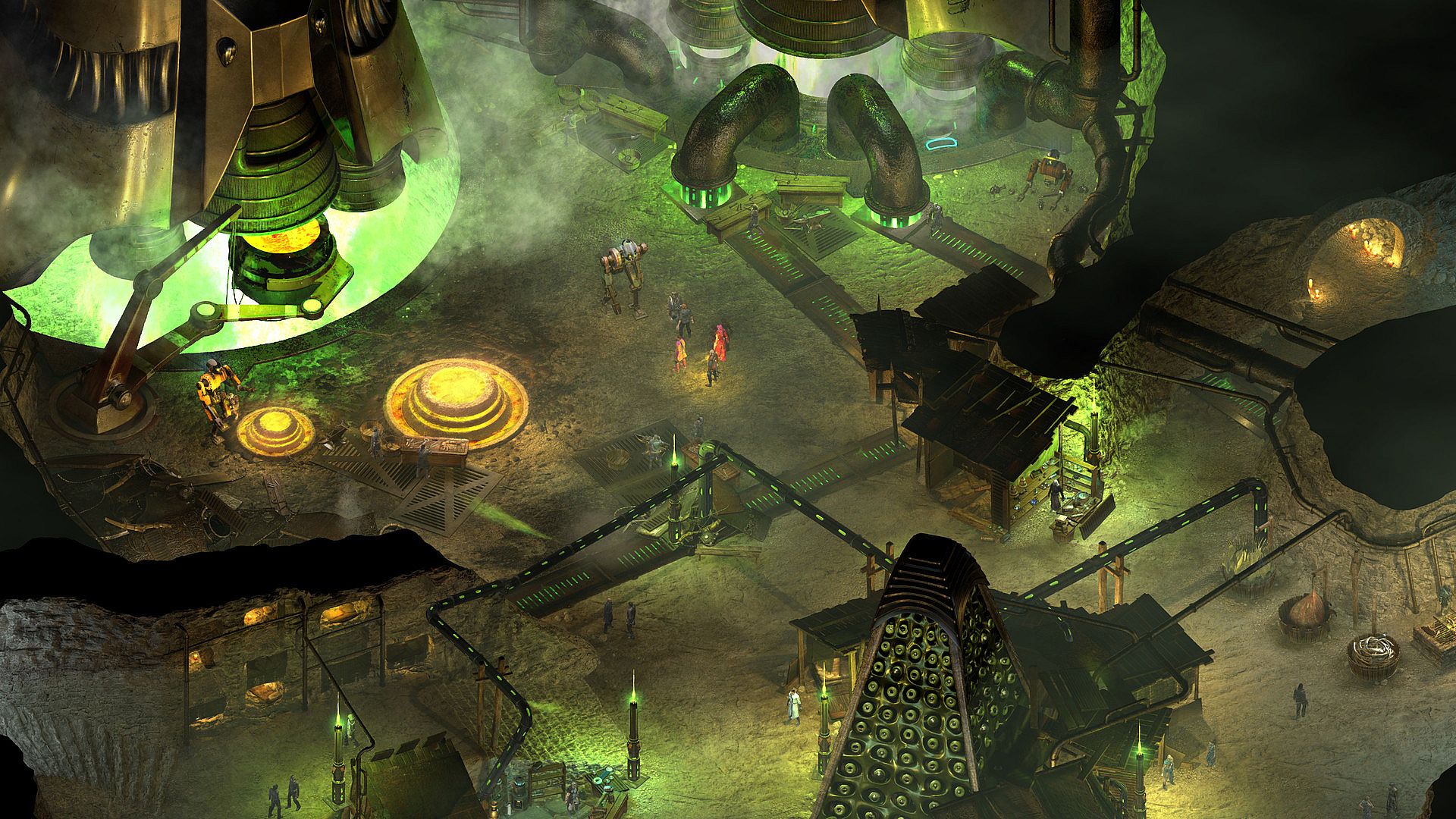
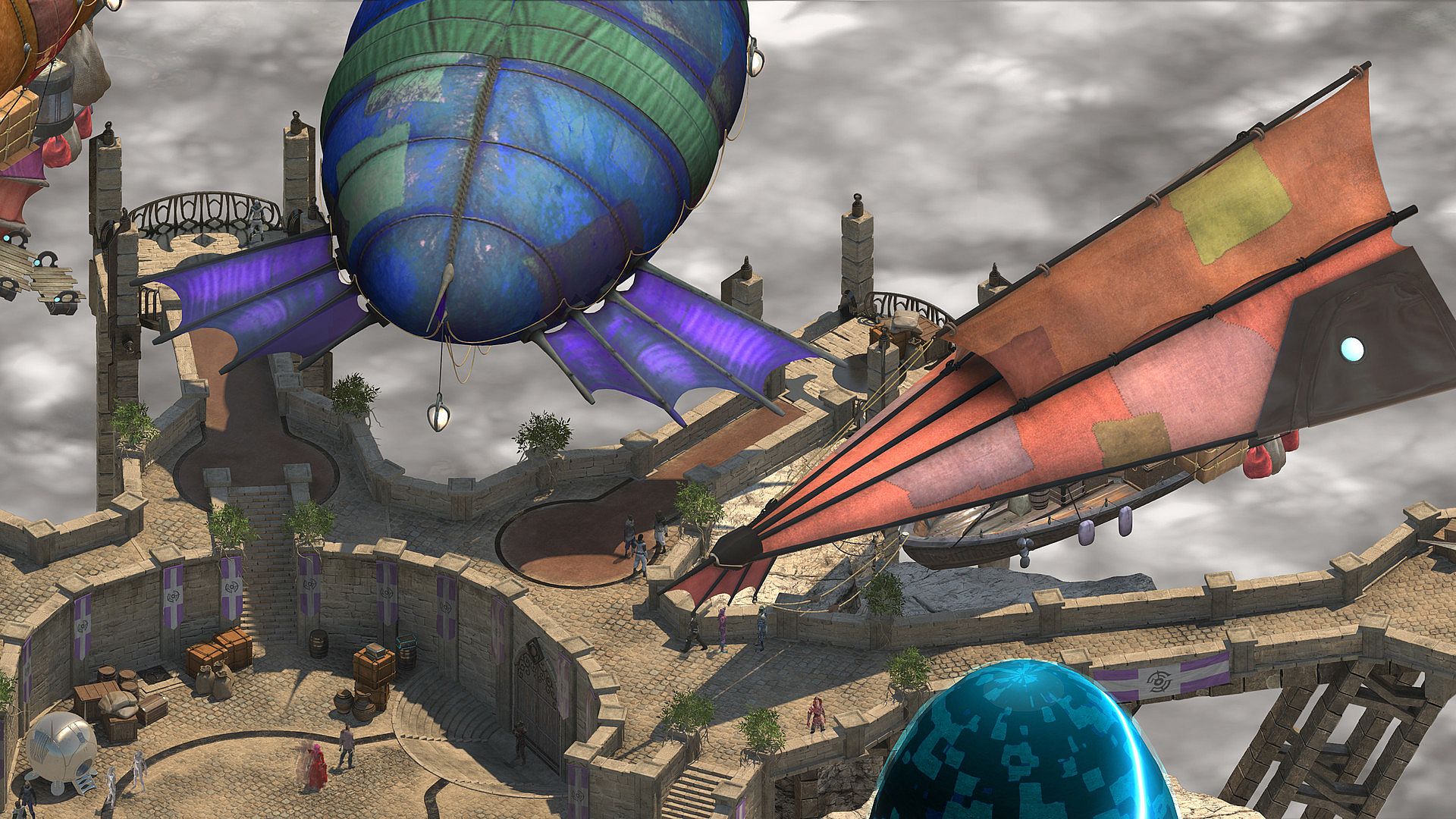
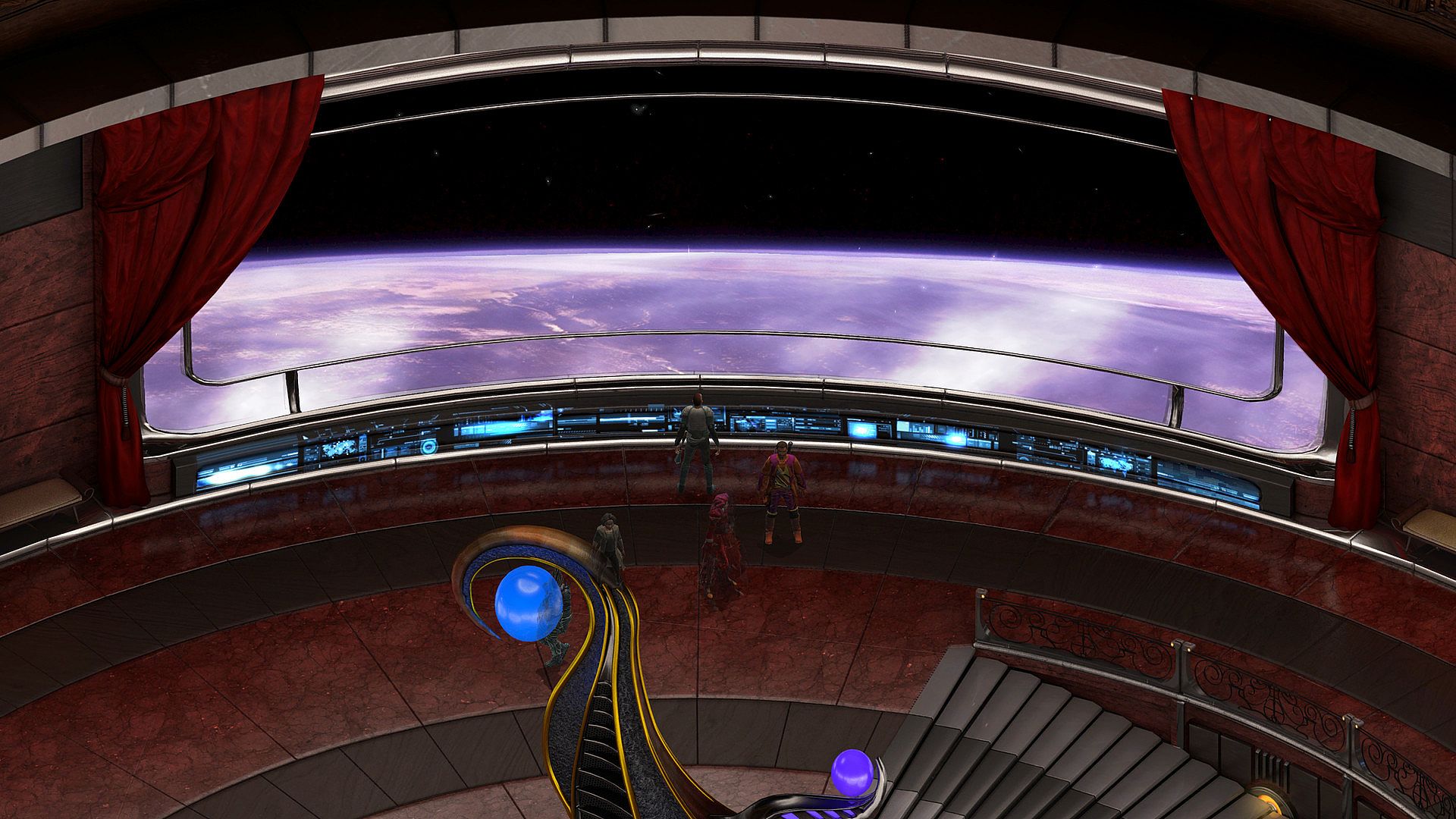
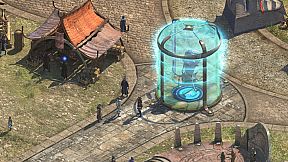
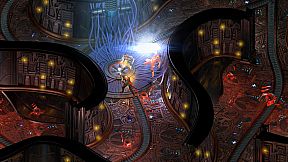
The narrative follows the Last Castoff's efforts to evade the Sorrow, an ancient pursuer, while confronting questions about identity and the value of individual lives. The Ninth World blends science fantasy elements with ancient remnants of prior civilizations, creating locations that feature bizarre technology and unpredictable encounters. Companions join the party with their own motivations that intersect with player choices, adding layers to the personal story without overshadowing the central themes.
Is It Worth Playing?
This title suits players who prioritize deep dialogue trees, philosophical themes, and choice-driven narratives over fast-paced action. Reception highlights strong writing and a distinctive setting, though some note the turn-based crises can feel deliberate and the interface occasionally dated. The game received no major content updates after its initial release period, leaving it in a stable but static state for new players today. Those drawn to story-focused isometric RPGs with meaningful moral nuance will find substantial replay value through varied paths and endings.
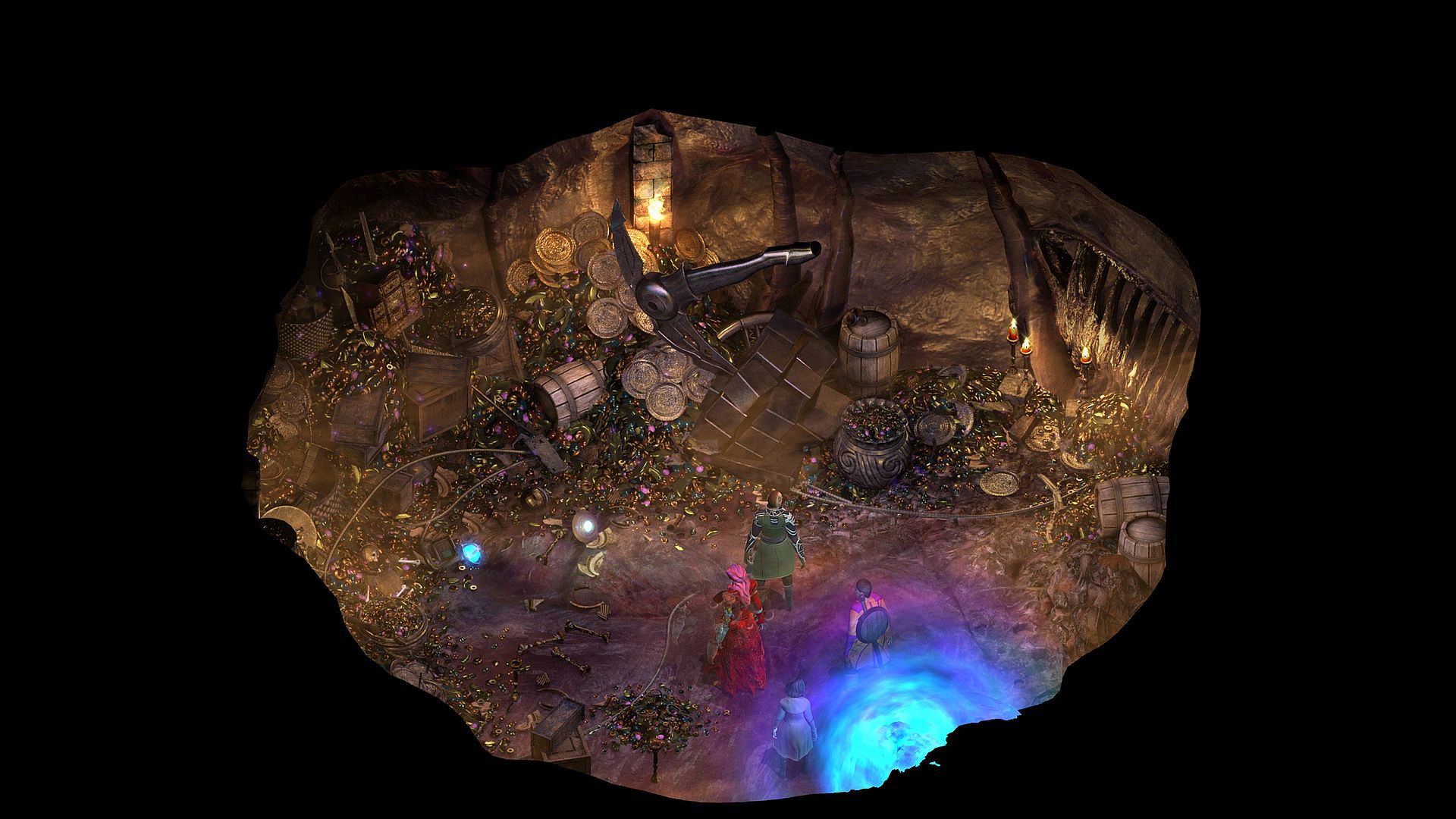
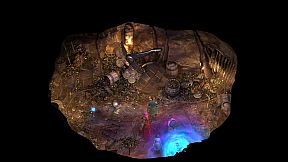
- Exploration rewards curiosity with unusual items and hidden interactions.
- Companion stories integrate directly into main decisions.
- Multiple endings emerge naturally from accumulated Tides and alliances.