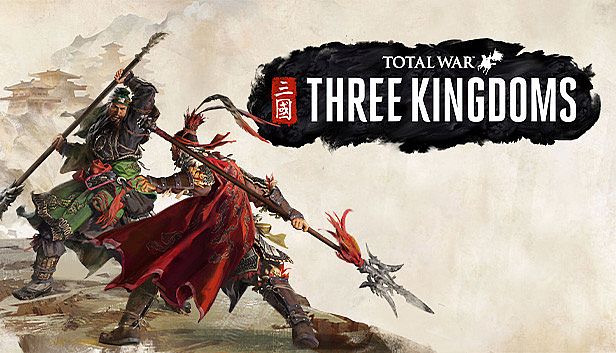
























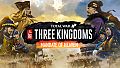


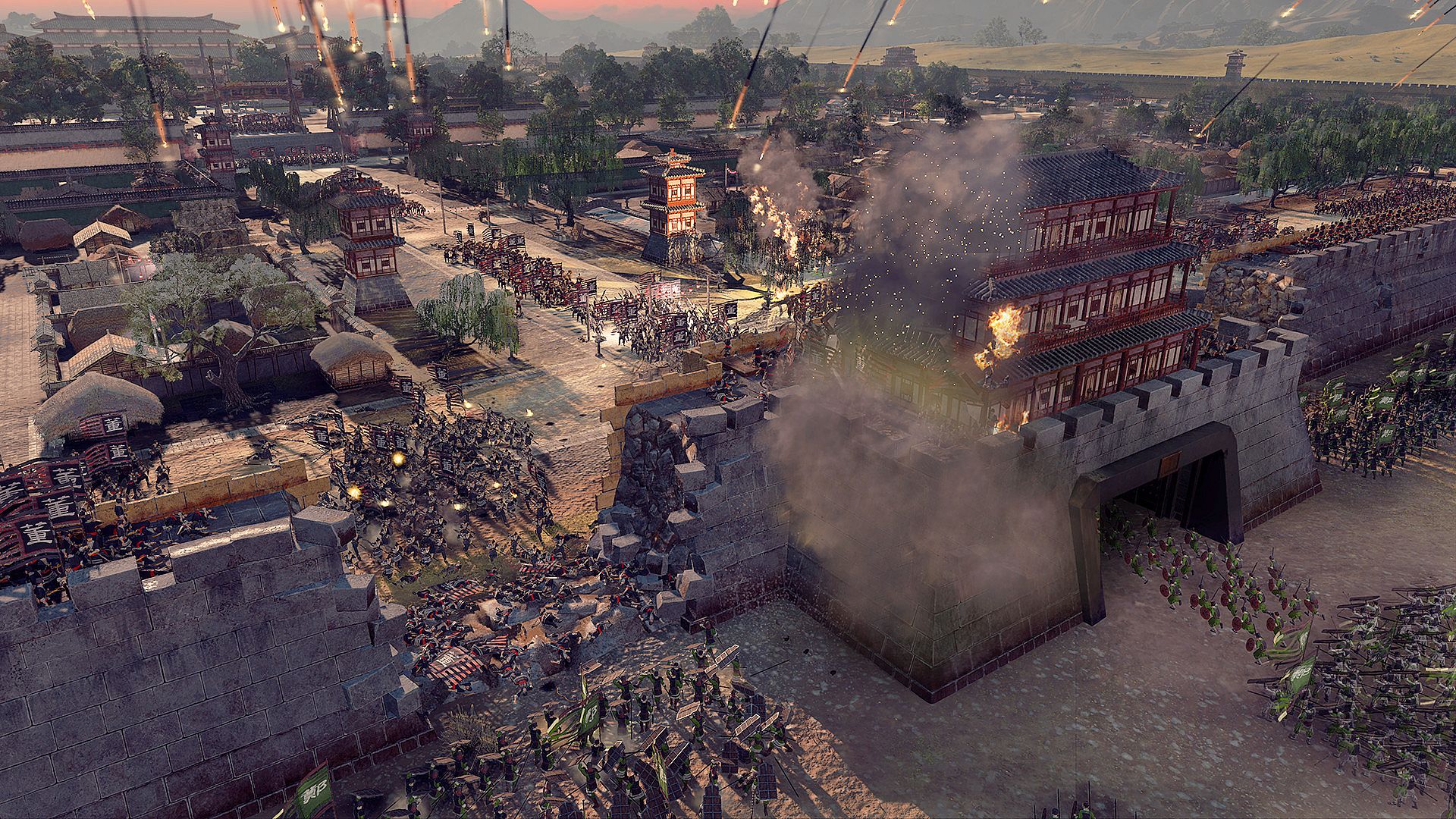
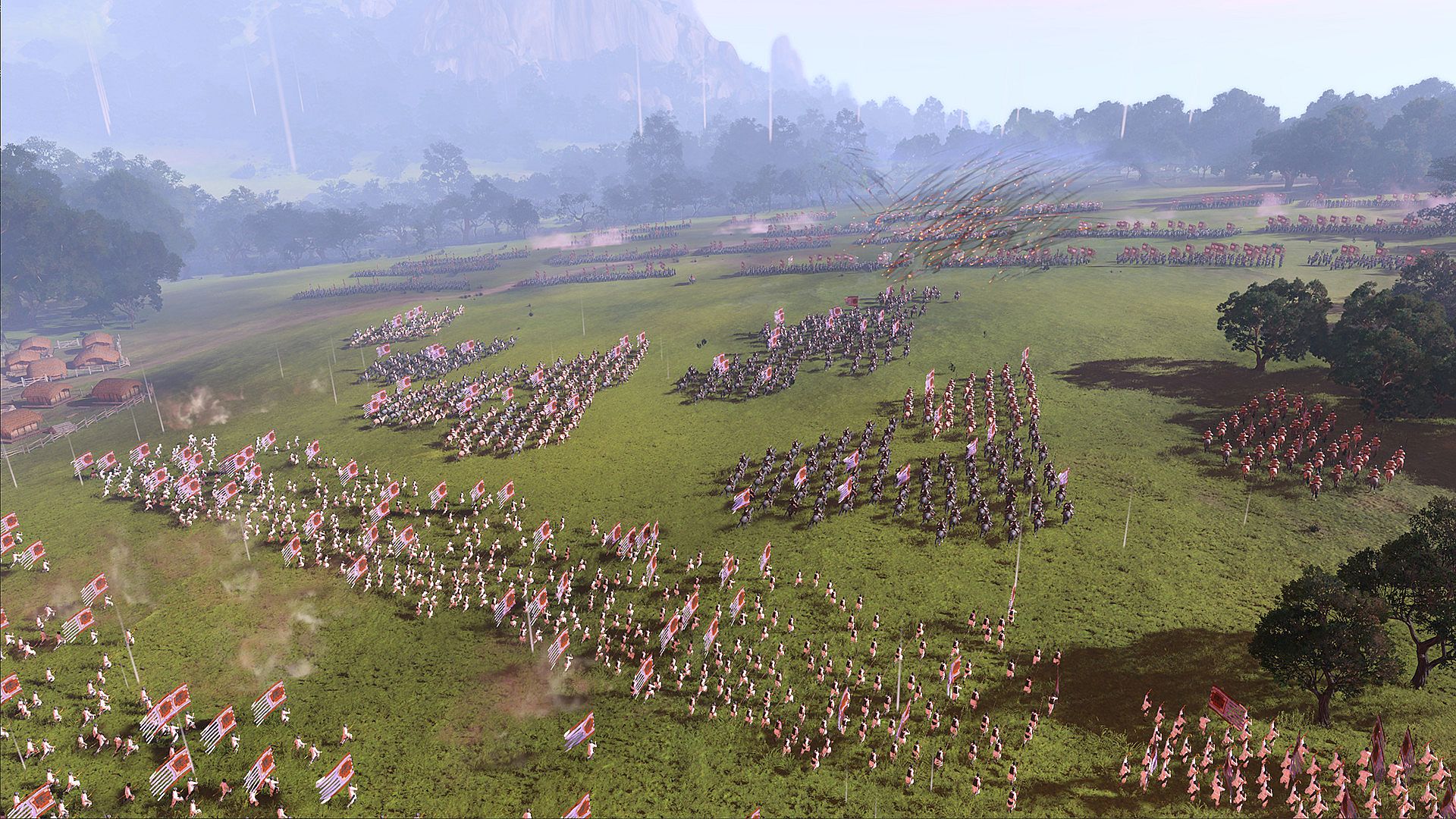
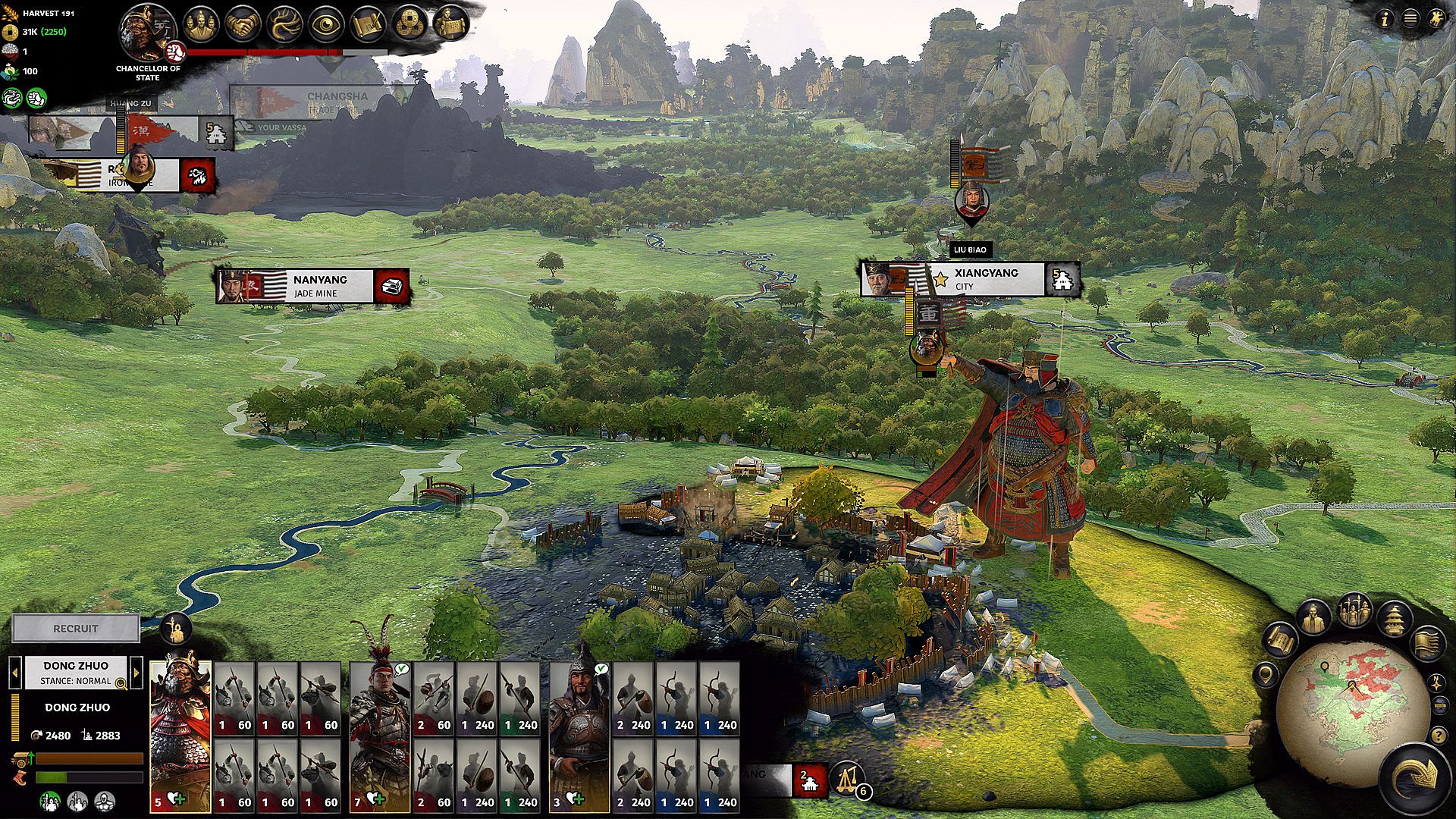
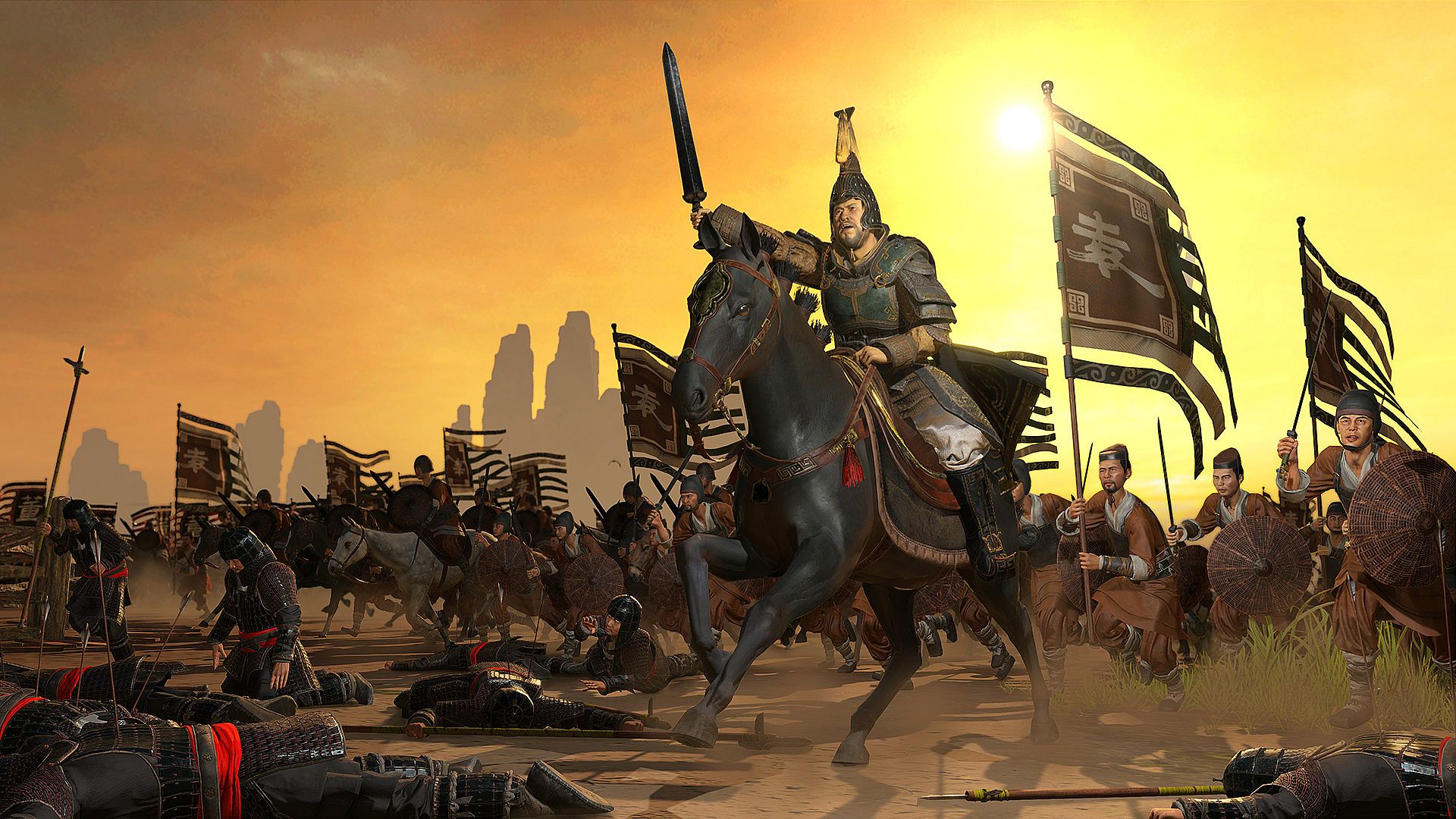
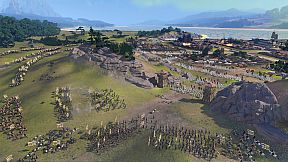
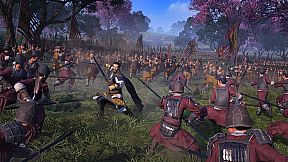
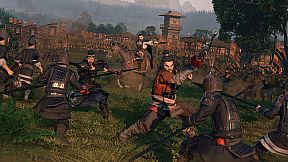
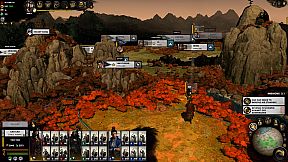

Total War: THREE KINGDOMS stands out as a turn-based strategy game blended with real-time battles, set against the backdrop of ancient China's turbulent Three Kingdoms period. Released in 2019, it draws from the historical novel Romance of the Three Kingdoms, letting players step into the roles of warlords vying for control. With a focus on empire management and tactical combat, this title appeals to those who enjoy deep strategic planning mixed with intense action sequences.
Gameplay
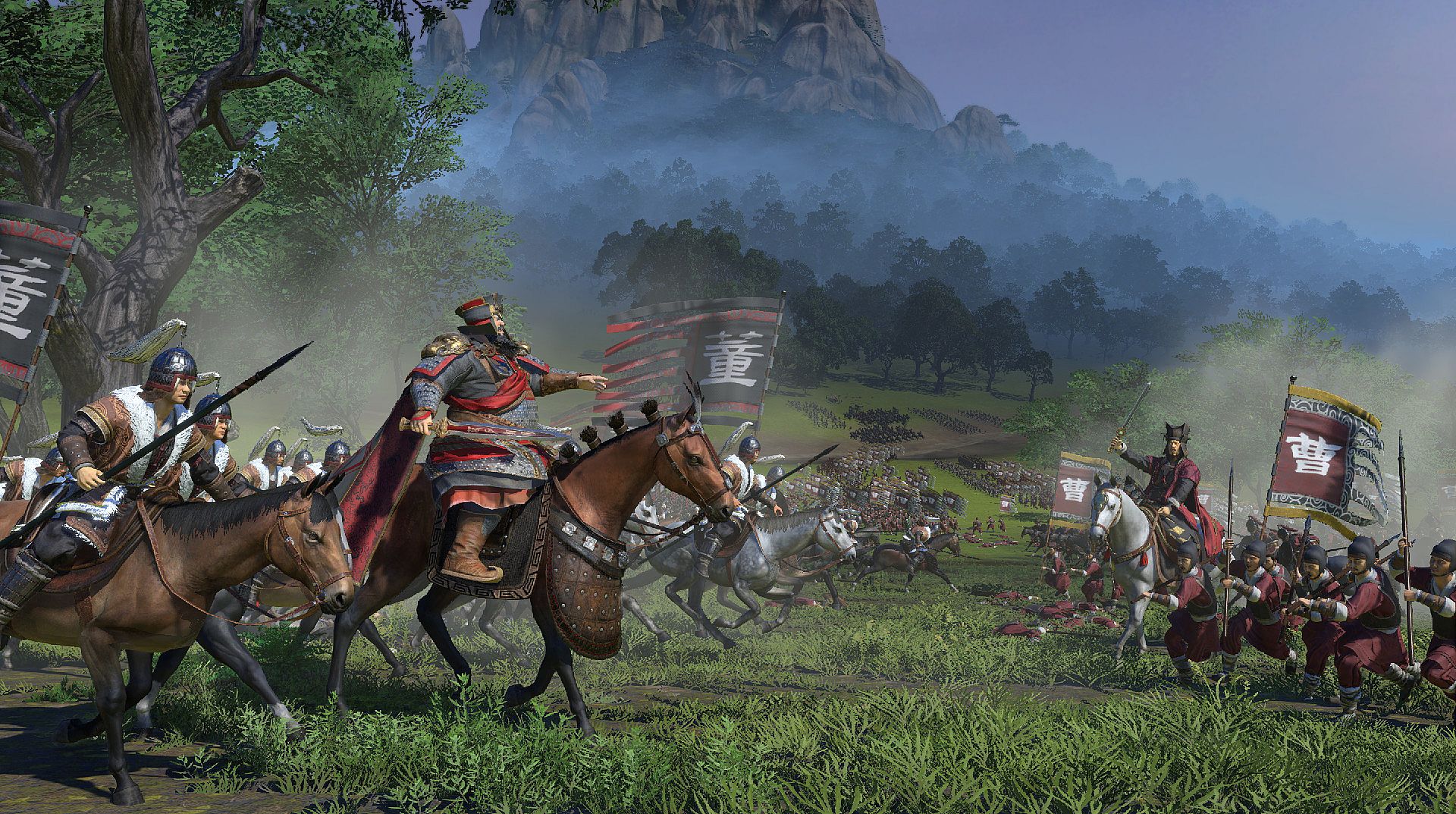
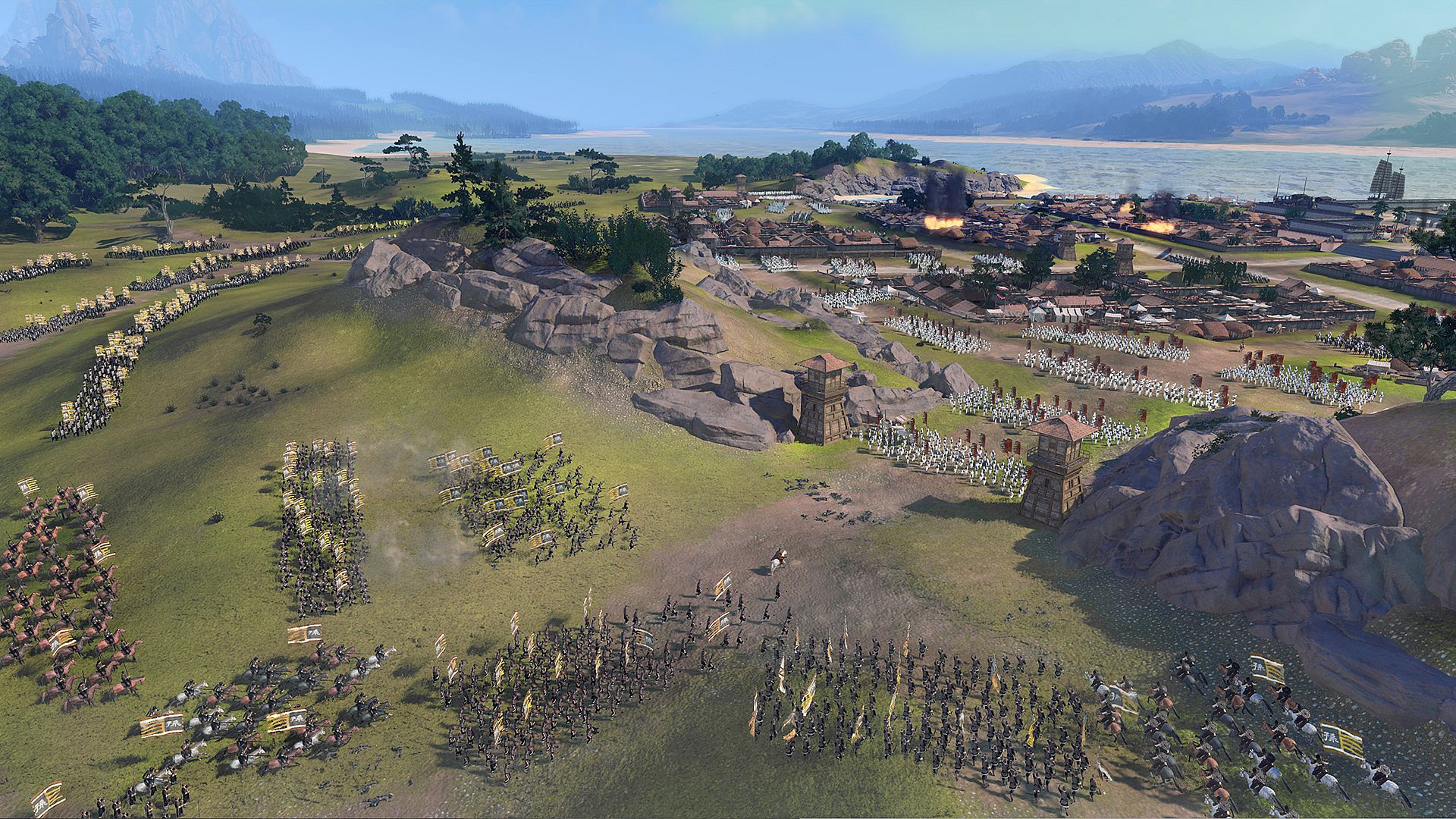
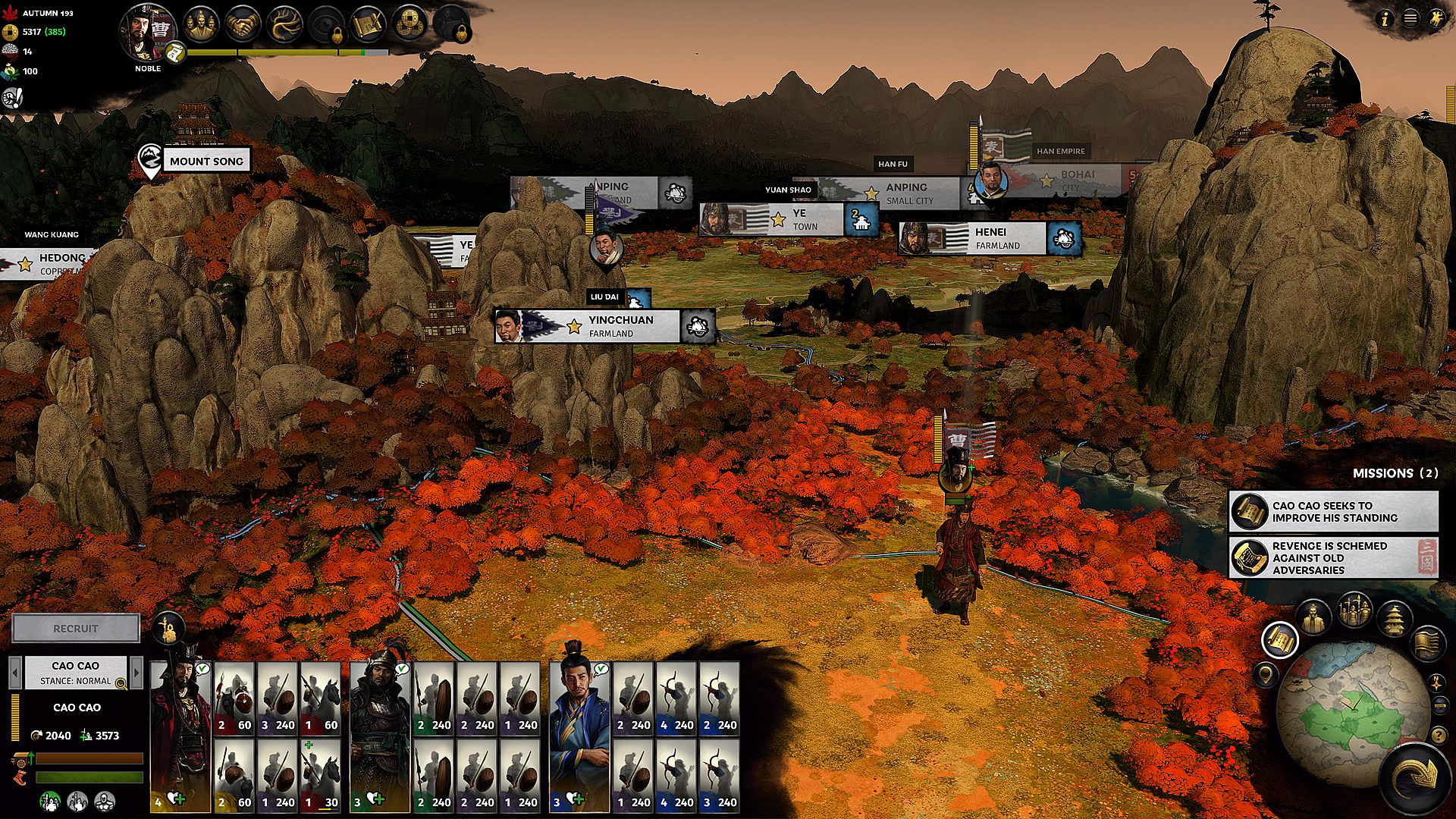
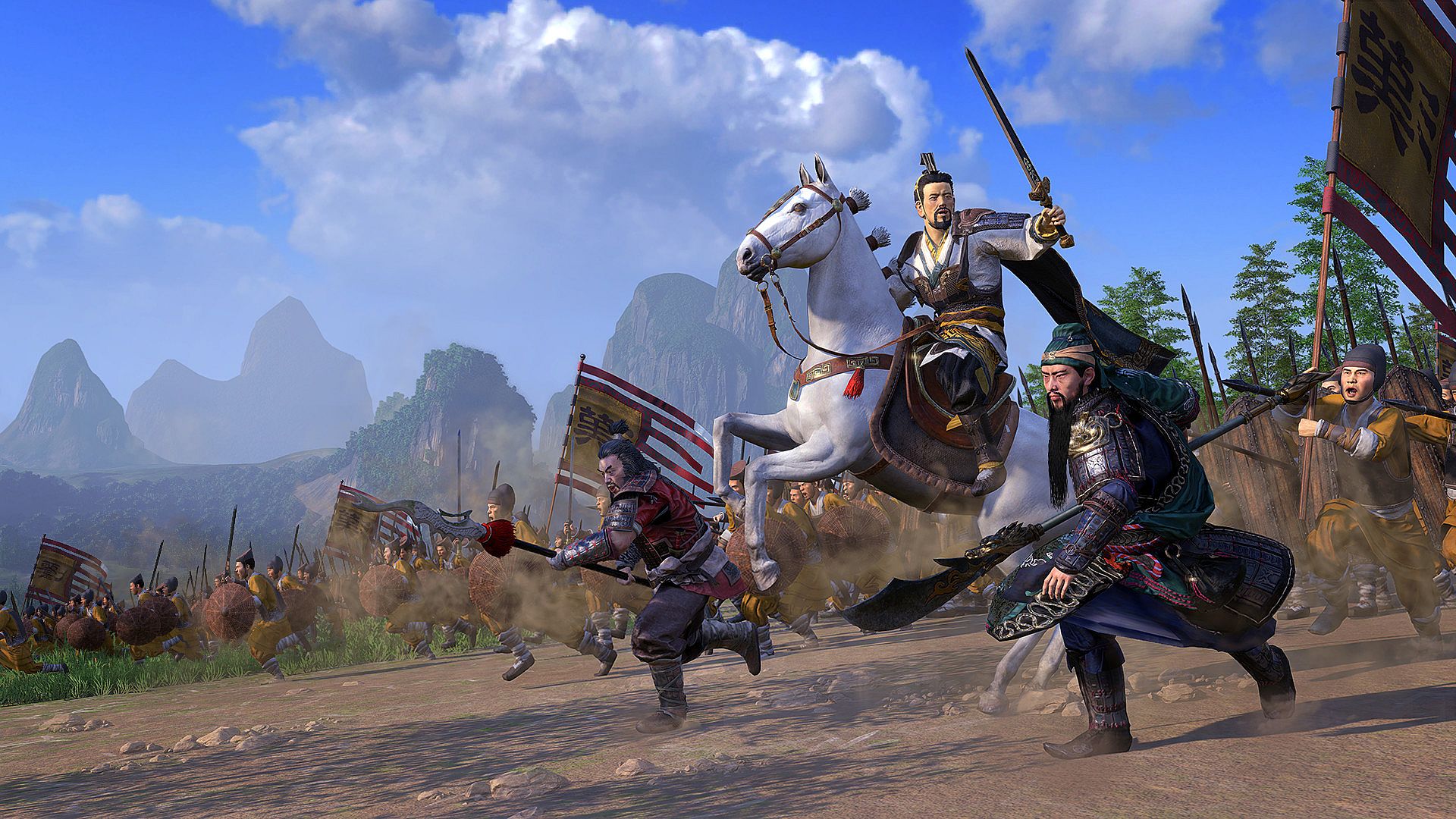
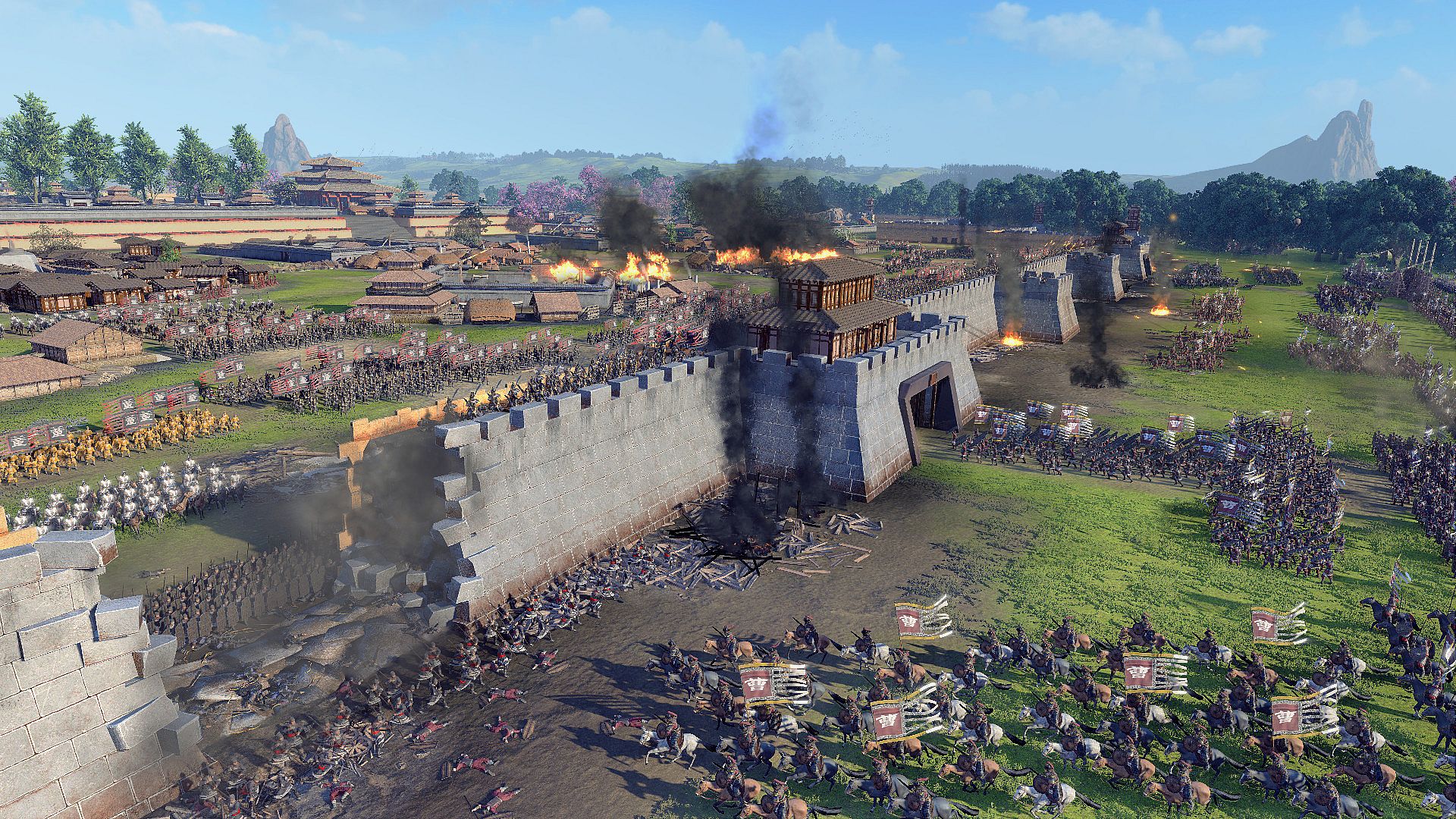
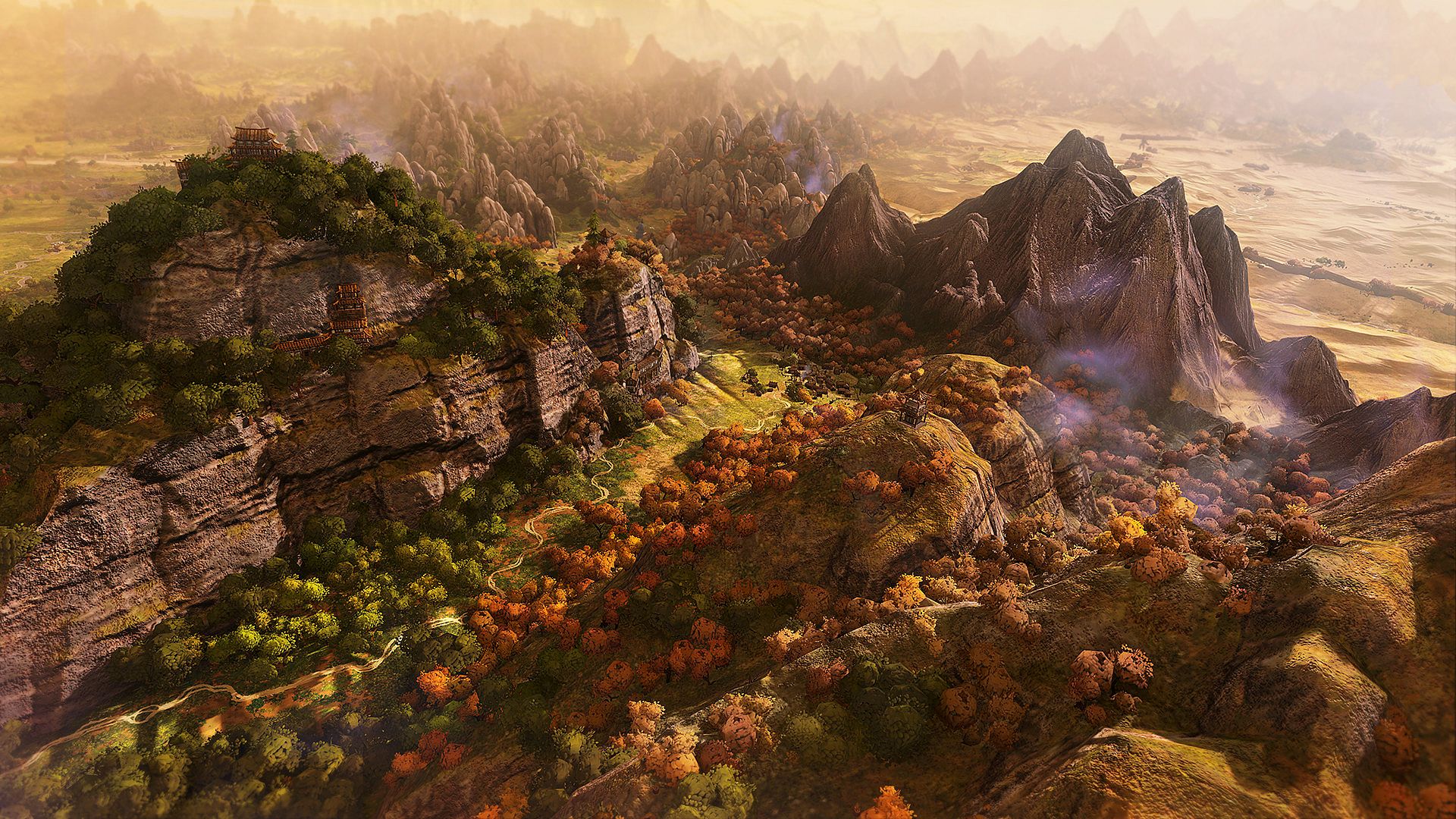
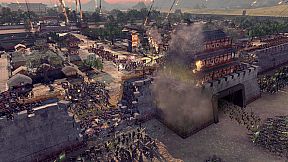
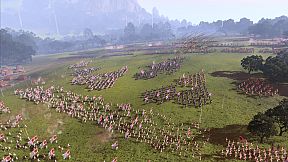
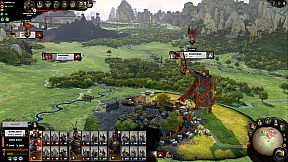
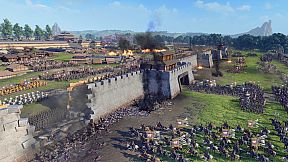
In Total War: THREE KINGDOMS, the core loop revolves around a turn-based campaign where you handle empire-building tasks like resource management, diplomacy, and expansion. You select from warlords, each with distinct abilities, and recruit characters to lead armies or oversee provinces. Real-time battles unfold on varied terrains, from deserts to mountains, where troop types like swordsmen, spearmen, archers, and cavalry interact in a rock-paper-scissors dynamic. Generals play a key role, with their classes providing bonuses that encourage balanced army compositions.
The Guanxi system adds depth by simulating relationships among characters. These figures have individual personalities, motivations, and affinities that evolve, influencing alliances or rivalries. For instance, friendly generals fight more effectively together, while rivals might underperform. Actions in battles directly impact these bonds, tying combat outcomes to broader campaign strategies. Political elements, such as assigning offices or governorships, demand attention to keep key figures loyal and prevent defections.
Game Modes
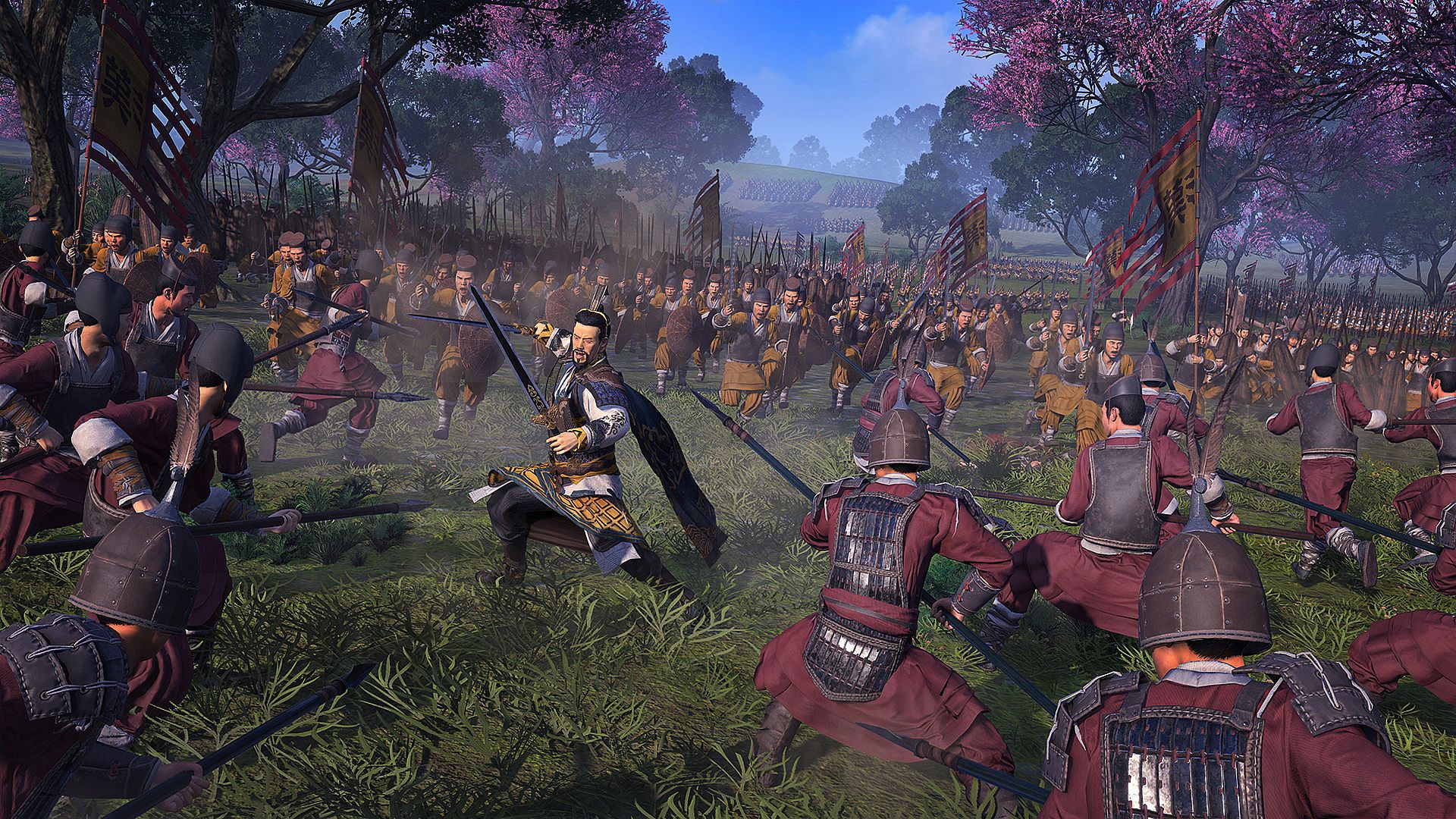
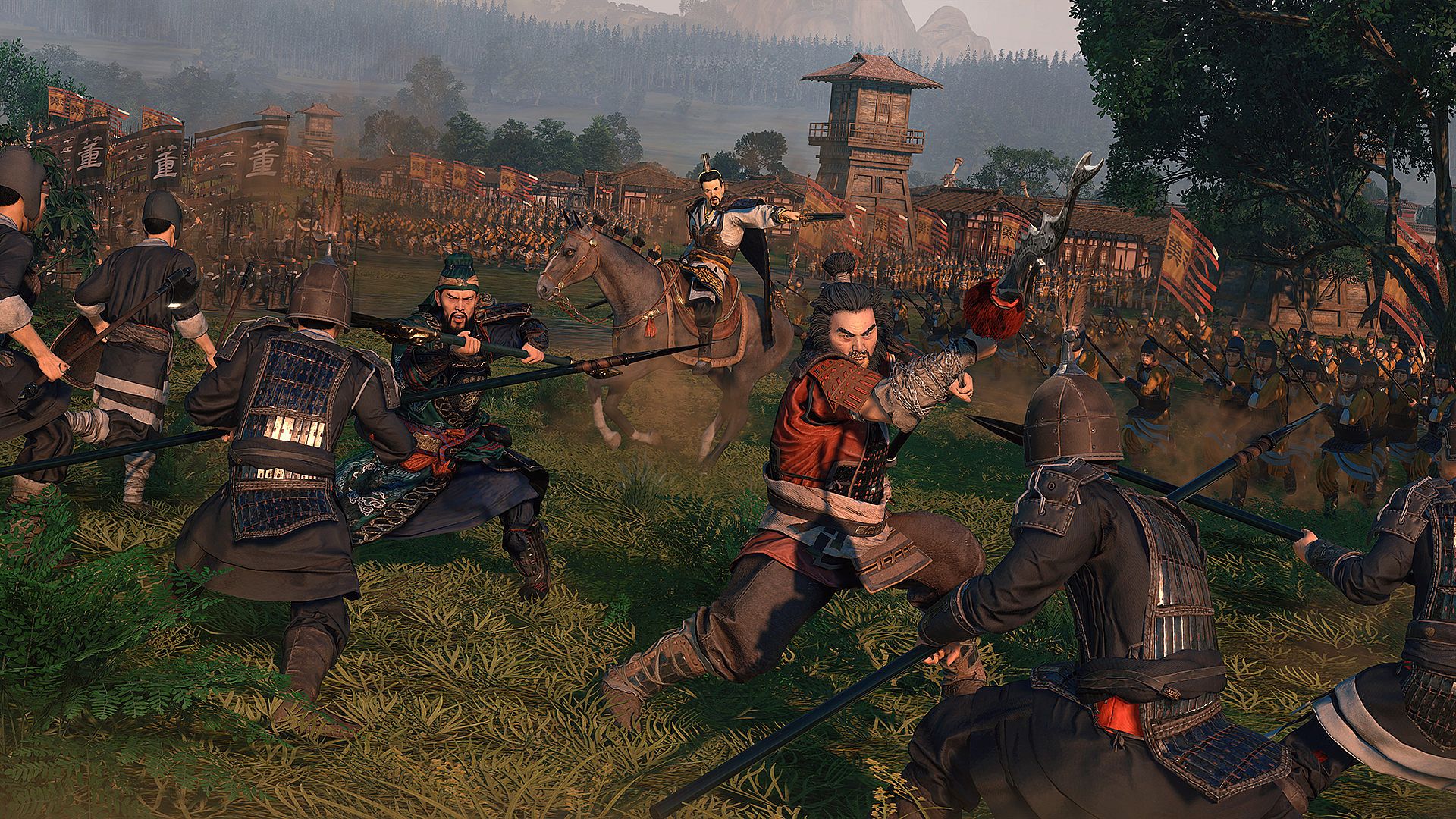
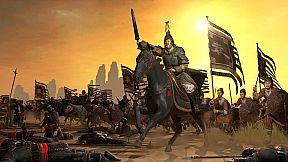
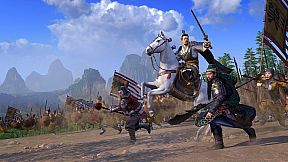
Total War: THREE KINGDOMS offers two primary campaign styles: Romance Mode and Records Mode. Romance Mode emphasizes legendary heroes as superhuman warriors capable of dramatic duels and single-handedly turning battles, inspired by epic tales. In contrast, Records Mode grounds the experience in history, treating generals as ordinary leaders with bodyguard units, leading to slower, more tactical engagements without superpowered feats.
Beyond the campaigns, the game supports single-player sessions for solo conquests. Multiplayer options include online PvP and LAN PvP for competitive battles, as well as online co-op and LAN co-op, allowing friends to team up in campaigns or skirmishes. These modes let you test strategies against human opponents or collaborate to build empires.
Factions and Mechanics
Players choose from 12 warlords, each representing a faction with unique mechanics tailored to their historical or legendary traits. For example, Cao Cao uses a Credibility resource to manipulate diplomacy, sparking proxy wars or altering relations between rivals. Other factions might feature special currencies or abilities that shape playstyles, from aggressive conquest to intricate political maneuvering.
Mechanics like retinue-based army recruitment tie units to specific characters, limiting flexibility but adding strategic layers. Diplomacy remains active throughout, with AI warlords forming coalitions that escalate into three-way conflicts once imperial claims are made. The system encourages building friendships or committing betrayals to secure advantages in military, technological, political, and economic arenas.
Is It Worth Playing?
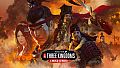
With a Metacritic score of 85 and Very Positive Steam reviews from over 62,000 users (84% positive in English), Total War: THREE KINGDOMS holds strong appeal years after launch. Recent reviews in the last 30 days show Mostly Positive sentiment at 79%, reflecting ongoing interest. The game has received expansions like Fates Divided and The Furious Wild, which introduce new warlords, units, and storylines, keeping content fresh without altering the core experience.
If you favor strategy games that blend grand-scale planning with character-driven narratives, this title delivers. It suits fans of historical settings who appreciate optimized performance and balanced challenges, though the relentless pace might wear on those seeking lighter sessions. For strategy enthusiasts, it remains a solid choice in 2026, especially with its mix of tactical depth and relationship mechanics.