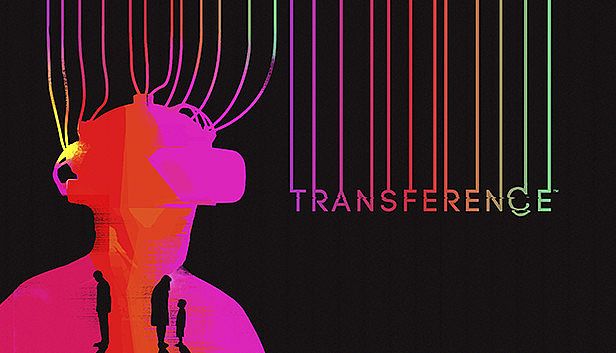




















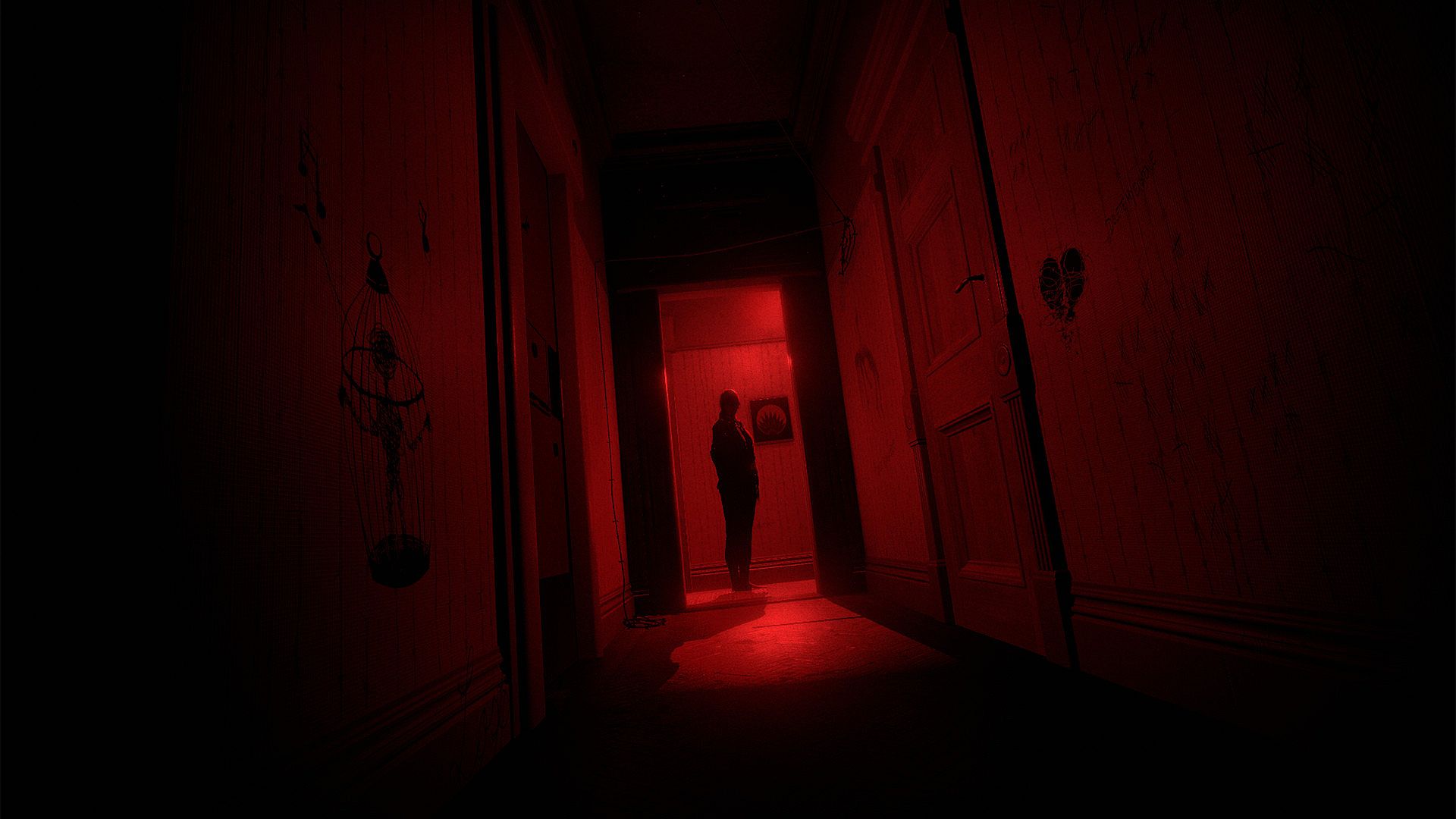
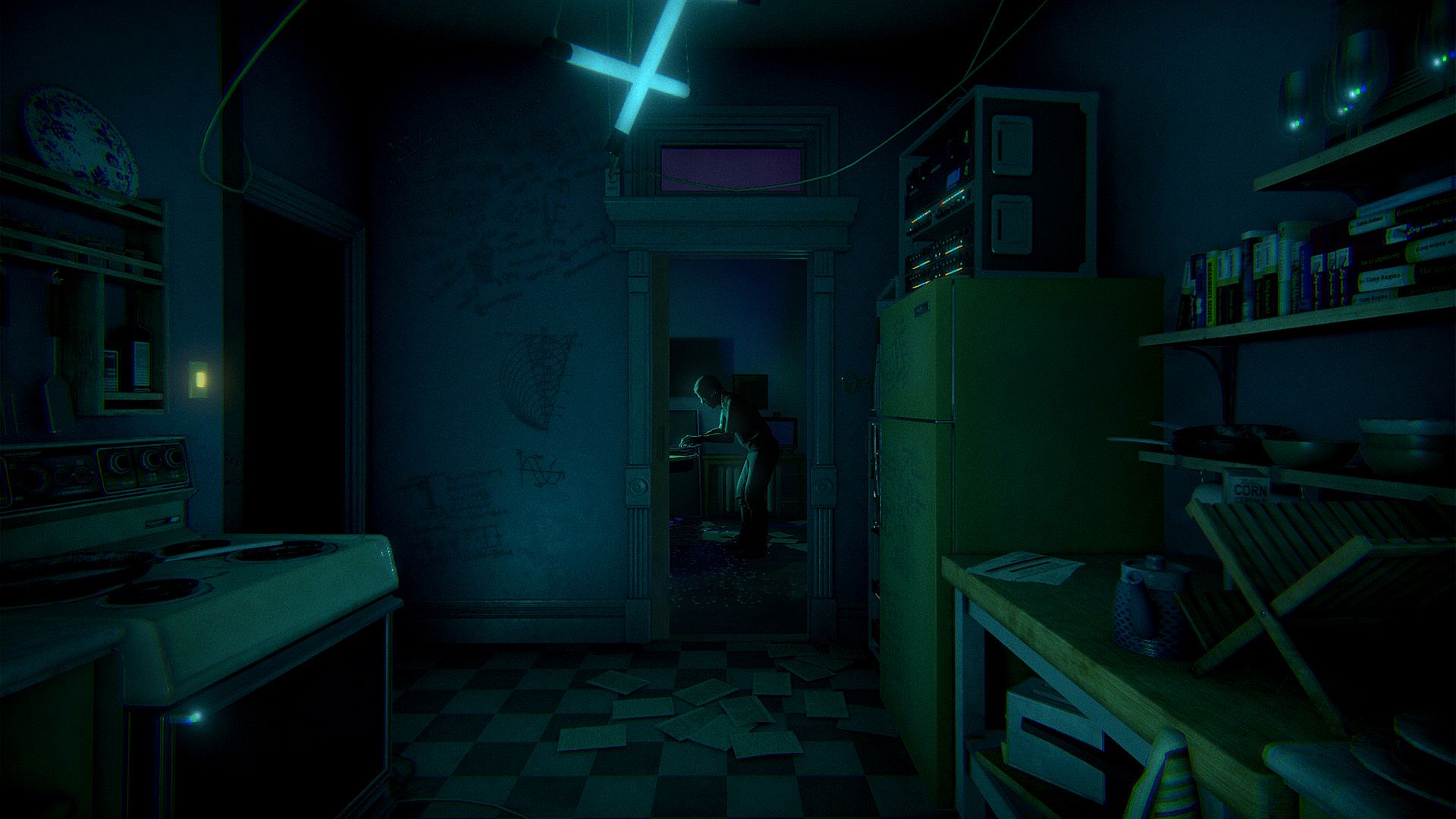
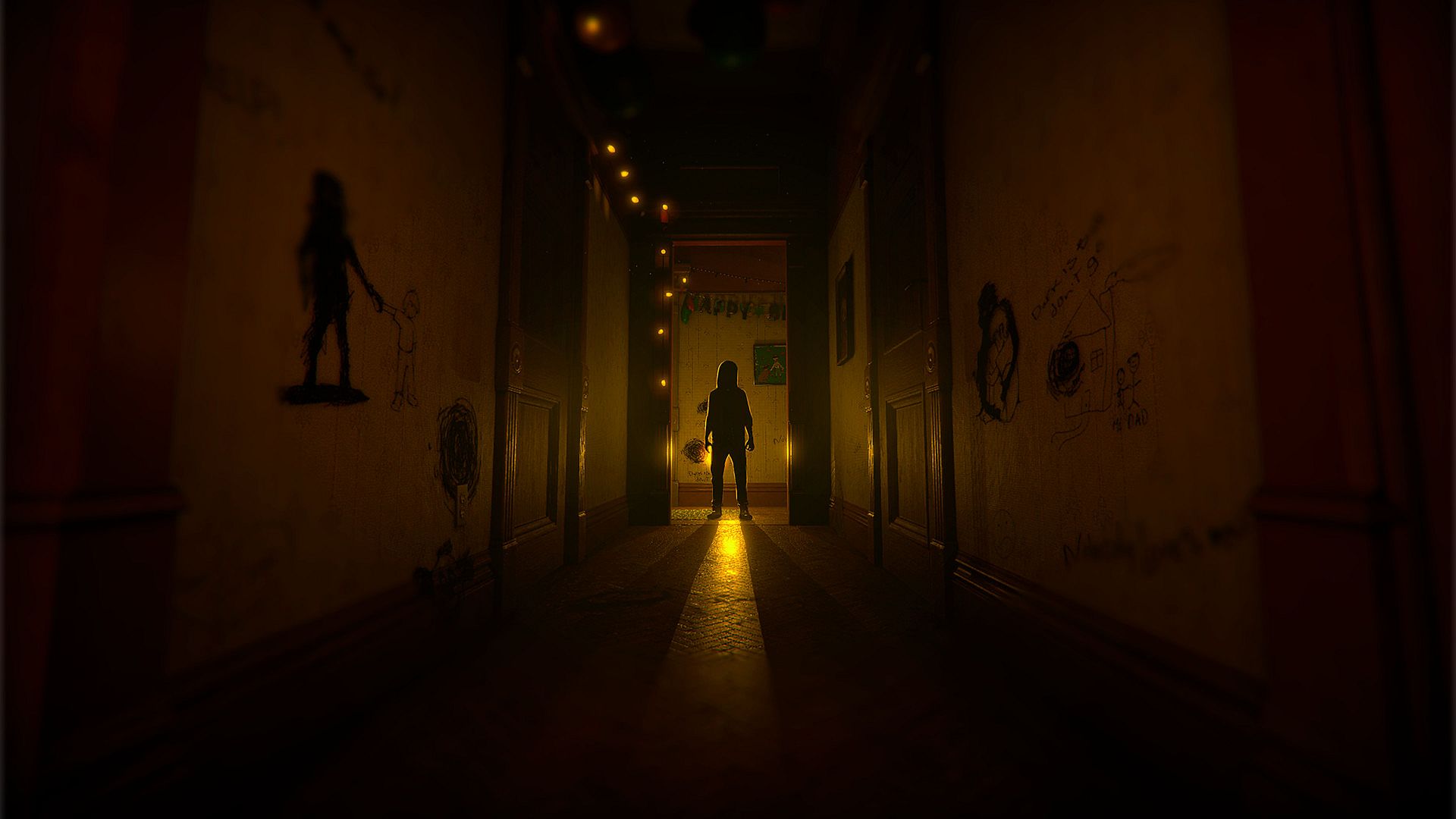
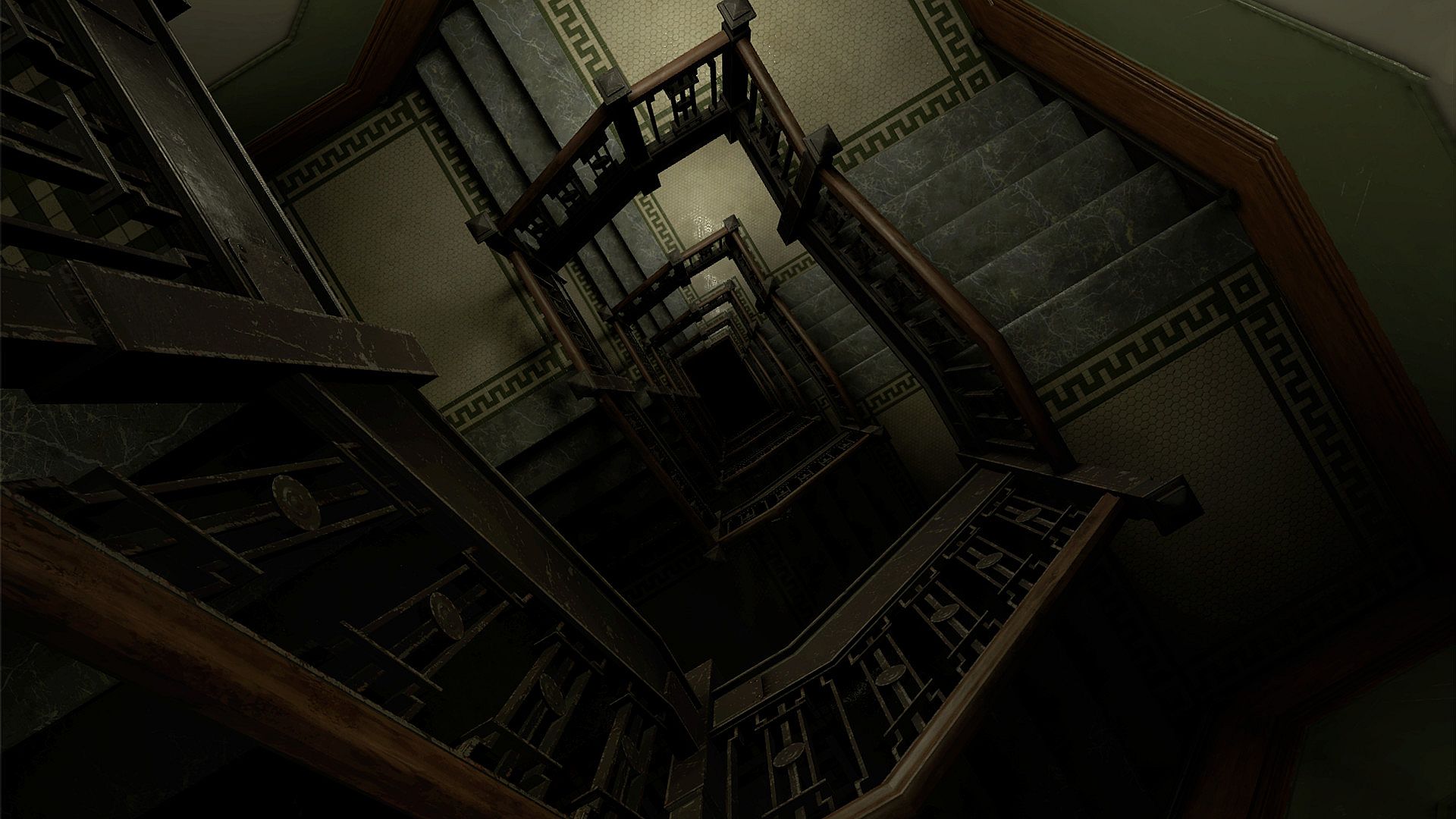
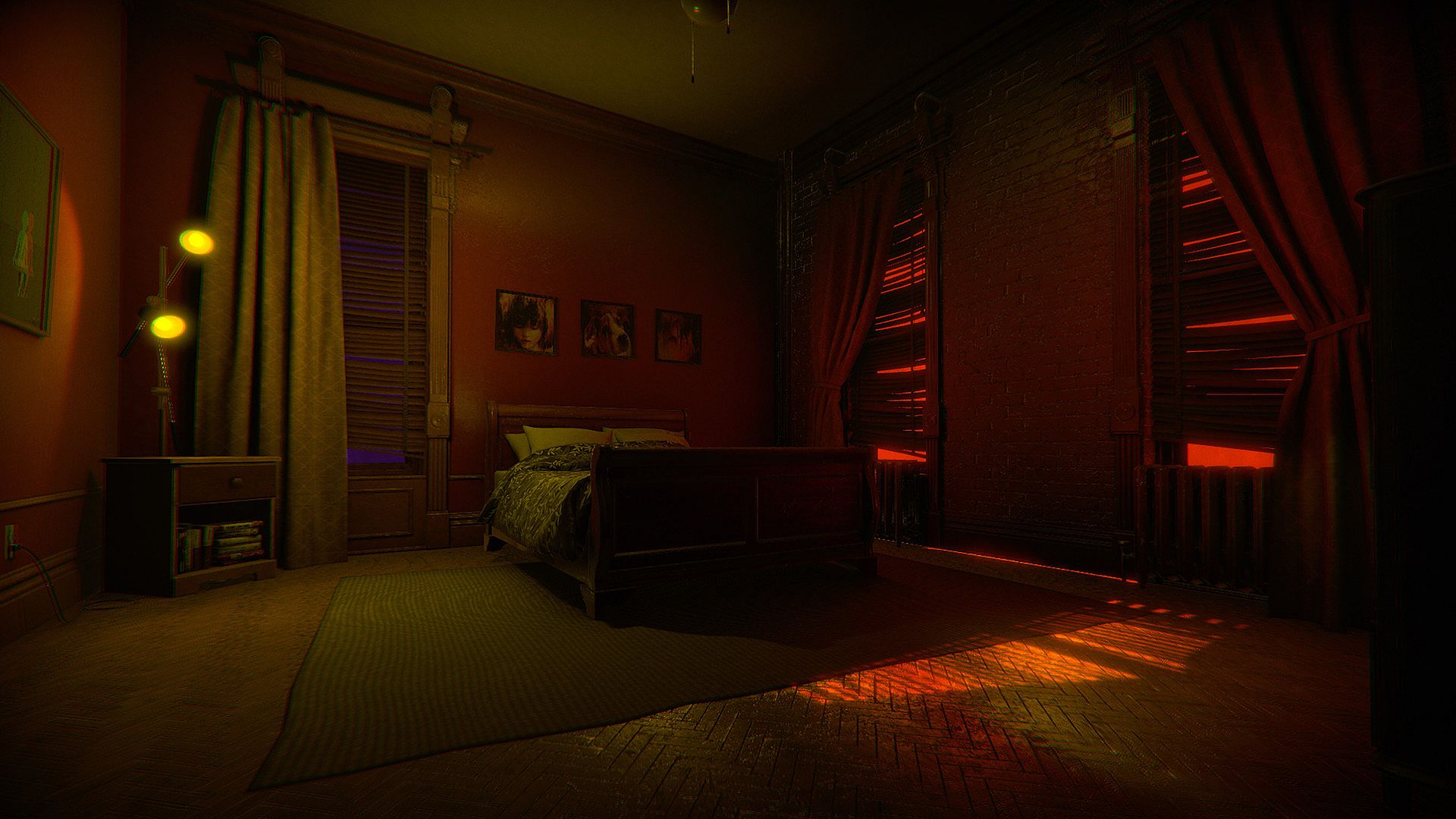
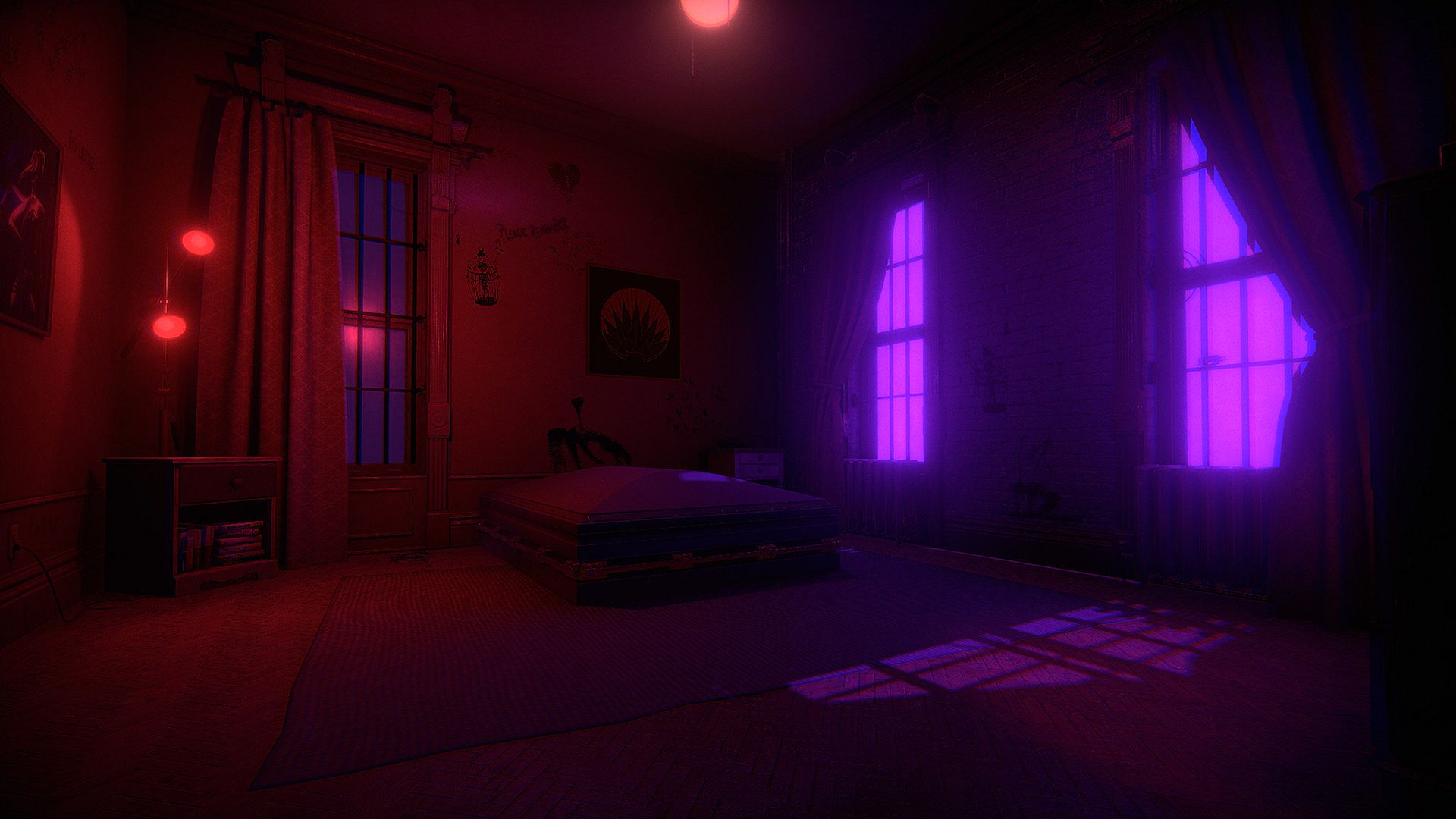
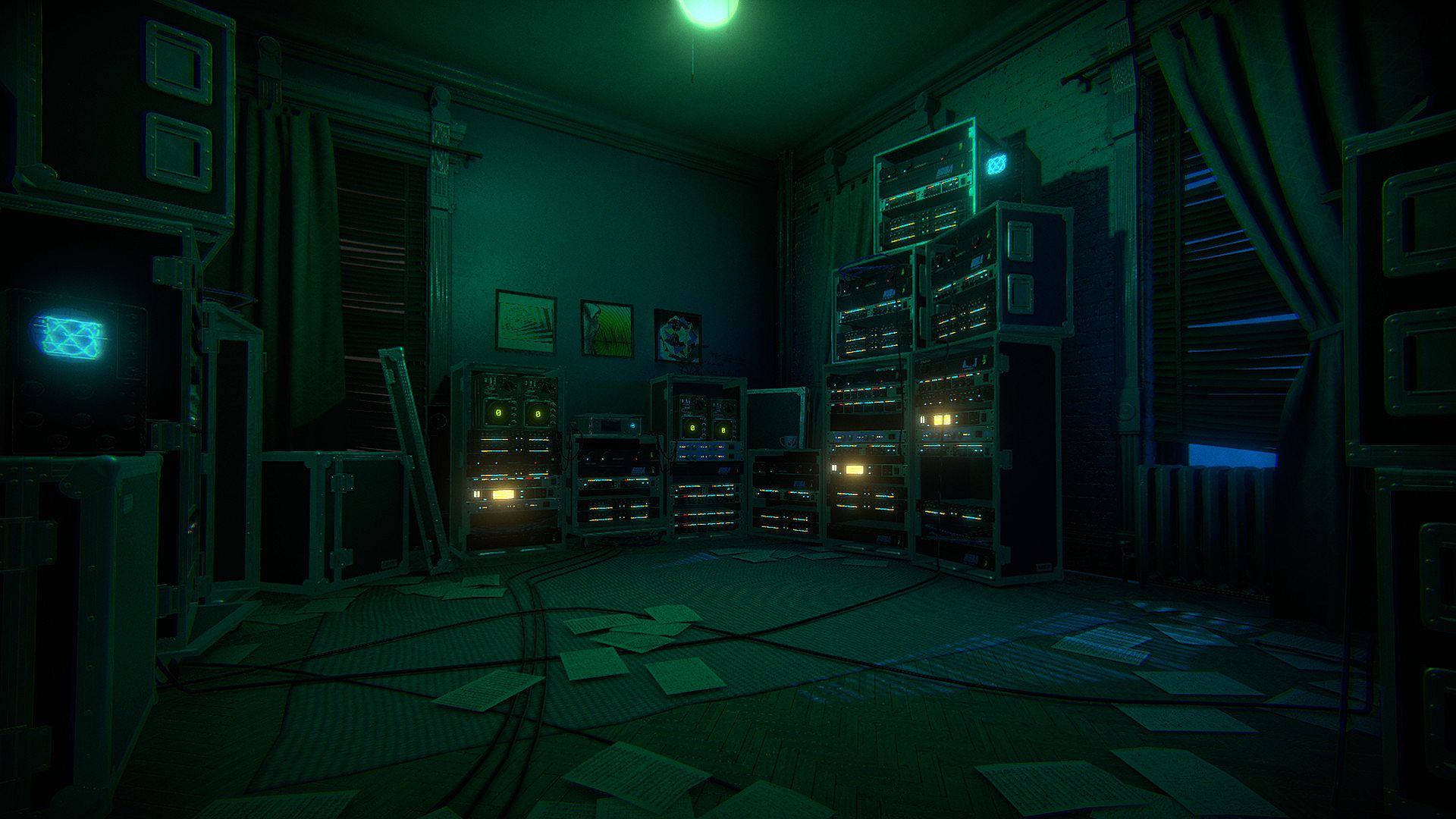
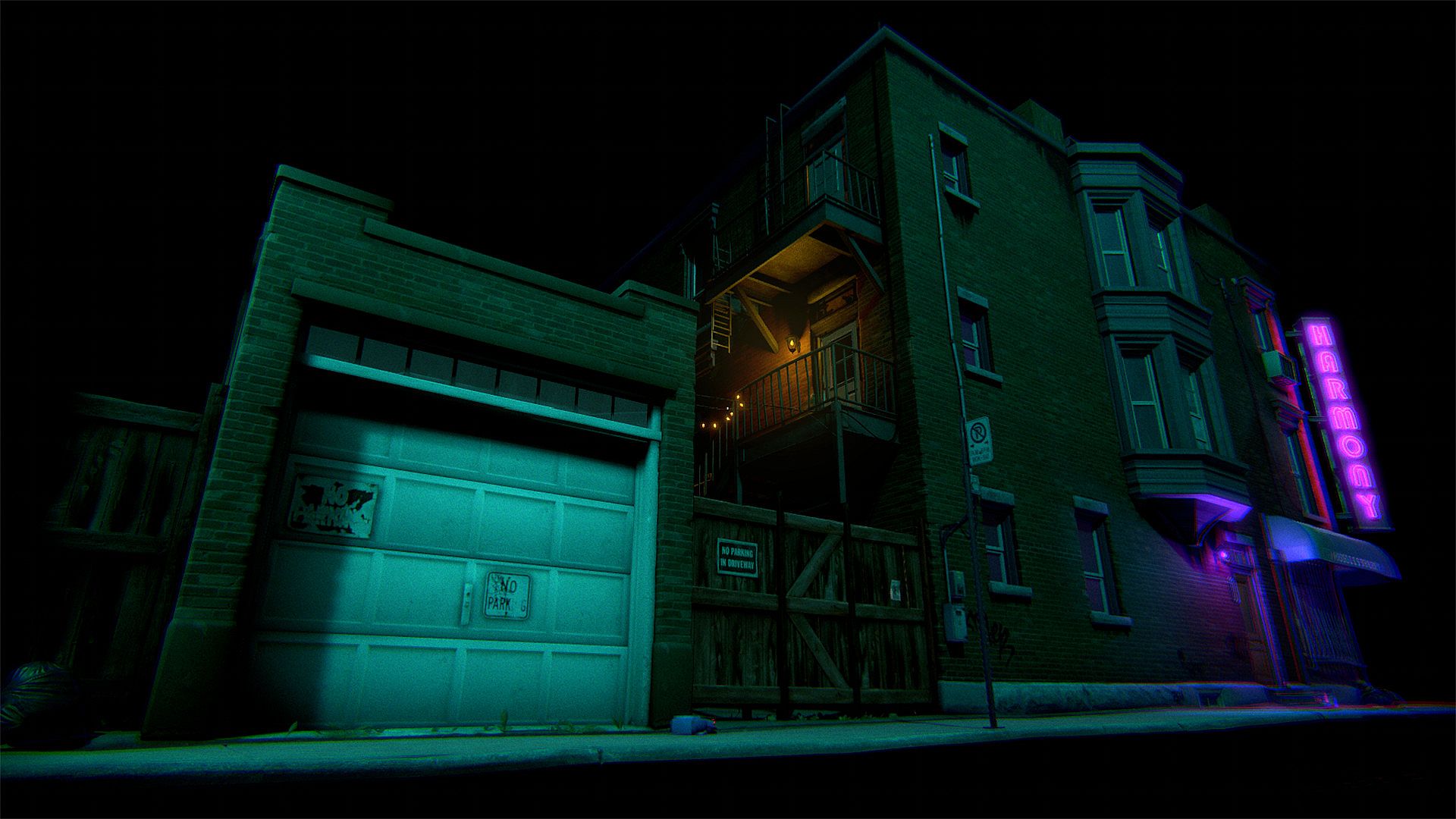
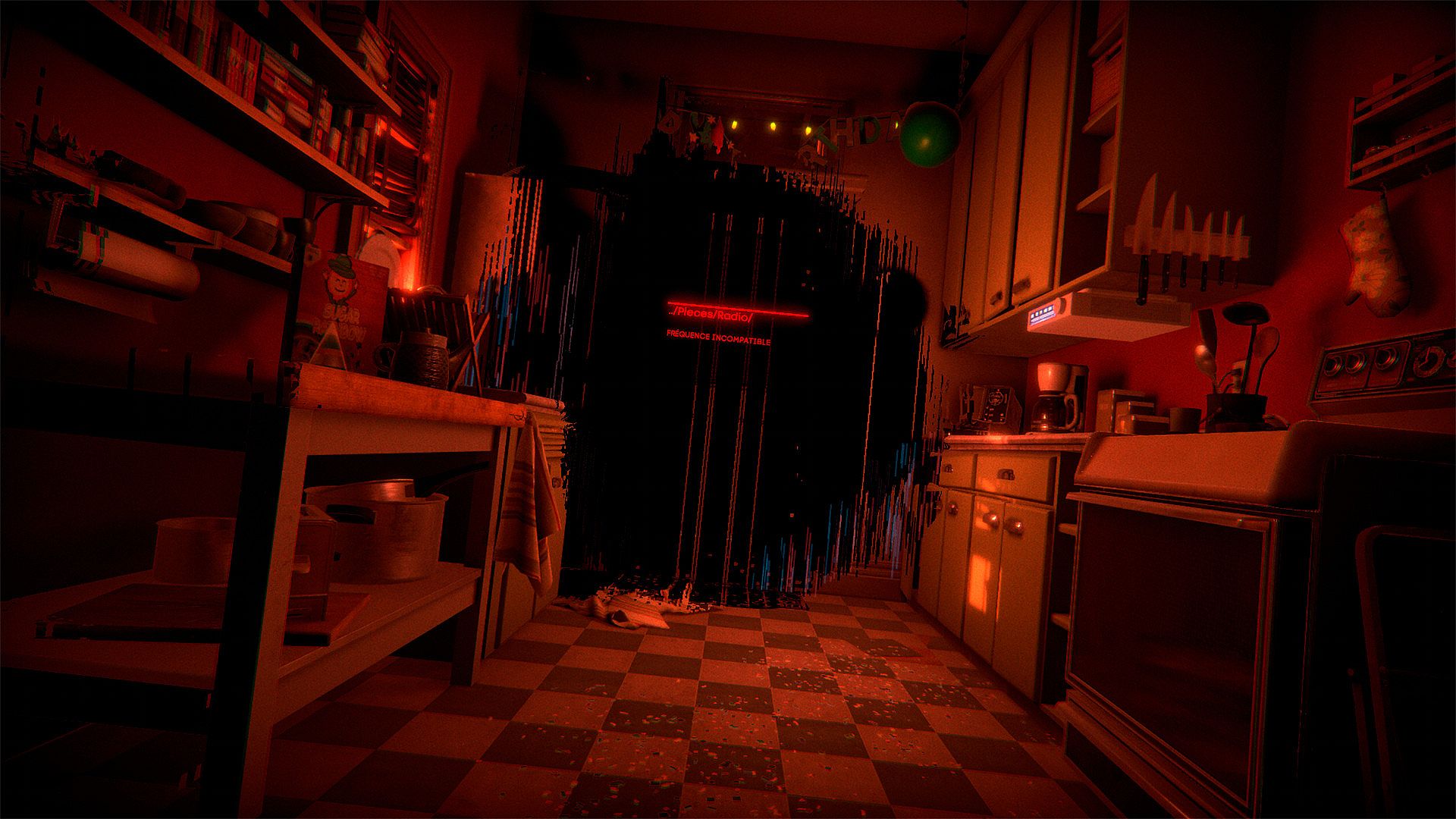
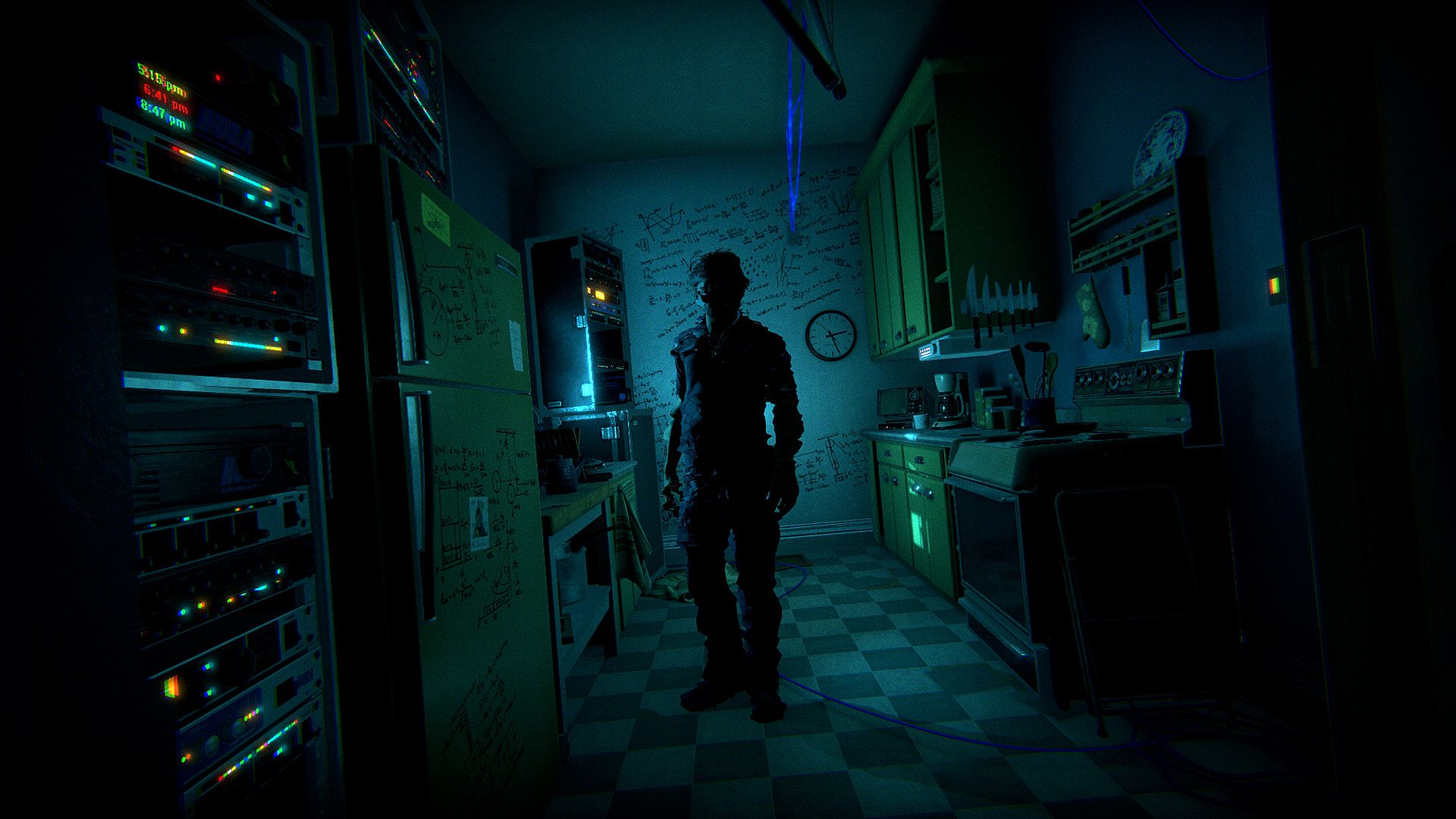
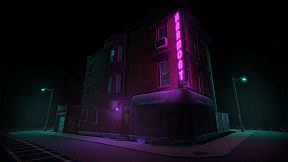

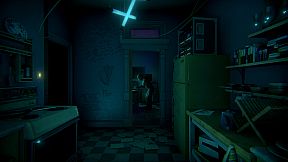
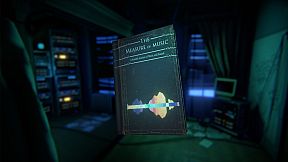
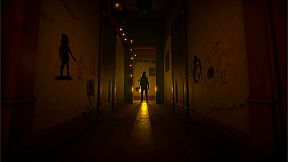
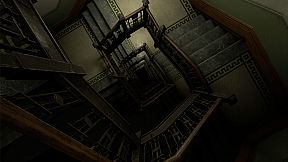
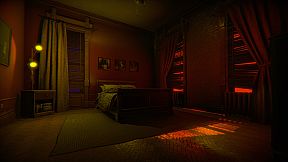
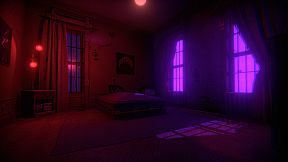
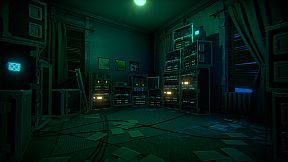
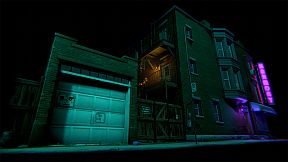

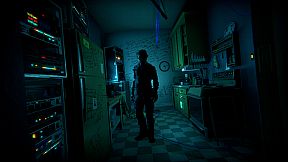
Transference is a first-person adventure game that blends psychological thriller elements with exploration and light puzzle solving. Set within a corrupted digital simulation of a family home, the experience places players in the role of an investigator navigating the fractured memories of a troubled scientist and his relatives. Available on PC in both VR and standard modes, it emphasizes narrative discovery over action or combat.
Gameplay
The core loop revolves around free exploration of a single domestic environment that changes based on perspective. Players move through rooms at a deliberate pace, examining objects and interacting with environmental details to uncover clues about the family's history. Perspective shifts occur through simple switches or triggers that alter the visual and auditory presentation of the same spaces, revealing different interpretations of events from the viewpoints of the scientist, his wife, and their child.
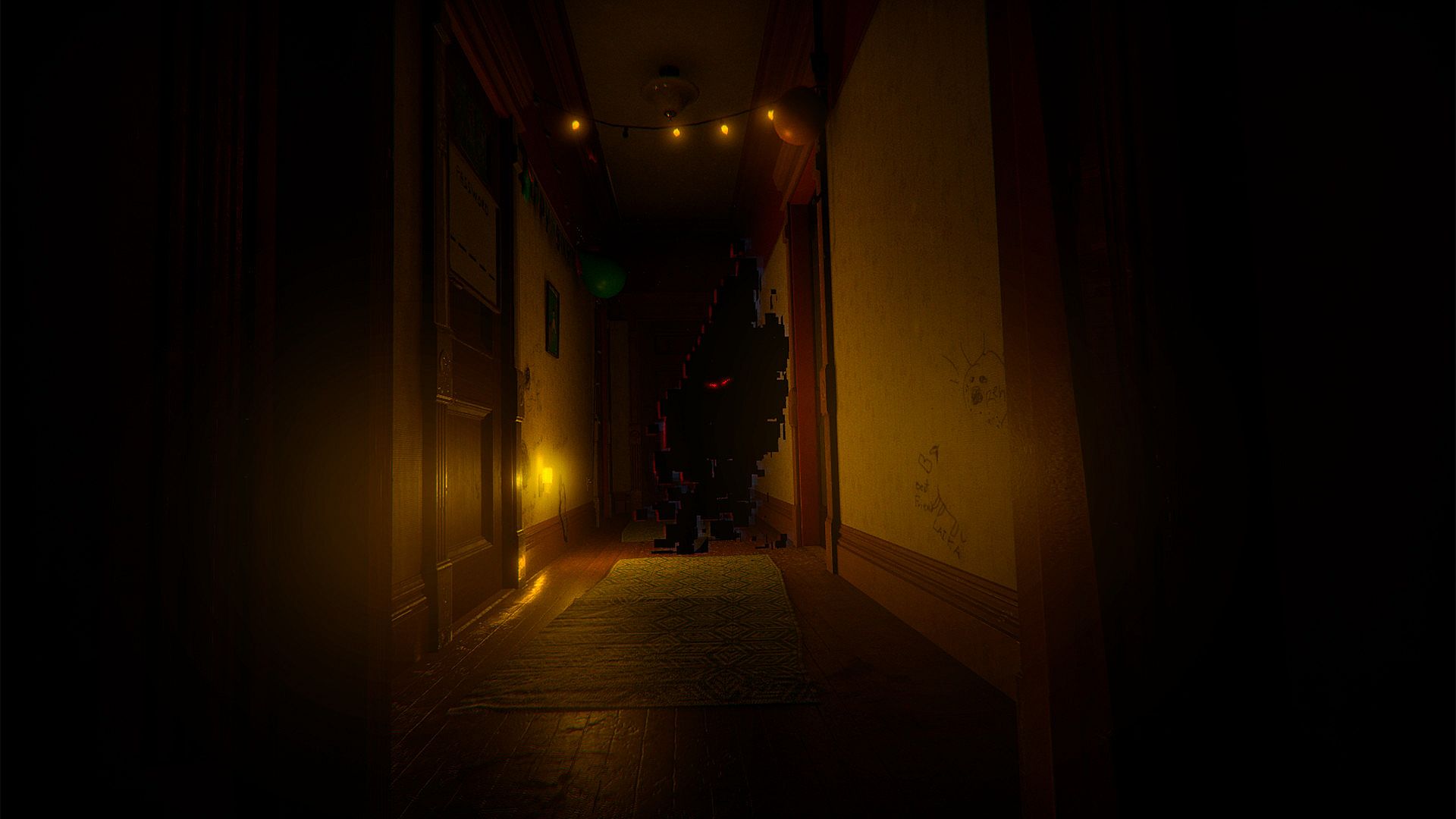
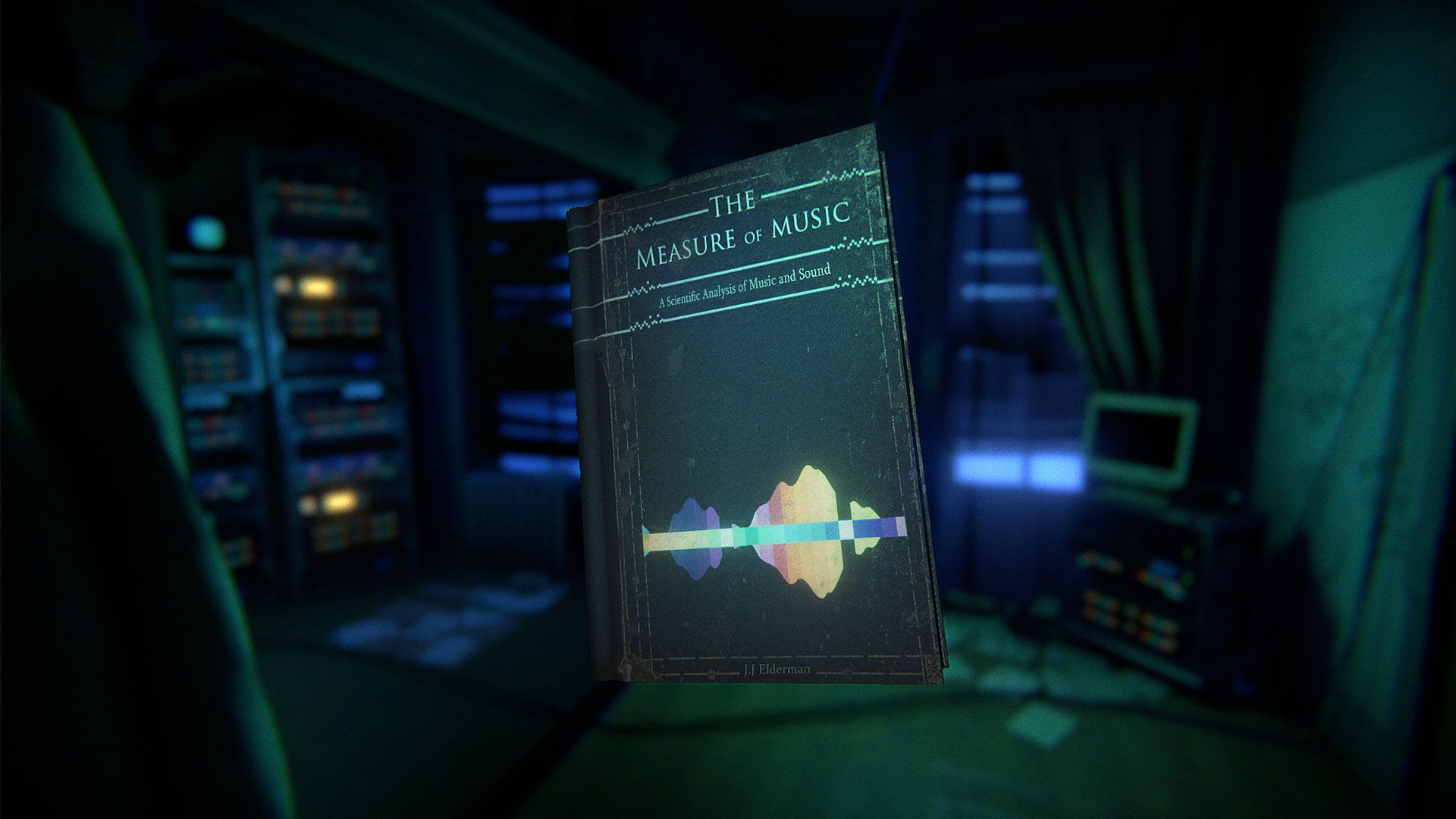
Puzzles integrate into the exploration without complex mechanics. Many involve basic observation, such as aligning items or interpreting audio cues, while others rely on trial and error within the confined setting. There are no combat systems, timers, or failure conditions, allowing steady progress through environmental storytelling and fragmented dialogue. The design creates an unsettling atmosphere with glitch effects, repeated sounds, and shifting realities that heighten tension during navigation.
Game Modes
Transference operates exclusively as a single-player narrative experience. No multiplayer options, competitive modes, or co-operative features exist. The entire game unfolds as one continuous story session where players piece together events by cycling between the three family perspectives. This structure encourages multiple passes through the home to gather all available details, though the linear progression limits branching paths or alternate endings.
The VR version enhances spatial awareness and immersion during perspective changes, while the non-VR mode maintains the same puzzle and exploration focus with traditional controls. Both versions deliver the same core content without additional variants or difficulty settings.
Narrative and Atmosphere
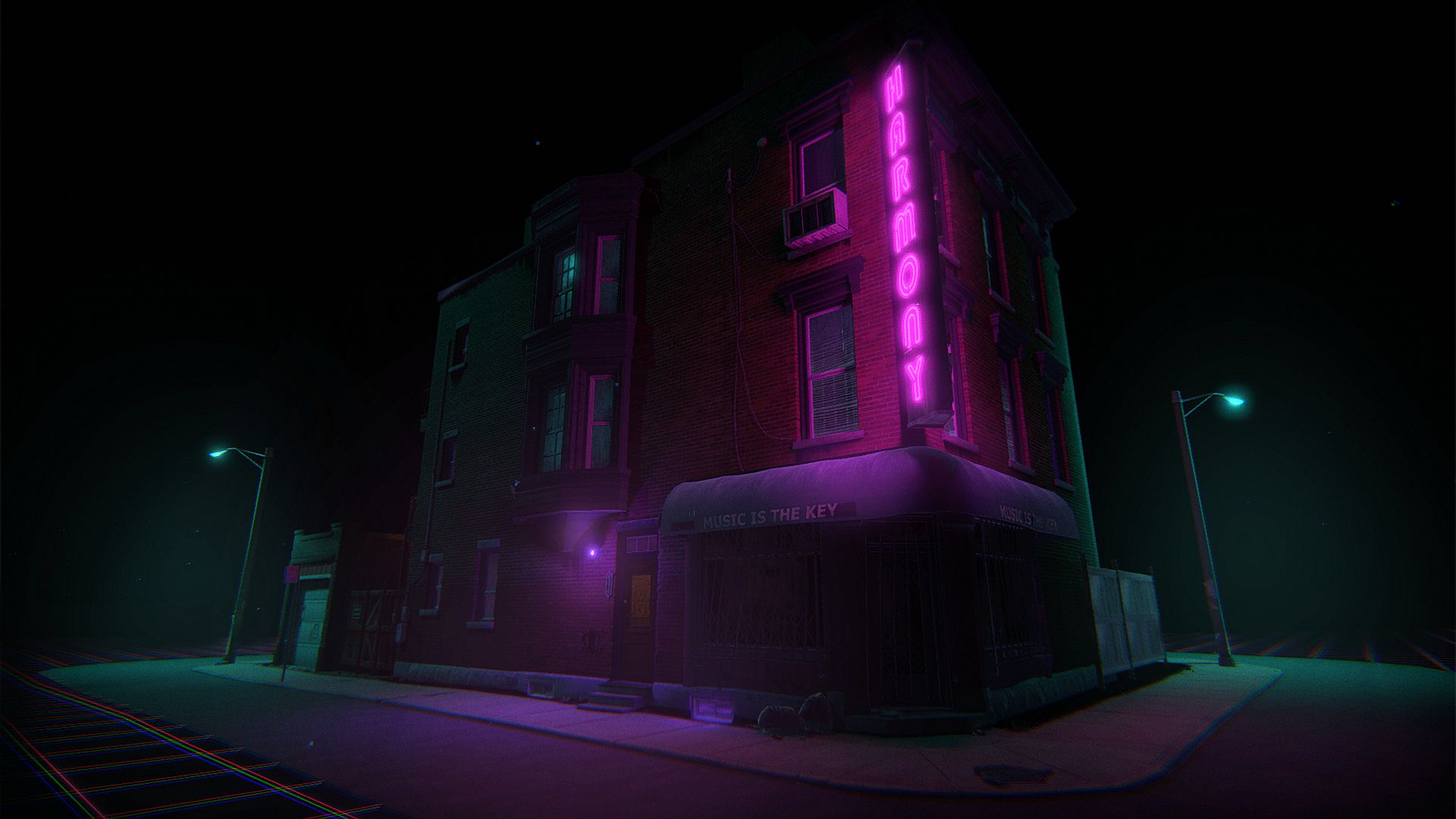
The story centers on themes of obsession, neglect, and digital reconstruction of personal trauma. Players interpret events through corrupted data rather than direct exposition, building a picture of a family strained by the scientist's work. Visual design features decaying digital layers and cinematic transitions that blend real footage with simulated elements, creating a movie-like quality in the presentation.
Sound design plays a key role in building dread, with distorted voices and ambient effects that recur across perspectives. The short overall length focuses attention on these atmospheric details rather than extended gameplay systems.
Is It Worth Playing?
Transference appeals most to players who enjoy short, atmospheric narrative adventures with puzzle elements and psychological themes. Its strength lies in the unique perspective-shifting mechanic and strong environmental presentation, which deliver a focused experience lasting roughly one to two hours. Reception highlights the unsettling mood and innovative concept, though some note the puzzles can feel straightforward and the story leaves certain elements open to interpretation.
For those interested in first-person exploration games that prioritize mood and story over replayability or complex systems, it offers a distinctive session. The VR option adds immersion for headset owners, while the non-VR version remains accessible. Given its age and lack of ongoing updates, it suits one-time playthroughs rather than repeated engagement or long-term investment.