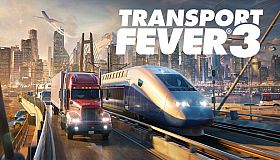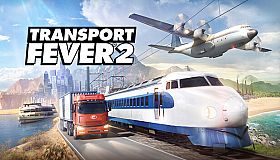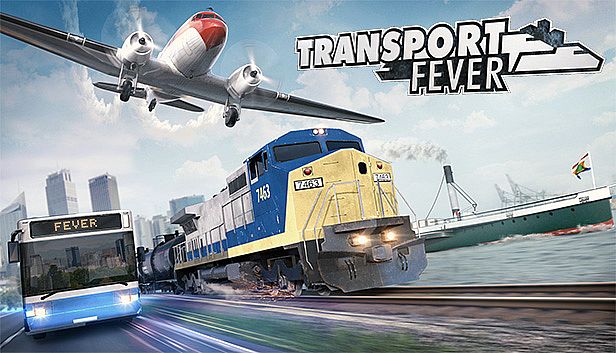




















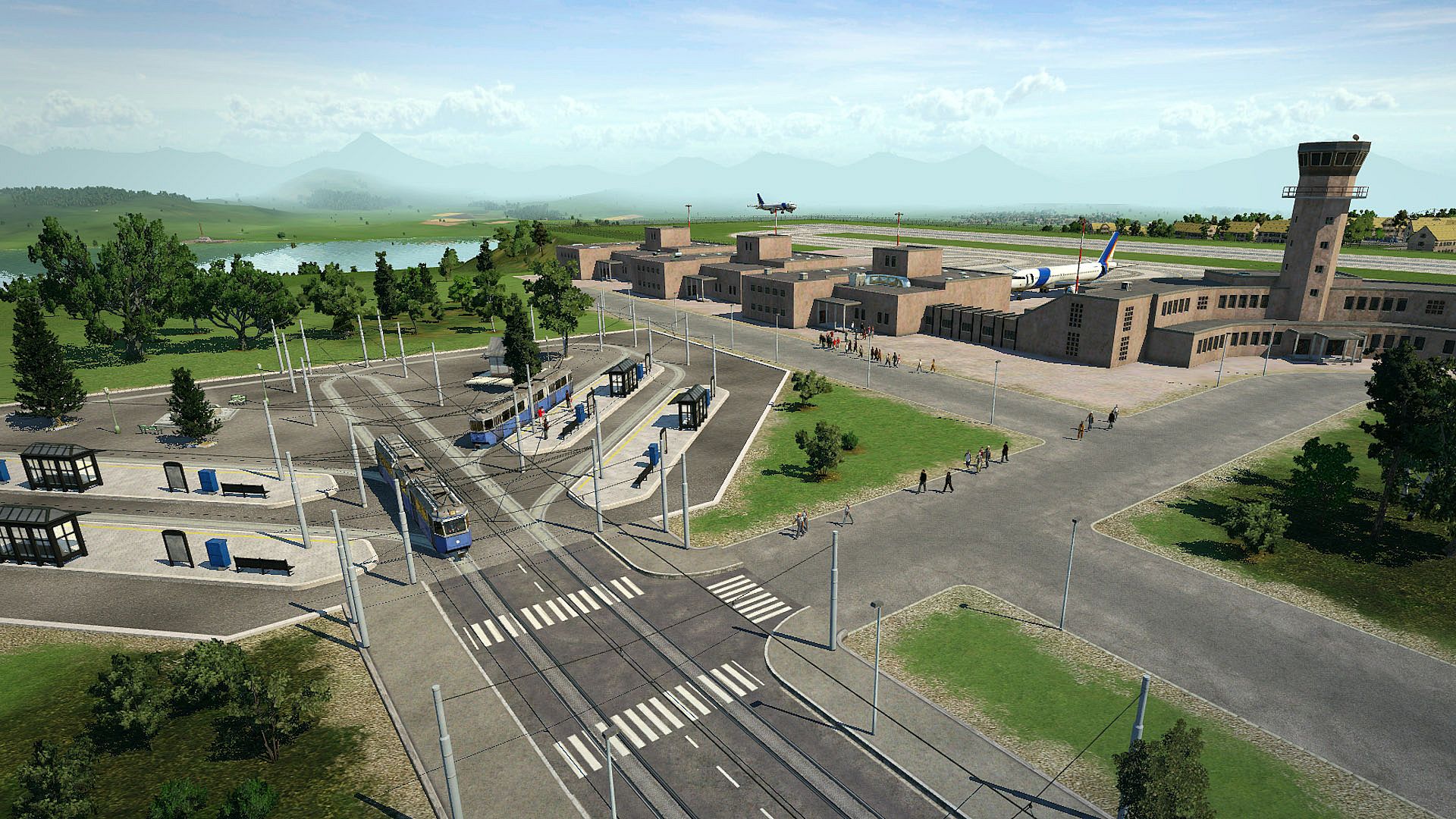
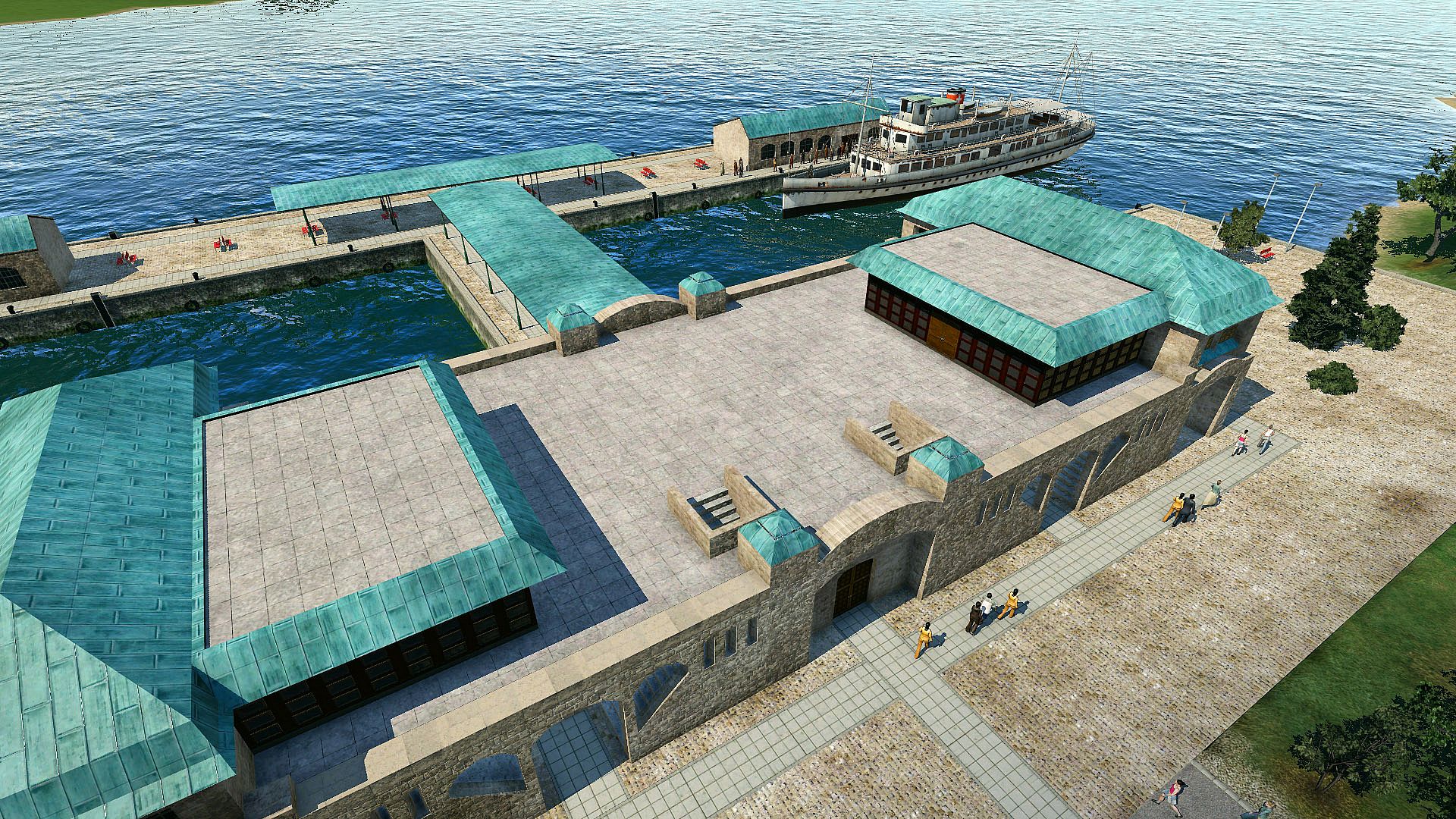
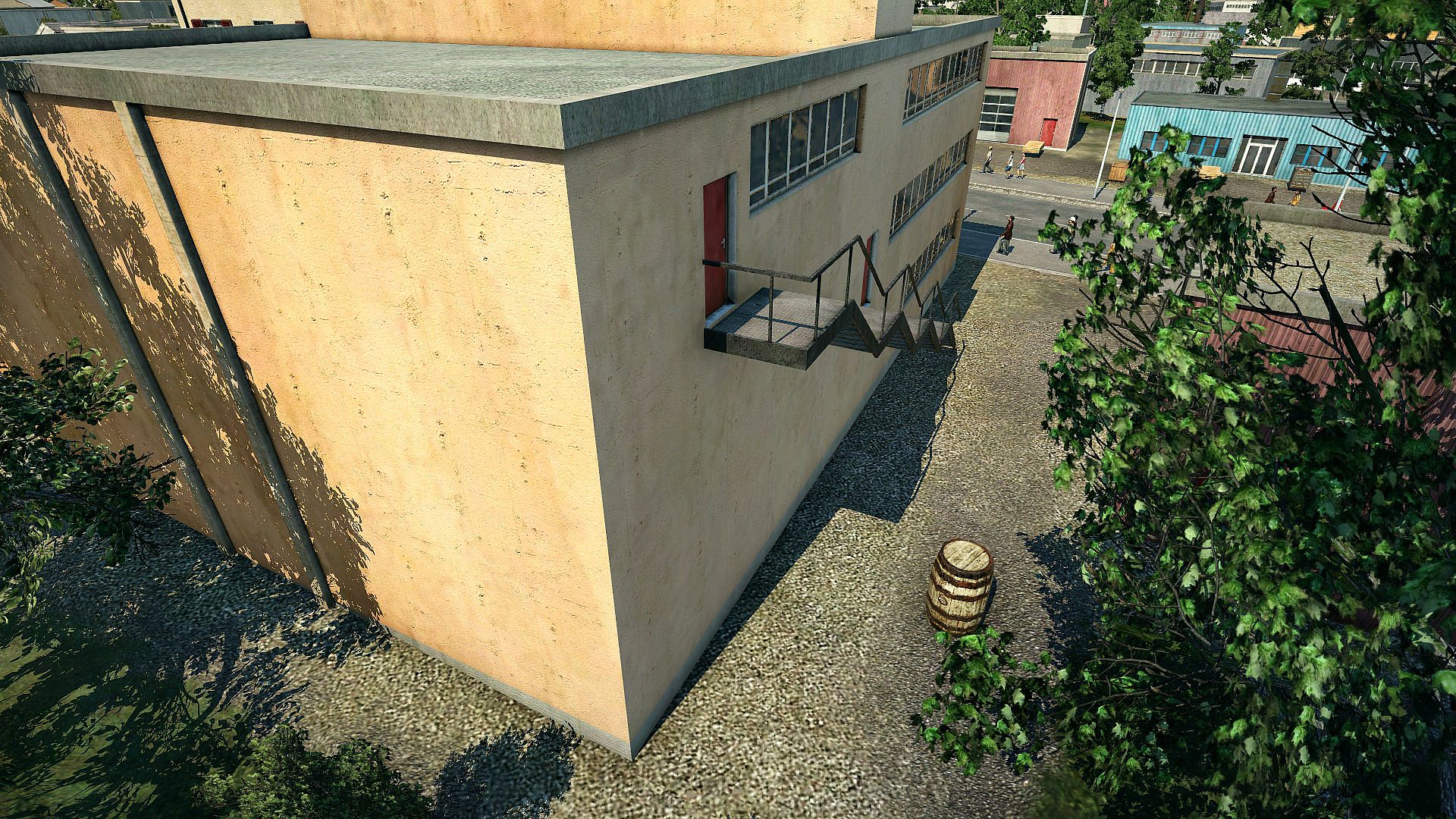
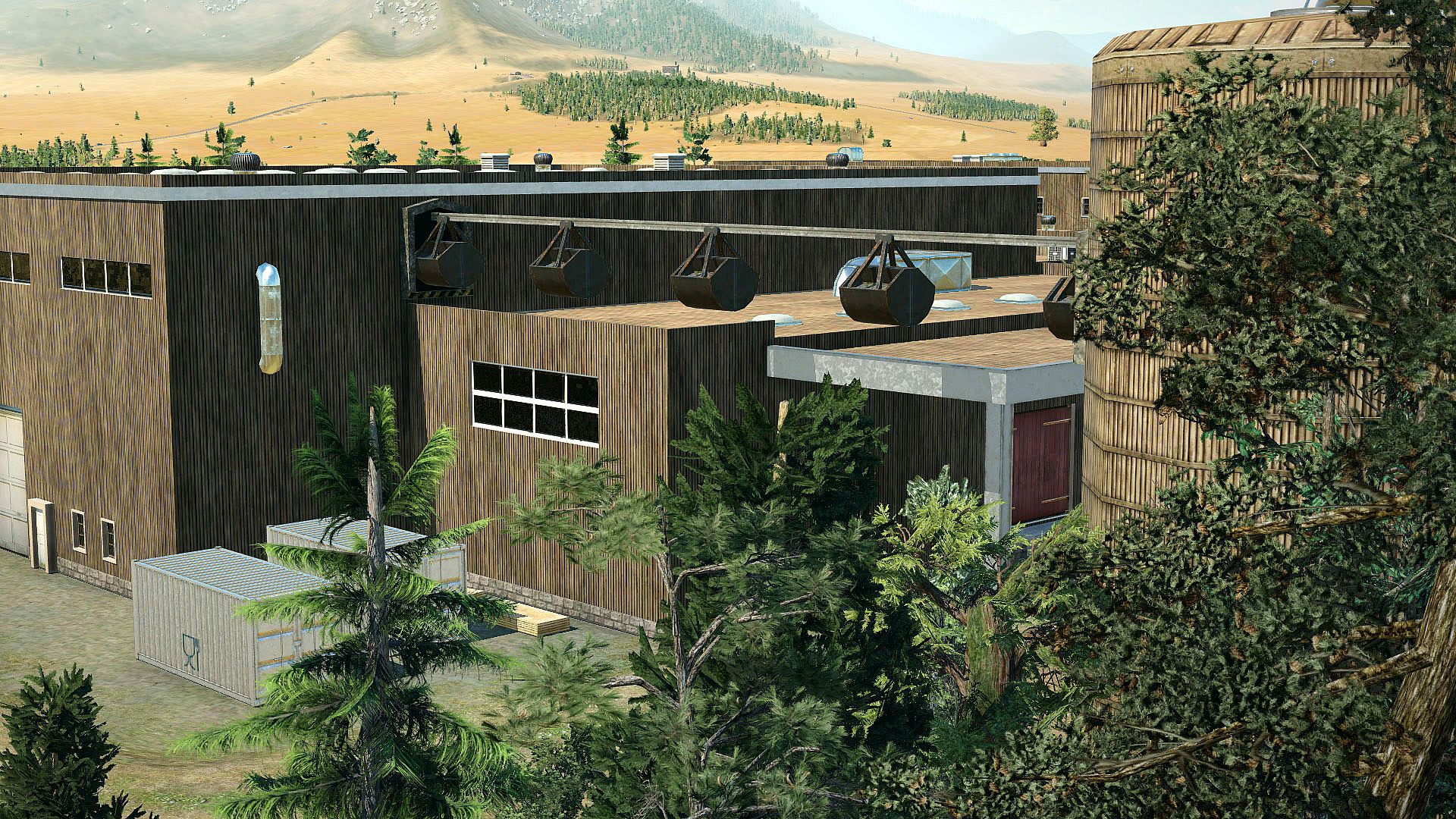
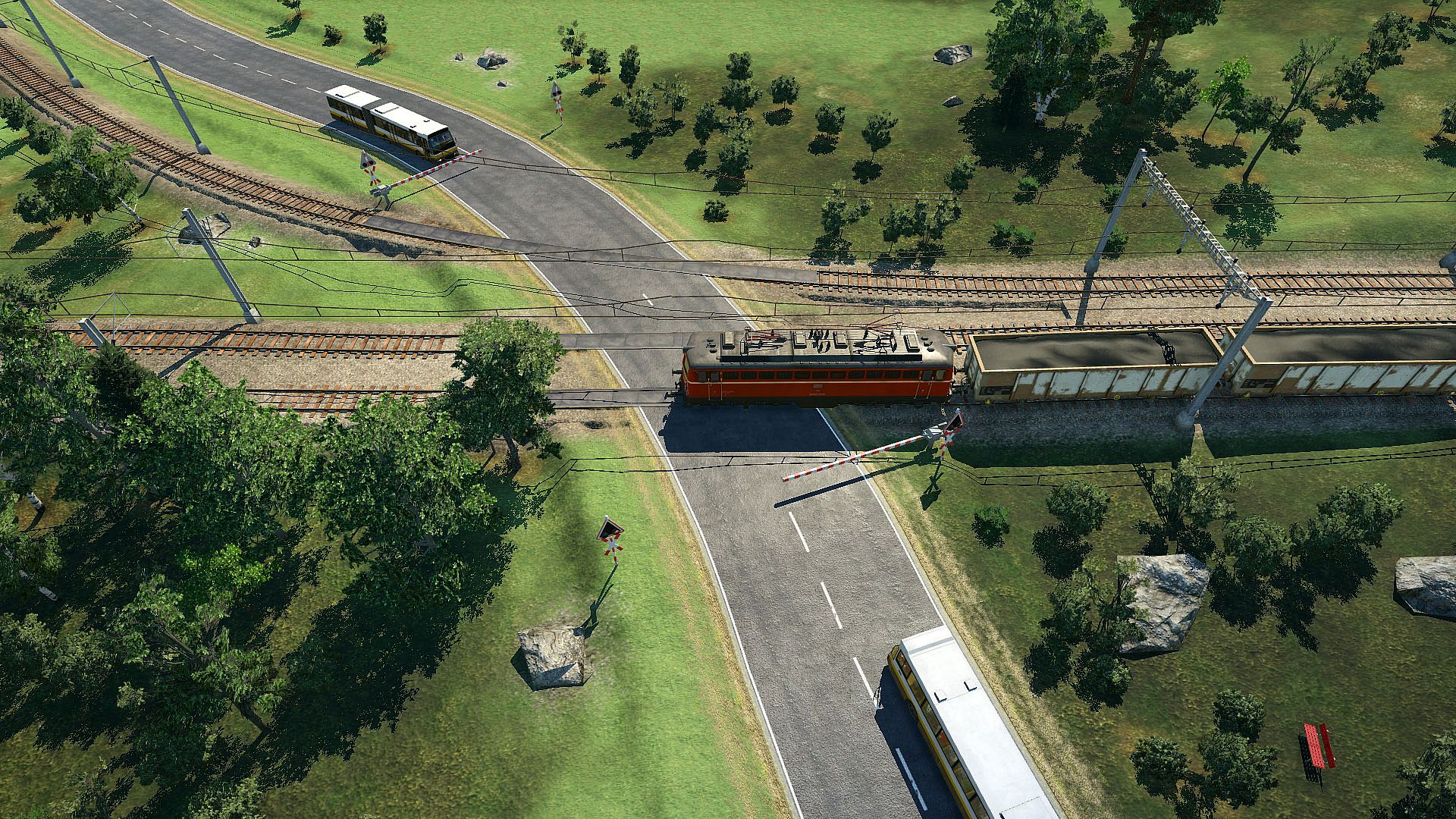
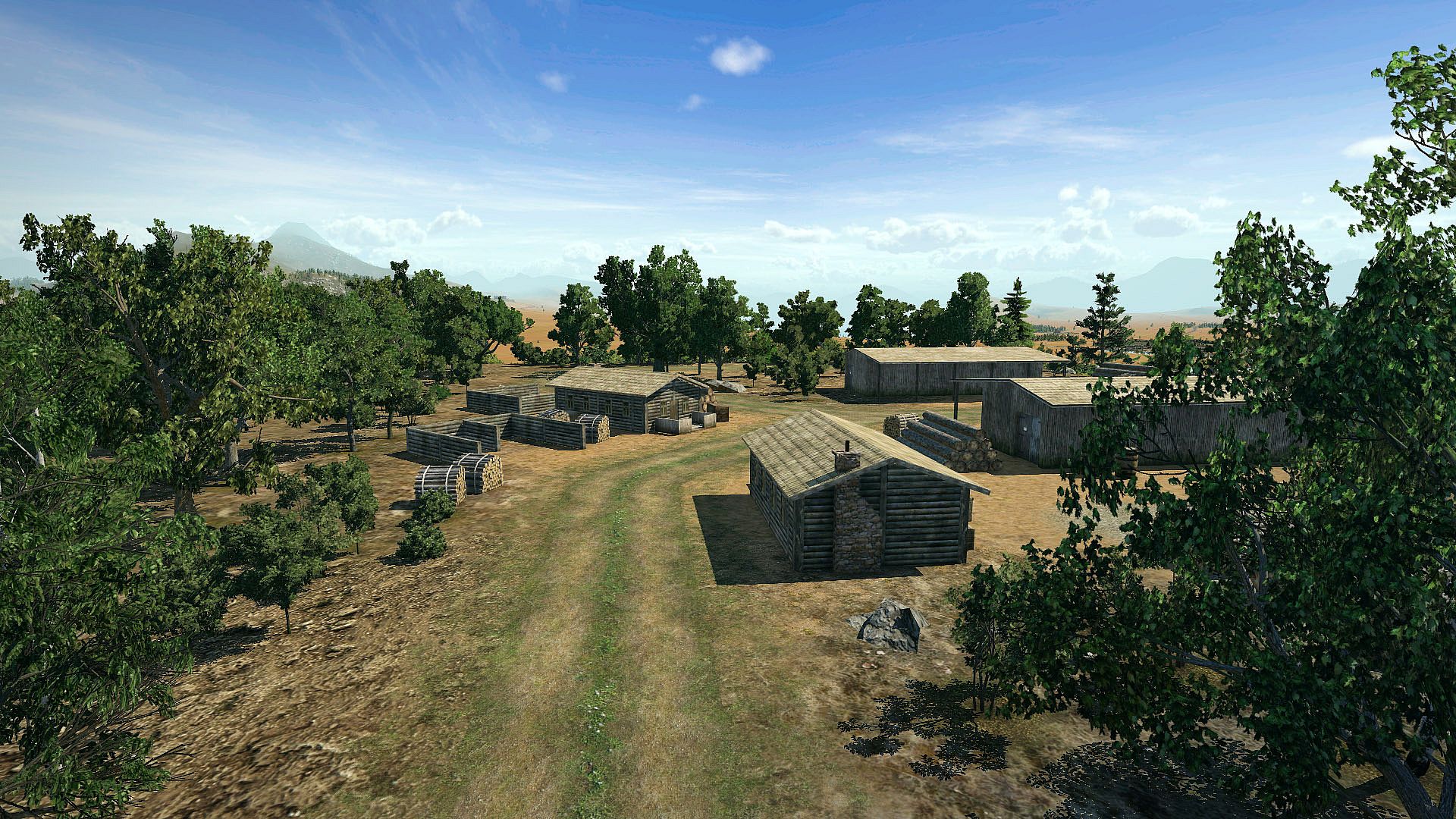
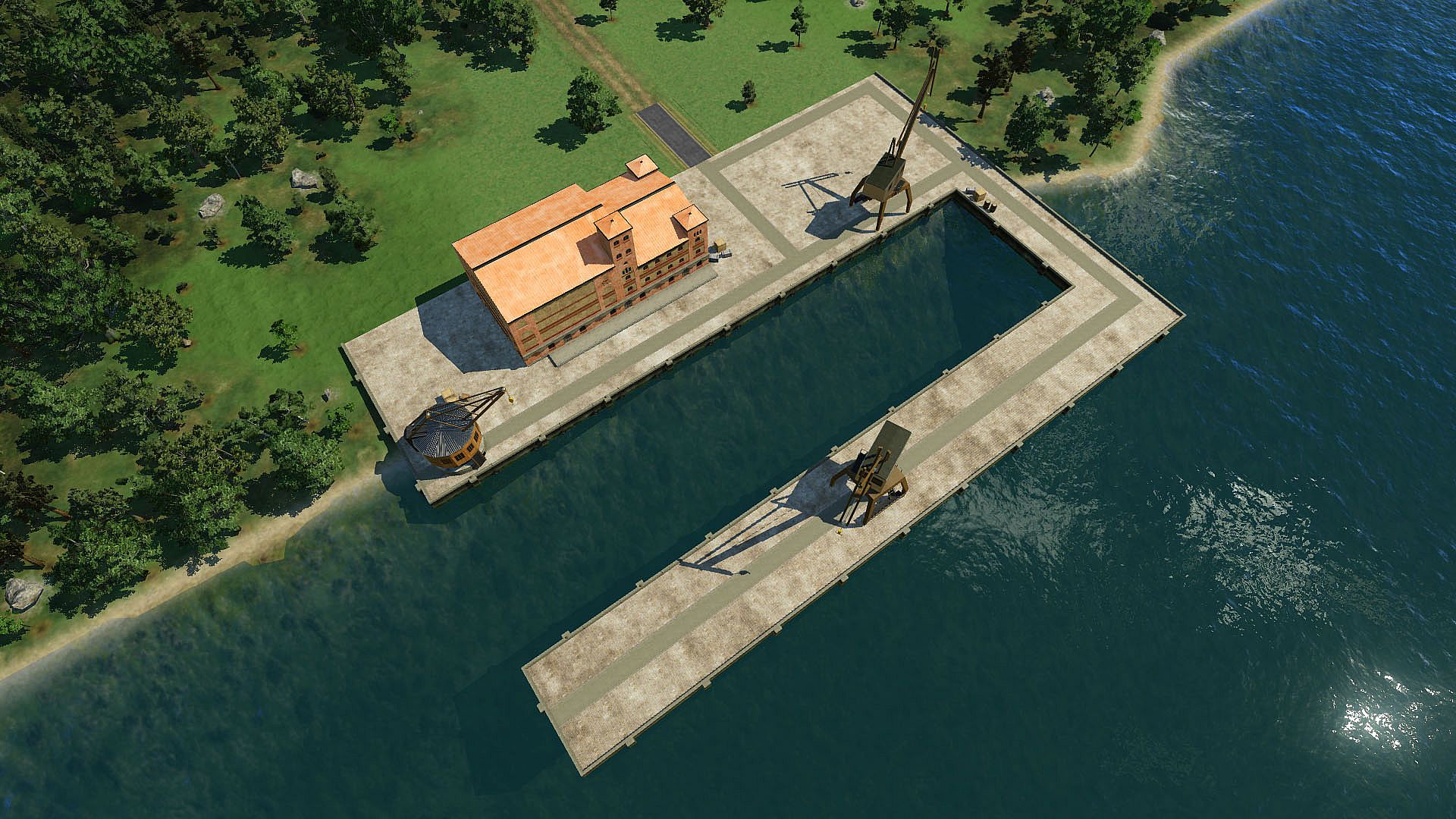
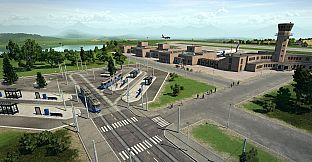
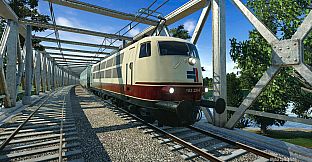
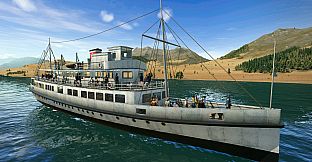
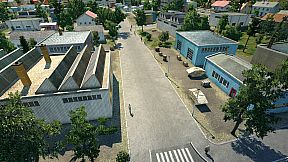
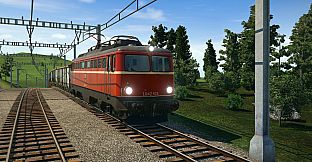
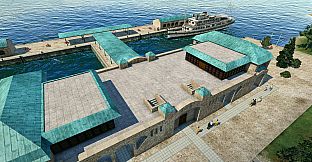
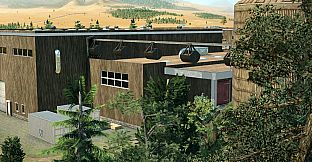
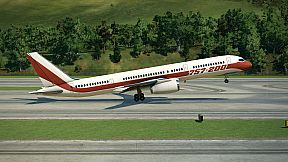
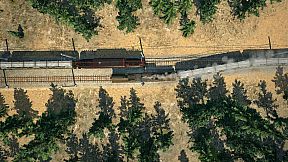
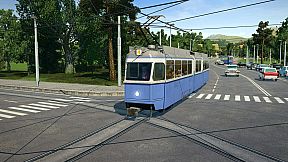
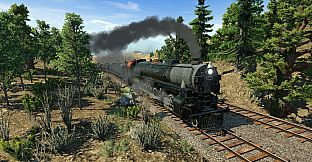
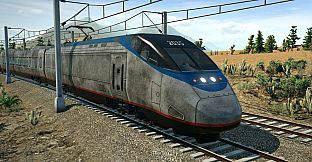
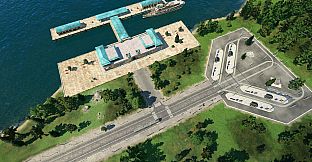
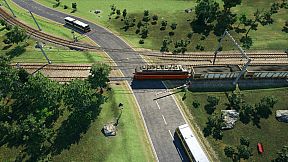
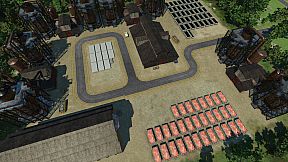
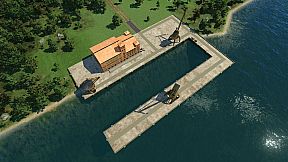
Transport Fever is a simulation game centered on building and managing extensive transportation networks. Players begin in 1850 as an emerging transport tycoon and develop a company by linking regions that need passenger and freight services. The core loop involves constructing infrastructure such as stations, airports, and harbors while expanding road, rail, water, and air connections across detailed maps. Revenue comes from fulfilling transport demands, which in turn supports further growth and allows cities to develop organically over time.
Gameplay
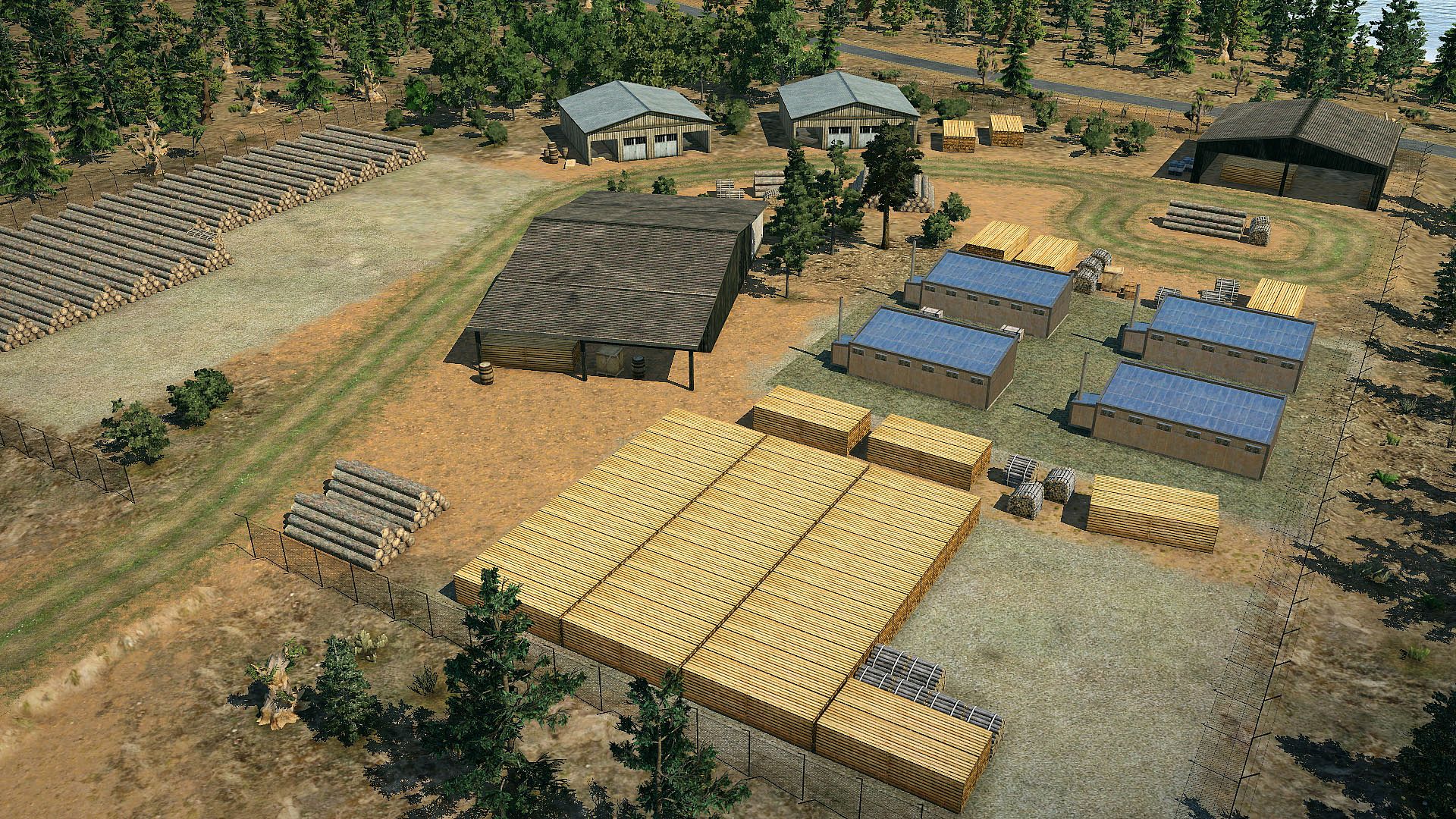
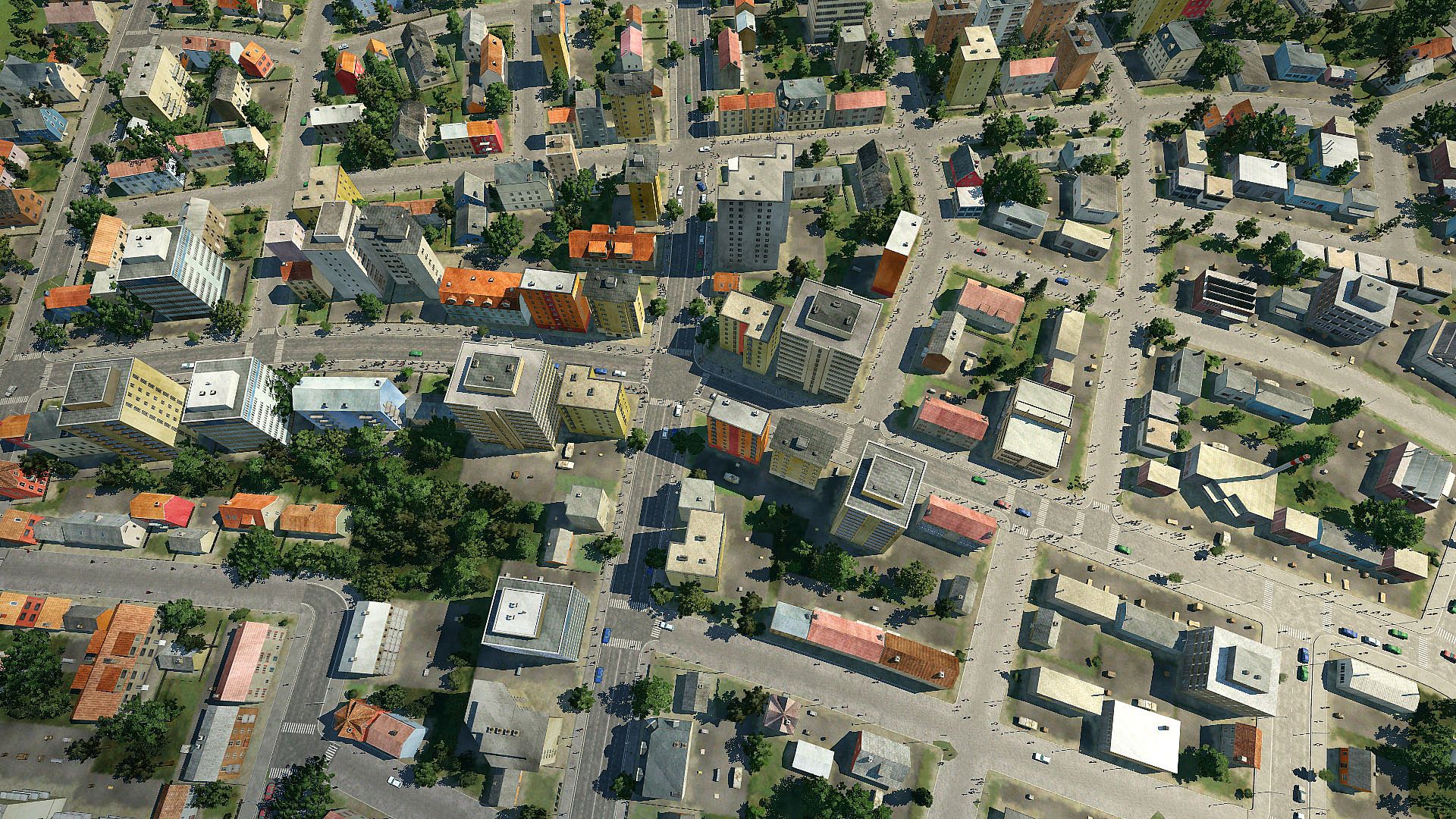
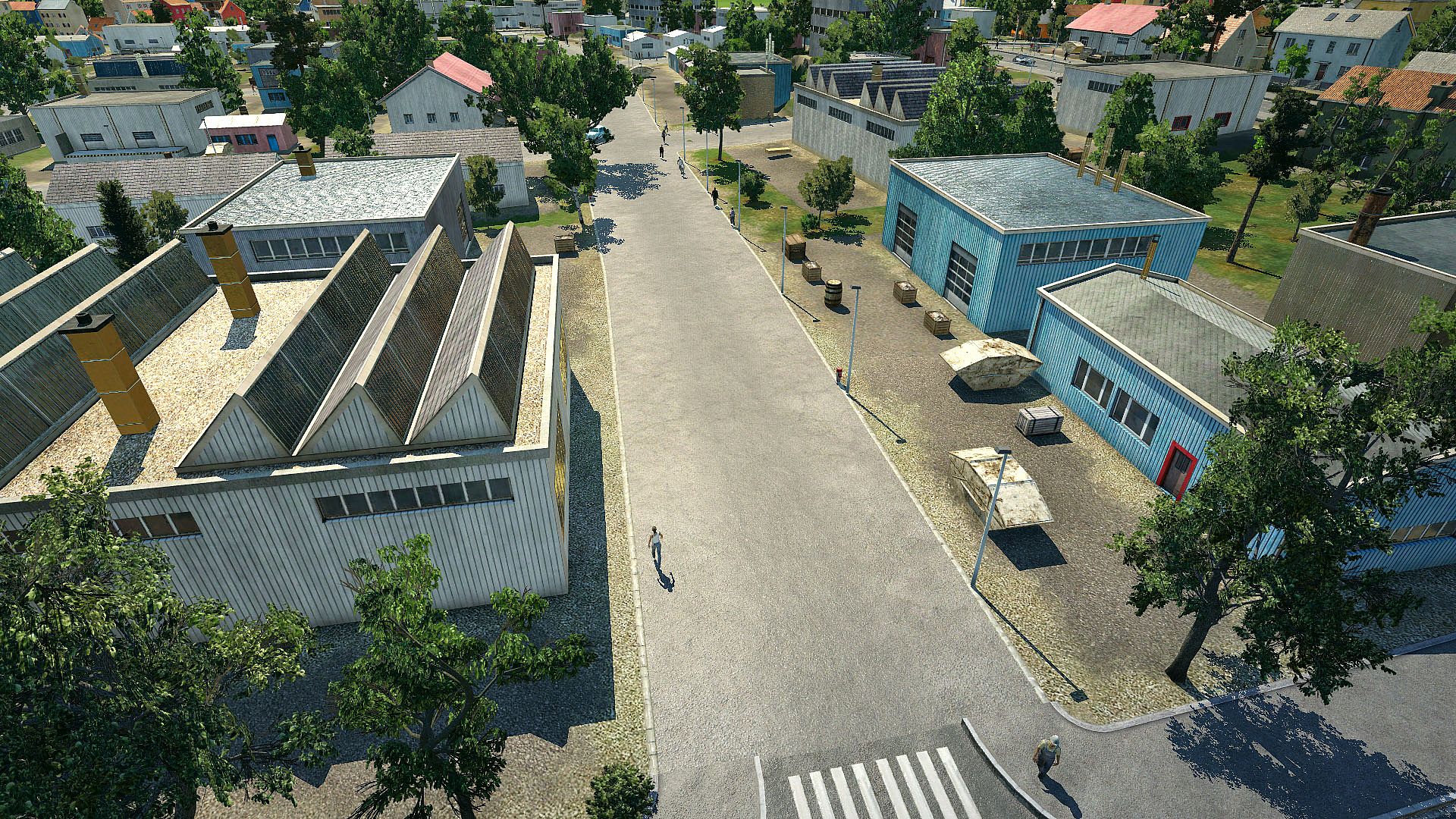
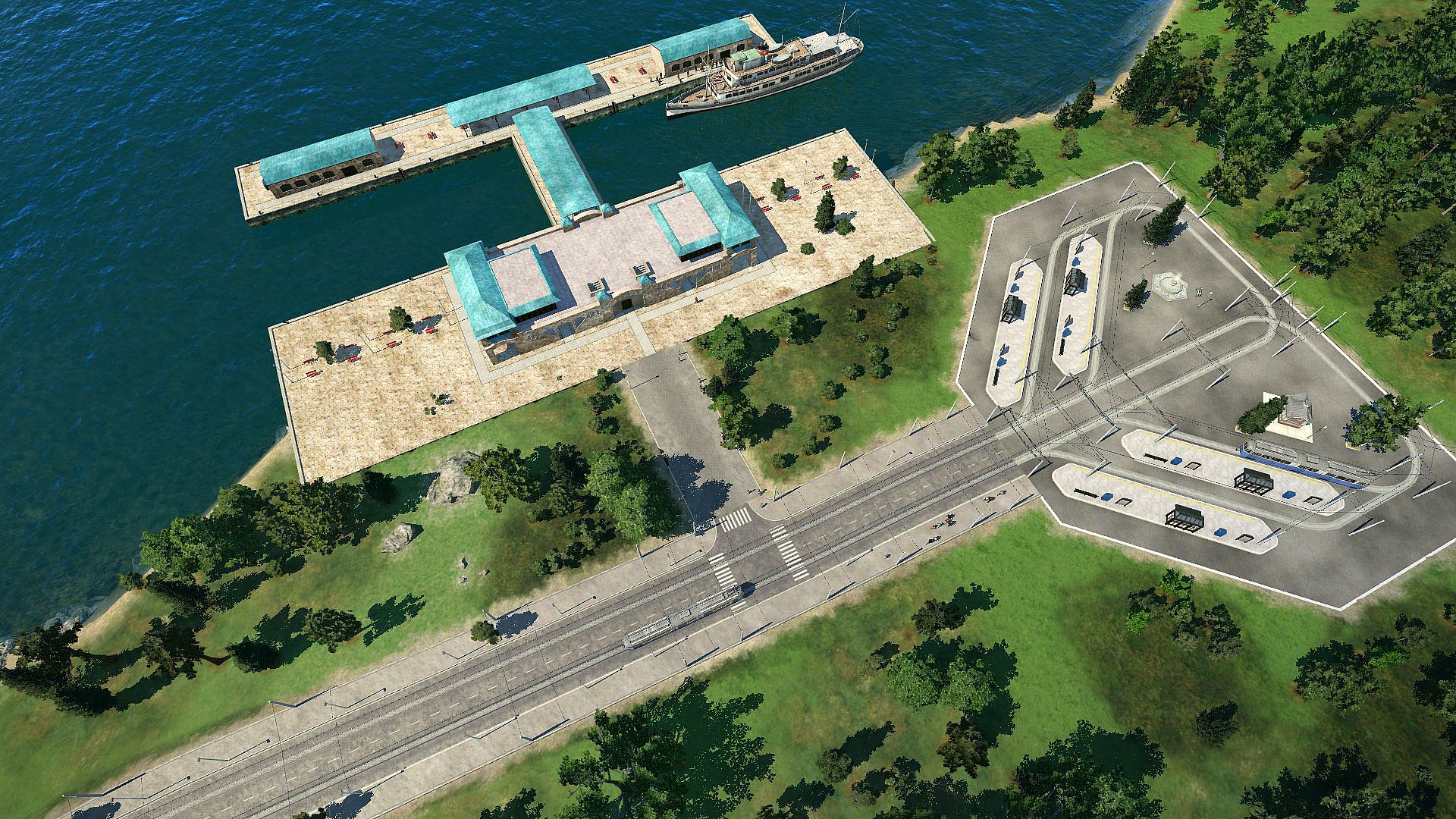
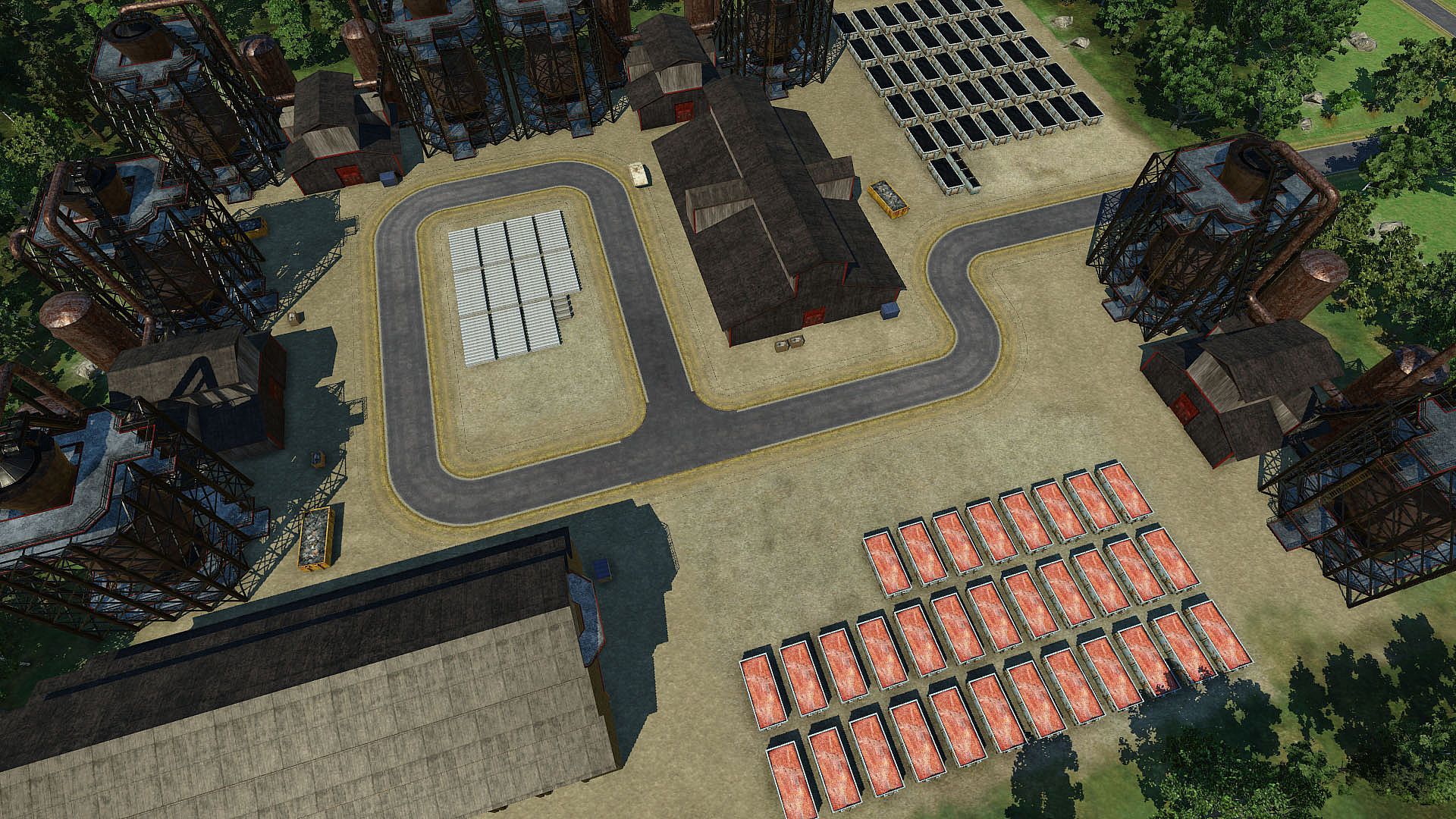
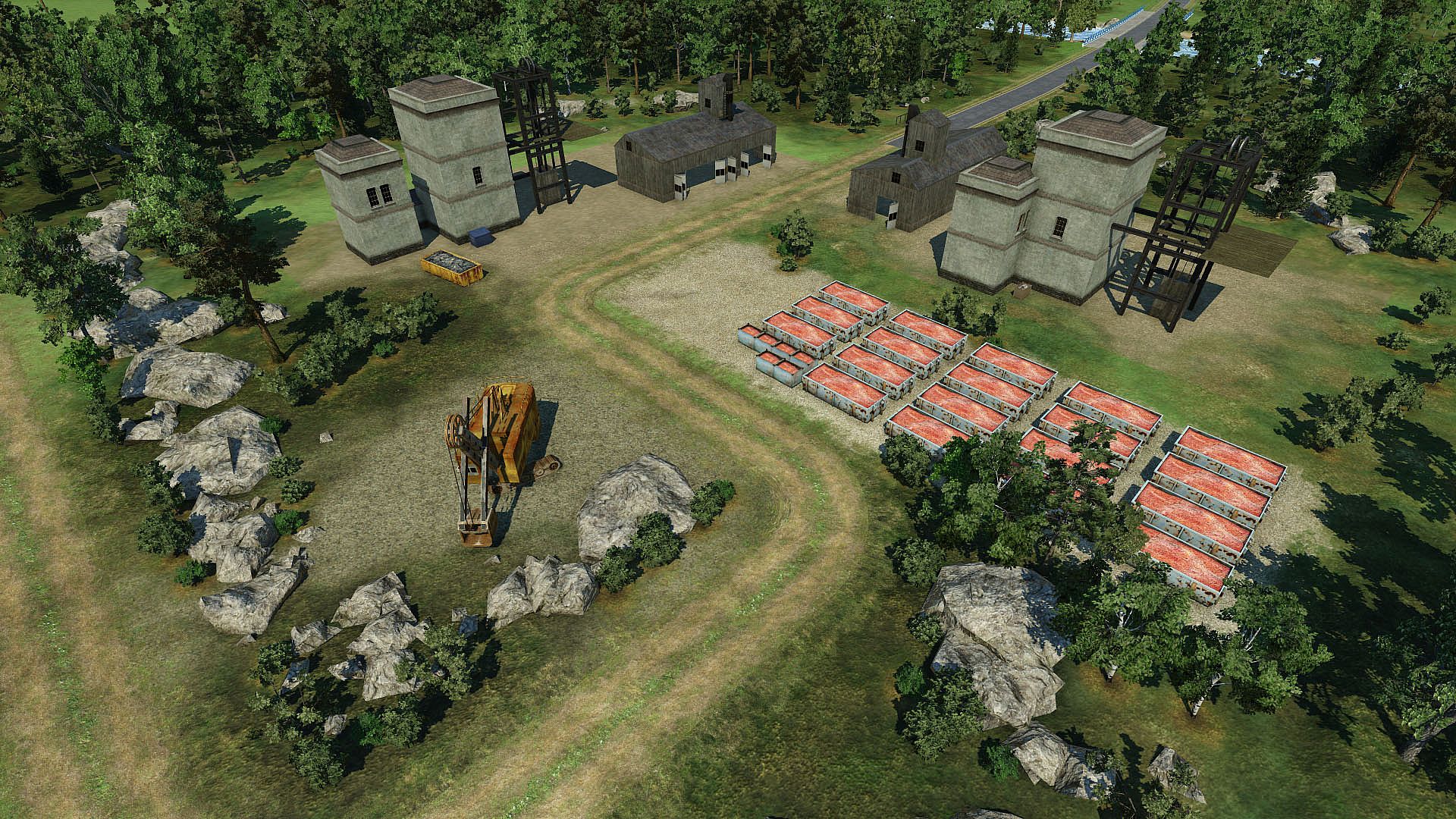
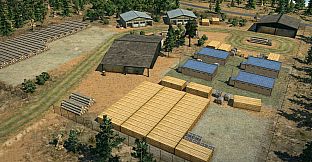
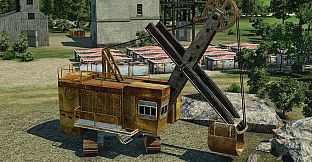
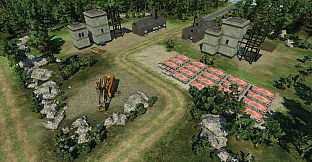
The gameplay centers on creating efficient transport systems that serve both passengers and industries. Players lay tracks and roads with an intuitive construction tool, then add vehicles to routes that move people and goods between locations. Industries require specific cargo deliveries to operate, forming supply chains that drive economic activity. Cities grow based on how well transport meets resident needs, with passenger flows simulated in detail to show realistic movement patterns.
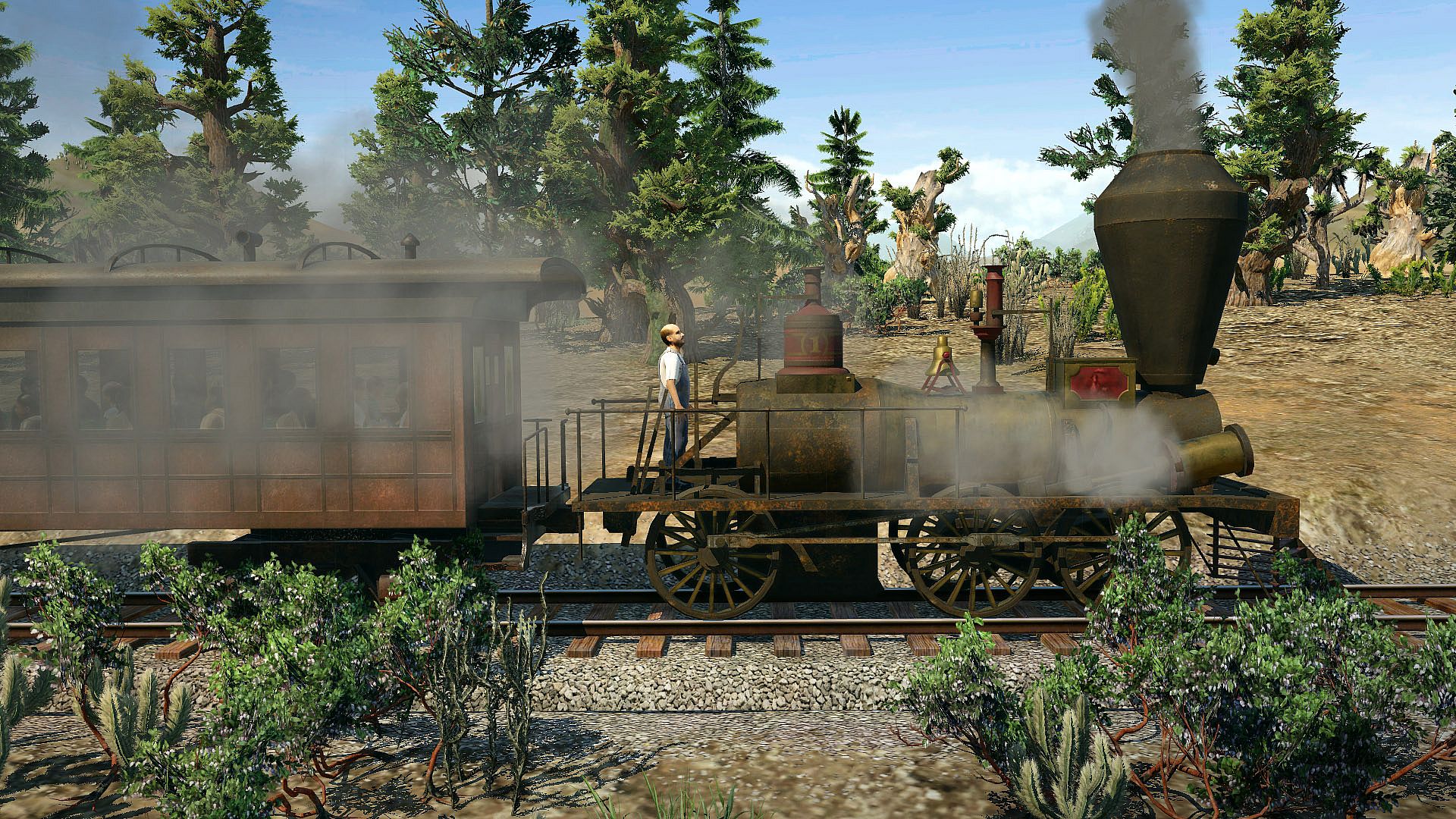
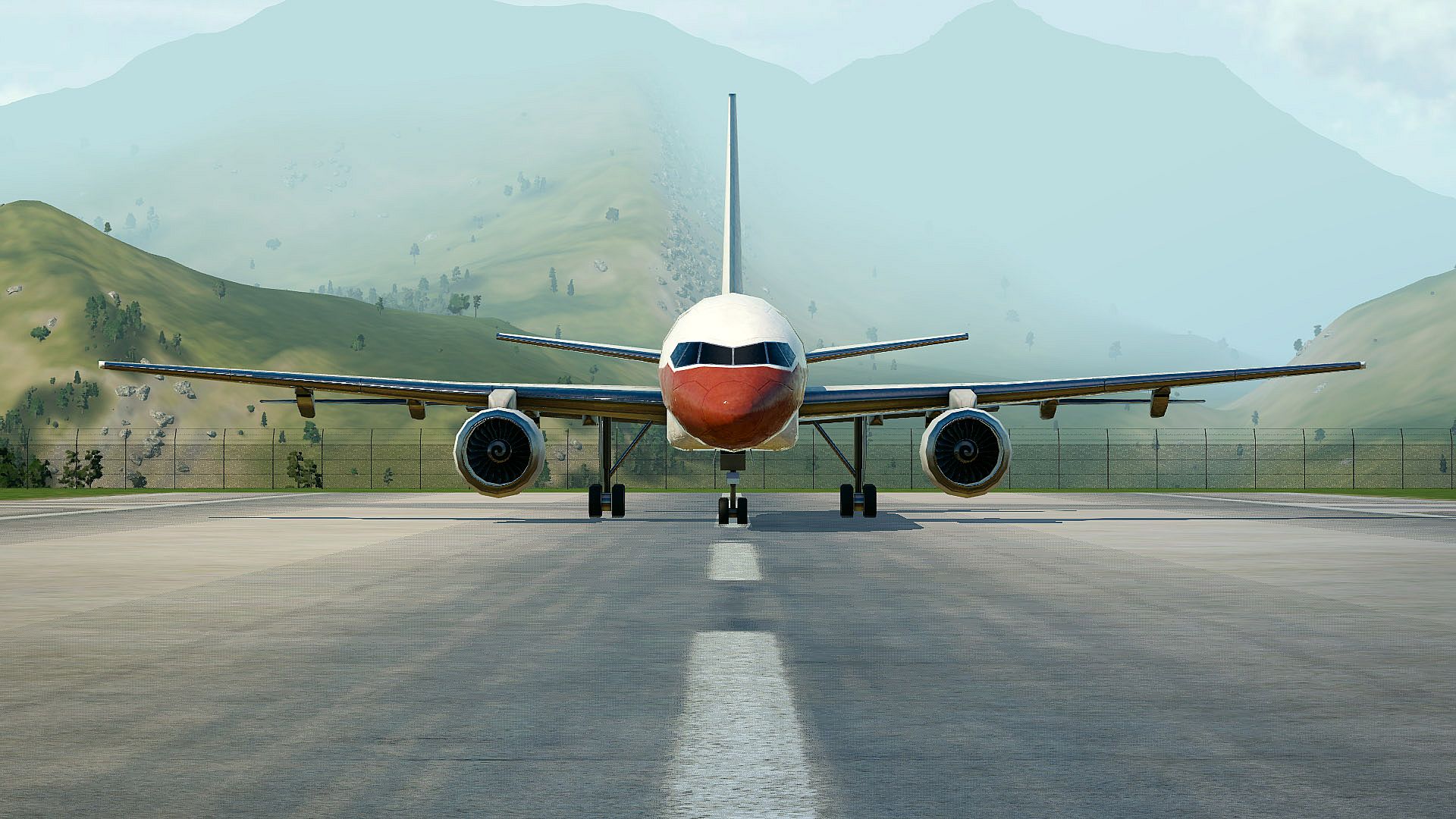
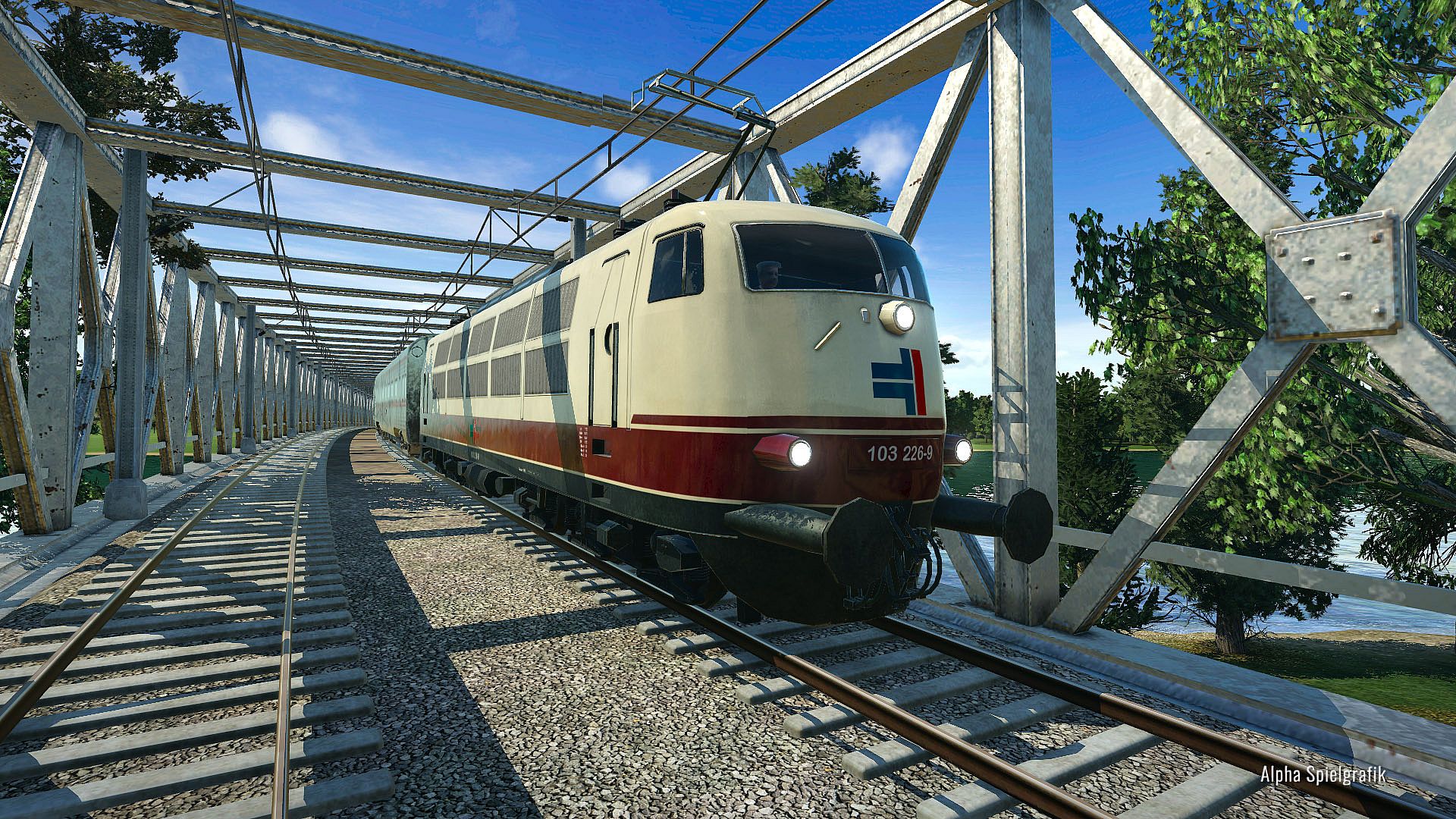
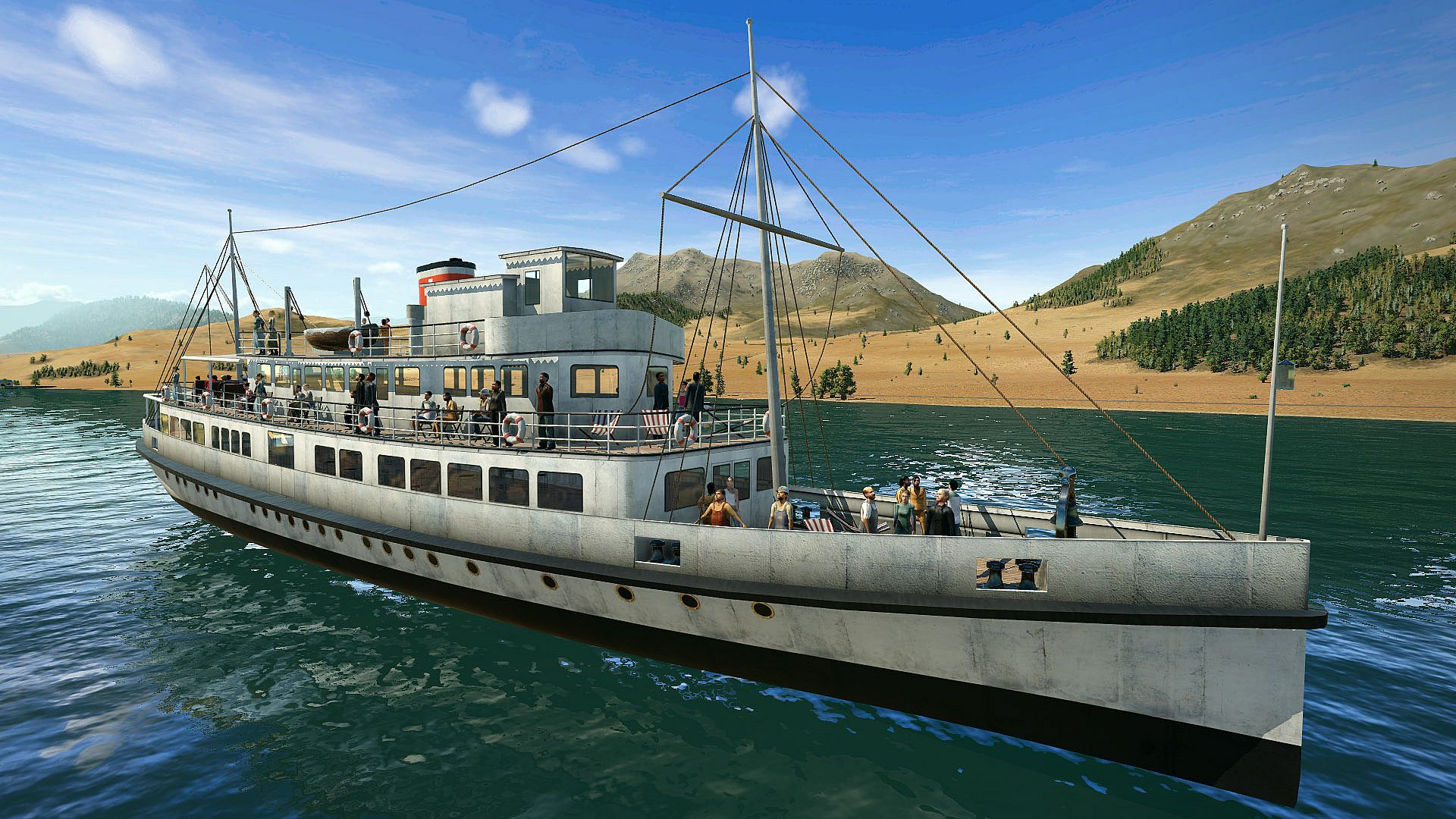
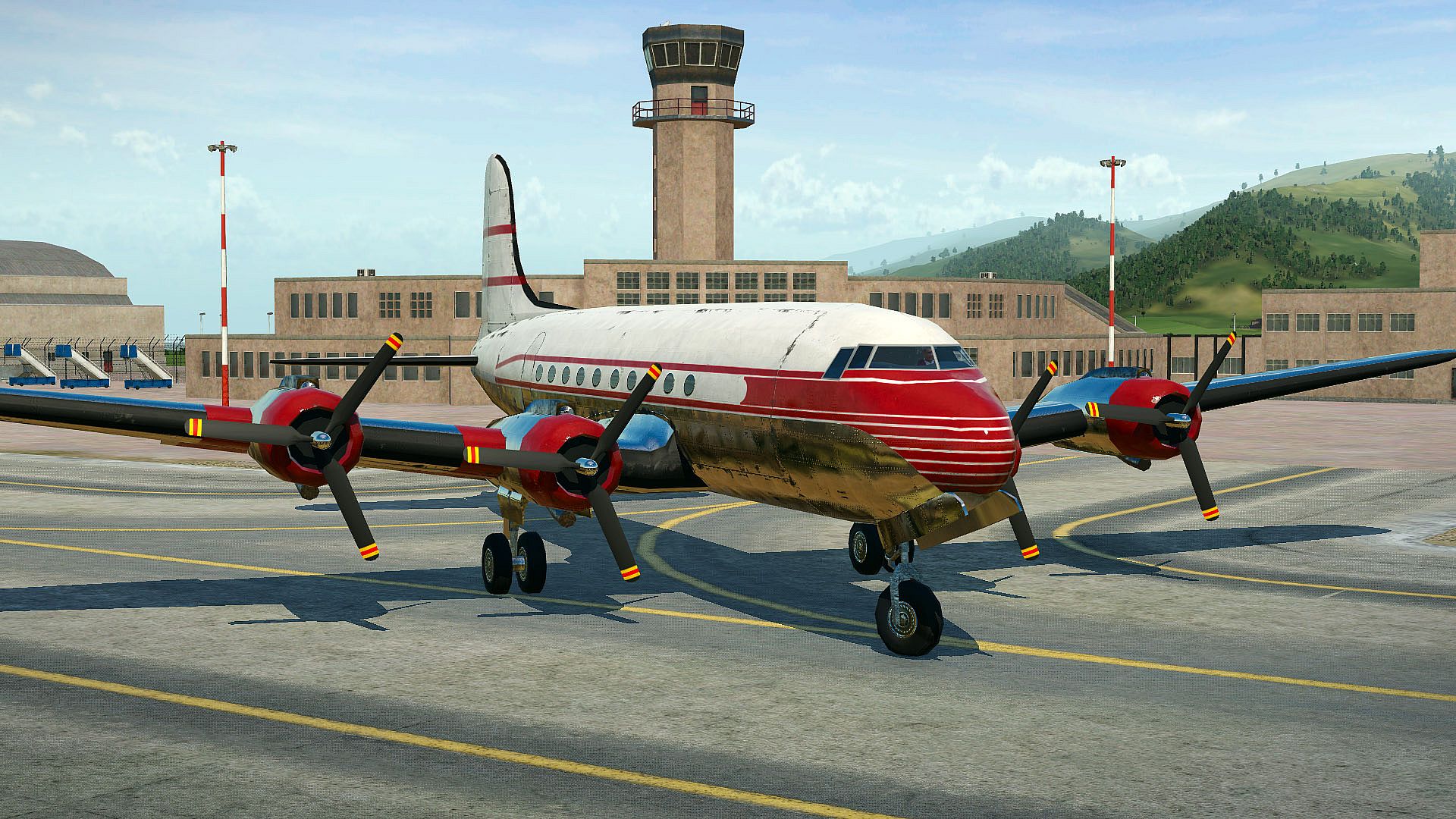
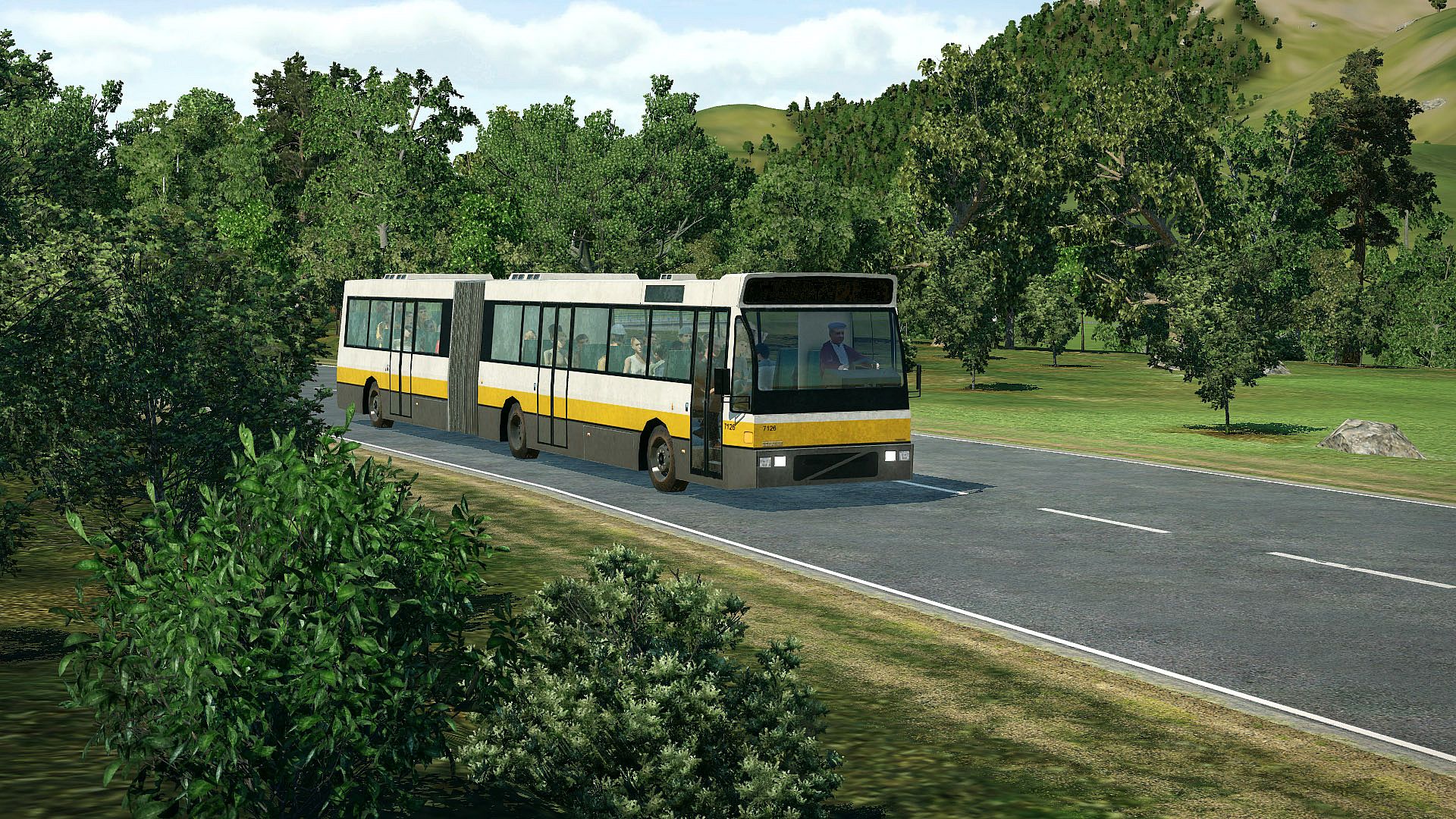
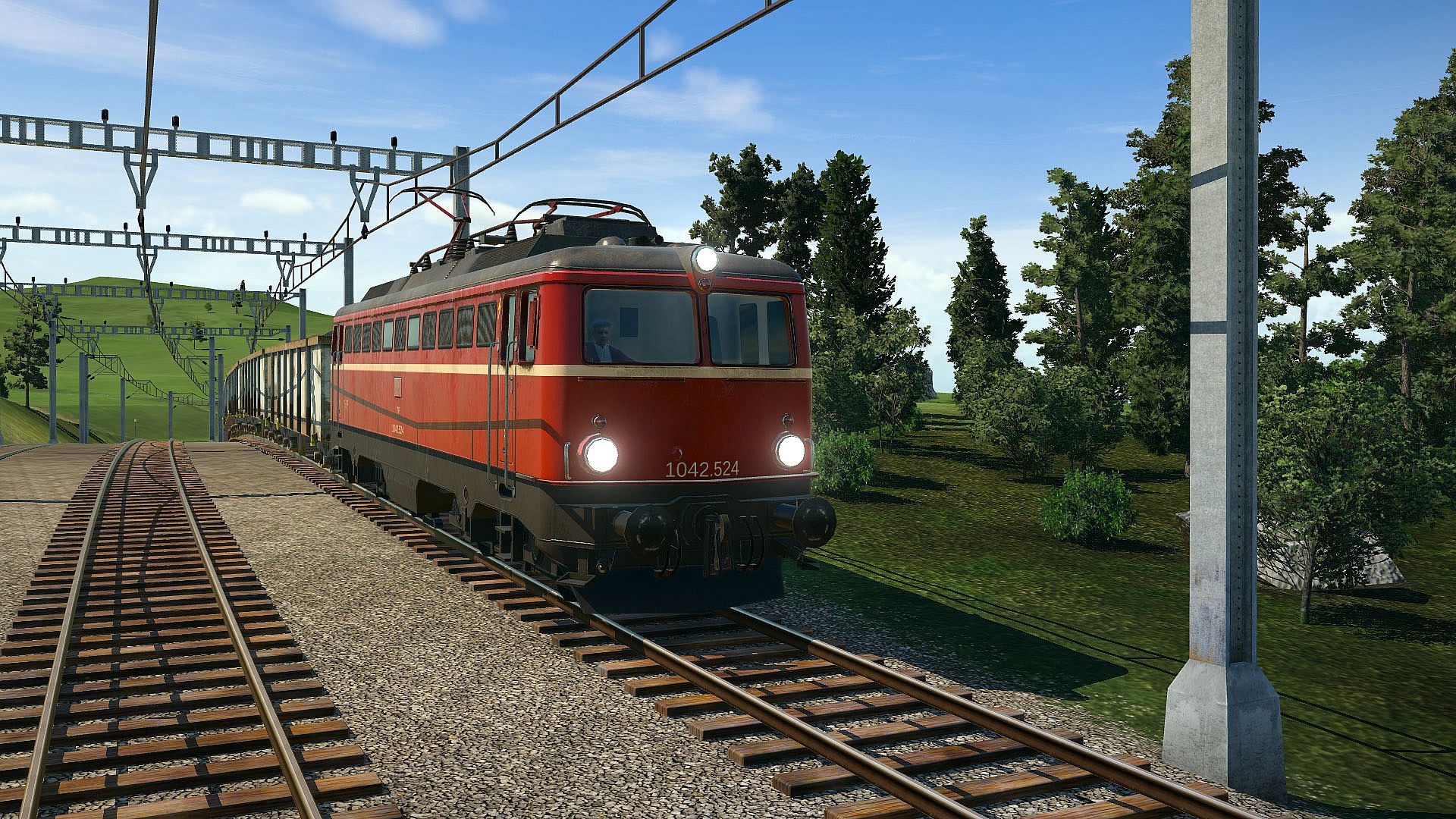
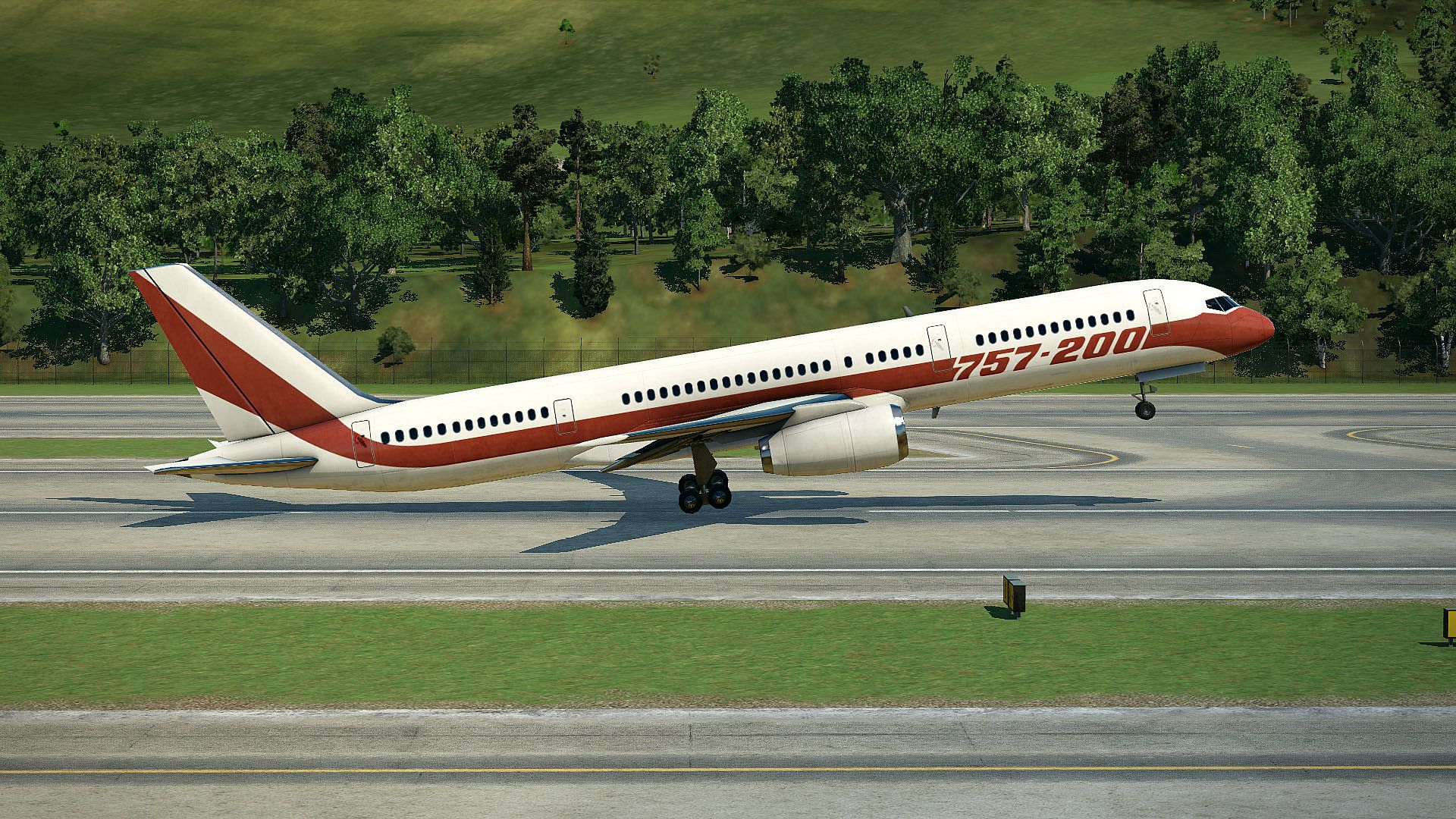
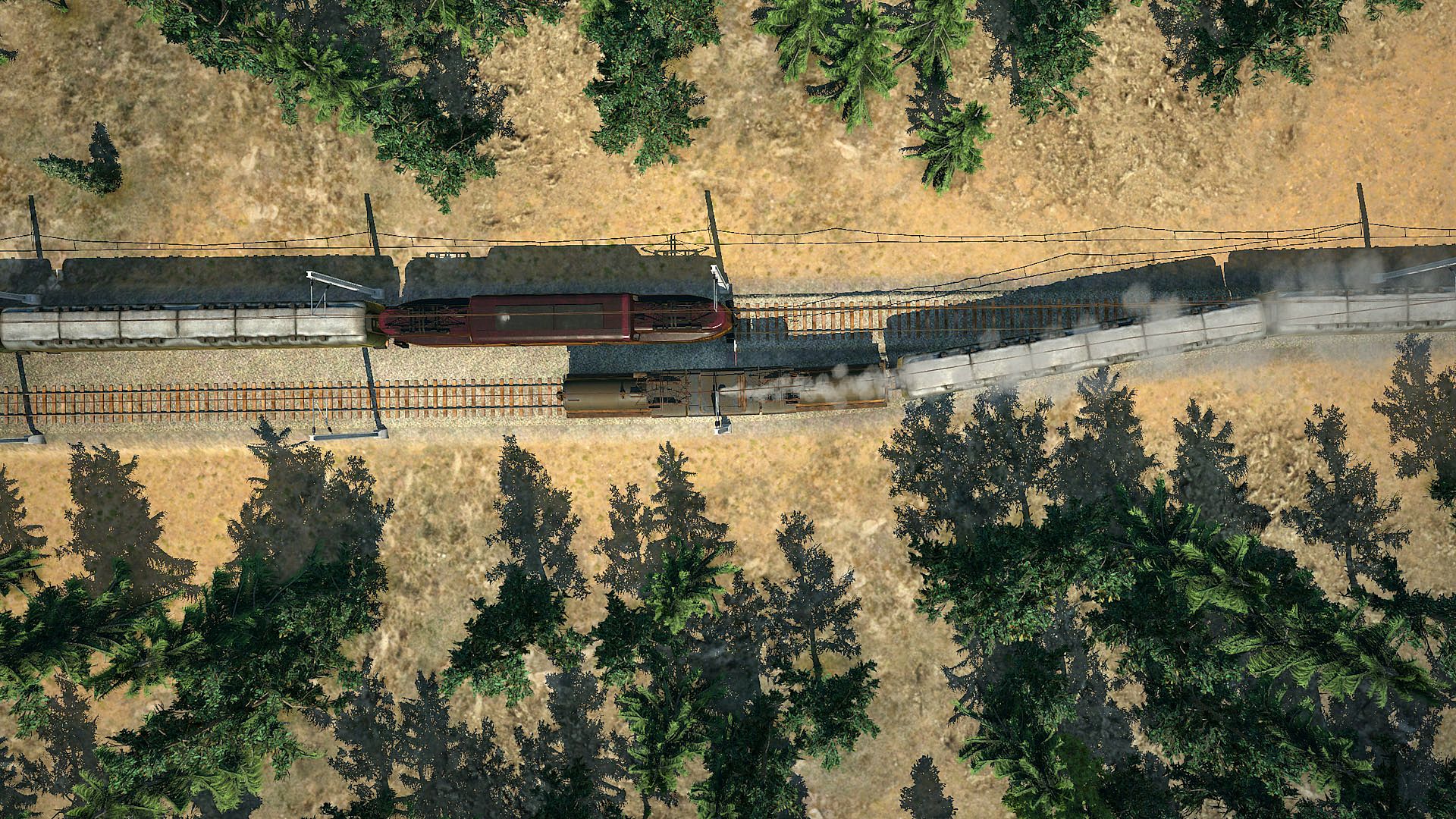
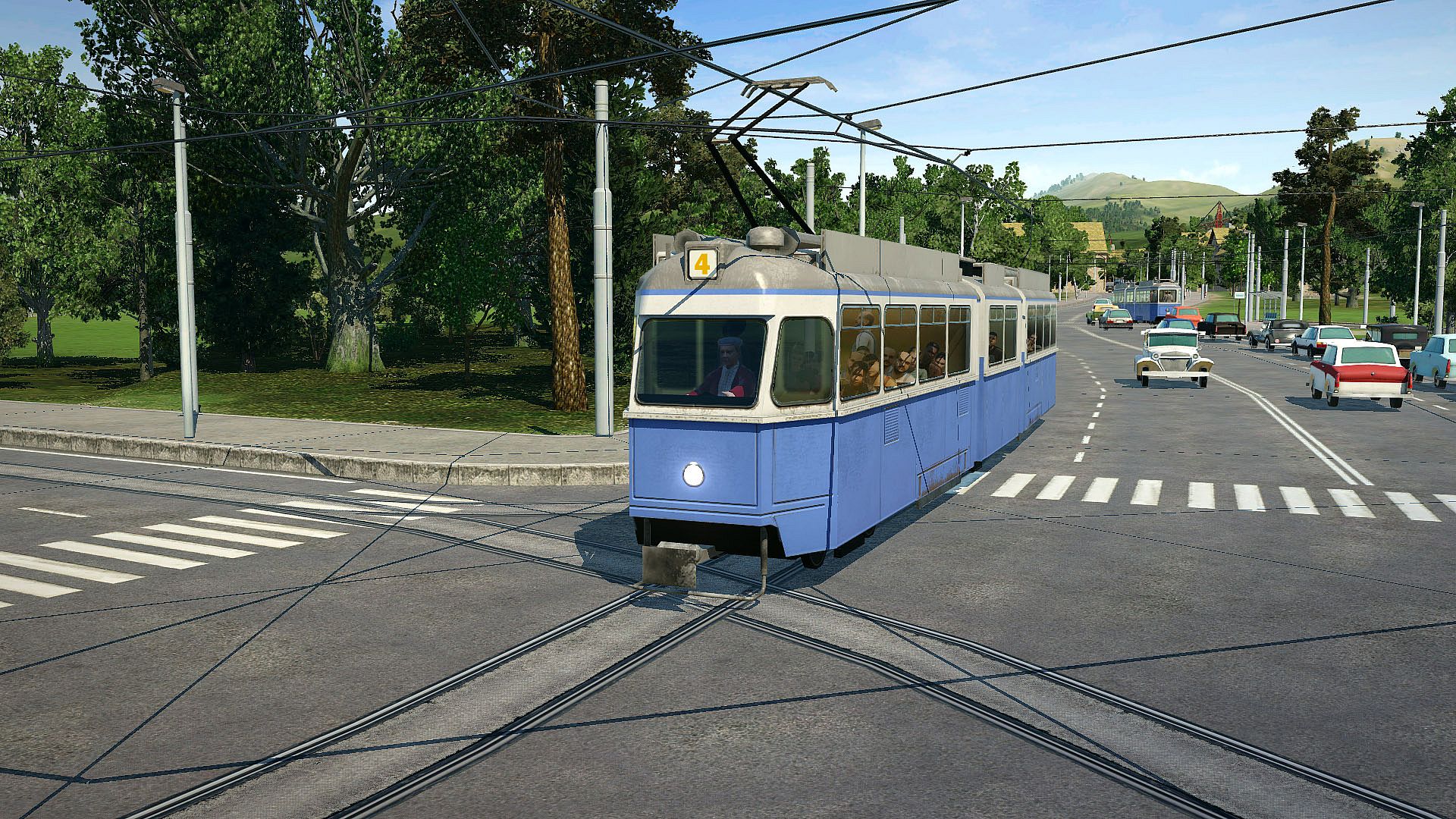
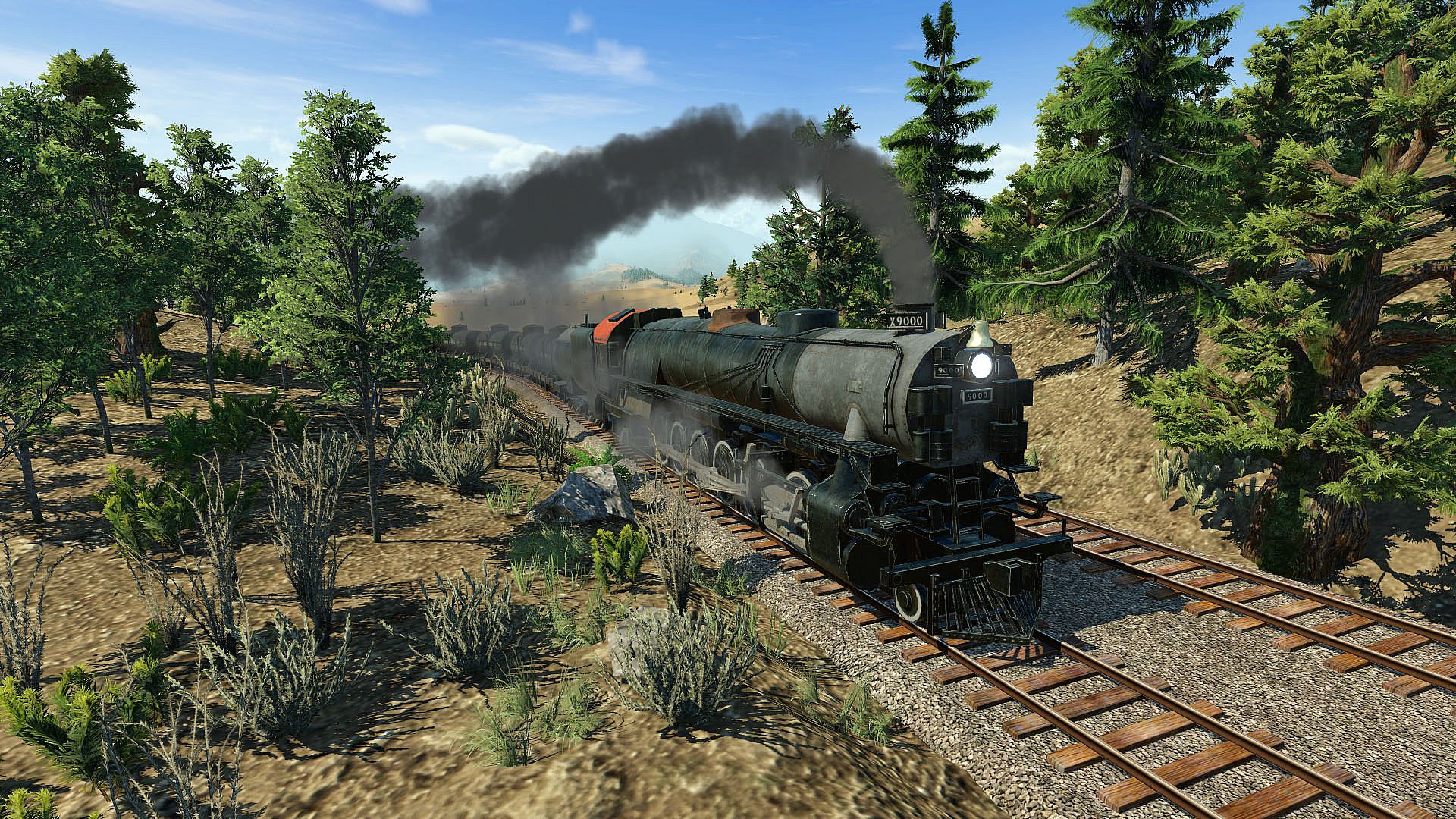
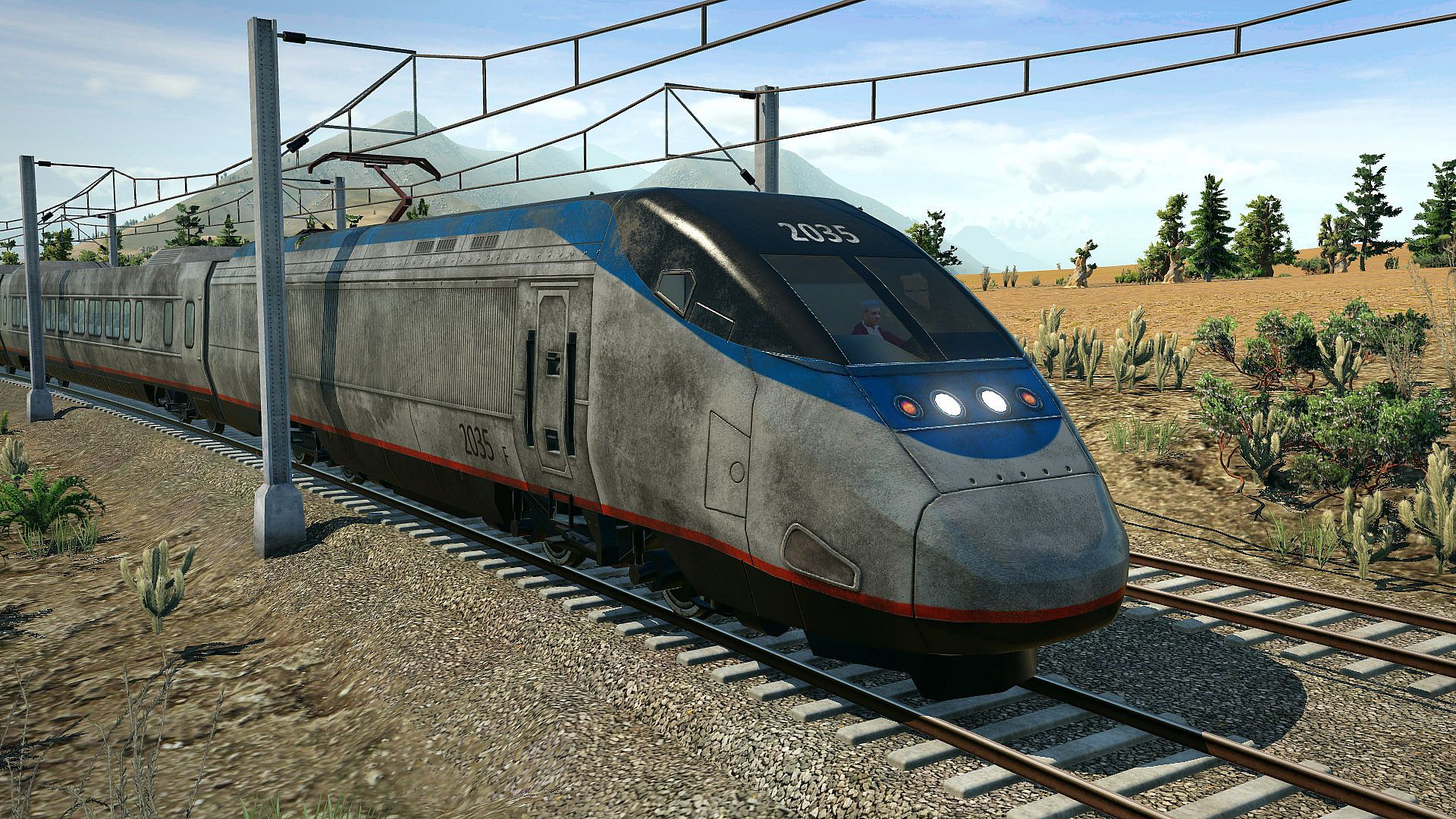
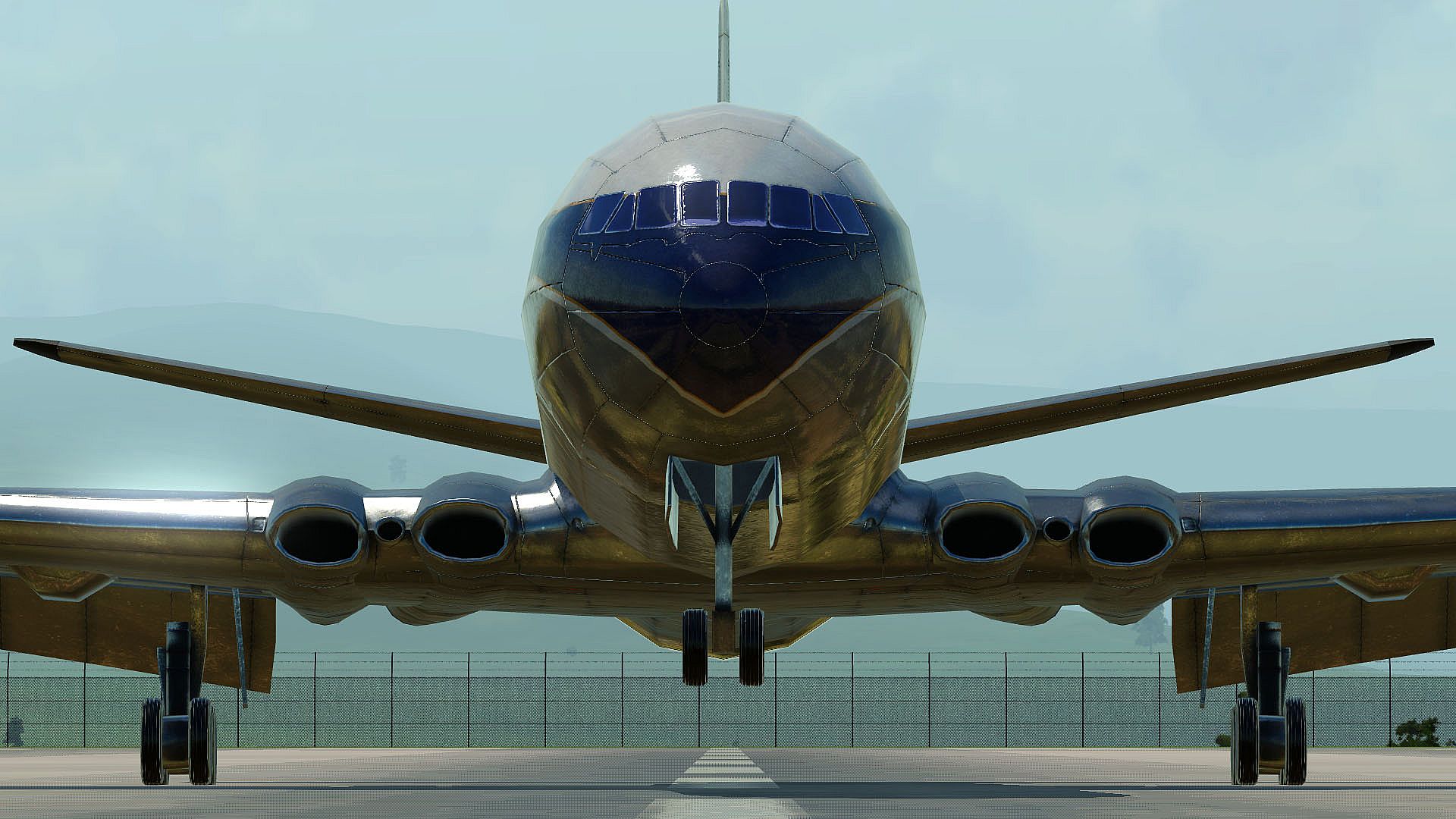
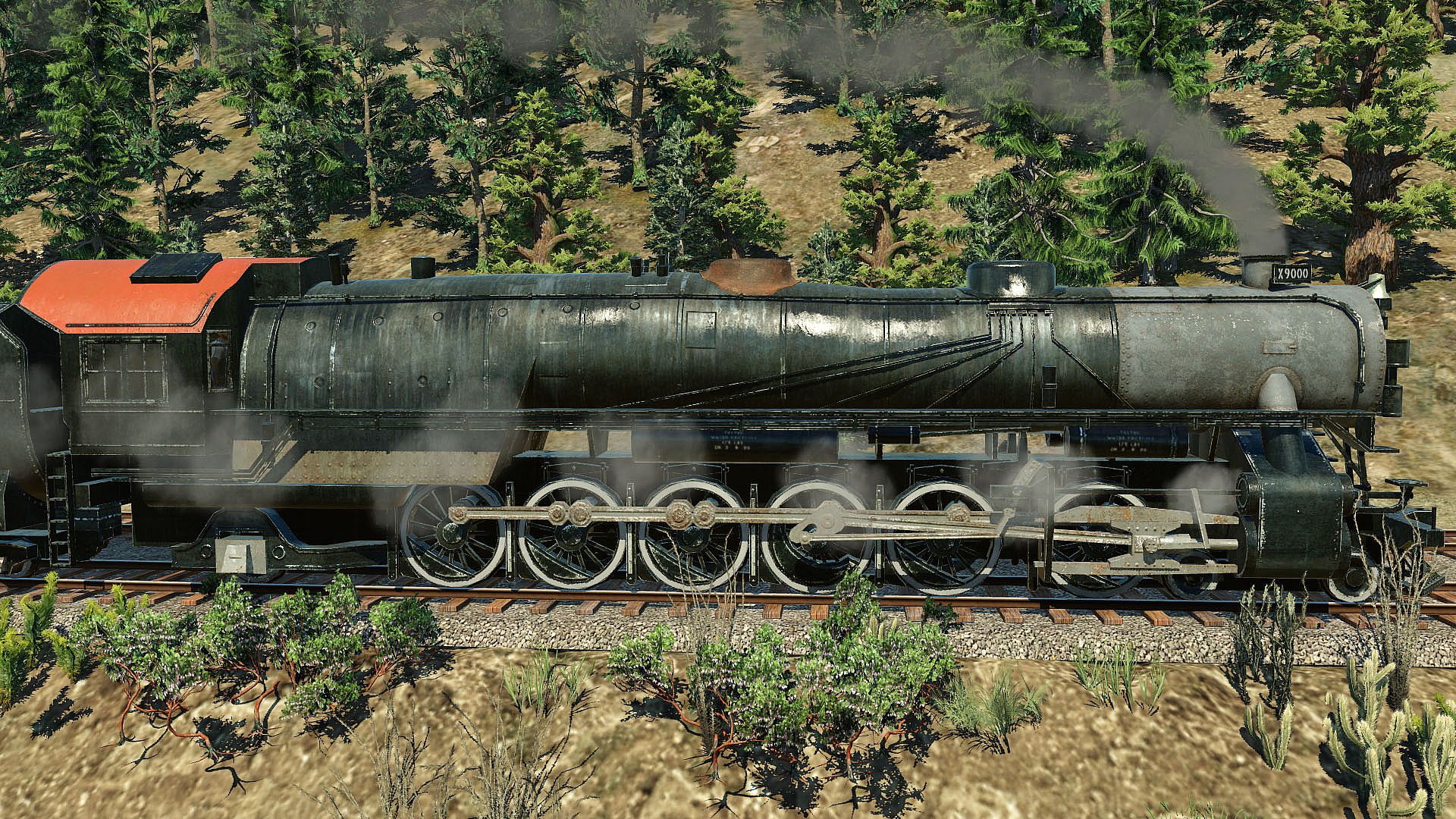
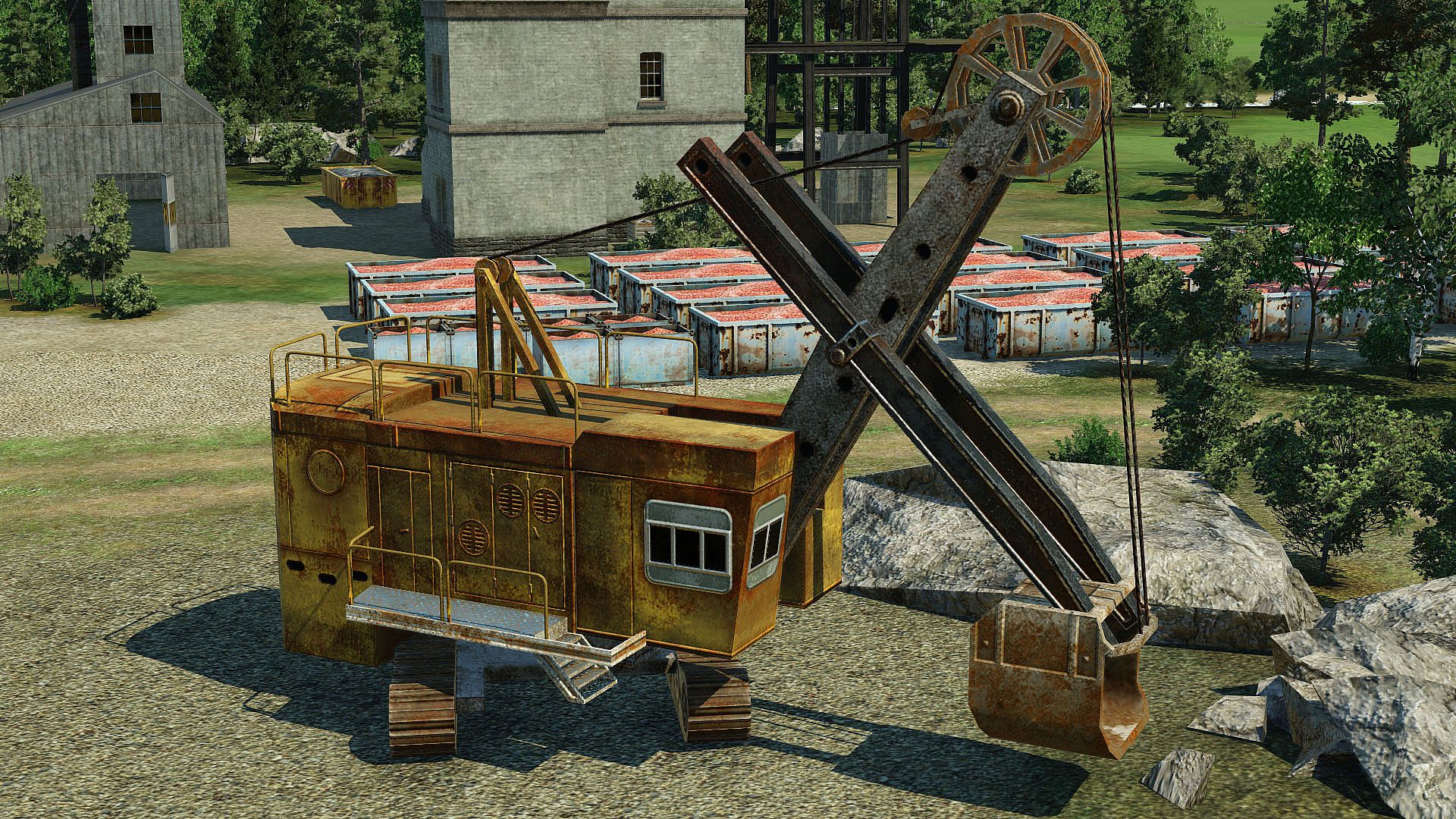
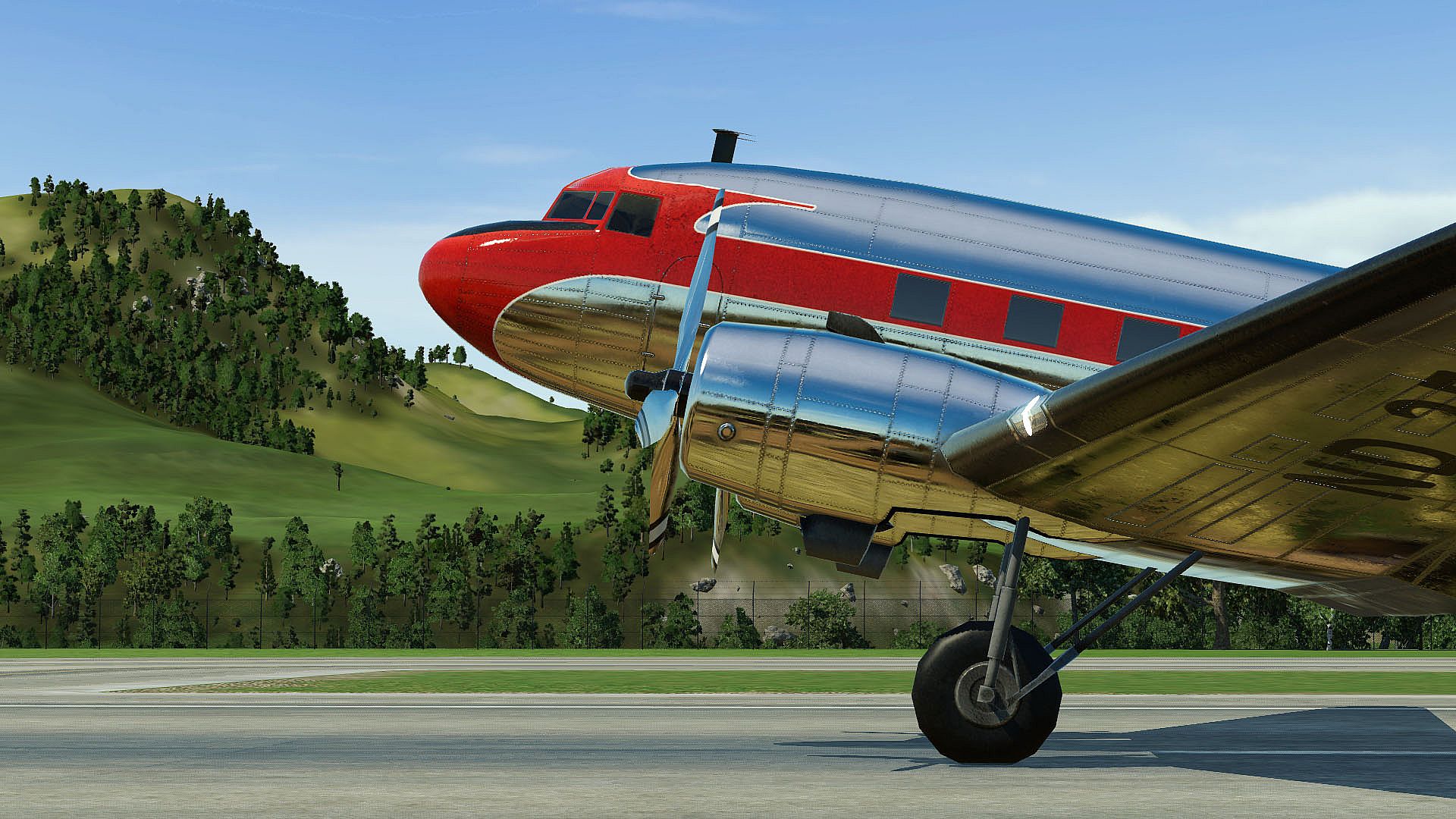
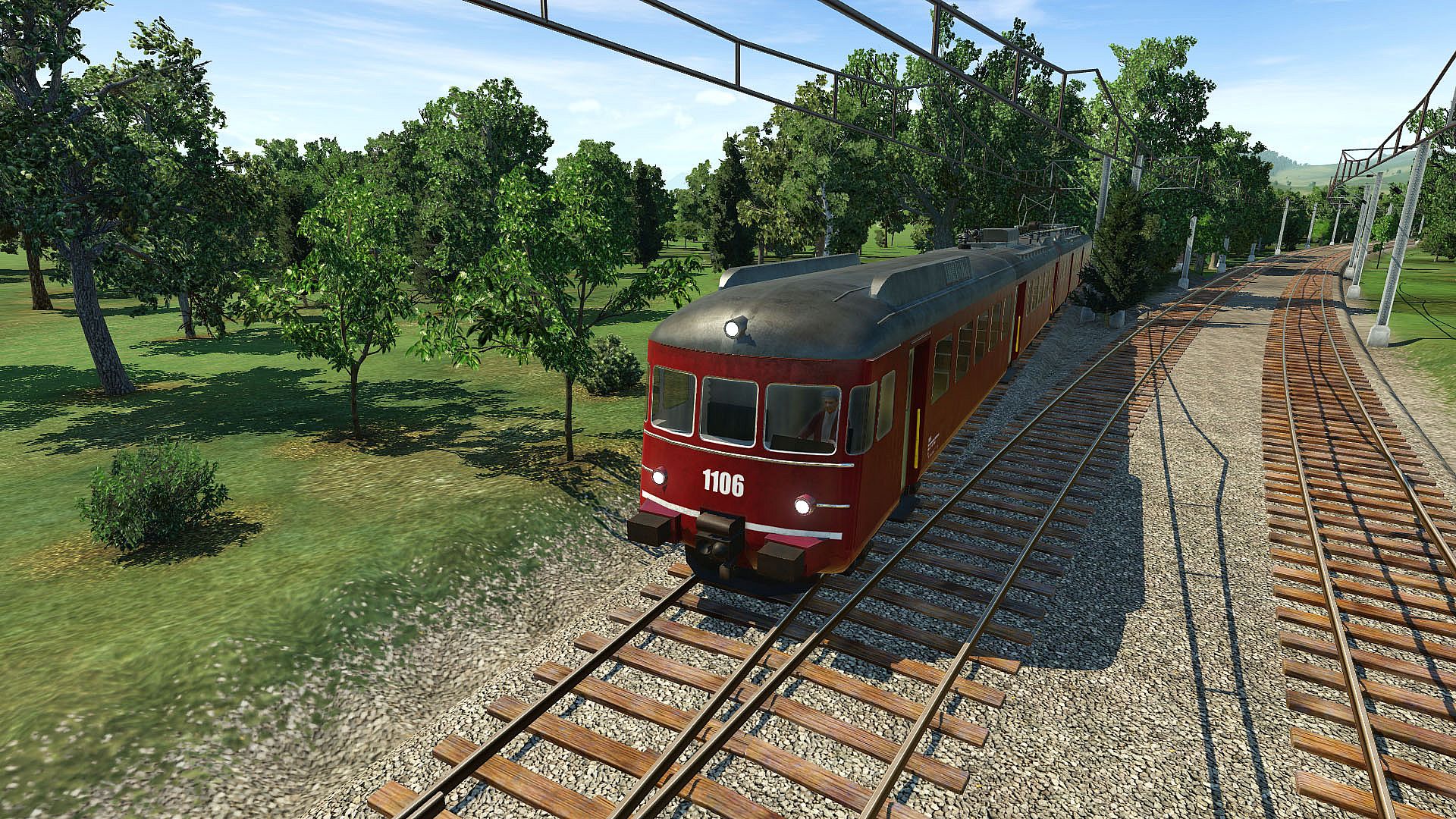
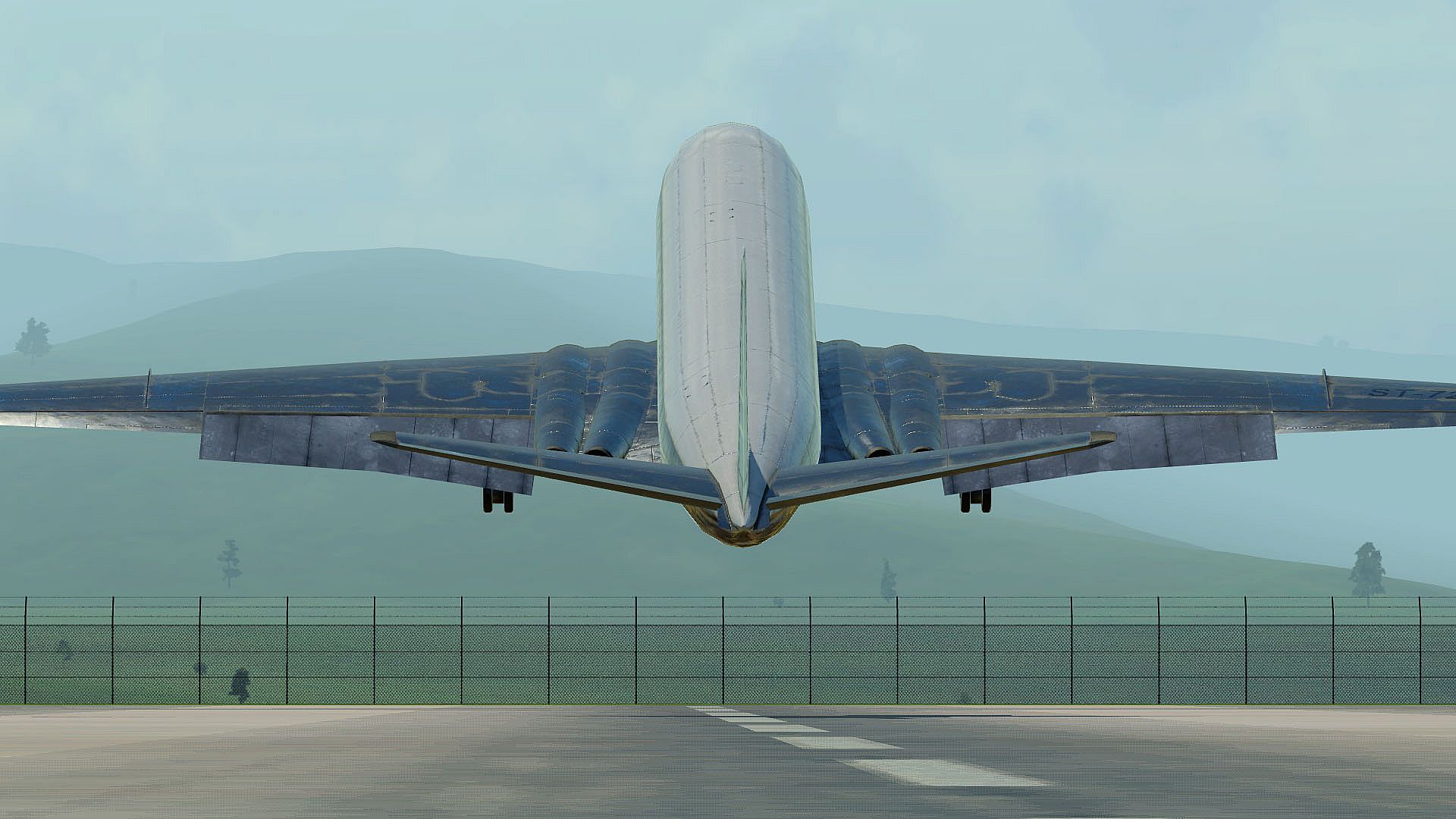
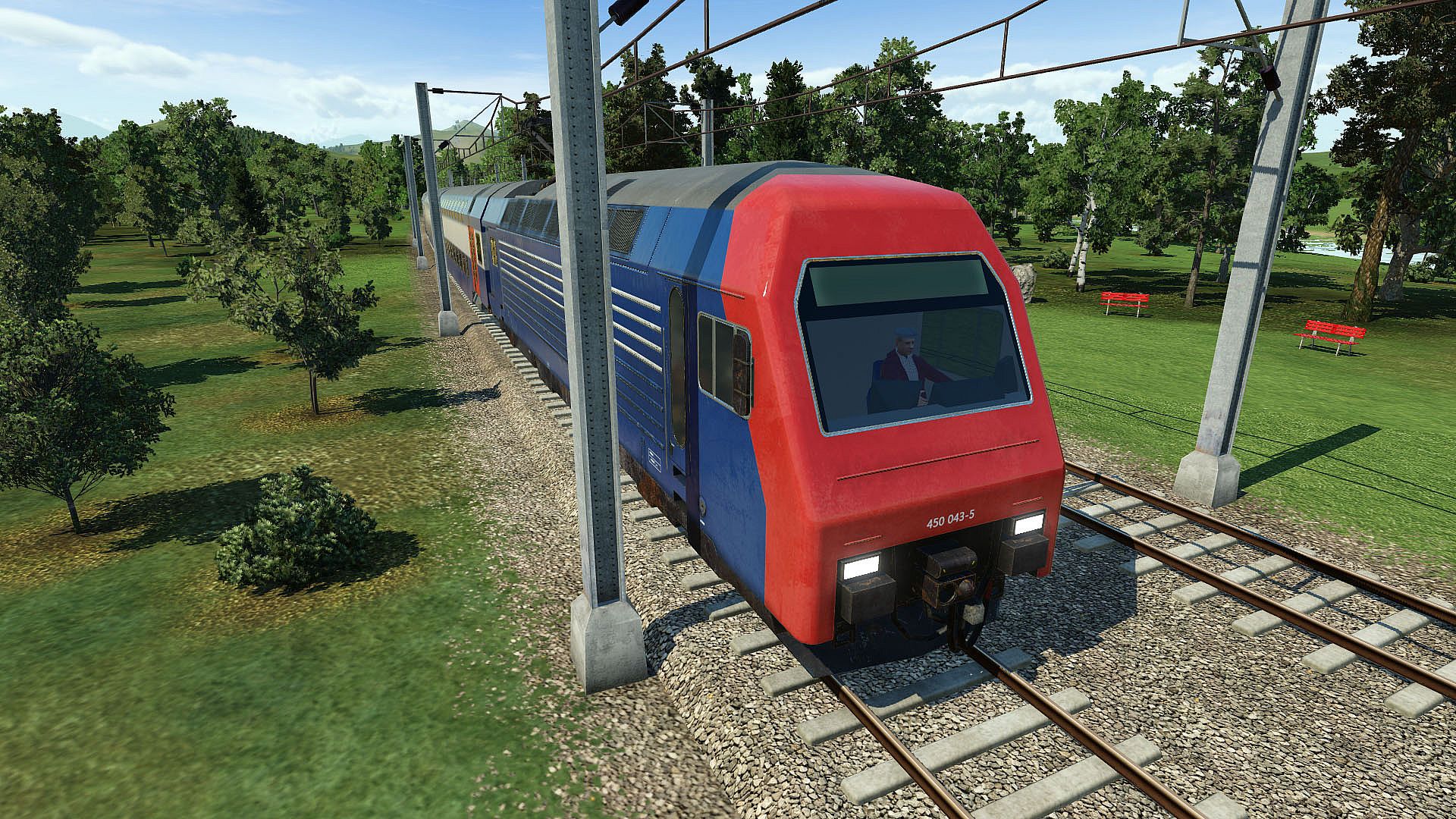
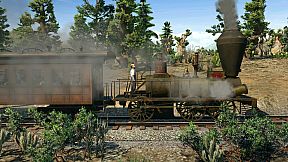
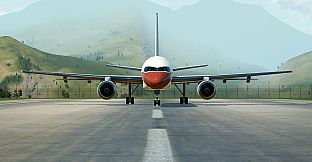
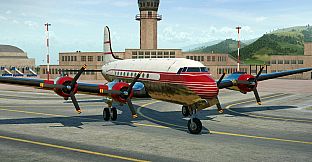
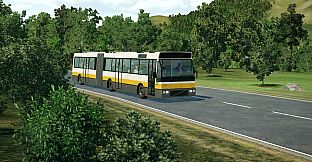
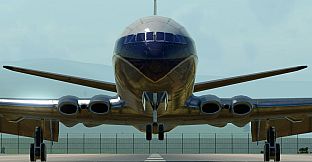
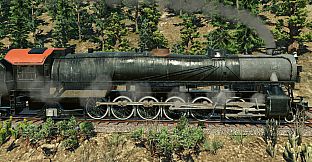
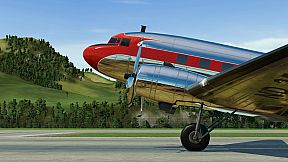
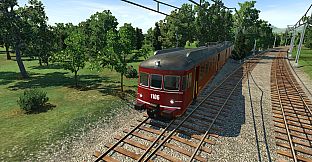
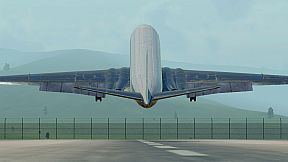
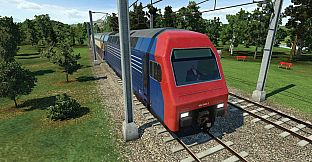
Vehicle management includes selecting from a large roster of trains, aircraft, ships, buses, trams, and trucks. Each vehicle features realistic simulation, including performance differences, visual aging, and customizable coloring. The economy model tracks supply and demand closely, rewarding players who optimize routes and upgrade facilities like stations and terminals. Terrain generation creates varied landscapes with realistic scale, supporting complex builds that span continents in the available environments.
Game Modes
Two distinct modes provide different experiences. Endless game mode lets players start on randomly generated maps and build without time limits or specific objectives, focusing on long-term empire expansion and creative network design. This mode supports free experimentation with terrain tools and mod support for additional content.
Campaign mode offers structured challenges through separate American and European campaigns. Each consists of multiple missions that increase in difficulty and reflect historical transportation developments from the 19th and 20th centuries. Missions incorporate real-world inspired scenarios, such as connecting remote areas or scaling operations during industrial growth periods, while maintaining the same core building and management systems.
World Building and Progression
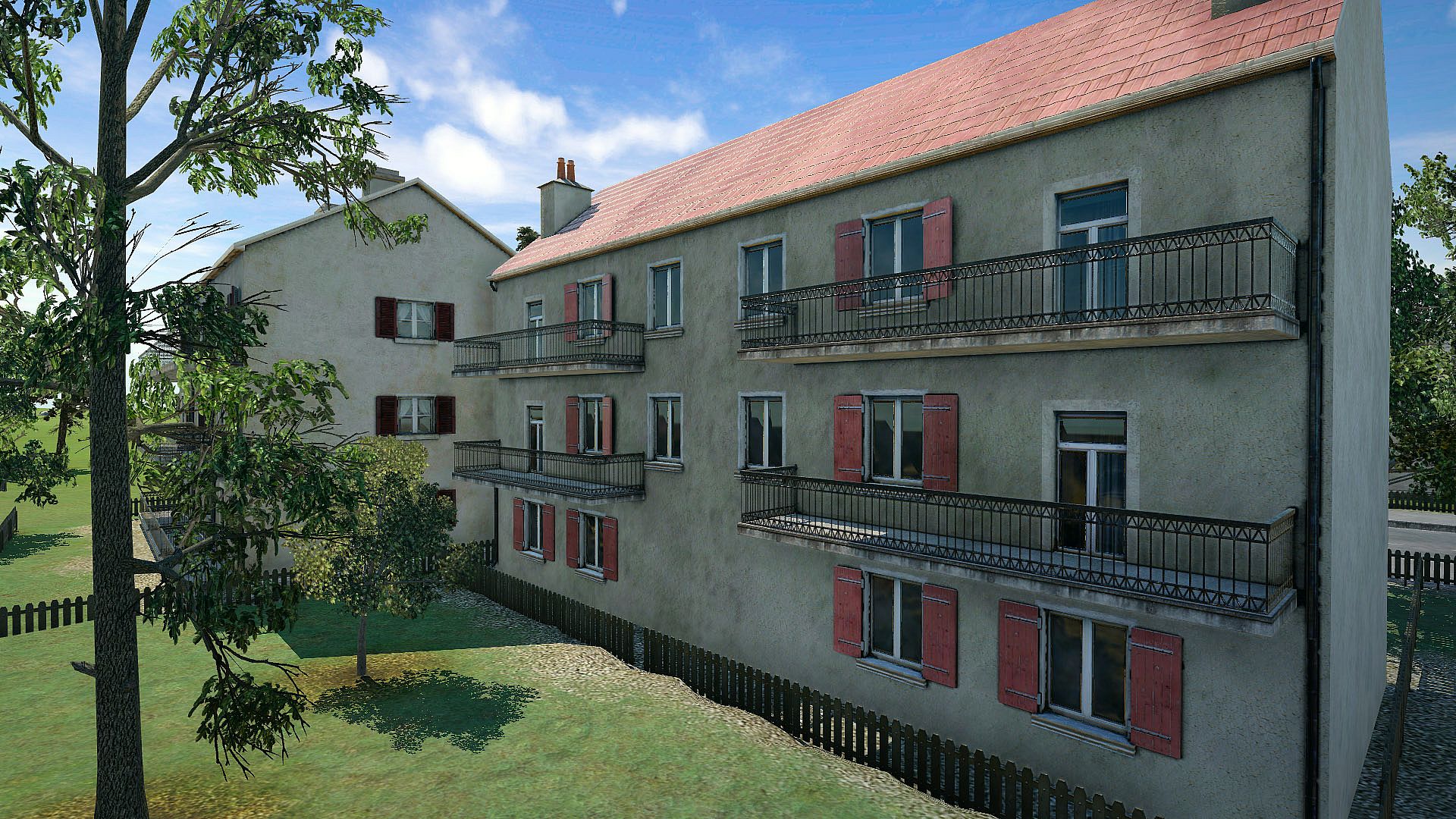
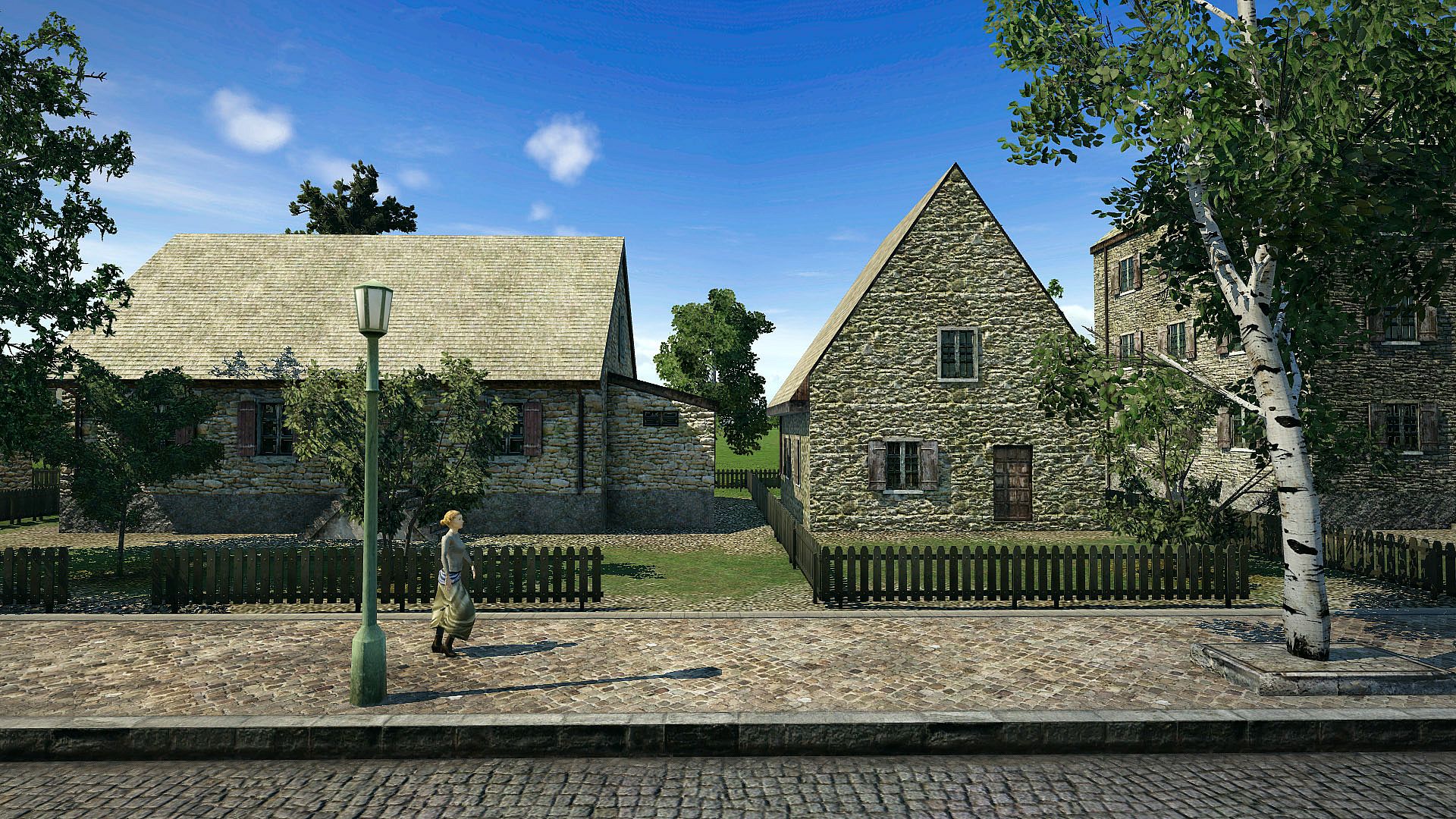
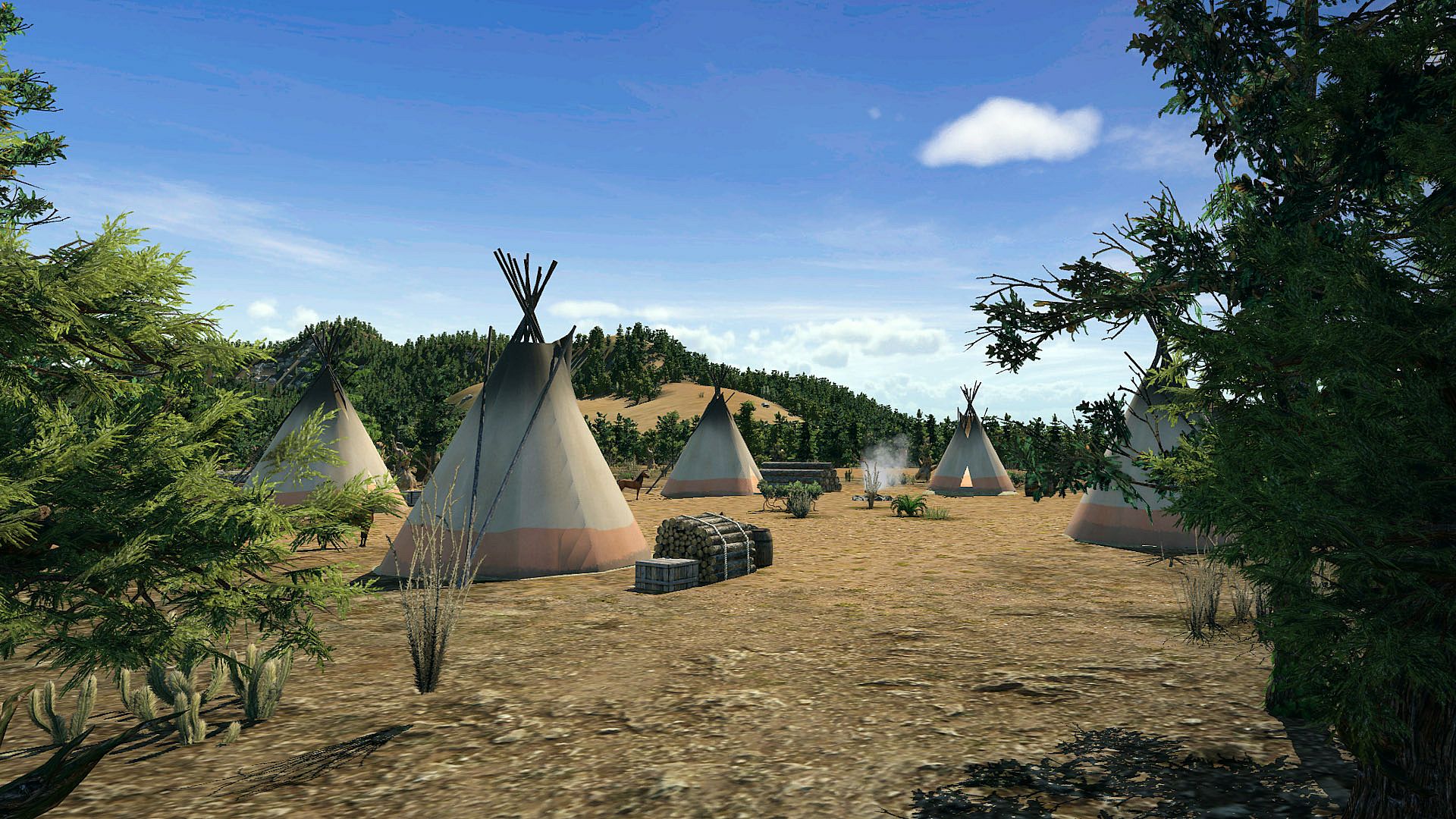
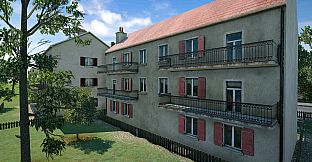
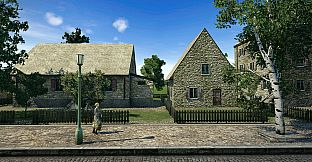
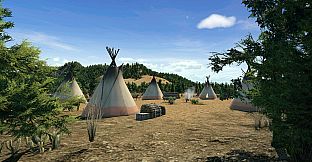
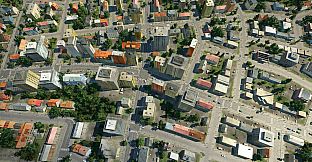
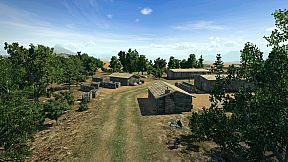
Maps feature fully realized European and American settings that evolve dynamically as transport networks improve. Passenger and freight simulations influence urban expansion, with industries responding to reliable supply lines by increasing output. Progression spans more than 150 years of transportation history, unlocking newer vehicle types and technologies as decades pass. Achievements track milestones like network size and efficiency, adding goals for players who enjoy measurable accomplishments.
Graphics rely on physically based rendering for lighting and environments, enhancing the sense of scale during large-scale construction. Modding tools and workshop integration allow community additions that extend replayability beyond the base content.
Is It Worth Playing?
Transport Fever suits players who enjoy detailed management simulations and the satisfaction of watching transport empires grow from modest beginnings. The combination of open-ended building in endless mode and guided historical scenarios in campaigns provides substantial depth for singleplayer sessions. Those interested in economic systems, route optimization, and long-term progression will find the mechanics rewarding, especially when tackling the increasing complexity of later missions.
Reception highlights the robust economy, vehicle variety, and visual presentation as strengths, with many noting the challenge of balancing passenger and cargo demands across evolving maps. The game remains available on PC with ongoing community support through mods. It appeals most to fans of tycoon-style gameplay who prefer thoughtful planning over fast action, offering hours of engagement through careful network design and adaptation to changing demands.