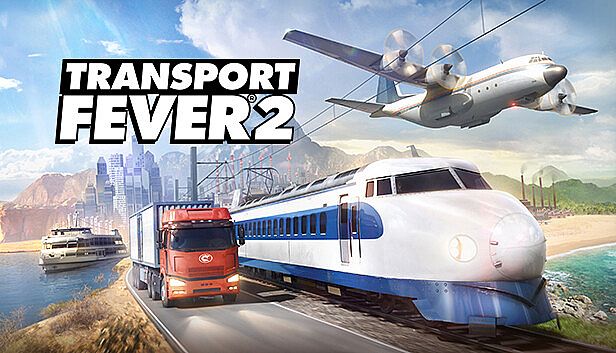




















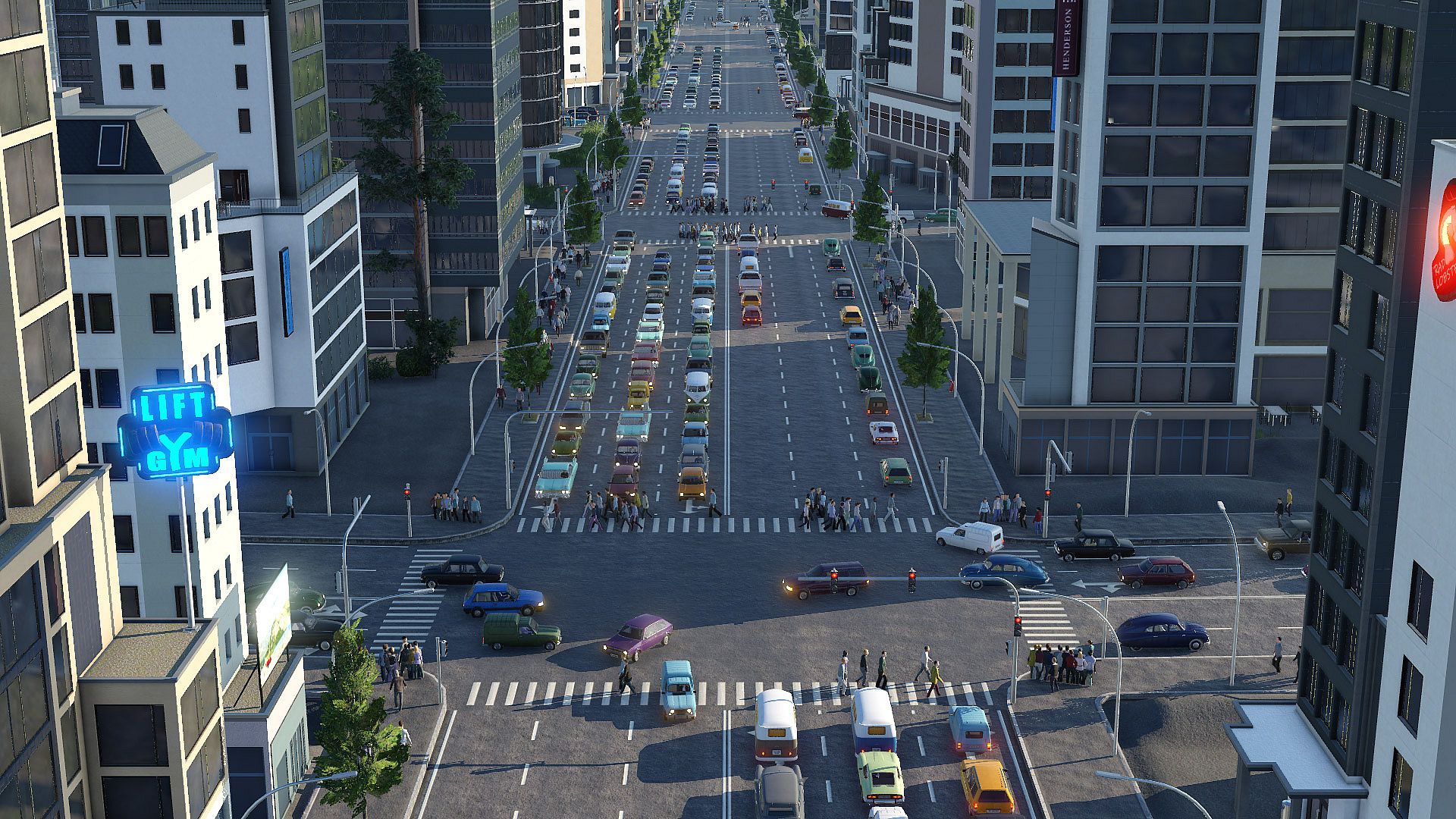
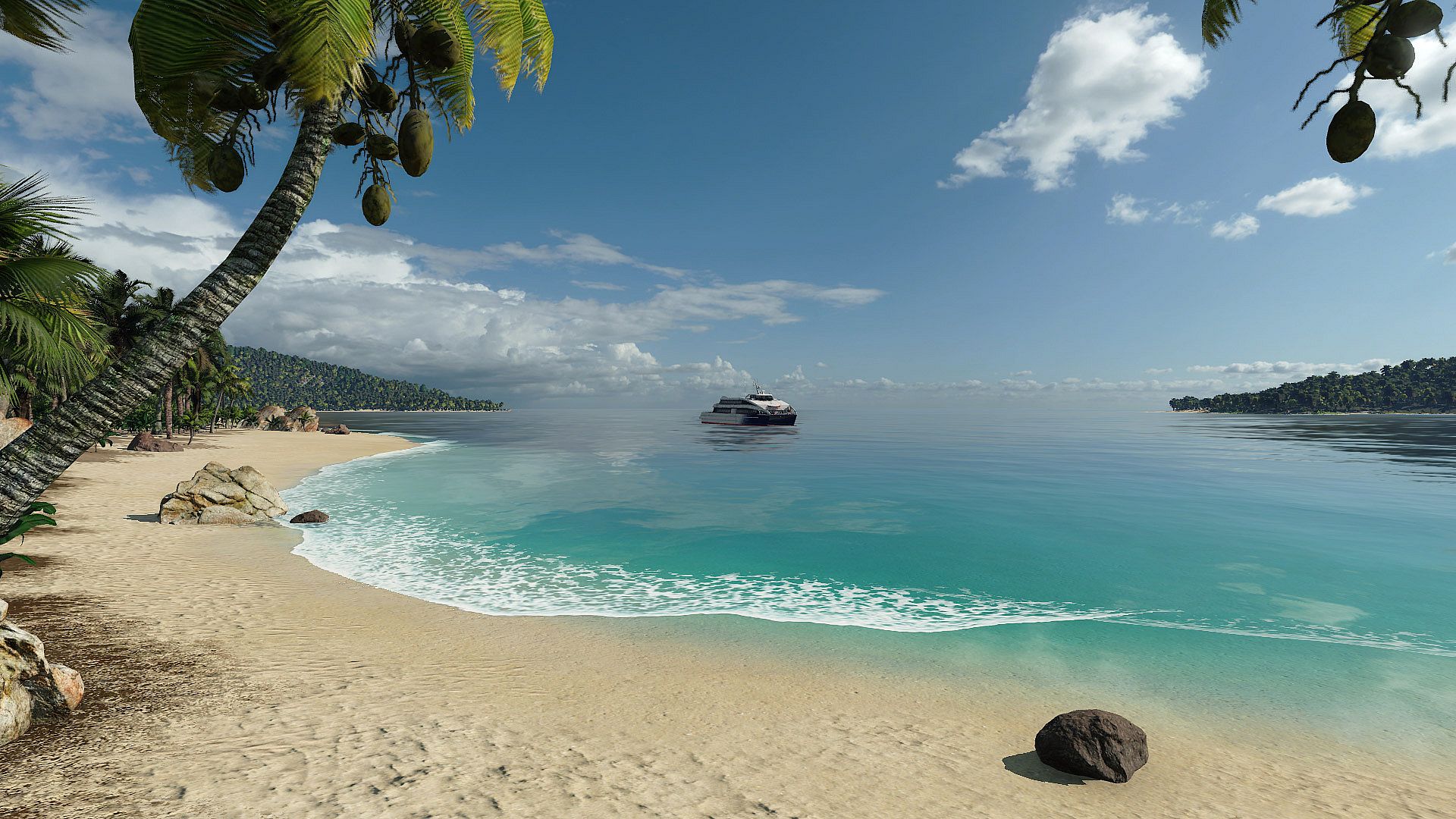
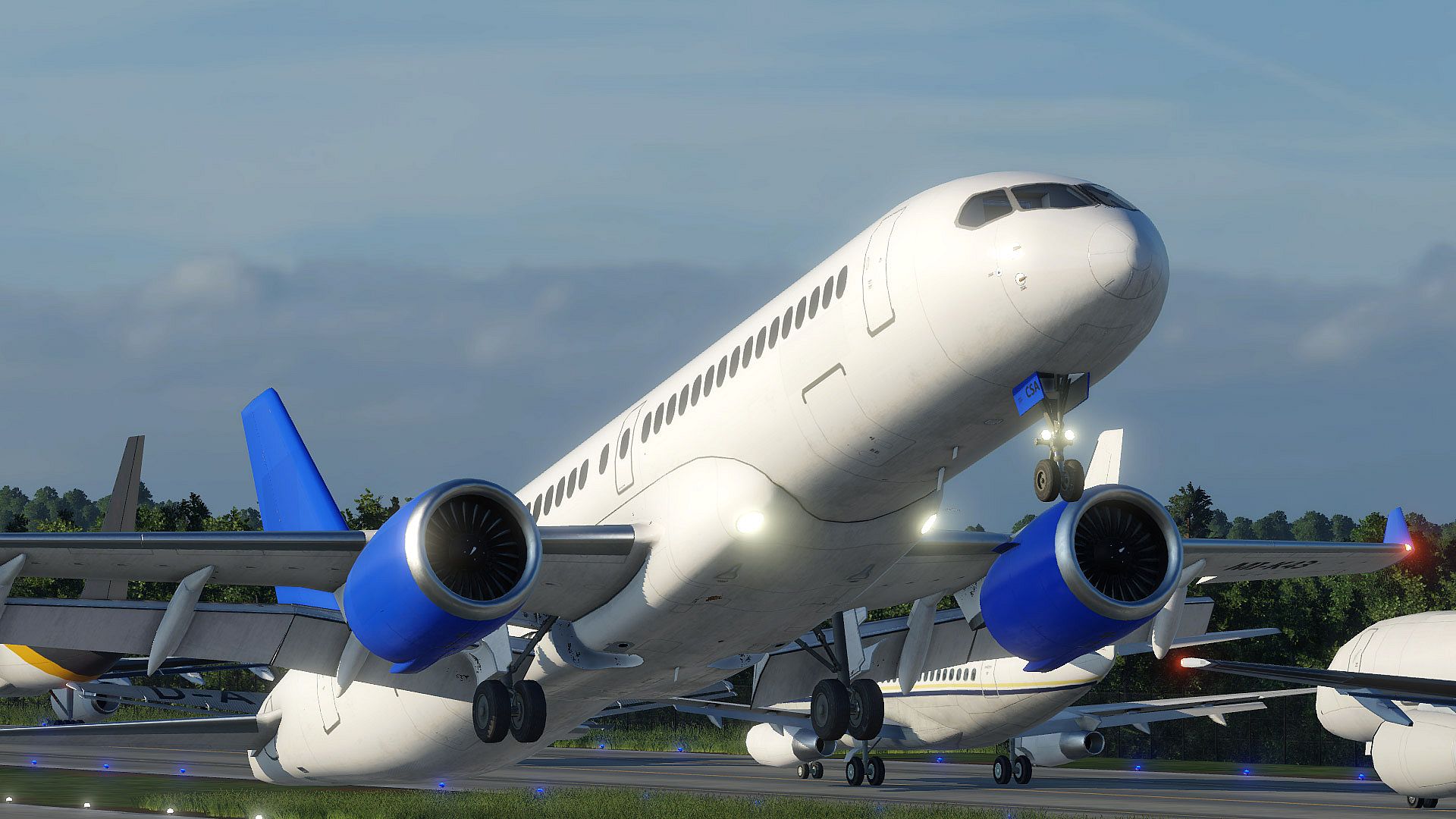
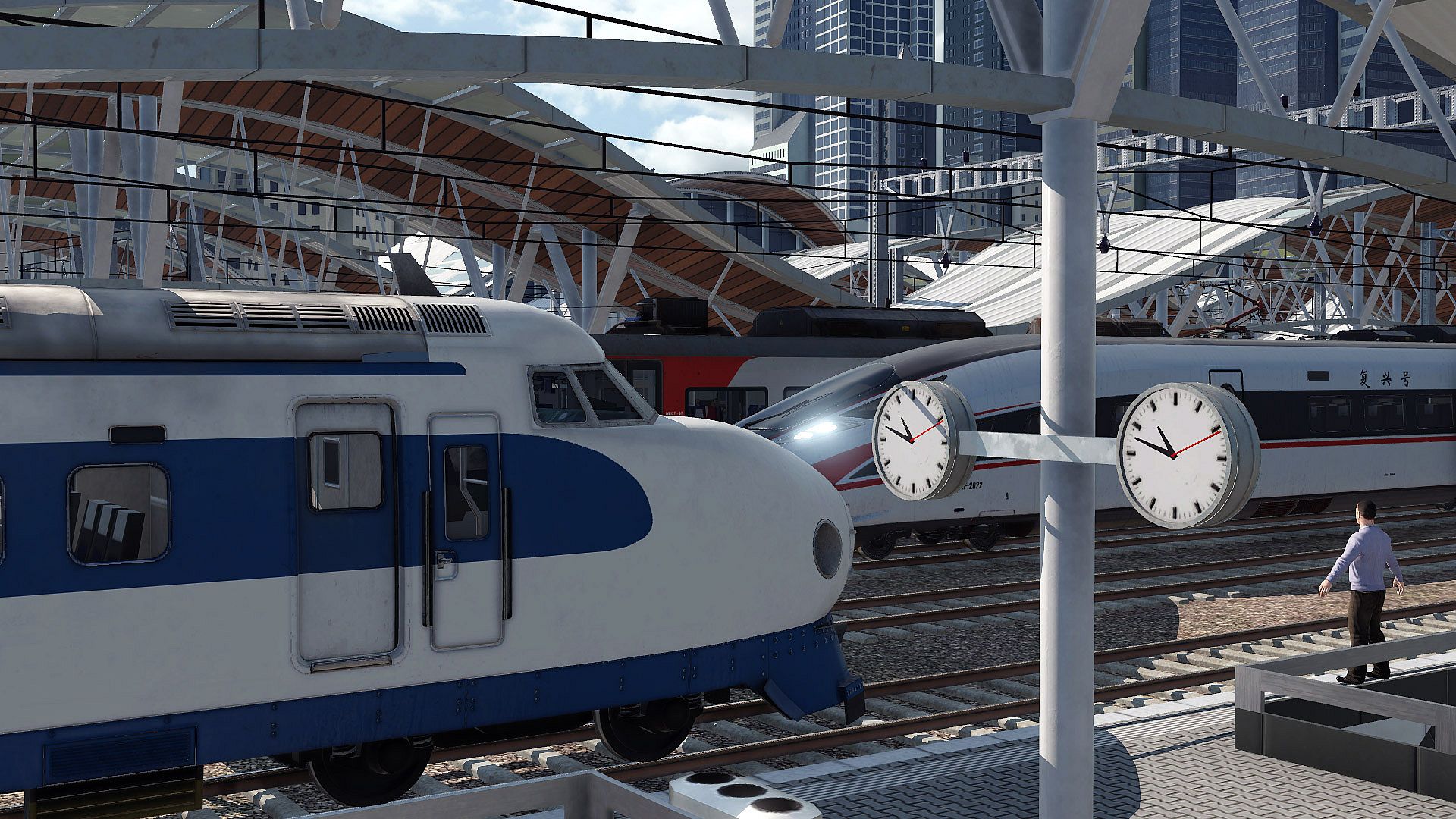
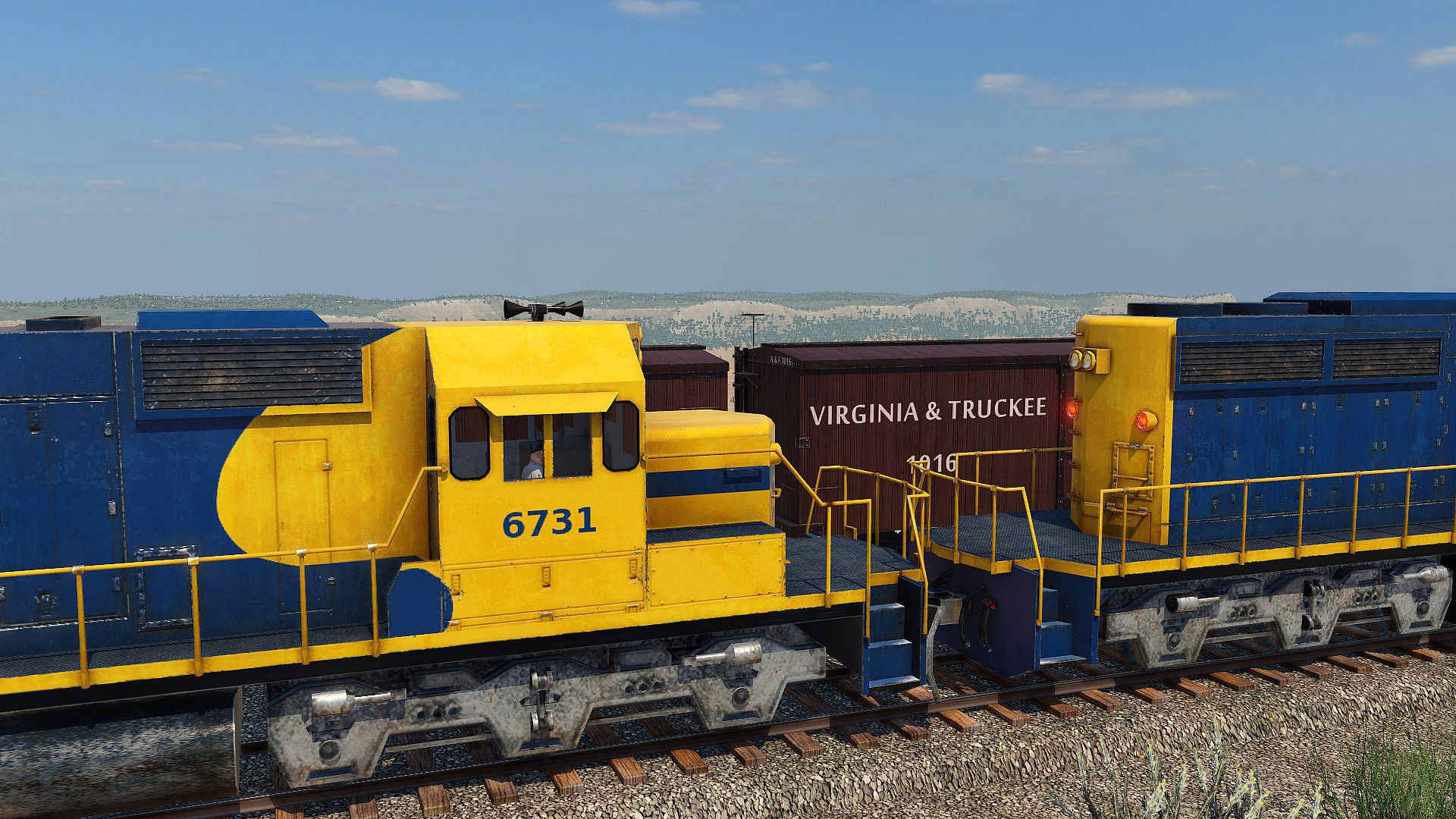
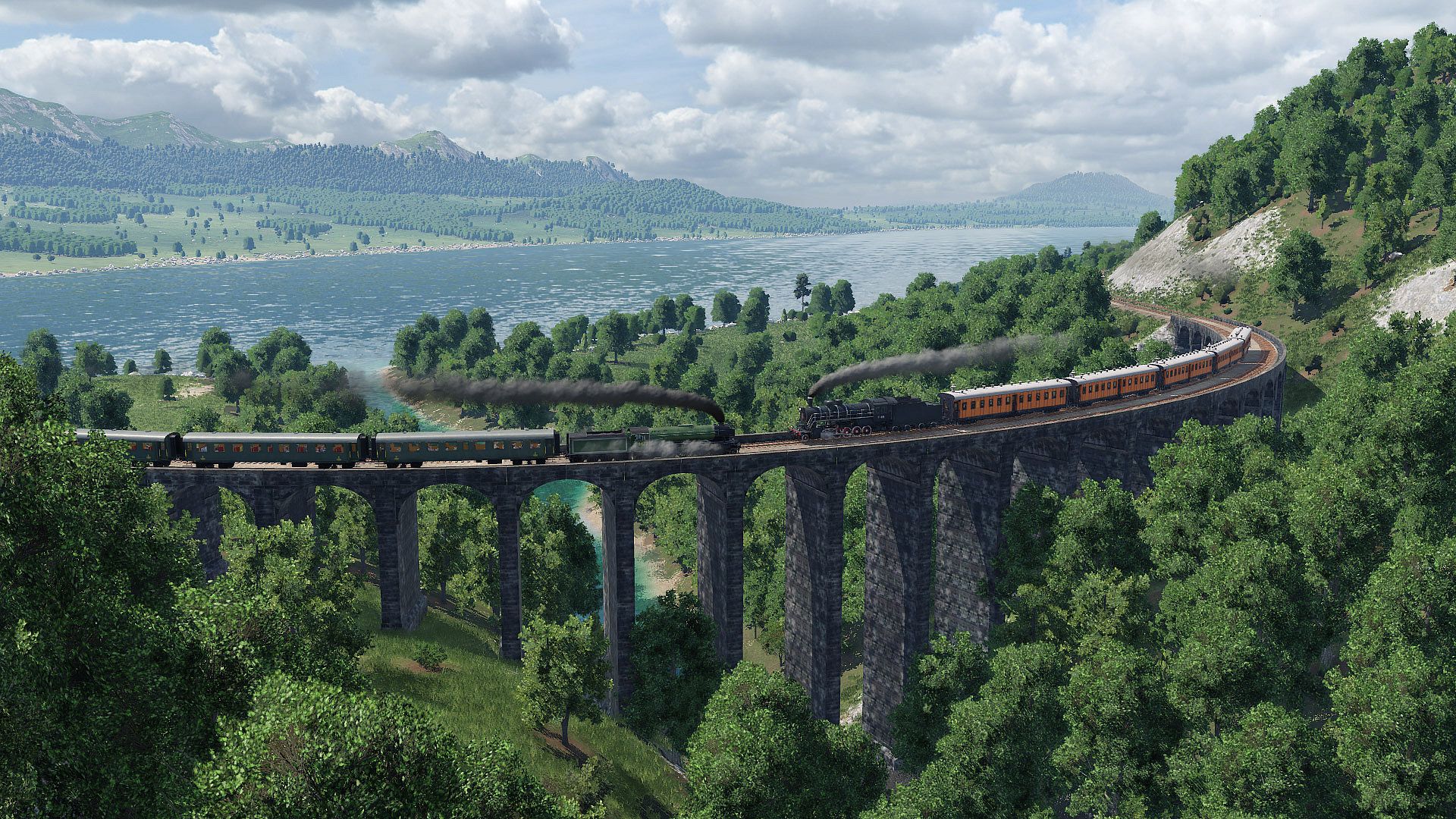
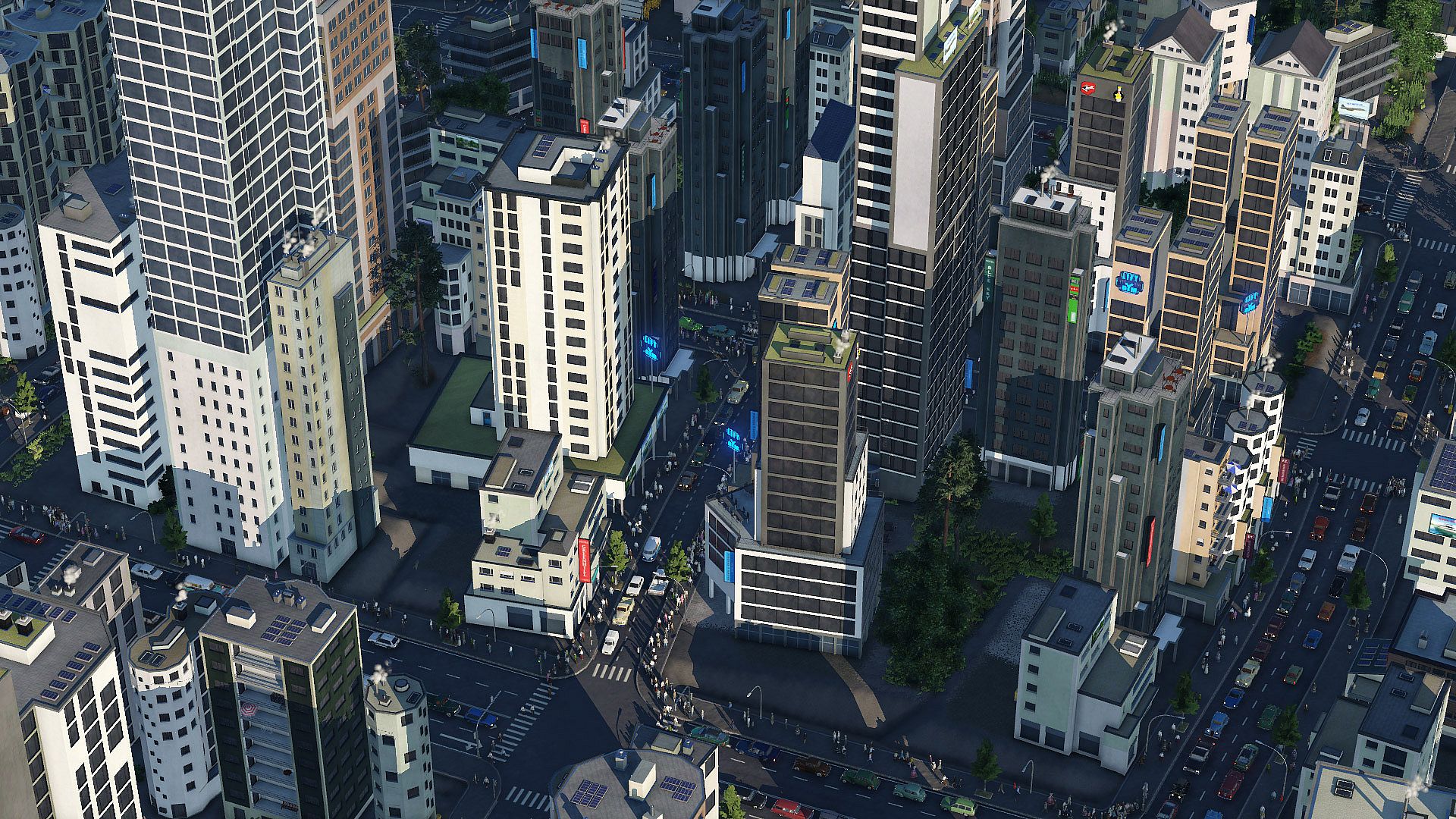
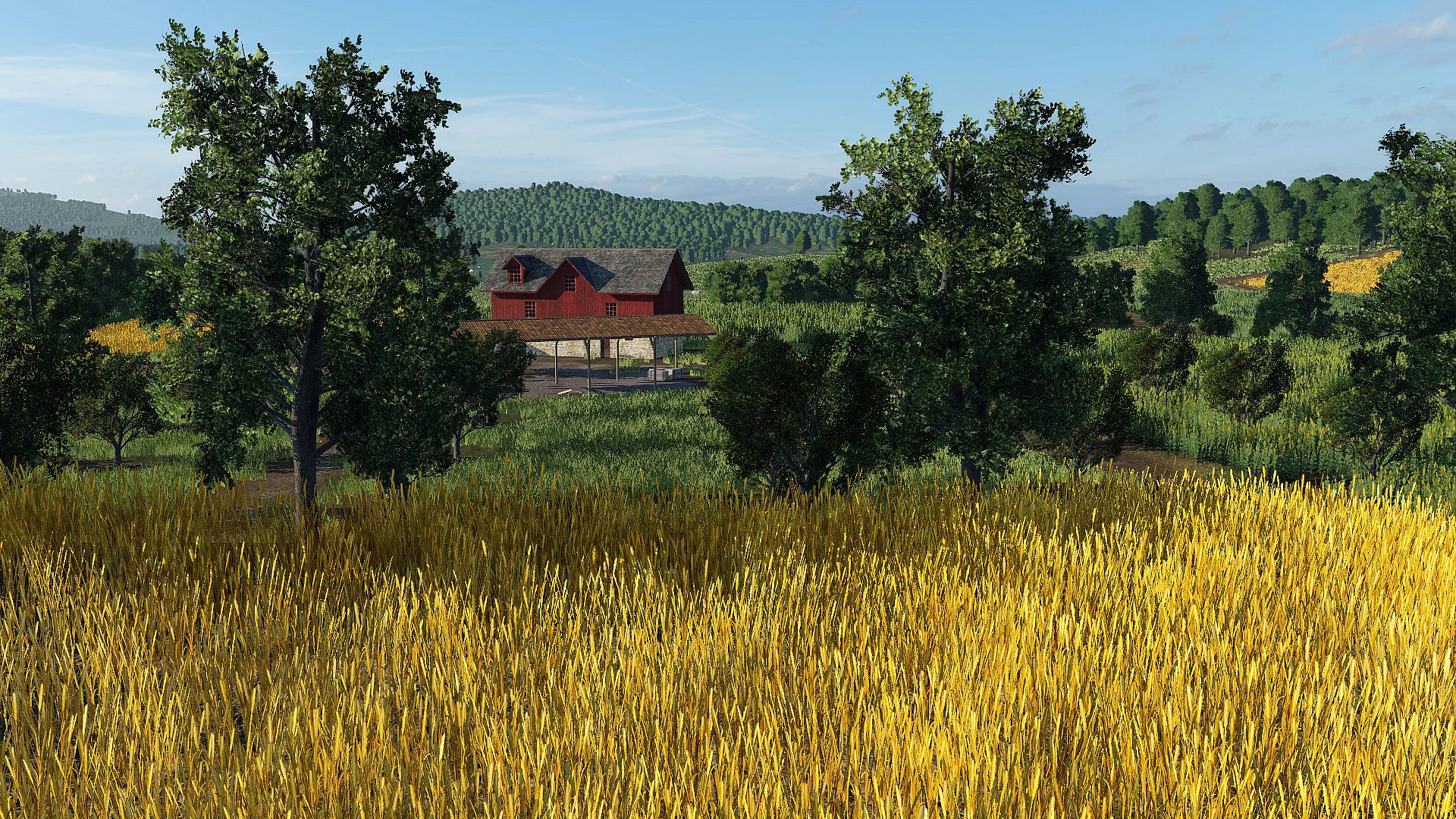

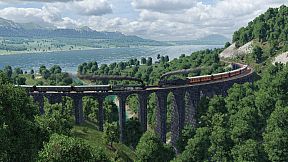
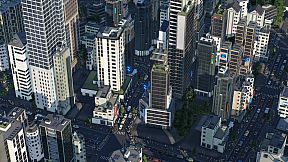
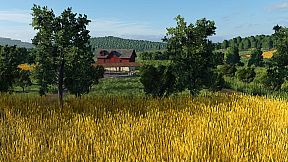
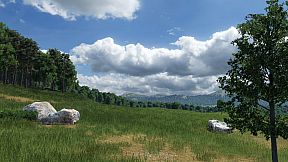
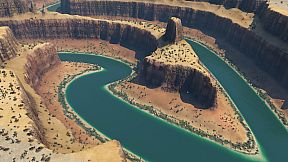
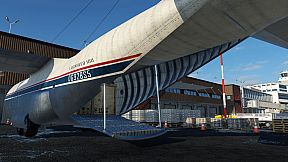
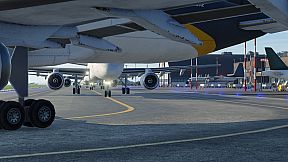
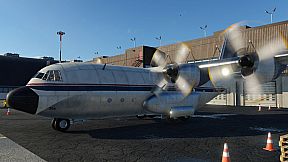
Transport Fever 2 stands as a detailed transport simulation game where players build and manage networks across land, water, and air to support growing economies and cities. Released initially for PC, it combines strategy elements with simulation mechanics, allowing users to create intricate systems that evolve from the mid-19th century onward. This title appeals to those interested in logistics and urban planning, offering tools to construct railroads, roads, and more in a realistic setting.
Gameplay
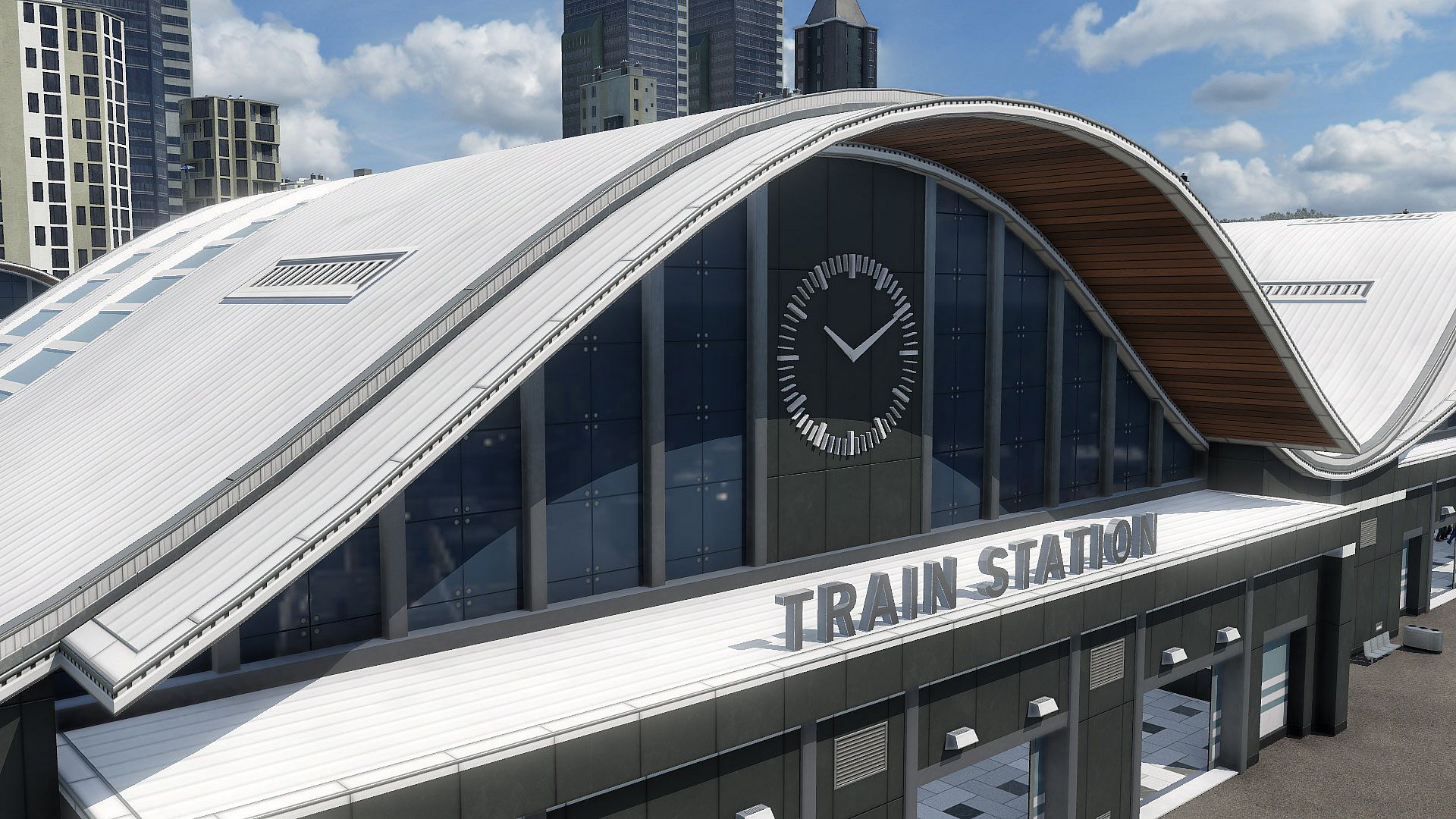
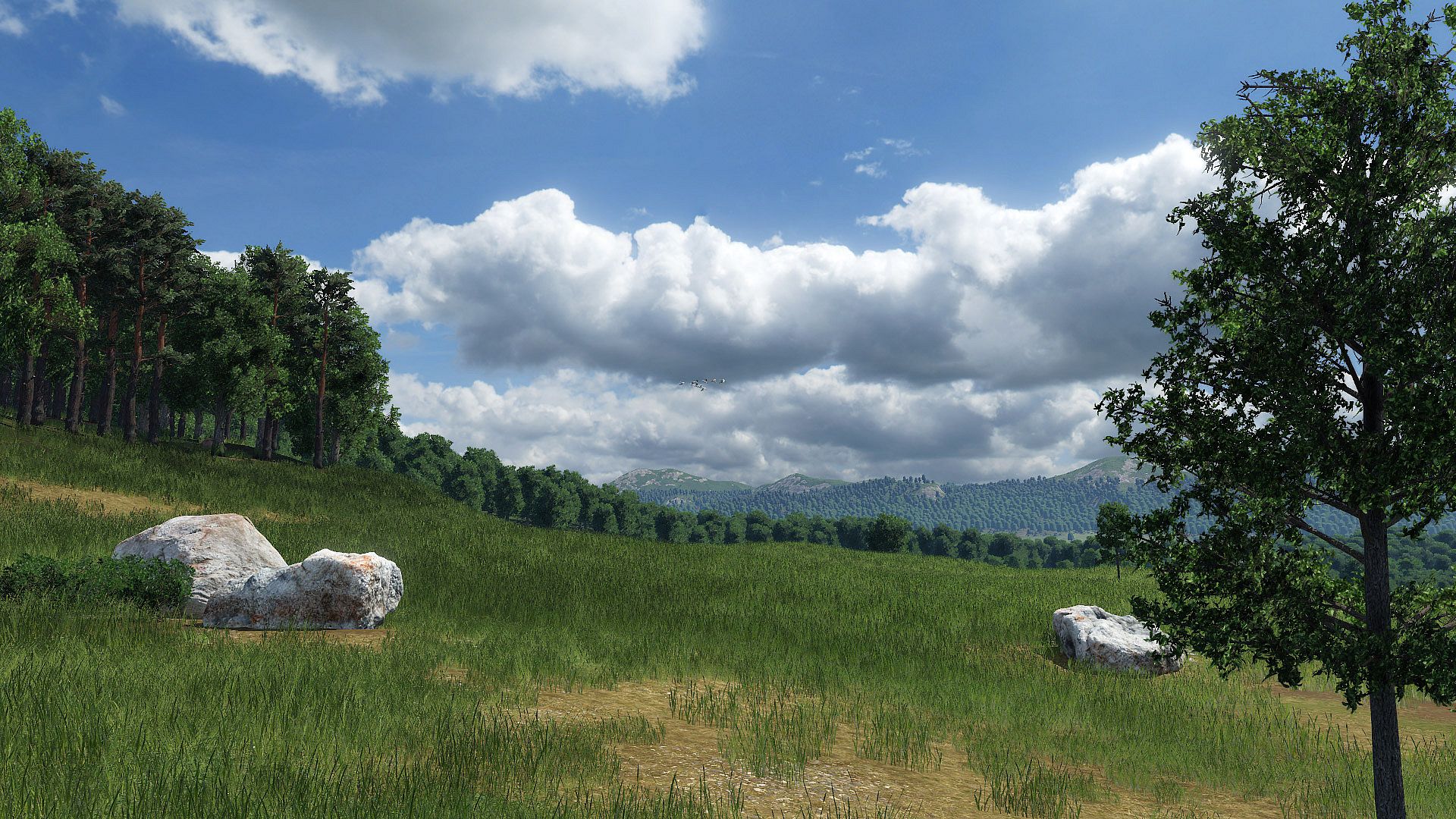
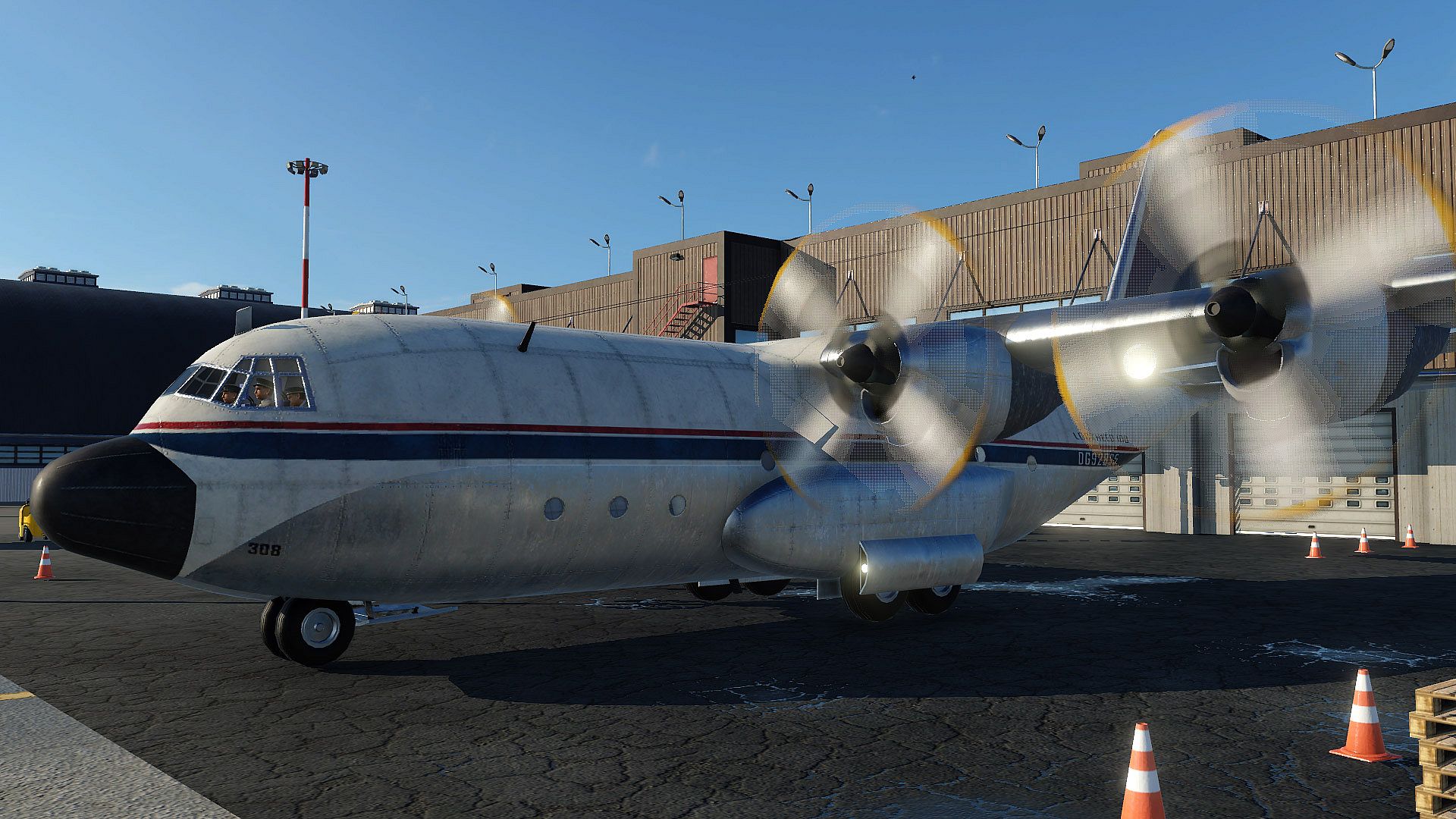
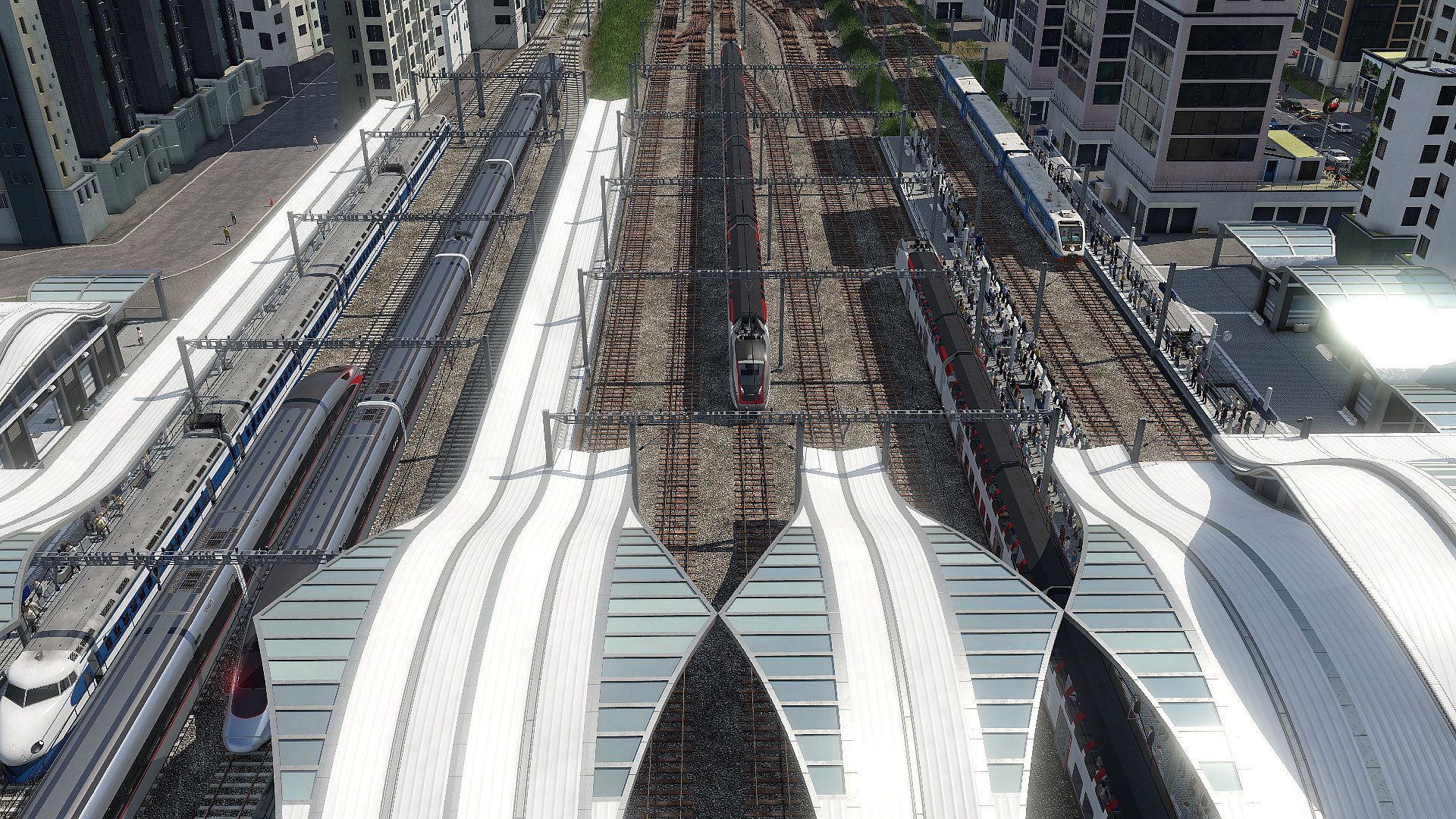
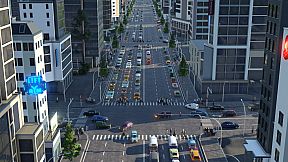
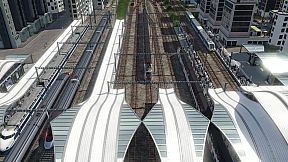
In Transport Fever 2, the core loop revolves around establishing transport routes to move people and goods efficiently. Players start by surveying landscapes and building infrastructure like tracks, roads, and stations, then assign vehicles such as trains, buses, trucks, ships, and planes to handle demands. The simulation accounts for real-world factors, including traffic flow, emissions, and economic chains that link factories, resources, and urban areas. Tools for construction are intuitive, with options for bridges, tunnels, signals, and modular expansions to stations and airports. Cities grow dynamically based on transport efficiency, simulating residential, commercial, and industrial zones that respond to player actions. The game includes physics-based lighting and environmental details like simulated animals, adding to the immersive world-building experience.
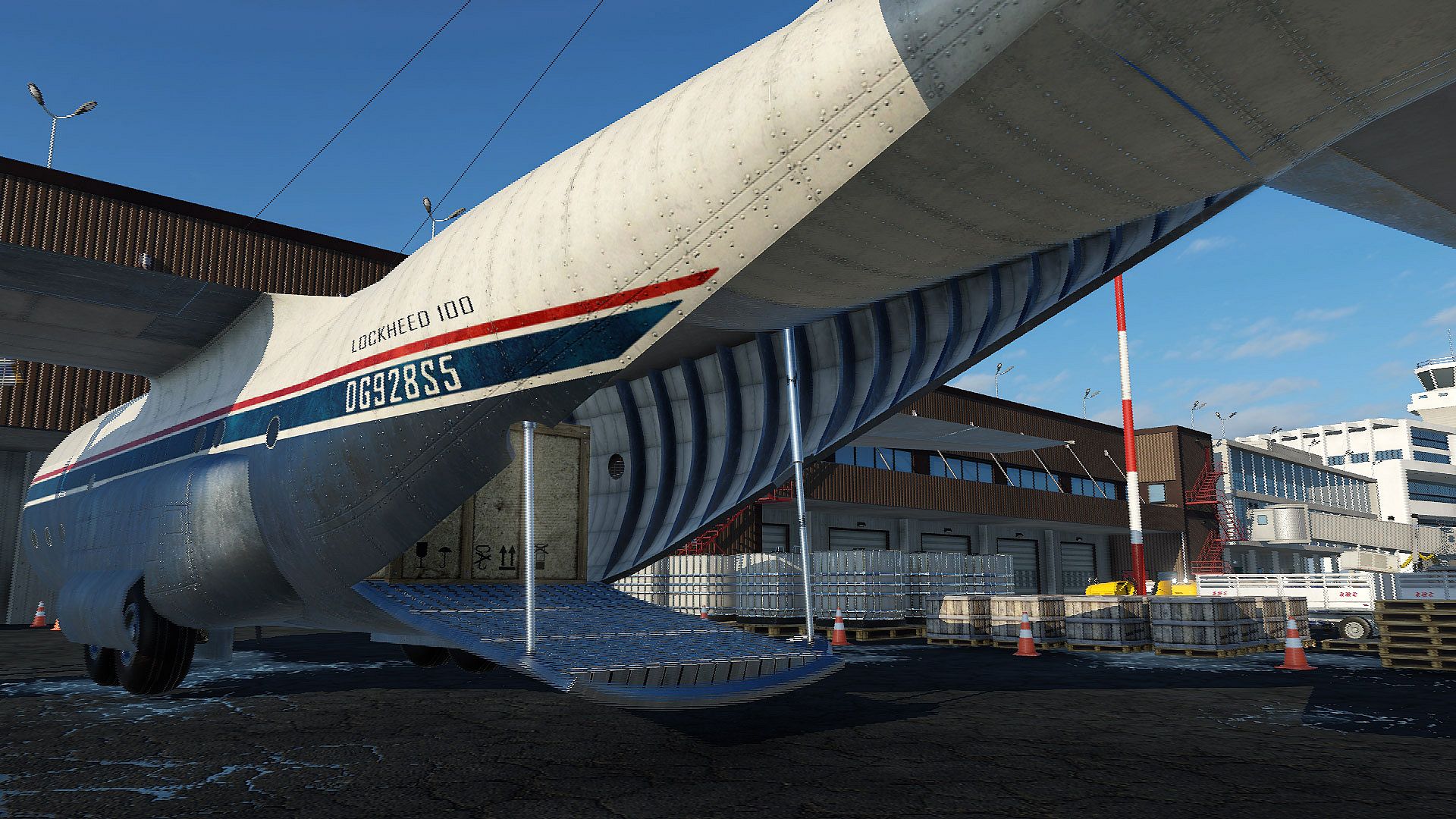
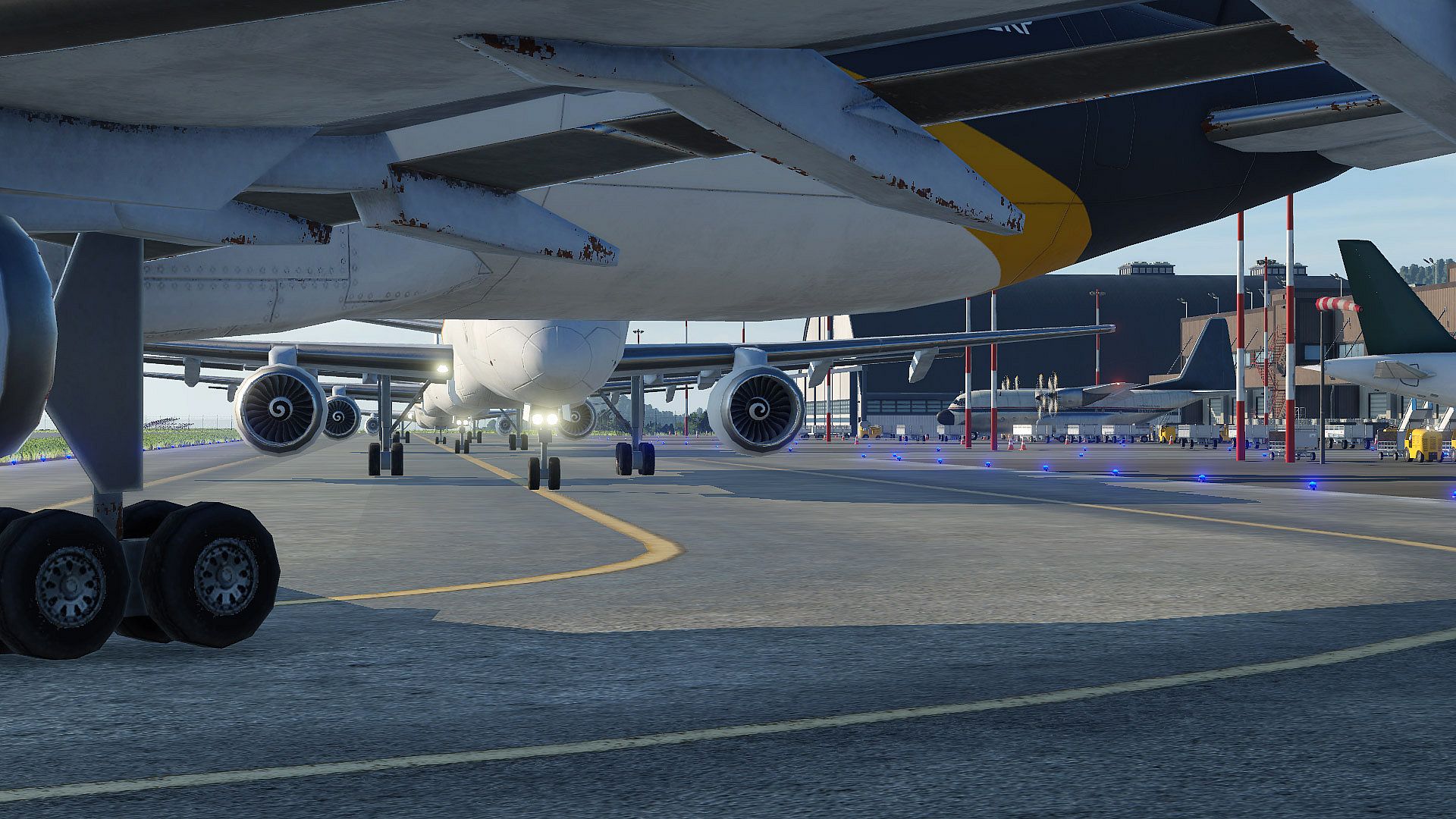
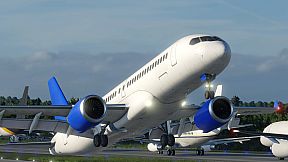
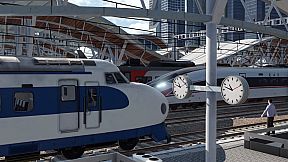
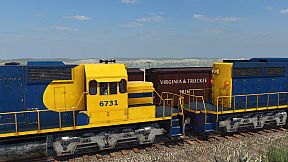
Mechanics emphasize optimization, where adapting to changing needs is key. For instance, one-way streets and bus lanes help manage congestion, while data layers display traffic volumes for informed decisions. Over 200 vehicles from different regions and eras are available, each modeled with attention to detail, and the economy simulator ties everything together by tracking supply chains and prosperity.
Game Modes
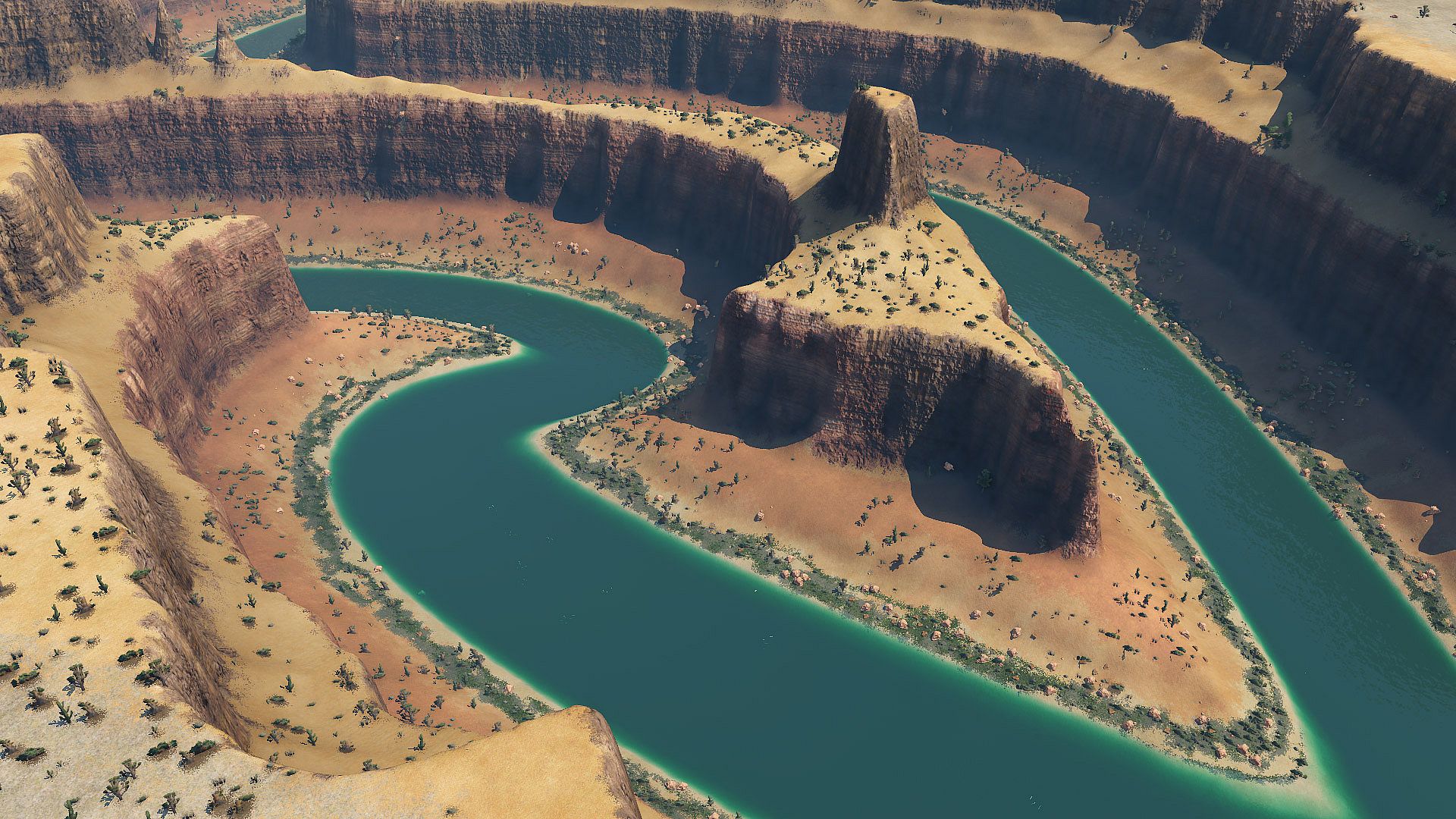
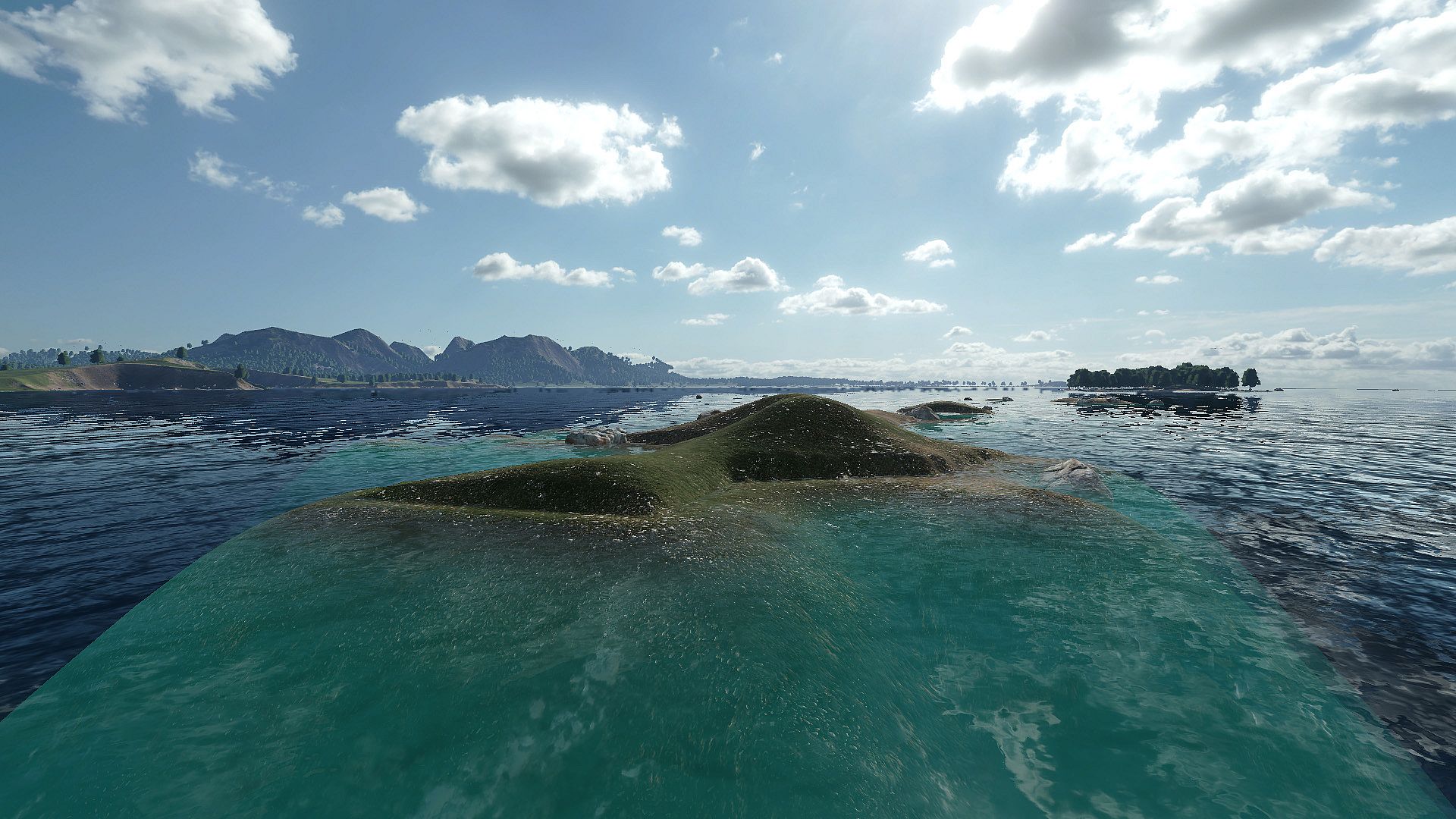
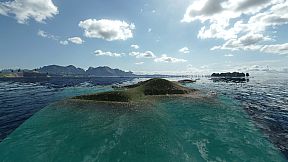
Transport Fever 2 features two primary modes that cater to different play styles. Free play mode provides endless configuration options, letting players set up custom scenarios on large maps with varying climates like moderate, dry, or tropical. Here, the focus is on creative building and achieving over 50 challenges, such as specific transport milestones or efficiency goals.
Campaign mode delivers structured experiences through three historical campaigns set across Europe, America, and Asia, spanning from 1850 to modern times. Each campaign includes missions with unique objectives, voiceovers, and cutscenes that narrate transport history, totaling more than 20 hours of content. Success requires mastering logistical challenges in evolving eras.
Key Features and Updates
The game supports extensive modding through community tools, enabling additions like new vehicles, maps, and custom assets that integrate seamlessly. A built-in map editor allows terrain editing and landscape creation, enhancing replayability. As of early 2026, the title remains active with community-driven content, and recent player feedback highlights improvements in gameplay flow from studying user habits, such as refined vehicle management and station building.
- Realistic vehicle models from multiple continents
- Dynamic city simulation with economic chains
- Tools for visualizing and optimizing infrastructure
Is It Worth Playing?
For enthusiasts of strategy and simulation games, Transport Fever 2 offers substantial value through its depth in transport management and world-building. Player reviews consistently praise its visuals and mechanics, with many noting it as a top choice in the genre even in 2026. The game holds up well six years after release, supported by an active modding community that keeps content fresh. If you enjoy planning complex systems and watching economies thrive, this title provides a rewarding experience, especially with its mix of free play creativity and campaign challenges. However, those seeking fast-paced action might find the deliberate pace less engaging.