

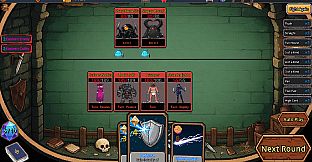
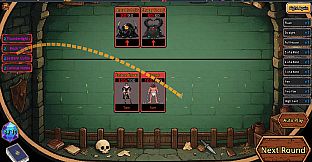
Trash & Infinite: Dungeon Card is a single-player strategy roguelike deck-building game for PC. Players take on the role of an explorer who draws cards each turn to choose between relaxing in a tavern or venturing into dangerous dungeons filled with monsters that feature varied mechanics.
Gameplay
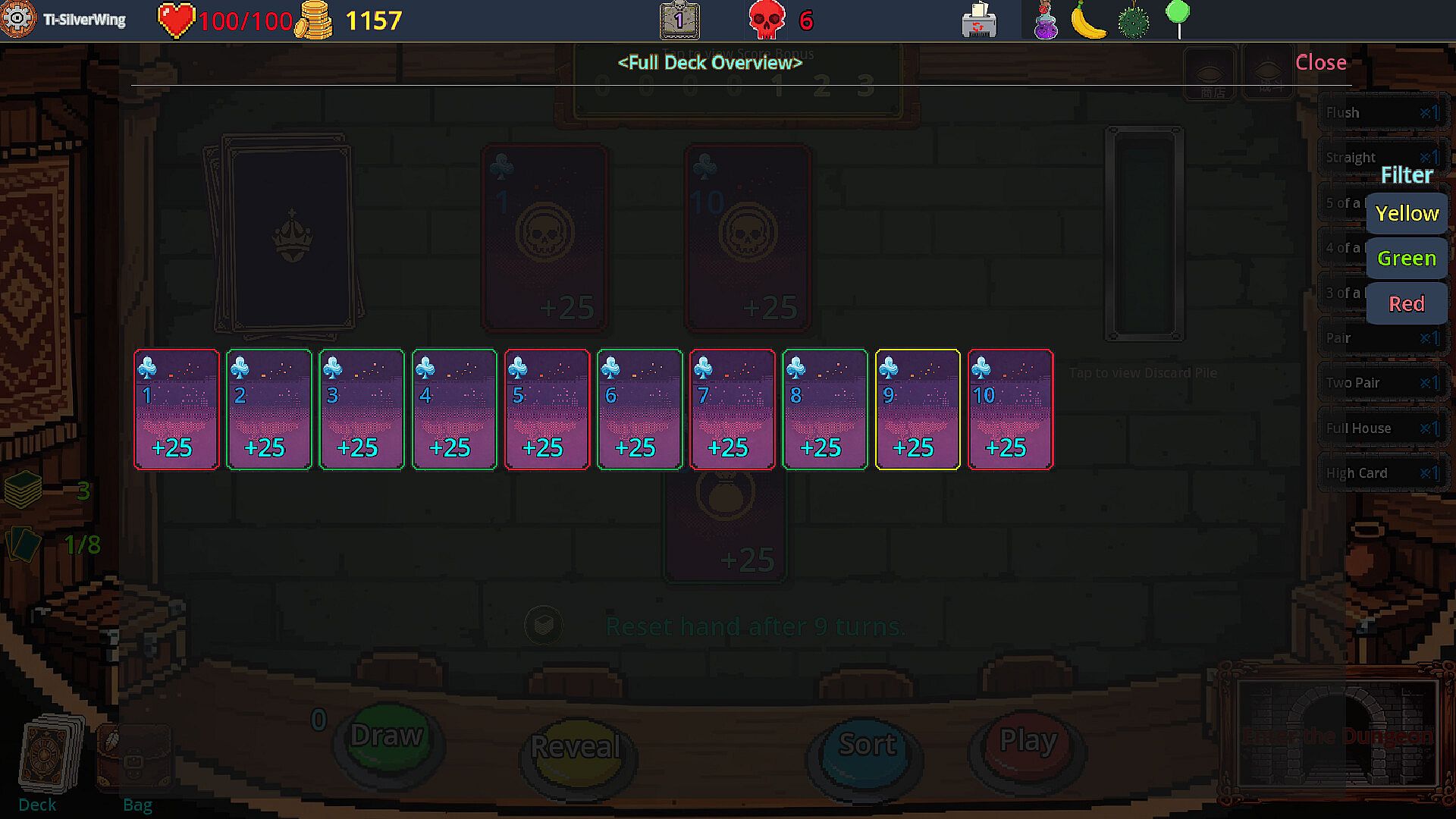
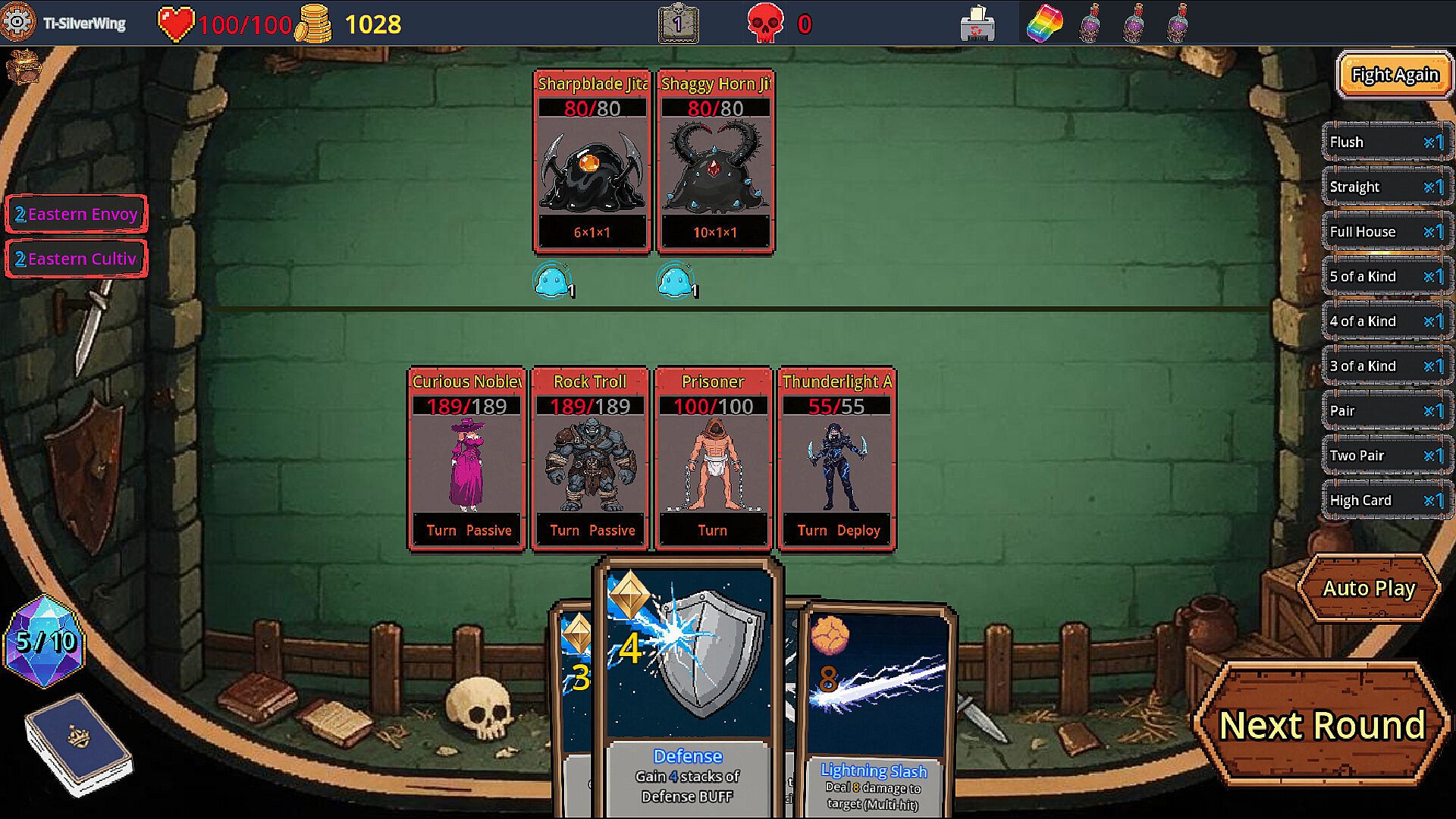
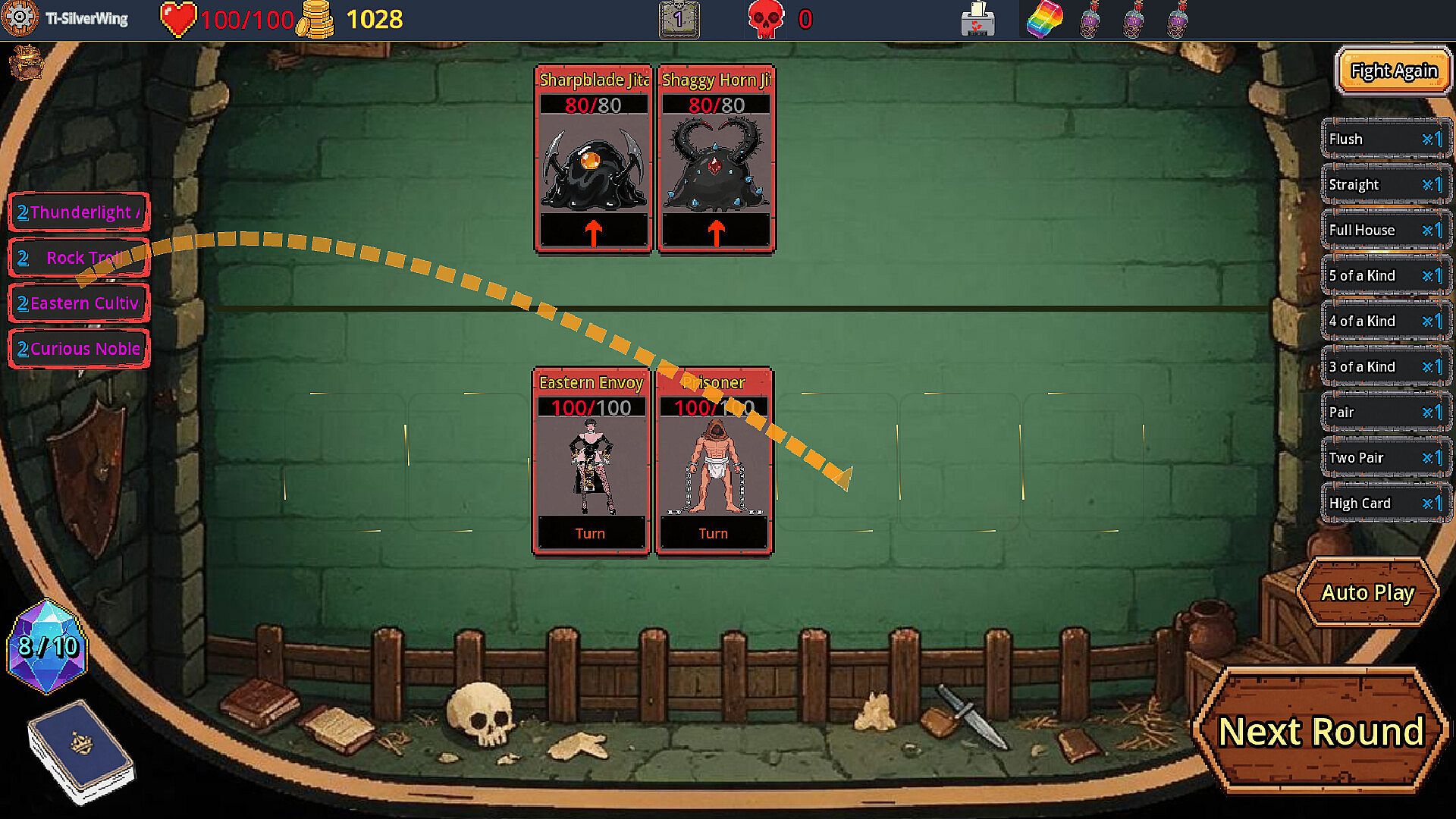
The core loop centers on building and refining a deck of cards that influences both tavern draws and dungeon combat. In the tavern, cards help gather resources like gold or items, while dungeon runs involve direct confrontations where each hand carries a suit for attributes and a number for power level, along with possible enhancements. Decisions about strengthening individual high-value cards for steady gains or assembling combinations for big point bursts shape the run, and the same deck carries over to determine combat options.
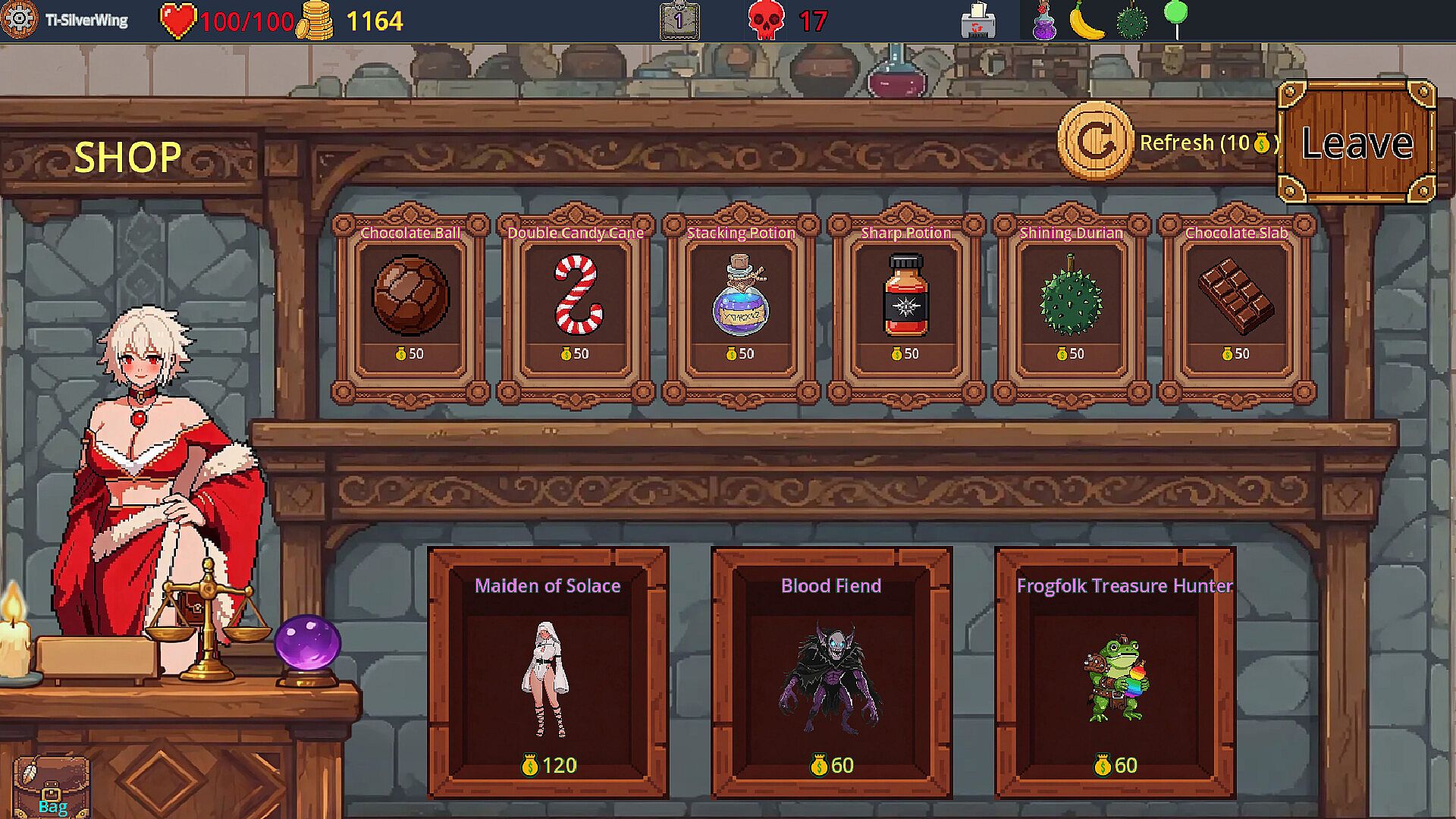
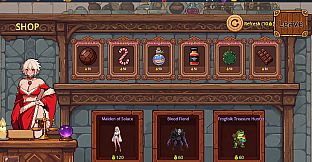
Followers add another layer, as recruiting them grants abilities that modify hands or provide effects during play. Some deliver defensive options while others contribute offensive strikes, and playing multiple cards in a round can chain additional follower triggers. Deck management involves adding or removing cards to increase the odds of drawing desired combinations such as pairs, flushes, or straights. These setups enable linkage effects that can create extended sequences or even infinite cycles capable of defeating strong monsters in a single round.
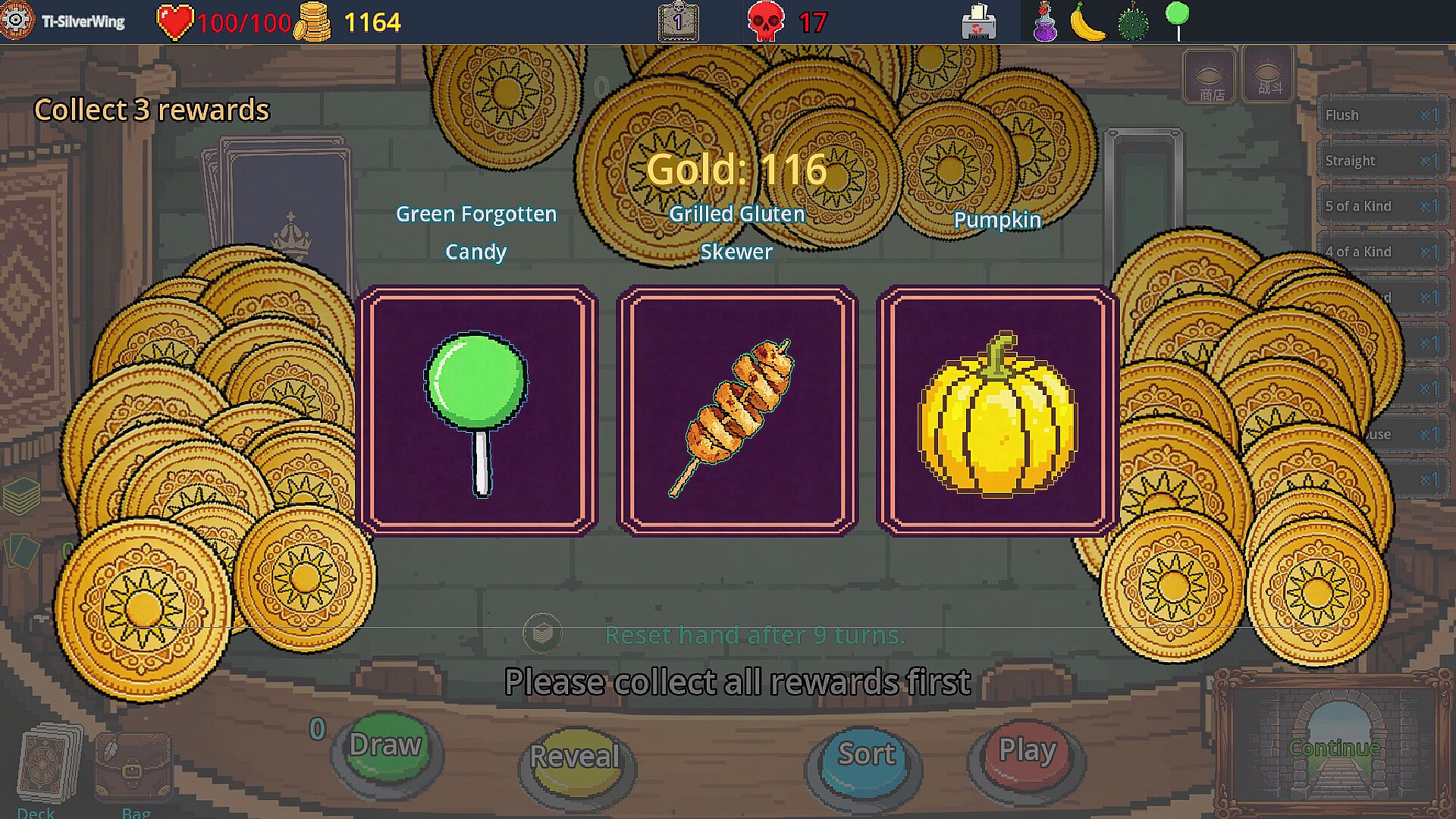
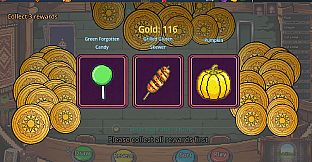
Resource collection and reward systems tie into point scoring, with choices around item use affecting overall multipliers and long-term progression across runs. The roguelike structure means each attempt presents fresh challenges through monster variety and item interactions, encouraging repeated deck experimentation.
Game Modes
Gameplay revolves around turn-by-turn choices between tavern activities and dungeon exploration. Tavern segments focus on card draws that support resource accumulation and deck tuning, while dungeon segments shift to combat hands where suits, numbers, and follower synergies determine outcomes against monsters. The deck built in one influences options in the other, creating a connected loop rather than separate isolated experiences.
No additional named modes appear in available details, keeping the emphasis on this integrated decision-making process that blends preparation and execution within each run.
Key Mechanics and Content
Combat hands function like poker elements, where suit attributes and numerical power combine with enhancements to determine effectiveness. Followers expand tactical options by supplying unique abilities that activate alongside played cards, rewarding careful sequencing and deck composition. The current content library includes over 100 monsters with distinct mechanics, more than 150 active and passive items for customization, and over 100 followers that alter hand potential and trigger effects.
Deck editing remains central, allowing players to adjust for preferred draws that support either frequent small rewards or high-impact combinations. This flexibility extends to pursuing rare items through point collection or gold-focused strategies, with the overall system rewarding adaptation to the cards drawn each turn.
Is It Worth Playing?
The game targets players who enjoy roguelike deck builders with strategic depth in card combinations and follower synergies. Its single-player format suits those seeking solo runs focused on deck optimization and run-to-run experimentation rather than multiplayer competition. Since the title remains in a coming-soon state with no user reviews available, any assessment depends on personal interest in the described mechanics of tavern-dungeon choices, hand-building around suits and numbers, and the provided scale of monsters, items, and followers. Those drawn to indie strategy titles with roguelike progression and poker-inspired combat elements may find the systems align with their preferences once released.