

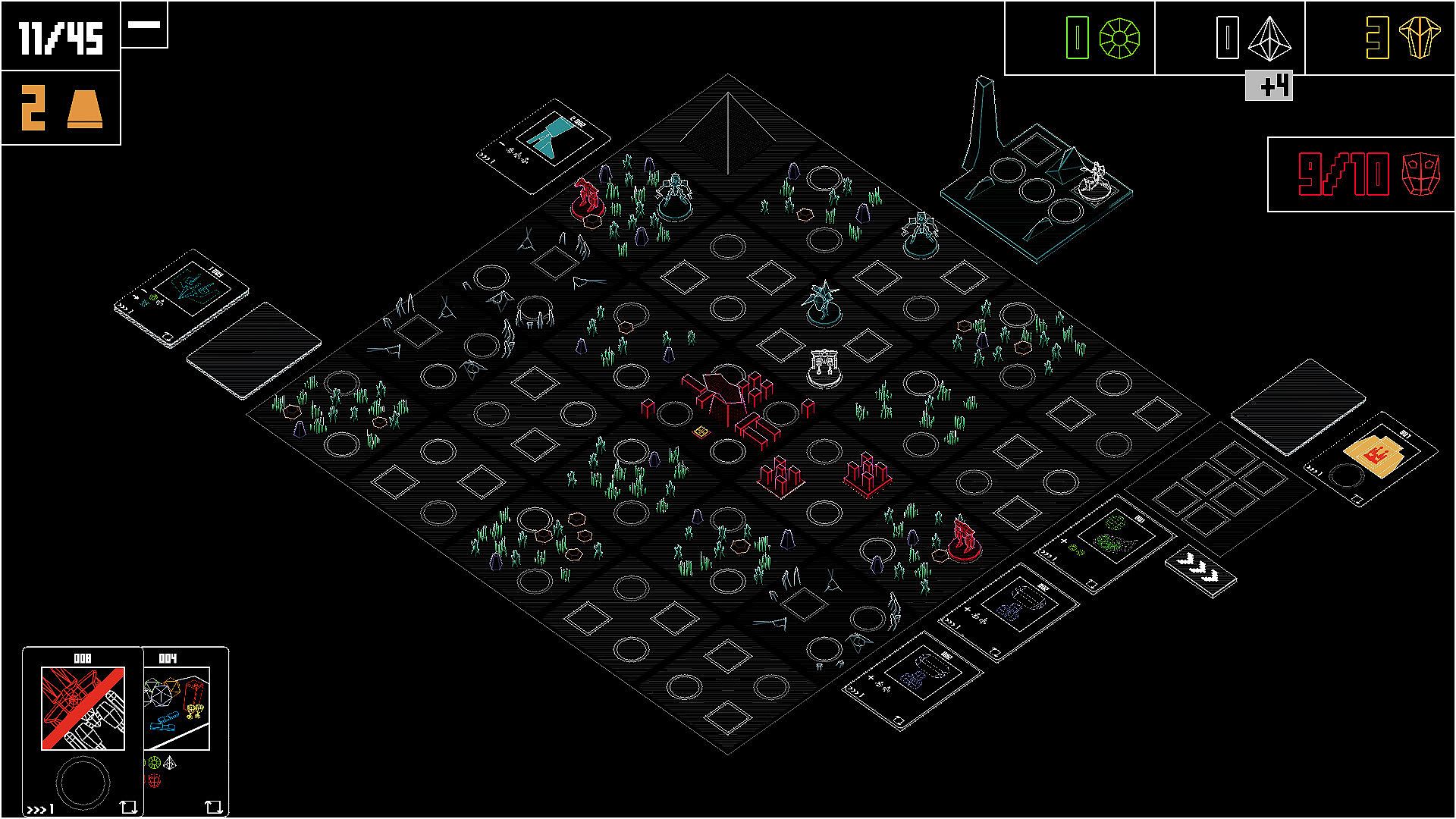
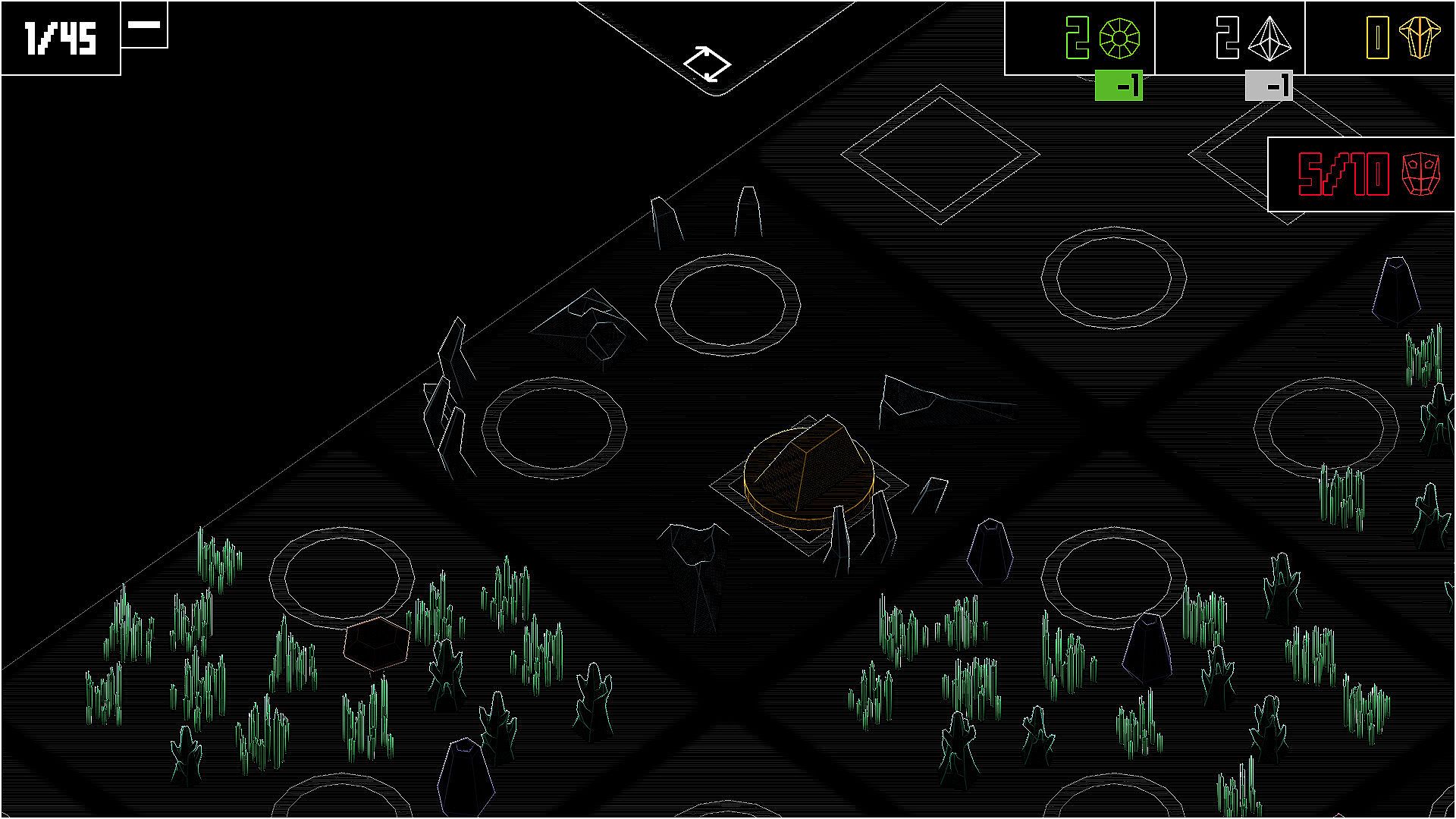
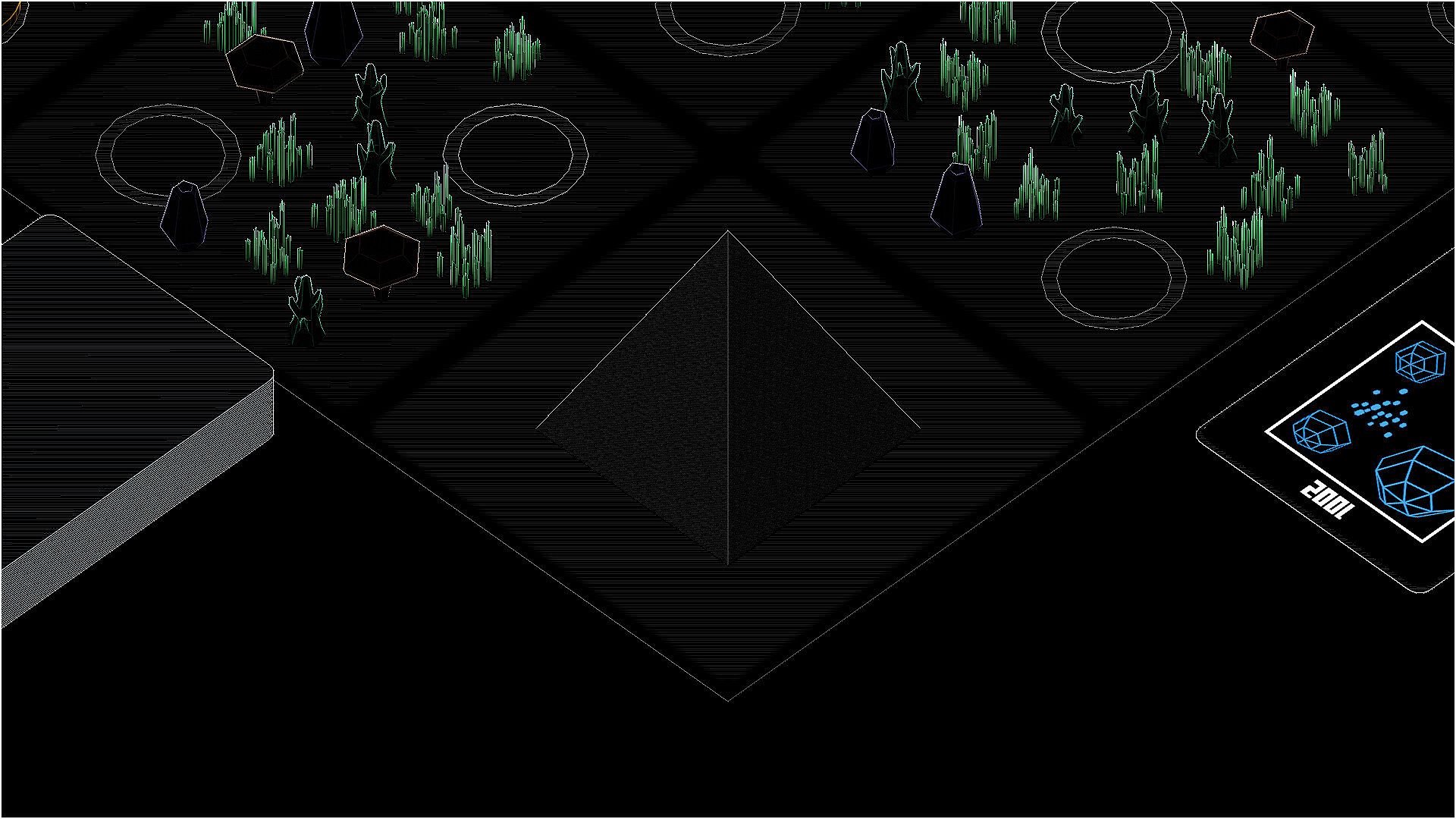
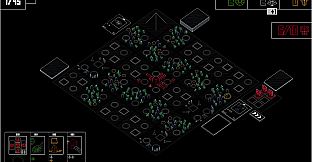
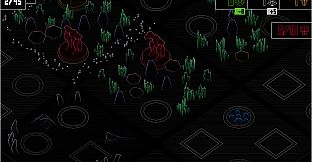
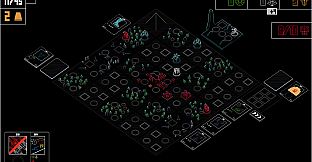
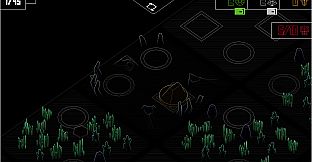
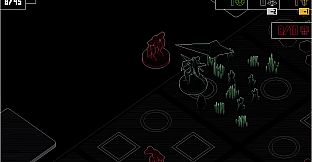
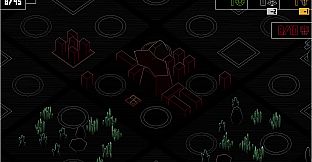
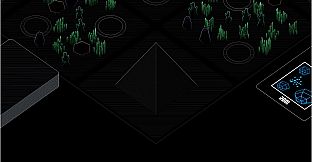
Treug Dispute: Tabletop Interpretation is a single-player strategy game that recreates the experience of managing a settlement through a digital board game format. Players assume the role of an administrator tasked with guiding the city of Treug through a series of crises while expanding its capabilities and uncovering the full narrative of its history.
Gameplay
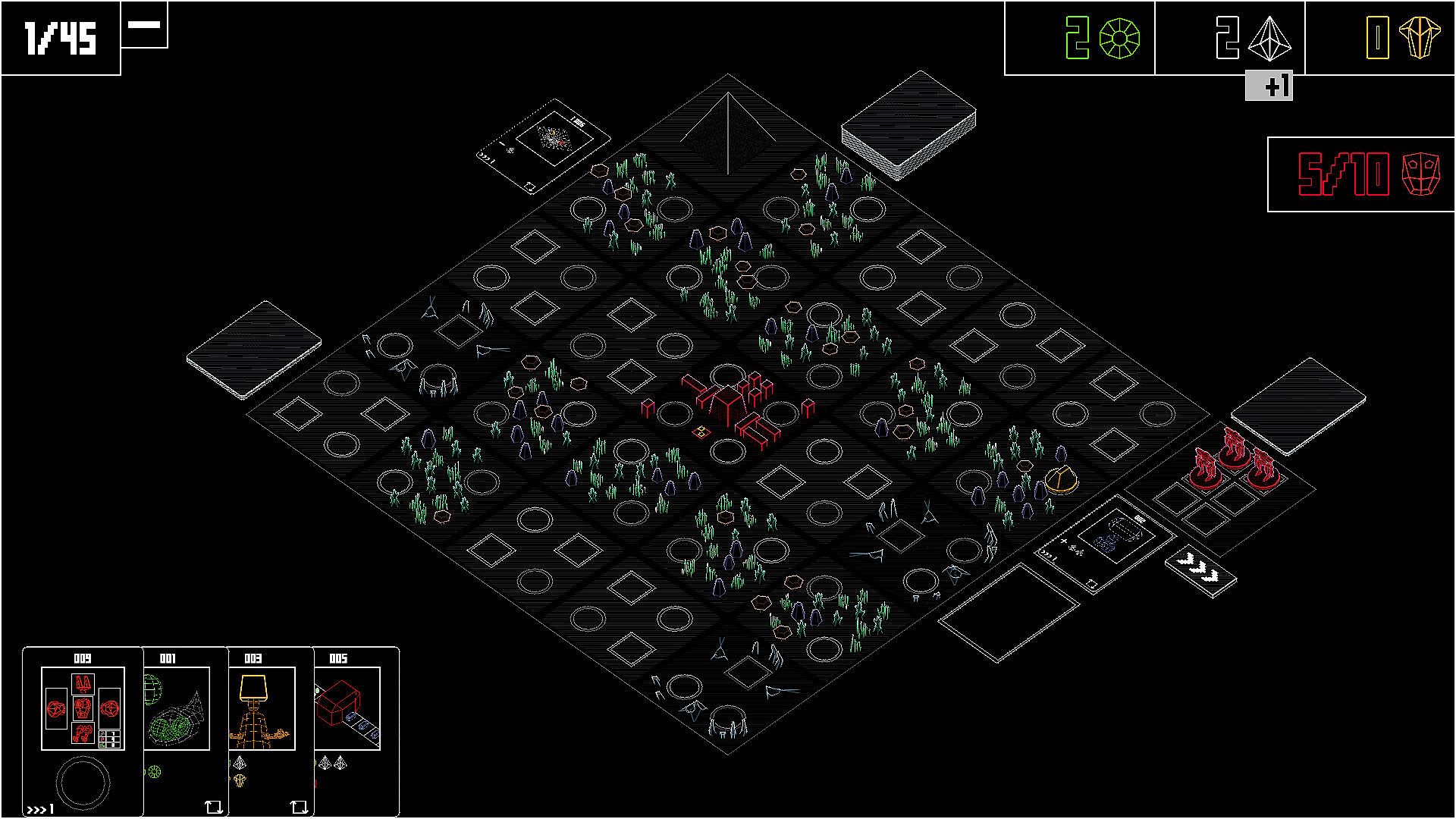
The core loop centers on resource allocation and decision-making within a simulated territorial management system. Players distribute limited supplies across different needs to keep the settlement stable amid ongoing threats. Action cards form the basis of progression, allowing choices that shape development over multiple turns. The interface draws from an in-universe administrative tool issued by a higher authority known as the Capital, presenting information in a structured but imperfect manner that requires careful interpretation.
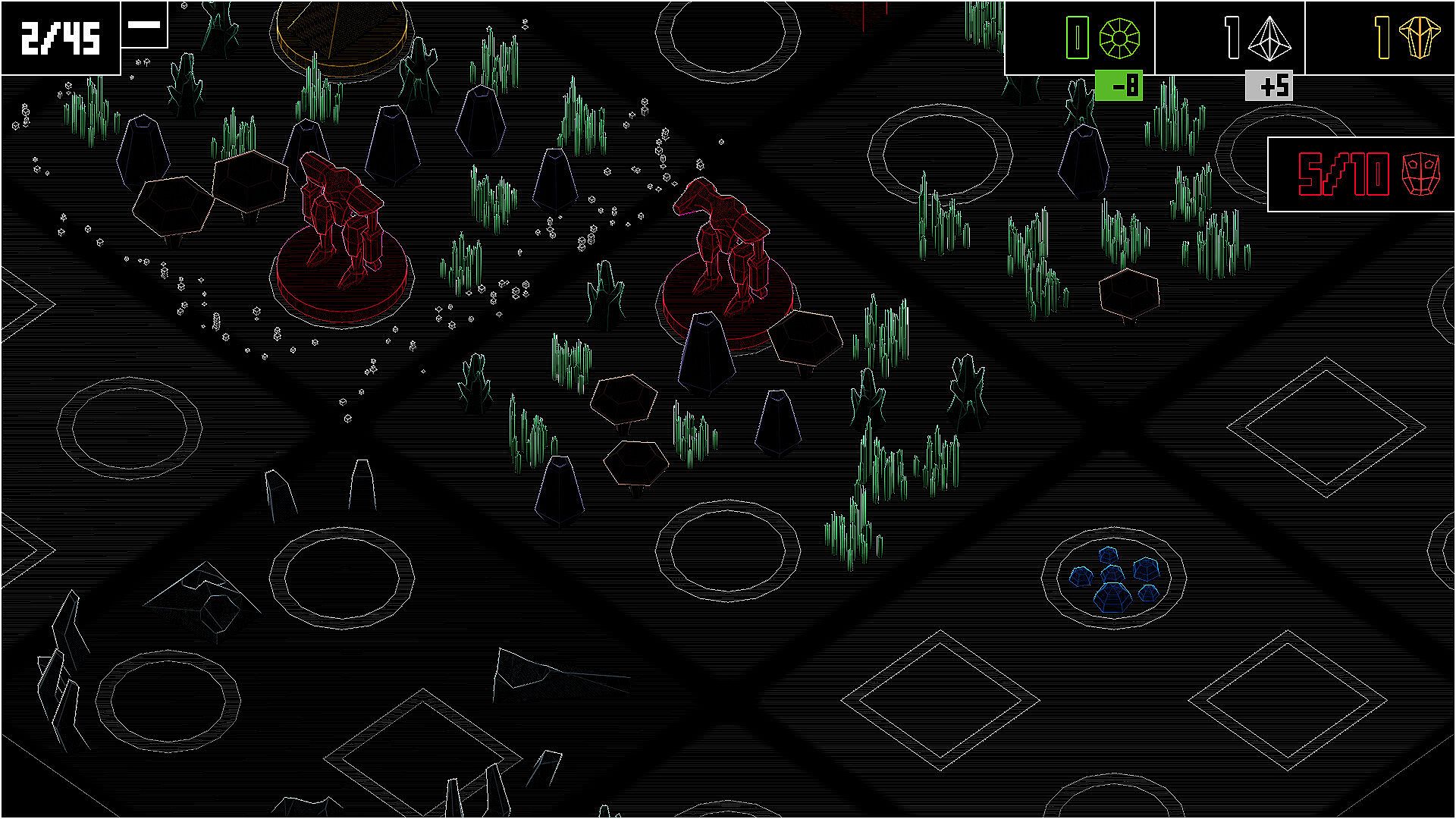
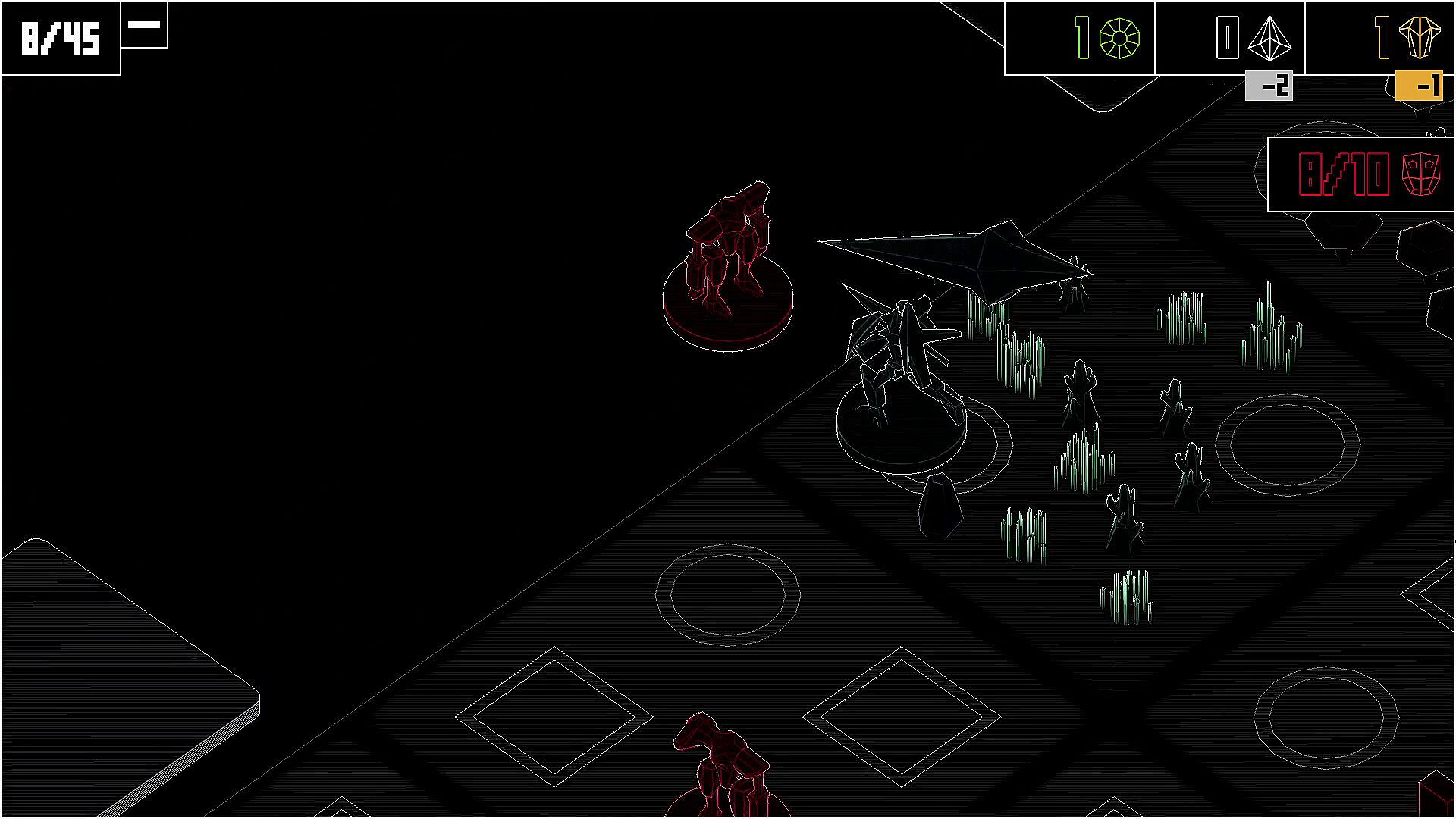
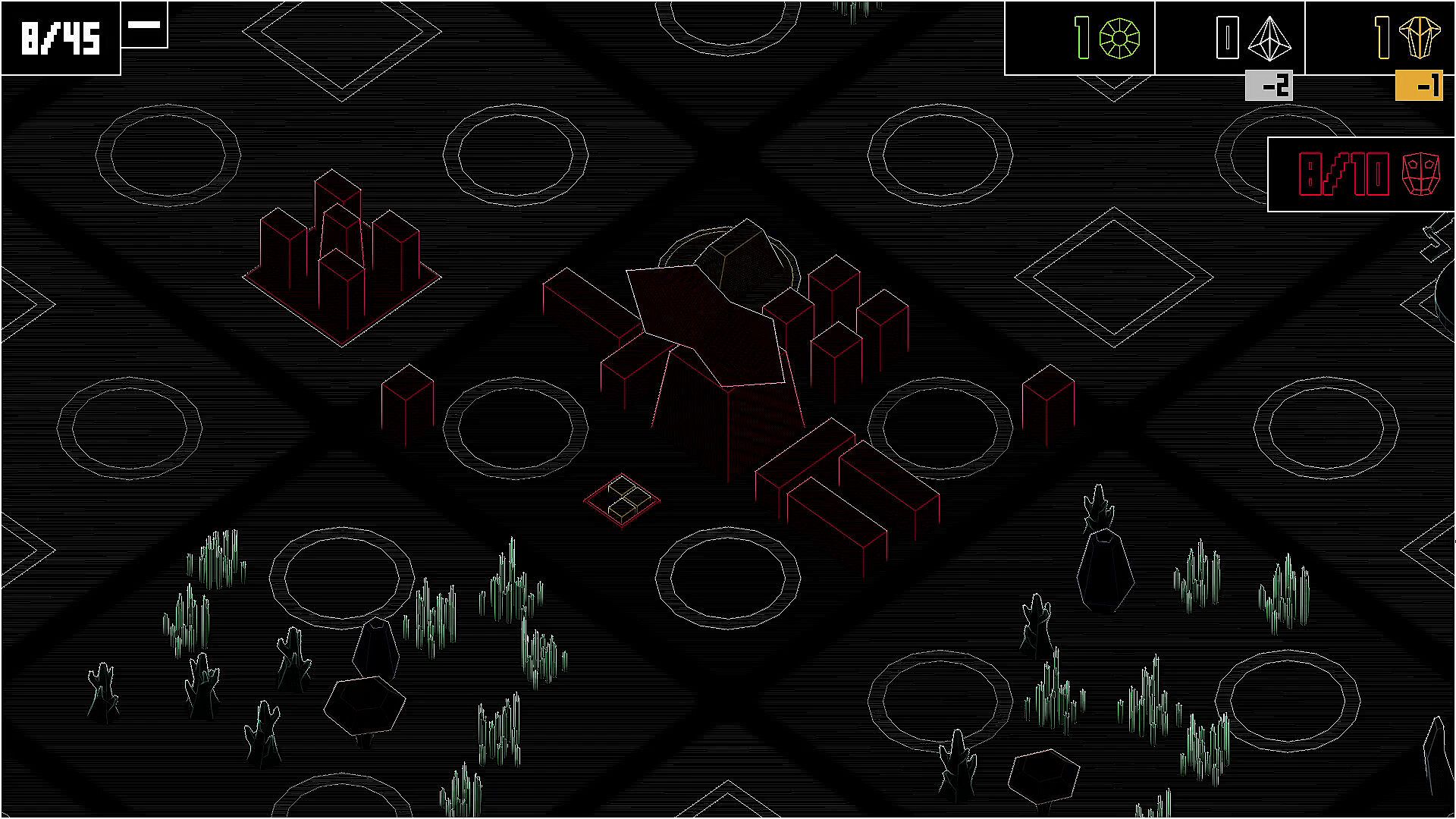
Incidents occur alongside the main crises, some predefined within the rules and others generated through player choices or external events. Giant humanoid machines serve as key assets for defense and construction projects. Upgrades to city infrastructure improve efficiency and resilience. Threats include organized opposition from Capital adversaries, natural forces, and unexplained entities that appear from outside known boundaries. Success depends on tracking patterns in these threats, anticipating their movements, and adjusting strategies accordingly.
Game Modes
The experience is built entirely around single-player sessions. There are no multiplayer options or cooperative variants confirmed at this stage. Each playthrough focuses on a complete retelling of events in Treug, with the goal of resolving crises and reaching a conclusive understanding of the settlement's fate. Players can experiment with different approaches to resource management and card selection to explore alternate outcomes within the same framework.
Narrative and World Building
The story unfolds through the consequences of administrative decisions rather than direct exposition. Crises serve as central plot drivers, each presenting unique challenges that test the limits of the city's resources and defensive capabilities. Incidents add layers of unpredictability, encouraging observation of recurring behaviors among enemies and environmental hazards. The overarching objective remains discovering the true sequence of events that shaped Treug's development and its relationship with the Capital.
Is It Worth Playing?
This title suits players who enjoy deliberate, turn-based strategy with an emphasis on systems management and pattern recognition. The single-player focus allows for unhurried exploration of mechanics without external pressure. Since the game remains in a pre-release state with no user reviews available, potential buyers should monitor official updates for confirmation of the final feature set and any adjustments based on testing feedback. Those drawn to indie strategy experiences centered on city development and crisis resolution will find the described systems align closely with that preference.