










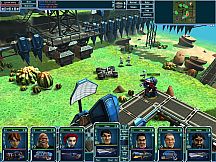
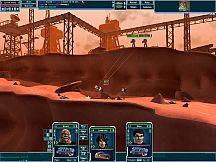
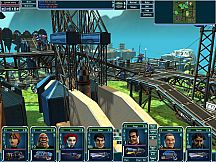
UFO: Afterlight is a singleplayer strategy game that places players in command of a human colony on Mars. Released in 2007 as the third entry in the UFO series, it blends real-time tactics with turn-based strategy elements in a setting that continues events from prior games while introducing new threats and technologies native to the red planet.
Gameplay
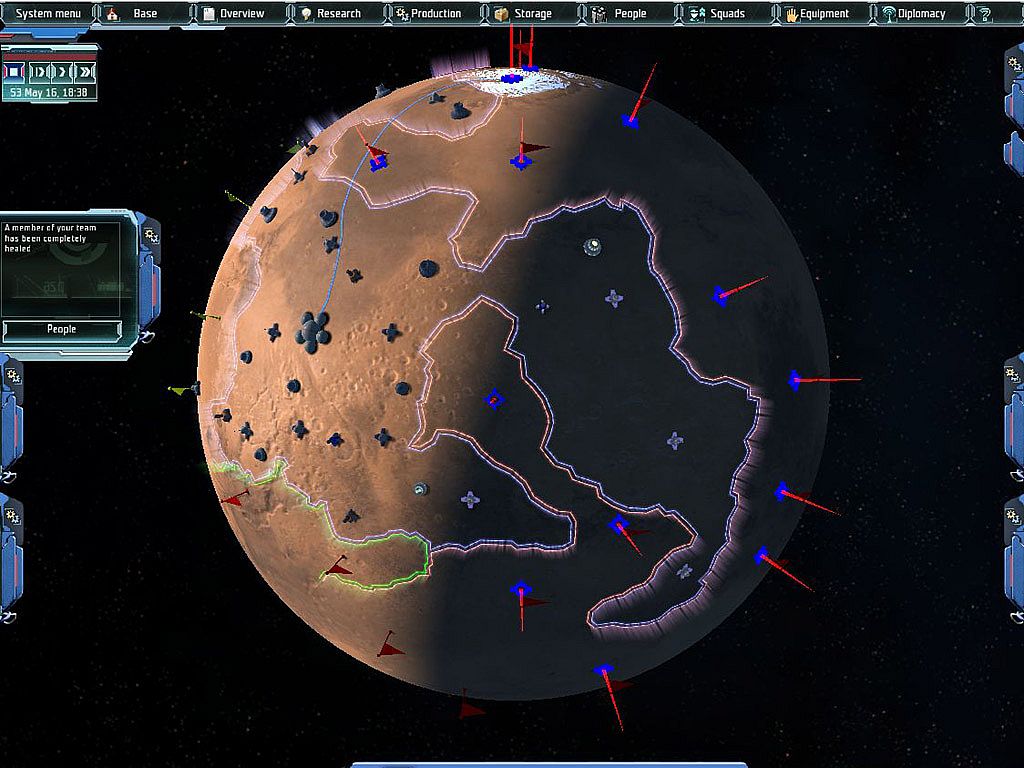
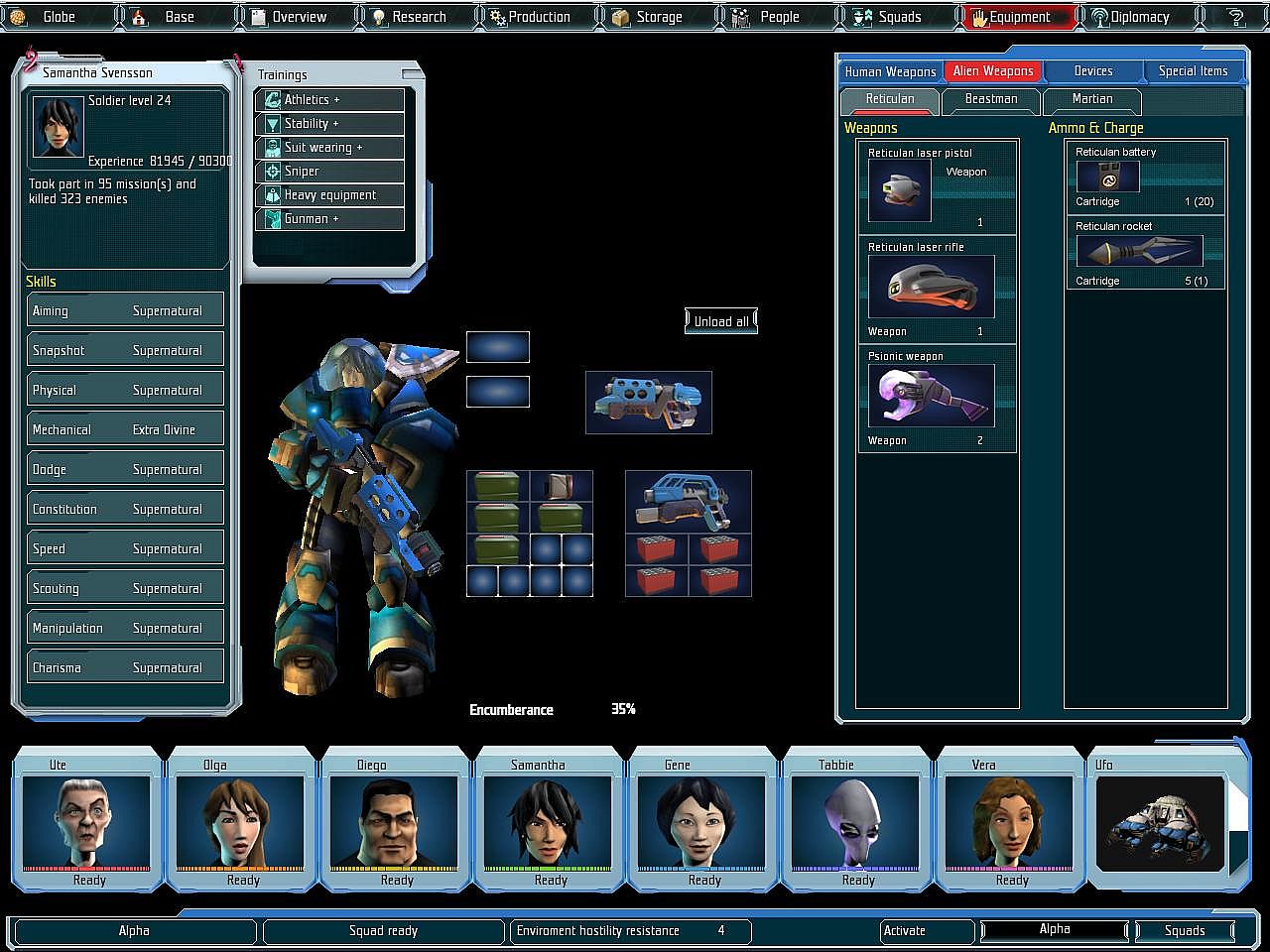
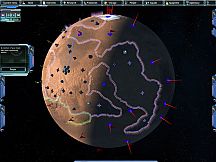
The core loop alternates between overseeing planetary operations and directing small squads in direct confrontations. On the strategic layer, players claim territories by deploying geosondes, then construct facilities such as mines for resources like metal and fuel, terraforming stations to reduce environmental hostility, and research labs to unlock equipment and capabilities. Personnel management requires careful allocation of a shared pool of characters across roles, with experience gained through specific tasks like combat for soldiers or lab work for scientists.
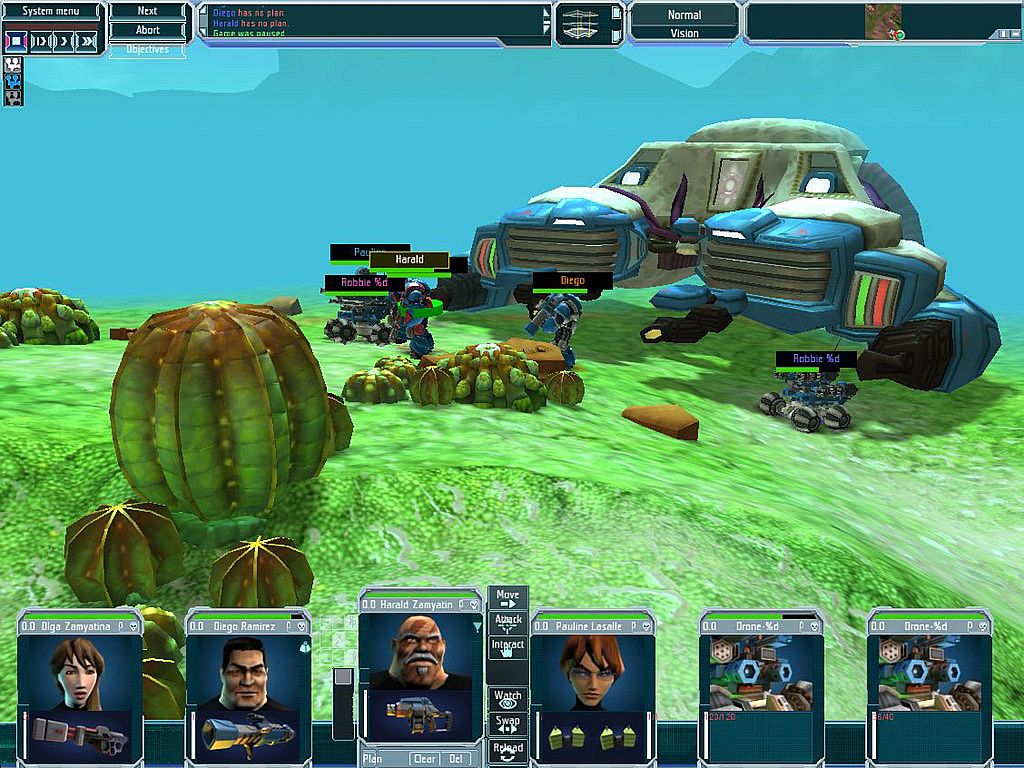
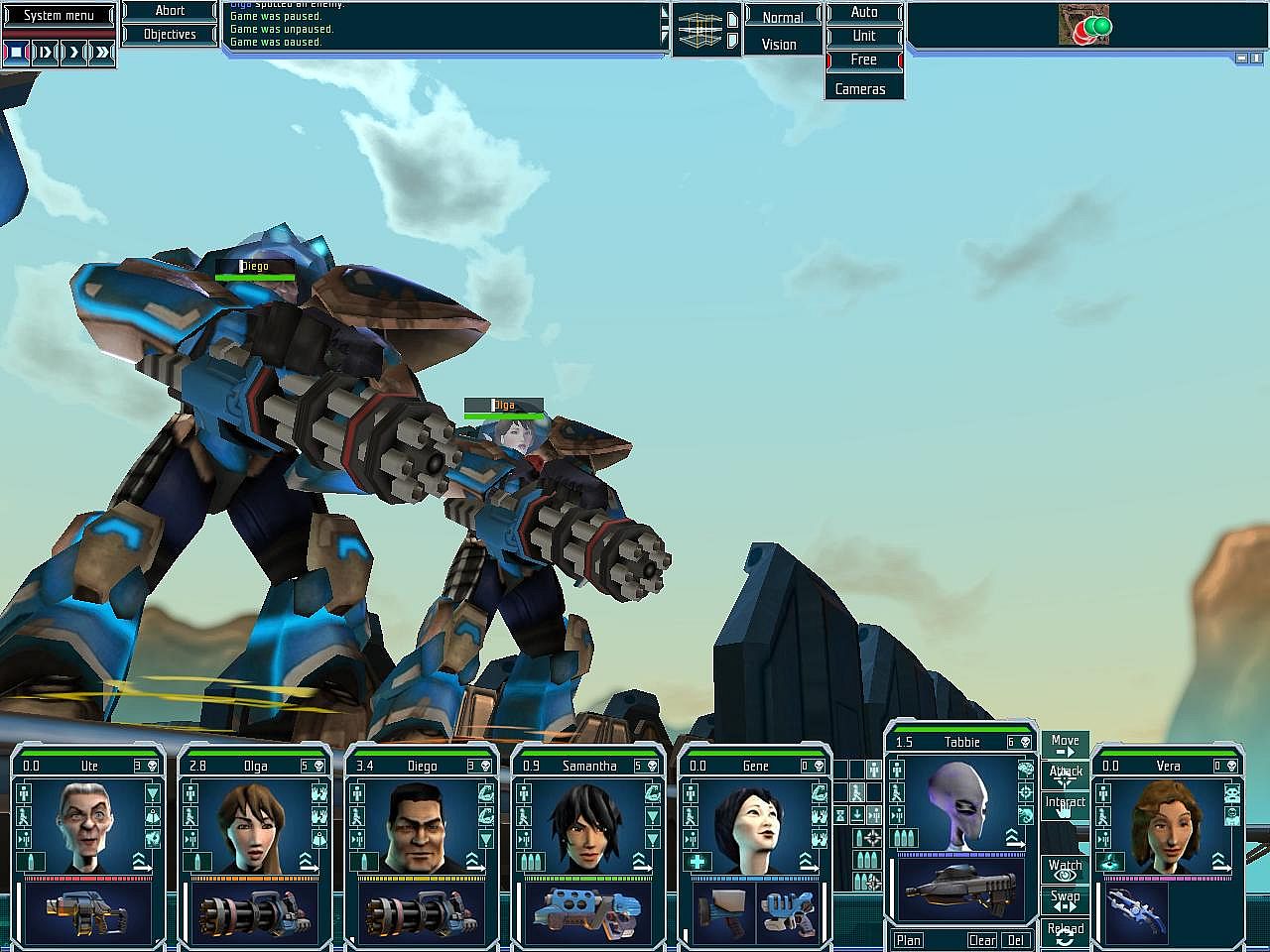
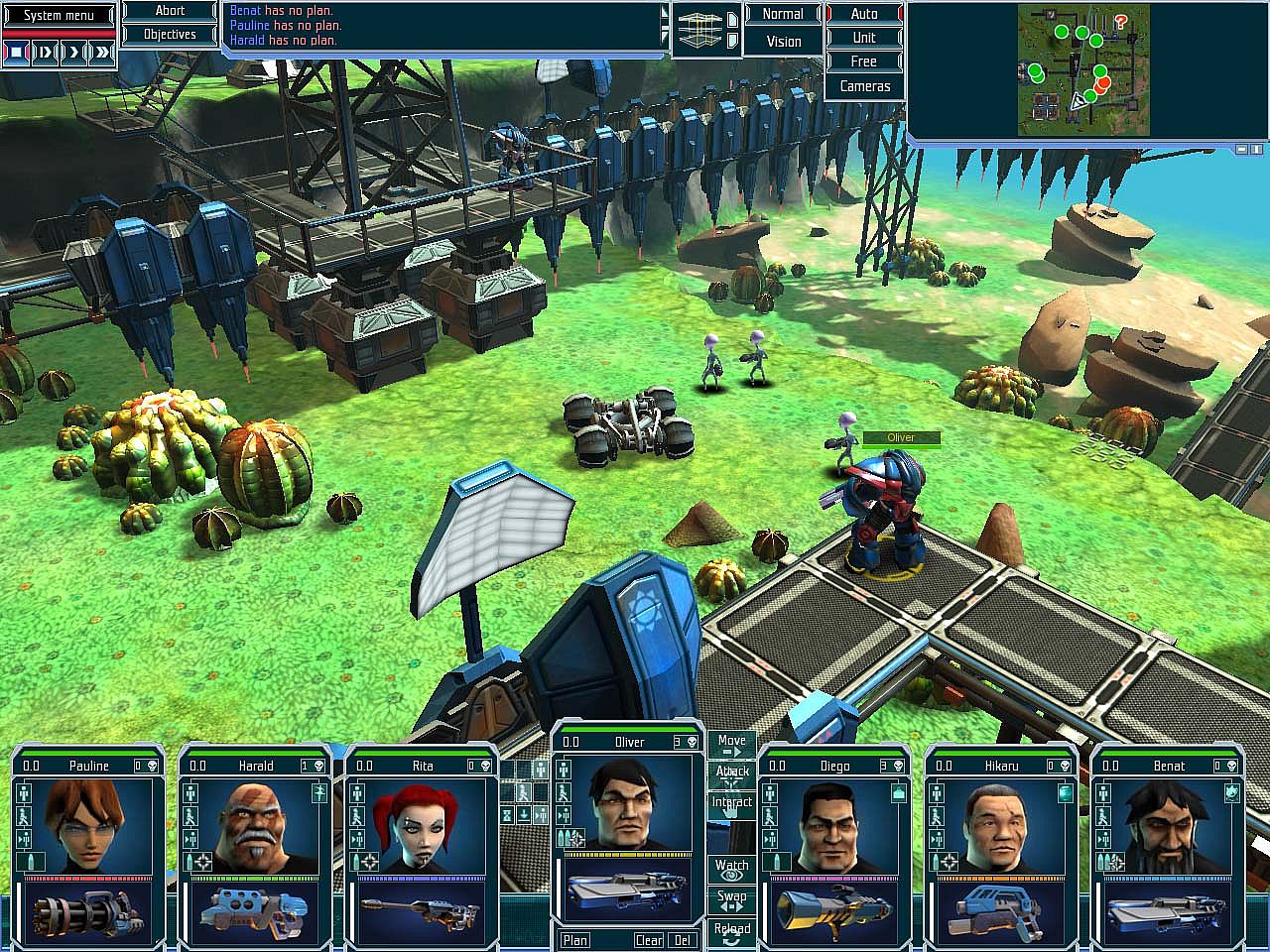
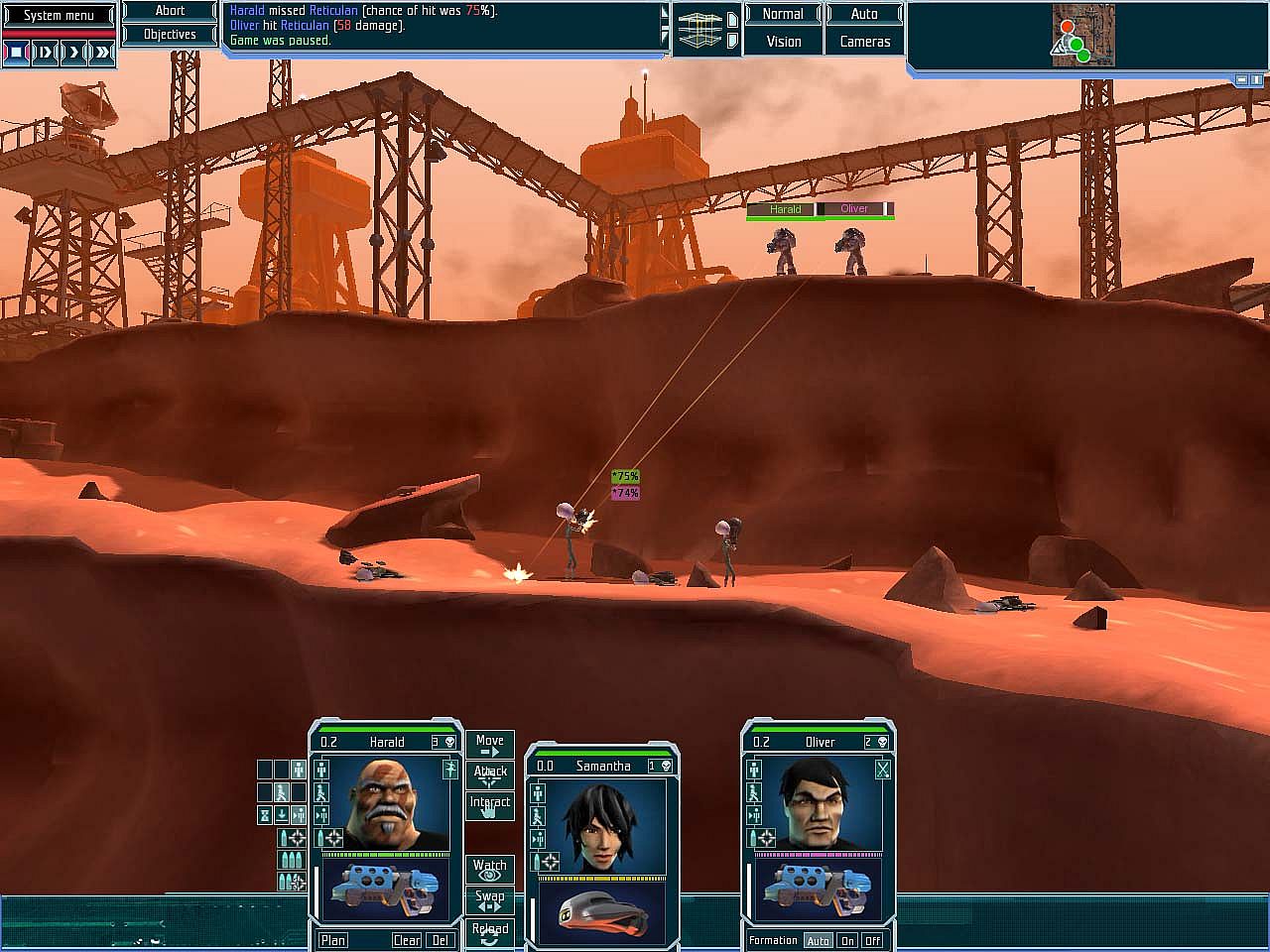
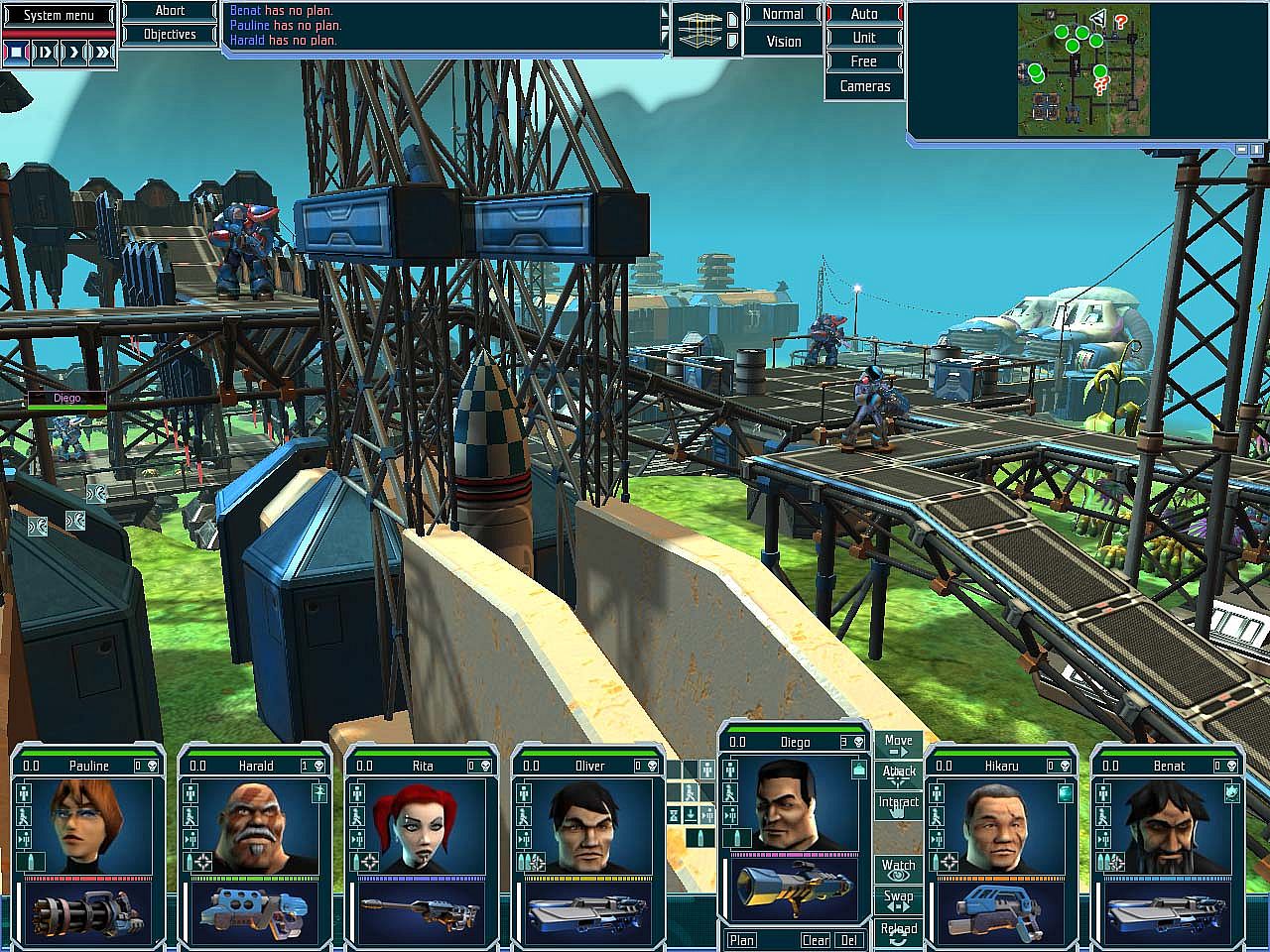
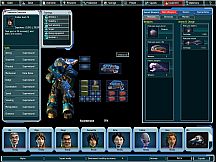
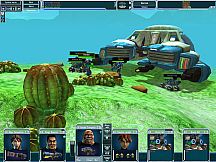
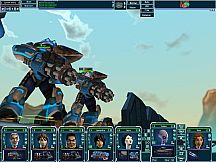
Tactical missions deploy up to seven equipped soldiers into hostile Martian zones. Objectives range from eliminating enemies to retrieving items or securing key locations. The environment itself poses ongoing risks through fluctuating hostility levels that demand appropriate protective suits, which technicians can repair mid-mission. Research paths cover multiple disciplines including Martian technology and planetology, while production queues allow creation of weapons, armor, and support items once prerequisites are met.
Diplomacy with arriving factions provides opportunities to trade resources or align against common enemies. Characters progress through class-specific training that improves both strategic output and combat effectiveness, and drones recovered during operations can be upgraded to supplement human teams.
Game Modes
The game operates entirely as a singleplayer experience structured around its integrated strategic and tactical systems. There are no separate multiplayer options or distinct side modes. Progress unfolds through a continuous campaign that combines base expansion, research advancement, territory control, and mission execution without branching into isolated scenarios or competitive formats.
Players navigate the full scope of colony survival and growth in one continuous playthrough, where decisions in the strategic view directly influence available tactical options and vice versa. This unified approach emphasizes long-term planning across resource gathering, personnel development, and faction interactions alongside immediate squad-level decisions during deployments.
Story and Setting
Events unfold on Mars following the conclusion of earlier UFO titles. A small research team and cryo-sleep colonists work to establish a foothold while dealing with emerging robotic threats from buried alien structures. Subsequent arrivals include aggressive Beastmen through activated portals, remnants of Reticulan forces, and eventually native Martians awakened by terraforming efforts.
Research and communication with Earth factions reveal broader context about intergalactic organisms known as Myrmecols and the larger conflicts involving Wargots and Starghosts. The unusual Martian environment and mix of familiar and novel enemies shape both defensive needs and technological development throughout the campaign.
Is It Worth Playing?
UFO: Afterlight appeals to players who enjoy detailed singleplayer strategy titles that combine base management, resource allocation, and squad tactics in an alien setting. Its mixed reception at launch reflected an aggregate score of 71 out of 100 on Metacritic from critic reviews, with praise often directed at the depth of its systems and criticism focused on certain interface and pacing elements typical of the era.
The game remains available on PC through major digital platforms with no ongoing seasonal content or post-launch updates. Those interested in classic real-time tactics blended with turn-based strategy elements on a planetary scale may find its campaign engaging, particularly if they appreciate managing limited personnel across multiple demands while adapting to environmental and faction challenges.