




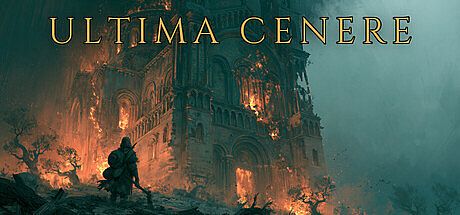


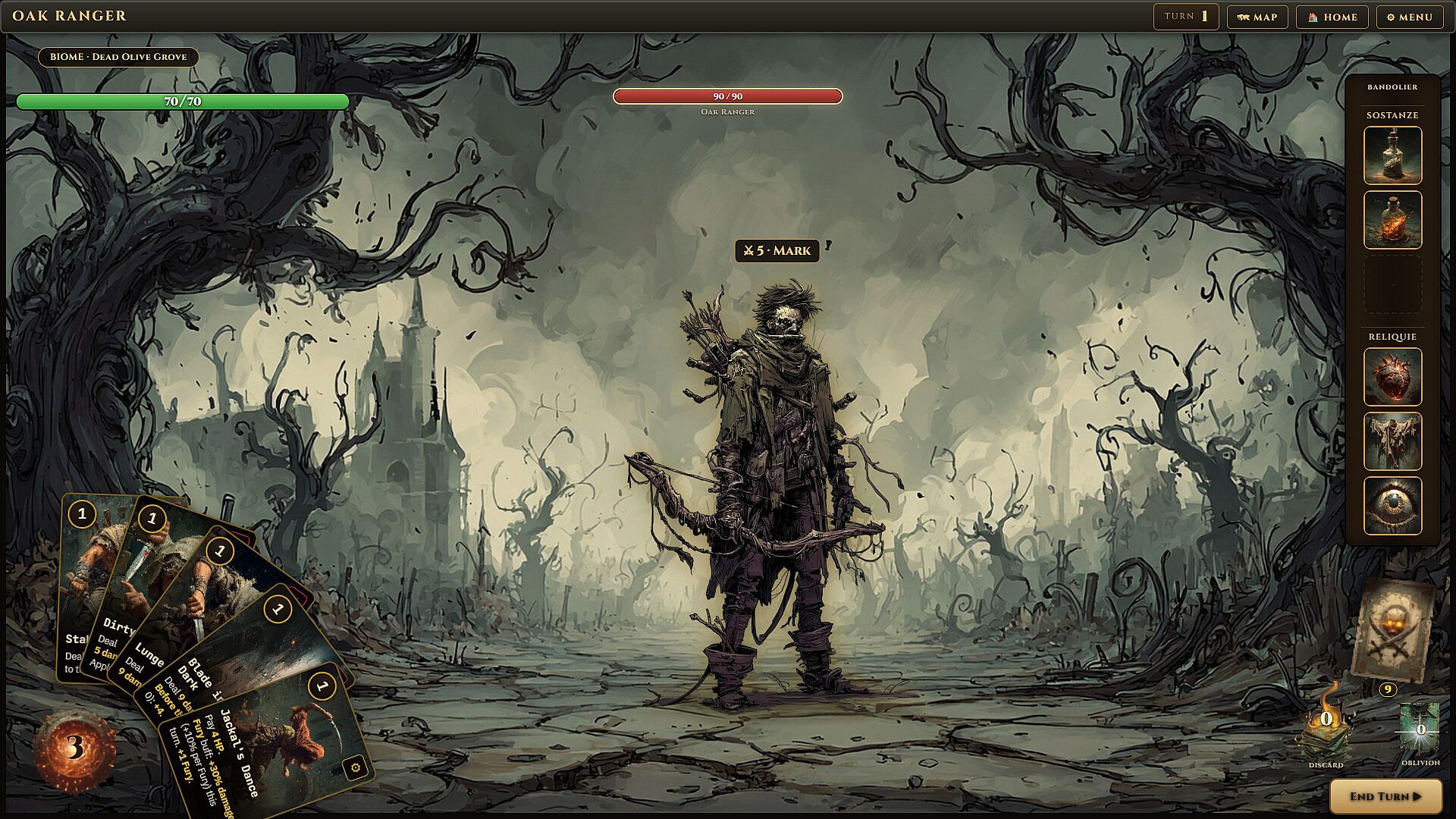
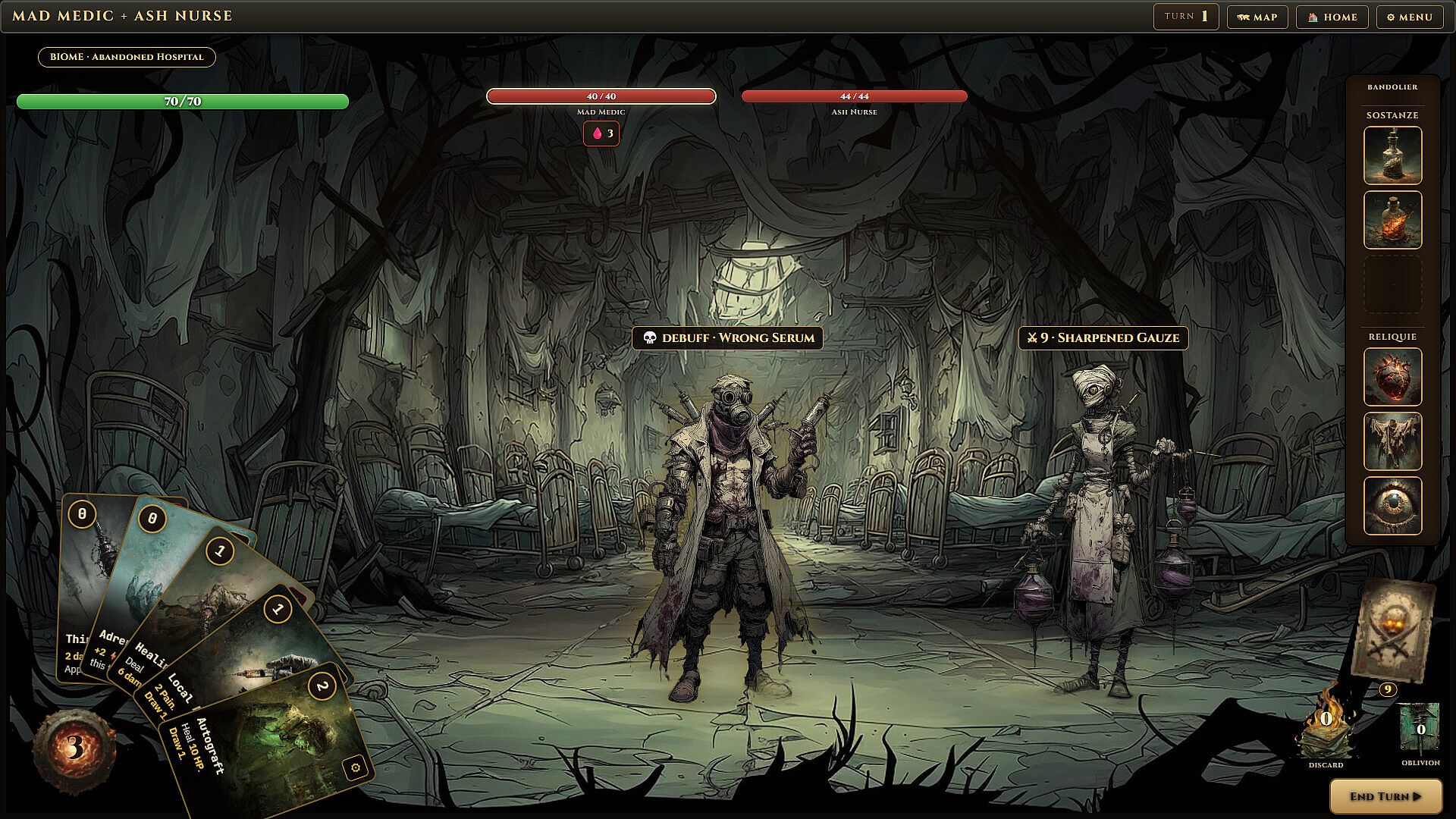
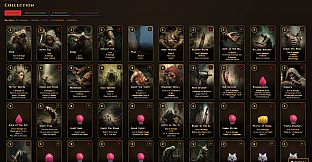
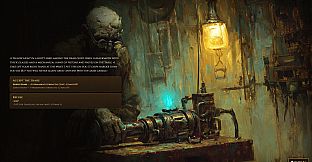
Ultima Cenere stands out as a turn-based roguelike deckbuilder that blends strategy and role-playing elements in a post-apocalyptic setting drawn from Italy. Players navigate a ruined landscape of overgrown highways and crumbling basilicas, making choices that permanently alter their character across repeated runs. The core loop centers on survival through careful deck management and resource decisions rather than simple power growth.
Gameplay
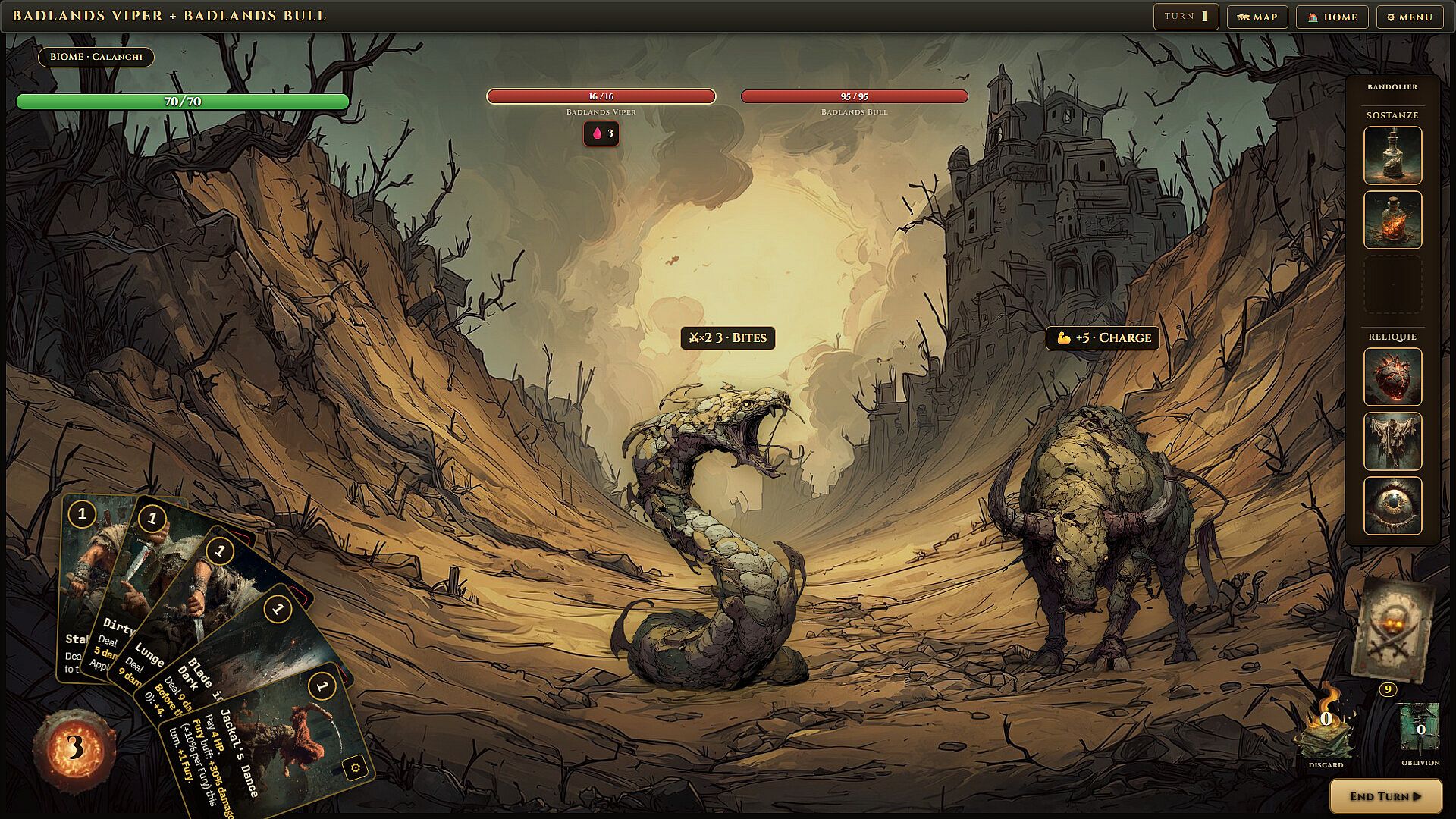
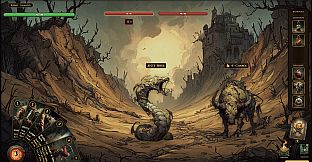
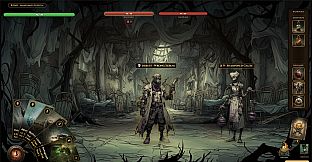
Combat unfolds in turns with a drag-and-arrow targeting system that lets players direct attacks precisely. Effects like cumulative bleed build over time, while blocks and dodges provide defensive options against enemies that each carry distinct signature abilities. The map regenerates with every attempt, presenting fresh combinations of fights, elite encounters, events, ambushes, and merchants. Between major sections lie the tunnels of the Dead Line, which add further layers of risk and reward.
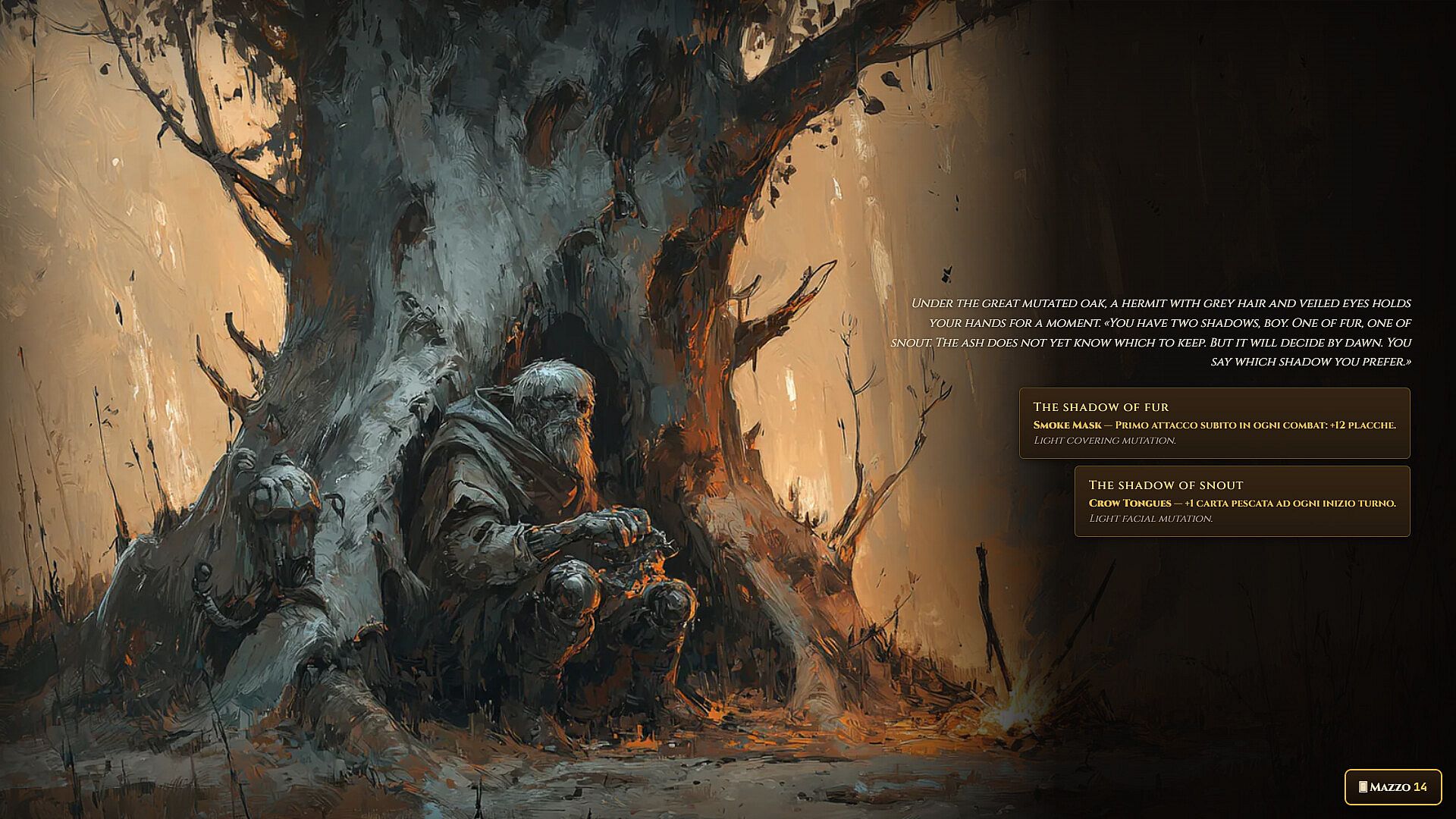
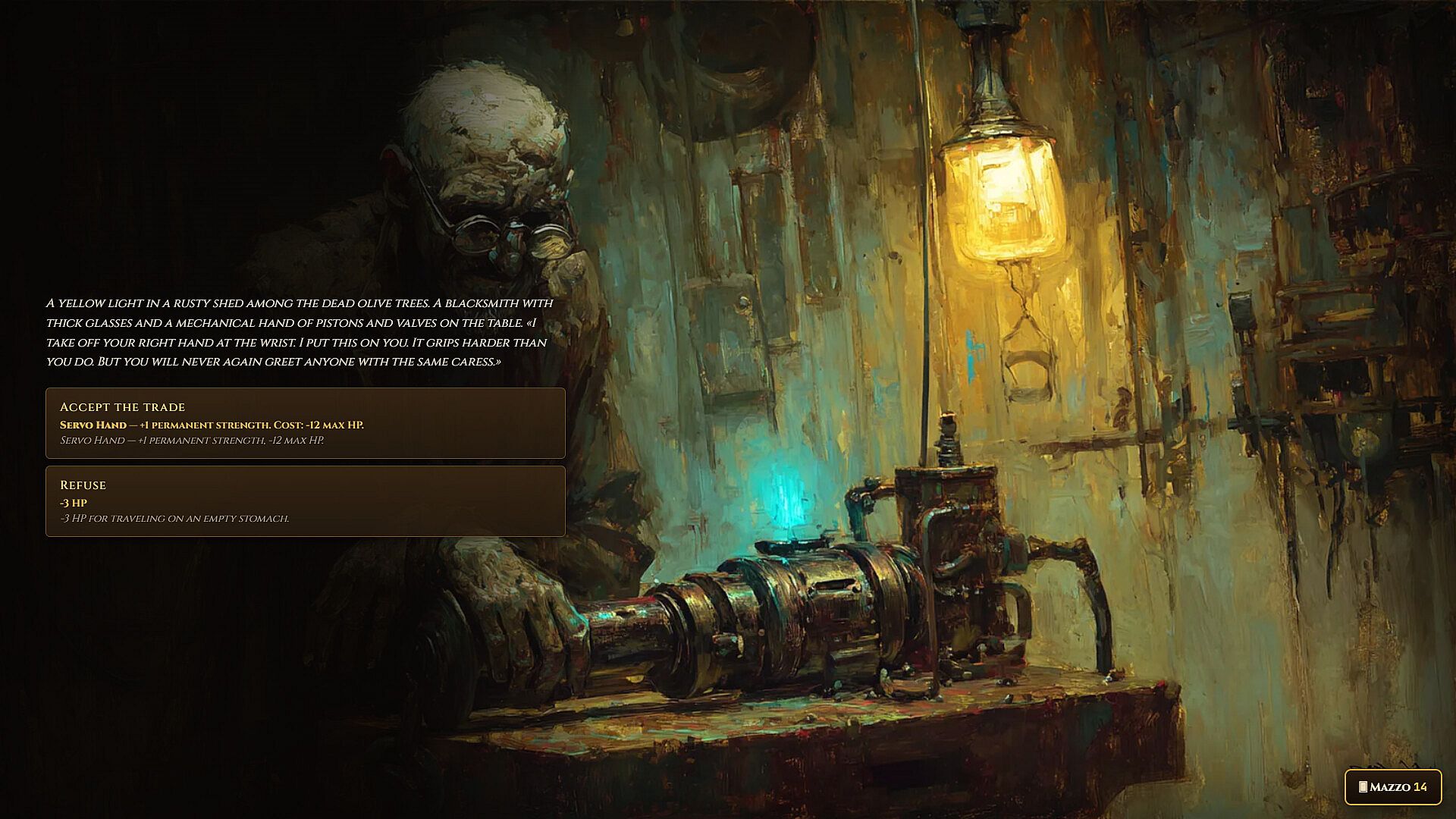
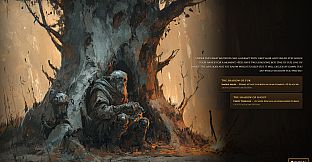
Two primary systems drive character change. Mutations occur automatically as the ash rewrites the body and modifies the deck through additions, removals, upgrades, or weakenings. These changes arrive without player input, forcing adaptation to an evolving set of cards and traits. Anatomical trades work differently, allowing deliberate exchanges where a player sacrifices human body parts in return for ash-smith implants that deliver specific bonuses alongside clear drawbacks.
Every decision carries lasting consequences. The game emphasizes loss as a central theme, with no option to reverse alterations once made. This setup rewards players who plan around uncertainty and accept that survival often requires permanent trade-offs in capabilities and identity.
Game Modes
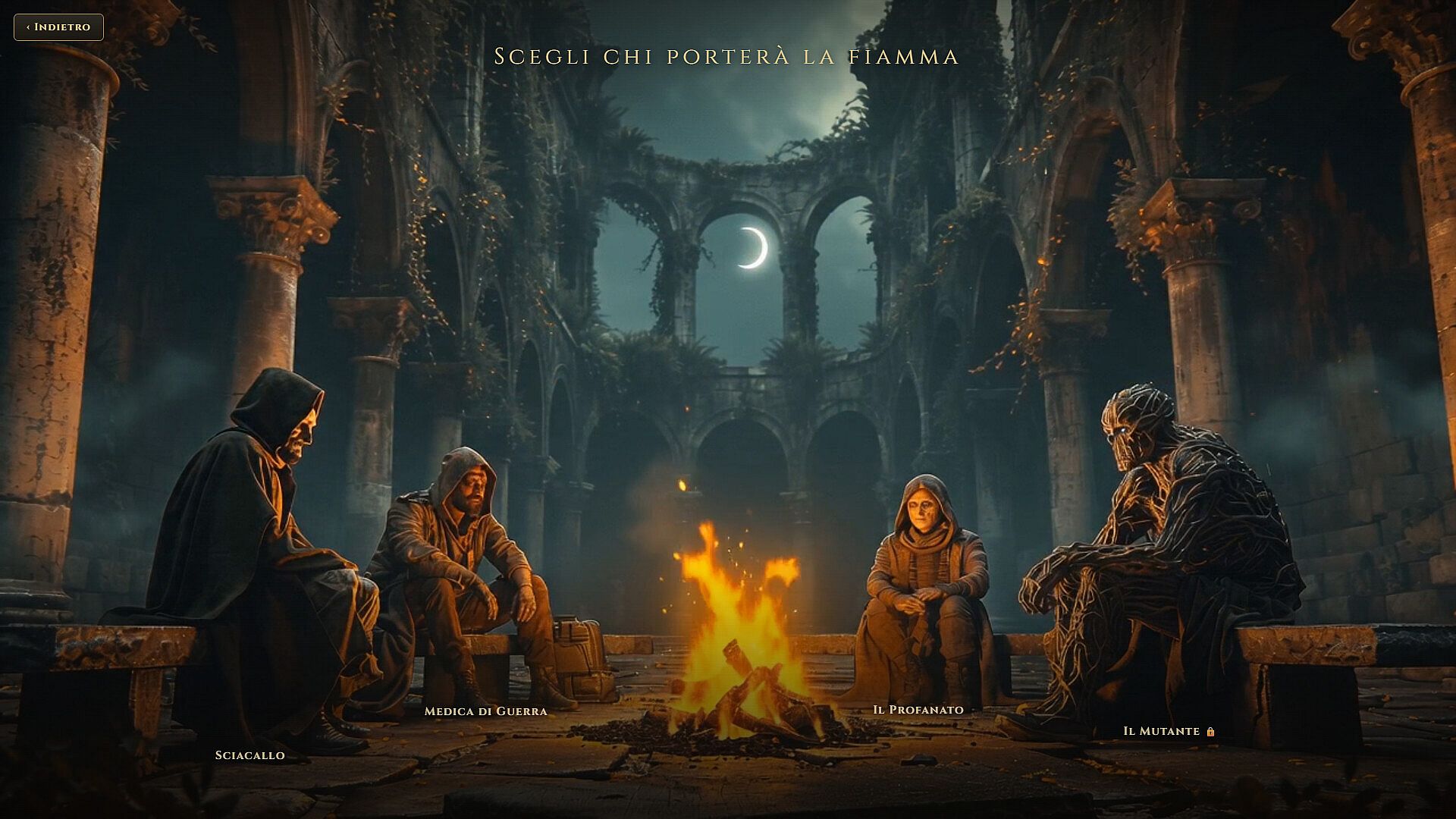
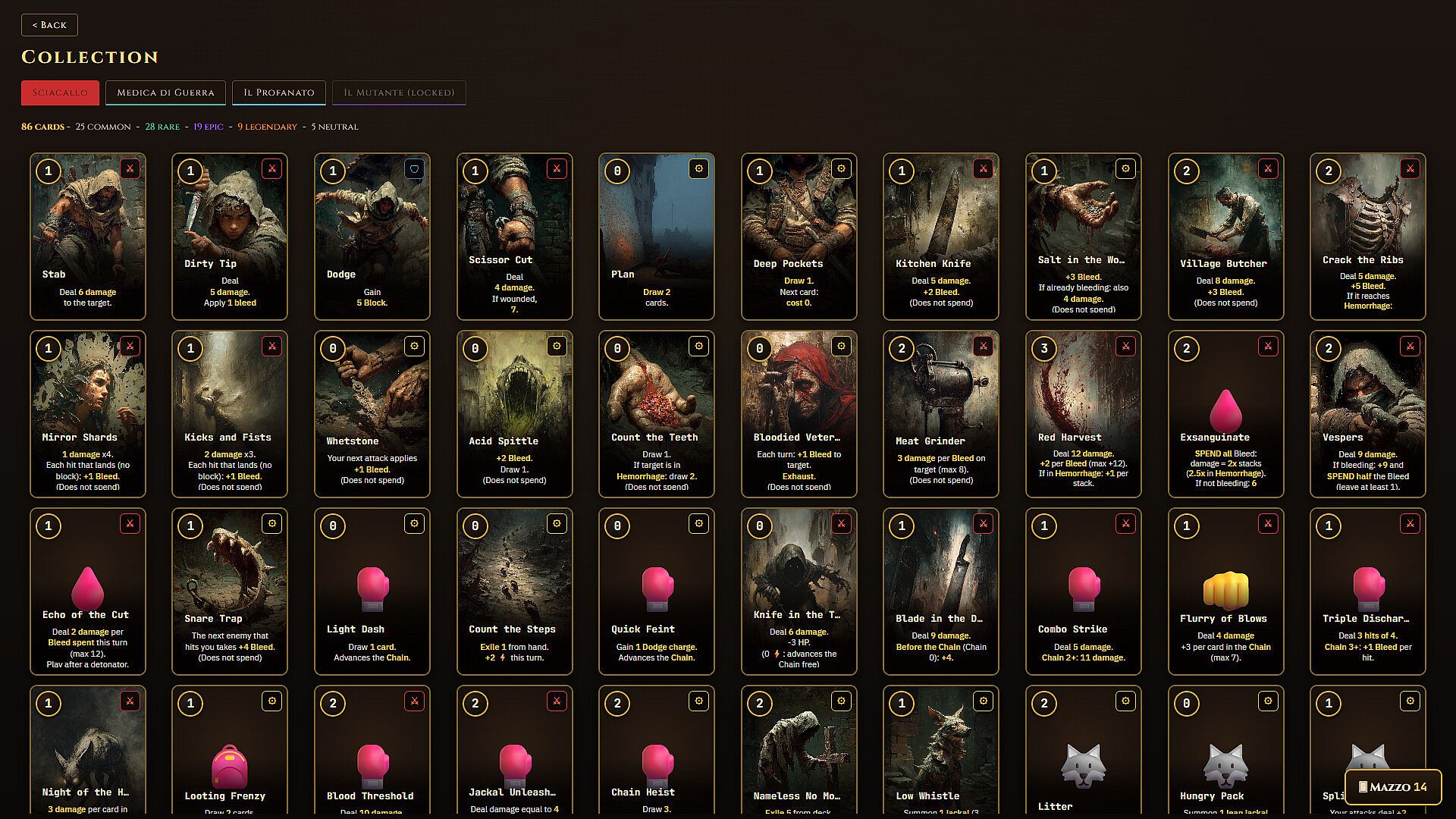
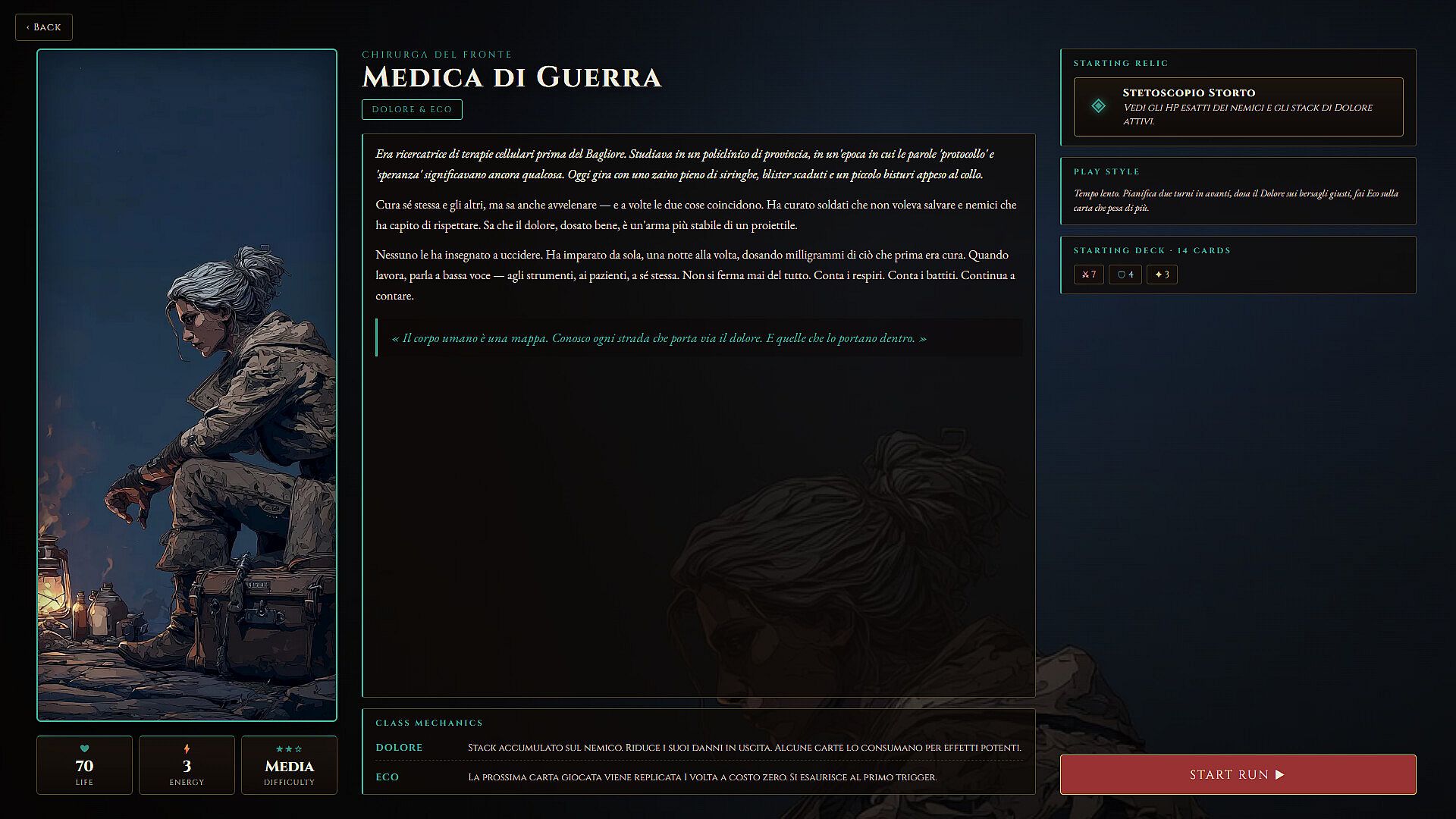
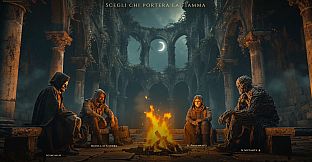
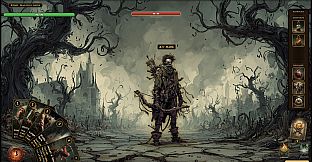
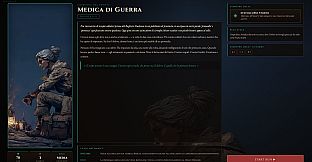
Ultima Cenere offers four distinct archetypes that shape how each run unfolds. The Jackal operates as a lone scavenger focused on speed and fragile positioning, building bleed effects and scaling combos through aggressive play. The War Medic functions as a frontline surgeon who manages pain, healing, and slow detonations, favoring deliberate planning over rapid action.
The Defiled takes the form of a soldier of tin, emphasizing slow tanking with embers and plating that make the character nearly unbreakable under sustained pressure. The Mutant draws directly from exposure to the ash, resulting in a deck that mutates continuously during play and suits those comfortable with high-risk variability.
These archetypes alter starting conditions and progression paths without introducing separate multiplayer formats. All activity remains single-player, centered on individual runs that test different approaches to the same core systems of mutation and trade.
The Setting and Narrative Weight
The world presents a grounded vision of collapse where Italy has ended, leaving behind gutted structures and dust-choked suburbs. Players move toward a final enclave, but progress demands giving up pieces of the self through the mechanics described earlier. Events and encounters carry narrative weight tied directly to these sacrifices, reinforcing the idea that nothing comes without cost.
Exploration follows a regenerating structure that keeps each attempt distinct. Merchants and special locations appear in varying configurations, encouraging repeated play to discover new interactions between the chosen archetype and the evolving deck.
Development and Philosophy
A single Italian designer created Ultima Cenere, working at night with artificial intelligence tools as an assistant while retaining full control over mechanical and narrative decisions. The result is a compact experience built around ethical considerations in game design, including the absence of loot boxes or pay-to-win elements.
The project avoids any systems that penalize players for not spending money. Instead, it focuses on asking how much a person is willing to sacrifice for survival, a question embedded in every mutation and anatomical trade.
Is It Worth Playing?
Ultima Cenere targets players who enjoy roguelike deckbuilders that prioritize meaningful loss over straightforward progression. Its single-player structure and emphasis on transformation through forced and chosen changes set it apart from titles that focus solely on accumulation of power.
The planned release in Q4 2026 means the game remains in development, with no current player reviews or live updates available. Those drawn to indie strategy experiences that explore themes of identity and cost may find the approach compelling once it launches. The absence of monetization mechanics beyond the base purchase aligns with a focus on core gameplay rather than ongoing revenue features.
Overall, the title suits individuals seeking deliberate, choice-driven runs in a setting that treats survival as a series of irreversible decisions rather than heroic escalation.











