




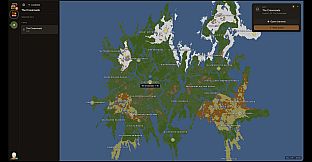
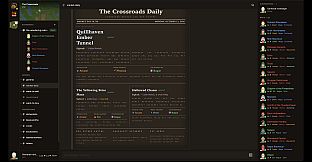
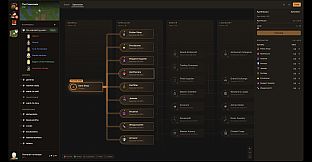
Uncommon Rares is an indie RPG simulation game that places players in the role of a shopkeeper within a shared-world sandbox economy. The title blends simulation mechanics with light RPG elements as players manage inventory, trends, and logistics in a fantasy setting where adventurers seek provisions amid an evolving world. Built for PC, the experience supports both solo play and larger multiplayer interactions through persistent realms.
Gameplay
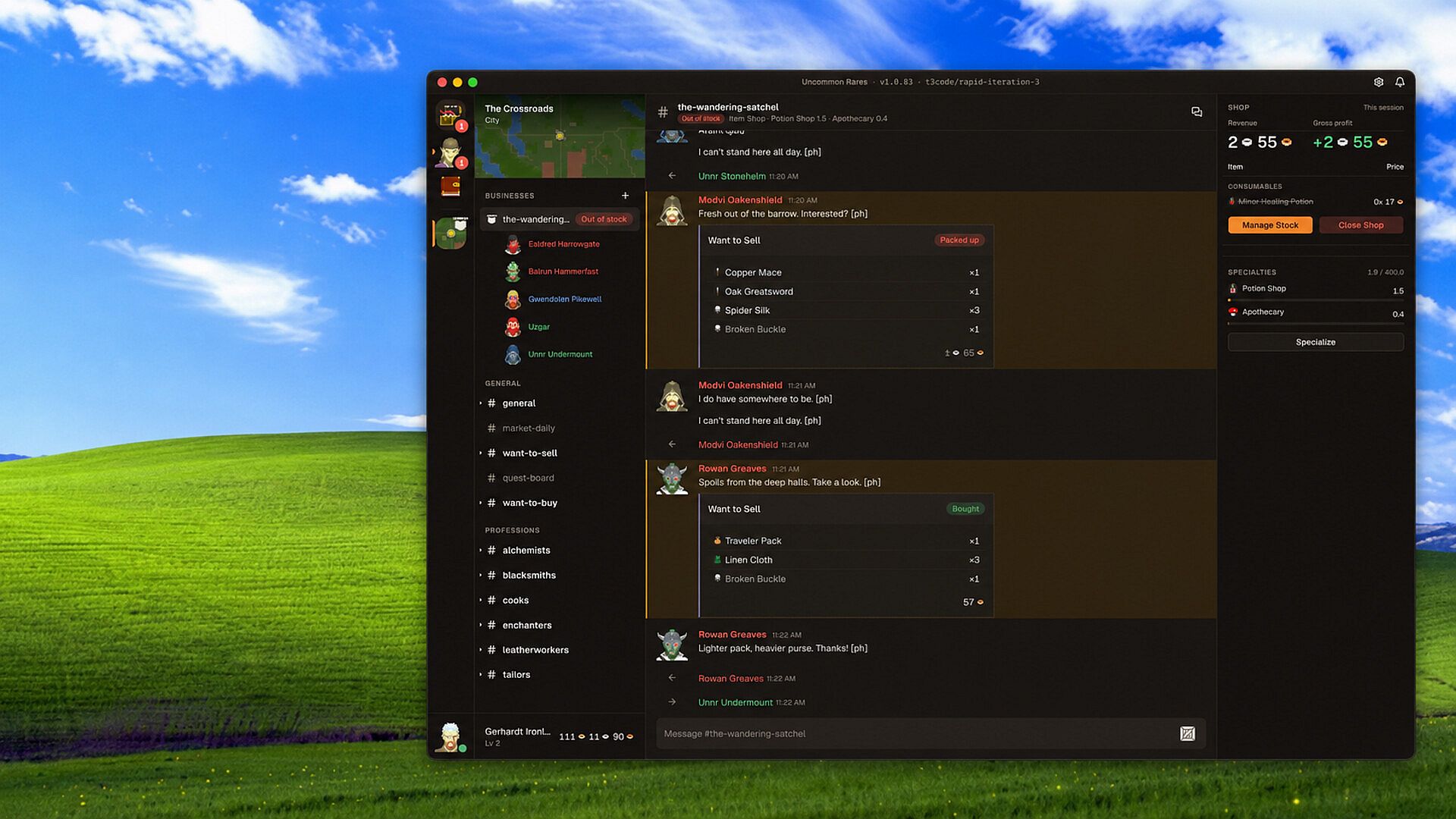
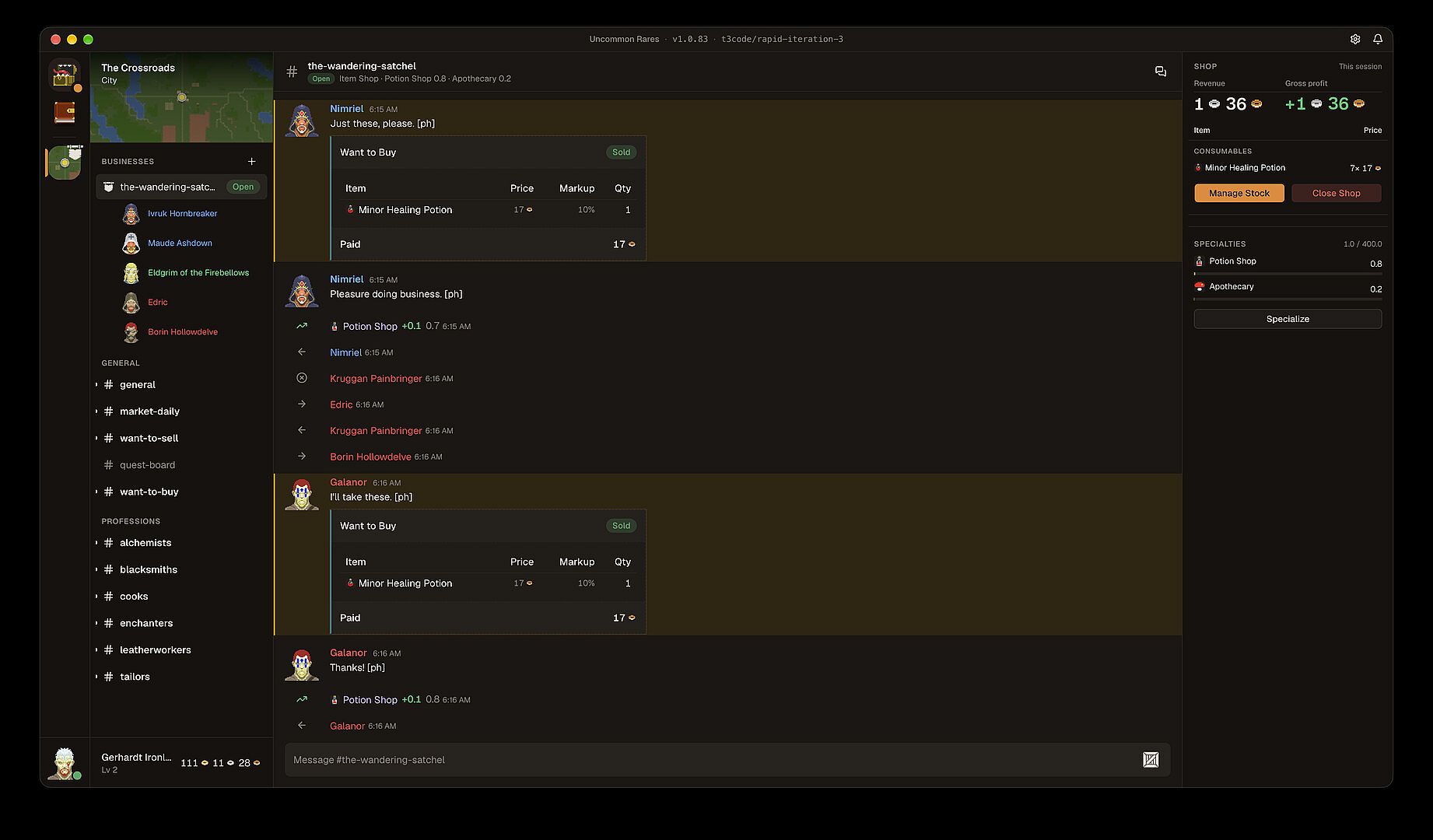
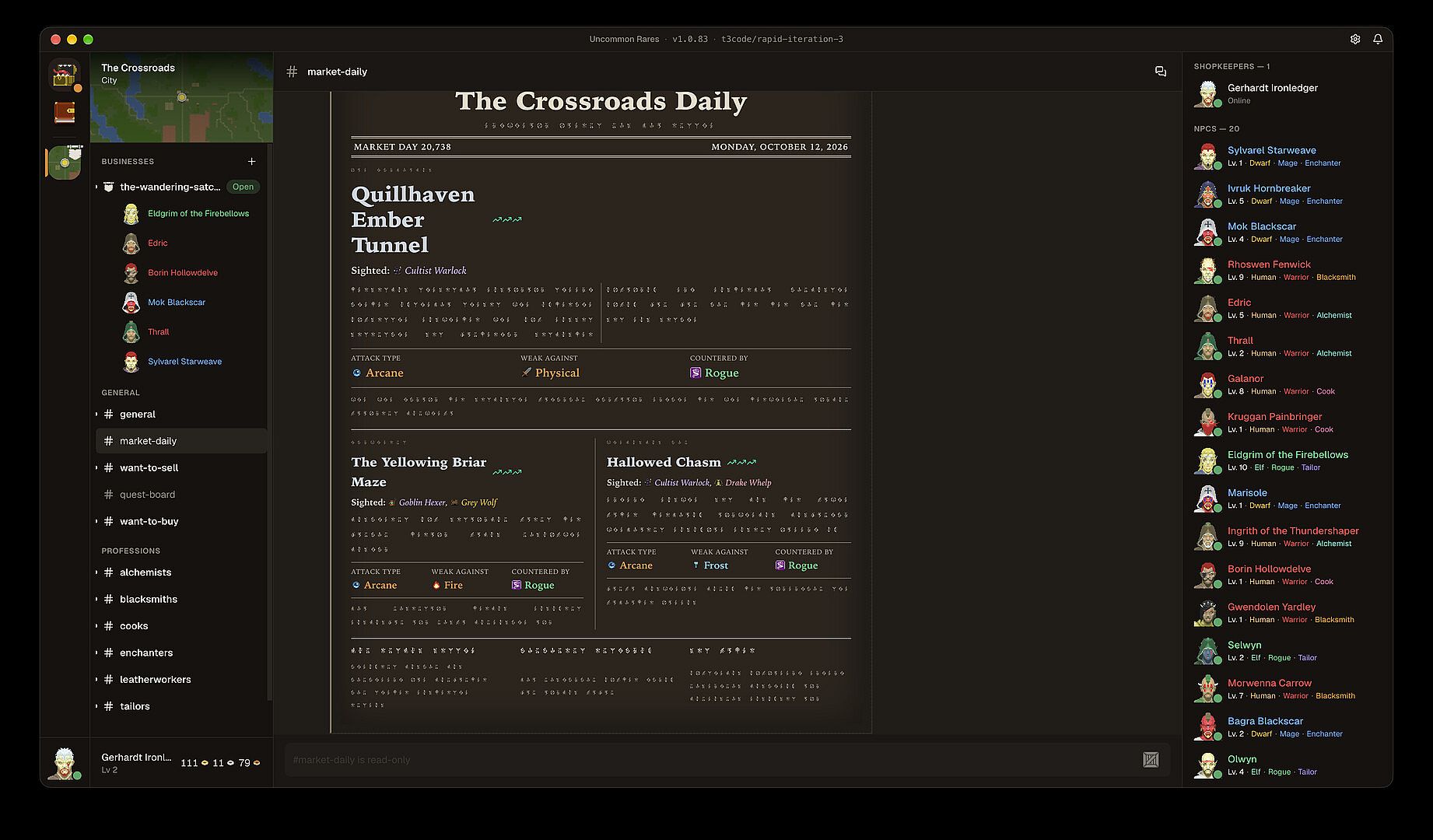
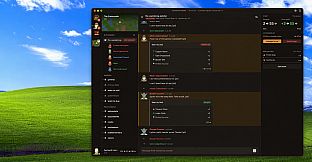
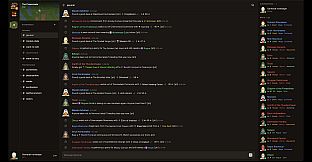
Core gameplay revolves around operating a shop that functions like a persistent channel in a shared environment. Players stock shelves with items that appeal to passing adventurers and fellow participants, adjusting offerings based on shifting market demands driven by new discoveries in dungeons and encounters with various mobs. The economy moves in real time, requiring constant attention to what sells and what sits idle.
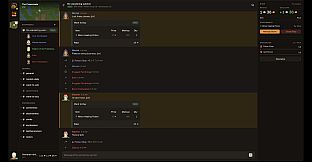
Supply chain management forms another key layer. Players establish connections to source materials and finished goods, then issue work orders to other shops for crafting essentials such as potions, food, armor, and weapons. This creates interconnected logistics that support steady operations and profit margins. Quest creation adds depth, allowing shopkeepers to act as quest givers who commission adventurers for specific tasks that feed back into the broader economy.
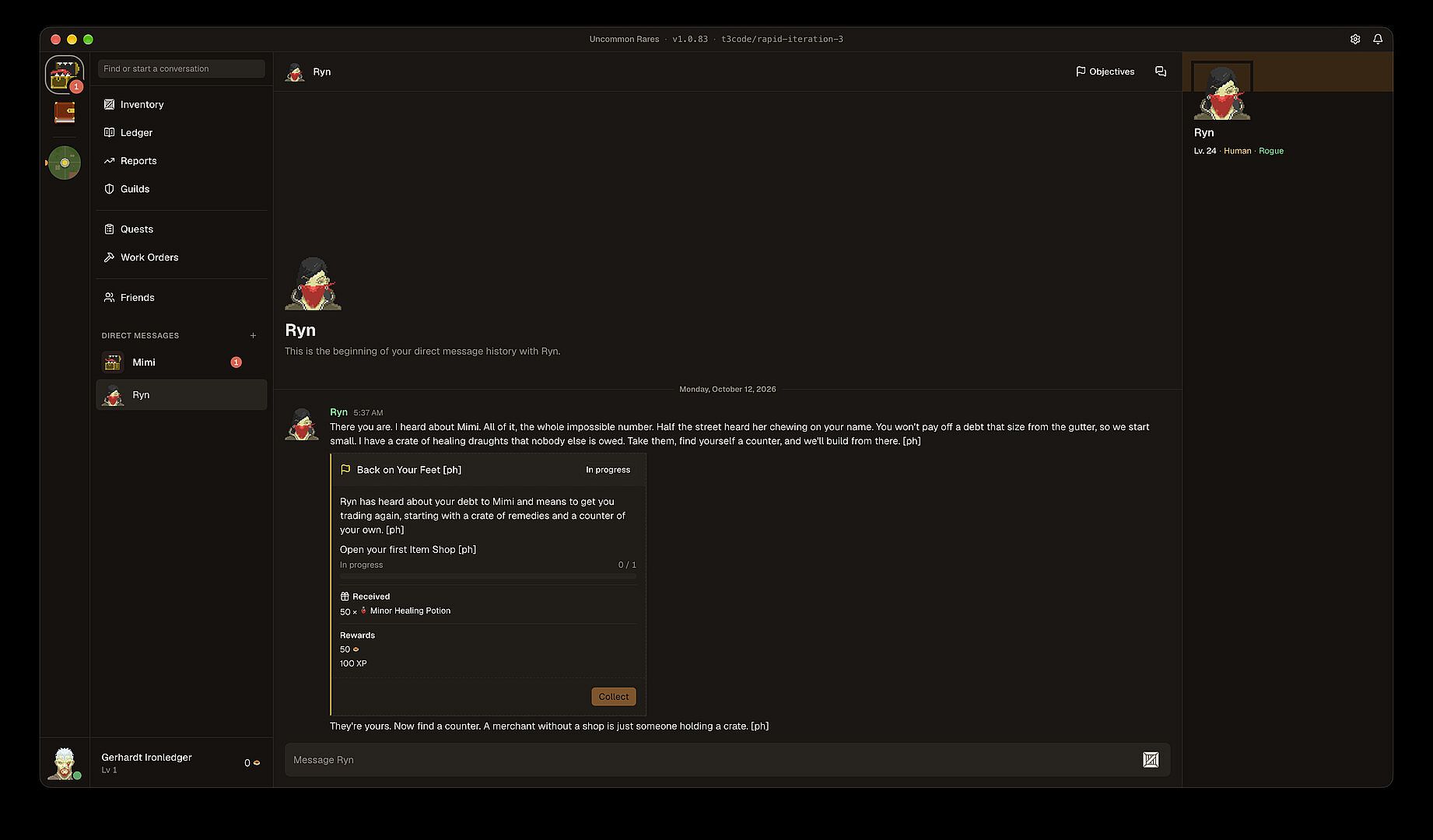
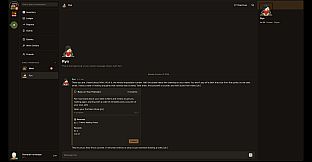
The narrative thread ties these systems together through a personal debt mechanic. A deal gone wrong with a demon Mimic leaves the player owing 44 billion gold, with the creature demanding regular infusions of loot to stay satisfied. Shopkeeping becomes the primary means of generating that value while navigating the constraints of lost powers and limited starting resources.
Game Modes
Two primary modes define access to the world. Singleplayer allows players to run an isolated instance where they control the pace and scale of economic activity without external interference. This setup suits focused experimentation with shop layouts, supply routes, and quest design in a controlled environment.
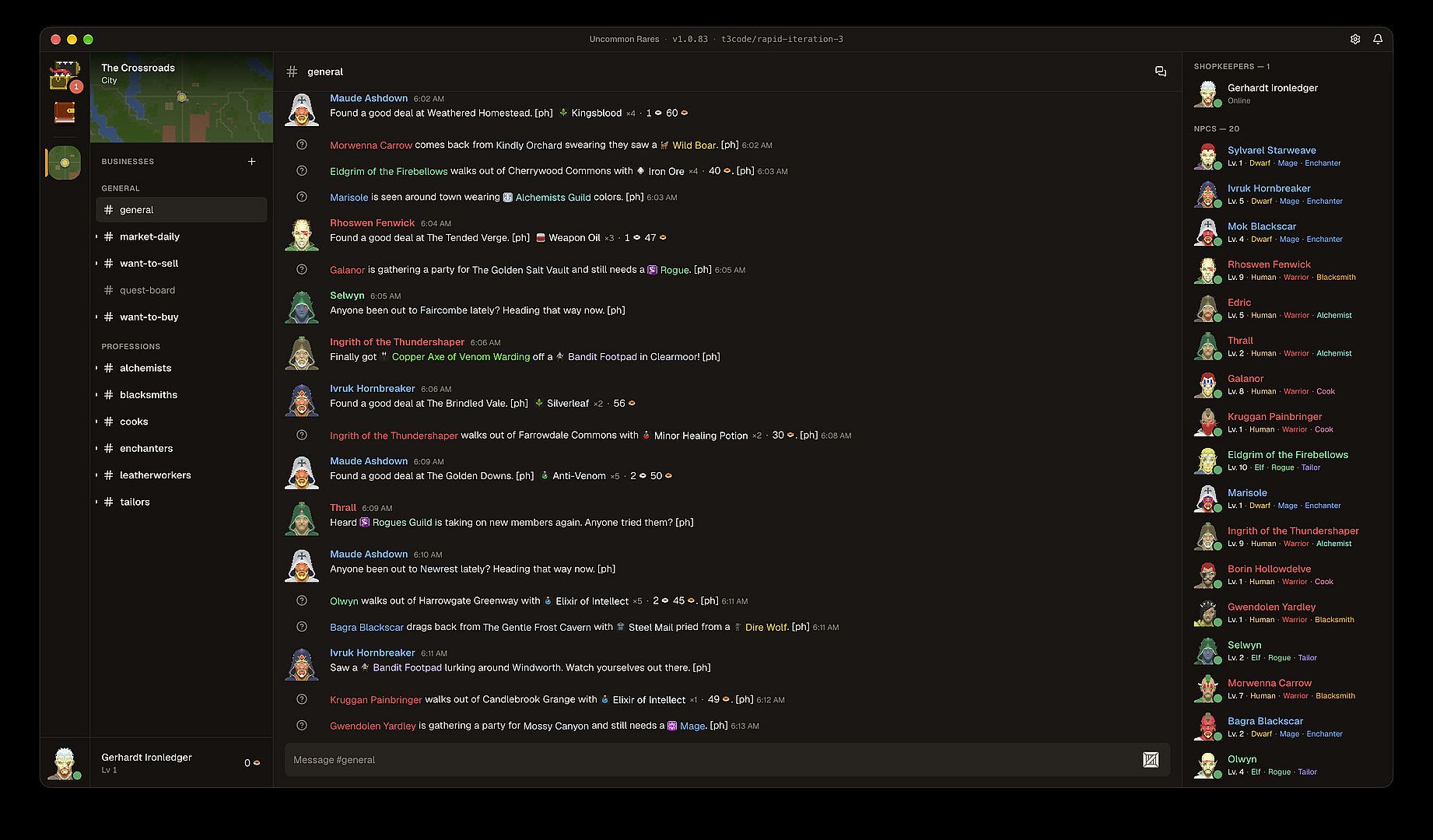
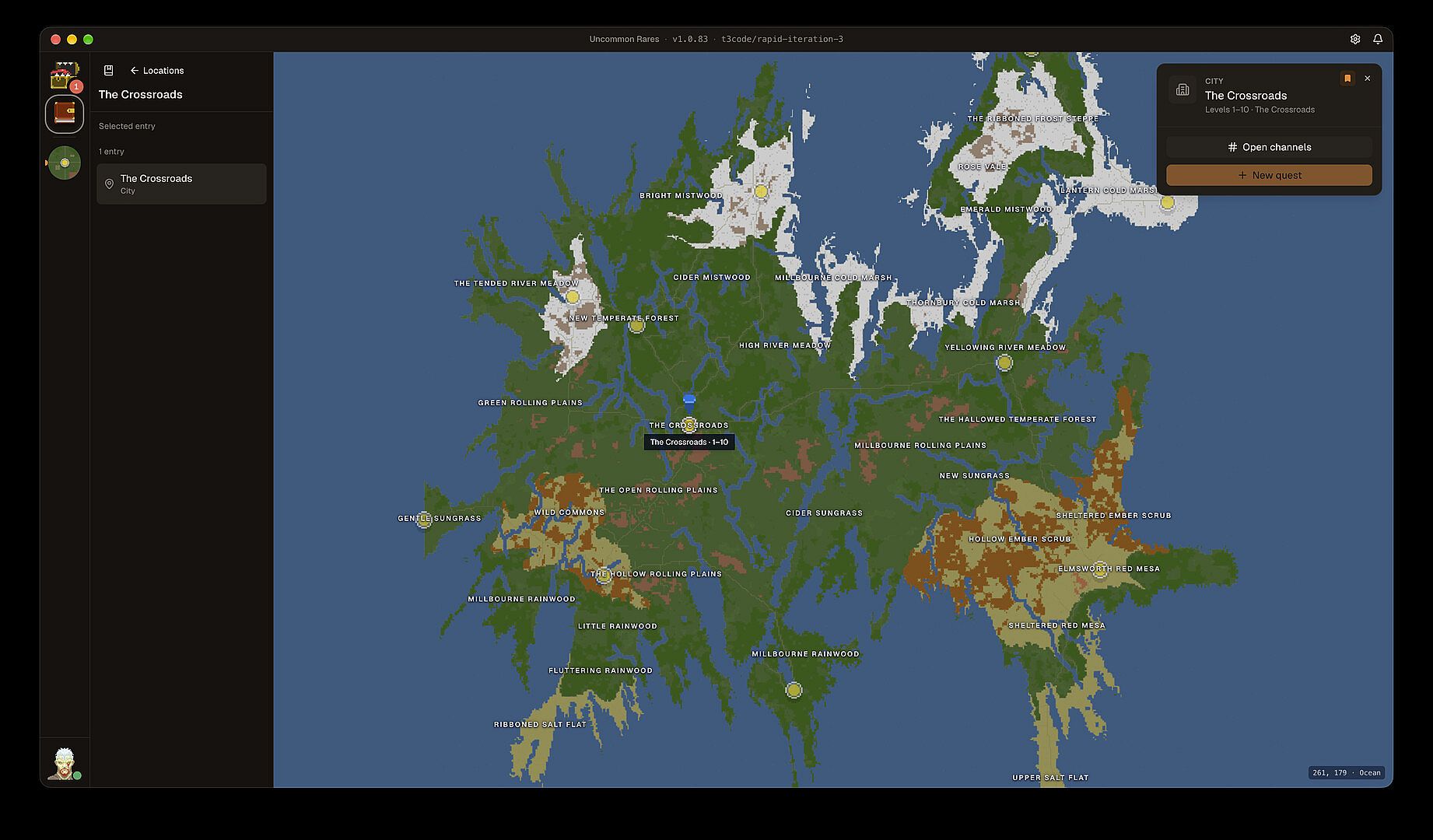
Multiplayer realms open the experience to thousands of simultaneous participants. Shops operate alongside one another in a shared space, with player-driven trades and commissions influencing collective trends. The always-evolving nature of the world means new loot sources and mob behaviors emerge regularly, affecting what every shopkeeper needs to prioritize.
Economy and Progression Systems
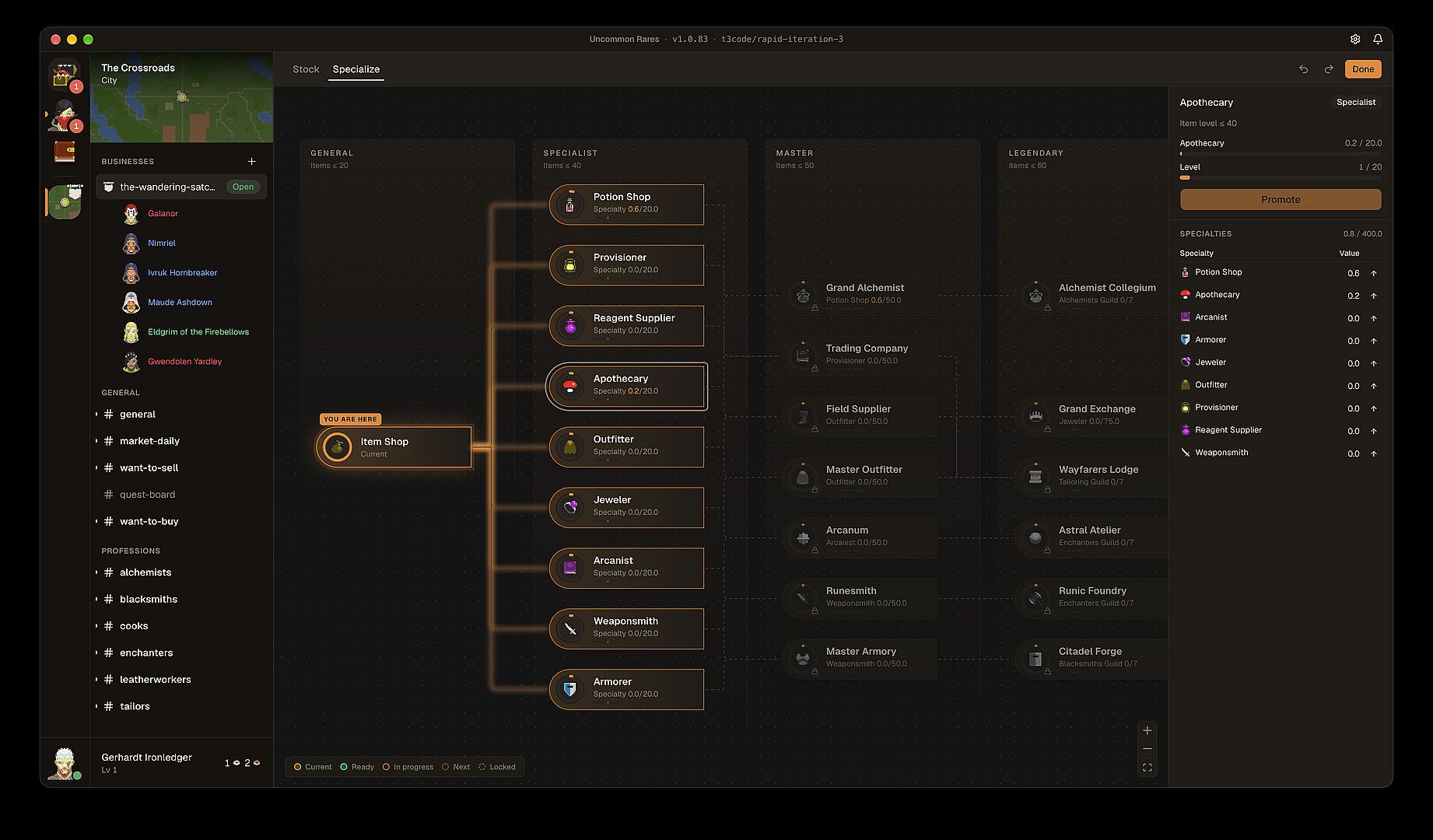
Progression stems from successful trend prediction and efficient logistics rather than traditional leveling. As the shared world introduces fresh dungeons and loot types daily, players refine their stock to match adventurer needs. Specialization emerges naturally through repeated focus on certain item categories or crafting partnerships, building reputation and steady income streams.
Quest and work order tools encourage long-term planning. A well-crafted commission can secure rare components or finished products that would otherwise require direct sourcing, freeing time for shop management and market observation. These mechanics reward foresight and adaptability in a setting where external events constantly reshape demand.
Is It Worth Playing?
Uncommon Rares targets players who enjoy management-focused simulations with economic strategy at the center. The combination of shopkeeping, supply line building, and quest commissioning offers a distinctive loop for those interested in indie RPG simulation titles that emphasize player agency over direct combat. The singleplayer option provides a low-pressure entry point for learning the systems, while multiplayer realms deliver the full shared-world dynamics once the game launches.
Because the title remains in development with no released version or player reviews available yet, any assessment rests on the described mechanics and the appeal of its core fantasy shopkeeper premise. Those drawn to persistent economy sims, logistics puzzles, and light narrative framing around debt and a demanding mimic companion will likely find the concept engaging. The PC release will determine how well the systems hold up in practice once the shared realms become active.












