

Unread is a single-player simulation game that places players in front of an abandoned 1990s computer. The experience centers on exploring a fully functional recreation of an old operating system to uncover a narrative left behind by its previous user.
Gameplay
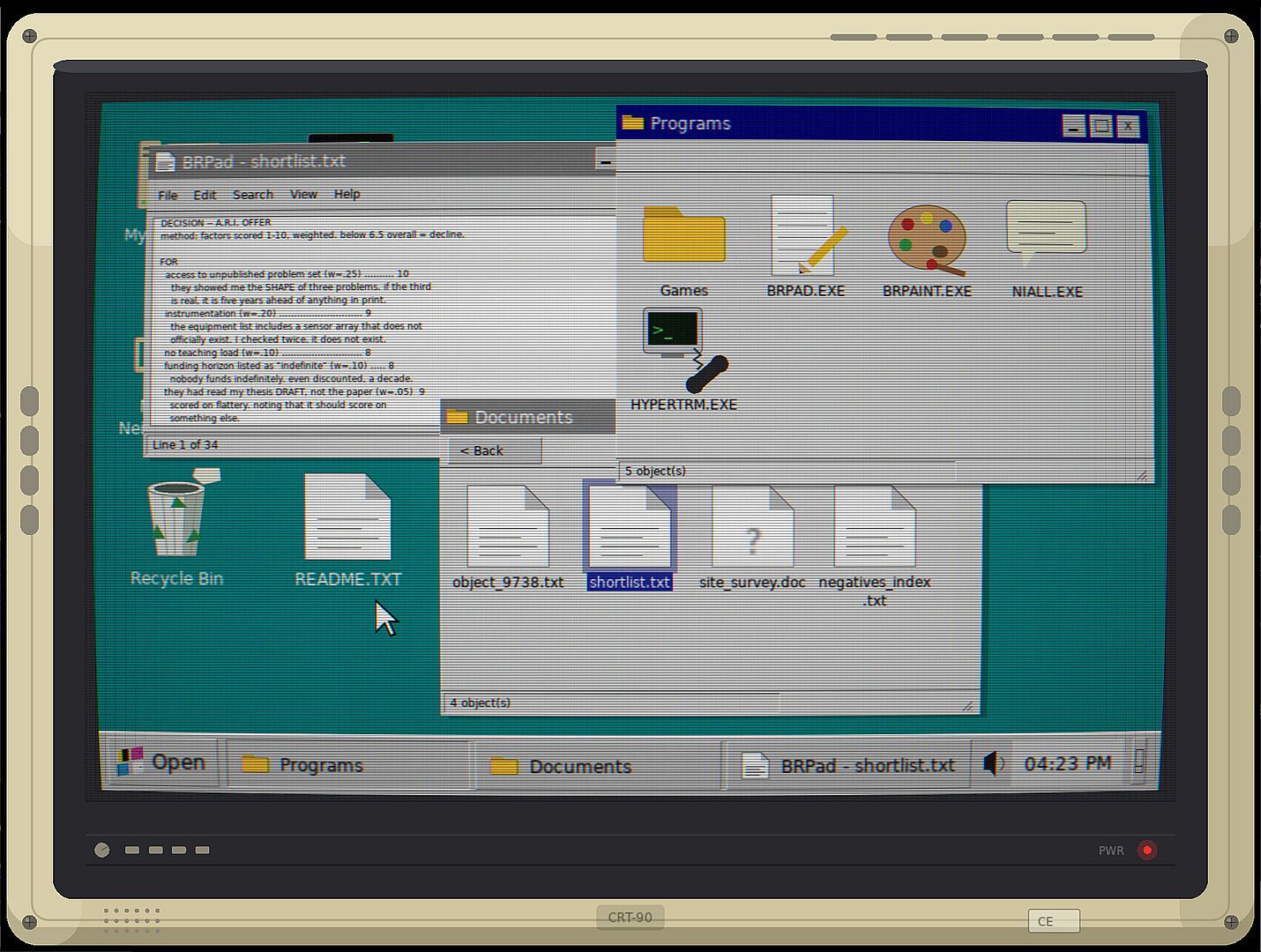
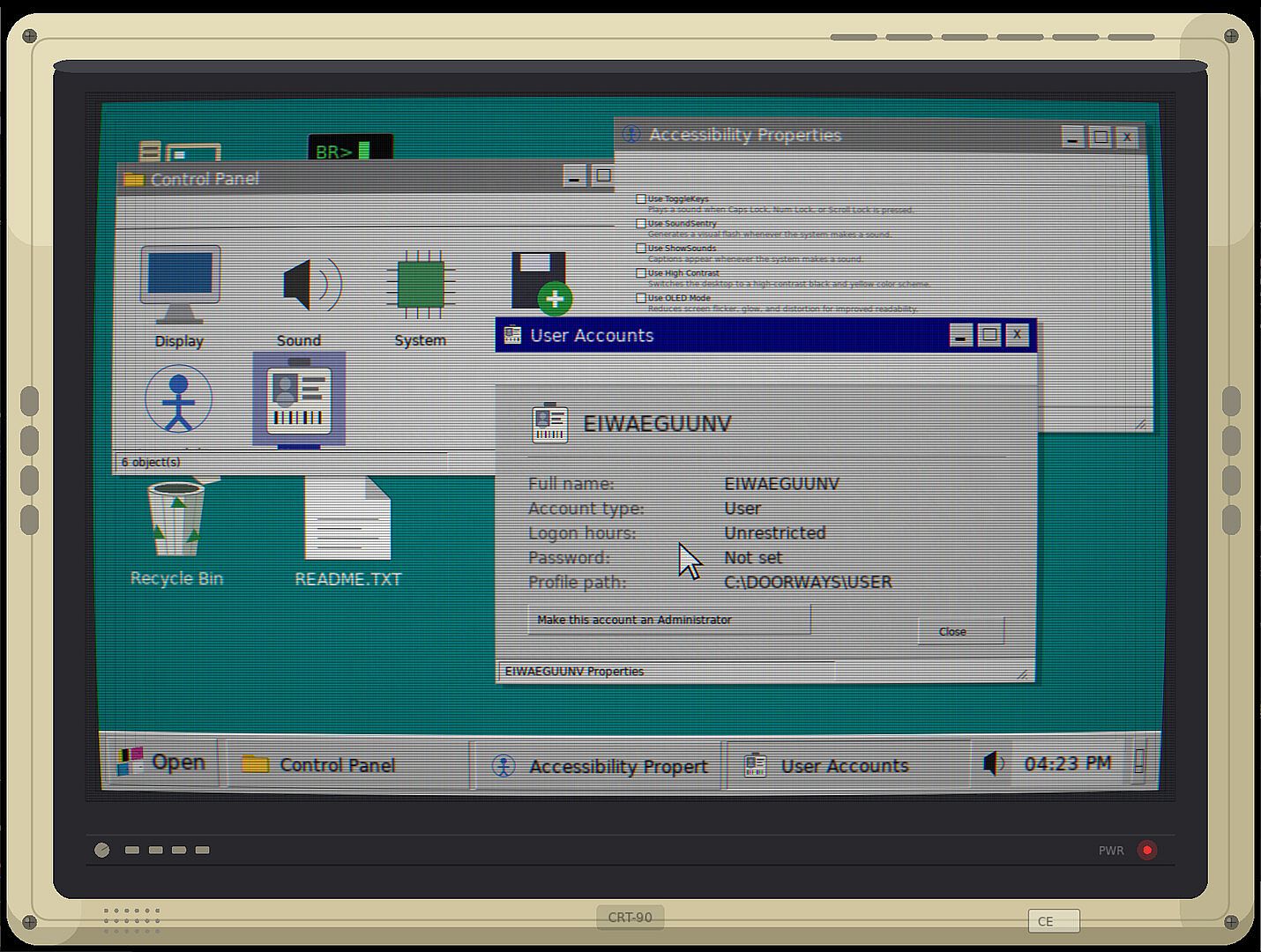
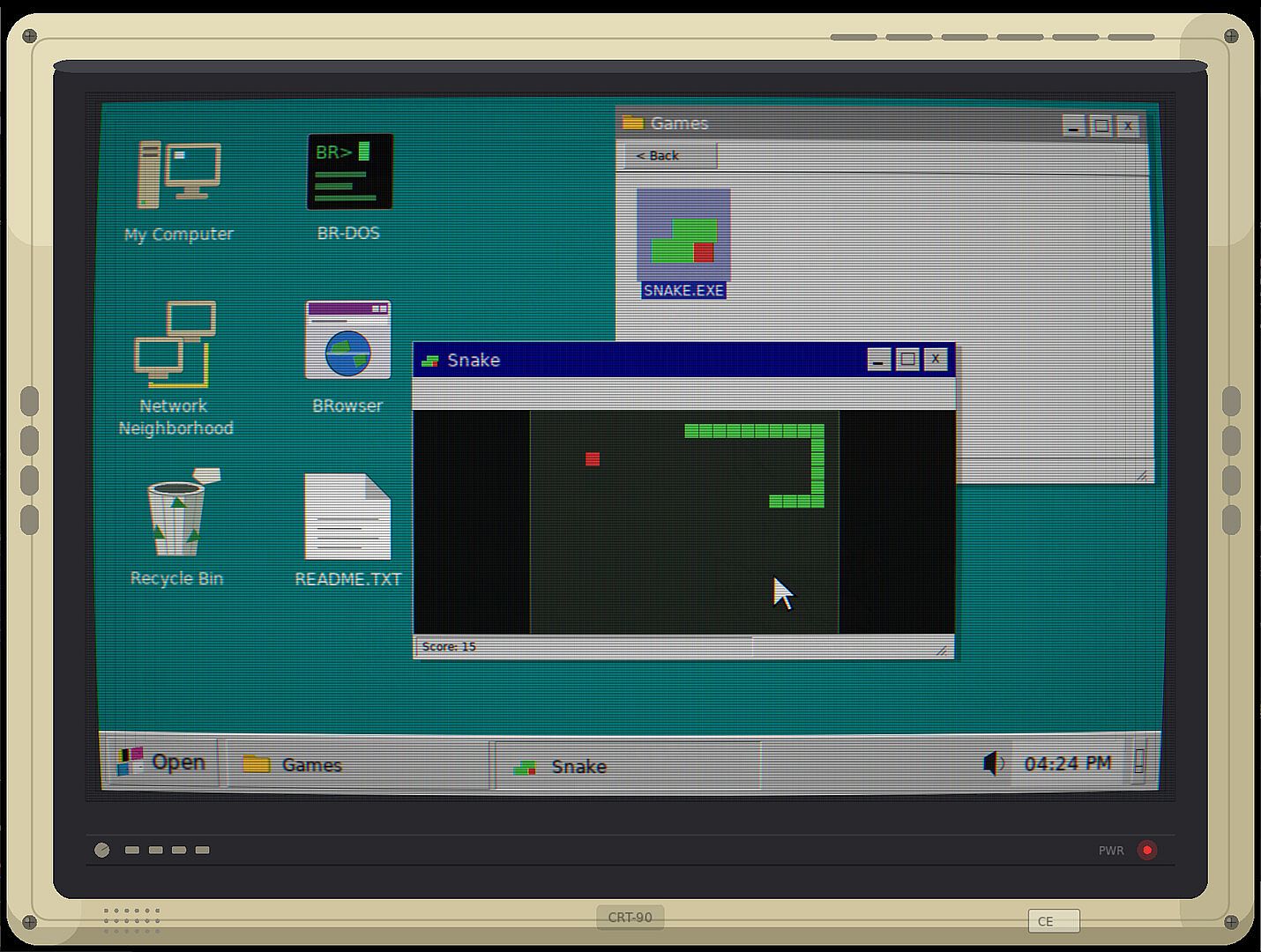
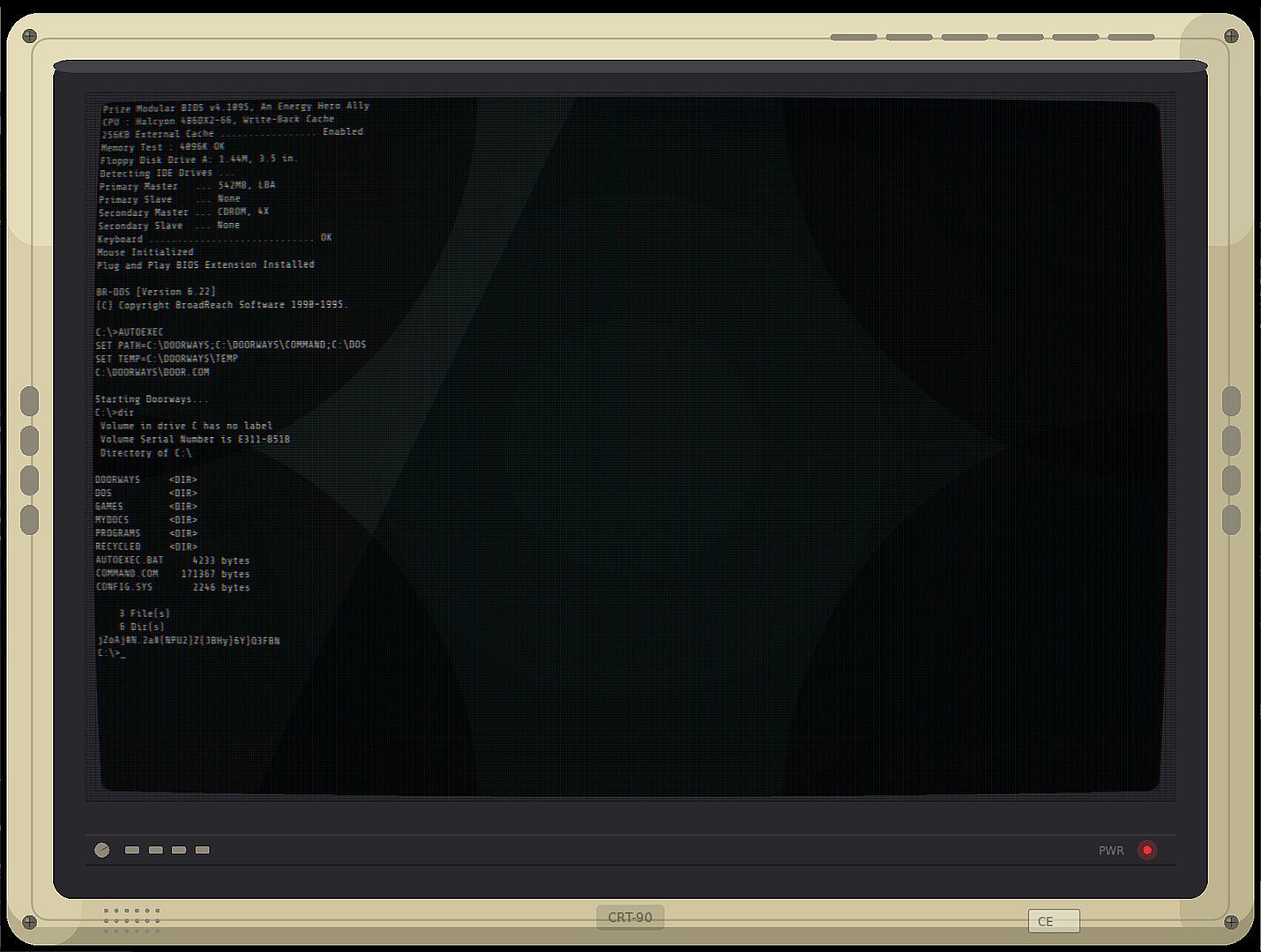
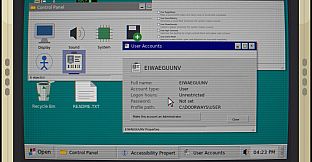
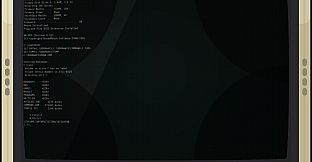
The core loop involves booting into a simulated DOS prompt that transitions to a Windows 95-style desktop environment. Every element functions as it would on a real machine from that era, including folders, programs, the taskbar, Recycle Bin, and Control Panel. Players navigate the file system freely, opening documents, emails, logs, and audio files in any sequence they choose. The interface includes authentic details like a toggleable CRT screen effect that can be disabled through in-game accessibility options for clearer viewing. Interaction feels deliberate and methodical, with nothing serving as mere background decoration.
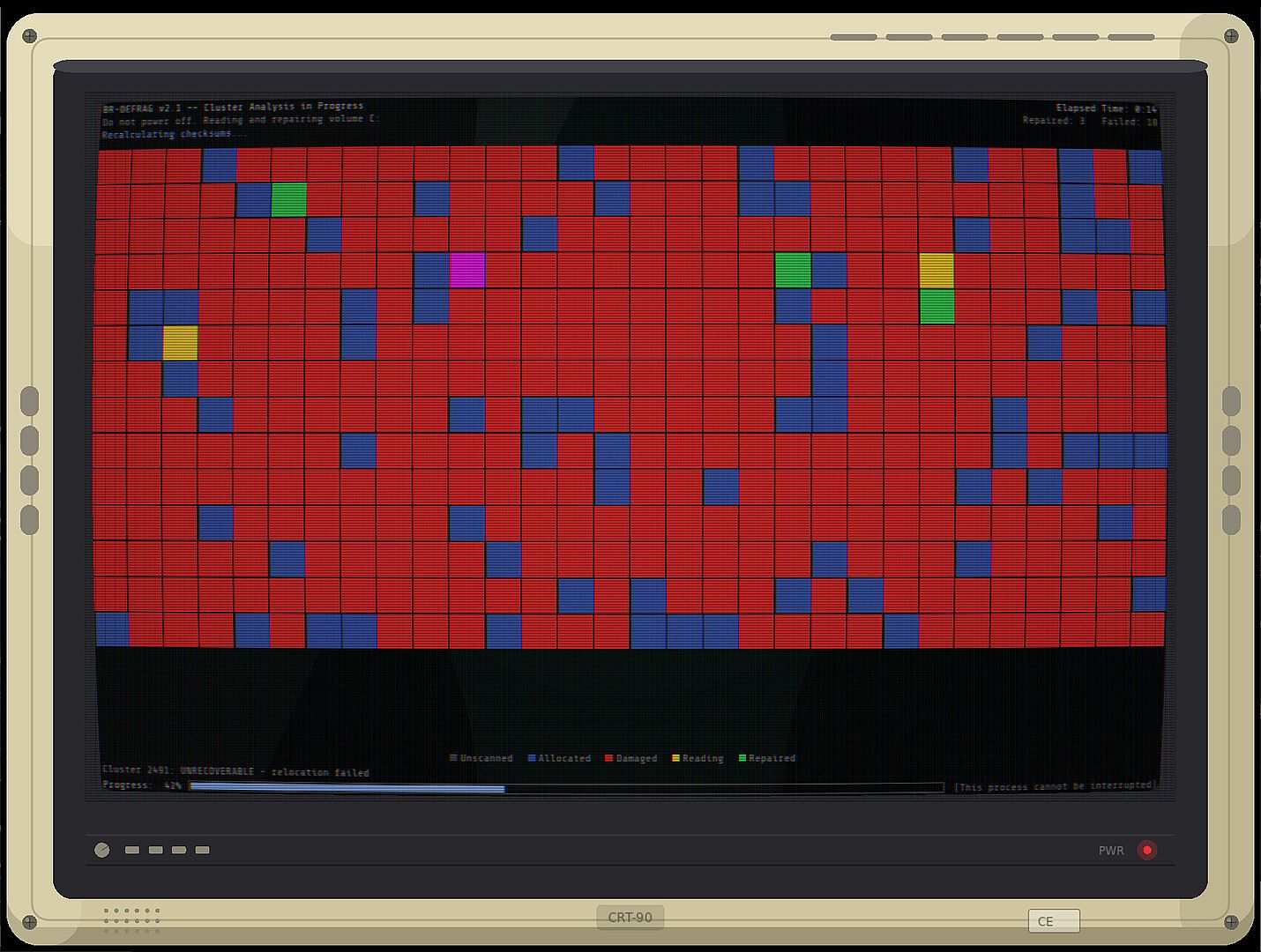
Exploration extends beyond reading text. Certain files reveal additional layers or interactive elements buried within the system. The pace remains unhurried, emphasizing quiet discovery over sudden events. Players set their own rhythm, continuing until they feel satisfied with what they have uncovered rather than following a strict checklist.
Game Modes
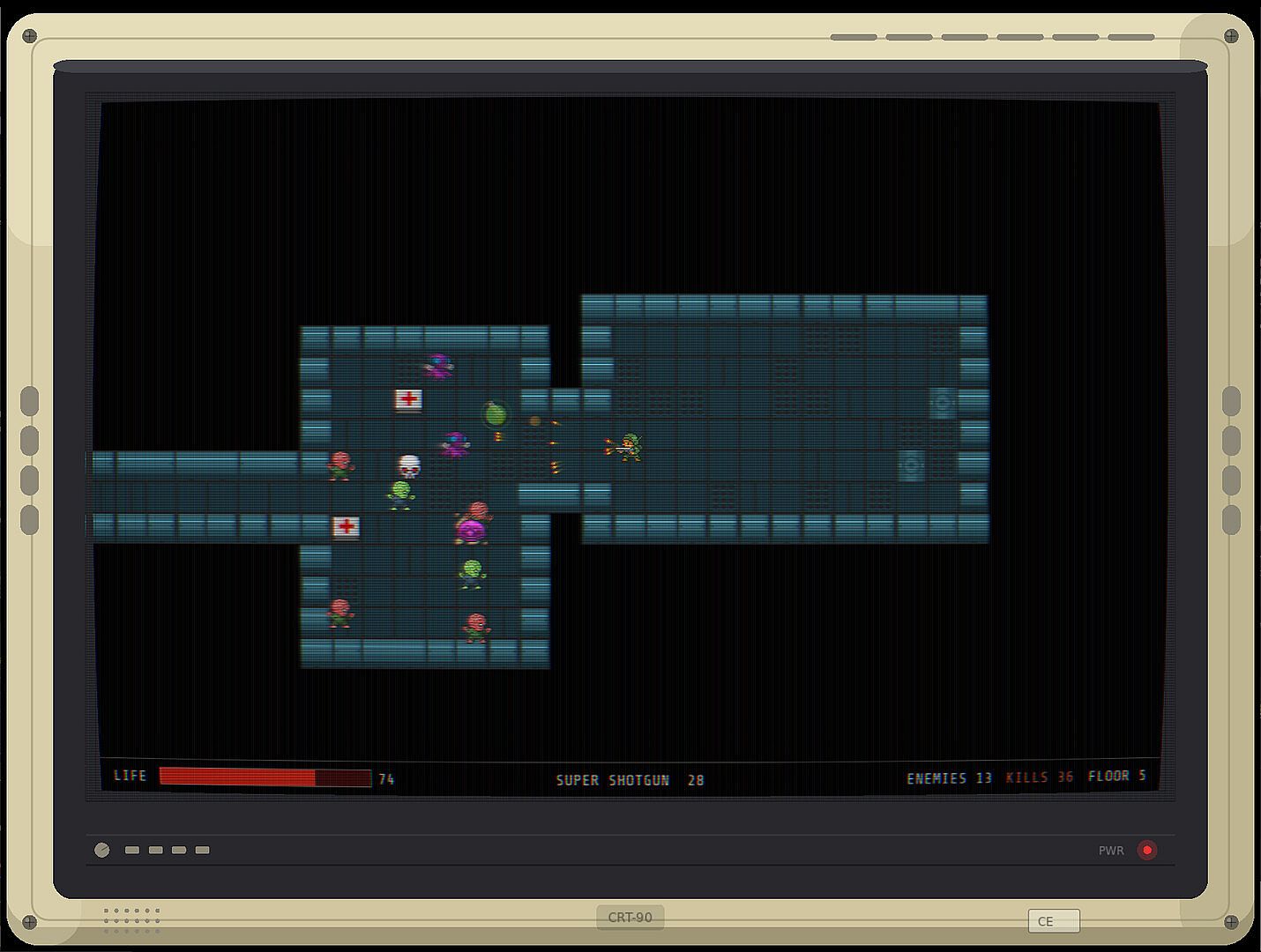
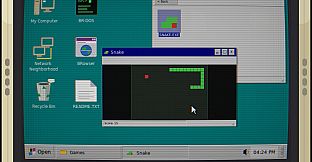
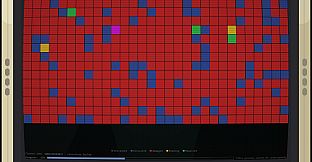
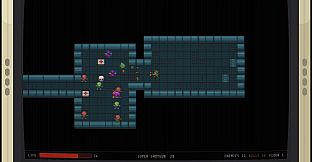
Unread operates as a single-player experience with no separate competitive or cooperative modes. The primary activity is open-ended file system navigation and story assembly through scattered documents and recordings. Within this structure, several hidden games appear in varied genres, accessible only through thorough searching of the simulated desktop and directories. These embedded titles function as optional discoveries that reward careful poking around rather than serving as standalone modes.
Steam Achievements connect directly to exploration milestones, encouraging players to locate specific items or complete certain actions inside the simulated environment. No additional game modes such as multiplayer sessions or seasonal events exist at this time.
Story and Atmosphere
The narrative unfolds without direct exposition. Details emerge from emails, documents, logs, and other remnants left on the machine. Players piece together events in whatever order they encounter the files, allowing personal interpretation to shape the emerging picture. This approach creates a sense of quiet unease rather than overt tension, focusing on the implications of what someone left behind.
Audio recordings add another dimension to the discoveries. The overall tone stays measured and introspective, suited to those who prefer atmospheric exploration over fast action or explicit scares.
Is It Worth Playing?
Unread suits players interested in simulation and casual exploration titles that reward patience and attention to detail. The fully interactive desktop and file system provide a distinctive way to engage with the material, while the hidden games offer variety for those who enjoy uncovering extras through natural play. Since the game remains unreleased with no user reviews available, expectations rest on the described mechanics and single-player focus. Those drawn to slower-paced experiences centered on discovery and atmosphere will likely find the simulation engaging once it launches. Availability as a free-to-play title on PC further lowers the barrier for trying the core loop of navigating the old operating system and assembling the story.