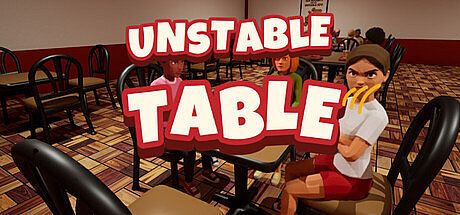


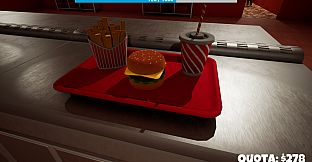
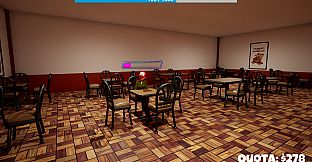
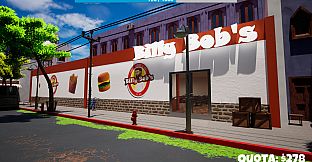
Unstable Table is a physics-based restaurant management simulator that combines action, strategy, simulation, and light RPG elements on PC. Players take on the role of a server handling a chaotic lunch rush filled with demanding customers known as Karens and Boss Karens. The core challenge comes from fragile physics interactions rather than complex recipes, as trays tip, burgers disassemble on impact, and spills create real hazards.
Gameplay
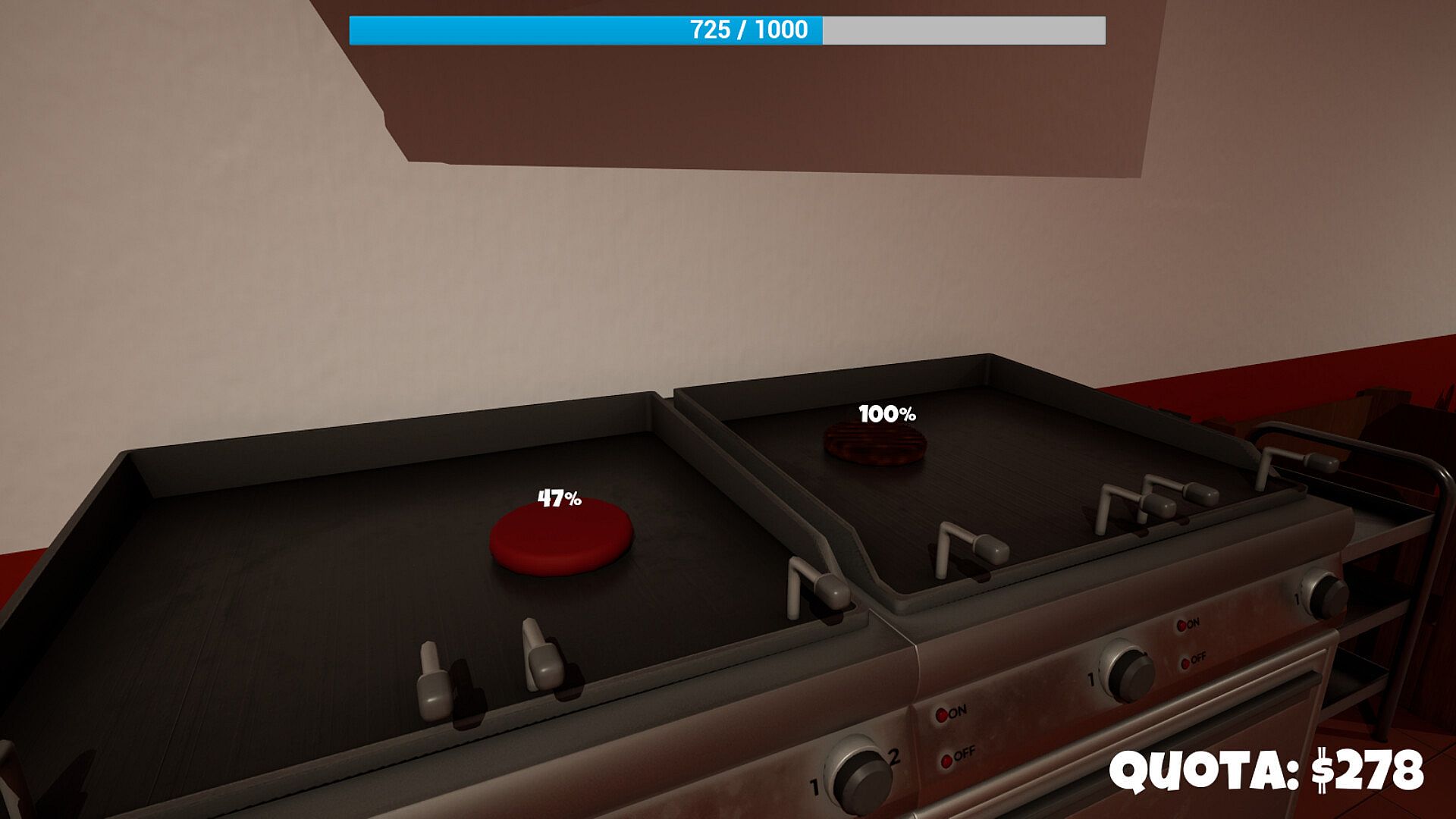
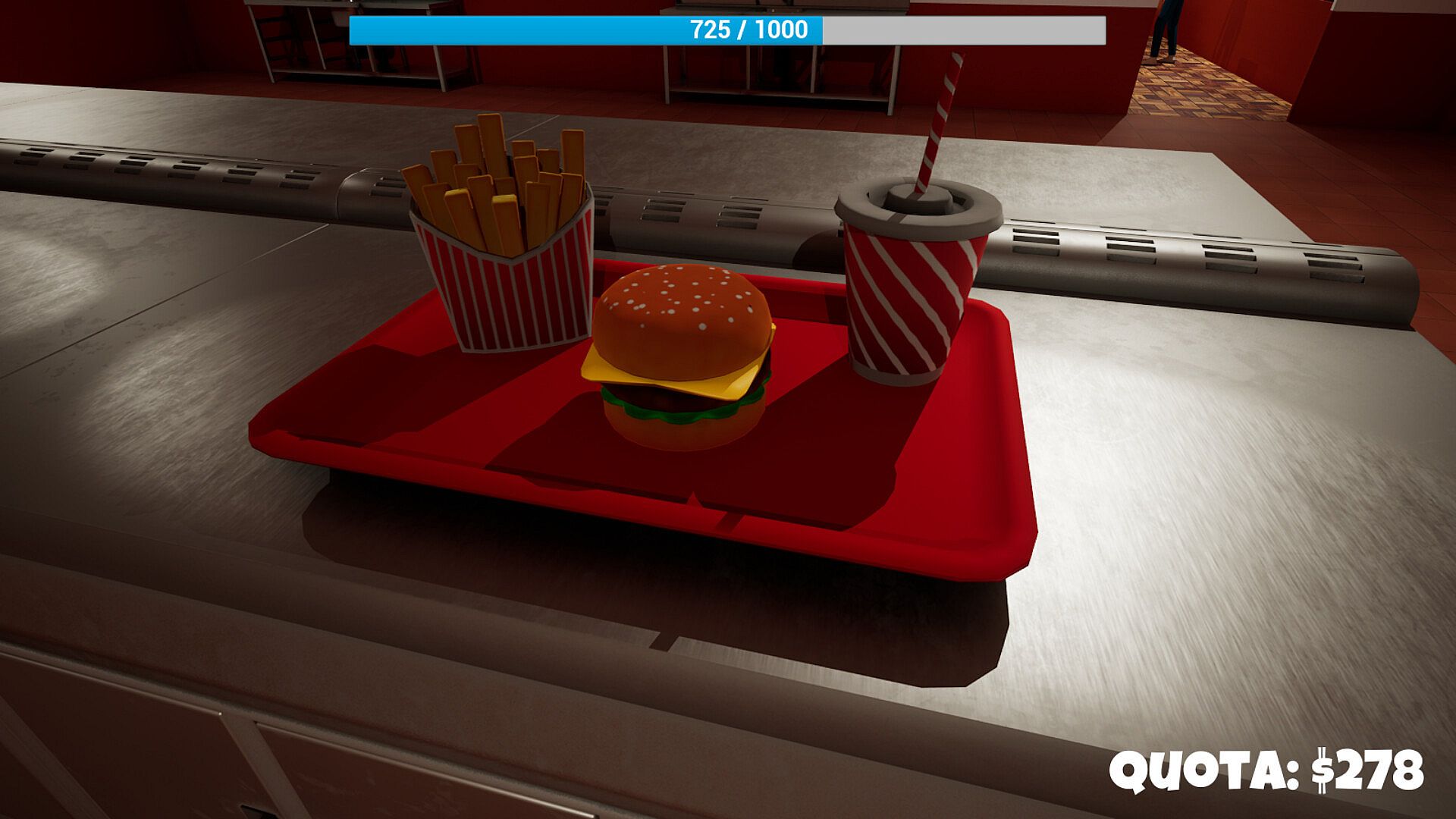
The experience centers on balancing multiple tasks in a fragile dining environment. Cooking requires attention to the grill while watching for interruptions that can burn orders. Players must navigate the floor carrying modular stacks of food, where any stumble or external force sends components flying. Reassembly happens manually by collecting and restacking items from the ground.
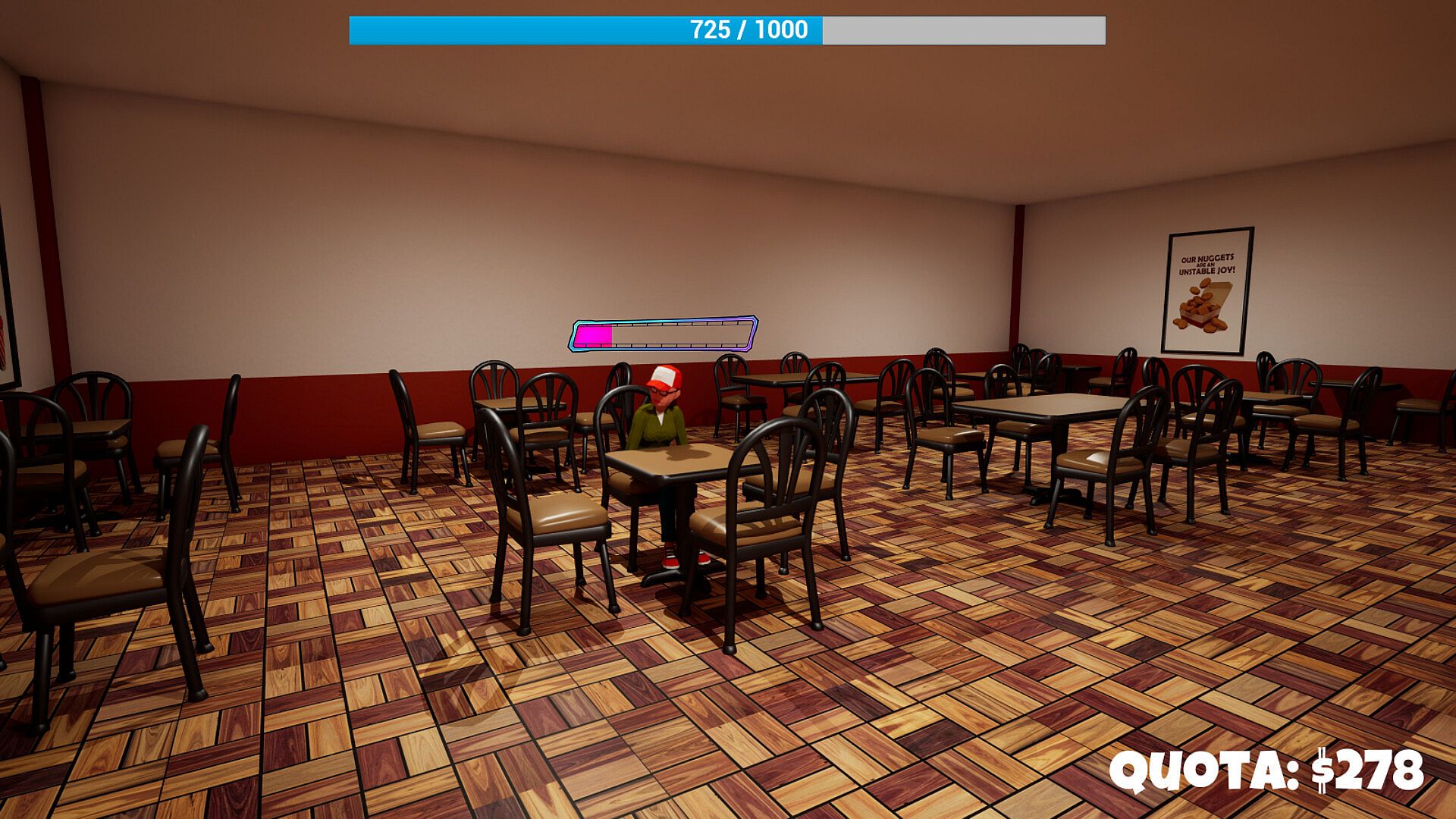
Each table features its own Rage Meter that rises with delays, imperfect service, or specific customer behaviors. Reaching the limit ends the run. Physical harassment adds another layer, as purses and objects fly toward the server, forcing evasive movement while holding trays. Spills function as both visual clutter and literal obstacles that increase fall risk and drop rates for food items.
Upgrades purchased with earnings provide statistical advantages, such as items that reduce remake frequency from certain customers. Character progression through XP focuses on balance improvements that lower the chance of dropping trays when struck.
Game Modes
Solo mode allows focus on long-term business growth. Profits fund kitchen automation, staff hiring, and upgrades that gradually reduce manual workload while still requiring oversight during rushes.
Multiplayer mode removes automation and hiring options entirely. Participants share one global Rage Meter across the team, making coordination essential because any single error affects everyone. Communication becomes the primary tool for managing overlapping demands from multiple tables.
Customer Encounters
Six distinct Karen types each introduce unique rule-breaking mechanics that alter standard service flow. One type applies a temporary freeze effect to demand manager attention. Another places oversized orders that test inventory tracking. A third forces repeated remakes through repeated complaints about minor imperfections. Additional variants penalize cleaning actions near their tables, demand precision timing with groups of athletes, or generate large messes that require extra volume management.
These encounters force constant adaptation, as standard routines break down and players must prioritize which tables to address first based on meter progression and physical threats.
Is It Worth Playing?
Unstable Table remains in development with a planned PC release and currently lists no user reviews. The described systems emphasize short, high-pressure shifts that reward quick reactions and spatial awareness over long-term planning in multiplayer, while solo offers more room for incremental improvement through upgrades.
Players who enjoy physics-driven chaos in management sims, humorous customer interactions, and cooperative problem-solving may find the combination appealing once available. Those seeking polished automation loops or traditional restaurant sim pacing might prefer established titles in the genre. The single-player and co-op options provide distinct experiences that cater to different group sizes and skill focuses.