






















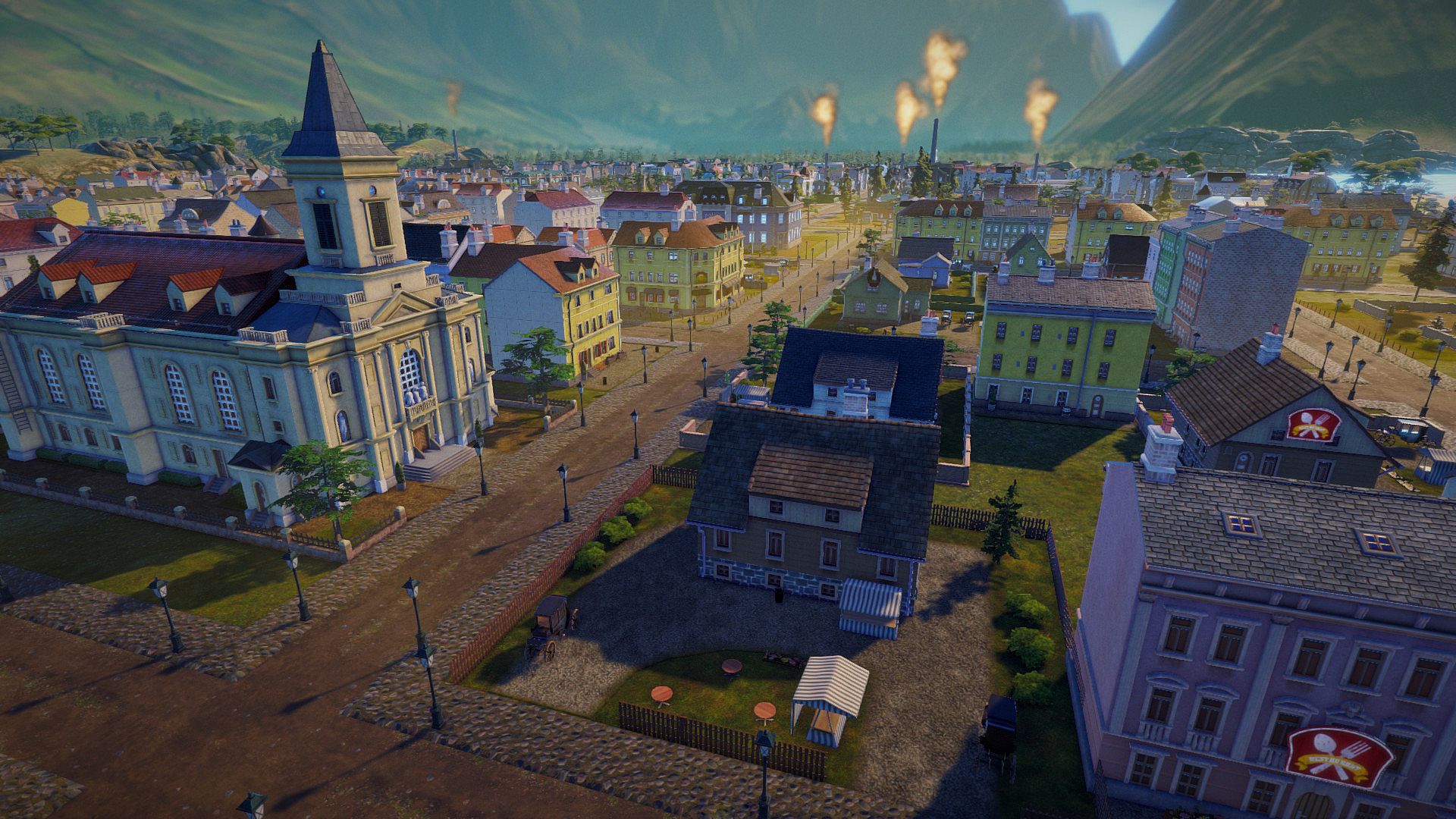
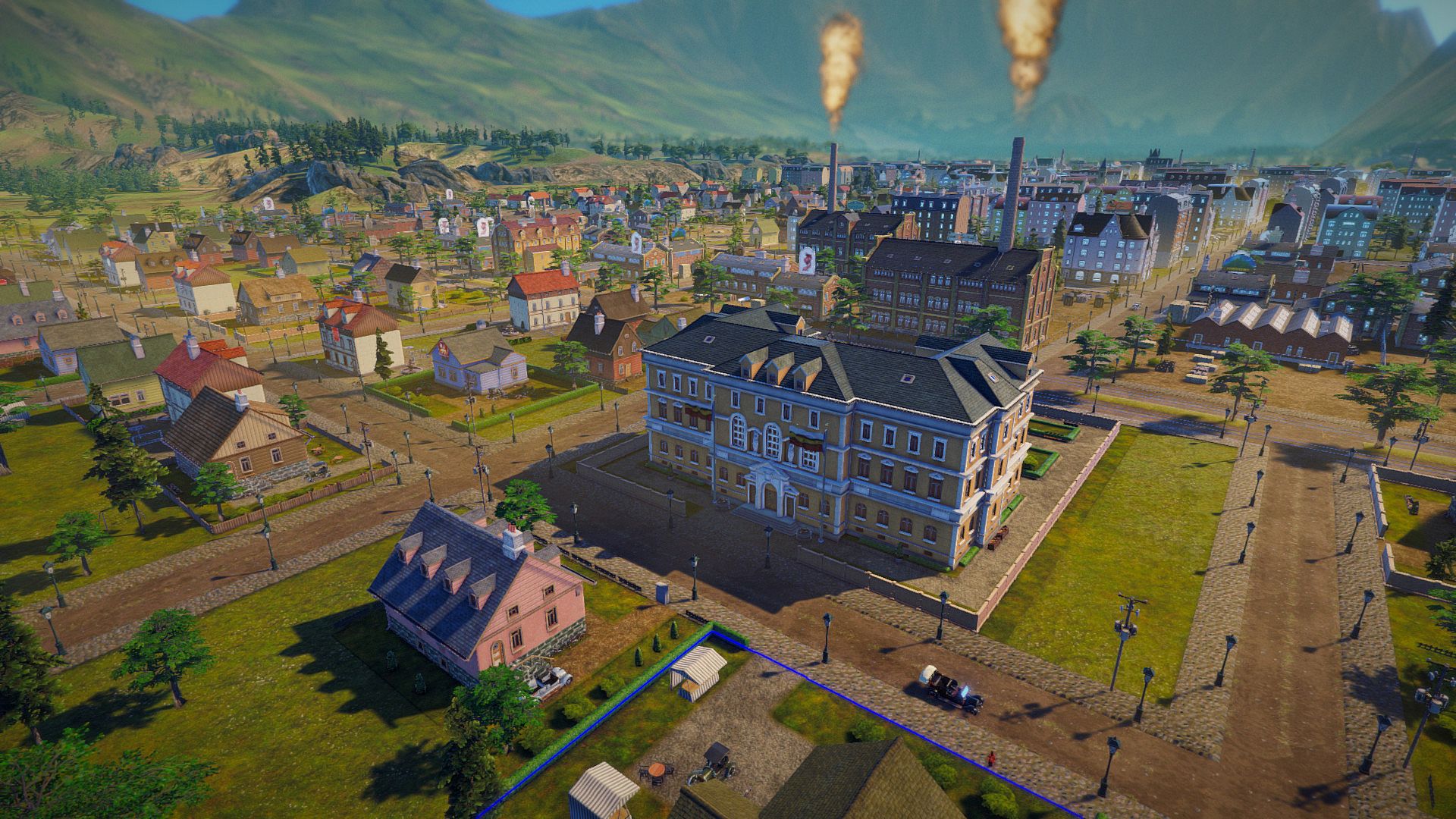
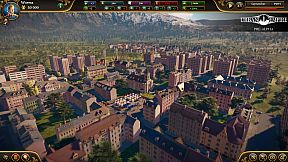

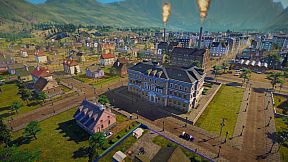
Urban Empire is a strategy simulation game that blends city building with political management on PC. Players lead a mayoral dynasty across two centuries of urban development, balancing infrastructure growth with council negotiations and historical challenges.
Gameplay
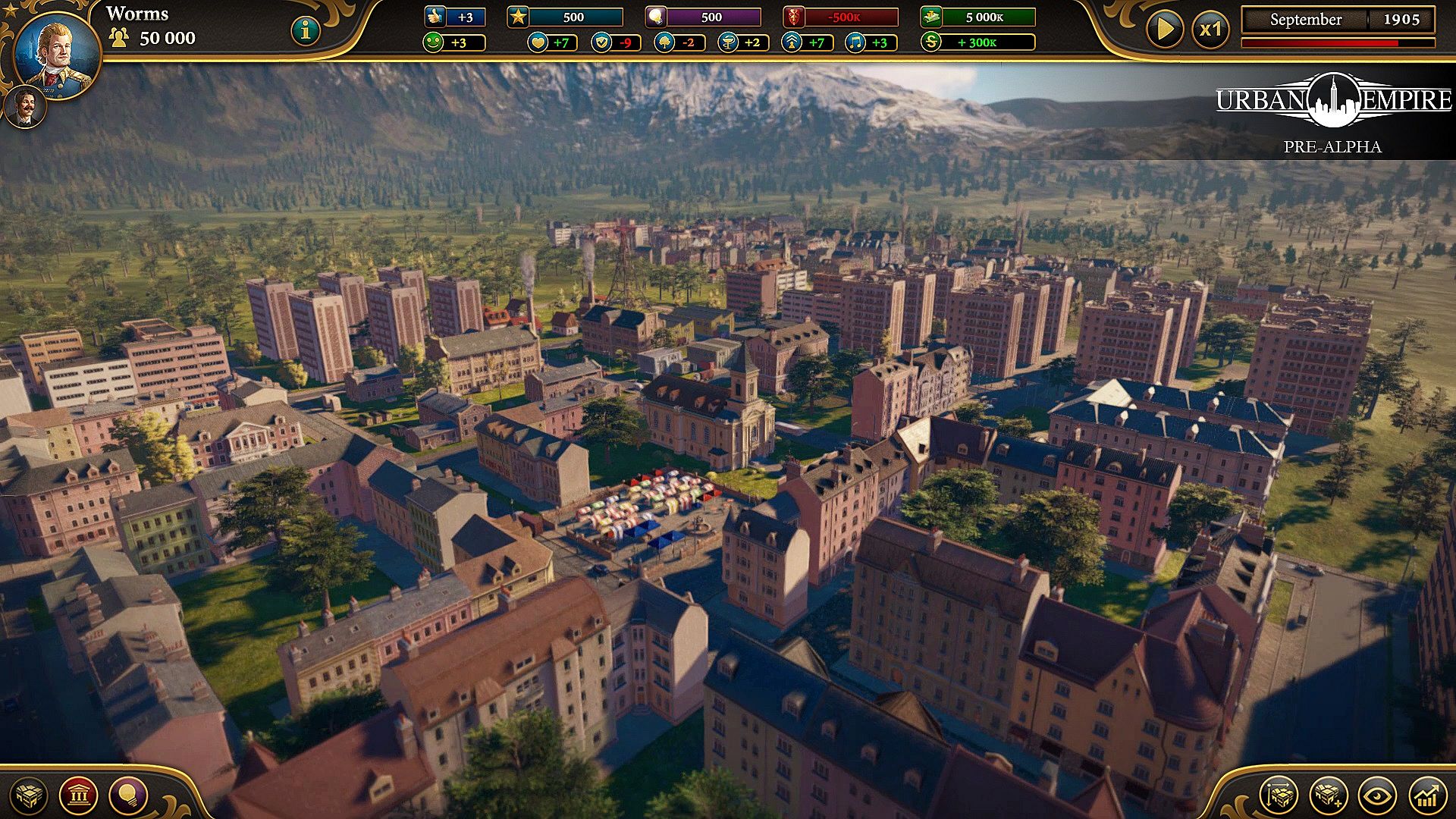
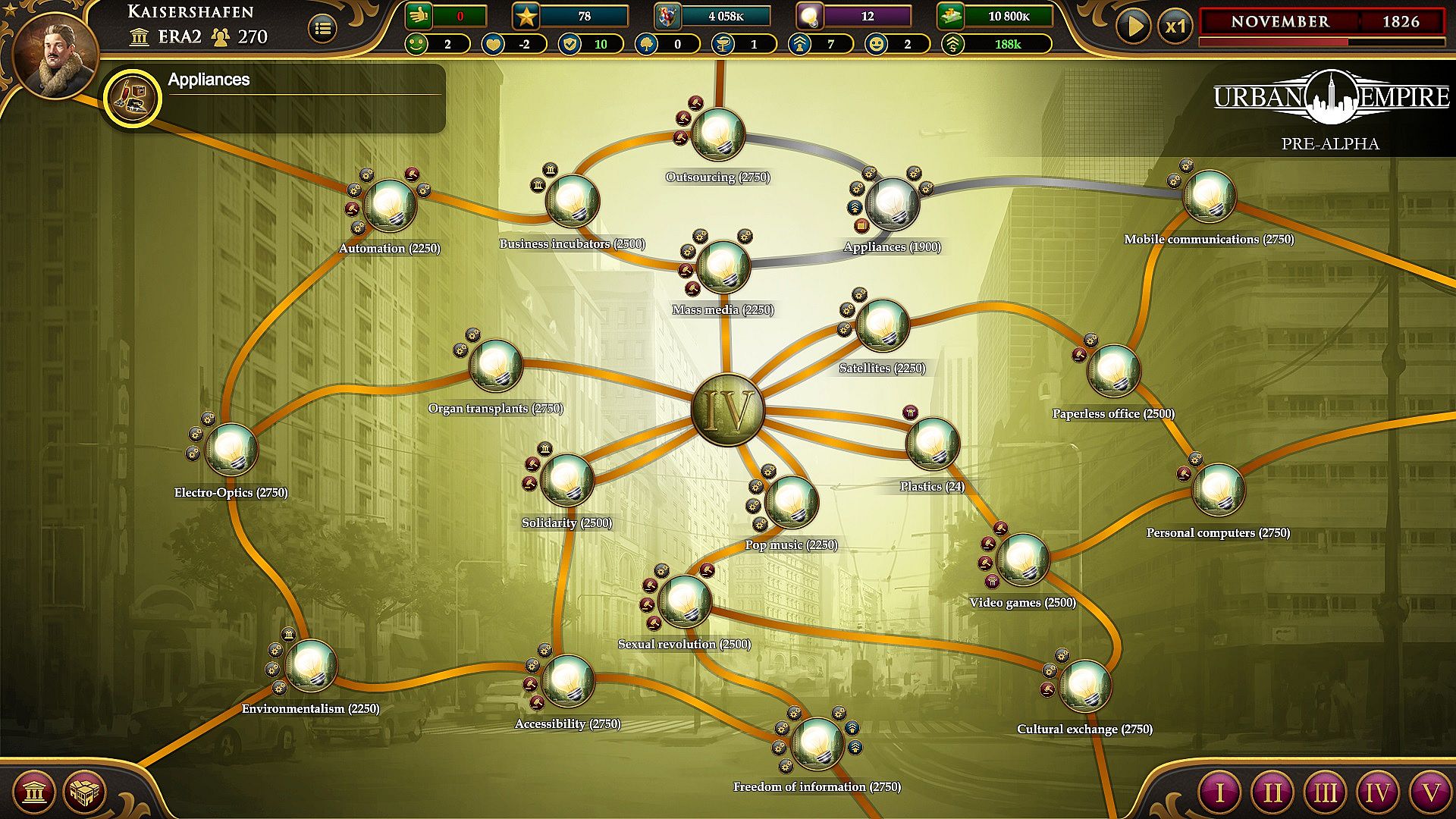
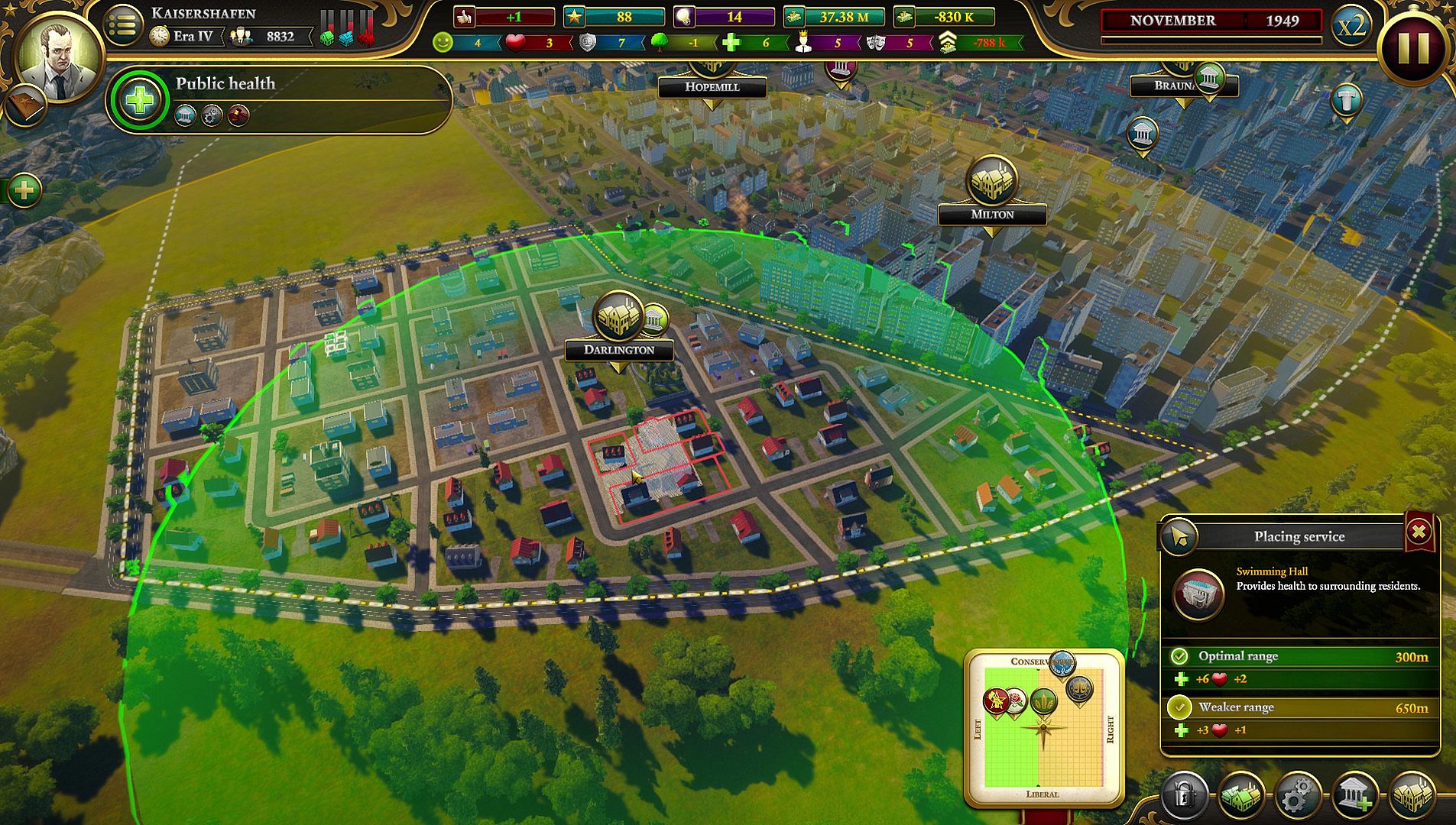
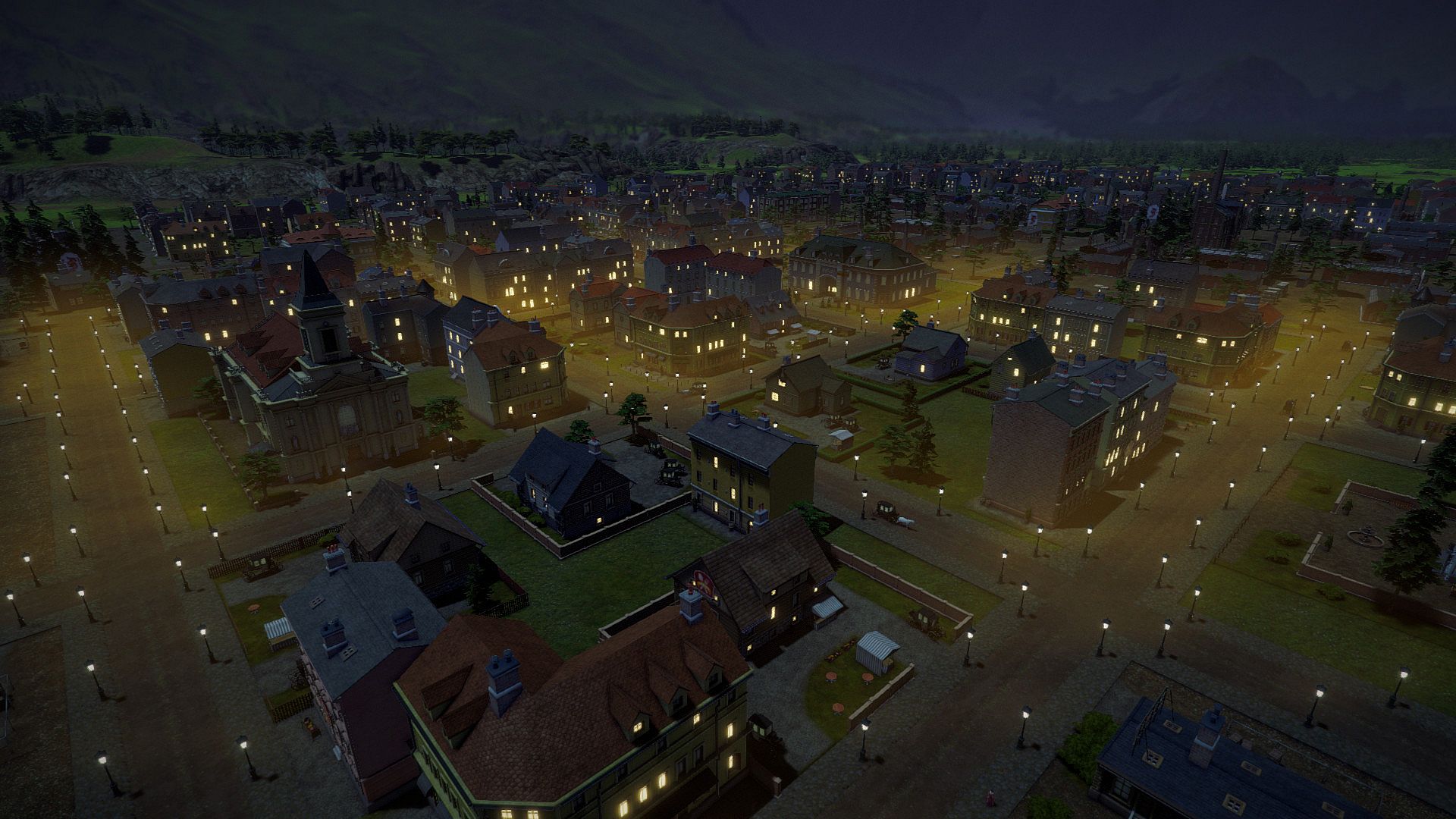
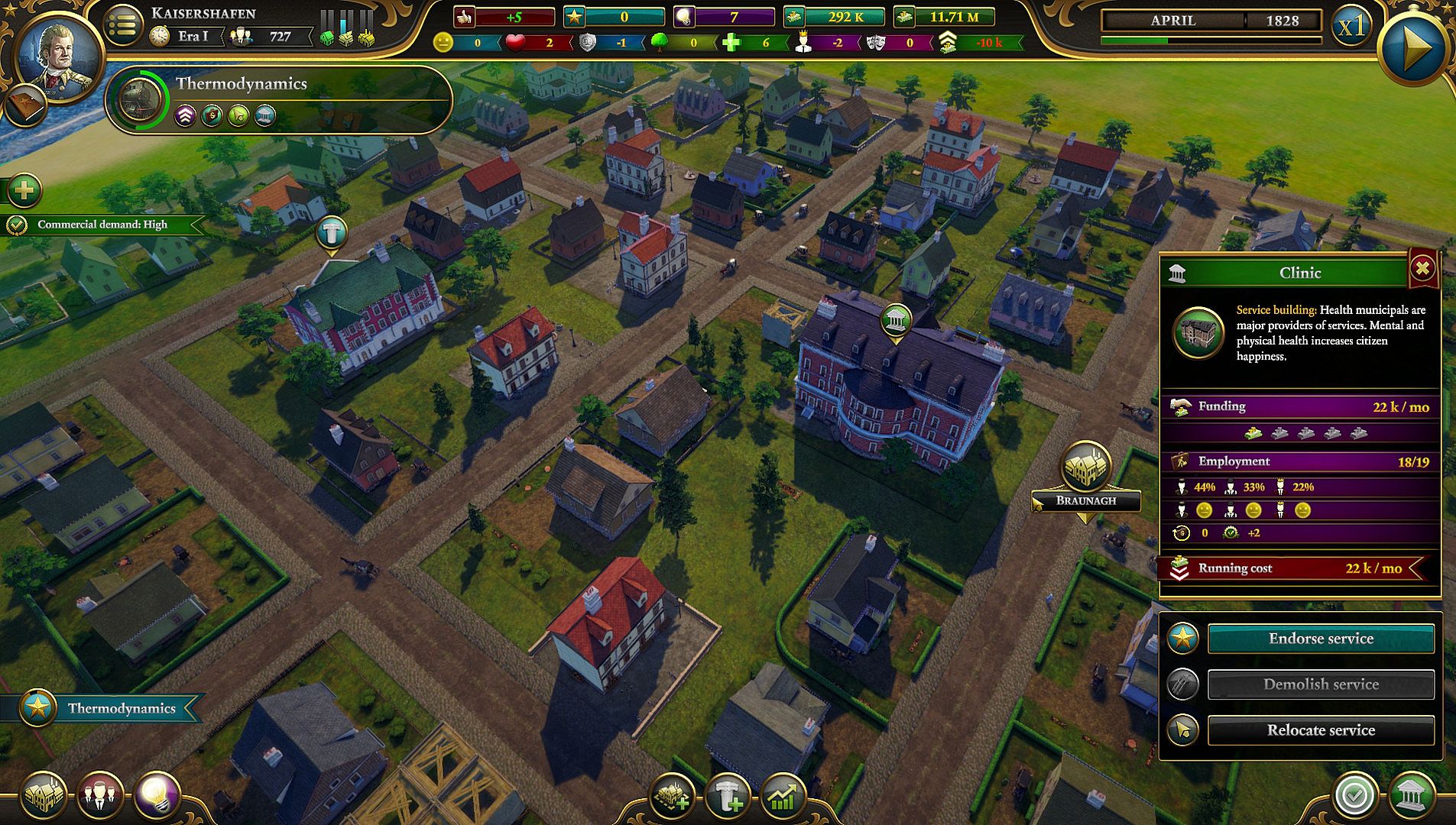
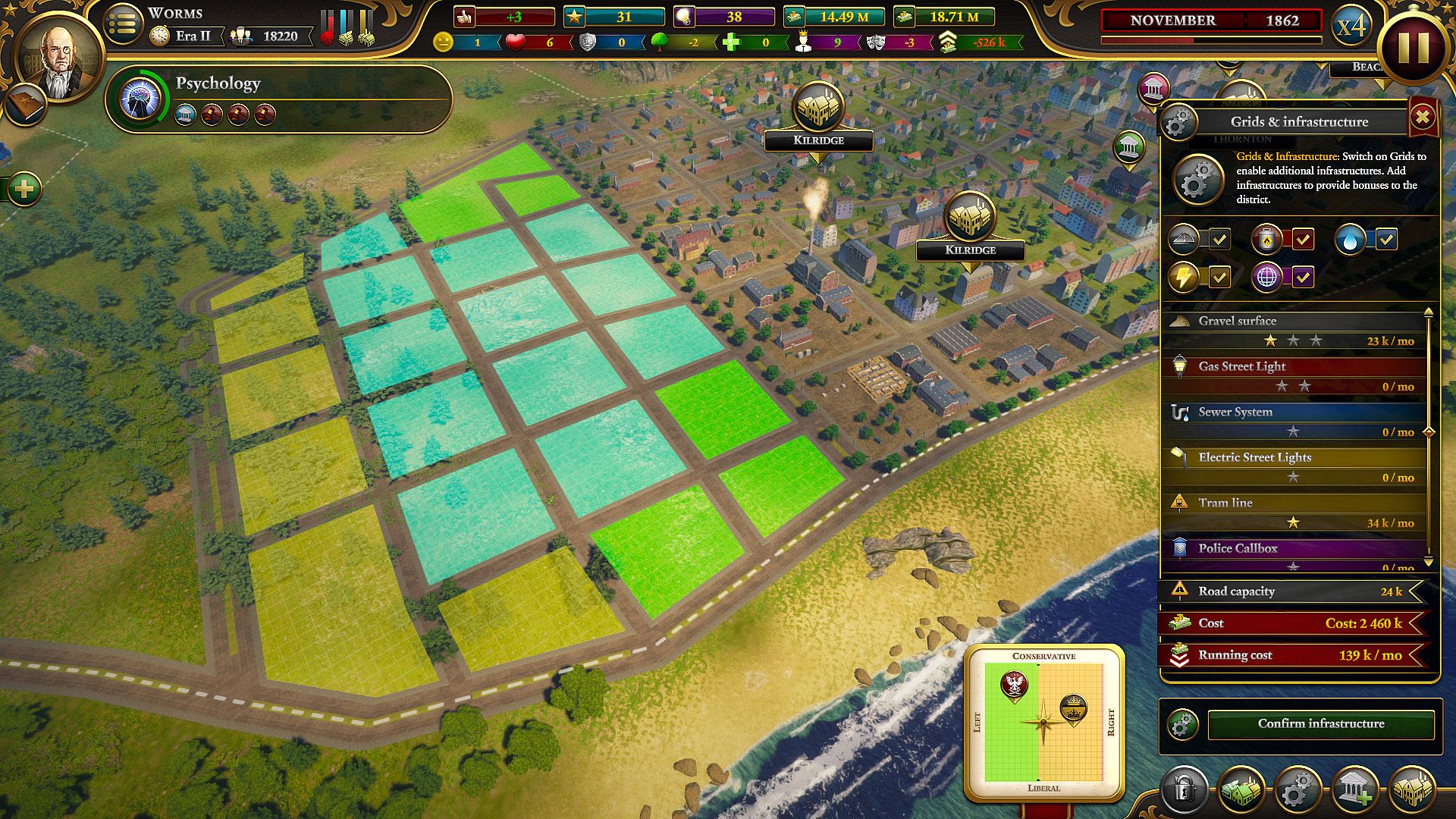
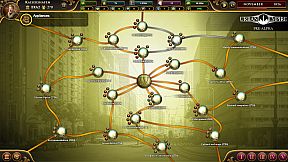
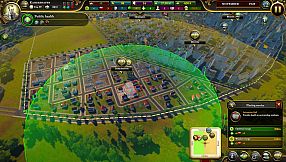
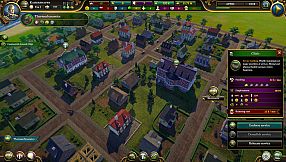
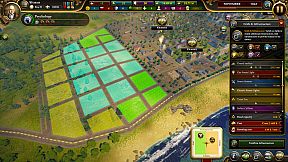
The core loop centers on district planning and citizen management. Players expand city areas while addressing needs such as happiness, safety, and public services. Infrastructure decisions tie directly into technological introductions, including electric trams, antibiotics, and video games. These advancements require persuasion in the town council to gain approval.
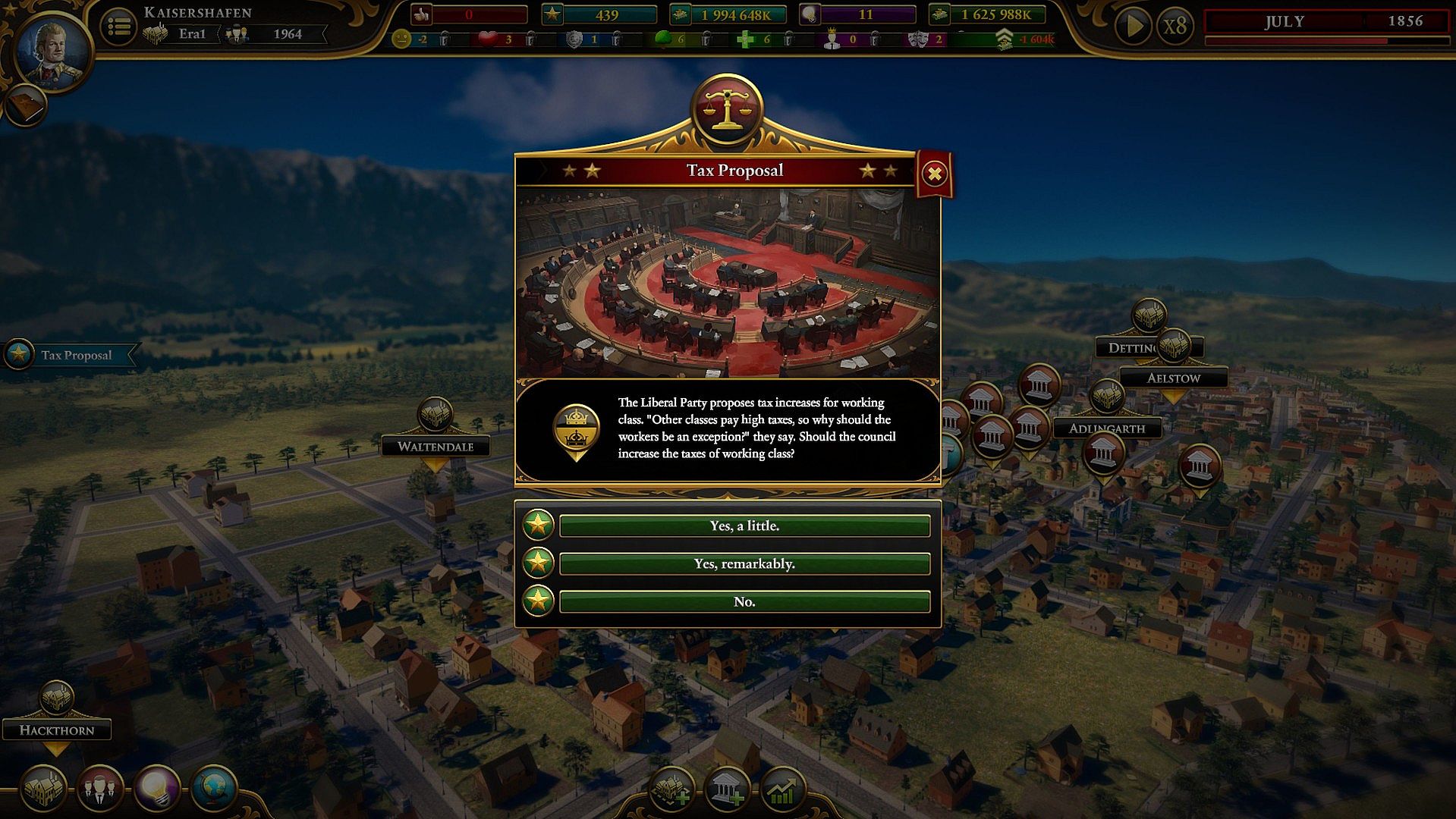
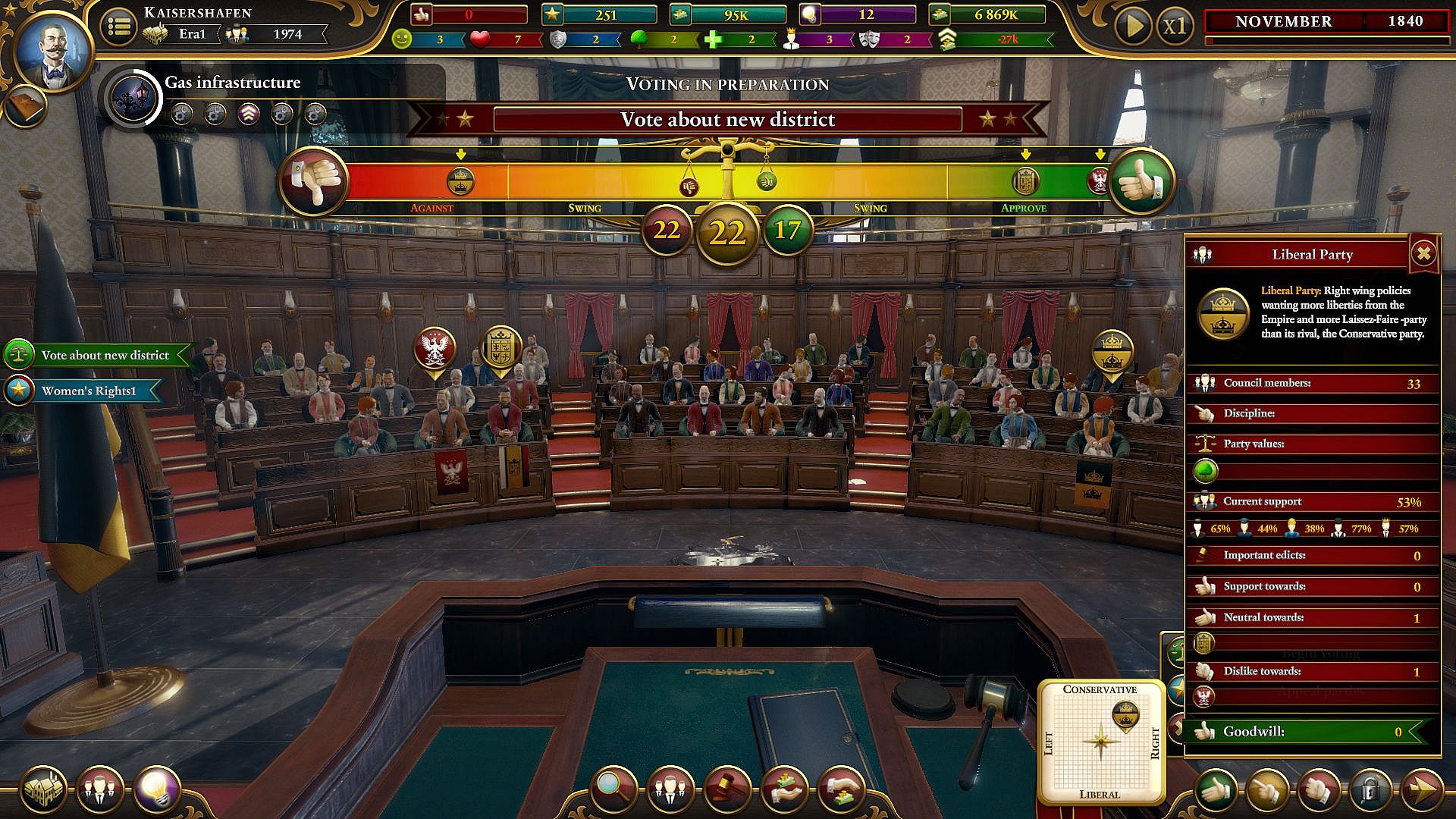
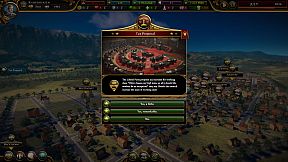
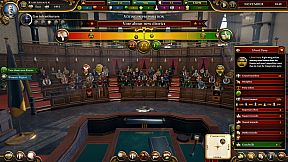
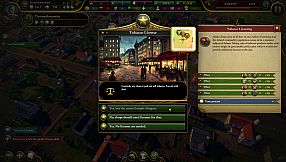
Political elements add depth through debates, where opponents can be influenced via bribes or blackmail. Players choose whether to expand democratic rights or consolidate personal authority. Four ruling families provide starting options, each with distinct focuses. The Kilgannons emphasize equal rights and social justice, while the Sant'Elias prioritize scientific progress and knowledge pursuit. Each family offers five characters to select from at the start.
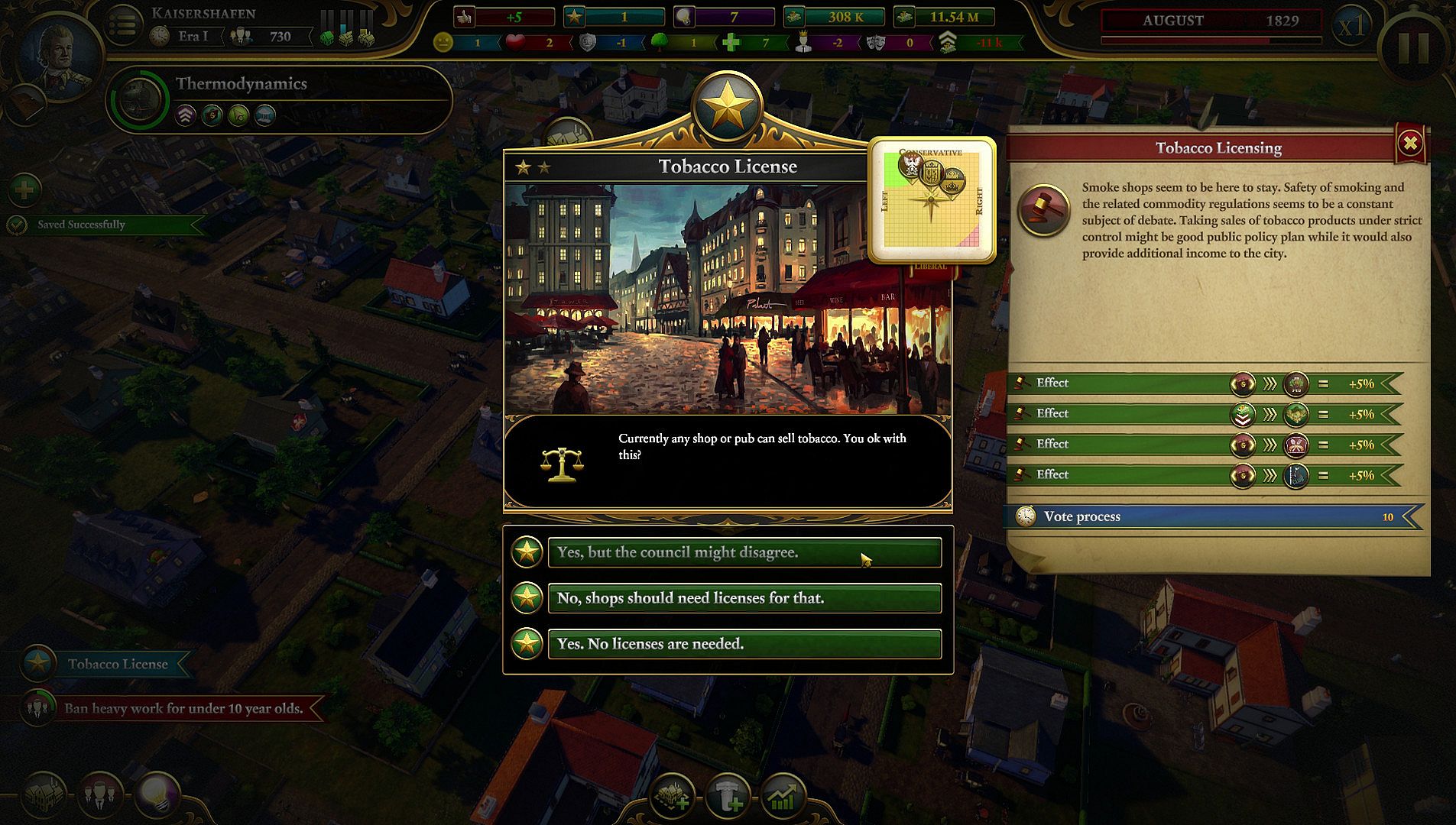
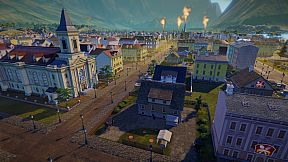
Up to one thousand dynamic events shape the experience. These cover topics like women's rights, the hippie movement, and child labor. Events unfold across five eras beginning in the 1820s, presenting era-specific threats and opportunities that influence long-term city direction.
Game Modes
Urban Empire operates as a single-player campaign experience. Progression follows a continuous dynasty run spanning two hundred years and five historical eras. No separate competitive or cooperative modes exist. The structure emphasizes replay through different family choices and political approaches rather than distinct named modes.
Players guide the city through world events and inventions without branching into alternate formats. The focus remains on one sustained playthrough where decisions compound over time.
Political and Social Systems
Council interactions form a key mechanic. Proposals on new ideas or policies must win votes, forcing strategic alliances or underhanded tactics. Ignoring public input risks unrest, while empowering citizens can unlock broader support. Events integrate these choices into the historical timeline, creating cause-and-effect chains across decades.
Social metrics track alongside physical city growth. Safety and happiness influence event outcomes and long-term stability. The system rewards consistent attention to both physical districts and political maneuvering.
Is It Worth Playing?
Urban Empire suits players who enjoy strategy simulations that combine district building with political decision-making. The game delivers a focused single-player experience centered on dynasty management and historical progression. Recent player feedback on major platforms shows mostly negative overall reception, with around thirty-four percent positive reviews from nearly two thousand submissions.
Those drawn to political scheming alongside city planning may find value in the family selections and event variety. The title lacks ongoing updates or seasonal content, reflecting its status as a 2017 release with no active development cycle. Prospective players should consider the emphasis on council persuasion and long-term event management when deciding suitability.