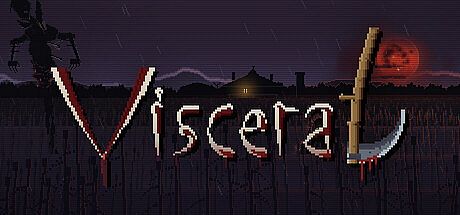


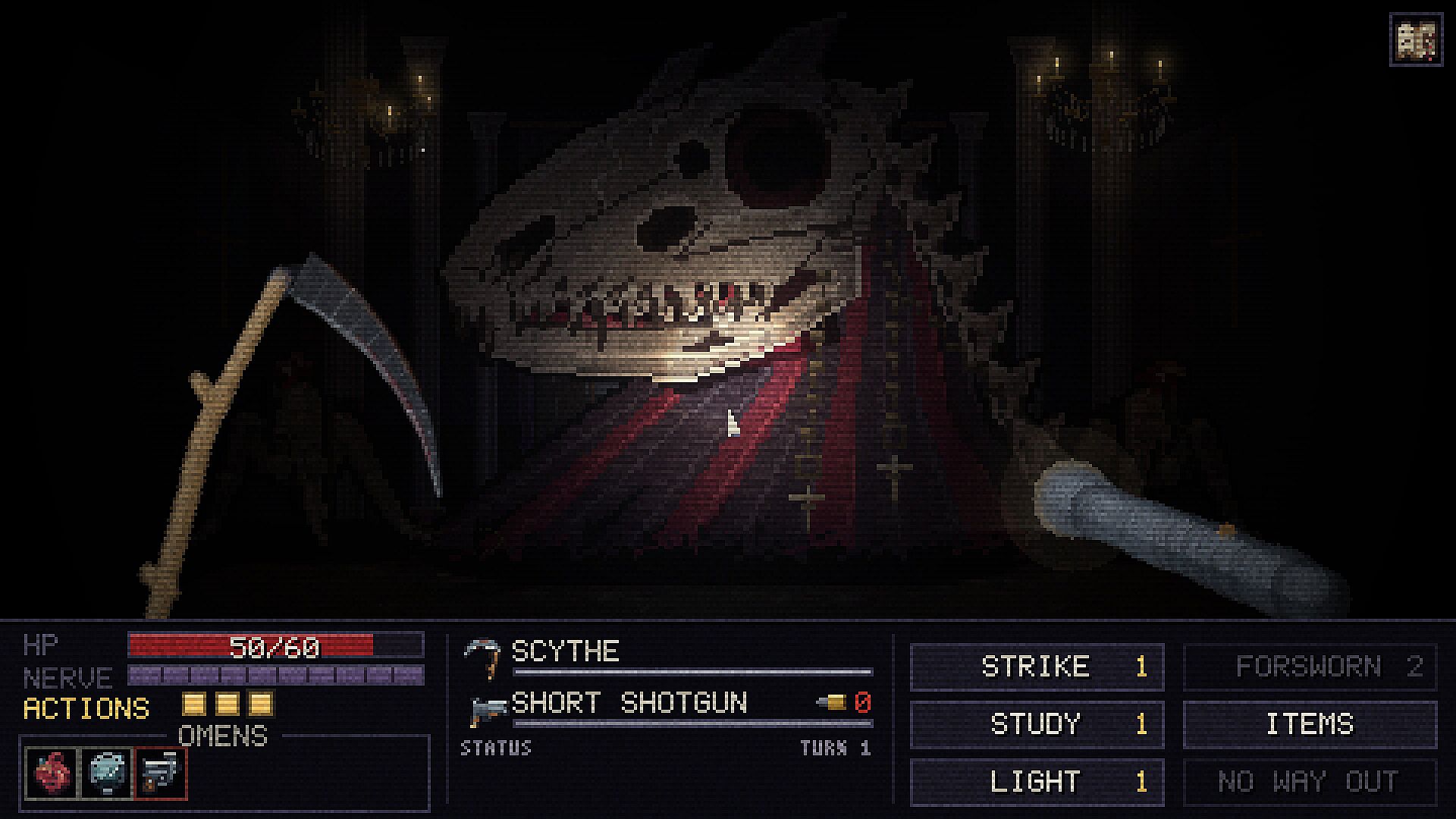
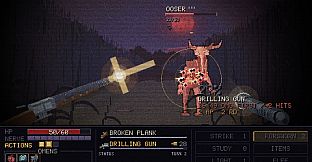
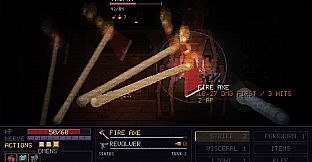
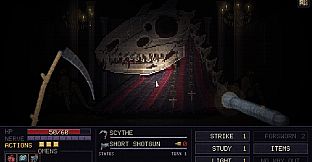
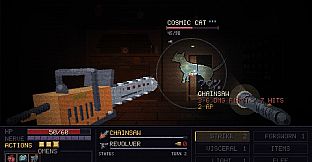
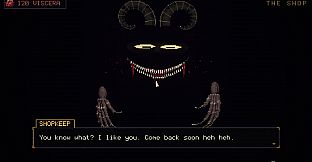
Visceral is a turn-based horror roguelite set on a cursed farm where survival depends on managing limited resources and revealing threats with a flashlight. Players control Bernhardt Godfrey, who must navigate fields and a manor filled with hidden dangers across procedurally generated nights. The game blends strategy, resource management, and exploration in a single-player experience focused on careful decision-making rather than fast reflexes.
Gameplay
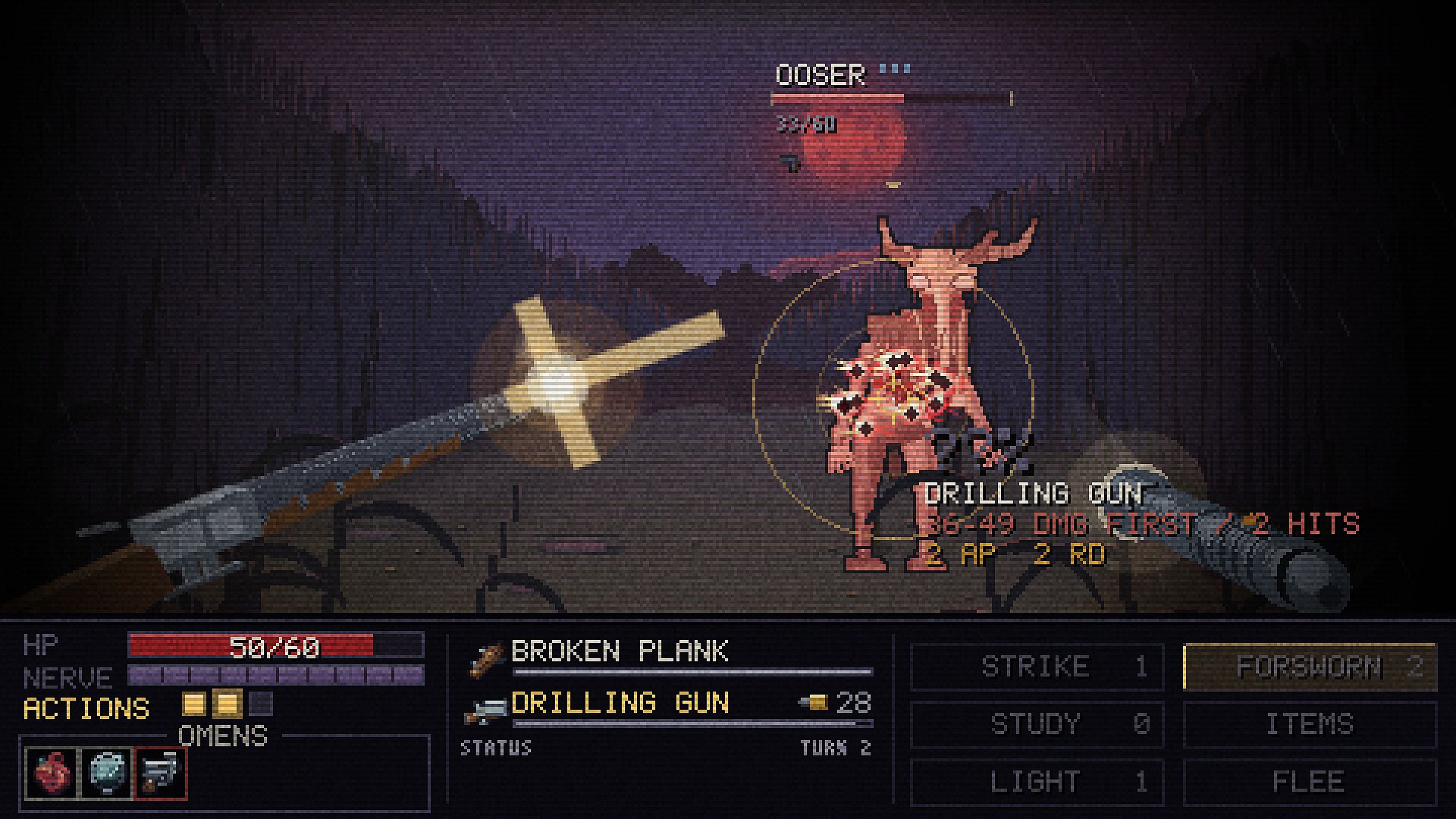
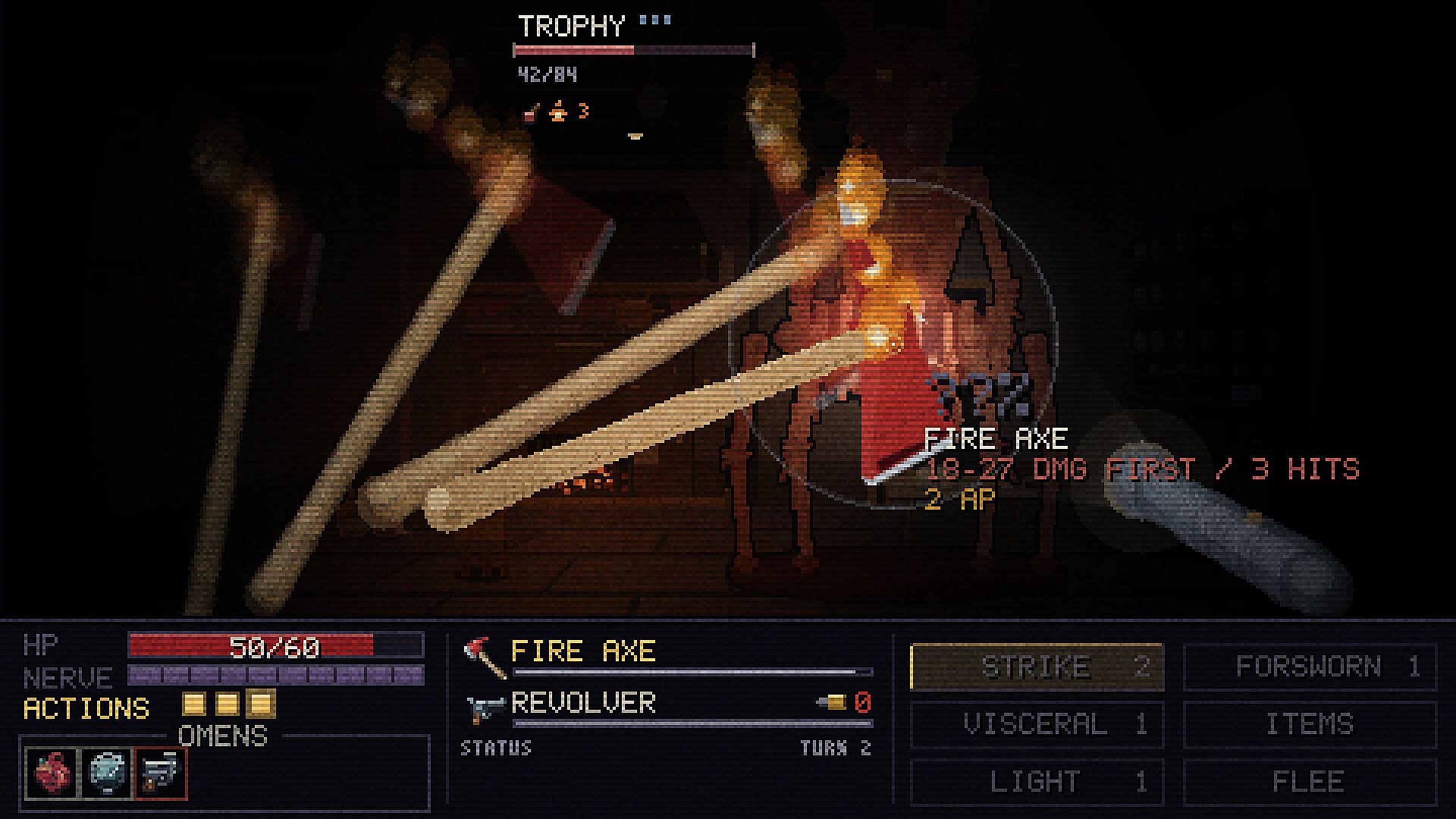
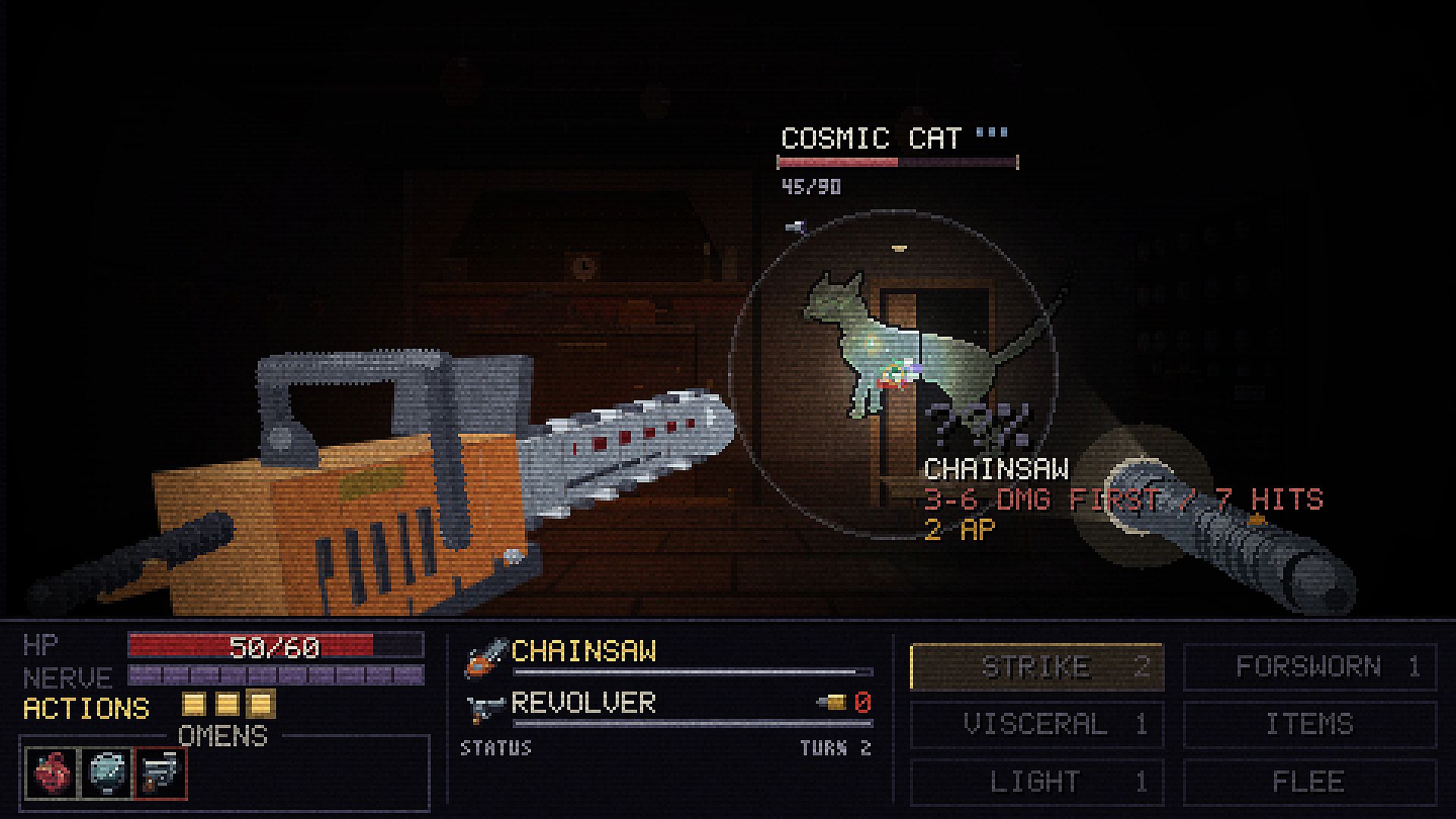
Core gameplay revolves around turn-based combat where every action consumes action points. Players receive three action points each turn to strike, study enemies, reposition the flashlight beam, or attempt to flee. Monsters operate under the same system and often hold an advantage in raw numbers or speed. The flashlight serves as the primary tool for detection, as creatures remain concealed in darkness until illuminated, at which point they can be targeted effectively. Attacks outside the beam suffer severe penalties in accuracy and damage output.
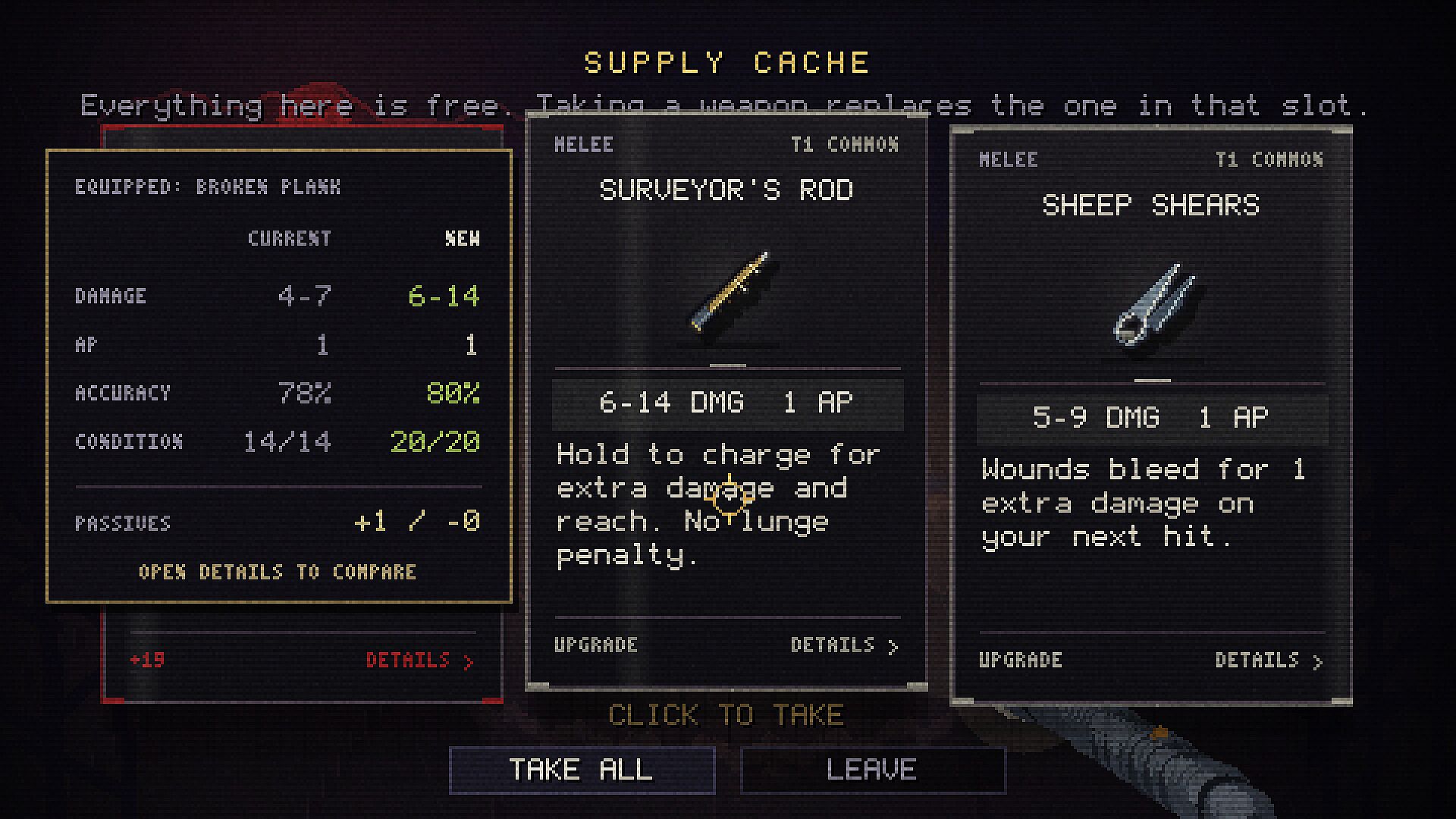
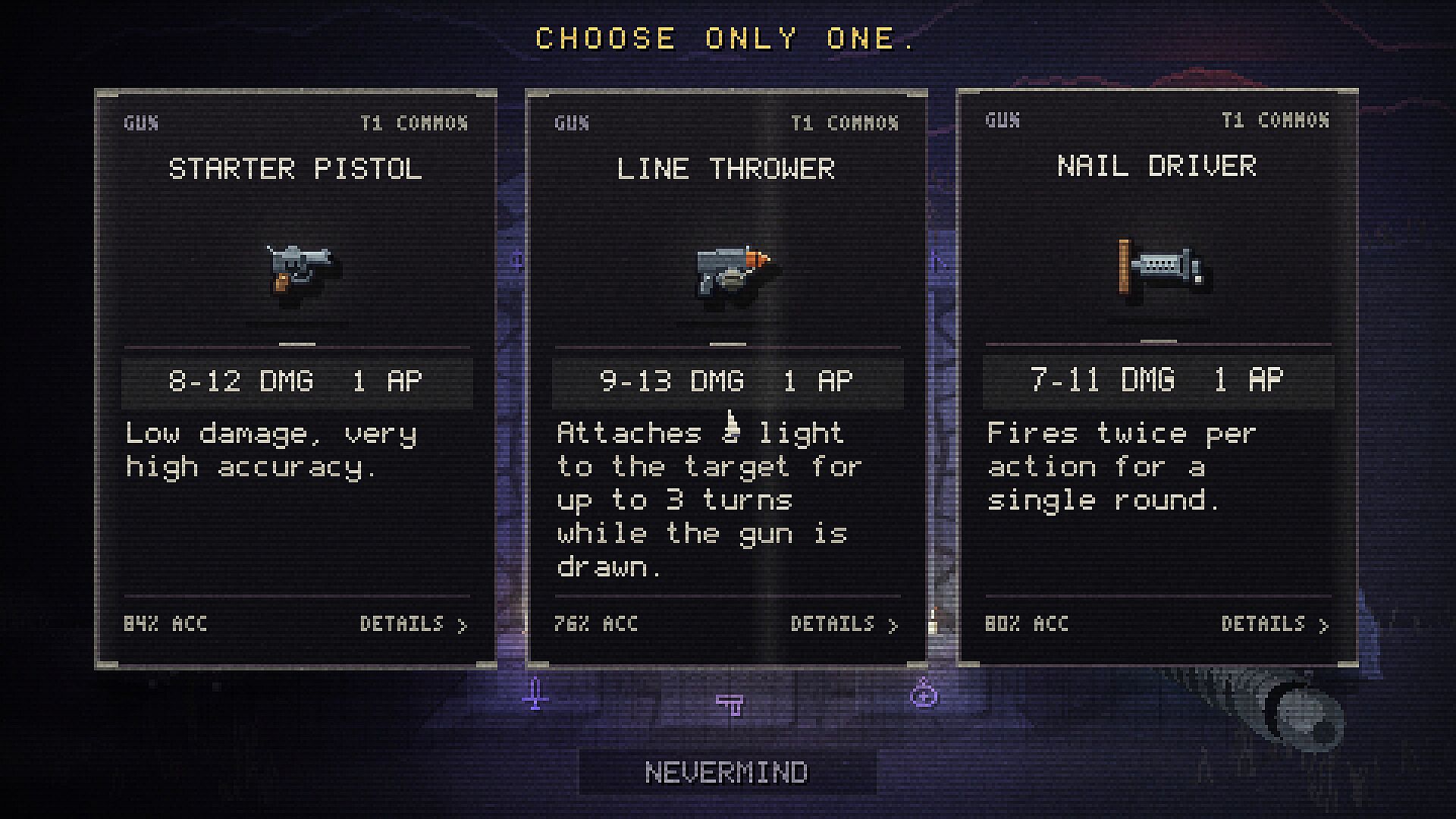
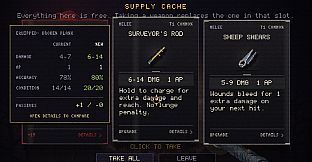
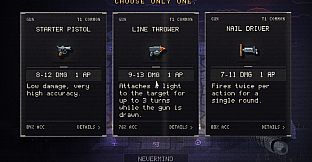
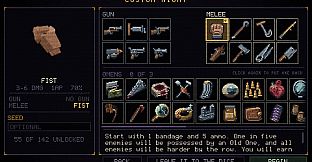
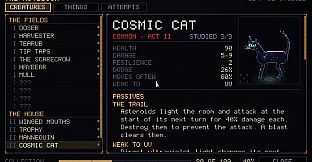
Weapons number fifty-one in total and range from cursed revolvers to scythes, ancient swords, and heavier options like rocket launchers. Each run introduces new finds, and players can temper favorites to maintain their effectiveness. Many carry unique properties, such as firing on multiple visible targets with guaranteed critical hits or calling down powerful beams from relics. Omens, totaling ninety-one, function as relics that modify runs with beneficial or cursed effects, allowing players to carry multiple at once for layered builds. Thirty-one distinct monsters populate the environment, each with specific behaviors that reward study across runs to unlock brutal execution moves called Viscerals under precise conditions.
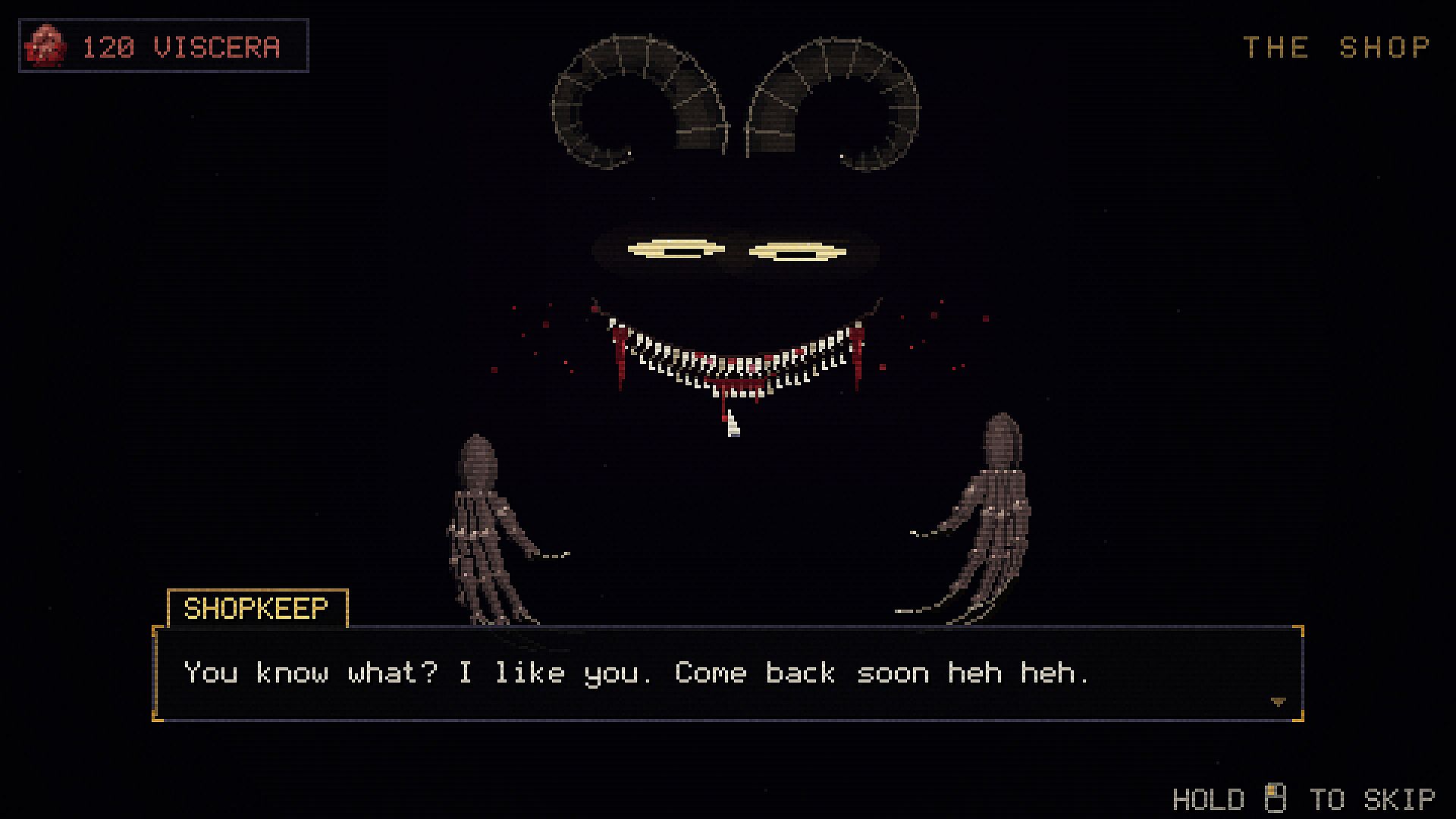
Randomized events add variety, including encounters with an angel offering weapon upgrades, hidden creatures feeding on carcasses, or puzzles guarding powerful items like a red jewel. Some events aid survival while others introduce complications. Progress on studying monster species carries over between attempts, providing permanent advantages such as increased dodge chances. The pixel art style at low resolution emphasizes atmosphere through code-drawn visuals, supported by custom music and full controller compatibility alongside mouse and keyboard.
Game Modes
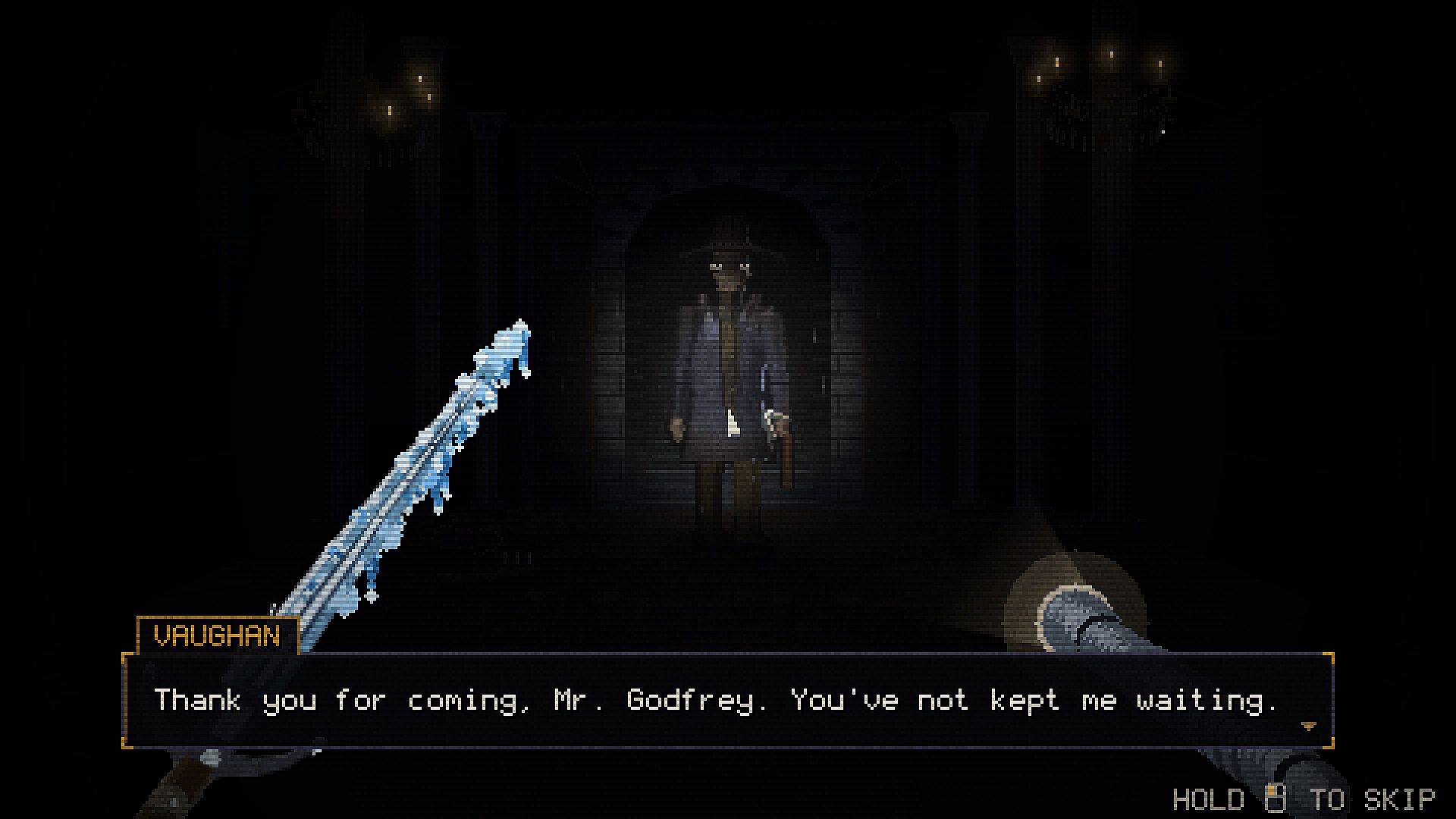
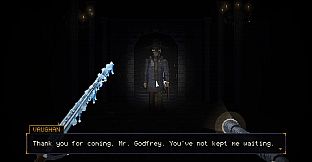
Story Mode consists of two chapters featuring tense cutscenes, interactions with a small cast of strangers, and narrative threads tied to Bernhardt's past. Players uncover details about figures like Vaughan while pushing through the farm's dangers toward resolution.
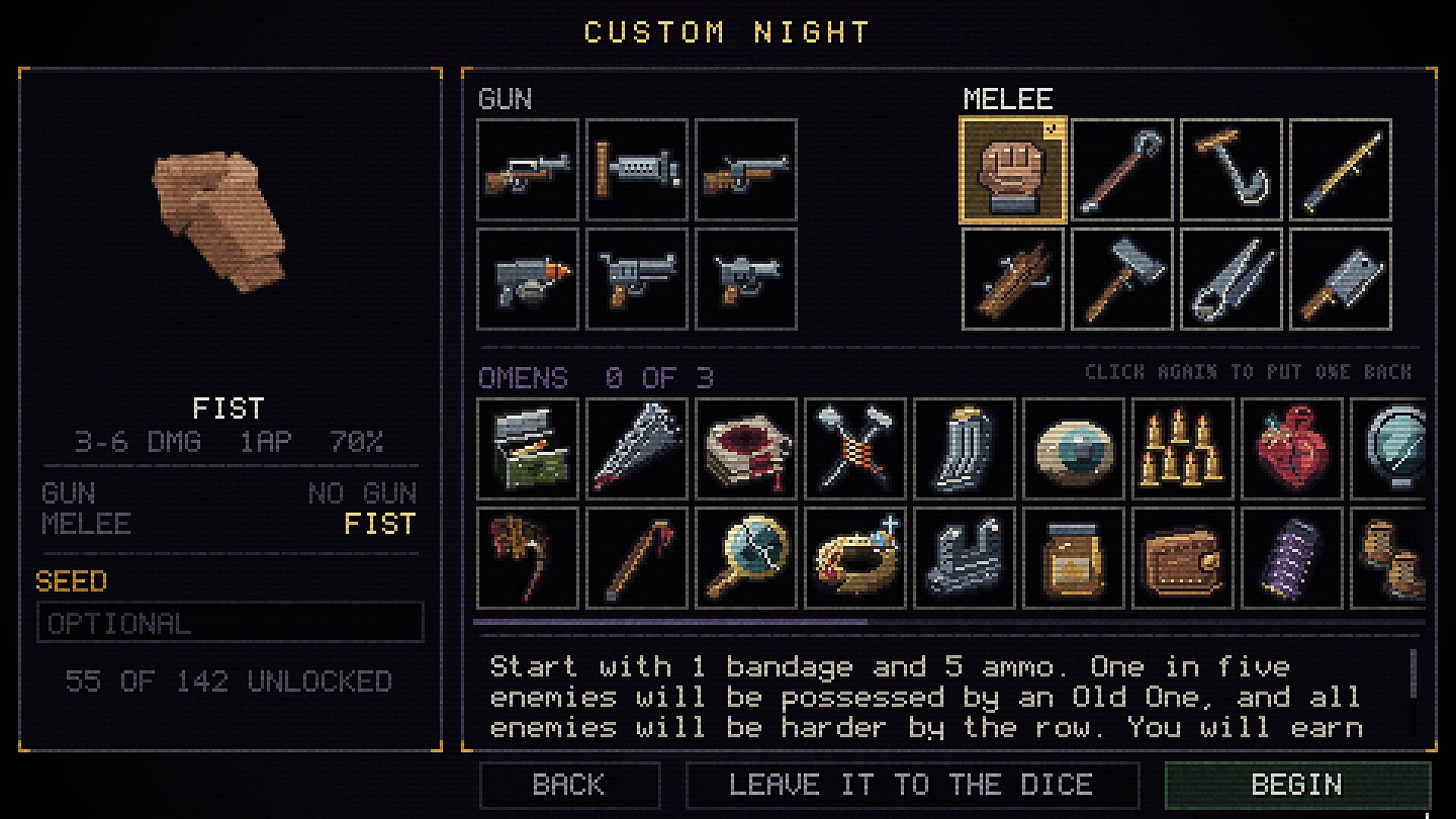
Custom Night serves as a harder variant where participants select their starting equipment to adjust difficulty and experiment with loadouts. The Abyss mode lets players construct custom endless maps using node cards, fusions, and random events, with a significant challenge awaiting at row fifty for those who progress far enough.
All modes draw from a shared random seed system that alters maps, events, monsters, items, and weapons each night, ensuring no two attempts repeat exactly. English and Japanese language support covers text and interface elements.
Core Mechanics and Progression
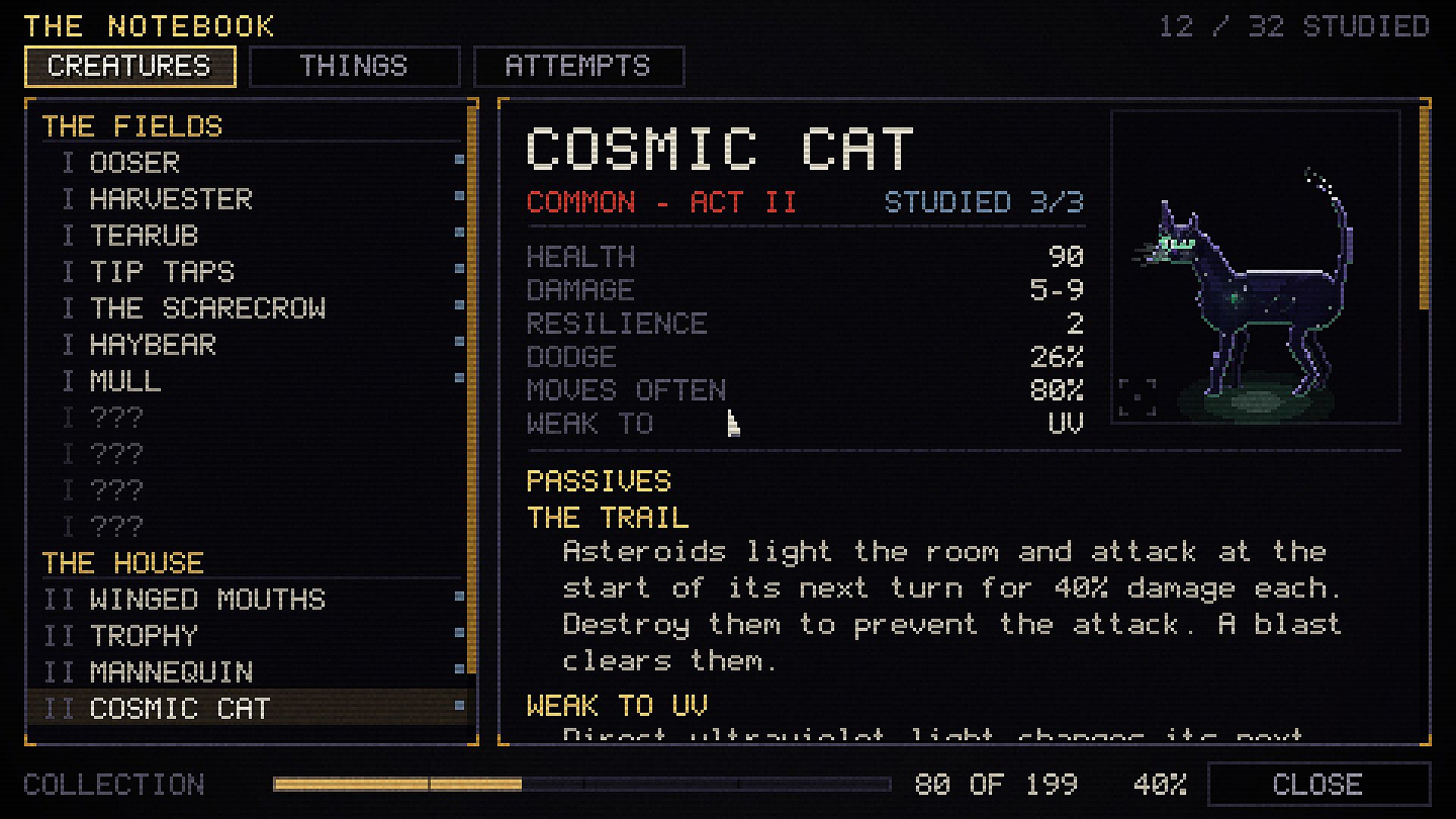
Resource scavenging drives long-term strategy, with players collecting weapons, omens, and consumables like bandages or flares during runs. Weapons degrade over time, forcing choices between preservation and replacement. Studying enemies reveals stats, weak points for critical damage, and upcoming actions, while also building a permanent notebook that improves future encounters. Nerve, a mental state mechanic, declines with damage and affects incoming harm, recoverable through specific actions like study.
Procedural generation extends to events and layouts, creating high replayability through varied threats and opportunities. Players must balance aggression with caution, as overextending action points leaves characters vulnerable to unseen attacks. The system rewards preparation and adaptation over brute force, suiting those who enjoy methodical planning in horror settings.
Is It Worth Playing?
Visceral appeals to players who enjoy turn-based strategy combined with roguelite progression and atmospheric horror. The flashlight and action point systems create tense moments of revelation and risk management that distinguish it from standard roguelikes. Demo feedback highlights strong engagement with the mechanics, with players noting satisfying builds and the challenge of reaching key milestones like floor bosses.
Current development includes ongoing updates that expand content and refine systems, with the full release approaching on PC. Those drawn to single-player experiences emphasizing careful positioning, enemy study, and randomized runs will find substantial depth here. The game suits fans of indie titles that prioritize unique mechanics over broad accessibility, offering a focused loop that rewards repeated attempts and knowledge accumulation across nights.