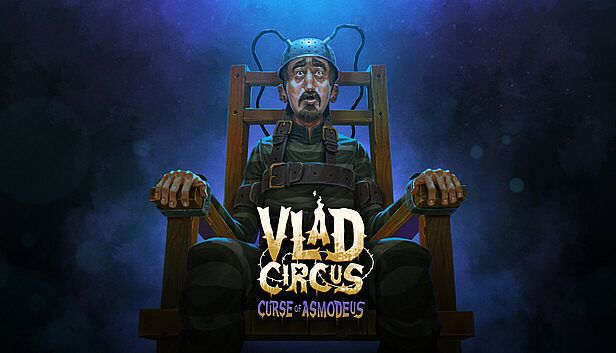



















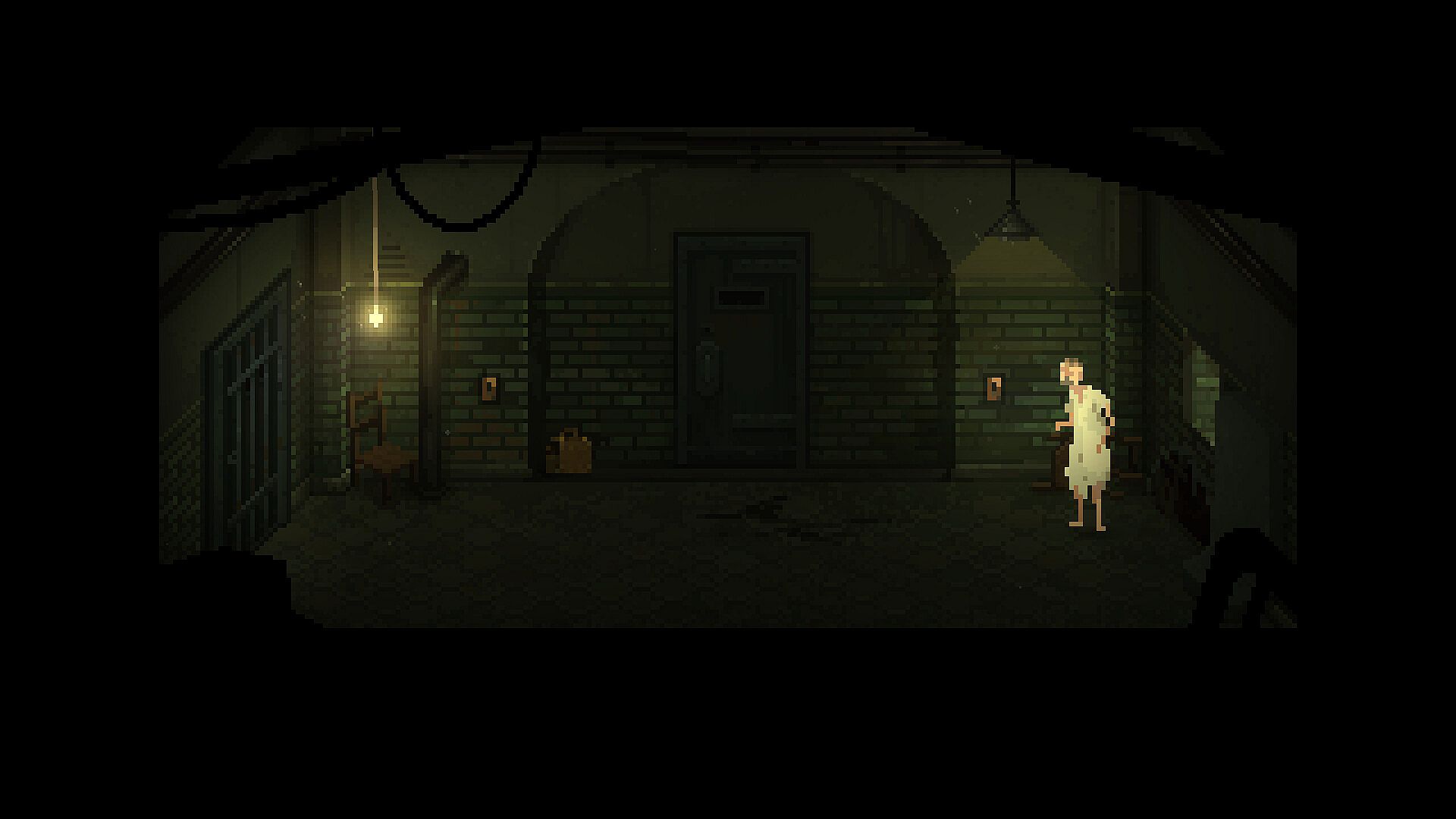
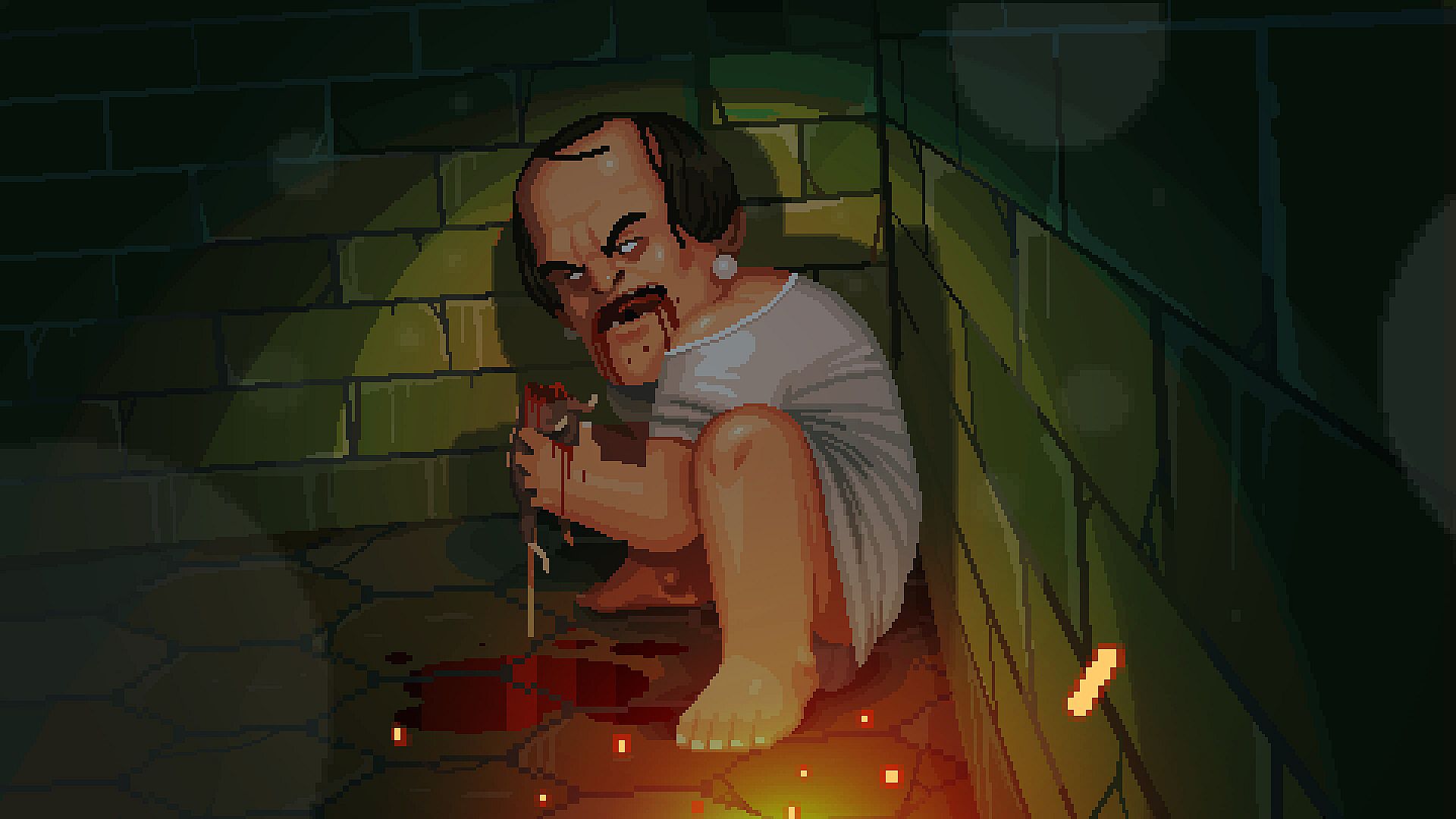
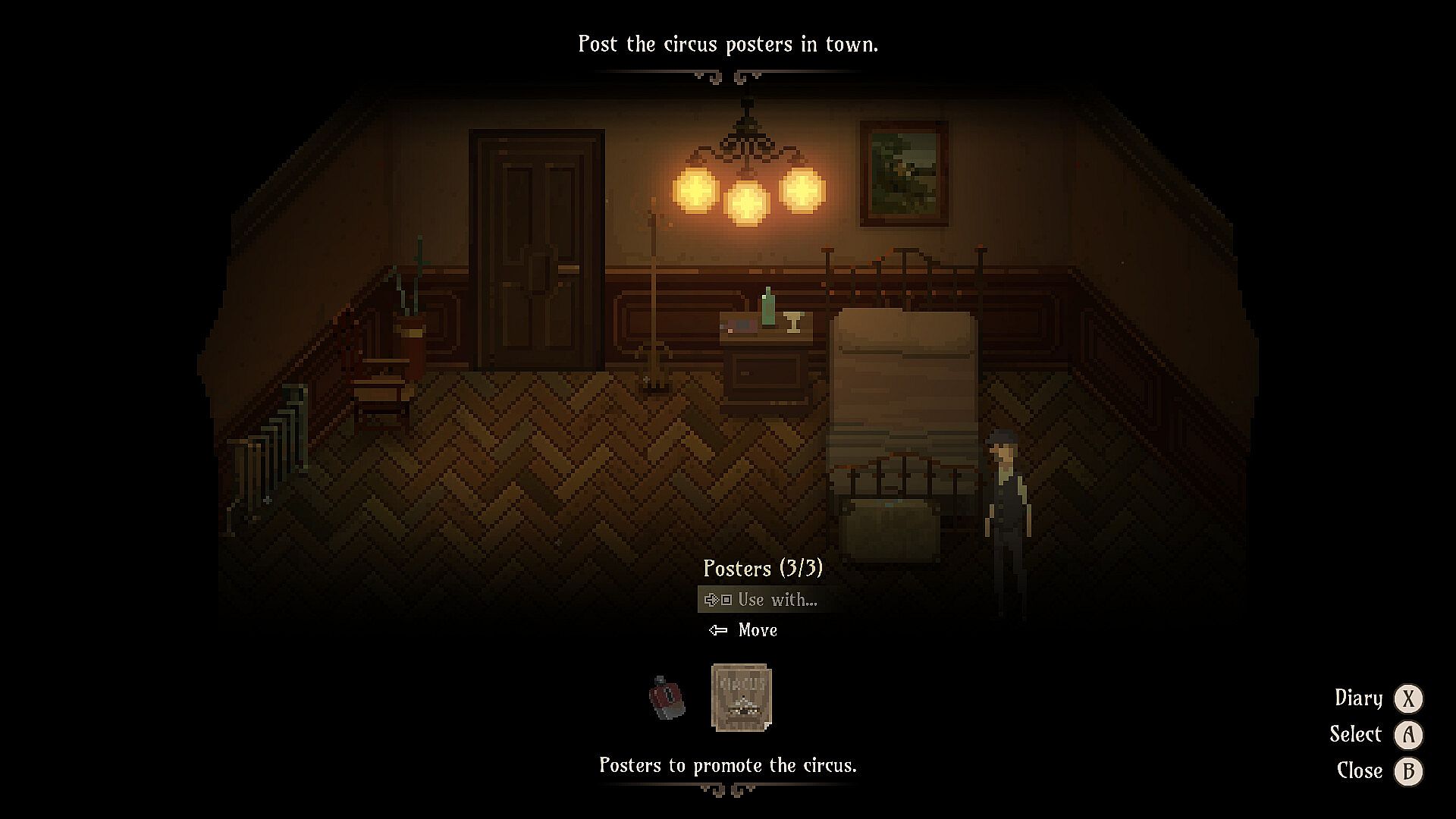
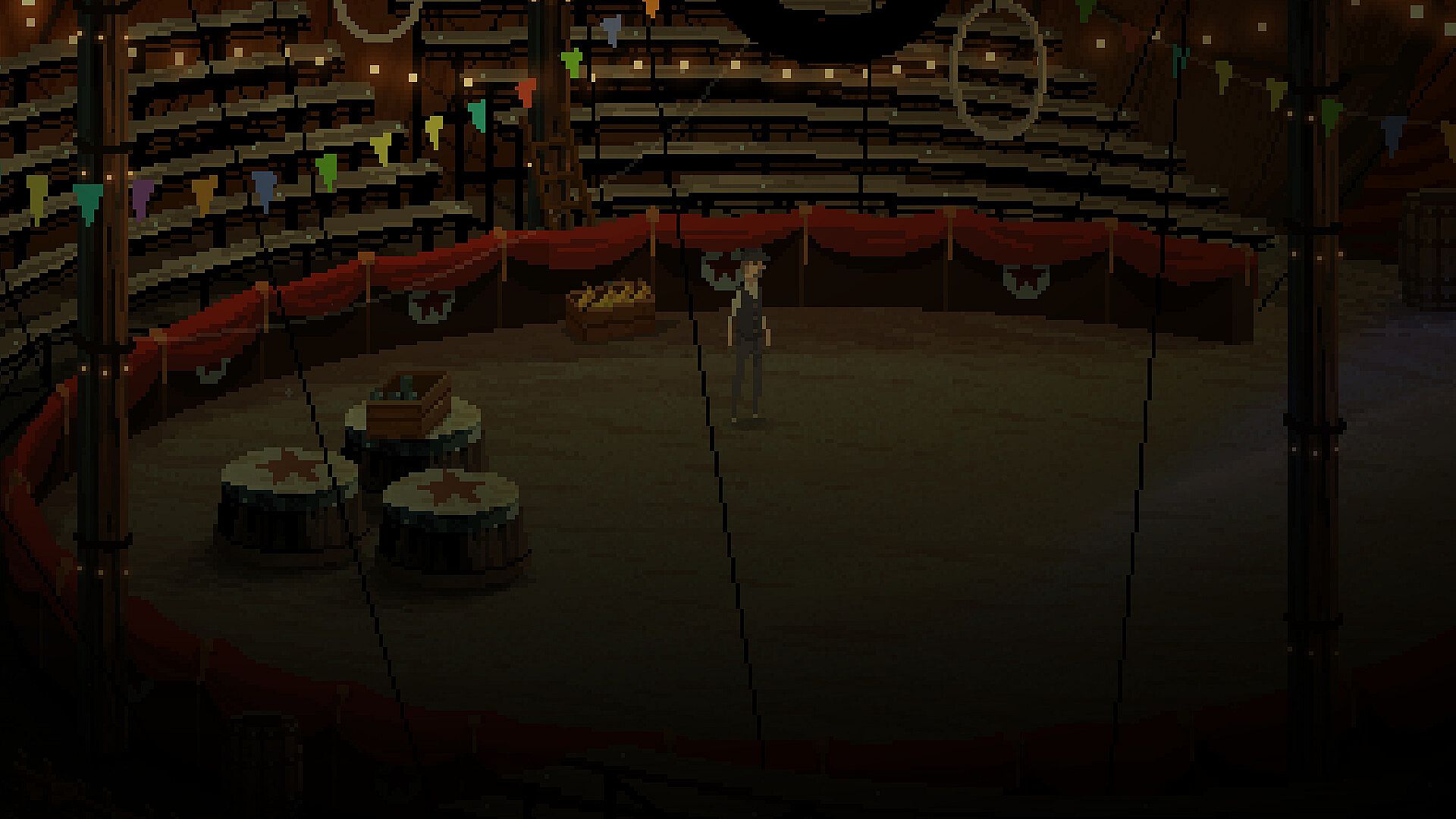
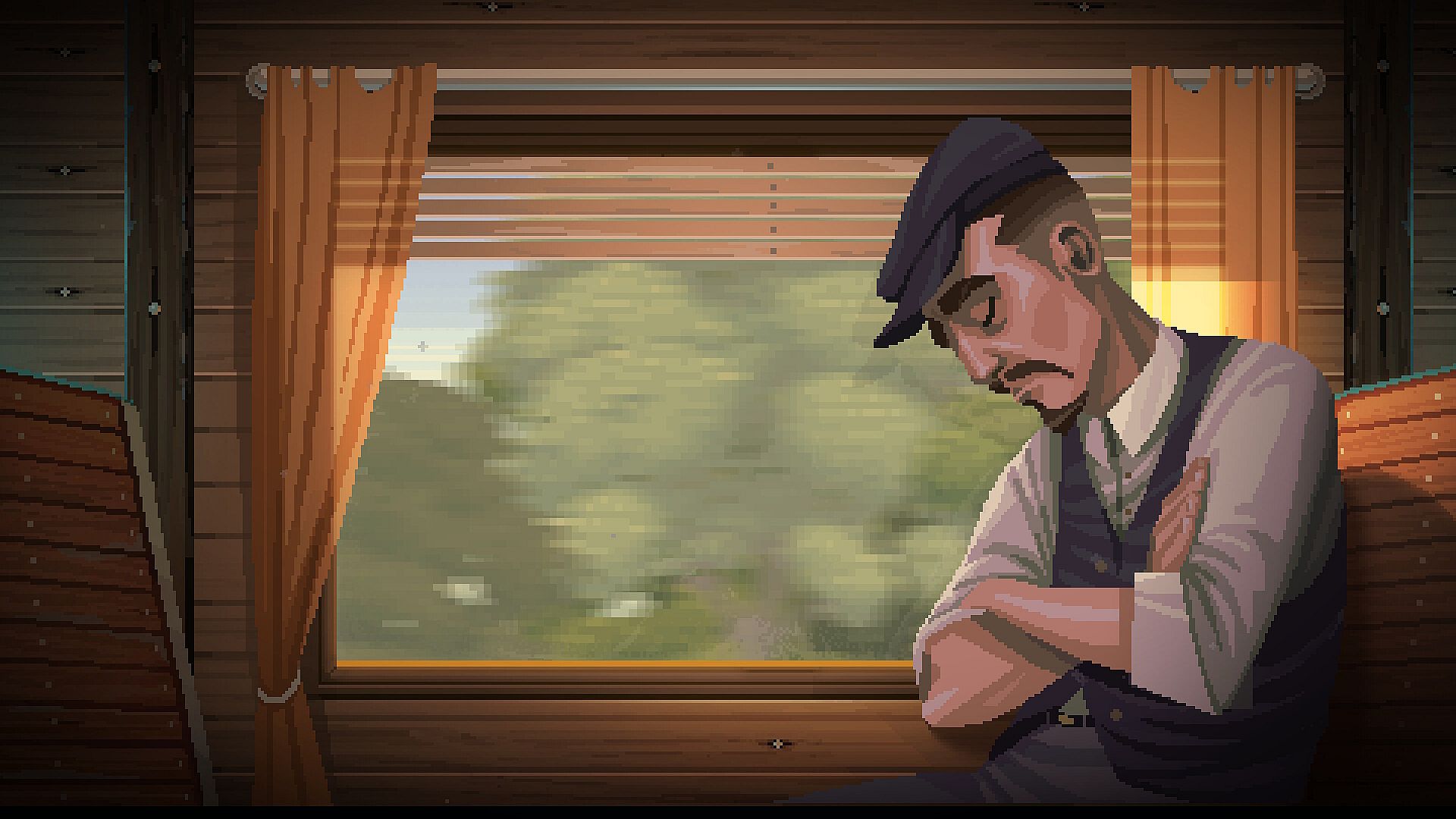
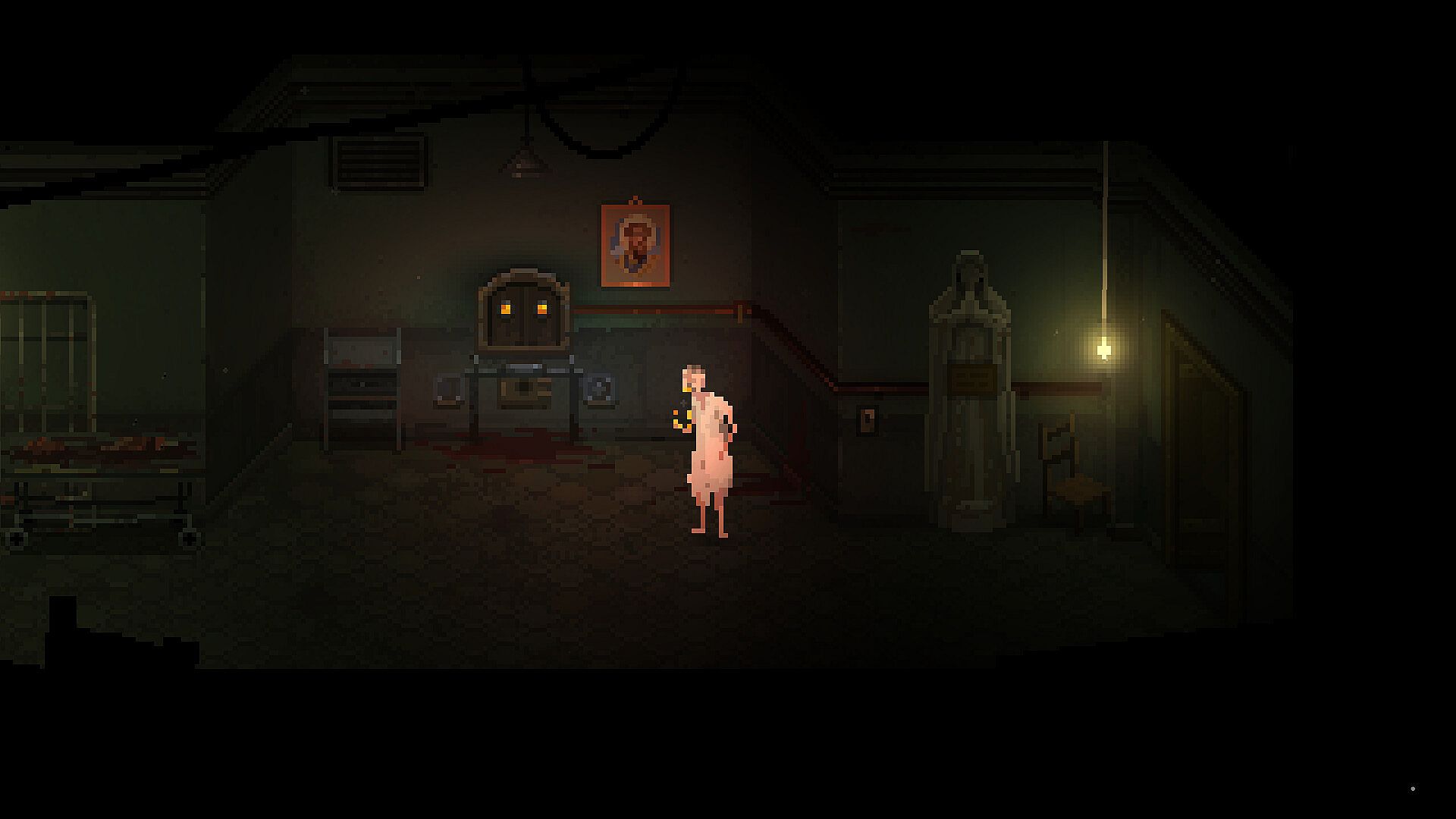
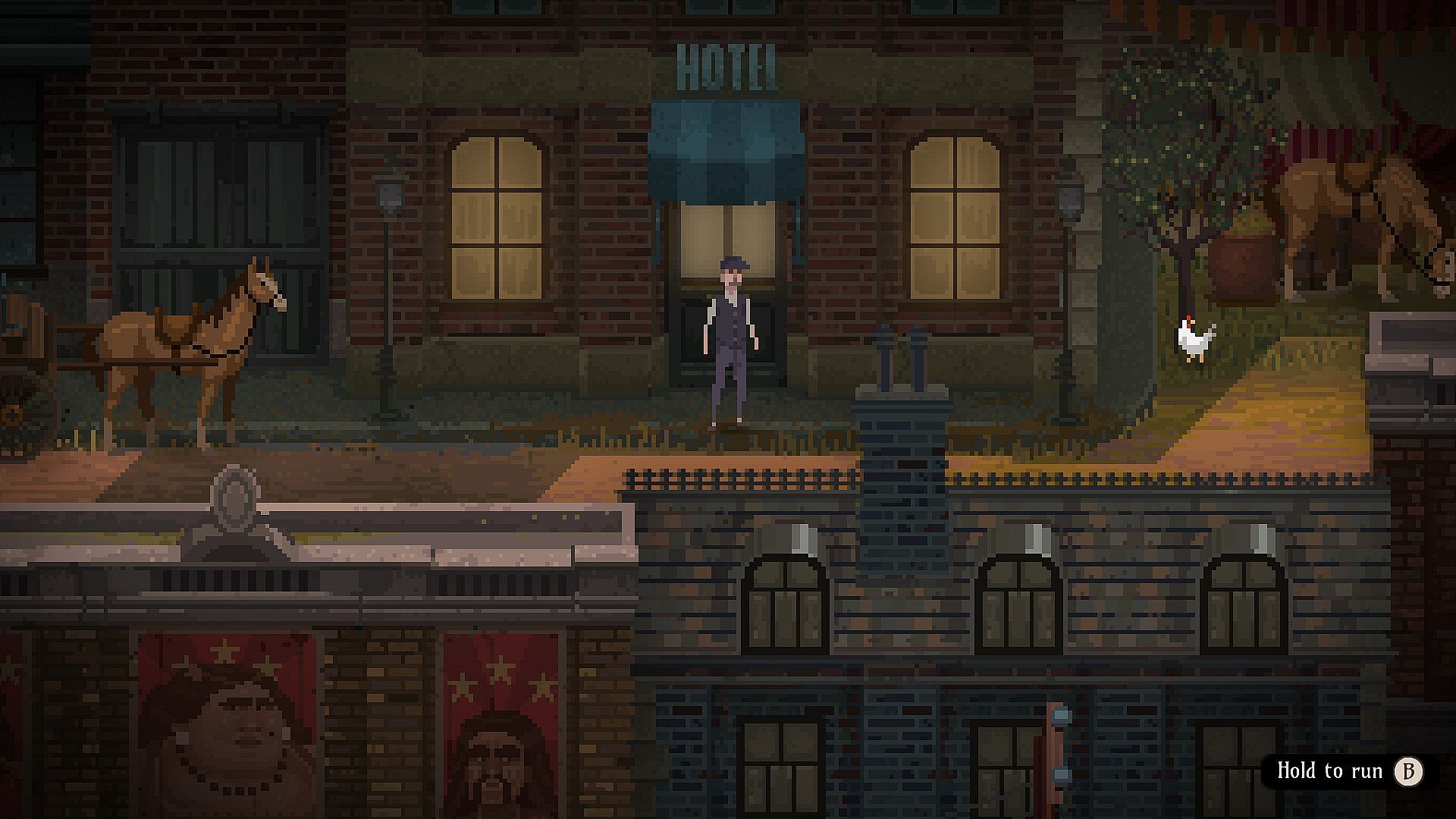
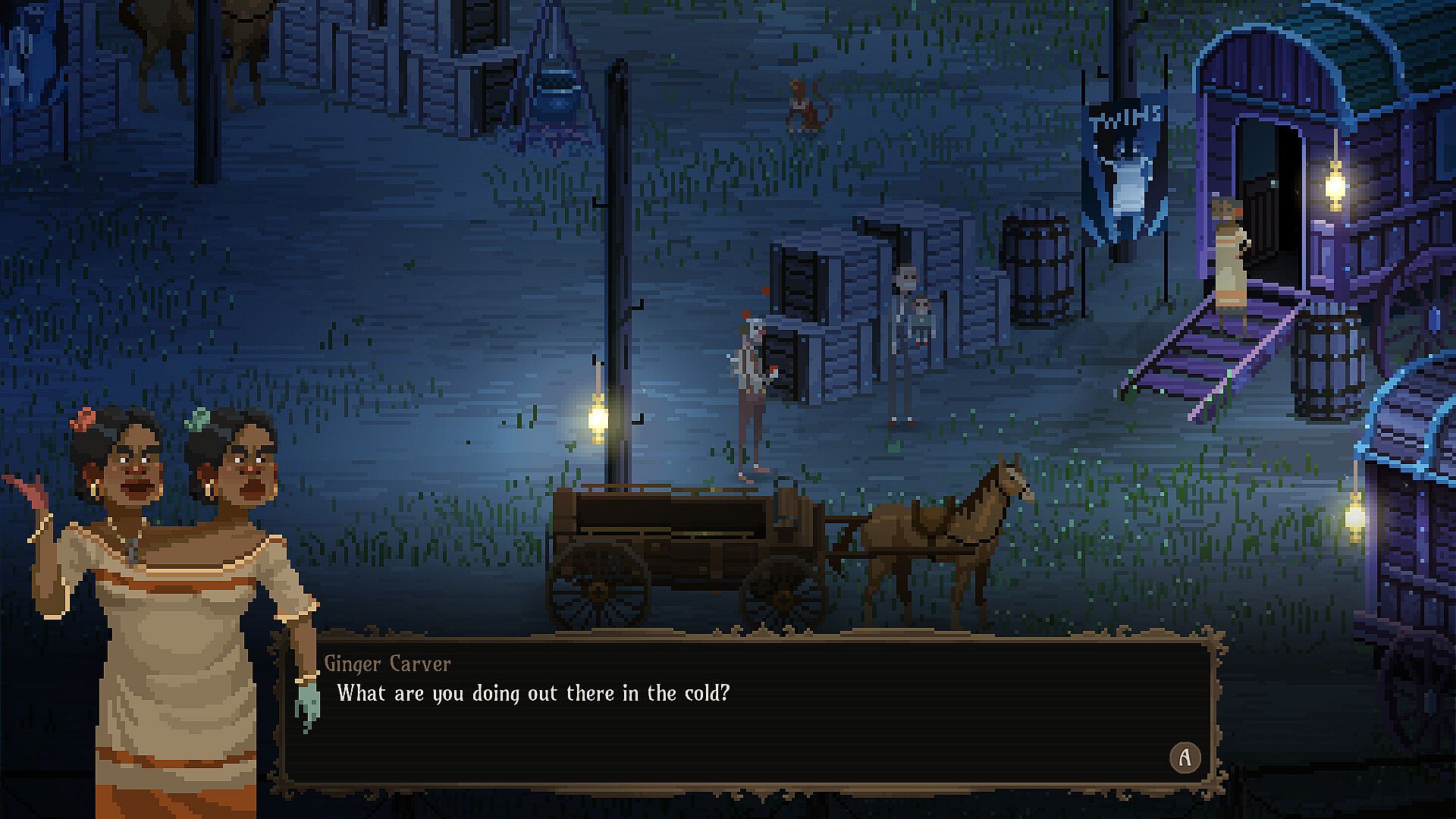
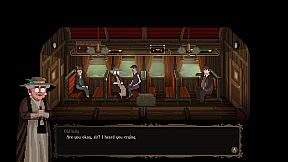
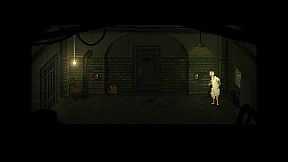
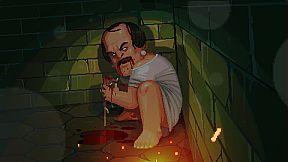
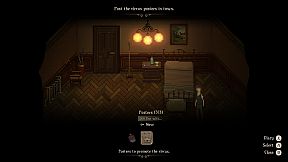
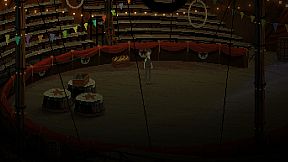
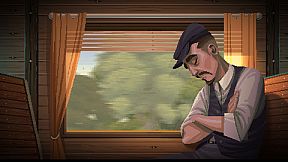
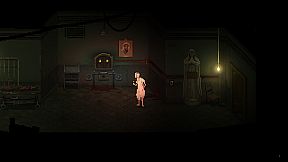
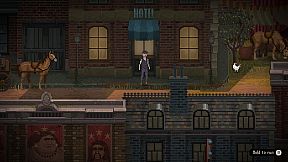
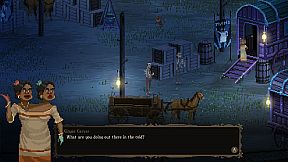
Vlad Circus: Curse of Asmodeus is a single-player pixel-art graphic adventure game that blends horror storytelling with puzzle-solving and light survival elements. Players take on the role of Josef Petrescu in a narrative that serves as both a prequel and sequel to the earlier title Vlad Circus: Descend into Madness. The experience centers on exploration, memory recovery, and confrontation with disturbing events in the town of San Reno.
Gameplay
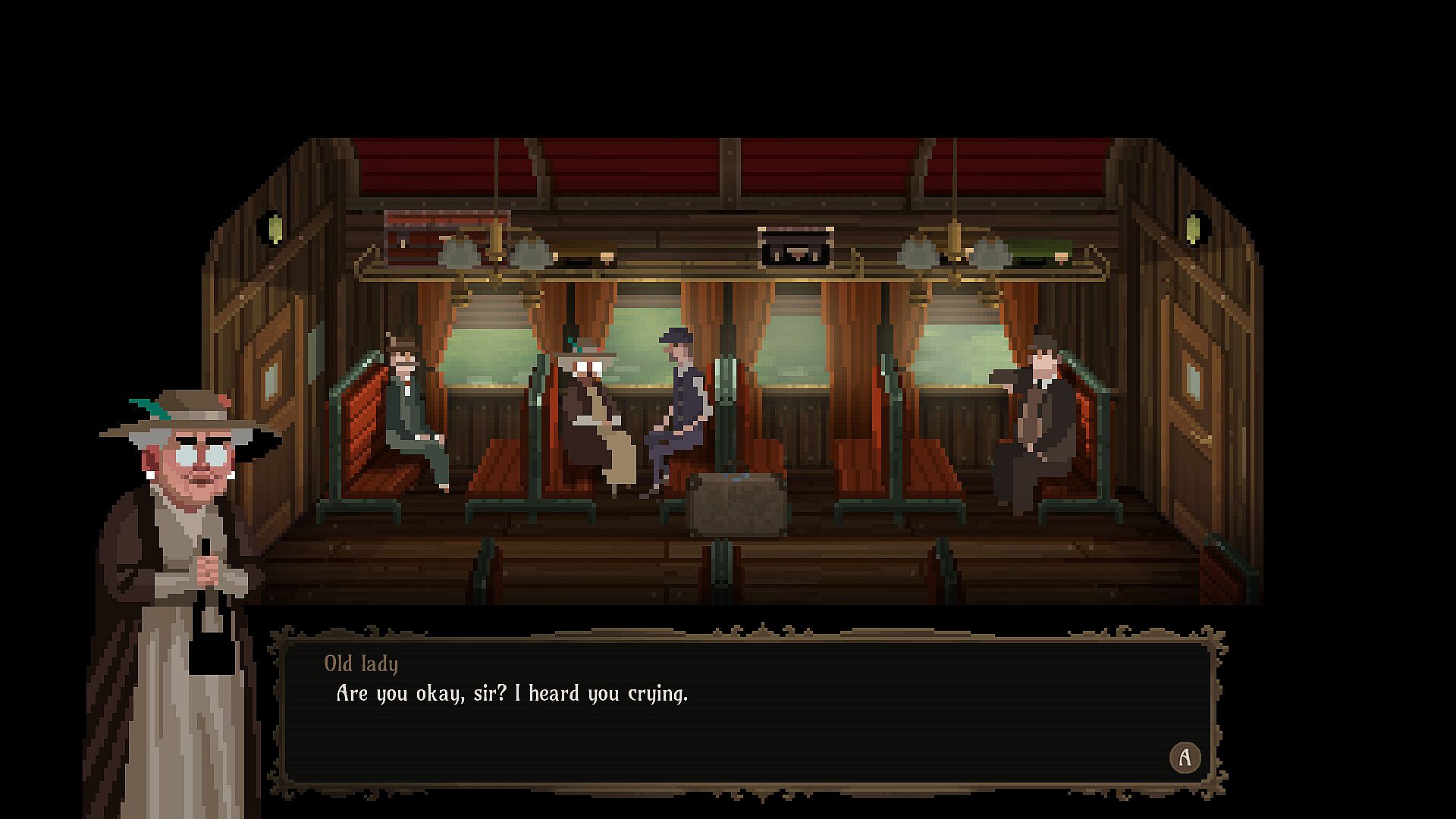
The core loop involves navigating environments filled with puzzles and interactive characters while shifting between two parallel timelines. Josef awakens burned and without memories, and progress comes from collecting journal entries that reconstruct his past. Passing through mirrors triggers these timeline shifts, revealing new details about the story and the town's secrets. Encounters range from odd figures in a dime museum to more threatening presences in the catacombs. Challenges test observation and logic rather than combat, though brief sequences require quick thinking to manage survival aspects. The pixel-art presentation uses dynamic lighting and audio cues to heighten tension during exploration.
Game Modes
The game operates exclusively as a single-player experience with no multiplayer components or separate modes. All content unfolds through a linear narrative structure supported by the timeline mechanic and journal system. Achievements track progress on puzzle solutions and story revelations, while cloud saves allow seamless continuation across sessions. The focus remains on solo progression through the horror adventure without any competitive or cooperative options.
Narrative and Setting
The story revolves around Josef uncovering the origins of the Vlad Circus and the influence of Asmodeus, portrayed as a demon that feeds on sanity. Religious fanatics and macabre locations in San Reno form the backdrop. Journal entries serve as the primary method for piecing together events, creating suspense through gradual revelations. The setting draws from 1920s aesthetics mixed with supernatural horror, emphasizing themes of tragedy, memory loss, and confrontation with inner demons.
Atmosphere and Presentation
Pixel art combines with modern lighting effects to produce a claustrophobic and unsettling environment. Sound design plays a key role in building dread, with audio cues signaling danger or important discoveries. The style maintains consistency with the series while incorporating updated visual techniques for disorientation and immersion. Mature content includes depictions of violence and drug use, aligning with the horror tone.
Is It Worth Playing?
Player reception has been positive, with 89 percent of reviews on the primary distribution platform rating the game favorably based on its story and atmospheric execution. The title suits fans of narrative-driven adventure games who enjoy puzzle mechanics and psychological horror. Its short, focused structure delivers a complete experience without requiring ongoing updates or seasonal content. Those seeking a standalone single-player horror adventure with timeline-shifting puzzles will find the core systems rewarding, particularly if they appreciate pixel-art presentation and gradual story unfolding. Availability on PC supports straightforward access for interested players.