

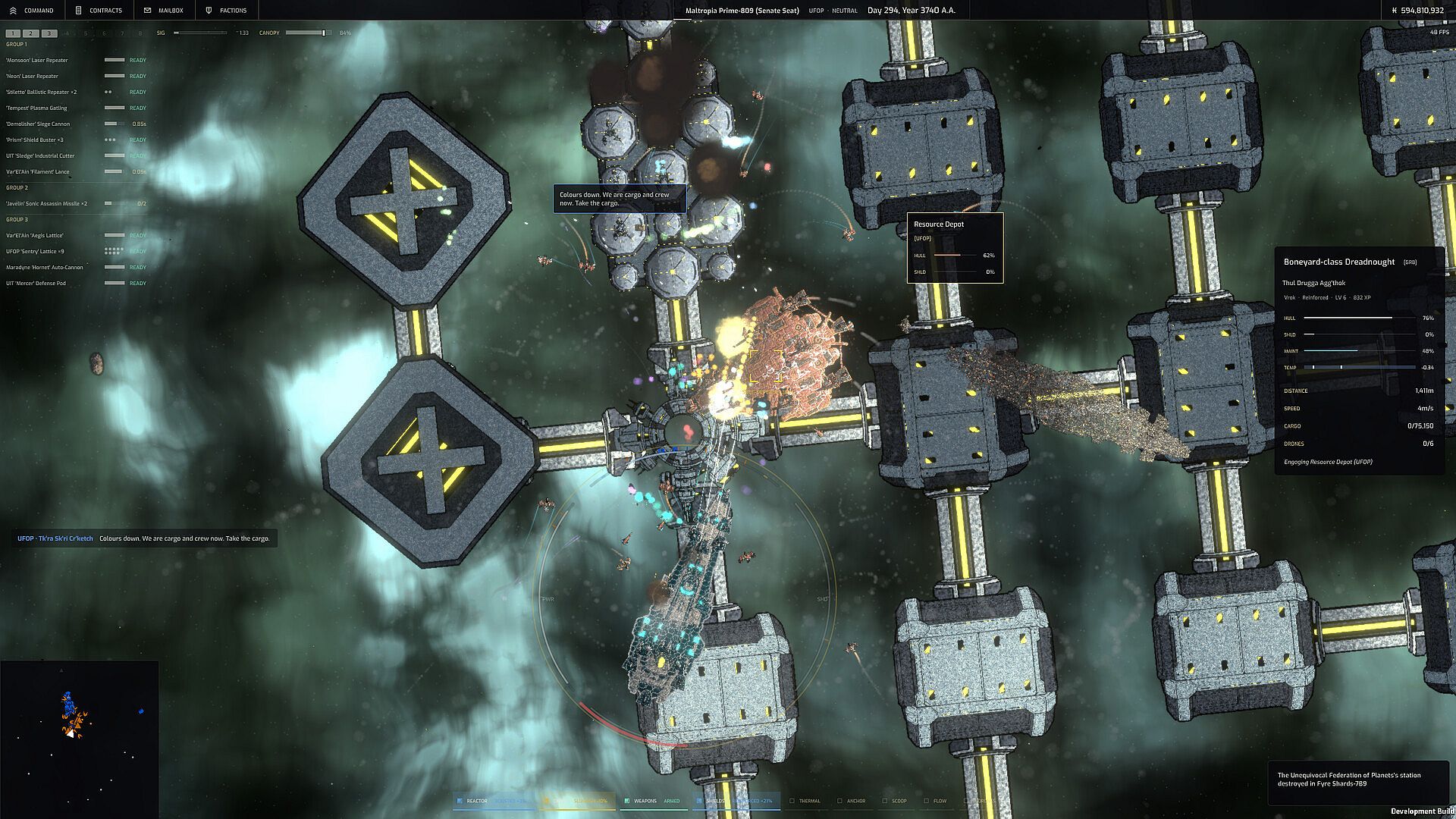
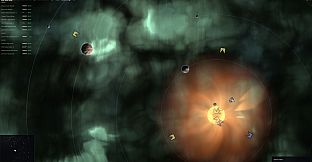
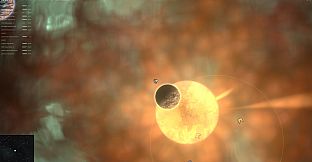
Wayfallen is a single-player space simulation that blends strategy, RPG progression, and economic sandbox elements on PC. Players begin with one spaceship in a galaxy where factions, pilots, and markets operate independently of the player. The simulation runs continuously in the background, creating a living environment where distant events influence trade routes and alliances even when the player is occupied elsewhere.
Gameplay
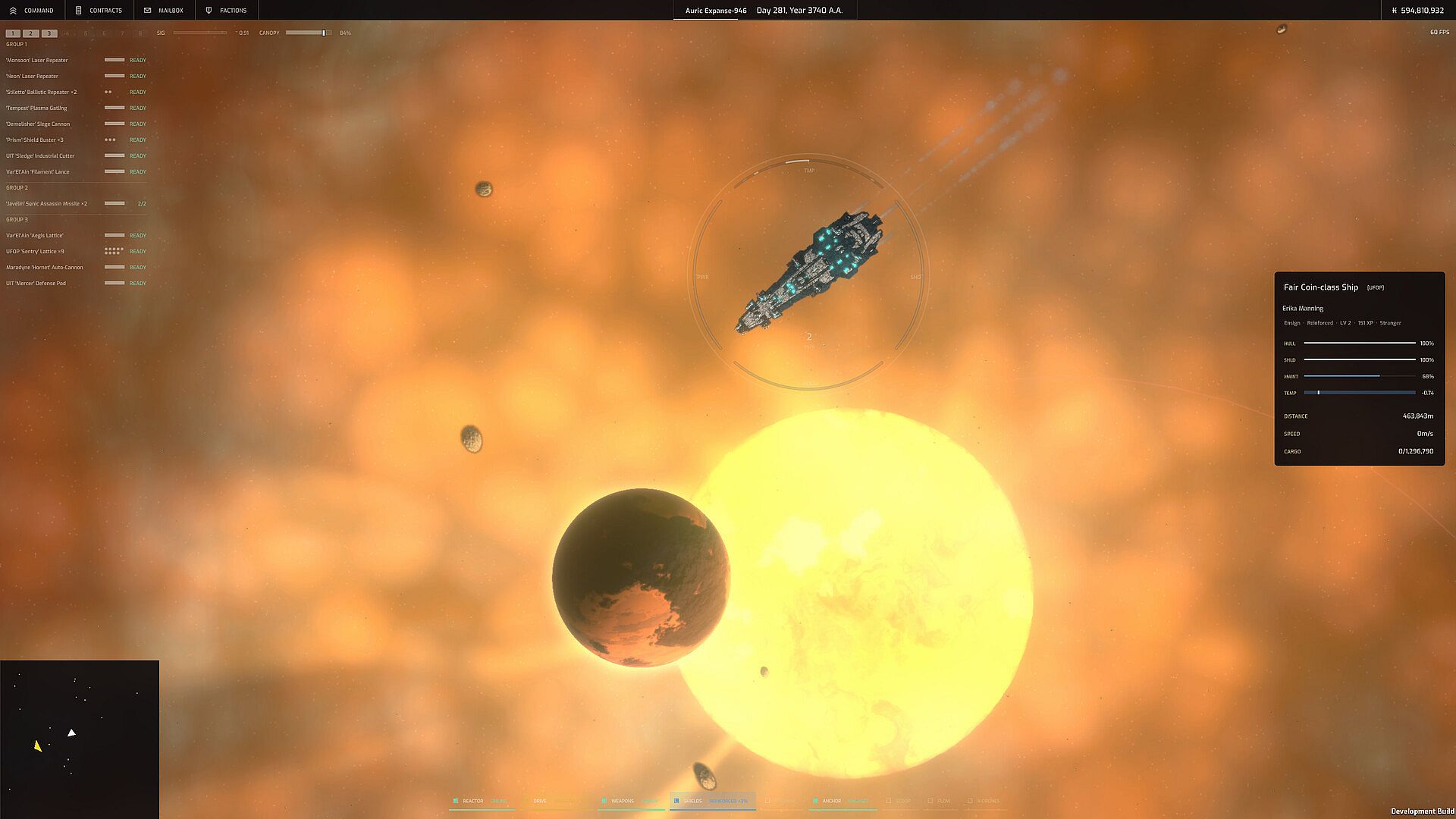
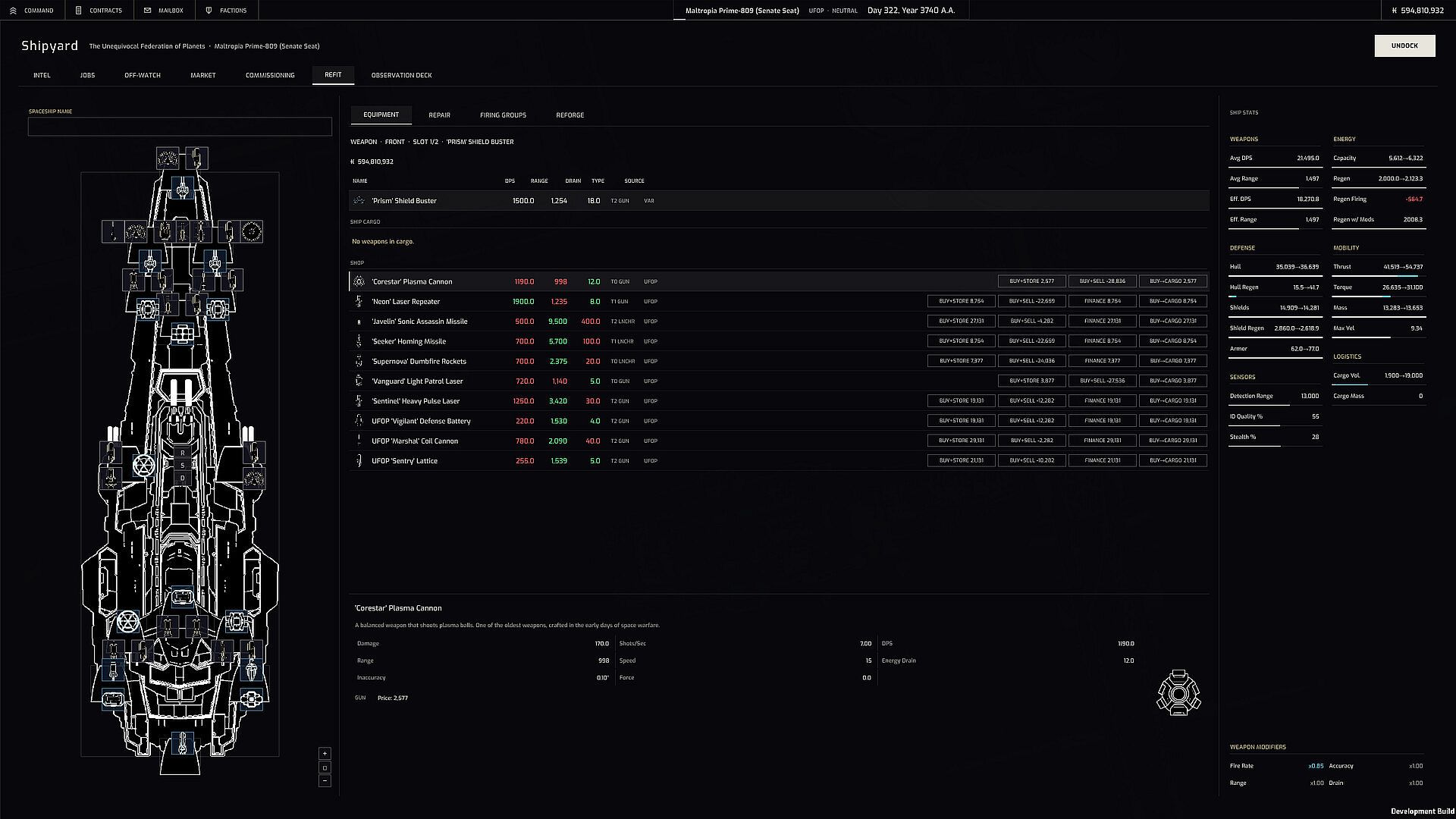
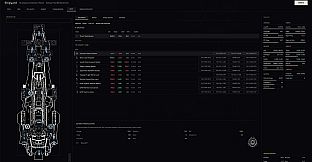
Core gameplay centers on managing a single ship that can expand into fleets and infrastructure. Ships feature fully modular construction with interchangeable parts and module slots that affect performance in combat and travel. Damage manifests visibly as components break away during fights, while energy and heat systems require careful balancing to evade sensors or maximize thrust. Pilots function as persistent characters who gain experience, earn ranks, and develop reputations across multiple voyages. Hiring these individuals allows players to delegate tasks or command small squads with standing orders.
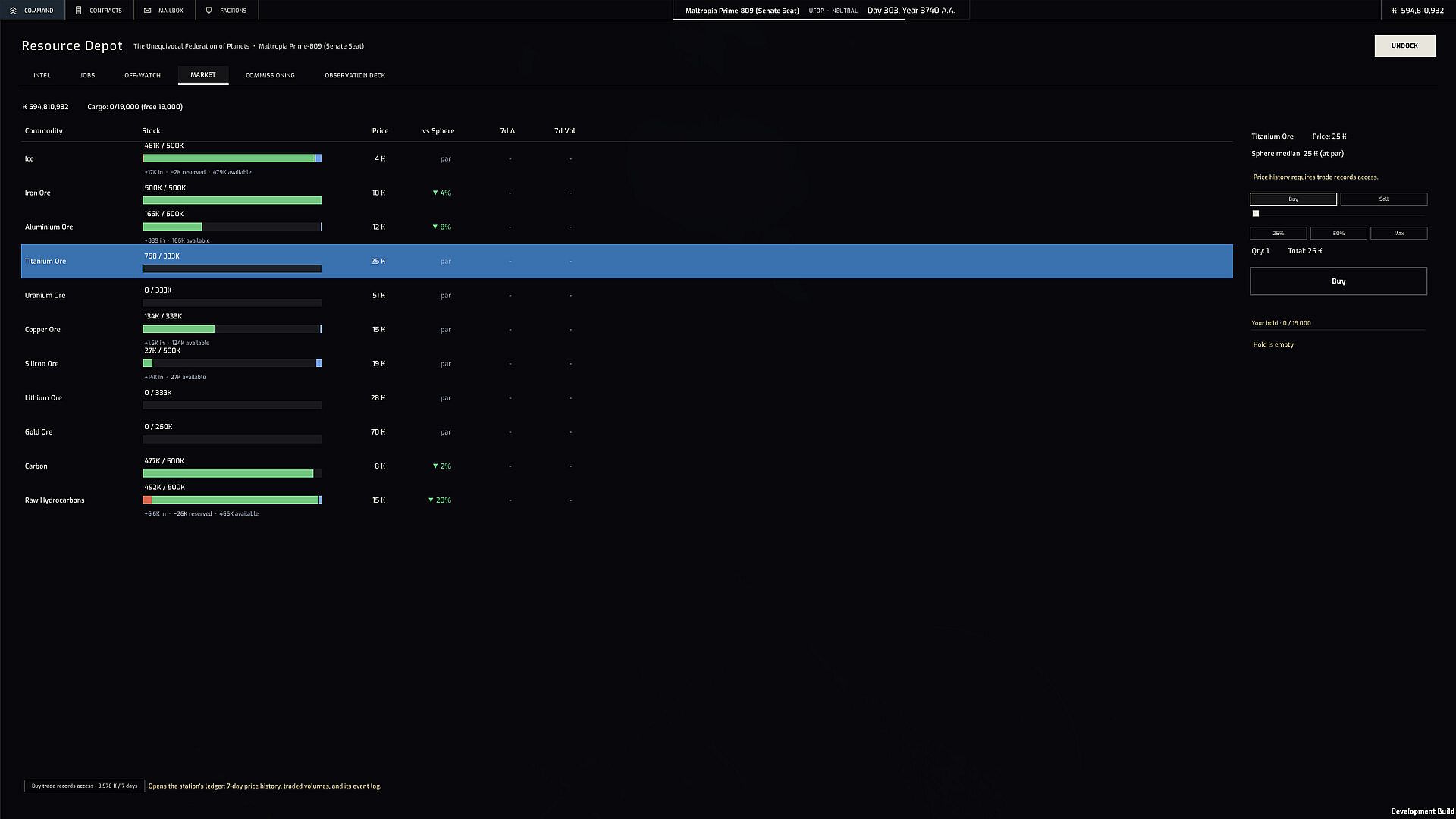
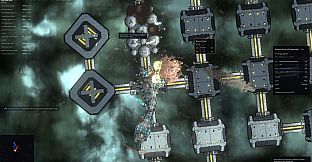
The economy operates through a tangible production chain. Raw ore extracted from asteroids moves through refineries and factories to produce alloys, circuits, and complete vessels. Prices fluctuate based on actual supply disruptions, such as mining strikes or blockades, rather than fixed scripts. Players engage in hauling contracts, bounty hunting, asteroid mining, wreck recovery, and station construction by assembling modules onto a central core. Diplomacy options include forming treaties or initiating conflicts that alter faction behaviors over time.
Game Modes
Wayfallen functions as an open sandbox without predefined competitive modes. Players define their own objectives through a mix of trading, exploration, combat, and empire building. Activities range from operating as a lone freelancer accepting escort or reconnaissance jobs to scaling operations into fleet command and station ownership. The simulation supports both short sessions focused on immediate contracts and longer campaigns where players influence broader faction wars through targeted actions like disrupting supply lines.
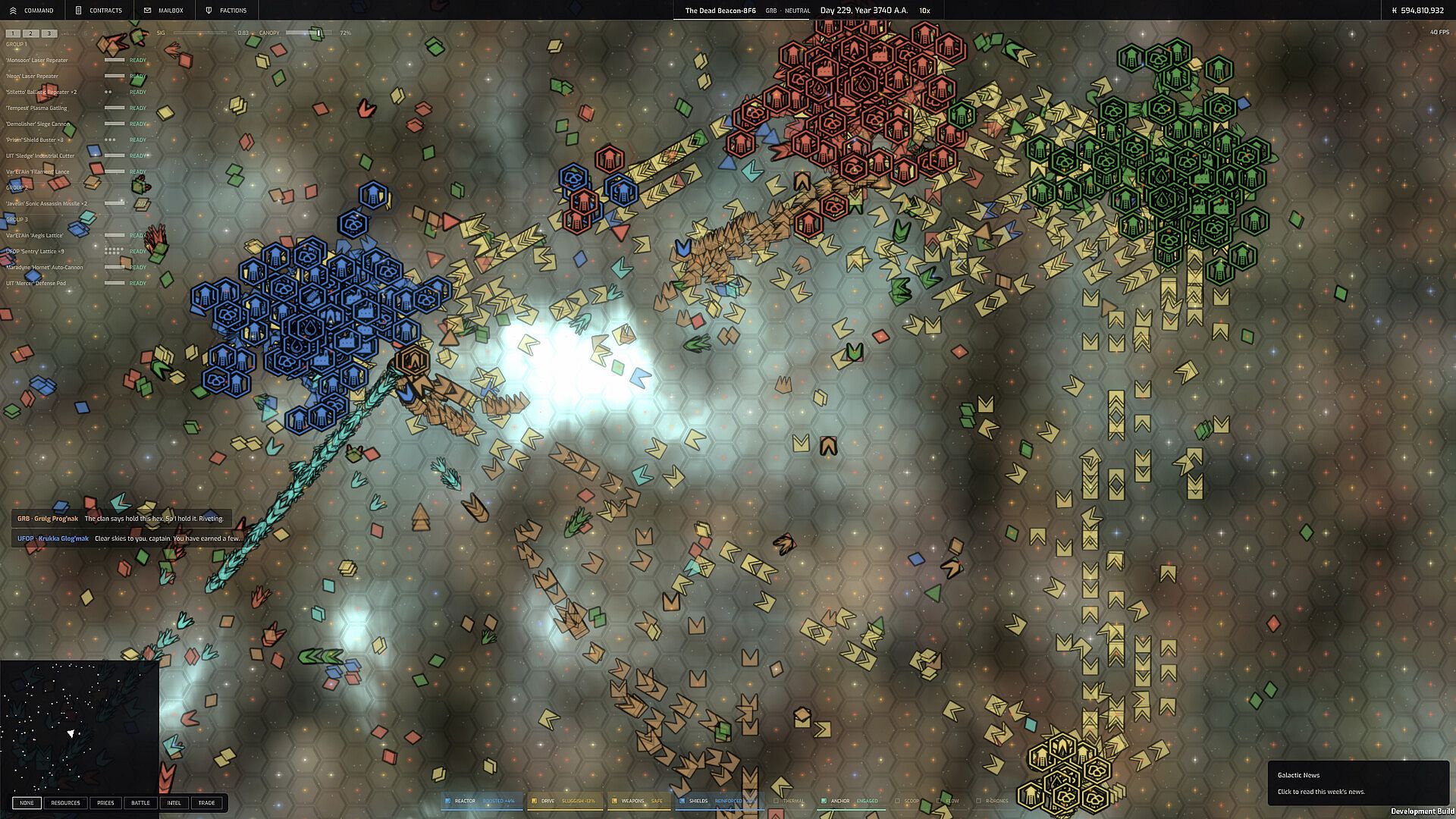
Progression remains tied to the persistent world state. Returning to the game resumes the simulation from the exact point of exit, with factions continuing their long-term strategies and market conditions evolving accordingly. Limited intelligence means players must rely on scouts or captured data to understand distant developments, adding layers of risk to decisions about which conflicts to join.
Factions and Mechanics
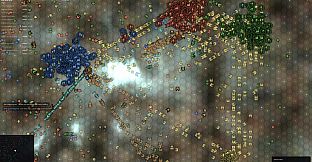
Several major powers shape the galaxy with distinct doctrines. The Unequivocal Federation of Planets operates as a coalition government, while the Zeleth Empire pursues imperial expansion. The Maradyne Alliance functions as a secessionist group, and pirate factions like the Groebans pursue opportunistic raids. Each maintains its own expansion patterns, scouting priorities, and responses to player interference. News and grudges propagate realistically, so eliminating a pilot may or may not draw retaliation depending on whether reports reach their allies.
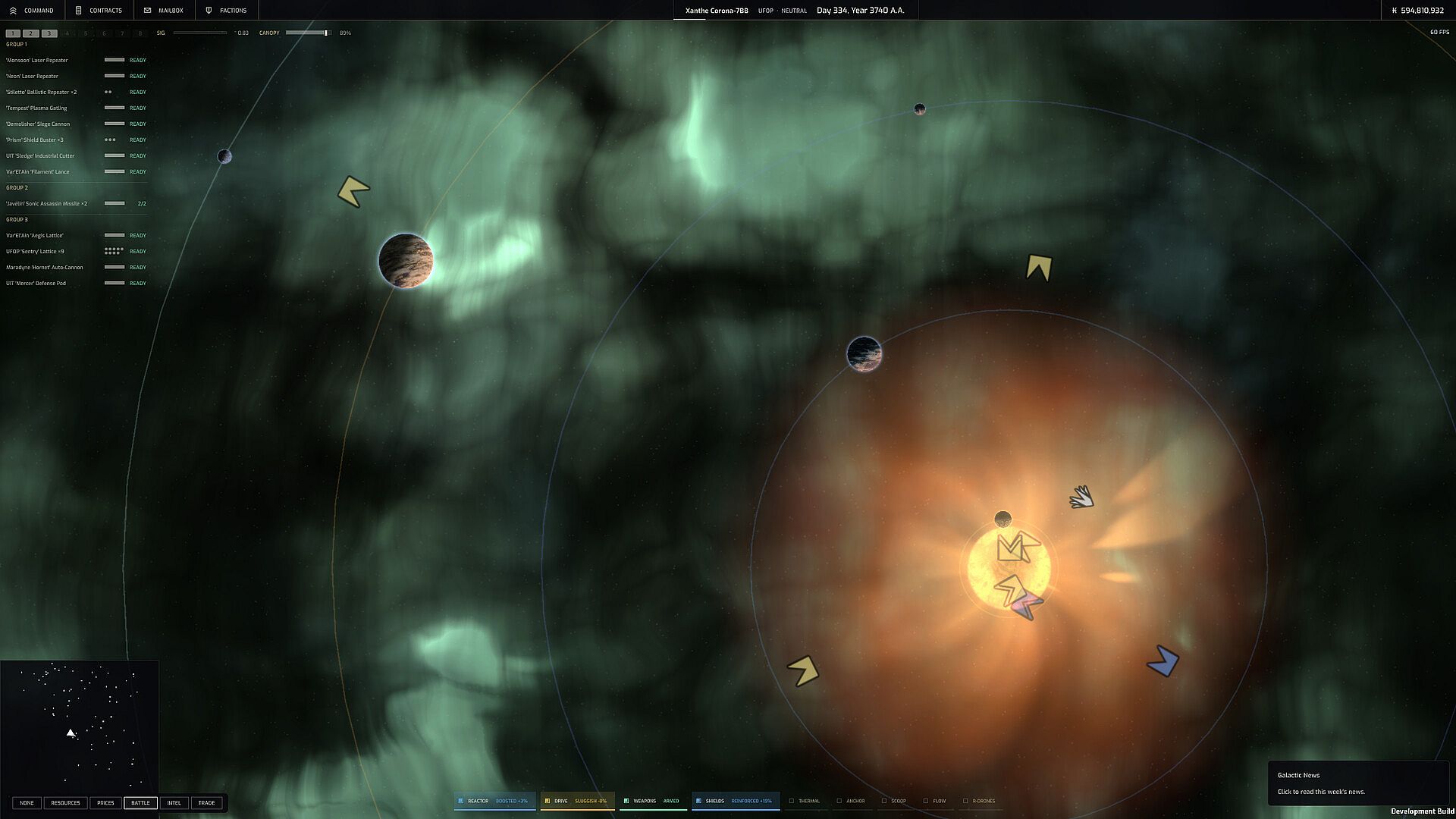
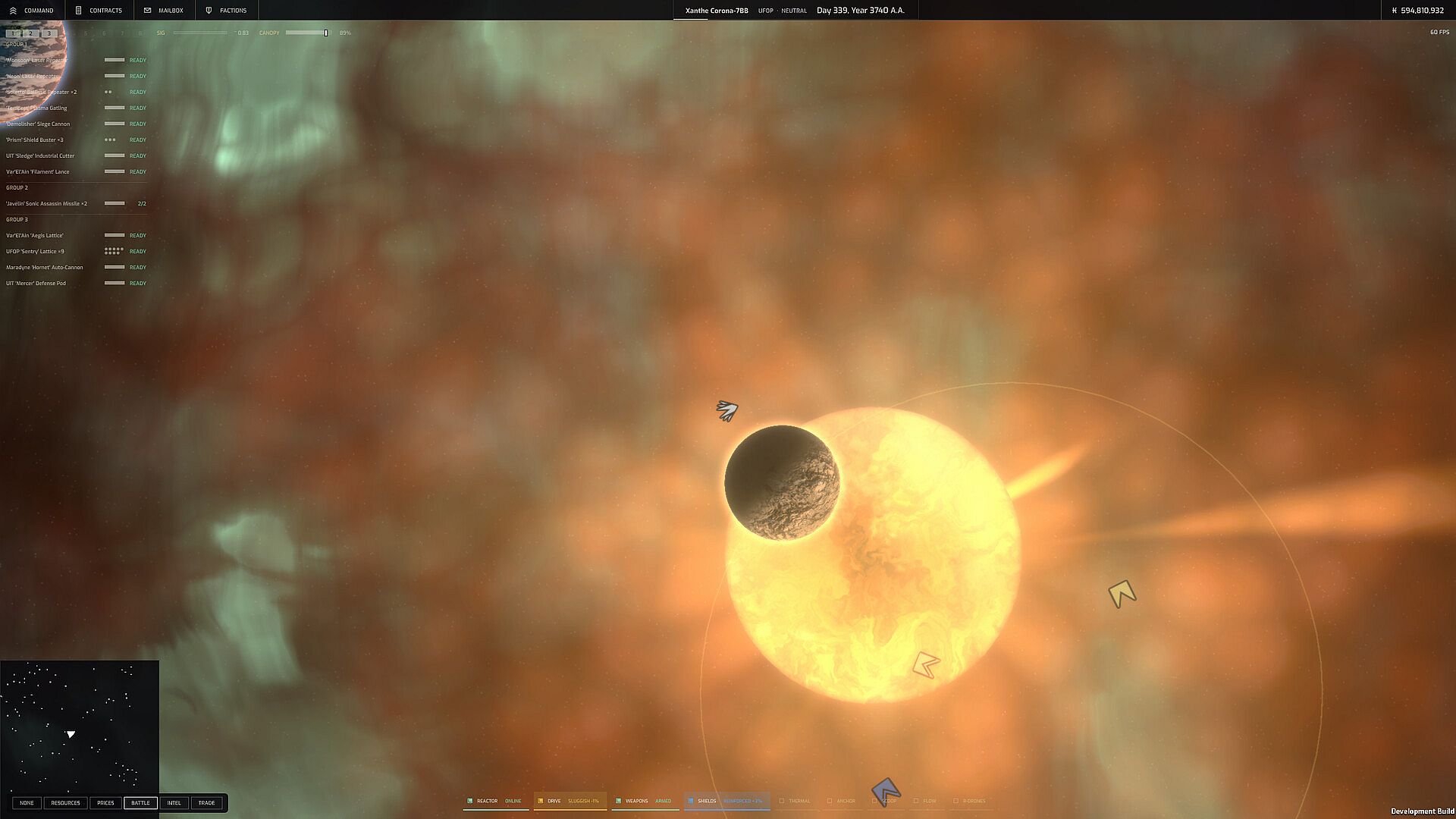
Combat emphasizes tactical depth over simple hit-point depletion. Players fine-tune loadouts, manage thermal signatures to avoid detection, and coordinate fleet movements. Station building extends this system by allowing custom layouts of production facilities, defenses, and docking bays that support larger operations.
Is It Worth Playing?
Wayfallen targets players who enjoy methodical single-player simulations with interconnected systems. Those interested in economy management, persistent NPC interactions, and gradual empire growth will find substantial depth in the production chains and faction dynamics. The game remains in active development by a solo creator, with no public release date or player metrics available yet. Its appeal lies in the self-contained simulation that continues independently, rewarding careful planning and adaptation to emerging opportunities rather than scripted events. Individuals seeking fast-paced action or multiplayer competition may find the deliberate pace less suitable.