





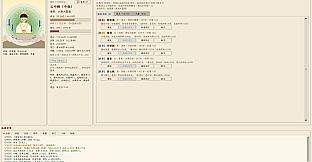
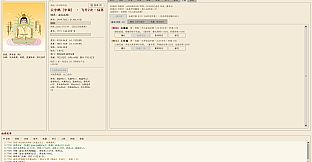
问道长生 is a single-player text-based xianxia cultivation idle game available on PC in Simplified Chinese. Players begin as an ordinary village youth who receives a jade slip and breathing manual from a mysterious elder, setting off a journey through cultivation realms amid a rift draining spiritual energy from the mortal world.
Gameplay
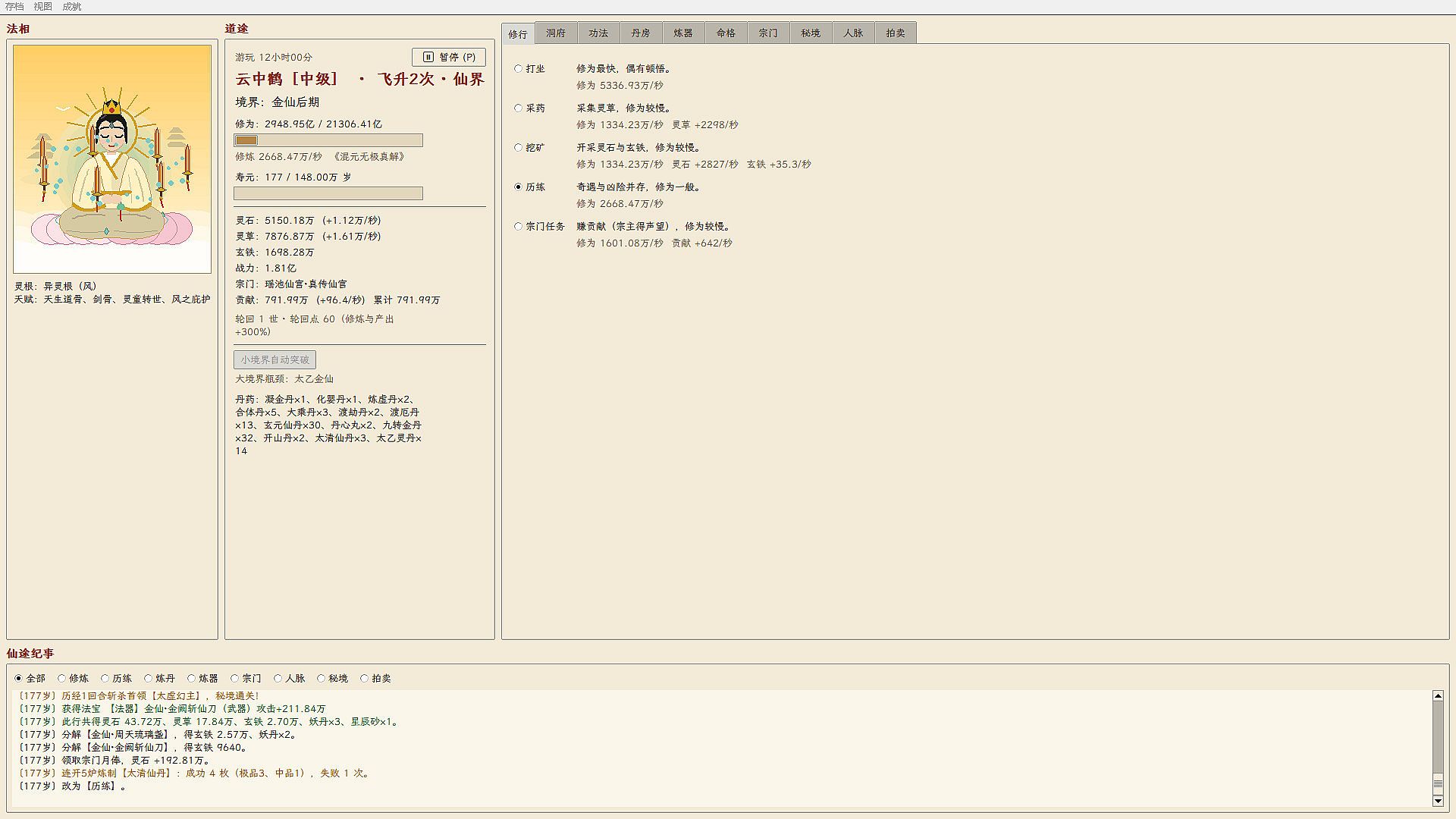
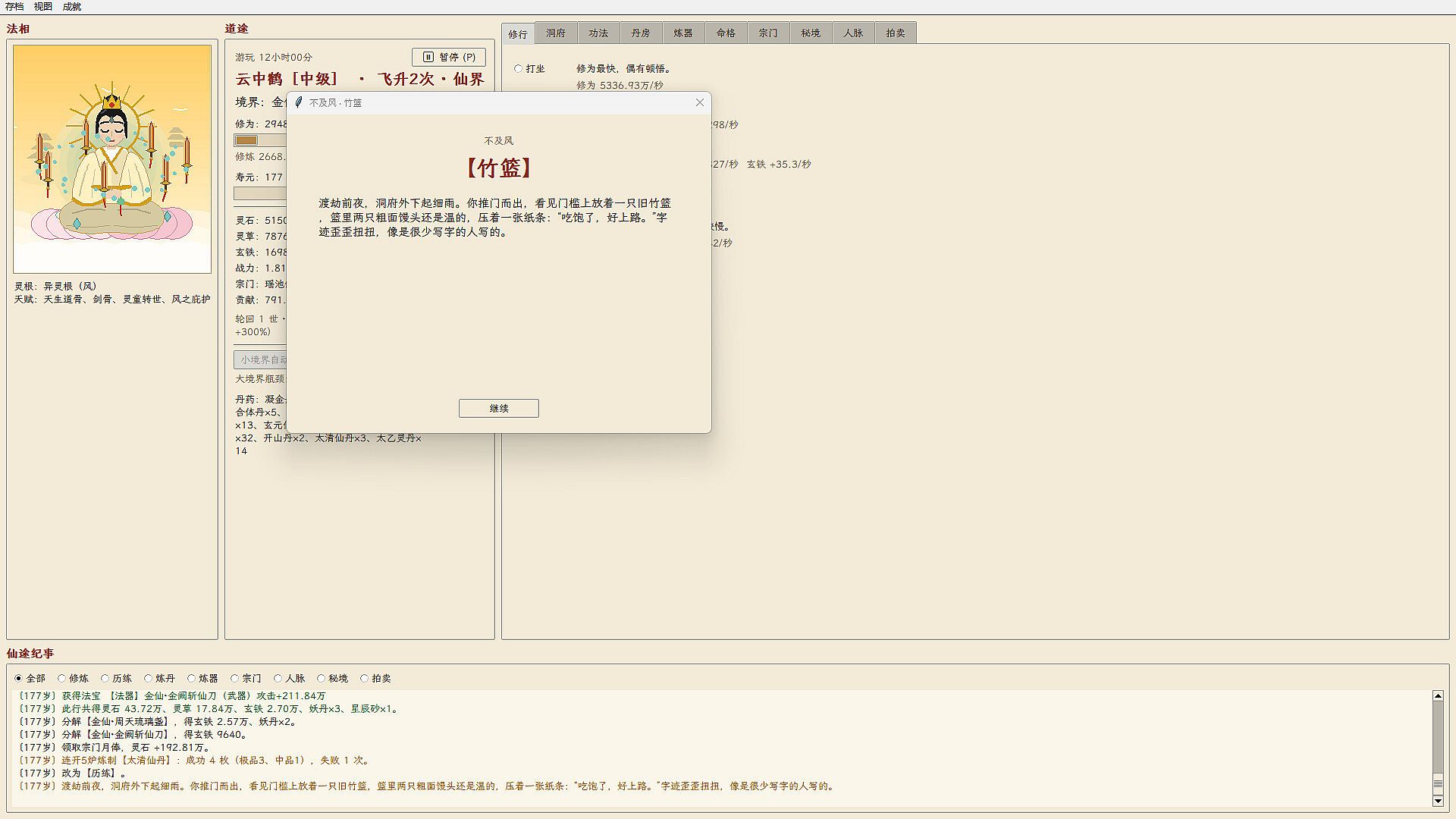
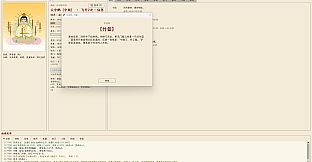
The core loop centers on idle cultivation that advances only while the game remains open. Characters gain experience through meditation or other activities, and players intervene at key decision points to shape development. Choices include whether to focus on quiet practice or pursue adventures, whether to attempt pill refinement, and how to handle relationships with other cultivators. These decisions influence spirit roots, talents, and overall path.
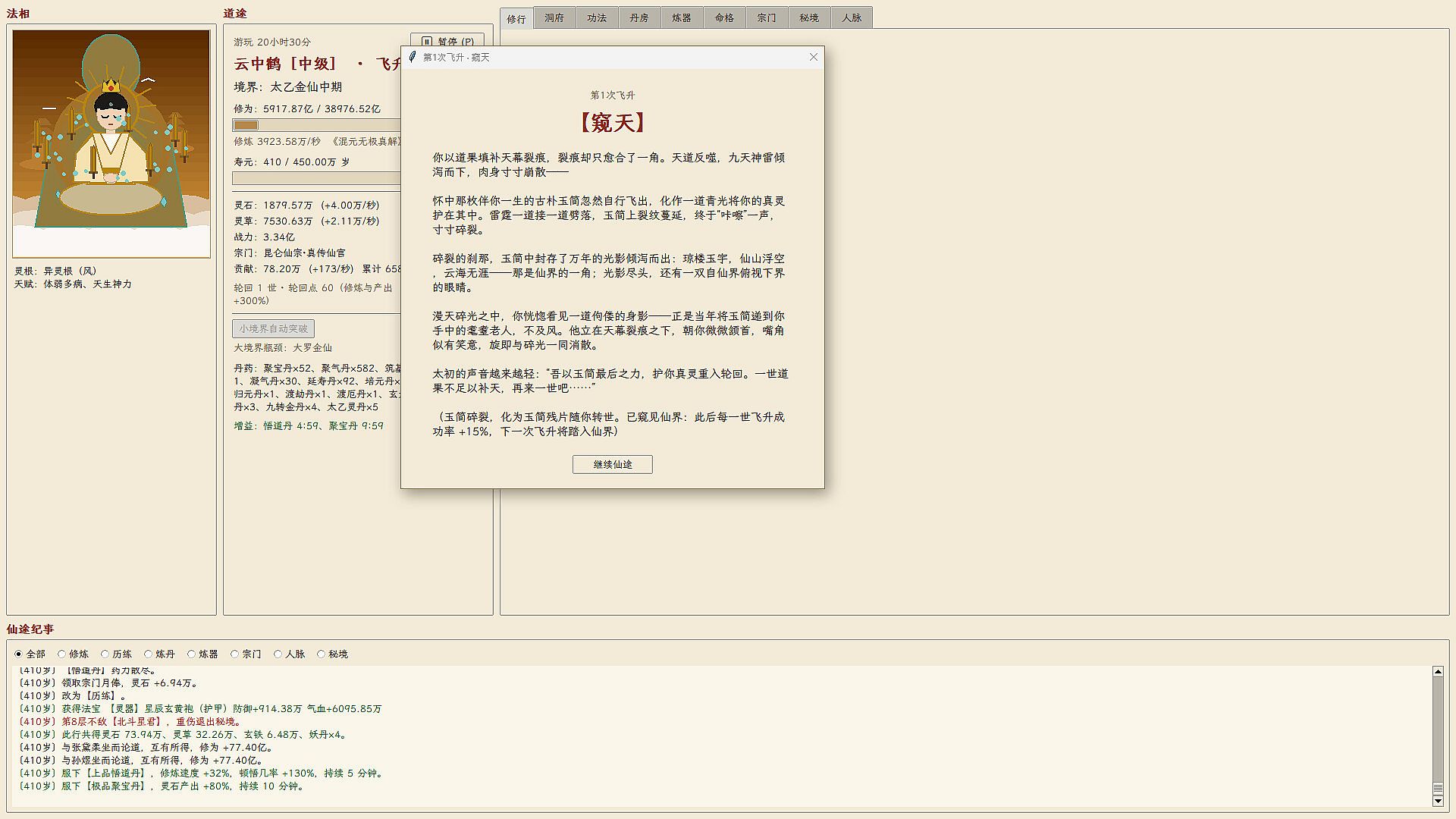
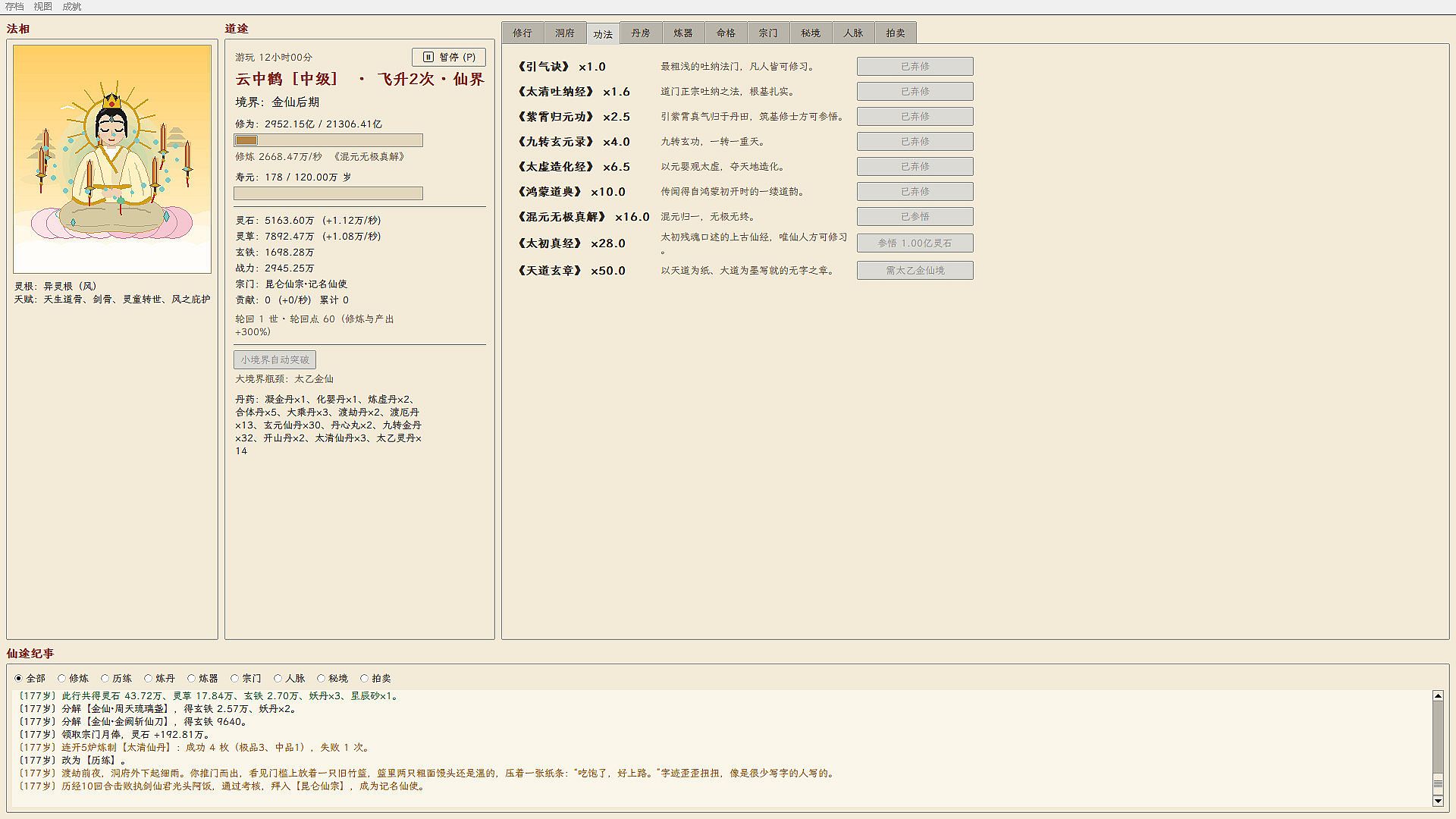
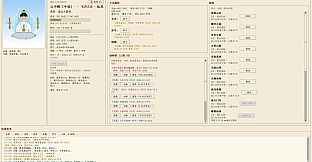
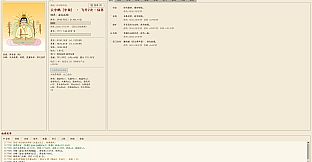
Progression spans fifteen realms across two worlds, beginning with Qi Refining and advancing through Foundation Establishment, Golden Core, Nascent Soul, Tribulation, ascension, and into the Immortal Realm. Each major breakthrough alters the character portrait and soundtrack. Spirit roots range from heavenly and mutant types to false variants across eight elements, accompanied by nearly one hundred talents in five grades, some beneficial and others carrying drawbacks.
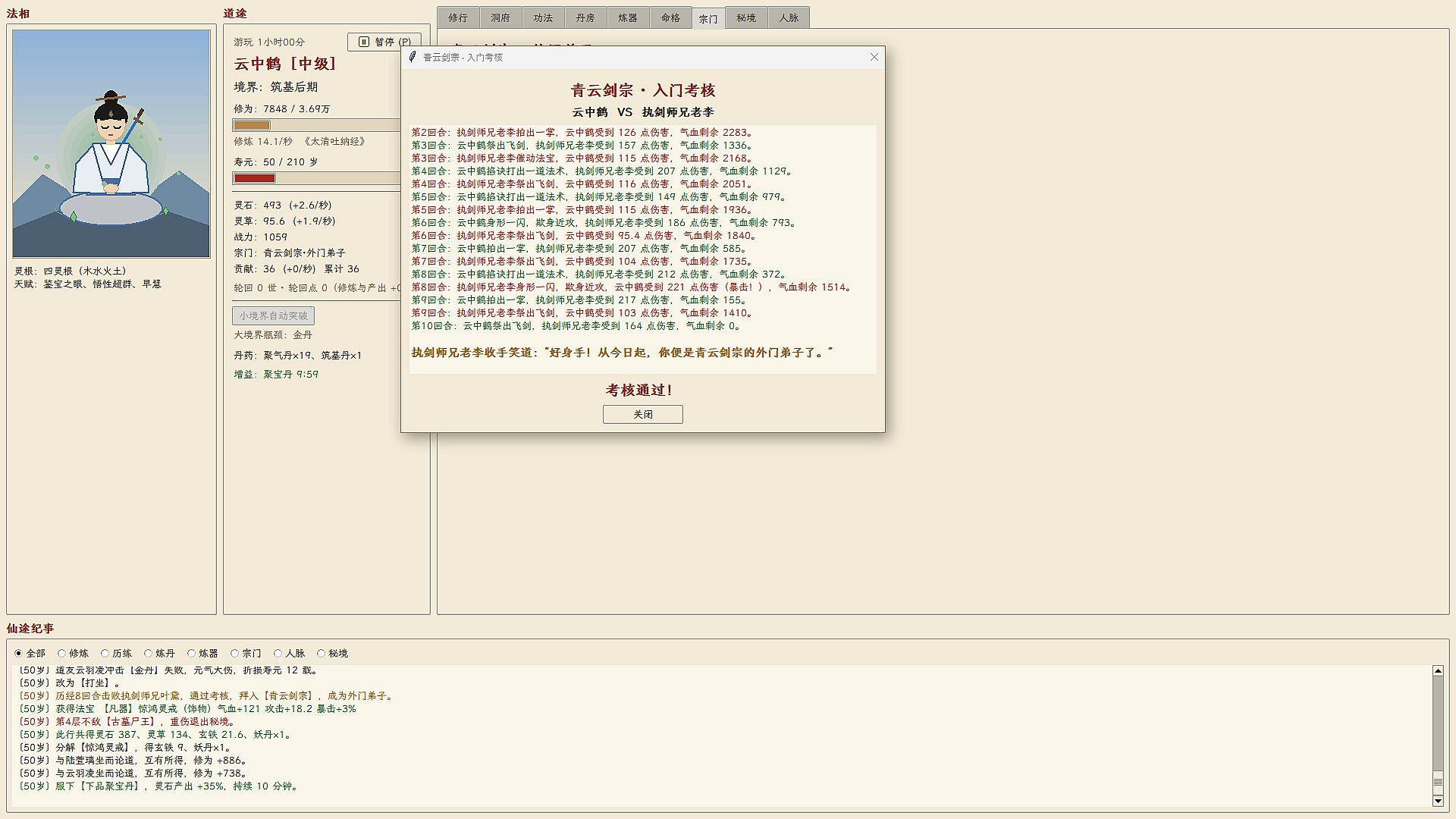
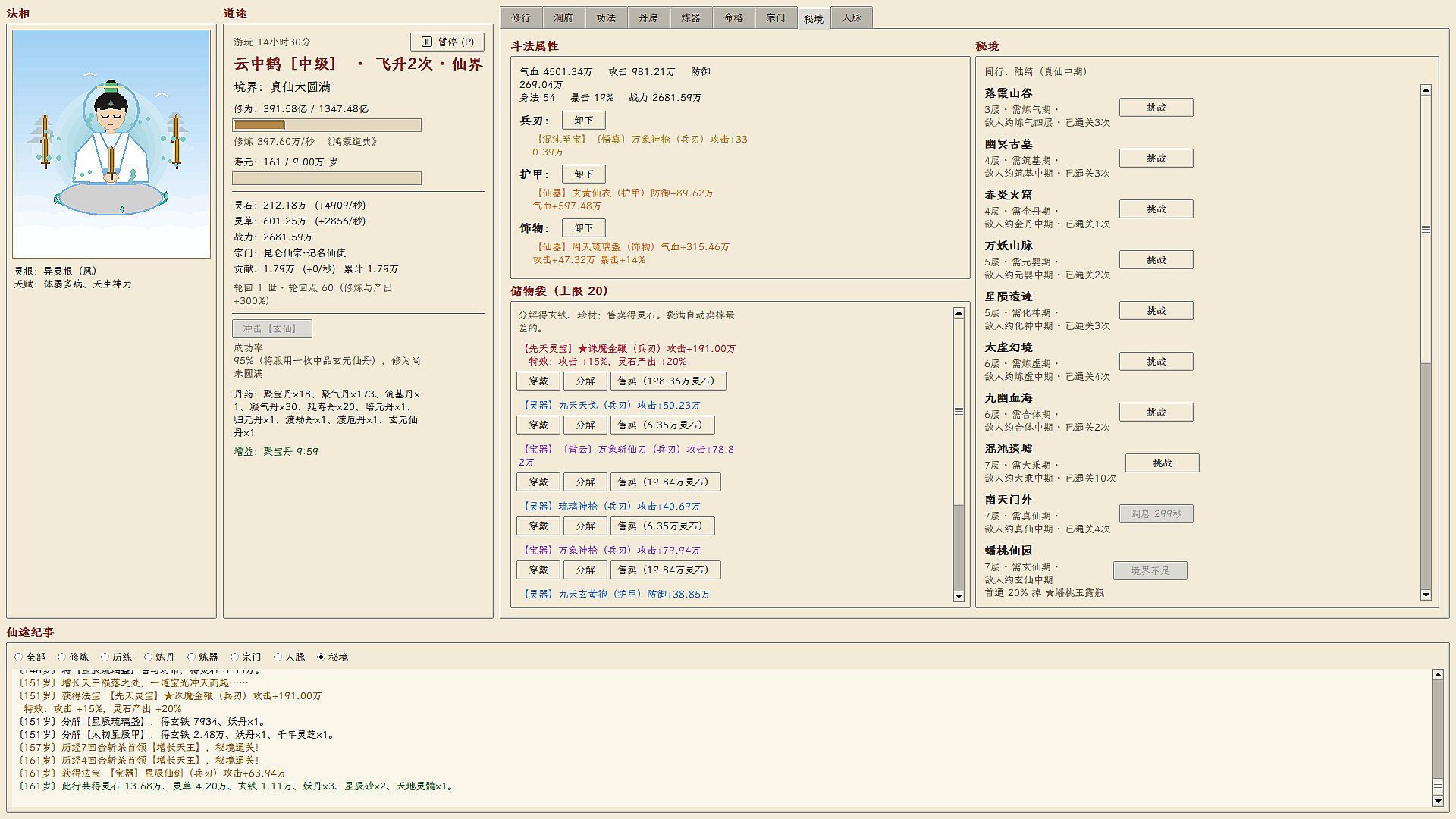
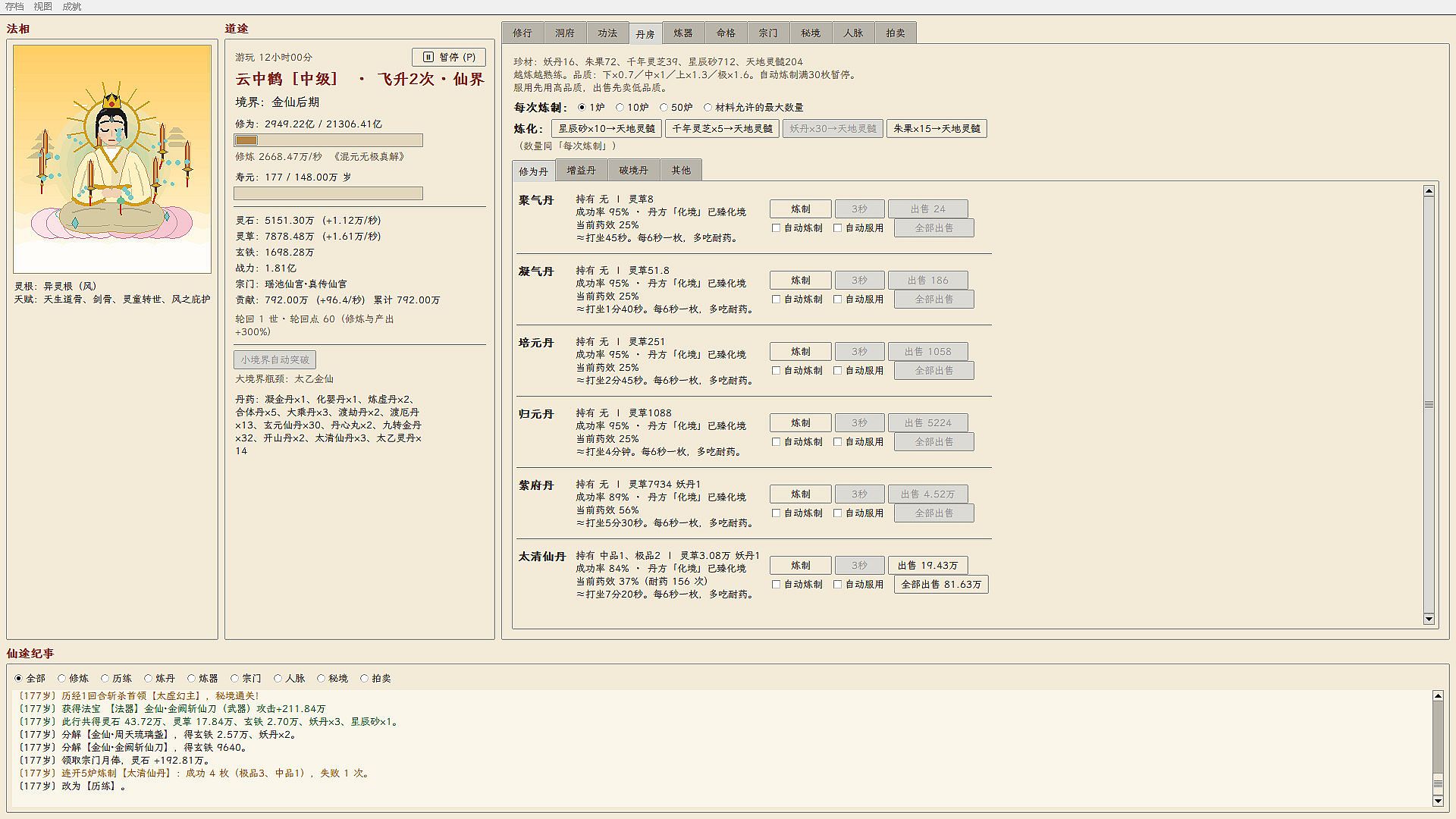
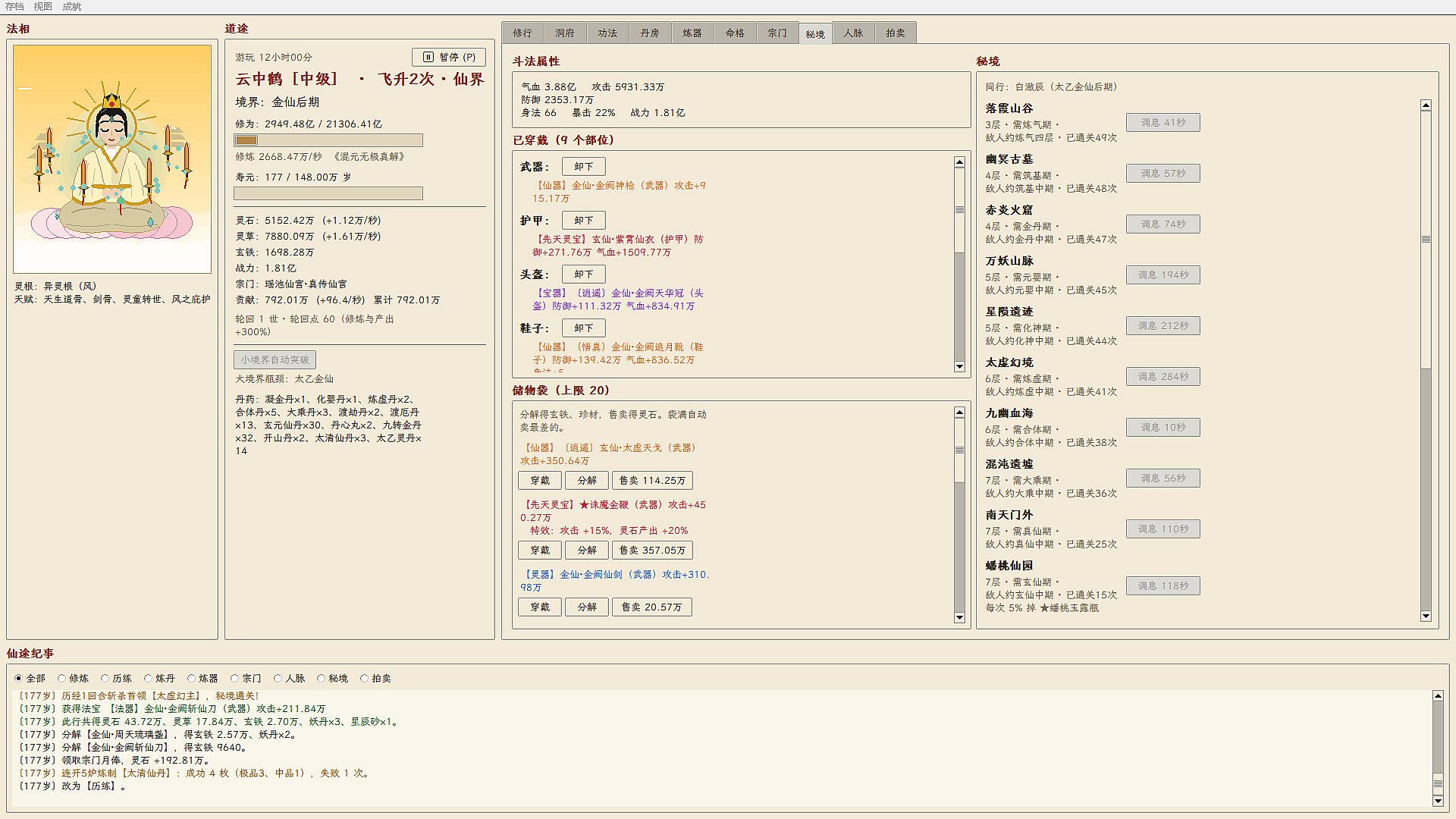
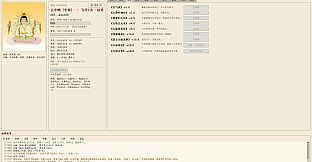
Alchemy involves more than thirty pills that support cultivation, provide buffs, or aid breakthroughs, with recipes improving through repeated practice. Artifact forging covers seven grades, allowing enhancements up to plus ten and collection of seven complete sets. Seventeen secret realms host automatic turn-based battles from locations such as Sunset Valley to the Primordial Sea, where bosses may yield unique artifacts.
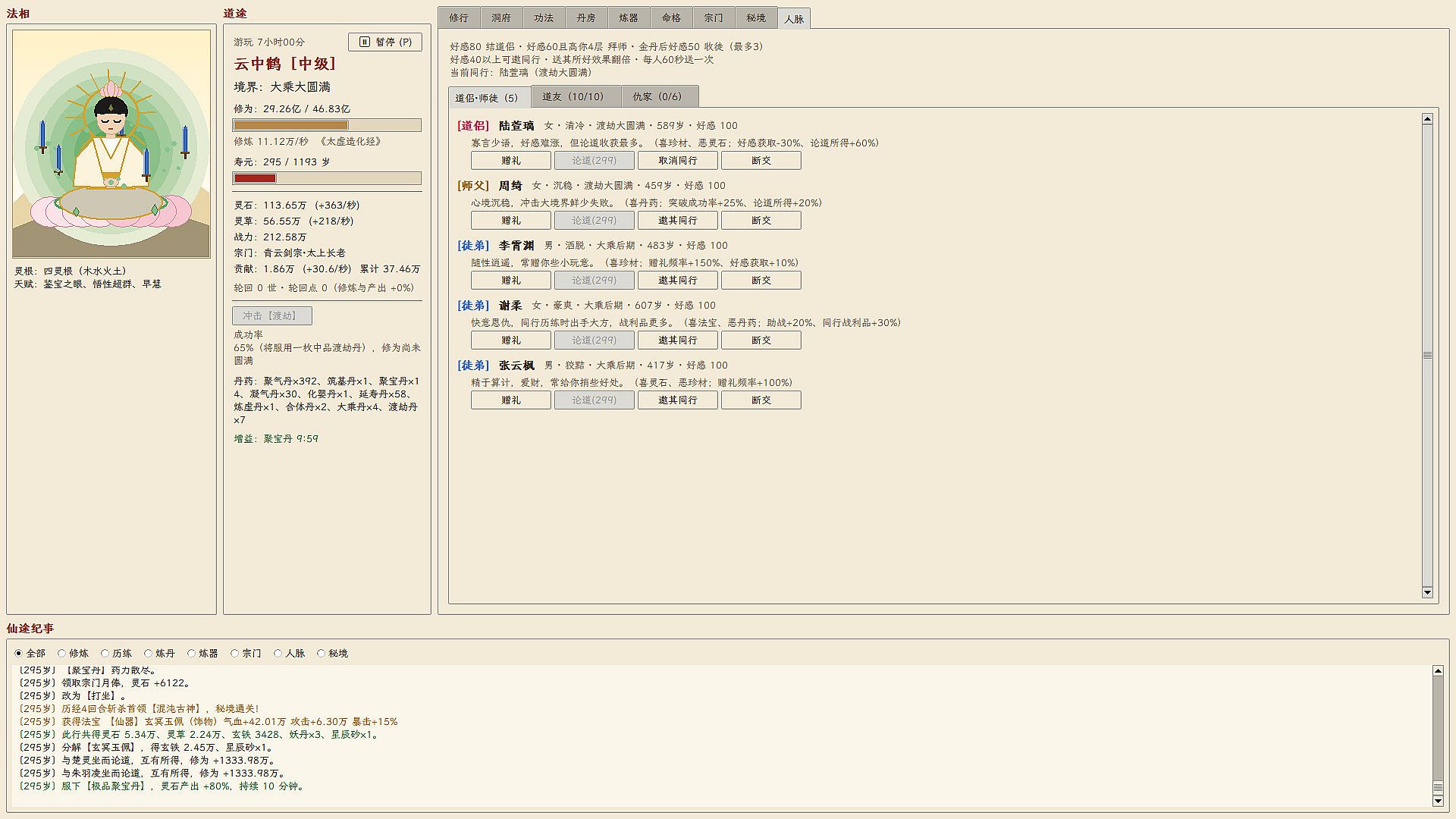
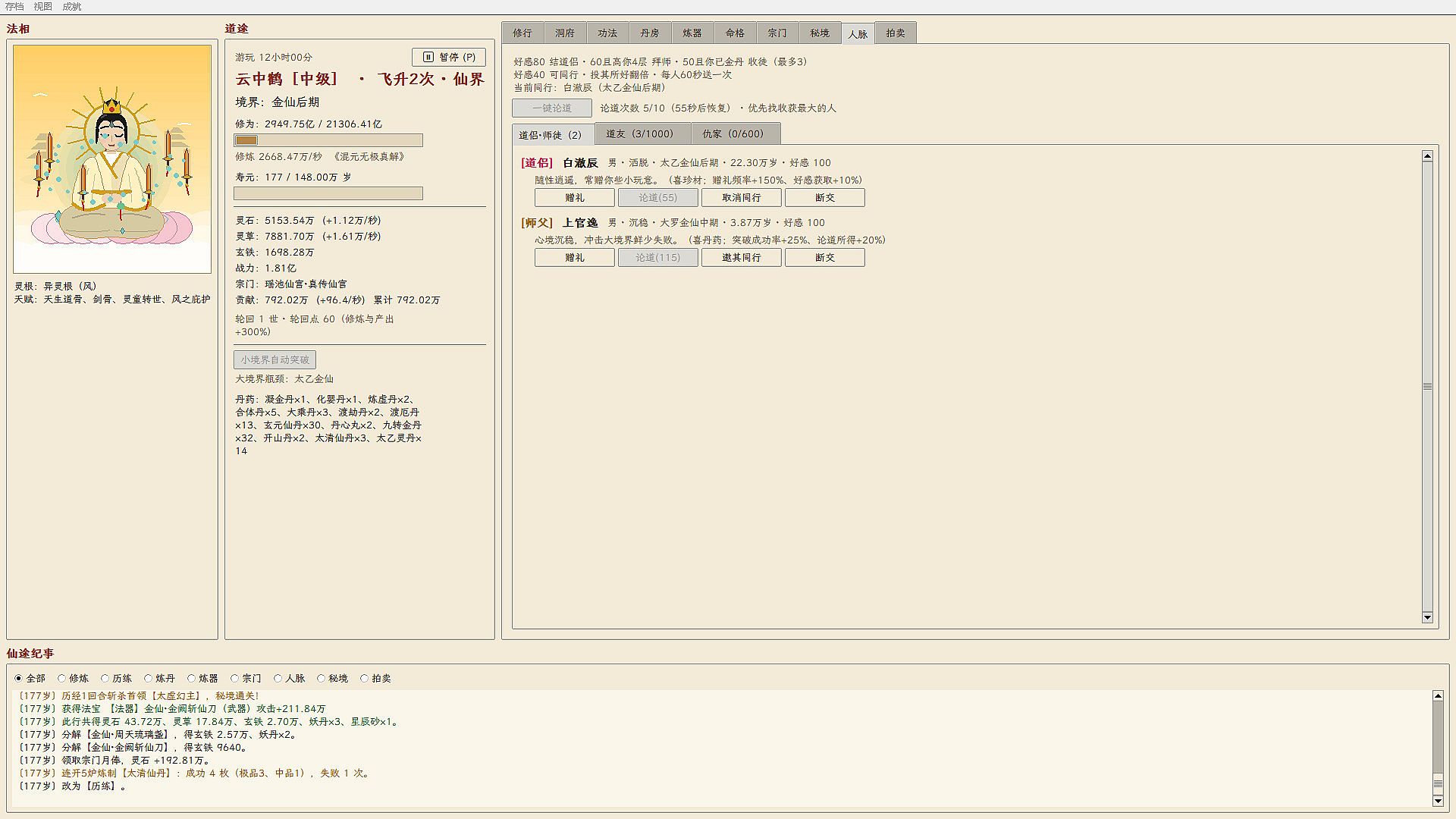
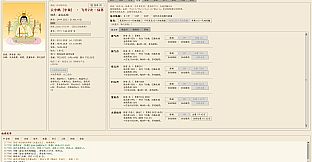
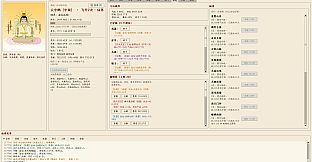
Players can join one of ten sects and advance to Grand Elder status or establish their own. Relationships form through gifting, debates, mentorship, or finding a Dao companion. Fellow cultivators age, break through, and eventually pass away. When lifespan ends, reincarnation allows a new start while carrying forward certain powers. The first ascension attempt is fated to fail, leading into further narrative threads beyond the Immortal Realm.
Game Modes
Four difficulty levels shape the experience: Easy, Normal, Hard, and Hell. Normal difficulty typically requires about eight hours to reach the first ascension and thirty to fifty hours for a complete playthrough. The game supports three save slots along with Steam Cloud functionality and nineteen achievements.
Reincarnation and multiple endings provide replay variety. Each life presents fresh spirit roots and talents, encouraging different approaches to sects, relationships, and resource management. Automatic battles and idle advancement run continuously during active sessions, with pauses available at any time.
Progression and Systems
Ten sects offer distinct paths for rising through ranks or founding independent organizations. An auction house facilitates trading, while personal connections evolve over time with aging and breakthroughs affecting available interactions. Artifact and pill systems reward consistent practice, as recipes and enhancements scale with use.
Original Chinese-style music accompanies each major realm, featuring flute, guzheng, and pipa instrumentation. Dedicated tracks play during the final battle and ending sequences. The soundtrack shifts alongside visual changes at realm breakthroughs.
Is It Worth Playing?
This title suits players who enjoy deliberate, long-term progression in a single-player idle format with meaningful choice points. The absence of microtransactions and focus on text-driven decisions appeal to those seeking a focused cultivation experience without external pressures. Reincarnation mechanics and multiple endings support repeated runs, while the four difficulty options allow adjustment for preferred pacing.
Current support includes regular updates that refine systems such as pill recipes and artifact enhancement. Availability remains limited to Simplified Chinese, which may affect accessibility for some audiences. Those drawn to xianxia themes, idle mechanics, and narrative branching through relationships and sects will find the structure rewarding for extended sessions.











