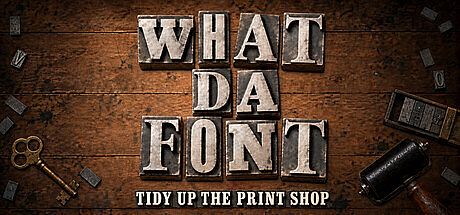


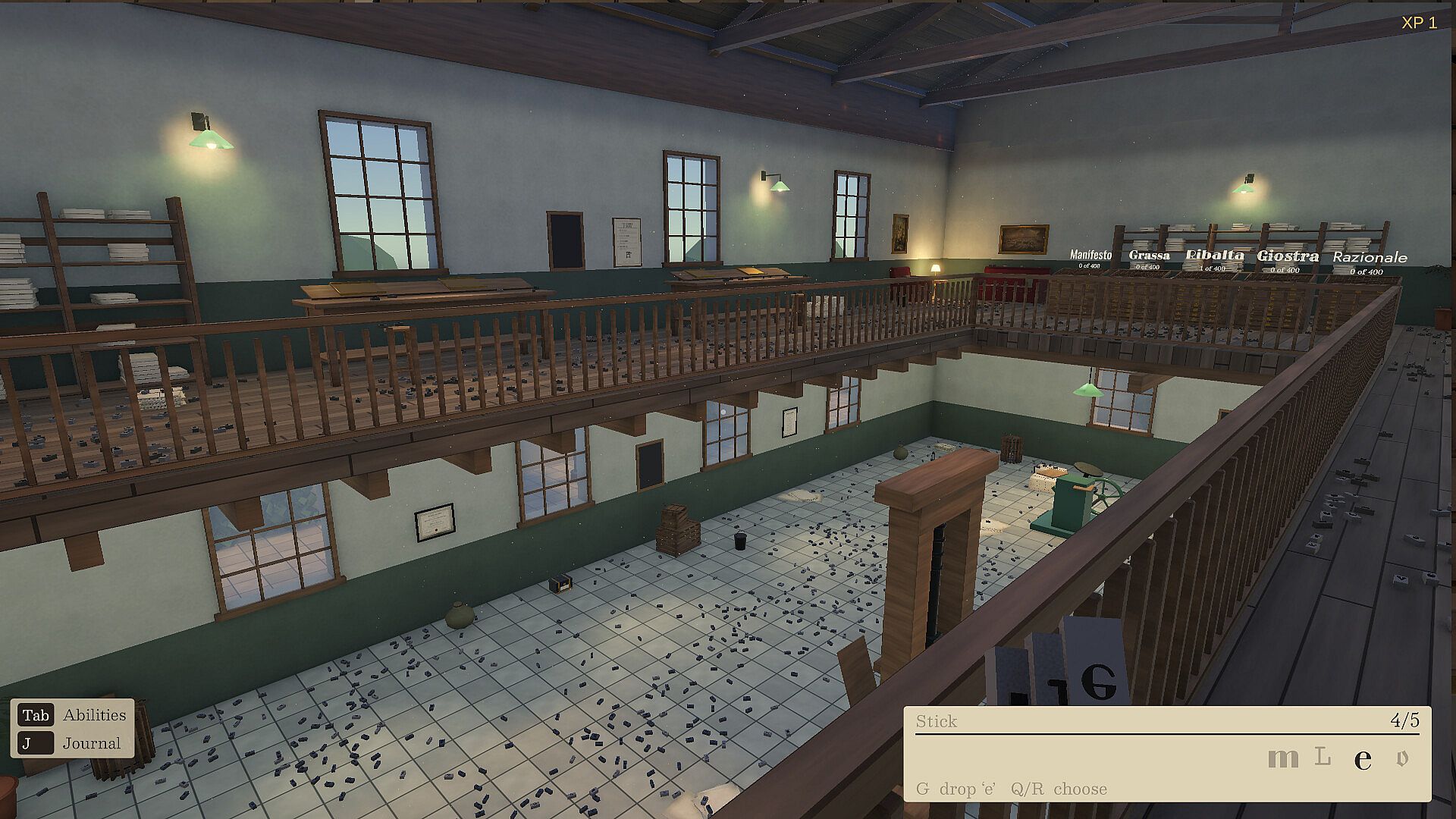
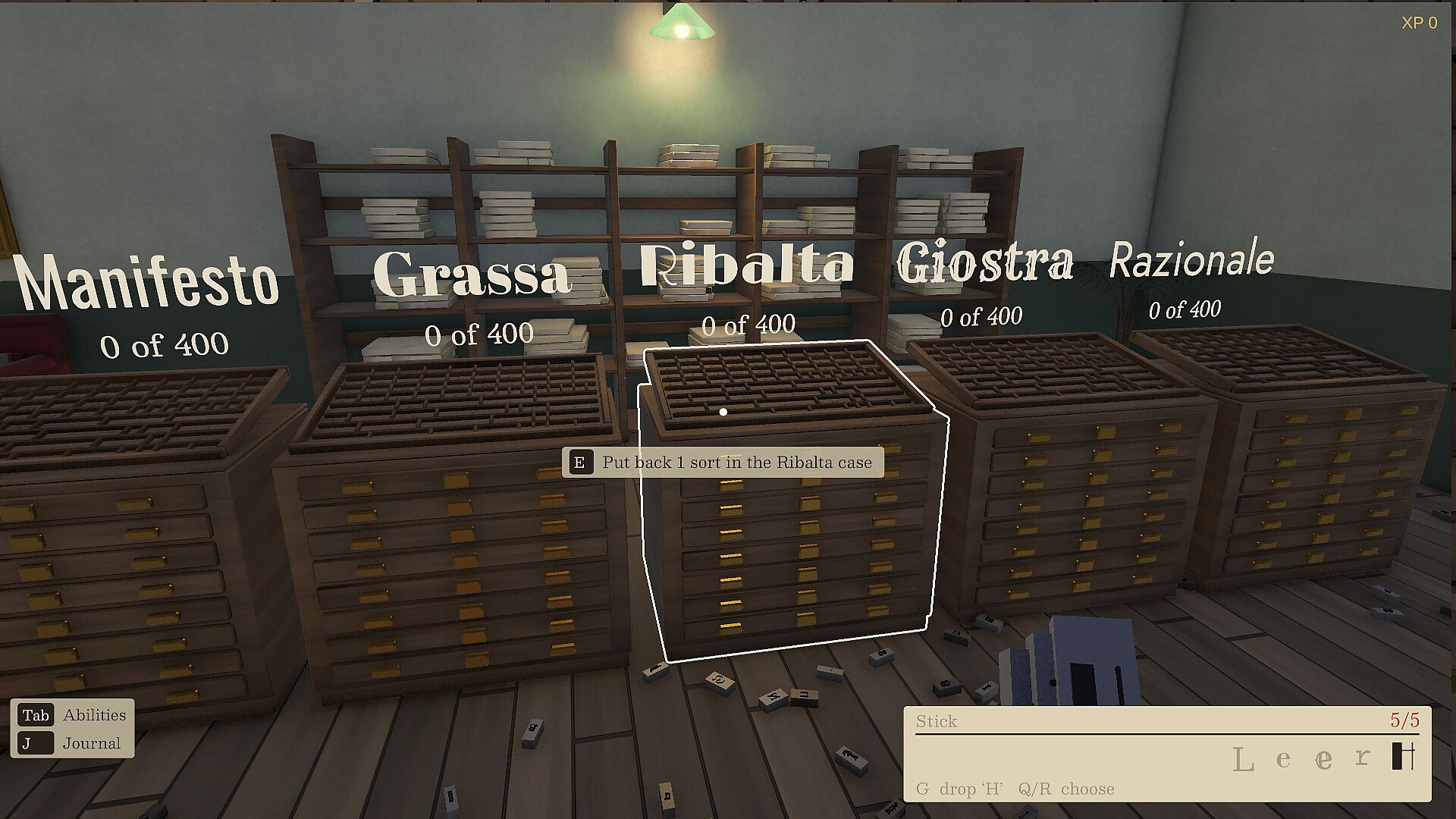
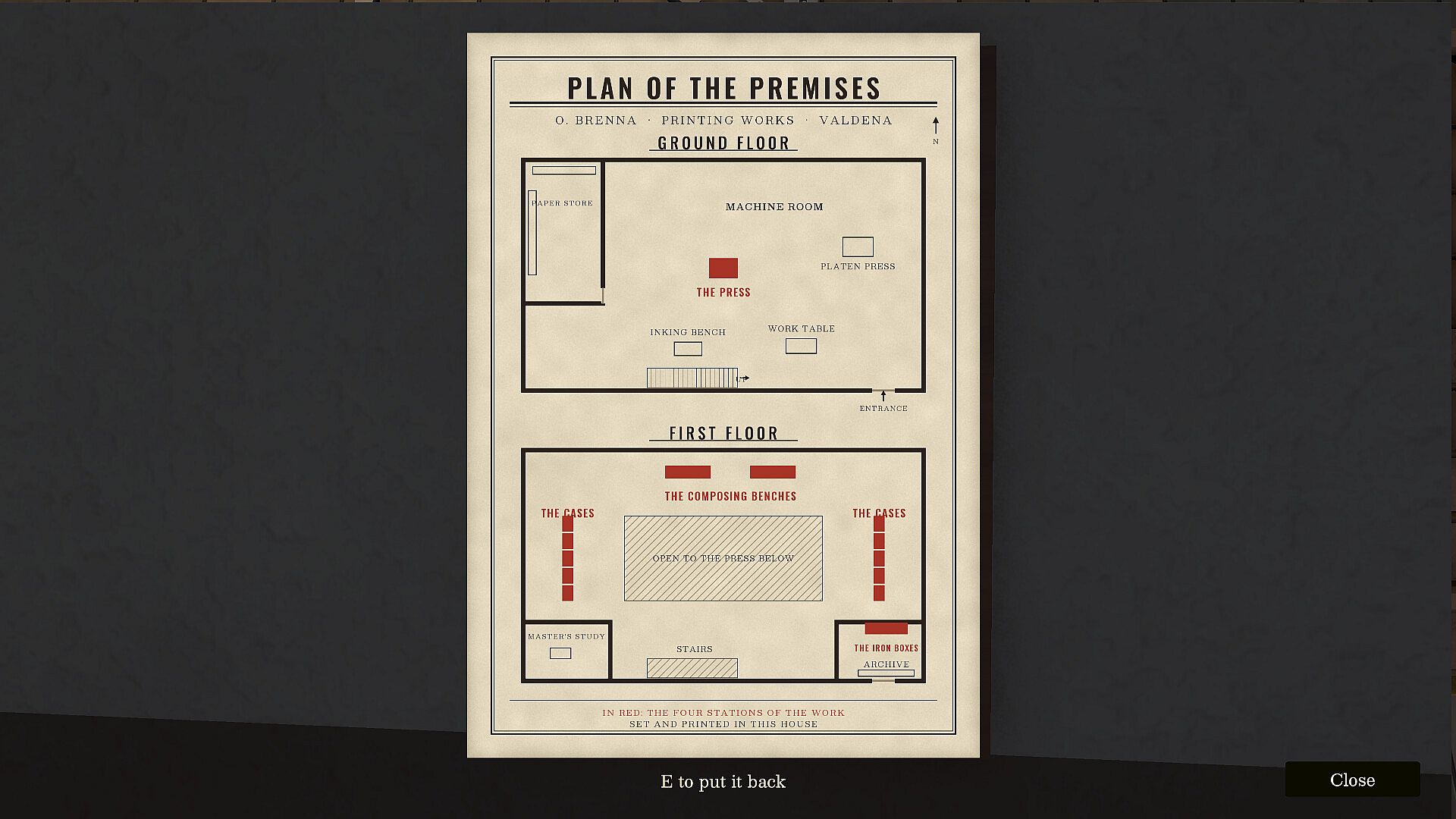
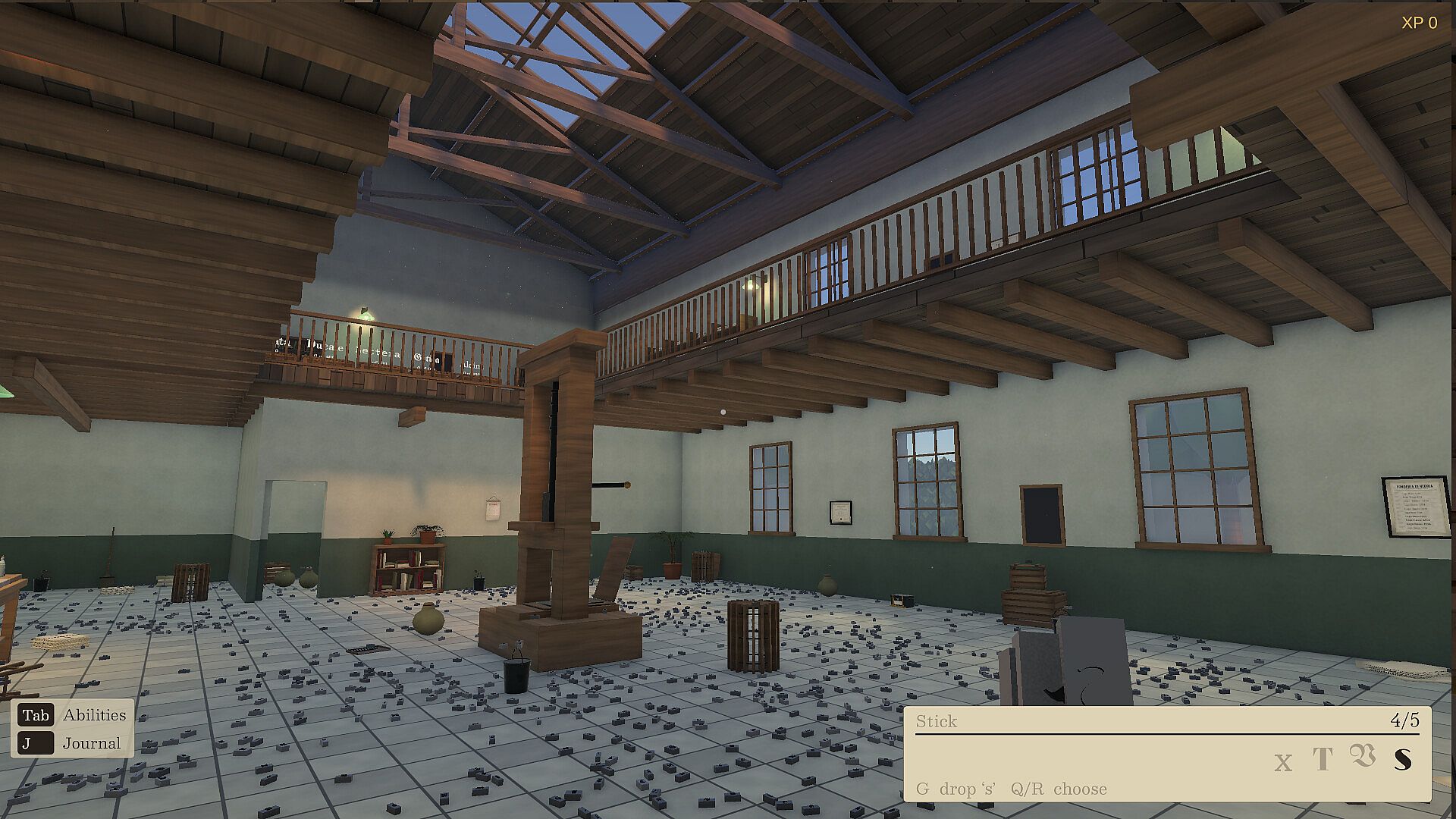
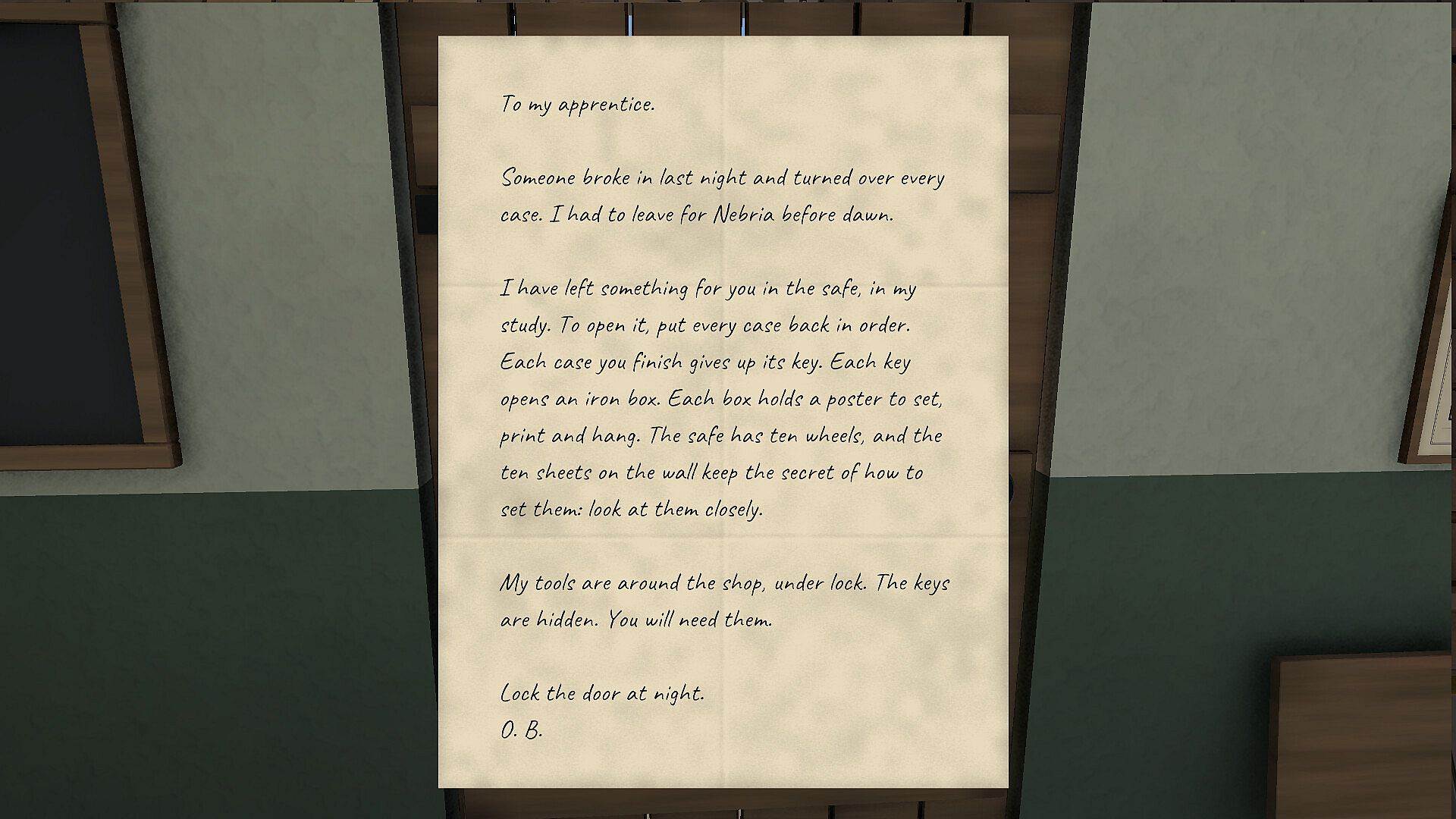
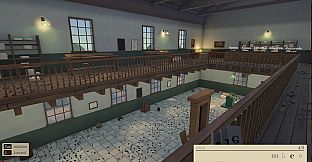
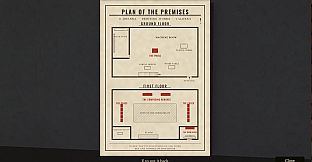
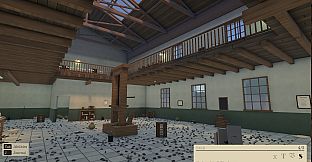
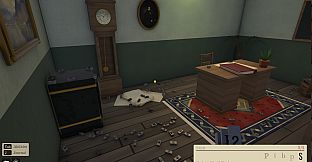
What Da Font: Tidy Up the Print Shop is a first-person simulation game set in a 1920s print shop. Players step into the role of an apprentice tasked with restoring order after a break-in scatters thousands of lead type pieces across two floors. The experience centers on careful observation, identification of historical typefaces, and hands-on letterpress work without any time pressure or failure conditions.
Gameplay
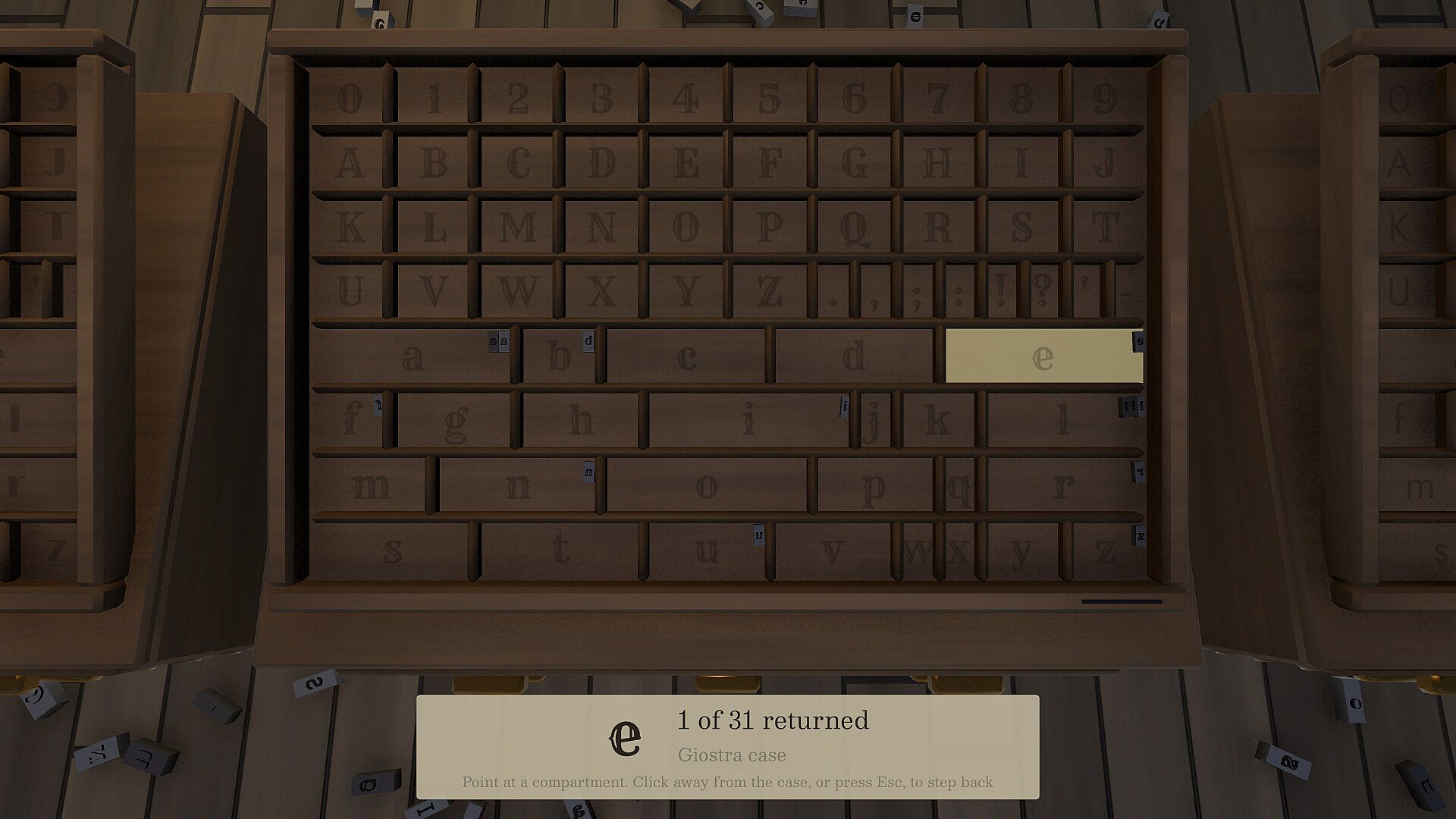
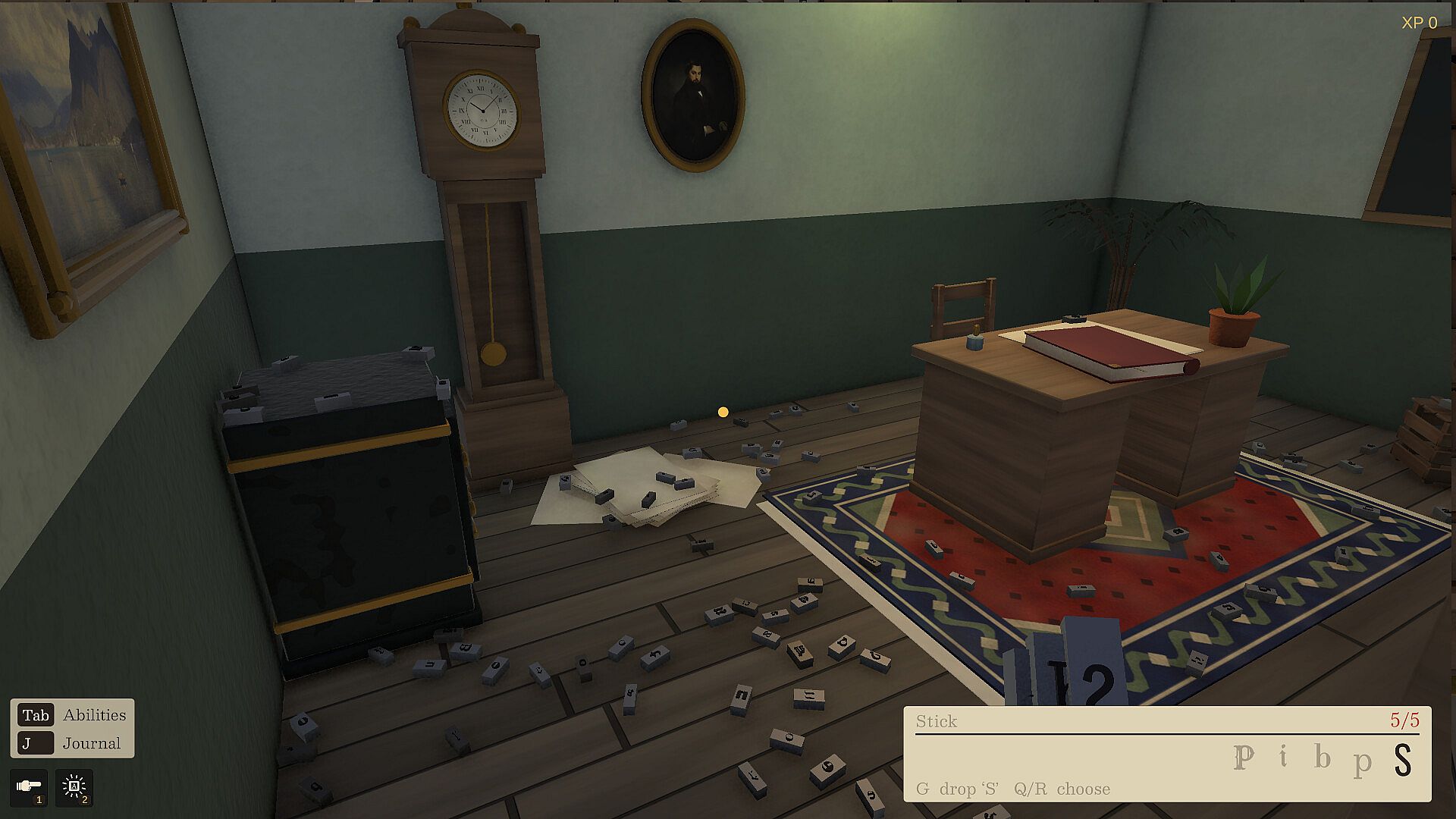
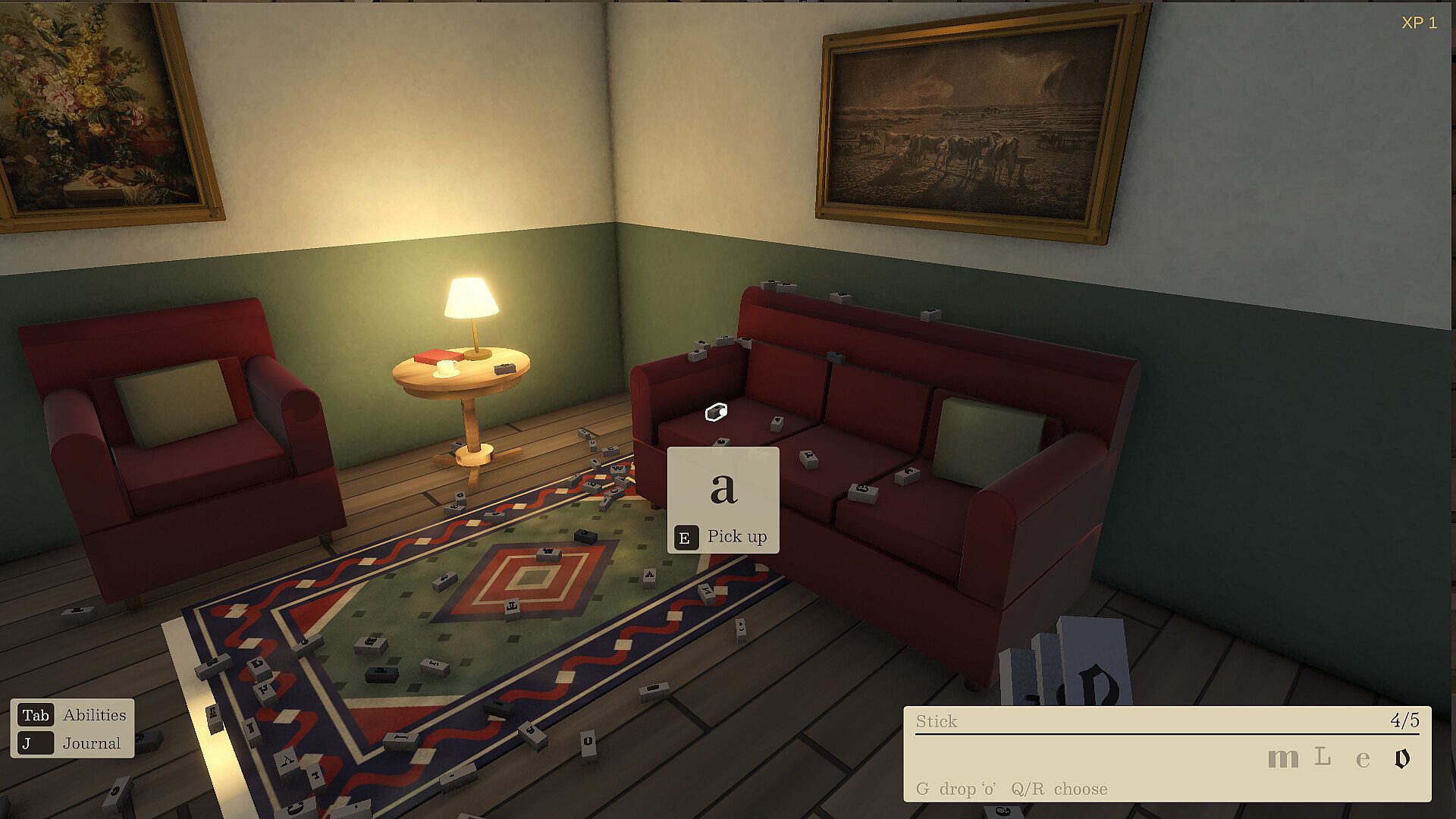
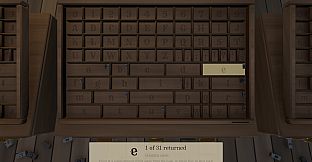
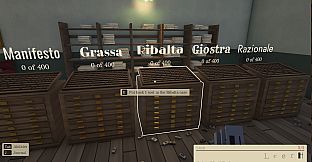
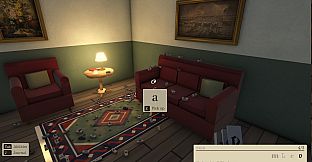
The core loop involves searching every corner of the shop, from staircases and areas under the press to spaces behind machines and archive shelves. Around five thousand individual pieces of lead type lie scattered, each belonging to one of ten wooden cases tied to distinct historical typefaces. Identification relies entirely on visual details such as serifs, stroke contrast, axis slant, and letter shapes like the bowl of a g. No markings indicate case locations, so players must learn to distinguish near-identical faces through repeated close inspection.
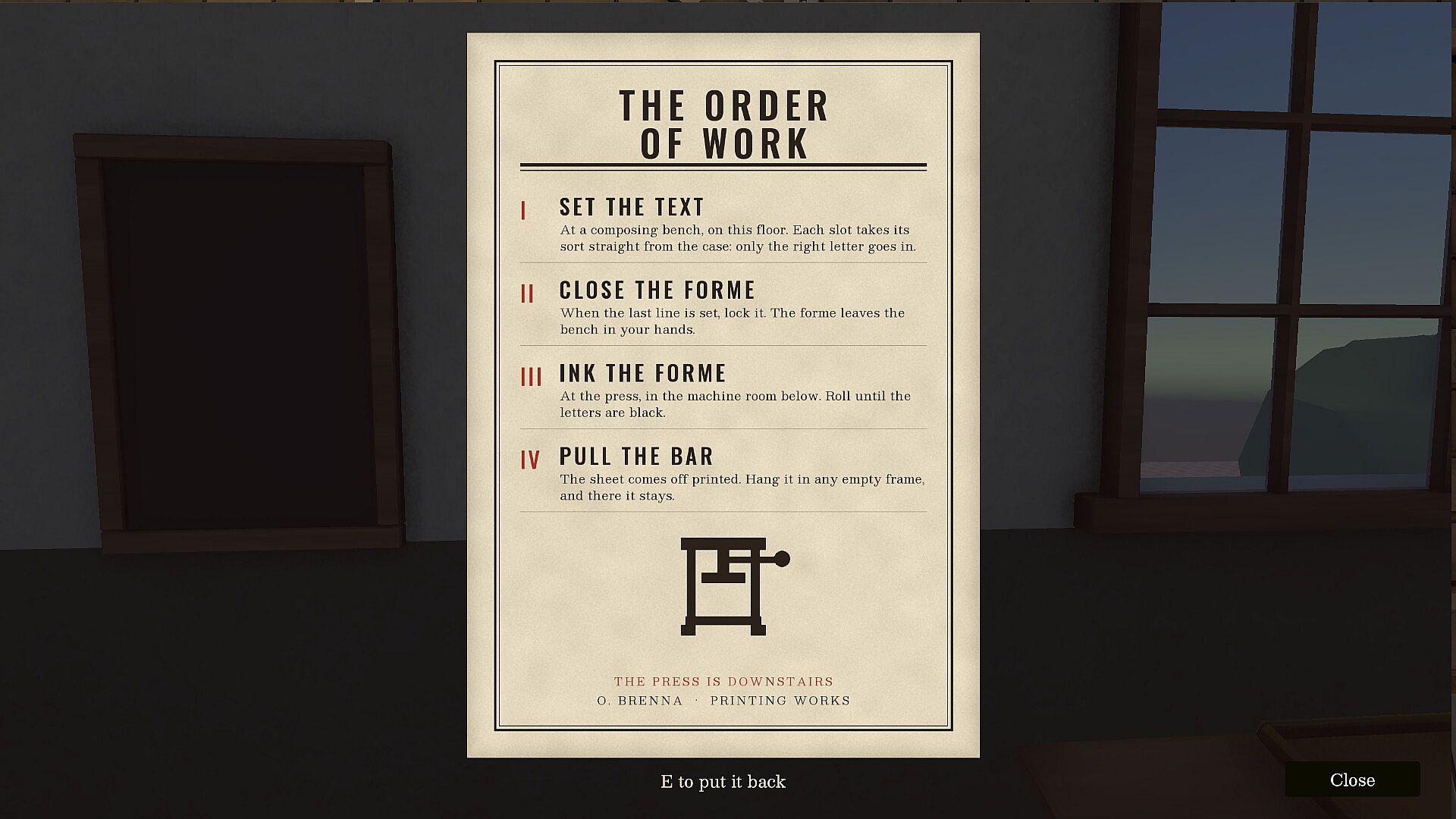
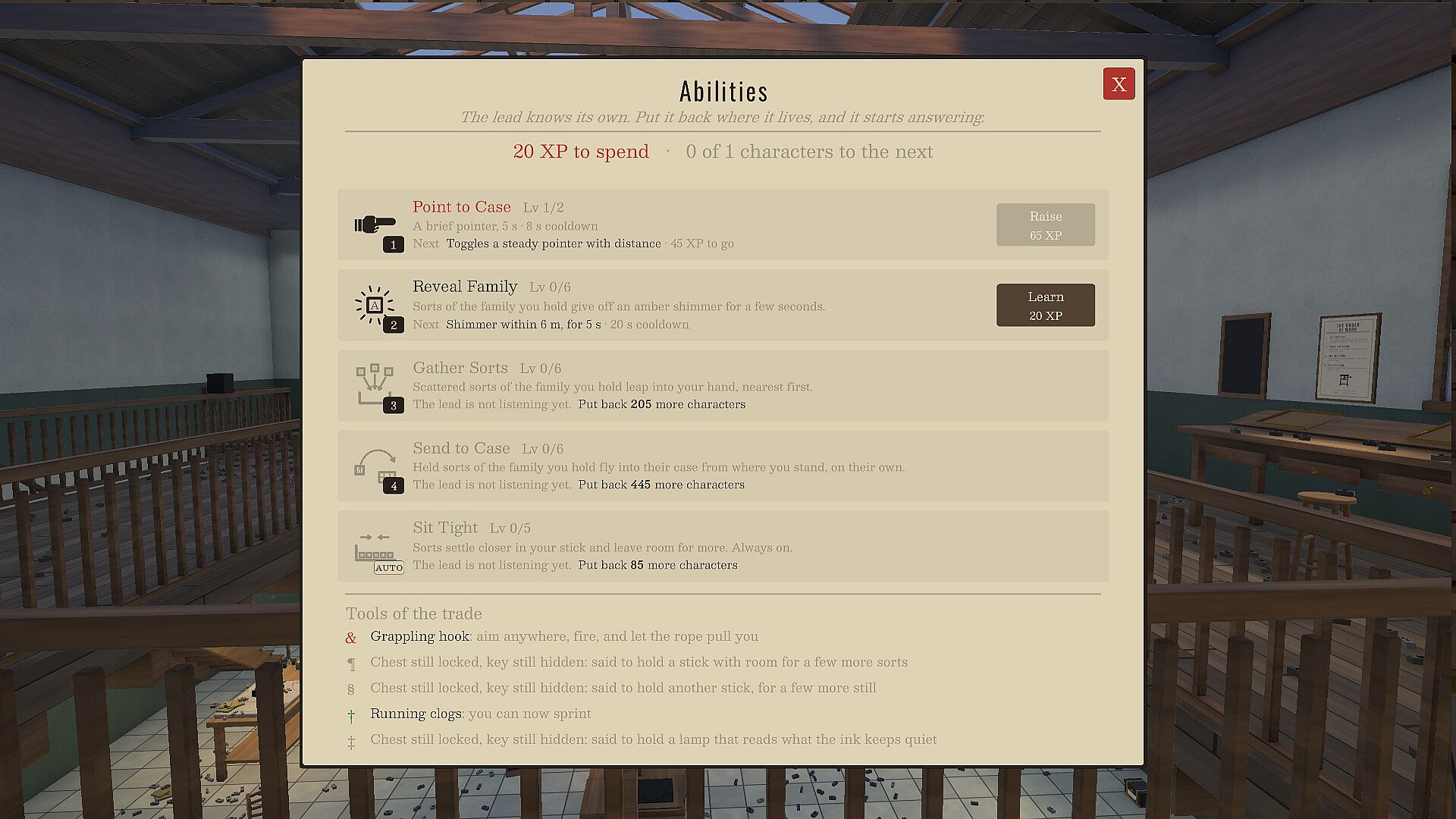
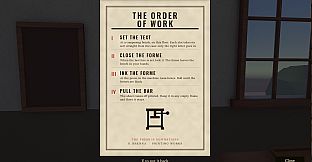
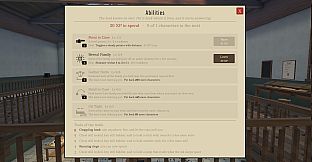
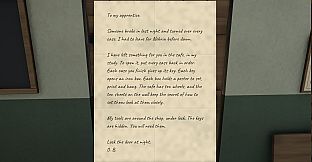
Once cases are sorted, players move to composition and printing. Text is set in reverse and mirrored form, locked into a forme, inked, and pulled on the press to create posters. Each completed sheet reveals a hidden number visible only under the master's lamp. These numbers contribute to a ten-wheel safe whose combination changes every playthrough based on the arrangement of posters on the wall. Four abilities and five hidden tools, including a grapple hook, assist with reaching difficult spots and managing the type.
Progression brings subtle environmental responses. Sufficient sorting causes the shop to react: individual sorts begin pointing toward their correct cases, later responding to calls, and eventually returning home on their own. The entire process unfolds at the player's pace in a single-player first-person perspective.
Game Modes
The game offers a single continuous experience focused on methodical restoration and puzzle-solving. There are no separate modes or competitive elements. All activity occurs within the print shop environment, blending exploration, typeface recognition, and sequential printing tasks into one uninterrupted session. The absence of timers or fail states keeps the focus on observation and experimentation across multiple playthroughs driven by the randomized safe combination.
Key Mechanics and Features
Ten historical typefaces require players to develop an eye for typographic details. Each case holds roughly five hundred sorts that must be matched by shape and style rather than labels. Printing ten unique posters involves full letter-by-letter composition followed by the physical pull on the press. The safe puzzle ties directly to poster placement, ensuring every run produces a unique solution path. Hidden tools and abilities expand reach and efficiency without altering the deliberate pace.
Environmental feedback adds depth once initial sorting is complete. The shop itself begins to assist, turning the later stages into a more responsive and satisfying process. All elements remain grounded in the physical simulation of a working print shop from the 1920s.
Is It Worth Playing?
This simulation suits players who enjoy patient, detail-oriented tasks and have an interest in typography or historical printing processes. The first-person perspective and lack of pressure create a focused, meditative loop centered on recognition and assembly. Multiple playthroughs arise naturally from the changing safe combination and the gradual shop responses that reward thorough work. Those seeking a relaxing single-player experience built around observation and hands-on mechanics will find the core activities consistently engaging without external competition or time constraints.