




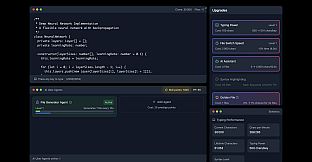
Yet Another Incremental Game (but this time about coding) is a single-player idle simulation title that turns the act of programming into an incremental loop. Players start by hammering keys on a keyboard to generate code characters and files, then scale up through automation and systems that echo real development workflows without requiring any actual coding skills.
Gameplay
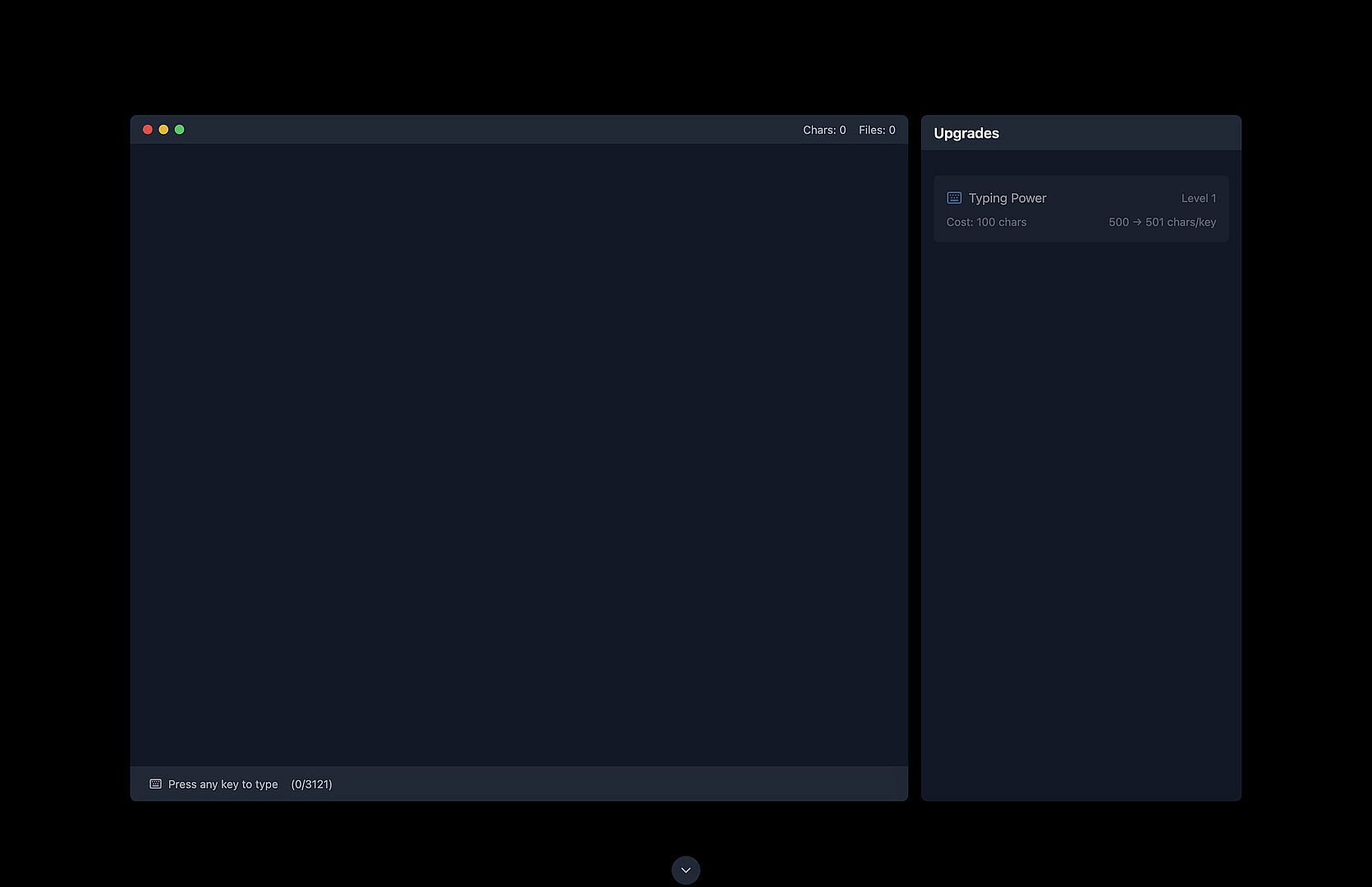
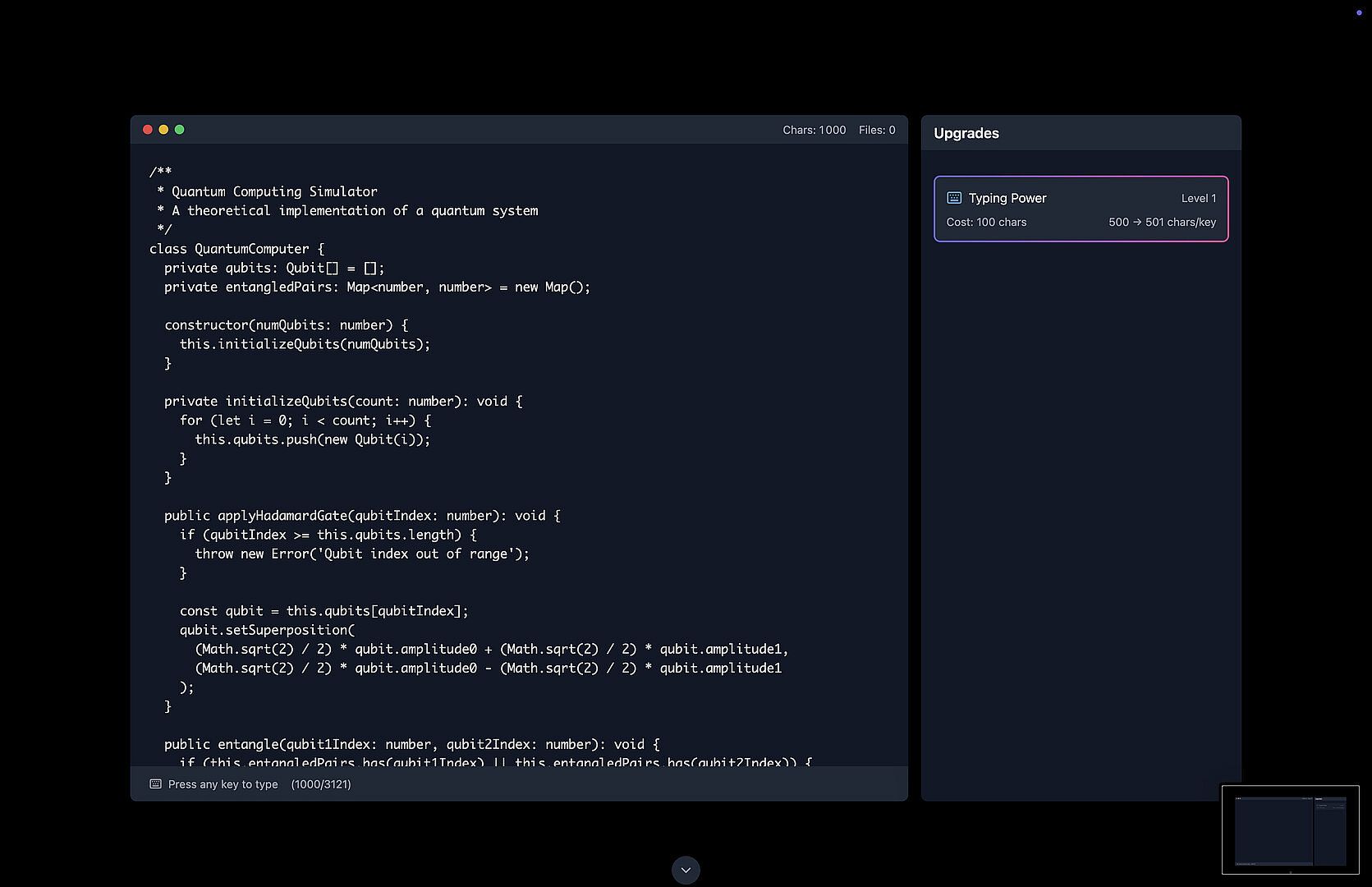
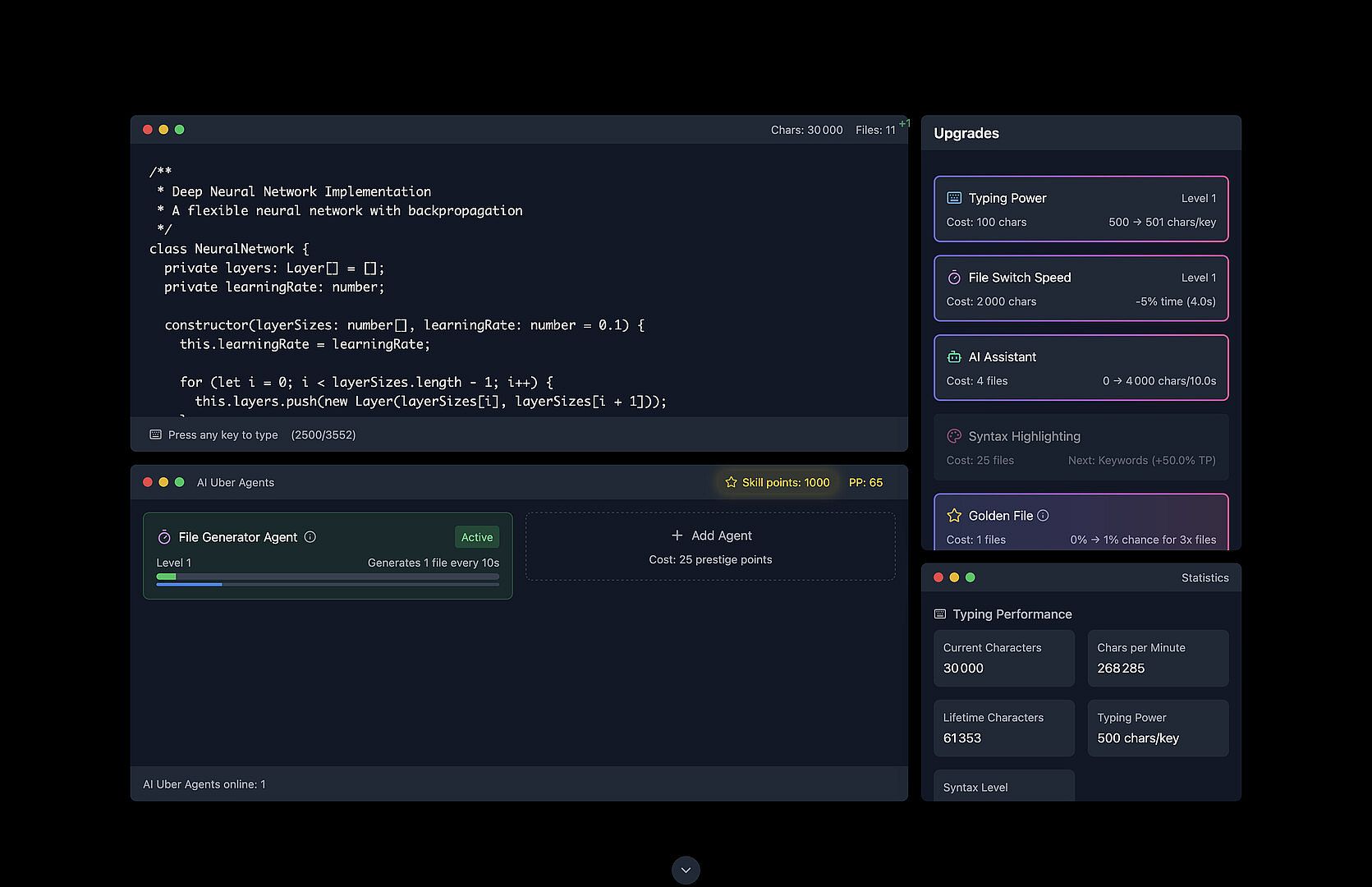
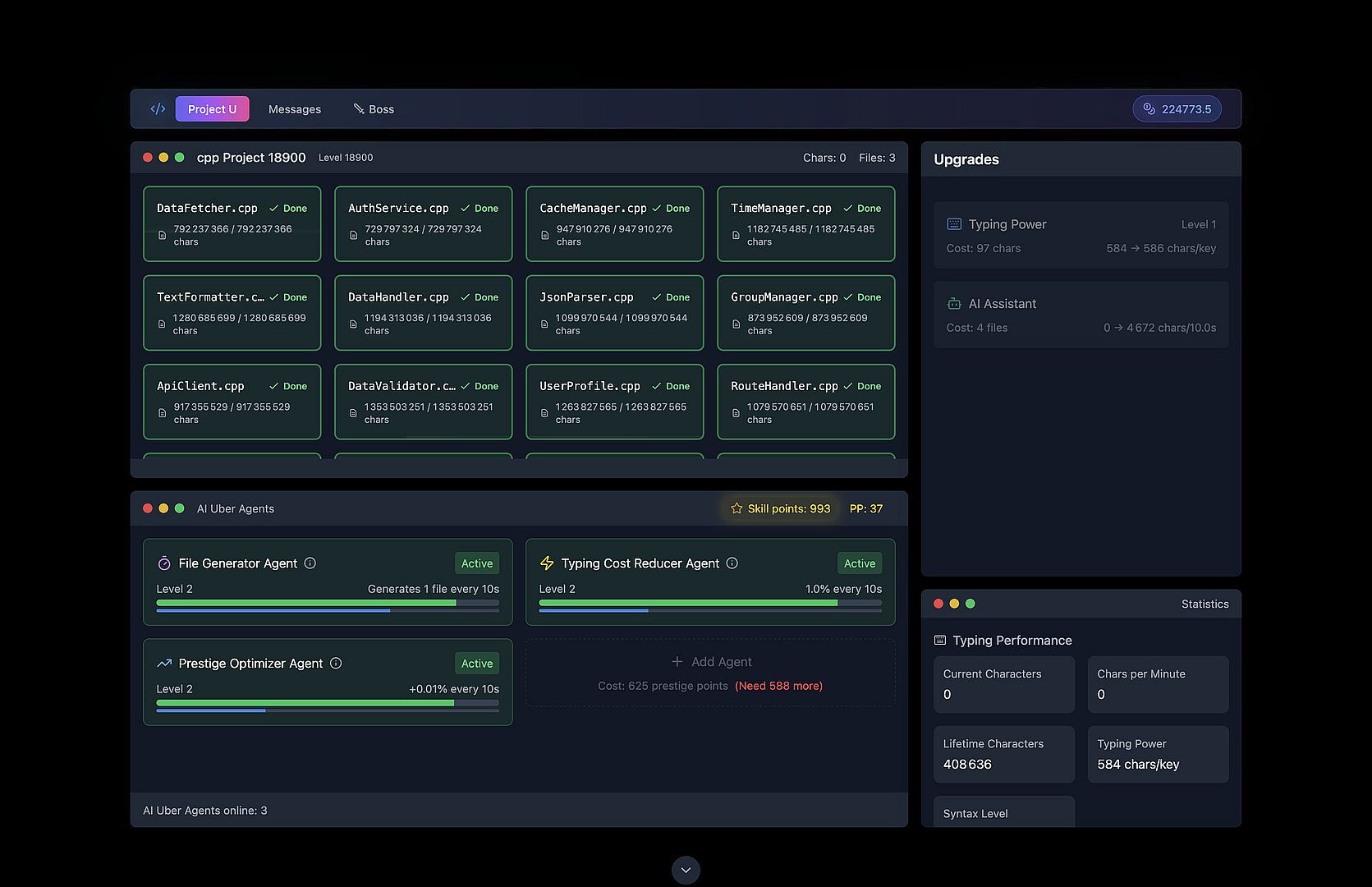
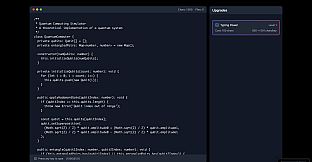
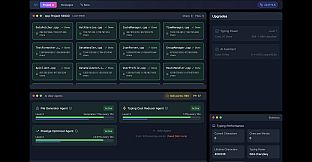
The core loop begins with direct keyboard input. Any key press contributes to writing code, and progress builds file by file until projects reach completion. From there, players unlock and manage six specialist AI agents that handle tasks such as generating files, hunting bugs, and training one another. These agents operate continuously, including when the game is closed, allowing offline gains in resources.
Projects involve shipping codebases that span multiple files and draw from eleven programming languages. Each language offers specialization options that provide stacking bonuses across a save file. A code review phase requires handling incoming pull requests in real time by approving, rejecting, or fixing them to manage tech debt.
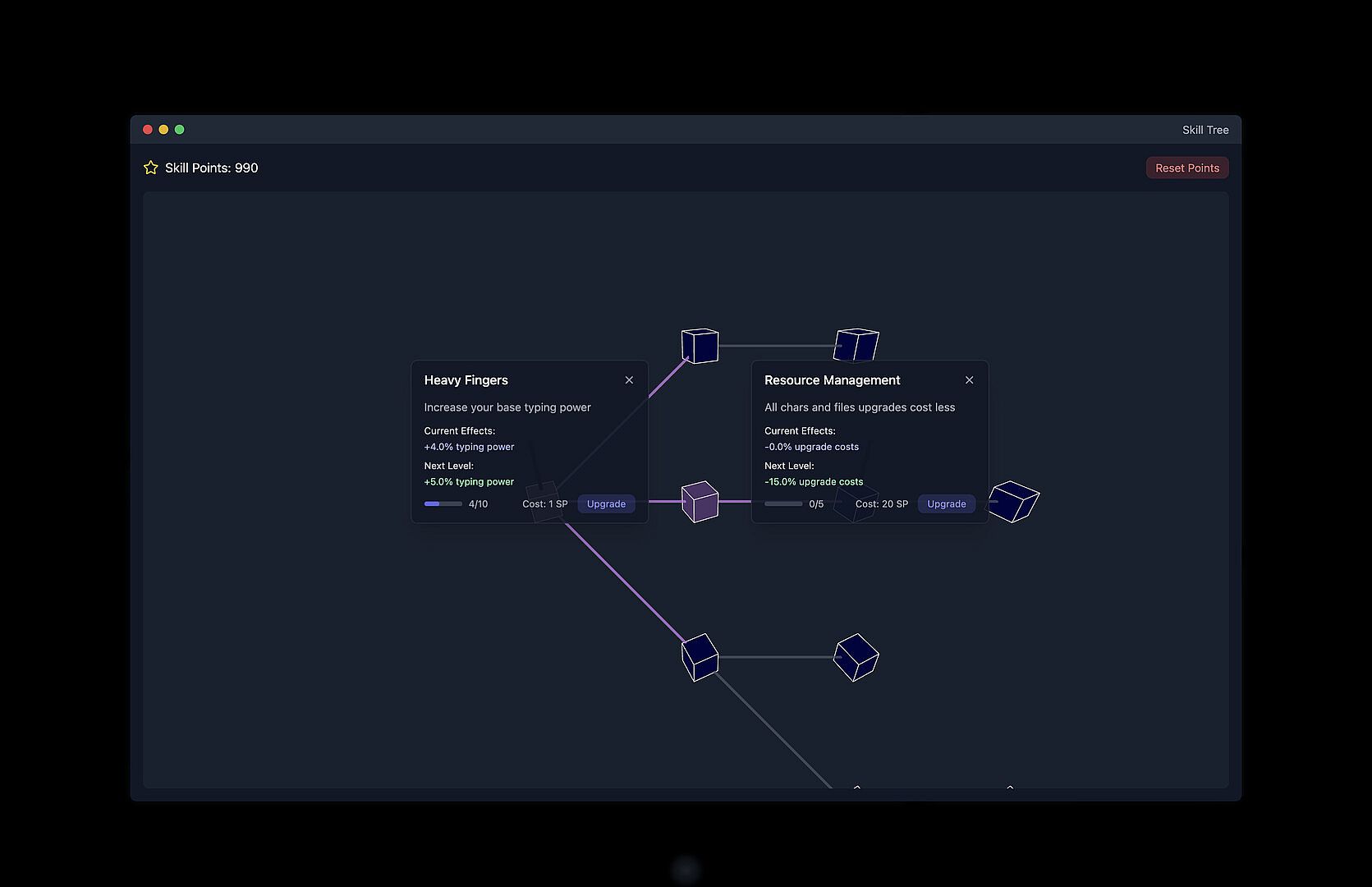
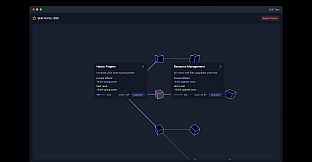
Further progression centers on a grid-based machine system. Players place components including power supplies, crawlers, RAM modules, and databases to form production chains that generate bits, the endgame currency used for upgrades and overclocking agents. A skill tree with dozens of nodes, some of which have no level cap, lets players allocate points toward typing power, agent efficiency, or special file rewards.
Prestige resets current progress in exchange for permanent multipliers, enabling faster subsequent runs. Over one hundred achievements track various milestones, and the game supports cloud saves along with full controller compatibility on supported hardware.
Game Modes
The experience revolves around interconnected progression systems rather than separate named modes. The initial typing phase emphasizes manual input and early upgrades. Agent management shifts focus to automation and specialization across the eleven languages. Project shipping introduces client work with file counts reaching into the hundreds and built-in bug elements.
Machine construction operates as an idle production builder on the grid, where components chain together for passive bit generation. Prestige runs serve as a distinct endgame loop that rewards repeated playthroughs with compounding bonuses. Code review acts as an active mini-phase within projects to keep overall progress balanced.
These systems layer together so that early manual effort transitions smoothly into automated and idle elements, with the machine and prestige layers providing deeper optimization challenges once core agents and projects are established.
Progression and Features
Skill points flow into a tree that alters core rates and unlocks new efficiencies. Training agents in specific languages grants global bonuses that persist through prestige resets. The machine grid supports chaining and overclocking mechanics tied to bit production, with components feeding one another in production lines.
Early Access development keeps the central loop of typing, agents, projects, skill tree, and prestige stable while additional elements such as expanded machine features and community challenges receive ongoing work based on player input. The title runs on Windows, Mac, and Linux with no paywalls or video-based mechanics.
Is It Worth Playing?
Reception sits in the mostly positive range from dozens of reviews, with players noting the satisfying incremental climb and the thematic twist on familiar idle mechanics. The game suits fans of single-player incremental and simulation titles who enjoy watching numbers rise through layered automation and occasional manual input.
Its Early Access status means the core systems deliver a complete loop today, while planned additions continue to expand the machine and challenge elements. Those drawn to prestige-driven runs, agent management, and grid-based production will find consistent depth without needing prior coding experience.