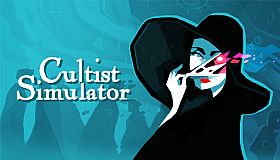


Cultist Simulator: Anthology Edition is a roguelike narrative card game set in a 1920s world of hidden gods and secret histories. Players take on the role of a seeker pursuing unholy mysteries, whether for knowledge, power, beauty, revenge, or simply to glimpse what lies beneath the surface of reality. Every decision shapes both the immediate situation and the longer narrative arc, with failure often leading to new legacies that carry forward into subsequent attempts.
Gameplay
The core loop revolves around managing a tabletop of cards that represent resources, followers, locations, and arcane elements. Combining these cards advances time, performs actions, and generates new opportunities or threats. Health, sanity, and various appetites must be balanced against the demands of rituals, research, and cult activities. Dreams yield rituals that twist the mind, while grimoires provide lore that can be translated and applied. Tools are crafted, spirits summoned, and innocents indoctrinated to expand influence.
Rivals, investigators, and authorities create constant pressure, forcing careful navigation of suspicion and confrontation. The legacy system allows a failed run to influence the next, sometimes unlocking fresh starting conditions or story branches. This structure rewards experimentation with card interactions while punishing poor resource management or unchecked appetites that lead to self-destruction.
Visual presentation stays minimalist, focusing attention on the text descriptions that accompany each card and event. These snippets build an atmosphere of ambition mixed with abomination, where ordinary actions can spiral into the extraordinary or the catastrophic.
Game Modes
The base experience centers on founding and sustaining a cult dedicated to one of several Hours, such as the Red Grail, the Witch-and-Sister, or the Forge of Days. Believers are recruited and promoted to disciples who handle tasks like burglary or research, though they may also become sustenance when appetites demand it. Progress involves unraveling mysteries, pillaging sites like the Star Shattered Fane, and attempting to penetrate the realm of the Hours or glimpse the Mansus.
The Anthology Edition expands this with four distinct narrative paths. The Dancer path unfolds in the occult cabaret known as the Ecdysis Club, where choices involve surrendering parts of the self and pursuing ancient rites across oceans. The Priest path follows the road of Knock within a suburban parish, emphasizing service to disciples and visions of martyrdom. The Ghoul path casts the player as a disgraced medium driven by an insatiable hunger, involving cemetery work, tomb desecration, and the creation of paintings that commemorate lost Hours. The Exile path places the player on the run across 1925 Europe, managing borrowed years while evading a betrayed reckoner lord through stealth, alliances, or outright defiance.
Each path introduces new legacies, mechanics, characters, cities, and endings that alter how the core card interactions play out and what long-term goals become available.
Narrative and Themes
The writing delivers a dense, atmospheric Lovecraftian tone through fragmented prose that reveals the world gradually. Themes of transformation, appetite, and the cost of forbidden knowledge recur across all paths. Success often requires embracing the abominable, while restraint can lead to quieter, more personal conclusions. The story-driven legacy system ensures that endings feel earned rather than arbitrary, with inheritors sometimes completing rites or finding unexpected peace.
Conflict arises not only from external threats but from internal changes that force difficult choices. The game avoids linear plotting in favor of emergent narratives shaped by the player's priorities and the random elements of each run.
Is It Worth Playing?
This edition suits players who appreciate deliberate pacing, intricate systems, and narrative depth over fast action or clear tutorials. The learning curve is steep, with early runs frequently ending in collapse due to mismanaged resources or overlooked threats. Those who persist often find the sense of discovery and the variety of endings rewarding.
Reception highlights the originality of the card-based storytelling and the strength of the writing, though some note frustration with the limited guidance on mechanics. On Xbox platforms the game runs as a single-player experience optimized for controller use, with no ongoing seasons or live-service elements. It appeals most to fans of roguelike experimentation and occult-themed fiction who are willing to invest time in mastering its systems.