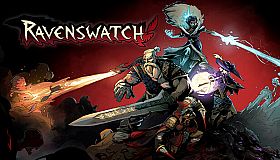


















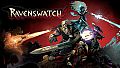






Ravenswatch is a top-down roguelike action game developed by Passtech Games for PC. Players take control of heroes drawn from familiar tales and legends, each twisted into darker versions of themselves, to battle waves of nightmarish creatures across procedurally generated environments.
Gameplay
The core loop centers on short runs divided into three days and three nights. During each phase, players explore open maps filled with enemies, points of interest, and opportunities to assist local inhabitants for rewards. Combat emphasizes real-time action against hordes and over 50 unique enemy types, culminating in chapter bosses that demand strong builds and precise execution.
Progression relies on collecting talents and magical items to create powerful combinations. With more than 200 talents and 50 items available, runs reward experimentation as players layer upgrades, dreams, and hero-specific abilities. Random map generation ensures each attempt presents fresh layouts and challenges, while the roguelike structure means death resets progress but unlocks permanent advancements for future attempts.
Hero abilities feature distinct twists that alter playstyles significantly. Examples include lycanthropy effects for one character and elemental spell combinations for others. Team synergies become especially relevant when coordinating with others, as different heroes complement one another in combat and exploration.
Game Modes
Players can engage in solo runs or join up to four friends in online co-op, with matchmaking available for those without a group. Co-op emphasizes teamwork to handle tougher enemy groups and share resources effectively.
Four difficulty settings scale the challenge progressively. Adventure serves as the default entry point with standard rules. Twilight introduces corrupted enemies and stronger master nightmares. Darkness reduces healing effectiveness and further empowers bosses. Nightmare increases the presence of high-rank foes and overall enemy strength. Each higher tier unlocks after completing a successful run on the previous one.
Custom modes allow players to apply a range of modifiers, such as altered dash cooldowns or starting bonuses, to tailor runs for solo or multiplayer sessions. These options support both increased difficulty and relaxed pacing without altering the fundamental structure of map exploration and boss confrontations.
Heroes and Builds
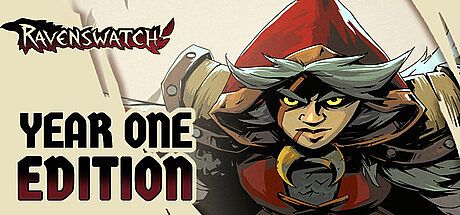
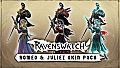
The base roster includes nine heroes, each with unique skills and progression paths that encourage repeated playthroughs. The Year One Edition expands this selection with three additional characters, including Merlin, whose druidic elemental powers introduce new spell-crafting options. Unlocking and mastering these heroes reveals deeper story elements about the world of Reverie and the Nightmare invasion through repeated runs.
Build crafting forms the strategic heart of each session. Talents upgrade hero skills across levels, while items and dreams provide multiplicative effects. Successful runs often hinge on identifying synergies early and adapting to the random events encountered on each map.
Is It Worth Playing?
Ravenswatch delivers a refined roguelike experience focused on intense combat, build variety, and replayability through its map generation and hero roster. The co-op component stands out for groups seeking coordinated action against escalating threats, while solo players benefit from the fair yet demanding difficulty curve and permanent unlocks.
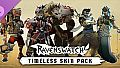
Steam user reviews rate the game Very Positive overall, with 85 percent positive from thousands of reviews, reflecting appreciation for its combat depth and atmospheric presentation. Recent updates have added free content and balance refinements, supporting ongoing engagement. The Year One Edition bundles the expanded hero lineup and extras, providing a complete package for those interested in the full first-year content.
This title suits players who enjoy roguelike action with strong emphasis on character customization and cooperative or solo runs against procedurally varied opposition. Those seeking lighter experiences may prefer starting on lower difficulties before advancing.