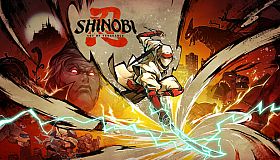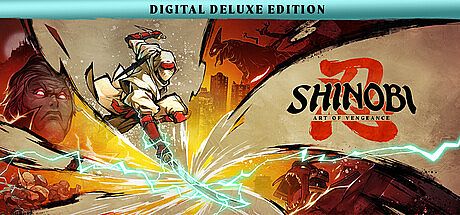












Shinobi: Art of Vengeance is a 2D action platformer that revives the classic Sega series with fluid combat and exploratory level design. Players take control of Joe Musashi as he pursues vengeance after his village is destroyed and his clan turned to stone by the forces of Lord Ruse and the military contractor ENE Corp.
Gameplay
The core loop centers on precise platforming combined with deep melee and ranged combat. Joe wields a katana for close-range strikes and kunai for throwing attacks, while building combos through chained moves and special techniques. Enemies can be staggered and tagged for Shinobi Execution finishers that clear groups at once. Ninjutsu arts and Ninpo provide magical options such as flame attacks or area clears, managed through regenerating resources.
Movement emphasizes ninja agility with double jumps, air dashes, and dodge rolls. Progression involves collecting gold to purchase upgrades, new traversal tools called Ningi, and amulets that grant combat bonuses. Levels feature branching paths and hidden areas in a Metroidvania-inspired structure, encouraging backtracking once abilities expand. Stages vary from linear runs to more open zones with objectives like rescuing hostages or navigating moving trains, all leading to major boss encounters that test accumulated skills.
Game Modes
The primary experience is the single-player campaign, which guides players through more than a dozen stages across distinct environments. After completion, Arcade mode becomes available for replaying individual stages with performance rankings based on time, enemy defeats, and efficiency. A boss rush mode unlocks as well, allowing focused challenges against the game's larger foes without the full stage traversal.
Difficulty settings range from accessible options with assists to more demanding modes that increase enemy aggression and reduce healing effectiveness. Progress carries over across replays, with completed encounters and puzzles remaining solved on return visits.
Exploration and Progression
Players uncover secrets and optional content by revisiting stages with newly acquired abilities. Collectibles include relics and other items that expand the move set or provide permanent improvements. The hand-drawn art style highlights each environment, from bamboo groves and festivals to industrial facilities and deserts, while maintaining clear readability during intense combat sequences.
Additional content released after launch adds five new stages featuring crossover boss fights against characters from other Sega properties, along with extra Ninpo abilities, music tracks, and dedicated boss rush variants. These integrate into the existing progression after certain zones are cleared.
Is It Worth Playing?
The game delivers a focused single-player action platforming experience with strong emphasis on combat depth and level variety. It suits players who enjoy precise controls, creative enemy engagements, and the satisfaction of mastering a growing arsenal in a 2D setting. Reception has been generally favorable, with praise for the responsive gameplay and visual presentation. Ongoing support through post-launch stages keeps the package fresh for those who complete the base campaign and seek additional challenges. Availability on PC makes it accessible for those with compatible hardware, and the structure supports both straightforward playthroughs and repeated attempts for higher ranks.