




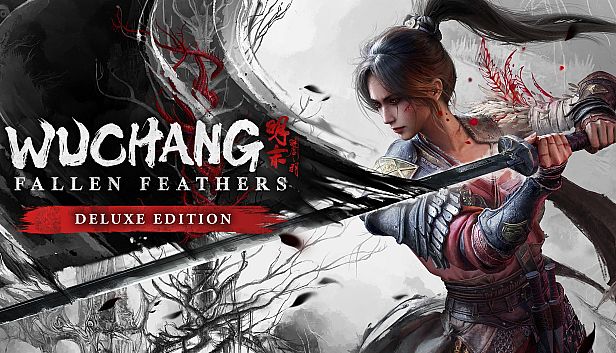





















Wuchang: Fallen Feathers is a soulslike action RPG set in a fictionalized version of the late Ming Dynasty in the land of Shu. Players take on the role of a warrior navigating a world torn by conflict among rival groups, with combat and exploration forming the core loop. The game emphasizes precise timing, resource management, and character customization through its systems.
Gameplay
Combat revolves around fast-paced exchanges that reward observation and adaptation. Players wield a variety of weapons, each with distinct move sets, while a deep skill tree allows extensive customization of abilities and playstyles. Builds can focus on different attributes, creating flexibility for melee-focused approaches or hybrid strategies that incorporate ranged options or status effects.
Progression involves gathering resources from defeated enemies and exploring interconnected areas. The world features detailed environments that encourage careful navigation and discovery of shortcuts or hidden paths. Animations and movement feel deliberate, which contributes to the tension during encounters with enemies and larger threats.
Some mechanics layer additional complexity onto standard soulslike formulas, such as layered upgrade paths and environmental interactions. These elements support varied approaches but can slow the pace of advancement for those new to the genre.
Game Modes
The experience centers on a single-player campaign without separate multiplayer modes or co-operative options. Players progress through the story and challenges in a linear yet explorable structure that emphasizes personal skill and repeated attempts at difficult sections.
Difficulty adjustments come through in-game systems rather than dedicated modes, allowing players to tailor encounters based on their chosen build and progression choices. No seasonal content or rotating events have been added post-launch.
World and Exploration
The setting draws from historical Chinese aesthetics during a period of turmoil, with warring factions shaping the landscape and conflicts players encounter. Areas range from dense forests and ruined settlements to more imposing structures, each designed to support backtracking and environmental storytelling.
Boss encounters stand out for their visual design and scale, though some require specific strategies to overcome. The overall map fosters a sense of place while tying into the narrative of shifting alliances and power struggles.
Is It Worth Playing?
Reception has shifted since launch. Initial Steam reviews were mostly negative due to technical issues on PC, but recent player feedback has reached over 90 percent positive as patches addressed performance and stability. Critic scores sit in the mid-70s to low-80s range across major outlets, praising the combat flexibility and art direction while noting occasional balancing concerns with certain encounters.
The game suits players who enjoy methodical combat, extensive build experimentation, and atmospheric single-player worlds. Those seeking quick sessions or multiplayer features may find the deliberate pacing less appealing. Current support focuses on ongoing stability improvements rather than new content additions.
Availability on PC makes it accessible for those with capable hardware, and the core loop delivers consistent challenge for fans of the soulslike style.


