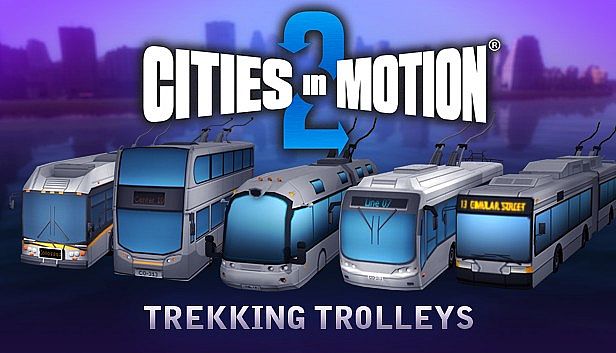















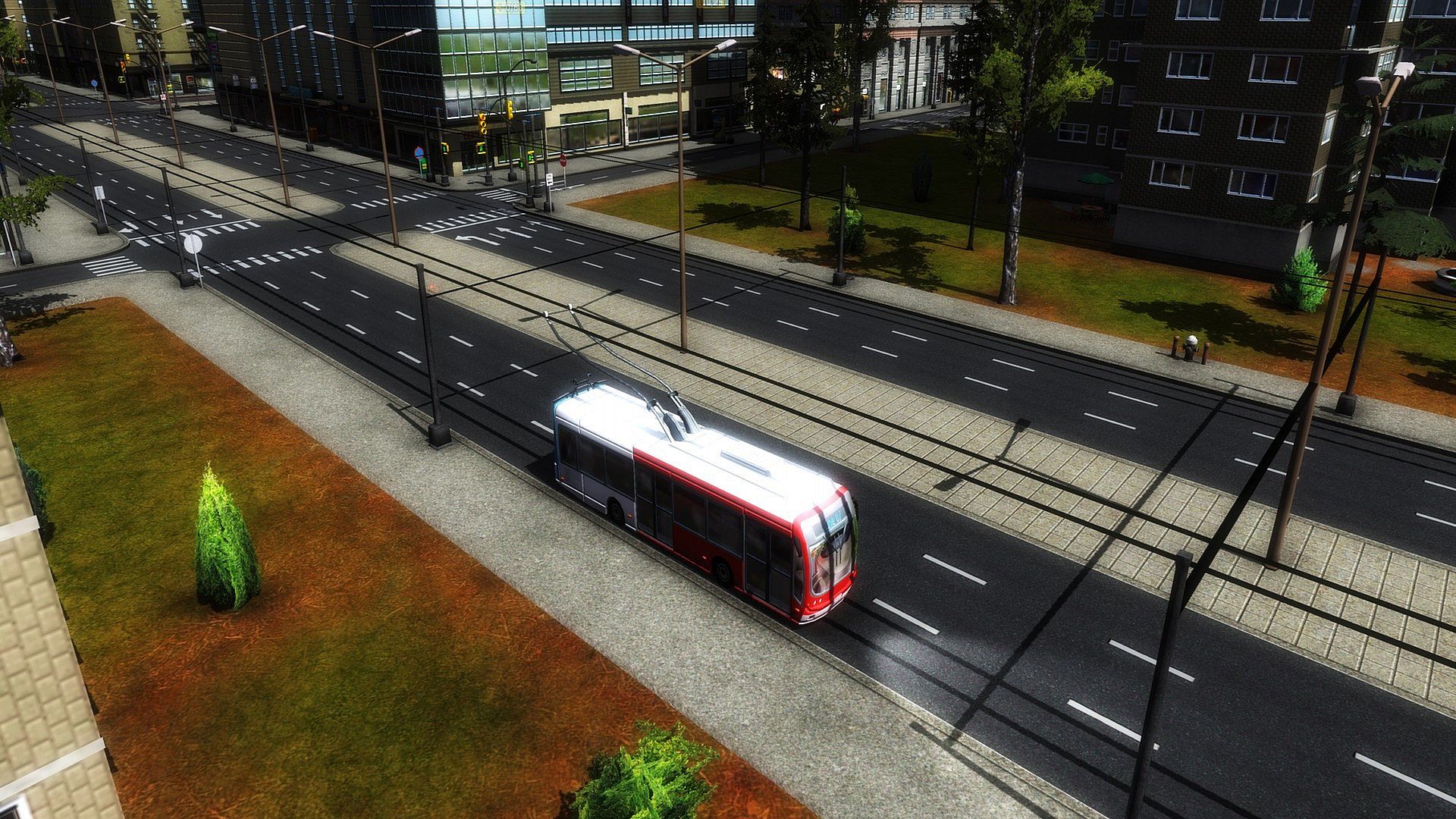
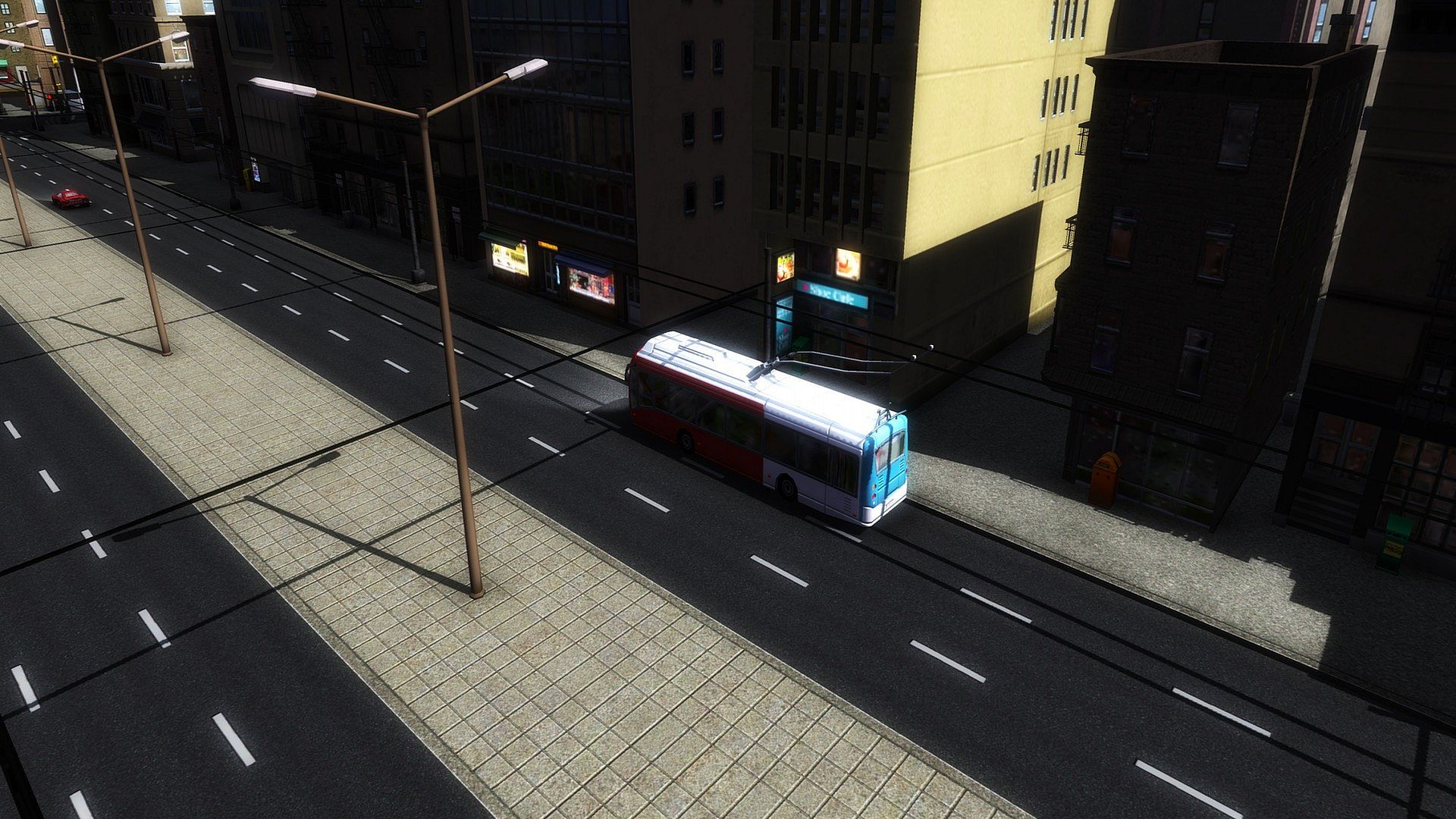
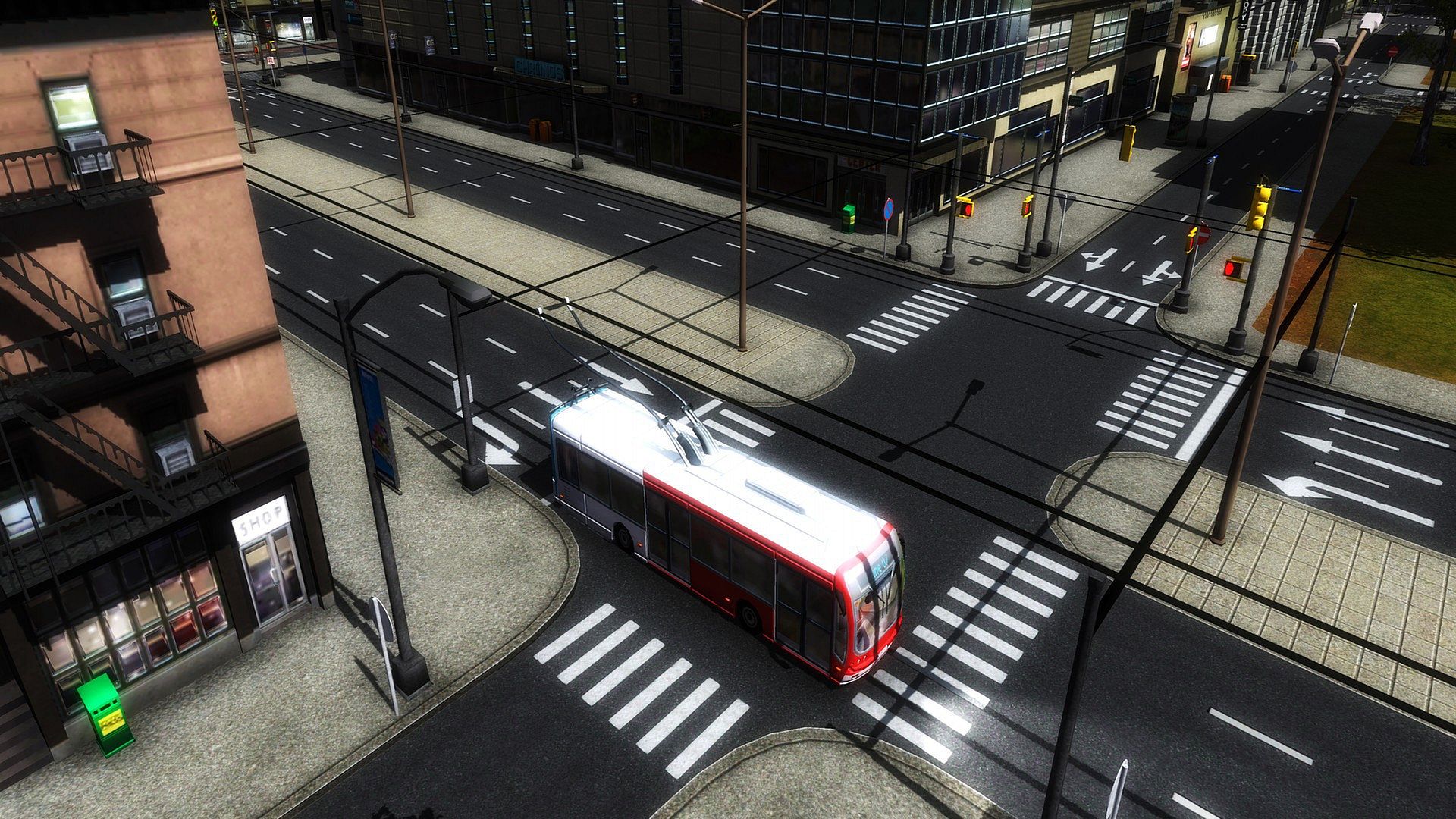
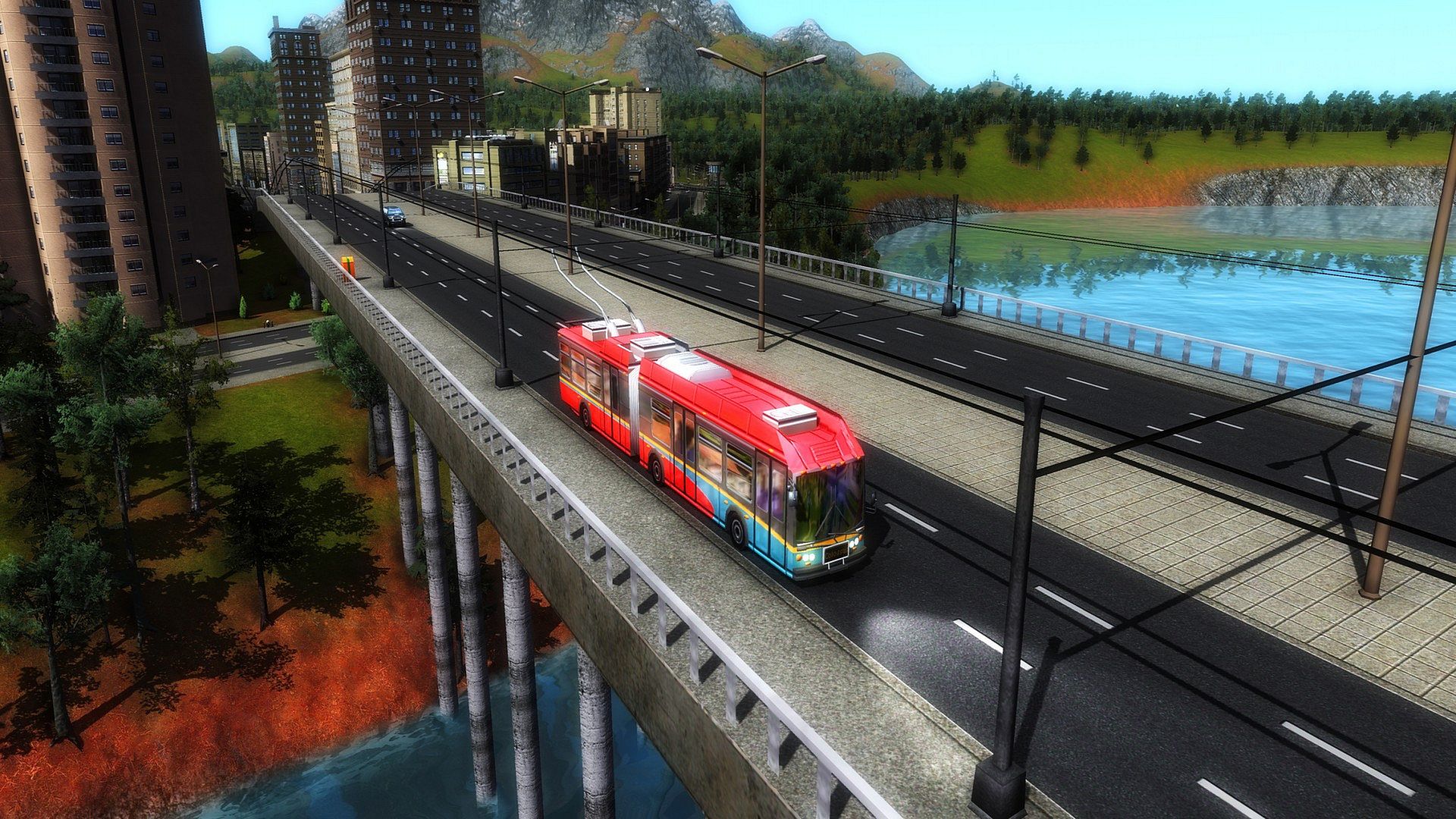
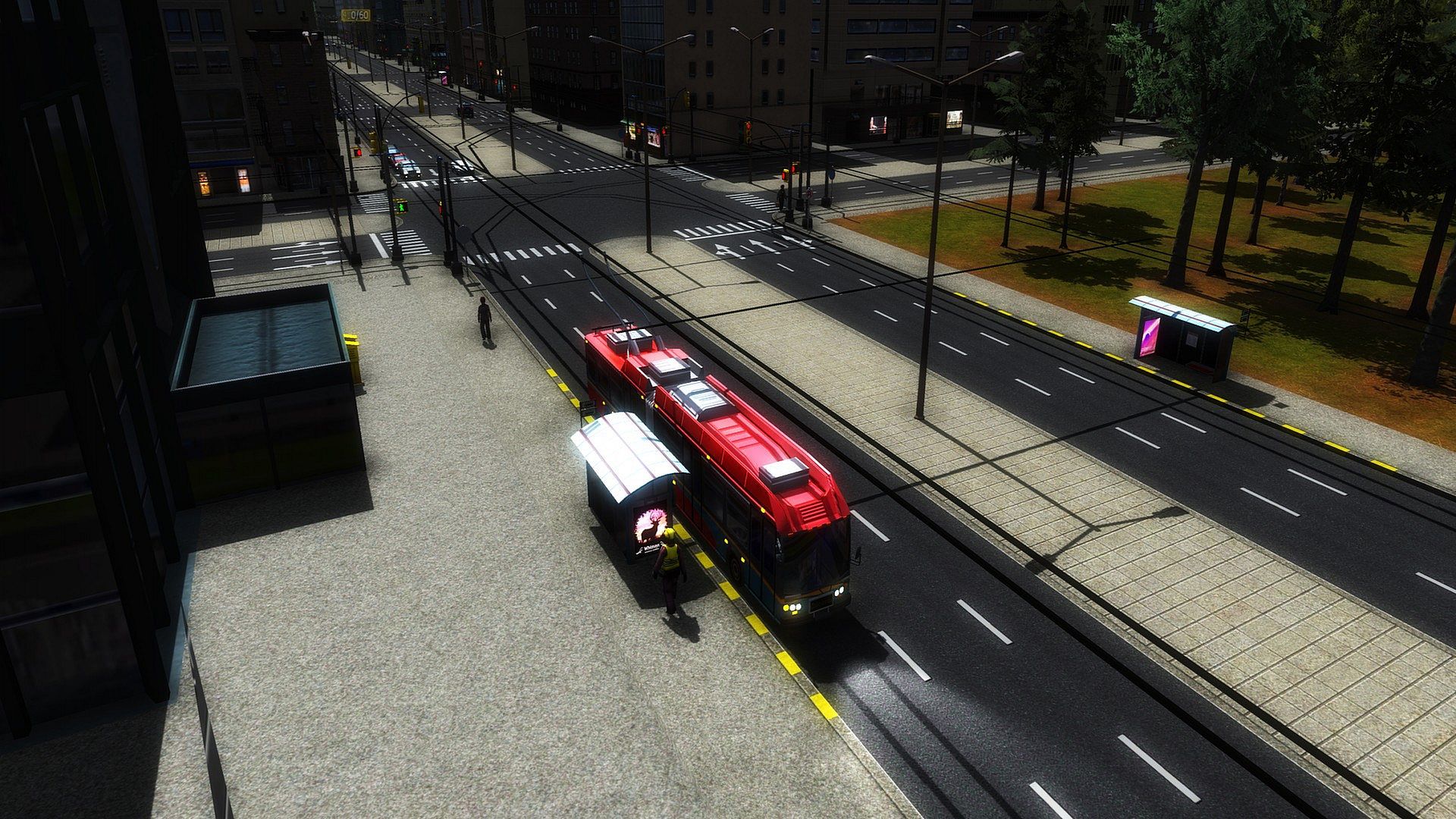
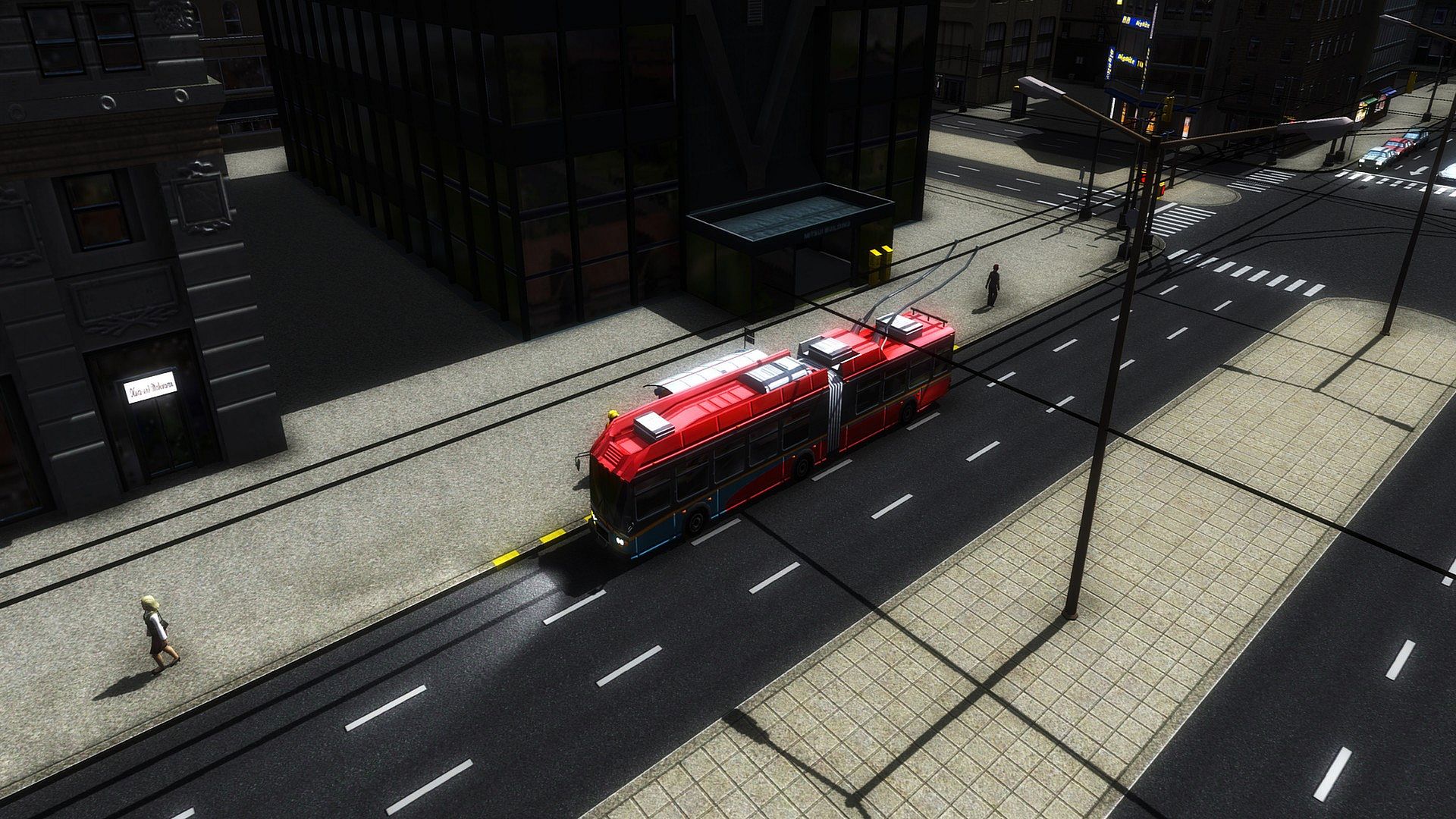
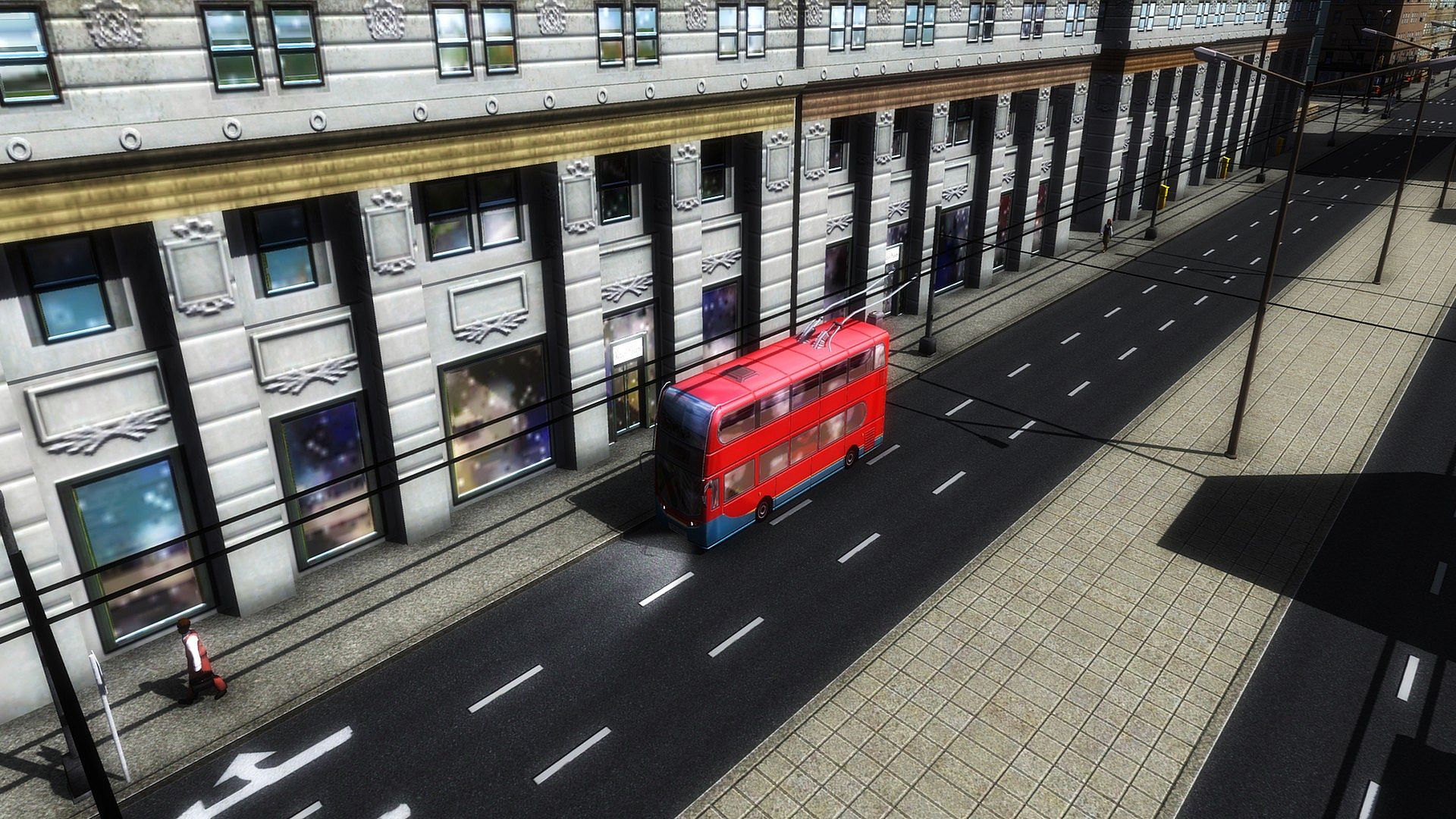
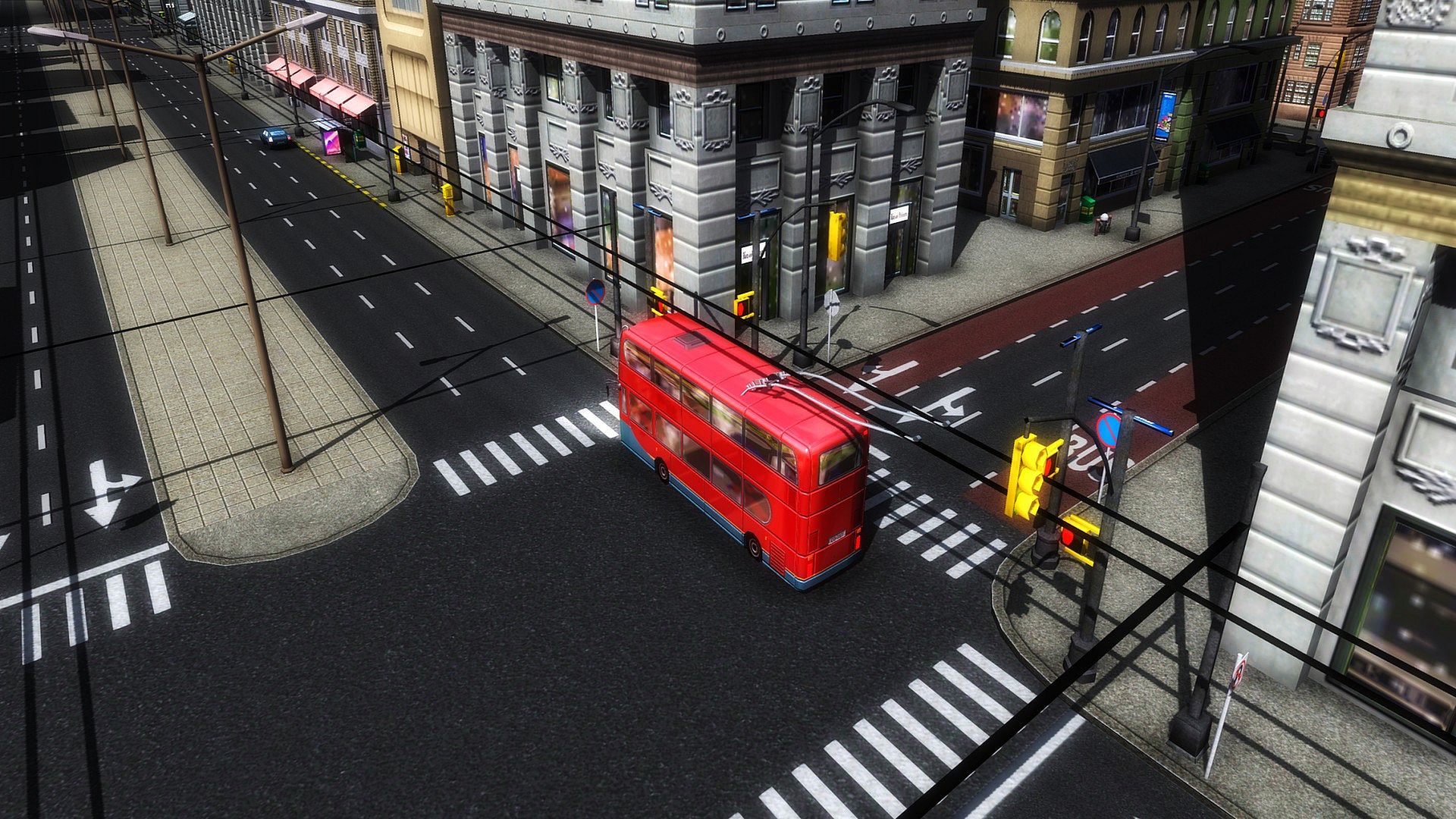
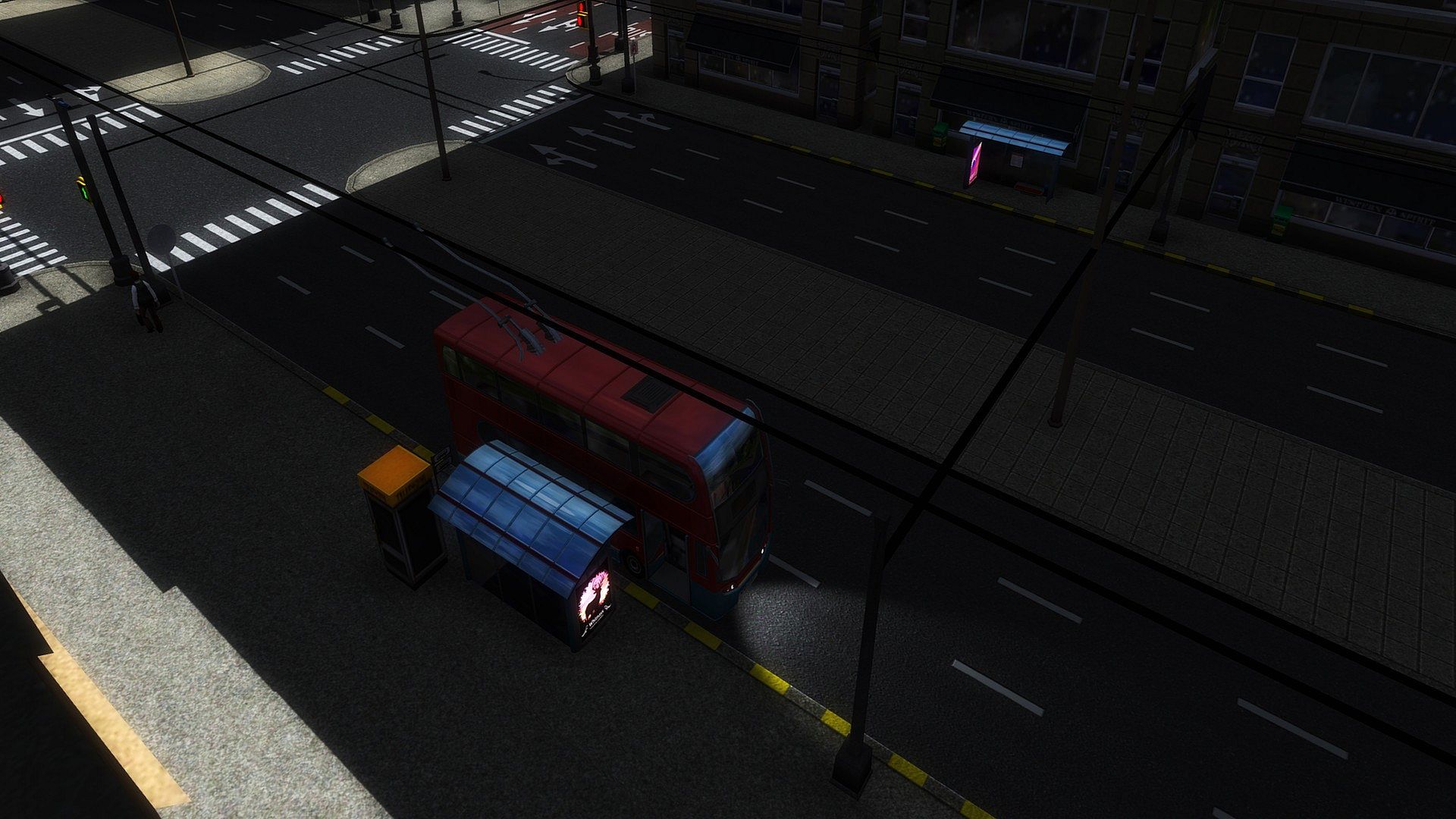
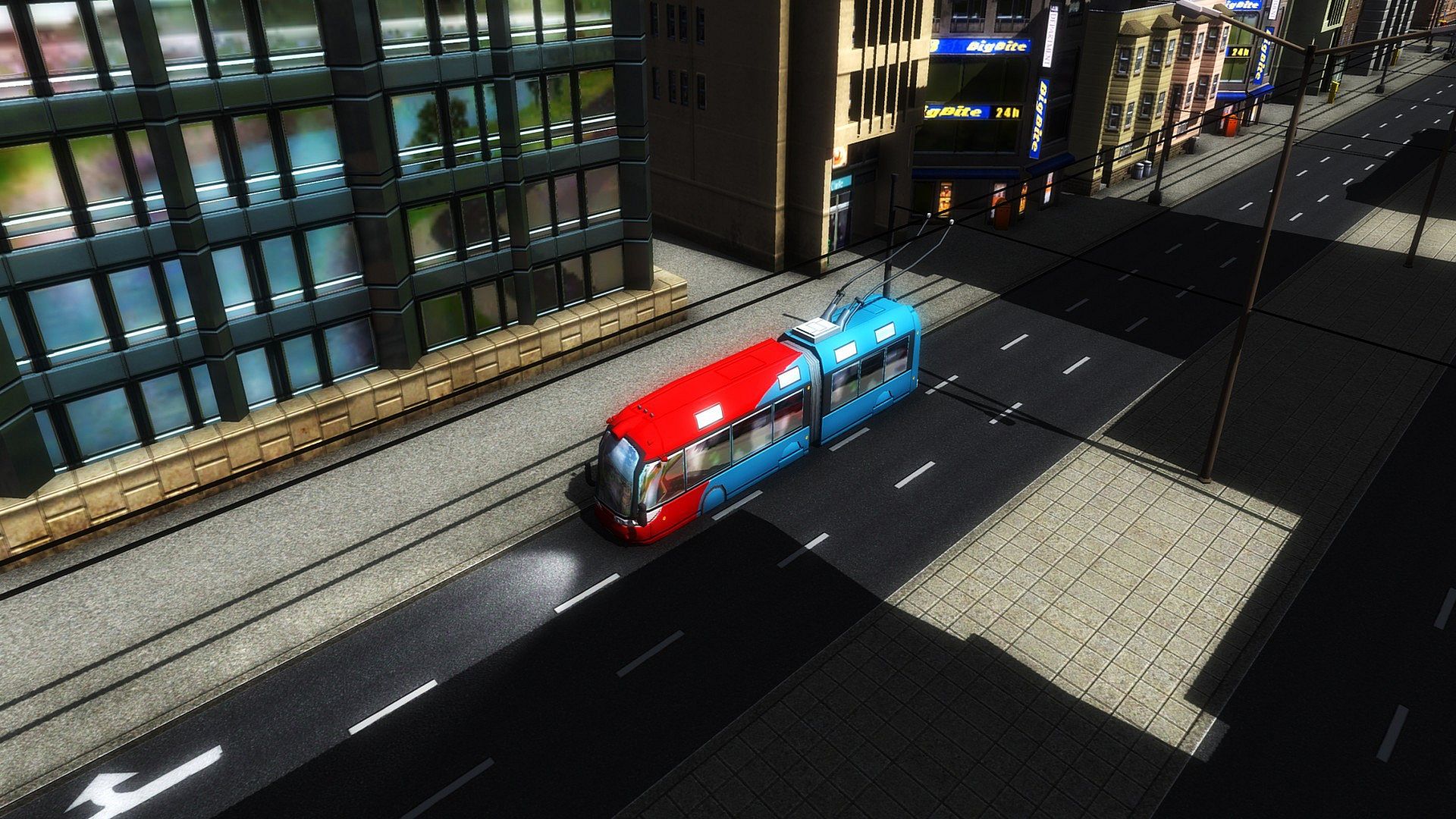
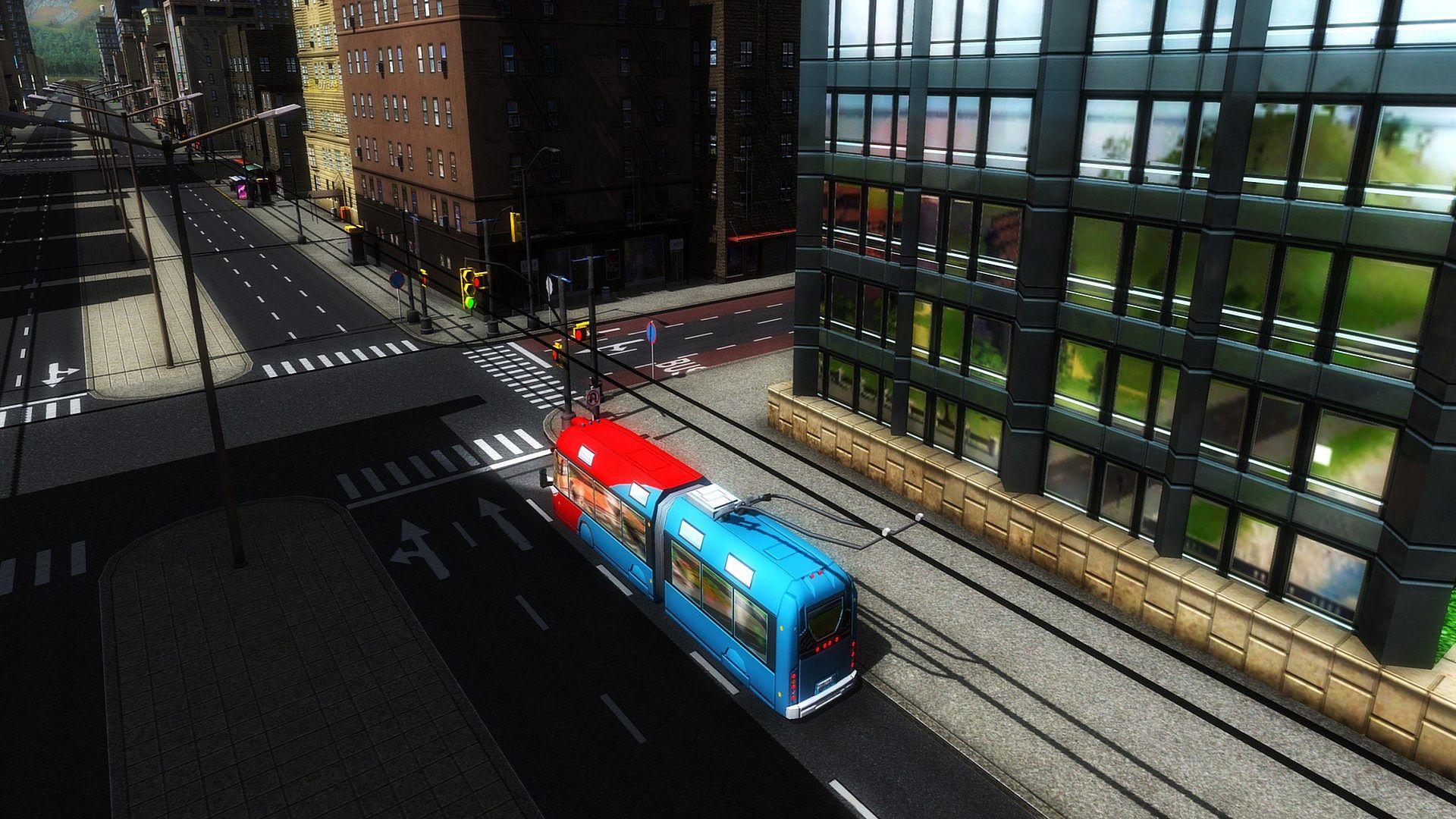
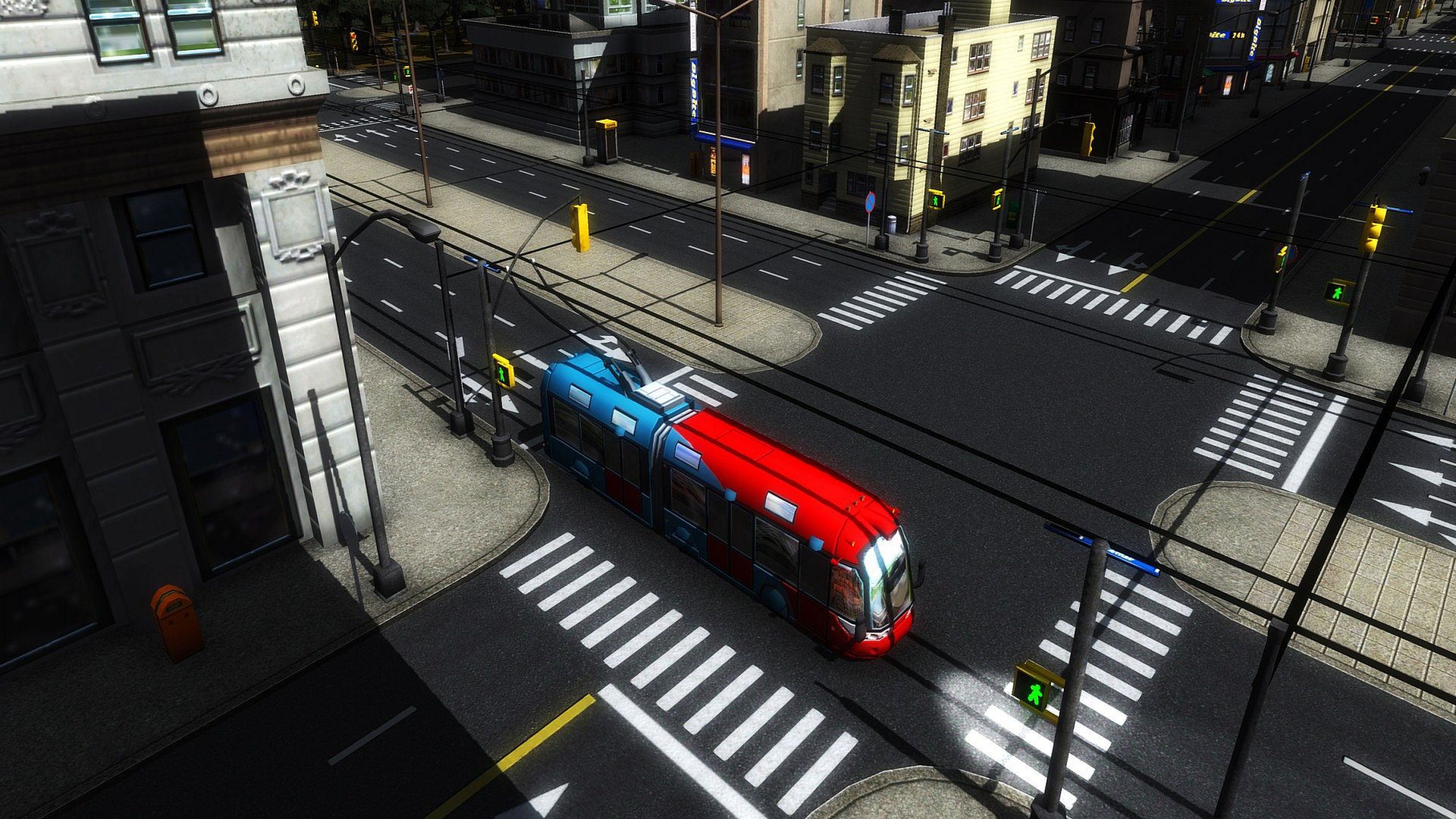
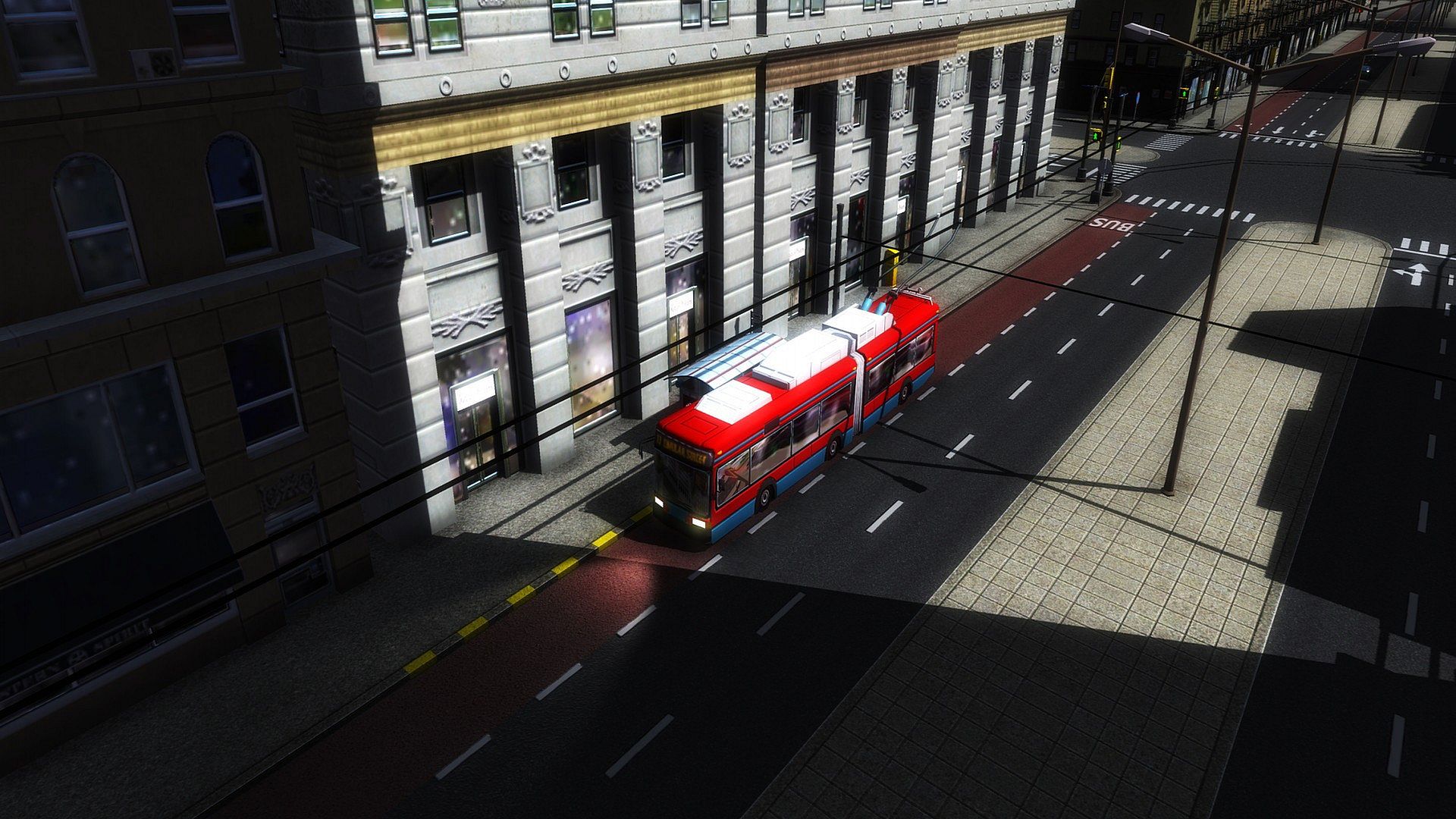
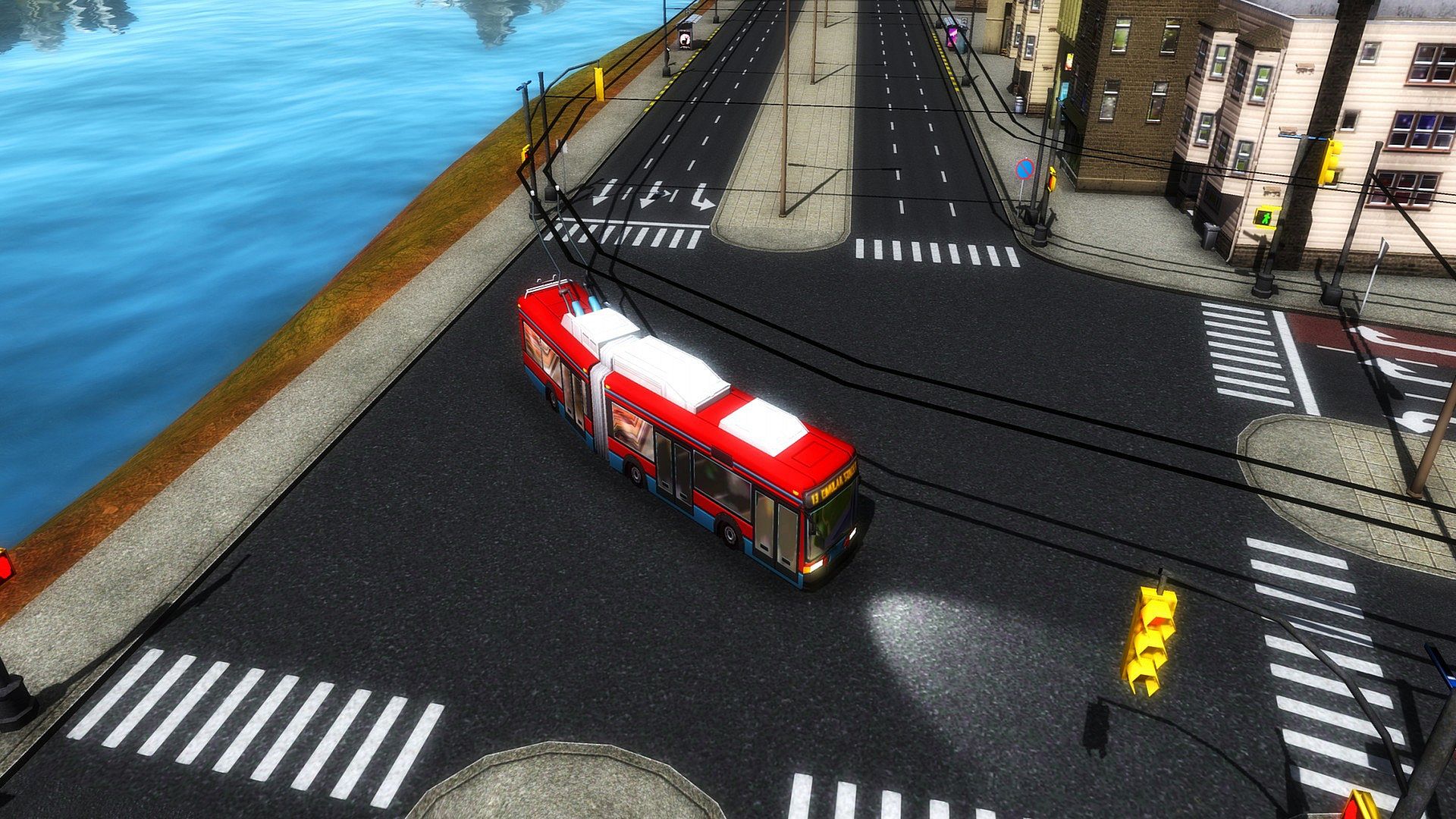
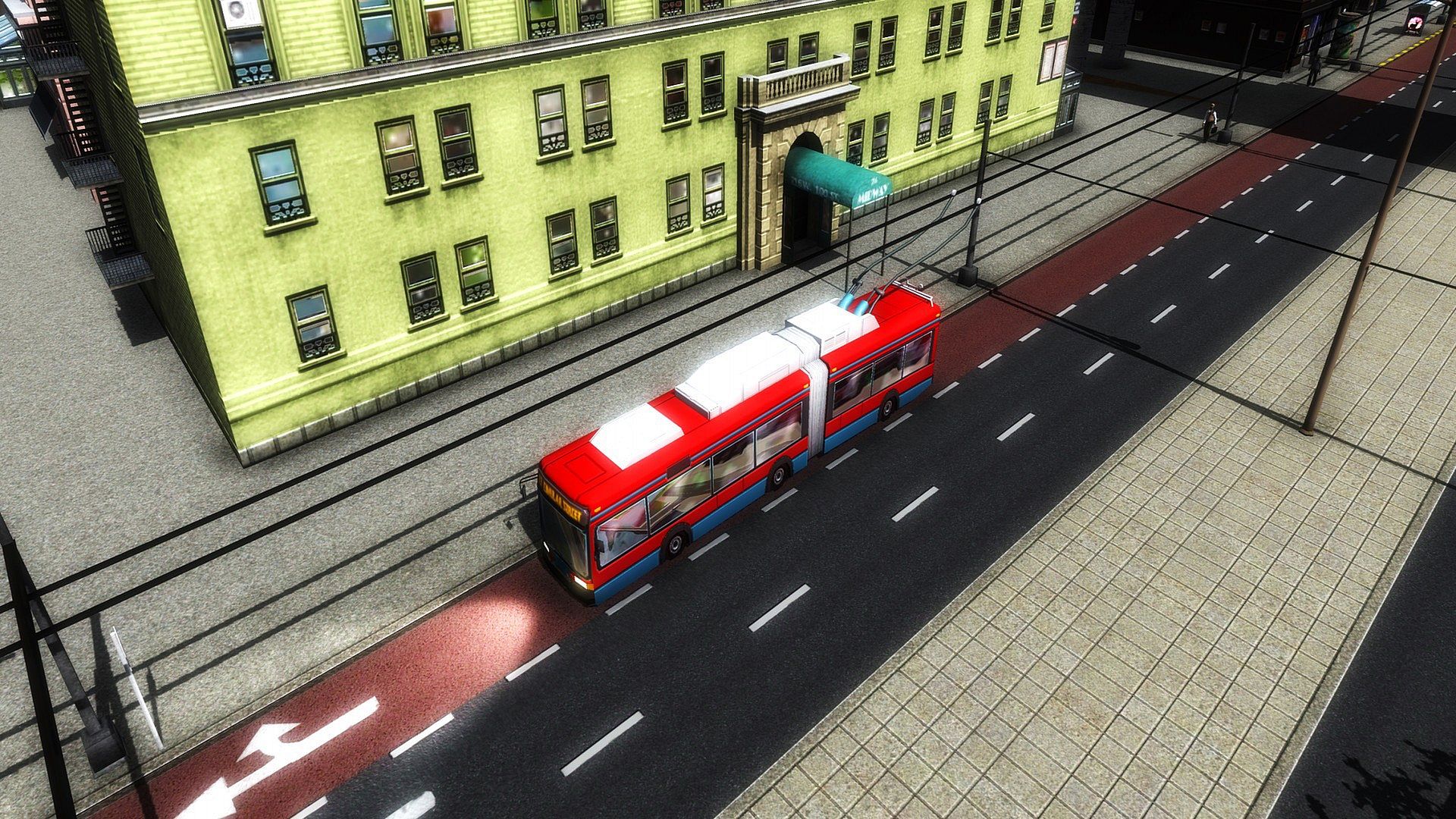
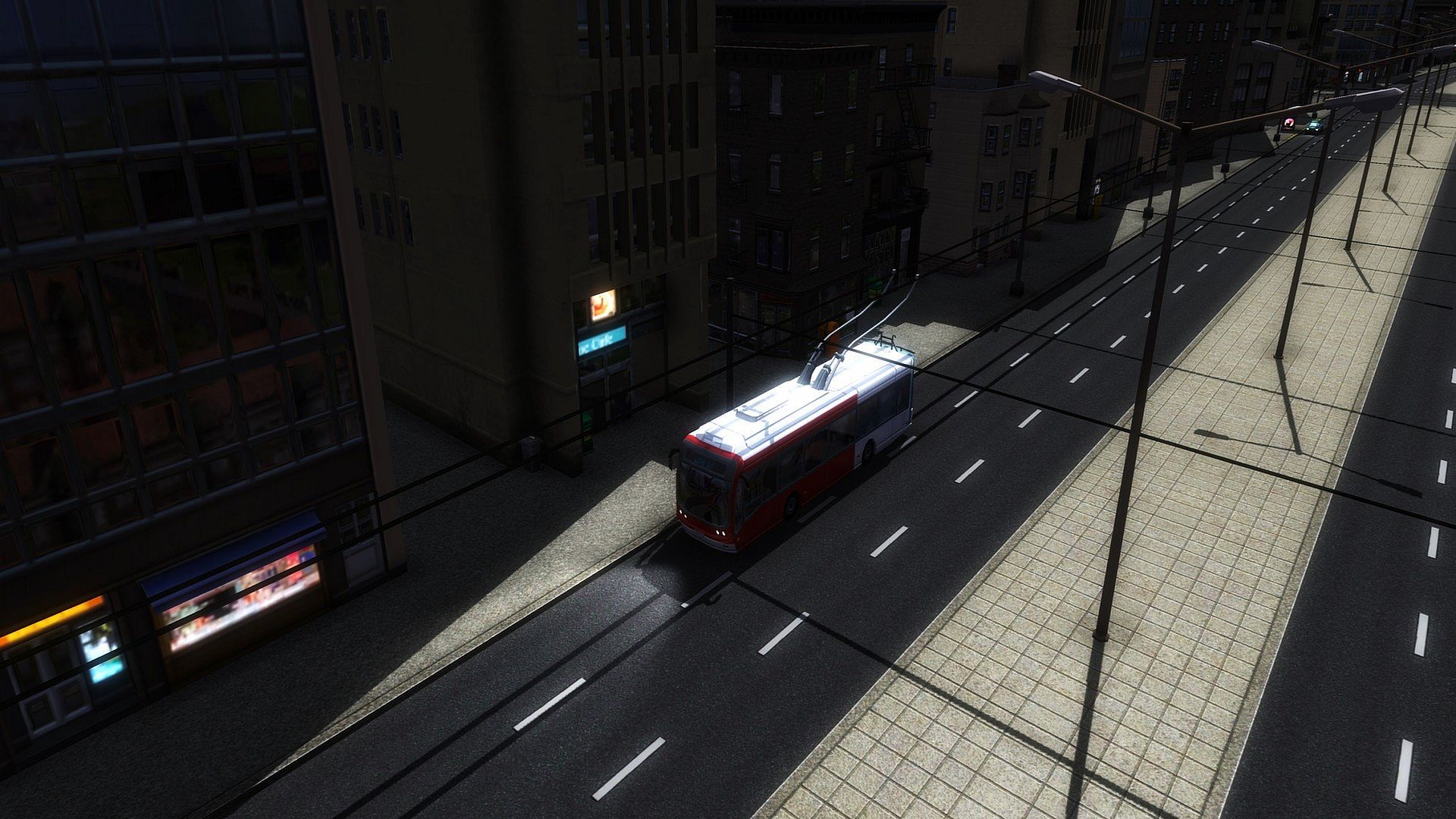
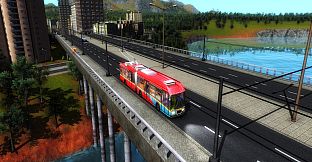
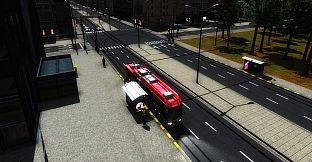
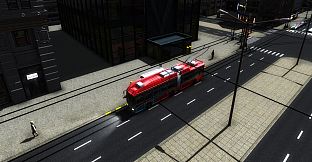
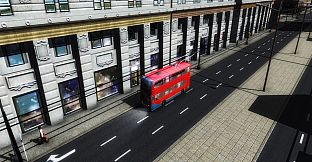
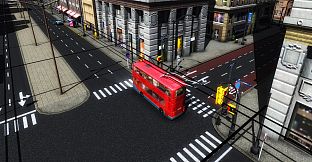
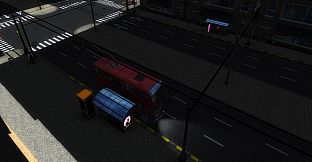
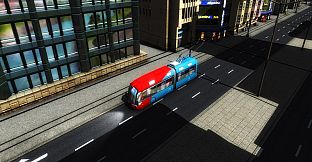
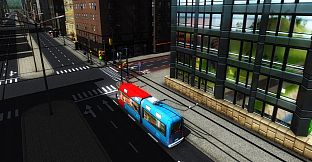
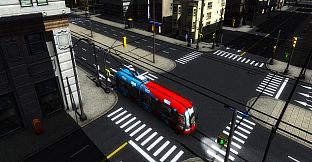
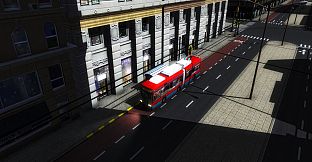
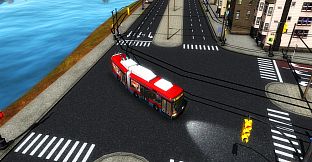
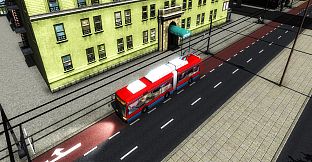
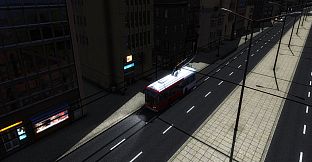
Cities in Motion 2: Trekking Trolleys is a simulation title centered on public transportation networks. Players construct and manage routes across urban and rural landscapes using a variety of vehicles, with this expansion introducing five distinct trolley bus models that emphasize trade-offs in speed, passenger capacity, maintenance demands, and rider comfort.
Gameplay
The core loop revolves around planning efficient transit lines that balance vehicle performance against route demands. Trolley buses operate on fixed infrastructure, requiring careful placement of stops and depots to maintain service reliability. Factors such as vehicle speed influence travel times on longer stretches, while capacity determines how many passengers can board during peak periods. Maintenance costs accumulate over time and affect overall profitability, pushing players to select models that align with their network's scale and budget constraints.
Comfort features play a direct role in attracting riders, as higher comfort levels draw more customers to specific lines. Players adjust schedules and vehicle assignments to handle varying distances between stops, ensuring that slower options suit dense areas with frequent halts and faster ones cover extended paths to outlying zones. The addition of these trolleys expands options for optimizing lines where electric power delivery and passenger volume intersect with operational expenses.
Game Modes
Routes with many stops and short intervals between them favor vehicles with high capacity despite slower speeds and higher upkeep. In contrast, extended routes to distant locations benefit from compact, speedy models that maintain reliability over distance. Players experiment with mixed fleets to address different segments of a single network, matching each trolley type to the terrain and demand patterns encountered.
Comfort-oriented choices encourage lines that prioritize rider satisfaction to boost usage, while reliability-focused selections support consistent service on challenging paths. This flexibility allows adaptation across compact city grids and sprawling suburban connections without requiring uniform vehicle deployment.
Vehicle Options
Five models provide targeted solutions for different operational needs. The Ness TransLink offers maximum passenger capacity suited to high-volume short routes, though its pace and upkeep requirements limit it to stop-dense environments. The Stern-Berger Guide emphasizes passenger comfort through padded seating, which helps draw consistent ridership even at moderate speeds.
The Toyoka Iris delivers balanced attributes across speed, capacity, and maintenance, making it adaptable for general use. Comet BussCar prioritizes reliability and average speed for steady performance, accepting lower capacity and comfort in exchange. The ZiA OB stands out for its compact size and speed, ideal for long-haul connections to remote areas where durability matters most.
Is It Worth Playing?
This expansion suits players already engaged with transportation simulation who seek additional trolley variety to refine their networks. The vehicles introduce meaningful choices that affect route efficiency and financial outcomes, rewarding careful matching of model traits to line characteristics. Reception for the base experience has been mixed, with some appreciating the depth of system management and others noting limitations in scheduling precision and visual presentation. Those interested in detailed vehicle selection and route optimization will find the pack adds practical options without altering core mechanics. It remains available as a targeted addition for existing owners looking to expand their fleet choices.