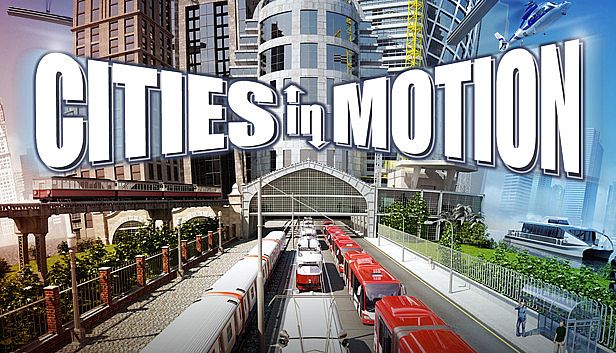
























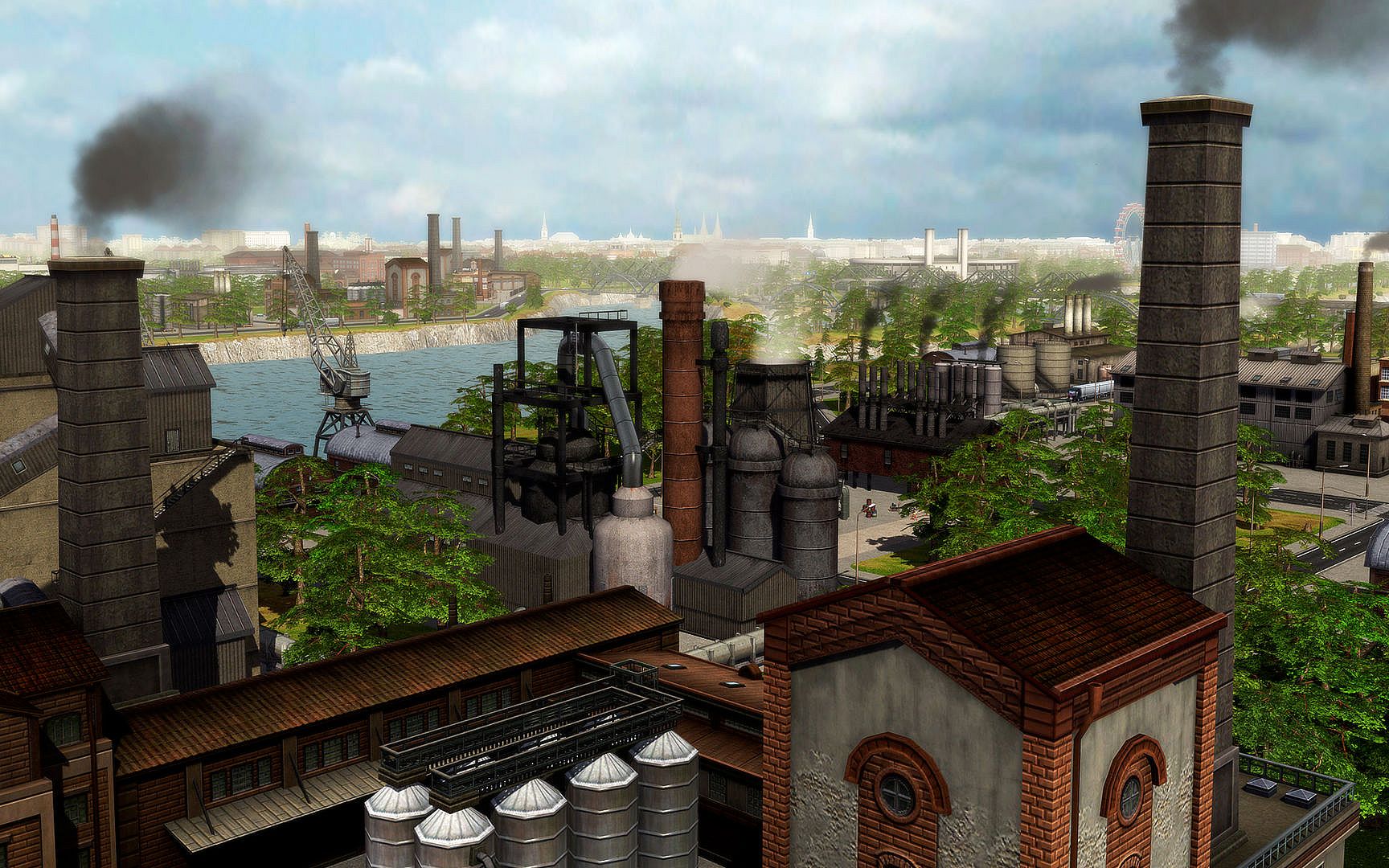
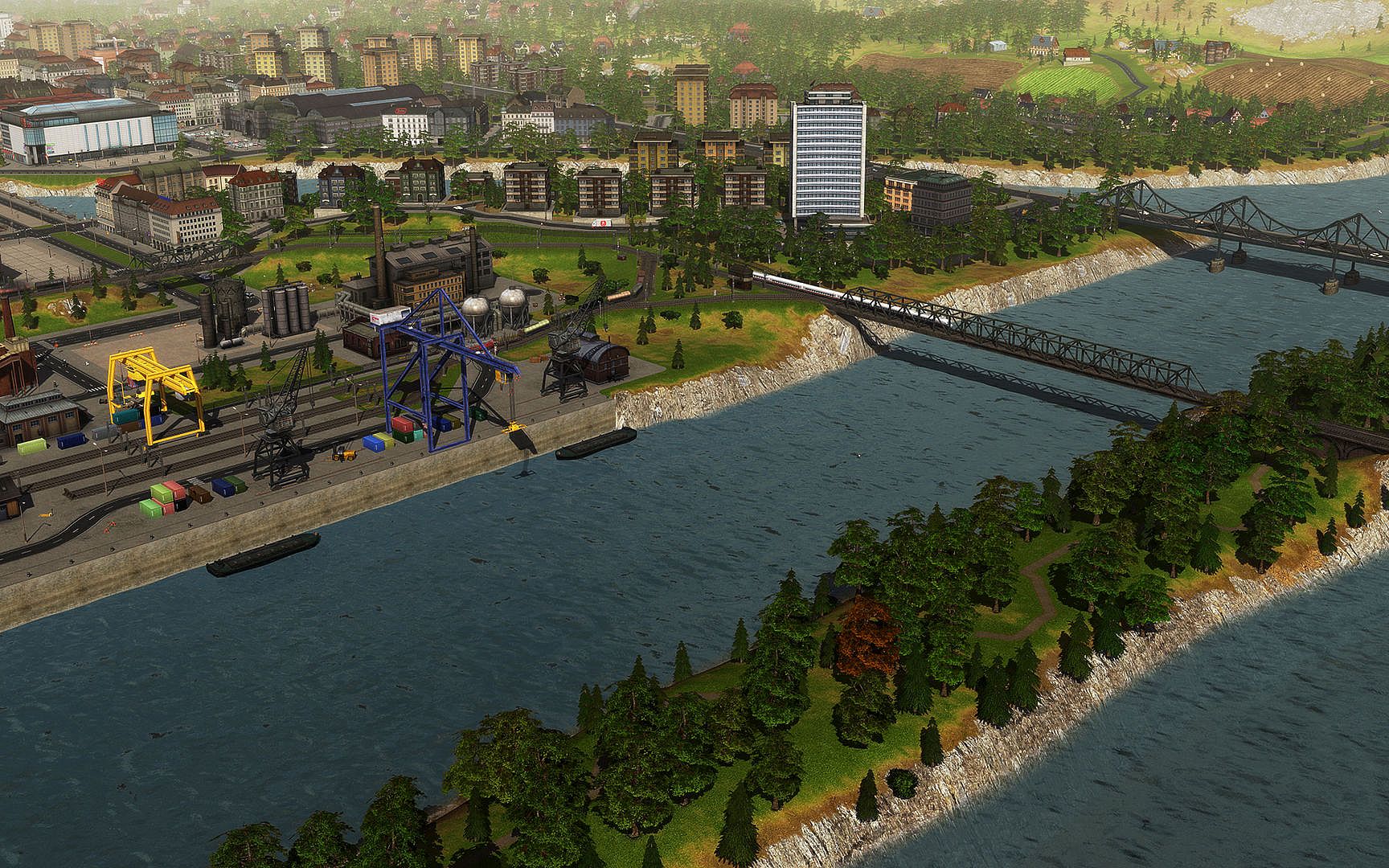
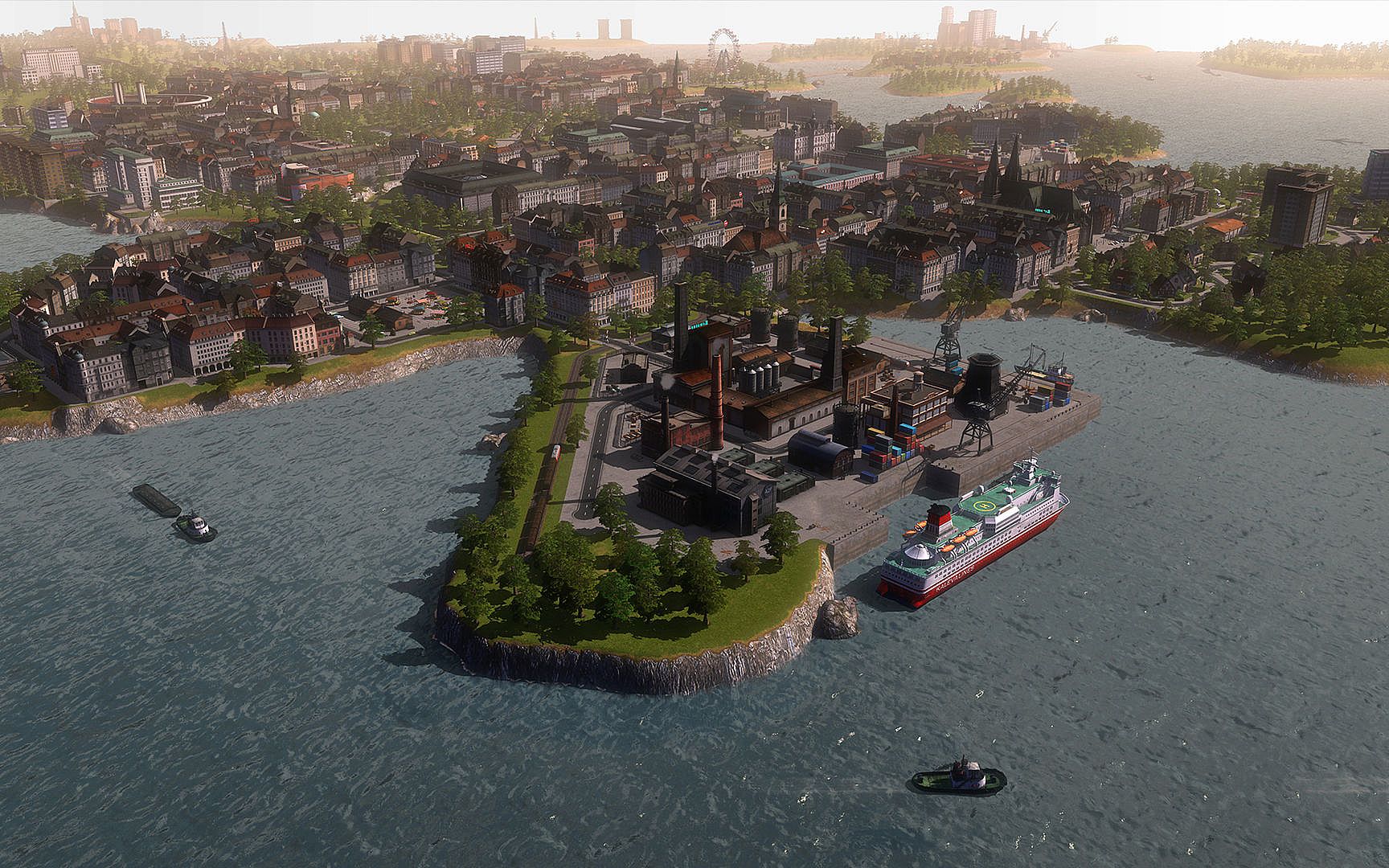
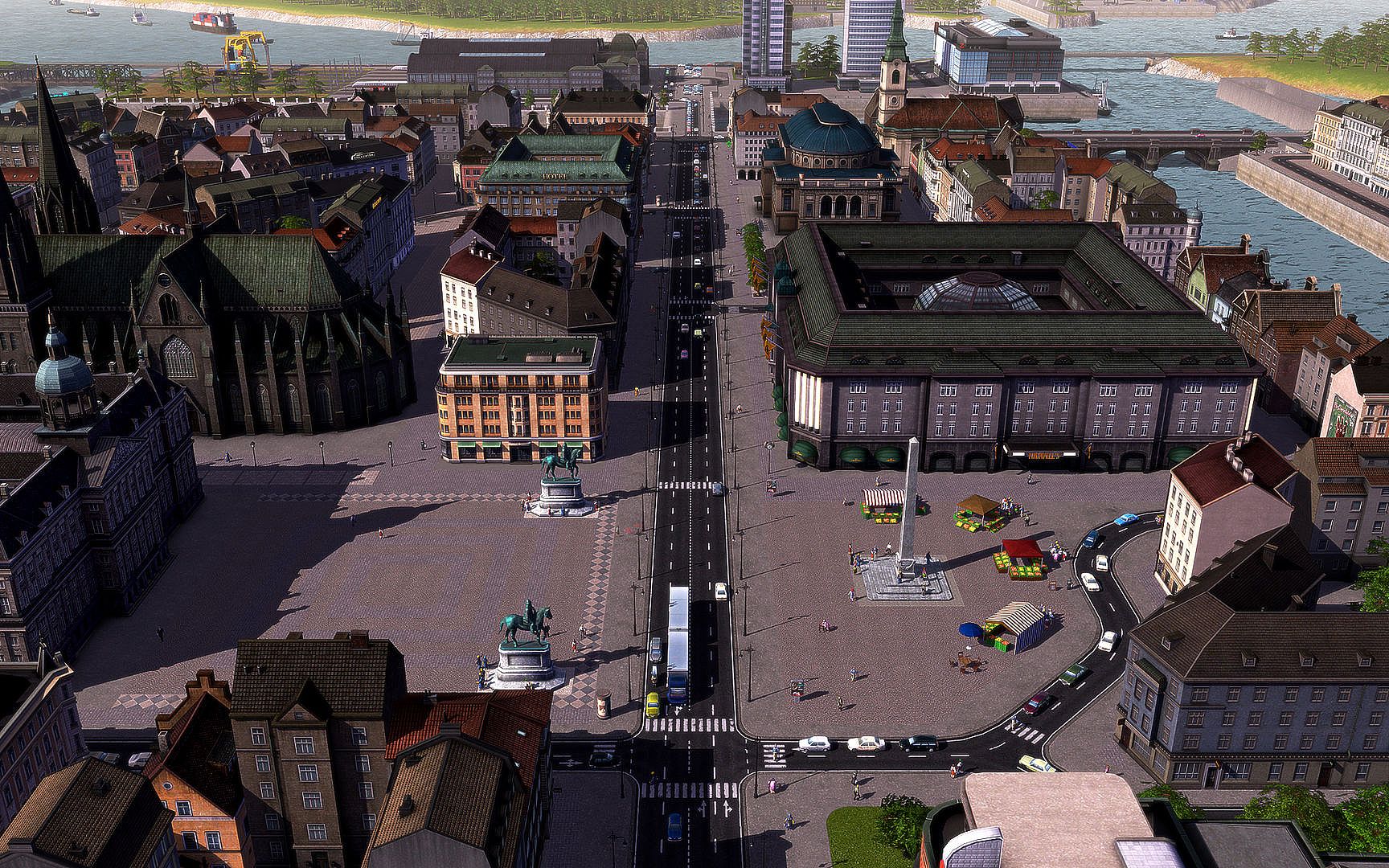
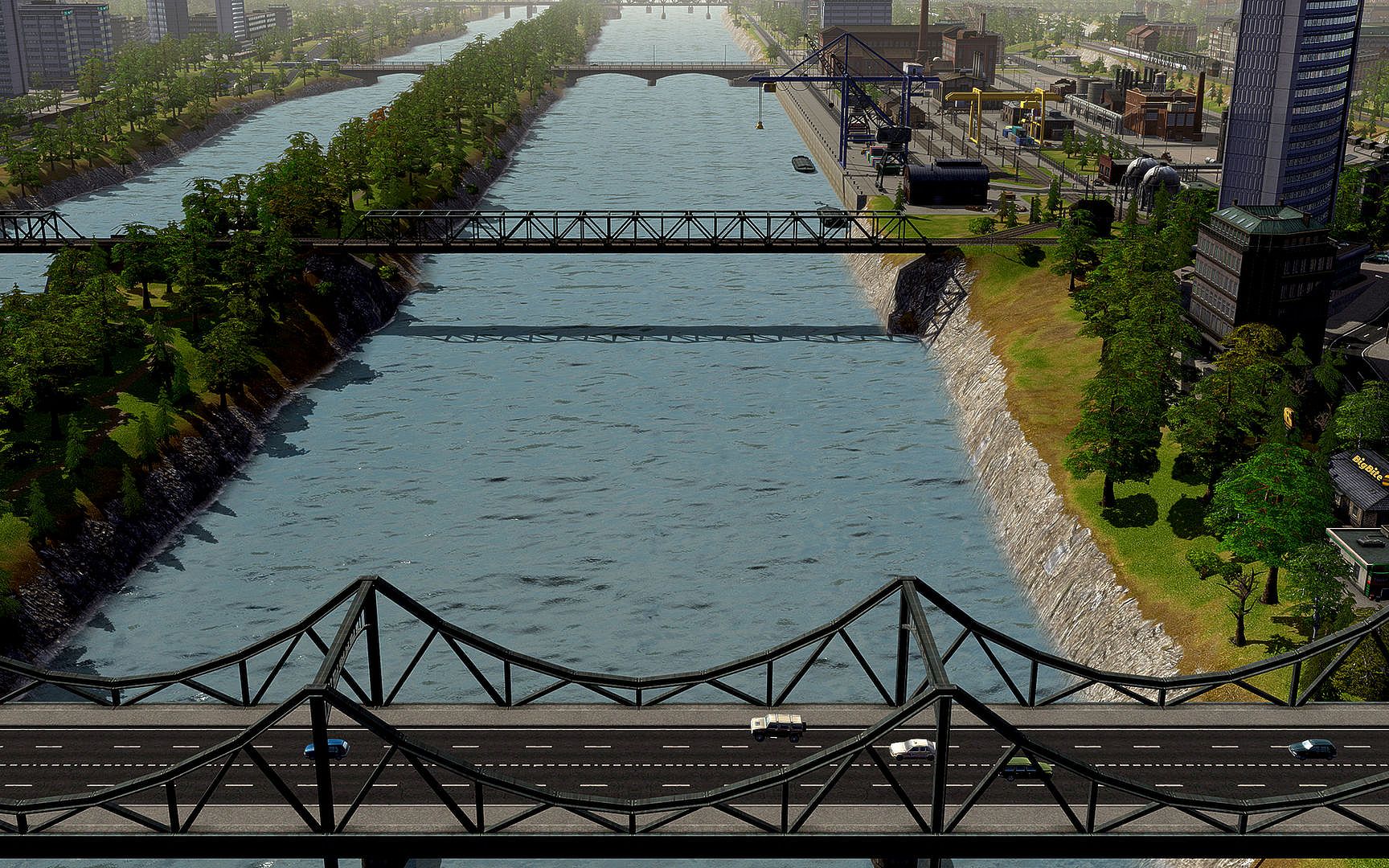
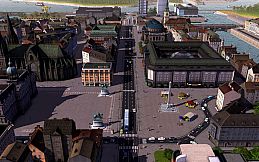
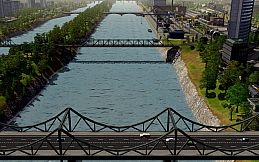
Cities in Motion is a singleplayer transportation simulation game set on the PC platform. Players take on the role of a public transit planner responsible for designing and operating networks across multiple cities spanning a century of history. The core loop centers on balancing route efficiency, passenger satisfaction, and profitability while adapting to evolving urban demands from 1920 through 2020.
Gameplay
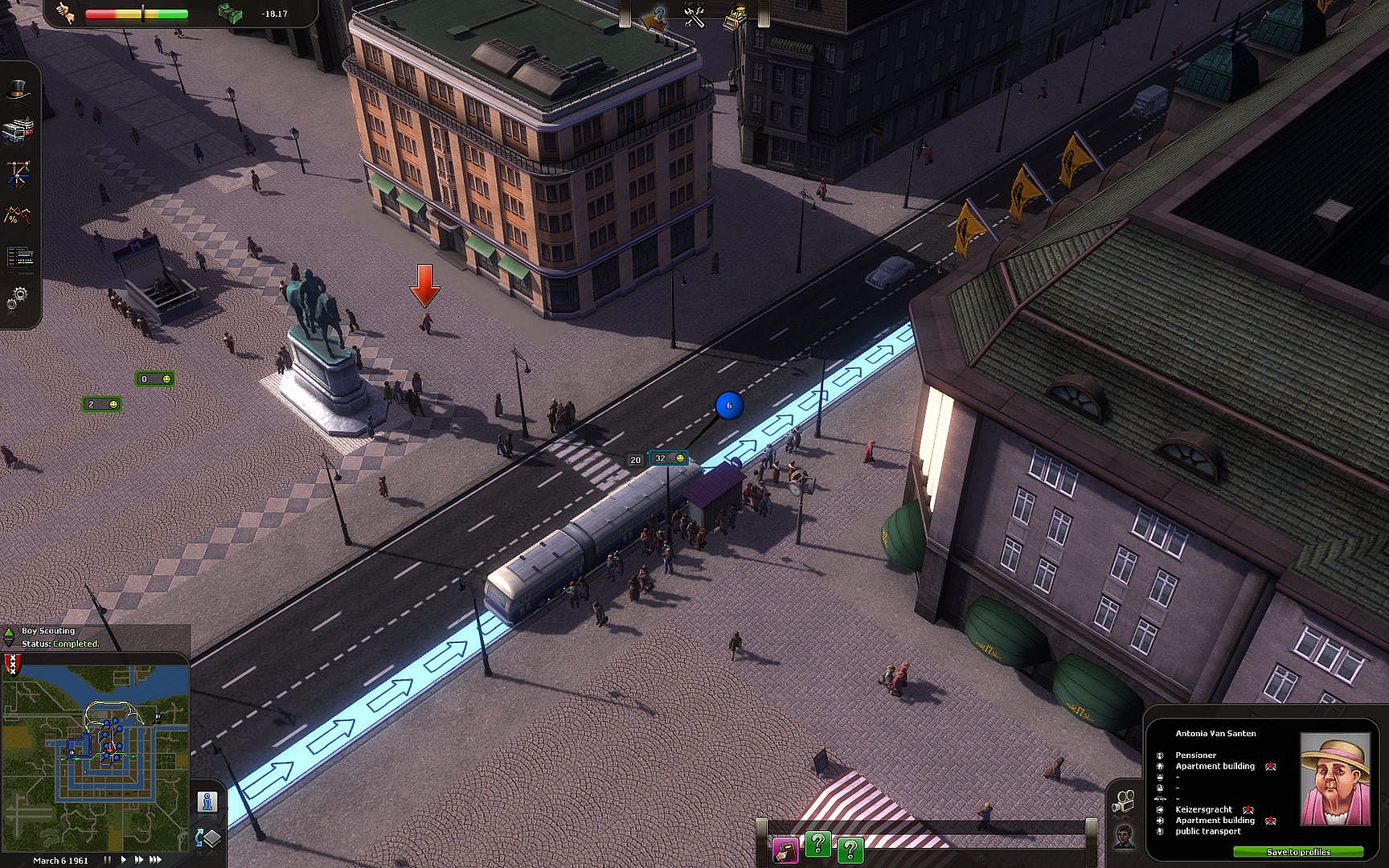
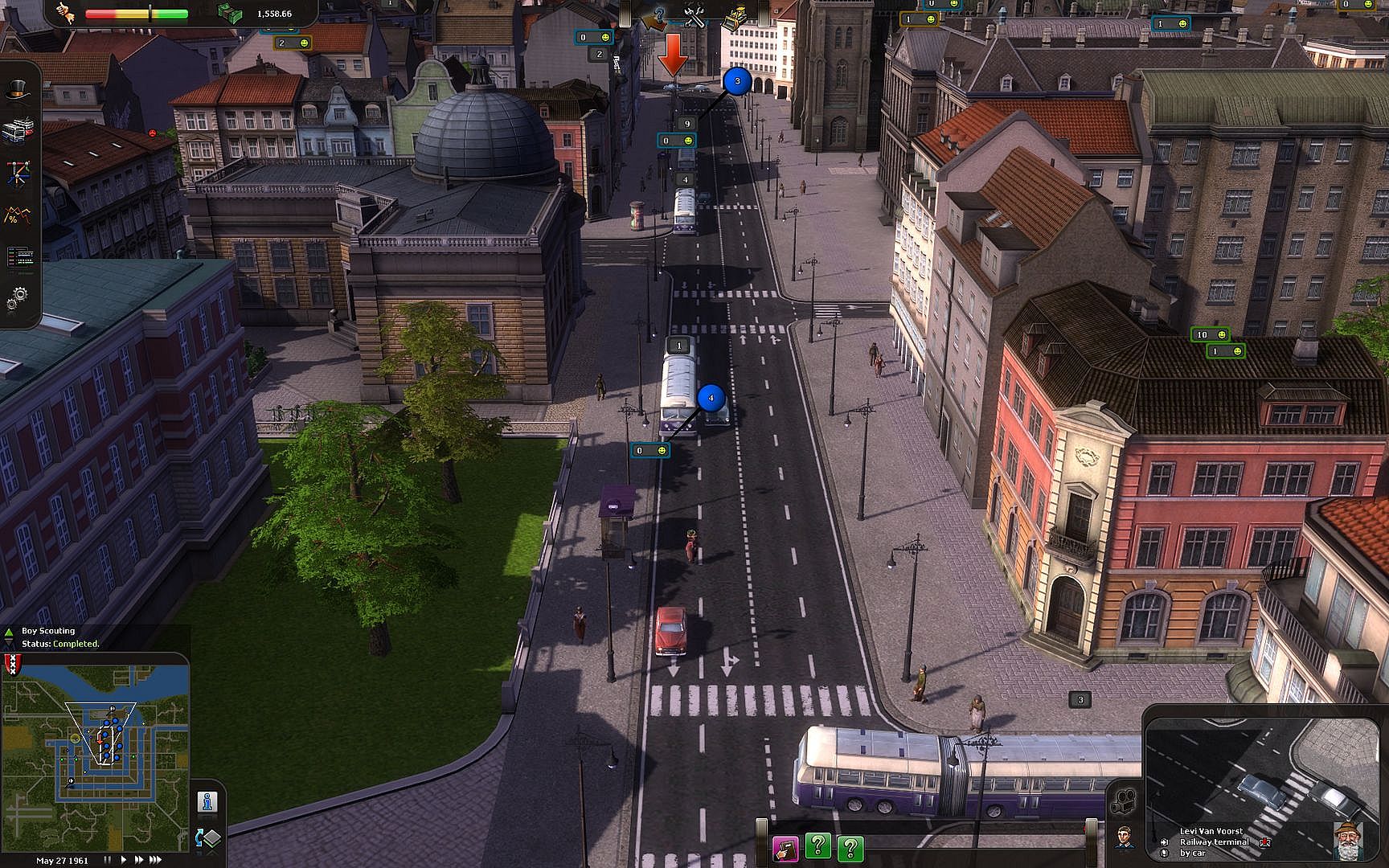
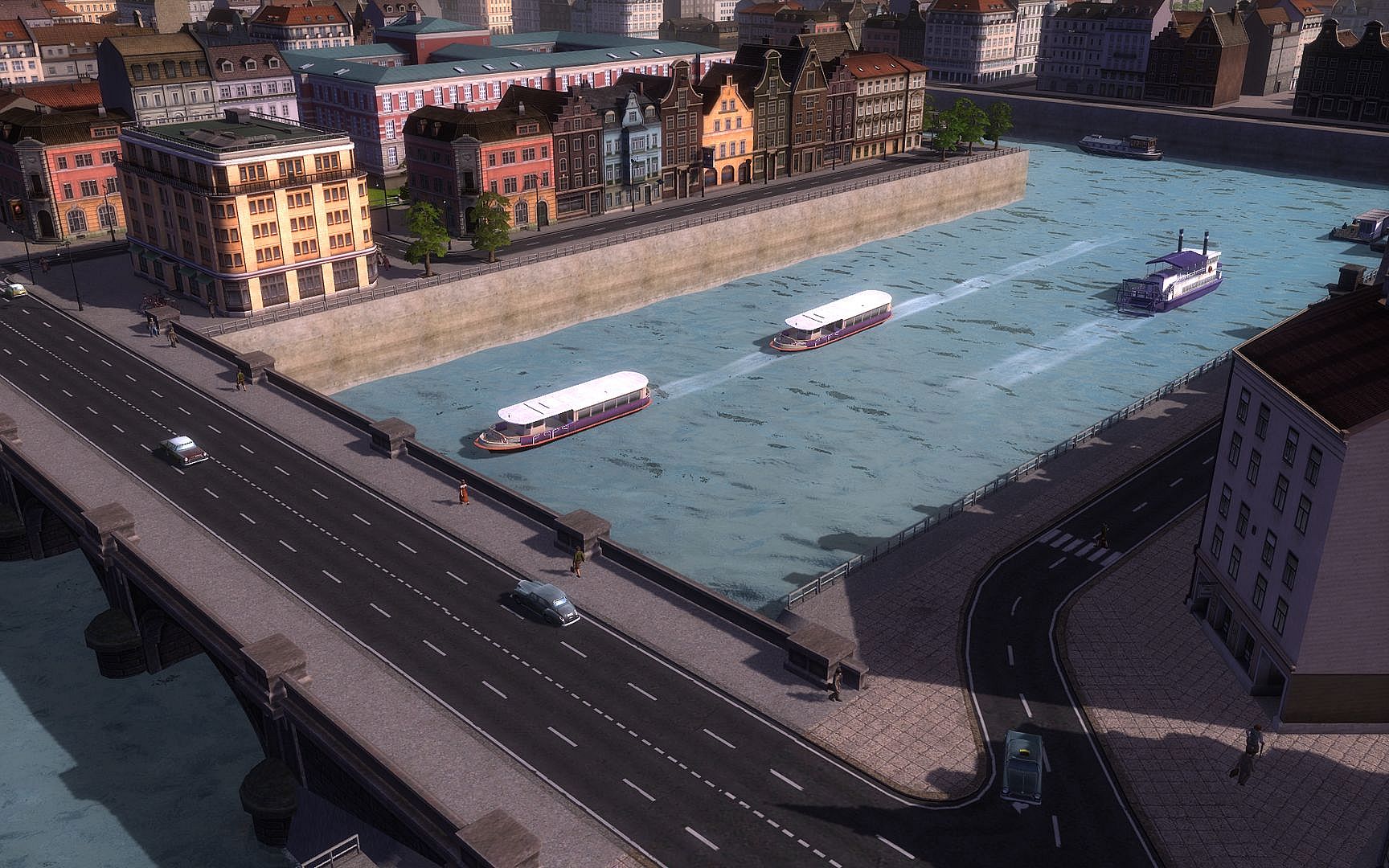
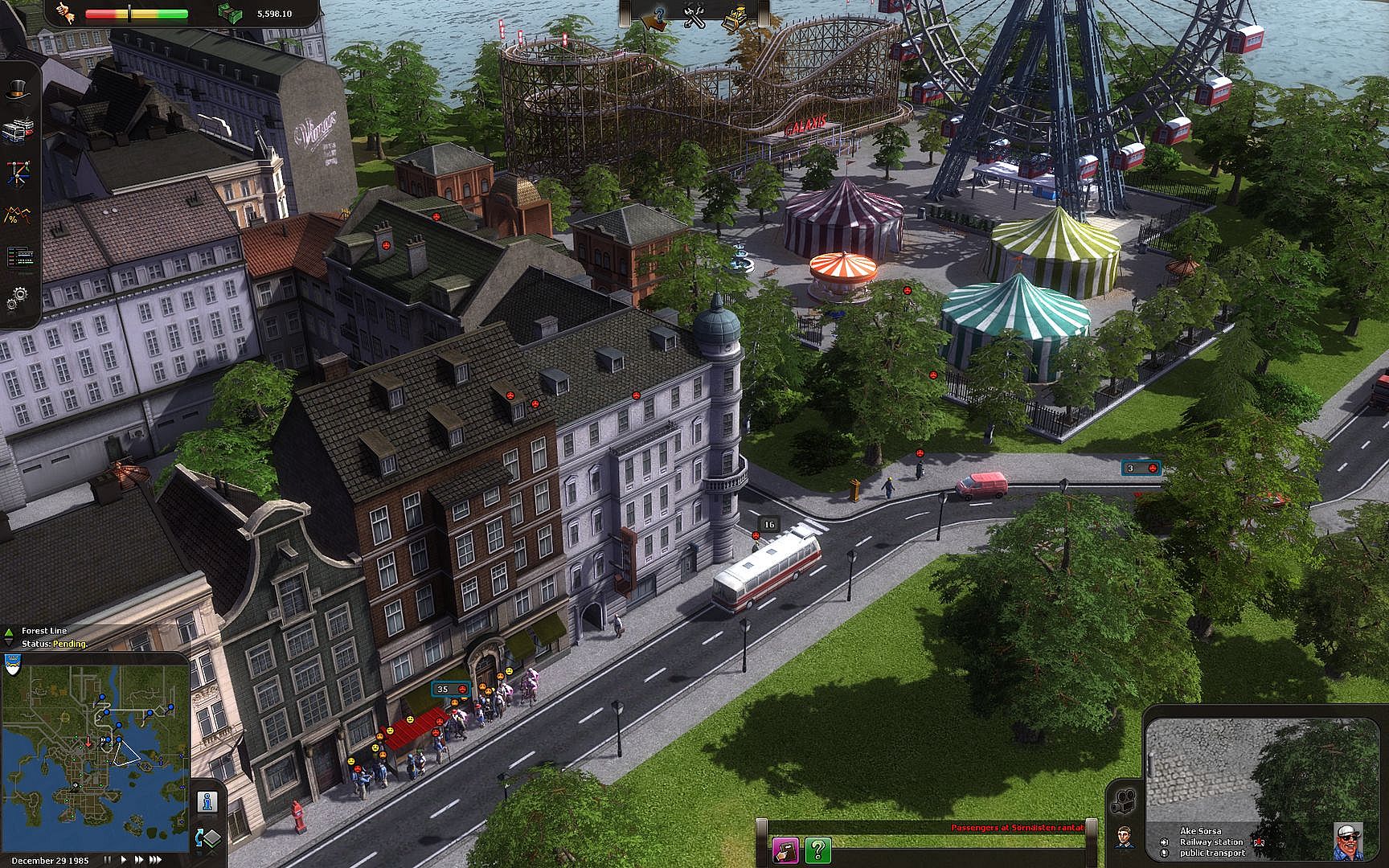
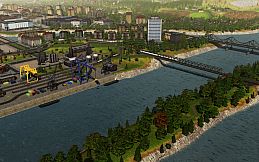
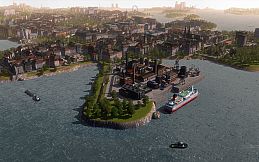
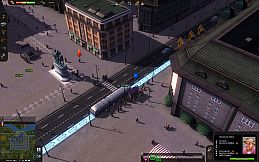
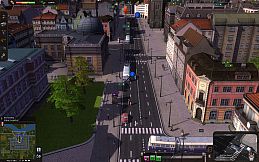
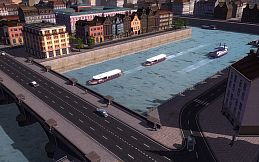
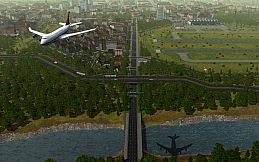
The simulation places emphasis on realistic traffic patterns and commuter behavior in a real-time environment. Players construct lines for buses, trams, subways, water buses, and helicopters, then monitor how these services connect residential areas with workplaces and leisure destinations. An underground view helps visualize metro operations, while the game tracks population flows and adjusts demand across four distinct historical eras.
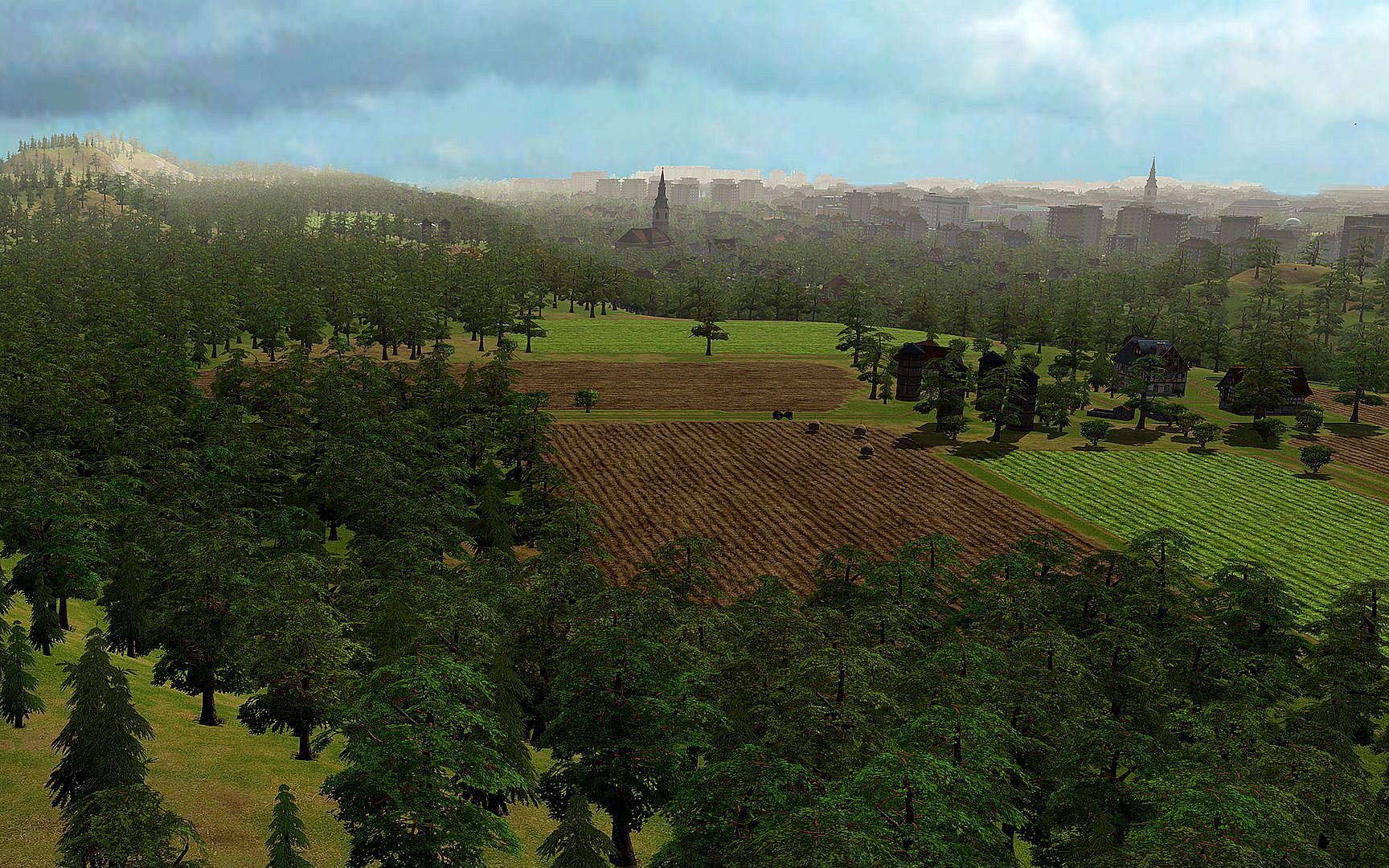
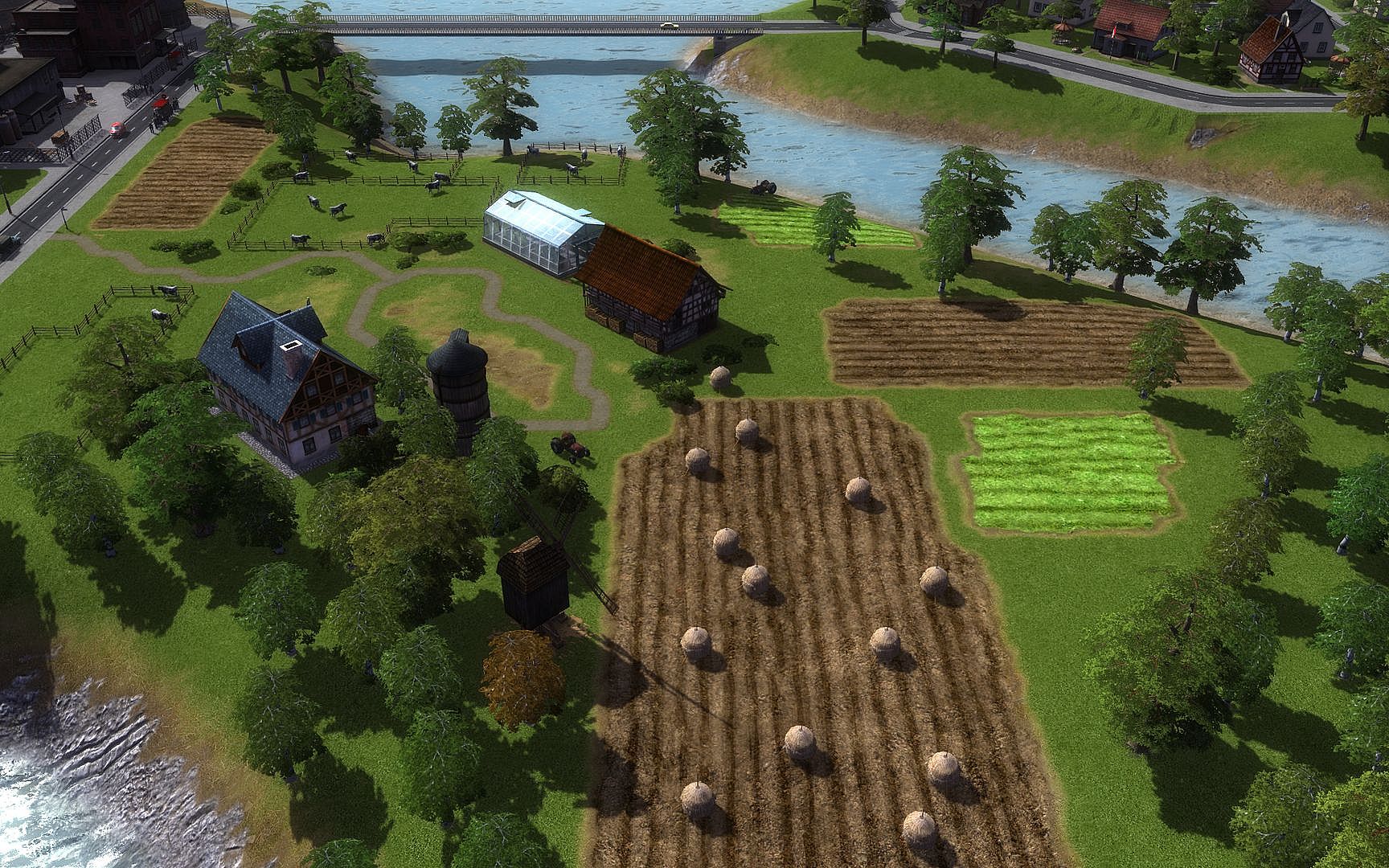
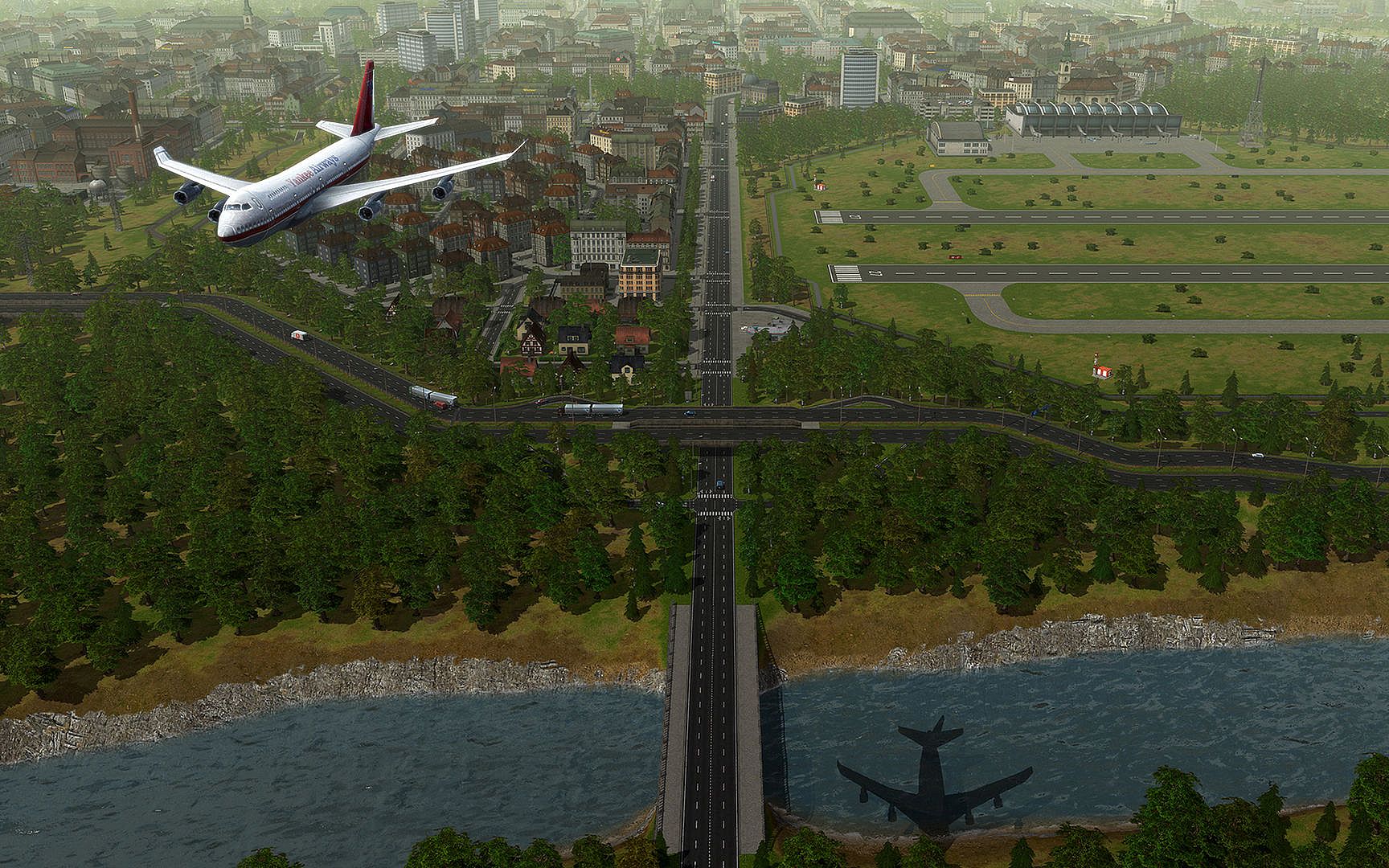
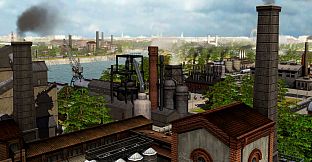
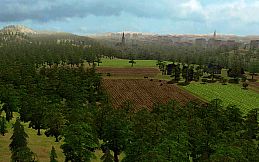
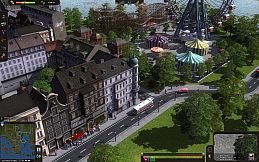
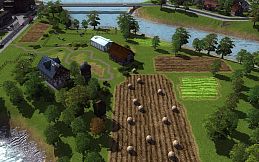
More than 30 vehicles appear, each modeled after real-world counterparts with varying capacities, speeds, and operating costs. Route planning requires attention to traffic congestion and transfer points to keep commuters moving efficiently. The advanced map editor supports creation of custom cities, allowing extension beyond the four included locations of Vienna, Helsinki, Berlin, and Amsterdam. Over 100 unique buildings populate the detailed 3D environments, contributing to the sense of a living city that changes over decades.
Game Modes
Two primary modes structure the experience. Campaign mode presents 12 scenarios that guide players through historical stages of transit development. Each scenario supplies specific objectives from city officials or residents, along with an initial budget that can be supplemented through loans. Success depends on completing tasks while maintaining financial viability.
Sandbox mode removes scenario constraints entirely. Players select any of the core cities, choose a starting year between 1920 and 2020, and set their own starting funds. This free-form approach supports unrestricted network building and long-term experimentation across the full timeline.
Transportation Systems and Progression
Progression unfolds through the passage of time and the need to upgrade infrastructure as cities grow. Early eras favor simpler bus and tram lines, while later periods introduce more complex subway networks and specialized vehicles. Profit comes from ticket sales and efficient operations, offset by maintenance costs and the requirement to please riders through reliable service. The real-time simulator reacts to player decisions, with traffic and population shifts influencing route performance.
Key mechanics include loan management from different banks and ongoing adjustments to lines based on observed commuter patterns. The game rewards careful observation of how different transport types interact with city layouts, encouraging iterative refinement of networks rather than one-time construction.
Is It Worth Playing?
This title suits players interested in focused singleplayer simulation of public transport management. Its detailed vehicle roster and historical scope provide depth for those who enjoy route optimization and long-term planning. The campaign offers structured challenges across the four cities, while sandbox supports open-ended creativity.
Reception highlights the realistic traffic flows and building variety as strengths, though some note repetition in route-laying tasks over extended play sessions. No ongoing updates or additional content have appeared in recent years, leaving the experience as originally released. Those seeking a pure transportation management simulator without broader city-building elements will find the systems here align closely with that preference.