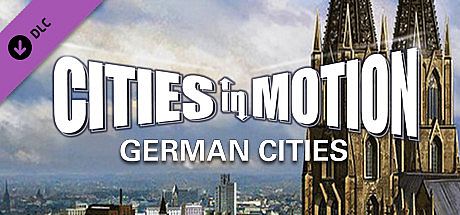















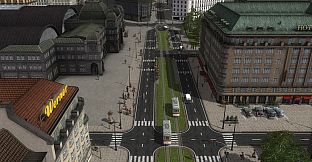
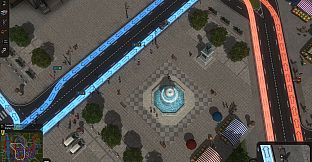
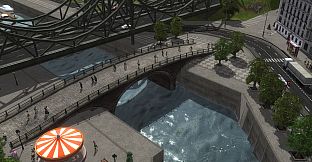
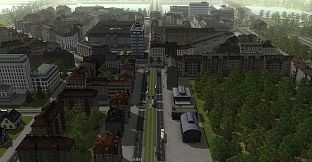
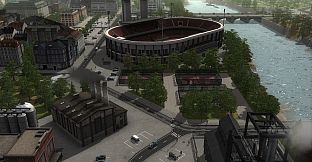
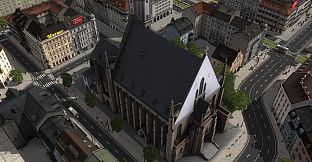
Cities in Motion: German Cities is a simulation game that expands the core city transportation experience with two detailed German urban maps. Players focus on designing and operating public transit systems across historical periods, balancing route efficiency, vehicle selection, and passenger demands in evolving city environments.
Gameplay
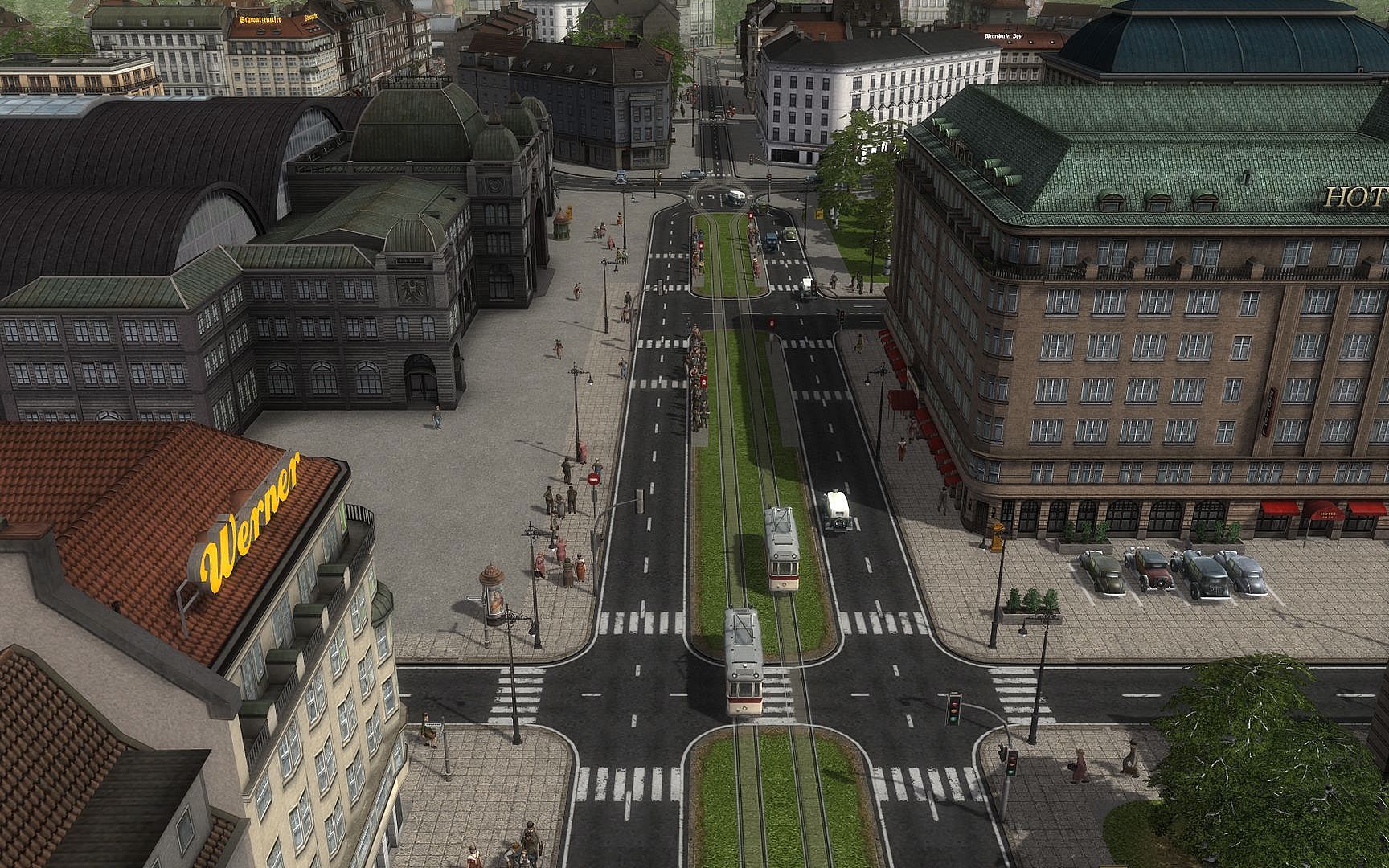
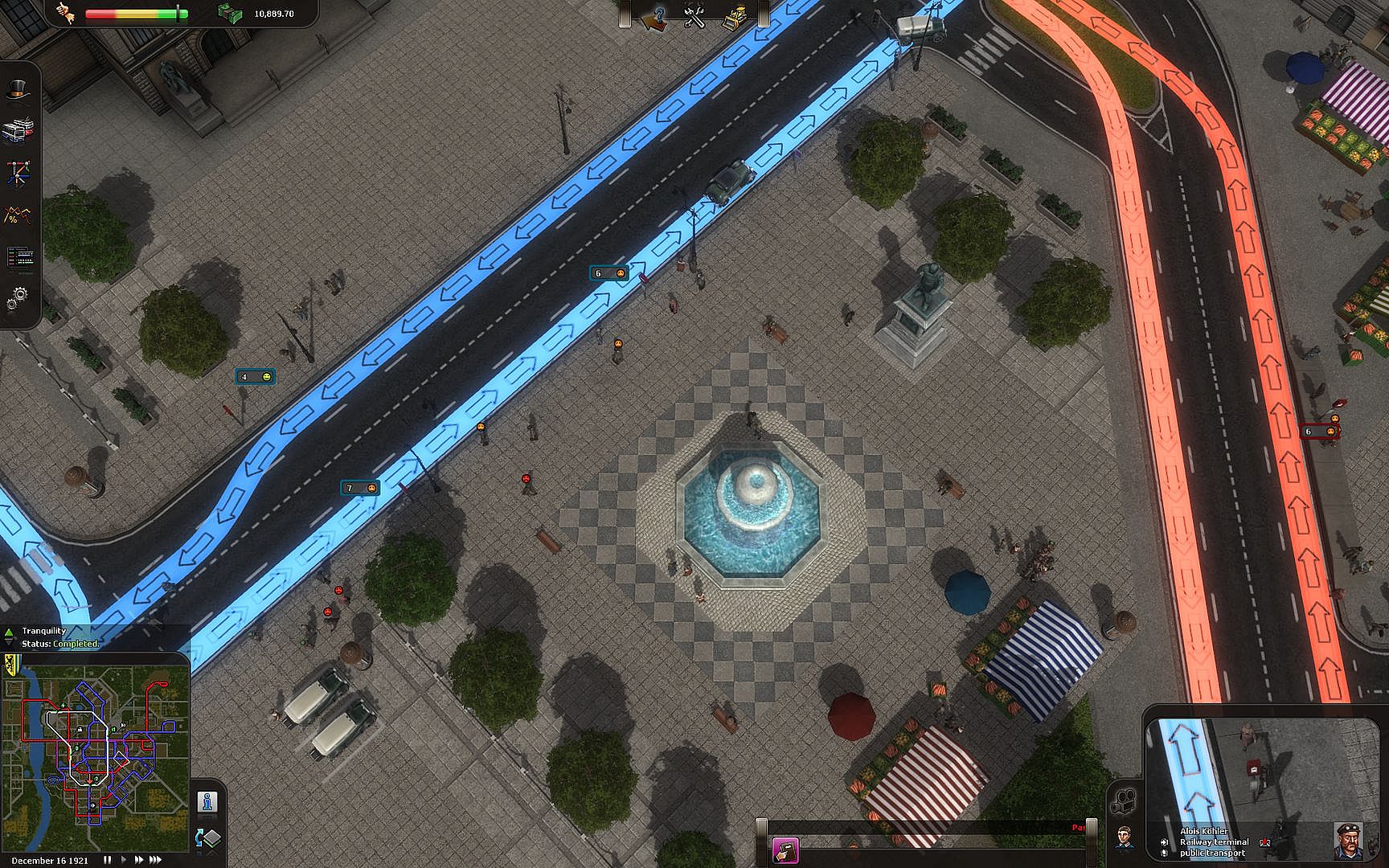
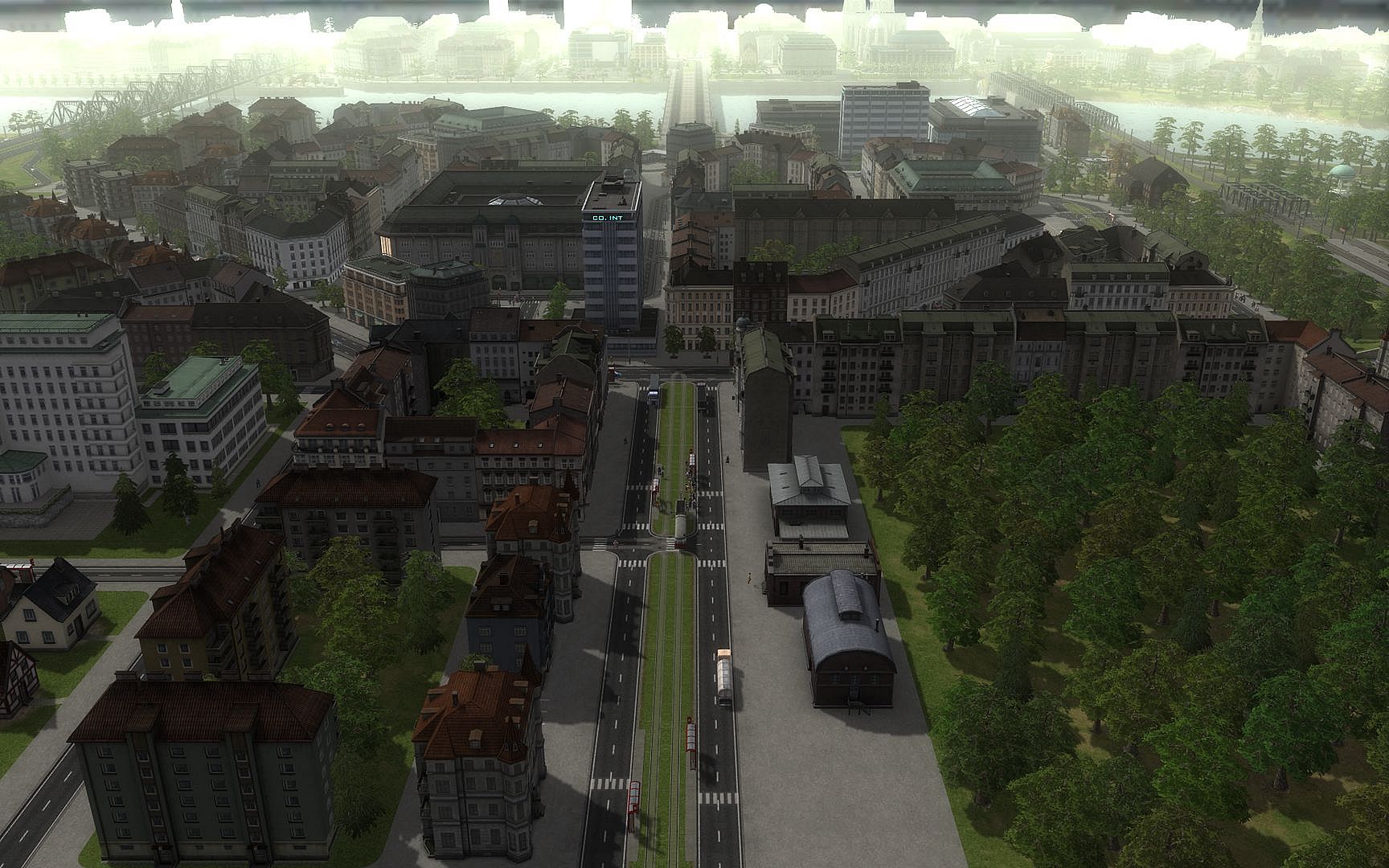
The core loop centers on planning transit lines that connect residential areas, workplaces, and attractions while adapting to changing city layouts over decades. Different passenger groups require tailored services, with routes optimized for cost, speed, and coverage to maintain profitability and satisfaction. Traffic patterns influence vehicle performance, and players adjust schedules or add stops as urban development occurs. The German settings introduce specific landmarks and street networks that shape how lines integrate with existing infrastructure.
Vehicle choices affect capacity and route viability across time periods, requiring ongoing management of depots and fleet composition. Economic factors play a role through ticket pricing and operational expenses, pushing players to refine networks for long-term stability rather than short-term gains.
Game Modes
A campaign mode presents structured scenarios set across ten decades beginning in the 1920s. These cover management of Cologne and Leipzig during varied economic conditions, with objectives tied to historical context and urban growth. Six scenarios in total challenge players to build functional systems amid constraints specific to each era.
Sandbox mode allows free-form construction and operation starting from the 1970s through 2020. Here, players experiment with full transit empires on the two city maps without campaign restrictions, testing different route combinations and vehicle mixes over extended timelines.
Key Features and Settings
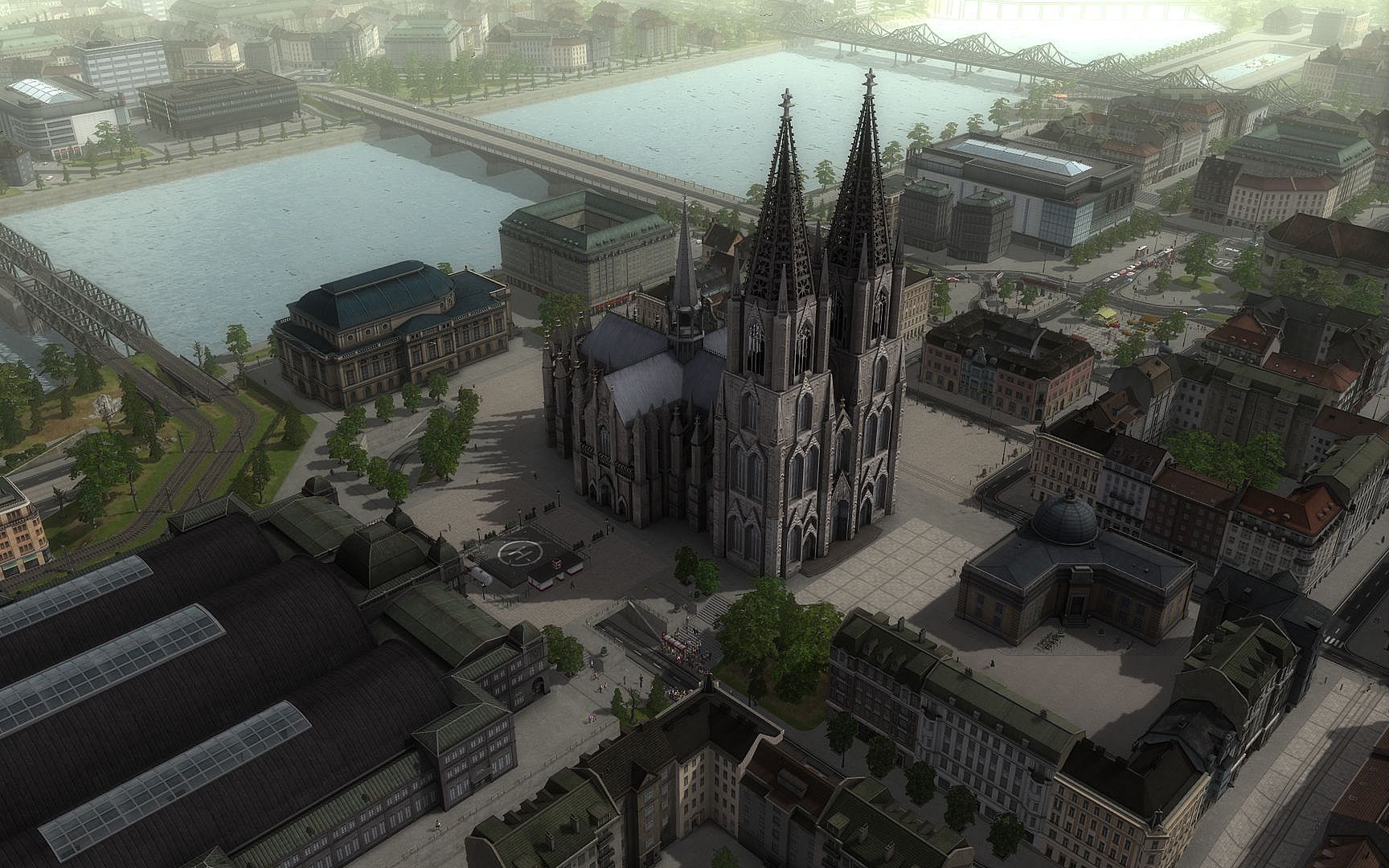
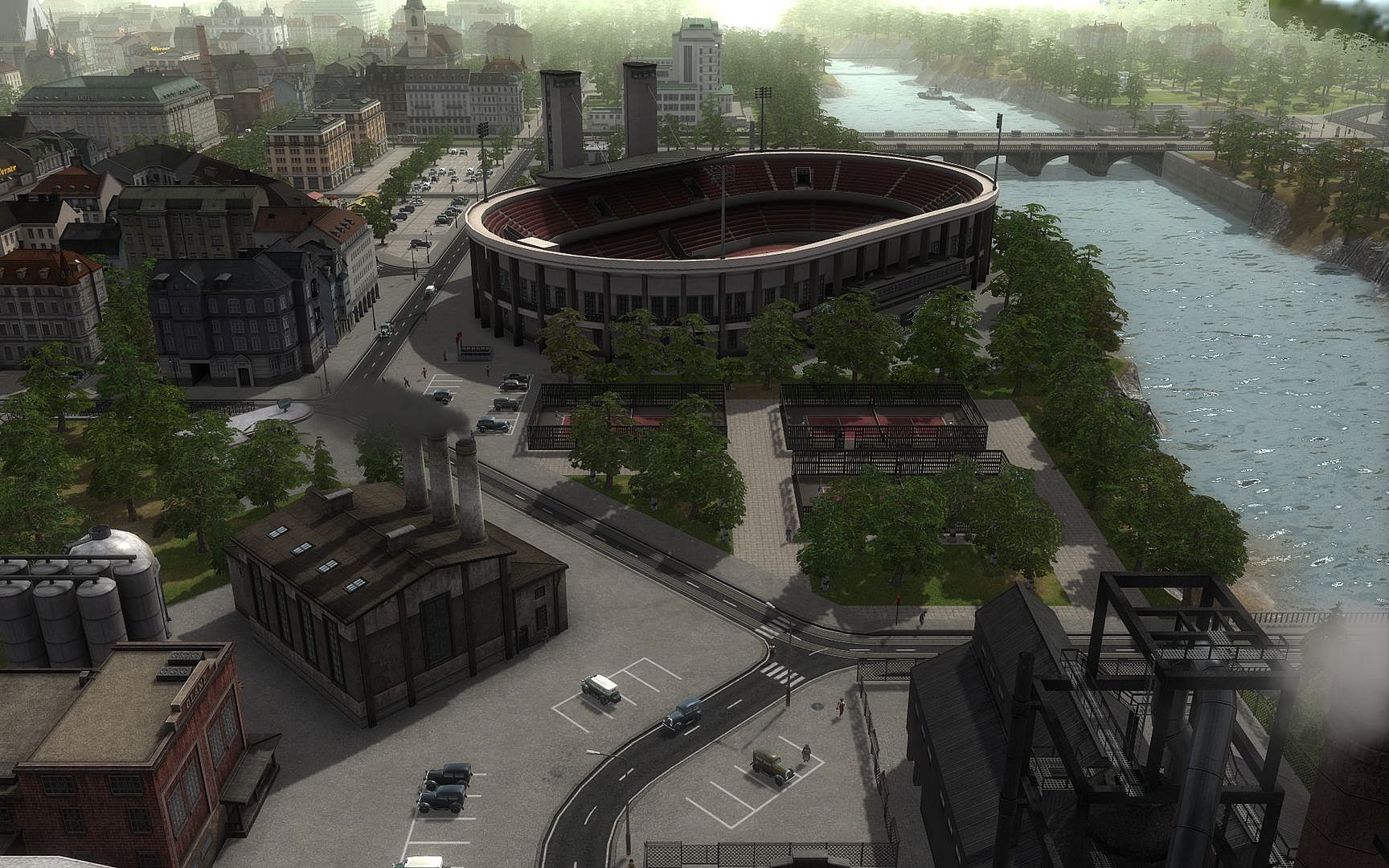
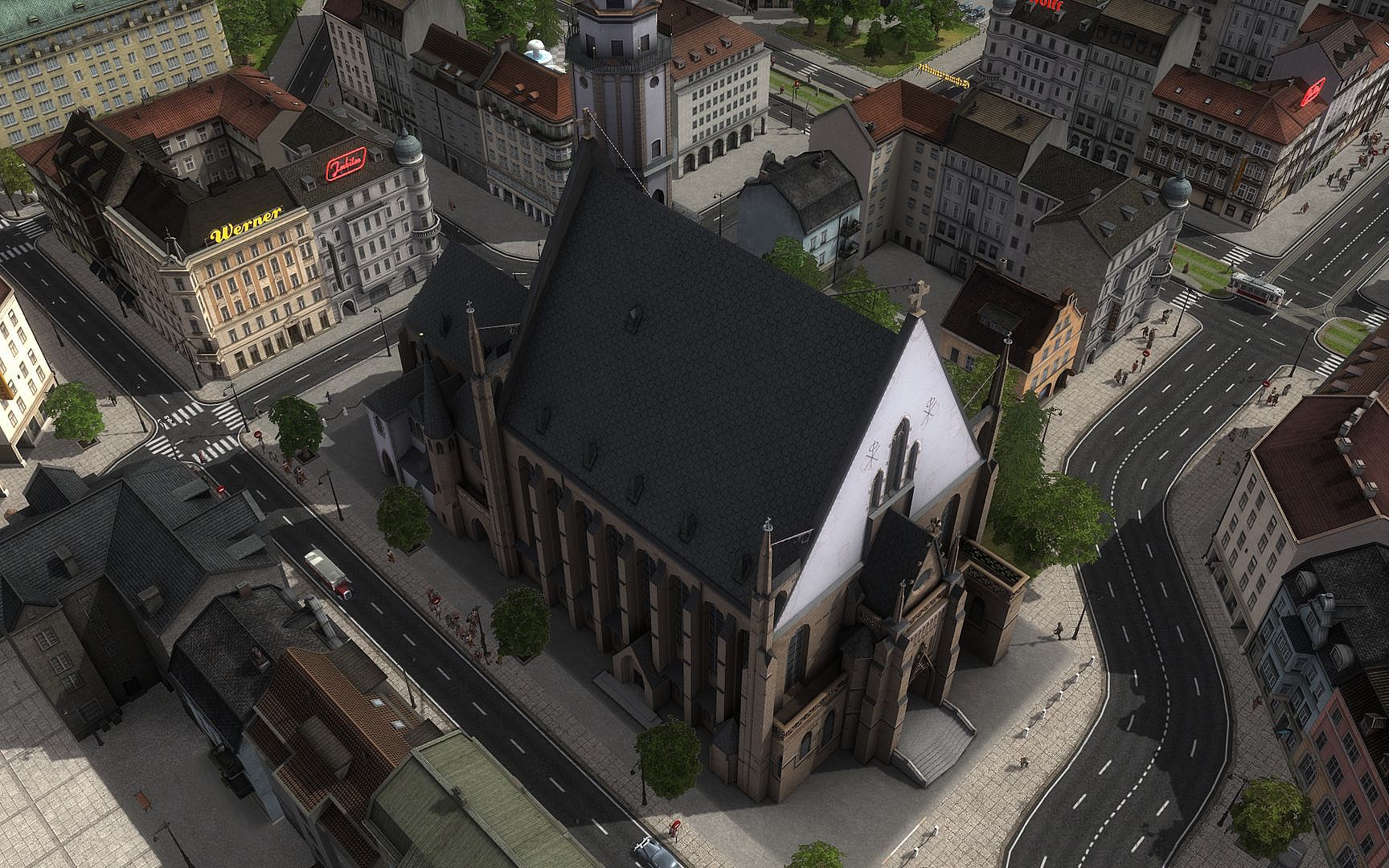
The DLC adds Cologne and Leipzig as playable locations, complete with authentic landmarks that serve as focal points for transit planning. Scenarios emphasize progression through multiple time periods, reflecting shifts in technology and population needs. Sandbox play extends into modern decades, supporting extended network building on these maps.
Mechanics remain grounded in mass transit simulation, with emphasis on realistic traffic integration and passenger class differentiation that influences route success. No additional factions or seasonal content appear in verified details for this expansion.
Is It Worth Playing?
This content suits players who enjoy deliberate, detail-oriented transportation management in a single-player format. The historical campaign provides guided challenges across eras, while sandbox offers open-ended experimentation on the included cities. With only one user review available on its store page and no recent updates confirmed, the experience stays consistent with its 2011 release as a base-game expansion. Those interested in precise route optimization and city-specific transit puzzles will find the most value, particularly if they already own the original Cities in Motion simulation. Newcomers may prefer starting with the base game to access these maps fully.