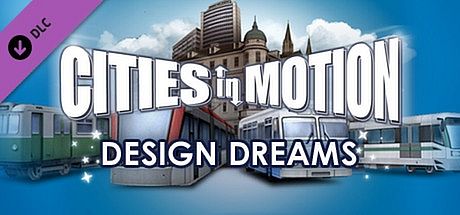














Cities In Motion: Design Dreams is a transportation simulation game for PC in which players build and operate public transit networks across major cities spanning the years 1920 to 2020. The core loop centers on selecting routes, choosing vehicles suited to demand and terrain, and balancing income from fares against operating costs while meeting commuter expectations over decades of urban change.
Gameplay
Players start with limited funds and must lay out lines for buses, trams, and metro trains that connect residential areas to workplaces and leisure spots. Demand shifts with population growth and time periods, requiring adjustments to routes and vehicle types to maintain profitability. Loans from banks with varying interest rates provide capital for expansion, while income comes directly from passenger fares. The time span allows networks to evolve from early 20th-century trams to modern metro systems, with each decade introducing new challenges in capacity and efficiency.
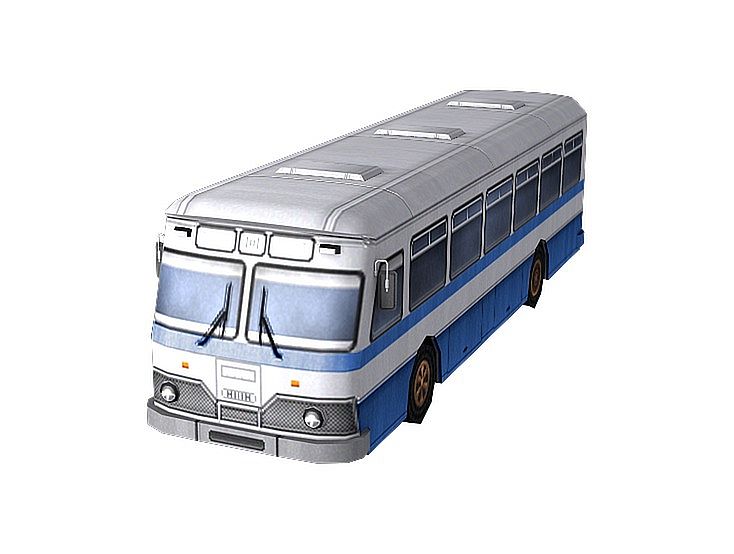
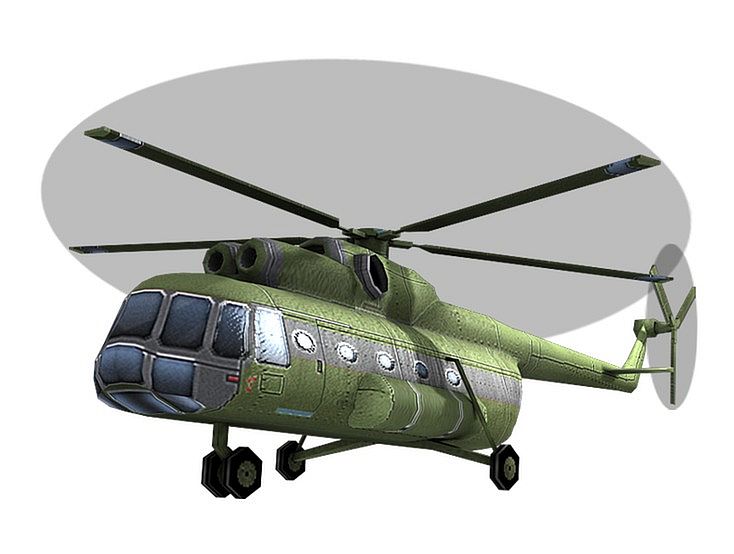
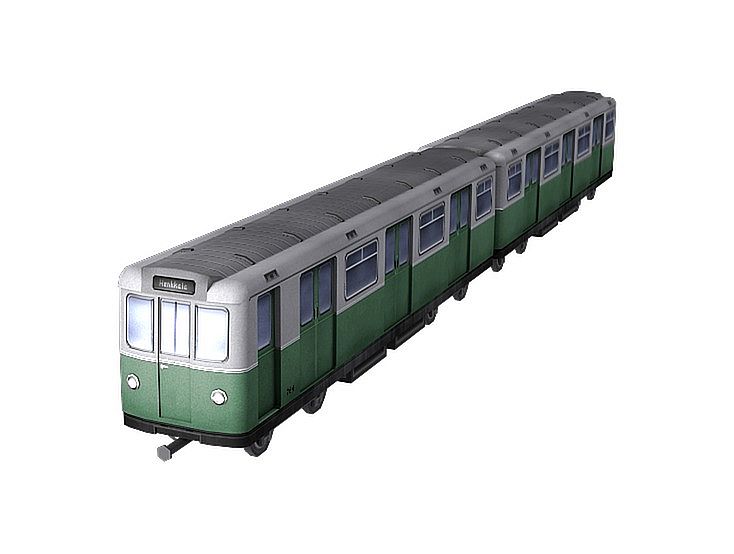
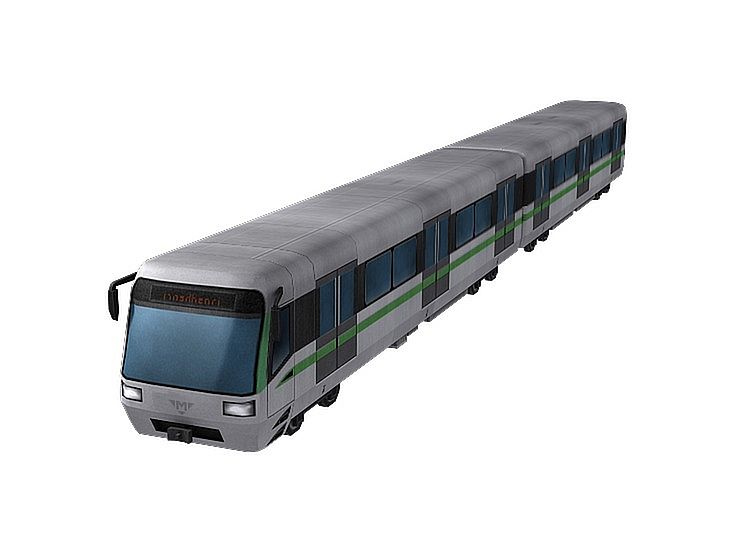
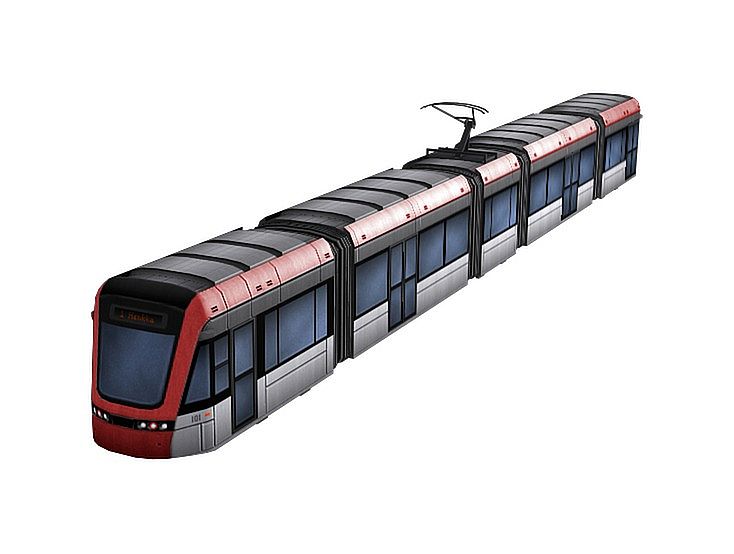
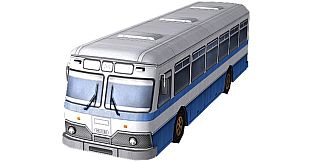
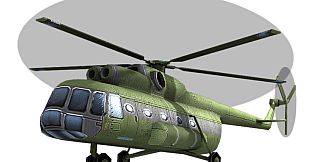
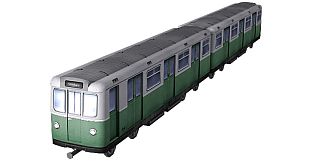
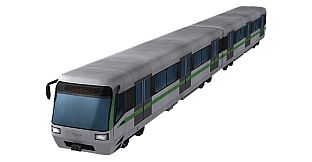
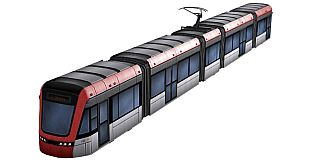
Specific vehicles influence strategy. The Bergstrom Light tram offers comfortable seating and large windows for short urban routes. The LI-8 helicopter provides high passenger capacity for rapid connections but consumes significant energy. The Pavlov 677M bus delivers strong speed and space for standing passengers and prams at low fuel cost, though its engine can require maintenance. The Galaxie Berliner metro excels in high-volume intercity lines with sturdy construction and speed. The Ohm M1 metro combines large capacity with aerodynamic design that reduces energy use. An advanced map editor supports custom layouts beyond the included cities.
Game Modes
Campaign mode presents 12 scenarios set in different cities and historical periods. Each scenario supplies specific tasks from city officials or residents, such as expanding coverage to new districts or handling peak events, while working within a starting budget. Success depends on completing objectives without excessive debt or commuter complaints.
Sandbox mode removes scenario limits. Players choose any city, starting year between 1920 and 2020, and initial funds, then develop transport systems freely. This mode supports long-term experimentation with vehicle combinations and network designs across the full century timeline.
Key Vehicles and Network Building
Effective play requires matching vehicle strengths to route demands. Trams and buses suit lower-density areas with frequent stops, while metro trains handle dense corridors. Helicopters add flexibility for crossing obstacles or serving isolated zones. Profitability improves when lines avoid overlap yet cover high-traffic paths, and when vehicle upgrades match rising passenger numbers. The editor allows precise placement of stops and tracks to optimize flow.
Is It Worth Playing?
Cities In Motion: Design Dreams suits players who enjoy methodical planning and long-term management of transport systems. The campaign delivers structured goals across varied city settings, while sandbox offers open experimentation. The included vehicles expand options for different route types and budgets. As a single-player experience focused on economic and logistical decisions rather than action, it appeals to those interested in simulation depth over fast-paced elements. The game remains available for PC and runs without ongoing updates or seasonal content.