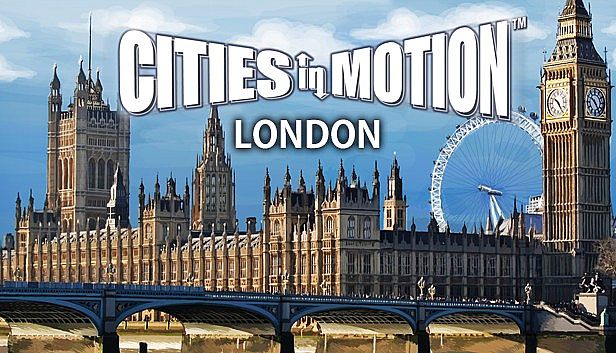















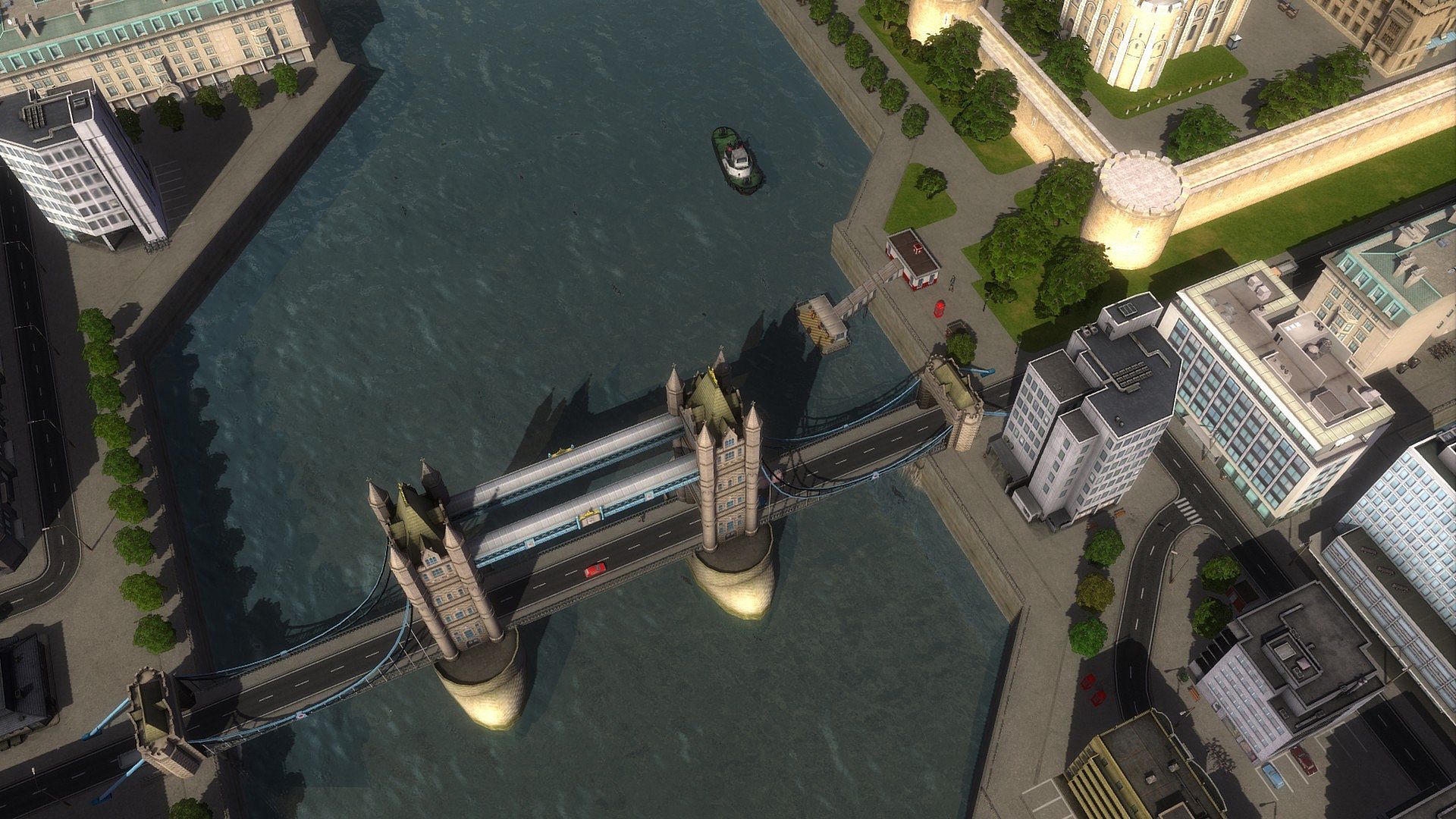
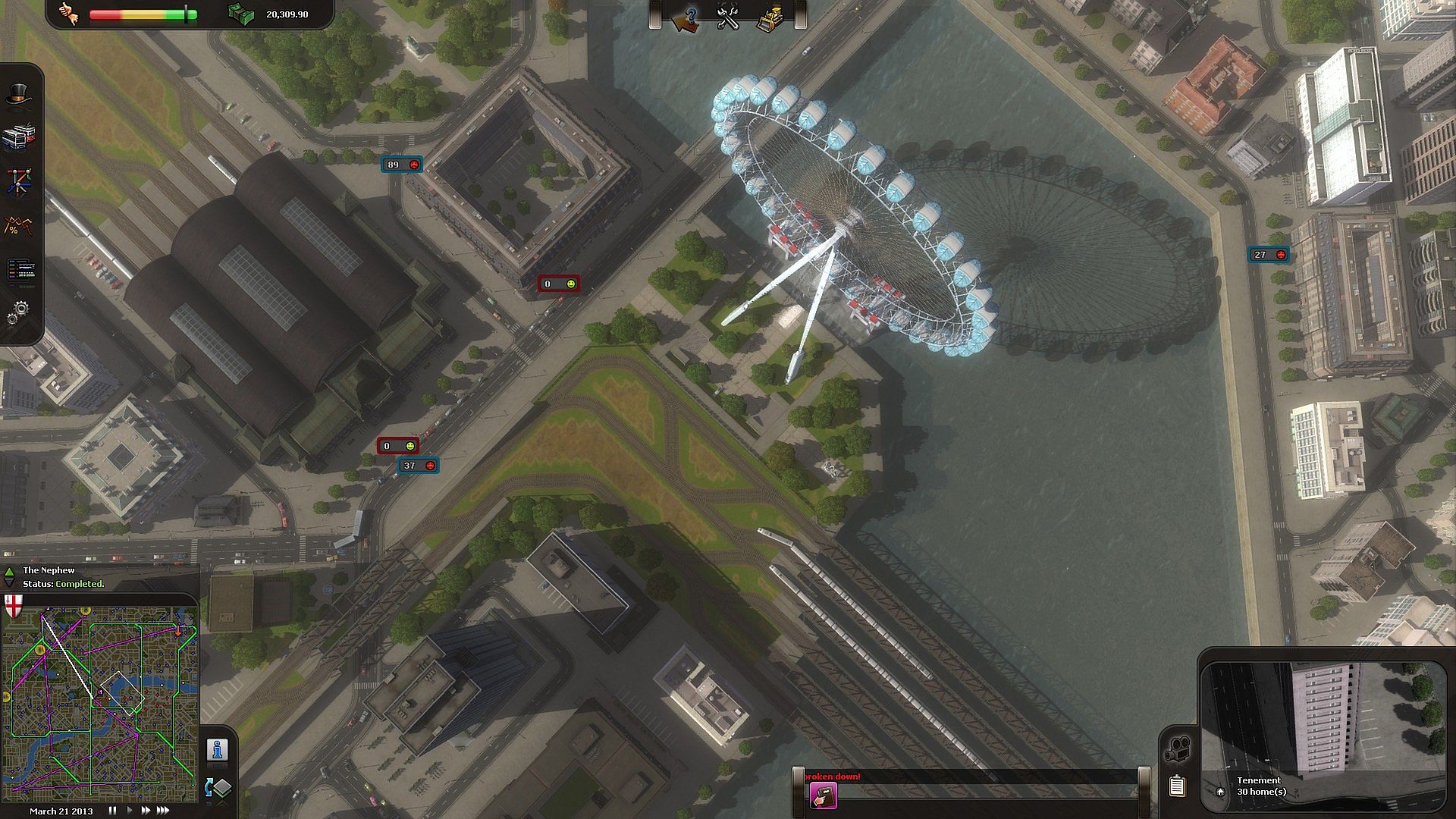
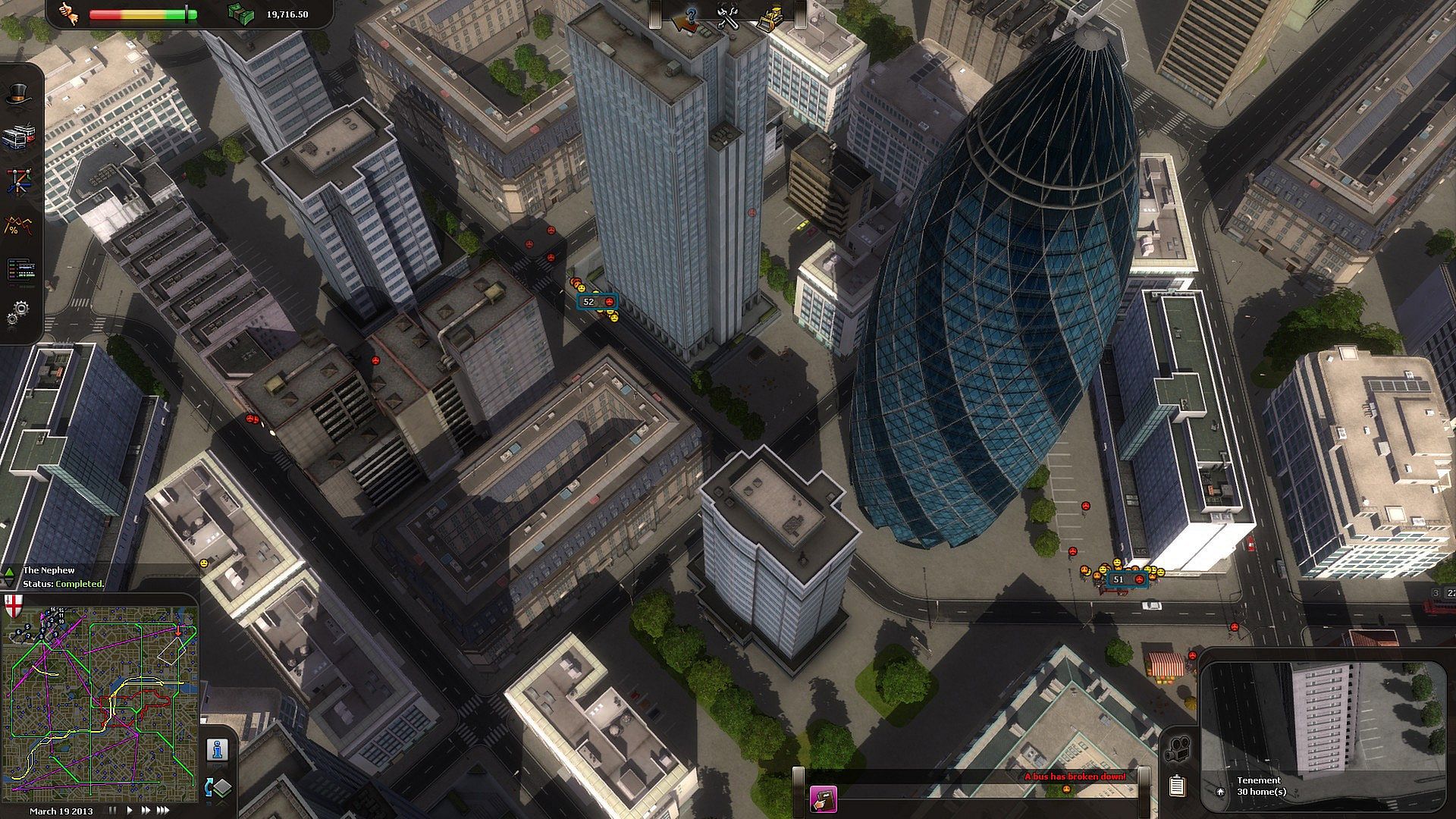
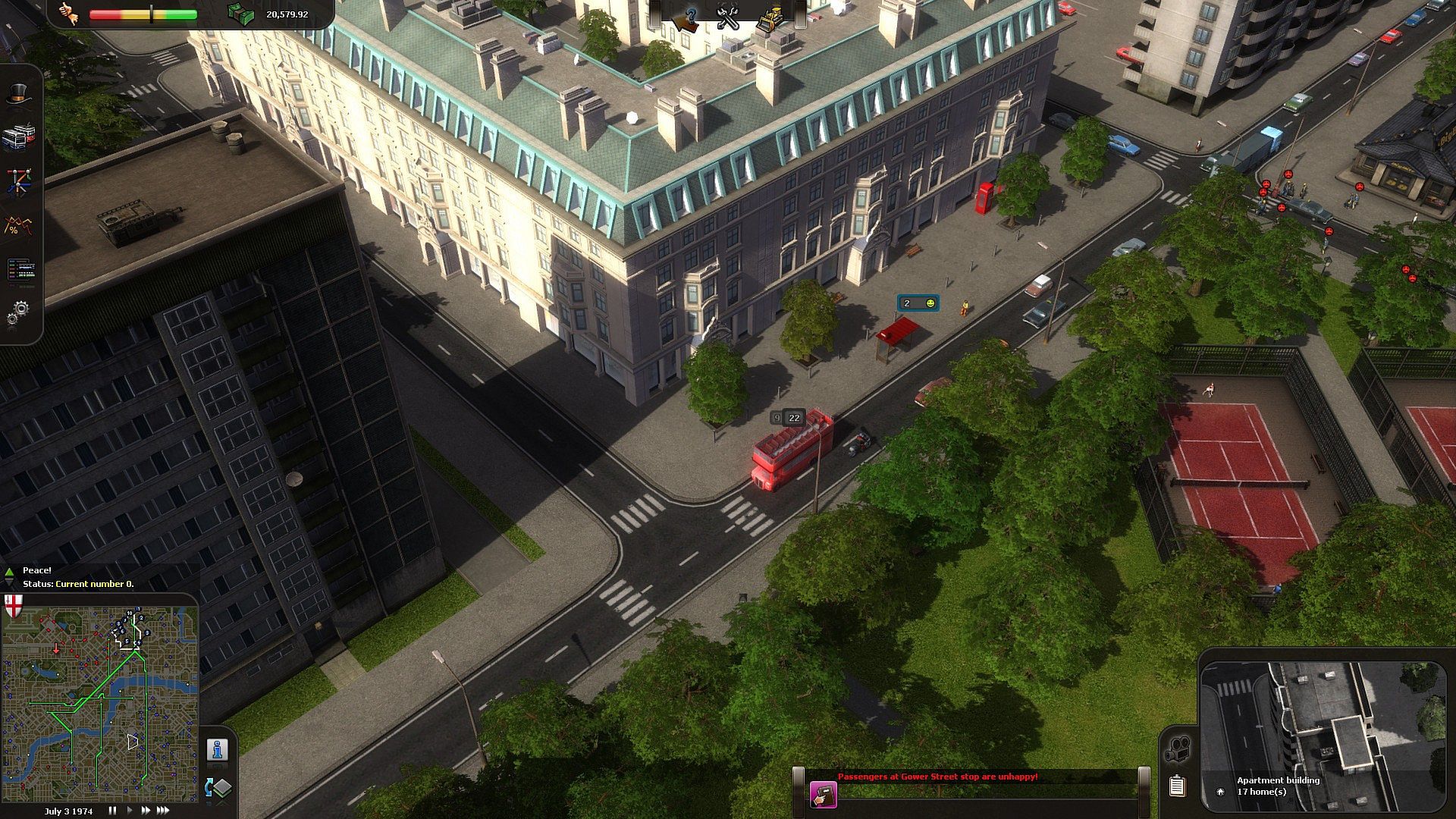

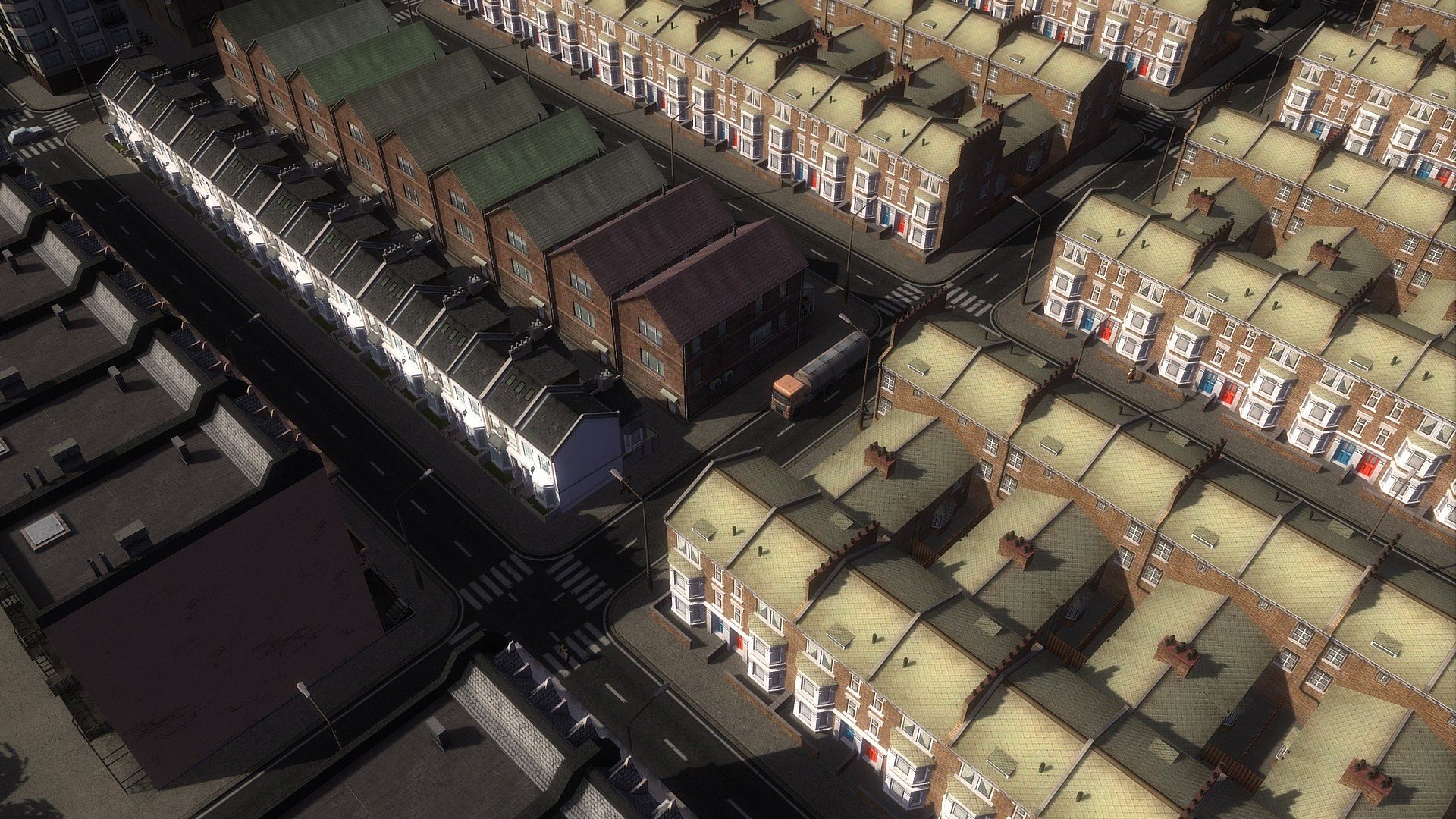
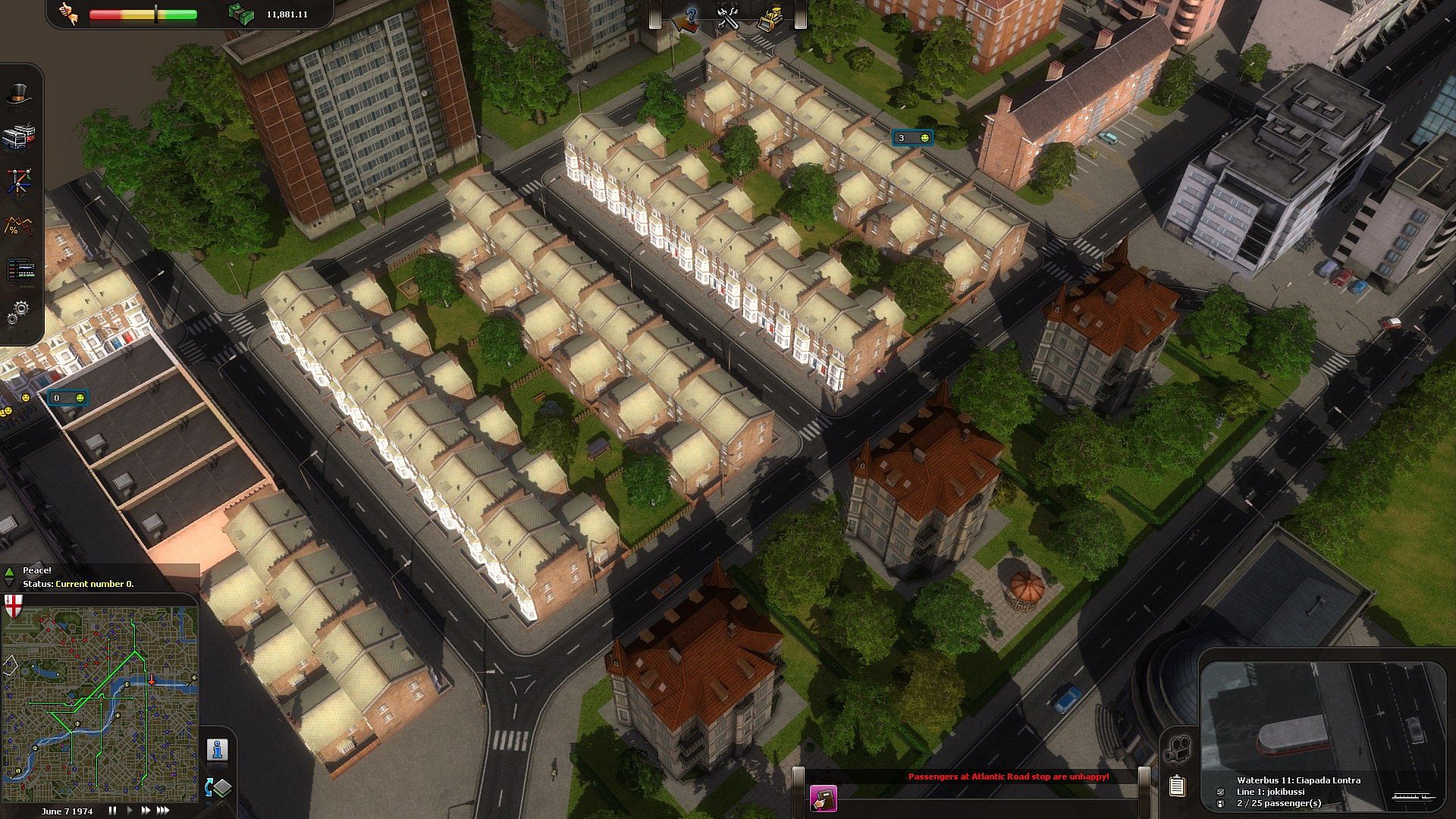
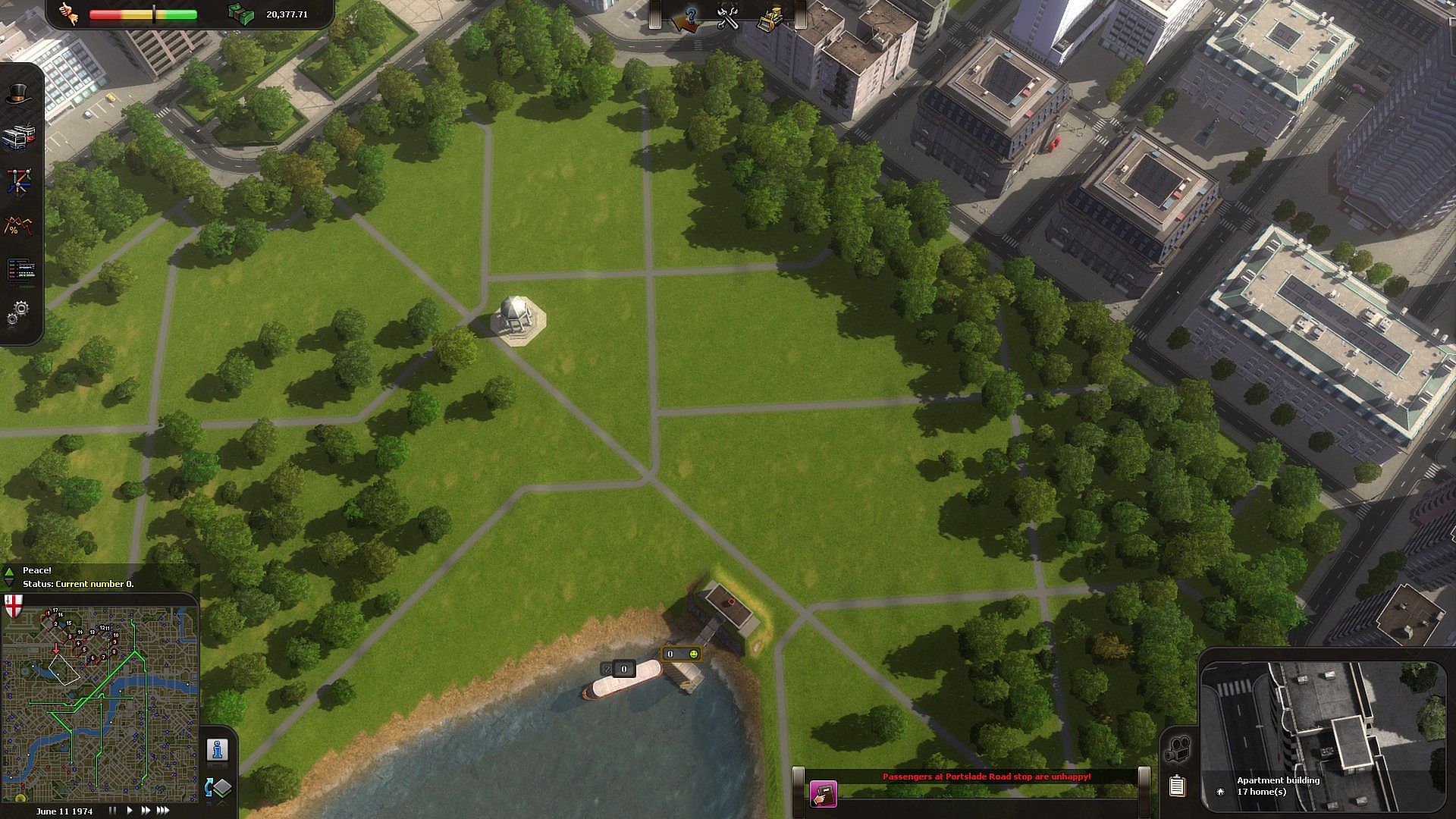
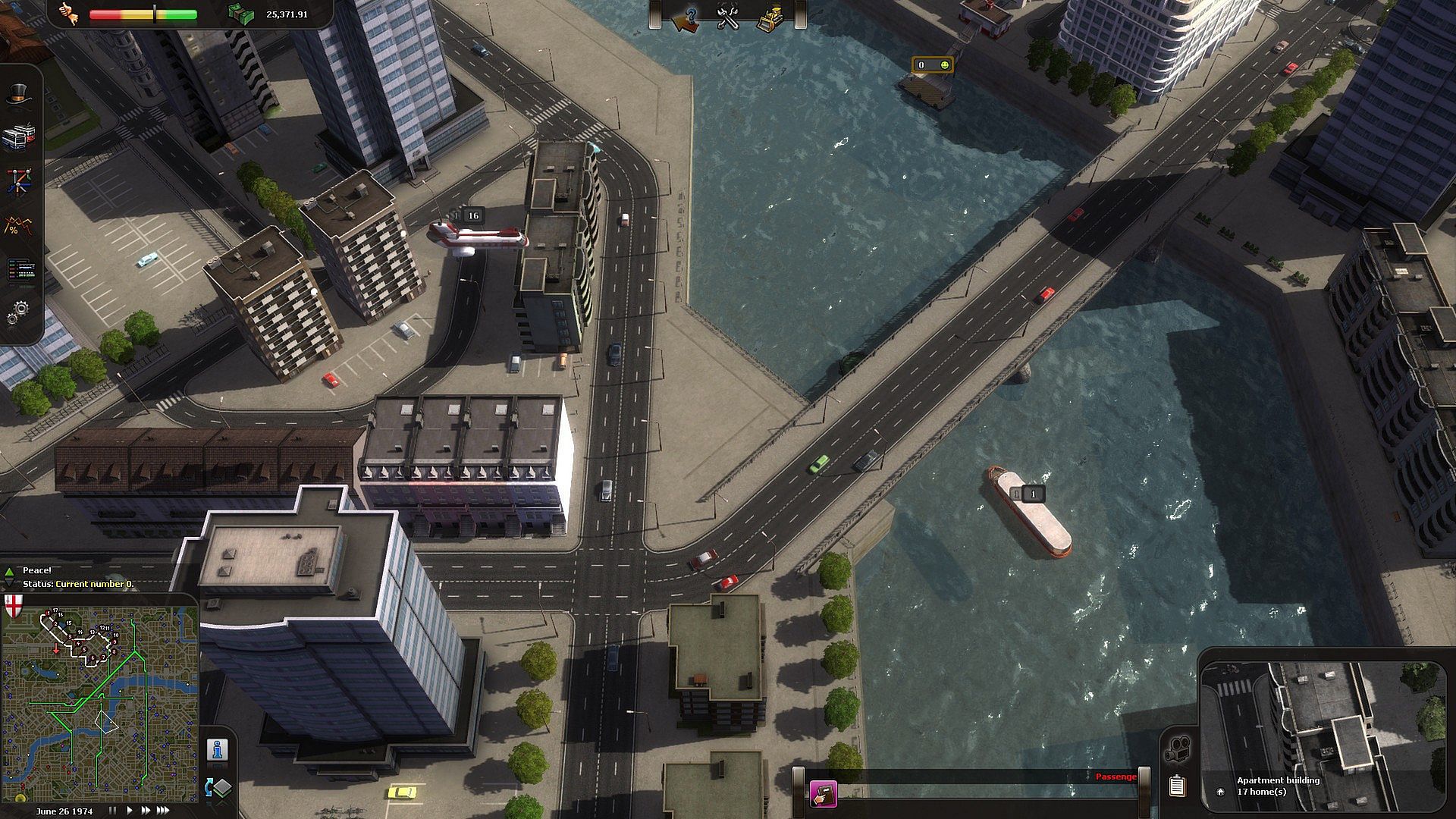


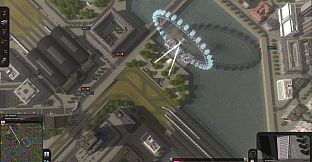
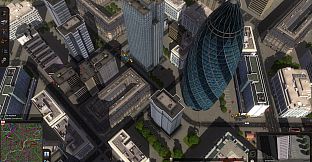
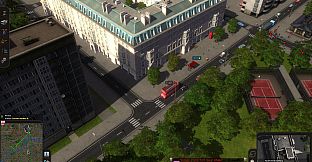


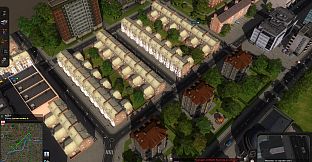
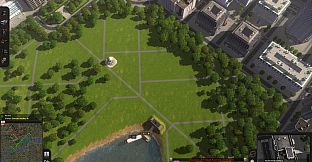
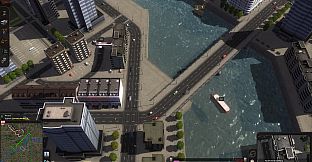
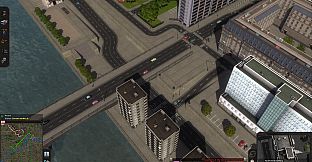
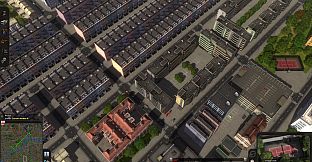
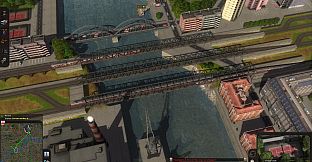
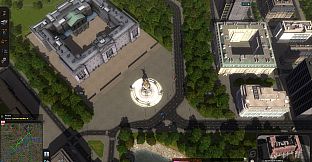
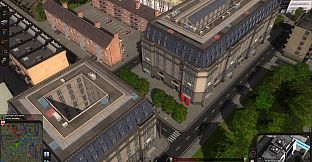
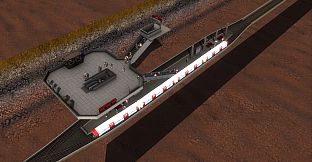
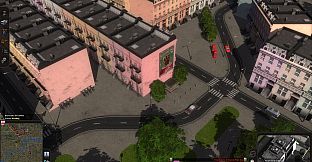
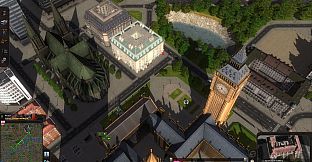
Cities in Motion: London is a simulation game centered on designing and managing public transportation networks in the British capital. Players handle the demands of a dense urban environment where commuters travel daily between residential areas and the city center, navigating narrow streets, bridges, and foggy conditions along the river Thames. The title emphasizes realistic challenges in route planning and vehicle selection to keep lines efficient and profitable.
Gameplay
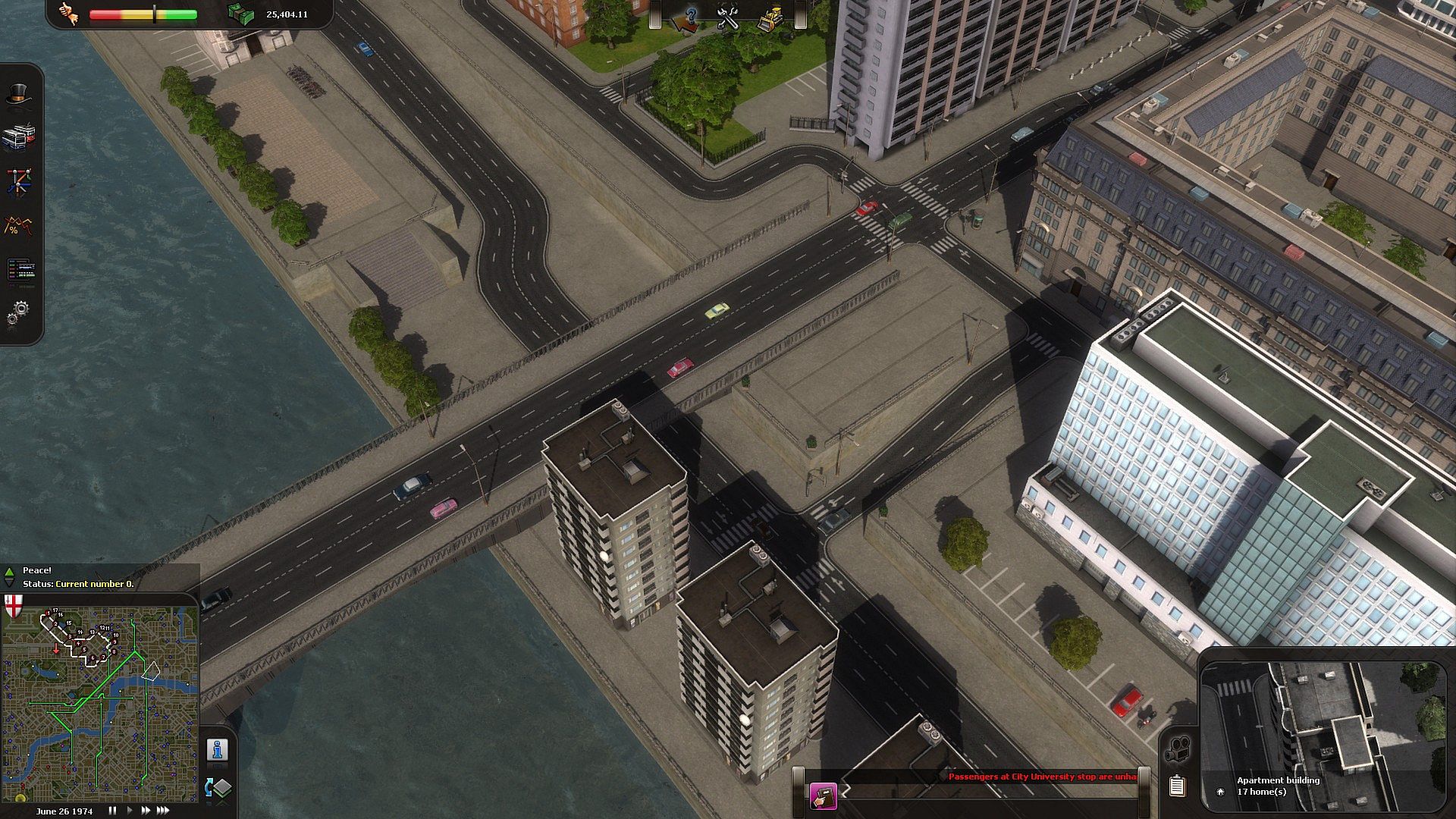
The core loop involves laying out transport lines that connect key districts while accounting for varying passenger needs across different times of day. Narrow streets and bridges create bottlenecks that require careful placement of stops and choice of vehicle types to avoid congestion. High demand during rush hours means balancing capacity with operating costs, as inefficient routes quickly lead to financial strain.
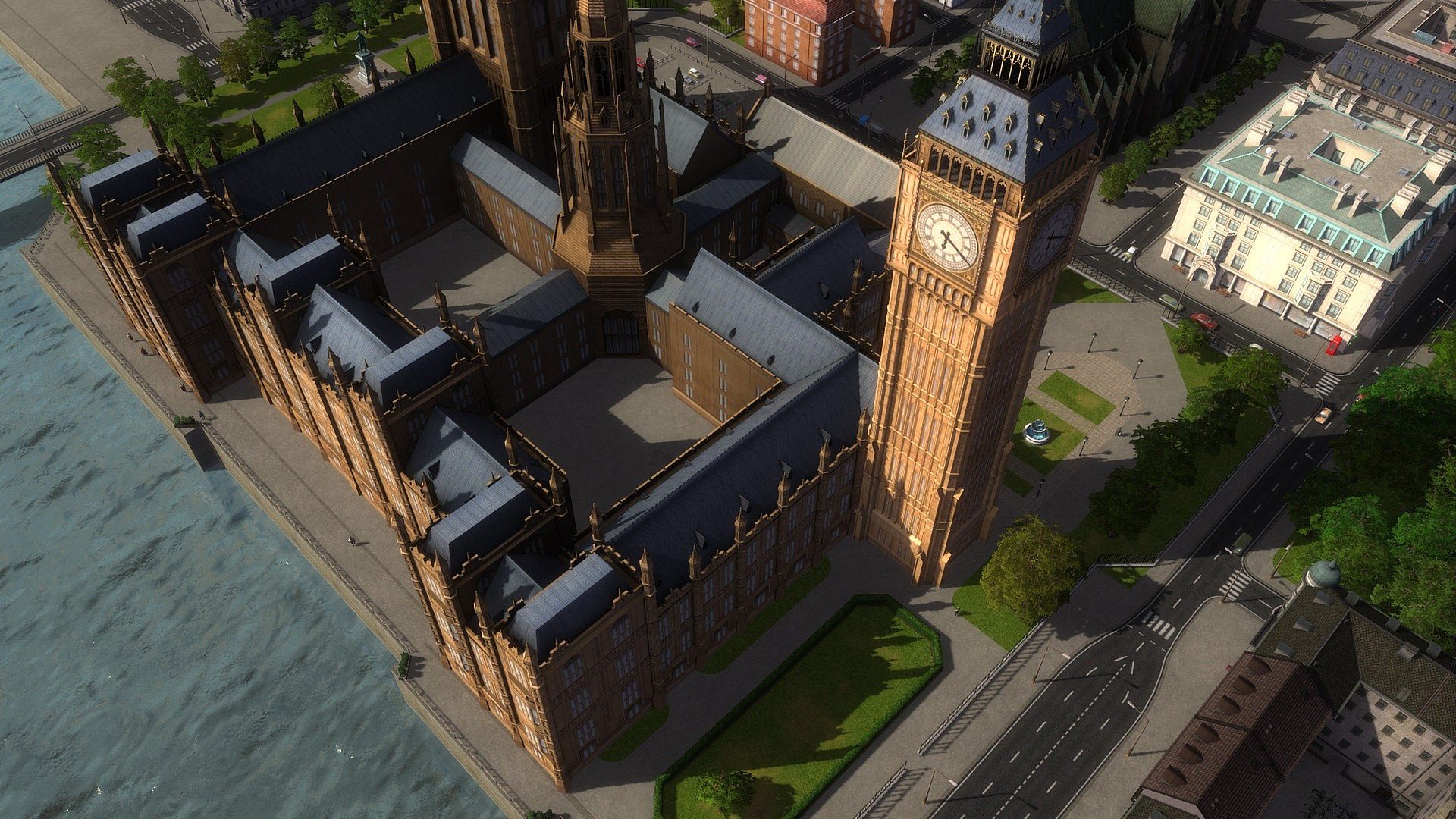
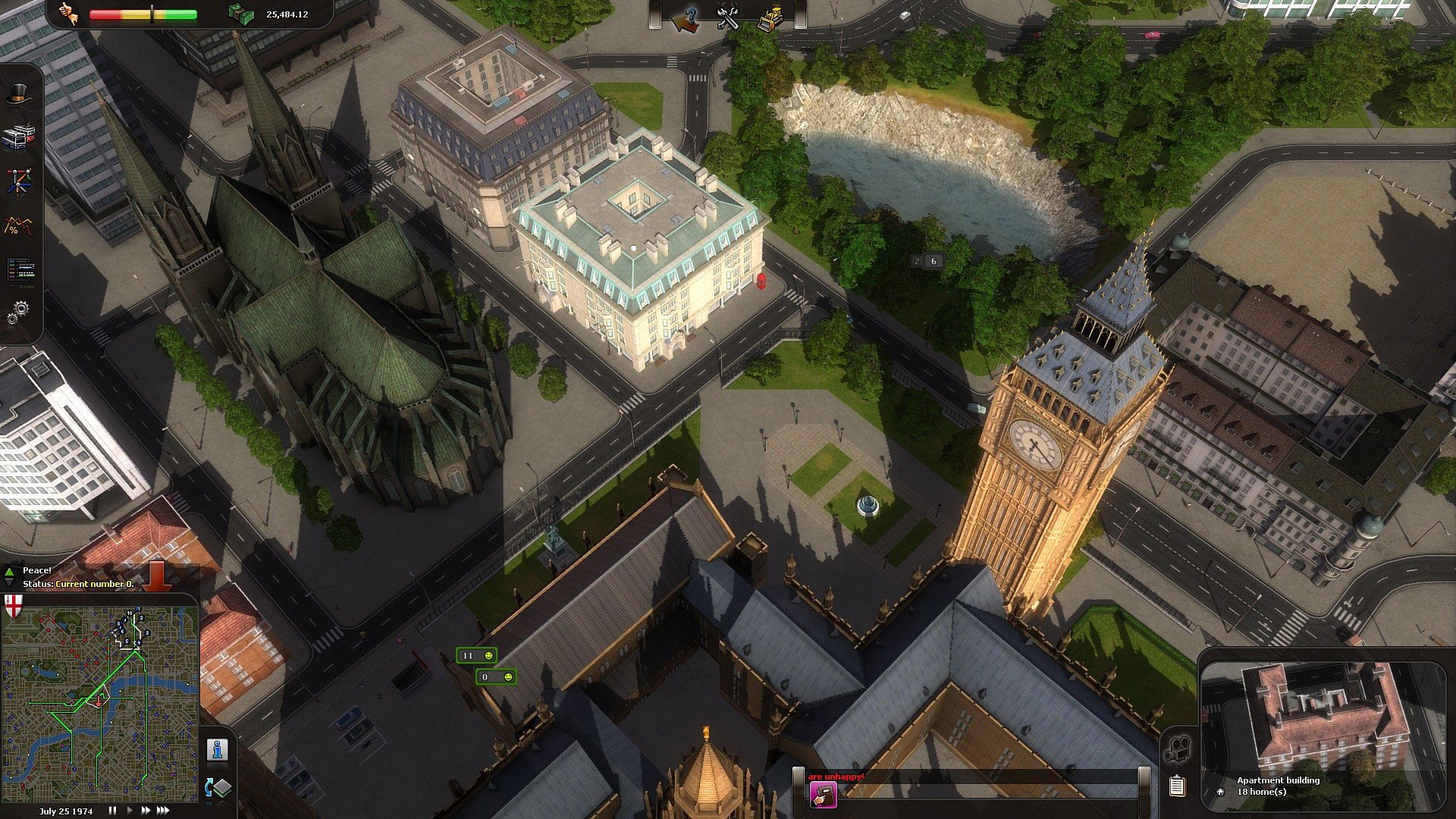
Realistic London landmarks serve as fixed points that influence where lines perform best, guiding players toward practical solutions rather than abstract layouts. Five new vehicles expand options for matching capacity and speed to specific route demands, from compact options suited to tight urban paths to larger models for high-volume corridors. Citizens follow predictable patterns of morning inflows and evening outflows, forcing adjustments that keep the network responsive without overbuilding.
Game Modes
Three unique scenarios form the main structured experience, each presenting distinct objectives tied to London's geography and commuter flows. These scenarios test route efficiency under different constraints, such as limited budgets or specific coverage goals. A sandbox mode allows unrestricted experimentation with the full set of vehicles and landmarks, supporting open-ended network building without time limits or preset targets.
Setting and Challenges
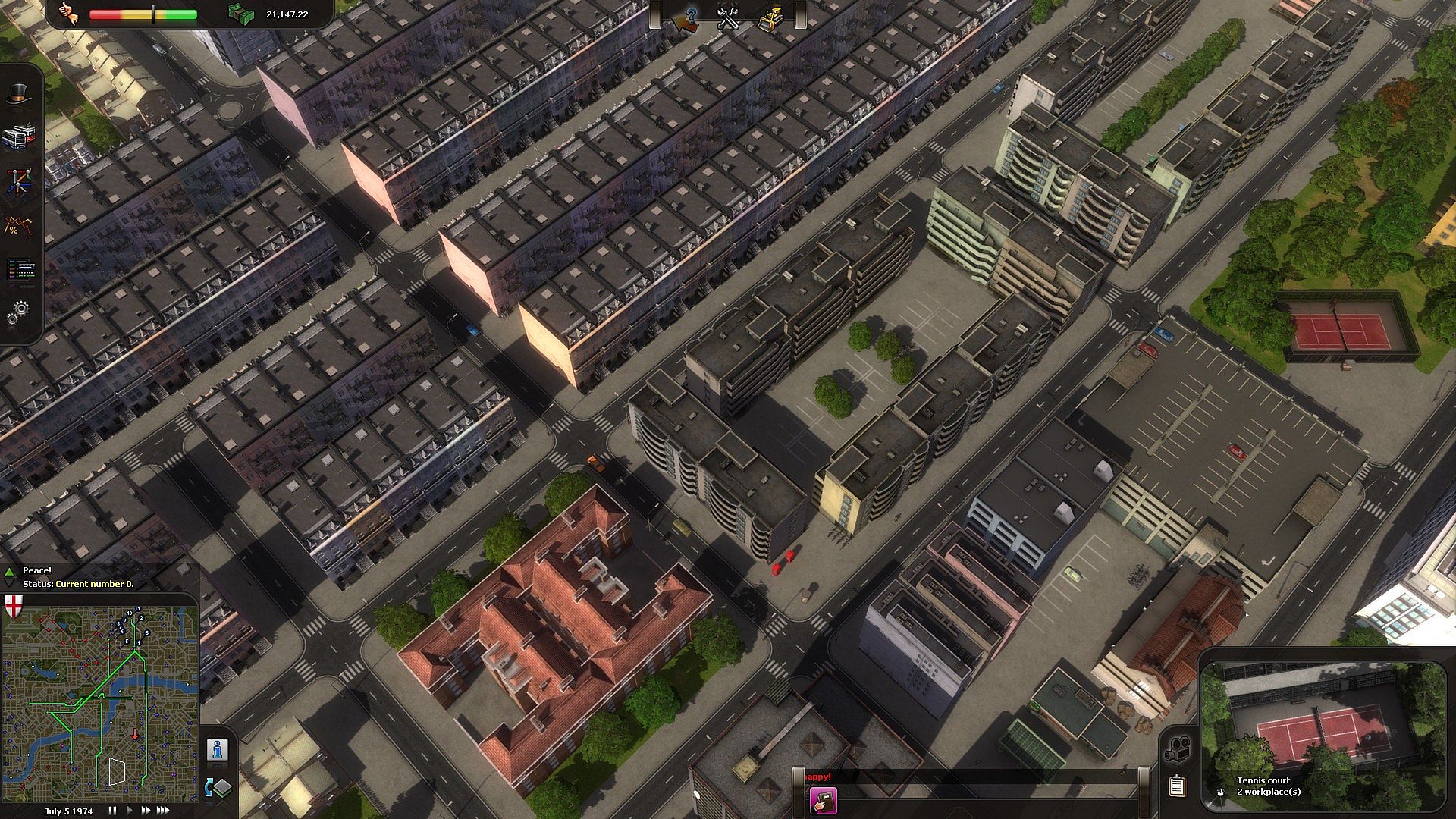
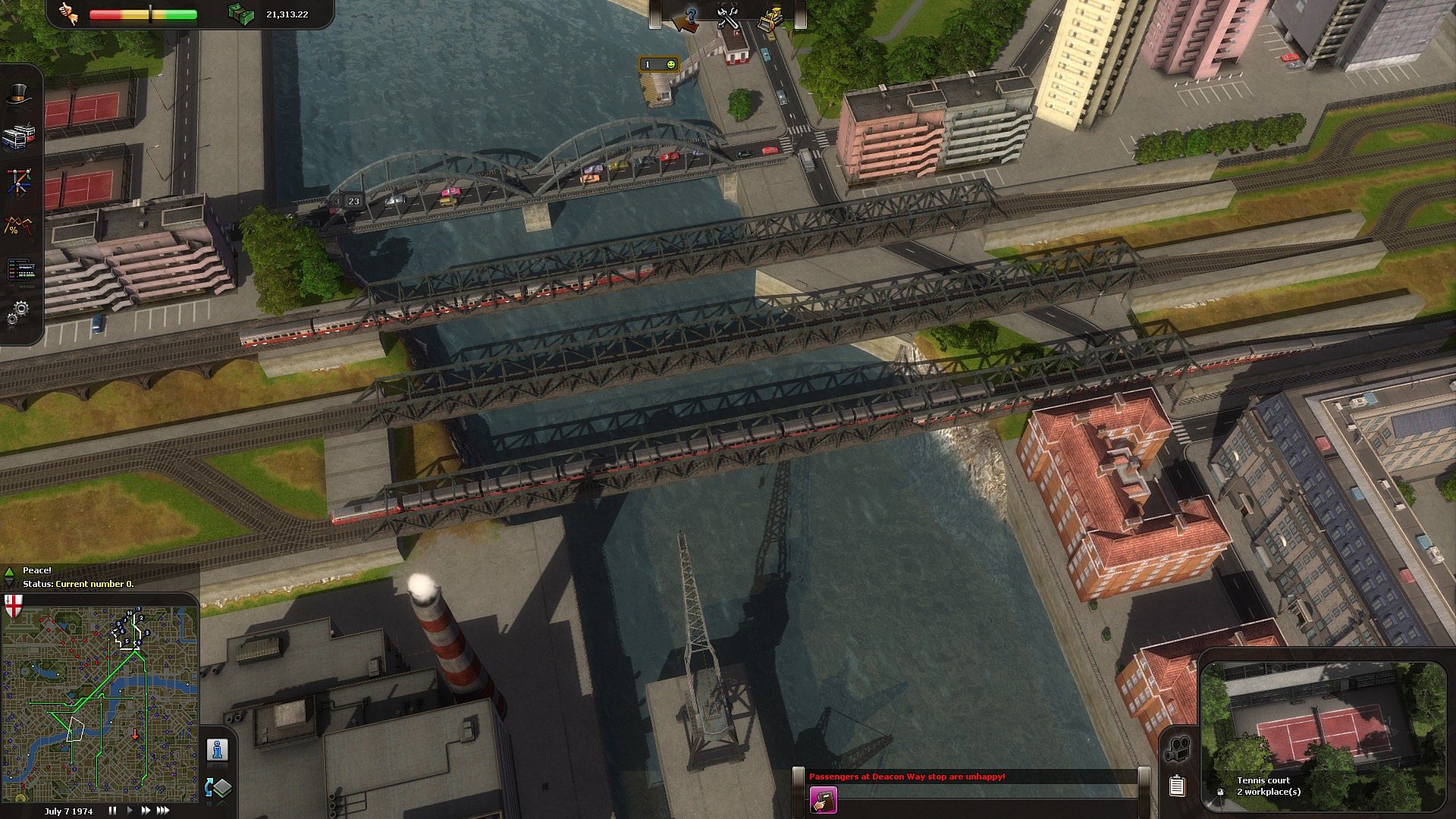
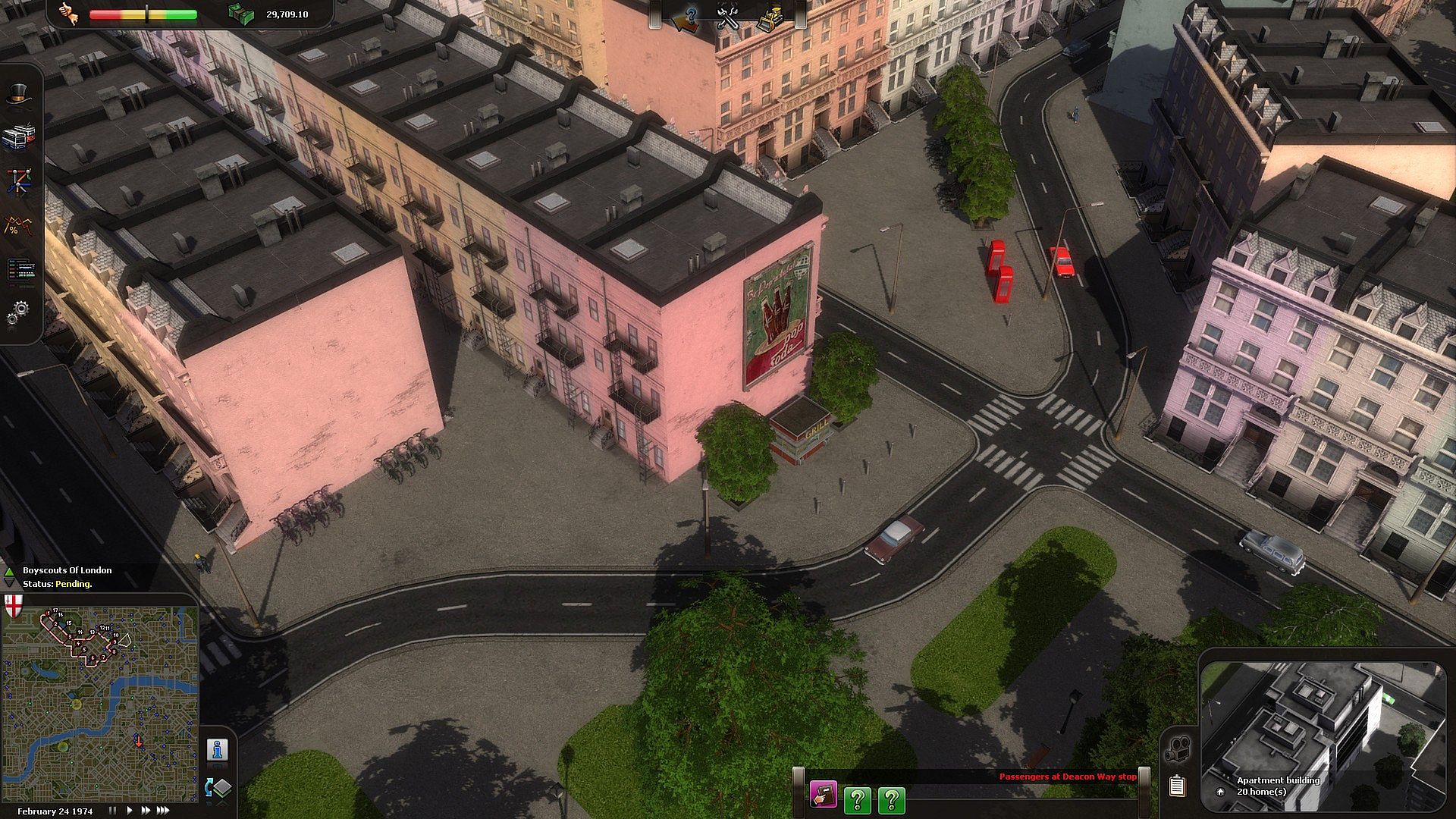
London's layout introduces specific hurdles not found in other city maps, including the need to cross bridges efficiently and serve a compact historic core alongside expanding suburbs. The smoky, foggy atmosphere is reflected in visual details that affect visibility and route appeal for passengers. Players must adapt to peak-hour surges that concentrate demand on central lines, requiring precise scheduling and vehicle deployment to maintain service quality.
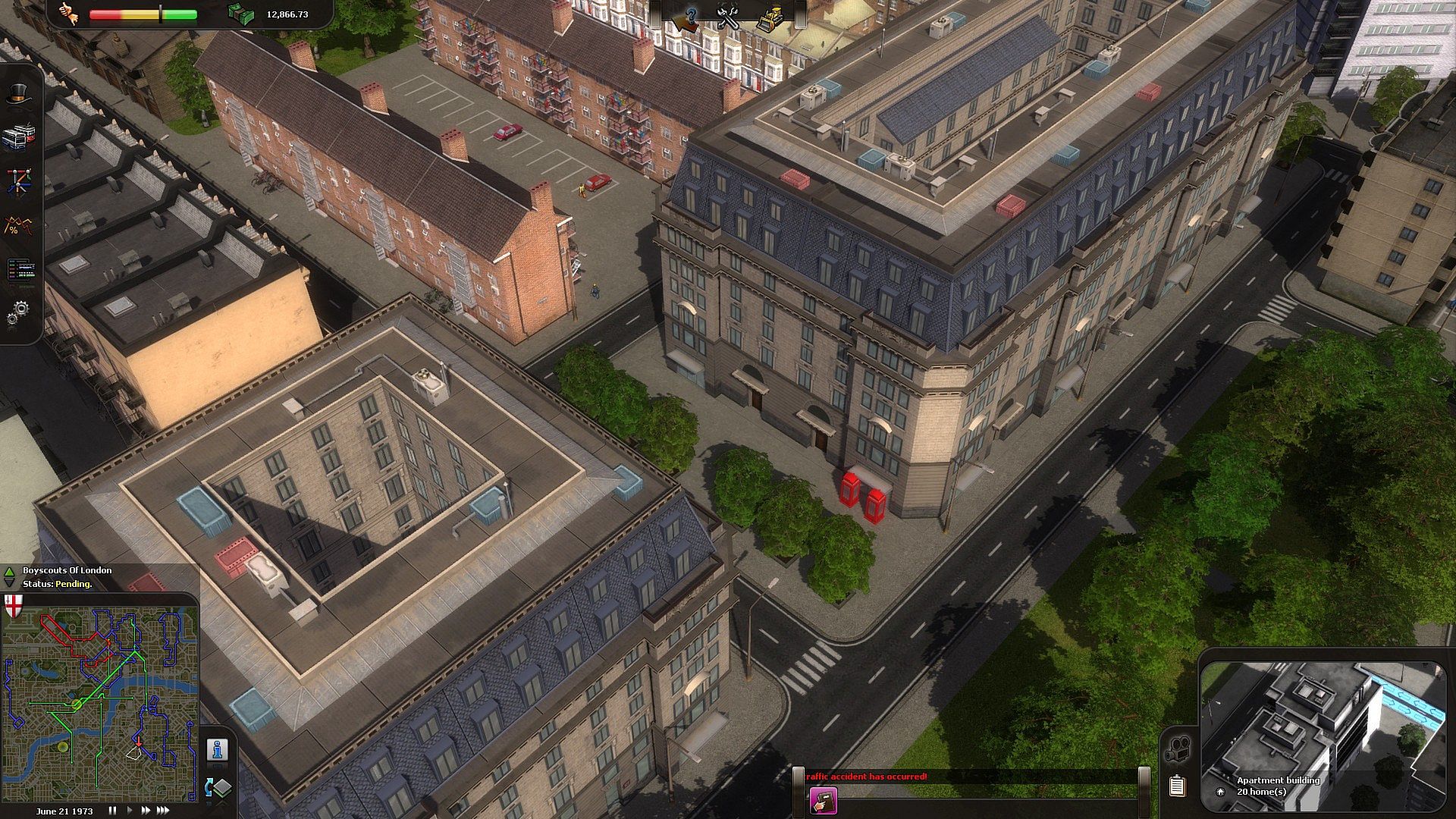
Landmarks act as natural hubs that attract consistent ridership, rewarding lines that integrate them without creating redundant overlaps. The combination of historical architecture and modern commuting patterns creates a setting where small changes in stop placement or vehicle type can significantly alter overall performance.
Is It Worth Playing?
This title suits players who enjoy detailed transport management and iterative route optimization in a single-player context. The three scenarios provide focused challenges that highlight London's unique constraints, while the sandbox supports longer-term experimentation. Reception for the base game and its city expansions remains positive among fans of simulation titles, with emphasis on the depth of line planning and vehicle variety. No ongoing seasonal updates or multiplayer features apply, so the experience stays consistent with its original release. Those seeking a focused city-building simulation centered on public transit will find the London content a worthwhile addition for its targeted scenarios and vehicle roster.