












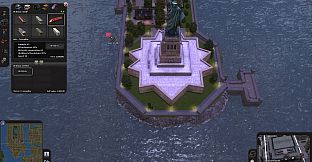
Cities in Motion: Design Quirks is a simulation game focused on public transport management. It adds five distinctive vehicles to the core experience of planning routes, managing fleets, and balancing passenger demand across urban layouts on PC.
Gameplay
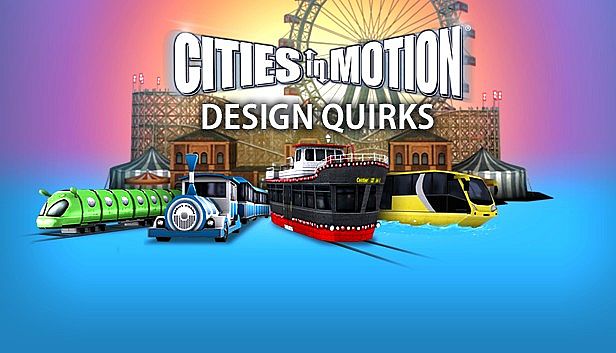
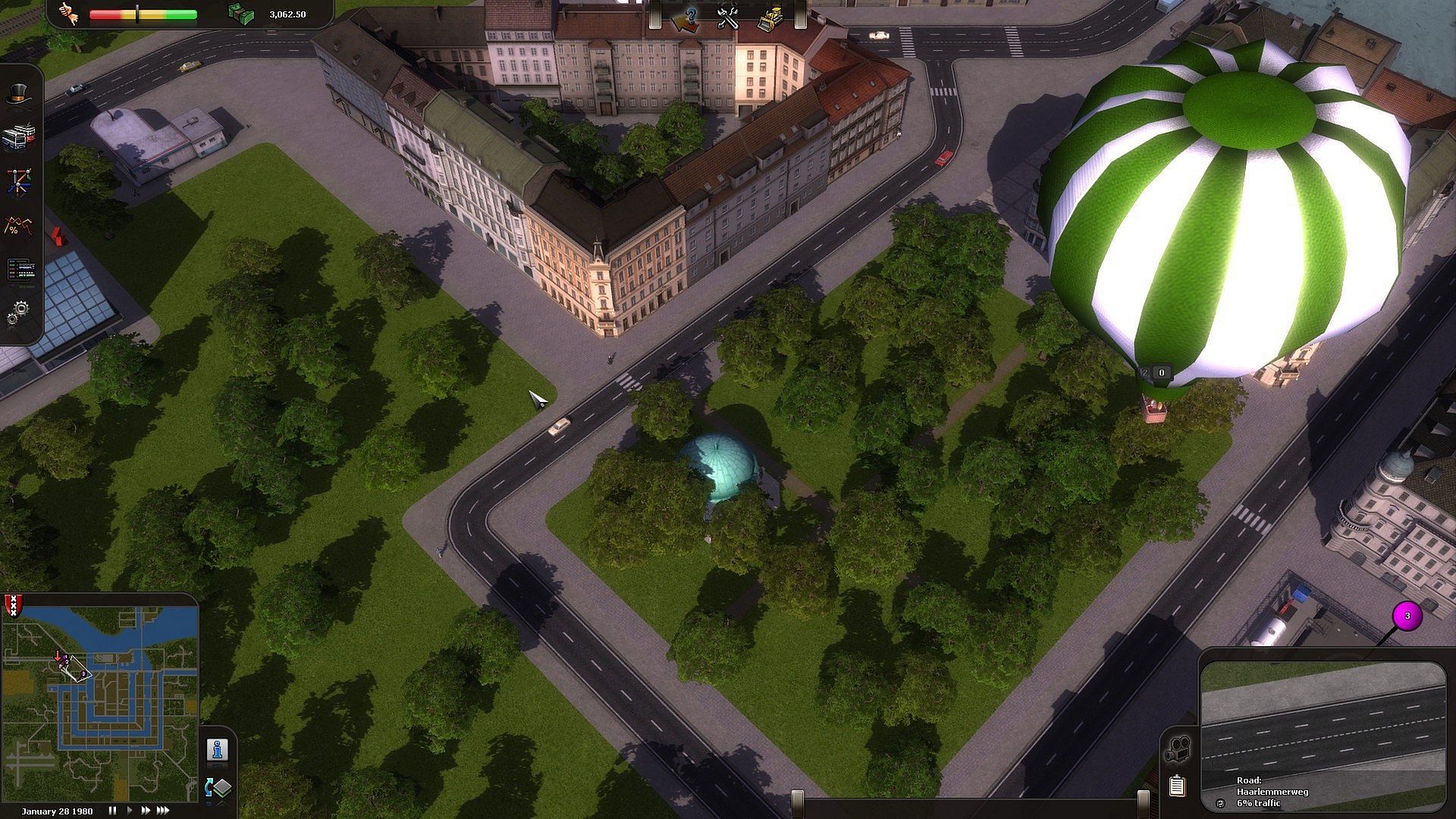
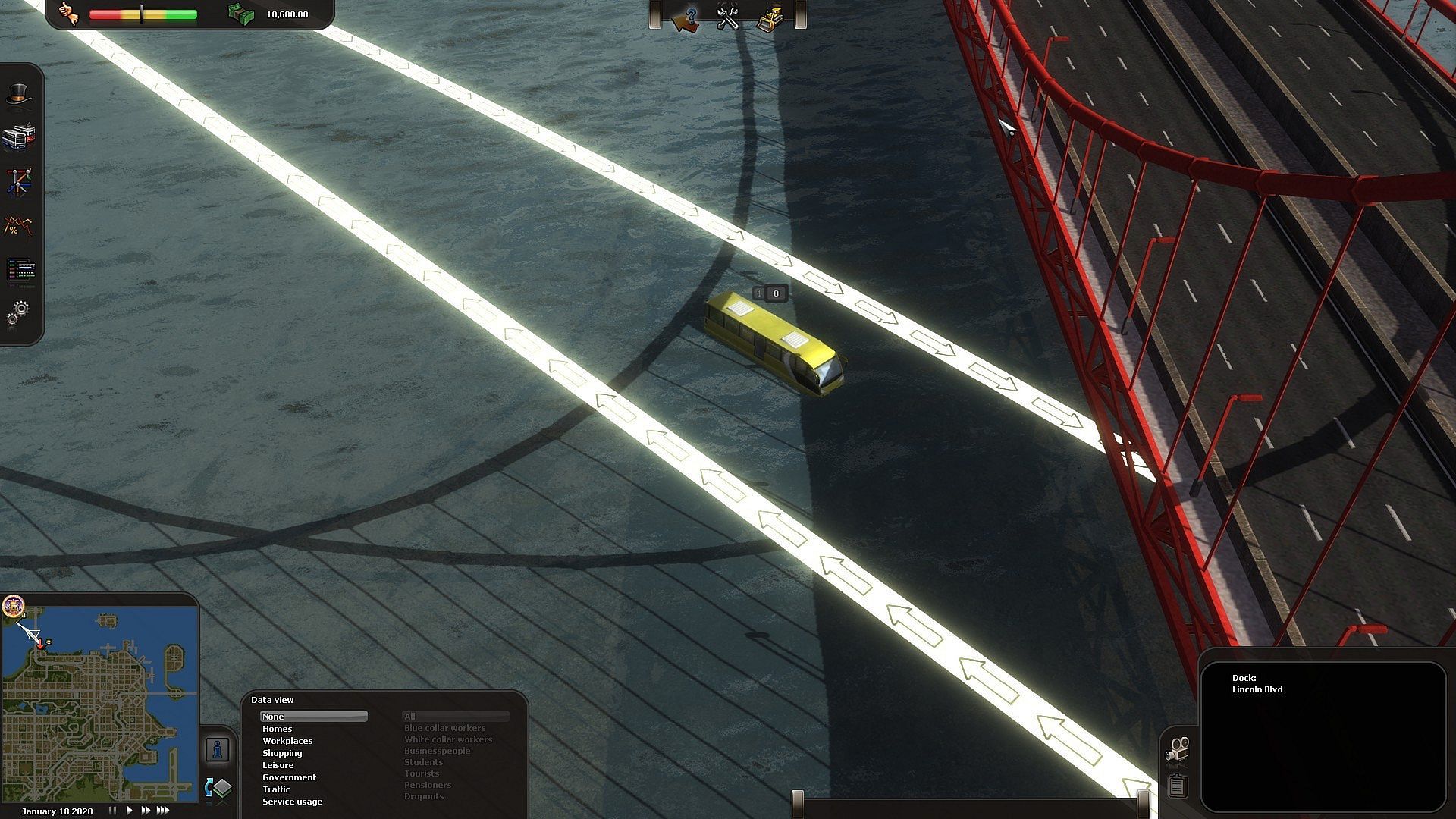
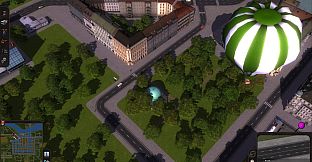
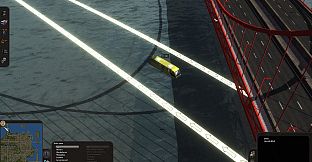
Players build and optimize transport networks by selecting vehicles that match city geography and rider preferences. The quirky additions stand out for their visual appeal and practical advantages, such as reduced maintenance needs or efficient fuel use. A hot air balloon serves as a slow but reliable aerial option that draws passengers with scenic views and simple mechanics. An Amphibus functions as a bus on land yet transitions smoothly to water travel, carrying solid passenger loads at good speeds while providing comfortable seating.
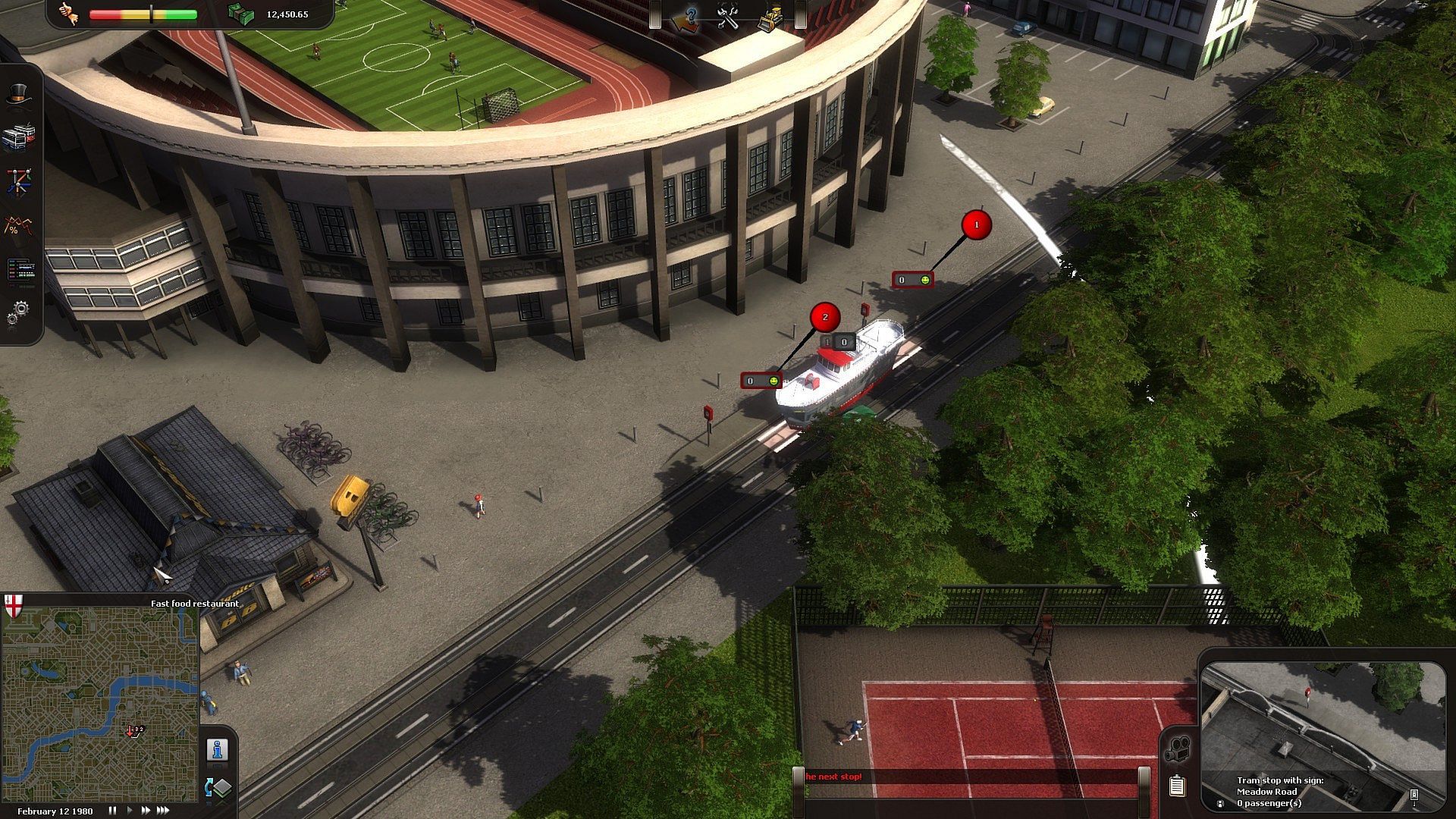
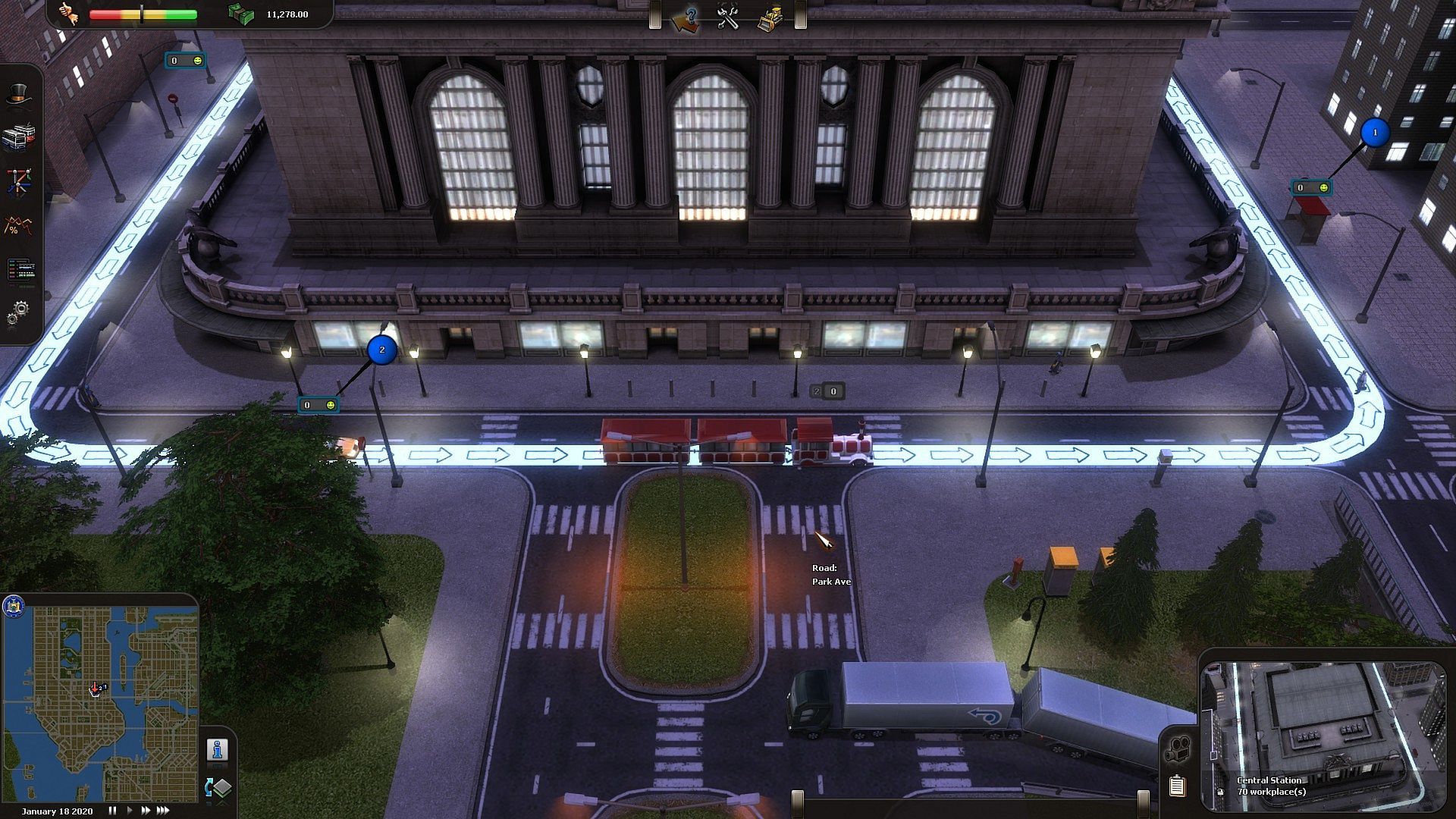
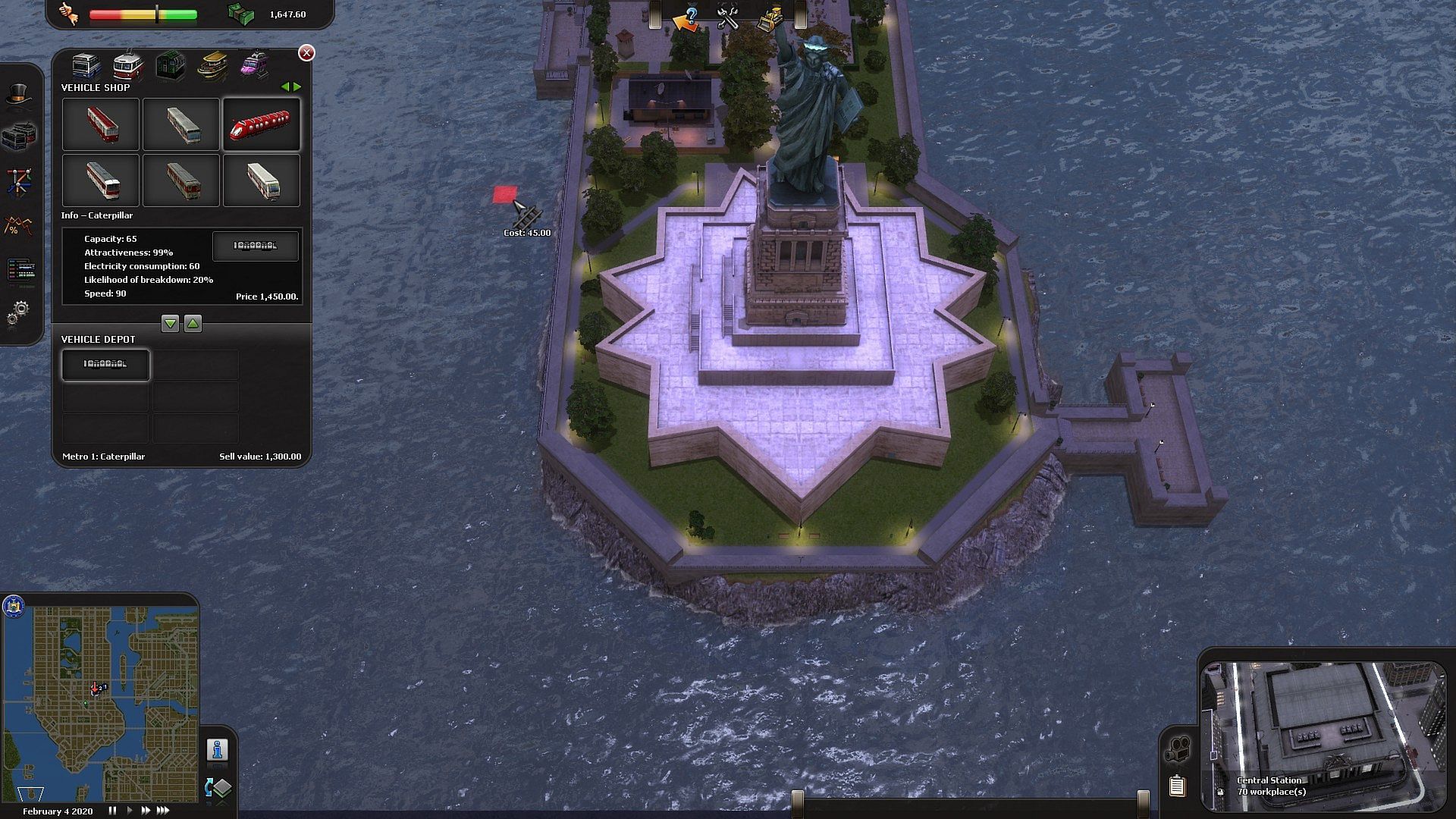
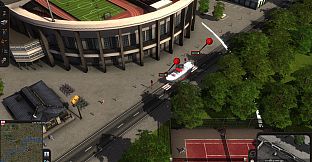
Further options include a Caterpillar metro train styled as a segmented creature, which offers ample capacity despite a modest engine and keeps operating costs low through fuel efficiency. The Lucitania tram mimics a boat design originally intended for parades yet includes hidden seating and solid propulsion for regular service. A sight-seeing bus shaped like a miniature train adds charm to streetscapes while consuming minimal energy, making it suitable for steady routes in any layout.
Game Modes
Two primary modes structure the experience. Campaign scenarios guide players through historical stages of transit development in different cities, with objectives tied to population growth and infrastructure milestones. Sandbox mode removes those constraints, allowing free selection of starting cities, years spanning 1920 to 2020, and initial budgets for unrestricted network building.
These modes accommodate both structured challenges and open experimentation. The quirky vehicles integrate directly into either approach, letting players test how their unique traits affect route profitability and rider satisfaction over time.
Vehicle Characteristics
Each vehicle brings targeted strengths that influence long-term operations. The hot air balloon requires little upkeep due to its lack of complex parts and appeals to riders seeking a relaxed pace. The Amphibus excels on mixed land-water routes with its speed on water and cushioned interiors.
The Caterpillar prioritizes efficiency, delivering high capacity at lower fuel costs even if acceleration is not its strongest point. Lucitania balances parade-inspired aesthetics with practical seating and engine performance. The sight-seeing bus combines low energy demands with an eye-catching train-like form that enhances the overall city environment.
Is It Worth Playing?
This content suits players already engaged with the base simulation who seek fresh fleet variety without altering core mechanics. The vehicles emphasize reliability, efficiency, and passenger draw through their unconventional designs, supporting sustained company growth in both campaign and sandbox settings. Those who value creative route planning and cost management will find the additions enhance existing strategies, particularly for water-adjacent cities or scenic routes. Availability remains straightforward on PC for anyone with the original game installed.