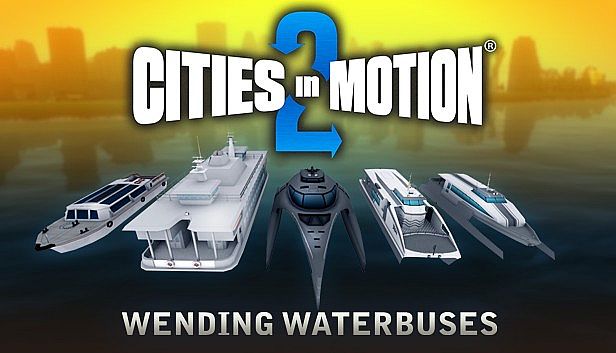

















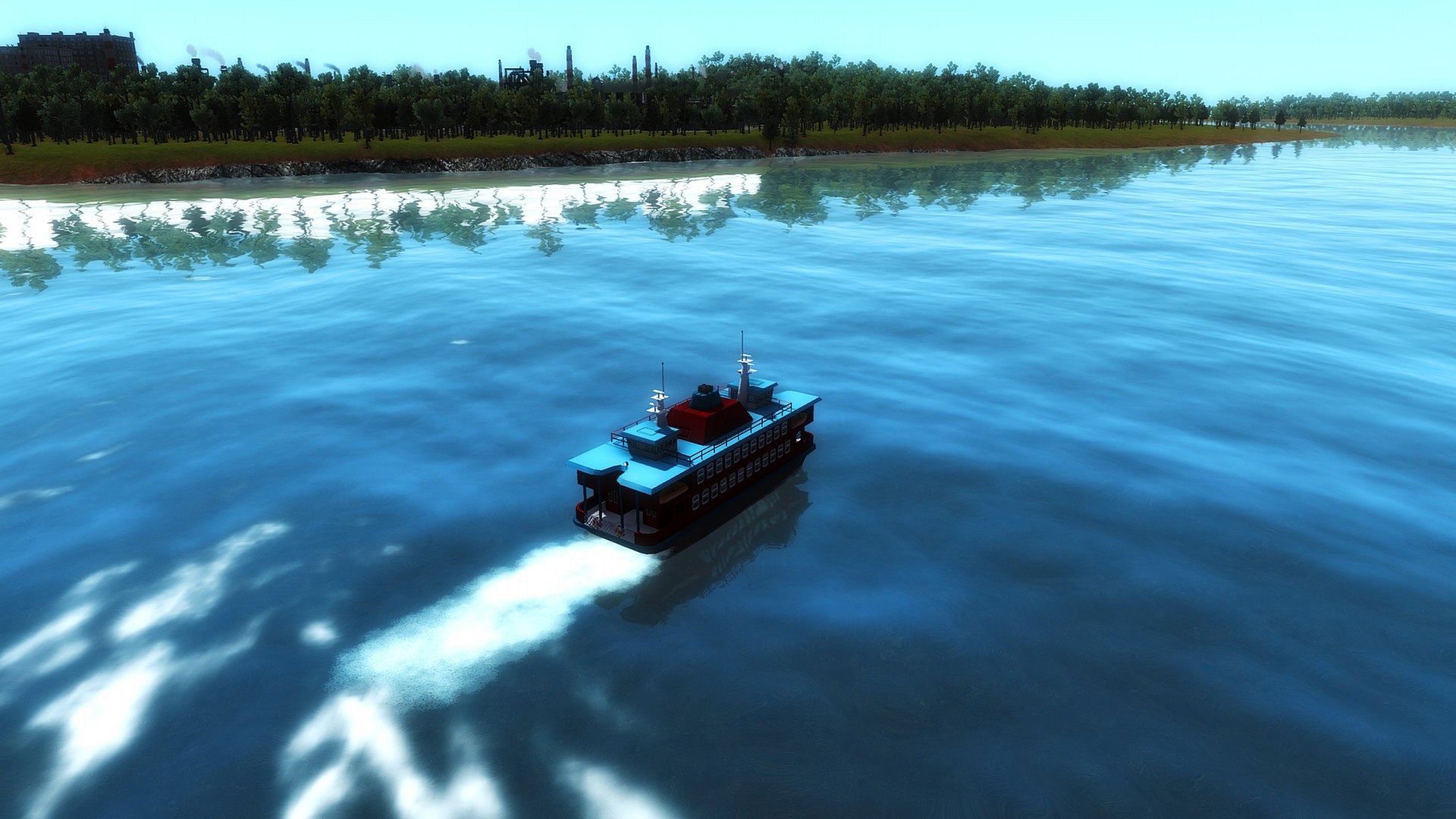
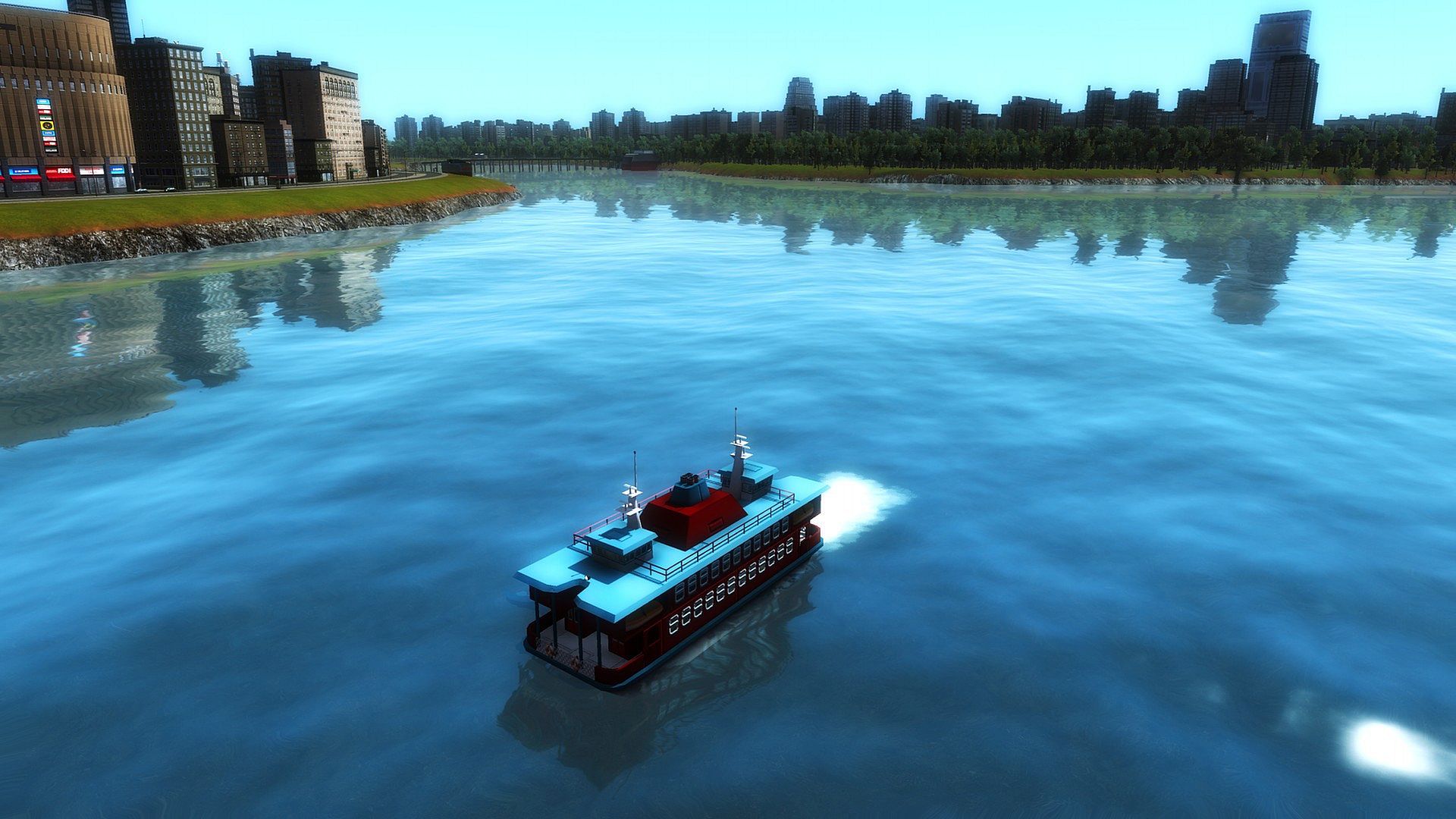
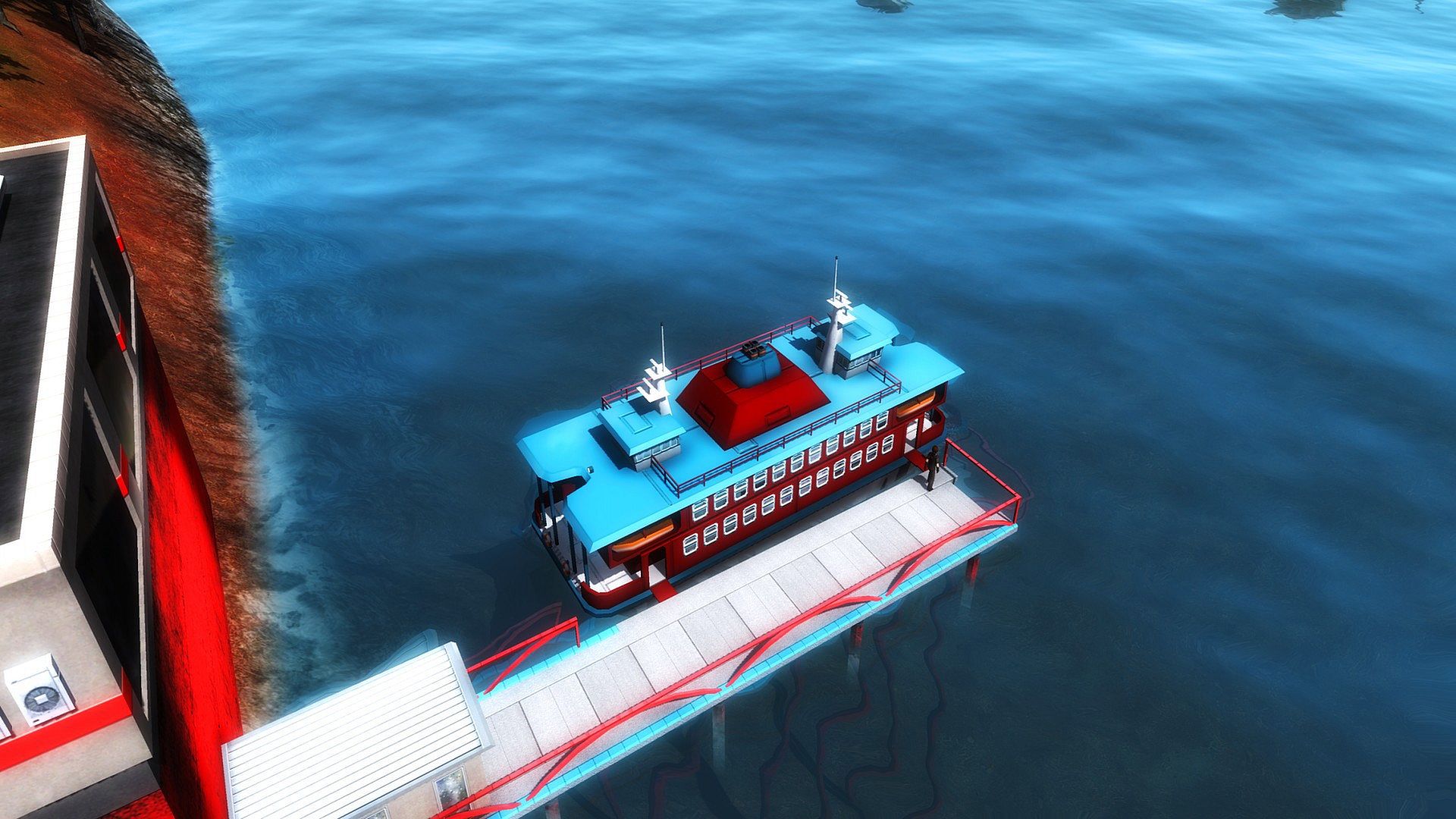
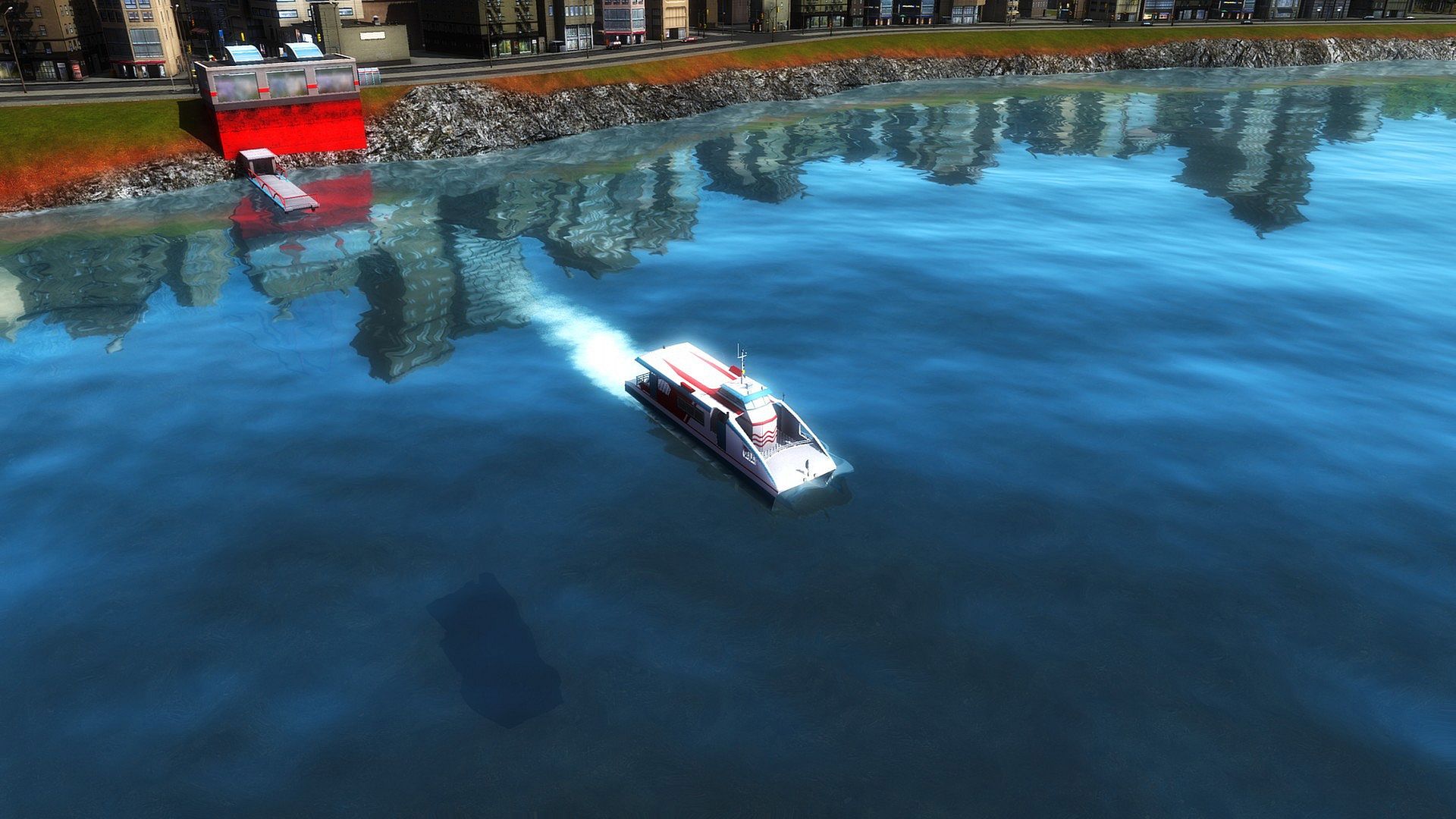
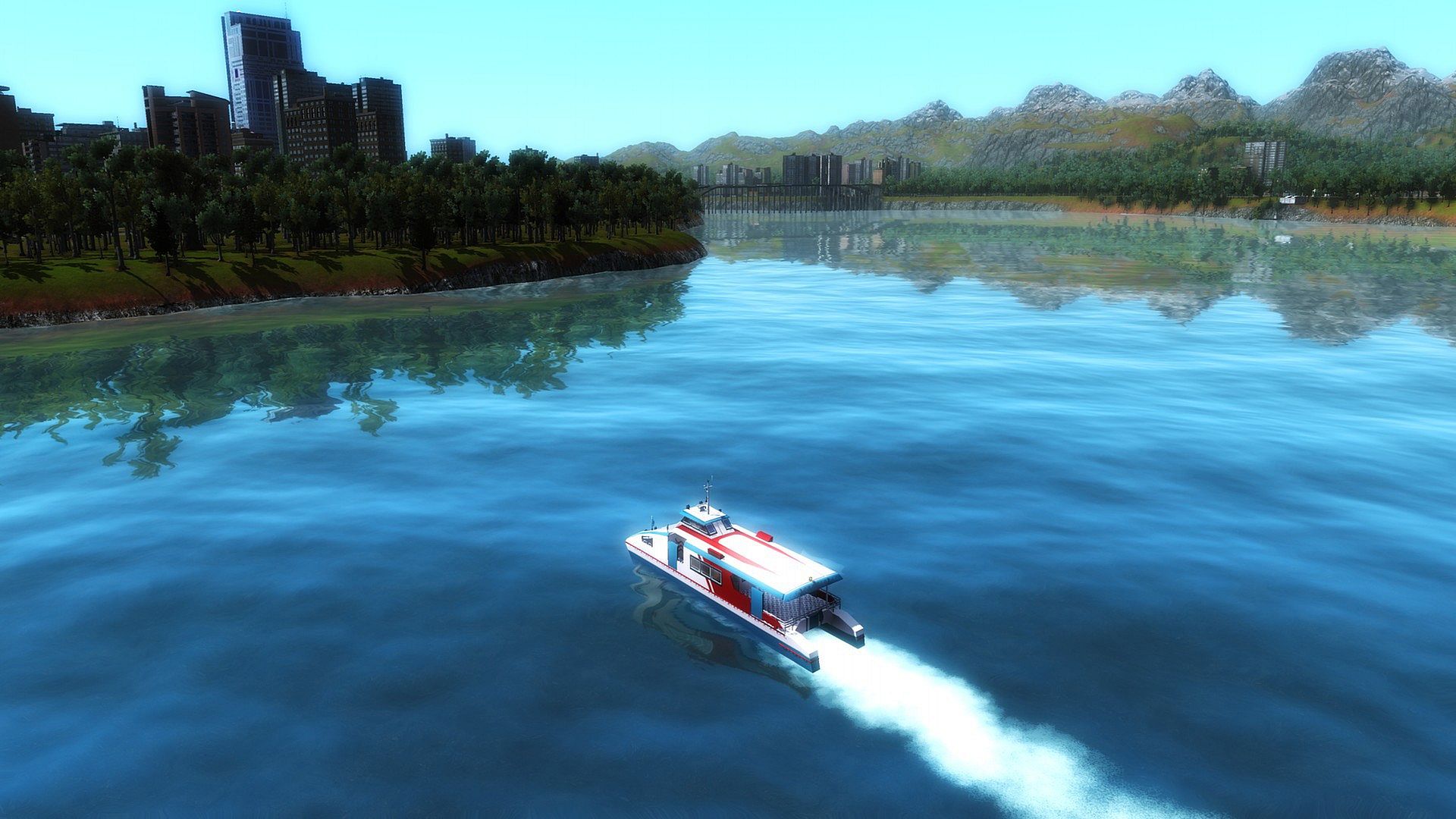
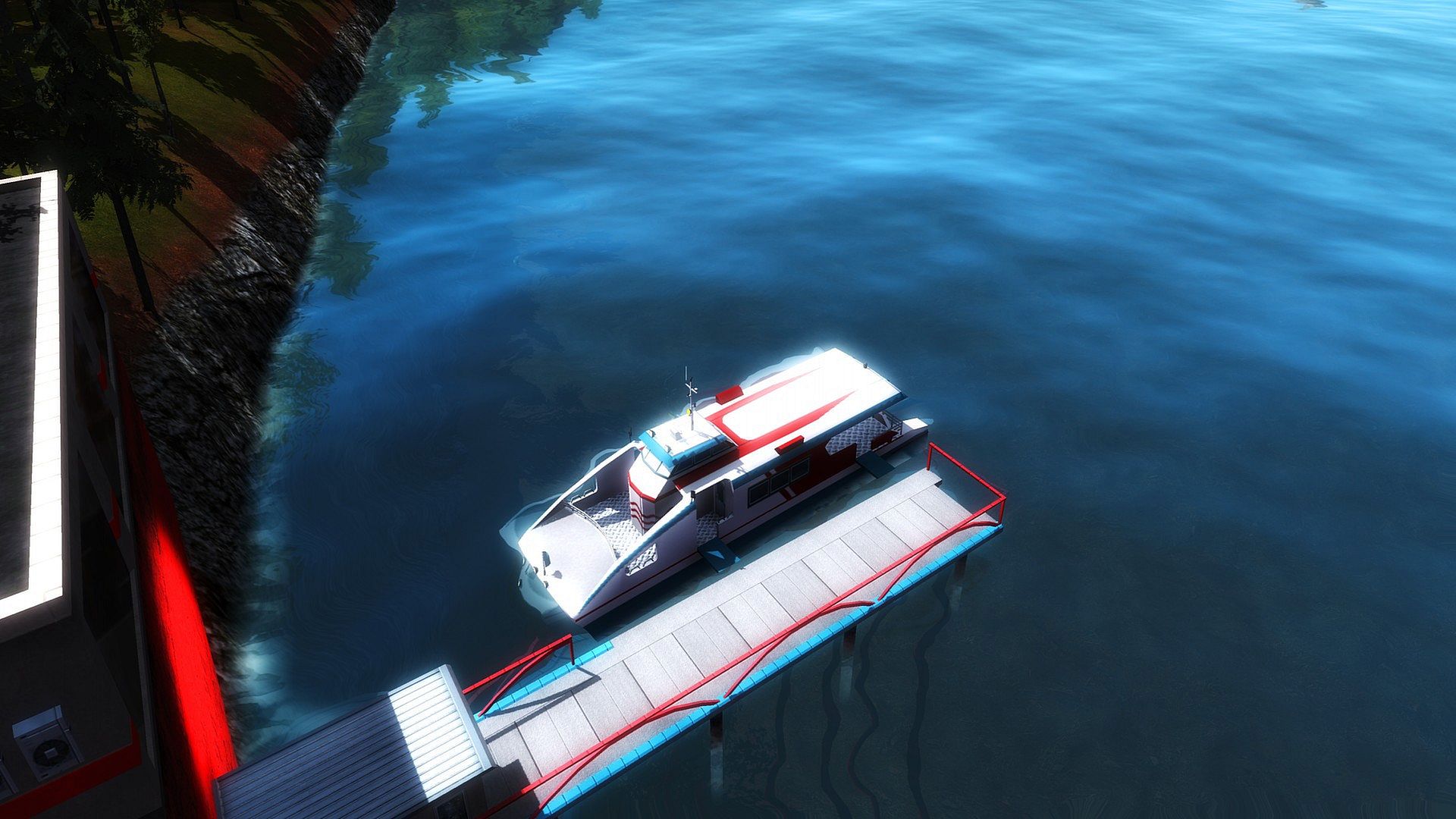
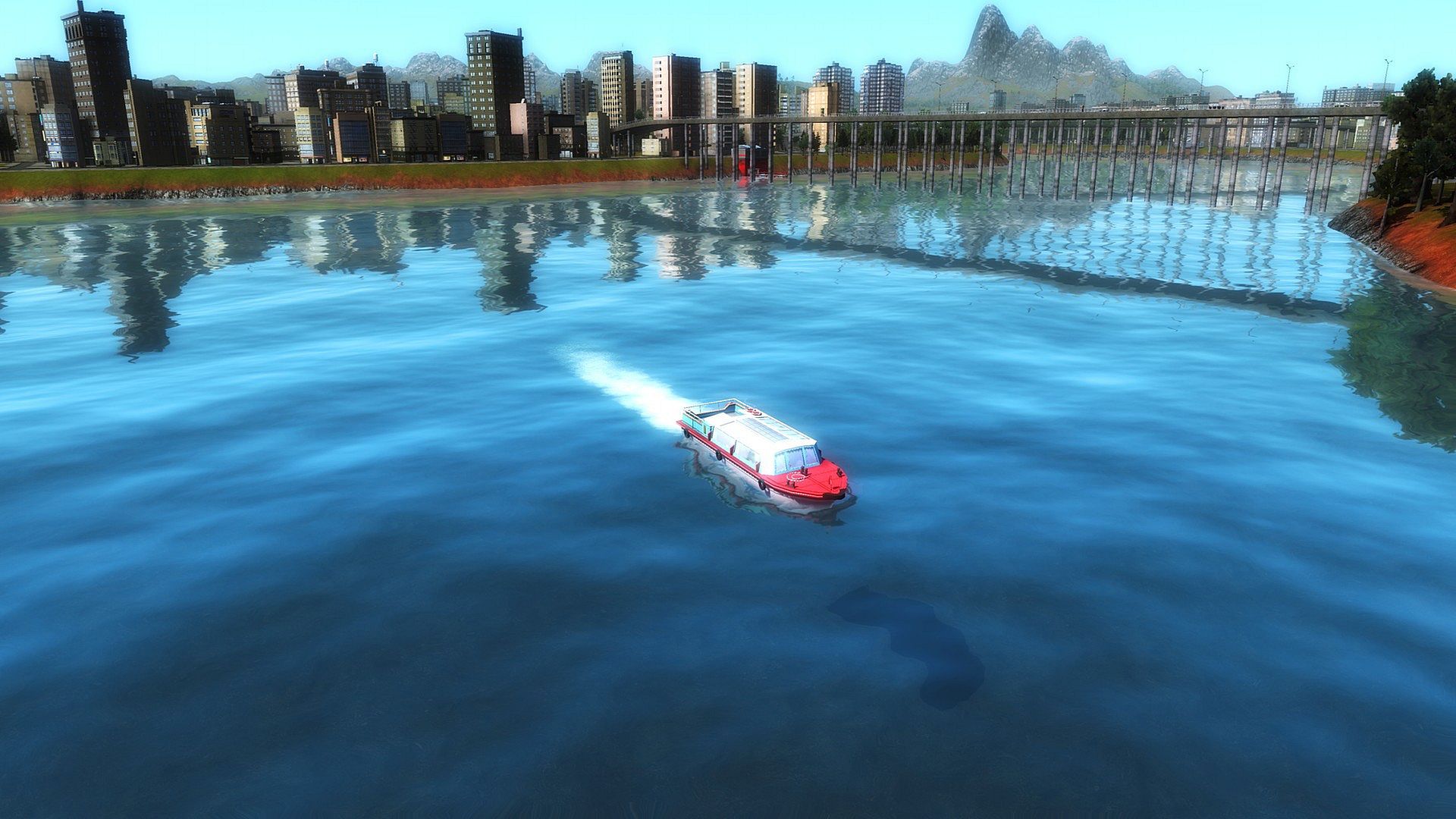
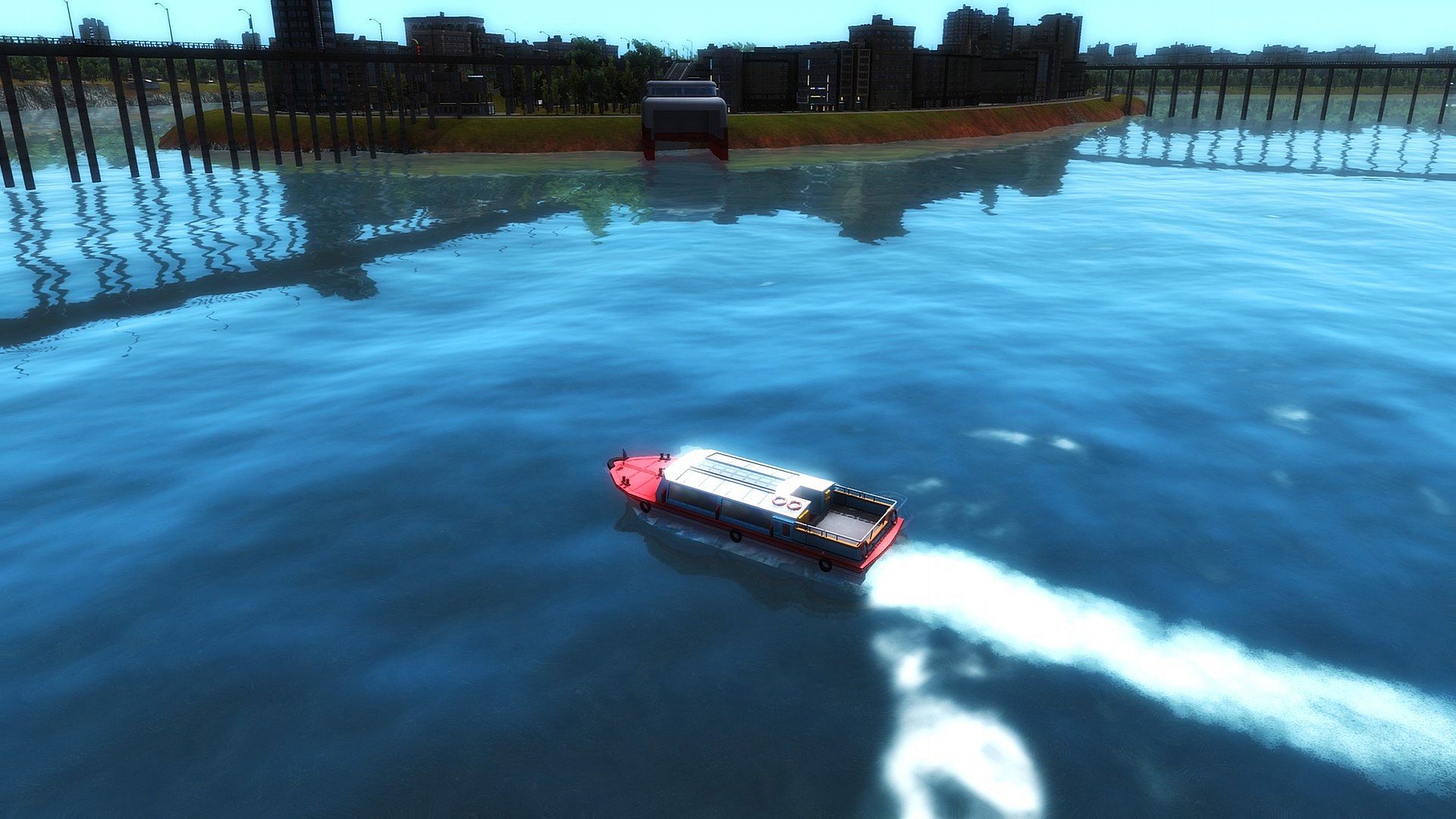
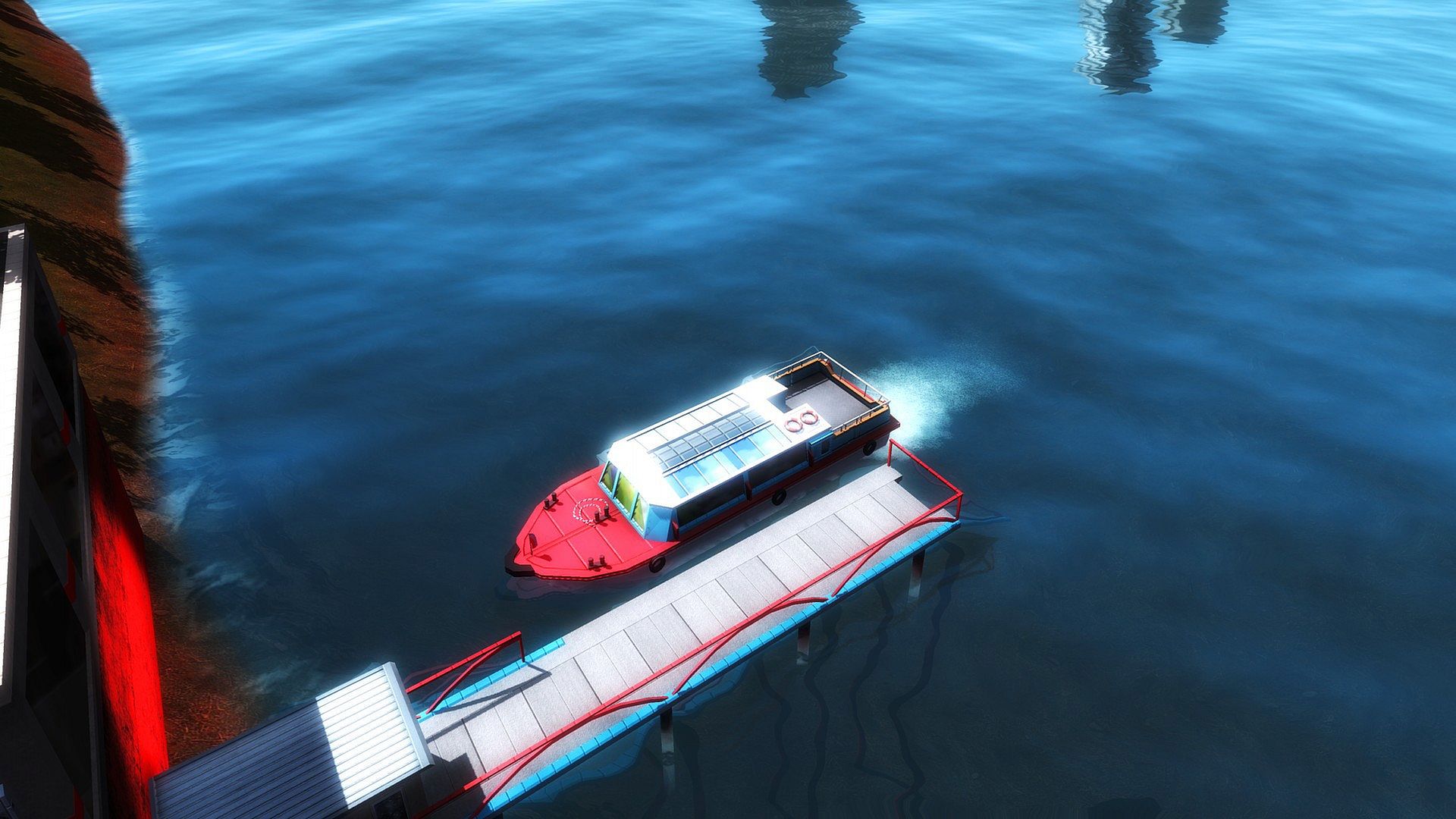
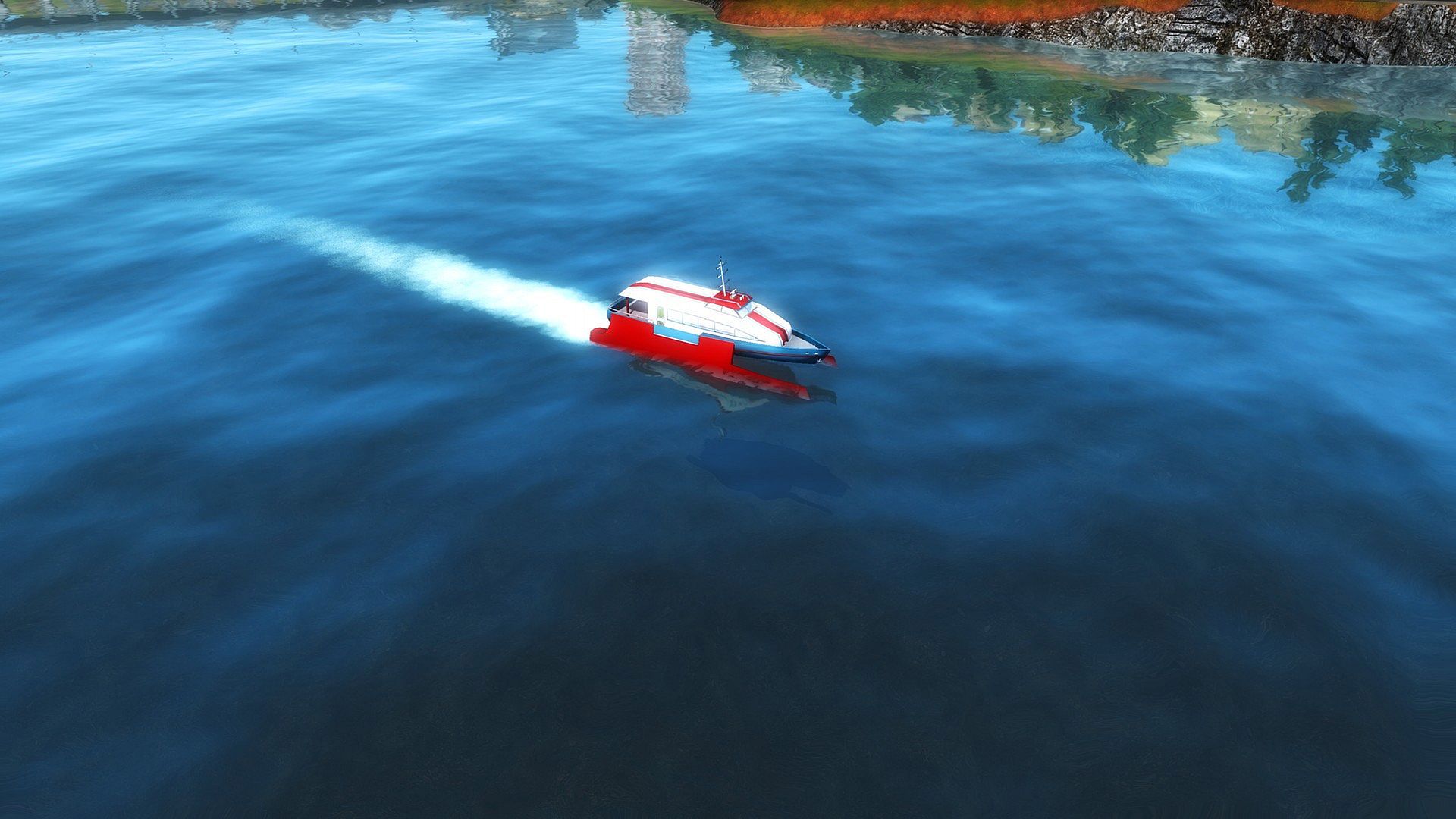
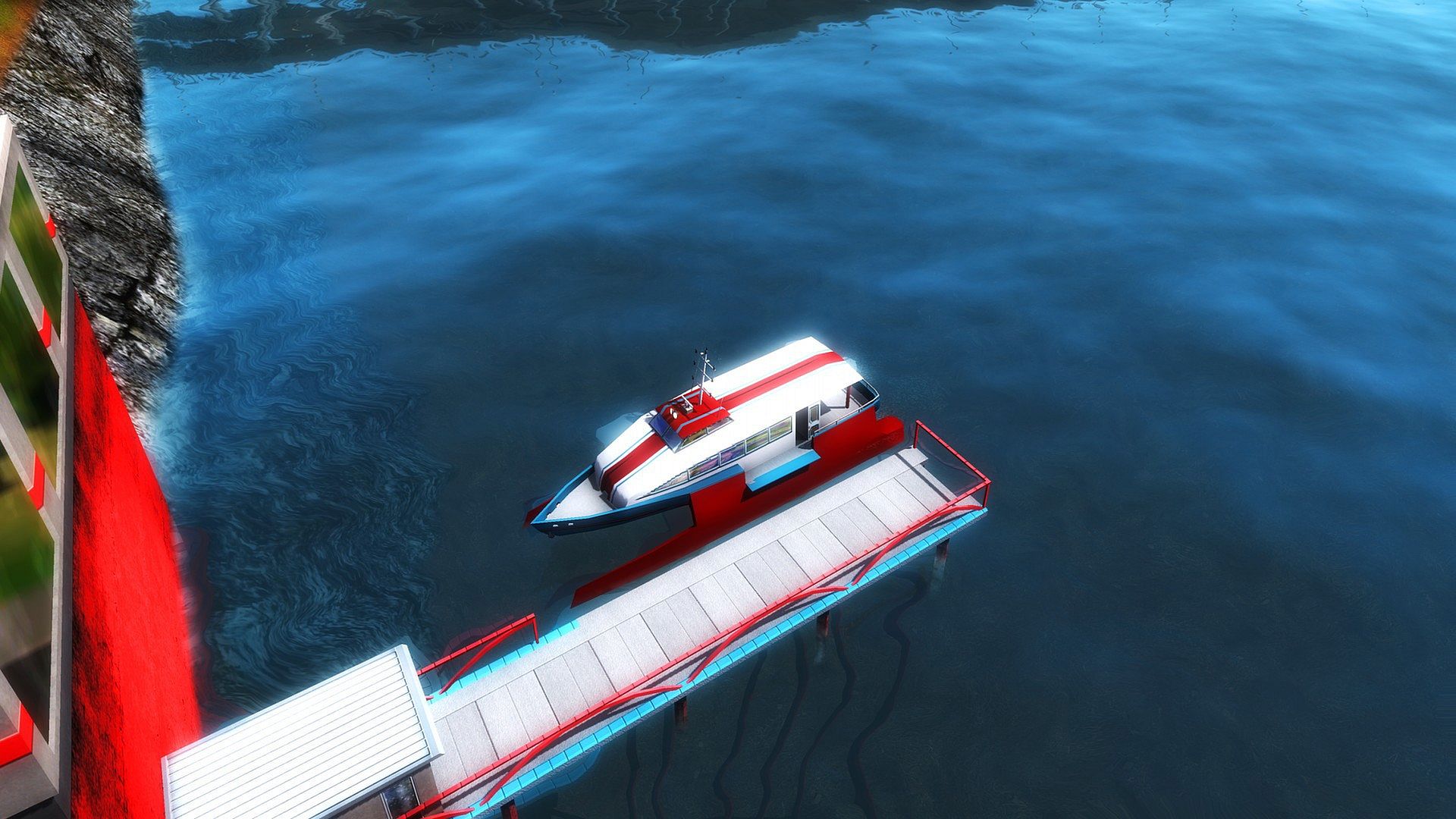
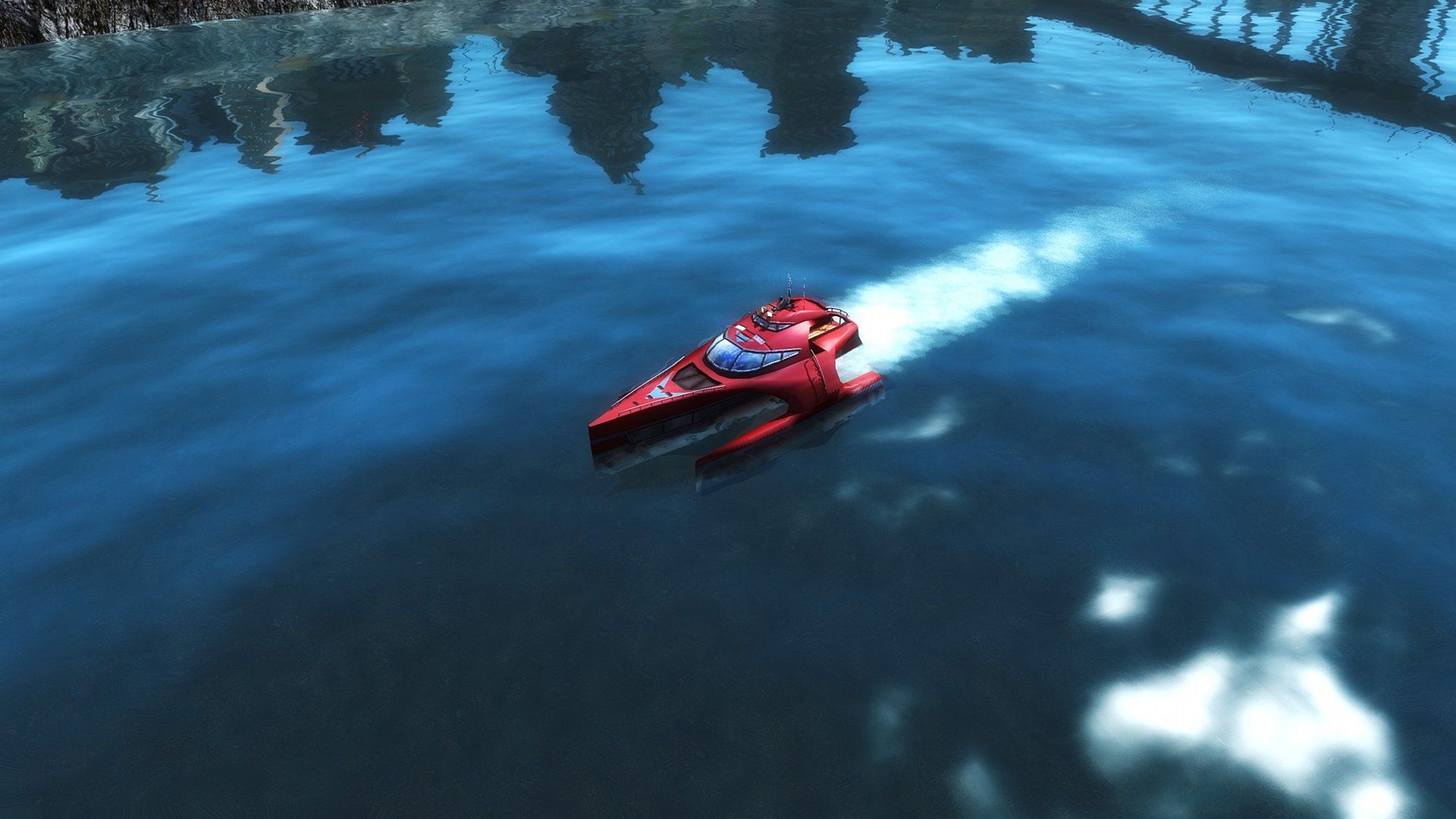
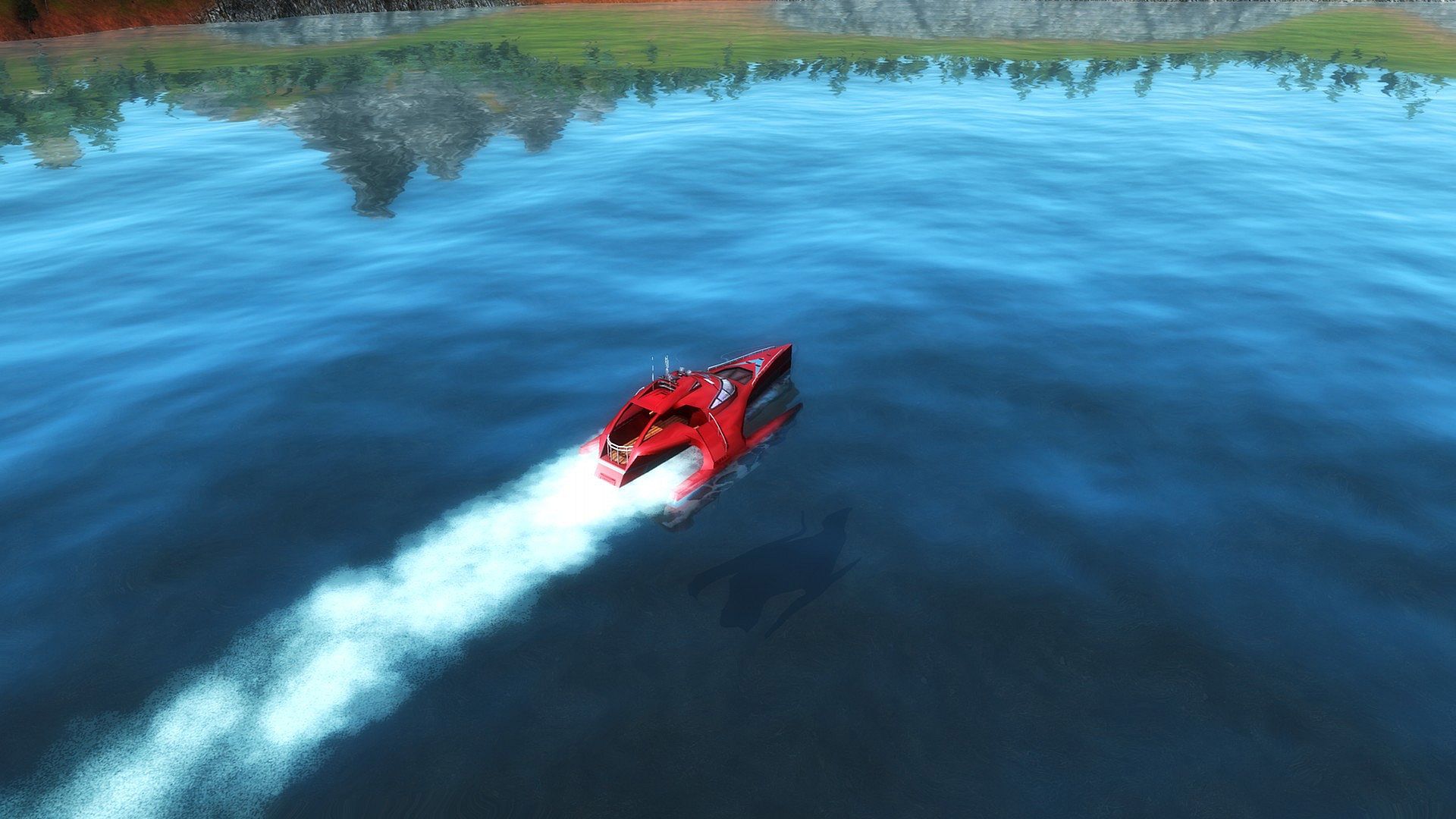
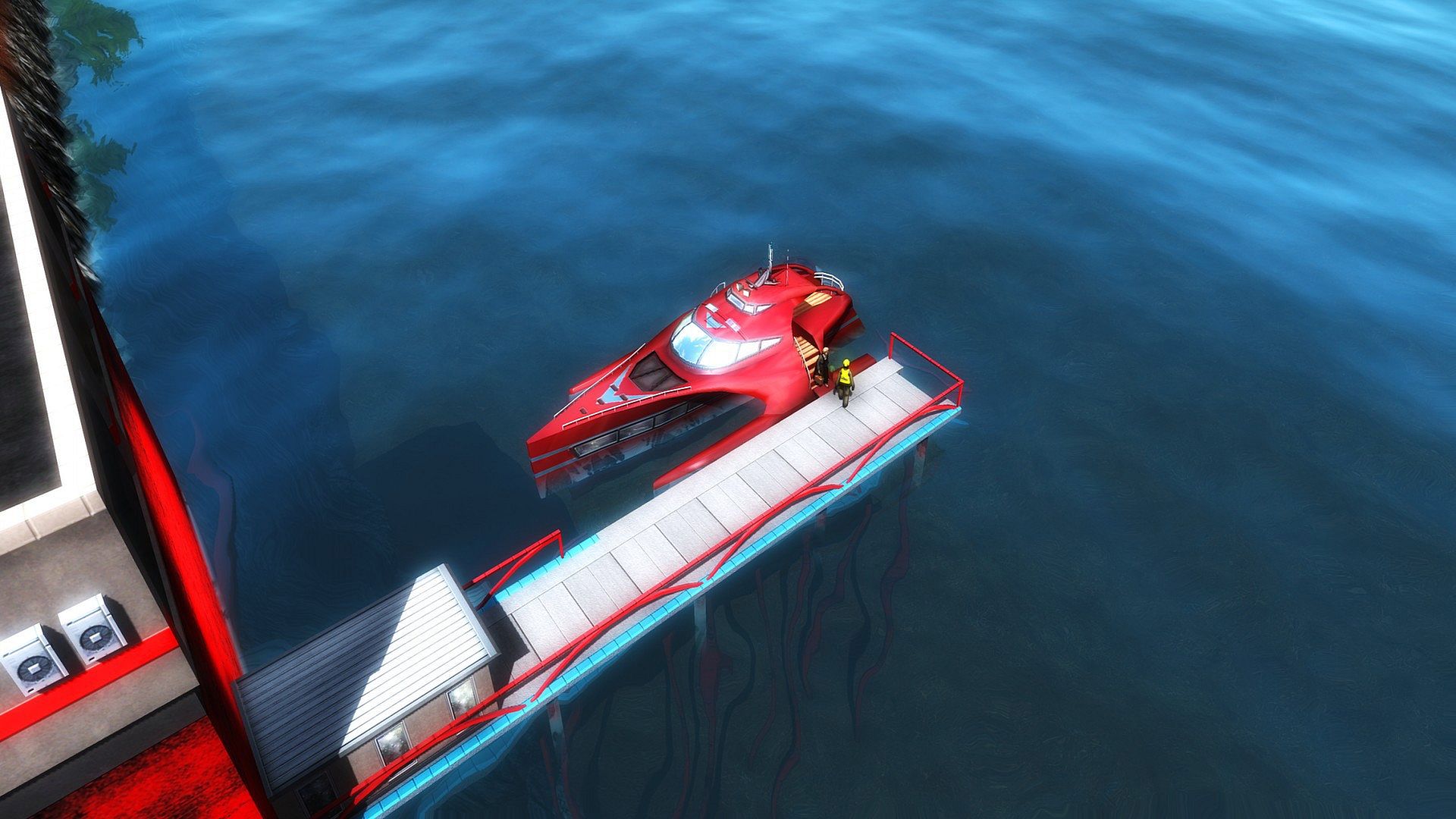
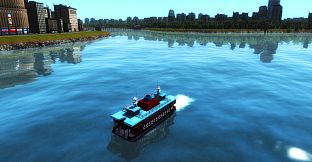
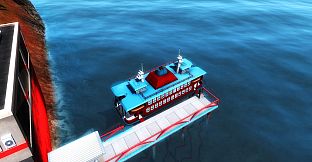
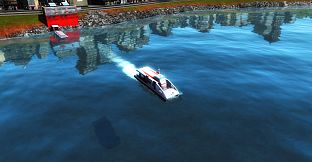
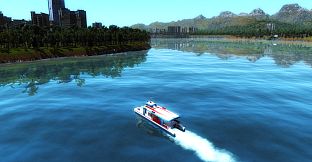
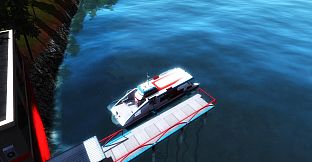
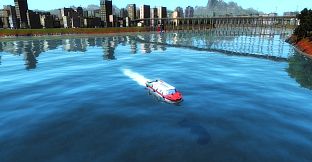
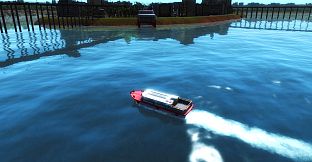
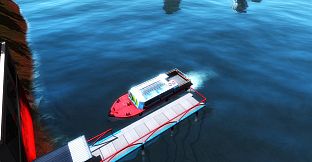
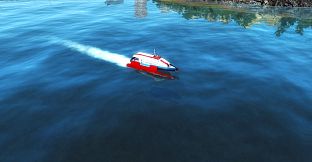
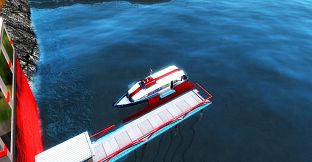
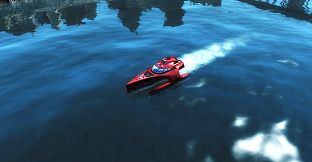
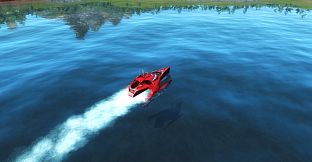
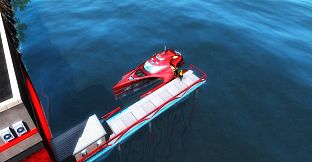
Cities in Motion 2: Wending Waterbuses expands the core public transport simulation with five specialized waterbuses designed for routes across rivers, canals, and harbors. Players manage fleets that move citizens between residential zones, workplaces, and leisure areas while balancing costs, passenger satisfaction, and city development. The addition focuses on water-based options that integrate with existing road, rail, and tram networks already present in the base game.
Gameplay
The central loop involves planning efficient lines, placing stops and depots, and selecting vehicles suited to demand and terrain. Water routes open new possibilities in cities with extensive waterways, allowing operators to bypass congested streets and serve areas separated by rivers. Each of the five new vessels brings distinct trade-offs in speed, capacity, energy use, maintenance needs, and passenger comfort.
The Donau Trooper prioritizes high passenger volume and reliable operation on any assigned route despite its bulky appearance. The Toyoka 350 offers strong capacity through its catamaran design, making it suitable when volume matters more than top speed. The Triore stands out for its combination of high speed and low energy consumption, fitting busy routes that emphasize environmental considerations. The Stingray Peter delivers strong comfort features with minimal maintenance requirements and solid speed, appealing to routes where passenger experience drives ridership. The Ciapada State provides balanced performance across speed and comfort, though it uses more fuel on shorter trips, suiting versatile service patterns.
Vehicle choice directly influences line profitability and city growth patterns. Higher-capacity options reduce the number of vehicles needed on popular corridors, while faster or more comfortable models attract riders who might otherwise drive or walk. Day and night cycles affect passenger flows, requiring timetable adjustments to match peak and off-peak demand.
Game Modes
Three primary modes structure play sessions. Campaign mode presents structured scenarios set in different cities, each with specific objectives such as reaching passenger targets or improving service coverage within budget limits. Sandbox mode removes those constraints, letting players select any city map, starting year, and initial funds to build without external goals. Multiplayer supports both cooperative and competitive sessions where participants share or contest control of transport networks on the same map.
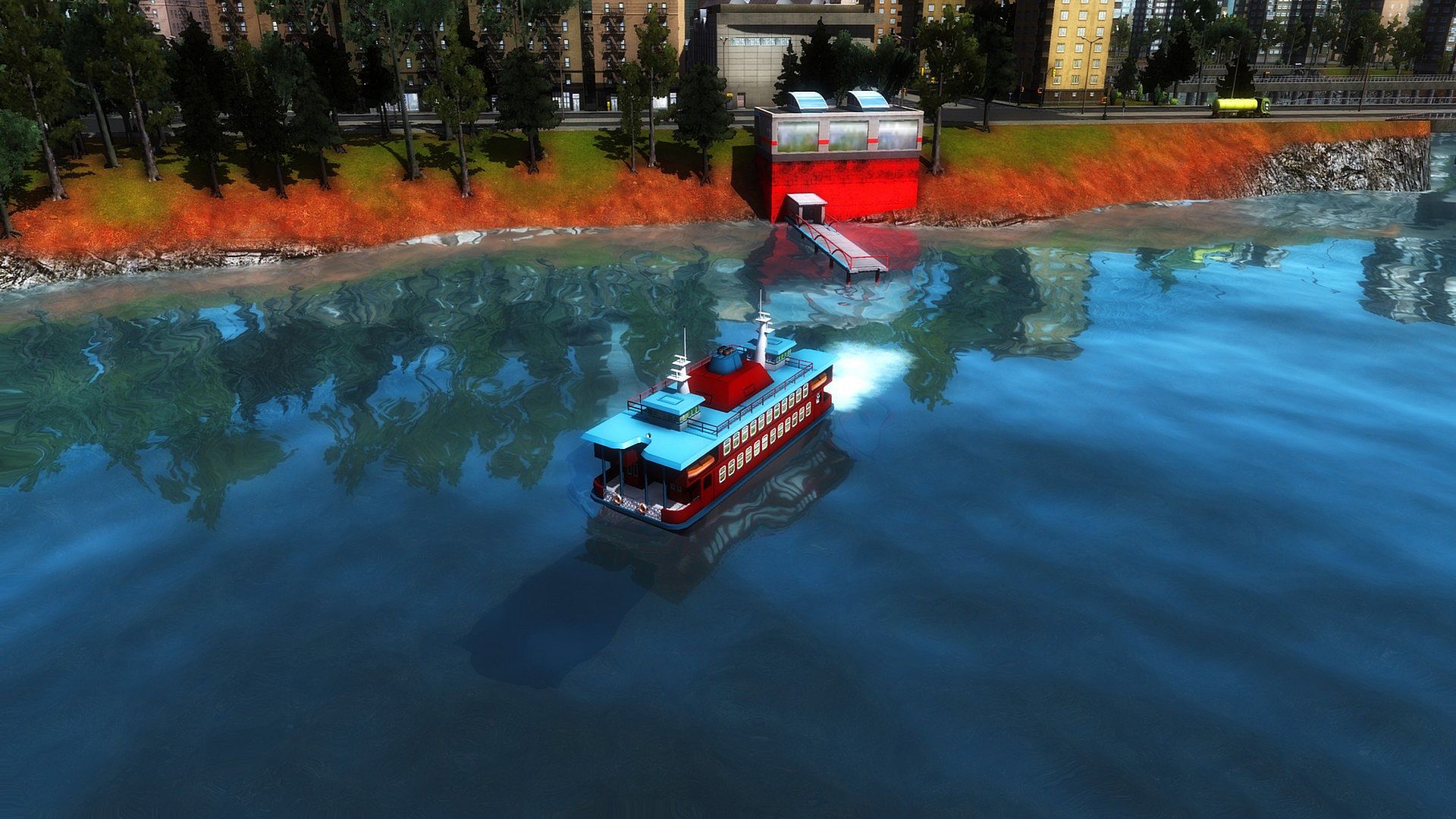
Waterbuses function across all modes once unlocked through the expansion. They require compatible depots near water edges and integrate into existing line planning tools without altering core mechanics.
Vehicle Selection and Route Planning
Effective use of the new vessels starts with analyzing demand data at potential water stops. Routes that cross multiple water bodies benefit from mixing vessel types, pairing high-capacity models on trunk lines with faster units on feeder services. Maintenance costs and fuel consumption vary, so operators track long-term expenses when scaling fleets. The expansion encourages experimentation with hybrid networks that combine water transport with land-based options to optimize overall system efficiency.
Is It Worth Playing?
Cities in Motion 2 with the Wending Waterbuses expansion suits players who enjoy detailed management of transport systems and iterative route optimization. The added vessels provide meaningful variety for maps with significant water features, extending playtime through new strategic choices. Reception has been mixed, with praise for the depth of planning tools alongside criticism of interface complexity. No major updates or seasonal content have appeared in recent years, leaving the experience in a stable but static state. Those seeking focused simulation of public transit networks, particularly water-based additions, will find the most value here, while players preferring broader city-building or frequent new content may prefer alternatives.